Sun, 22 Nov 2026 12:00:43 +0000 Motor1.com Car News, Reviews, Owner Tips and Information | Motor1.com https://www.motor1.com/ https://www.motor1.com/news/816314/ferrari-296-challenge-stradale-first-look-debut/ Sat, 21 Nov 2026 22:00:00 +0000 Ferrari's New 296 Challenge Stradale Is A 670-HP Race Car You Can Drive Home With 670 horsepower, 1,360 pounds of downforce, and a race-car-derived chassis, this is no ordinary road-going Ferrari.
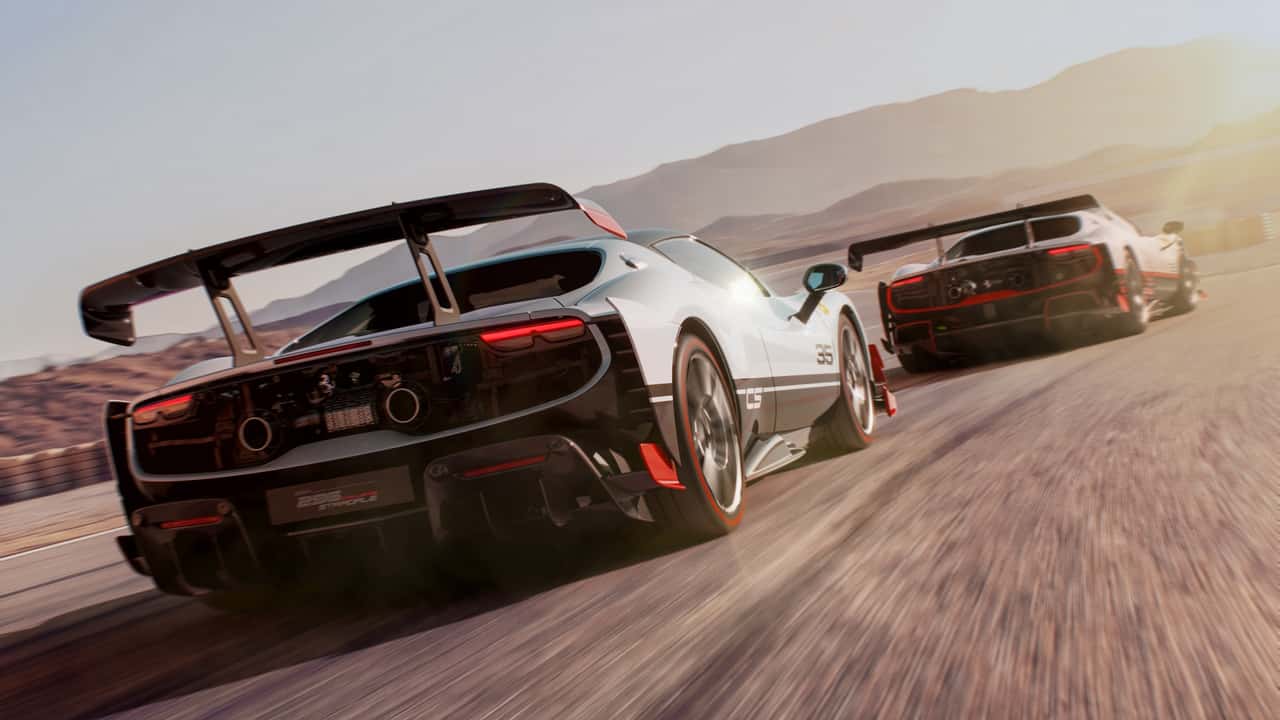
The curtains open, and for a moment, you're completely transfixed. You know right away that you're looking at something special. This car represents a turning point for Ferrari, a significant departure from what came before. It's a genuine race car that's still somehow legal to drive on the street.
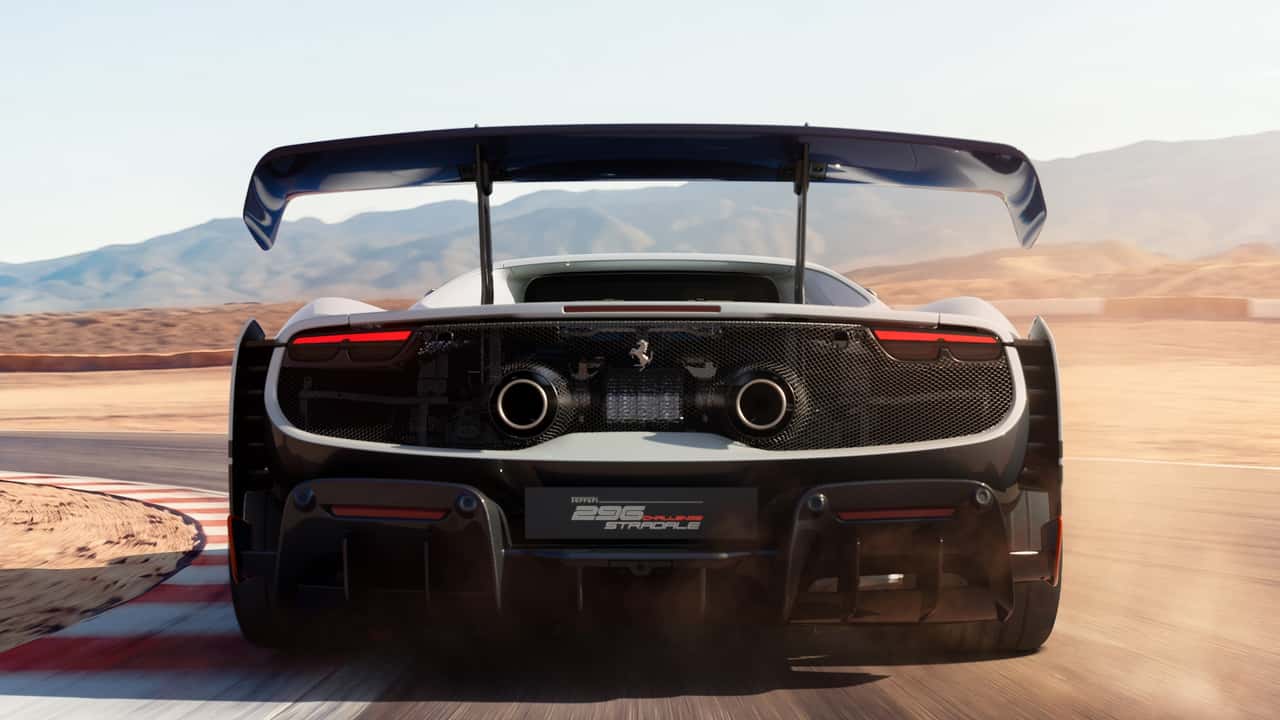
"This is a disruption of balance," says one of the people most closely involved in bringing the car to life. It's easy to see what he means. Even standing still, the Ferrari 296 Challenge Stradale looks like a car built with one thing in mind: setting lap times.
Ferrari even calls it "the production car with the closest connection to a competition vehicle."
No hybrid system. 670 horsepower. Just 2,932 pounds. And 1,360 pounds of downforce at 155 miles per hour. The car was developed alongside the 296 Challenge Evo, which will compete in Ferrari's one-make racing series starting in 2027. The price? Around $307,000.
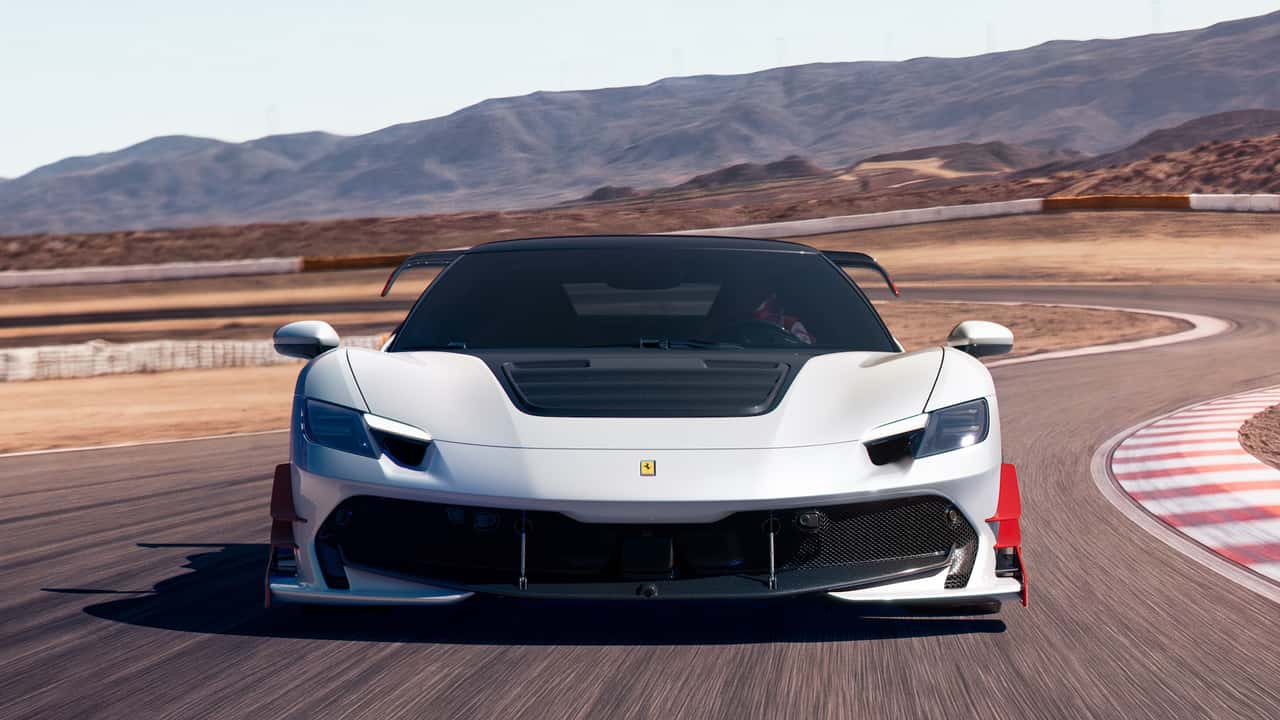
Ferrari 296 Challenge Stradale
Photo by: Ferrari
A Disruption of Balance
"It's a physical car, fundamentally different to drive. It's not like the 296 Speciale, which is easier and more immediate." Those two sentences tell you almost everything you need to know.
The Speciale is incredibly fast, but it's also approachable. Its electric motor helps with corner exits, drifting, and straight-line acceleration. The Challenge Stradale does away with all of that. There's no hybrid system and no electric motor to fill in the gaps. It's a raw, uncompromising machine with a narrower margin for error, one that relies on aerodynamics to do much of the heavy lifting.
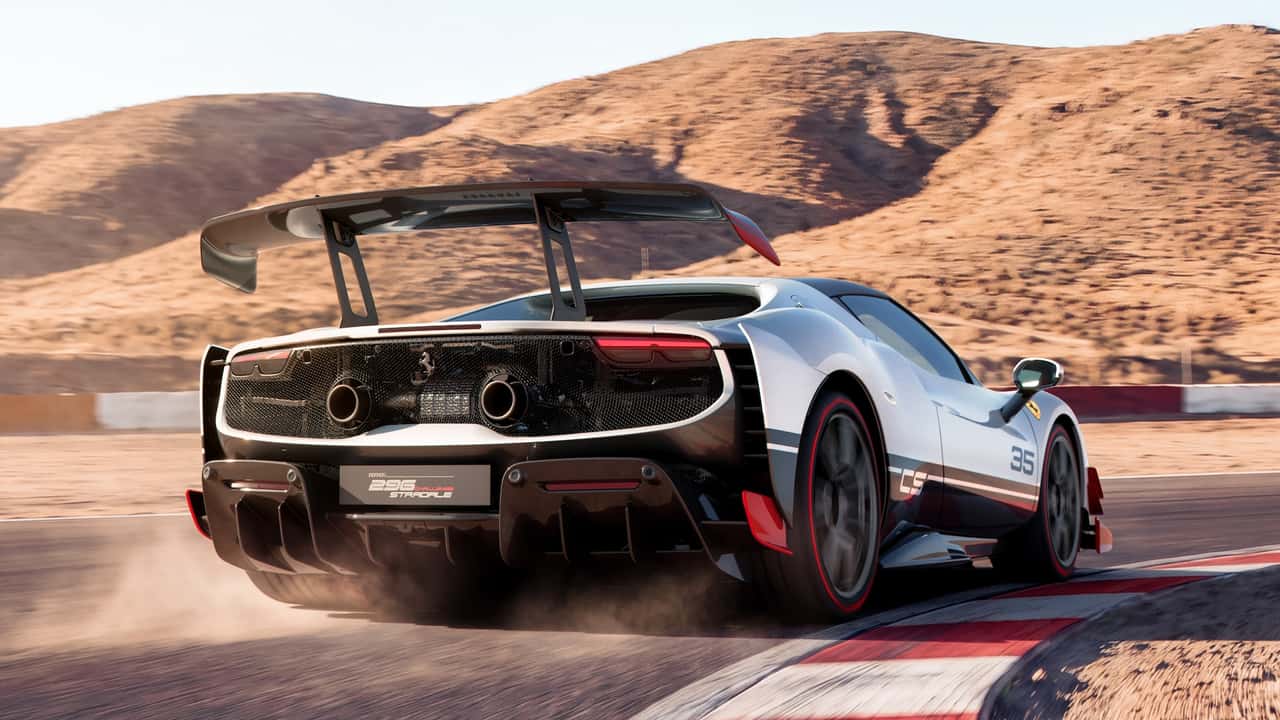 Photo by: Ferrari
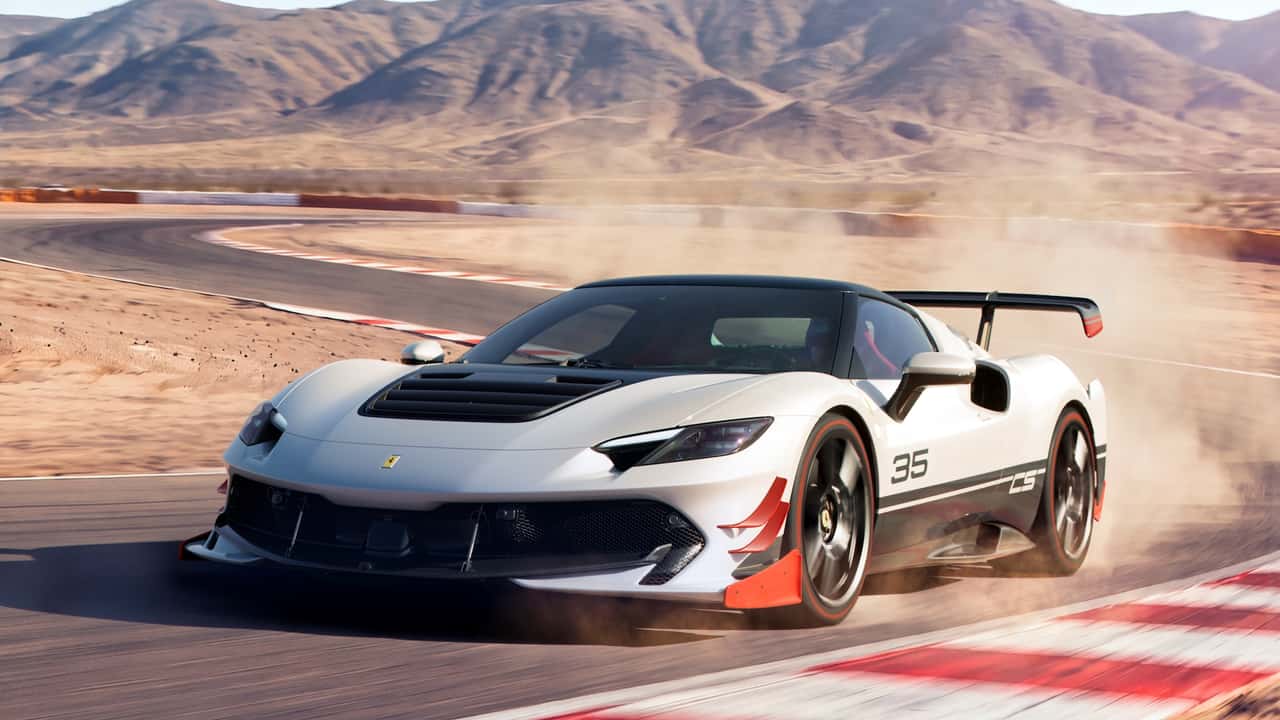 Photo by: Ferrari Photos by: Ferrari
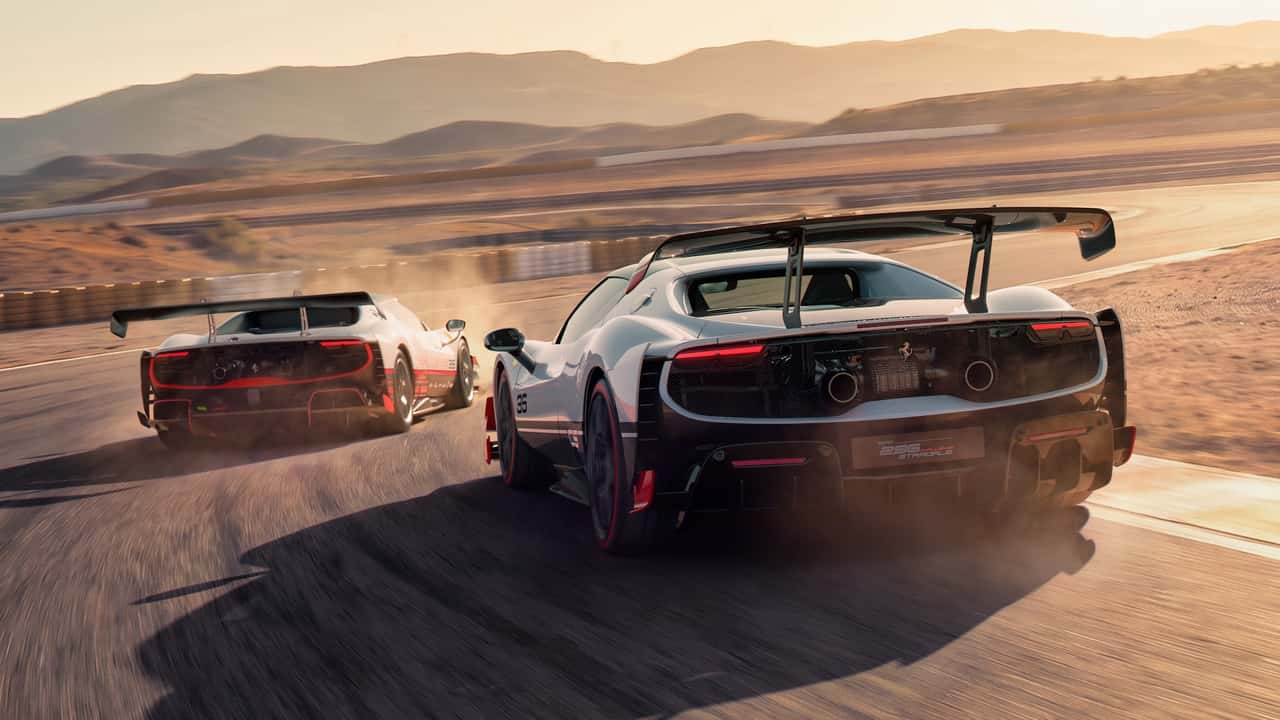
The connection between Ferrari's road cars and its racing program goes back to the company's roots. Enzo Ferrari lived for competition, and in the early days, building road cars was largely a way to fund his racing ambitions. That relationship continues today through the Ferrari Challenge, a customer racing series that has been running since 1993.
It started with the 348, followed by the F355, 360, and every generation since. The 296 Challenge Stradale brings that racing DNA closer to the road than any production Ferrari before it.
A V6, And Nothing Else
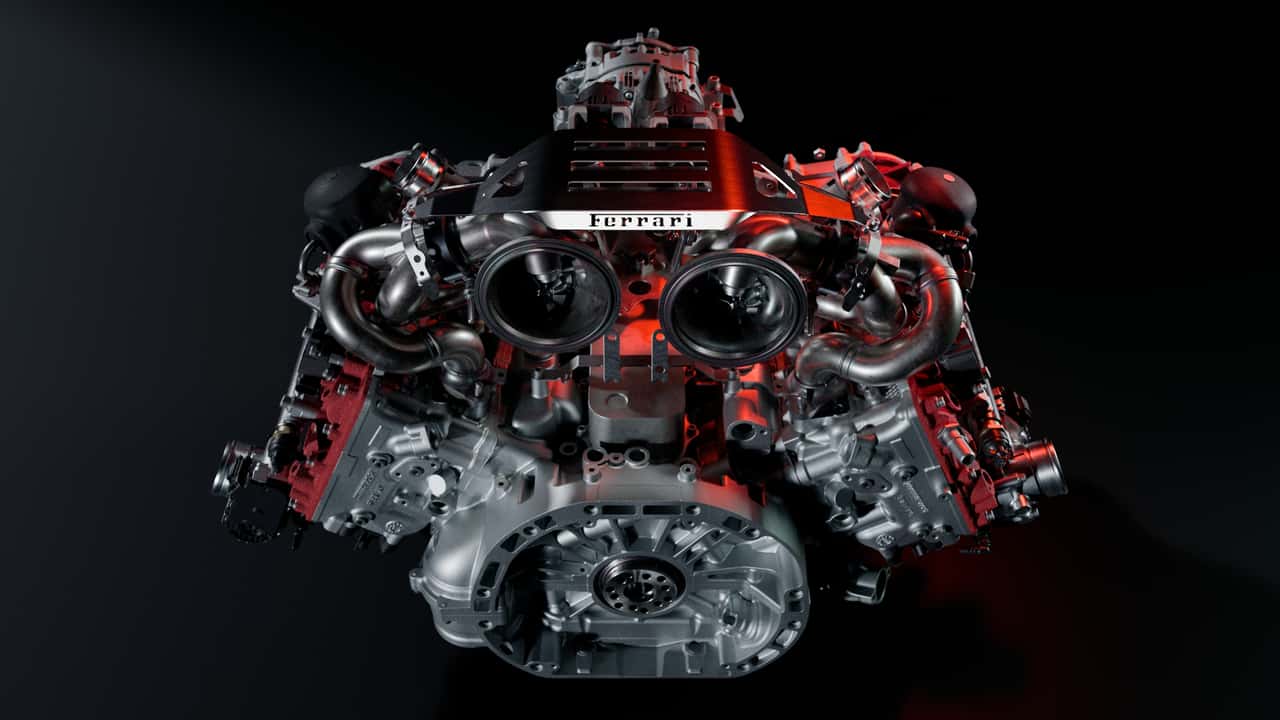 Photo by: Ferrari
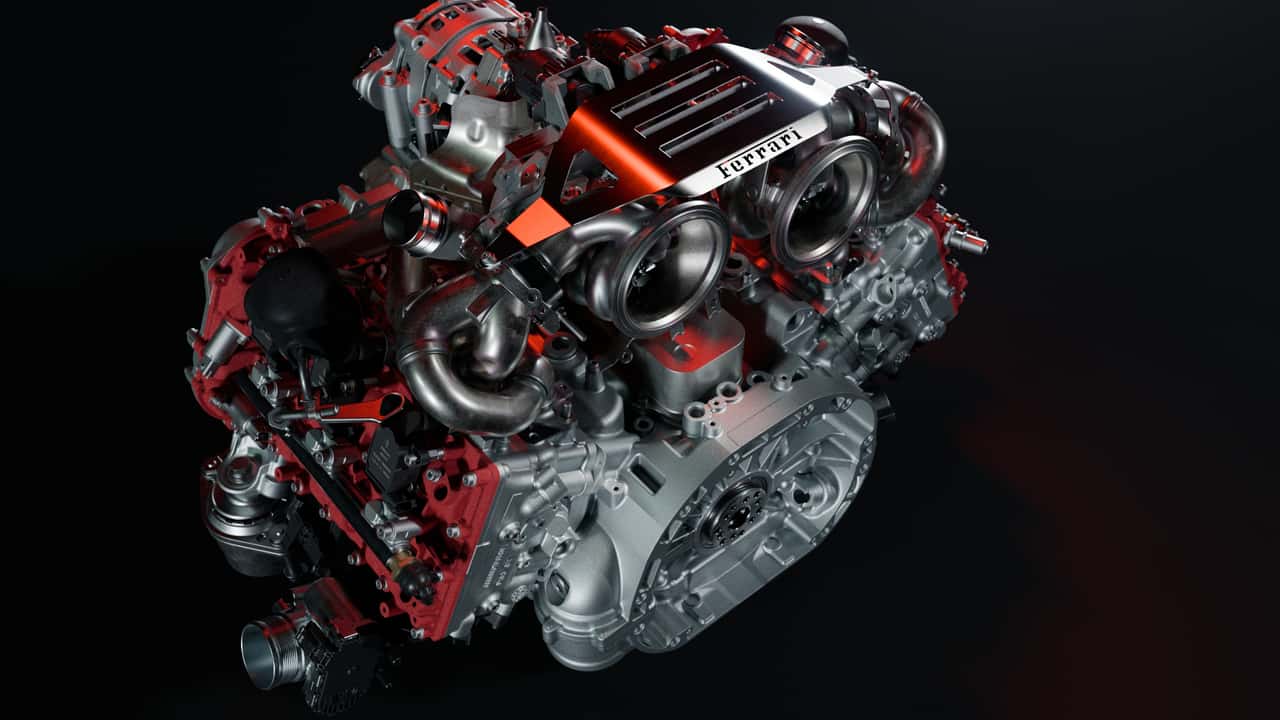
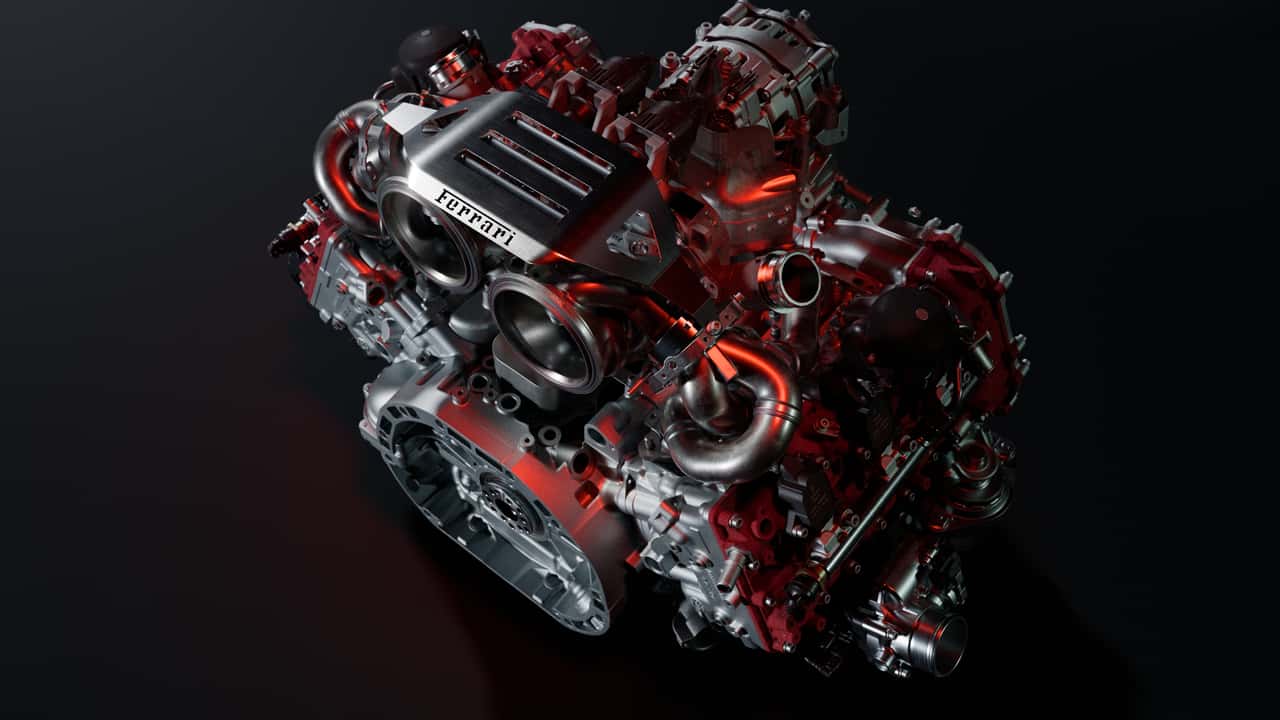
Under the hood is the familiar twin-turbocharged 3.0-liter V6 from the 296, with both turbochargers mounted inside the V. The difference is that it now works entirely on its own, producing:
670 Horsepower At 8,000 RPM 546 Pound-Feet Of Torque At 6,250 RPM 8,500-RPM Redline
For comparison, the competition-focused 296 Challenge Evo produces 700 hp.
The turbochargers are carried over from the 296 Challenge, as are the thermal barriers. Ferrari focused its development work on boost pressure, variable valve timing, and insulation. The result is a dynamic torque increase of more than 32 percent compared to the 296 GTB. Without an electric motor smoothing things out, throttle response is also much sharper.
The eight-speed dual-clutch transmission has two distinct personalities. Push the car hard, and it switches to the aggressive shifting logic from the 296 Challenge, delivering gear changes in around 170 milliseconds. At lower speeds, it adopts a smoother calibration borrowed from the SF90 XX Stradale. The exhaust note builds all the way to 8,500 rpm, exiting through twin tailpipes derived from the race car.
Performance is predictably serious. The 296 Challenge Stradale hits 60 mph in 2.8 seconds, reaches 124 mph in 7.9 seconds, and tops out at more than 186 mph. Around Ferrari's Fiorano test track, it completes a lap in 1 minute and 18.5 seconds.
Race-Car Weight, Without the Race Car
The dry weight is just 2,932 pounds with optional equipment, making it 308 pounds lighter than the 296 GTB. That's also the same figure as the 296 Challenge Evo. The result is a power-to-weight ratio of 4.37 pounds per horsepower.
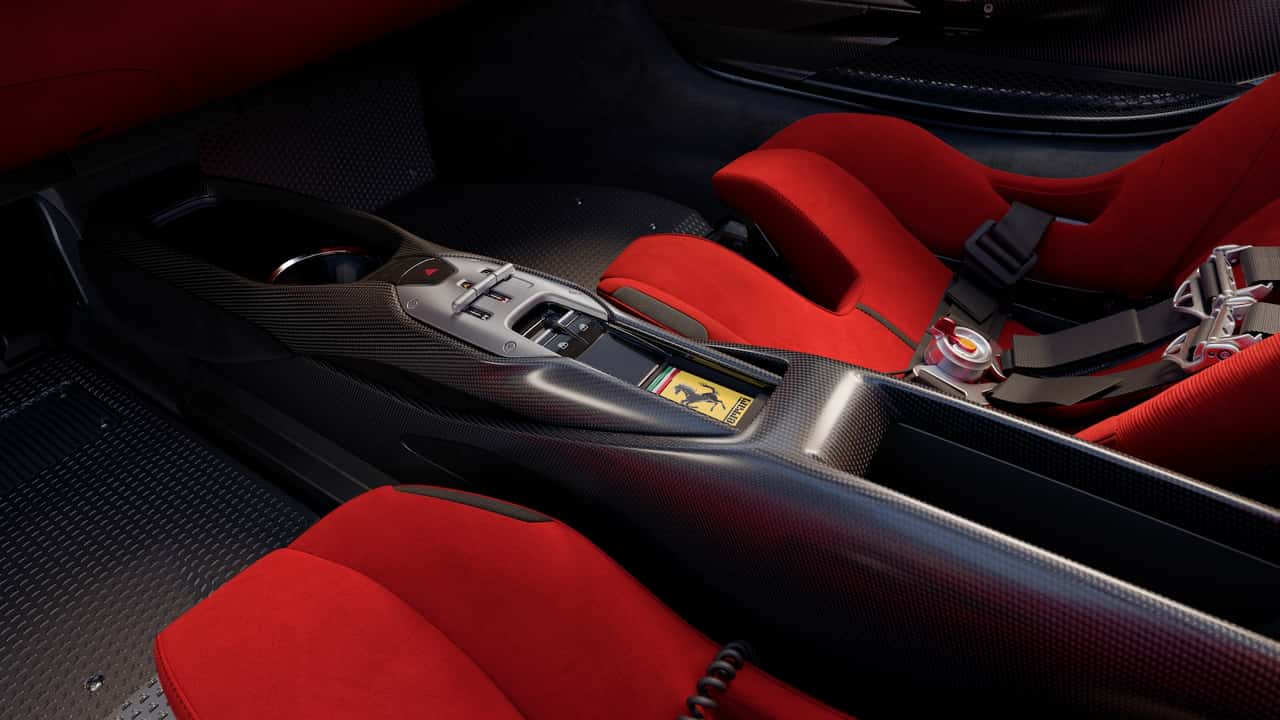
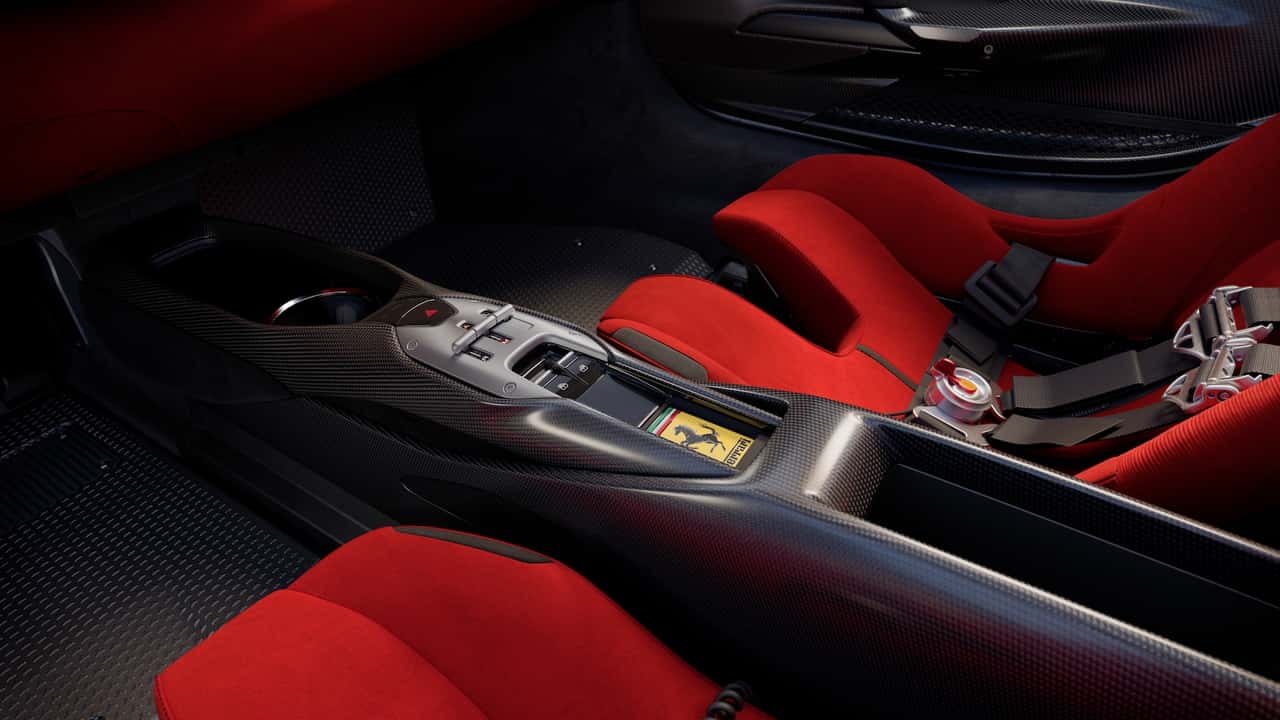
A big part of the weight savings comes from removing the battery and electric motor. Ferrari also fitted a dedicated transmission with a lighter shaft and casing. Then there's the carbon fiber, which appears throughout the car:
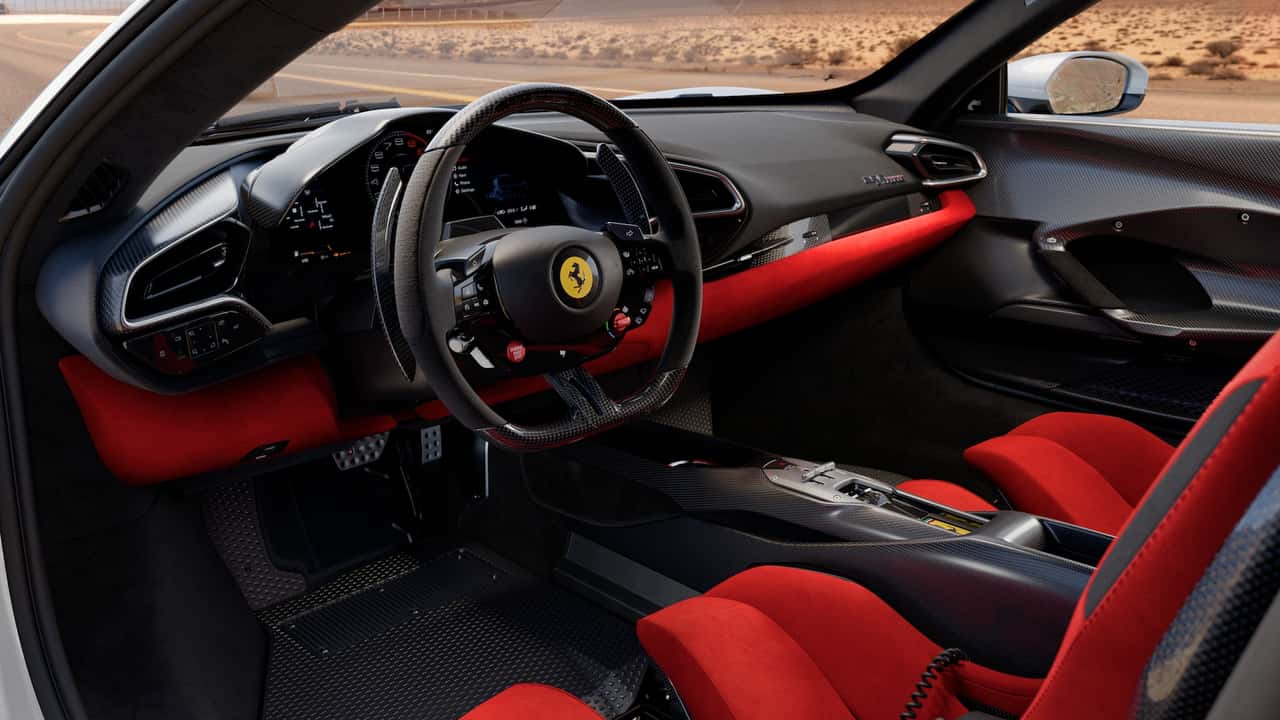
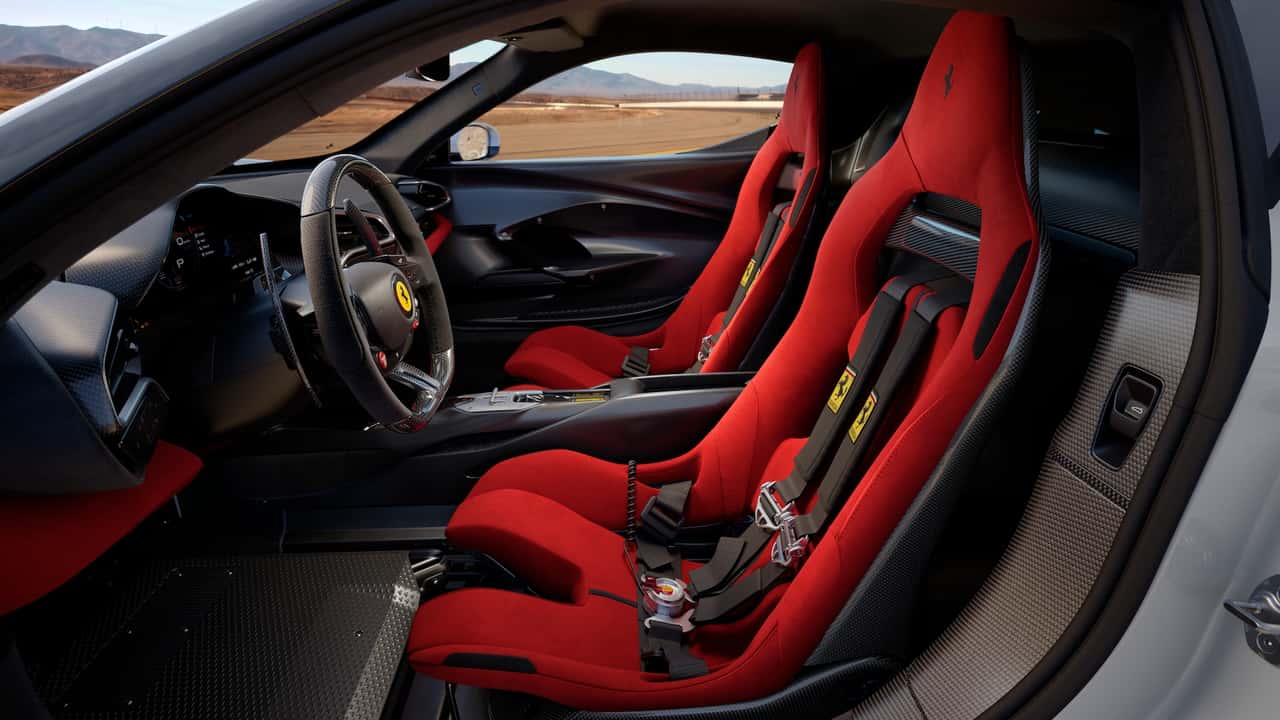
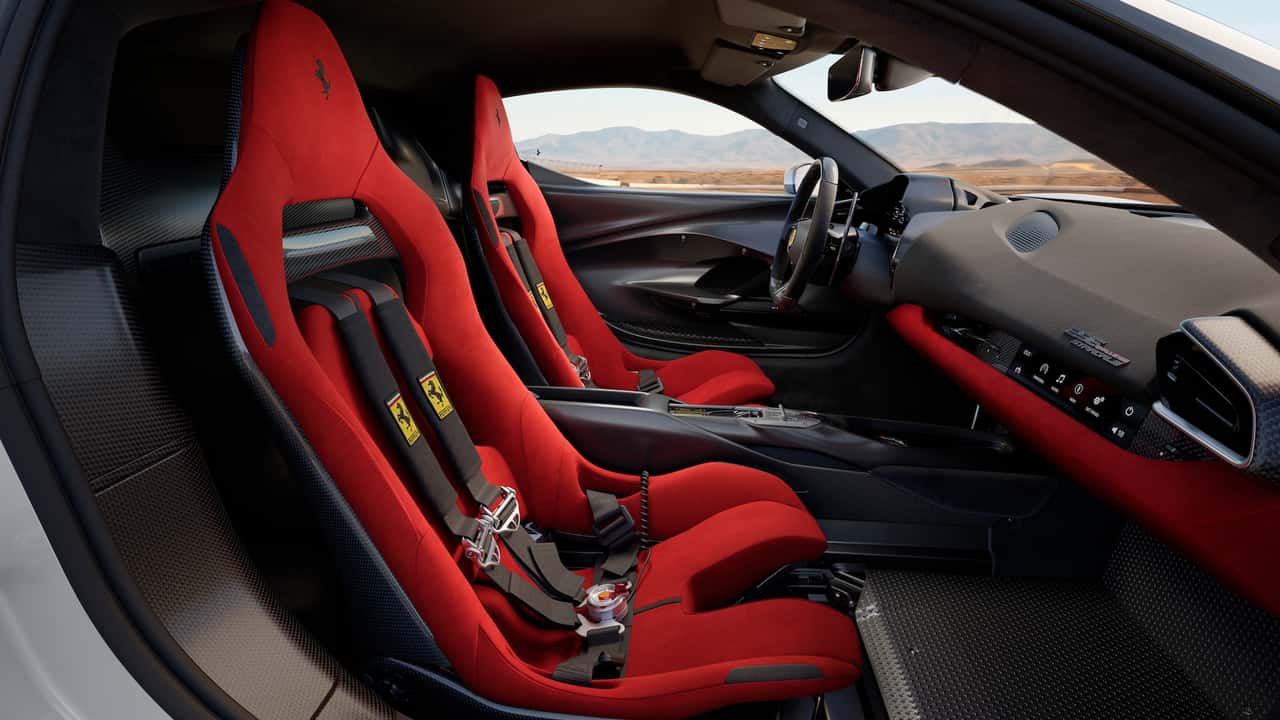
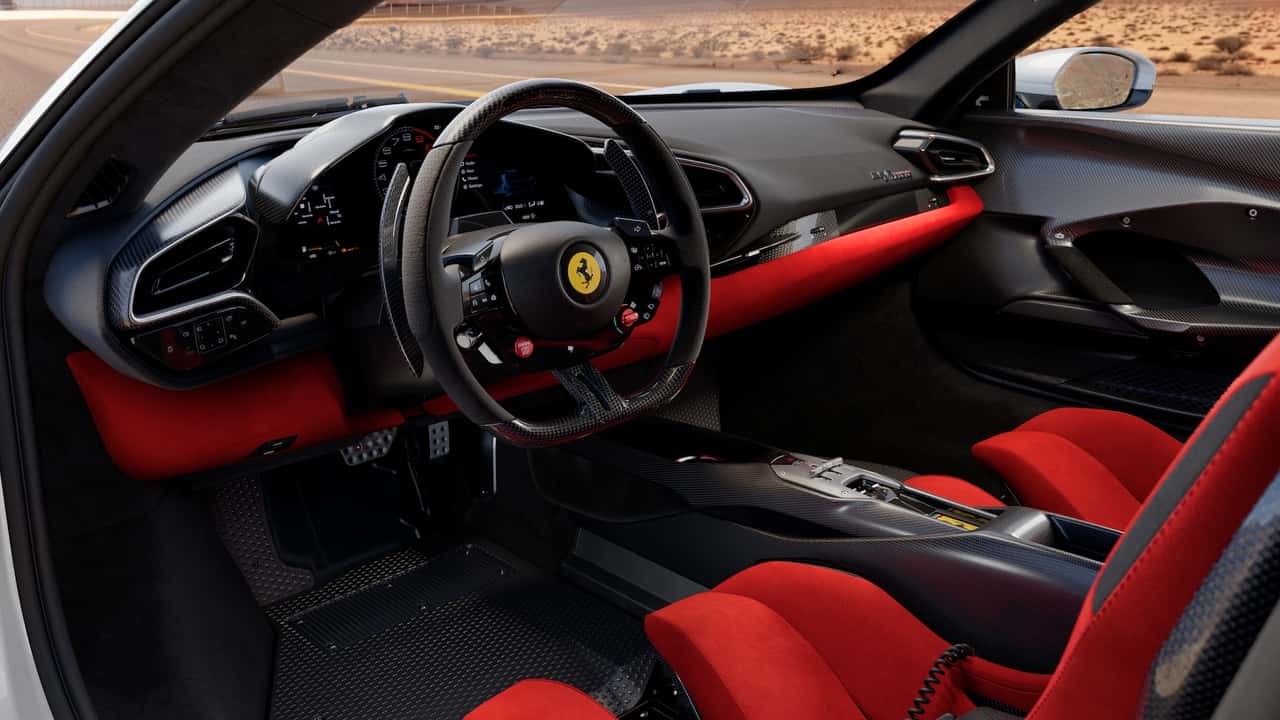
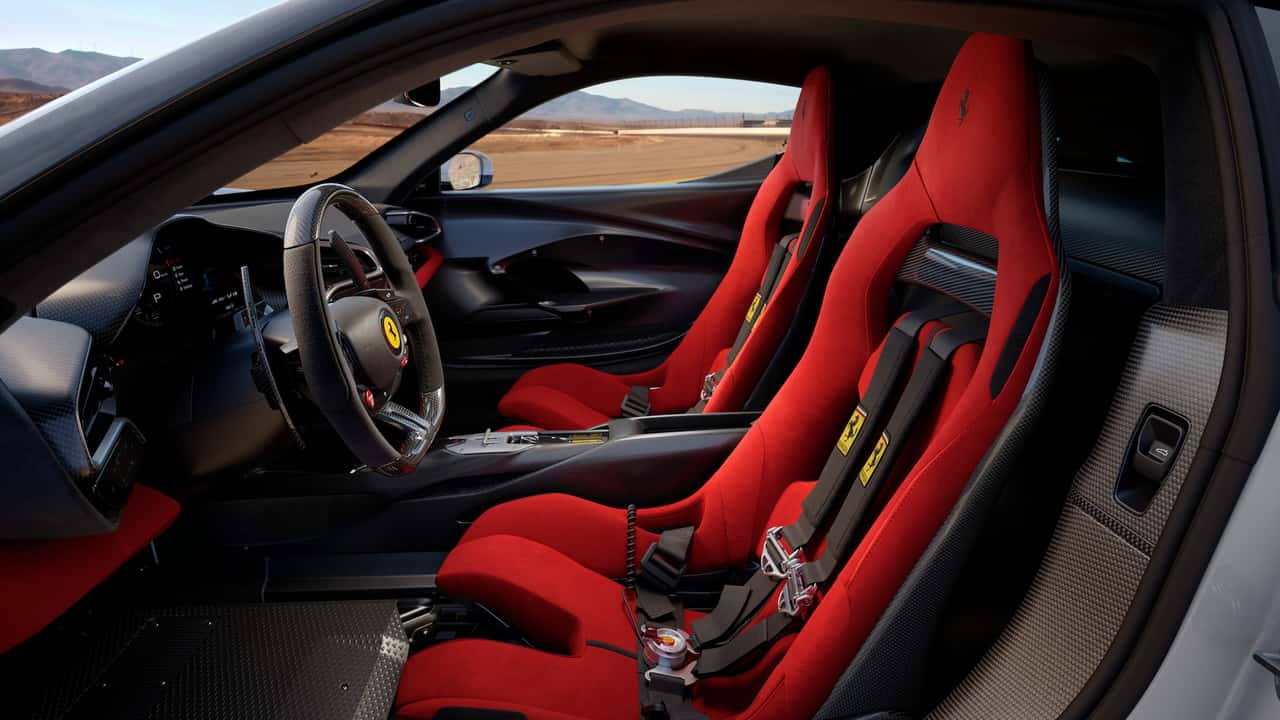
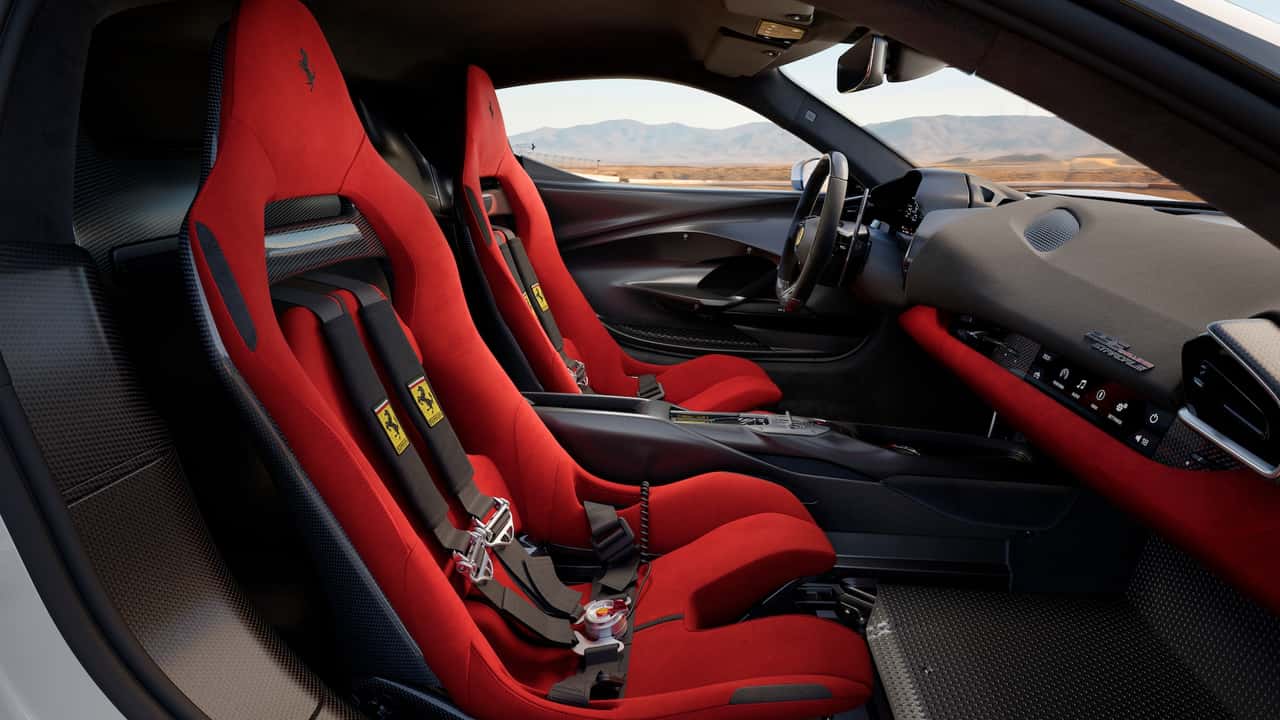
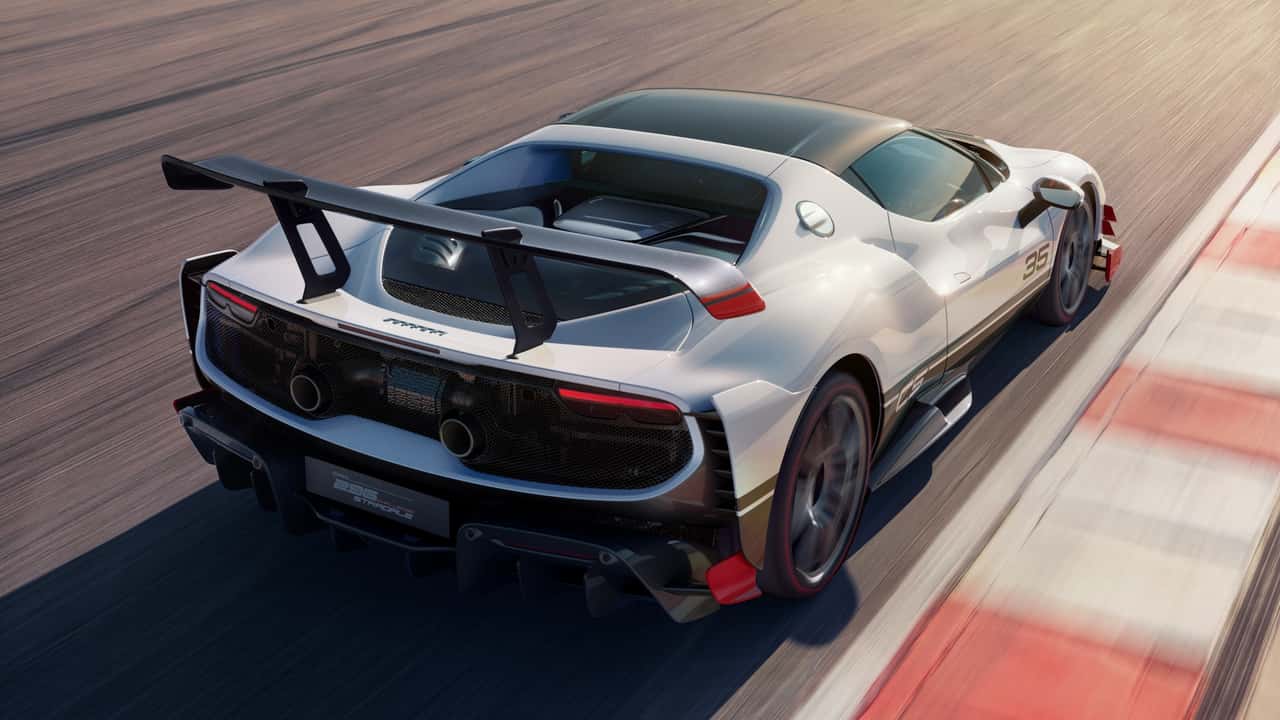
Rear wing and hood trim: Both use lightweight carbon fiber. Door panels: One-piece carbon-fiber construction, without conventional armrests or storage pockets. Seats: Carbon-fiber tubular seats that are 25% lighter than standard racing seats.
For the first time on a production Ferrari, buyers can also request removable seat coverings, leaving parts of the underlying structure exposed.
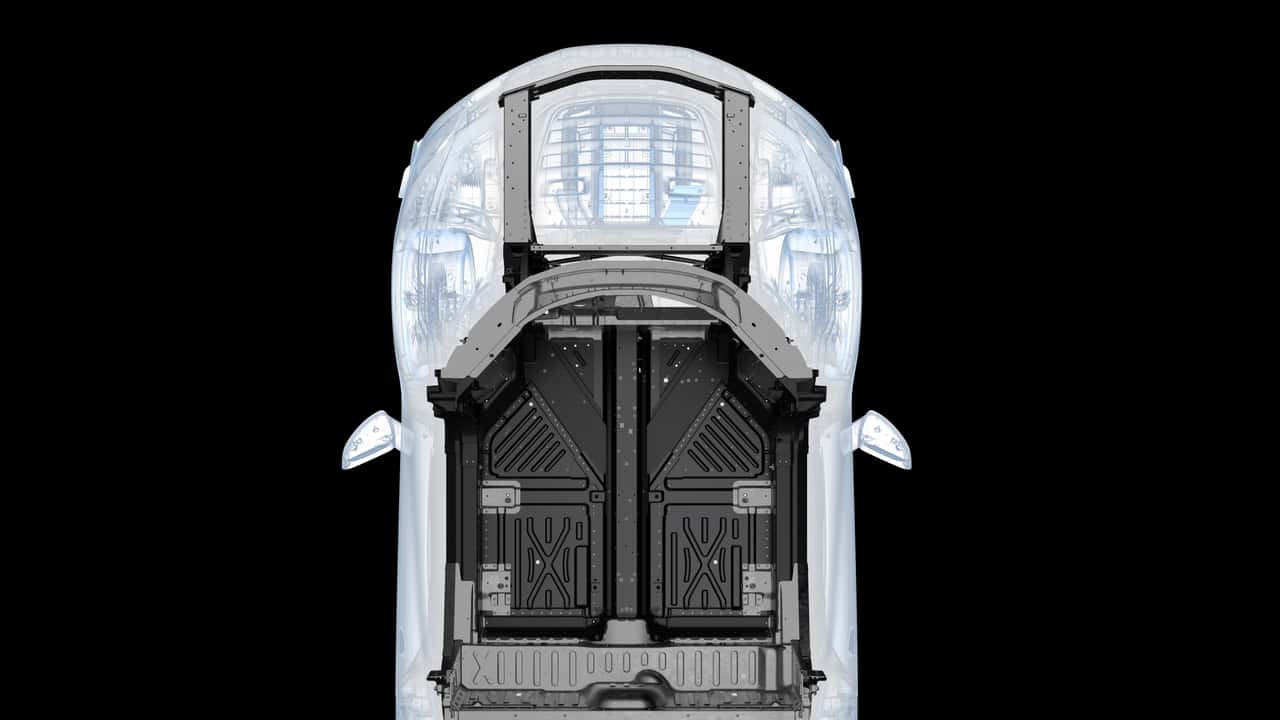 Photo by: Ferrari
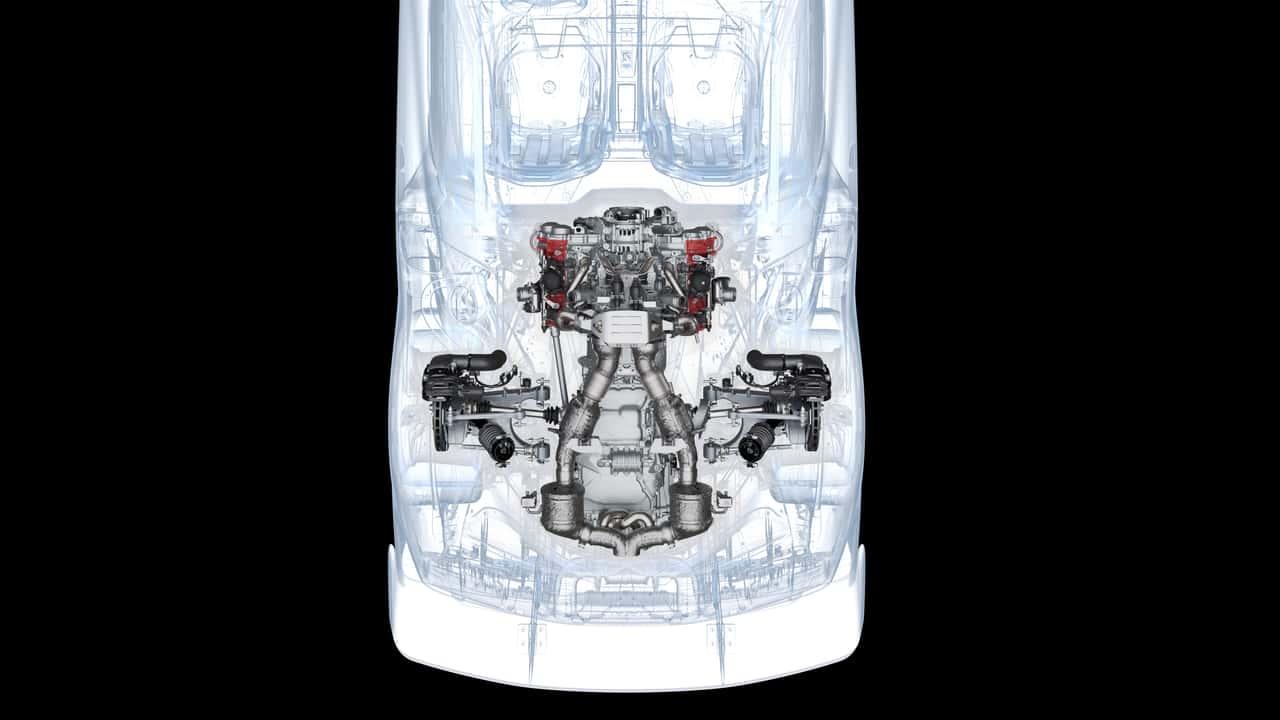 Photo by: Ferrari Photos by: Ferrari
Stiff As A Board
One figure says a lot about how the Challenge Stradale behaves through corners: body roll is down 68 percent compared to the 296 GTB. Lateral performance improves by 7 percent, while stability increases by 34 percent.
The springs are roughly twice as stiff, requiring an additional spring mounted in series with the main one. It's a setup borrowed directly from the 296 Challenge Evo. The semi-active dampers also get two additional rebound settings, allowing Ferrari to retain at least some compliance when driving on public roads.
The car rides on Pirelli P Zero R tires, with semi-slick P Zero Trofeo RS tires available as an option. Both were specifically developed for the car.
With no regenerative braking system to rely on, stopping power comes entirely from the carbon-ceramic brakes. The front discs measure 15.7 x 1.5 inches, while the rear ones measure 15 x 1.3 inches. Ferrari says the car can stop from 124 mph in just 331 feet.
The traction control system is predictive and calibrated specifically for track driving, marking a first for a road-going Ferrari. It's all managed by the FIVE system, derived from the one used in the F80.
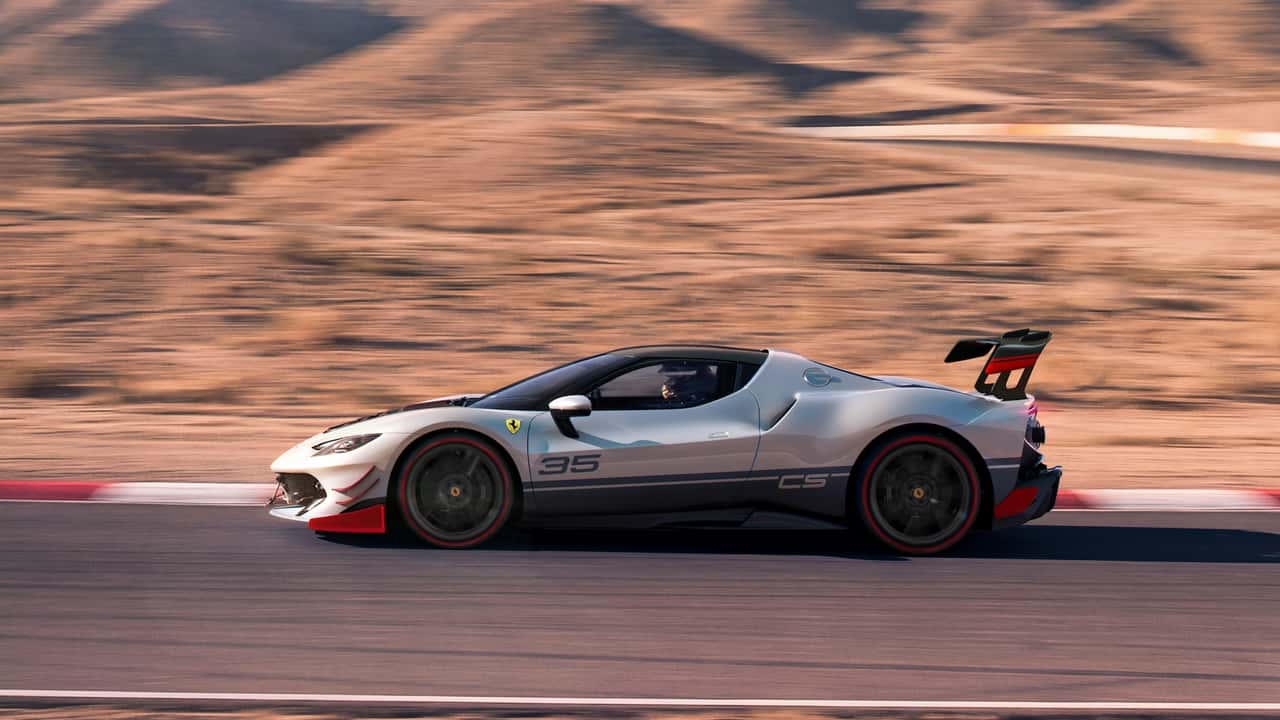 Photo by: Ferrari
1,360 Pounds Of Downforce
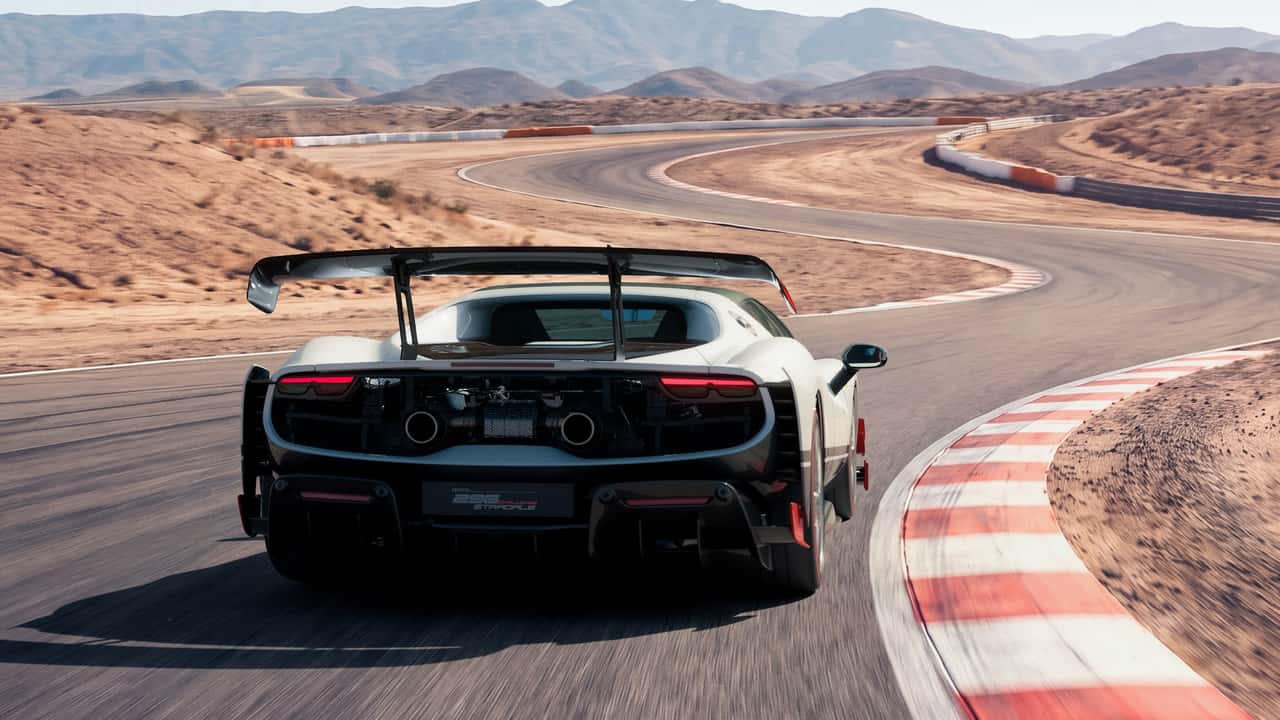
The headline aerodynamic figure is 1,360 pounds of downforce at 155 mph, a 72 percent increase over the 296 GTB. Ferrari achieves this through several carefully designed elements:
Front splitter: Extended and widened to generate more downforce. Front bumper: Curved aerodynamic flicks help manage airflow. Underbody: A fully enclosed floor and vortex generators improve aerodynamic efficiency. Aero dampers: Two ducts connect the underbody to the upper section of the car, helping keep downforce consistent when the nose dives under braking.
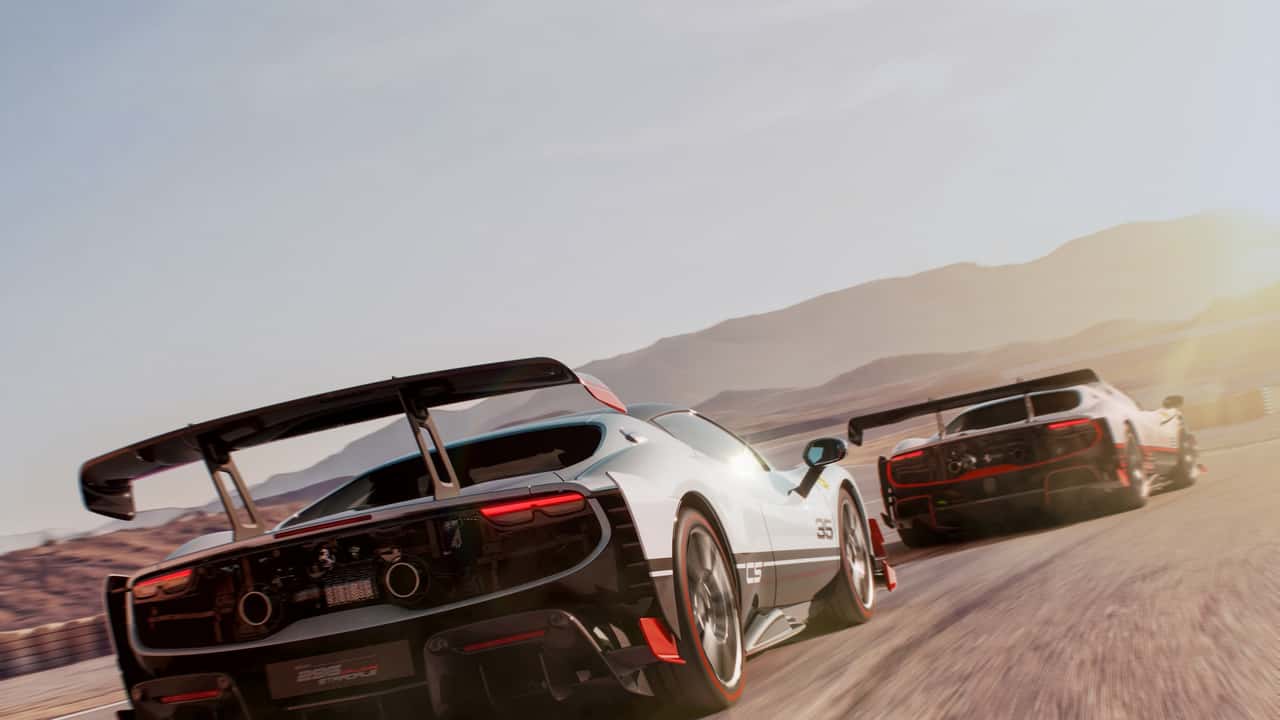
At the rear, a fixed wing derived from the 296 Challenge Evo generates 595 pounds of downforce on its own. There's one notable difference, though. Unlike the race car, the wing doesn't use a swan-neck mounting design. Instead, its supports attach from underneath to meet road homologation requirements, particularly those in the United States.
Beautiful, But With A Few Scratches
Ferrari's Centro Stile, led by Flavio Manzoni, took the clean design of the 296 and gave it a much more aggressive makeover. A technical insert on the hood, a wing suspended between two bumper-mounted "claws" inspired by the Evo, black metal mesh at the rear, and a double-keel diffuser all serve the same purpose. Here, form follows function.
Buyers looking to make their cars stand out can choose from a dedicated livery, three matte-finish wheel options, and even colored tire inserts through Pirelli's Color Edition program.
The Ferrari 296 Challenge Stradale starts at approximately $307,000.
Novitec's Ferrari 12Cilindri Looks Surprisingly Good
Ferrari 499P Modificata Makes Auction History With $9.9 Million Sale
Two Nearly Identical Ferraris Sold On The Same Day. One Fetched $7.6 Million More
Want A Ferrari Luce? You'll Have To Wait Until 2028

]]> feedback@motor1.com (Jeff Perez) https://www.motor1.com/news/816314/ferrari-296-challenge-stradale-first-look-debut/ https://www.motor1.com/news/816219/chevy-trailblazer-12-lih-failure/ Sat, 21 Nov 2026 14:00:00 +0000 This Chevy Engine's Timing Belt Should Last 150,000 Miles. A Teardown Says Otherwise A torn-down 1.2-liter LIH from a 2021 Trailblazer shows how a wet timing belt failure can scrap an otherwise healthy engine.
GM's smallest engine just got torn down on camera, and the inside of it was not pretty. A 2021 Chevrolet Trailblazer with about 84,000 miles on the clock came apart on I Do Cars' teardown bench on YouTube. Its 1.2-liter LIH three-cylinder had already wrecked itself.
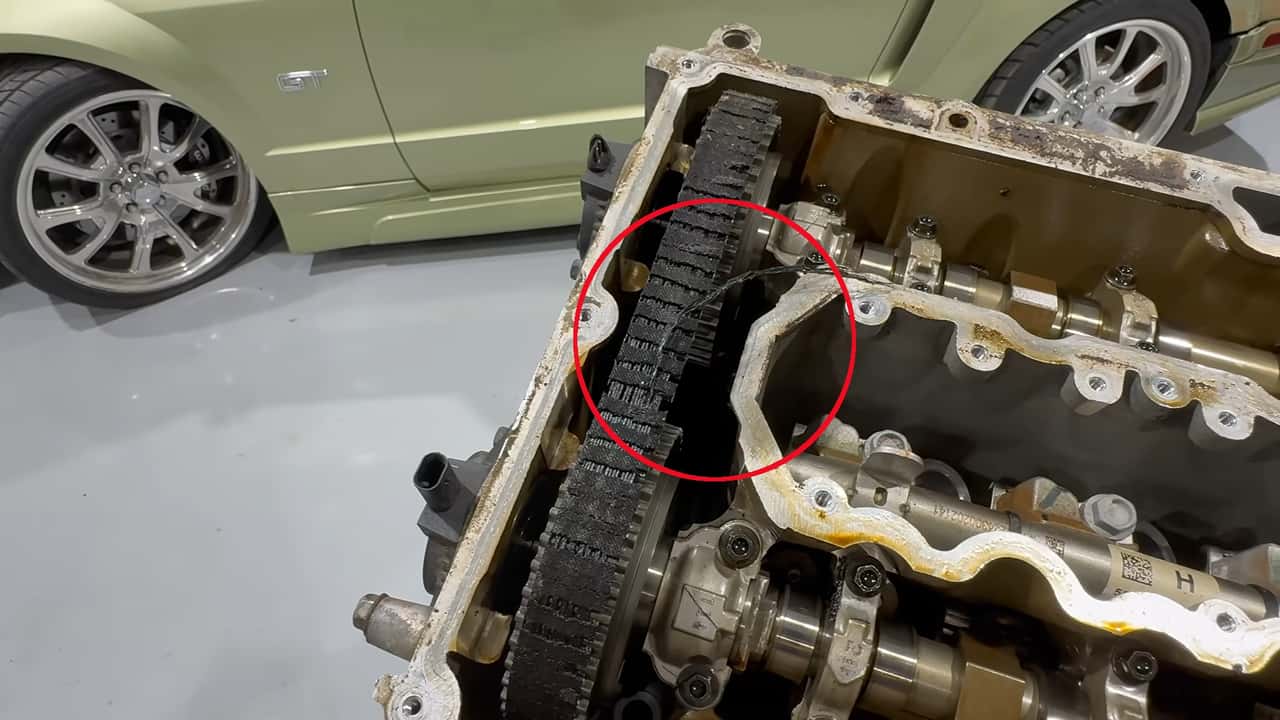
The channel's host found a shredded wet timing belt, bent valves on all three cylinders, and belt fibers packed into the oil pump screen so tightly that oil flow had nearly stopped. The engine turns up in a 2026 Chevrolet Trailblazer, a 2026 Chevrolet Trax, a Buick Encore GX, and a Chevrolet Envista.
How A Wet Timing Belt Failure Destroyed A 2021 Trailblazer Engine
Chevy Trailblazer 1.2L LIH Engine Torn Timing Belt
Photo by: I Do Cars (YouTube) 
Chevy Trailblazer 1.2L LIH Engine Torn Timing Belt
Photo by: I Do Cars (YouTube) Photos by: I Do Cars (YouTube)
I Do Cars uploaded the teardown on November 15. The video racked up more than 470,000 views within days. The host pulled the valve cover first and found rocker arms missing or knocked sideways, with deep gouges across both camshafts.
Pulling the head showed every valve bent from piston contact. That happens once an engine loses its timing and the pistons slam into open valves. The culprit sat lower in the engine: the timing belt had cracked along its teeth and shed material straight into the oiling system.
That debris clogged the oil pickup screen so badly the host called it "emulsified timing belt." Fibers were packed in tight enough to choke off oil pressure to the rest of the engine. The Trailblazer owner's manual says the LIH engine's oil pump drive belt and timing belt must be replaced at 150,000 miles or 15 years, a number that looked wildly optimistic next to what he'd just seen.
Rod bearings showed wear but had not failed outright. The cylinder bores looked clean, so the bottom end of the engine was still salvageable. The real damage sat entirely around the valvetrain and the belt that is supposed to keep it timed correctly.
What The Teardown Reveals About Maintenance And Rebuildability
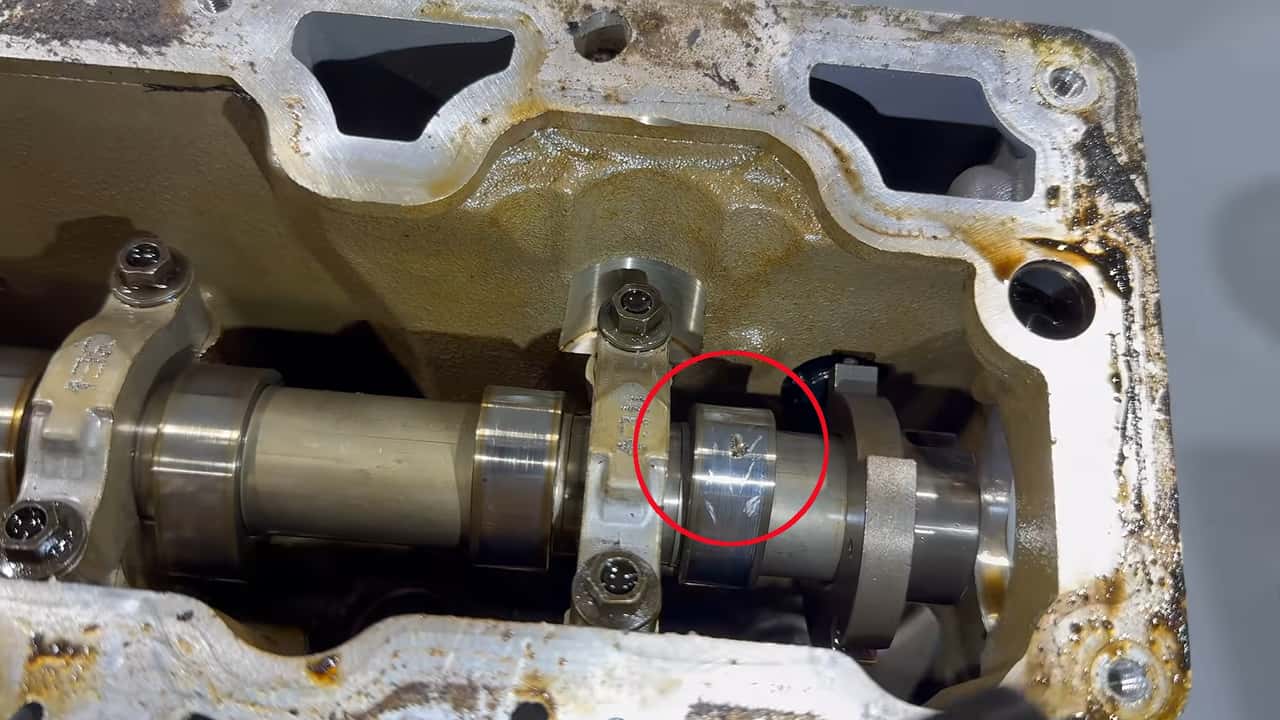
Chevy Trailblazer 1.2L LIH Engine Gouged Camshaft Lobe
Photo by: I Do Cars (YouTube) 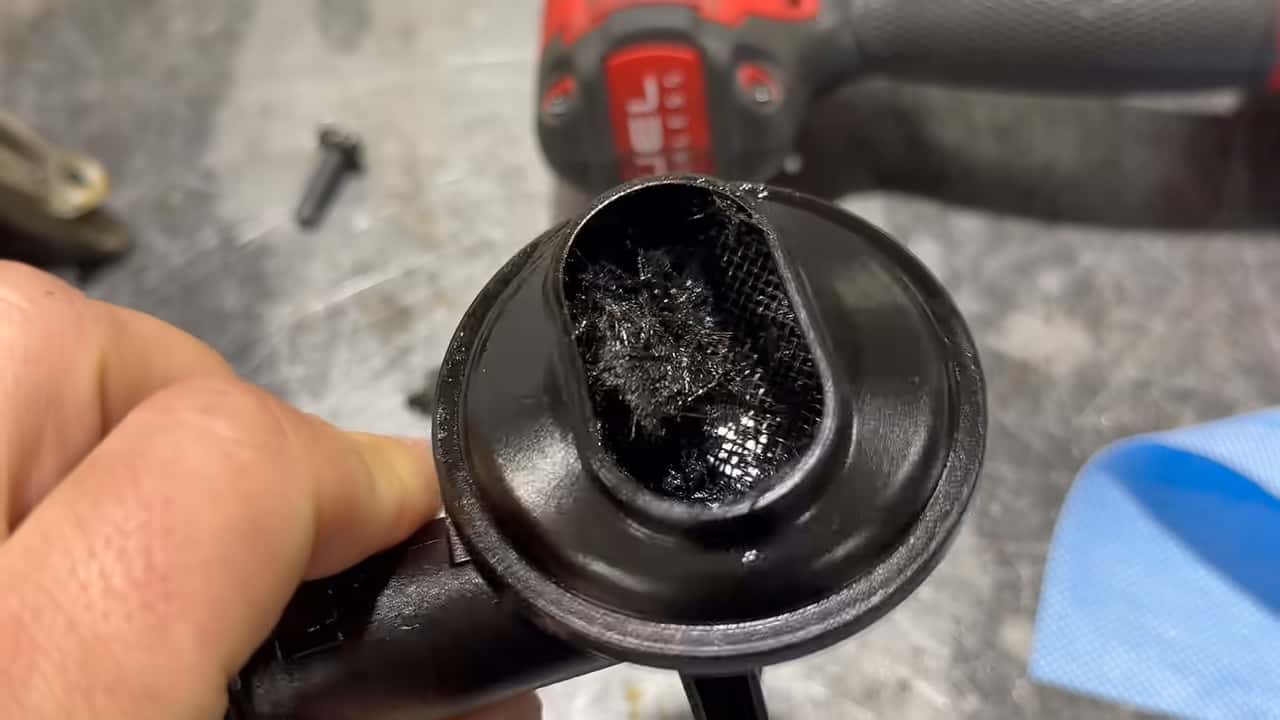
Chevy Trailblazer 1.2L LIH Engine Clogged Oil Pickup With Shredded Timing Belt Material
Photo by: I Do Cars (YouTube) Photos by: I Do Cars (YouTube)
The host stopped short of declaring every 1.2-liter LIH doomed. He called this the first example he'd managed to source, since these engines carry low core value and tend to go straight to the scrap bin rather than get shipped out for teardown content.
He also flagged that this particular Trailblazer had a bunch of repair work on its vehicle history shortly before it was wrecked. That raises the possibility the engine itself had already been replaced once.
A failure at 84,000 miles doesn't necessarily mean the original factory engine made it that far.
Chevrolet's current spec sheet lists the 1.2-liter turbo triple at 137 horsepower with a continuously variable transmission, and the 2026 Trailblazer carries a five-year or 60,000-mile powertrain warranty. A 2023 model-year Trailblazer vehicle record lists several dozen owner complaints touching the engine, electrical system, brakes, and powertrain. No safety recalls appear on that record.
The host's practical advice: don't wait for 150,000 miles to check the belt. A failure means bent valves and a timing-belt service he pegs at roughly $1,200 to $1,500 in his own estimate. GM owners have already reported a Chevy Trailblazer transmission failure on other models in the lineup. A separate Chevrolet Silverado engine recall shows the automaker has dealt with drivetrain complaints across its range before.
This Kia Stinger V6 Filled With Metal After 100,000 Miles
This Porsche 911 Engine Teardown Gets Worse The Deeper It Goes
Dodge's New Hellephant Crate Engine Makes 1,025 HP And Comes With A Warranty
This Twin-Turbo V8 Crate Engine Makes 1,200 HP Without Race Fuel
Source: I Do Cars (YouTube)
]]> feedback@motor1.com (Brian Potter) https://www.motor1.com/news/816219/chevy-trailblazer-12-lih-failure/ https://www.motor1.com/news/816327/byd-ti7-banned-eu-defender-design-copy/ Sat, 21 Nov 2026 08:29:52 +0000 BYD's Boxy SUV Banned In The EU After Land Rover Defender Copycat Ruling A Dutch court has ordered an EU-wide sales ban backed by penalties of up to €10 million.
Jaguar Land Rover has won a significant round in its legal battle against BYD. The District Court of The Hague ruled on Friday that the Chinese automaker's Ti7 SUV infringes JLR's registered EU design for the Defender. The judge has therefore barred BYD from importing, producing, selling, or otherwise trading the vehicle anywhere in the European Union.
The Ti7 is a five- or seven-seat plug-in hybrid that BYD launched in China last year and is now preparing to bring to international markets. Anyone who has seen one will understand why the Tata Motors-owned company took issue with its appearance. The SUV has a boxy body, upright windows, a flat roofline, and a rear-mounted spare wheel. Those familiar ingredients give it a silhouette that looks remarkably close to the modern Defender.
But BYD's lawyers argued that the two vehicles have plenty of distinguishing features. They pointed to differences in the headlights, grille, bumper layout, hood, windows, and wheel arches. The court wasn't convinced, however, concluding that those details weren't enough to change the overall impression created by the two designs.
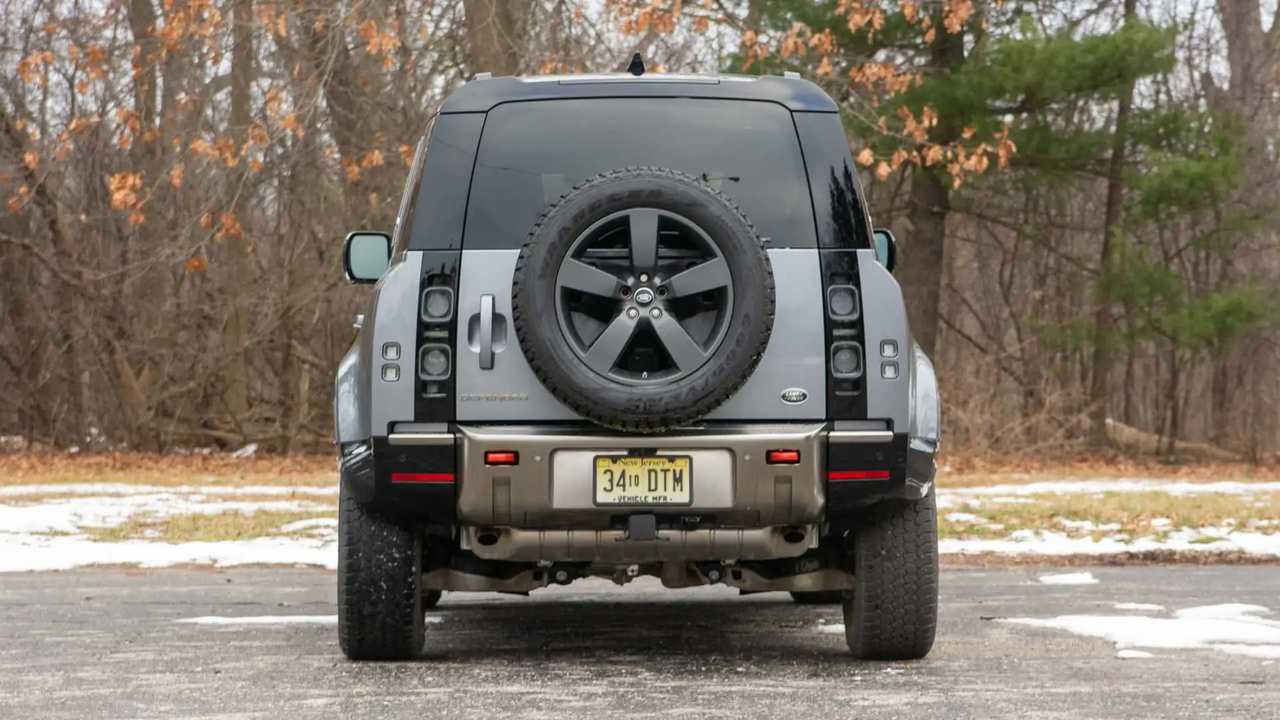
Land Rover Defender
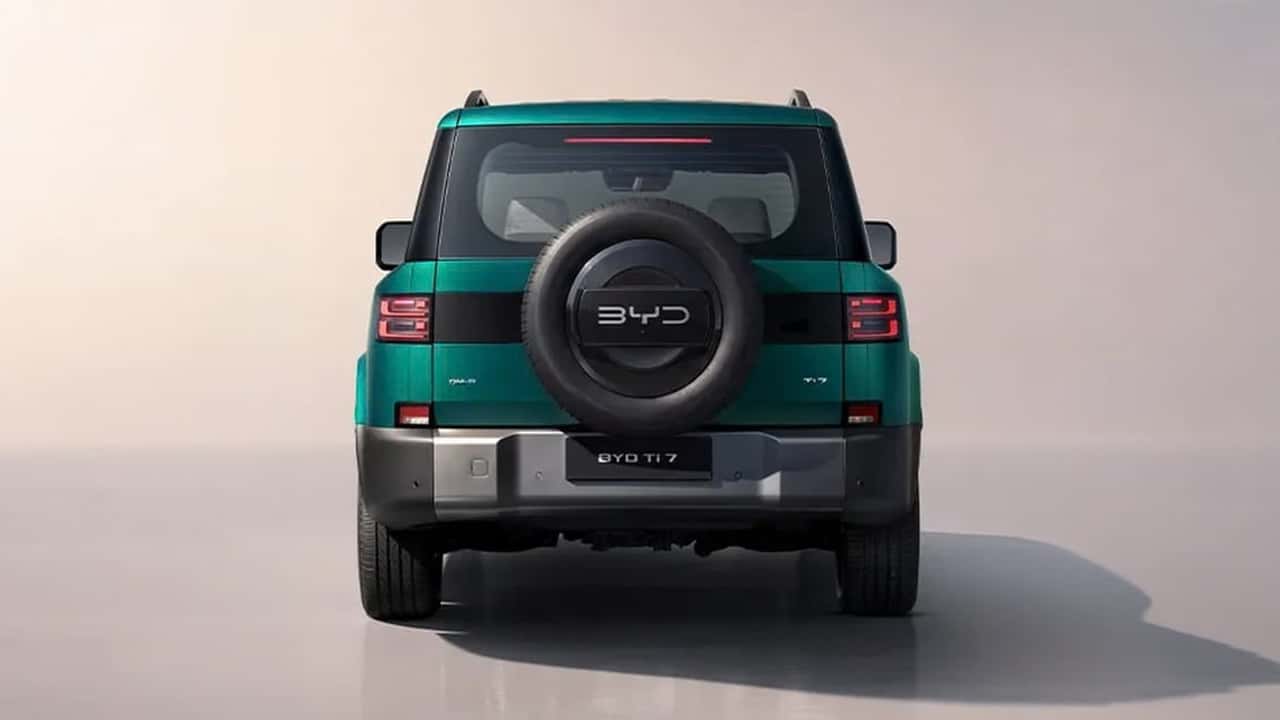
BYD Ti7
Photo by: BYD
Why The Court Ruled Against BYD
According to the ruling, the Defender's appearance is defined by several distinctive elements: its rounded shoulders and corners, the signature panel in the C-pillar, rounded wheel-arch cutouts, a continuous glasshouse, and the vehicle's overall silhouette. Taken together, the judge found that these characteristics give the Defender a recognizable design that the BYD Ti7 infringes.
The case centers on a registered EU design dating back to 2018, before the current-generation Defender made its public debut a year later. That distinction matters because JLR relied on its earlier design registration rather than simply arguing that BYD had copied the production SUV. Although BYD highlighted the differences between the two models, the court decided that they weren't substantial enough to produce a different overall impression.
The ruling gives BYD's European subsidiaries just one week after receiving the judgment to stop infringing JLR's registered design rights. The prohibition covers importing, manufacturing, offering for sale, selling, storing, delivering, or otherwise commercializing the Ti7 anywhere in the European Union. In other words, BYD cannot simply bring the SUV into EU markets through a different distribution channel or store it while waiting for the dispute to blow over.
There are financial consequences for ignoring the order, too. The court set a penalty of €100,000 for every day, or part of a day, that a company remains in violation. Alternatively, JLR can opt for a penalty of €25,000 per infringement, with the total amount capped at €10 million.
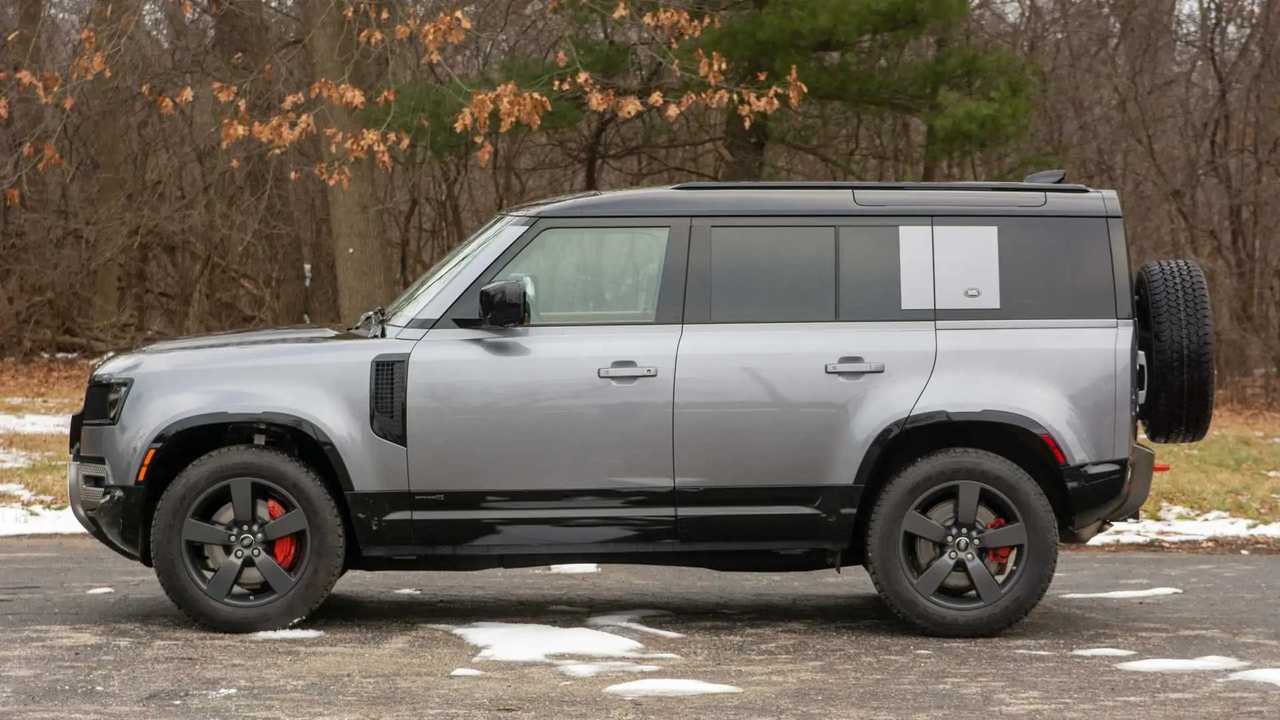
Land Rover Defender
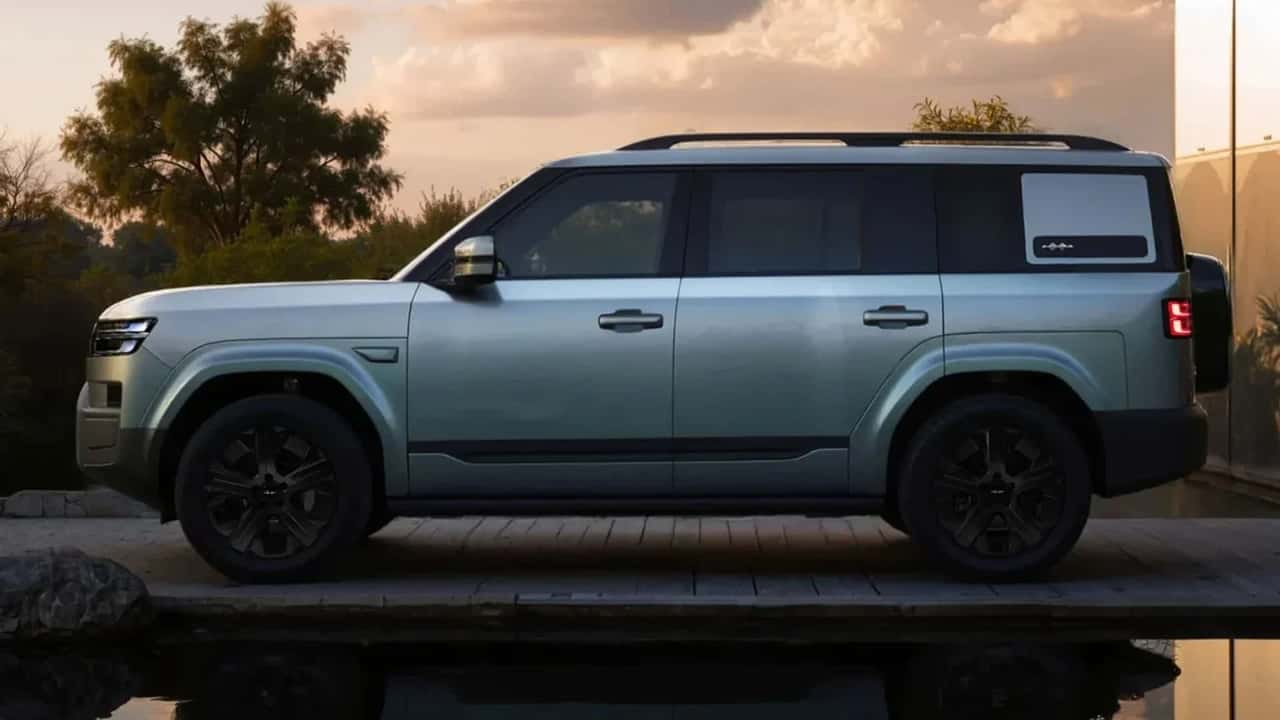
BYD Ti7
Photo by: BYD
The BYD Ti7 Isn't Even On Sale In The EU Yet
There's a rather significant catch, though: the Ti7 isn't on sale in the EU yet, and BYD told the court it has no concrete plans to launch it there. The judge granted the ban partly because the Chinese automaker wouldn't commit to staying out of the market. That makes the ruling more of a precaution against a potential European launch than a response to an established sales operation.
It's also worth stressing that this is a preliminary ruling, not necessarily the final word in the dispute. JLR has six months to initiate main proceedings if it wants to pursue the case further. The legal battle could therefore continue, even though the latest decision gives the British automaker a clear advantage in the EU.
JLR didn't get everything it asked for. The court rejected its request for a UK ban and declared itself not competent to rule on BYD UK. That's particularly relevant because Britain is where customers can already order the Ti7, with deliveries scheduled to begin in January. The judge also turned down JLR's requests for access to documents seized from BYD, information about the SUV's distribution, and a public notice on BYD's websites announcing the ruling.
BYD Plans To Appeal The Ruling
For now, the decision draws a clear line around where BYD can commercialize the Ti7. The company can continue its UK plans, but it faces a legal roadblock in the EU unless it successfully challenges the ruling or reaches another outcome with JLR.
As you can imagine, BYD strongly disagrees with the court's decision and intends to appeal. In a statement to Reuters, the Chinese automaker insisted that the Ti7 was developed independently and does not infringe on any of JLR's intellectual property rights:
'The BYD Ti 7 is the result of BYD's own independent design work and infringes none of JLR's rights. We will pursue every legal avenue to demonstrate that this decision is incorrect.'
The appeal could prolong the dispute, although the Dutch court's ban remains in place unless successfully challenged.
You can find the full Dutch court ruling in the original document linked below.
BYD's New Flagship Sedan Wants To Be China's Most Luxurious Car Yet
Chinese EV Hits 312 MPH To Become The World's Fastest Production Car: Onboard Video
BYD Is The World's Biggest EV Maker. So Why Can't You Buy One In The US?
China Opens Nationwide Inspections After BYD And Geely Fail Quality Checks
Source: Rechtbank Den Haag
]]> feedback@motor1.com (Adrian Padeanu) https://www.motor1.com/news/816327/byd-ti7-banned-eu-defender-design-copy/ https://www.motor1.com/news/816303/ram-dakota-needs-to-stand-out/ Fri, 20 Nov 2026 20:00:00 +0000 Ram CEO: New Dakota Will Do 'Some Serious Fun Things' Ram has an opportunity to stand out with the Dakota, especially if it offers power and configurations its rivals lack.
Ram is finally returning to the mid-size truck segment. The brand is resurrecting the Dakota nameplate, which will be a “real truck” when it arrives, but that might not be enough to ensure the new model succeeds.
In an interview with Mopar Insiders, Ram CEO Matt VanDyke said the Dakota will let Ram “do some serious fun things” from a “power, performance, trim, variant perspective.” He did not elaborate on how the new truck would achieve this.
Back in February, former brand CEO Tim Kuniskis said he didn’t think the new truck needed a Hemi V8. A hybrid powertrain is certainly likely, but we would be quite happy to see the twin-turbocharged 3.0-liter inline-six under the hood.
The Ford Ranger Raptor has a 405-horsepower twin-turbo V6, and if Ram wants to outsell the rest of the field, it needs to be bold. The Hurricane engine can produce up to 600 hp.

Ram Dakota Rendering By Motor1
Photo by: Theophilus Chin | Motor1
Versatile Opportunity
Anyone looking to buy a mid-size truck has several options. The Ford Ranger, Honda Ridgeline, and Jeep Gladiator all compete for buyers, but few options offer a different cab or bed configuration.
Only the Toyota Tacoma and Nissan Frontier offer different options, and Ram could capitalize on that. The new Ram 1500 Rumble Bee pairs the truck’s shorter Quad Cab with the short bed to create a unique configuration. The mid-size segment lacks a proper street truck offering.
Tough Crowd
Ram has a massive endeavor ahead. The Toyota Tacoma dominates the mid-size truck segment, outselling the second-best-selling pickup, the Chevrolet Colorado, by 166,771 units in 2025.
Every other competitor, from the Ford Ranger to the Honda Ridgeline, sold fewer than 100,000 units last year, and by the time the Ram arrives, competition will be even fiercer.
Honda, Hyundai, and Mitsubishi are all launching new mid-size offerings, and they will be proper body-on-frame pickups, too. If Ram wants the Dakota to succeed, it needs to be different.
The Base Ram 1500 Rumble Bee Is An Instant Sales Hit
Ram's Small Work Van Is Back For 2027 At Under $40,000
Source: Mopar Insiders
]]> feedback@motor1.com (Anthony Alaniz) https://www.motor1.com/news/816303/ram-dakota-needs-to-stand-out/ https://www.motor1.com/news/816266/hyundai-sonata-dead-australia/ Fri, 20 Nov 2026 17:00:00 +0000 Hyundai Sonata Dead In Australia, But America Still Wants Sedans Hyundai will replace the mid-size sedan with the new i30 (Elantra) in Australia.
Australia, it's time to say goodbye to the Hyundai Sonata. The Korean automaker is pulling the plug on its mid-size sedan in the market after years of disappointing sales. But there's already a replacement on the way. Sort of.
The final batch of Sonatas destined for Australian showrooms rolled off the production line in October, according to Hyundai Australia. A company spokesperson confirmed the news to CarExpert, saying, "The final month's production for Australia was October."
Taking its place will be the next-generation i30 Sedan, known as the Elantra in the United States and the Avante in South Korea. The new i30 is larger than the outgoing model and is expected to arrive in Australia around mid-2027 with an all-hybrid lineup.
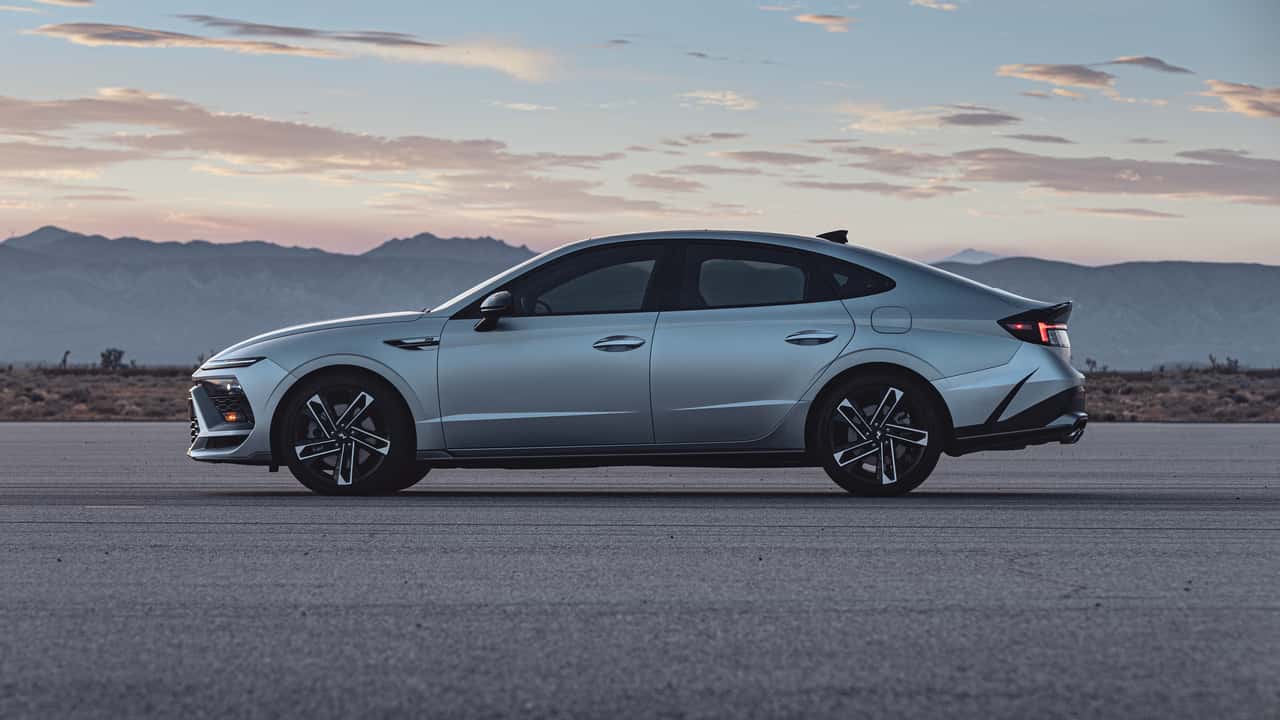
The Sonata Couldn't Keep Up With The Camry
The Sonata's departure from Australia isn't all that surprising when you look at the sales figures. Hyundai sold just eight(!) examples in October 2026. Its year-to-date total stands at just 187 units, down nearly 40 percent compared with the same period last year.
Its closest traditional rival, the Toyota Camry, is doing much better. Toyota sold 930 Camrys in October, bringing its 2026 total to 10,401 units through the end of the month. That's a 22.2-percent increase over the same period in 2025.
Even the broader mid-size passenger car segment has shown signs of life. Sales in Australia's under-AU$60,000 medium passenger vehicle category increased 35.3 percent year-to-date through October.
The New i30 (Elantra) Will Take Its Place
Hyundai's replacement for the Sonata in Australia will be the next-generation i30 Sedan. The eighth-generation model was unveiled in June globally before making its North American debut earlier this week in Los Angeles.
The new sedan is larger than its predecessor, with Hyundai claiming it offers interior space comparable to the Toyota Camry. It measures 187.6 inches long and has a 108.3-inch wheelbase, putting it closer to the mid-size segment in terms of overall dimensions.
The new model is expected to reach Australia around mid-2027, and Hyundai has confirmed it will be offered exclusively with hybrid powertrains.
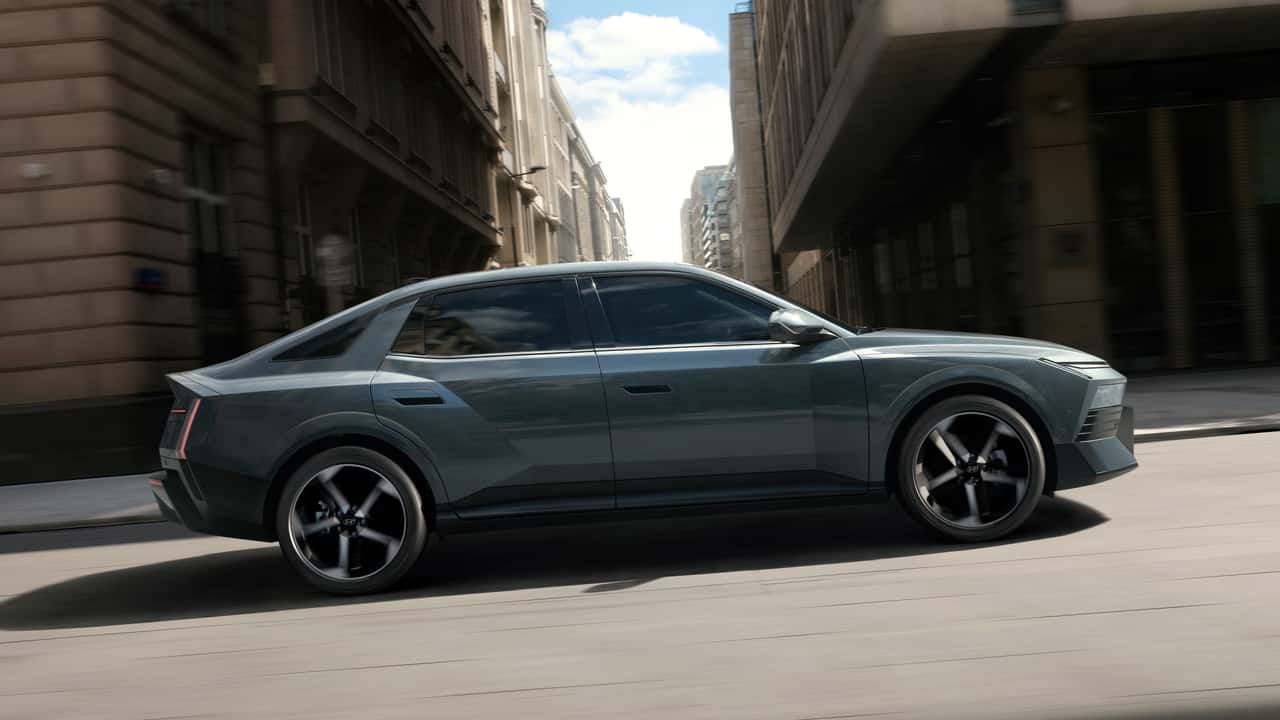
2027 Hyundai Elantra
Photo by: Hyundai
The Sonata Stays Put In The US
The Sonata's departure from Australia doesn't necessarily spell the end of the nameplate, though. At least, not yet. Hyundai hasn't announced plans to discontinue the sedan anywhere else globally, and it remains part of the automaker's lineup in several other markets—including the US.
We reached out to Hyundai's US PR team for clarification, and a company spokesperson told us:
'During this week’s debut of the all-new Elantra at the LA Auto Show, Randy Parker, President and CEO, Hyundai Motor North America, reaffirmed the importance of sedans to US consumers and to the company. He noted that in 2025, Americans purchased about 1.7 million sedans, nearly 12.5 percent of total industry sales. So far this year, industry sedan sales are about 13 percent.
At Hyundai Motor America, sedans play an even bigger role, at more than 23 percent of total sales. The Sonata has been a key part of that success. The model continues to be part of Hyundai Motor America's long-term plans.'
The current, eighth-generation Sonata debuted in 2019 and received a substantial facelift in 2023. A ninth-generation model, reportedly carrying the internal DN9 designation, was previously expected to arrive in the second half of 2026. That never happened, however.
New Elantra N When? Hyundai Won't Move Away From Its 'Successful Formula'
New Hyundai Elantra N Caught Testing, And It Looks Spicy: Video
Source: CarExpert
]]> feedback@motor1.com (Jeff Perez) https://www.motor1.com/news/816266/hyundai-sonata-dead-australia/ https://www.motor1.com/news/816270/hyundai-n-vision-74-canceled/ Fri, 20 Nov 2026 16:00:00 +0000 Hyundai's Supercar Dream Is (Probably) Dead Hyundai Design Center chief Simon Loasby explains why the automaker won't build its wild hydrogen supercar.
The automotive industry is a business, and businesses need to make money. Which means that not every pricey, low-volume sports car concept we see will make it to production—no matter how much we beg. Hyundai’s radical N Vision 74 might be the latest victim.
In an interview with The Drive, Simon Loasby, the head of the Hyundai Design Center, told the publication that Hyundai has no current plans to turn the concept into a production car. Rumors began circulating in 2023 that Hyundai was considering building the retro-inspired EV.
The company denied the report at the time, but that didn’t stop the speculation and whispers of a possible production model. Then, in August 2024, Hyundai mentioned the N Vision 74 in its Investor Day presentation, but the dream of a new Hyundai supercar is dead. Loasby said:
‘It comes down to the maths of how you judge what the business case is. And that if you’re very tight with the business case on only that car, the volumes of that car and the impact, you got no chance. If you open it to the overall brand-raising profile value of that, you have a bigger chance.’
So Close, But Not Forgotten
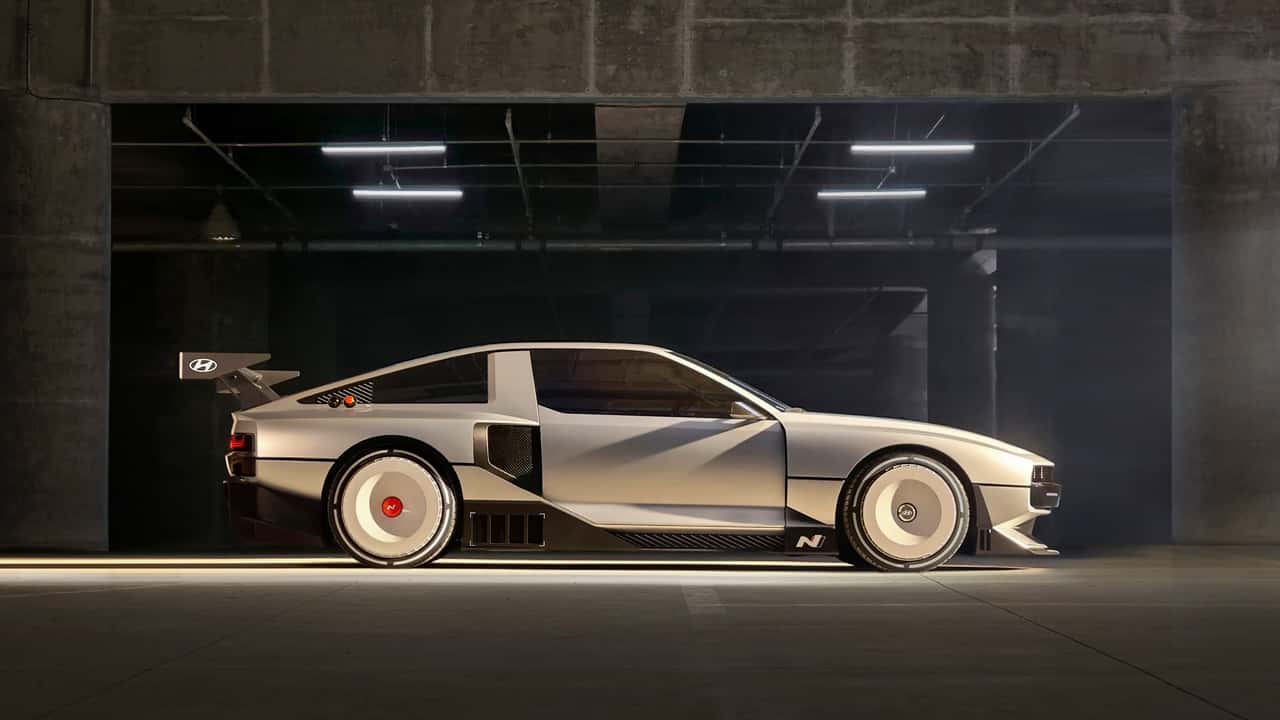
Hyundai N Vision 74 Concept
Photo by: Hyundai
Hyundai put considerable effort into the project after its debut, even building a few prototypes. According to Loasby, “We were really on it. We had the production clay model of it and the exterior, interior, and so on.”
Although Hyundai has no plans to produce the car, the N Vision 74 is inspiring future models. The new Elantra features similar styling, which may be even more evident on the upcoming Elantra N, and we expect to see other design cues on other upcoming cars.
What Will We Miss?
 Photo by: Hyundai
The Hyundai N Vision 74 debuted in July 2022 as a hydrogen-powered battery-electric vehicle. It had a hydrogen fuel cell, a battery, and a pair of electric motors powering each rear wheel.
Hyundai said the 74 produced 671 horsepower and could travel up to 373 miles with a full battery and fuel cell. Rumors once suggested the company would build 100 examples, but it never happened.
If you’re upset at Hyundai, you can buy yourself a radio-controlled N Vision 74 toy car.
Hyundai Says The Biggest Challenge For Hydrogen Cars Is Finding Customers
The New Hyundai Tucson Could Be Its Most Popular Yet
2027 Hyundai Tucson N Line Adds Sporty Looks Without More Power
2027 Hyundai Tucson XRT Breaks Cover Trying To Look Tough
Source: The Drive
]]> feedback@motor1.com (Anthony Alaniz) https://www.motor1.com/news/816270/hyundai-n-vision-74-canceled/ https://www.motor1.com/news/816137/koenigsegg-new-investment-deal/ Fri, 20 Nov 2026 15:00:00 +0000 Koenigsegg Is Now Worth $1.4 Billion After New Investment Christian von Koenigsegg will continue to lead the company’s strategy, innovation, and product vision.
A major financial boost for Koenigsegg has revealed its valuation. The Swedish automaker has secured new investment from a private equity firm, and the deal reportedly values the company at about €1.3 billion ($1.4 billion at today’s exchange rate).
The deal with 65 Equity Partners, a Singapore-based private equity firm that is now a minority shareholder, “will enable Koenigsegg to accelerate its expansion and technology development as well as its business systems,” according to the press release announcing the agreement.
Koenigsegg has grown considerably in recent years, reporting €155 million ($170.4 million) in revenue for 2025. That represents a growth of approximately 80 percent since 2022. Demand continues to outstrip production, with the company employing approximately 800 people worldwide.
Christian In Control

Christian Von Koenigsegg
Photo by: Jeff Perez / Motor1
Under the agreement, 65 Equity Partners will invest €20 million in Koenigsegg. It will become a minority shareholder and the company's second institutional investor, according to Bloomberg. Chieftain Capital Management, an existing shareholder, will invest additional money, increasing its ownership stake.
Christian von Koenigsegg, the company's founder and CEO, will remain its majority owner. He will continue to lead the company's strategy, innovation, and product vision. Koenigsegg said of the deal:
‘This partnership gives us additional resources to bring our ambitions to life, while preserving the entrepreneurial spirit and engineering freedom that define Koenigsegg.’
The company’s chief financial officer, Johan Ekdah, told Bloomberg that the deal is “not about raising cash,” adding that the company can fund its own projects. It does create “headroom for the future.”
What’s Next For Koenigsegg?

Koenigsegg Gemera
Photo by: Koenigsegg
Koenigsegg has started Gemera production, a four-passenger hypercar first unveiled in 2020. It has 2,300 horsepower and 2,028 pound-feet of torque, and the company plans to produce 300.
In August, the automaker unveiled the CCGT1, a tribute to the CCGT race car that never raced. The CCGT1 is a race car for the road, with a twin-turbocharged V8 that makes up to 1,600 hp on E85 fuel. It can generate more than 1,323 pounds of downforce, and it offers an available in-house track package, a first for the company.
Earlier this year, a report alleged the automaker was considering a bid to go public. The automaker sold a 6 percent stake in 2024. At the time, the company was valued at around $1 billion, but there has been no official announcement of an initial public offering.
Koenigsegg Recalled Every CC850 In America. All Seven Of Them
First Customer Koenigsegg Gemera Smashed Outside Luxury Hotel
Christian Von Koenigsegg Says No To Electric Vehicles
Koenigsegg Smashes Quarter-Mile Speed Record For Production Cars
Source: Koenigsegg, Bloomberg
]]> feedback@motor1.com (Anthony Alaniz) https://www.motor1.com/news/816137/koenigsegg-new-investment-deal/ https://www.motor1.com/news/816250/koenigsegg-jesko-terrang-off-road-huracan-sterrato-rendering/ Fri, 20 Nov 2026 14:30:00 +0000 What If Koenigsegg Had A Sterrato Fighter? Meet The Jesko Terrang Inspired by the Huracan Sterrato and Porsche 911 Dakar, we dreamt up a Koenigsegg with a similar off-road treatment.
The Lamborghini Huracan Sterrato and Porsche 911 Dakar are still two of the craziest ideas to come out of Sant'Agata Bolognese and Stuttgart in recent memory. Both companies took two of their most iconic sports cars, gave them a little extra ground clearance, slapped on some tougher tires, and told customers to go have fun in the dirt.
And they did, by the boatloads. Lamborghini buyers snapped up the Sterrato almost as quickly as the company could build them, and Porsche had no trouble finding buyers for the 911 Dakar. Unfortunately, production was limited to just a few thousand examples of each, and neither model made it past a year.
But what if other sports car and supercar makers followed Lamborghini and Porsche down the same dirt road? What if, somewhere in an office in Ängelholm, Sweden, Christian von Koenigsegg was cooking up a similar idea?
Together with digital artist Abimelec Design, we've dreamed up exactly that. Meet the Koenigsegg Jesko Terrang.
Koenigsegg Jesko Terrang Off-Road Rendering By Abimelec Design & Motor1
Photo by: Abimelec Design | Motor1
Koenigsegg's Imaginary Off-Road Supercar
Much like the Sterrato and Dakar before it, the Terrang treatment (Swedish for "terrain," by the way) turns the track-focused Jesko into a bona fide supercar soft-roader. Cladding and all.
The Jesko sits a little higher off the ground, probably by about 1.5 inches, we'd imagine, on par with the Sterrato and Dakar. It also tacks on chunkier off-road tires, extra cladding around the wheel arches, and a few other off-road goodies.
The design keeps the Jesko's unmistakable proportions and aggressive aerodynamic elements intact, but the added ride height and protective bodywork give it a tougher personality. This car would look just as good at Spa as it would on a WRC stage.
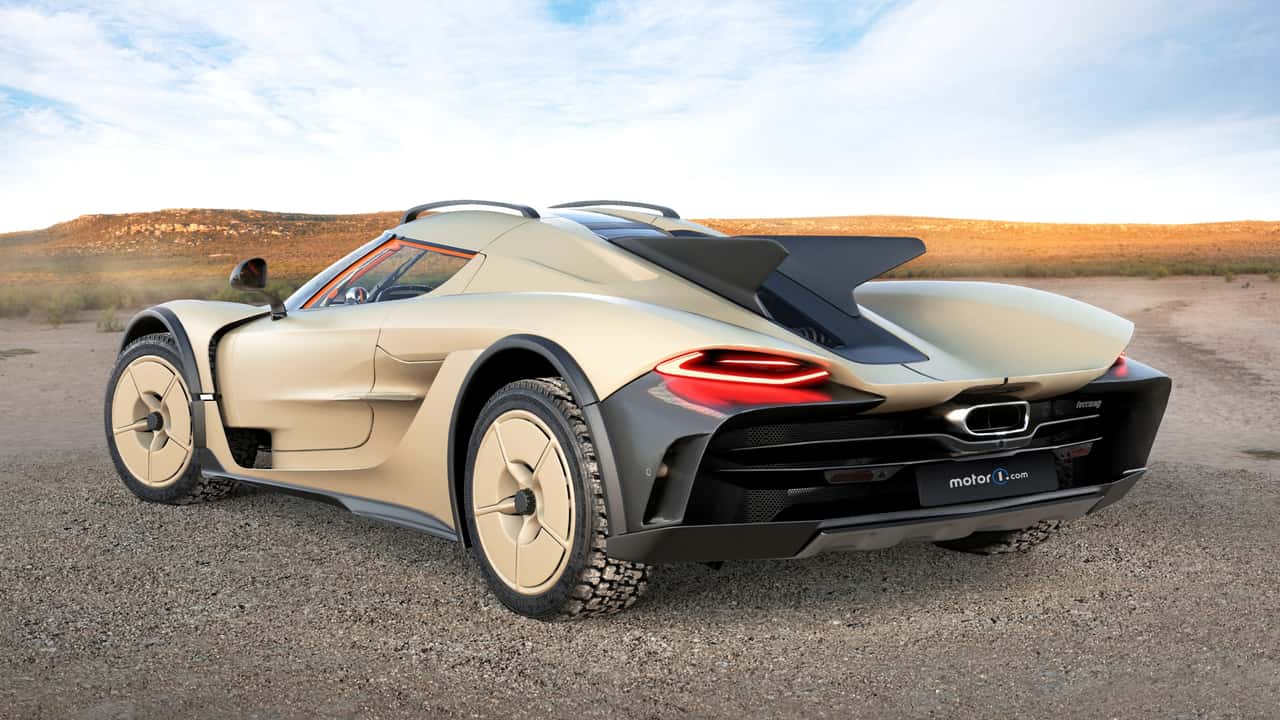
Koenigsegg Jesko Terrang Off-Road Rendering By Abimelec Design & Motor1
Photo by: Abimelec Design | Motor1
1,600 Horsepower And All-Terrain Tires
This beast would likely use the same setup as the standard Jesko: a twin-turbocharged 5.0-liter V8 that produces up to 1,600 horsepower on E85 fuel. That would be a pretty big step up from the Huracan Sterrato's 602 hp and the 911 Dakar's 473 hp.
Even with that extra cladding and added ride height, we'd imagine the Terrang could still sprint to 60 mph in around 3.0 seconds before reaching a top speed well over 200 mph. Whether you'd actually want to attempt that on a dirt road is another question entirely.
Of course, putting all that power to the ground would be a challenge. The Jesko's nine-speed Light Speed Transmission and rear-wheel-drive setup would make for an interesting combination on loose surfaces. We'd probably want to make a few changes to the suspension, too, with more forgiving dampers and some extra underbody protection.
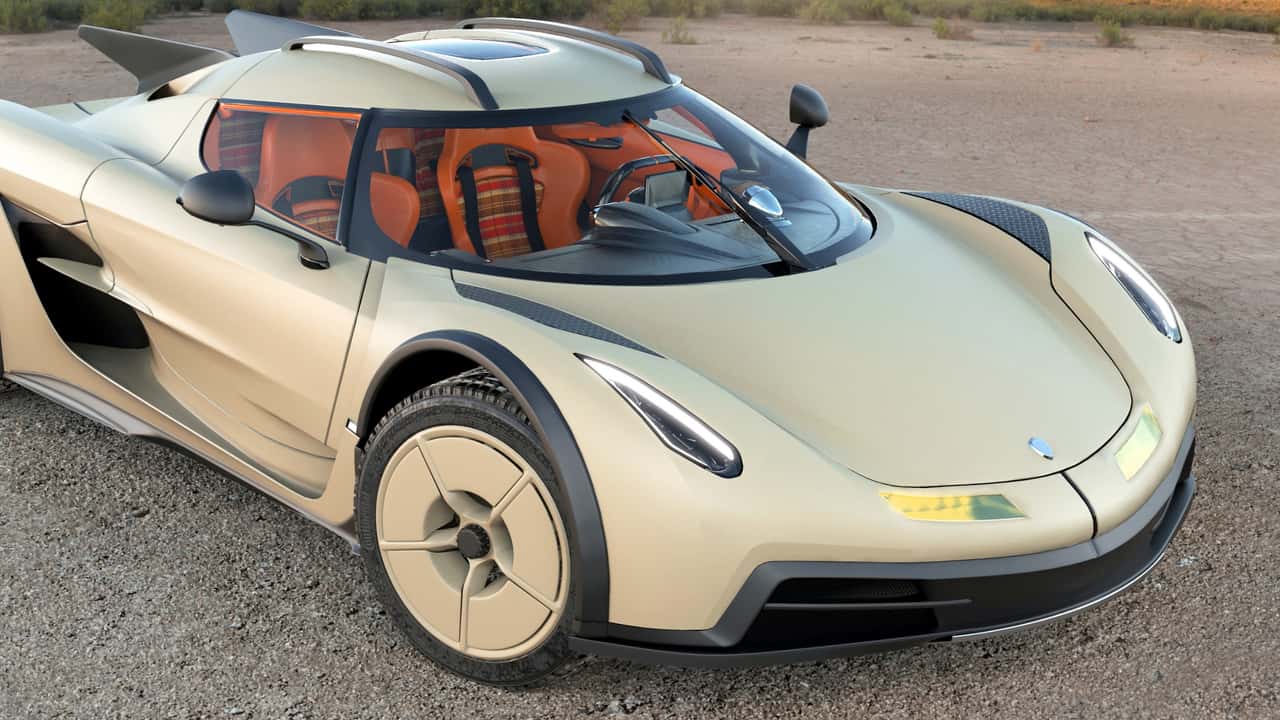
Koenigsegg Jesko Terrang Off-Road Rendering By Abimelec Design & Motor1
Photo by: Abimelec Design | Motor1
The Ultimate Supercar Safari?
The Jesko Terrang would admittedly be a pretty ridiculous machine, all things considered. But that's exactly what makes the idea so much fun.
The 911 Dakar and Huracan Sterrato proved there's a market for sports cars that aren't afraid to get a little dirty. The Jesko is already an extraordinarily rare and expensive machine, so adding a Terrang option to the lineup would give Koenigsegg something few other manufacturers could offer: an absurdly powerful supercar built to have a little fun away from the pavement.
Would Christian von Koenigsegg actually sign off on something like this? Probably not. But we can dream.
This Modern Lancia Stratos Rendering Is Everything We Want
This Alpina Volkswagen Beetle Render Is Weird In All The Right Ways
The Audi A8 Gets A Concept C Makeover, And It Looks Fantastic
A 'Neue Klasse' BMW 6 Series Would Look Beautiful
]]> feedback@motor1.com (Jeff Perez) https://www.motor1.com/news/816250/koenigsegg-jesko-terrang-off-road-huracan-sterrato-rendering/ https://www.motor1.com/news/816062/new-audi-models-2027/ Fri, 20 Nov 2026 14:00:00 +0000 Audi Has 7 New Models Coming In 2027. Here's All Of Them Audi is overhauling its lineup in a bid to catch up with BMW and Mercedes.
Audi is coming off a busy 2026, kicking off a major lineup reshuffle by introducing new models and discontinuing others. We’ve already said our goodbyes to the A1, Q2, and A8, while welcoming back the A2, reinvented as an electric supermini. There’s also a new Q7, joined by the first-ever Q9, which will take on the full-size luxury SUV segment.
You could say Ingolstadt is currently caught between two eras: the old one, represented by much of the existing lineup with its previous design language and screen-heavy interiors, and the new one, spearheaded by the Nuvolari. The transition is far from over, with 2027 shaping up to be another pivotal year for the Four Rings.
Audi’s lineup will continue to evolve, and enthusiasts have plenty to look forward to, including a new flagship supercar to crown the portfolio. Here’s what’s coming down the pipeline.
Audi RS6: Wagon And Sedan Variants
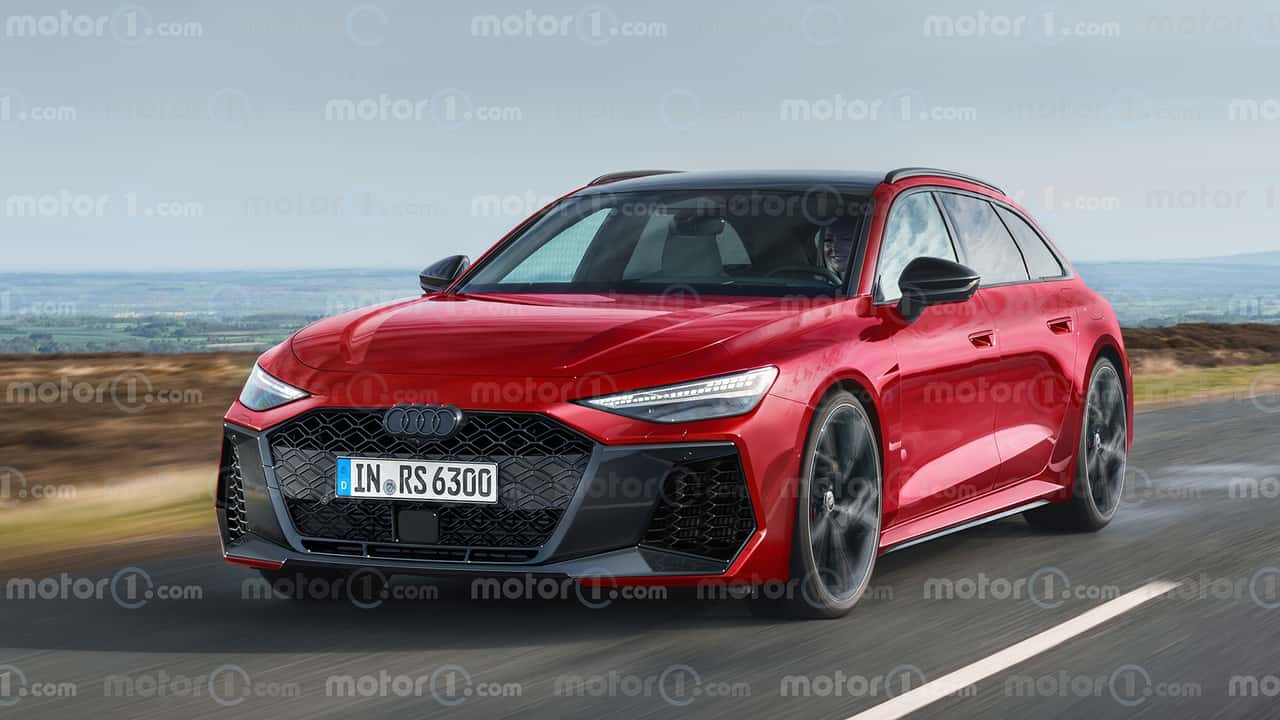
2027 Audi RS6 Avant rendering by Motor1
Photo by: Motor1.com
The next-generation RS6 is shaping up to be one of Audi's most important launches for 2027. For the first time in more than 15 years, the high-performance model will be available in both Avant and Sedan body styles, giving buyers an alternative to BMW's M5 Sedan and M5 Touring, while Mercedes fans are still waiting for the return of the AMG E63.
Prototypes of both versions have already been spotted testing, with the new RS6 expected to adopt a plug-in hybrid powertrain. The jury is still out on whether Audi will retain the V8 or downsize to a V6. Either way, it'll almost certainly pack more punch than the 630 hp and 608 lb-ft (825 Nm) of torque available in the RS5 models.
The return of the RS6 Sedan will effectively replace the RS7 Sportback in Audi's lineup. Unlike the new RS5, which is technically a five-door liftback despite Audi calling it a sedan, the RS6 will be a proper four-door saloon with a conventional trunk. The next-generation RS6 has also been officially confirmed for the United States, although it's not yet clear whether American buyers will get both body styles.
Audi Electric Sports Car: The 718 EV's Cousin
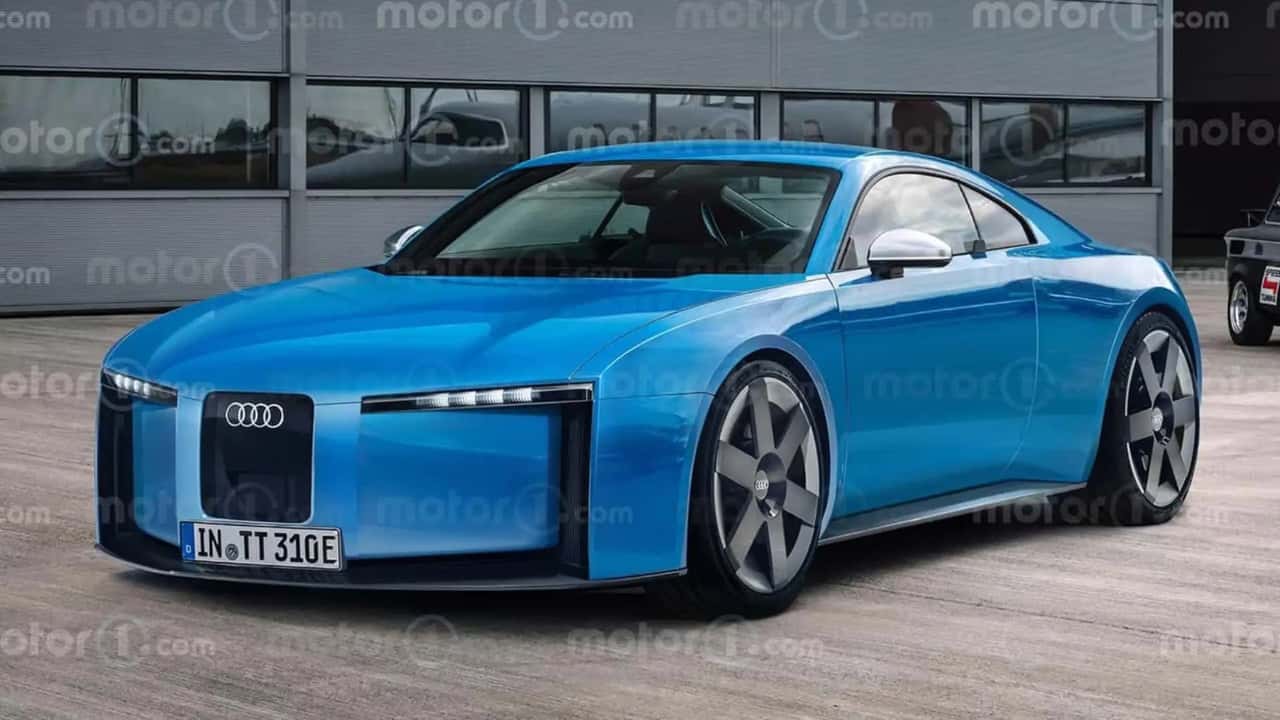
2027 Audi electric sports car rendering by Motor1
Photo by: Motor1
Following the Nuvolari, Audi's next sports car will be a production version of the Concept C. Unveiled in September 2025, the electric two-seater is expected to reach production in 2027. Don't call it a TT or R8 successor, though, because it isn't meant to replace either one. The car will launch exclusively as an EV, initially with a rear-wheel-drive layout, although a dual-motor, all-wheel-drive version could also join the lineup.
Audi is developing the car with help from Porsche, which is supplying the electric platform originally developed for the next-generation 718 Boxster and Cayman. Despite sharing its underpinnings with the Stuttgart sports cars, the Audi will have its own identity and a distinct body style. It'll also feature an electrically operated targa roof, a first for the company.
Internally known as the C-Sport, the production version should stay remarkably close to the concept while incorporating the usual changes required for road legality. Production is scheduled to begin in 2027 at the Böllinger Höfe facility, the same factory that once built the R8. Audi is even planning simulated gear changes and artificial engine sounds to make its electric sports car more engaging. Whether those gimmicks will win over enthusiasts who still prefer internal combustion remains to be seen.
Audi RS Q5: First Of Its Kind
Audi has never offered an RS version of the Q5, but that could finally change next year. Although Ingolstadt hasn't officially announced the hot SUV, plenty of camouflaged prototypes have been spotted testing over the past several months. The telltale signs include flared wheel arches, a wider track, beefier brakes, and the familiar oval exhaust outlets.
Audi isn't keeping the extra performance exclusive to the conventional SUV, either. Spy photographers have also caught an RS Q5 Sportback undergoing testing, suggesting the swoopy derivative will receive the full RS treatment as well. That would give customers two body styles to choose from, following Audi's increasingly familiar strategy of offering high-performance models with both traditional and sloping rooflines.
Under the hood, the RS Q5 is expected to inherit the plug-in hybrid powertrain from the new RS5. That means a twin-turbocharged 2.9-liter V6 working alongside an electric motor, an eight-speed automatic transmission, and quattro all-wheel drive. As with the RS5 models, weight could be a concern, especially since the super wagon tips the scales at a porky 5,192 pounds (2,355 kilograms).
Audi Q8: Lives To See A Second Generation
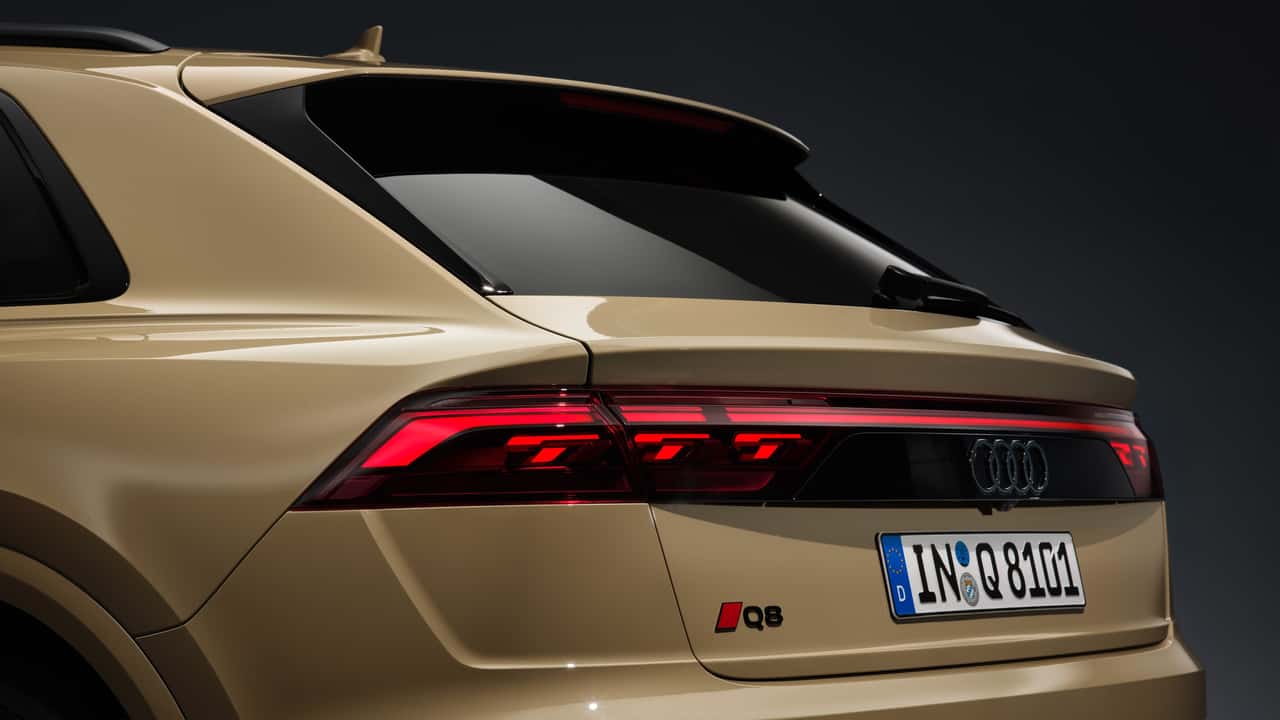
Current-generation Audi Q8
Next year won’t be all about performance models. The Q8 is also getting a second generation after briefly facing an uncertain future under CEO Gernot Döllner. In a recent interview, the boss confirmed that management had approved a successor, saying: "When I joined Audi, to my surprise, there was no decision for a successor, but we changed that." The new model could make its world premiere in 2027, although we wouldn't expect it to reach dealerships until 2028.
The next Q8 will retain its familiar positioning as the sportier, two-row-only alternative to the more practical Q7. In other words, expect another coupe-SUV with a sloping roofline, competing against the BMW X6 and Mercedes GLE Coupe. It will likely share most of its underpinnings and mechanical components with the new Q7.
Under the hood, the next Q8 is expected to offer both V6 and V8 powertrains. A new SQ8 seems particularly likely, especially now that Audi has introduced V8 power to the SQ7 and SQ9. A successor to the mighty RS Q8 is also possible, although it's too early to say whether Audi will give its flagship performance SUV another generation.
Audi Nuvolari: The Supercar Returns
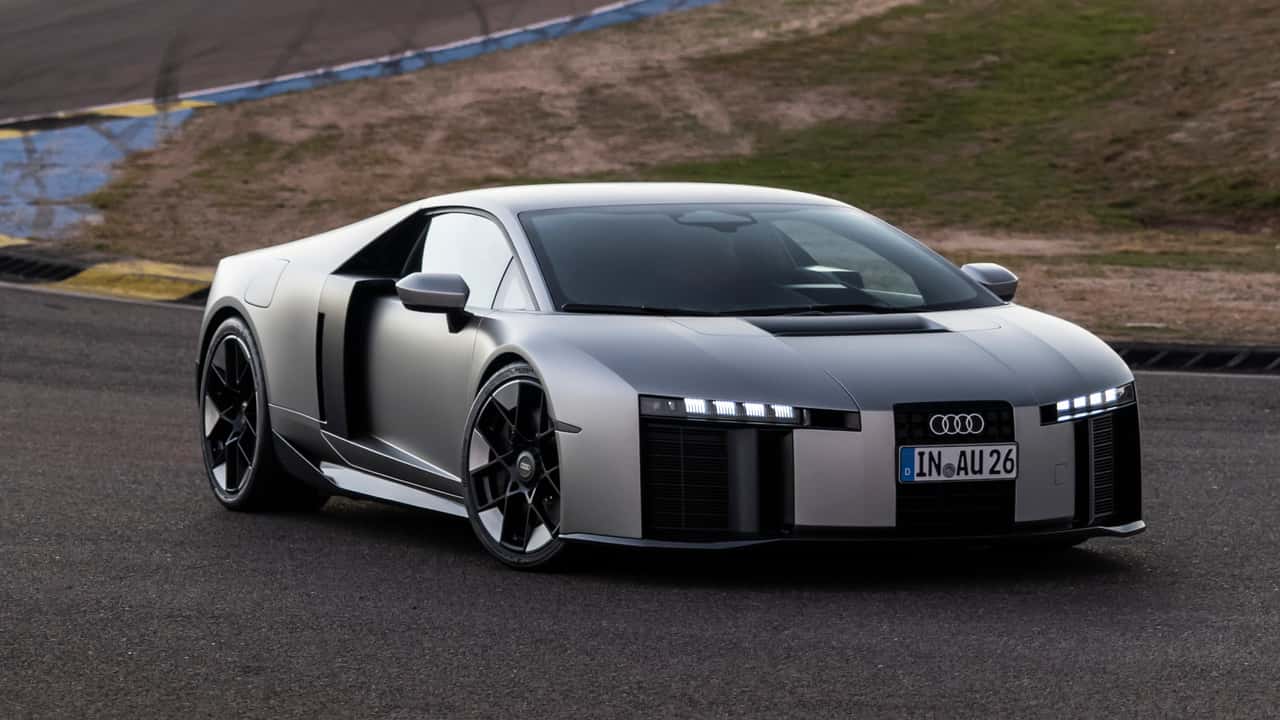
2027 Audi Nuvolari
Photo by: Audi
Although the Nuvolari has already been unveiled, Audi's new supercar won't reach customers until 2027. Despite sharing its underpinnings with the Temerario, Ingolstadt insists there's much more to it than a rebodied Italian exotic. In an email to Motor1, the company explained that it went well beyond simply rebadging and restyling the Lambo.
Both cars share the same basic V8 plug-in hybrid architecture, but the Audi is the more powerful of the two. It's also quicker and has a higher top speed, plus a carbon-fiber body and F1-derived active aerodynamics. The Nuvolari carries a $700,000 price tag in the United States, where just 182 of the 499 planned units will be allocated.
The Nuvolari is exclusively a coupe for now, but that could change. Audi hasn't ruled out expanding the family with an open-top derivative, which would logically build on the recently unveiled Lamborghini Temerario Spyder. However, even if such a version is in the works, it might not arrive in 2027. The first order of business is getting the coupe into production.
Audi A2: Back And Quirkier Than Ever
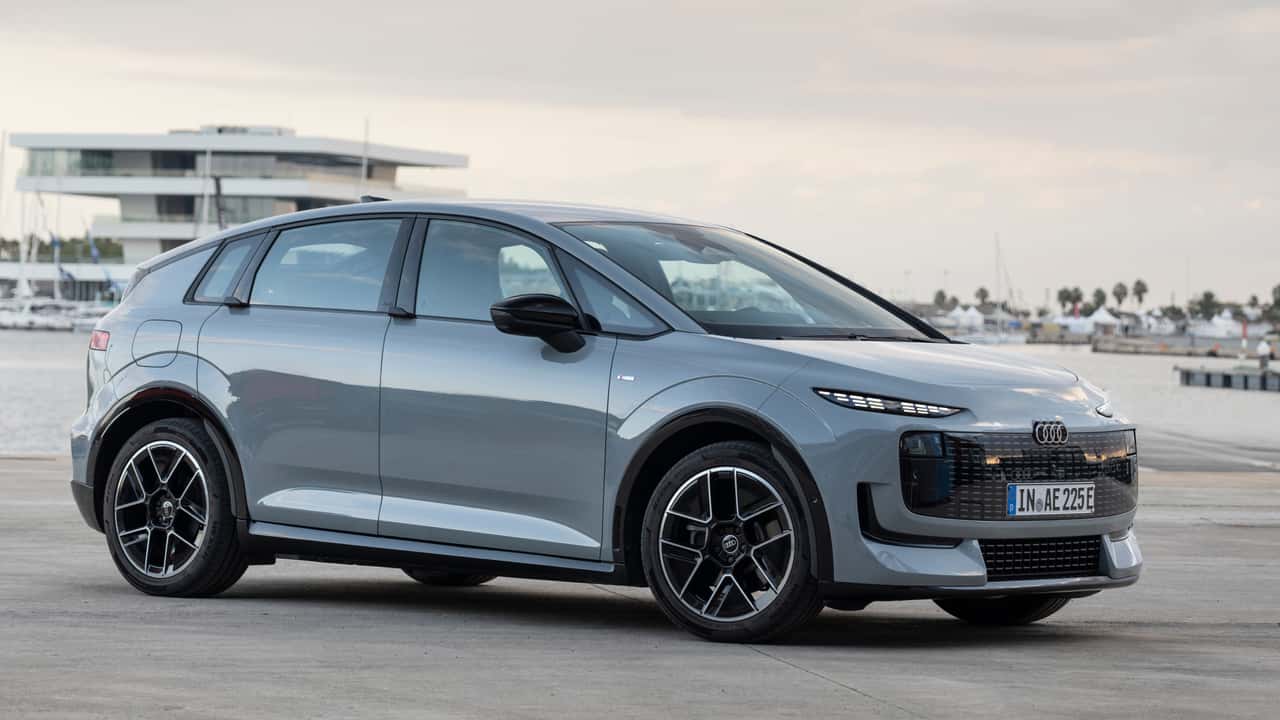 Photo by: Audi
Audi will kick off deliveries of the reborn A2 next month, but the electric supermini’s full rollout across Europe won't begin until 2027. It brings back a familiar nameplate, although it has little in common with the original aluminum-bodied model. Instead, it serves as a new entry point into Audi's electric lineup, effectively taking over from the discontinued A1 and Q2.
Based on the Volkswagen ID.3 Neo, the A2 e-tron will offer a varied lineup with four power levels and three battery sizes, giving customers more choice depending on their budget and range requirements. Production takes place at Audi's home plant in Ingolstadt, Germany, where the company is reusing existing manufacturing equipment to keep costs and investment in check.
Although the reborn A2 doesn't quite recreate the quirky charm of the original, it could become an important volume seller as Audi expands its electric portfolio with a more affordable model. Hopefully, it'll sell better than its ill-fated predecessor. Based on our first drive, the odds do seem better this time around.
Audi Q9: The New Flagship
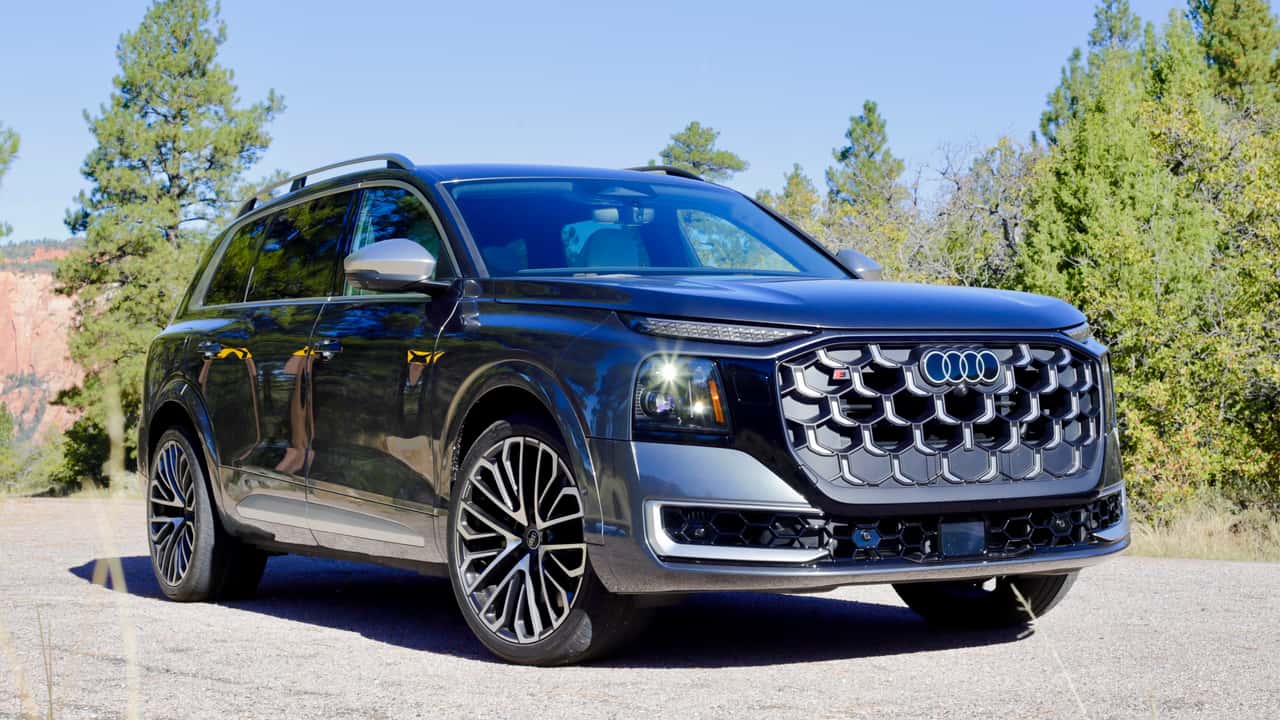
2027 Audi SQ9
Photo by: Peter Nelson | Motor1
With the A8 out of the picture, at least for a few years, the Q9 becomes Audi's temporary flagship. A belated answer to the Mercedes GLS and BMW X7, the three-row luxobarge gets a hot SQ9 version right from the start. However, that's not the case in Europe, where the supersized SUV initially launches with diesel power only.
Fortunately, the TDI-only approach won't last long. Audi has told us it plans to expand the European lineup in 2027 with a gasoline-powered V6 and a plug-in hybrid. The situation is quite different across the Atlantic, where American buyers can already choose between twin-turbocharged V6 and V8 gasoline engines. There's no confirmation yet that Europe will receive the V8-powered SQ9, but Audi told us it's considering the possibility.
Despite being an entirely new model, the Q9 already wears Audi's outgoing design language. Whether customers will warm up to the split headlights and enormous grille remains to be seen. At least Ingolstadt has made some efforts inside by cutting down on shiny plastic. A return to more physical controls has also been promised, but the Q9 was already deep into development before that decision was made. Hopefully, things will change with the mid-cycle facelift.
Of course, Audi could still have a few surprises up its sleeve for 2027. Not every project makes it onto the spy photographers' radar or the rumor mill, and some models might be kept under wraps until much closer to their debut. With Ingolstadt still reshuffling its portfolio and trying to close the gap to BMW and Mercedes, we wouldn't rule out a few unexpected additions.
The Audi A8 Gets A Concept C Makeover, And It Looks Fantastic
Audi Is Spending $4 Billion On A New US Factory For Big SUVs
Audi EV Sets Guinness Record With 831 Miles On A Single Charge
Audi Boss: The More Expensive The Car, The More Buyers Want A Gas Engine
]]> feedback@motor1.com (Adrian Padeanu) https://www.motor1.com/news/816062/new-audi-models-2027/ https://www.motor1.com/news/816241/lamborghini-temerario-spyder-vision-pro/ Fri, 20 Nov 2026 13:05:51 +0000 Lamborghini Temerario Spyder Gets Apple Vision Pro Immersive 3D Experience Apple Vision Pro users can inspect the retractable hardtop and driving modes of Lambo's supercar.
Lamborghini's Temerario Spyder just went virtual before most buyers have seen one in person. The automaker's app for Apple Vision Pro now lets owners and shoppers explore the convertible's retractable hardtop mechanism in spatial computing, including how the roof folds behind the seats.
The feature arrives as the Spyder itself is still rolling out. Lamborghini unveiled the car in Los Angeles in October. First deliveries are expected in spring 2027.
Immersive Experience On Apple Vision Pro
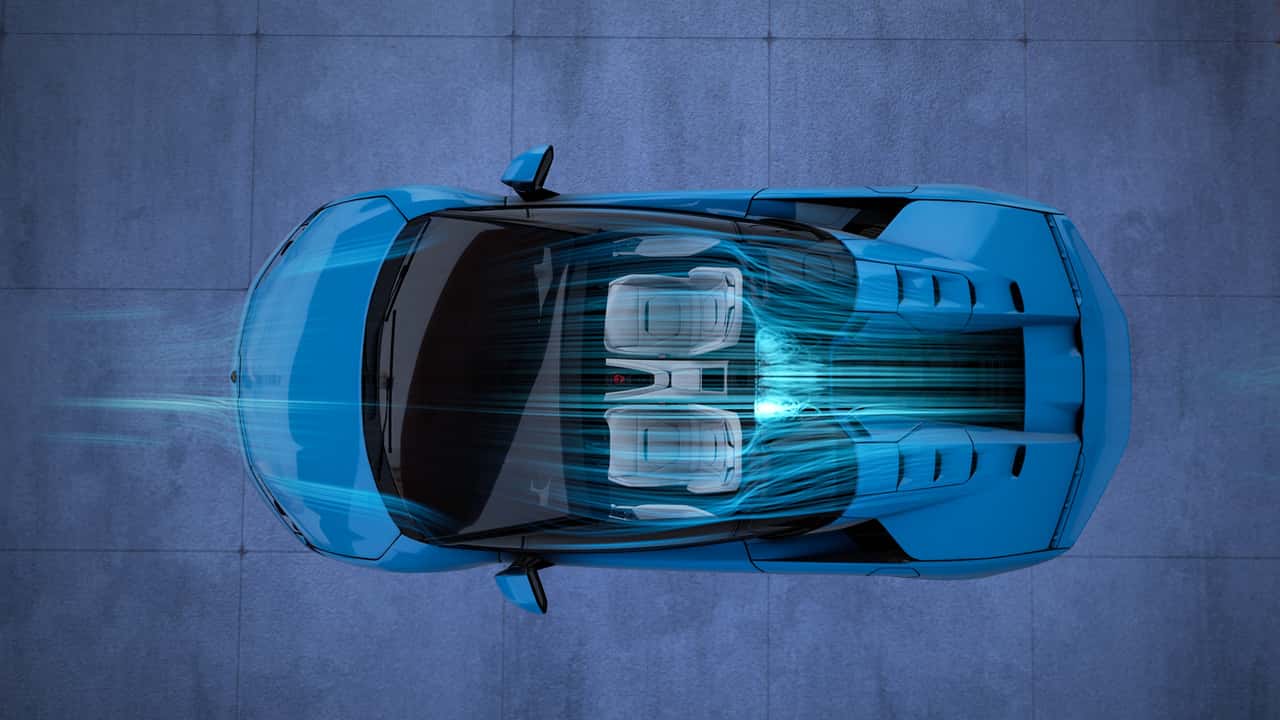
Lamborghini Temerario Spyder Experience On Apple Vision Pro
Photo by: Lamborghini
The app builds on four sections already available for the Temerario Spyder: interior, powertrain, aerodynamics, and the Centro Stile design story. Lamborghini has added two features built specifically for the Spyder. Both are aimed at showing mechanical processes that are hard to see on a static car.
One section lets users activate an animation of the retractable hardtop's vertical folding motion, watching how it tucks behind the cabin without blocking the view of the engine. The other compares the car's four driving modes side by side, showing how power delivery and chassis behavior shift between them.
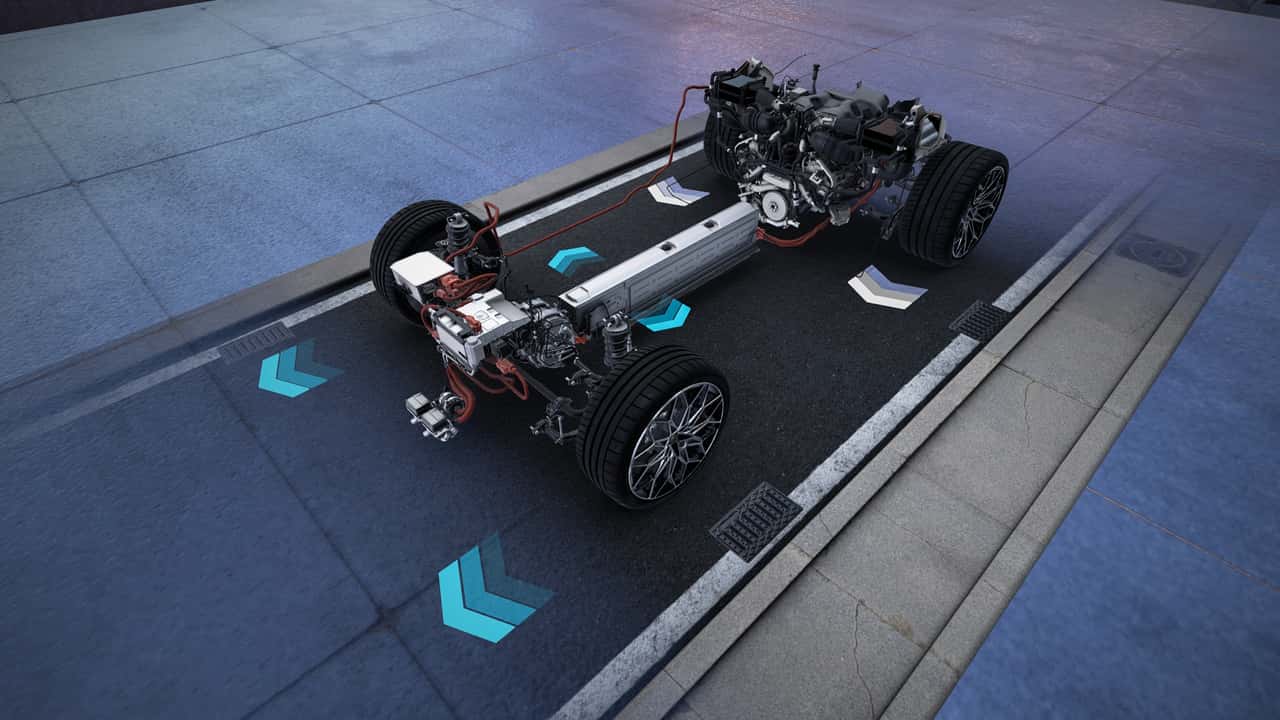
Lamborghini Temerario Spyder Experience On Apple Vision Pro
Photo by: Lamborghini
The powertrain section covers Lamborghini's High-Performance Electrified Vehicle setup: a twin-turbo 4.0-liter V8 that revs to 10,000 rpm, paired with three electric motors for a combined 907 horsepower. Users can rotate around the engine bay in a way no showroom floor allows.
None of this changes what the car does on the road. It does let Lamborghini put technical detail in front of shoppers who may wait months before sitting in one. The roof section carries the most new material, since it is the car's headline feature.
Temerario Spyder In Lamborghini's Electrified Fuoriclasse Lineup
The Temerario Spyder is Lamborghini's first Spyder with a retractable hardtop. The roof opens or closes in 17 seconds at speeds up to 31 mph. The new Vision Pro experience mirrors that timing through its detailed animation.
Lamborghini says the retractable roof has its own dedicated section in the Vision Pro app, including an animation that shows how the system operates while keeping the car's center of gravity and dynamic performance in check. The app turns that engineering focus into something visual, with weight transfer and packaging laid out in front of the viewer.
US pricing for the Temerario Spyder starts at $390,900 before options. Orders are already open, with first deliveries planned for spring 2027. It slots into a lineup that already includes the Temerario Tettonero and the Tricolore special edition shown at Pebble Beach.
Lamborghini calls the app part of a broader spatial computing effort that started with the Revuelto and Urus SE. The Vision Pro experience now covers those models and the Temerario family, with the new Spyder experience expanding how buyers can explore the brand's electrified Fuoriclasse lineup before they ever reach a showroom.
Lamborghini's New 907-HP Spyder Has A Roof That Actually Improves Handling
Lamborghini Trademarks Two Outlandish Names, Hinting At Its Next Supercars
Lamborghini Temerario Gets Even Louder With Official Titanium Akrapovič Exhaust
Lamborghini Creates Two One-Off Revuelto Supercars With A Distinctly Saudi Arabian Twist
Source: Lamborghini
]]> feedback@motor1.com (Brian Potter) https://www.motor1.com/news/816241/lamborghini-temerario-spyder-vision-pro/ https://www.motor1.com/news/816162/2027-toyota-sienna-hybrid-changes/ Fri, 20 Nov 2026 13:00:00 +0000 The Toyota Sienna Gets A Big Hybrid Upgrade For 2027 The updated Sienna makes more power, uses less fuel, and gets larger standard digital displays.
The 2027 Toyota Sienna doesn’t look different from last year’s model, but the familiar sheet metal is hiding some significant changes underneath. The 2027 Sienna will launch with Toyota’s sixth-generation hybrid system, which is more powerful and more efficient than the model’s current powertrain.
The 2027 Sienna comes with a 2.5-liter four-cylinder engine paired with a 124.0-kilowatt drive motor and a 1.15-kilowatt-hour lithium-ion battery, powering the front wheels. Total system output is up from 245 horsepower to 251 hp, while producing the same 176 pound-feet of torque.
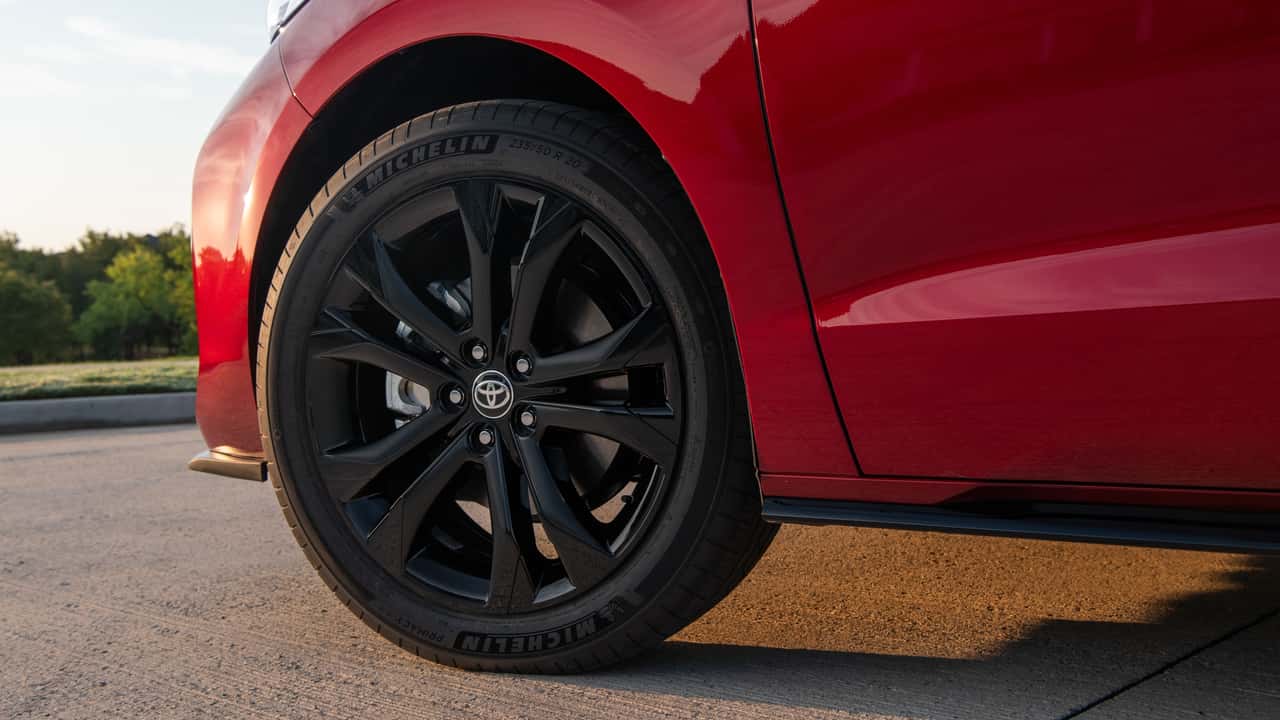
2027 Toyota Sienna XSE
Photo by: Toyota
The automaker has retuned the engine to rev at lower RPMs for quieter operation in parking lots and at mid-range speeds. The new hybrid system also features more efficient electric motors and a new electrical platform, which includes the ECU and software.
The Sienna also gets a new steering system, including a new column, a new steering gearbox, a new motor control unit, and a new torque sensor. Toyota also re-tuned the system for improved low-speed effort and better stability at highway speeds.
It also gets the new brake system introduced on the 2026 RAV4.
More HP, Better MPGs
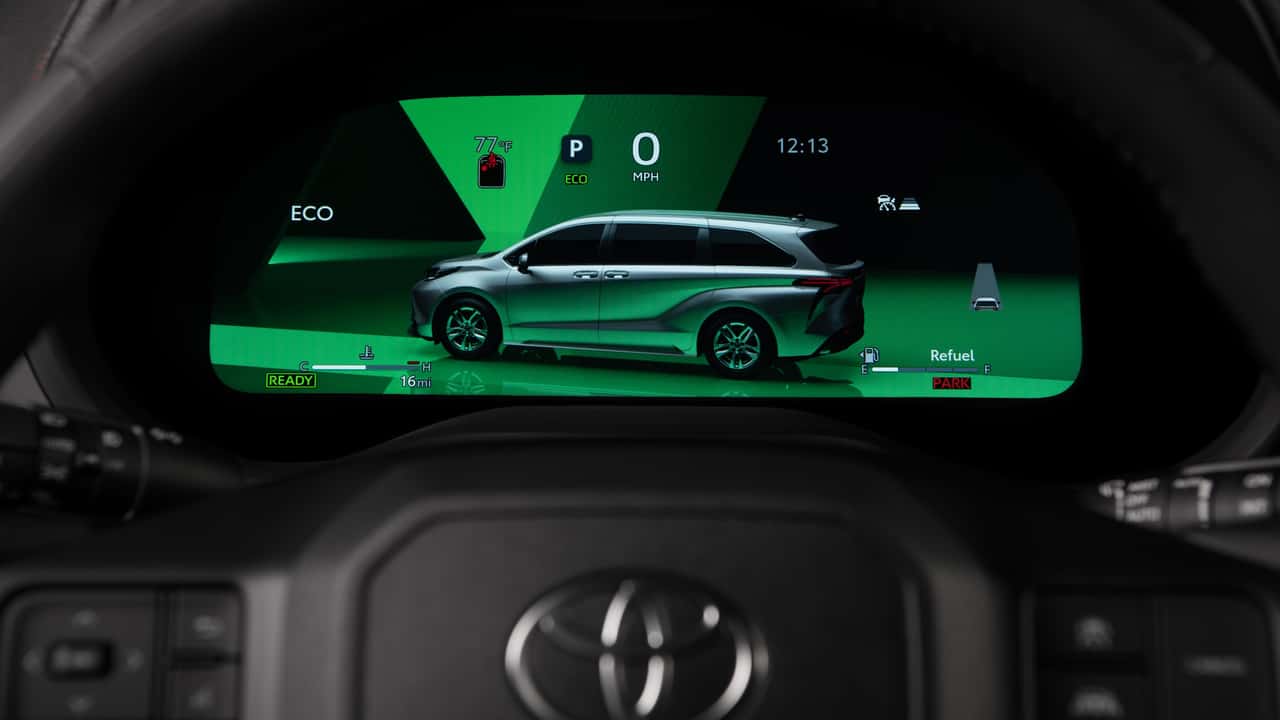 Photo by: Toyota
Toyota claims the front-wheel-drive Sienna can accelerate from zero to 60 miles per hour in 7.5 seconds. The all-wheel-drive variant, which adds a 40-kW rear-mounted electric motor, needs 7.6 seconds, a 0.3-second improvement compared to the 2026 model.
The extra power doesn’t hurt the minivan’s efficiency, either. The 2027 Sienna FWD returns 39 miles per gallon city, 35 mpg highway, and 37 mpg combined, up from 36 mpg city, 36 mpg highway, and 36 mpg combined.
The AWD variant gets 39 mpg city, 35 mpg highway, and 37 mpg combined, up 4 mpg in the city and 2 mpg combined.
Cabin Tweaks
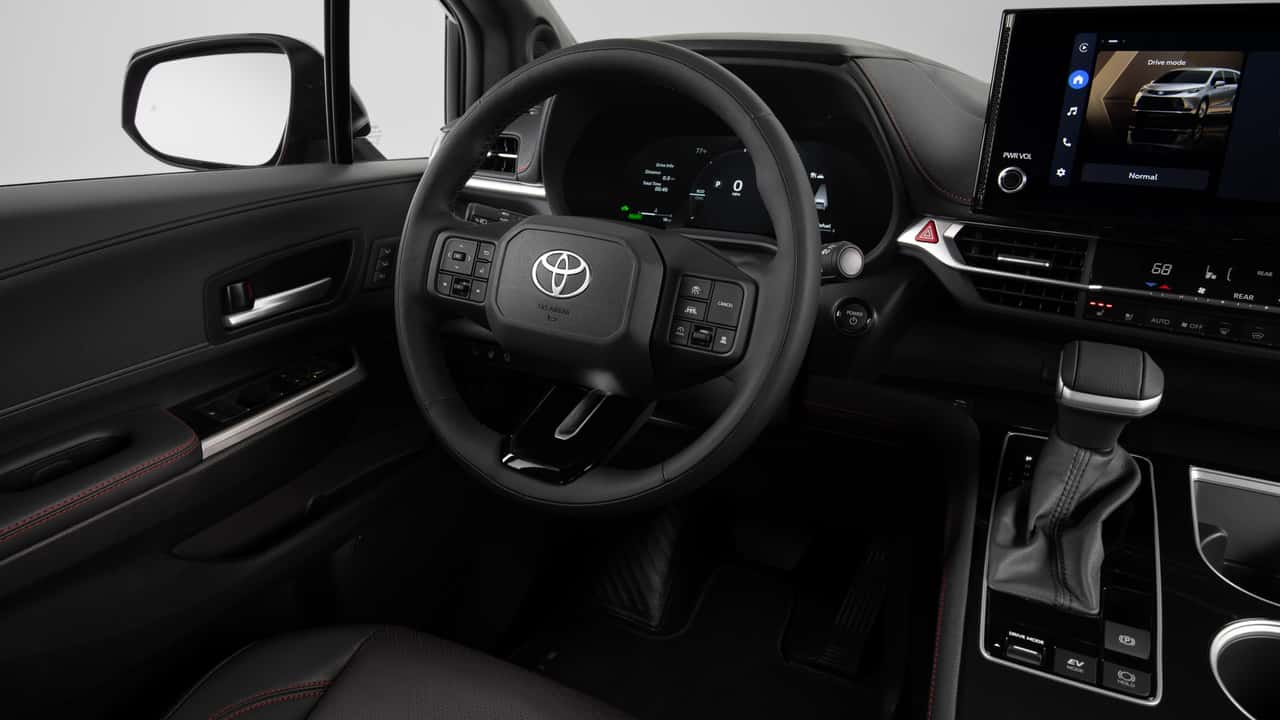 Photo by: Toyota
Inside, the 2027 Sienna will come standard with a 12.9-inch digital instrument cluster. The 2026 LE and XLE trims have a 7.0-inch display. Toyota also makes its 12.3-inch infotainment touchscreen standard across the line, replacing the LE’s 8.0-inch screen and running Toyota’s latest-generation software.
The new steering system includes a new, blockier steering wheel, and the minivan gets new interior LED lighting. A dash camera is now standard, and there are other trim-level tweaks.
The LE now comes standard with the liftgate kick sensor, while the XSE grade gets an assortment of new goodies that eliminate the need for the Limited trim. The XSE features ventilated front seats, a head-up display, seat memory, and a panoramic view monitor that’s now standard on the Woodland.
Price And Availability
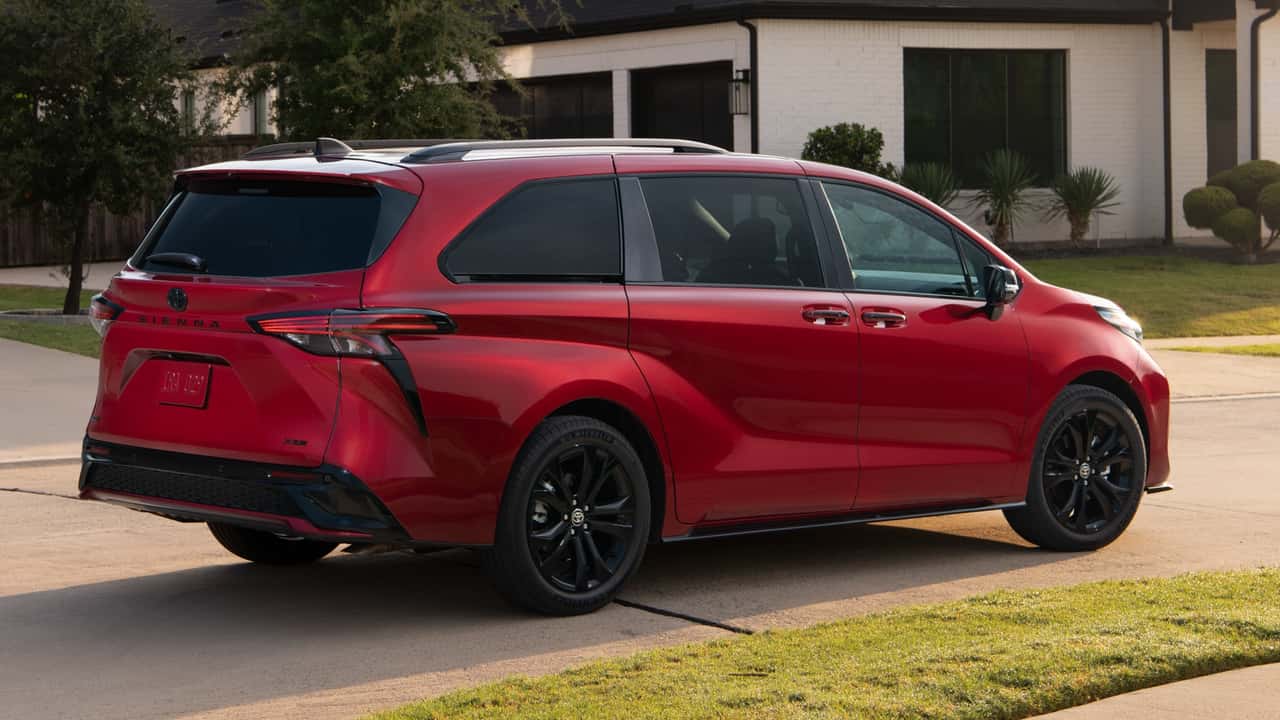 Photo by: Toyota
Toyota says the 2027 Sienna will go on sale early next year. The automaker will release pricing closer to the model’s launch. Storm Cloud is a new exterior color that replaces Cypress.
The entry-level 2026 Sienna LE starts at $42,915, including destination. We expect the starting price to increase to closer to $45,000 with the updated model.
Toyota's New Small Truck Is A Corolla Cross With A Bed
Toyota Wants Enthusiasts To 'Enjoy The Speculation' About The GR Celica
Toyota Thinks $22,000 Is 'Reasonable' For Its Scion Kei Truck
Toyota's Cheaper Sports Car Is Reportedly Back On The Menu
Source: Toyota
]]> feedback@motor1.com (Anthony Alaniz) https://www.motor1.com/news/816162/2027-toyota-sienna-hybrid-changes/ https://www.motor1.com/news/816238/1975-saab-99-barn-find/ Fri, 20 Nov 2026 12:42:36 +0000 This 1975 Saab 99 Survived 31 Years In A Barn, And Drove Again After three decades in storage, this 1975 Saab 99 needed careful fuel, brake, and paintwork revival before returning to Swedish roads.
A 1975 Saab 99 two-door sedan just turned its own key for the first time since 1995. The car spent 31 years parked in a Swedish barn, originally set aside as a parts donor, and came out of storage completely intact.
Reported odometer reading is roughly 130,000 kilometers (80,778 miles), and the car reportedly avoided winter road salt during its working life. A restoration documentary following the revival drew more than two million views.
The Barn Find Drives Again
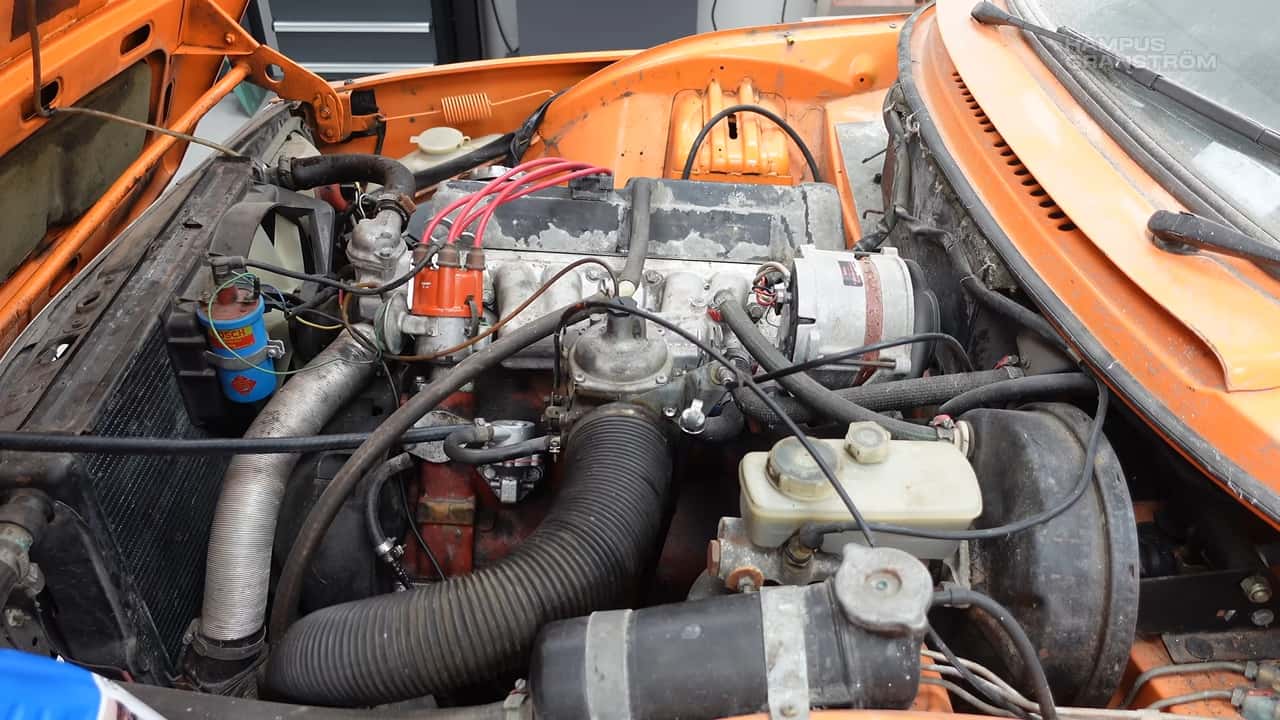
1975 Saab 99 Barn Find
Photo by: Hampus Granström
Sixten Sason designed the Saab 99 in the late 1960s, and by the mid-1970s the engine family included 2.0-liter inline-fours available with Bosch fuel injection alongside carbureted versions. This particular car, badged X7, keeps its original carbureted setup rather than an injected specification.
Hampus Granström, who led the restoration, said the car's structure held up through three decades of inactivity. He described how the basic rally-bred shell that helped make the 99 successful on World Rally Championship stages was still sound when they rolled it out of the barn.
The Saab 99 EMS, introduced in 1972 as a sportier two-door, used a 2.0-liter engine with Bosch electronic fuel injection that formed part of a wider move to injected 99s, which adopted Bosch K-Jetronic from 1975.
The road-going Saab 99 Turbo followed in 1978, rated at 145 horsepower, and it set up a new chapter for the model when Stig Blomqvist won the Swedish Rally in a 99 Turbo in 1979 after his earlier 1977 win in a 99 EMS. This barn-find sedan predates the turbocharged version but shares its chassis roots.
Revival: Engine, Fuel System and Brakes

1975 Saab 99 Barn Find
Photo by: Hampus Granström
Bringing the engine back meant cleaning the internals, servicing the fuel tank and rebuilding the carburetor before anything would fire reliably. Crews also reworked the brakes, trimming the front discs by about 2 millimeters so new pads would seat properly against aged hardware.
Paintwork came next with its first wash since 1995, followed by deep decontamination and a two-stage machine polish to bring the original finish back without stripping it down. The documentary covering the full process runs 44 minutes.
None of this restoration work erases what made the 99 notable when new. Saab built the 99 around deformation zones, impact-absorbing bumpers and a floor-mounted ignition switch, safety-minded choices that help explain how this car's body held its shape in that barn.
One revived sedan does not prove every stored 99 would come back this clean; this car's sheltered conditions and low mileage did much of the work before any tool touched it. Readers chasing their own project car can see how a similarly long-dormant Nissan 300ZX barn find compared, or how another owner weighed whether to sell or scrap a later Saab 9-5.
Rare 1928 Bentley Barn Find Could Be Worth Over $1 Million
Someone Save This Alfa Romeo Montreal Barn Find
These Abandoned Ford Escort Cosworths Are Rotting Away in a Barn
Someone Saved This BMW E30 After 30 Years in a Barn
Source: Hampus Granström
]]> feedback@motor1.com (Brian Potter) https://www.motor1.com/news/816238/1975-saab-99-barn-find/ https://www.motor1.com/news/816232/lynk-co-07-gt-safety/ Fri, 20 Nov 2026 12:14:50 +0000 Geely Launches Lynk & Co 07 GT Off A Cliff To Prove Its Safety After a 70 kph rollover, the Lynk & Co 07 GT kept its doors operable and cabin intact, but lacks independent crash-safety validation.
Geely's Lynk & Co launched its 07 GT station wagon off a cliff at 70 kph (about 43 mph) and let it roll six times down a mountainside. The car's doors reportedly still opened afterward, and the brand is calling it proof of safety.
The stunt follows the wagon's recent debut in Paris. There's no Euro NCAP rating attached to its name, and the absence of an official score is part of the story Lynk & Co is telling with this stunt.
Lynk & Co 07 GT Survives A 43 MPH Cliff Rollover
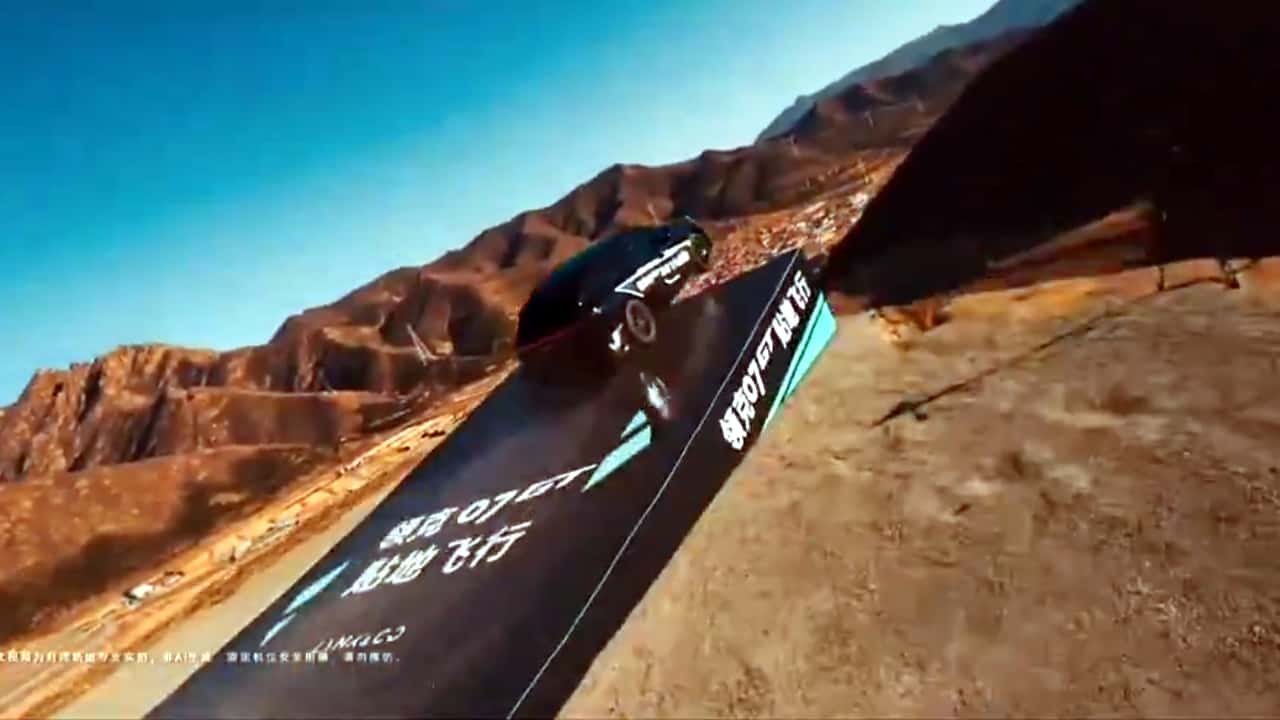
Lynk & Co 07 GT Cliff Jump Stunt
Photo by: Lynk & Co
The demonstration reportedly took place on November 16 in Zhangjiakou, China, using a production-condition car rather than a prototype. Lynk & Co says the sequence opened with a 60 kph (about 37 mph) run across a 100-meter undulating road. The run then built speed to the cliff jump.
At the edge, the 07 GT launched at 70 kph (about 43 mph) and tumbled six times down the slope before coming to rest. Geely's Global Communications chief, Chen Qu, called the whole event validation. He wrote on X: "we have the safest car in the world, don't argue this with me, except you @volvocars."
That's a marketing line. Euro NCAP's five-star system gives buyers a standardized way to compare vehicles, built on defined protocols rather than a single staged fall down a hillside.
Euro NCAP's own November assessments scored cars across four categories: Safe Driving, Crash Avoidance, Crash Protection, and Post Crash Safety. Nine SUVs earned five stars in that round, and the Nissan Leaf scored four. A cliff roll checks none of those boxes in a way regulators or insurers can replicate or verify.
Lynk & Co 07 GT Doors And Glass Roof After The Stunt
The reported damage picture is specific. All four doors could still be opened after the car came to rest. Lynk & Co says the passenger compartment stayed structurally intact, and the glass roof cracked but stayed in place over the cabin instead of shattering inward.
Lynk & Co also attributed a figure to the event presentation: the car's side-curtain airbags reportedly held pressure for more than six seconds, longer than the fraction of a second typical deployments need to cushion an initial impact. No independent body verified that number.
Chinese automakers have staged cliff drops to make a safety point before. It's the kind of viral demonstration that plays well on social media. It also plays well inside a domestic market where passenger vehicle sales fell about 27 percent year over year in October while exports from China jumped more than 60 percent.
A single rollover still isn't a replicable test. A Euro NCAP rating draws on repeated, controlled impacts, standardized dummy placement, and injury-criteria measurement, the kind of process that produced a five-star score for the Audi Q7 this same assessment round. The Lynk & Co 07 GT is still a China-market model preparing for a European launch, and it has no announced Euro NCAP test or published rating yet. Its cliff stunt is a demonstration.
A NASCAR Driver Bought An Actual Tank. The HOA Isn't Happy
Porsche's Boss Isn't A Fan Of Tesla's Marketing Stunts
Watch Toyota Drop A Caravan On The Electric Hilux To Revive Top Gear Stunt
A Chinese Automaker Tried—And Failed—To Copy Range Rover's Viral Stair Climb
Source: Lynck & Co via Autoevolution
]]> feedback@motor1.com (Brian Potter) https://www.motor1.com/news/816232/lynk-co-07-gt-safety/ https://www.motor1.com/news/816195/vw-id-polo-gti-clubsport/ Fri, 20 Nov 2026 11:00:00 +0000 The VW ID. Polo GTI Clubsport Is A Racy Electric Hot Hatch Concept With 362 HP The track-focused supermini is massively different from the regular ID. Polo GTI. Too bad it's just a concept (for now).
2026 isn’t quite over yet, so Volkswagen is sneaking in another car to celebrate half a century of the original 1976 Golf GTI. This time around, it’s a concept based on the smaller Polo, meaning you won’t be able to buy one. The new Clubsport alter ego of the recently launched ID. Polo GTI takes the production car to a whole new level, at the expense of practicality.
Arriving next week at the Essen Motor Show, the one-off packs 362 horsepower and 406 pound-feet (550 Newton-meters) of torque. That’s a substantial 139 hp and 192 lb-ft (260 Nm) more than the road-going model, enough to shave a couple of seconds off the sprint to 62 mph (100 km/h). With Launch Control, the job is now done in as little as 4.7 seconds. The ID. Polo GTI Clubsport goes on to hit 149 mph (240 km/h), making it a full 40 mph (65 km/h) faster than the standard GTI.
The extra oomph comes from an electric motor originally developed for larger, rear-wheel-drive vehicles like the ID. Tiguan and ID.7. In the new subcompact concept, VW’s engineers mounted the motor at the front, which meant reworking the layout to accommodate hardware that wasn't originally supposed to be there.
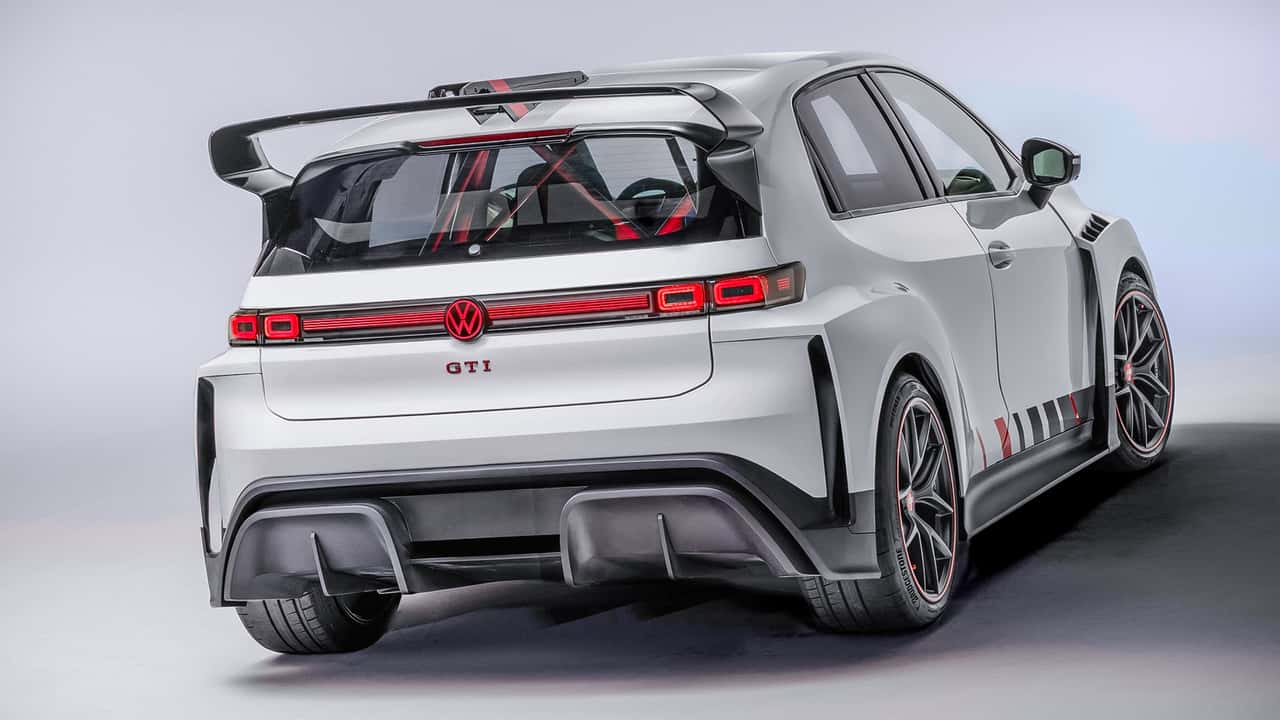
2026 VW ID. Polo GTI Clubsport Concept
Photo by: Volkswagen
The Extra Go Comes With More Show
The Clubsport treatment goes well beyond installing a more powerful electric motor. VW has widened the body by 3.9 inches (100 millimeters), with the front and rear fenders each extended by 2 in (50 mm). The result is a much more aggressive stance than the relatively restrained production ID. Polo GTI.
In fact, the concept has only two doors. The rear side windows remain, but the rear doors have been eliminated to accommodate the wider rear fenders and reinforce its motorsport intentions. A large carbon-fiber rear wing, a prominent front splitter, and a completely redesigned diffuser provide additional downforce.
Black 19-inch BBS wheels complete the exterior makeover, while the familiar GTI design cues remain. There's a red accent running across the front end, a honeycomb-patterned lower grille, and the characteristic vertical LED daytime running lights.
The changes don’t stop there. VW has also lowered the Clubsport by 0.6 in (15 mm) compared with the ID. Polo GTI. At the same time, that makes it 1.2 in (30 mm) lower than the regular ID. Polo. Although the concept receives revised geometry, wider tracks, and bespoke suspension components, it’s still stuck with a torsion-beam rear axle, unlike its Renault 5-based rival, the Alpine A290, which has independent rear suspension.
Another piece of hardware that hasn’t changed is the battery. The Clubsport uses the same 52-kWh net nickel-manganese-cobalt (NMC) battery as the regular GTI. Still, the battery management system has been modified to deliver more power. Additionally, the charging window has been expanded beyond the limits imposed on the production model to protect the battery.
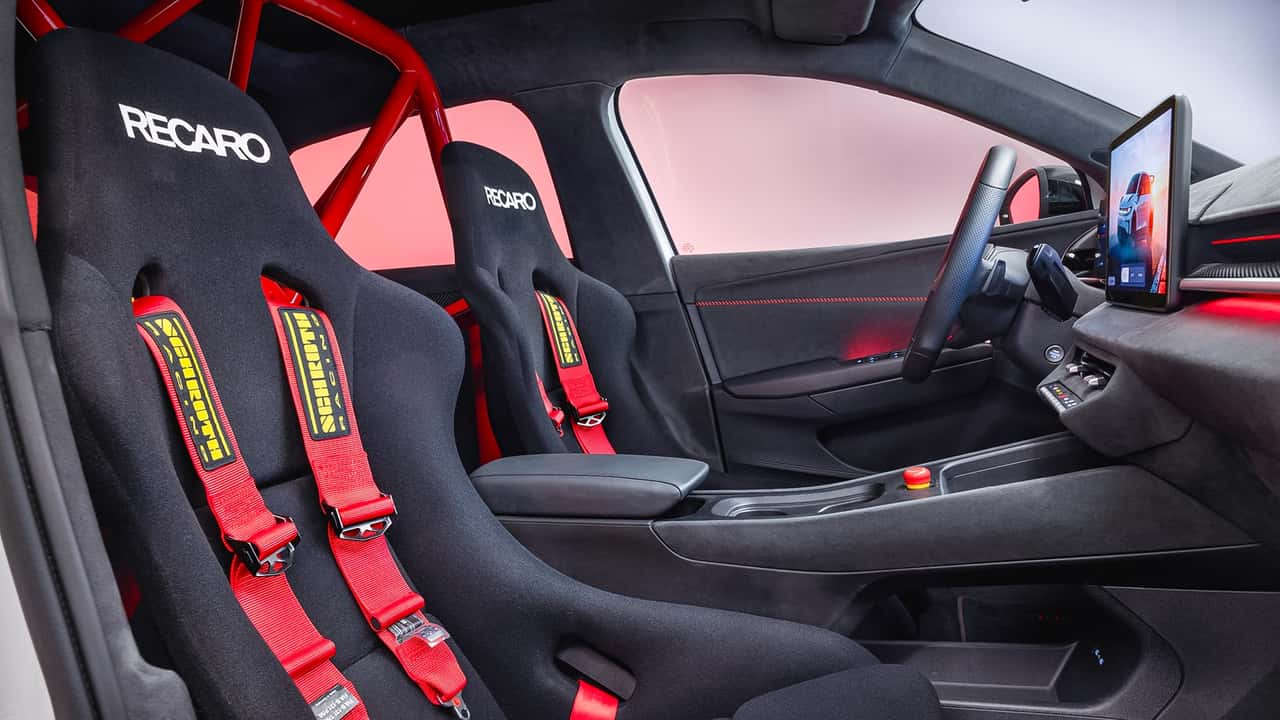
2026 VW ID. Polo GTI Clubsport Concept
Photo by: Volkswagen
There’s Still A Screen, But The Infotainment Is Gone
The interior follows the same philosophy. VW has retained the basic dashboard layout from the production ID. Polo GTI, but with the infotainment system removed entirely. Apparently, there's no room for distractions when you're chasing lap times.
The cabin features dark, glare-resistant microfleece upholstery, red decorative stitching, and Recaro racing bucket seats with five-point harnesses. The Clubsport is essentially a two-seat racing machine, with a roll cage where you’d expect to find a rear bench and a cargo area.
VW doesn’t say how much the car weighs, but we can safely assume it’s lighter than the ID. Polo GTI. Between the stripped-down interior and the rear-door delete, this pocket rocket likely weighs less than the production car’s 3,395 pounds (1,540 kilograms).
A Production Version Is A Definite Maybe
VW describes the ID. Polo GTI Clubsport strictly as a one-off concept, but doesn't completely rule out a production derivative. For now, though, the Clubsport remains a technology showcase rather than a confirmed future model, with Wolfsburg saying that fitting it with a license plate is, for now, a “theoretical option.”
It’ll be in Essen between November 27 and December 6.
2027 VW Golf GTI Rabbit Edition Hops Into The US As A Retro Special
The New Volkswagen ID.3 GTI Is The Most Powerful GTI Ever
]]> feedback@motor1.com (Adrian Padeanu) https://www.motor1.com/news/816195/vw-id-polo-gti-clubsport/ https://www.motor1.com/news/816200/chip-foose-1955-chevy-restoration/ Fri, 20 Nov 2026 10:14:31 +0000 Chip Foose Rebuilds Fire-Destroyed 1955 Chevy With LS3 V8 At the 2026 Los Angeles Auto Show, Foose returned a rebuilt 1955 Chevrolet 210 Delray to Ben Johnson after a year-long effort.
Ben Johnson was sixteen when he bought an Orbit Orange 1955 Chevrolet 210 Delray. It stayed with him for decades, through high school dates, Friday nights at Bob's Big Boy, and the purchase of his first home in Altadena, California. The 2025 Eaton Fire burned it to the frame.
On November 19, 2026, during Media Day at the 2026 Los Angeles Auto Show, Chip Foose and Coulson Autosports handed Johnson the keys to a fully restored Delray. The build took a year and relied on a second donor car, since almost nothing of the original survived the fire.
How Chip Foose And Coulson Rebuilt The Delray
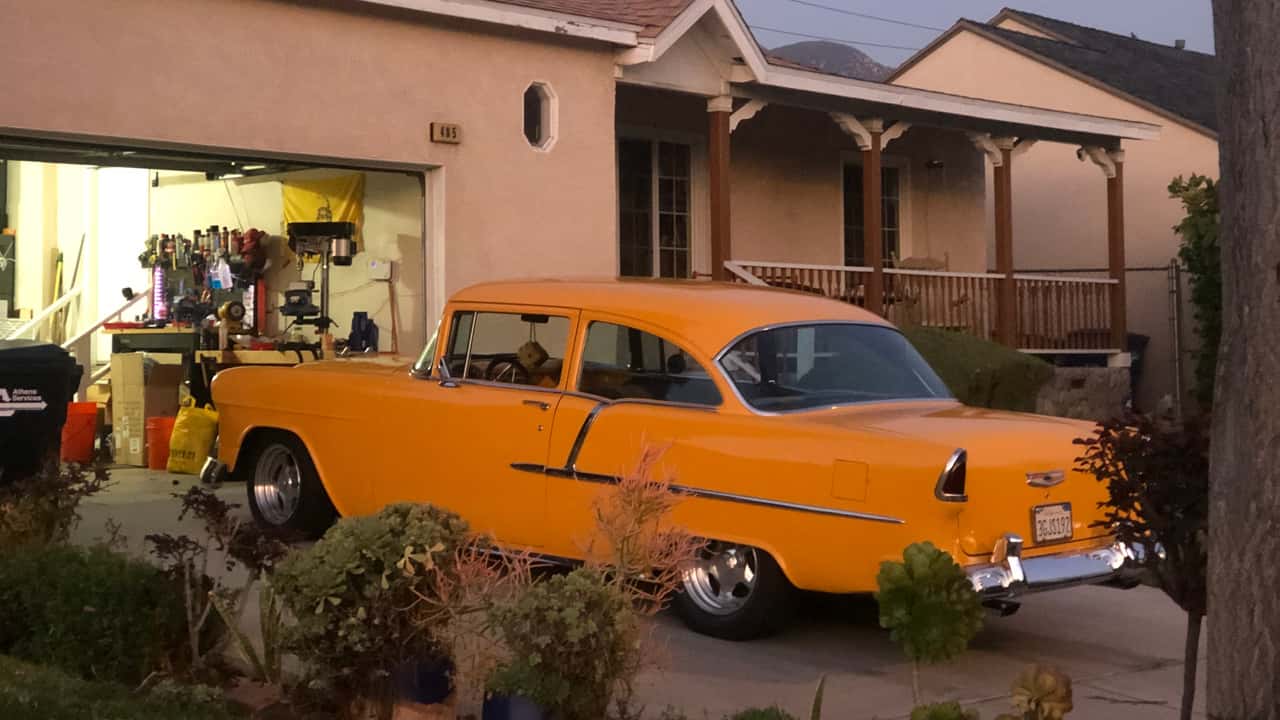
1955 Chevrolet 210 Delray Prior To Fire
Photo by: Coulson Aviation USA 
Wild-fire Damaged 1955 Chevrolet 210 Delray
Photo by: Coulson Aviation USA Photos by: Coulson Aviation USA
The project traced back to the 2025 Los Angeles Auto Show, where Coulson Aviation launched its Wildfire Vehicle Restoration Contest with Foose, the automotive designer known for his work restoring and customizing classic American cars. Southern California residents who lost vehicles in the fires could submit their stories for a chance at a free rebuild.
Johnson's submission, backed by public votes, won him the contest. Britton Coulson, president and COO of Coulson Aviation USA, described the motivation behind the project:
'When we heard what Ben's Delray meant to him and his family through his contest submission, we wanted to help restore that part of their lives.'
The fire had left Johnson's car little more than charred remnants. Coulson Autosports made the call to source a second 1955 Delray and build it to the spec Johnson had only imagined. The team stripped that donor car to bare metal, repaired rust and damage, boxed the rear frame, and relocated the leaf-spring suspension for better ride and handling.
Reassembly mixed original parts Johnson had kept from his destroyed car with new pieces where needed. The crew rewired the entire vehicle and rechromed every trim piece.
Foose's Design And The Parts That Made It Personal
Foose met with Johnson early in the process and sketched a rendering to guide the build: a slightly darker yellow than the original orange, paired with a contrasting white roof. He also drew up a multi-color stitched leather interior to replace the Delray's factory cabin.
Under the hood sat a Chevrolet LS3 V8 paired with a ZF automatic transmission. The swap was meant to make the car an easy daily cruiser. Foose lowered the suspension and fitted custom wheels based on a Boyd Coddington design he originally created decades ago, updated for this build.
A long list of aftermarket partners supplied parts for the project, among them Summit Racing, BluePrint Engines, MagnaFlow, Quick Performance, CPP, BFGoodrich, TMI, Apex Leather, Redline Gauges, Kicker, and Dynamat. Each covered a different system, from the exhaust to the sound damping to the dashboard instruments.
Foose, Wayne Coulson, Britt Coulson, and Los Angeles County Fire Chief Anthony Marrone were on hand for the reveal in the South Atrium, where Foose walked Johnson through the work piece by piece. The Delray remains on display there through November 29 during the 2026 LA Auto Show.
This Abandoned Range Rover Sat For 5 Years. Then They Brought It Back To Life
Remember The Fire-Damaged Corvette Z06? Now It Actually Runs
They Spent Eight Years Building A Lancia Stratos. Now They Can Finally Drive It
This Rare Supercar Was Left To Rot. One Man Decided To Save It
Source: Coulson Autosports
]]> feedback@motor1.com (Brian Potter) https://www.motor1.com/news/816200/chip-foose-1955-chevy-restoration/ https://www.motor1.com/news/816198/jaguar-xj220c-le-mans-road/ Fri, 20 Nov 2026 09:29:10 +0000 This Jaguar XJ220 Won At Le Mans. Now You Can Drive It On Public Roads Chassis 002 keeps its 1993 Le Mans record and race livery while carrying UK plates and an estimated $5,950,000 price.
Jaguar's only Le Mans class win technically doesn't exist. Chassis 002 of the XJ220C crossed the line first in the GT category in June 1993, then lost that result a month later over paperwork.
Now that same car has UK number plates. Furlonger Specialist Cars has completed the road-registration process for the car and listed it for sale at roughly $5.95 million.
Chassis 002 And The 1993 Le Mans Result
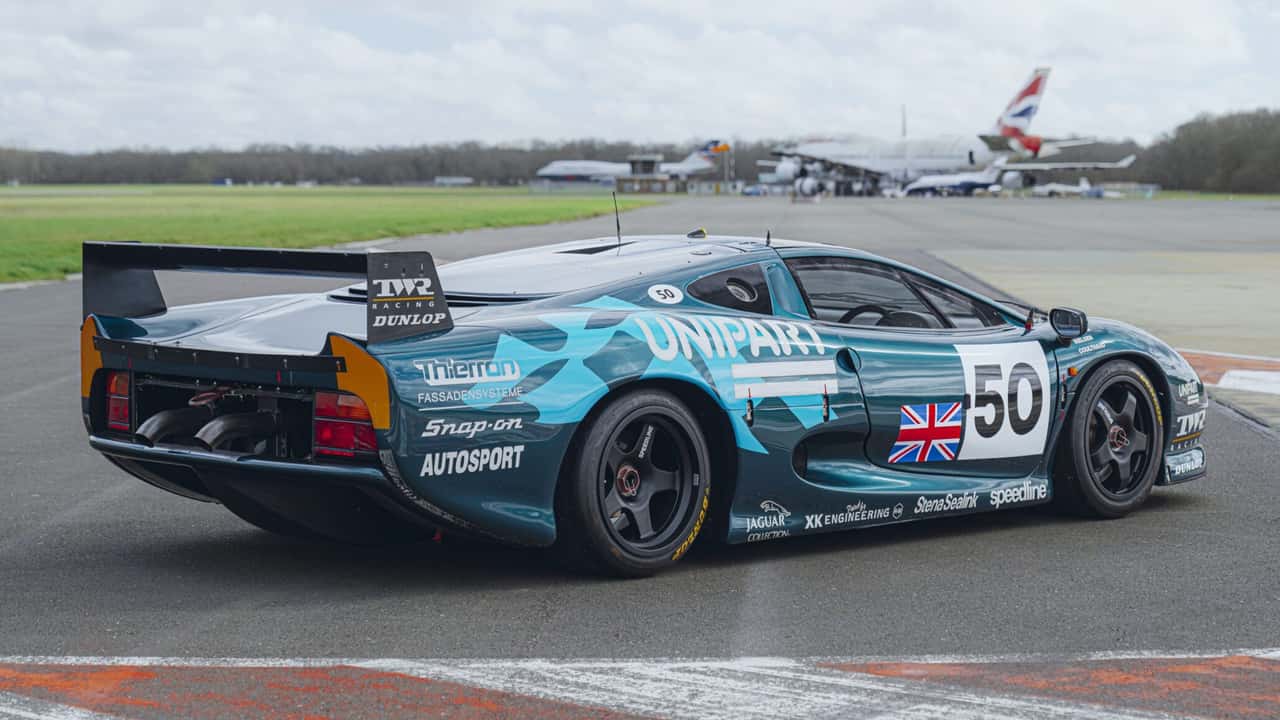
1993 Jaguar XJ220C-LM
Photo by: Furlonger Specialist Cars
Jaguar built four XJ220C race cars for the 1993 season, and three went to Le Mans that June. Chassis 002 ran as car number 50, driven by John Nielsen, David Brabham and David Coulthard, and finished 15th overall.
In the GT class, it crossed the line ahead of everyone else. About a month later, officials disqualified the car. The appeal paperwork had gone to the race organizer but missed its deadline with the French motorsport authority. The class win went instead to a Porsche 911 co-driven by Jürgen Barth.
Coulthard still keeps a piece of that disputed result. "I've still got the trophy, it's up in Scotland with all the others," he said. The car itself moved through Jaguar's TWR museum before a later owner, the Sultan of Brunei, added it to his collection.
The XJ220 road car that chassis 002 is based on made 542 horsepower. The race-spec XJ220C carries a 3.5-liter twin-turbocharged V6 tuned to 850 horsepower. That gap is why registering it for public roads took real engineering work.
How Furlonger Made The Jaguar XJ220C Road Legal
Furlonger Specialist Cars carried out a full mechanical appraisal before pushing chassis 002 through the UK registration process. The car now wears front and rear plates while keeping its 1993 race livery untouched, badge, number and all.
An 850-horsepower race car isn't an easy conversion. Furlonger called the job manageable, pointing to the shared structure between the XJ220C and the road-going XJ220 as the reason the swap worked at all.
A pure prototype, one with no road-car relative, would need far more fabrication to pass UK inspection. Chassis 002 kept its racing hardware largely intact and still cleared the process. Furlonger calls it the only road-legal XJ220C-LM anywhere.
The listing prices the car at £4,499,990, which converts to approximately $5.9 million. That figure buys a genuine Le Mans competitor with a disqualification still attached to its record.
Court Orders JLR To Destroy Seized Files In BYD Dispute
Jaguar May Already Have A Name For Its Next Car
Jaguar Type 01 Gets The Star Treatment In Stunning Florence Pugh Photo Shoot
Nearly 94,000 Range Rovers Recalled Over Rearview Camera Failures
Source: Furlonger Specialist Cars
]]> feedback@motor1.com (Brian Potter) https://www.motor1.com/news/816198/jaguar-xj220c-le-mans-road/ https://www.motor1.com/news/816189/genesis-x-skorpio-production-considered/ Fri, 20 Nov 2026 09:00:03 +0000 Genesis Is Exploring A Road Legal X Skorpio With 1,100 Horsepower Muñoz is pushing for a road-going Genesis X Skorpio by 2030, but crash rules, emissions, and suspension tuning stand in the way.
Genesis is seriously weighing a road-legal version of the X Skorpio, the twin-turbo desert runner it paraded across the dunes of the United Arab Emirates in January. Hyundai Motor Group CEO José Muñoz told reporters at the Los Angeles Auto Show that the automaker is working with its designers to figure out how to get the concept into production.
Muñoz pointed to a potential timeline of 2030, pending final approval of the project. He said dealers and prospective buyers who have seen the concept have pushed hard for Genesis to build it.
Production Plans Point To 2030
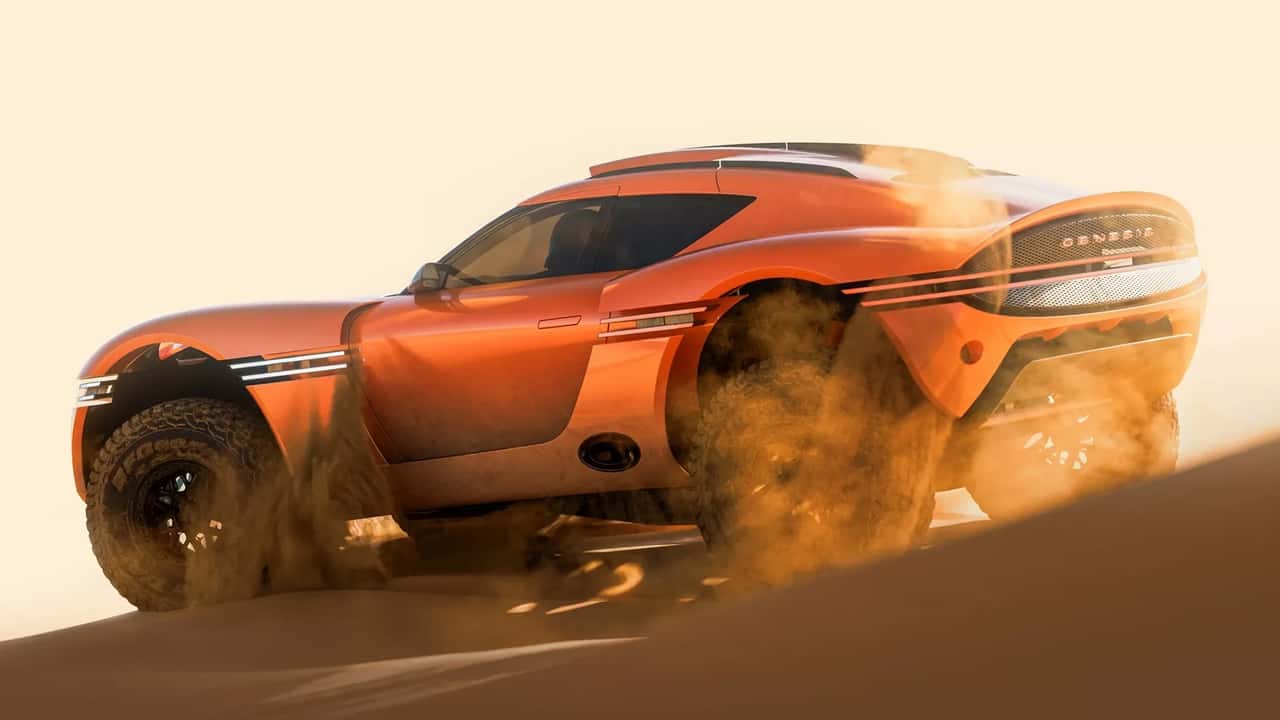
Genesis X Skorpio Concept 2026
Photo by: Genesis
Genesis has not confirmed a launch, and Muñoz's comments describe an exploration rather than a greenlit program. Genesis is working with designers to bring the X Skorpio concept to market, as reported by Automotive News, with 2030 floated as the earliest realistic date.
Genesis director of product planning Ash Corson said when asked about the brand's off-road ambitions:
'We are growing very quickly so there is a lot of white space opportunities for us, but they have to fit with our evolving identity, including Magma.'
Corson also laid out the engineering tension at the heart of any off-road Genesis: a suspension soft enough to survive dunes and whoops has to behave on pavement too. "If the shocks are tuned correctly, that makes it a dream to drive on the street," he said, acknowledging how hard that balance is to hit.
Genesis already has a taste for this space. The brand built an off-road supercar concept and ran a modified off-roader up a hill climb earlier this year, groundwork that makes the X Skorpio look less like a one-off stunt.
Genesis X Skorpio Concept Brings 1,100 Horsepower Off-Road
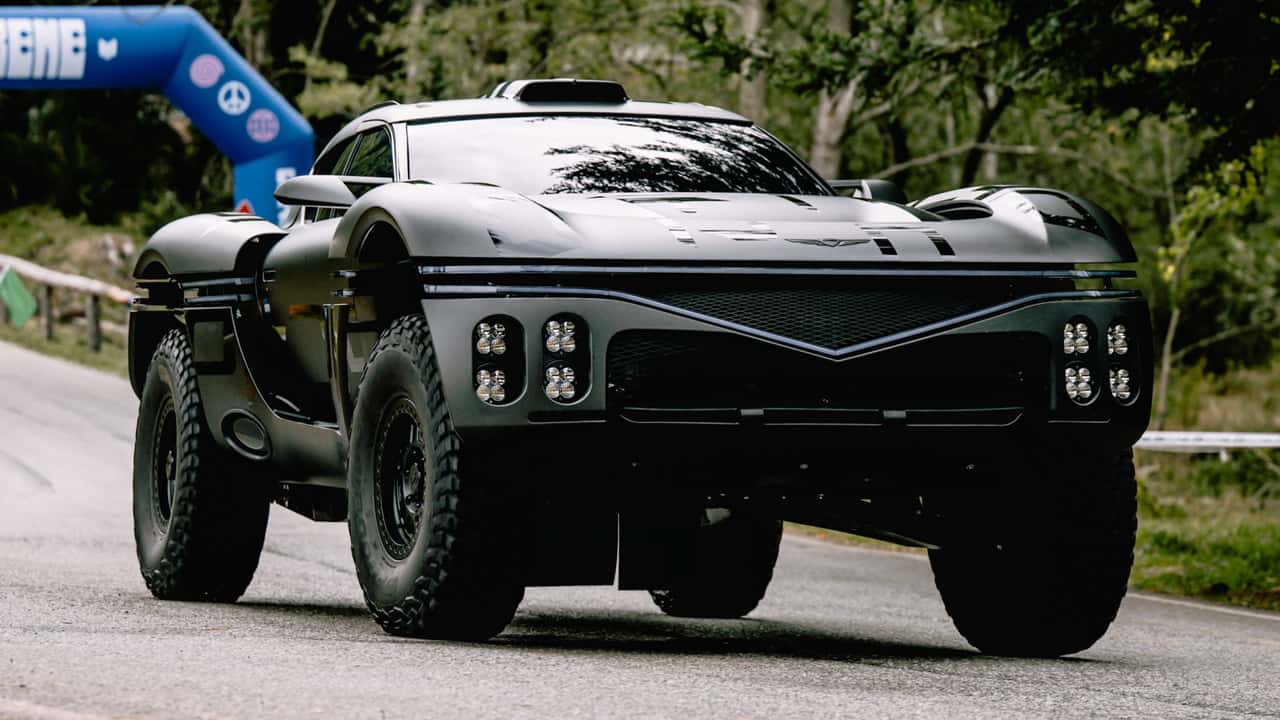
Genesis X Skorpio Concept Hillclimb
Photo by: Genesis
The concept Genesis unveiled in the Rub' al Khali desert runs a twin-turbo V8 rated at 1,100 horsepower, with 850 pound-feet of torque. It rides on 40-inch off-road tires mounted to 18-inch beadlock wheels built to stay seated at low pressure over rough terrain.
Underneath sits a tubular frame with a full roll cage, and the body panels mix fiberglass, carbon fiber and Kevlar. Genesis designed those panels to be swapped out quickly after the kind of damage a desert run inevitably inflicts.
None of that reads like a vehicle built to meet US crash standards or pass emissions certification in its current form. A production Skorpio would need a reworked structure, a street-legal powertrain calibration and safety equipment the dune-runner skips entirely, which is likely why Genesis presents 2030 as conditional.
Genesis has other reference points to draw from, including its recently detailed GV90, and the X Gran Equator Concept show the brand already stretching its performance identity before the X Skorpio enters the conversation.
Genesis Hints At 'Performance Hybrids' As A Path Forward
Genesis G80 And GV80 Finally Go Hybrid, With Over 500 Miles Of Range
Hyundai Recalls 94,000 Genesis Models Over Power Seat Fire Risk
Genesis Patents X Gran Coupe And Convertible, Is Production Next?
Source: Automotive News, Edmunds
]]> feedback@motor1.com (Brian Potter) https://www.motor1.com/news/816189/genesis-x-skorpio-production-considered/ https://www.motor1.com/news/816181/bmw-us-ev-investment-tariffs/ Fri, 20 Nov 2026 08:11:35 +0000 BMW Has A $1.7 Billion Argument For Lower US Import Tariffs The iX5 now builds at Spartanburg as BMW presses Washington on import duties while final tariff relief terms remain unresolved.
BMW has started building its first American-made electric vehicle, and the company wants Washington to notice the timing. The iX5 is now rolling off the line at Plant Spartanburg in South Carolina, backed by a $1.7 billion manufacturing investment.
That spending is the centerpiece of BMW's pitch to the Trump administration for lower import tariffs. The German automaker paid more than $1 billion in US duties last year alone, even as it builds hundreds of thousands of vehicles domestically and ships many of them overseas.
BMW Tariff Relief Talks Remain Unresolved
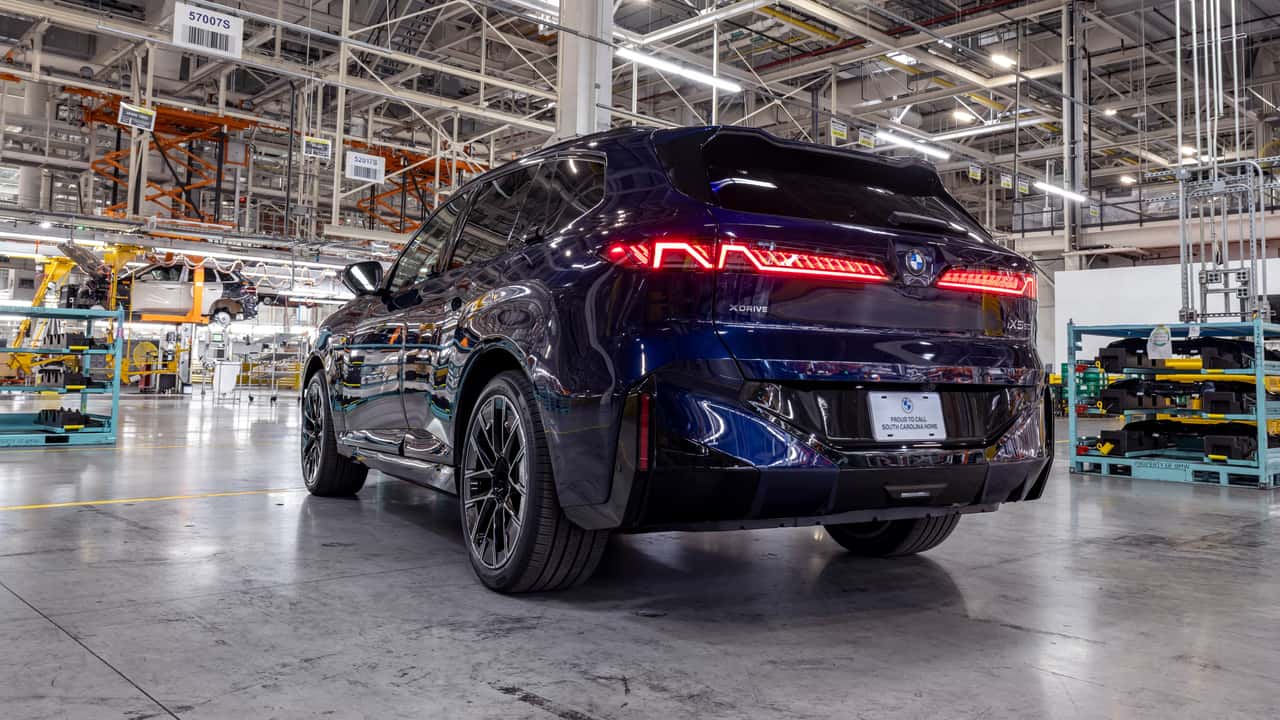
2027 BMW iX5 production in Spartanburg, South Carolina
Photo by: BMW
Robert Engelhorn, president and CEO of BMW Manufacturing, confirmed the automaker is in active discussions with federal officials. "Our business model is to export, so for sure we are in close contact with the federal government," he told Automotive News, adding that BMW is "looking towards free trade" and lower tariffs.
South Carolina Governor Henry McMaster backed BMW's position, saying he has raised the issue directly with officials in Washington. "Over time, I've had conversations with the people in Washington about that very thing," McMaster said, sounding confident a resolution would eventually come together.
Nothing has been finalized. There is no public indication of how much relief the administration might offer, or whether any deal is close, and BMW continues paying full duties on every vehicle it imports in the meantime.
The stakes are real for BMW's bottom line. It imported roughly 215,000 vehicles last year, mostly 3 Series and 4 Series models the Spartanburg plant does not build, and each one crosses the border carrying that tariff cost.
BMW's $1.7 Billion US EV Investment

BMW Plant Woodruff Assembly Of High-Voltage Batteries
Photo by: BMW
Spartanburg is BMW's largest factory anywhere in the world, and the numbers back that up. The plant produced exactly 412,799 vehicles in 2025, a 4.2 percent jump over the prior year, with roughly half of that output exported to about 120 markets worldwide.
Of the $1.7 billion investment, $700 million went toward a new battery assembly facility in nearby Woodruff. BMW is using $1 billion of the total to prepare the Spartanburg factory for electric vehicle production alongside its gas and plug-in hybrid models.
The iX5 is the first payoff from that spending, and it is already moving down the same flexible line as combustion and hybrid versions of the X5. Current output sits at approximately 70 vehicles per day, and the model is scheduled as a 2027 entry for the US market.
BMW plans to build at least six fully electric models at Spartanburg by 2030, a buildout that goes well beyond the iX5. The iX7 is expected in 2027, with an iX6 likely following in 2028, and electric versions of the X5 M, X6 M, and an Alpina-badged iX7 reportedly in the pipeline as well.
BMW Reveals A Secret Extra-Long V12 7 Series That Never Happened
Driven: BMW's Electric M3 Is The Real Deal
BMW Recalls 720,000 Vehicles For Water Pump Fire Risk. Owners Told To Park Outside
BMW Unearths M7 Prototype It Secretly Built Decades Ago
Source: Automotive News
]]> feedback@motor1.com (Brian Potter) https://www.motor1.com/news/816181/bmw-us-ev-investment-tariffs/ https://www.motor1.com/news/816178/vw-id-buzz-beach-revealed/ Fri, 20 Nov 2026 07:45:48 +0000 Volkswagen ID. Buzz Beach Turns Electric Van Into A Camper, Sleeps Two Off The Grid The retro electric people carrier gets a removable double bed, folding furniture, and up to 48 hours of off-grid climate control.
Volkswagen is taking its electric van on a camping trip. The new ID. Buzz Beach builds on the familiar electric people carrier with a removable bed, folding furniture, and clever software designed to make overnight stays away from civilization more comfortable.
The biggest addition is a removable bed frame paired with a custom-fit folding mattress measuring 2.0 meters (78.7 inches) long and 1.2 meters (47.2 inches) wide. That's slightly larger than a standard small double bed and provides enough room for two people. VW has also thought about storage. In five-seat configurations, the bed frame folds away into the luggage compartment, leaving room underneath for bags and camping equipment.
Buyers opting for six- or seven-seat layouts get a different arrangement, with the mattress and bed frame stored vertically behind the third row. There's more to the camping setup than somewhere to sleep. The ID. Buzz Beach also comes with a hidden folding table and chairs, allowing occupants to set up a small outdoor dining area without sacrificing too much cargo space.
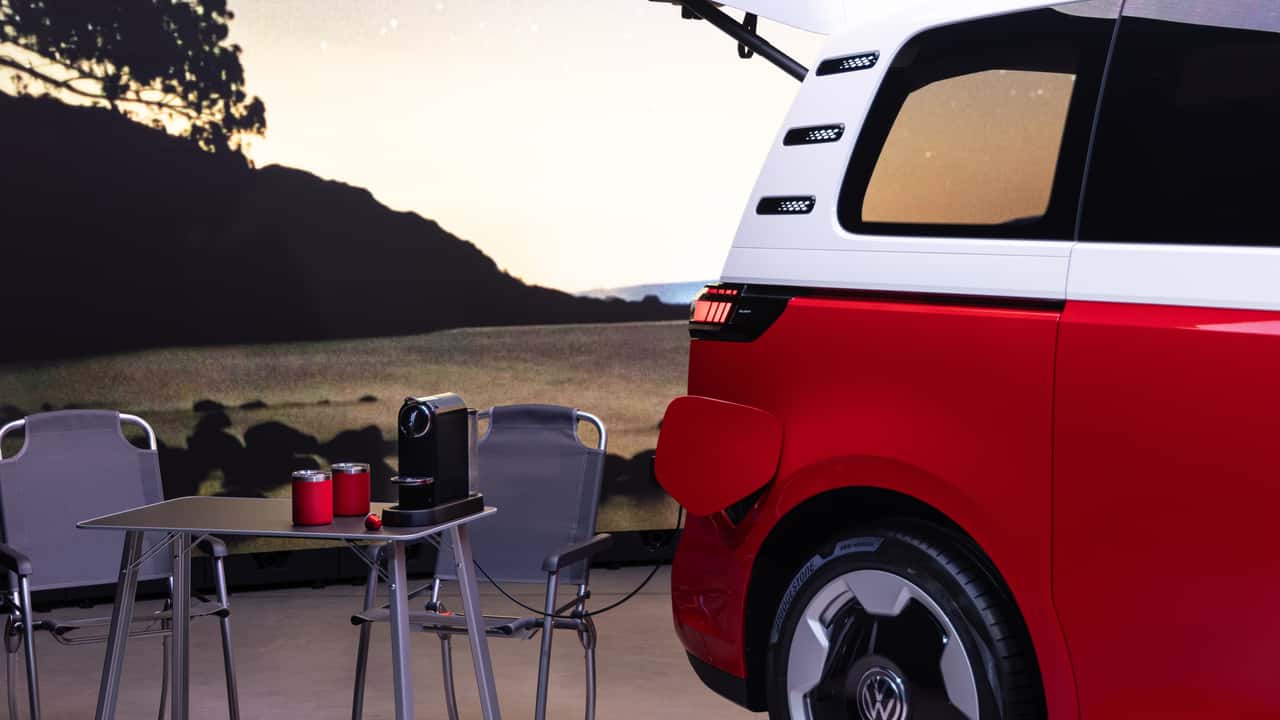
2027 VW ID. Buzz Beach
Photo by: Volkswagen
Stowable Camping Furniture And An Overnight Mode
In five-seat versions, the furniture sits beneath the false boot floor, while larger configurations store it upright alongside the mattress. Blackout curtains and ventilation grilles for the front side windows round out the equipment, helping create a more comfortable sleeping environment.
The ID. Buzz Beach isn't relying solely on conventional camping equipment to make a difference. Its software introduces an "Overnight" mode, accessible through the central touchscreen, that uses the high-voltage battery to provide off-grid climate control for up to 48 hours.
That means owners can keep the cabin comfortable throughout a weekend away without needing an external power source. Naturally, actual operating time will depend on conditions and energy consumption, but the idea is to make electric camping less dependent on campsite hookups.
The electric van also doubles as a mobile power station thanks to vehicle-to-load (V2L) functionality. VW includes a 230-volt socket adapter as standard, allowing owners to power everyday appliances such as a kettle, coffee machine, or even an electric grill. There's also an optional camping connector for those who want a more dedicated setup.
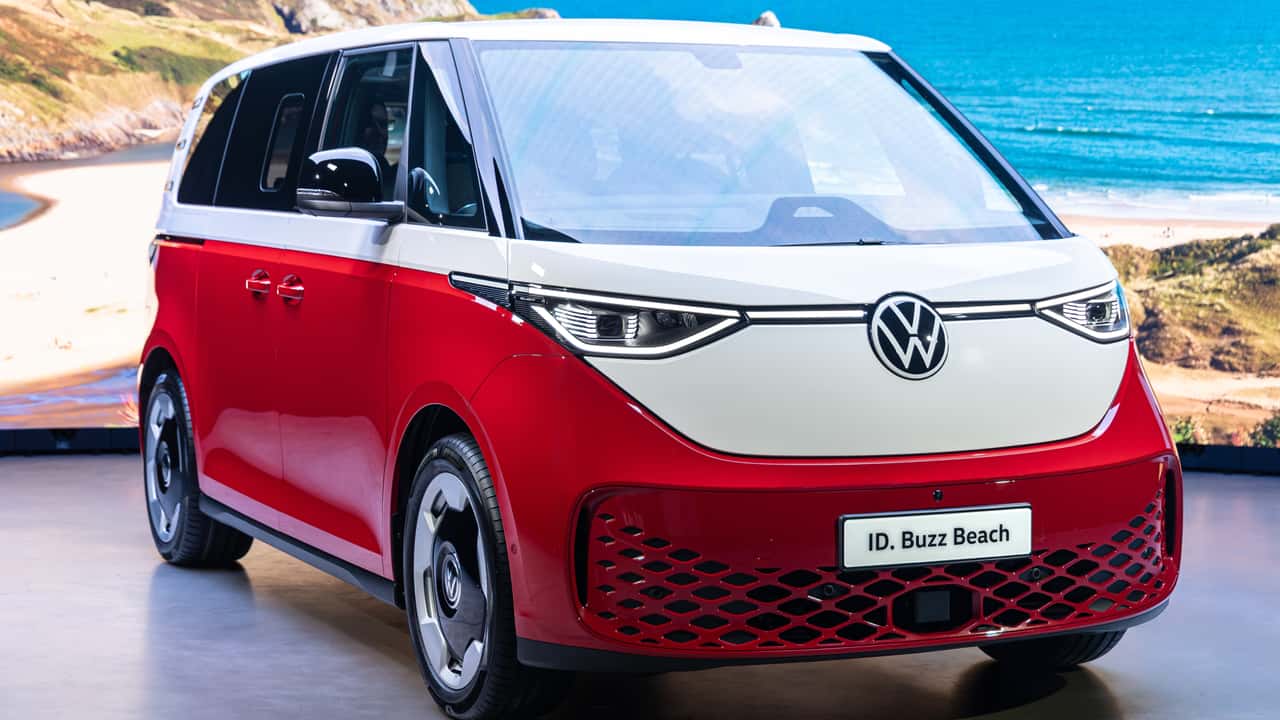
2027 VW ID. Buzz Beach
Photo by: Volkswagen 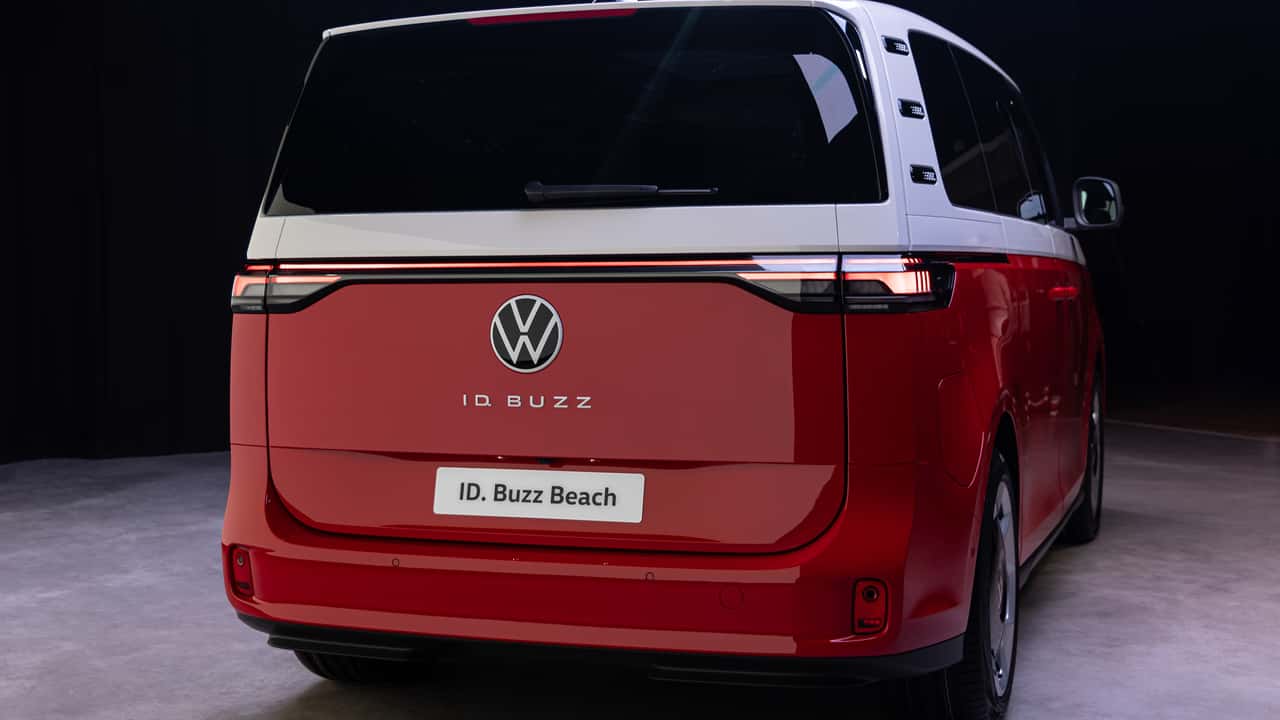
2027 VW ID. Buzz Beach
Photo by: Volkswagen Photos by: Volkswagen
The Sleeper Edition
VW hasn't reinvented the ID. Buzz with this new Beach version. Instead, it's adding another layer of versatility to an electric van that already leans heavily on its retro-inspired design and family-friendly packaging.
The removable sleeping arrangement and integrated furniture make it more practical than simply throwing a mattress into the back of a regular ID. Buzz. Meanwhile, the 48-hour climate-control mode and V2L functionality show how an electric vehicle's battery can be useful even when the wheels aren't turning.
With order books opening in the UK later this month and prices starting at £65,837 (about $86,000), the ID. Buzz Beach is shaping up to be an interesting alternative to conventional camper vans. And unlike some dedicated campers, it should remain perfectly usable for the school run or grocery shopping once the camping gear is packed away.
VW is also offering some extra visual flair, including a Candy White and Cherry Red two-tone paint scheme and 20-inch Stockton alloy wheels. The new Beach variant is another reminder that the ID. Buzz is very much alive, even if its future in the United States remains uncertain. VW has put the electric van on hiatus in North America, but that hasn't stopped it from expanding the lineup elsewhere.
In fact, 2025 was a particularly strong year for the ID. Buzz, with sales doubling to 60,700 units. That's proof there's still plenty of appetite for a modern electric interpretation of the original Microbus. The Beach version gives buyers another reason to take notice, showing VW isn't ready to let its electric van fade into the background just yet.
A next-generation model is already in the works, and we've been promised a lower price tag, a new platform, more physical controls, and fresh styling. However, don't expect to see it before 2030.
The Next Volkswagen ID. Buzz Will Fix Its Biggest Problem: The Price
The VW ID. Buzz Cargo Is Now Longer And Ready To Haul More
VW ID. Buzz Sets World Record With 92-Country Trip, No Technical Breakdowns
VW Explored A Range-Extending Gas Engine For The ID. Buzz
]]> feedback@motor1.com (Adrian Padeanu) https://www.motor1.com/news/816178/vw-id-buzz-beach-revealed/ https://www.motor1.com/news/816175/tesla-model-y-robotaxi-controls/ Fri, 20 Nov 2026 07:34:51 +0000 Elon Musk Is Planning A Tesla Model Y With No Steering Wheel Or Pedals Musk outlined a steering-wheel-free Tesla Model Y for families, leaving timing, pricing, and whether consumers can buy it all unresolved.
Elon Musk wants to sell you on a Tesla that seats a whole family, minus the driver. At the New York Times DealBook Summit on November 18, the Tesla CEO said the company plans a version of the Model Y with no steering wheel and no pedals, built to carry six or seven people.
Musk said it would be a companion to the two-seat Cybercab. The idea is a driverless people-mover for groups too big for Tesla's smallest robotaxi.
Musk Pitches A Six- Or Seven-Seat Robotaxi
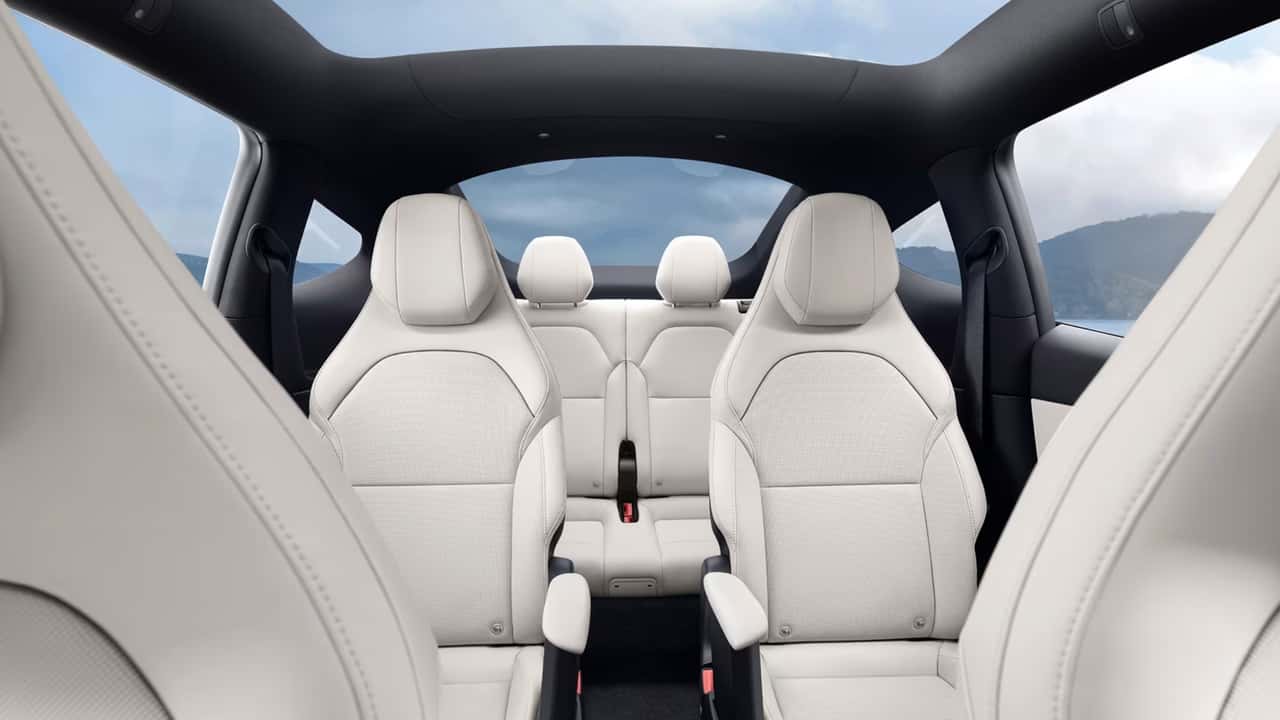
2027 Tesla Model Y L
Photo by: Tesla
"We still need autonomous vehicles if you've got 4 or 6, or a whole family," Musk said at the summit, describing a Model Y variant built around group trips rather than solo rides. He gave no name for the vehicle, no price and no launch date.
That vagueness isn't an accident of a live interview. Every outlet that covered the announcement, from trade press to financial media, came back with the same gap. No production site, no regulatory filing, no sign Tesla has even started building one.
Musk did offer one number. He said the Cybercab, Tesla's existing steering-wheel-free robotaxi already running in Austin, should cover about 90 percent of passenger miles on its own. The bigger Model Y would handle the rest for families and larger groups the two-seater can't take.
Whether Tesla sells this vehicle to consumers or keeps it inside its own robotaxi fleet is unclear. Musk didn't say.
How It Would Differ From Tesla's Current Robotaxi Fleet
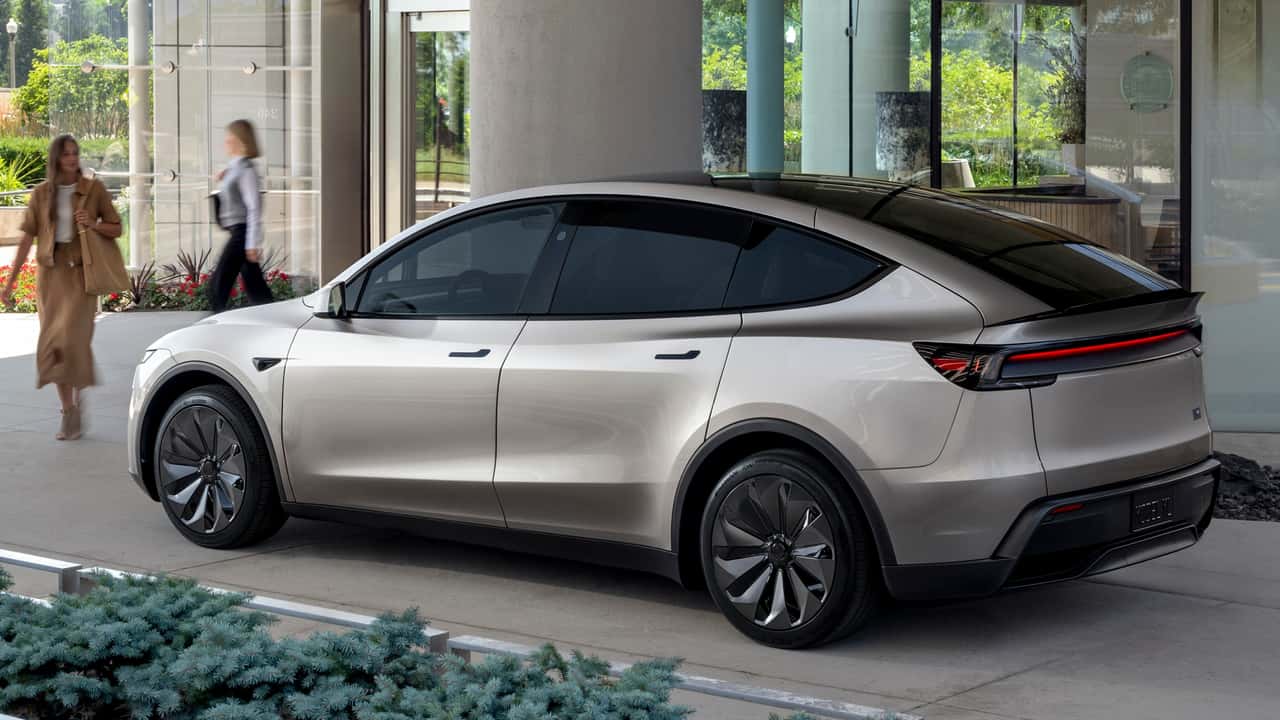
2027 Tesla Model Y L
Photo by: Tesla
Tesla's established robotaxi operations today run on regular Model Ys with steering wheels and pedals. Cybercab is being added on top of that base as it rolls out. Those Ys carry up to four passengers, a limit the proposed six- or seven-seat version would surpass.
The Cybercab sits at the other end of that range with two seats, no manual controls, and newly deployed in Austin. It's already drawing federal scrutiny. The Cybercab's federal safety probe focuses on roughly 1,000 steering-wheel-free cars in that city.
There's also a conventionally controlled option already on sale. Tesla launched the three-row Model Y L in the US in July for $61,990, a gas-pedal-and-steering-wheel family hauler that already seats six.
Consumer appetite for a car with no manual controls at all remains thin. Cox Automotive's 2026 Autonomous Vehicle Study found just 10 percent of US consumers prefer a fully driverless Level 5 vehicle, down from 17 percent when the firm first asked in 2016.
The most popular choice was Level 4, full autonomy with the option for a human to take over, picked by 28 percent of respondents. Only 38 percent said they would feel safe in a Level 5 vehicle, against 87 percent for a modern car with basic driver aids.
Tesla Bets $3.3 Billion On Cybercab Production At Giga Berlin
Tesla Cybercab Orders Open At $29,990. Subscription Is Mandatory
This Company Wants To Keep The Cybertruck Alive, For Some Reason
Jeremy Clarkson Exposes Alarming Flaws During Tesla Cybercab Ride
Source: @SawyerMerritt
]]> feedback@motor1.com (Brian Potter) https://www.motor1.com/news/816175/tesla-model-y-robotaxi-controls/