This Rare Supercar Was Left To Rot. One Man Decided To Save It
Hudson Auto Films spends more than 100 hours rebuilding the Nova's cracked fiberglass, failed canopy fit, and worn body lines.
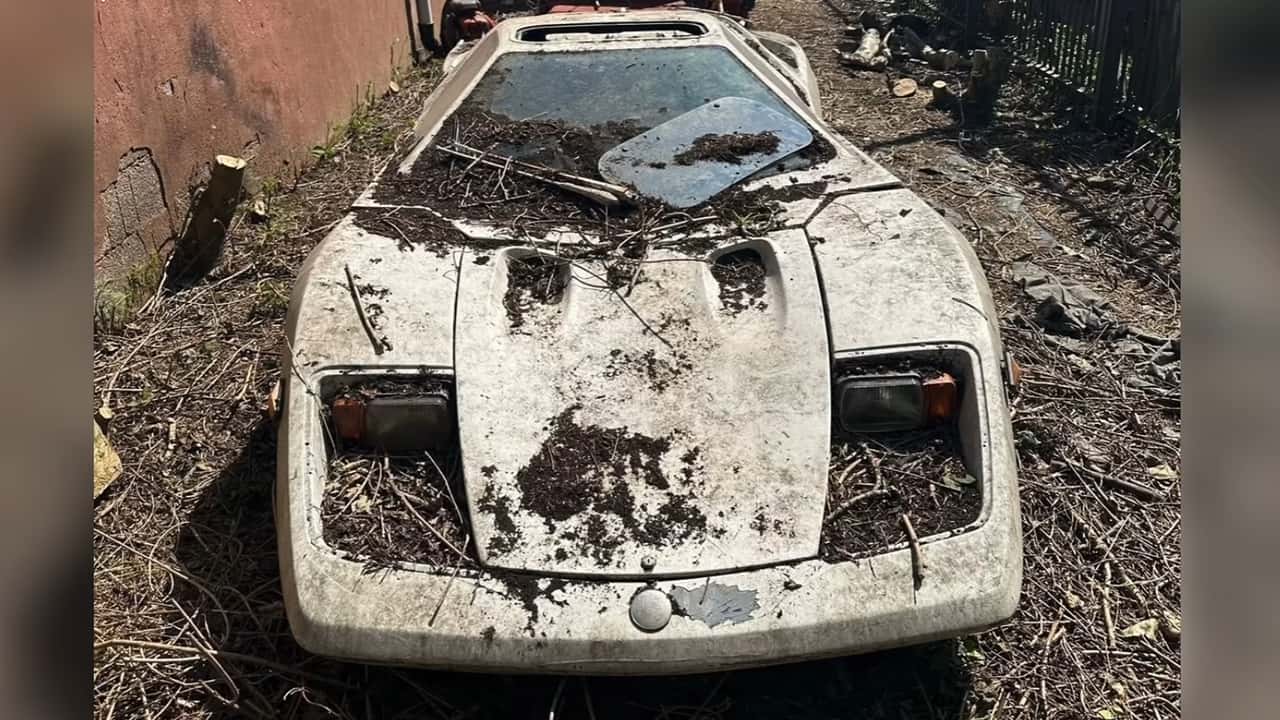

Hudson Auto Films bought the Nova a year ago, a strange 1980s concept car that sat abandoned in undergrowth for decades. The team has been rebuilding it ever since, with new metal, new parts, and a turbocharged Alfa Romeo race engine planned.
Progress stalled for weeks while the crew tackled the fiberglass body shell. The latest video finally shows what that work actually looked like, roughly 10 weeks of grinding, repetitive labor, most of which barely shows on camera.
The Nova started life in the UK in the early 1970s as a Volkswagen Beetle–based kit car with a fiberglass body and a one-piece canopy that flipped forward instead of using conventional doors. Licensed versions sold around the world under different names, and in the United States the design was marketed as the Sterling and later the Sterling Sebring, which kept the same basic canopy shape but adapted the body for American buyers and regulations.
Repairing The Nova's Fiberglass Body

Nova / Sterling Sebring Kit Car
Fiberglass does not rust, but decades of neglect had left the Nova's shell cracked, pitted, and full of old repairs that flattened its once-sharp body lines. The crew packed fiberglass bridging filler into the damaged panels, then used a long sanding block to find high and low spots across the surface.
One attempt at repairing the front end failed outright when filler would not set, likely from an old batch of hardener. Hudson had to scrape off the soft mix and start over. That cost hours on top of weeks already spent filling and sanding the same panels.
The canopy turned out to be the worst part of the car. A donor Nova offered a better-looking replacement, but when the team test-fit it, the panel sat 1 inch narrower on each side, with a gap wide enough at the rear to fit a hand through.
Moving the donor canopy to align one edge only threw off the others. So the team reinstalled the original, more damaged canopy instead, deciding its correct dimensions outweighed its rougher condition.
Time, Setbacks, And Next Steps

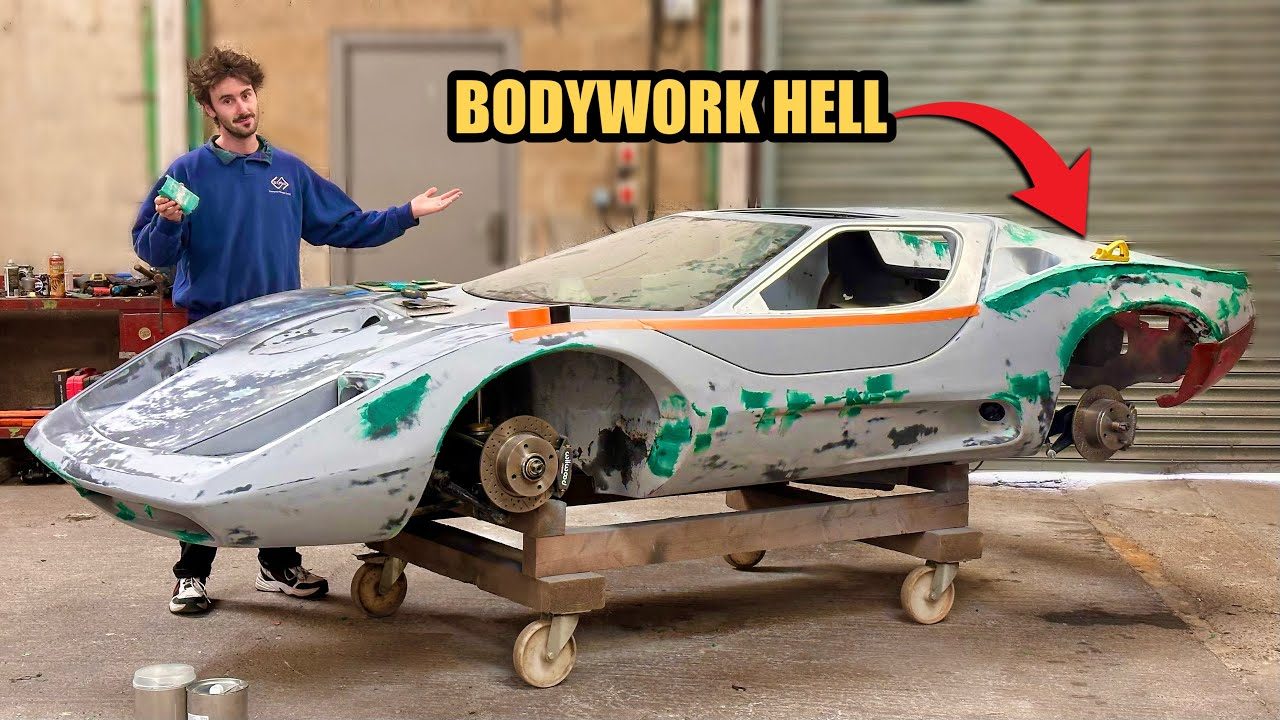
The donor car's rear bumper fared better. Bent and full of holes, its thin fiberglass still let Hudson pull it into shape and bolt it on, lining up far more cleanly with the body than the canopy ever did.
With most panels test-fitted, the crew filled old holes left by the fuel filler and coolant tank, then rebuilt worn edges into sharper lines. Hudson estimated the body needs about 25 more hours of work before it is ready for final primer.
He also addressed why the project had vanished from the channel for weeks. "I think I just burnt out," he said, pointing to parts delays on the engine and a deliberate decision to hold off on wiring until sanding dust was no longer a risk.
Hudson said he plans to keep progressing other parts of the build even if the bodywork drags on. He has set a target of having the Nova drivable by summer 2027.
More Rebuilds:
Source: Hudson Auto Films via Guessing Headlights
RECOMMENDED FOR YOU
Lamborghini Creates Two One-Off Revuelto Supercars With A Distinctly Saudi Arabian Twist
RIP: Audi A8 Production Ends, But A Successor Is Planned
Chinese EV Hits 312 MPH To Become The World's Fastest Production Car: Onboard Video
EU Softens 2035 Combustion Engine Ban, Giving Carmakers More Breathing Room
Bugatti Celebrates 20 Years In America With A Spectacular Las Vegas Gathering
Land Rover Thinks BYD Copied The Defender. Now There's A Court Battle: Report
Watch Mercedes-AMG's Ultimate CLE Lap The Nürburgring: Video