Home
Features
Motor101
BYD Is The World's Biggest EV Maker. So Why Can't You Buy One In The US?
BYD sells affordable EVs worldwide, so why can't Americans buy one? Tariffs, national security rules, and politics stand in the way.
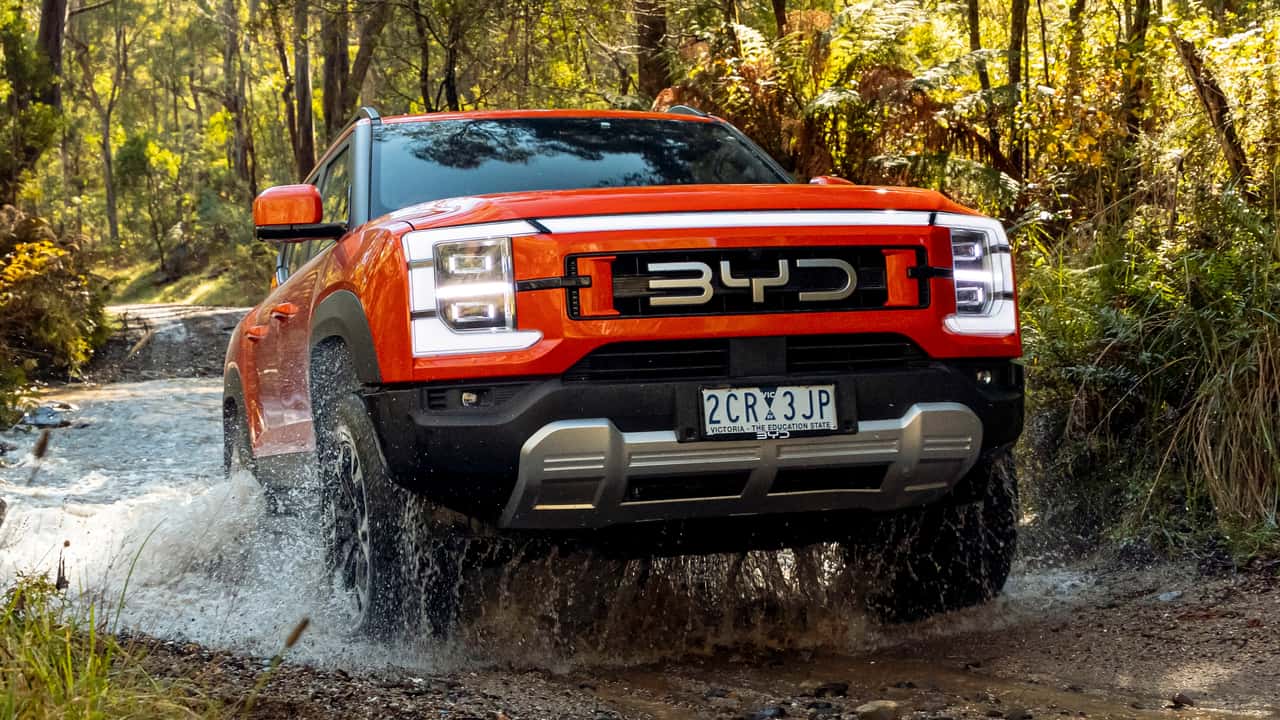
Photo by: BYD
Dan Mihalascu 
By: Dan Mihalascu
Oct 15, at 2:00pm ET
Add Motor1.com as a preferred source in Google
- (https://twitter.com/intent/tweet?url=https%3A%2F%2Fwww.motor1.com%2Ffeatures%2F811958%2Fwhy-cant-you-buy-a-byd-in-america%2F&text=BYD%20Is%20The%20World%27s%20Biggest%20EV%20Maker.%20So%20Why%20Can%27t%20You%20Buy%20One%20In%20The%20US%3F&via=motor1com)
- copy
Share
Comment
BYD has become the world's biggest electric vehicle manufacturer, selling everything from affordable city cars to high-tech SUVs and plug-in hybrids. Its vehicles have gained attention across Europe, Asia, and Latin America for their competitive pricing, battery technology, and extensive features.
Yet, American buyers can't simply walk into a dealership and purchase a new BYD passenger car. Why is that?
For now, the Chinese automaker remains largely shut out of the US market. It's leaving drivers wondering why a company competing globally with established automakers can't sell its cars in America.
The US Has Imposed Massive Tariffs On Chinese EVs
One of the biggest obstacles is the cost of importing Chinese-built electric vehicles into the United States. In 2024, the Biden administration raised the Section 301 tariff on Chinese electric vehicles from 25 to 100 percent, significantly increasing the cost of bringing them into the country.
The tariffs are intended to protect American manufacturers from what U.S. officials describe as unfair competition, including concerns about Chinese government support for domestic automakers.
For BYD, which has built much of its reputation on competitive pricing, these duties present a major challenge. Even if the company shipped an affordable electric car to America, the additional import costs would undermine its price advantage.
Tariffs aren't the only obstacle, though. Restrictions involving connected-car technology create another significant barrier to entering the American passenger-car market.
National Security Concerns Add Another Barrier
Washington's concerns extend beyond vehicle prices. Modern cars increasingly rely on connected software, wireless communications, cameras, and sensors that collect and process data.
The US government has raised concerns about potential risks involving sensitive information and remote access to connected vehicles. In January 2025, the Commerce Department finalized rules restricting certain connected-vehicle software and hardware linked to China and Russia.
These restrictions create several challenges for Chinese automakers:
- Connected-car software: Restrictions apply to covered software with the relevant Chinese or Russian connections in vehicles from model year 2027 onward.
- Vehicle connectivity hardware: Restrictions on covered hardware are scheduled to apply to model year 2029 vehicles under the finalized rule.
- Compliance requirements: Automakers must determine whether their vehicles and components fall under the rules and meet applicable requirements before entering the market.
These measures are separate from the tariffs on Chinese EVs, meaning that reducing import duties alone would not necessarily allow BYD to sell its passenger cars in America.
The restrictions aren't simply a blanket ban on every product made by a Chinese company. Their application depends on the technology, manufacturer, vehicle, and relevant regulatory requirements. Nevertheless, they make a US passenger-car launch considerably more complicated.
BYD Is Not Eager To Enter The US Market
It might seem that BYD would be eager to overcome these obstacles to access one of the world's largest automotive markets. However, entering the US would require more than shipping cars across the Pacific.
The company would need to establish a sales and service network, provide parts and warranty support, comply with federal and state requirements, and develop a strategy for competing with established brands.
BYD has also indicated that the current U.S. market environment makes expansion difficult to justify. In October 2026, Investor's Business Daily reported that BYD Executive Vice President Stella Li had ruled out expanding the company's passenger-car business into the United States under current conditions, citing a lack of stability and clarity.
That position suggests BYD is not simply waiting for an opportunity to begin importing cars. The company has substantial opportunities elsewhere, and committing resources to a market with significant trade and regulatory barriers may not make commercial sense right now.
BYD Is Already Successful Without American Car Buyers
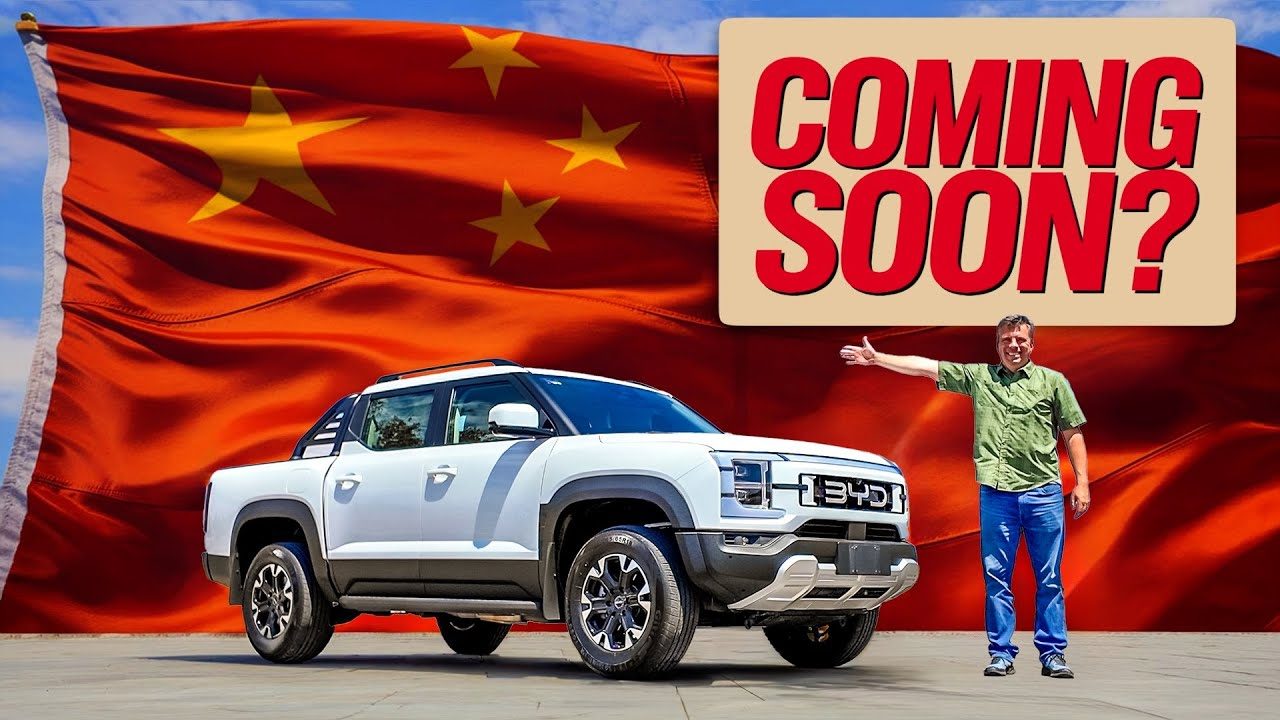
BYD's absence from US showrooms hasn't stopped it from becoming a major force in the global automotive industry. The company sells passenger vehicles in numerous international markets and has expanded its presence across Europe, Latin America, and Asia.
Its lineup also extends beyond fully electric cars. BYD produces plug-in hybrids, giving it another way to compete in markets where buyers want electrification without relying entirely on charging infrastructure.
The company has invested heavily in battery technology and manufacturing, helping it compete across several vehicle segments. Its international expansion also includes overseas production, allowing it to serve important markets without relying exclusively on exports from China.
According to Reuters, BYD has set an ambitious goal of selling half its vehicles outside China by 2030. Its international growth strategy provides opportunities to expand even without access to American passenger-car buyers.
What Car Buyers Say About BYD's Absence From America
Reddit users are divided over why BYD can't sell its passenger cars in the United States. In a discussion on r/electricvehicles about BYD's lawsuit against the US government, users examined whether challenging U.S. tariffs could eventually make it easier for the automaker to enter the market. The conversation highlights how trade policy could influence the availability of Chinese-built vehicles.
Others point to the potential appeal of BYD's pricing. In a thread discussing why BYD's fast-charging EVs aren't sold in America, commenters debated whether affordable Chinese electric cars would put pressure on US automakers. The discussion also raised concerns about protecting domestic manufacturing and whether tariffs ultimately benefit American consumers.
There's also the practical question of importing a car independently. In an r/BYD discussion about bringing a BYD into the United States, users raised issues including federal import requirements, parts availability, servicing, and software support. These concerns illustrate why buying a car overseas isn't as simple as shipping it to America.
Could You Buy A BYD In America In The Future?
A future US launch is not necessarily impossible, but it would depend on changes in trade policy, regulatory requirements, and BYD's own business strategy.
One theoretical route would be to manufacture vehicles in the United States. Local production could help address some of the costs associated with importing finished cars, but it wouldn't automatically resolve restrictions involving Chinese-linked connected-vehicle technology or other applicable rules.
BYD would also need to decide whether building factories, developing a dealership network, and supporting American customers would justify the investment. Even if some regulatory barriers were eased, those commercial challenges wouldn't disappear.
What do you think?
View
Comments
For now, American consumers looking for a BYD passenger car generally need to consider alternatives from brands that officially sell vehicles in the United States. BYD does have a presence in the country through commercial vehicles, including electric buses, but that's different from offering its passenger-car lineup to retail buyers.
Ultimately, the reason you can't buy a new BYD passenger car in America comes down to a combination of steep tariffs, connected-vehicle restrictions, and the company's own assessment of the market. Until those conditions change, BYD's increasingly global lineup will remain largely unavailable to American car shoppers.
More From Motor101
 Does Your Car Know If You're An Aggressive Driver?
How Red Became Synonymous With Ferrari
Premium Gas Isn’t Always Better For Your Car. Here’s What It Actually Does
How Does The EPA Really Calculate Your Car's MPG?
We want your opinion!
What would you like to see on Motor1.com?
Take our 3 minute survey.
- The Motor1.com Team
Share this Story
- (https://twitter.com/intent/tweet?url=https%3A%2F%2Fwww.motor1.com%2Ffeatures%2F811958%2Fwhy-cant-you-buy-a-byd-in-america%2F&text=BYD%20Is%20The%20World%27s%20Biggest%20EV%20Maker.%20So%20Why%20Can%27t%20You%20Buy%20One%20In%20The%20US%3F&via=motor1com)
- copy
GO TO COMMENTS
(
)
Got a tip for us? Email: tips@motor1.com
View all comments ( )
Popular
Bugatti Restores One-Off Veyron With A Mirror-Like Aluminum Body
BMW Kept This Hatchback A Secret For Decades
Skoda Wants You To 3D Print Pieces Of Your Car At Home
The Gas BMW M3 Isn't Dead: Next-Gen Prototype Roars
latest articles
- The Ford Ranger Is Getting A Bigger V6 For 2027: Report Oct 20 - Rumors -
- BMW Already Has A Deal On The New i3. But It's Not Cheap Oct 20 - Pricing -
- Remember The Ford Flex? This Weird SUV Is Now A Great Used Buy Oct 20 - Why Buy? -
- Mercedes Isn't Sold On Extended-Range EVs: 'Would You Really Switch?' Oct 20 - Interview -
- Cadillac Driver Is Fed Up With Auto Stop. Then She Buys A $9 Item On Amazon To Disable It Oct 20 - Trending -
- Bugatti Restores One-Off Veyron With A Mirror-Like Aluminum Body Oct 20 - Supercars -
- Lexus NX Goes Hybrid Only For 2027 Oct 20 - Official -
RECOMMENDED FOR YOU
Who Were The Pep Boys, Anyway?
The Ford Ranger Is Getting A Bigger V6 For 2027: Report
Remember When Saab Put The Ignition Key Between The Front Seats?
BMW Already Has A Deal On The New i3. But It's Not Cheap
This German City Exists Because Of Volkswagen
Remember The Ford Flex? This Weird SUV Is Now A Great Used Buy
What Makes Chinese Cars So Popular?