Fri, 09 Oct 2026 13:01:39 +0000 Motor1.com Car News, Reviews, Owner Tips and Information | Motor1.com https://www.motor1.com/ https://www.motor1.com/features/811085/weirdest-ford-concept-cars/ Fri, 09 Oct 2026 13:00:01 +0000 The 27 Weirdest Concept Cars Ford Has Ever Built From nuclear-powered cruisers to 2,000-horsepower electric vans, Ford has never been afraid to get weird.
Concept cars are inherently weird. Sometimes they preview future models; other times, they're merely a showcase of what a company is capable of. But almost always, there's something that puts them in the realm of the uncanny valley—a car, but not quite as you know it.
Ford has a rich history of weirdness when it comes to concept cars. The Blue Oval has been building automobiles for more than a century, and that century-plus of experimentation has yielded some truly odd vehicles.
You can go as far back as 1955 in the Ford vault to find some of the company's wildest creations: futuristic two-wheelers, nuclear-powered highway cruisers, and 2,000-horsepower electric vans. Credit where credit is due: Ford has never been afraid to think outside the box.
With that, here are the 27 weirdest concept cars Ford has ever built, according to us.
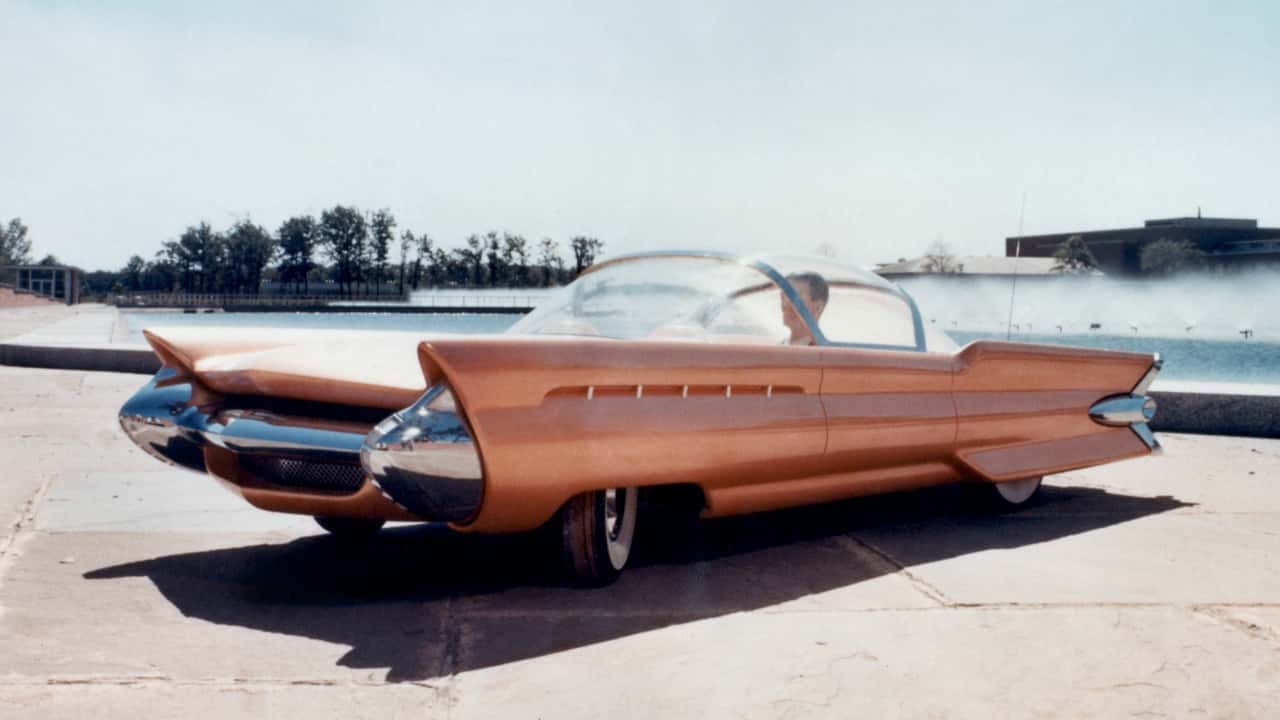
1955 Ford La Tosca
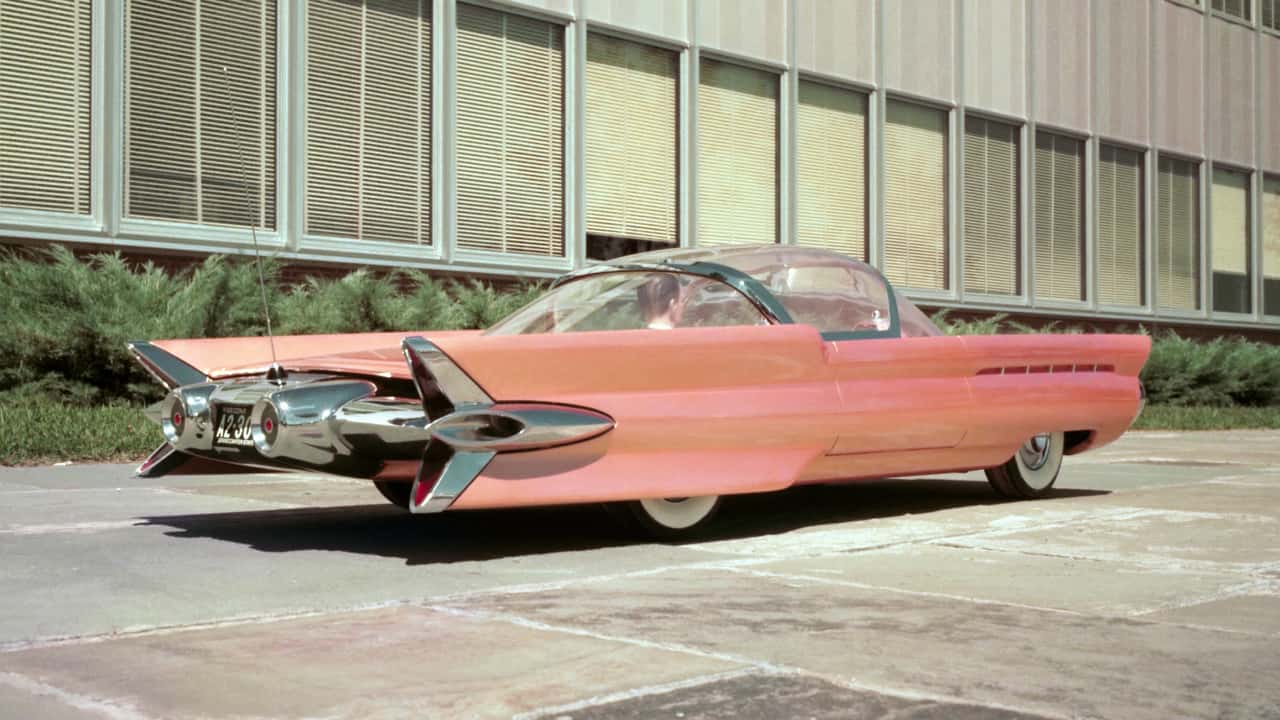
The 1955 Ford La Tosca looked like something straight out of The Jetsons—not all that surprising for the era. Its wildest features included canted rear fins, a Plexiglas canopy, retractable headlights, and taillights designed to look like jet exhausts. It was Jet Age excess at its finest.
Oddly, the La Tosca never existed as a full-size vehicle. Ford built a 3/8-scale model with a remote-controlled chassis, allowing designers to steer it from a distance. The concept also experimented with interchangeable body shells, and some of its styling eventually influenced the 1958 Lincoln Continental.
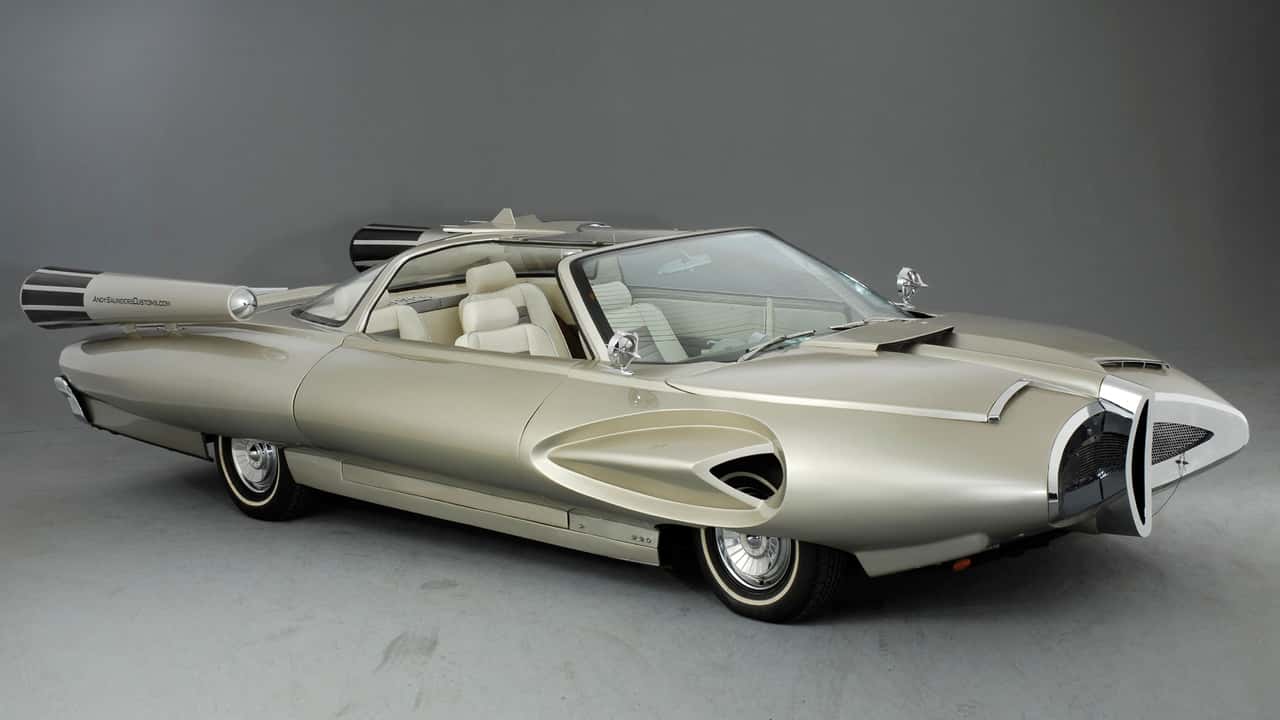
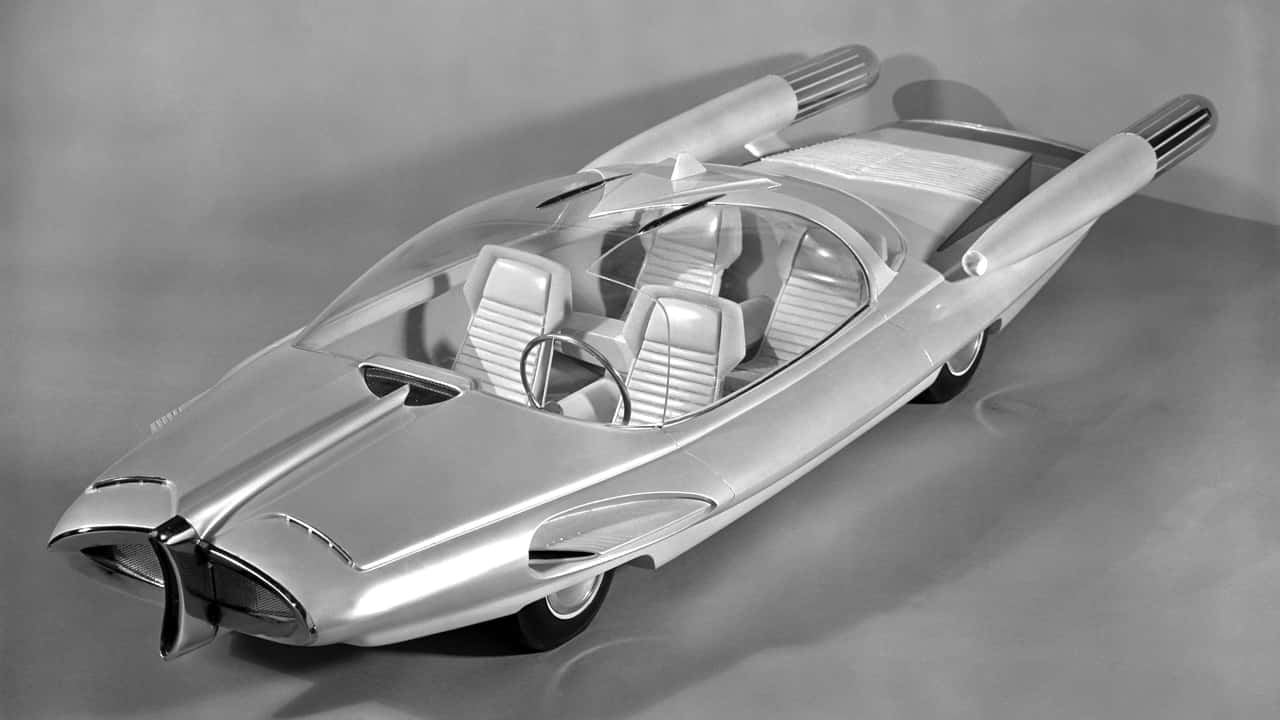
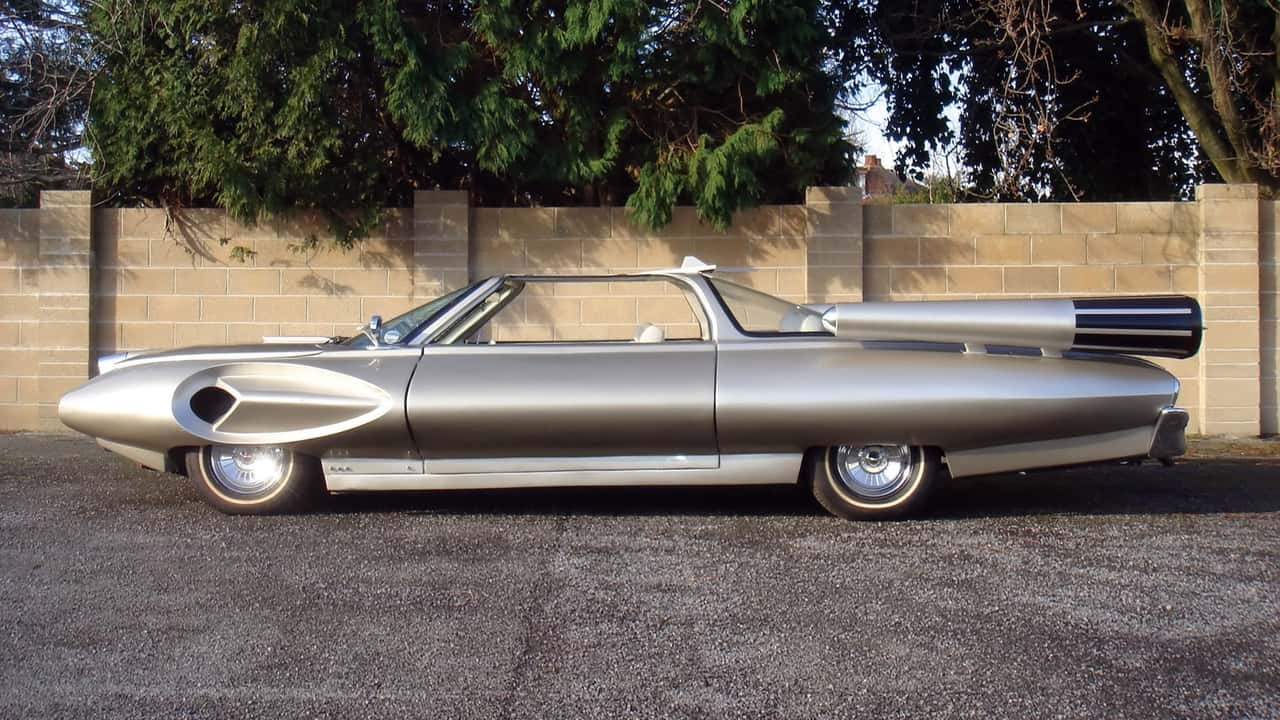
1958 Ford X-2000
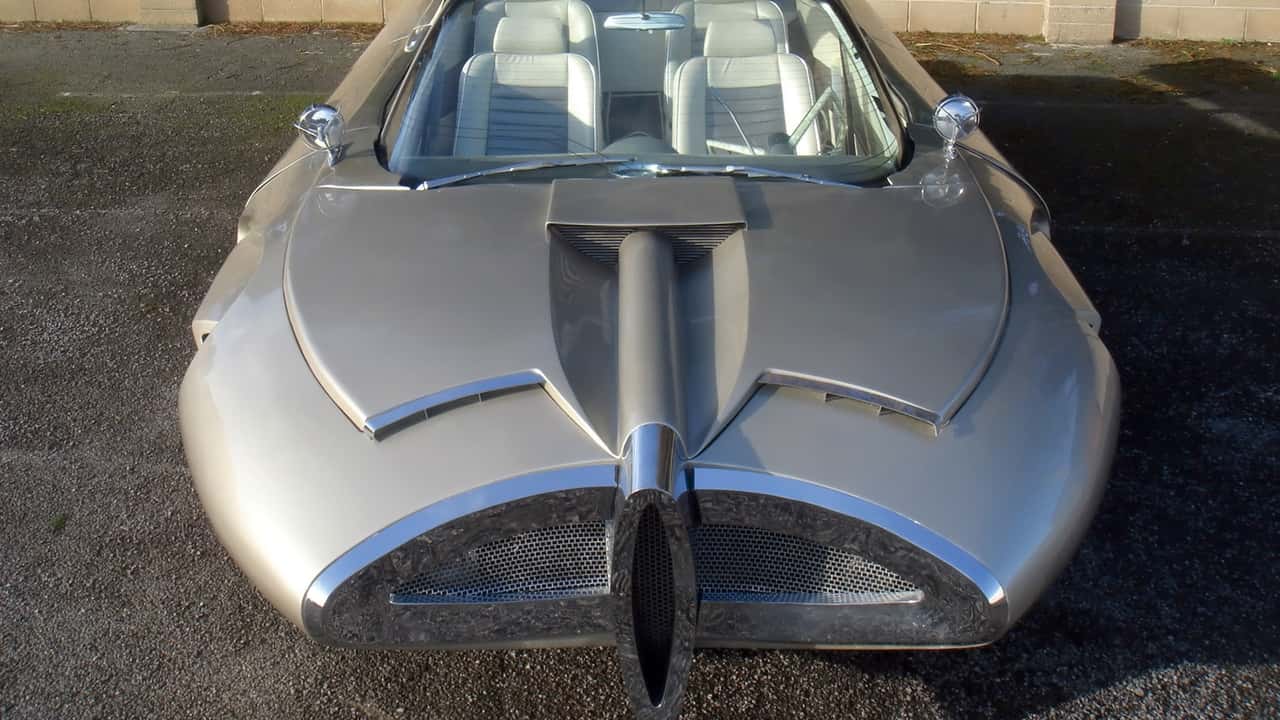
The X-2000 was Ford's attempt to predict what cars might look like at the turn of the millennium. Spoiler alert: It was way off. Designed by Alex Tremulis and Bill Balla, the X-2000 was appropriately outrageous, with a bubble-like passenger compartment, enormous tail fins, and jet-inspired taillights.
Despite its futuristic name, the X-2000 never became a full-size model. The original was merely 3/8-scale, while plans for a full-size version were scrapped before it ever reached the road. Decades later, British enthusiast Andy Saunders built a full-size recreation based on a 1962 Mercury.
1961 Ford Gyron
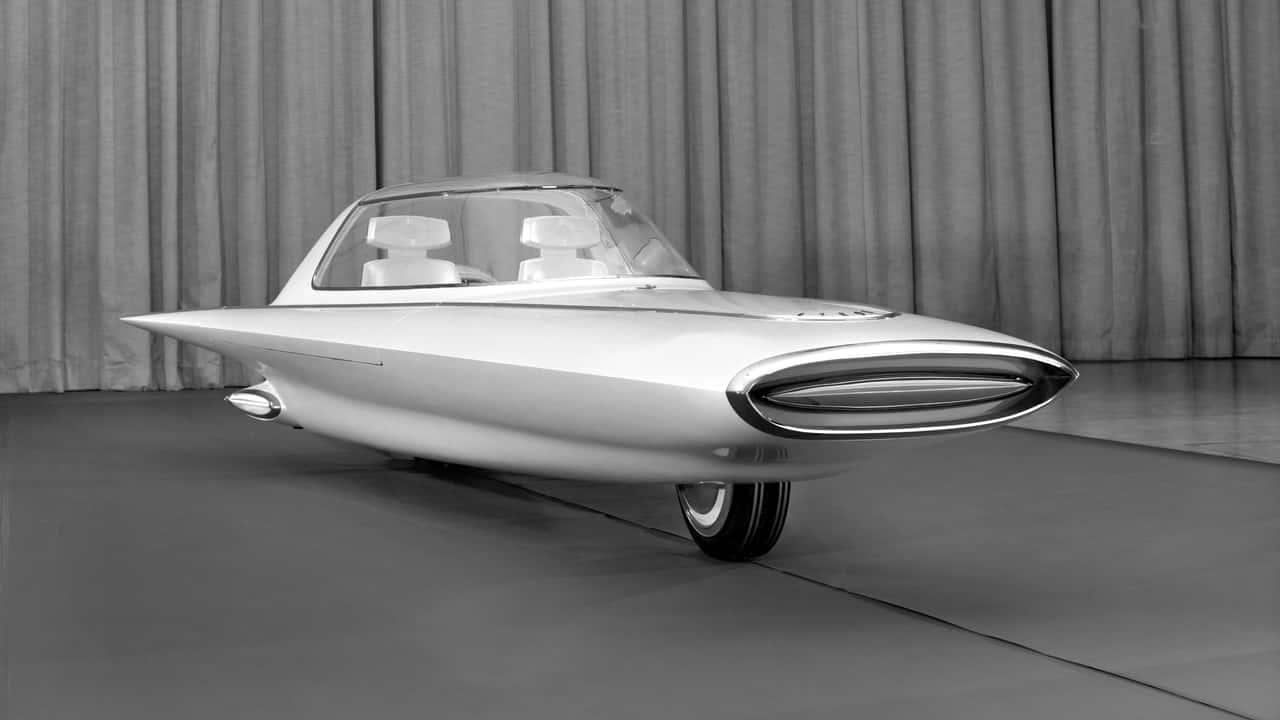
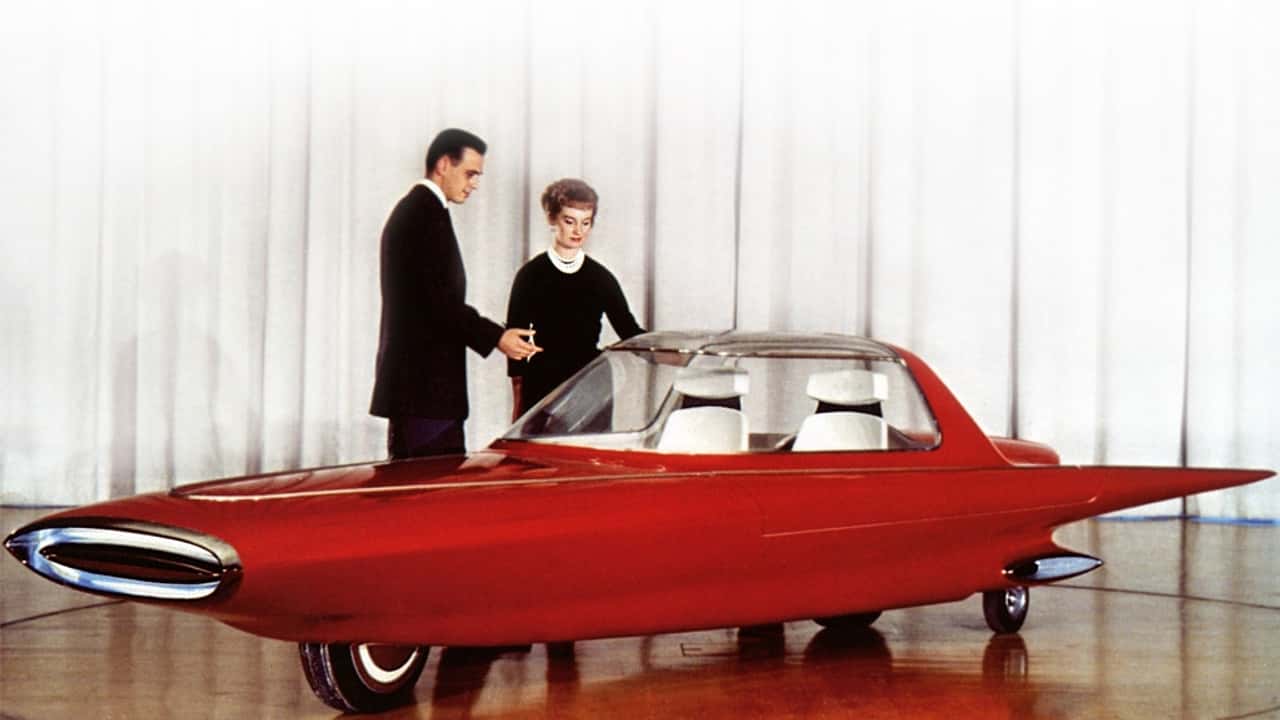
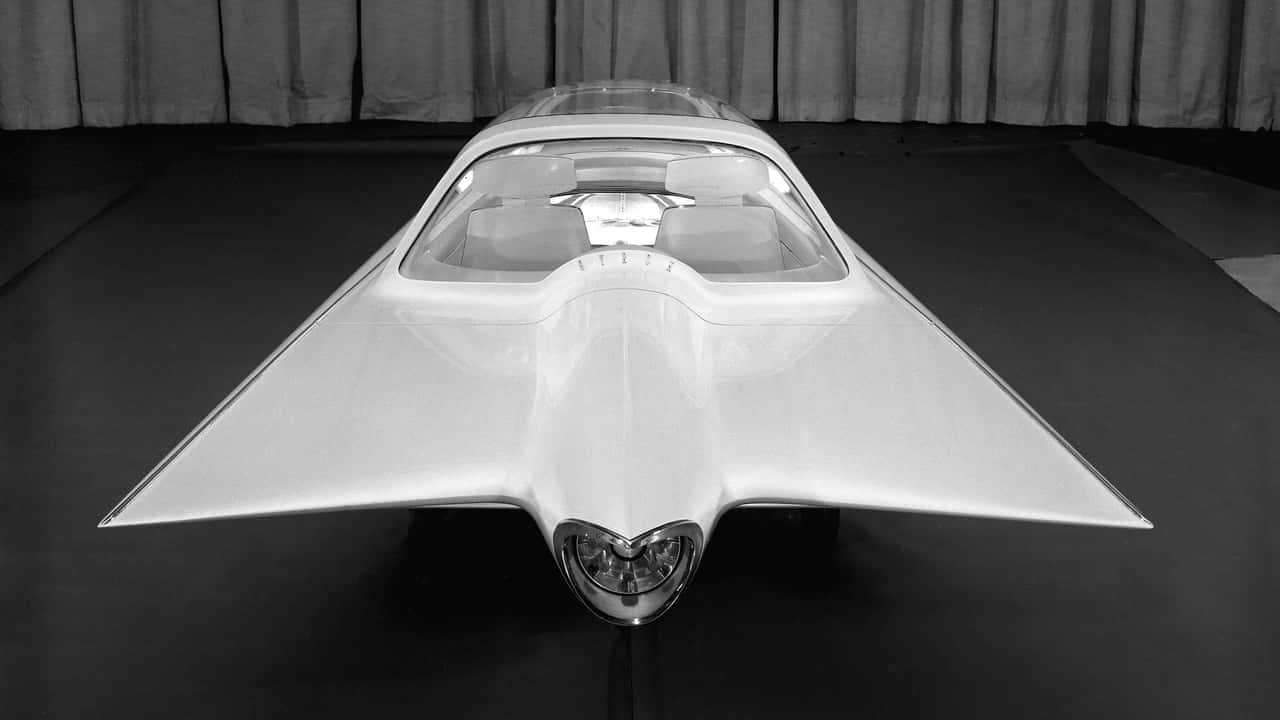
Even among the earliest concepts on this list, the Gyron might be the most literal example of Ford designing a car for the future. Instead of four wheels, it had two, arranged front-to-back like a motorcycle. Gyroscopes would (theoretically) keep the car upright while moving, while small support wheels would drop down to keep it balanced at a stop.
Designed with help from Syd Mead and Alex Tremulis, the Gyron would carry two occupants beneath a huge glass canopy, with an interior filled with futuristic controls and displays. Unfortunately, the show car wasn't actually capable of operating as a gyroscopic two-wheeler. I know, shocking.
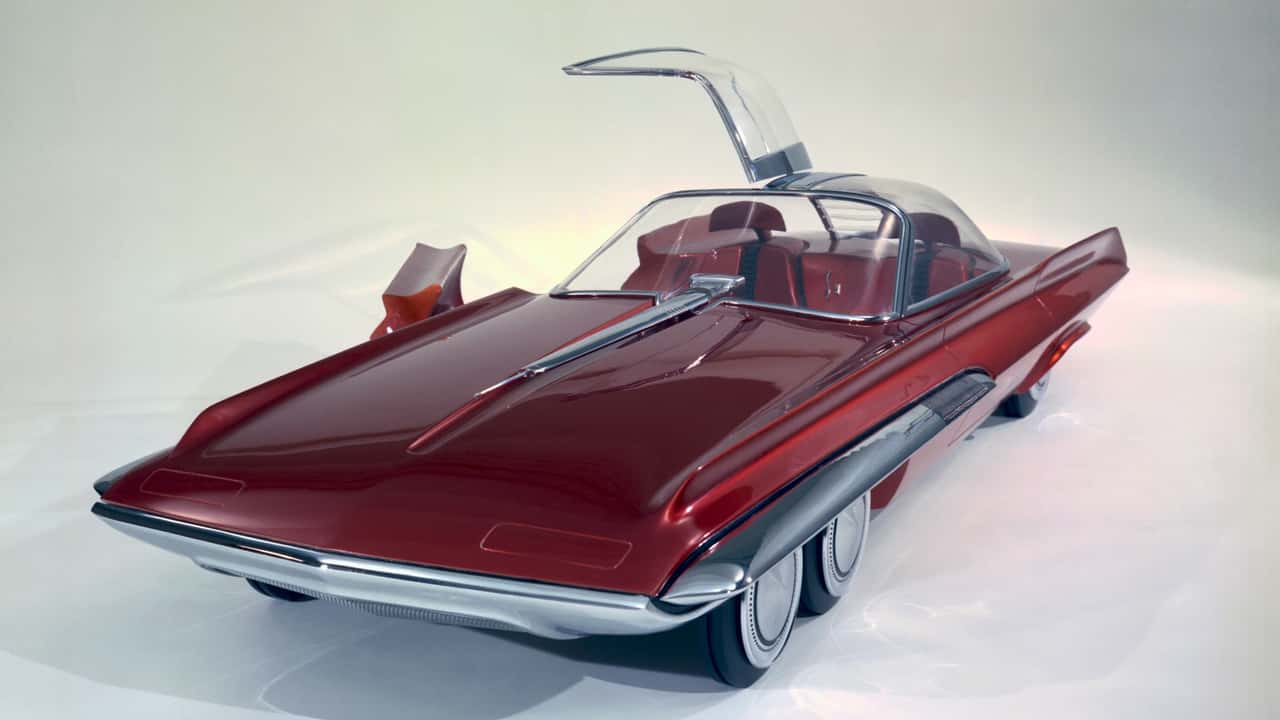
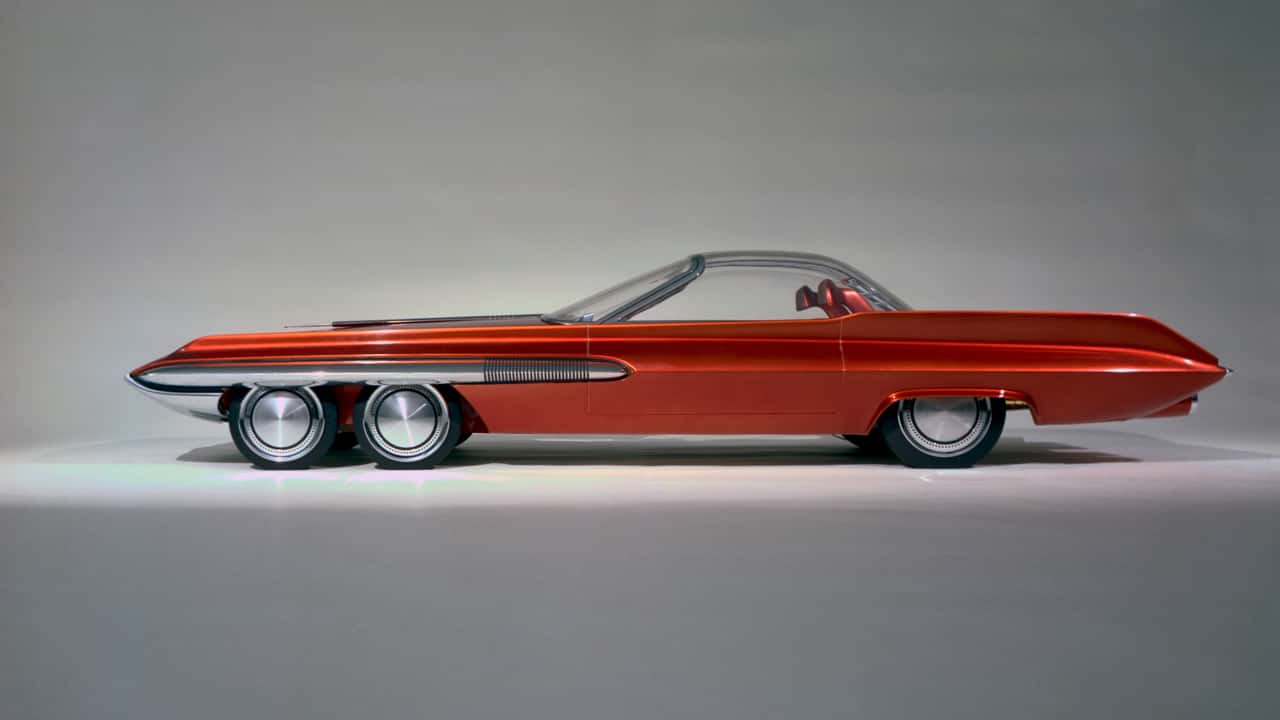
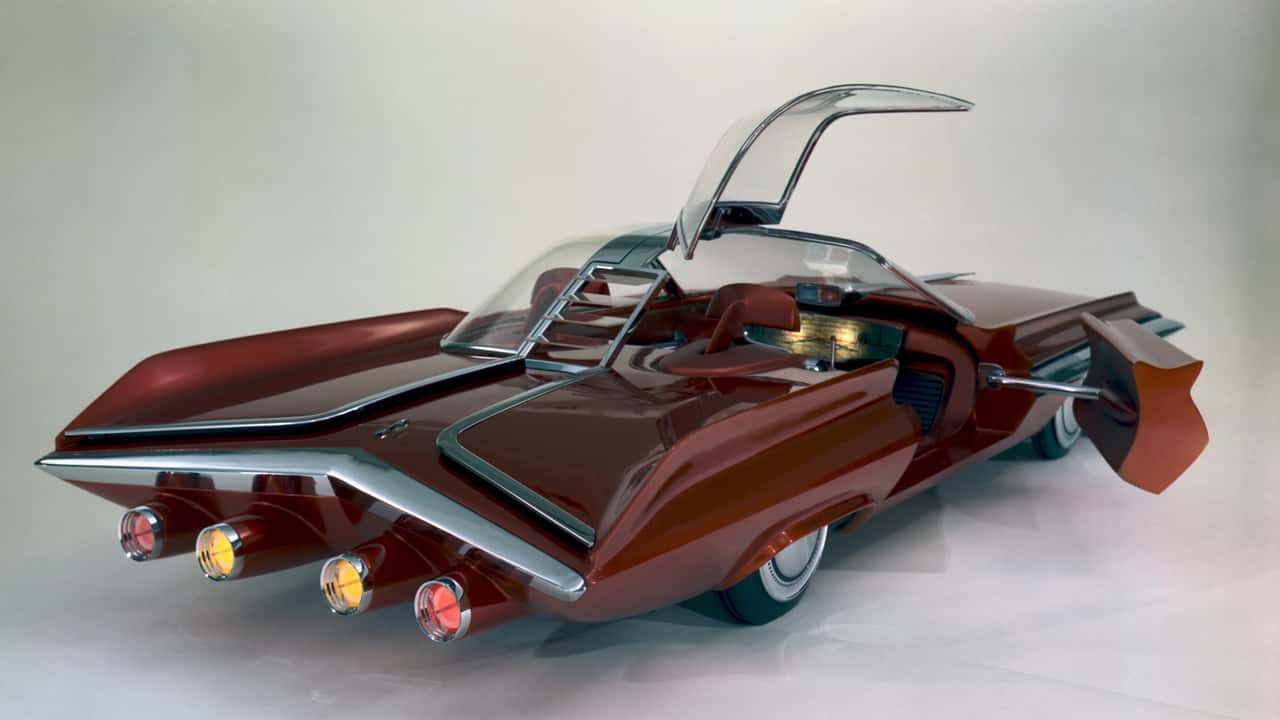
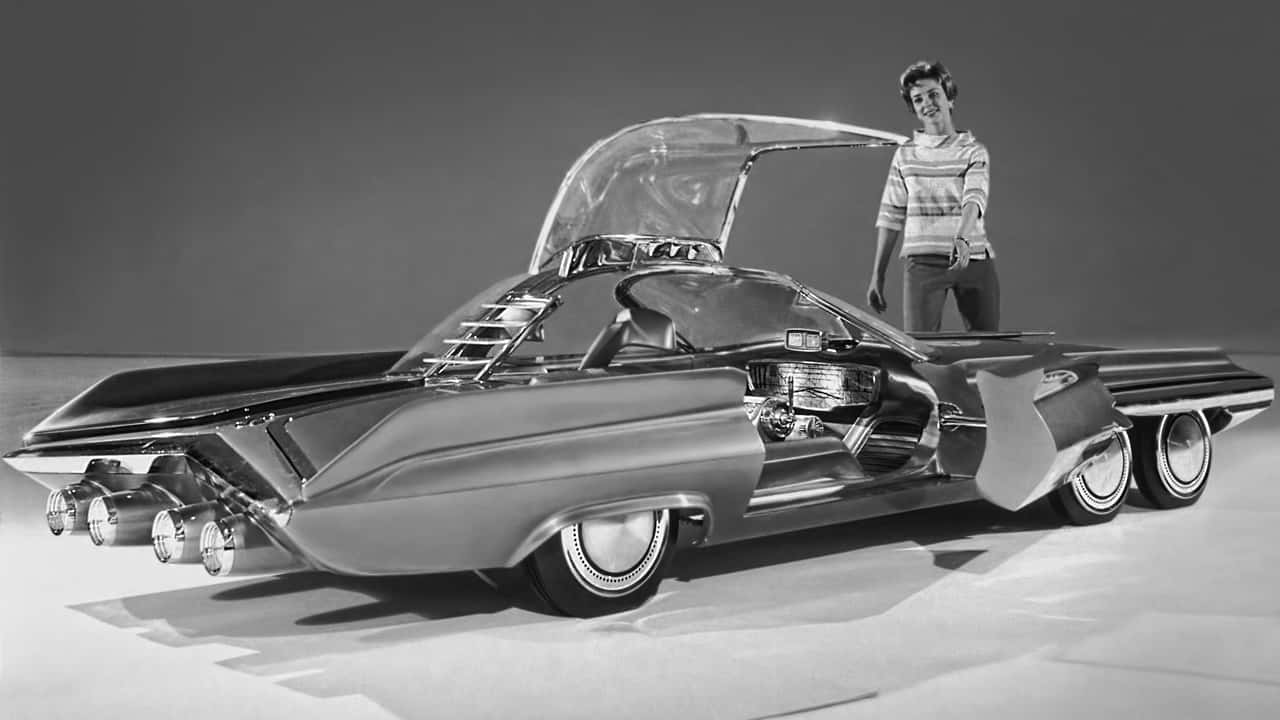
1962 Ford Seattle-Ite XXI
The Seattle-Ite XXI took Ford's futuristic thinking to an almost absurd level. The company envisioned it as a high-speed, nuclear-powered, six-wheeled highway cruiser. Even stranger, the front portion could theoretically be swapped for a smaller city-driving module once the driver reached the suburbs.
The concept also imagined interchangeable power units, computer-assisted navigation, weather information, and "fingertip steering"—whatever that means. It never made it past the 3/8-scale model, but several of its ideas would live on in other Ford concepts.
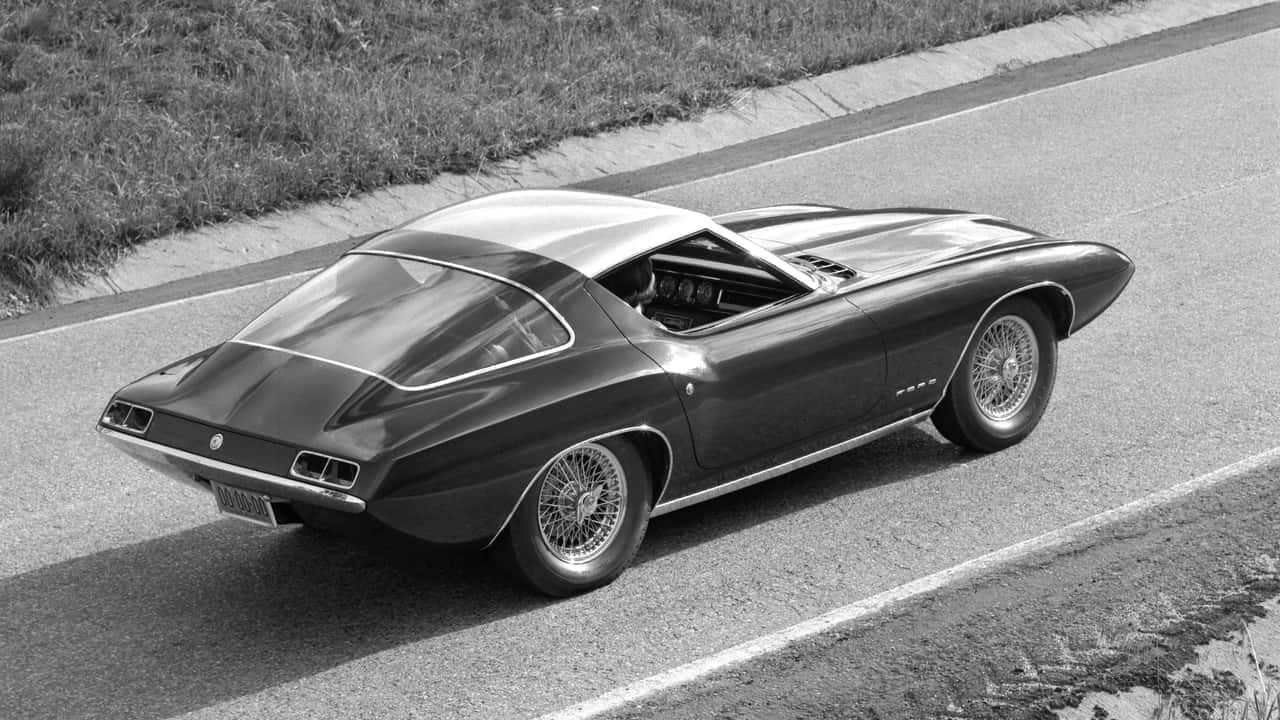
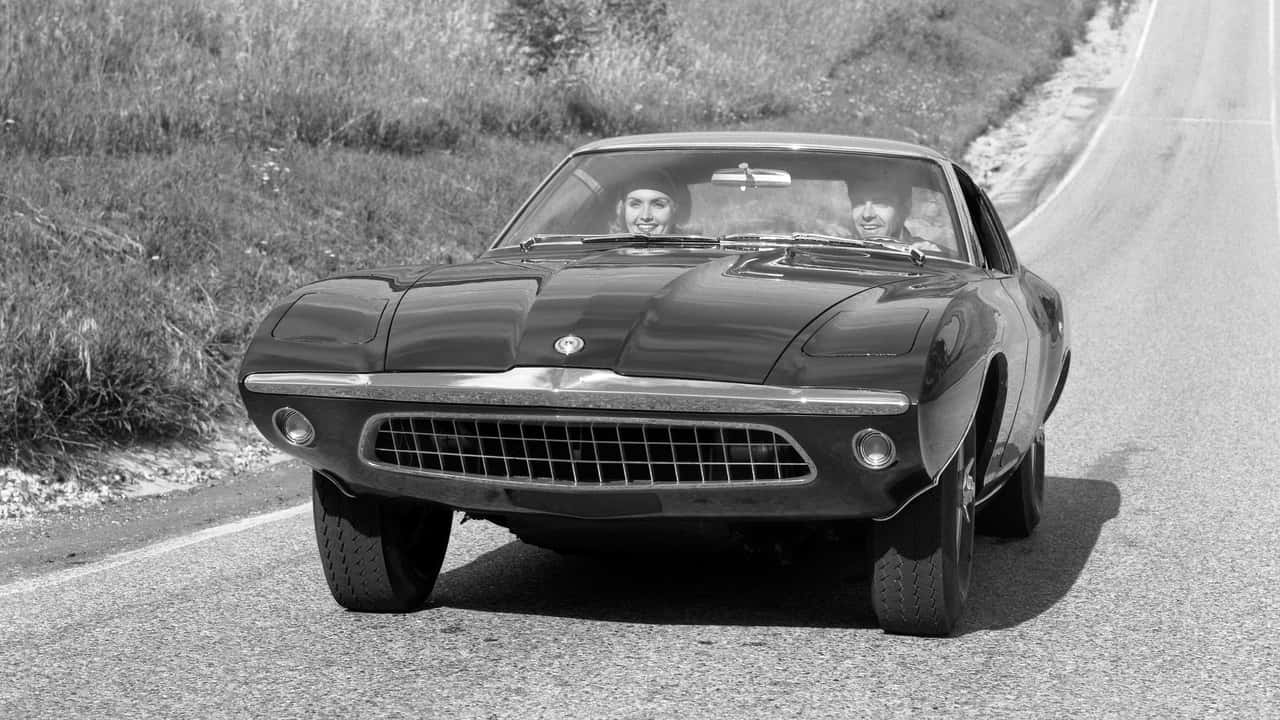
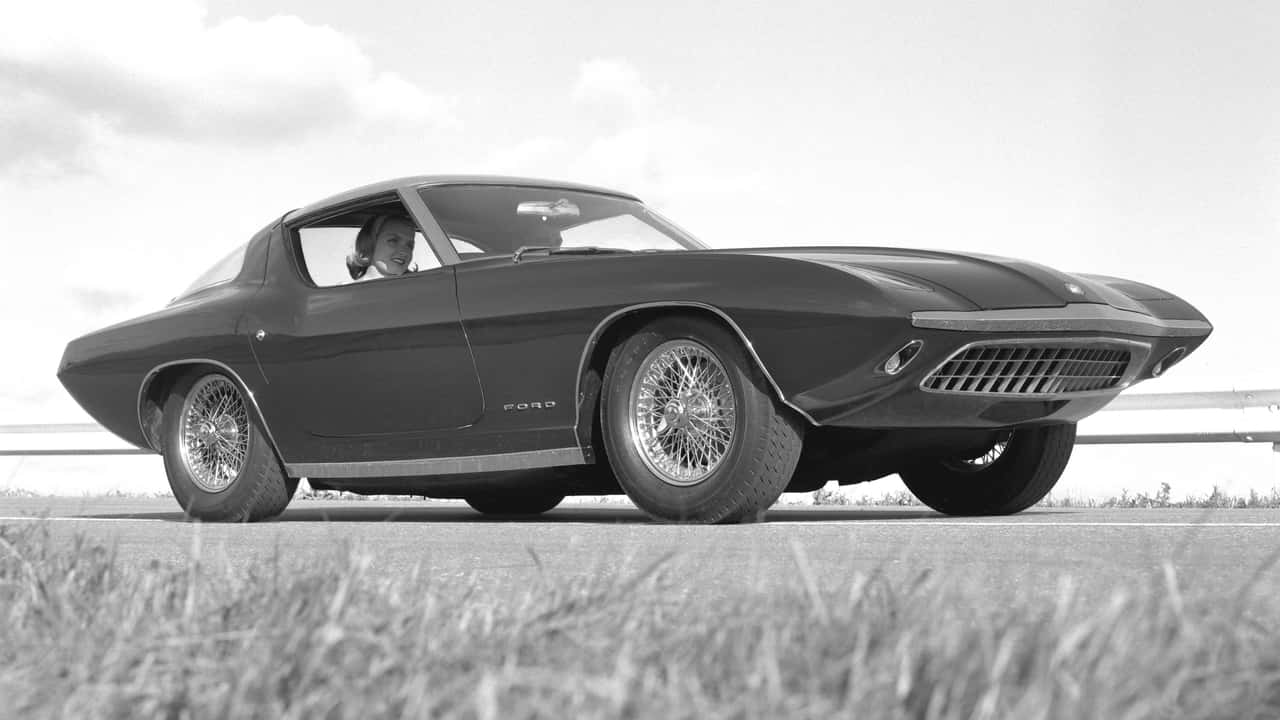
1963 Ford Cougar II
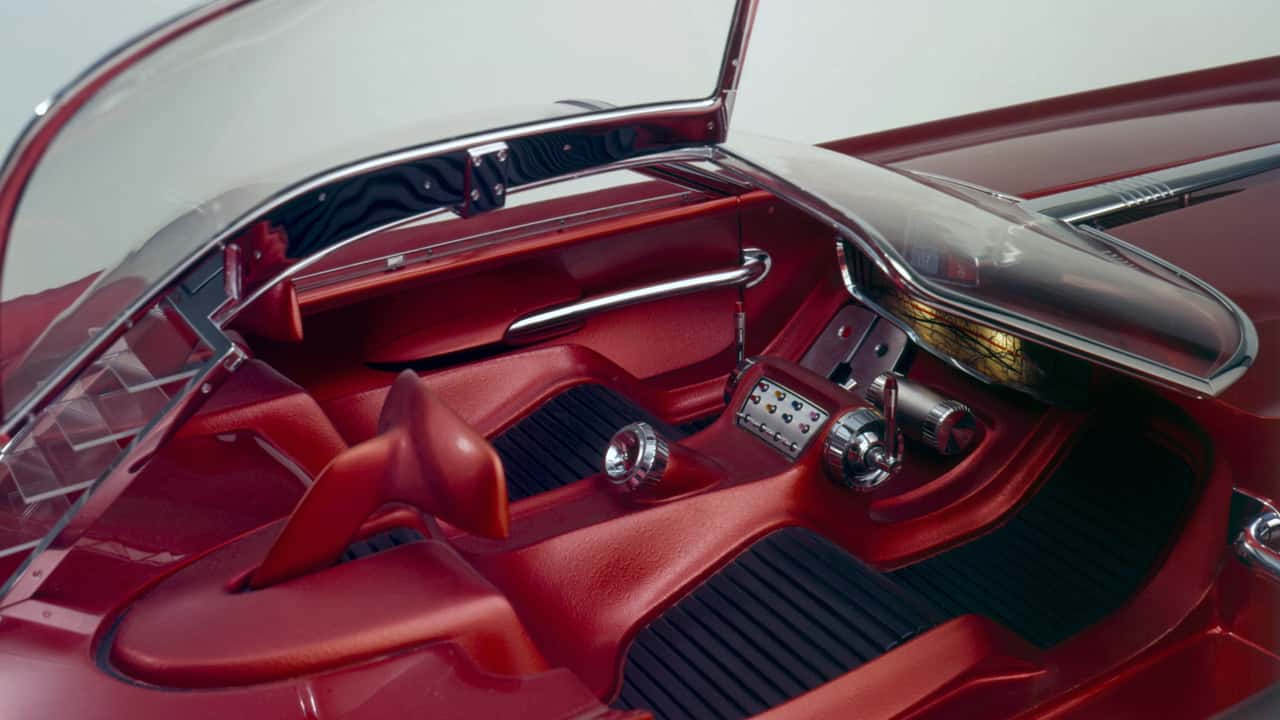
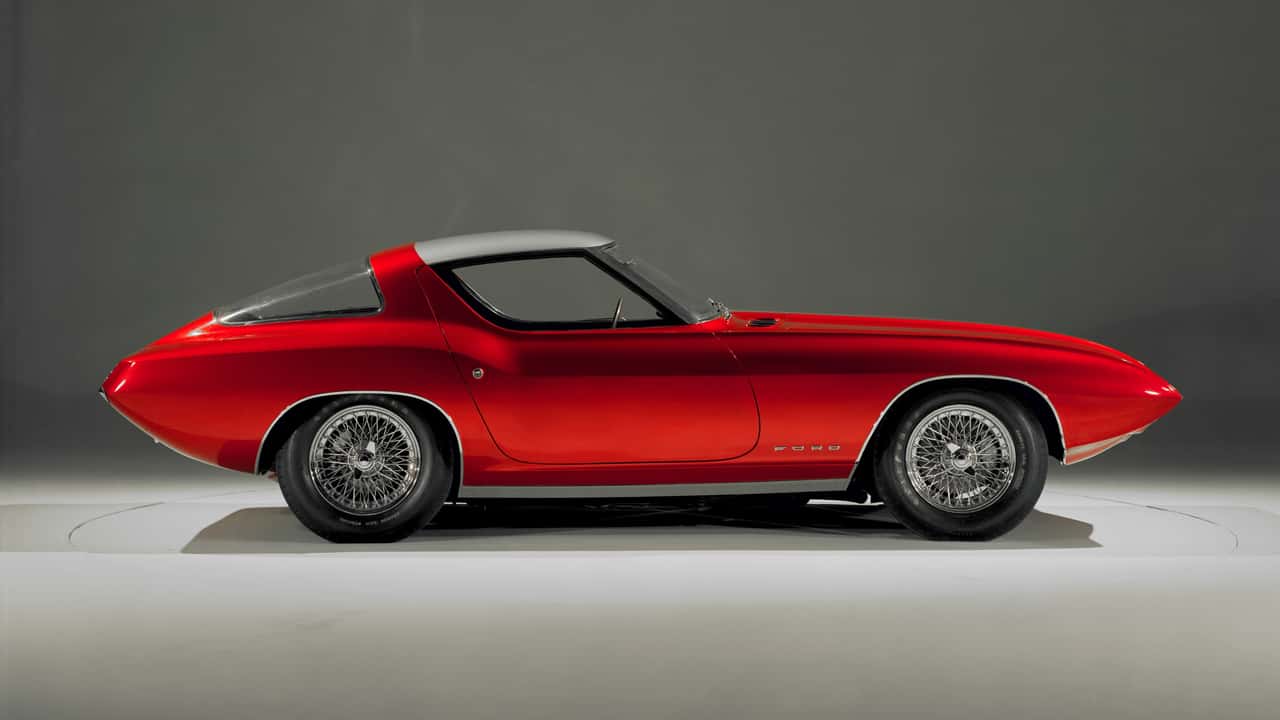
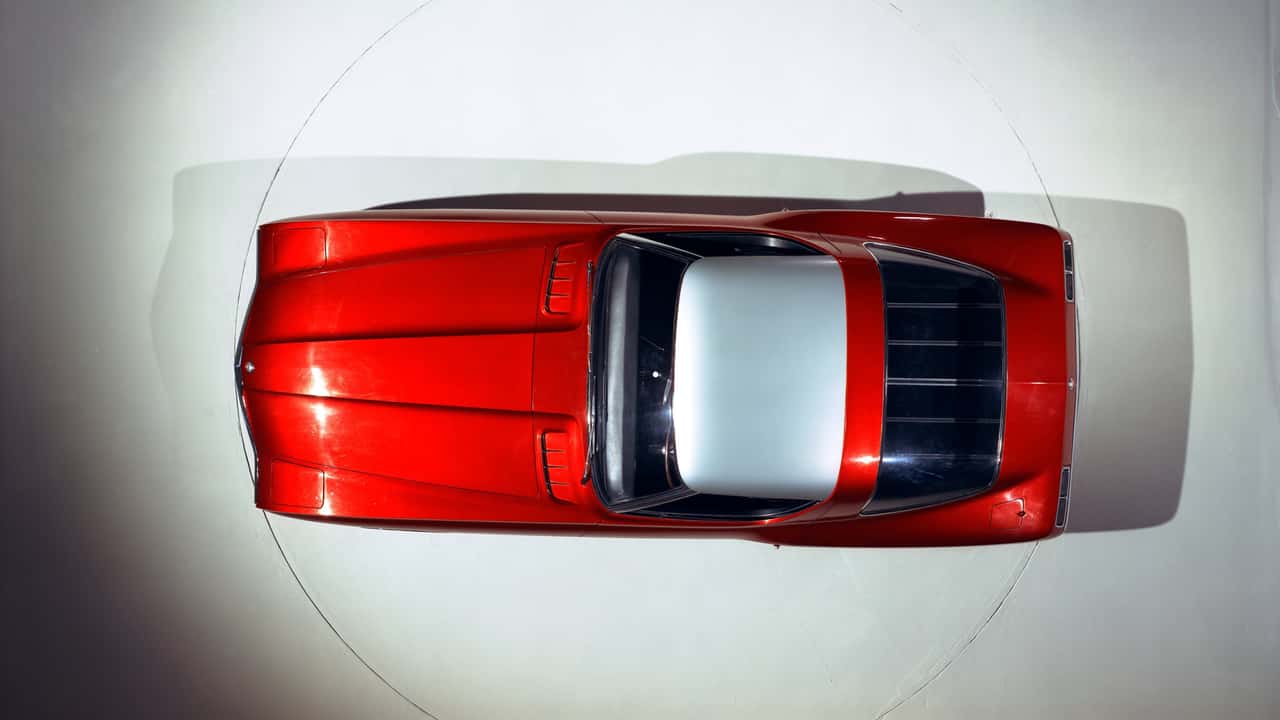
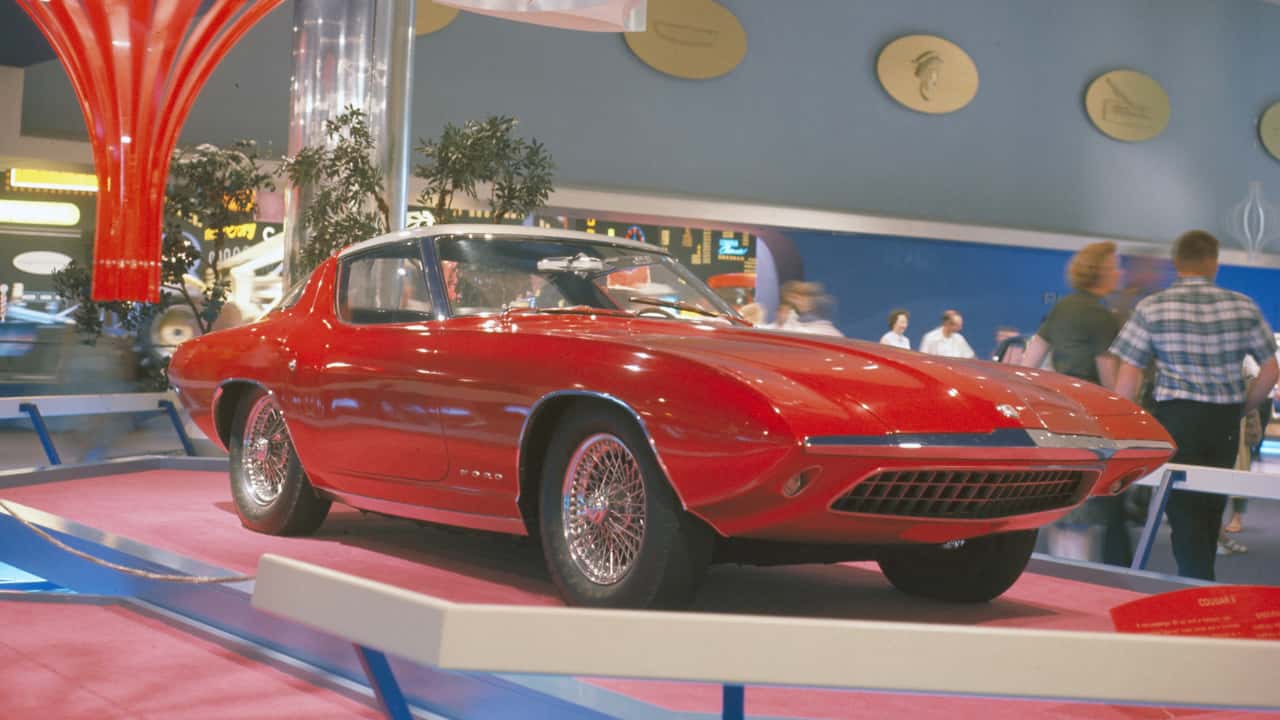
Ford was slowly moving away from its space-age styling in the 1960s, and the Cougar II was one of the first signs of that shift. It looked like Ford's answer to the Corvette, with a sleek red body hiding some serious hardware underneath: a Shelby Cobra chassis, a 289-cubic-inch V8, and a four-speed manual transmission.
The design came from Ford stylist Eugene Bordinat, and the concept was shown at the 1963 Chicago Auto Show before appearing at the 1964–65 New York World's Fair. It never became a production sports car, but it was one of Ford's more convincing early performance concepts.
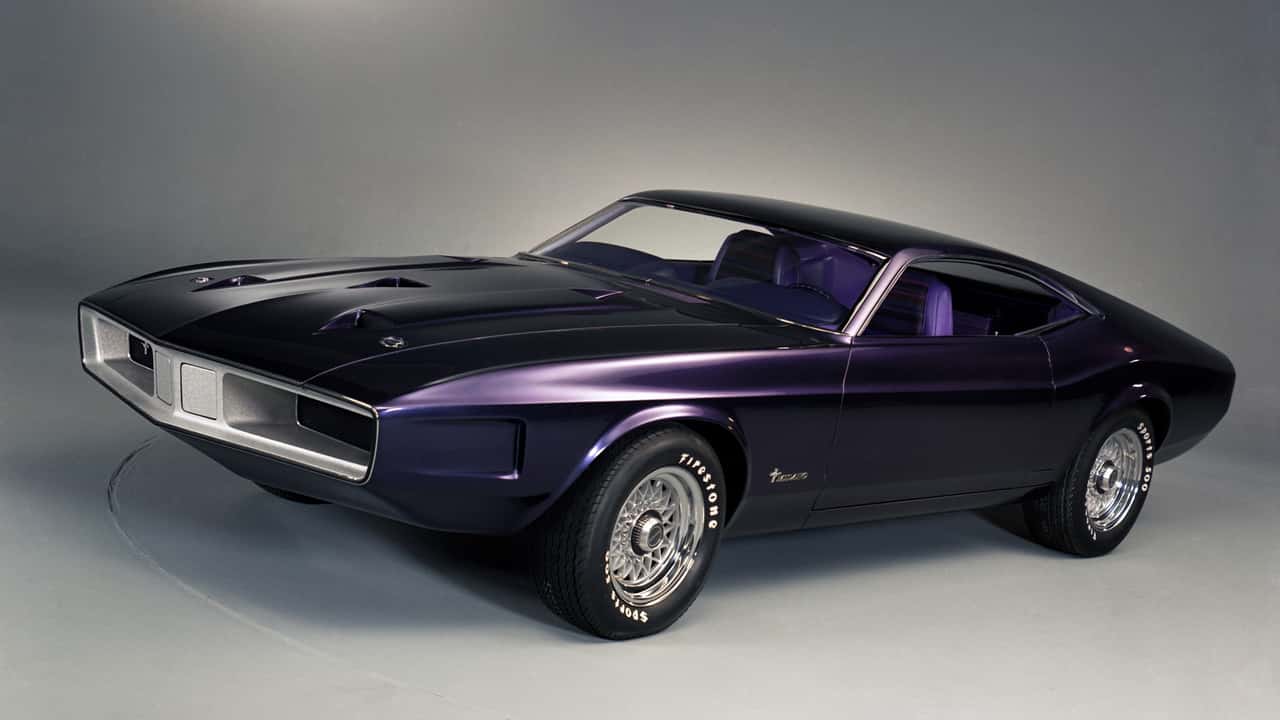
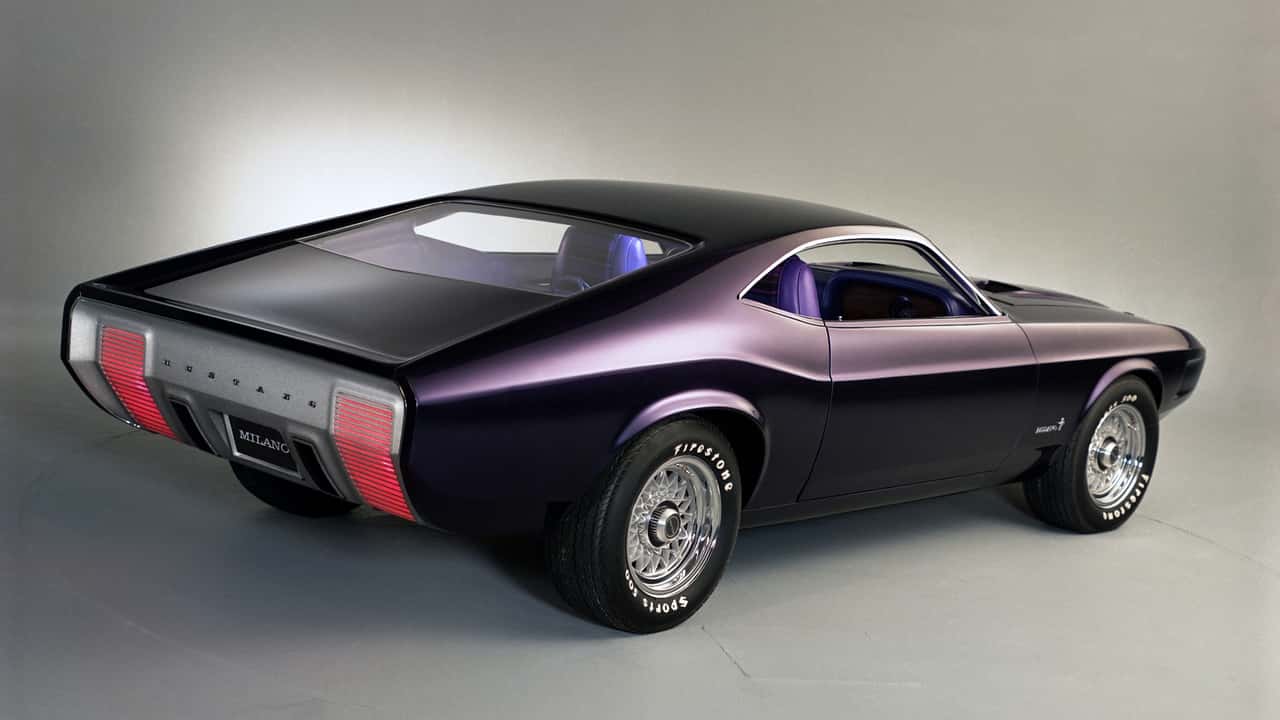
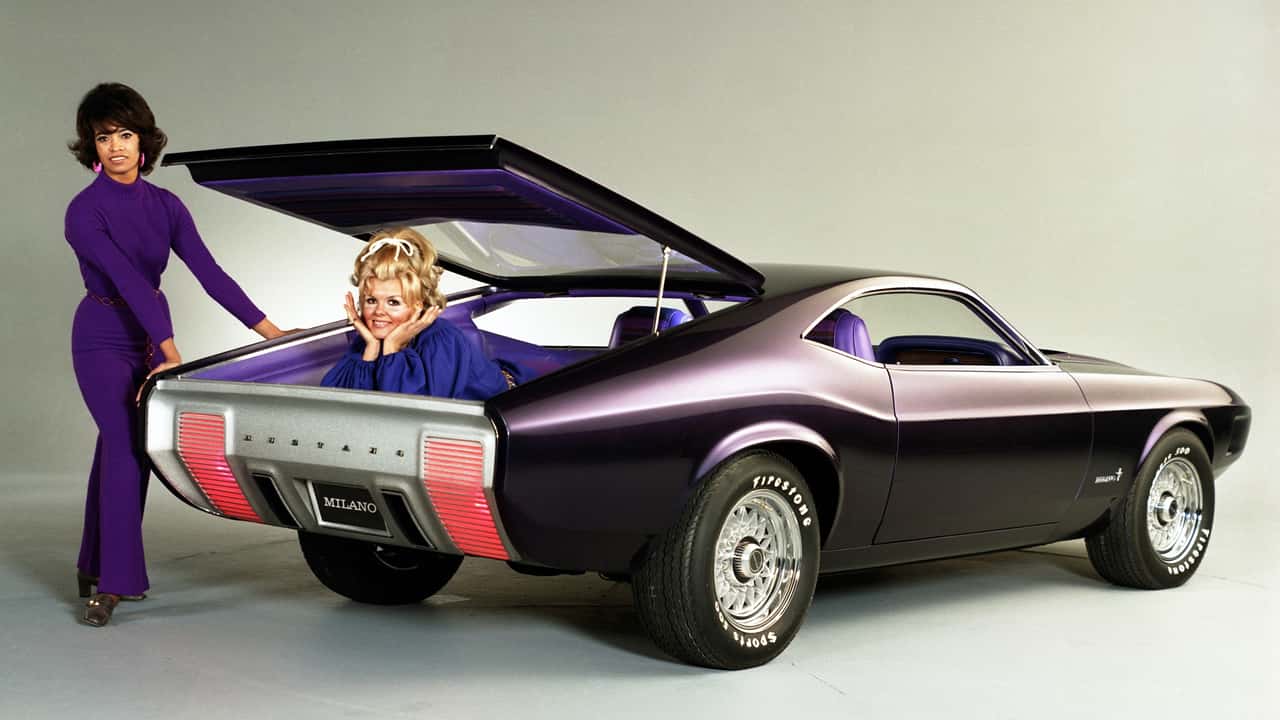
1970 Ford Mustang Milano
The Mustang Milano barely resembled the Mustang that debuted just six years earlier. Ford chopped the roof, stretched the body, and gave it a dramatically sloped windshield. Finished in an unmistakable shade of Ultra Violet (bring back purple), the 43.0-inch-tall concept was one of the wildest Mustang interpretations Ford had produced up to that point.
It also had some decent performance hardware—at least in theory. The Milano featured NACA-style hood ducts, a rear spoiler, early cast-aluminum wheels, and taillights that changed color depending on whether the car was accelerating, coasting, or braking. Some of its design cues eventually influenced the 1971 Mustang, while its styling also had an impact on Ford's Australian Falcon.
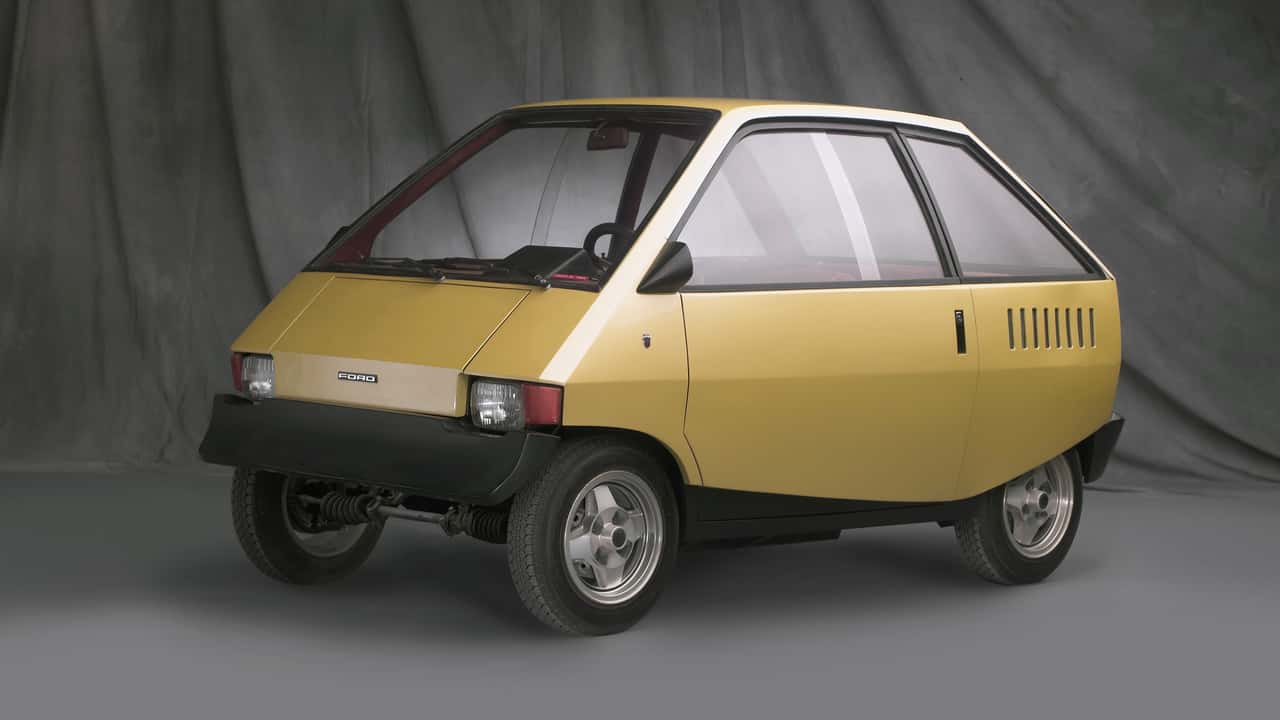
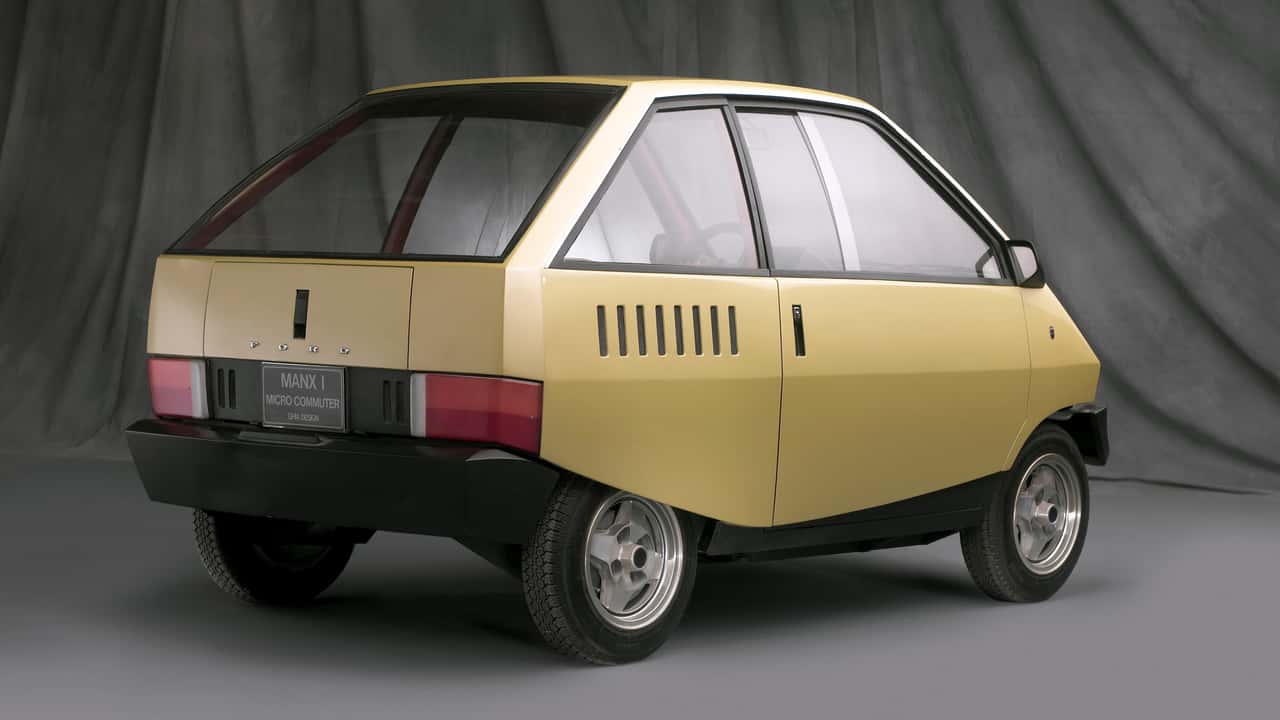
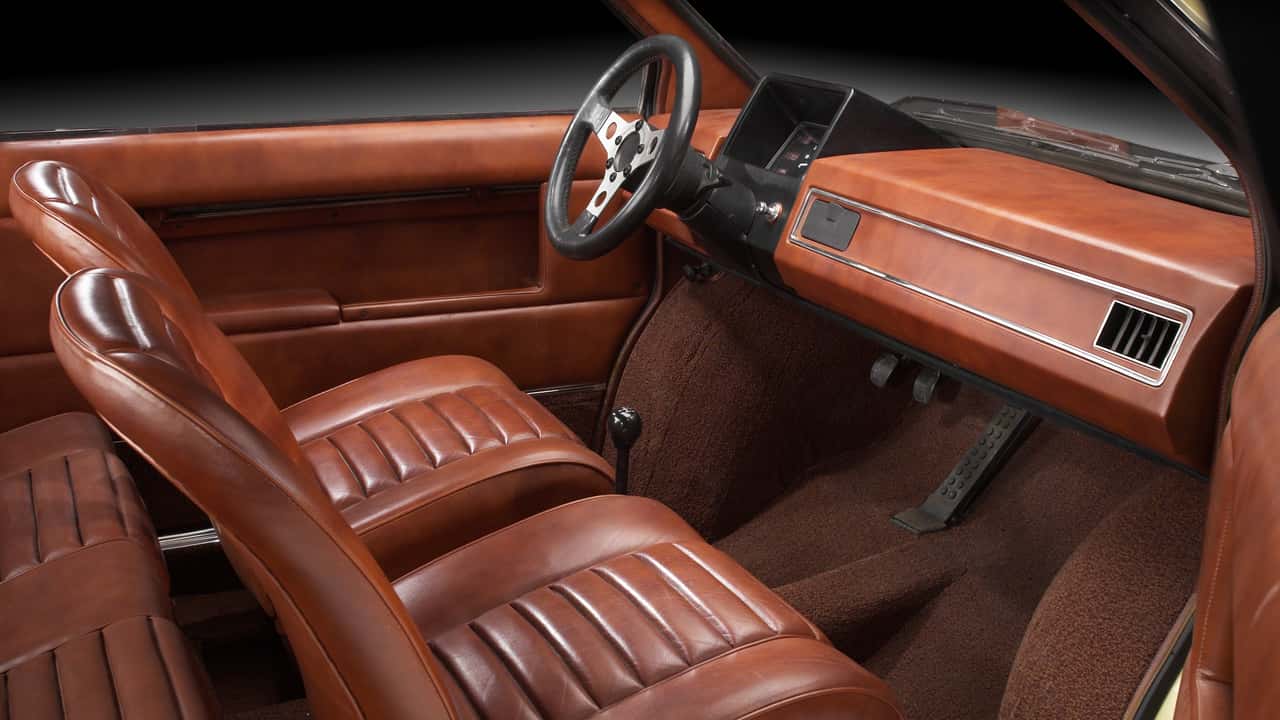
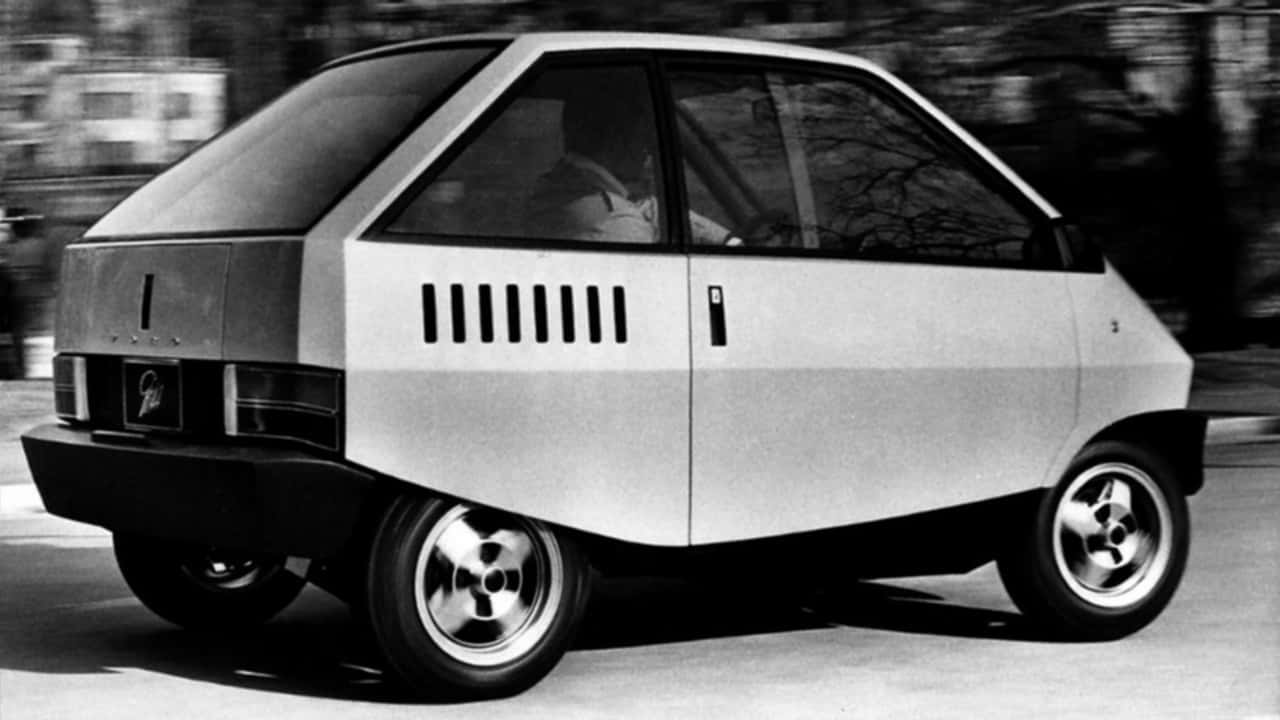
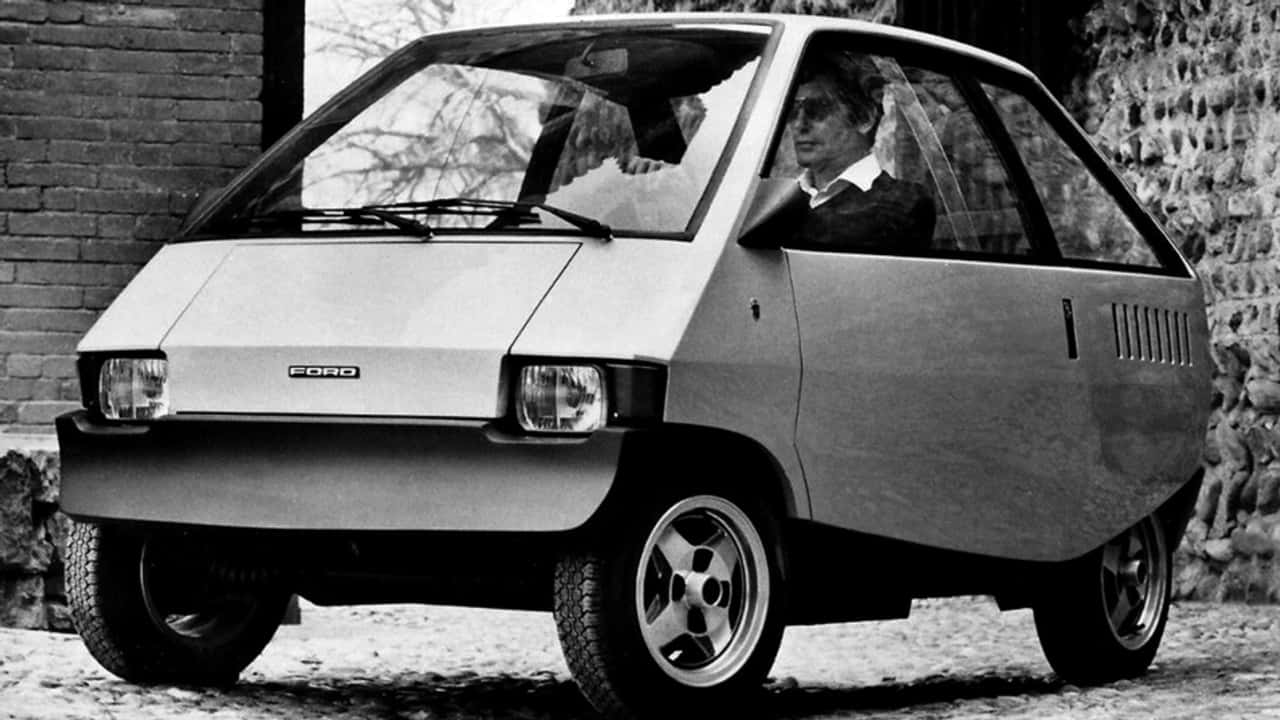
1975 Ford Urban Car
Also known as the Ghia Manx, the Ford Urban Car was about as far removed from the giant American vehicles of the 1970s as you could get. It was a tiny city-car concept built around the idea that urban transportation didn't need to be enormous. It had a short, compact body designed to maximize interior space without taking up much road.
The concept was developed by Ford and Ghia during the 1970s and became closely associated with the push toward smaller, European-style cars that defined the Fiesta era.
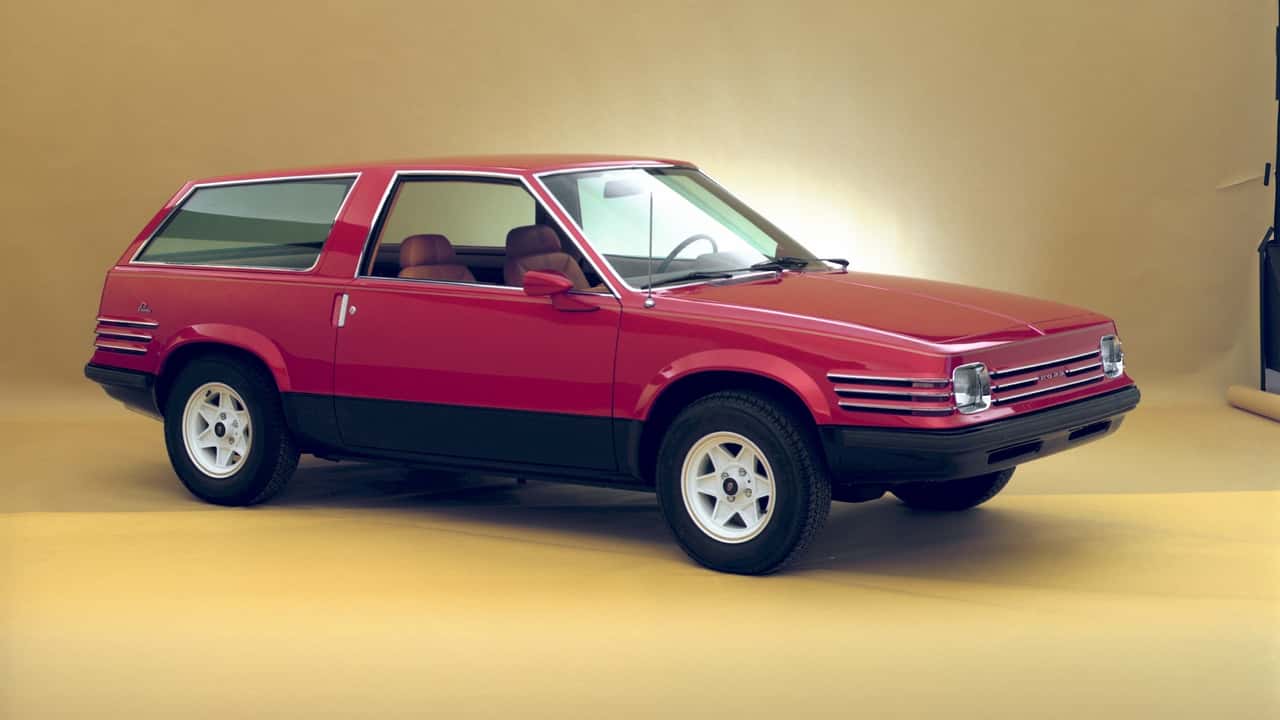
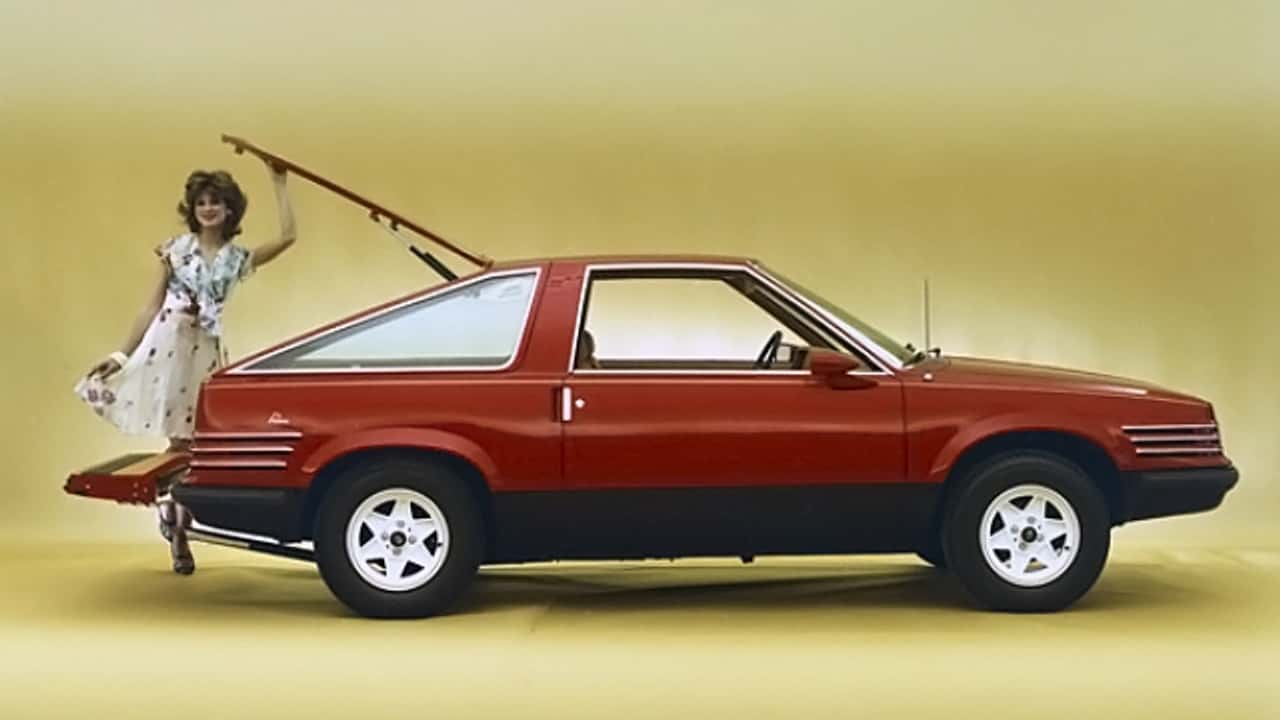
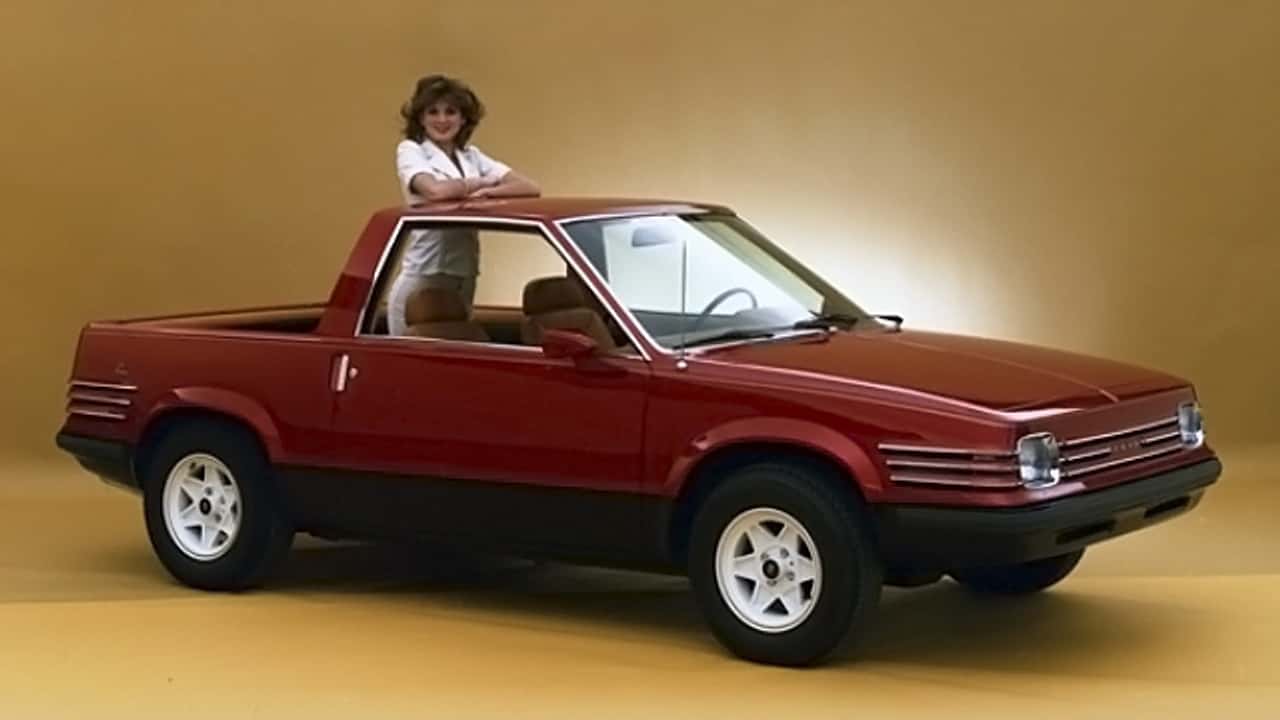
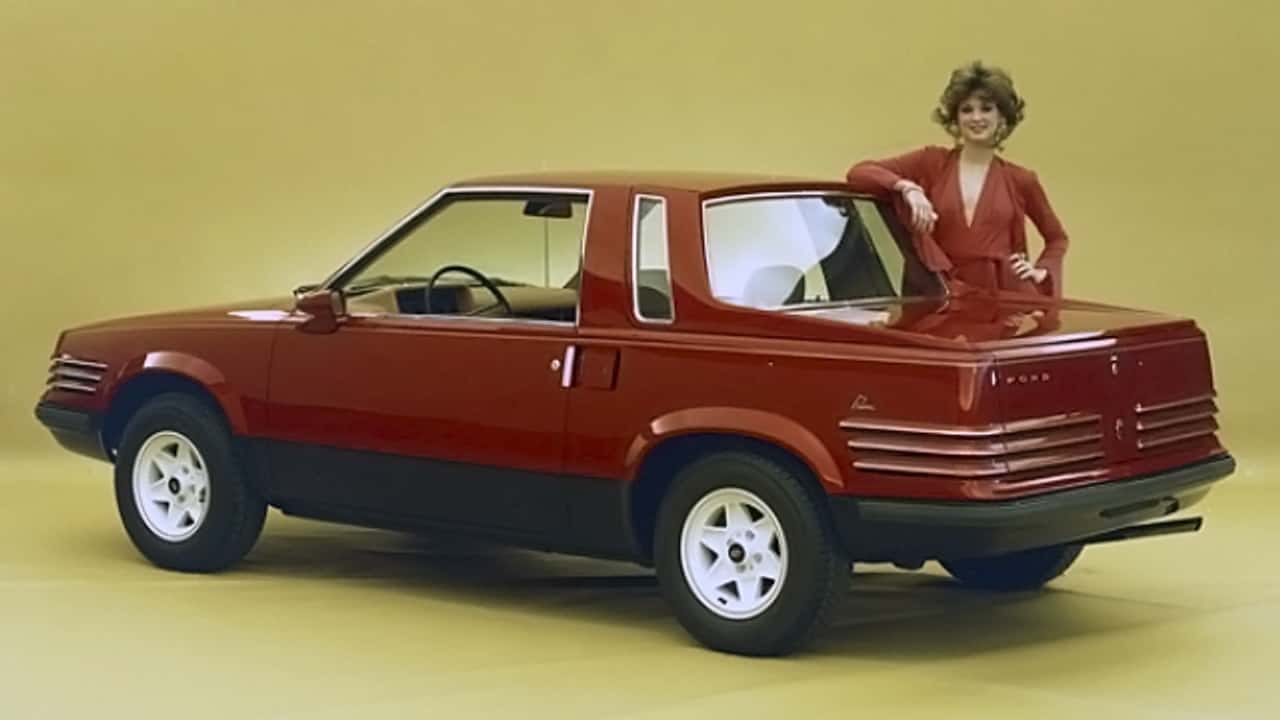
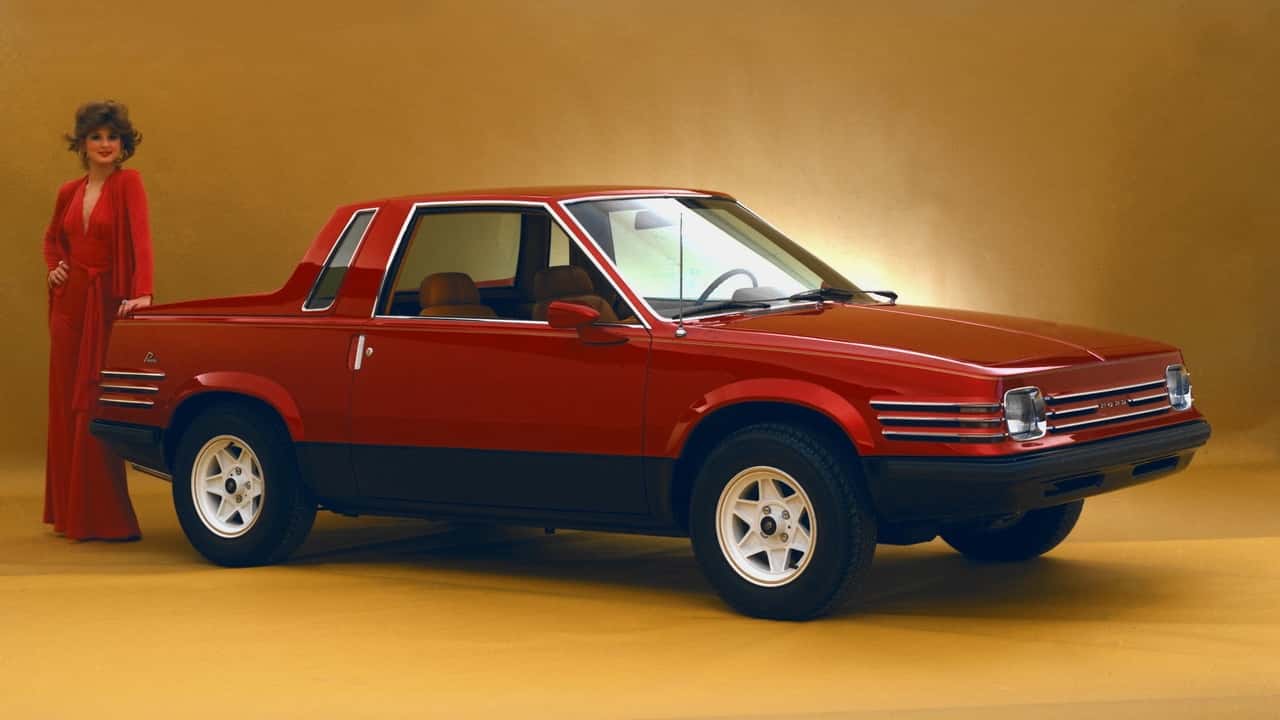
1976 Ford Prima
The Prima was essentially four cars hiding inside one tiny Ford. In its basic configuration, it was a two-seat pickup, but Ford designed it with removable tops that could transform it into a sports coupe, a 2+2 fastback, or a four-seat station wagon.
Developed by Ford's Dearborn design operation with Ghia in Turin, Italy, the Prima was an early experiment in modular vehicle design. It was a clever idea decades before automakers started making modular platforms a major part of their development strategies.
1979 Ford Probe I
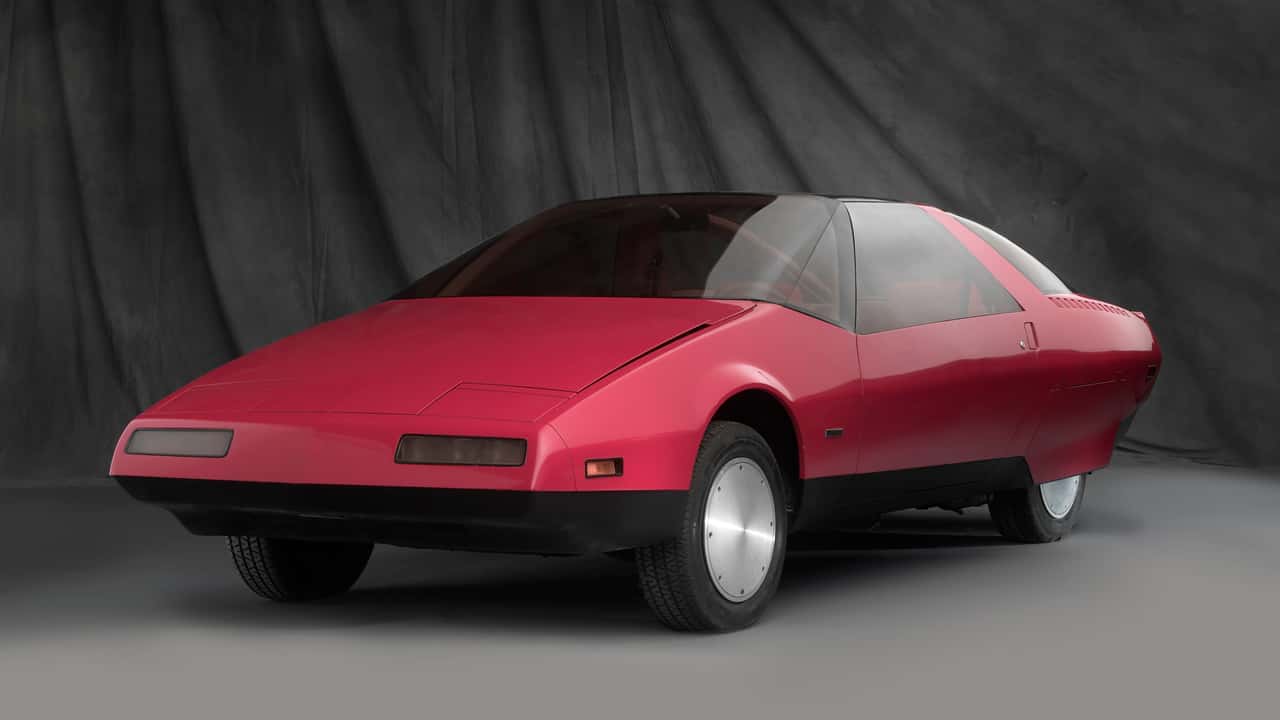
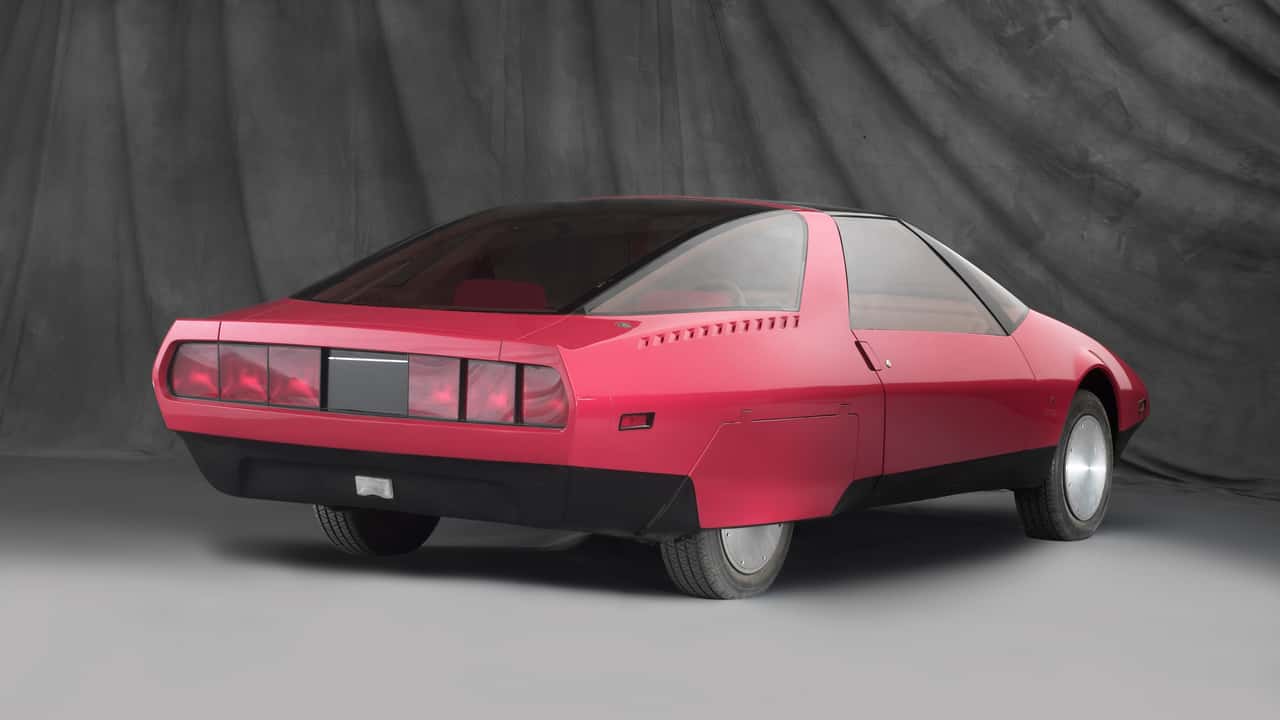
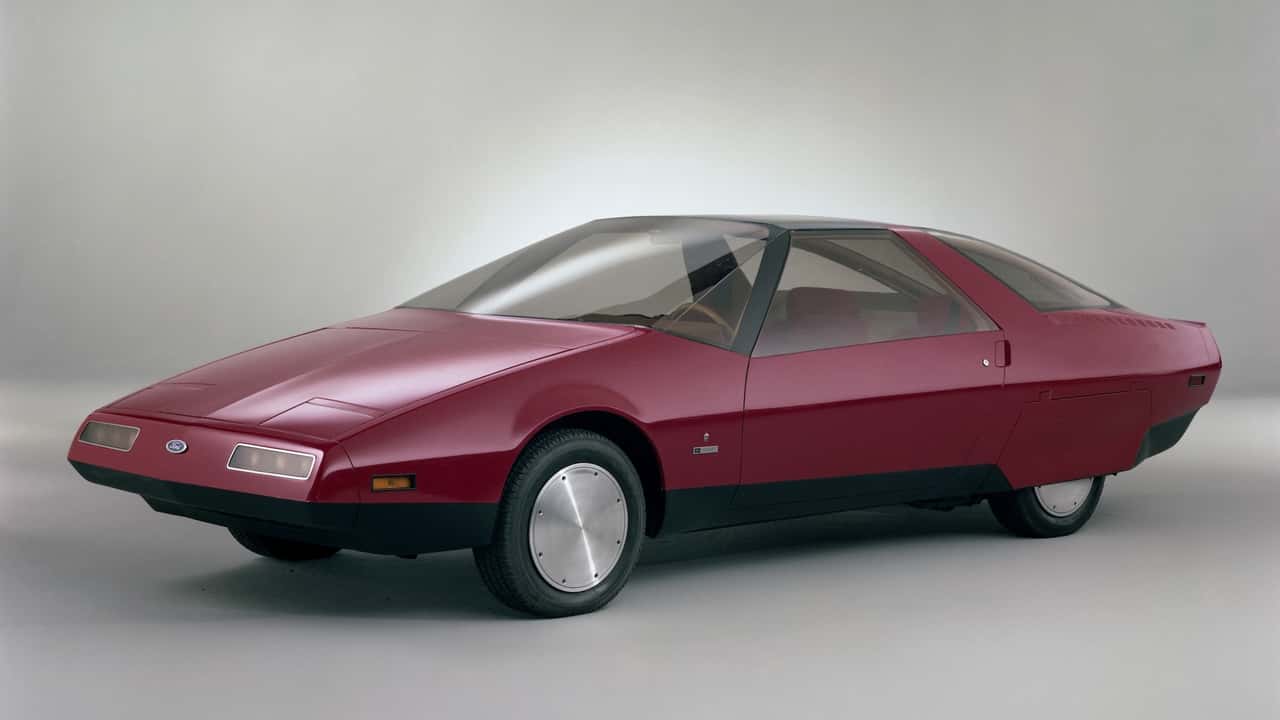
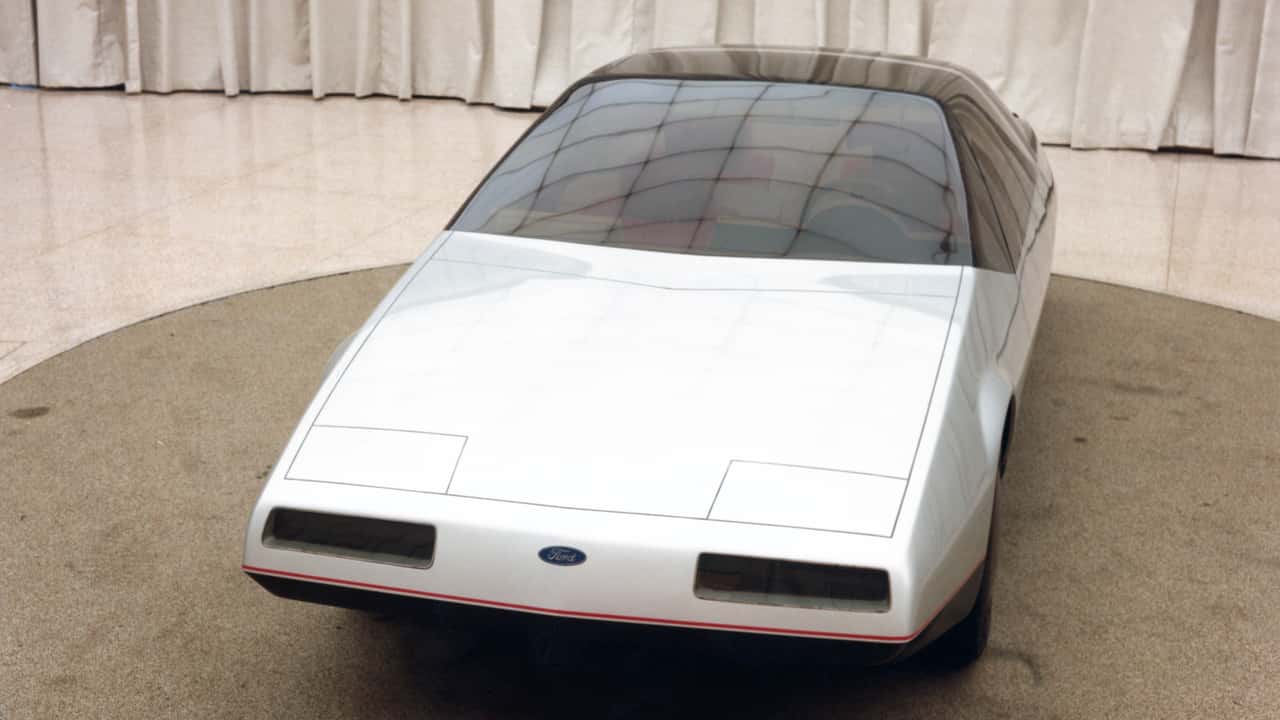
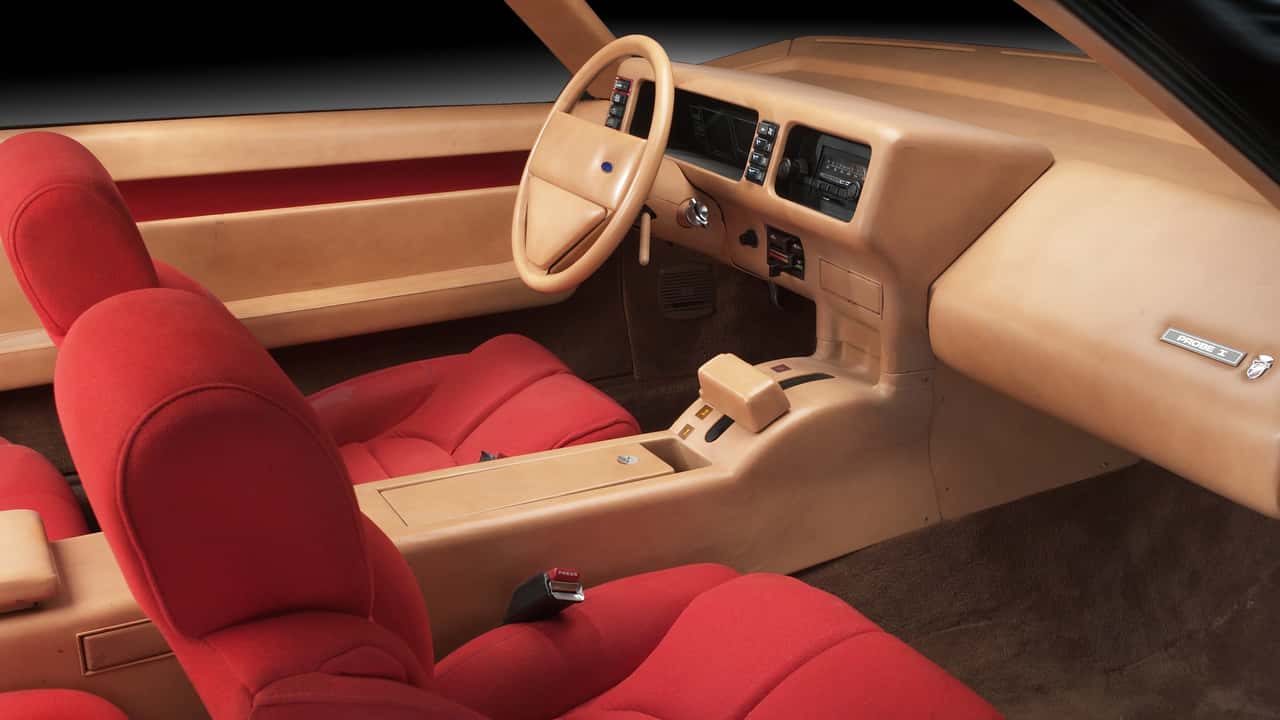
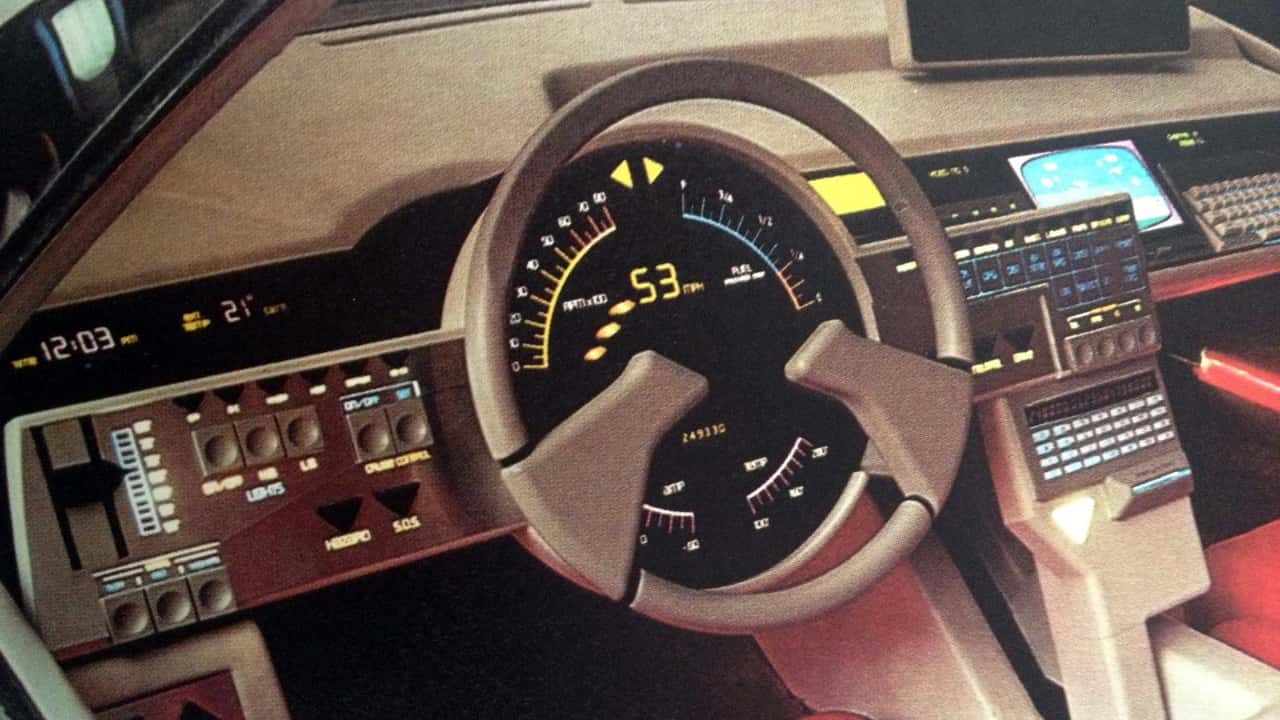
The first Probe was weird because it wasn't trying to predict some distant technological future. Instead, it tried to solve a much more immediate problem: fuel economy. Designed by Ford's Don Kopka with Ghia, the Probe I used an extremely slippery wedge shape, covered rear wheels, flush surfaces, and a glassy passenger compartment to reduce aerodynamic drag.
It was based on a Mustang platform, but you'd never know it by looking at the thing. Ford claimed the shape dramatically reduced drag compared with contemporary sports coupes. The Probe I kicked off a five-car series of aerodynamic experiments that eventually helped push Ford toward the rounded, slippery styling that defined cars like the Taurus.
1980 Ford Pockar
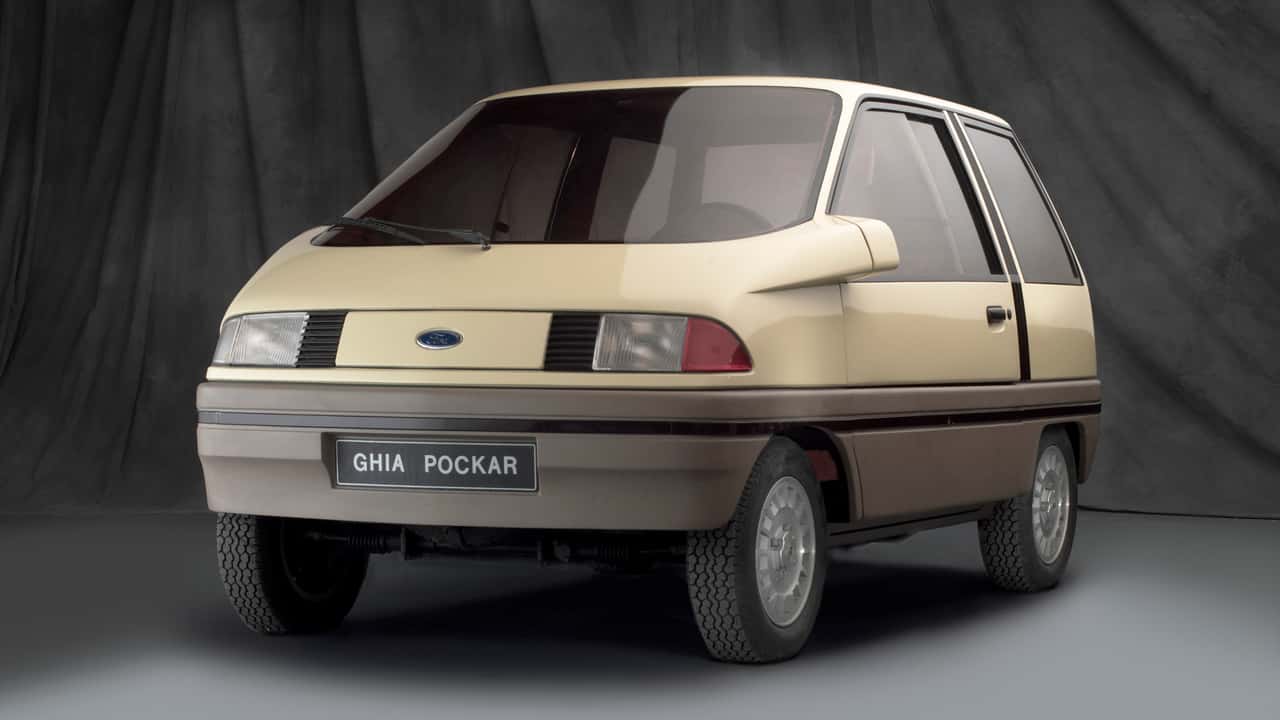
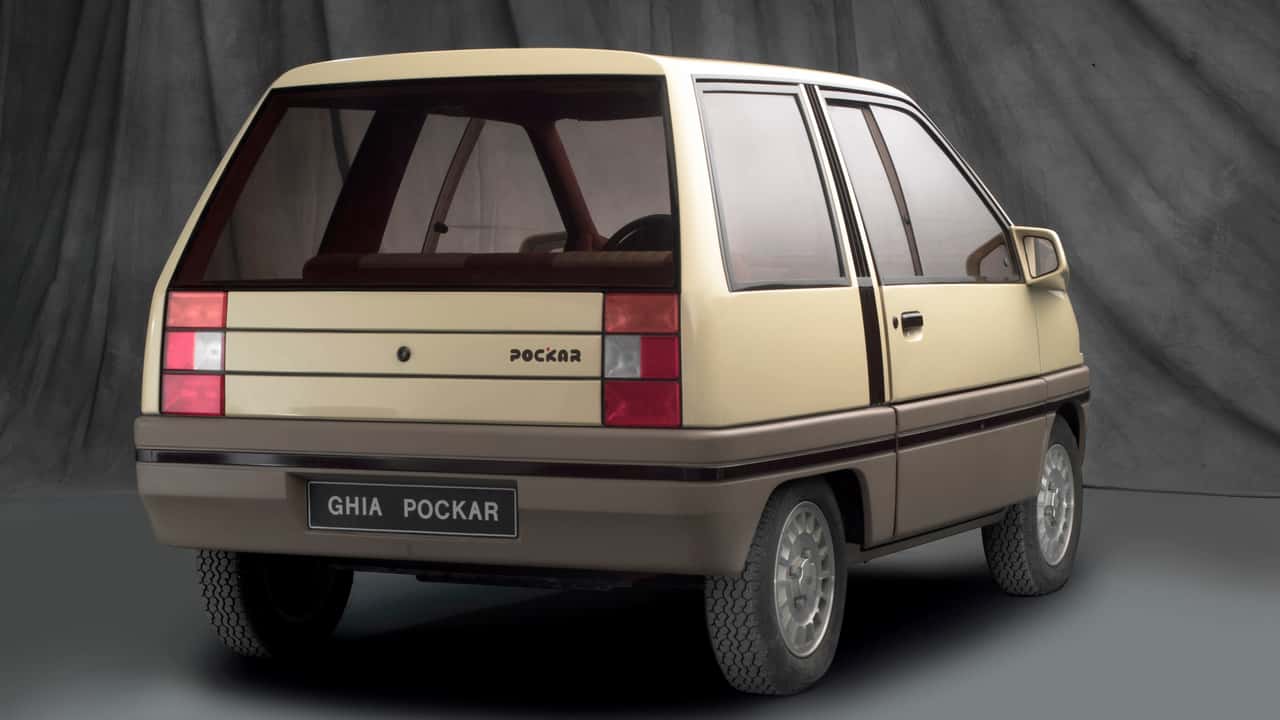
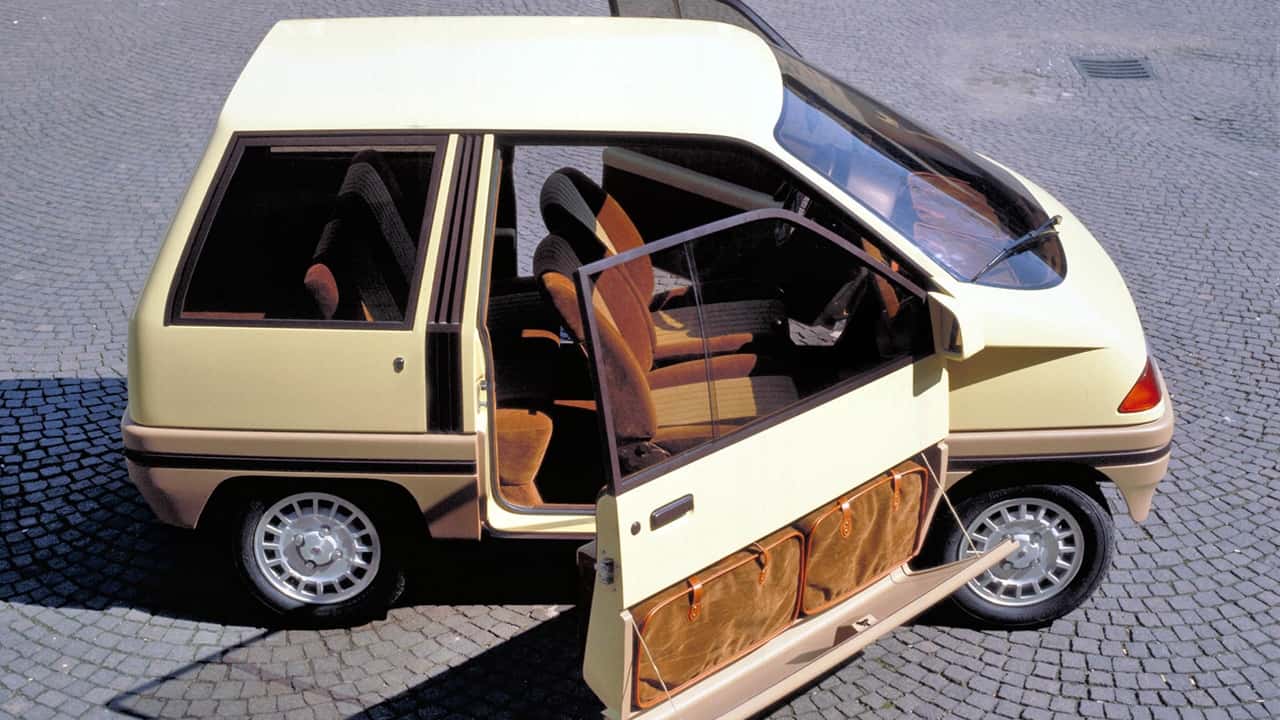
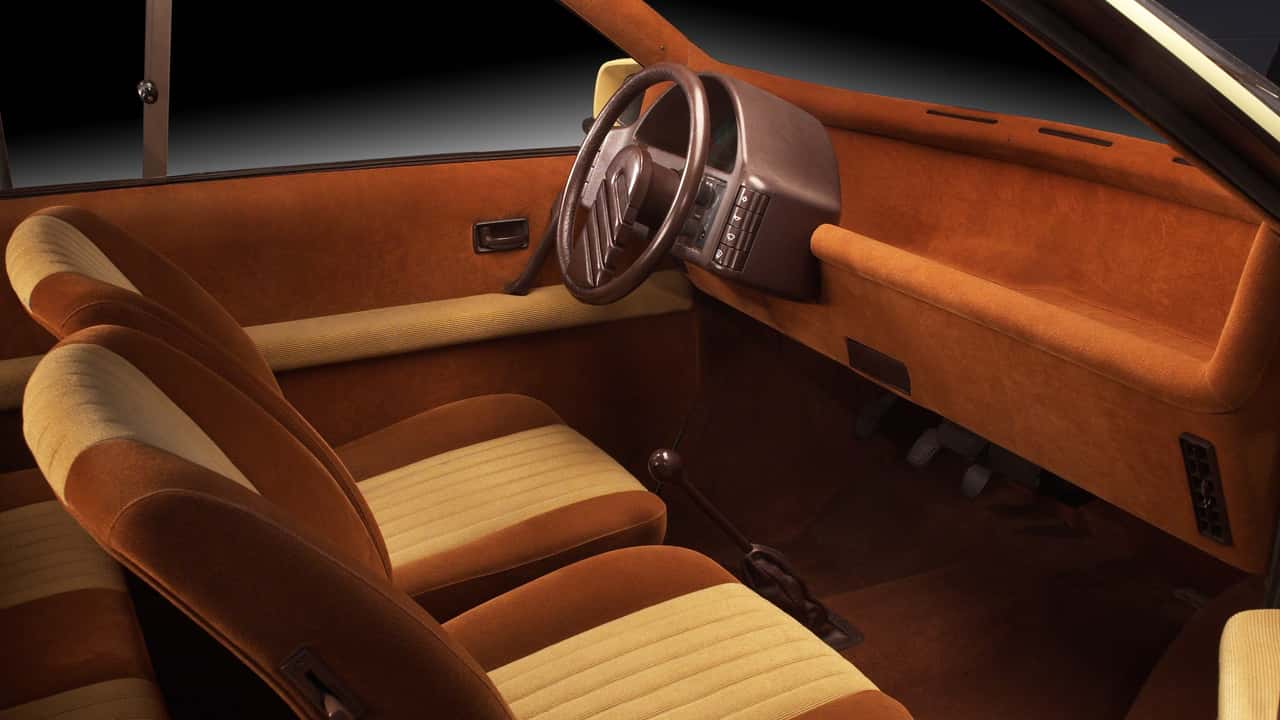
"Pockar" is short for "pocket car," which it was in nearly every sense. Designed by Ghia, this tiny four-passenger concept was short, narrow, and tall, with an emphasis on squeezing as much practicality as possible into a very small footprint.
Its coolest trick was hidden in the doors. They were split horizontally, with the lower sections folding down like little tailgates to reveal built-in luggage compartments. The rear seat could also fold flat, turning the tiny car into something resembling a miniature van. It's an idea that feels remarkably close to today's obsession with maximizing interior space.
1981 Ford Shuttler
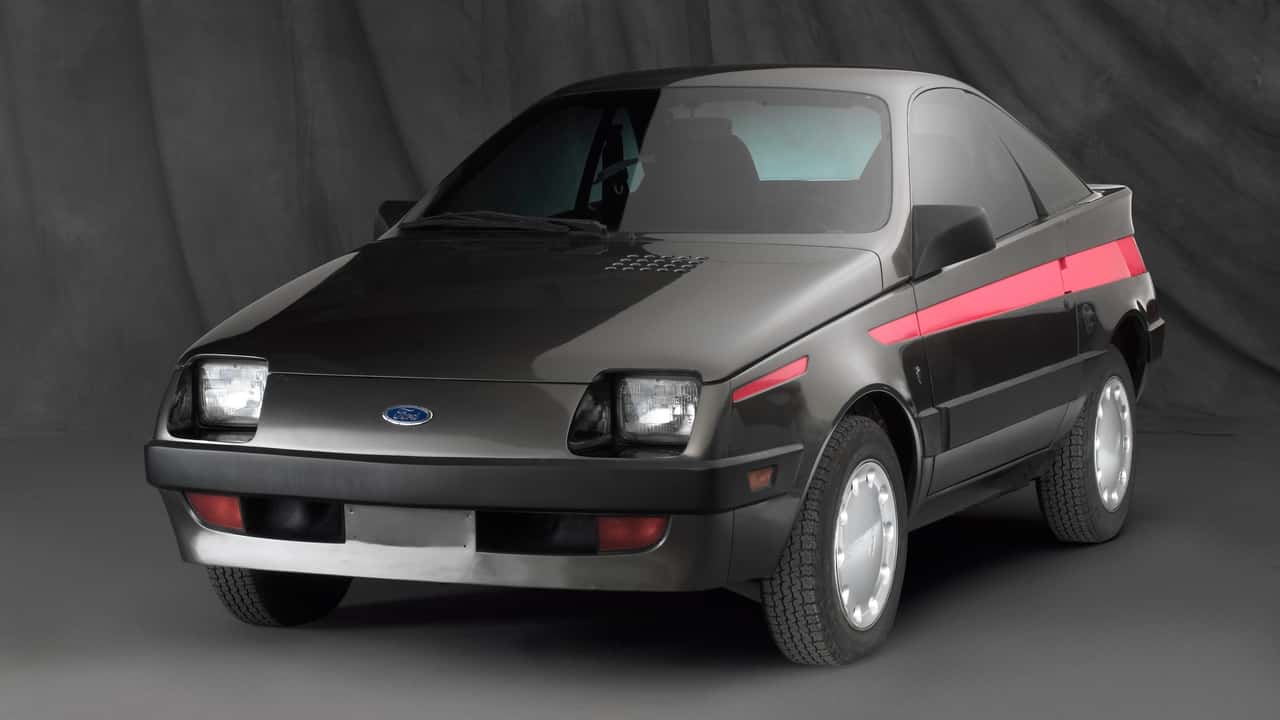
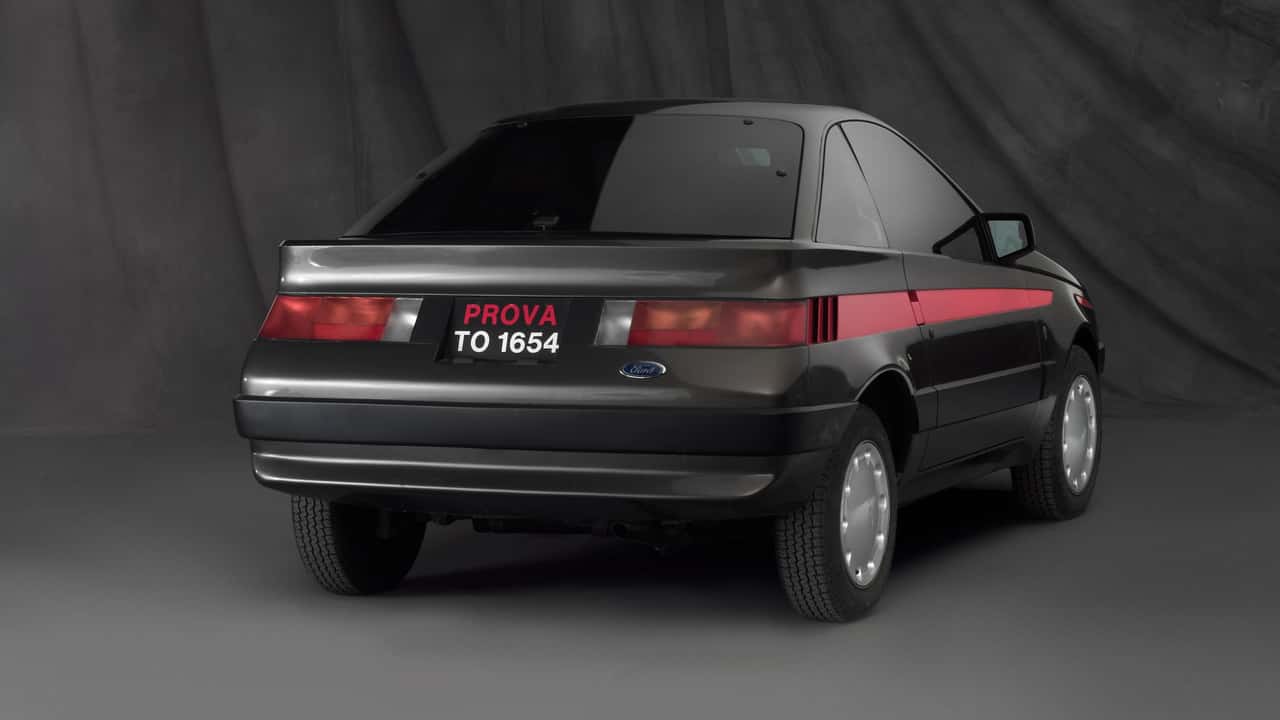
The Shuttler looked like somebody took a Fiesta, put it in a wind tunnel, and then told the designer to make it as futuristic as possible. Created by Ghia, the tiny two-seat city coupe featured a sharply wedged body, flush-mounted side glass, recessed door handles, and enclosed side mirrors.
It was also incredibly small, with a shortened Fiesta platform and a wheelbase of just 77.0 inches. A distinctive grid of openings in the hood and vents near the rear gave it an unusually technical appearance. The result was a tiny city car that looked more like a spaceship than something made to squeeze into European parking spaces.
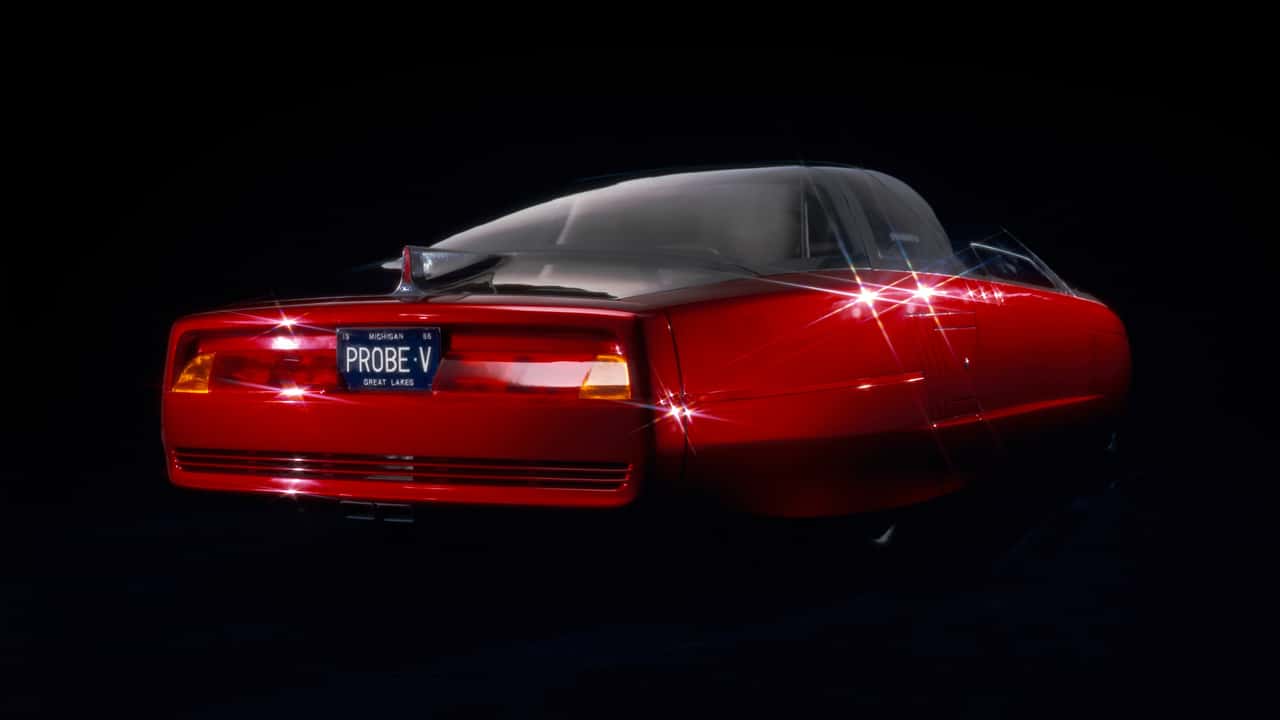
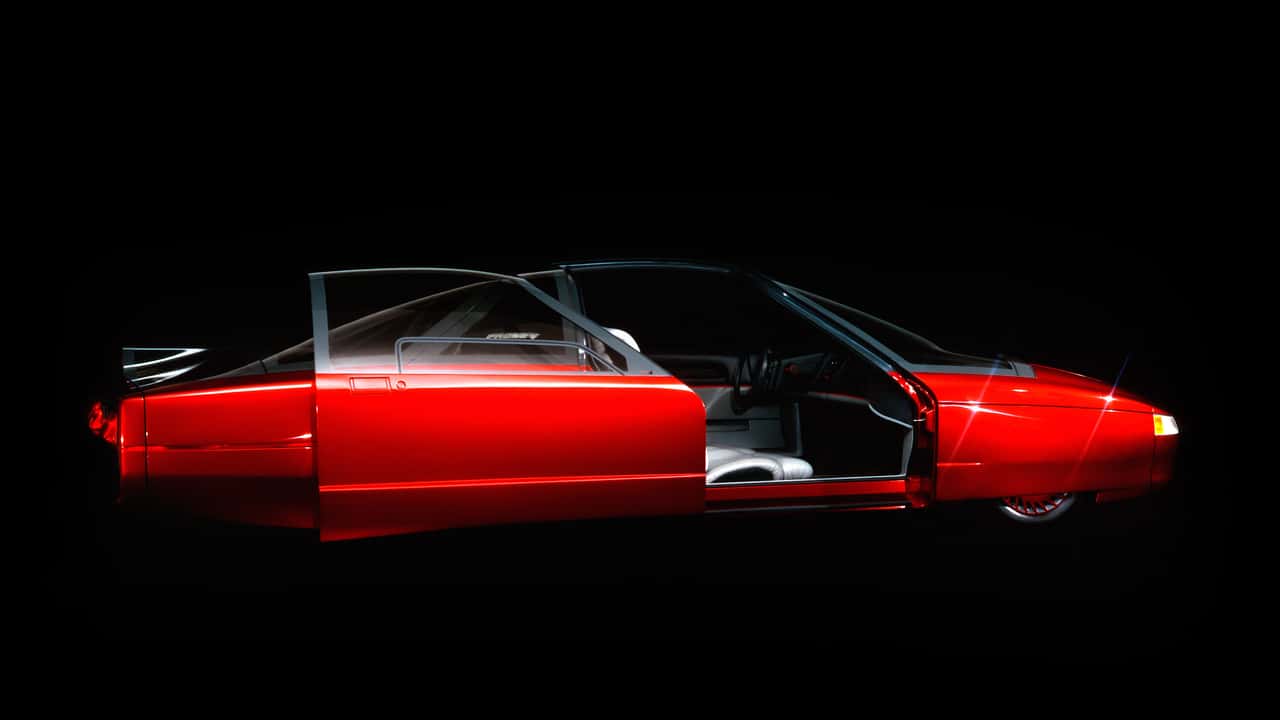
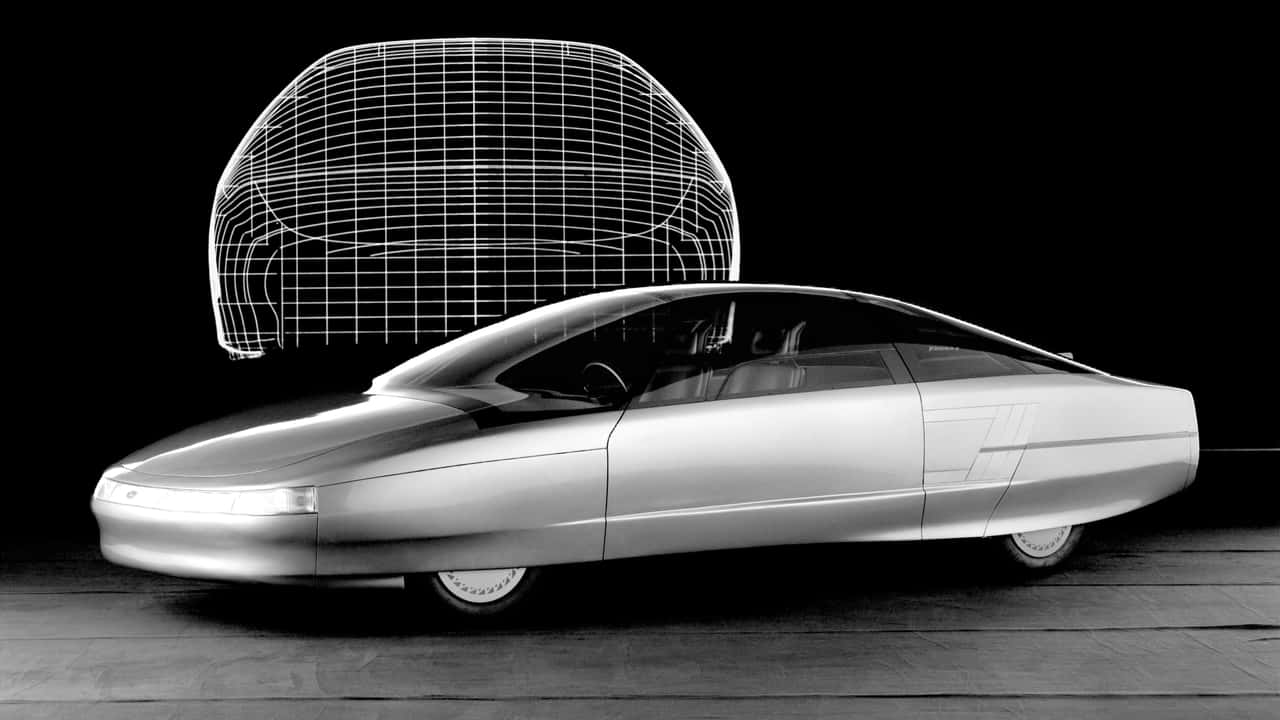
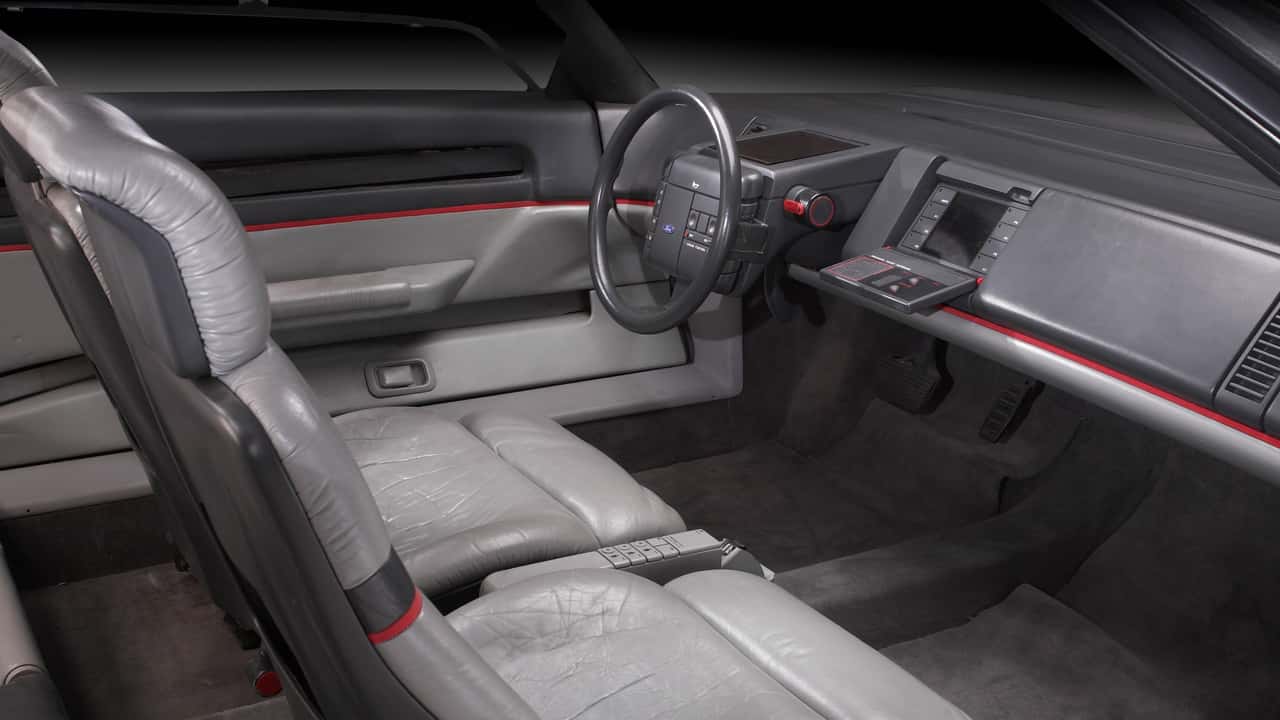
1985 Ford Probe V
The Probe V was the final—and arguably strangest—member of Ford's original Probe series. Rather than simply making a sleek sports car, Ford used the concept to investigate just how slippery a four-passenger sedan could be. Almost every surface was shaped around aerodynamic efficiency, for better or worse.
The car had wheel covers, a huge glasshouse, sliding doors, and an unusual rear canopy that moved to provide access to the mid-mounted engine. Ford achieved a claimed drag coefficient of just 0.137, an astonishing figure for the era. More importantly, the Probe V previewed the aerodynamic design philosophy that would soon define the Ford Taurus.
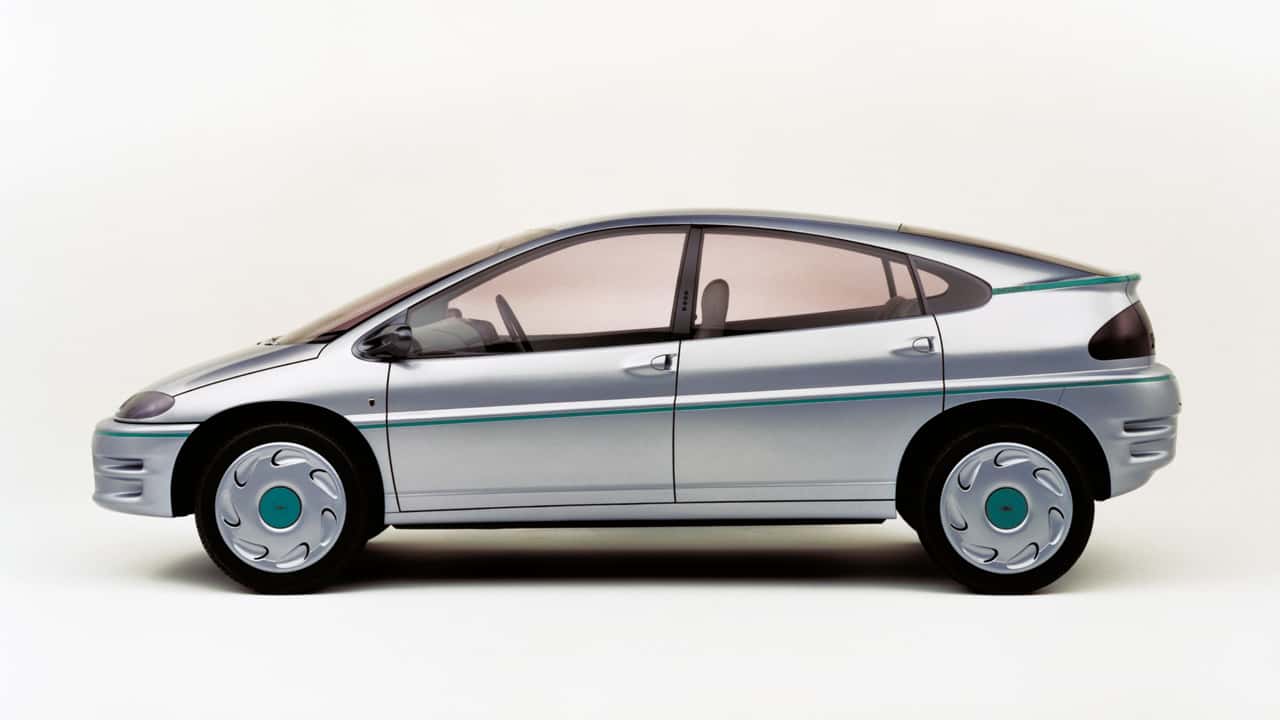
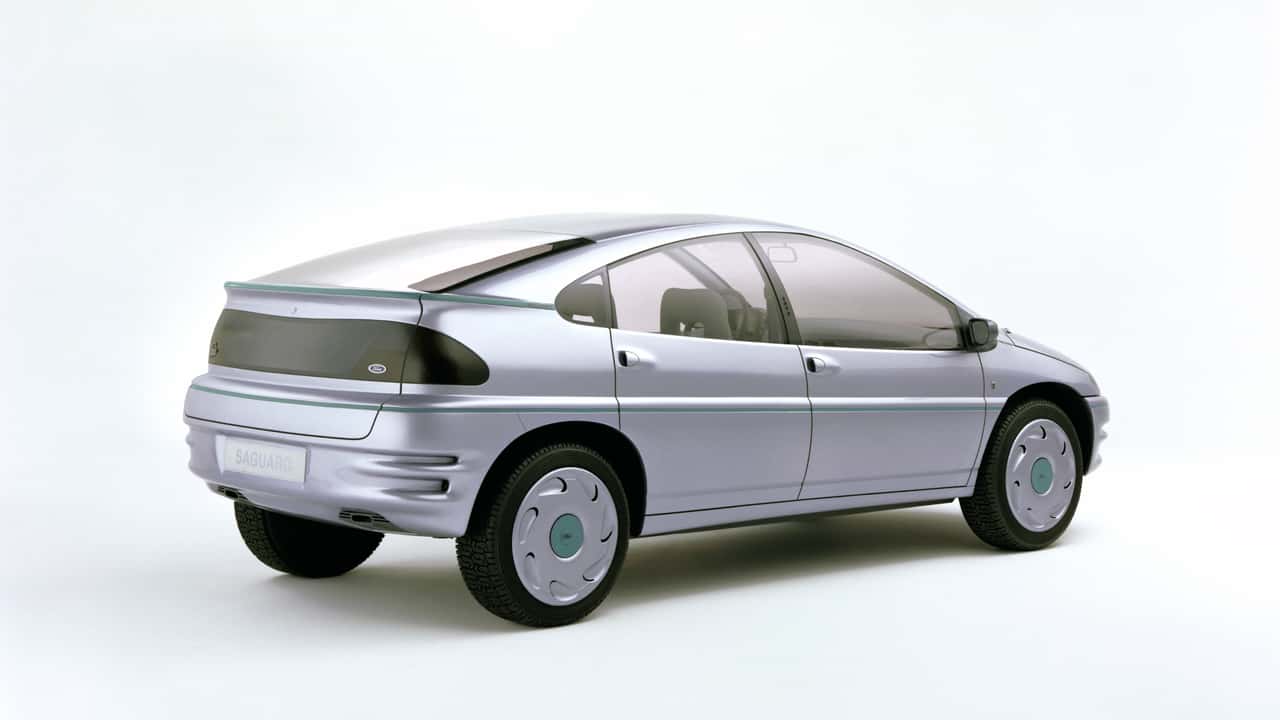
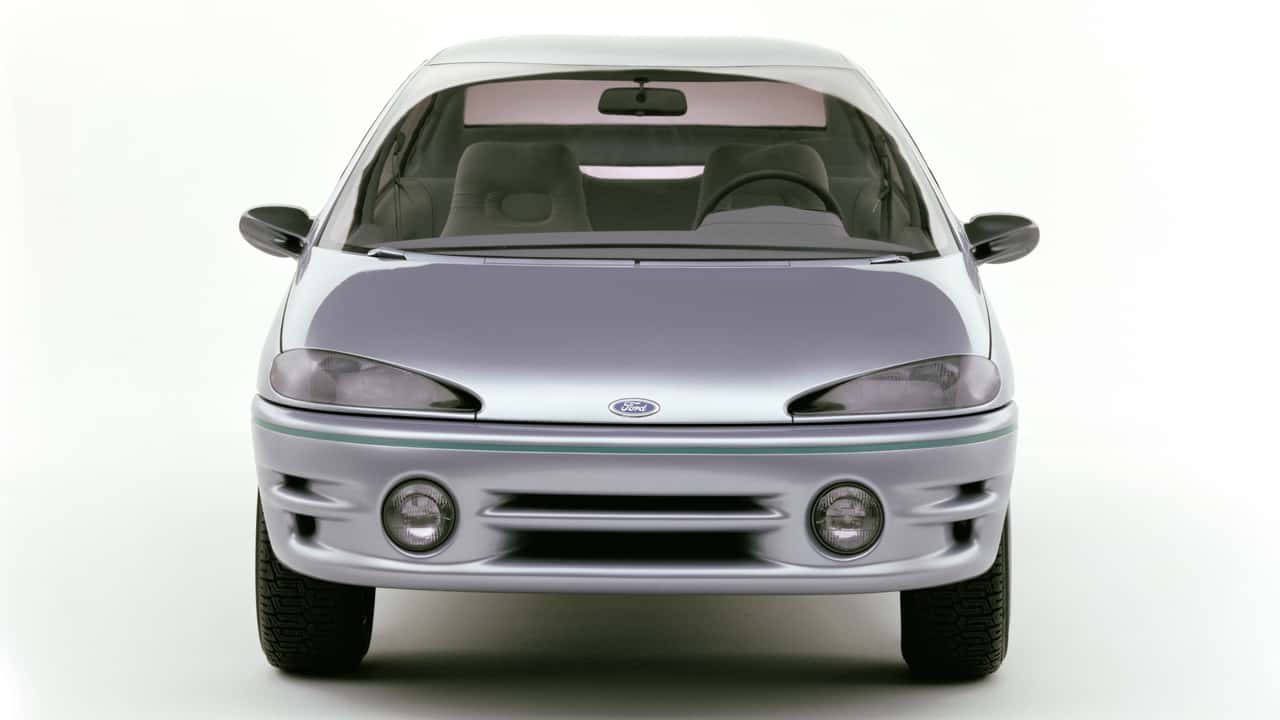
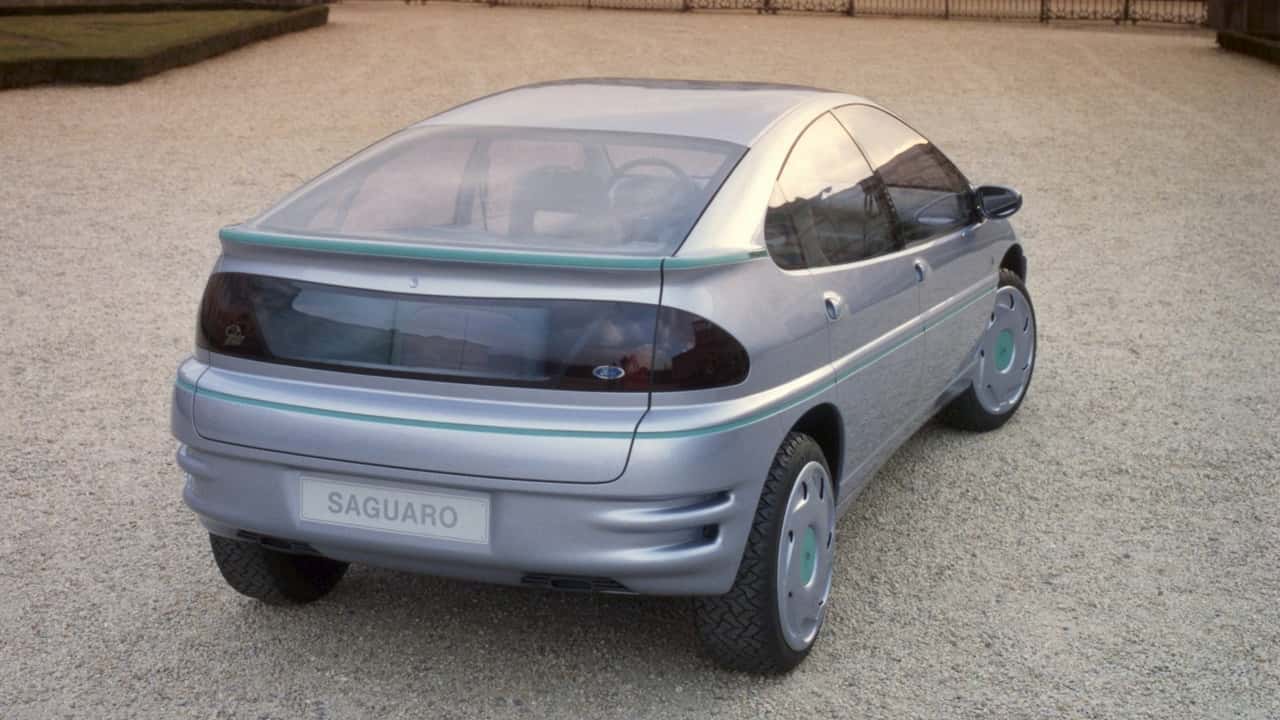
1988 Ford Saguaro
The Saguaro was Ford's answer to a question nobody had really asked: What if an SUV looked more like a sports car? Built by Ghia, the seven-passenger concept combined a tall, utility-oriented body with a dramatically sloped windshield, huge wheels, flush glass, and a sleek, aerodynamic profile.
That combination makes the Saguaro look surprisingly modern in hindsight. Ghia explicitly wanted to explore an SUV that emphasized road-going style over ruggedness, essentially creating a sporty crossover decades before the segment became one of the industry's biggest categories.
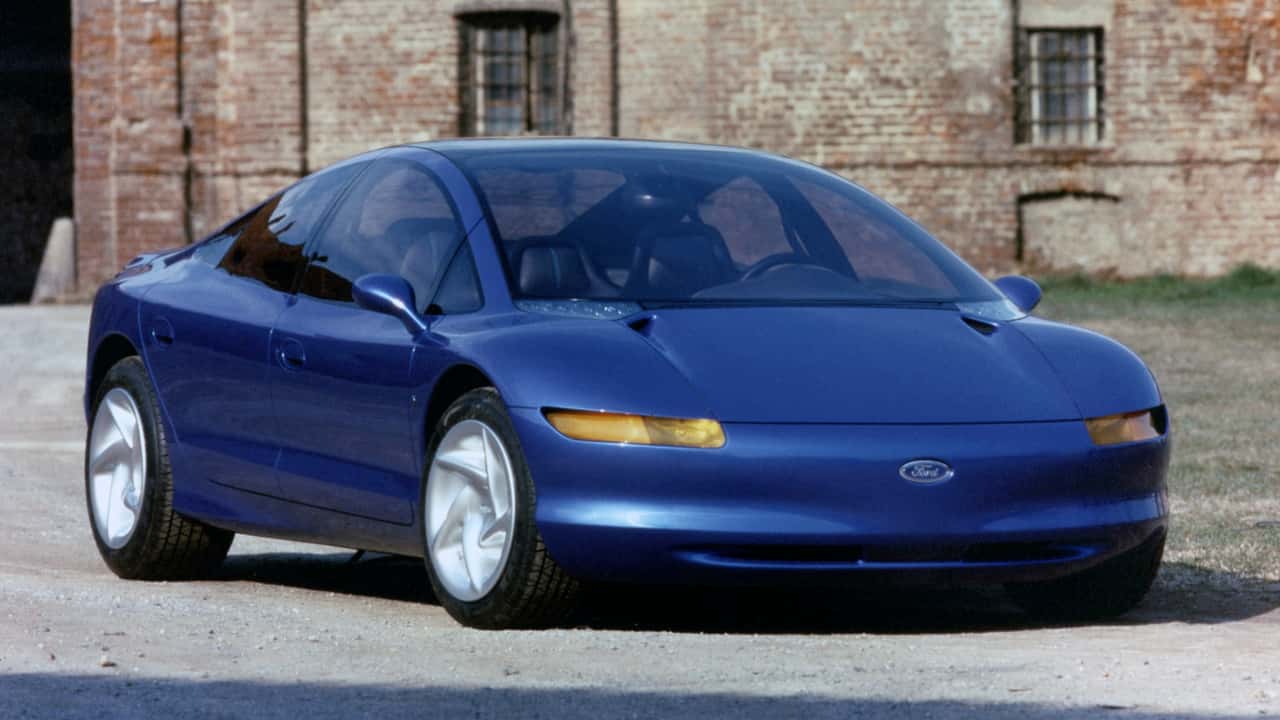
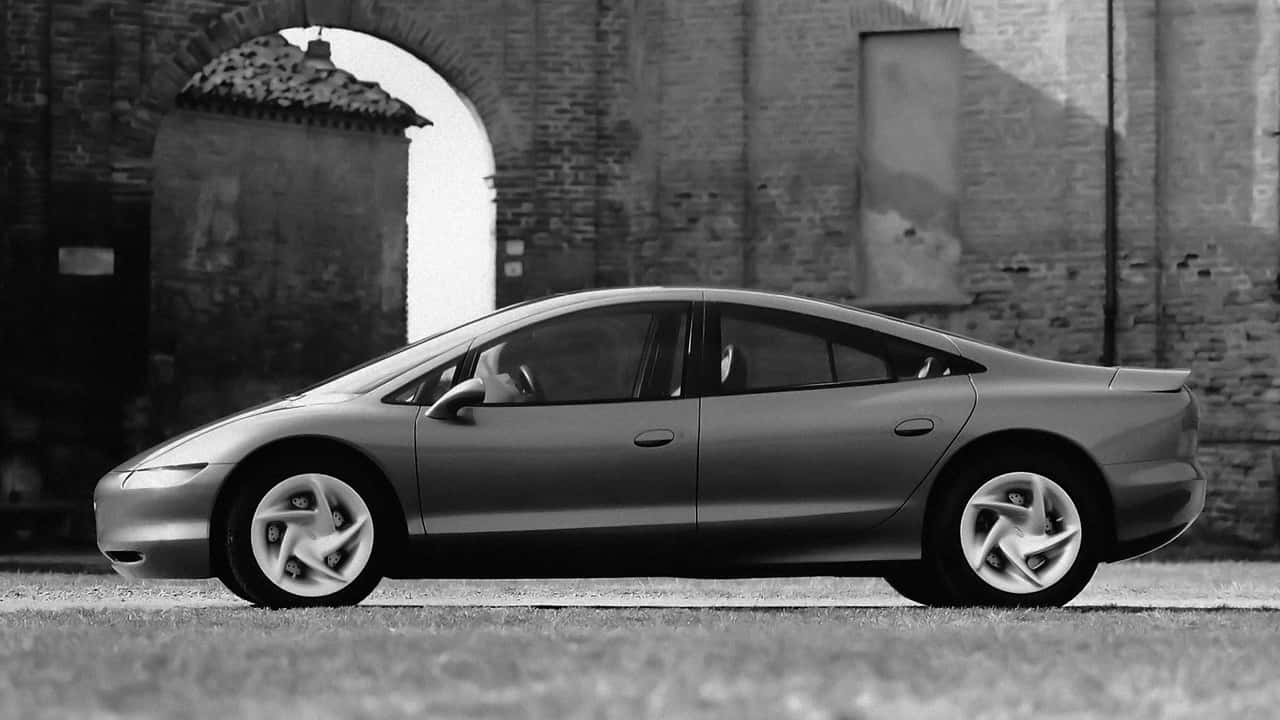
1989 Ford Via
The Via looks like something that escaped from a 1990s science-fiction movie. Built by Ghia, the one-off concept featured a futuristic fiberglass body, fiber-optic lighting, an active rear spoiler, aircraft-inspired fuel filler caps, and a roof fitted with photosensitive glass panels that darkened in bright sunlight.
Even the doors were strange. The car had four doors, but only the two on the left side actually opened. There wasn't a drivetrain underneath, either. The Via was essentially a rolling design experiment intended to showcase where Ford's styling and technology could go. Though the former remains to be seen.
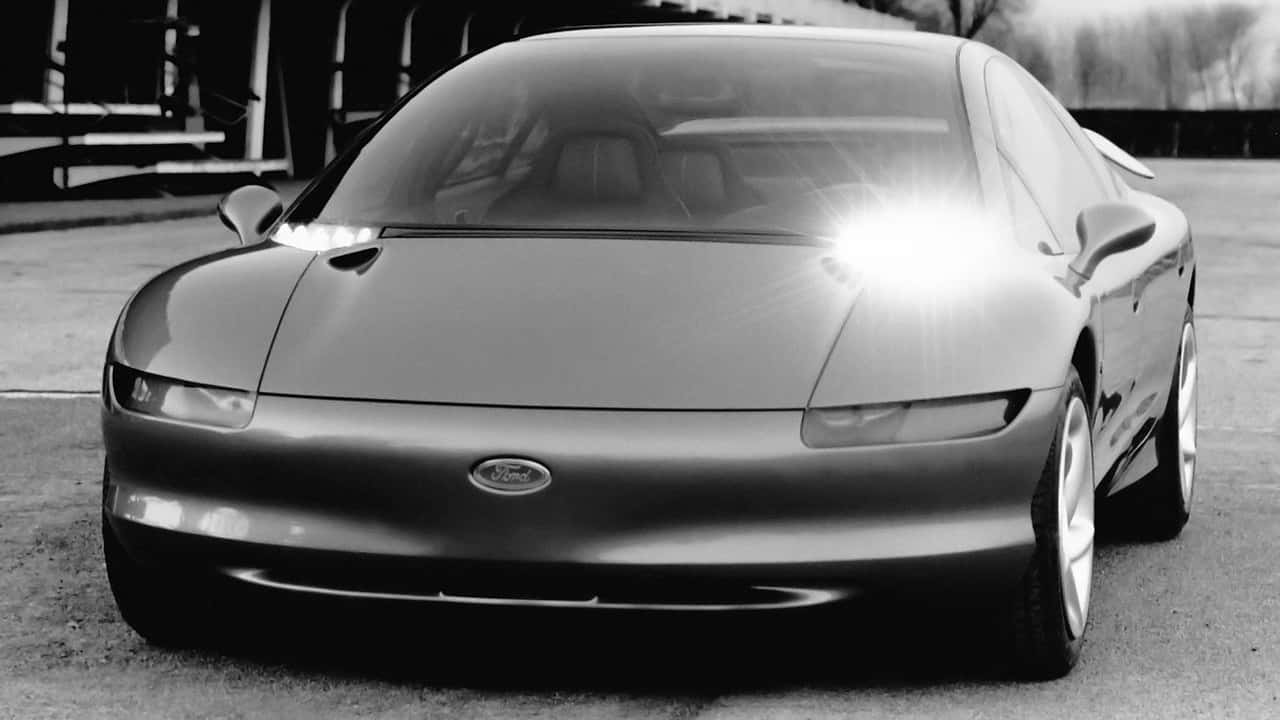
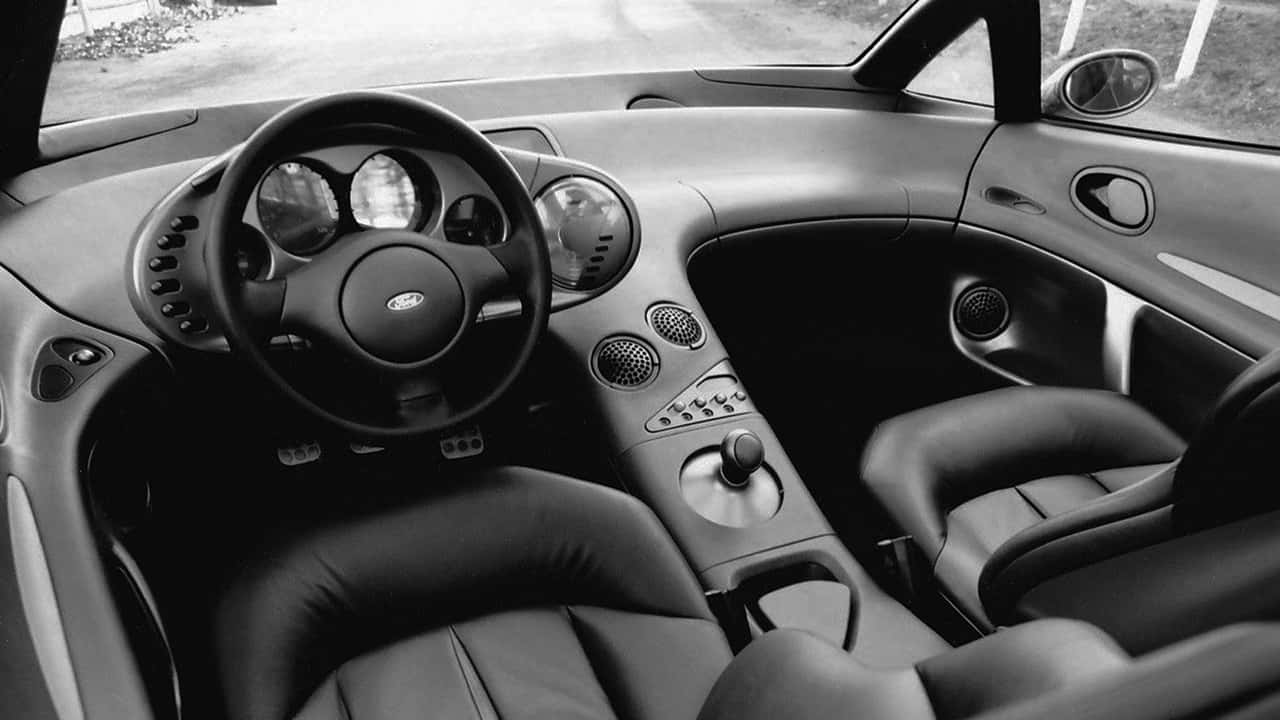
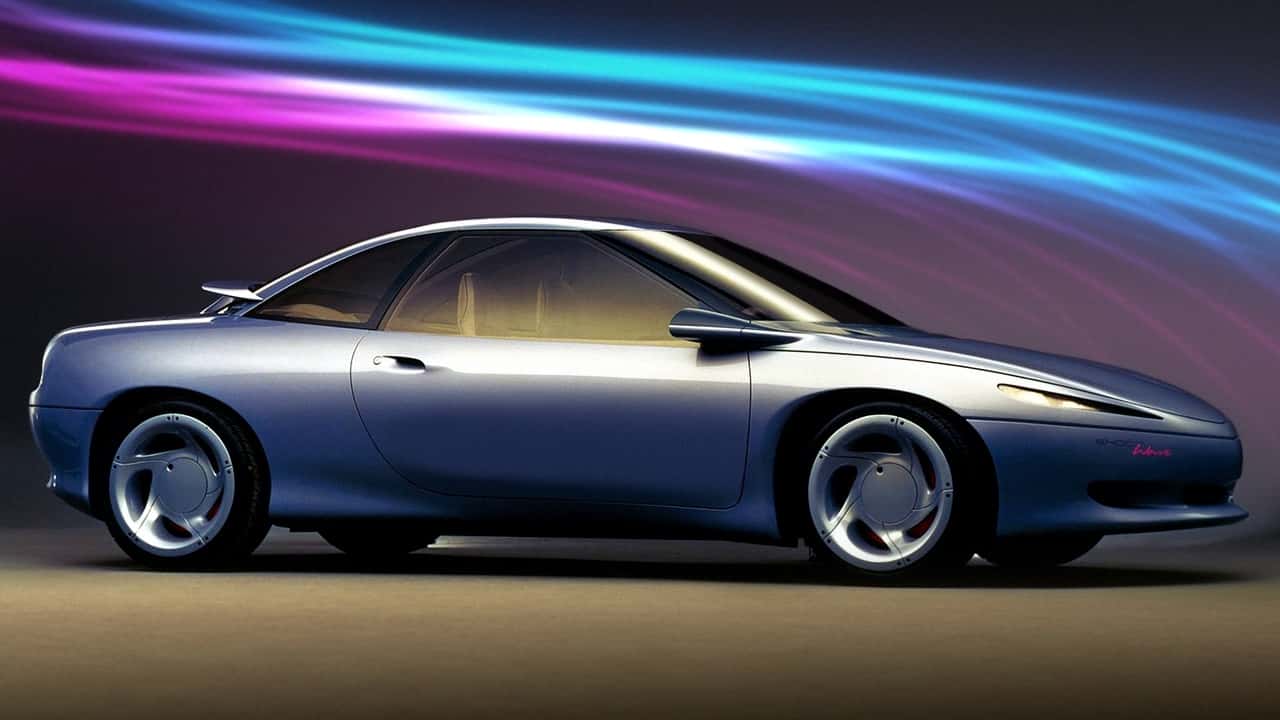
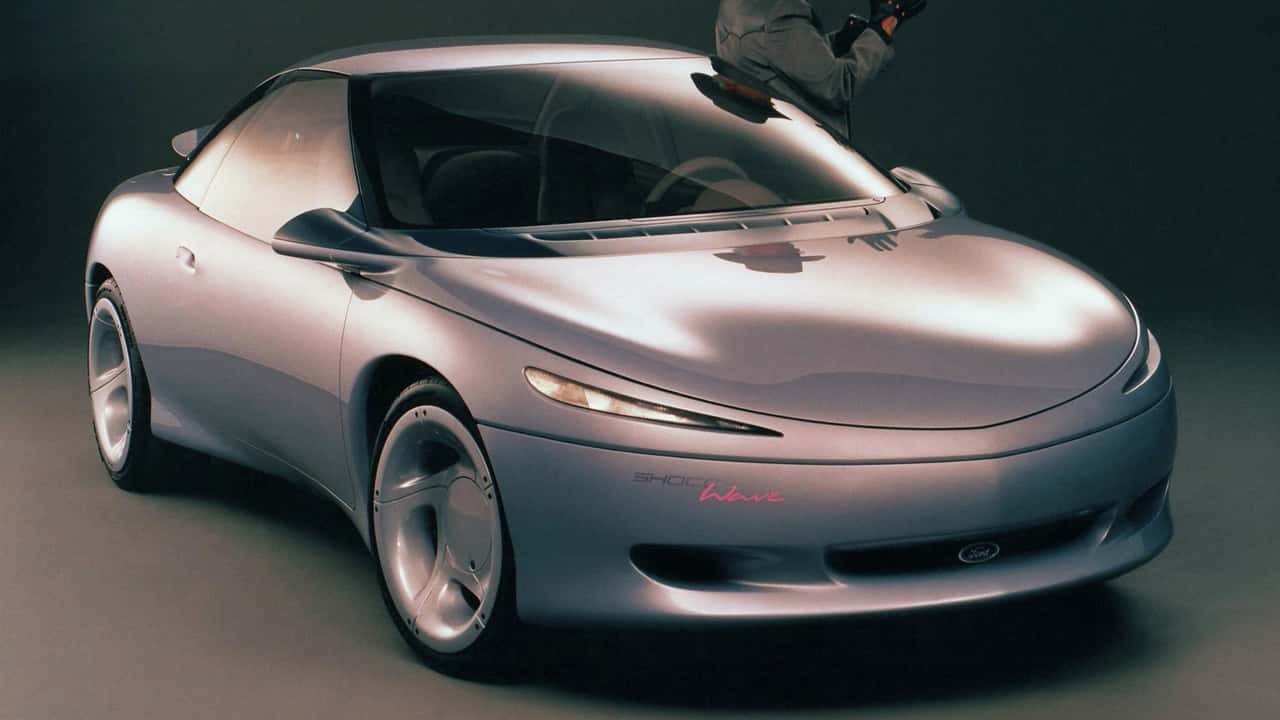
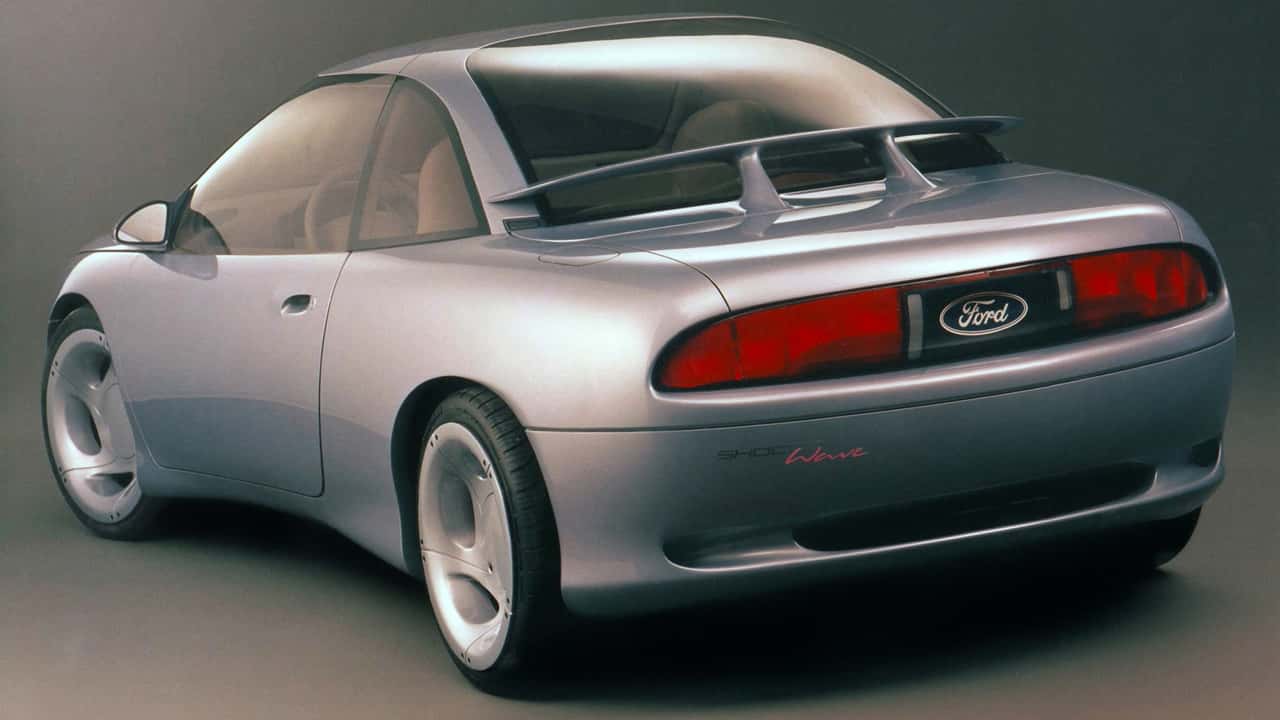
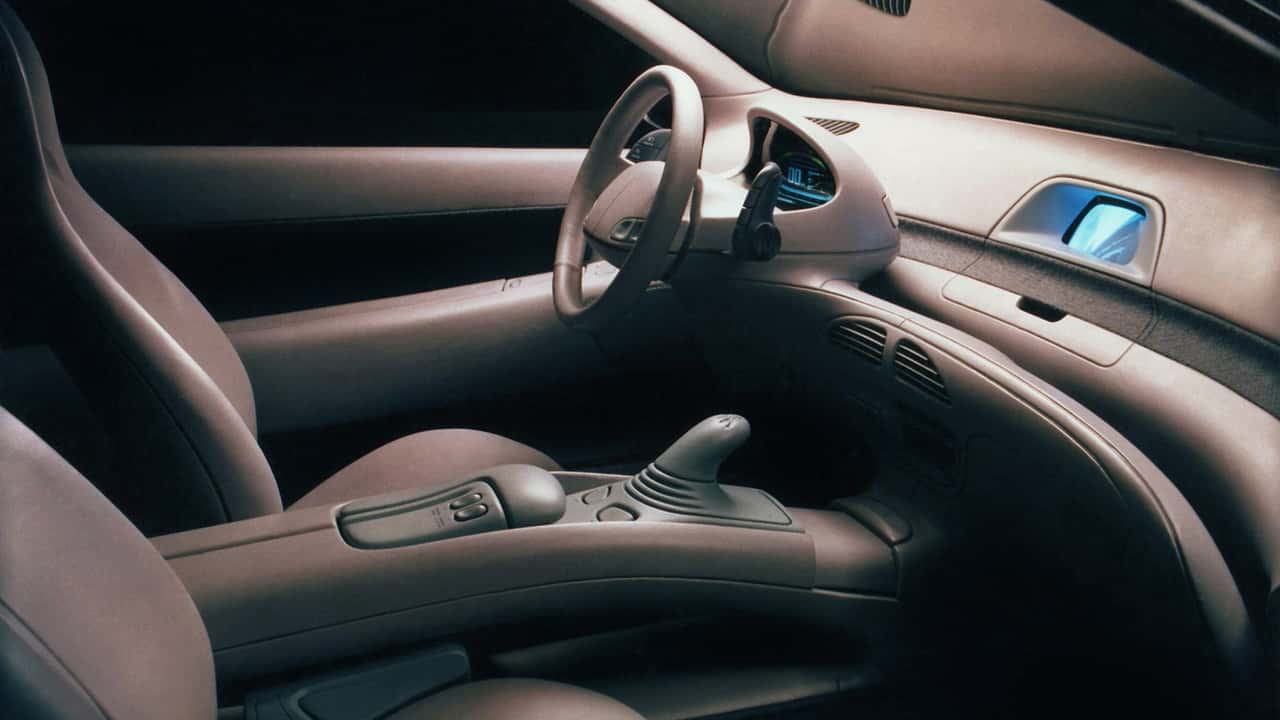
1990 Ford ShocccWave
No, that's not a typo. Ford really did spell it "ShocccWave" with three Cs. Introduced in 1990, the sleek two-door concept was intended as a vision for a performance car of the mid-to-late 1990s and became an important precursor to the second-generation Ford Probe.
Underneath the futuristic body was a much more familiar Ford component: the 3.0-liter Yamaha V6 from the Taurus SHO. It also featured all-wheel drive and an unusually adaptable cockpit in which several controls could be repositioned to suit the driver.
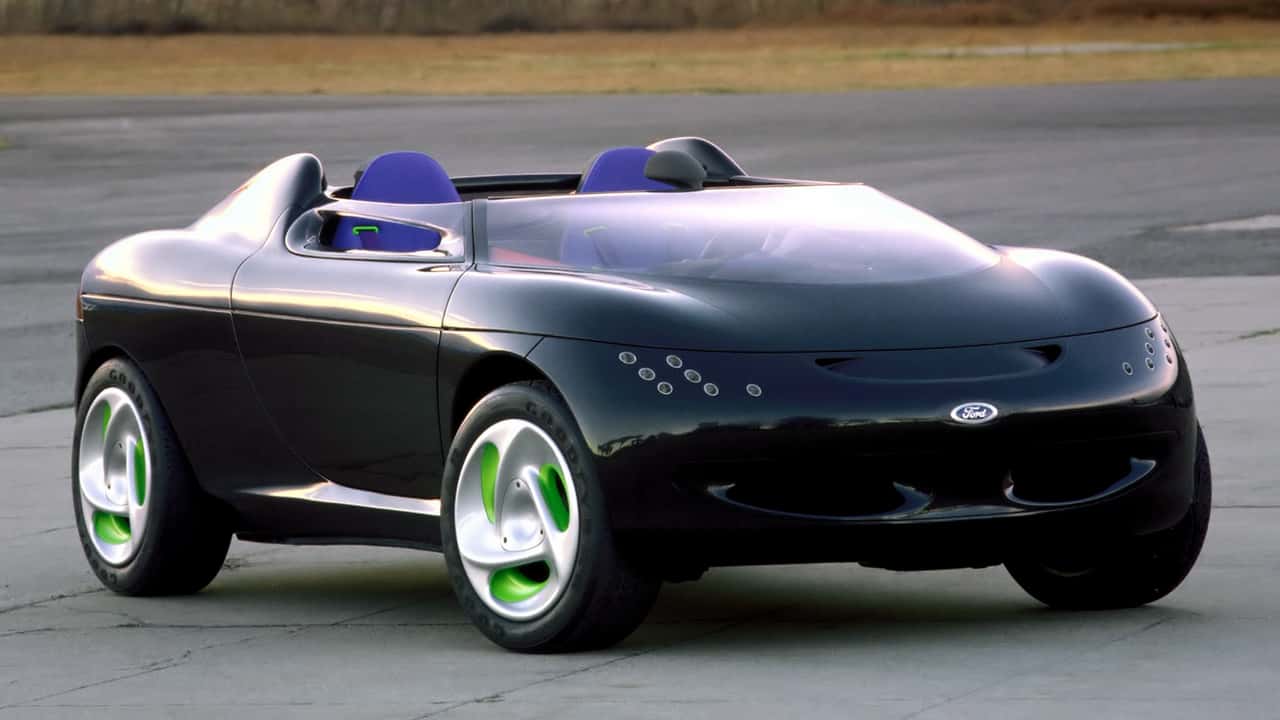
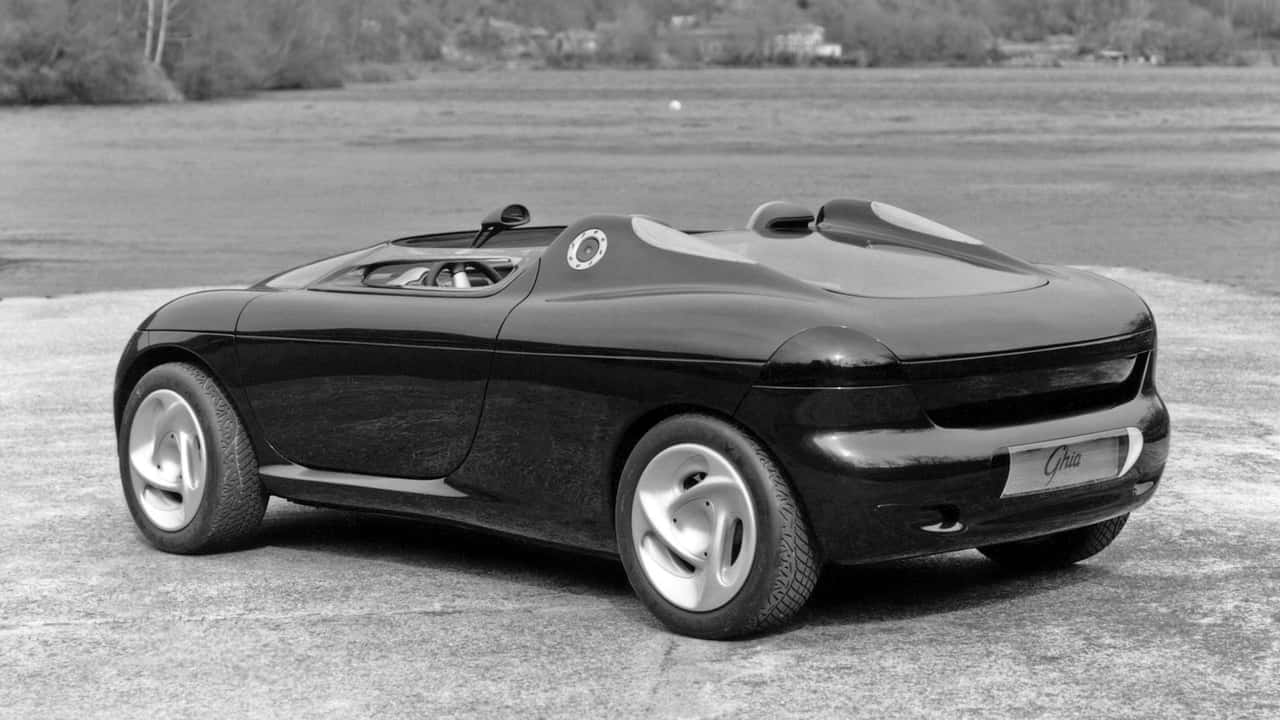
1990 Ford Zig
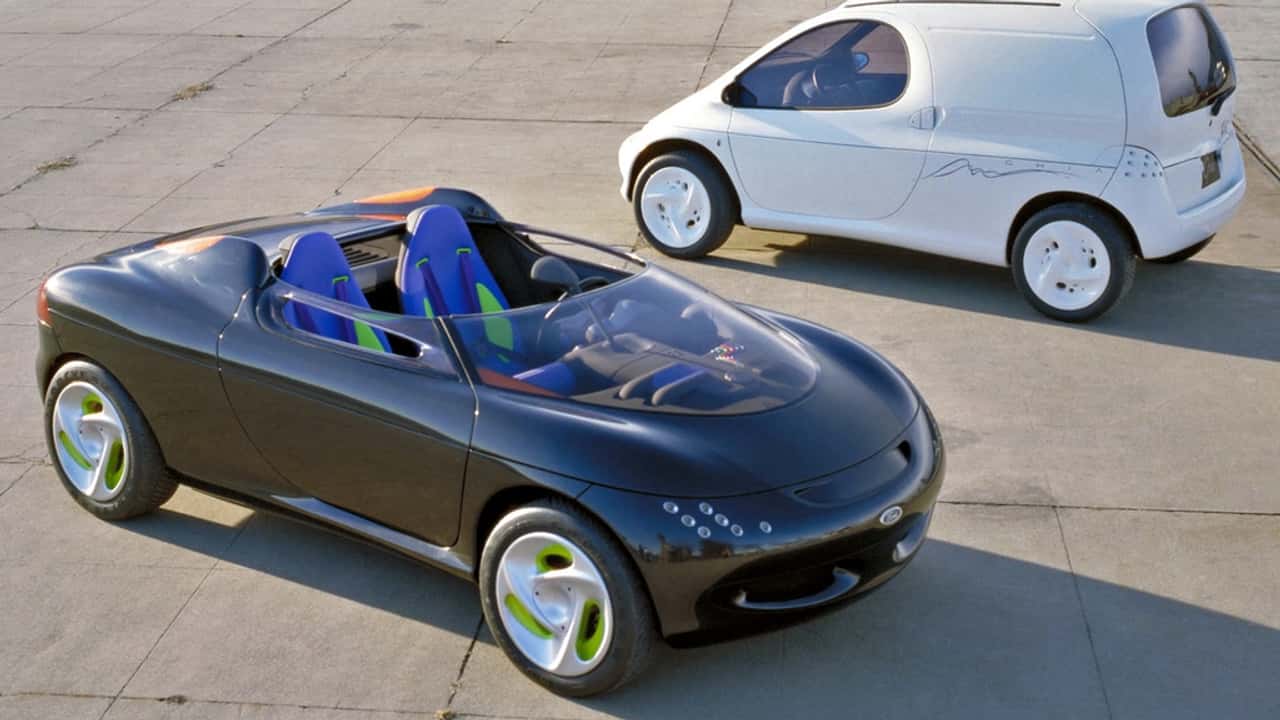
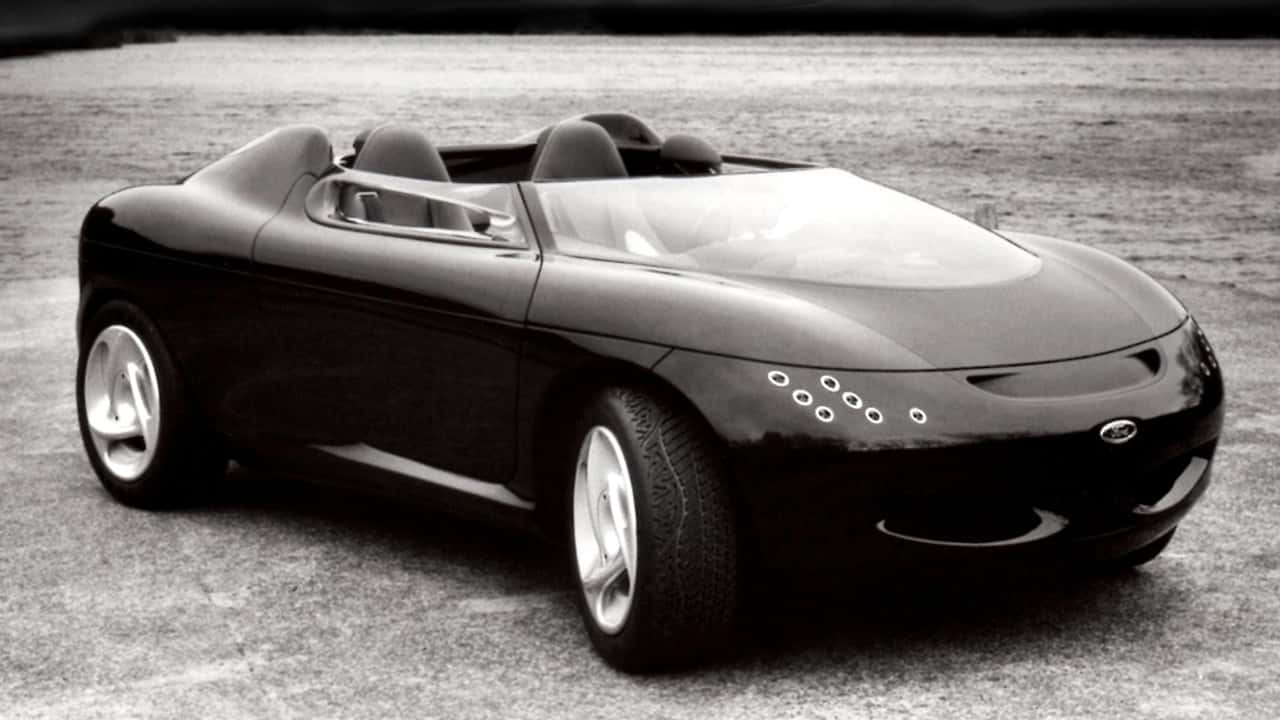
Ford didn't just build one strange concept in 1990. It built two. The Zig was the sporty one, a tiny two-seat barchetta designed by Ghia and based on Fiesta architecture. Its black body was low, open, and dramatically different from the practical hatchback underneath.
Ford paired the Zig with the Zag concept to demonstrate how a common architecture could support radically different vehicles. In theory, the same basic platform could underpin sports cars, hatchbacks, sedans, pickups, and delivery vans.
1993 Ford Mustang Mach III
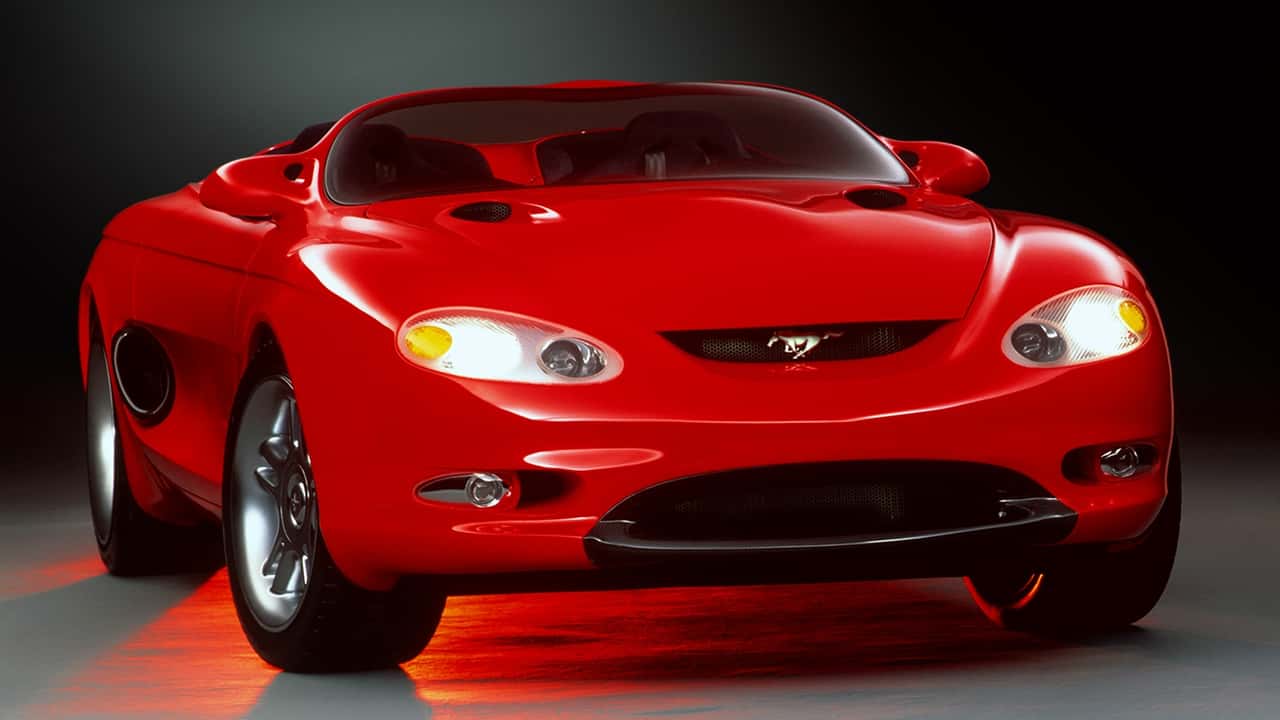
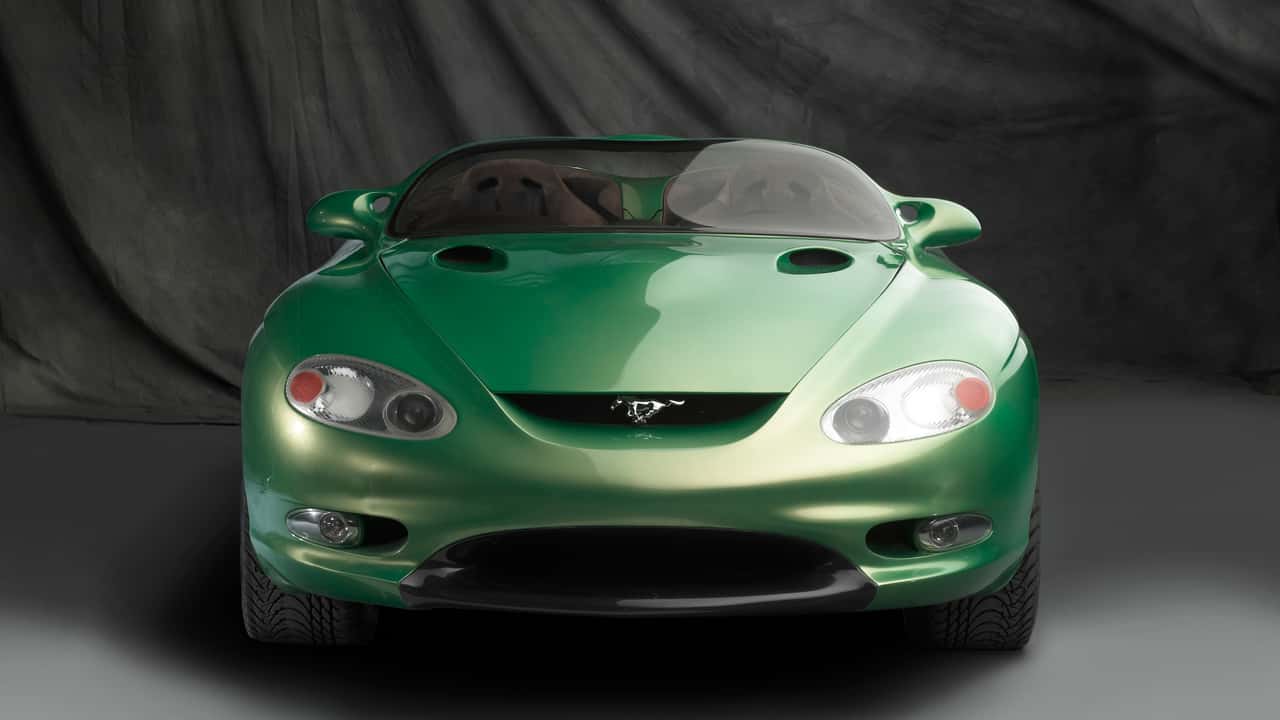
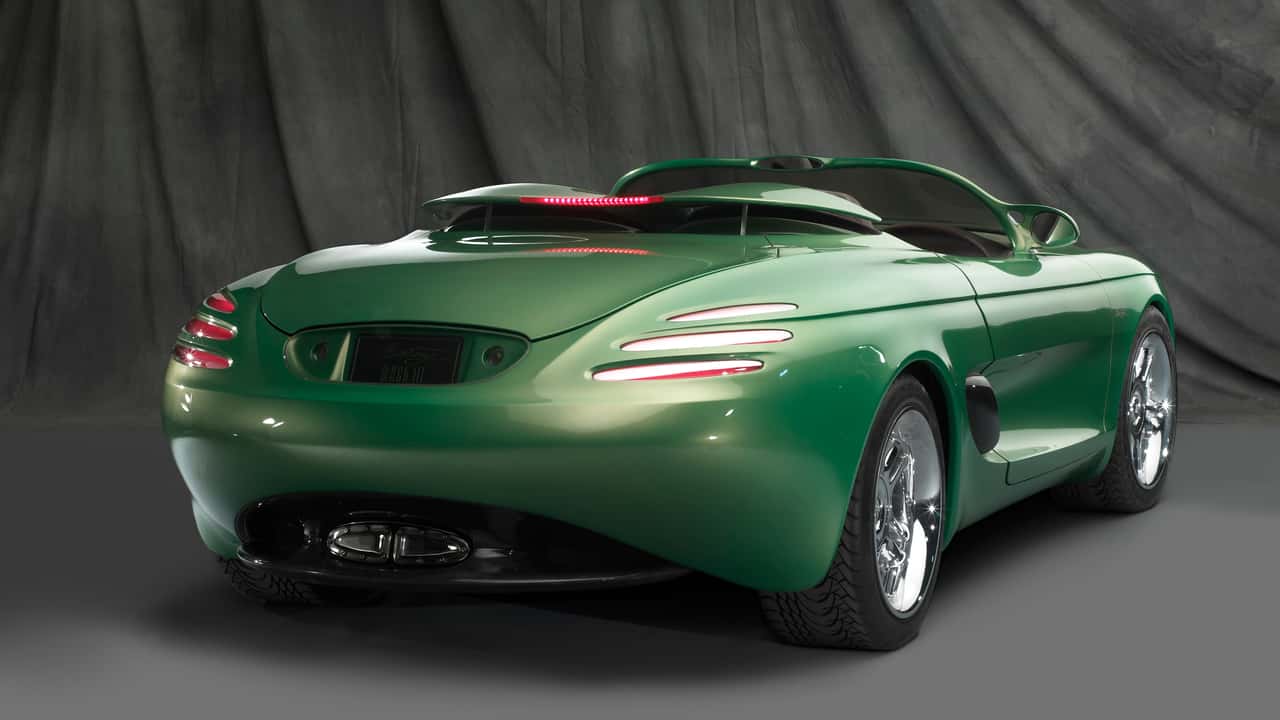
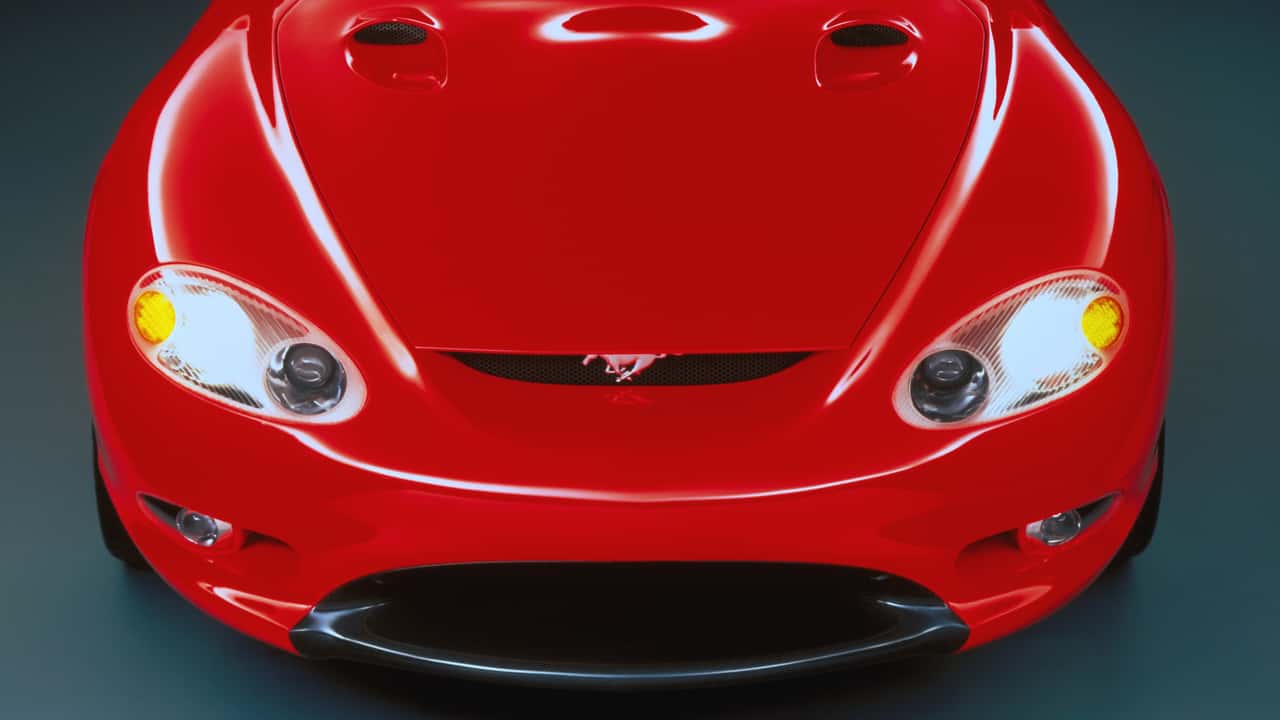
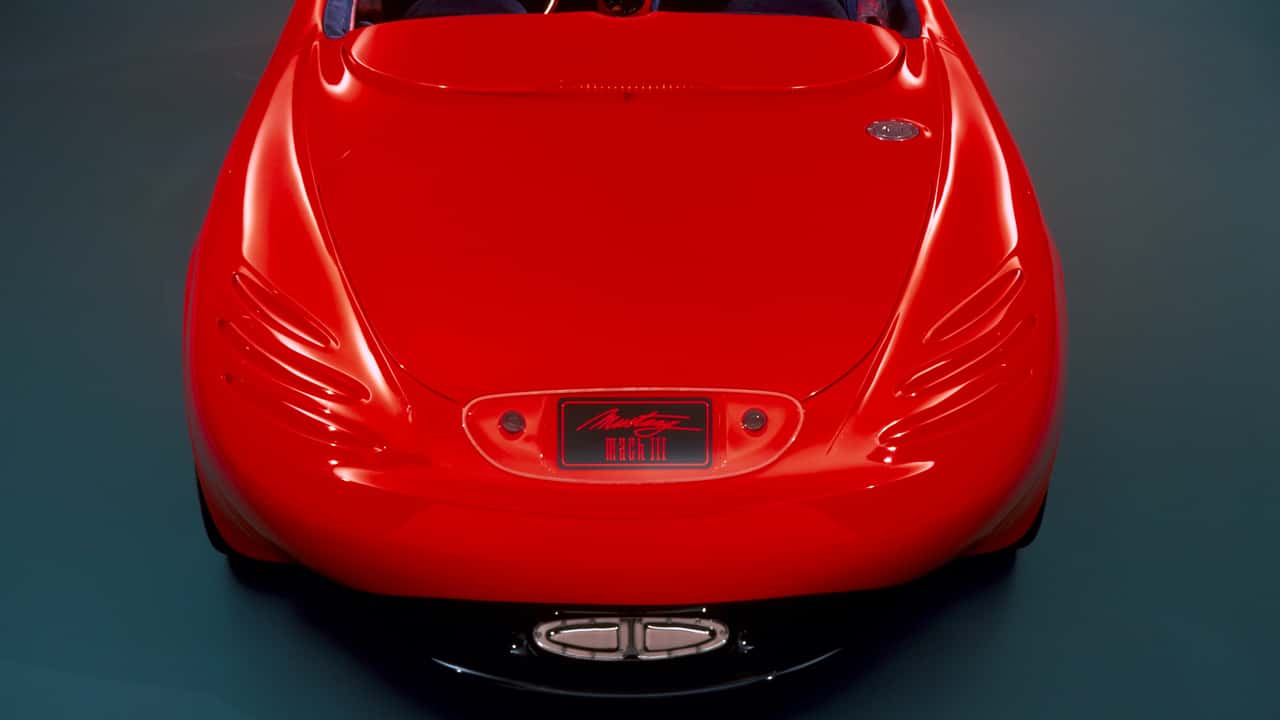
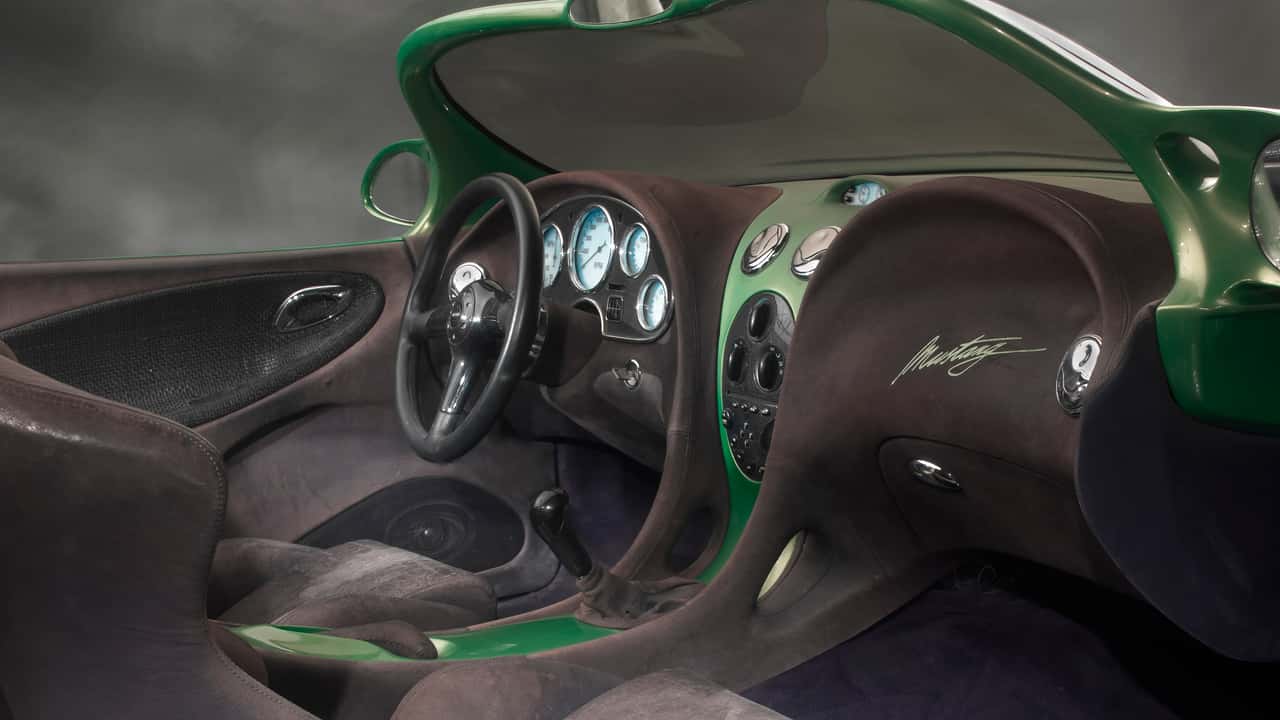
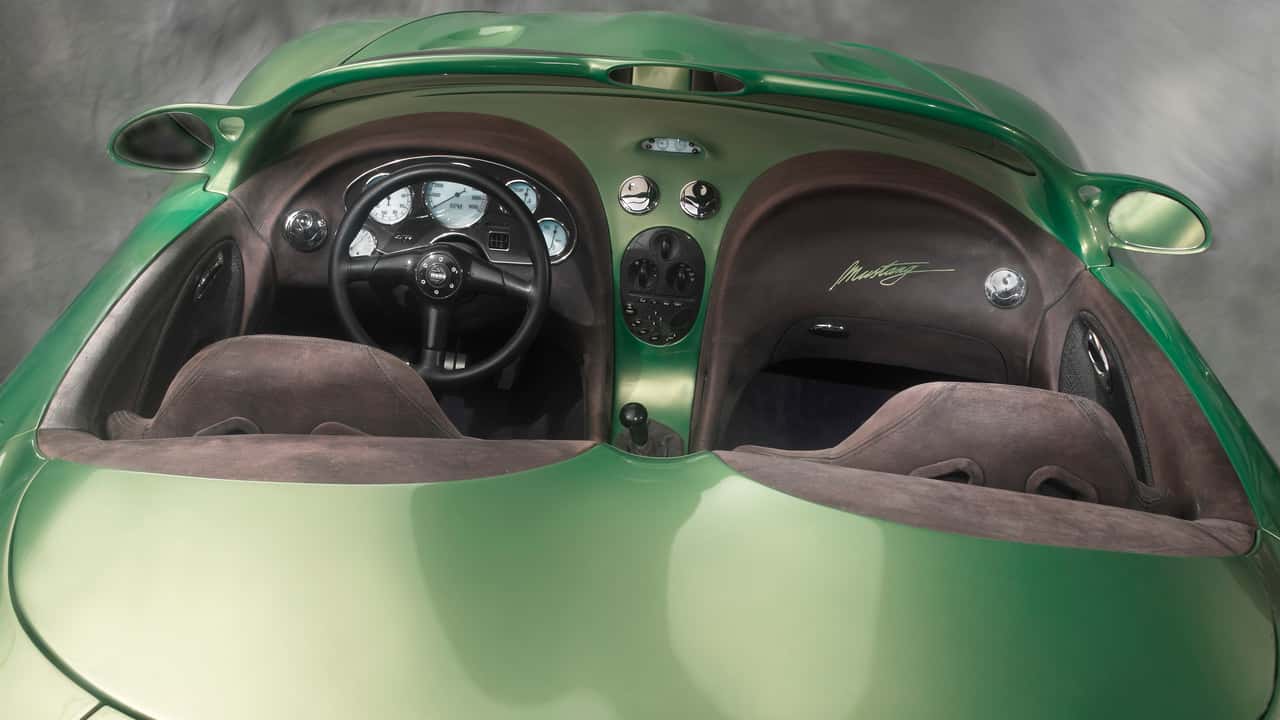
The Mustang Mach III looked like Ford had thrown the Mustang's design rules out the window. It was an extremely low, rounded two-seater with a curved windshield, aggressive bodywork, and a supercharged 4.6-liter V8 producing a claimed 450 horsepower.
Despite its outrageous proportions, the Mach III wasn't merely a styling exercise. It previewed the direction of the fourth-generation Mustang, including its rounded bodywork, side scoops, dashboard themes, and other details. The production SN95 Mustang was considerably tamer, but the Mach III showed just how far Ford's designers were willing to push the pony car.
1994 Ford Powerstroke
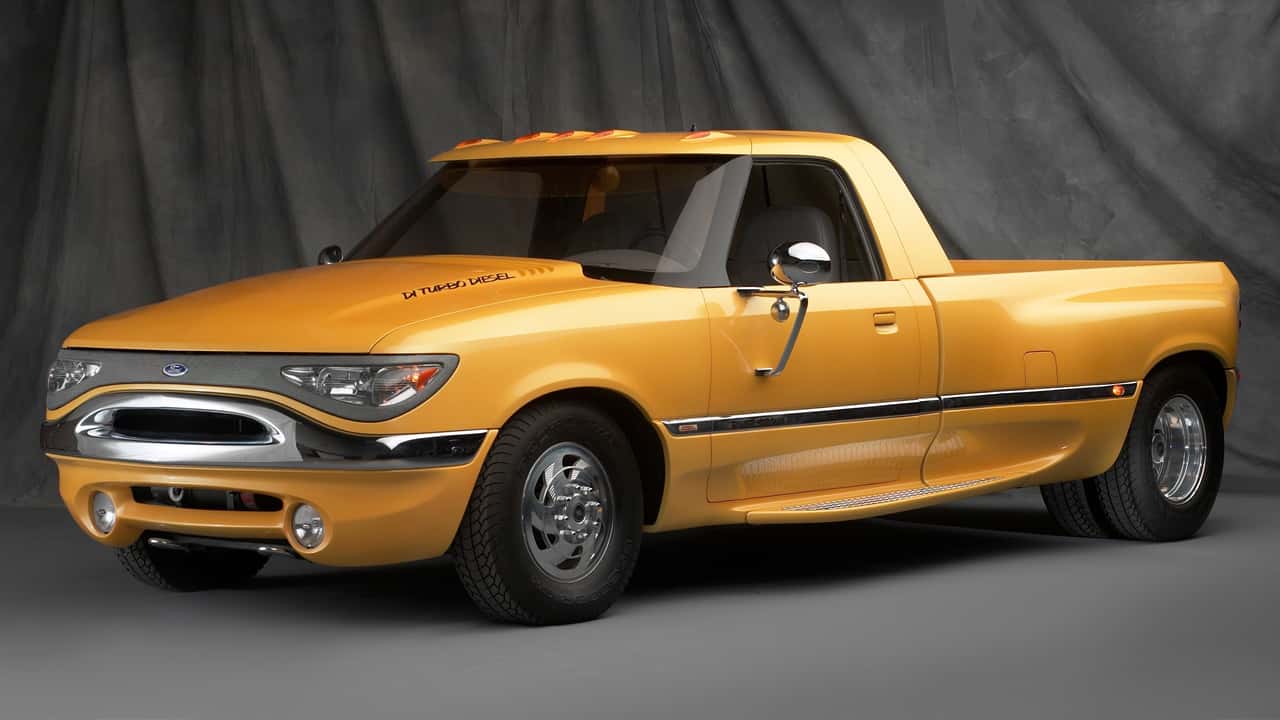
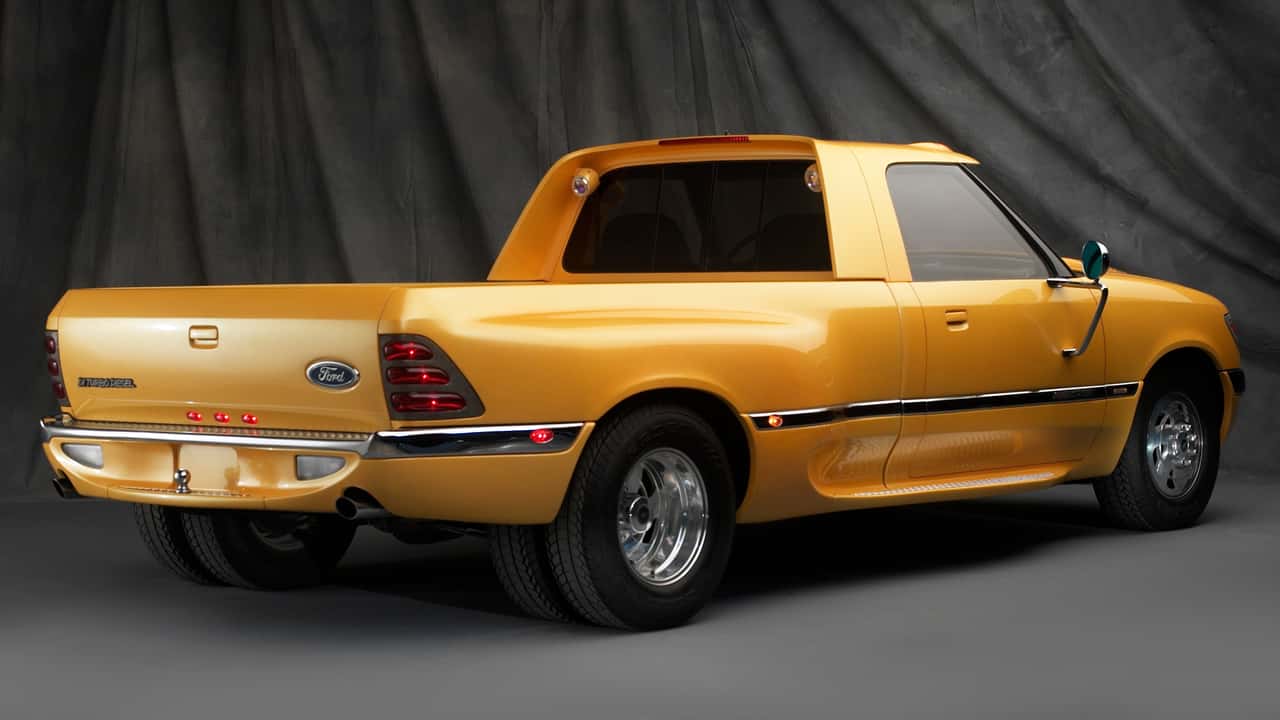
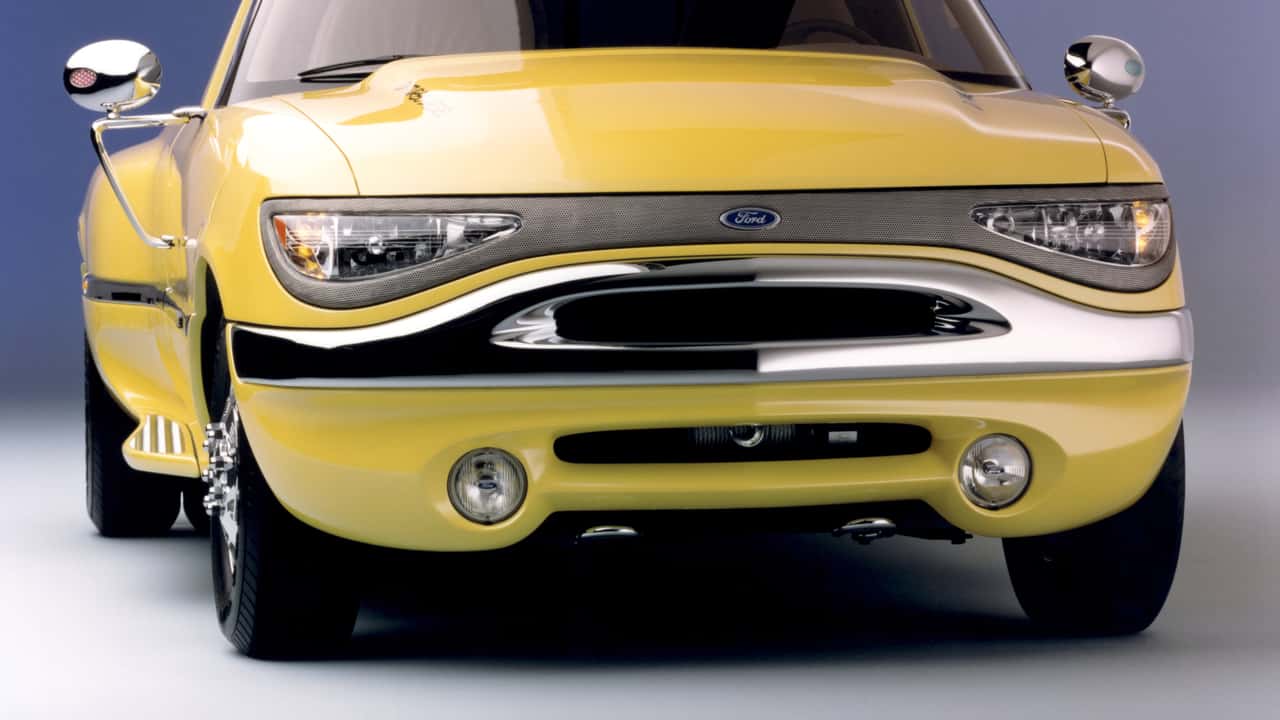
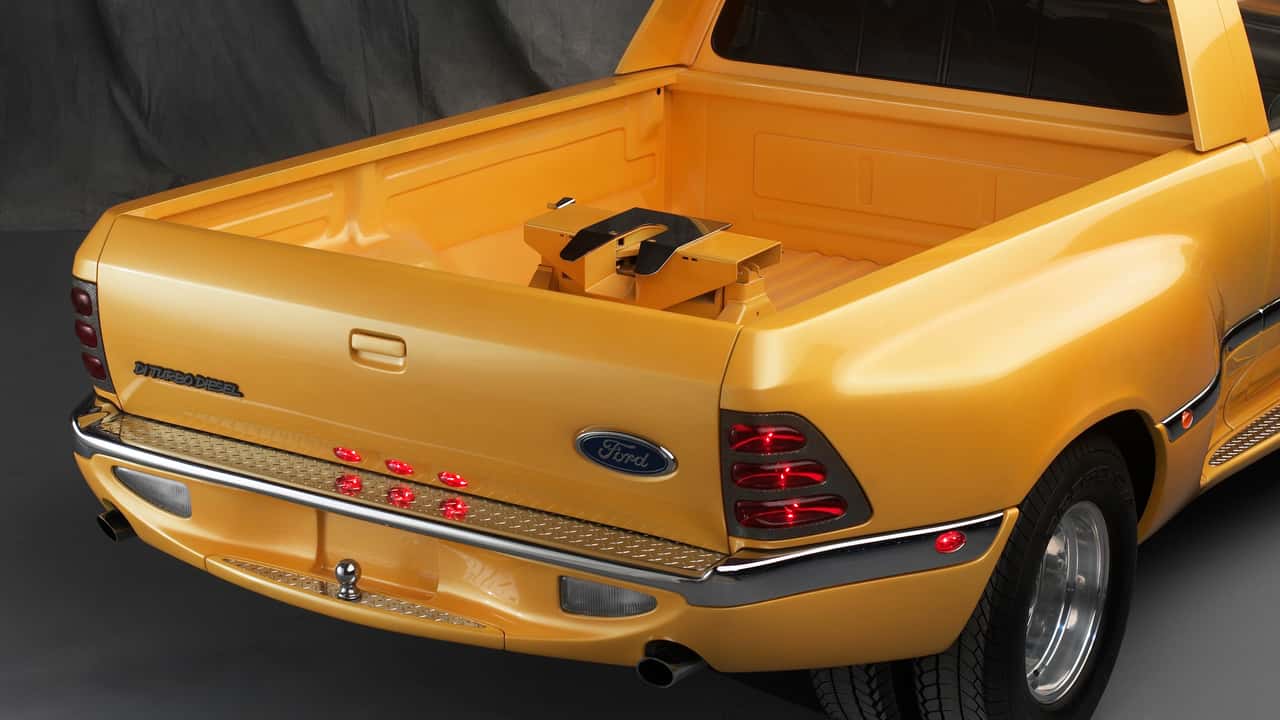
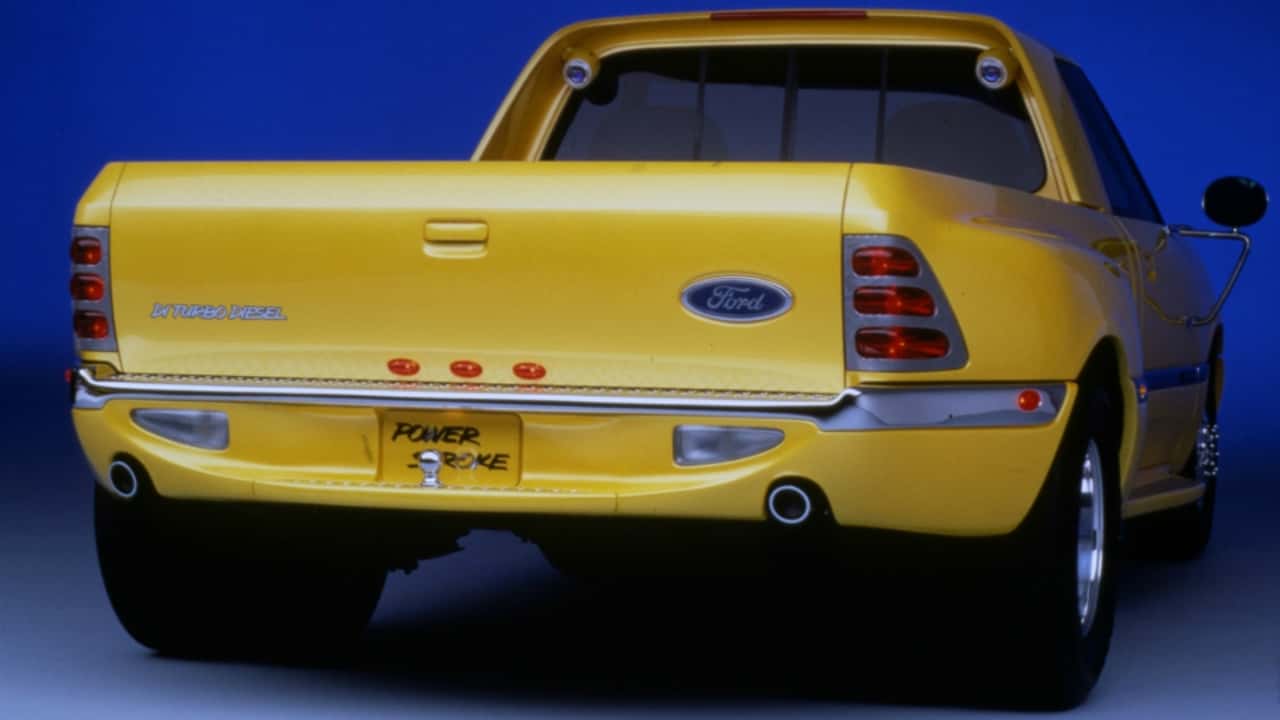
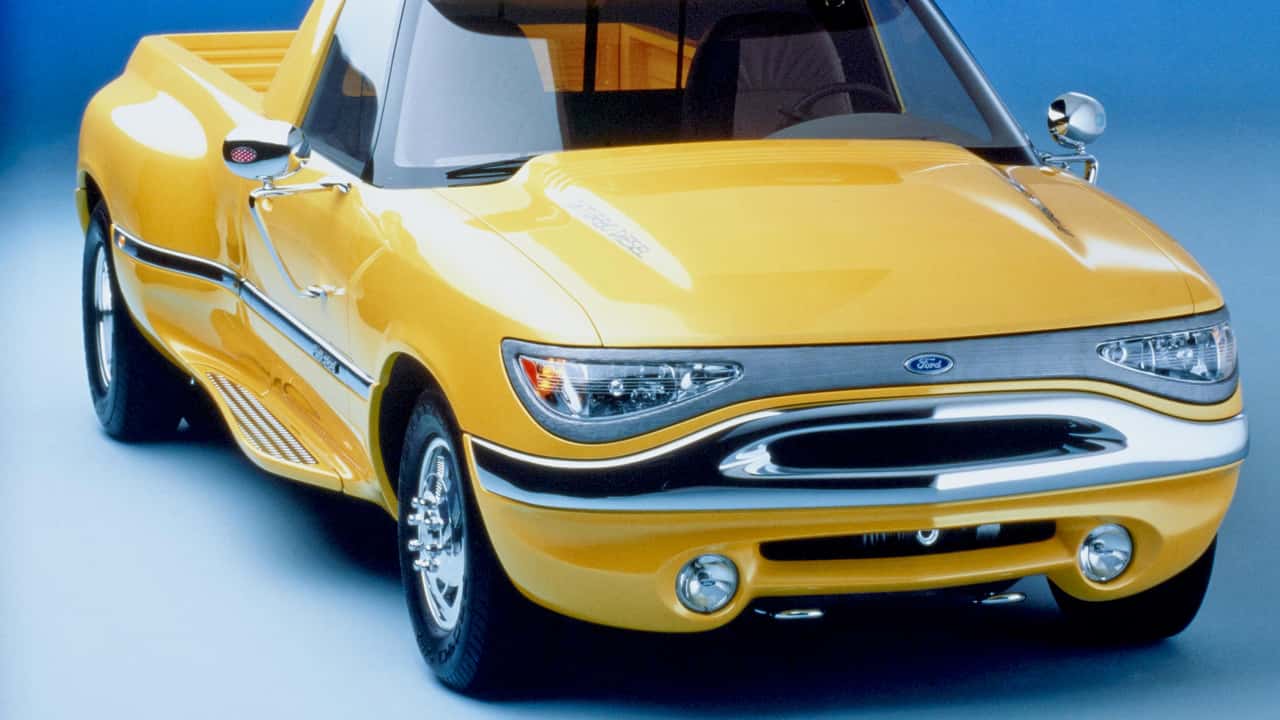
Before "Power Stroke" became synonymous with Ford's diesel pickups, there was the wild Powerstroke concept. Built to showcase Ford's upcoming 7.3-liter turbodiesel V8, the concept was essentially a rolling preview of what was to come.
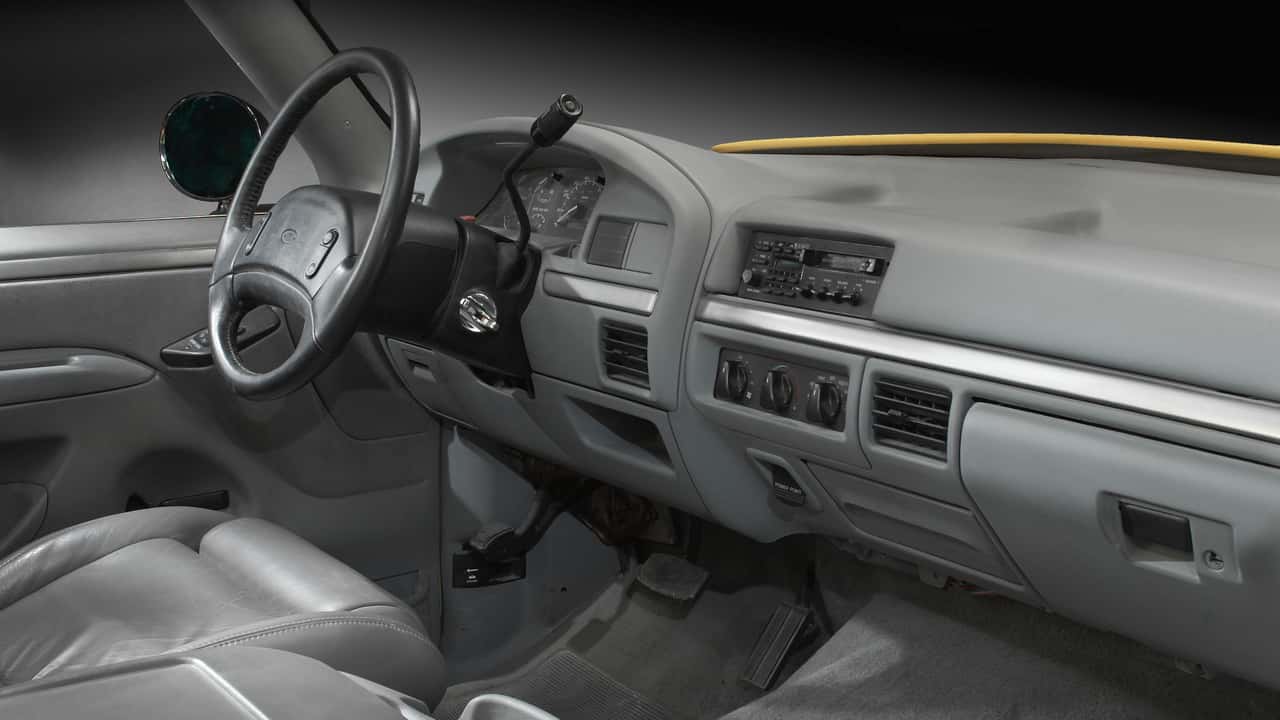
The truck itself looked like peak 1990s concept-car excess. It had a wraparound windshield, hidden A-pillars, integrated rear fender flares, diamond-plate running boards, a giant roof visor, and auxiliary lights. Inside, Ford even kept a cassette player because it was, after all, 1994.
1995 Ford GT90
Maybe "weird" isn't the best way to describe the GT90. Its sharp, geometric body was certainly unexpected, introducing the world to Ford's "New Edge" design language, while the mid-mounted powertrain was even more ridiculous: a quad-turbocharged 5.9-liter V12 with a claimed 720 horsepower.
Ford said the GT90 could theoretically approach 250 mph, putting it in supercar territory that few production cars could touch at the time. The car was reportedly developed in roughly six months, using an aluminum-and-carbon-fiber structure and several components related to the Jaguar XJ220. It was never produced, but the GT90 became one of the defining concept cars of the 1990s.
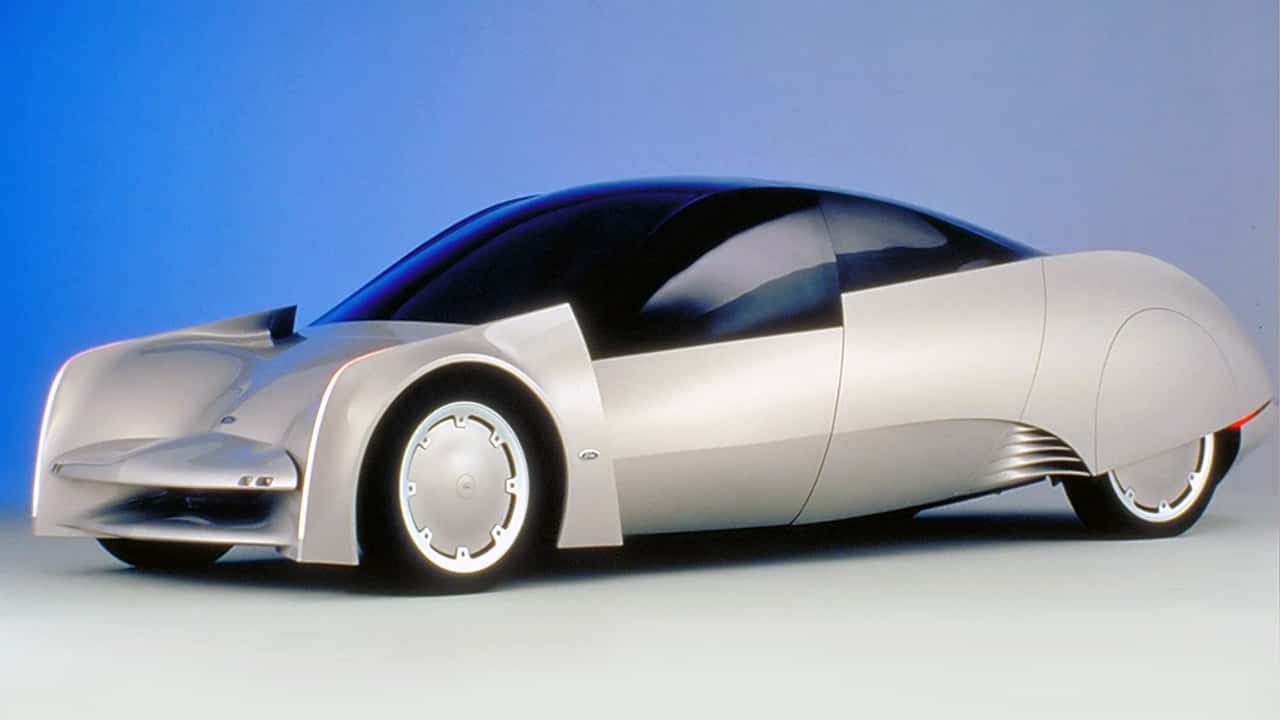
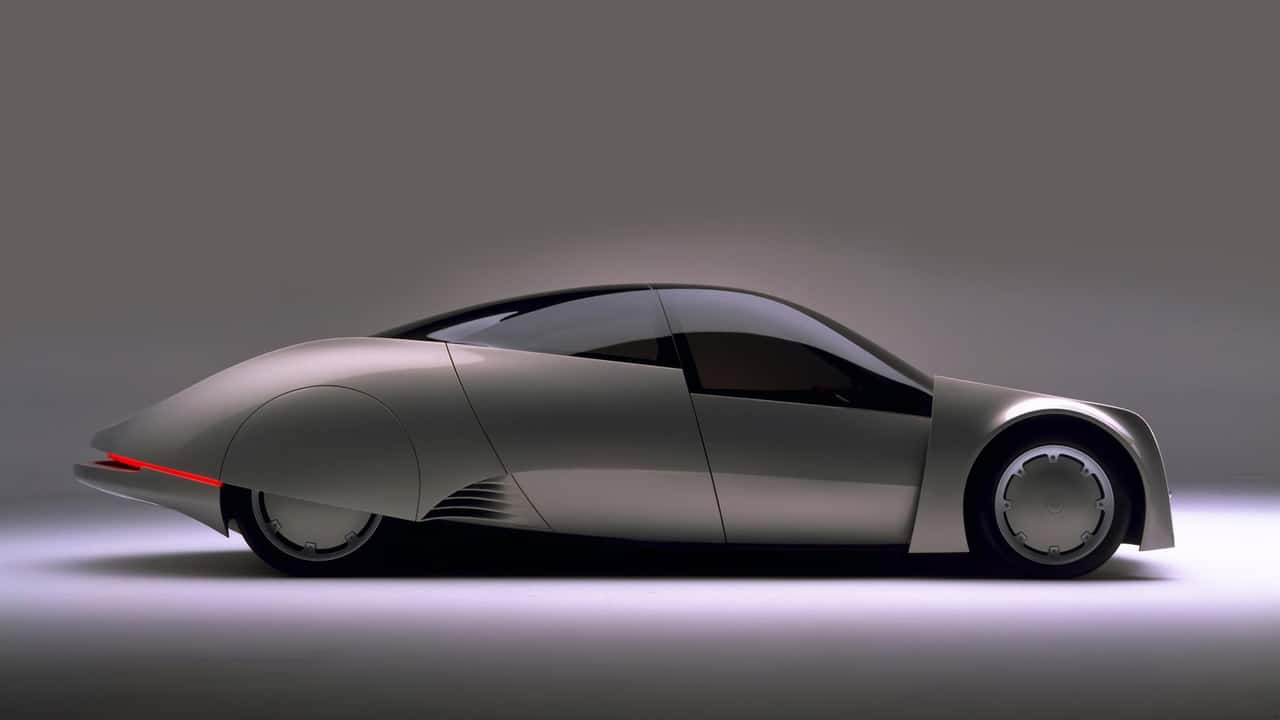
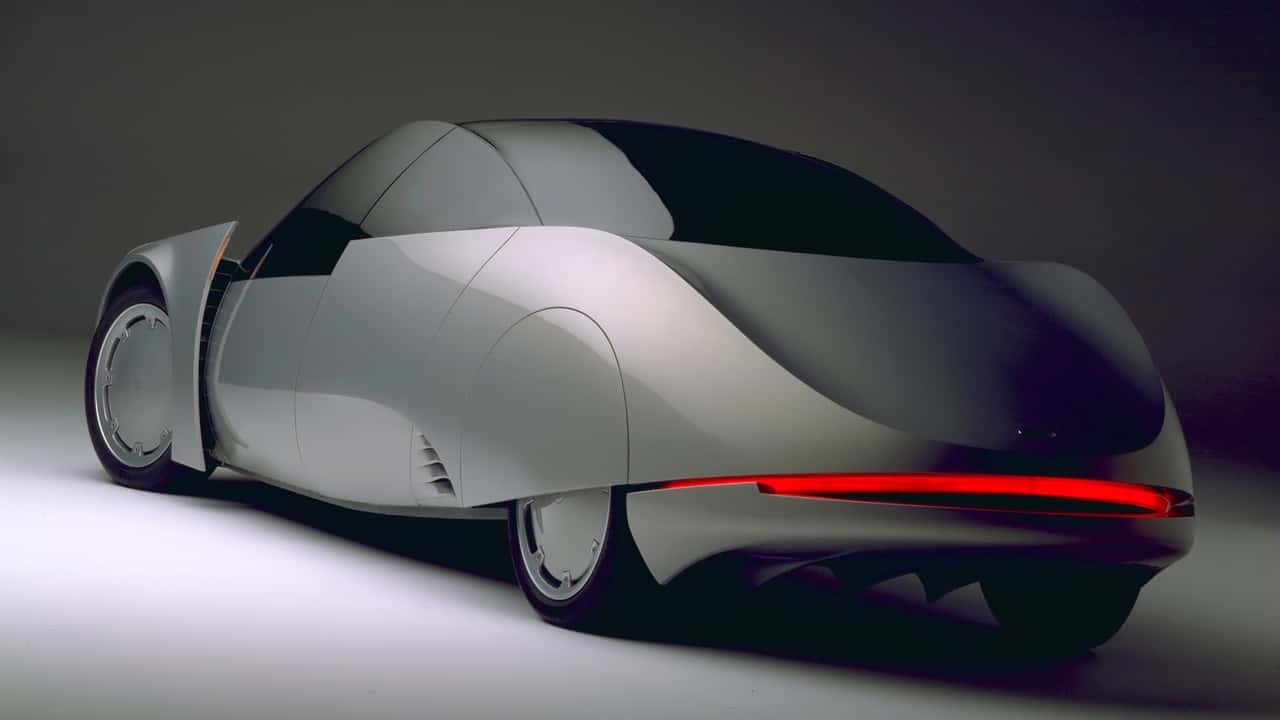
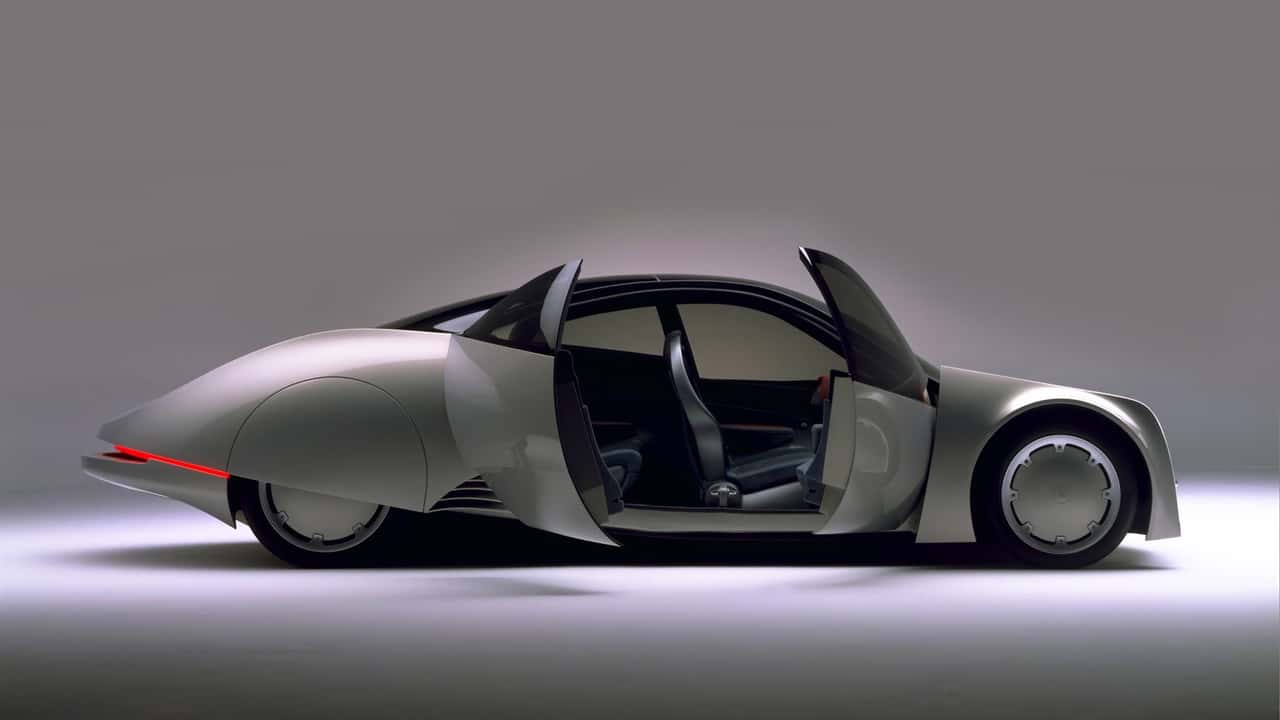
1996 Ford Synergy 2010
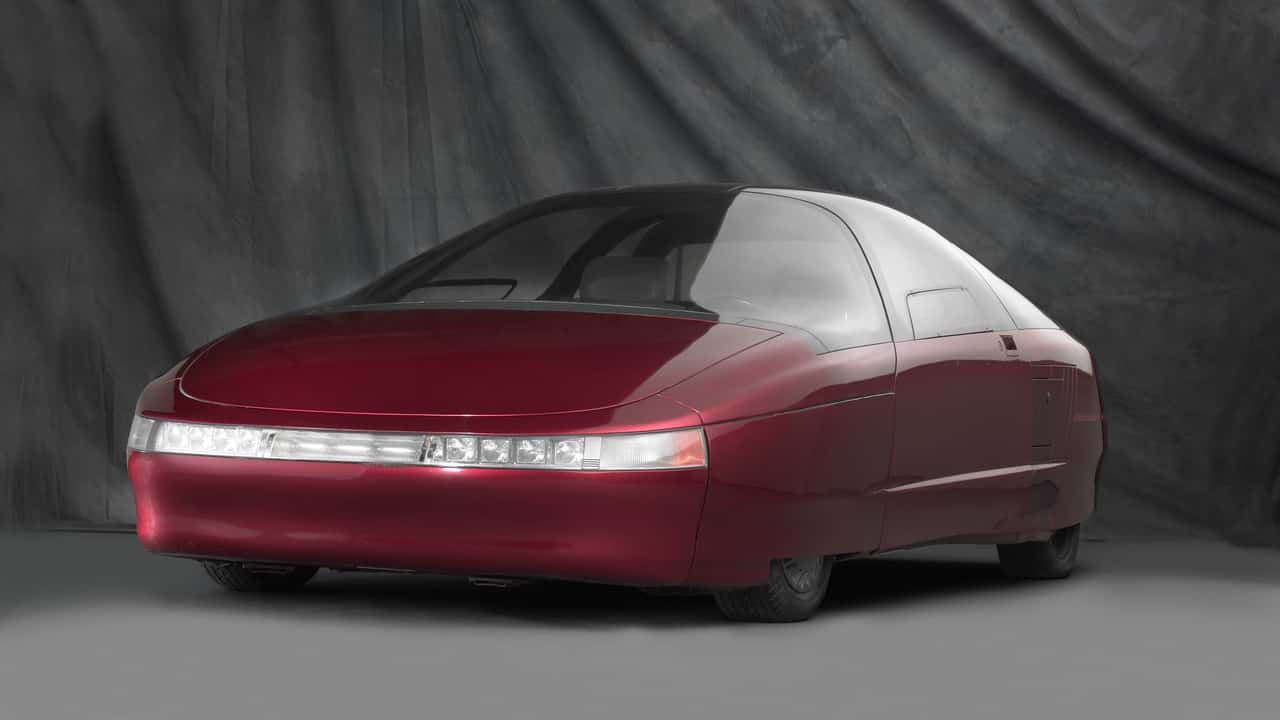
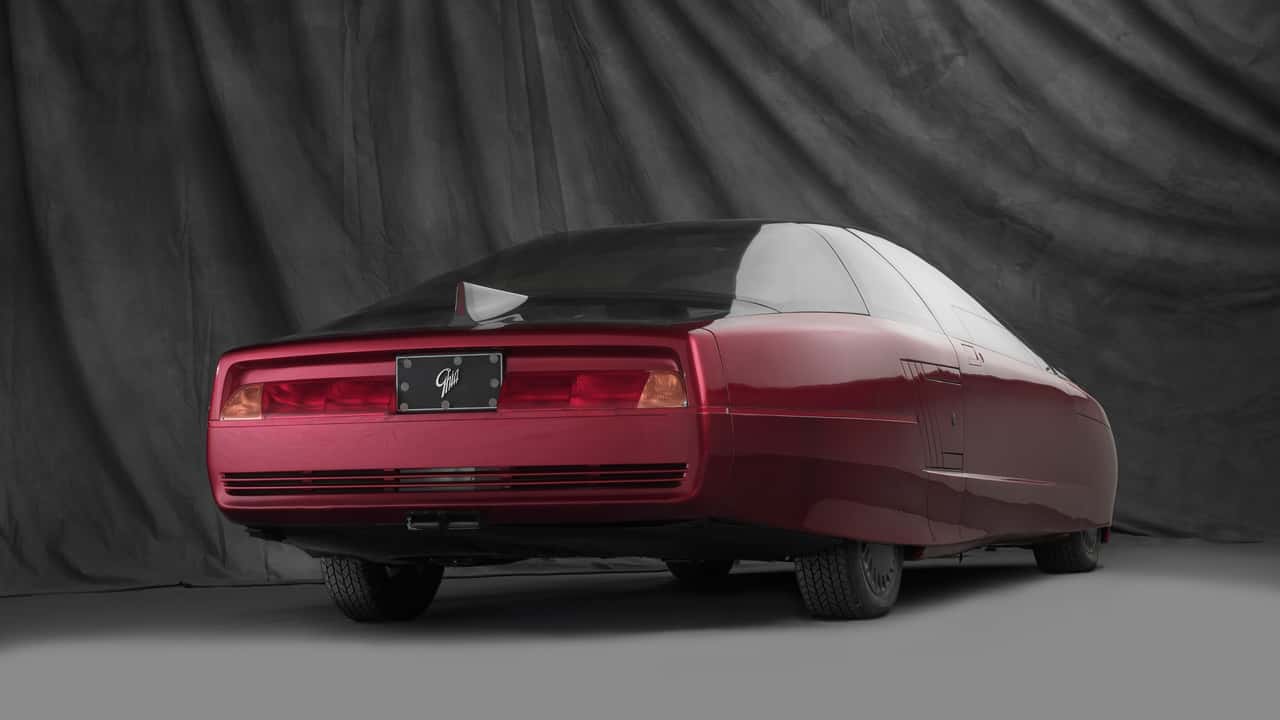
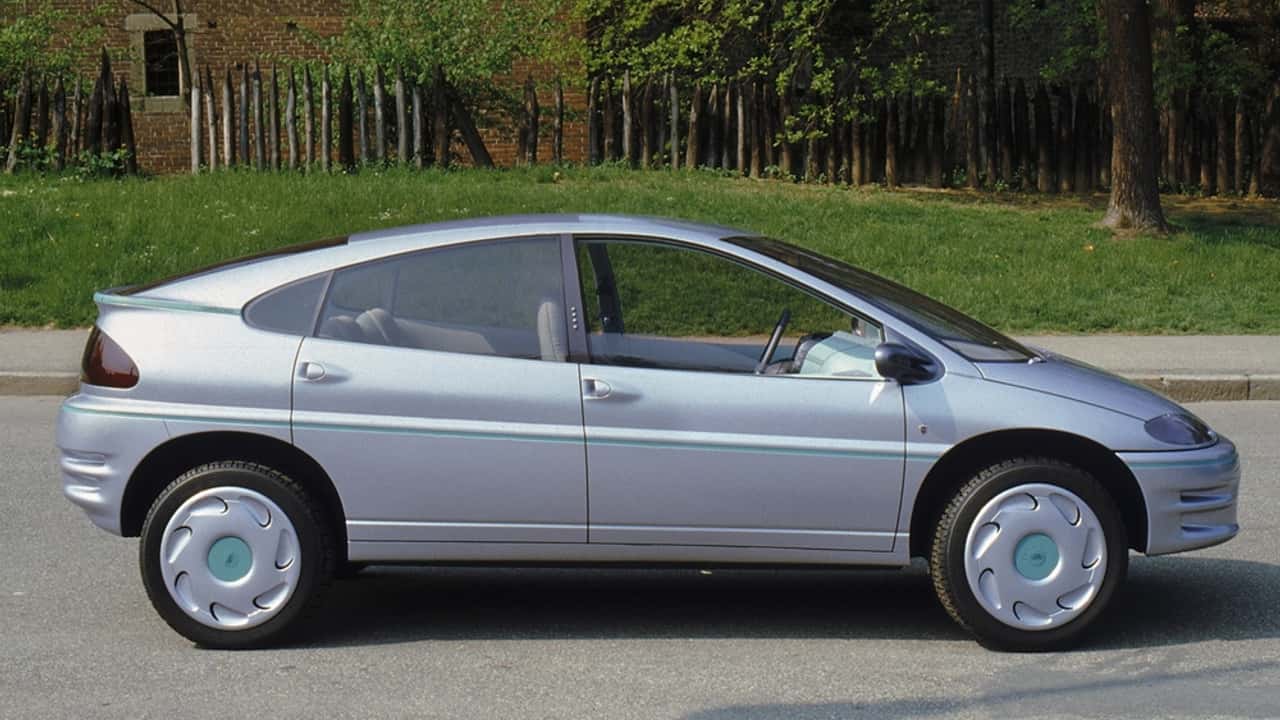
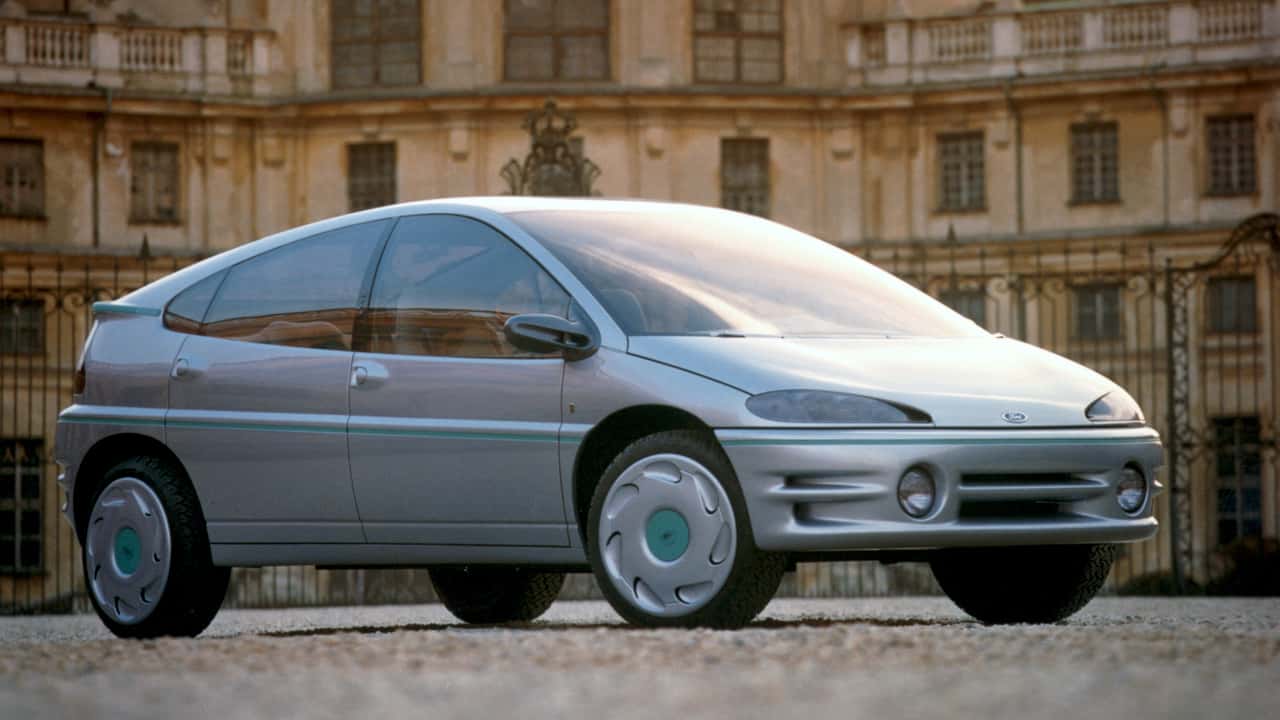
The Synergy 2010 was Ford's vision of what a family car might look like in the next century. Despite the "2010" name, the concept actually debuted in 1996 as part of Ford's effort to explore radically more efficient transportation. Ford targeted 80 mpg while keeping the car below one ton.
The powertrain combined a tiny 1.0-liter direct-injection gasoline engine with an electric motor, while the body used lightweight materials and extreme aerodynamic styling. Ford also envisioned voice recognition, head-up displays, and camera-based rear vision. In other words, the Synergy 2010 envisioned a hybrid family car packed with technology long before such features became commonplace.
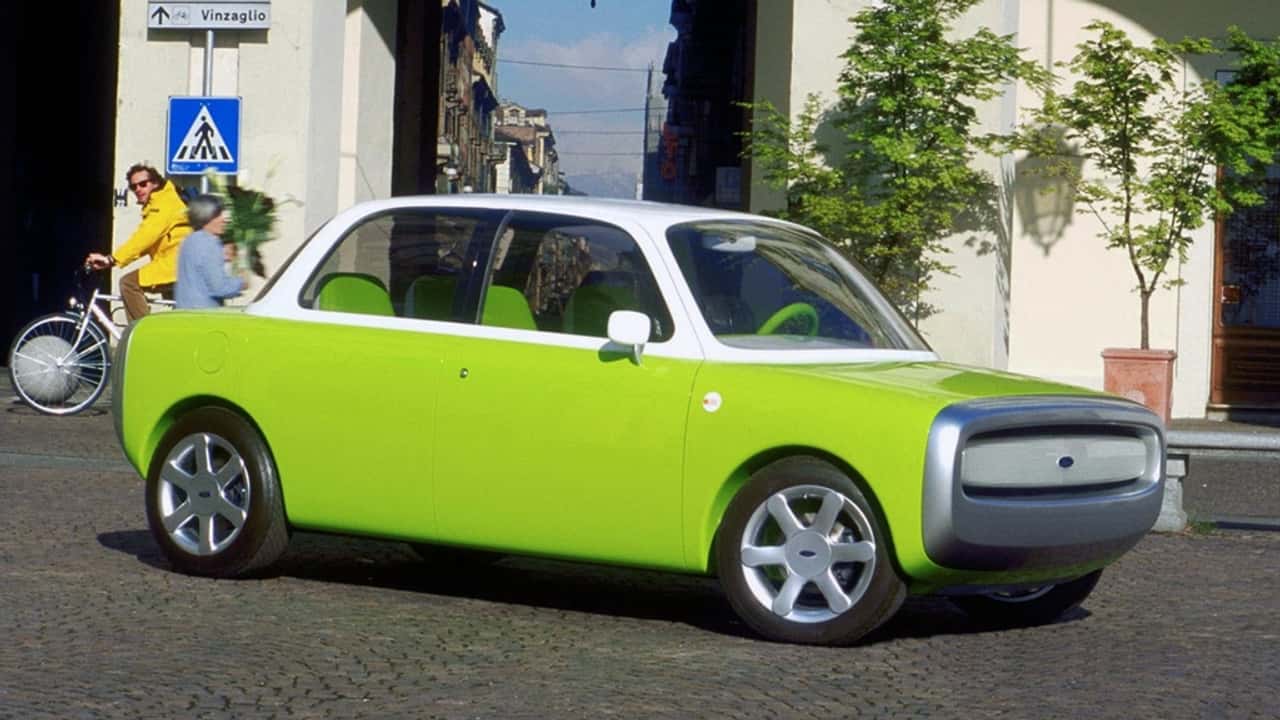
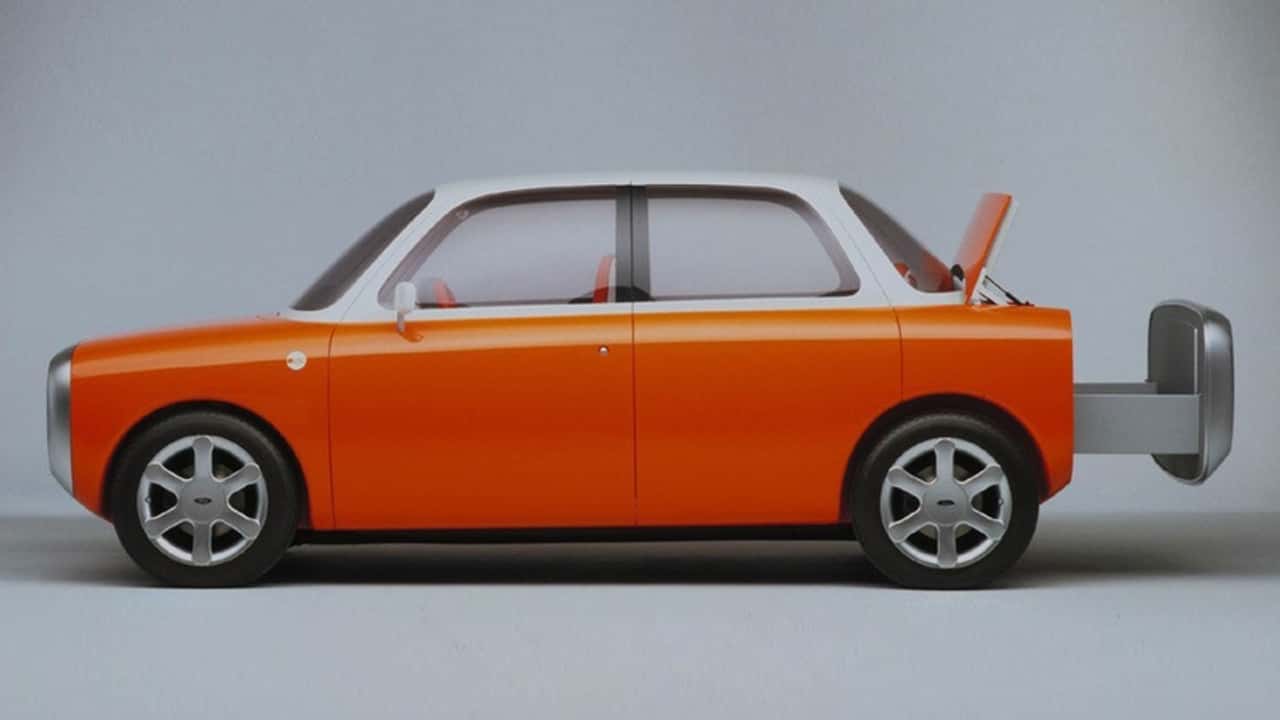
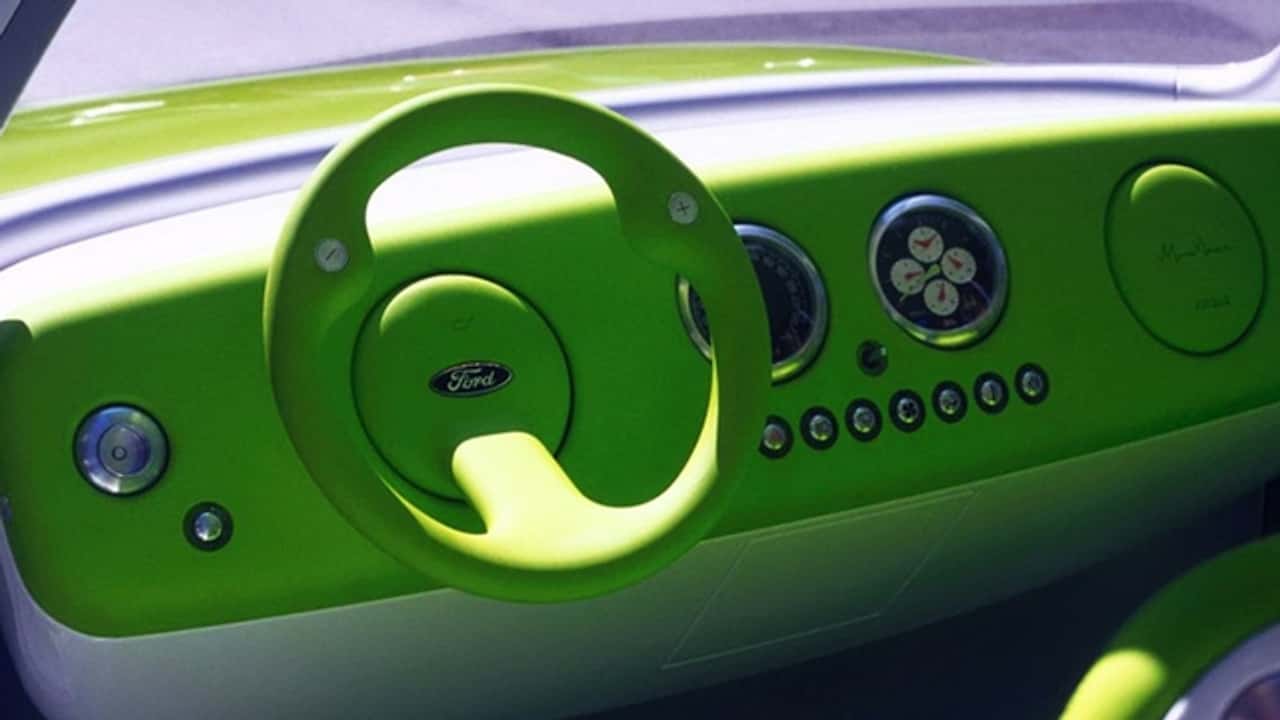
1999 Ford 021C
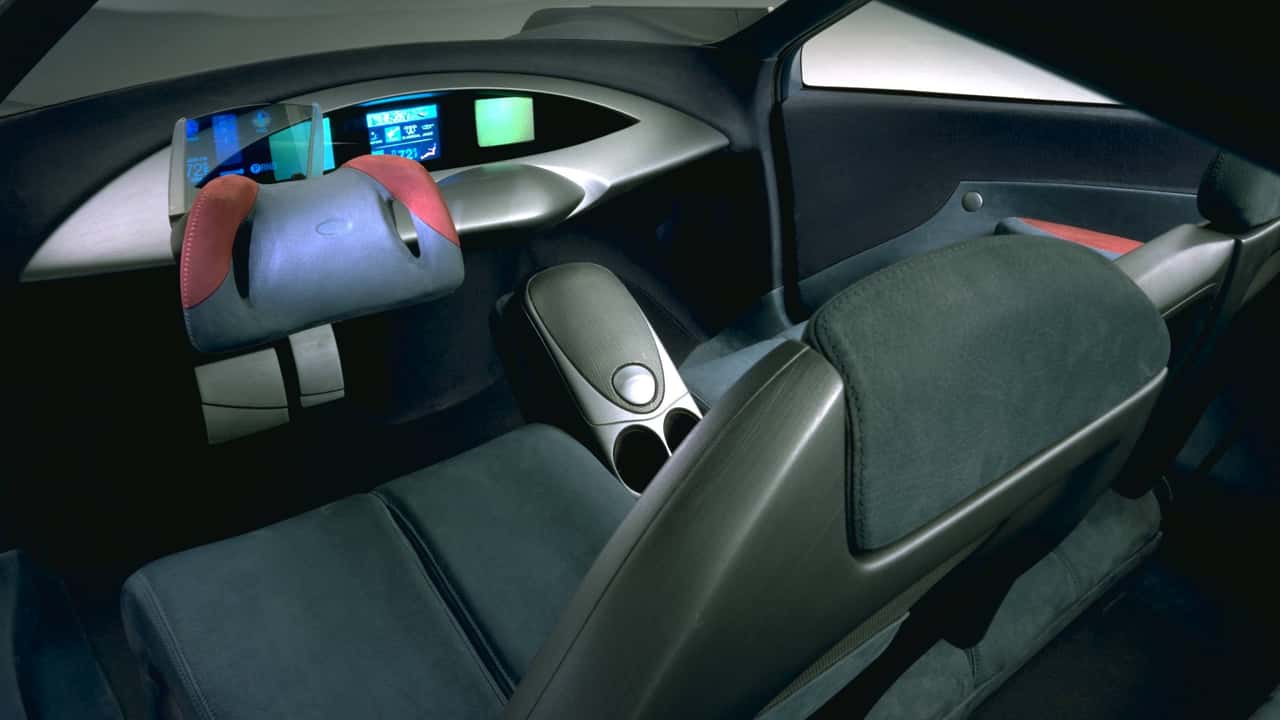
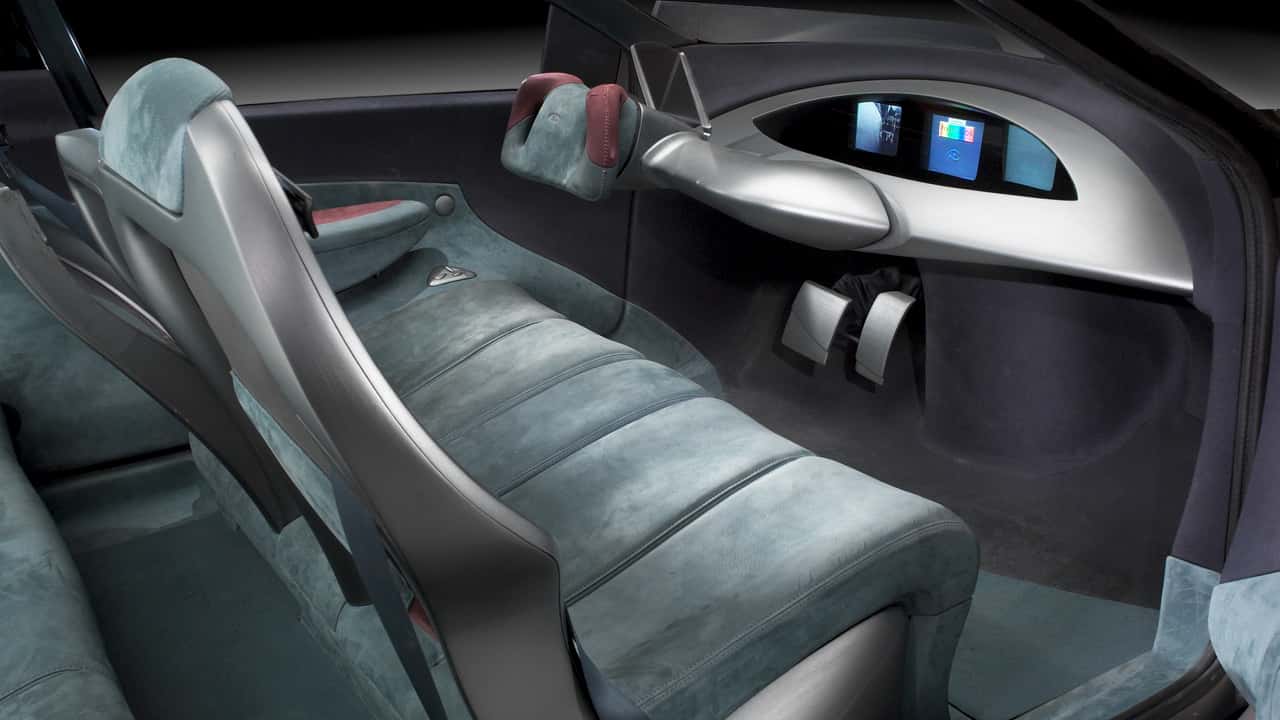
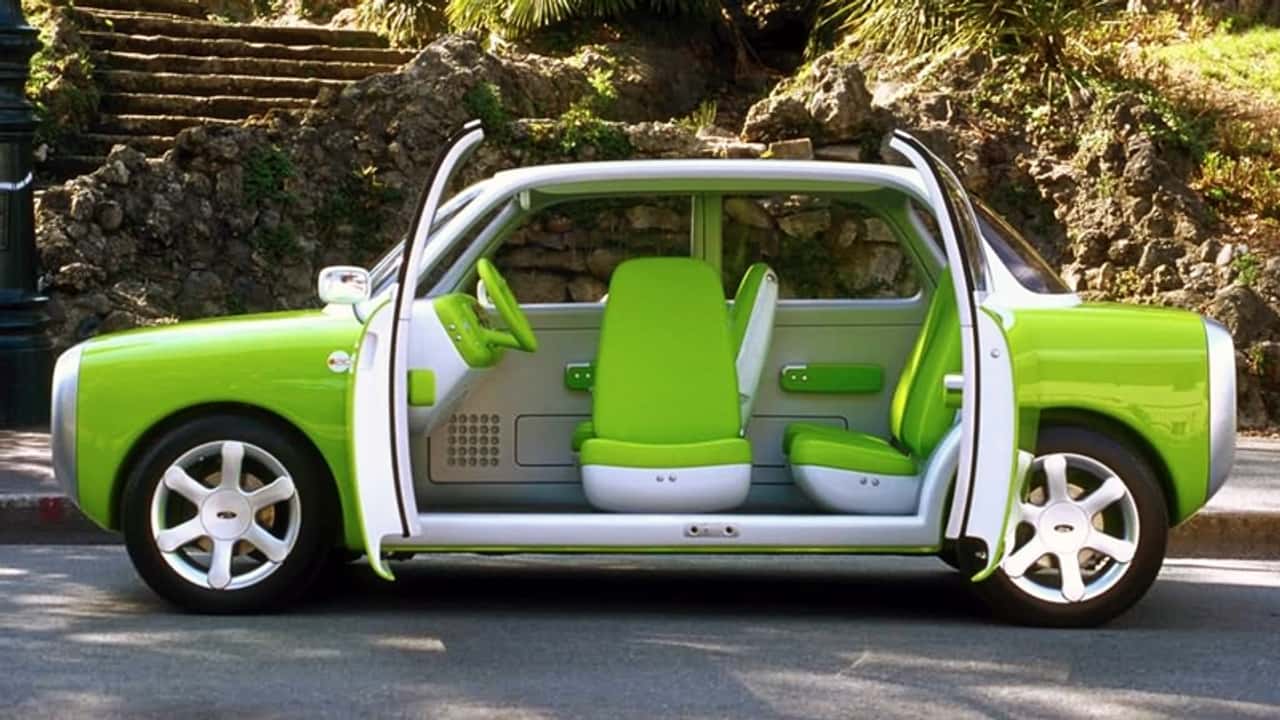
For the 021C, Ford commissioned industrial designer Marc Newson to imagine a car for young buyers entering the 21st century. The result was something that looked more like modern furniture than an actual automobile.
The tiny four-door sedan featured rounded corners, suicide doors, a sliding rear cargo compartment, swiveling front seats, and a dashboard that could move vertically. Even the lights were unusual, with full-width lamps at both ends. It debuted at the 1999 Tokyo Motor Show and won Best Concept Car, making it one of Ford's most memorable design experiments.
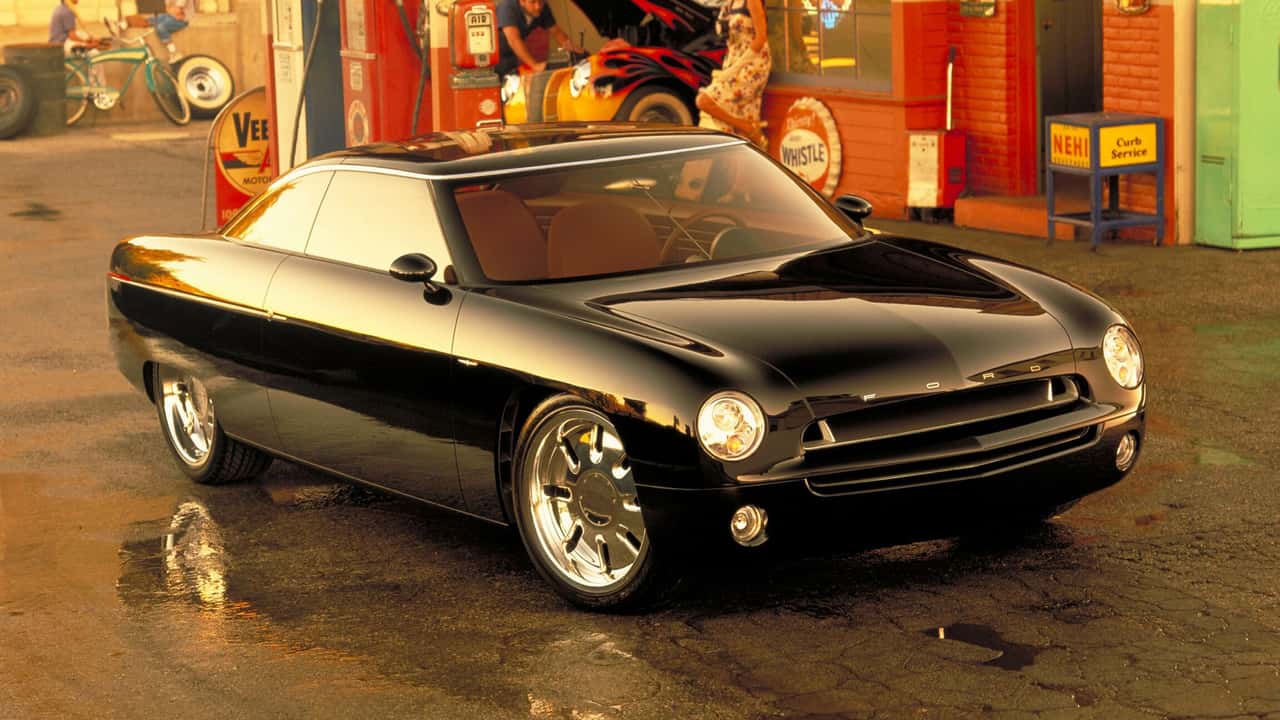
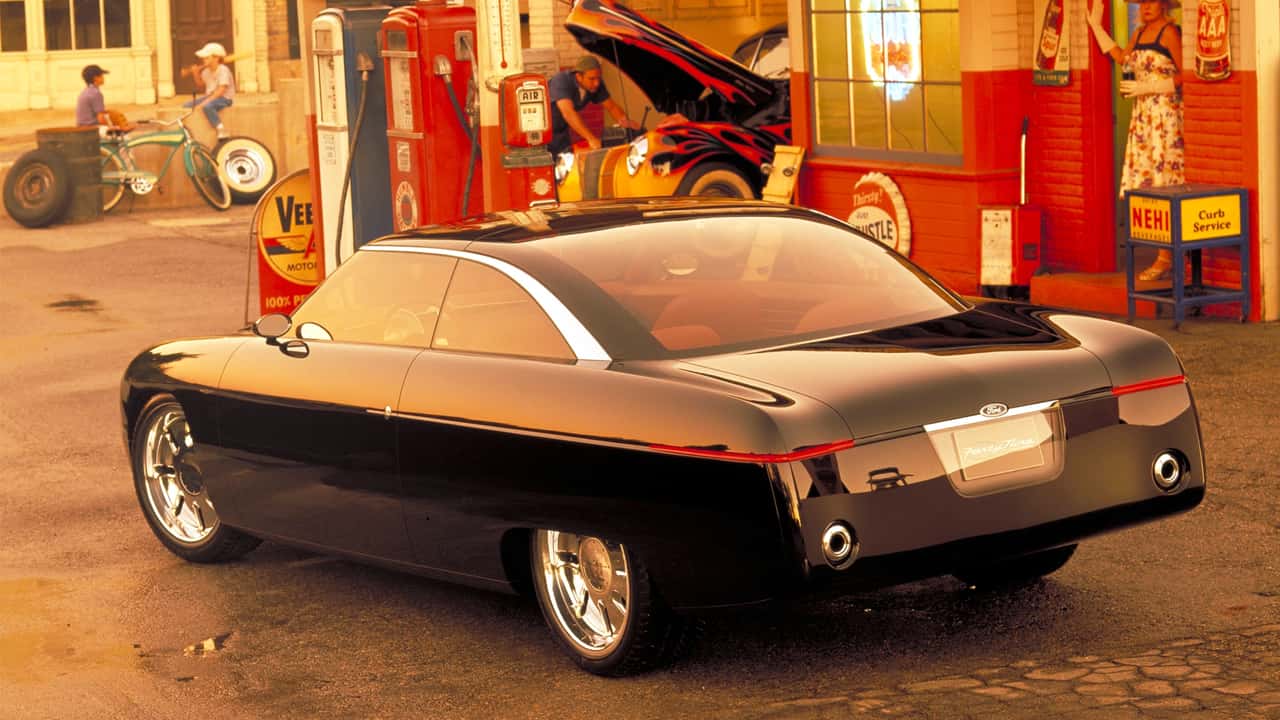
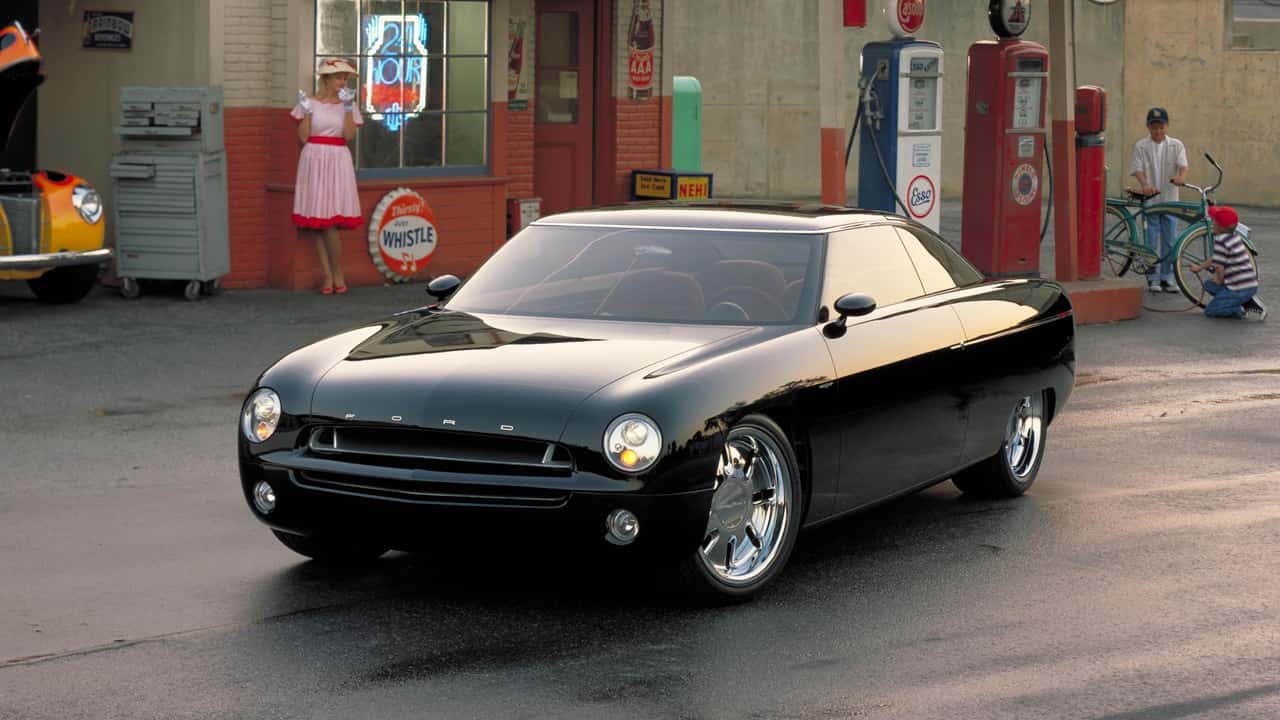
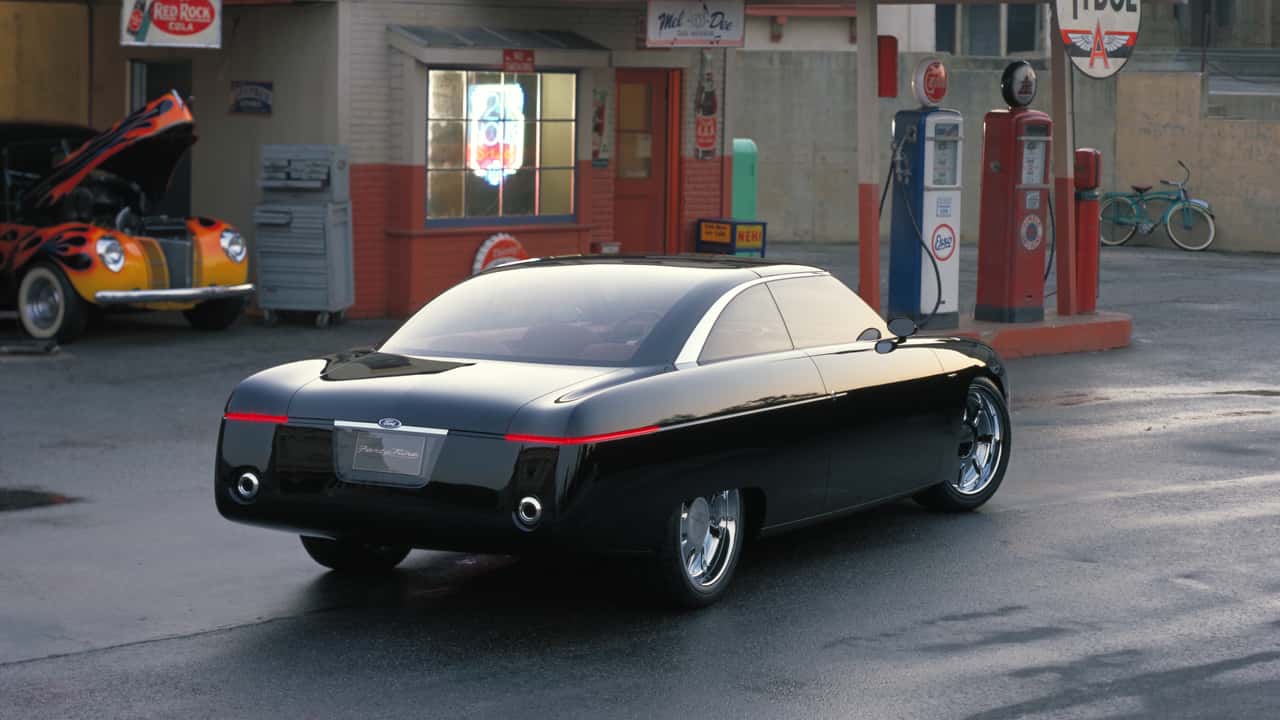
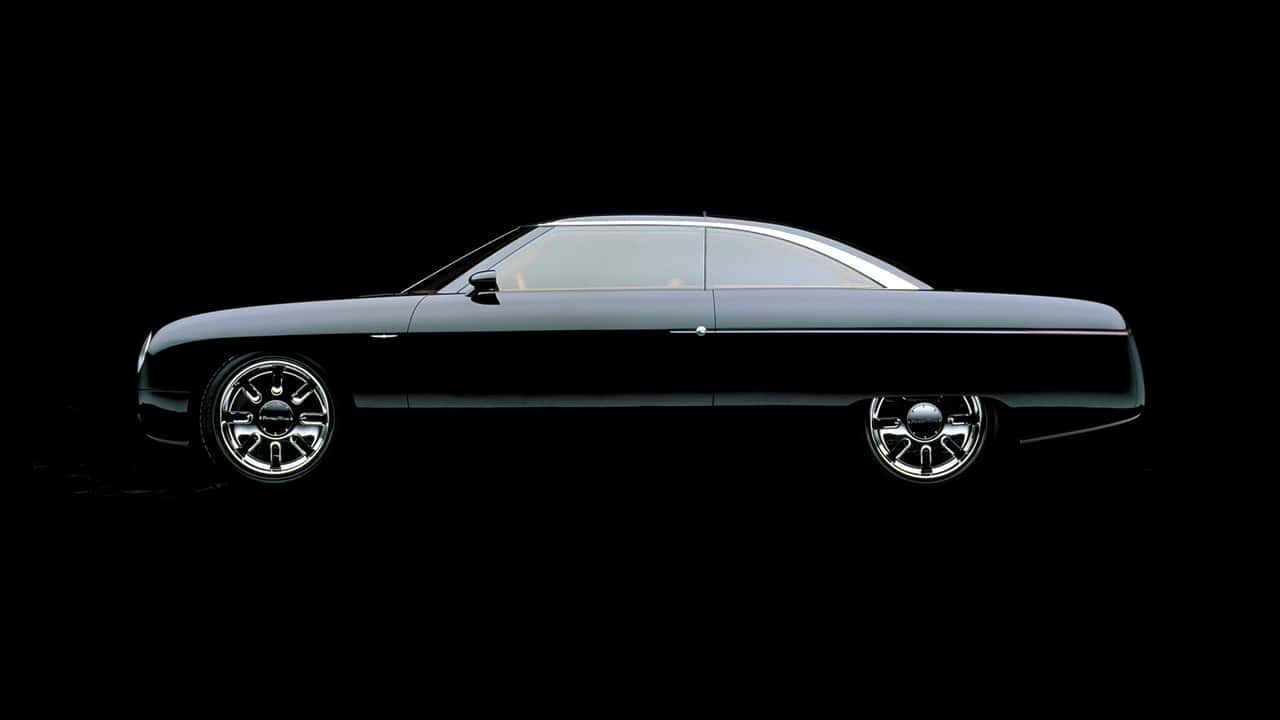
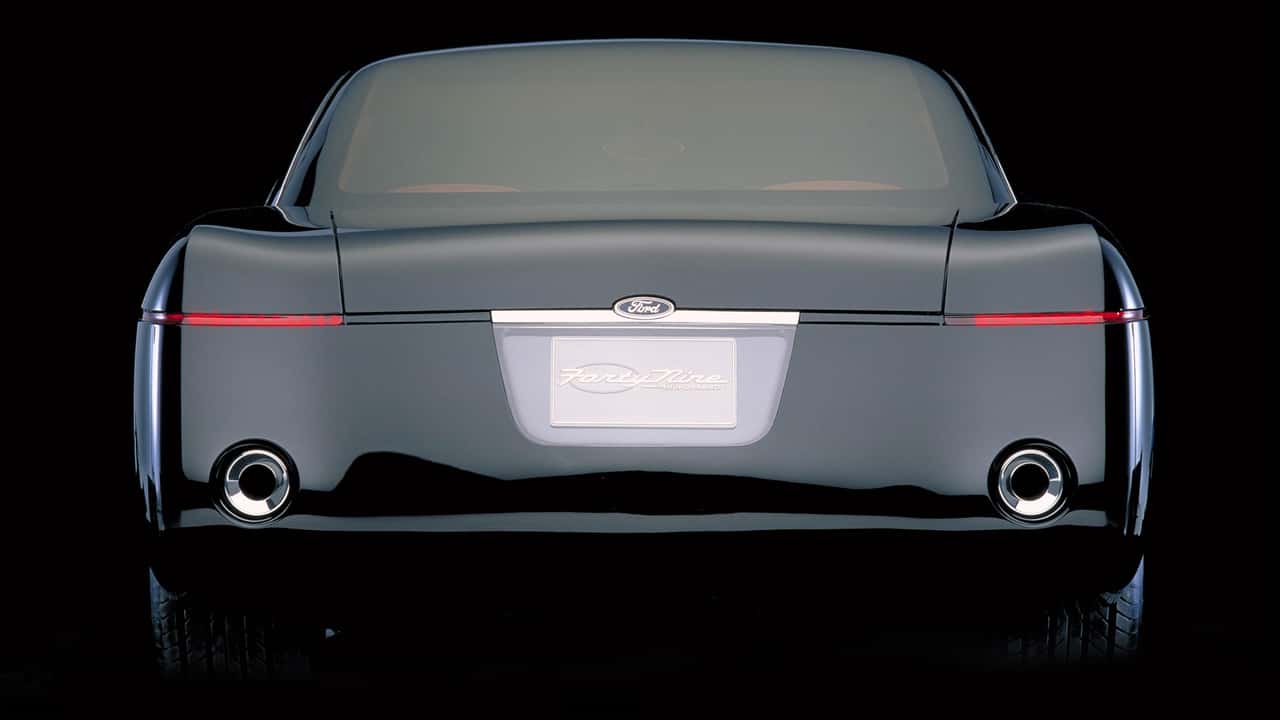
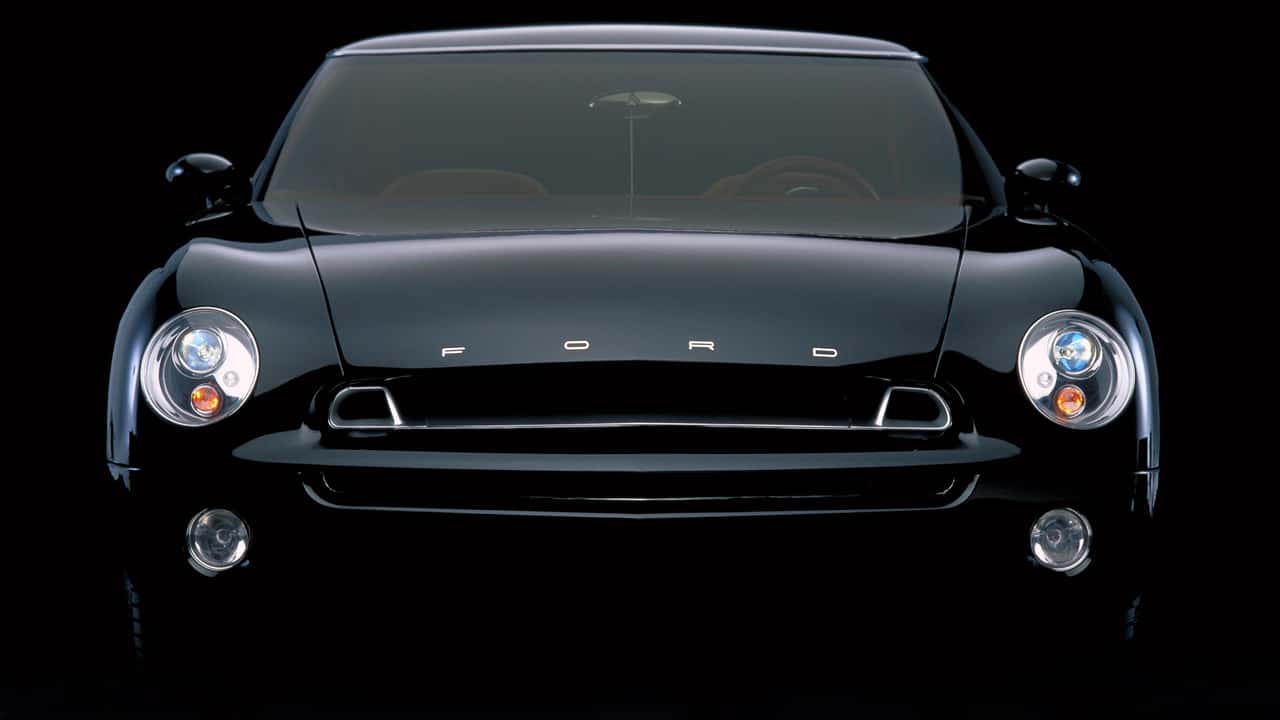
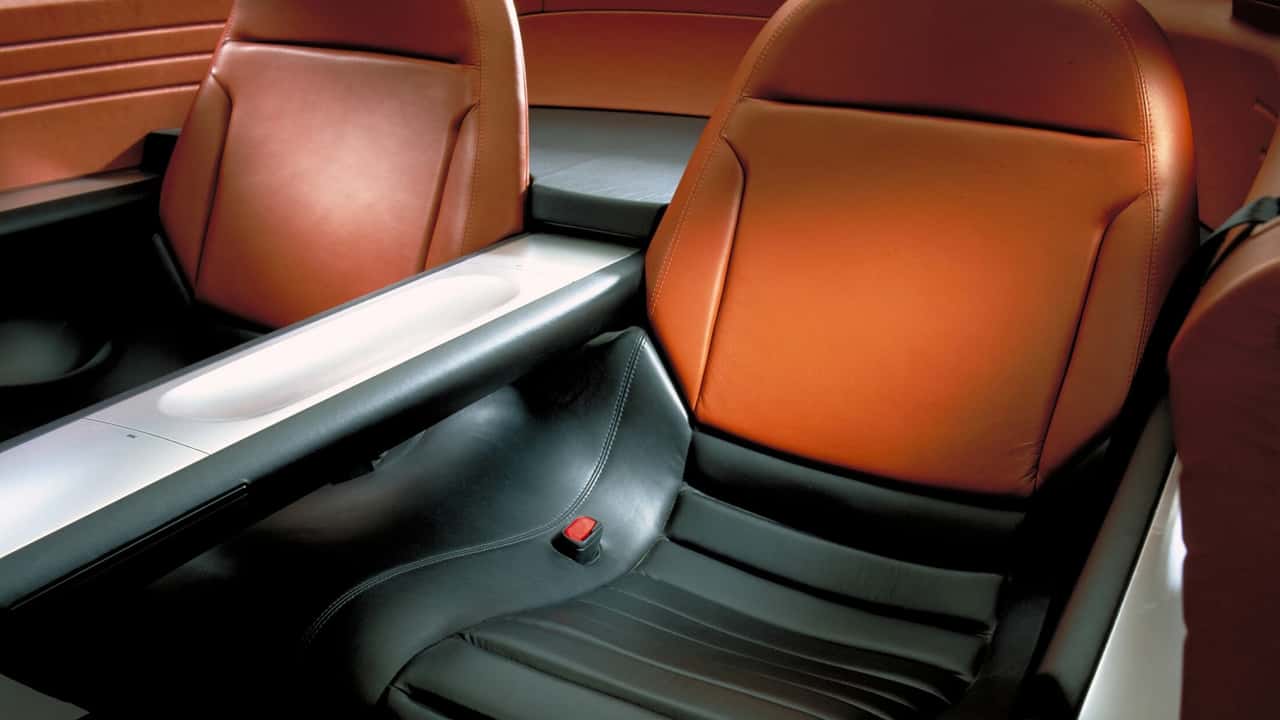
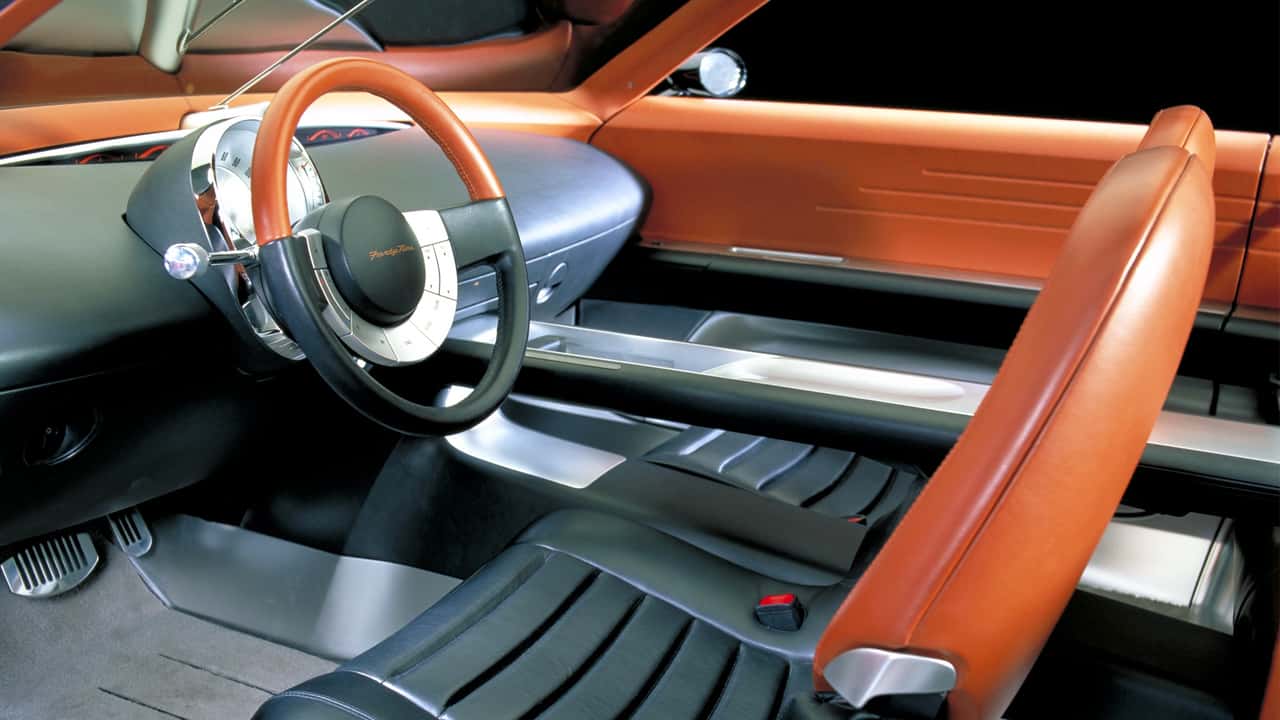
2001 Ford Forty-Nine
Ford went retro in the early 2000s before retro became completely unavoidable. The Forty-Nine was a modern interpretation of the 1949 Ford, but instead of simply copying the original, designer Chip Foose gave it a sleek, futuristic body and a massive glass roof stretching from front to rear.
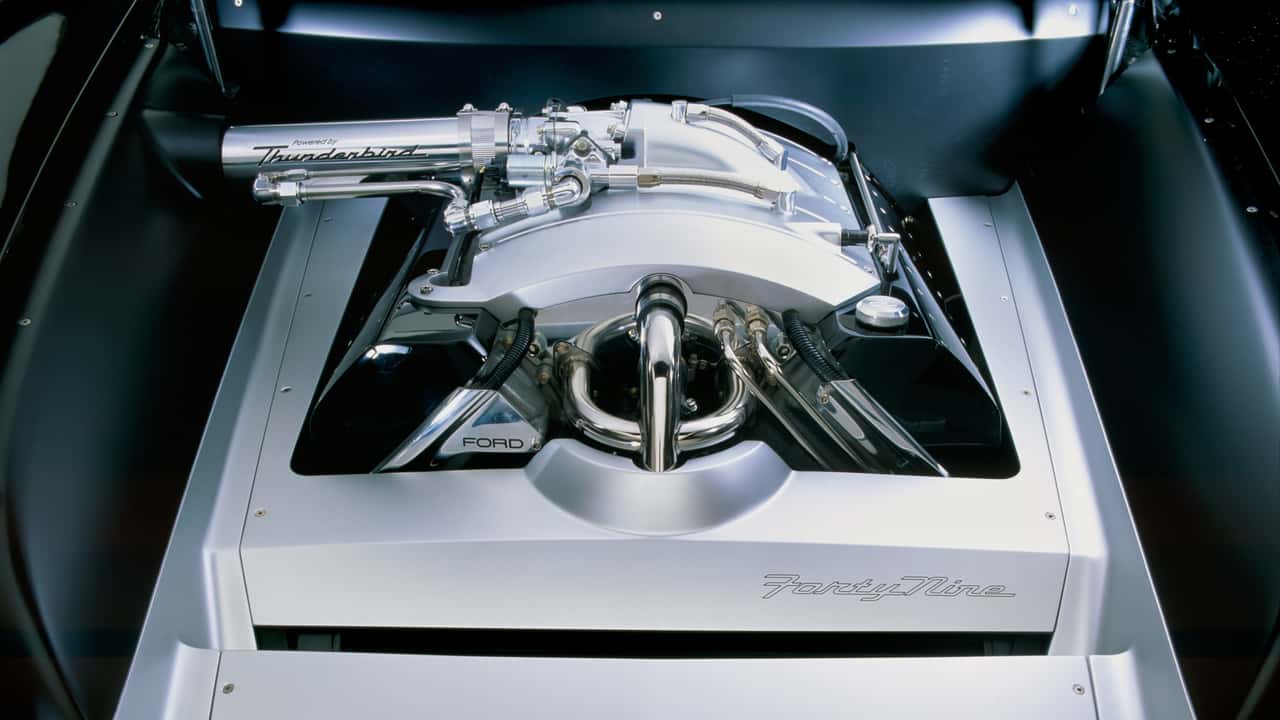
Underneath the nostalgic styling was a 3.9-liter Jaguar-sourced V8 driving the rear wheels through a five-speed automatic transmission. Ford even built a convertible version. The concept generated plenty of excitement at the 2001 Detroit auto show, but neither body style reached production.
2002 Ford MA
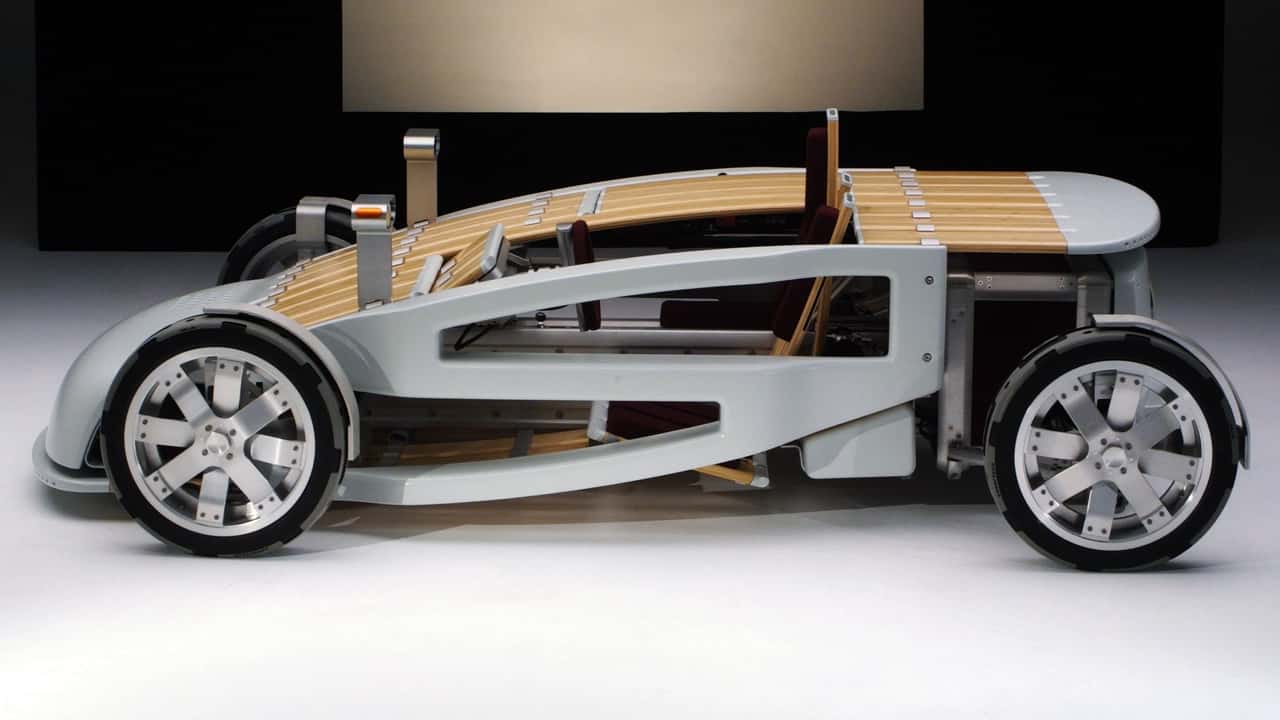
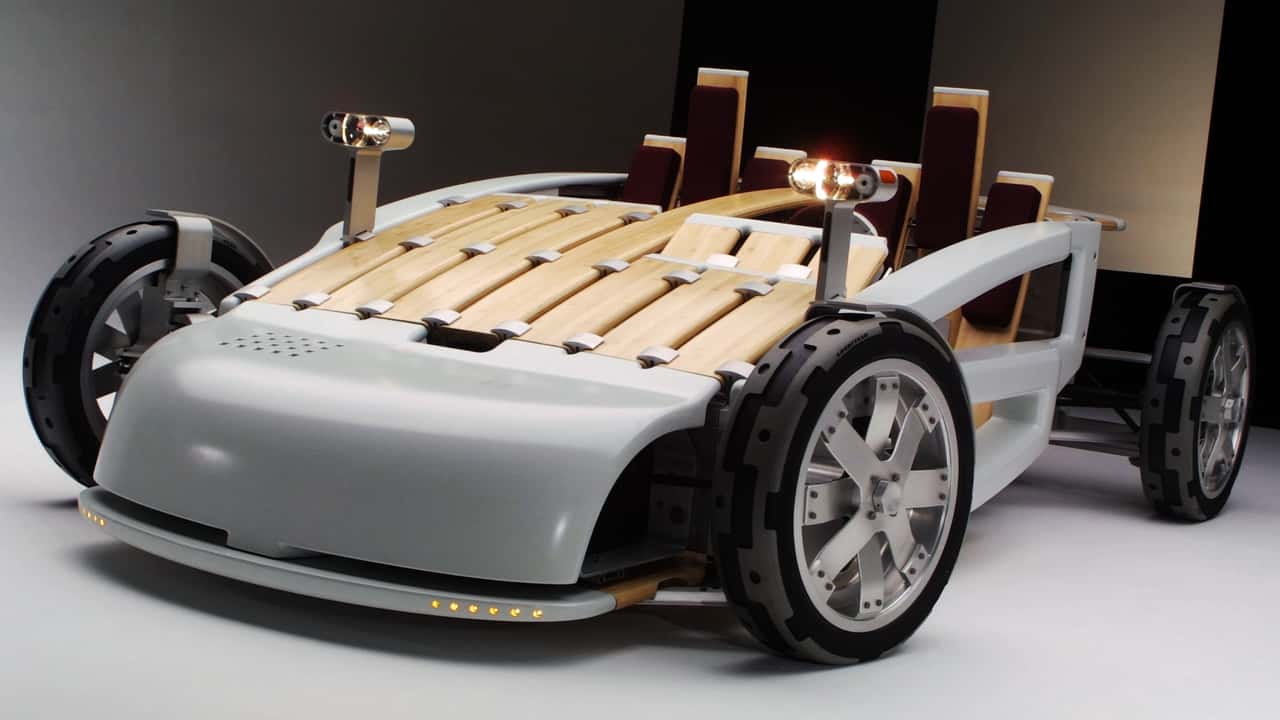
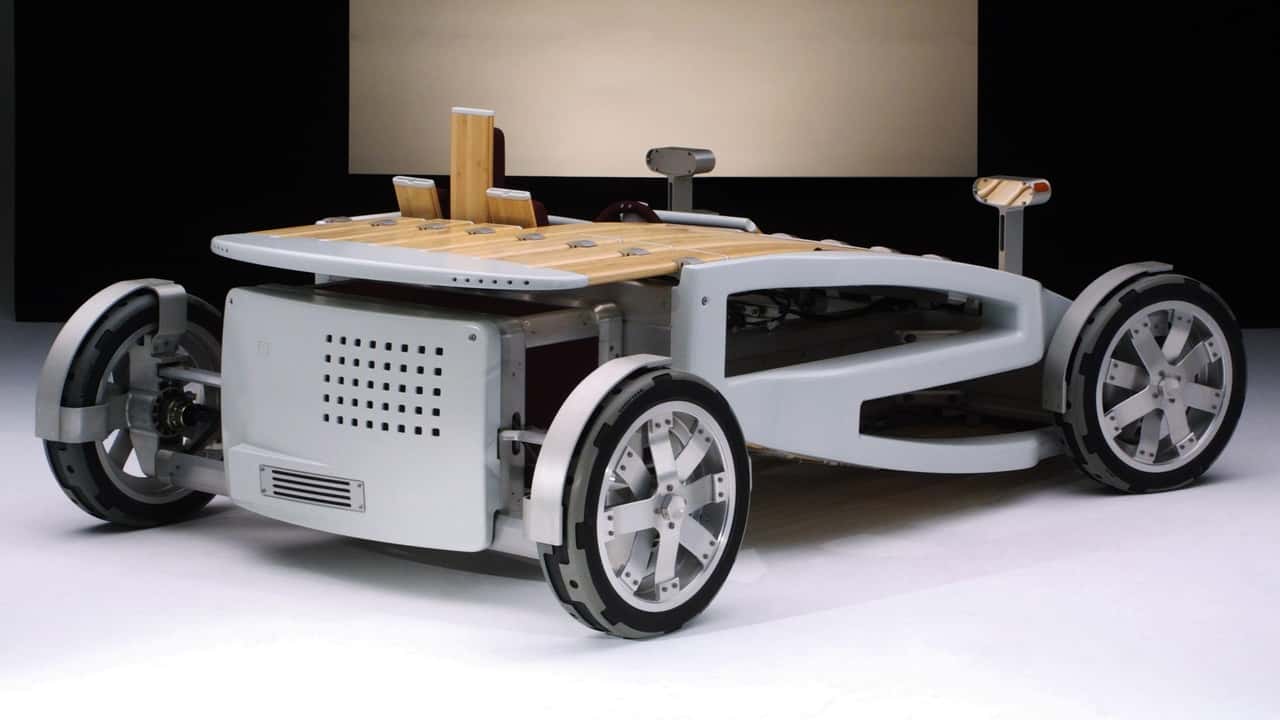
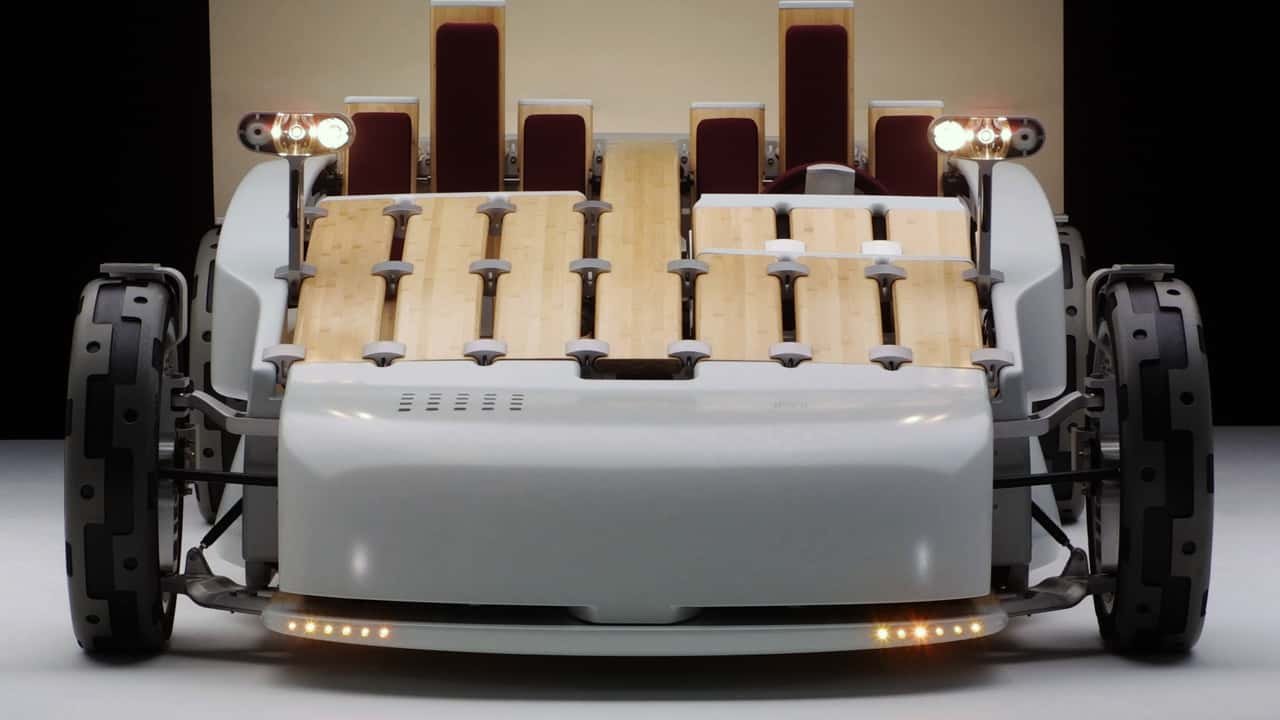
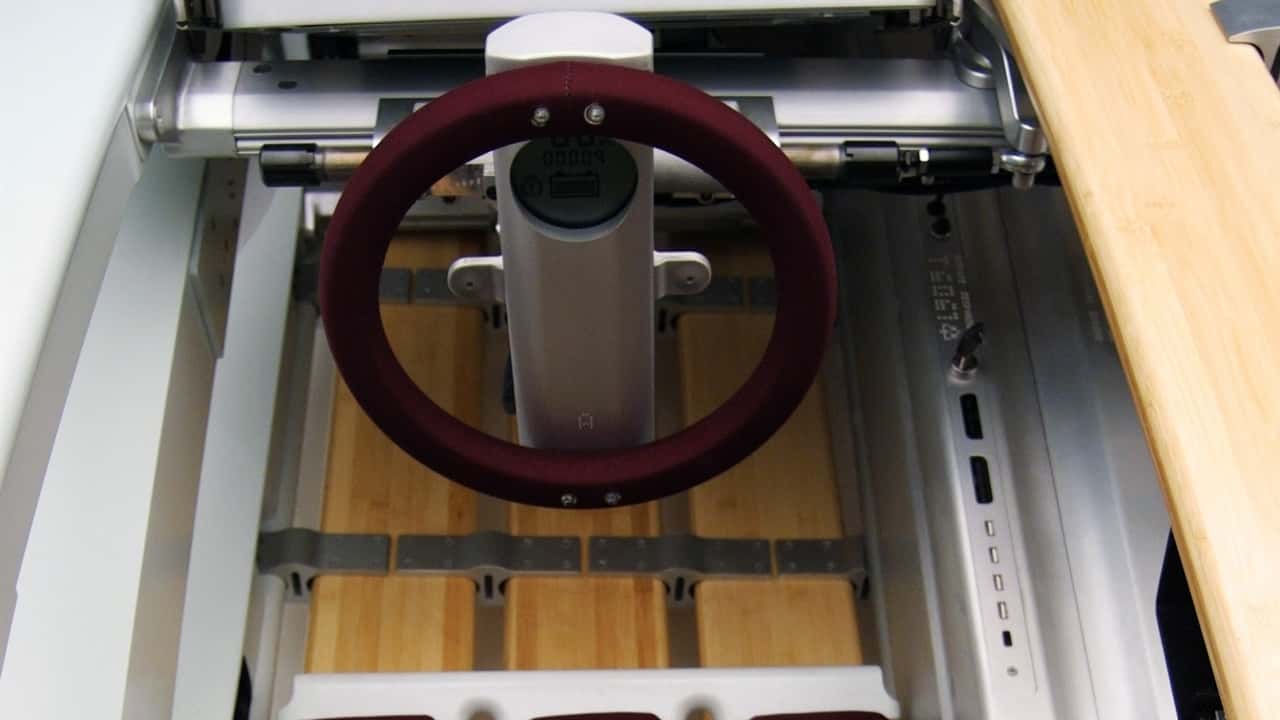
The MA looks less like a conventional car than an IKEA cabinet that somehow got a license plate. Ford designed it as a minimalist two-seat roadster with an emphasis on simple construction, lightweight materials, and recyclability.
Almost nothing about it followed traditional automotive construction. The MA used bamboo, aluminum, and carbon fiber, with hundreds of titanium bolts instead of conventional welding. Ford claimed about 96 percent of the car could be recycled. It could also accommodate either electric or combustion power, making the MA an unusually forward-thinking experiment in sustainable vehicle construction.
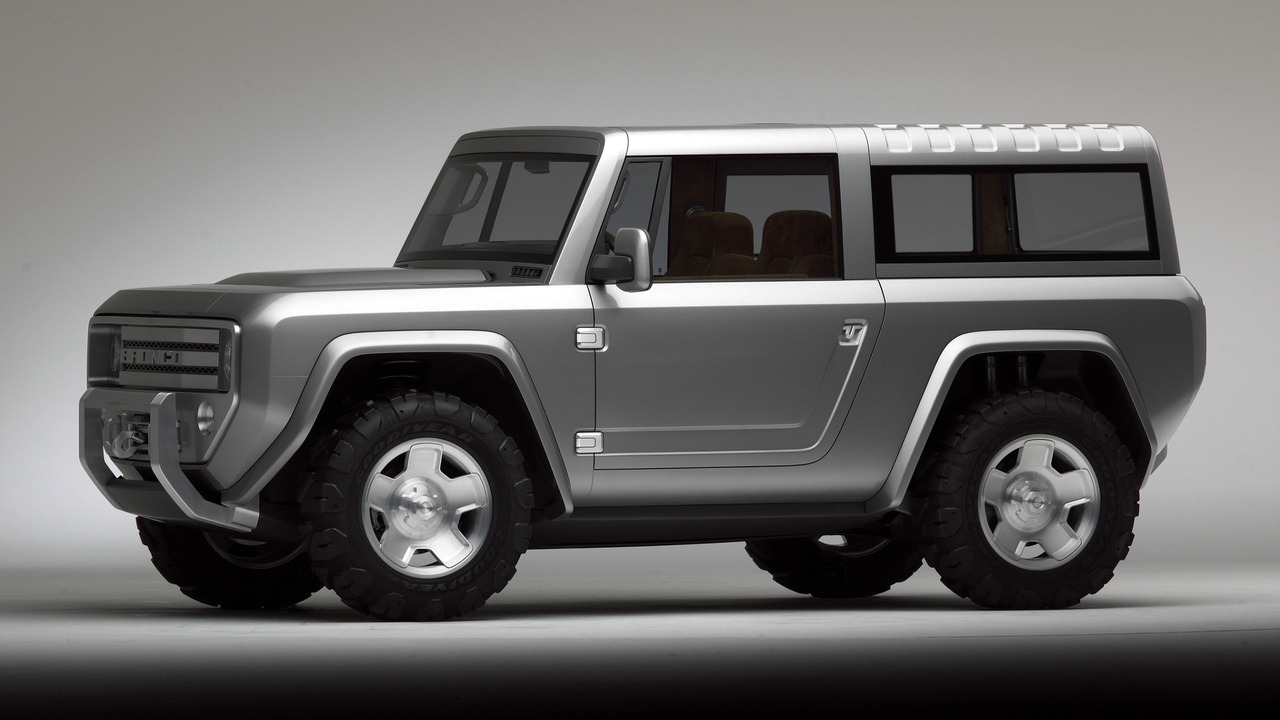
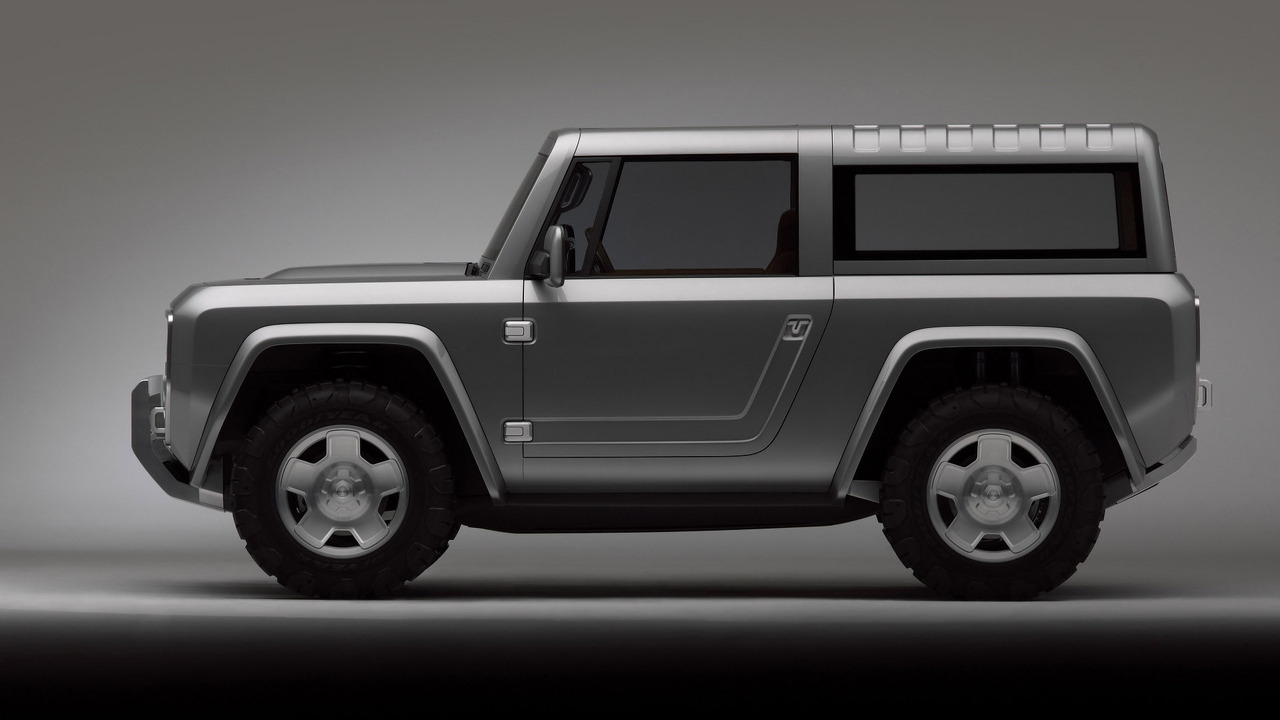
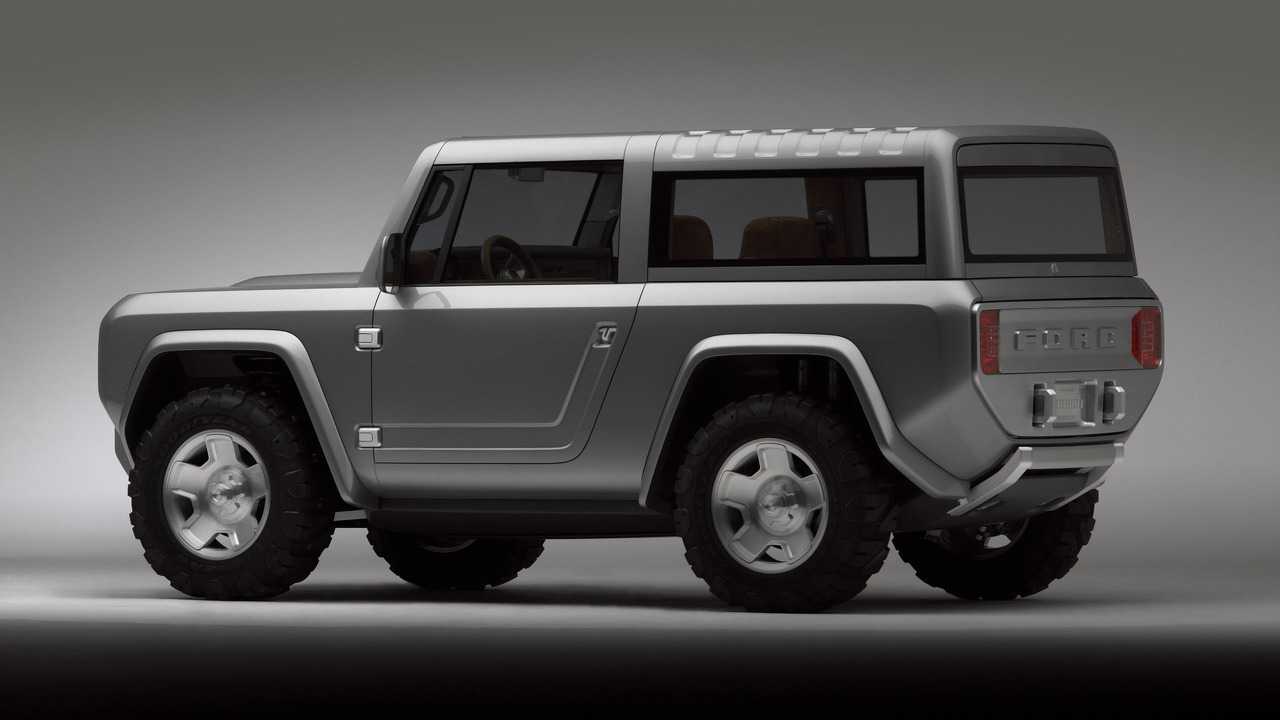
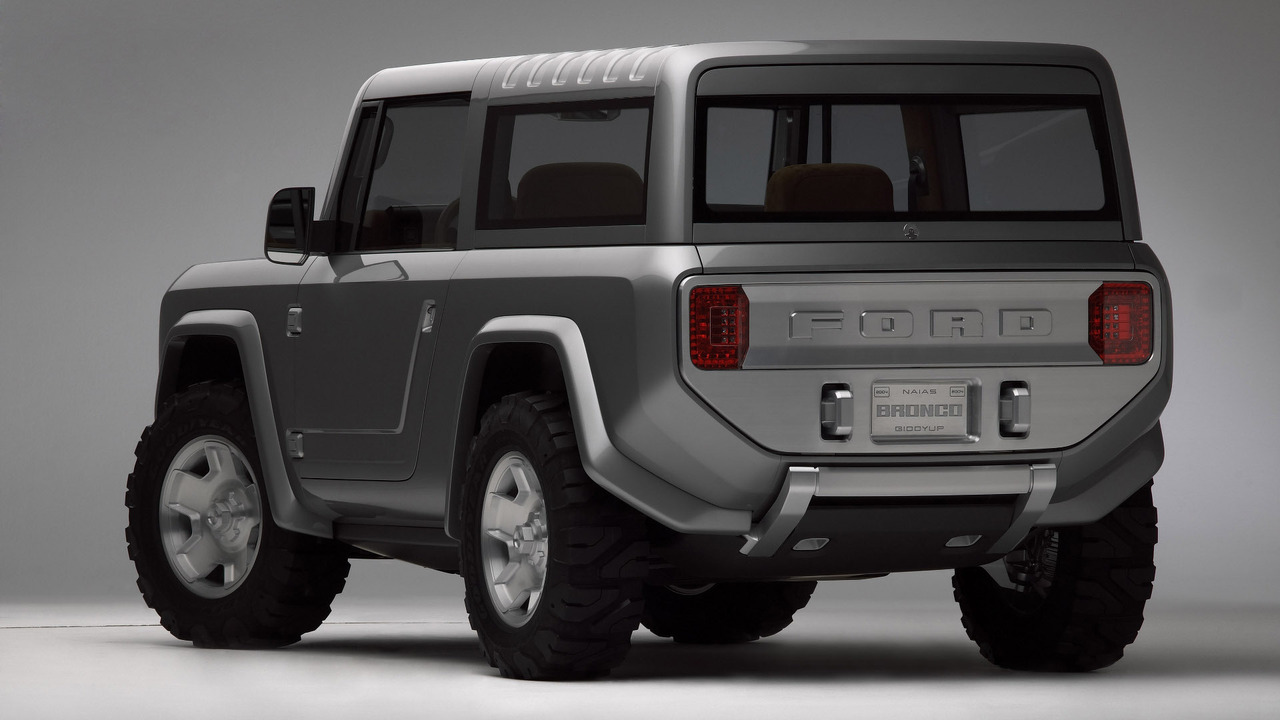
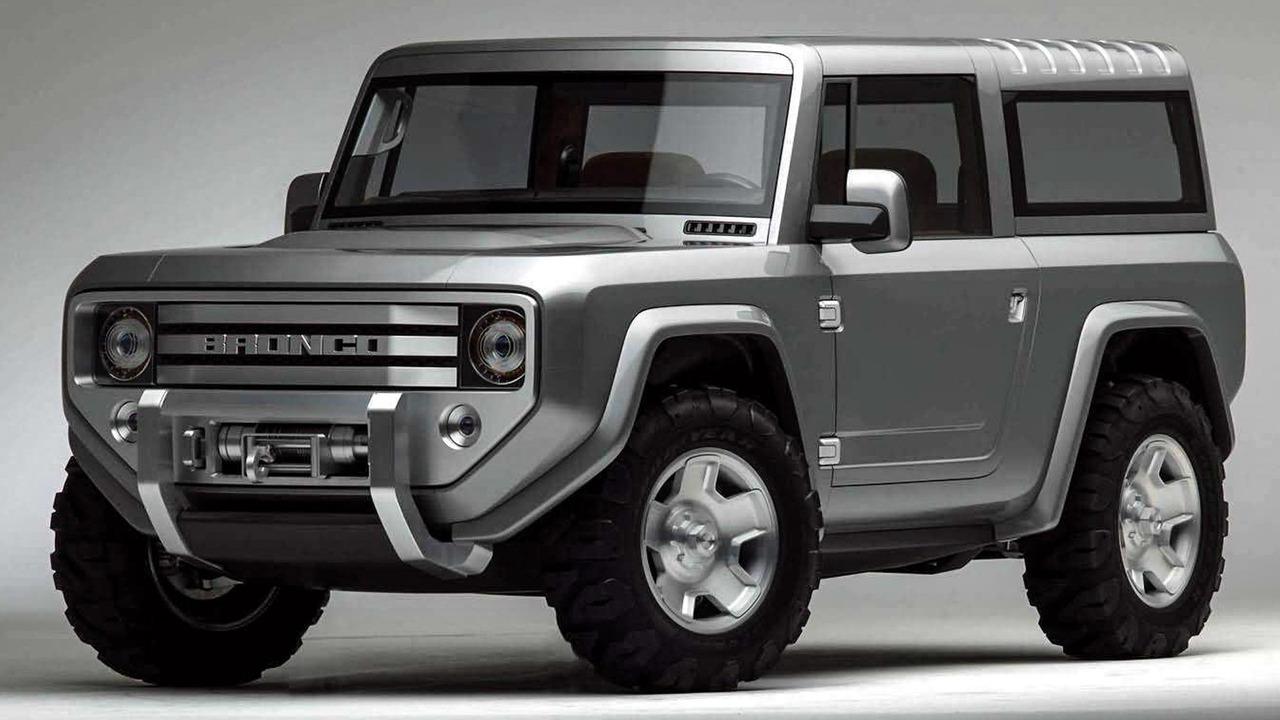
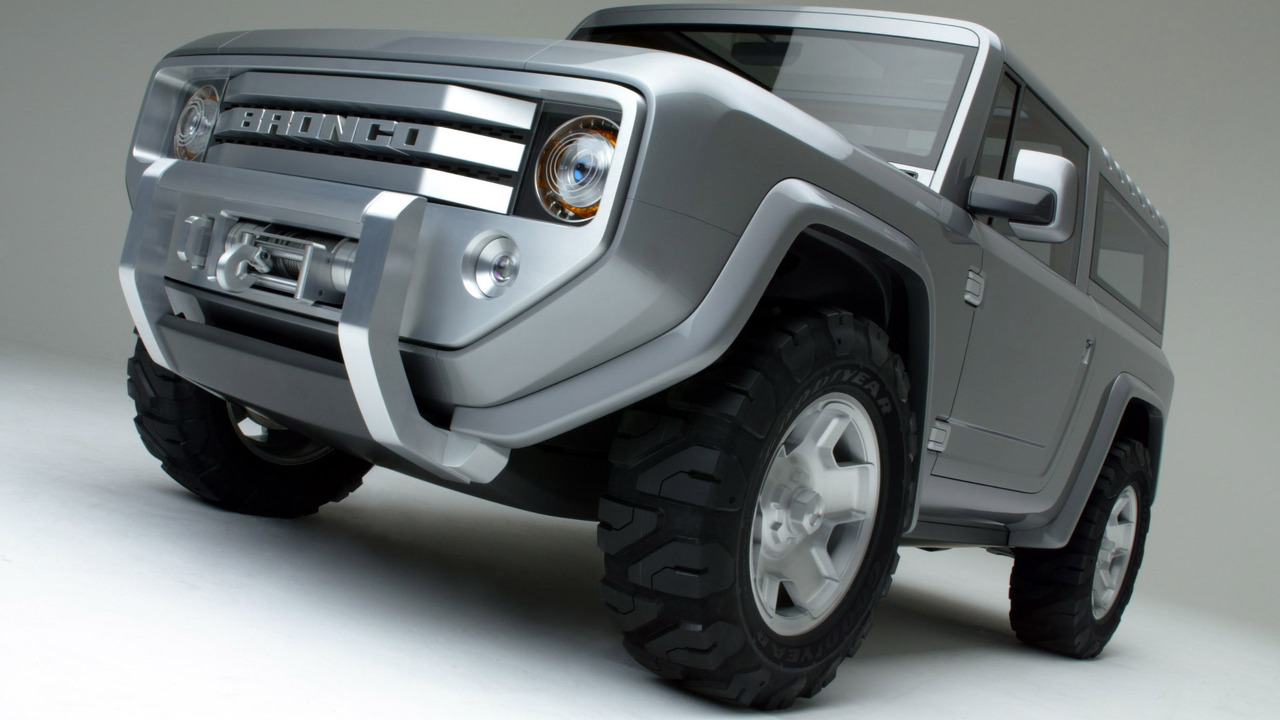
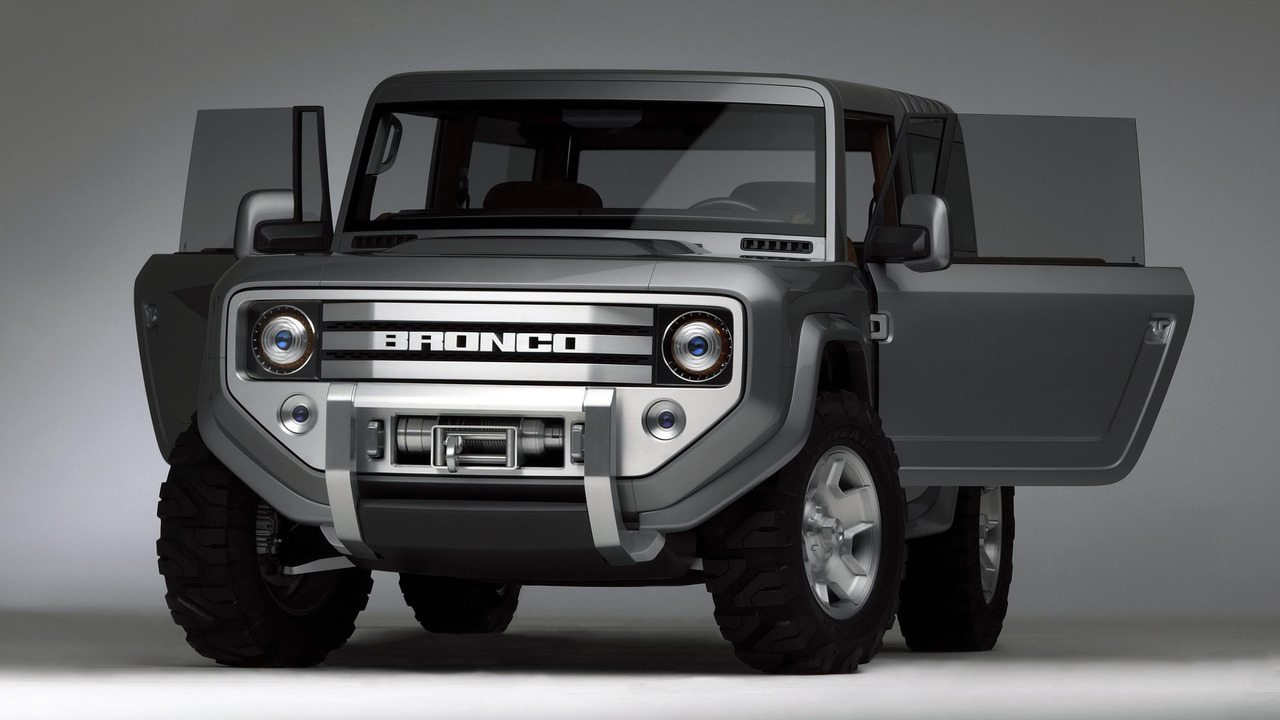
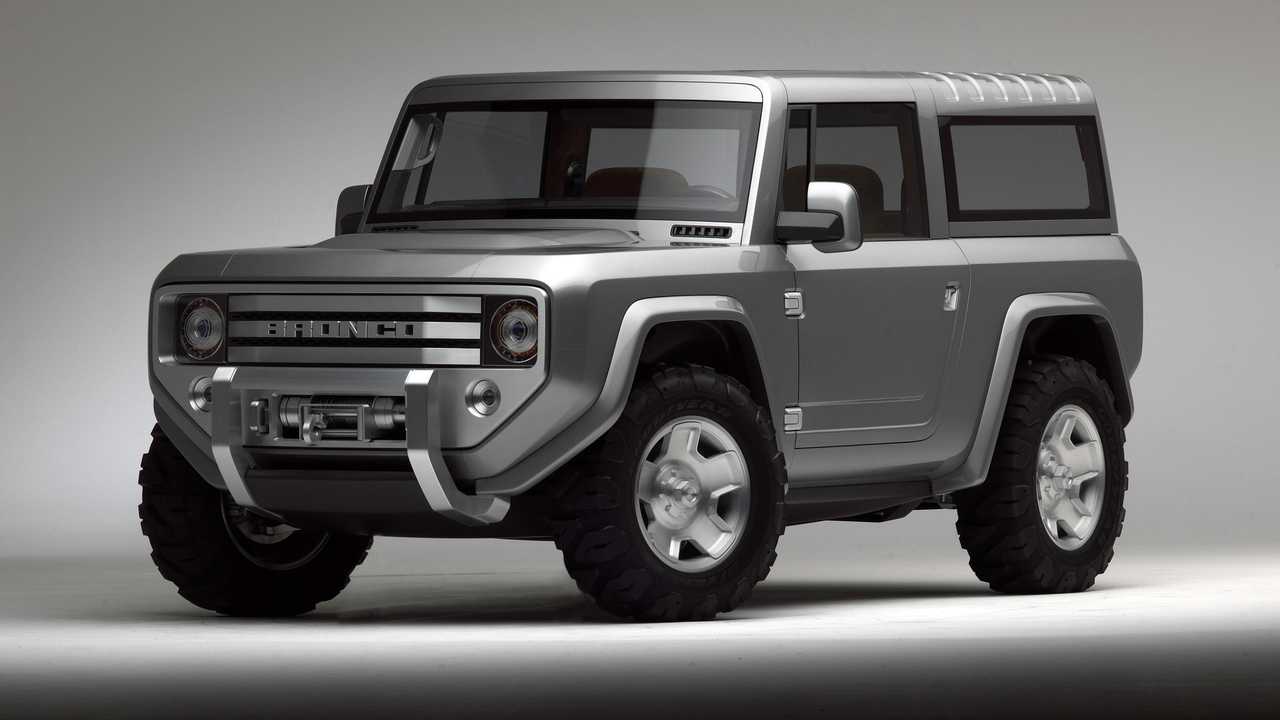
2004 Ford Bronco
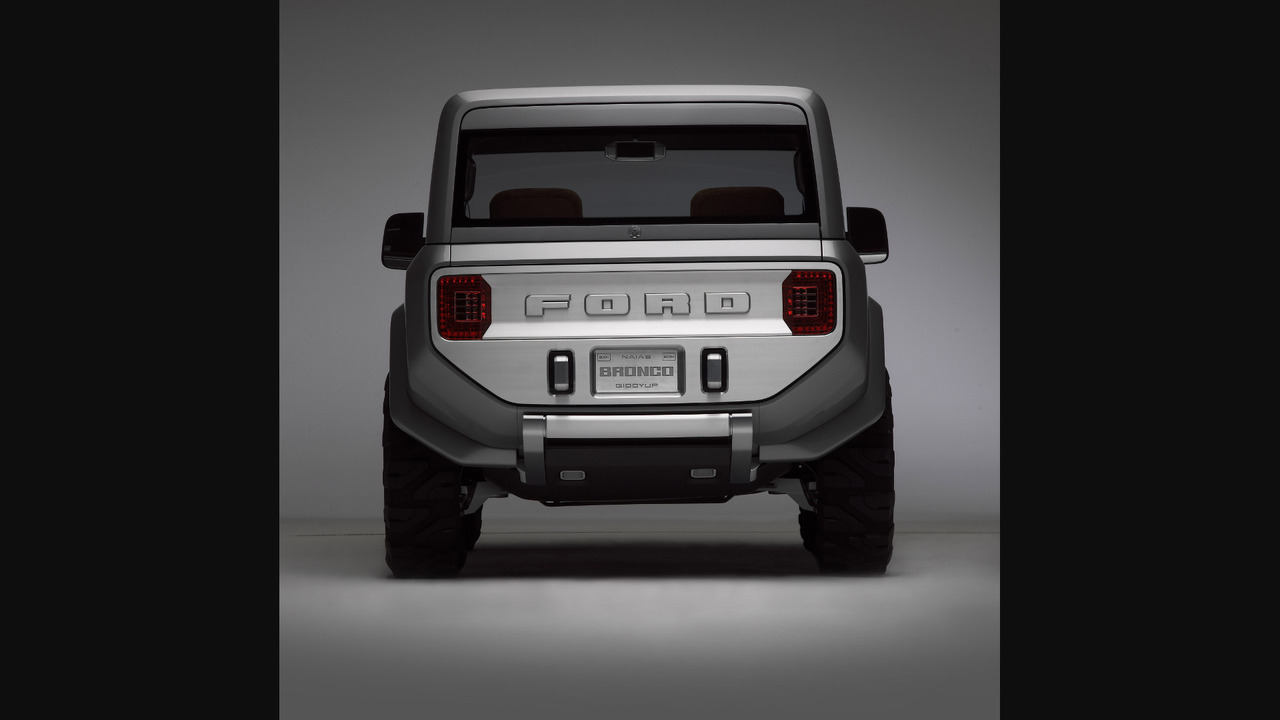
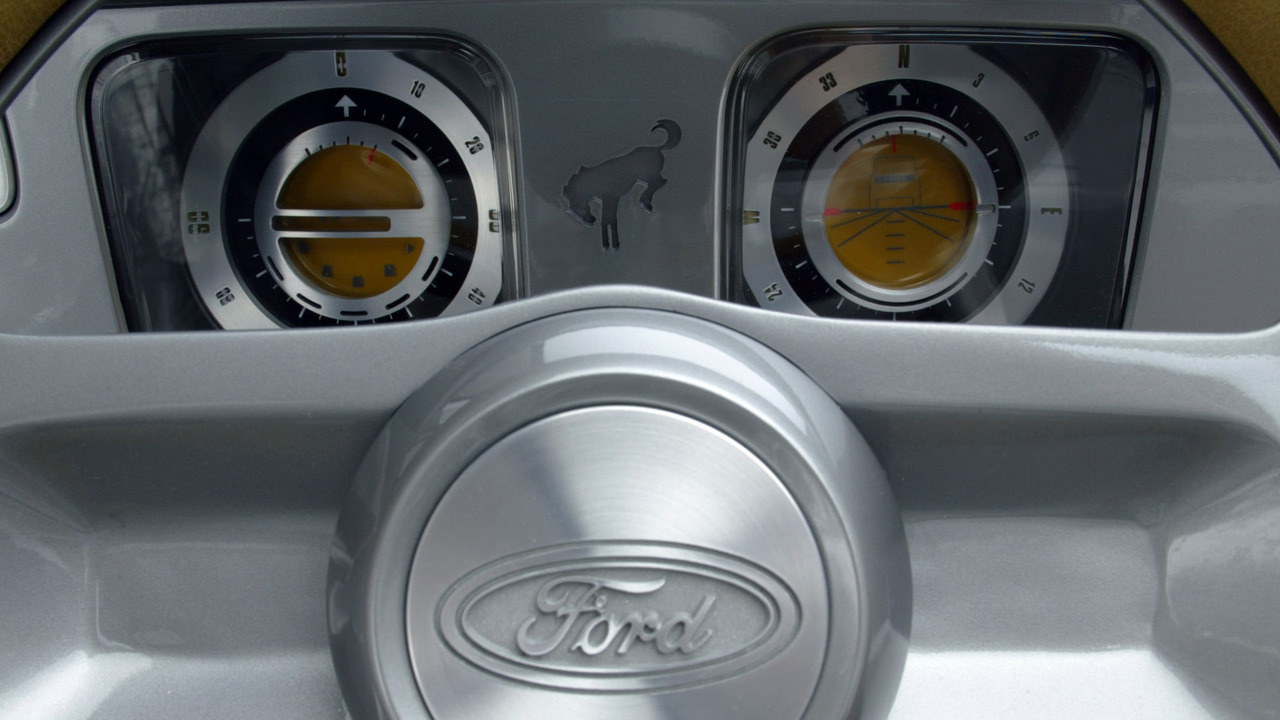
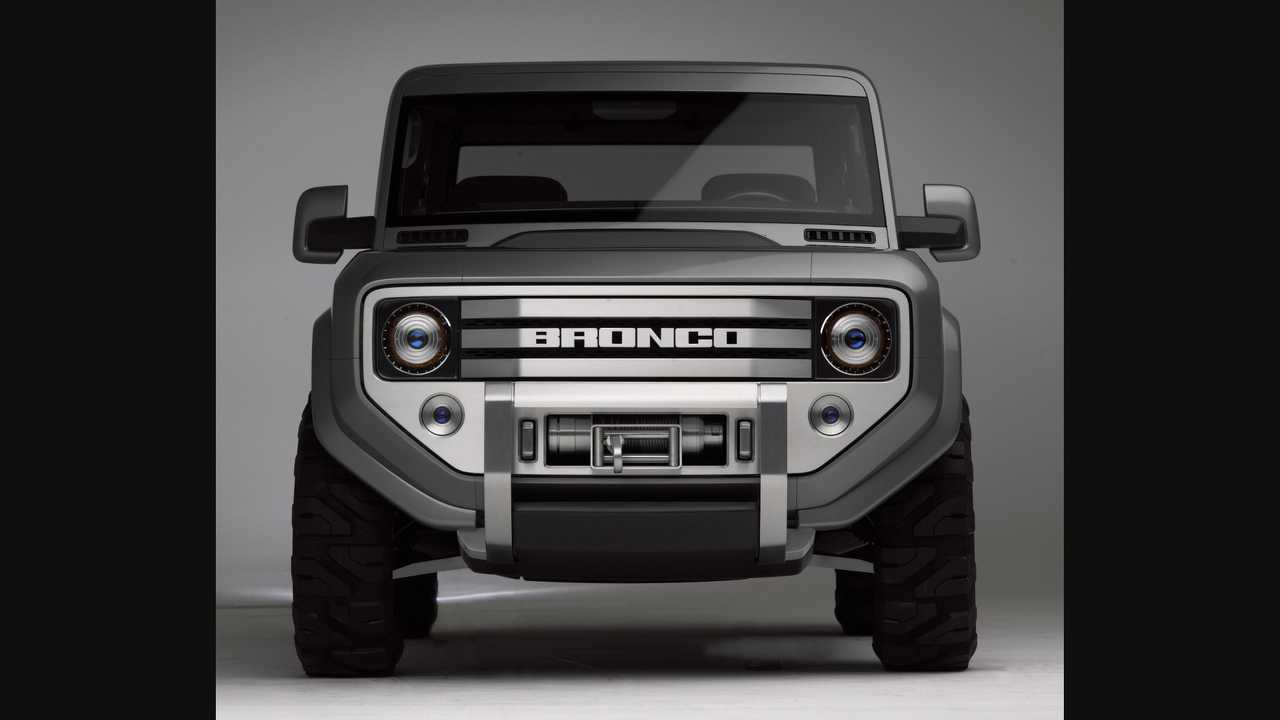
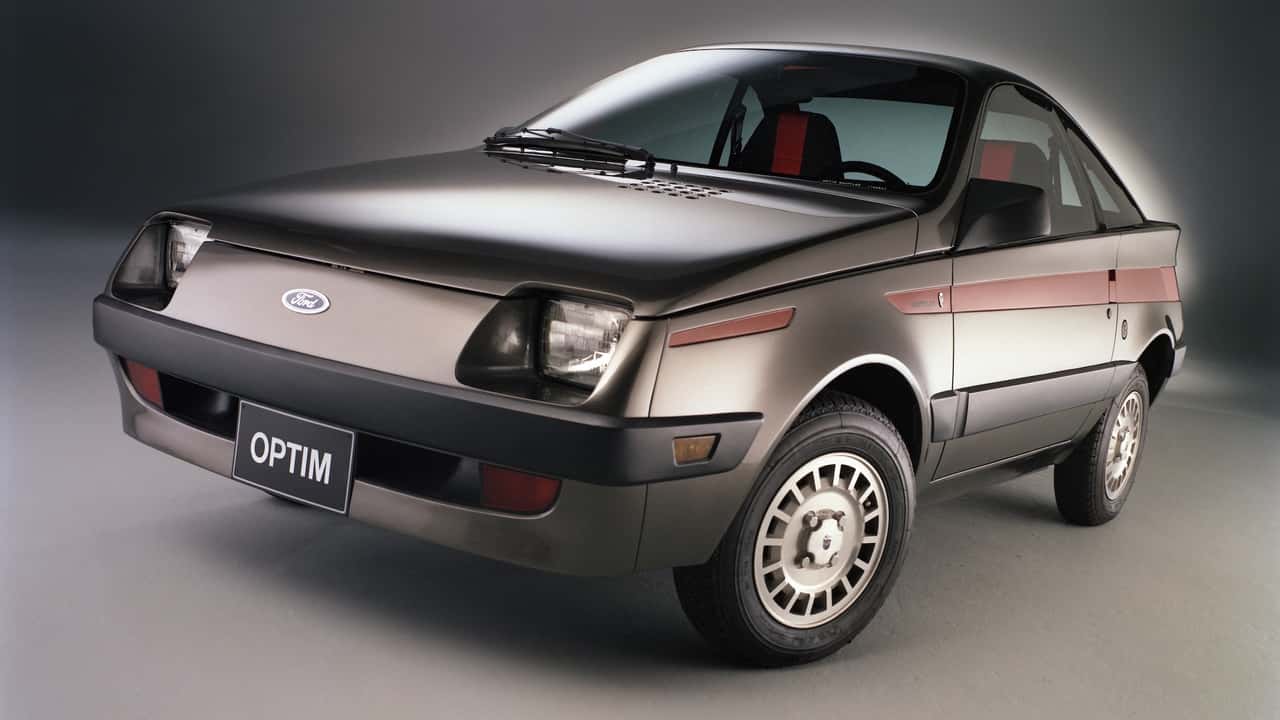
The 2004 Bronco concept was strange mostly because it was so... simple. At a time when SUVs were becoming increasingly luxurious, Ford imagined bringing back the original Bronco's stripped-down personality with a short wheelbase, upright body, round headlights, and a two-seat cabin.
It also previewed the three-bar grille that would become an important part of Ford's design language. Underneath the retro body was a 2.0-liter turbodiesel engine, giving the concept a distinctly European flavor. The production Bronco wouldn't return until 2020.
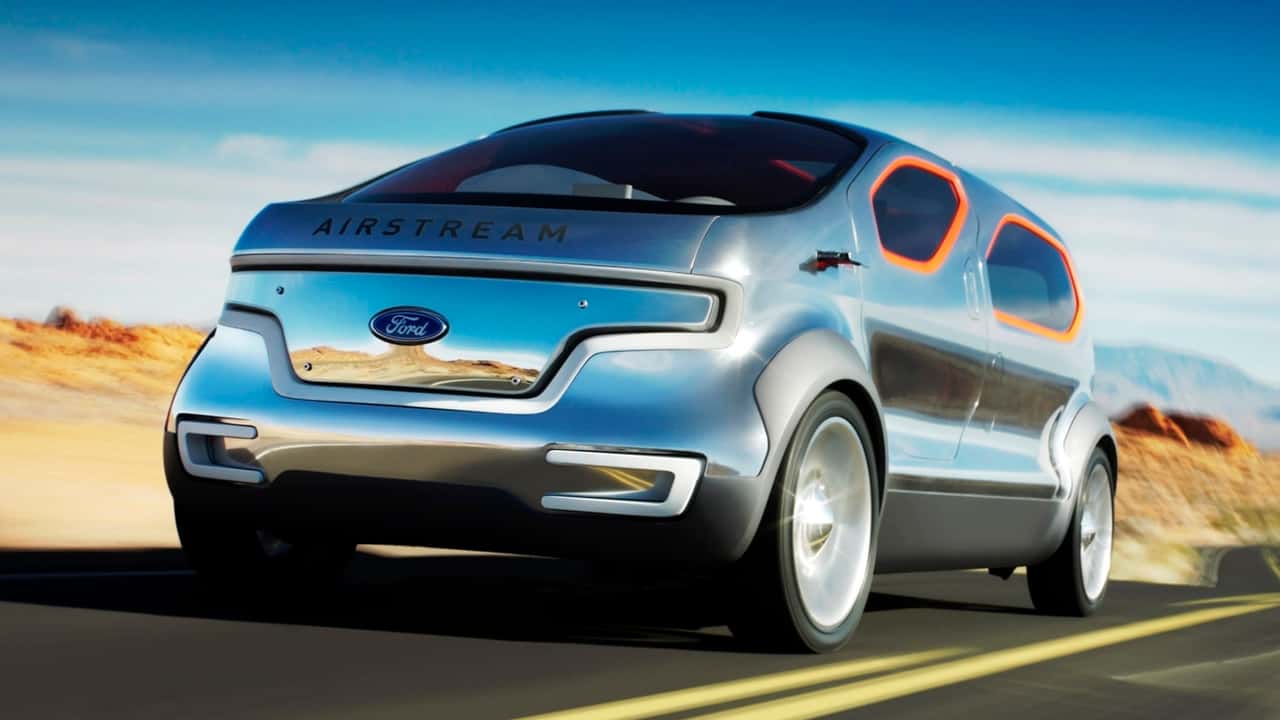
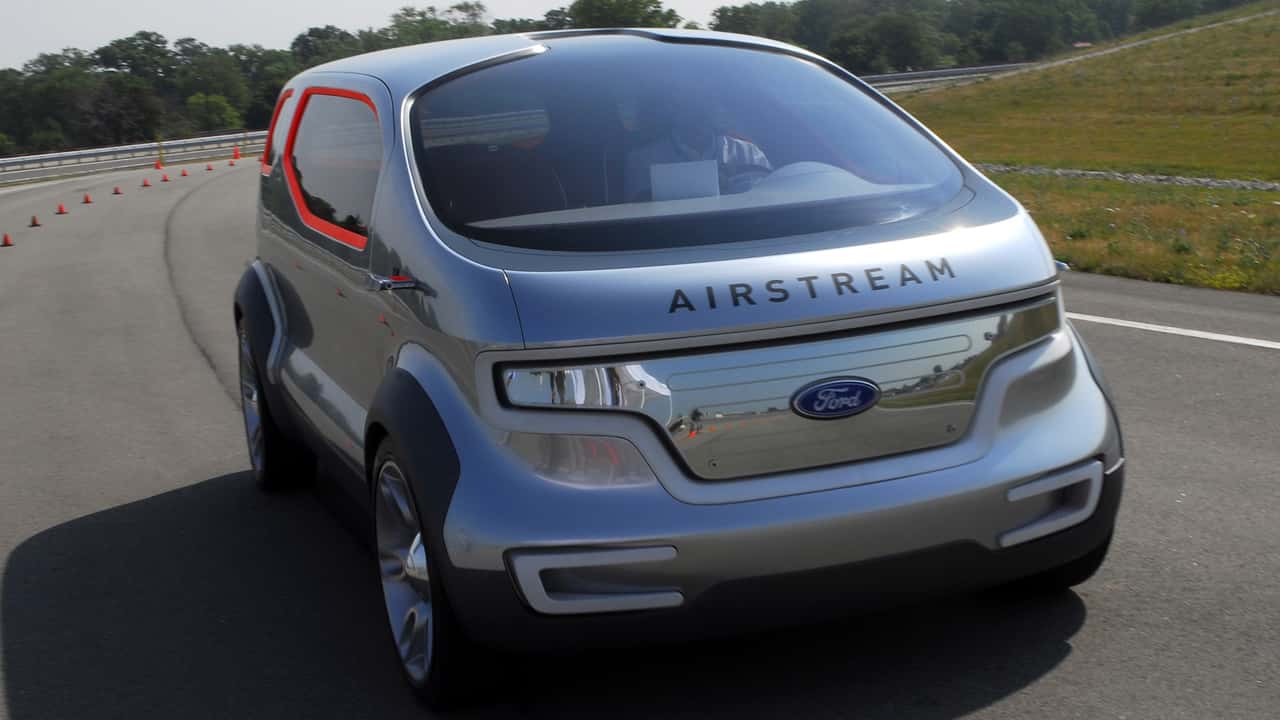
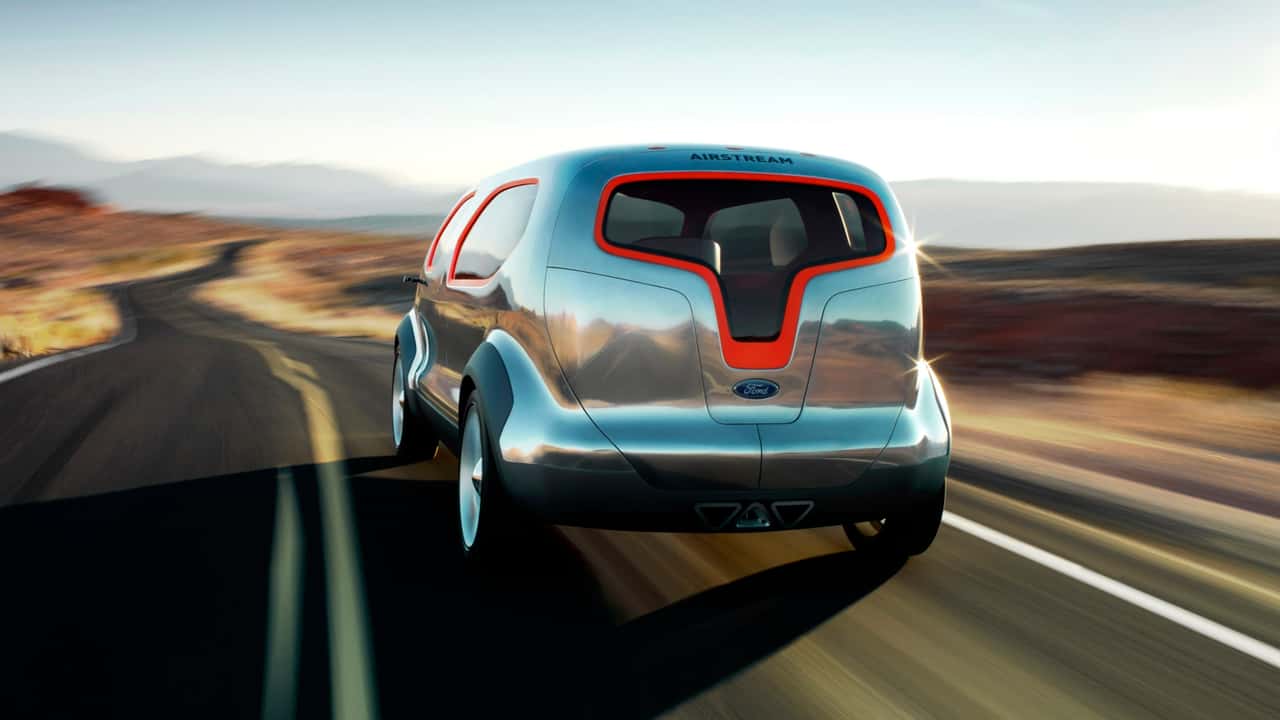
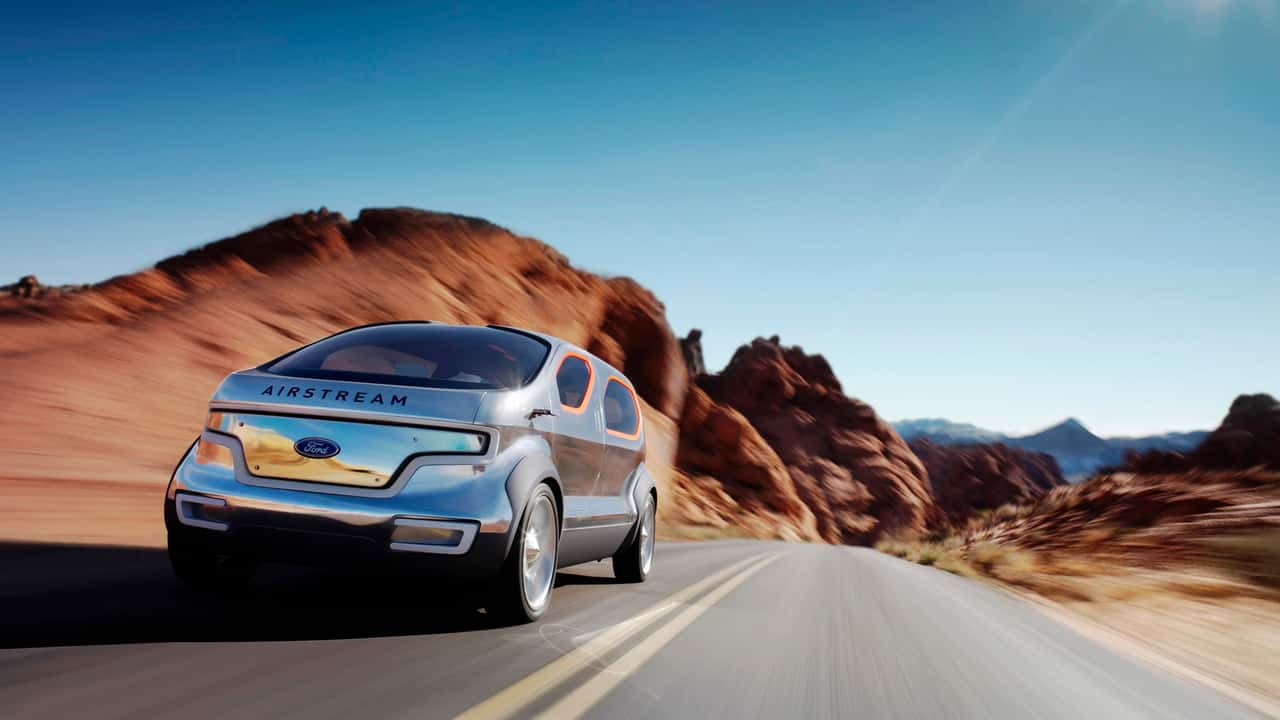
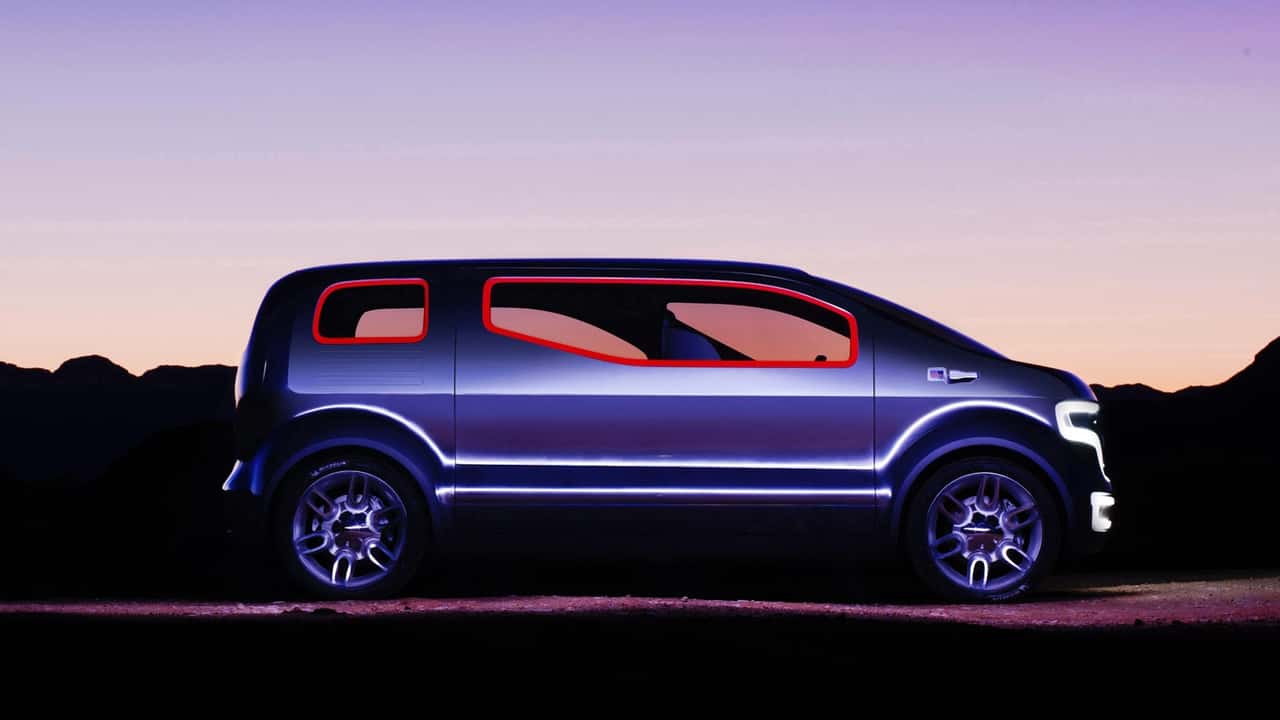
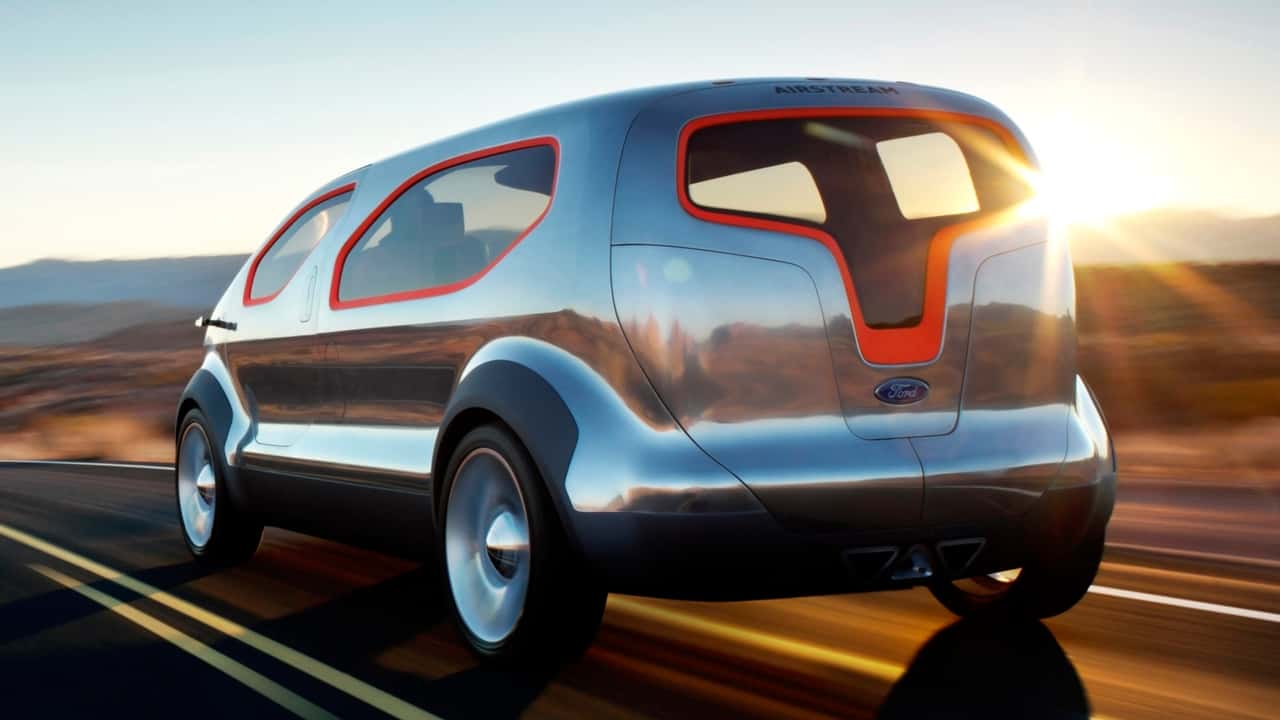
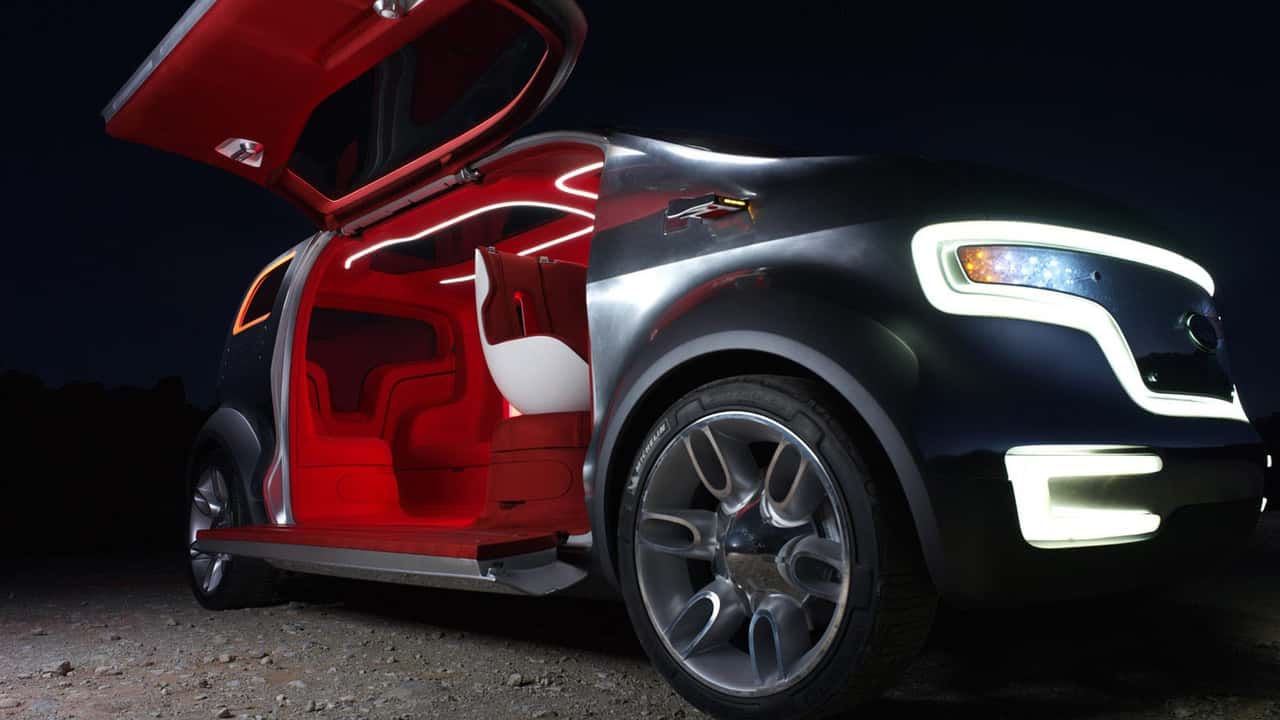
2007 Ford Airstream
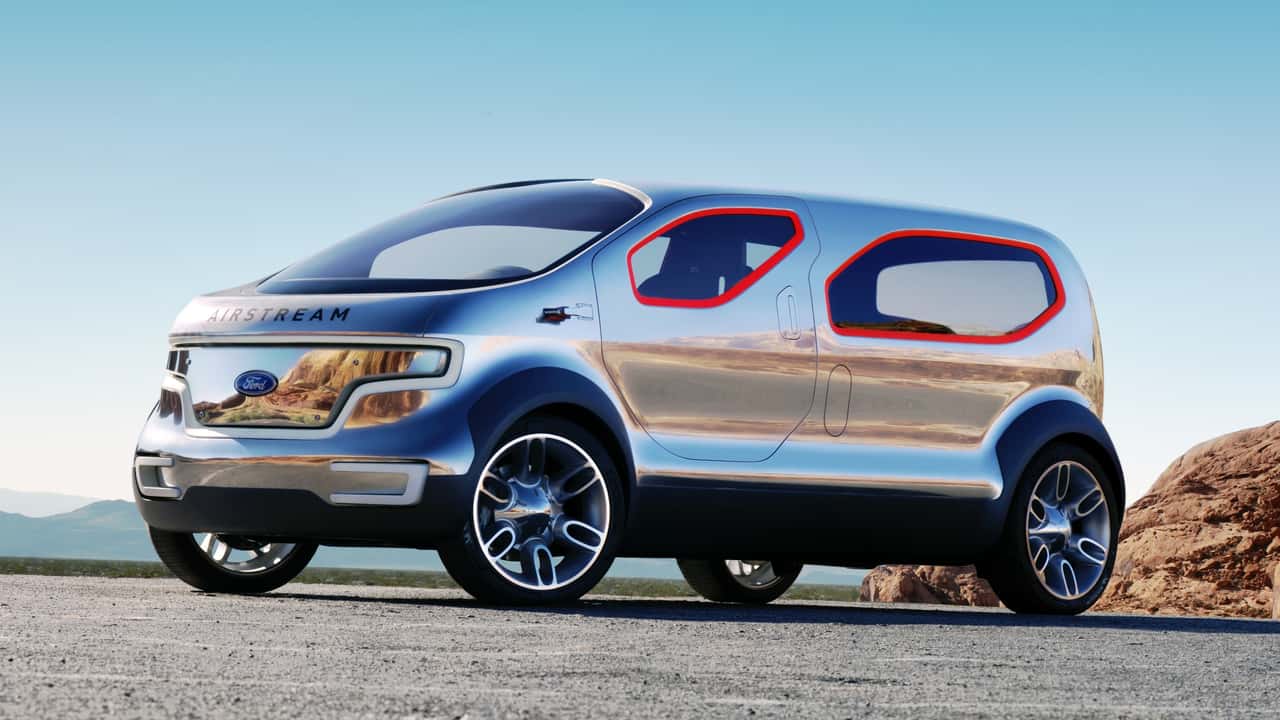
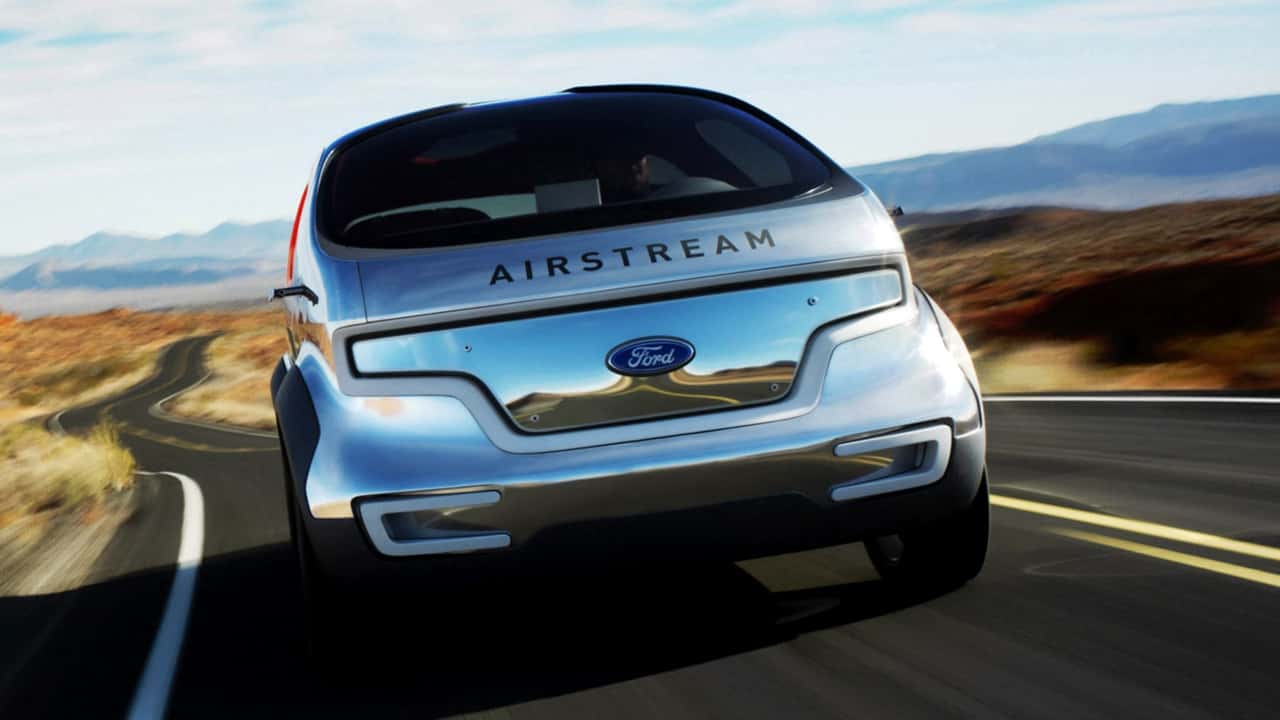
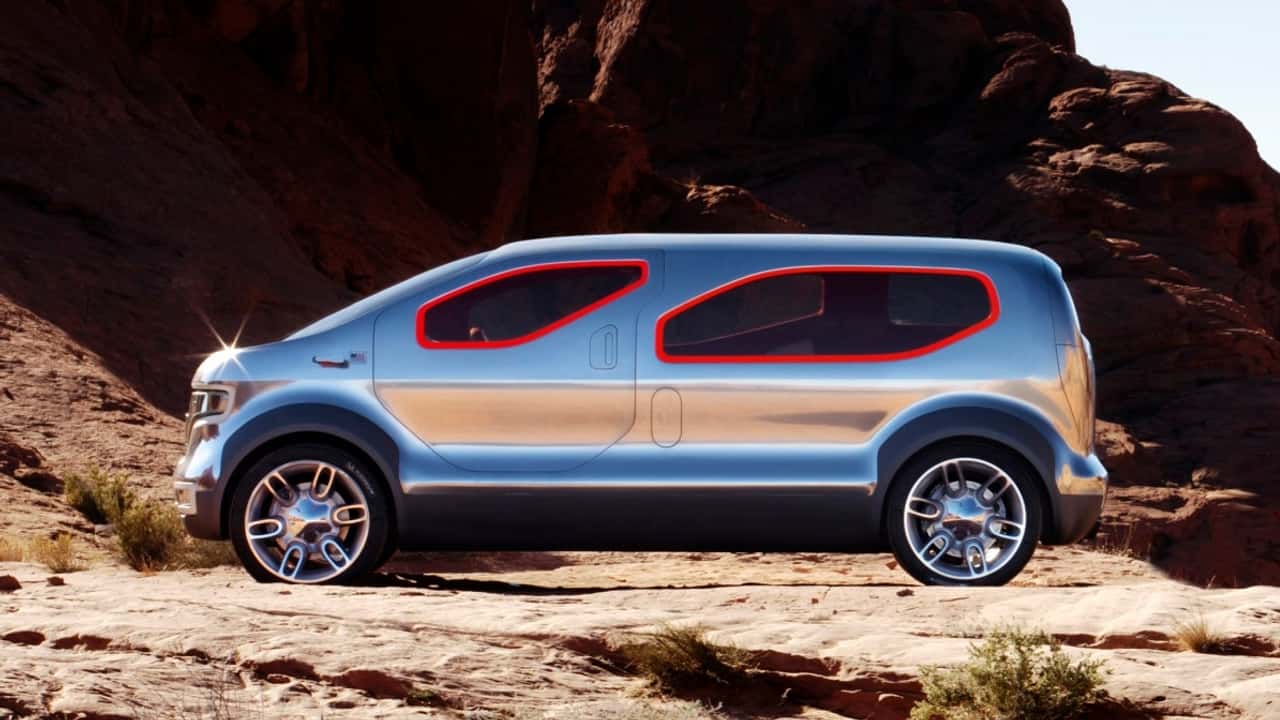
The Airstream was Ford's attempt to turn one of America's most recognizable travel trailers into a futuristic crossover. Developed with Airstream, the concept combined the company's polished aluminum aesthetic with the futuristic interiors of 2001: A Space Odyssey.
Ford used a plug-in hybrid hydrogen fuel cell system called HySeries Drive, with electric motors powered by batteries and a hydrogen fuel cell serving as a generator. The interior was just as wild, with unusual seating, asymmetrical windows, touch-sensitive controls, and a cylindrical display designed to create ambient lighting effects.
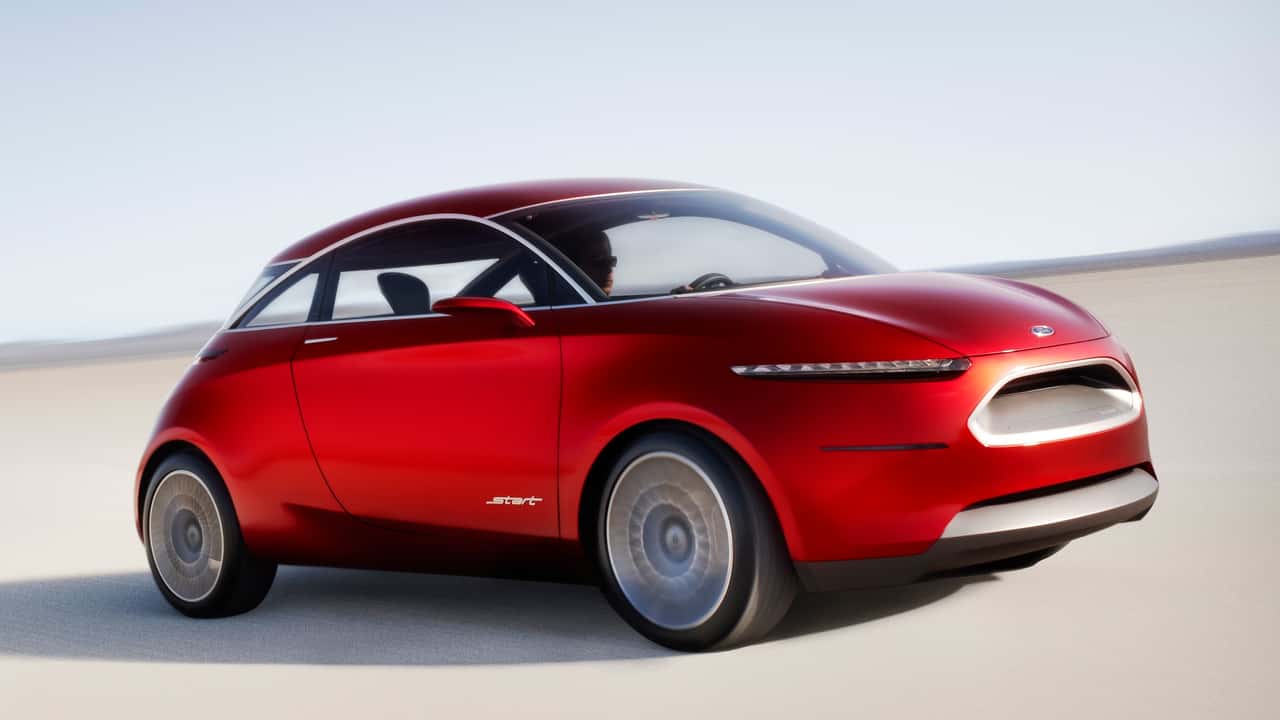
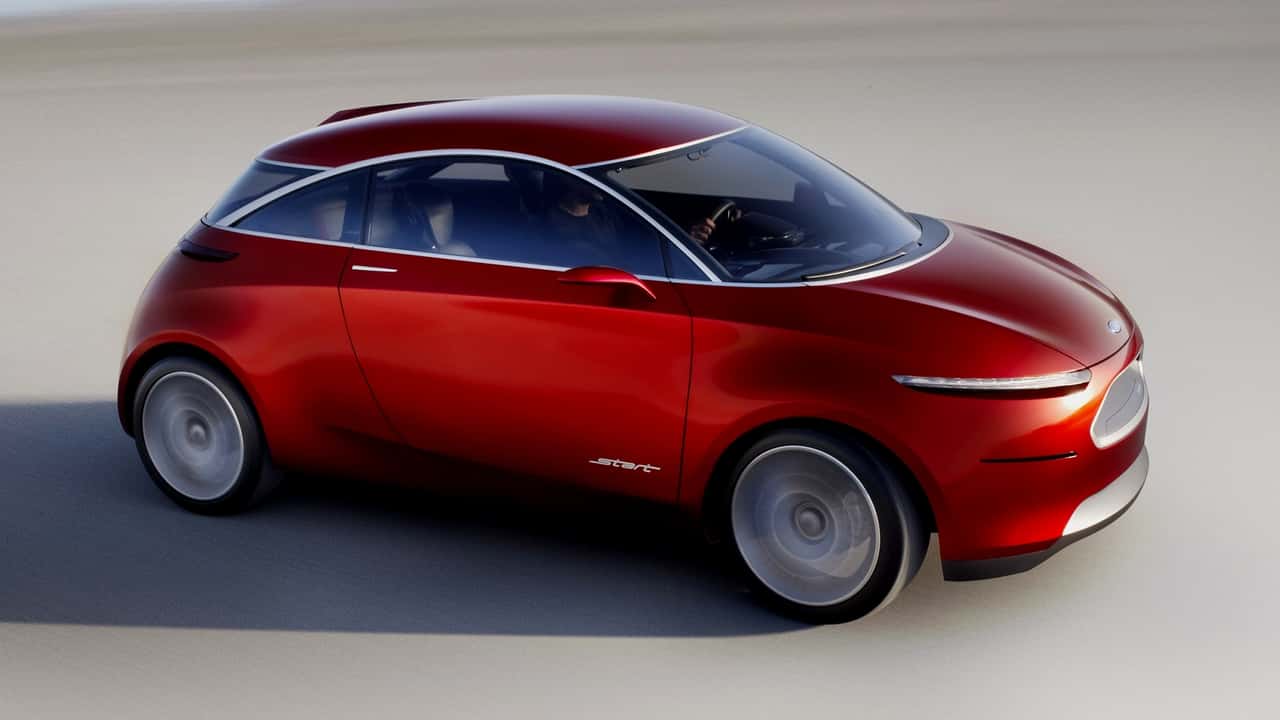
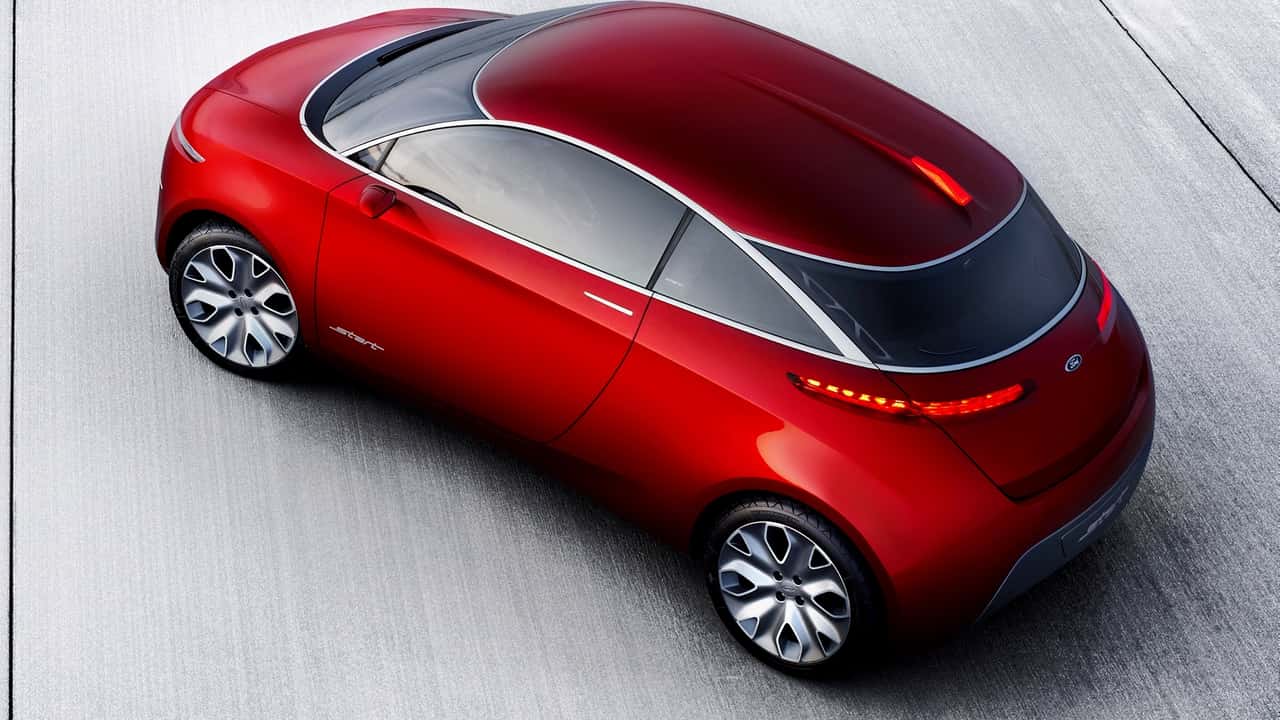
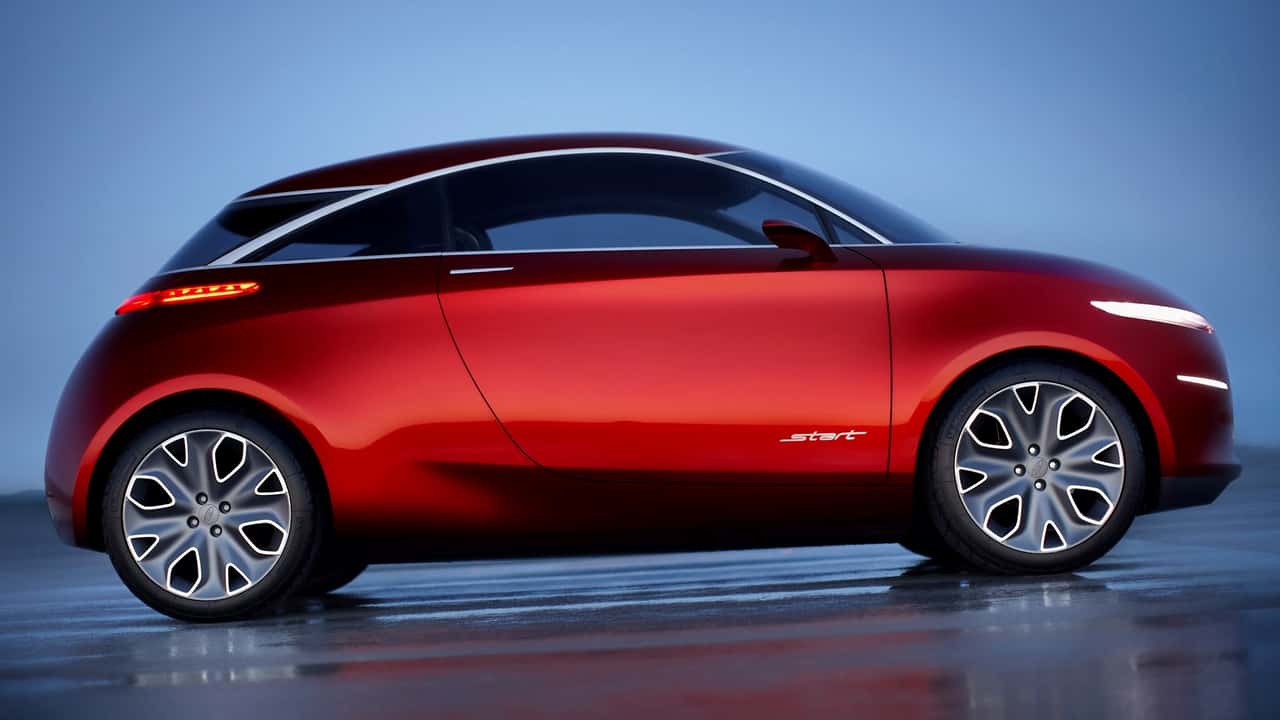
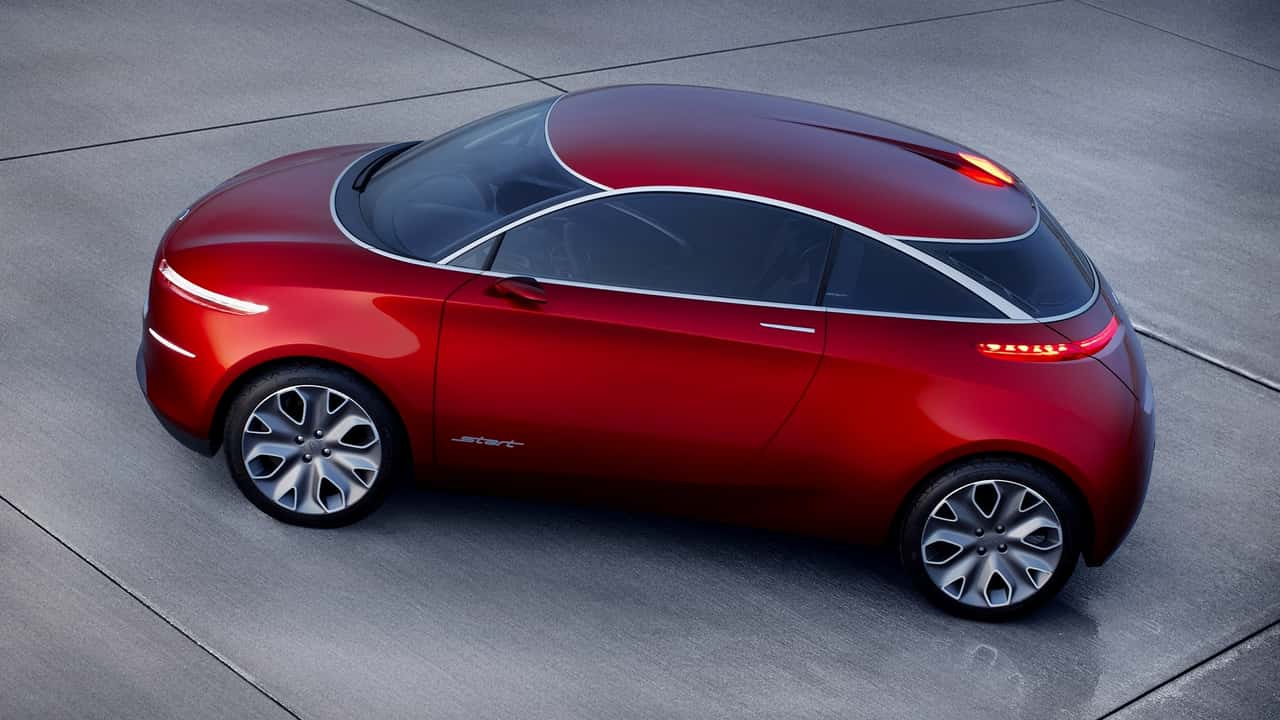
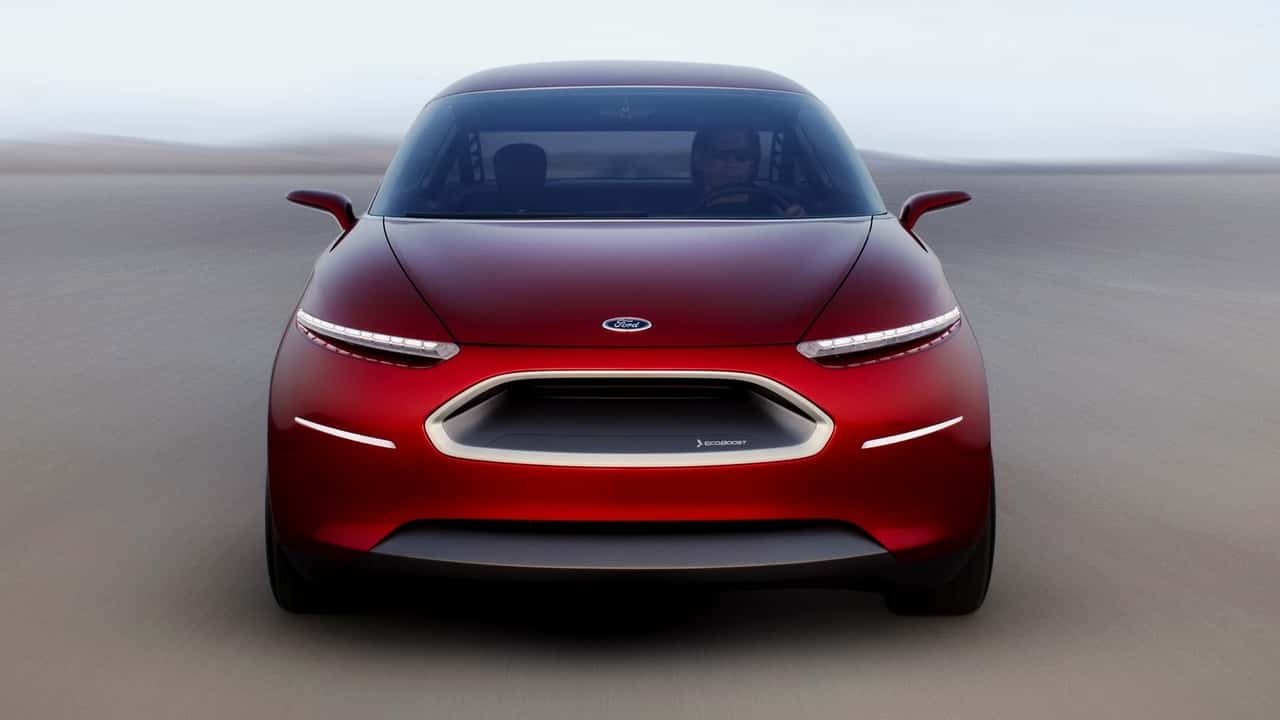
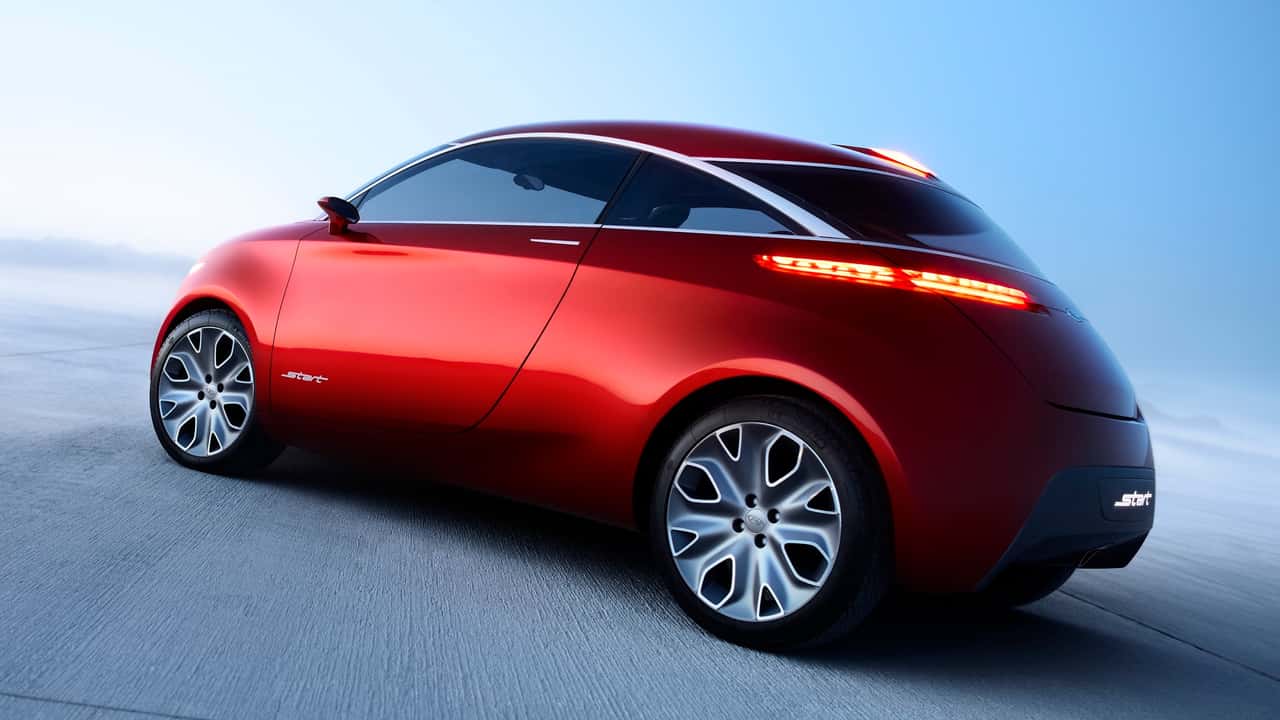
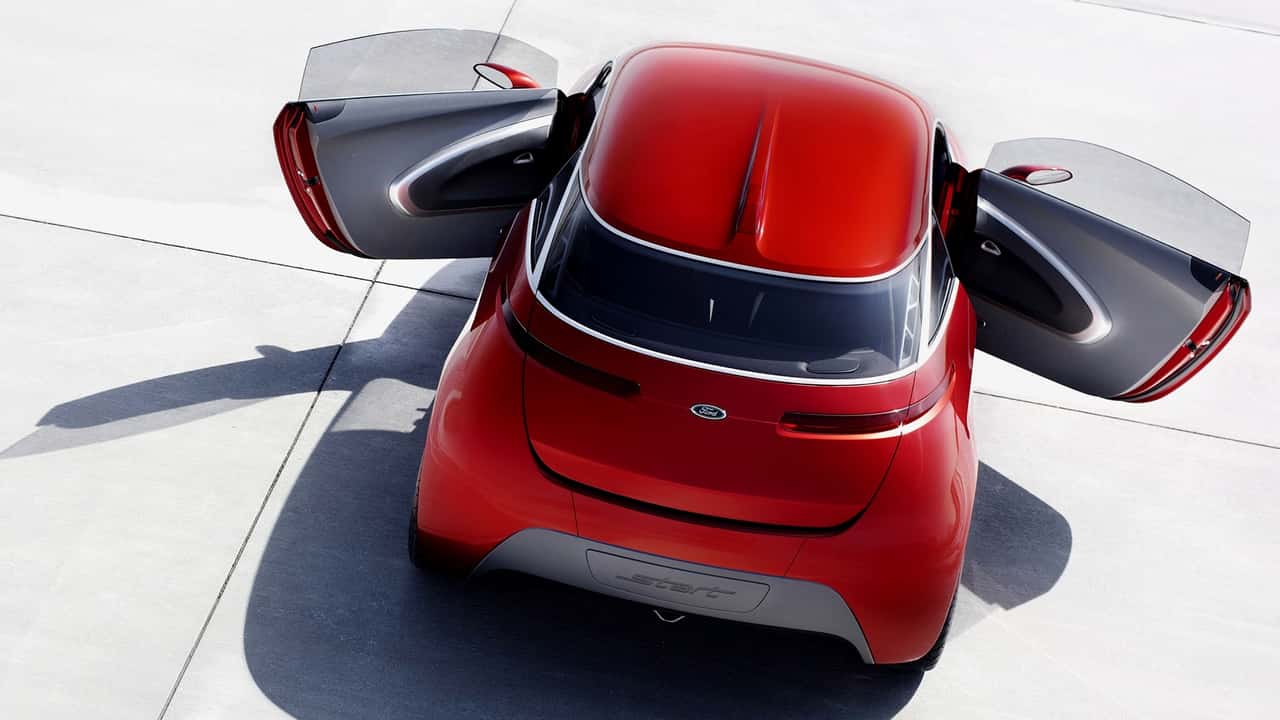
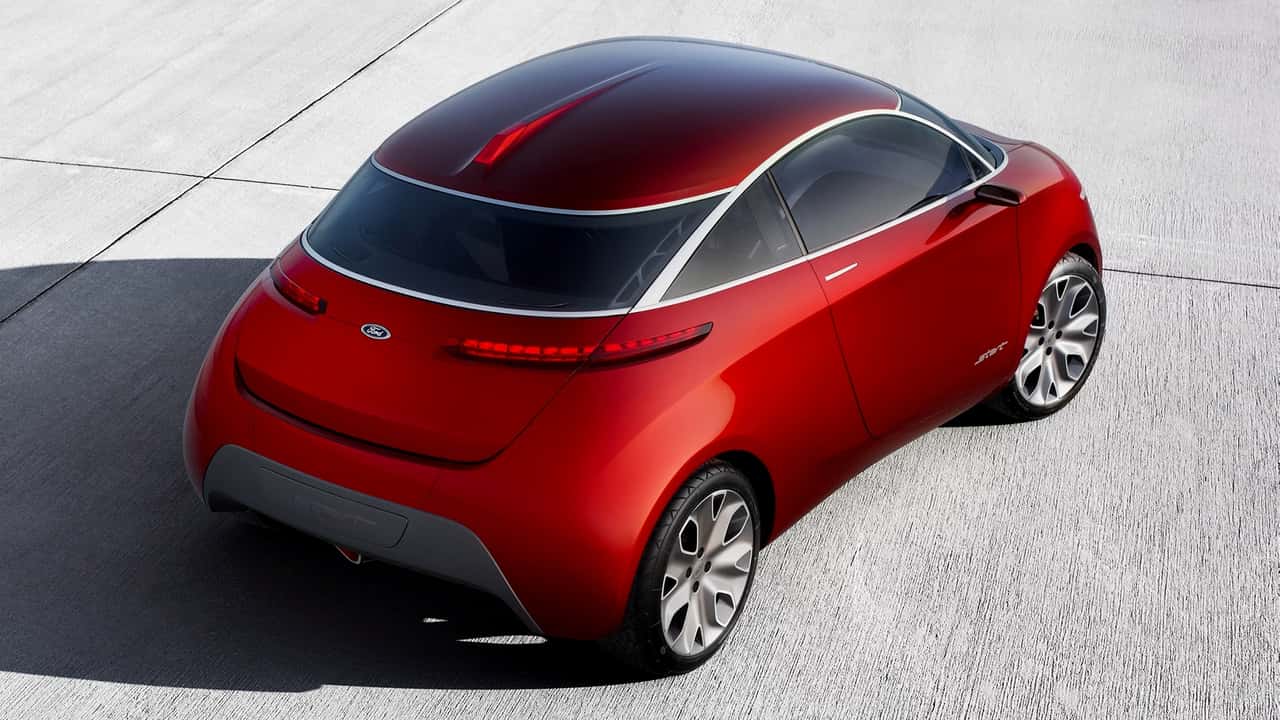
2010 Ford Start
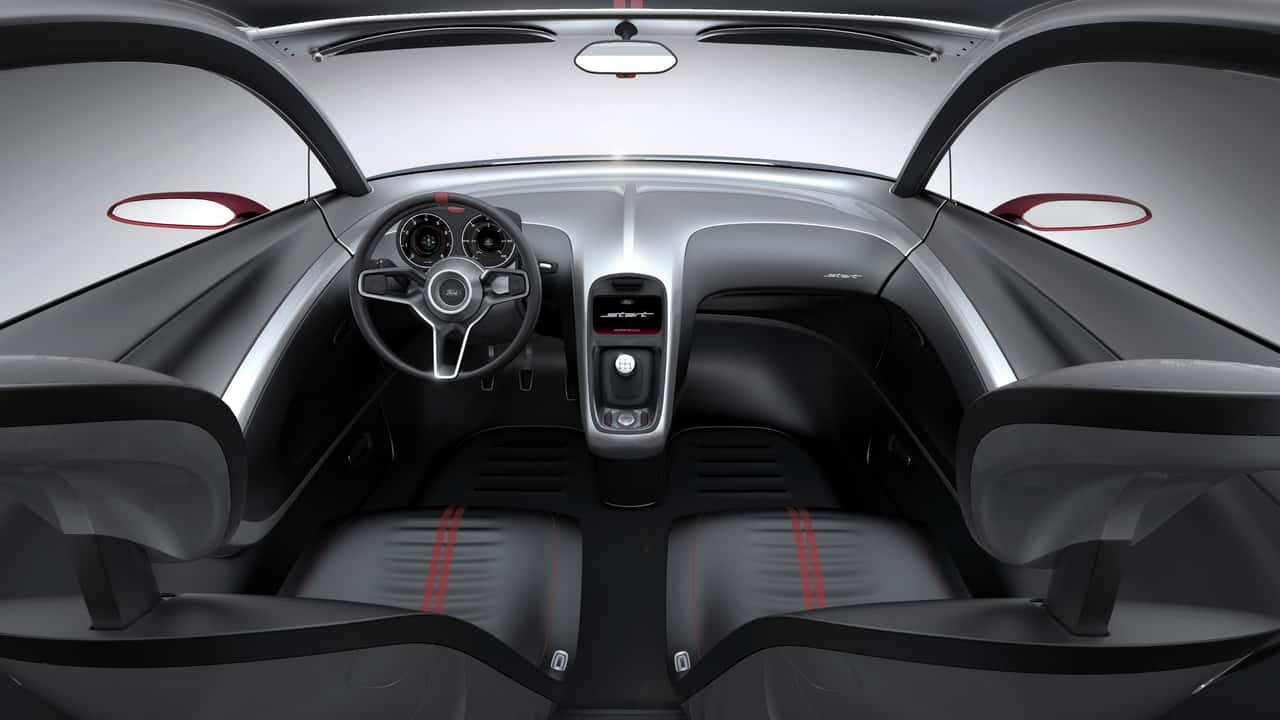
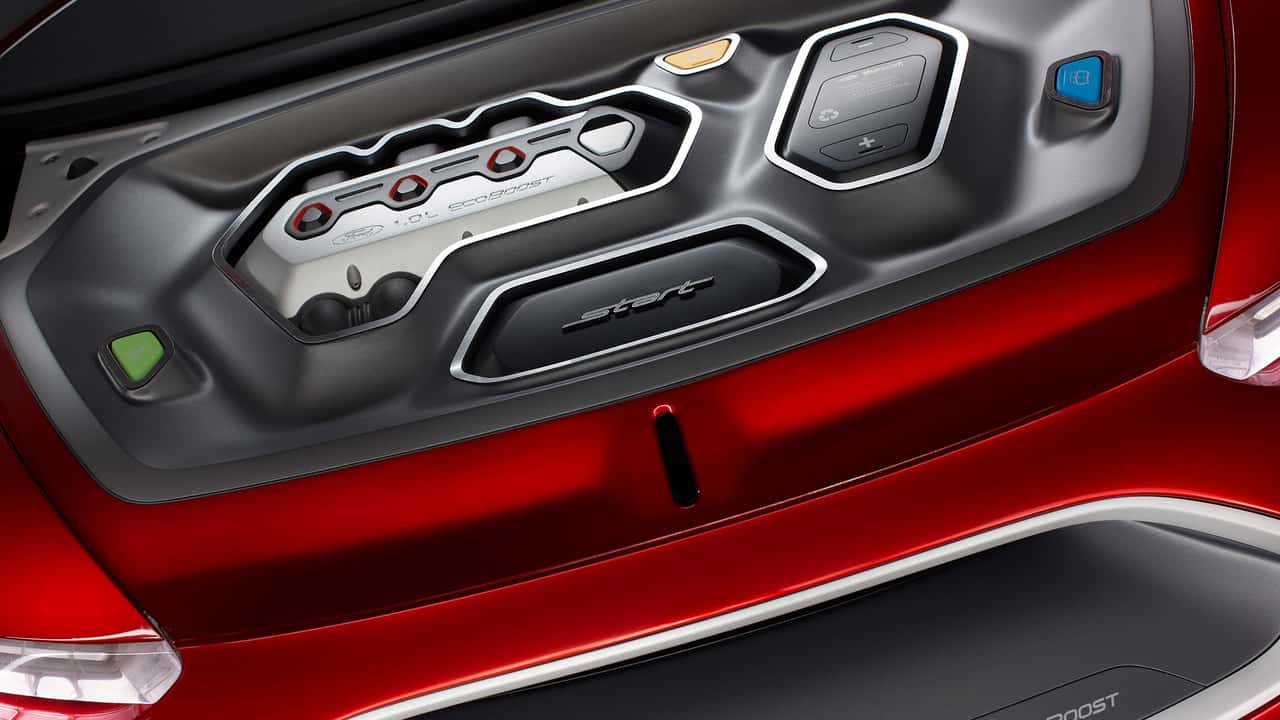
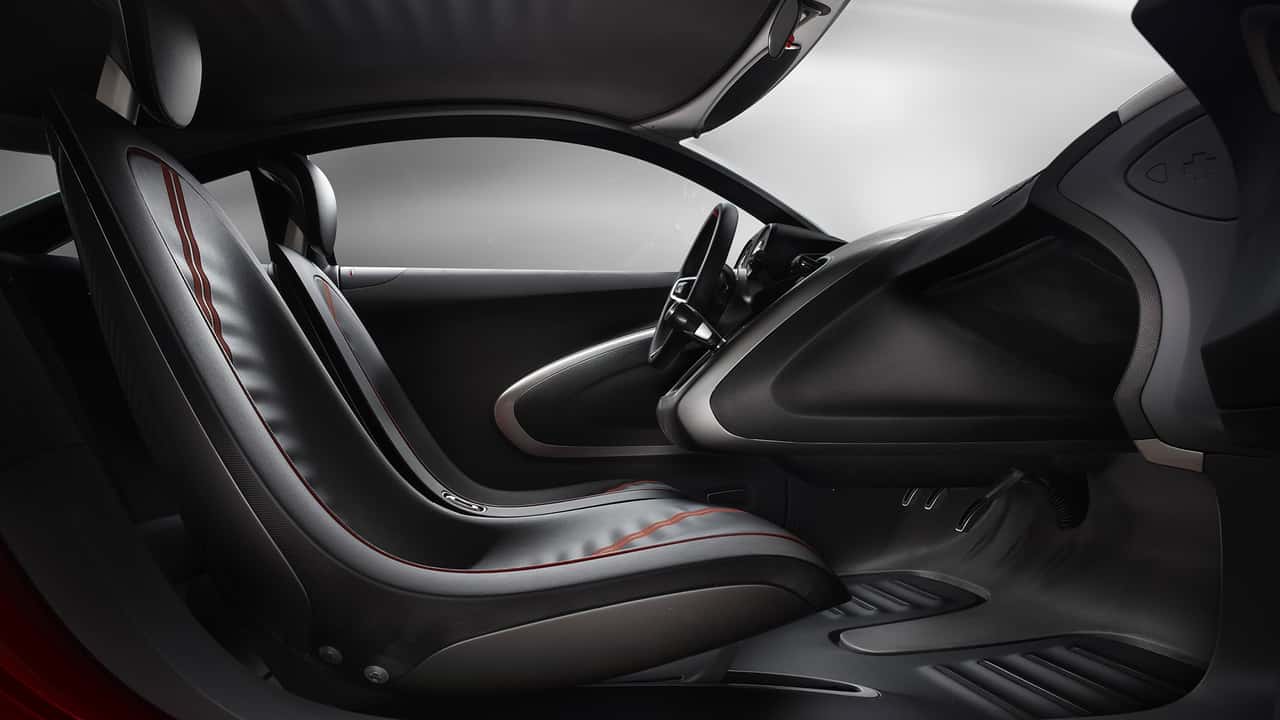
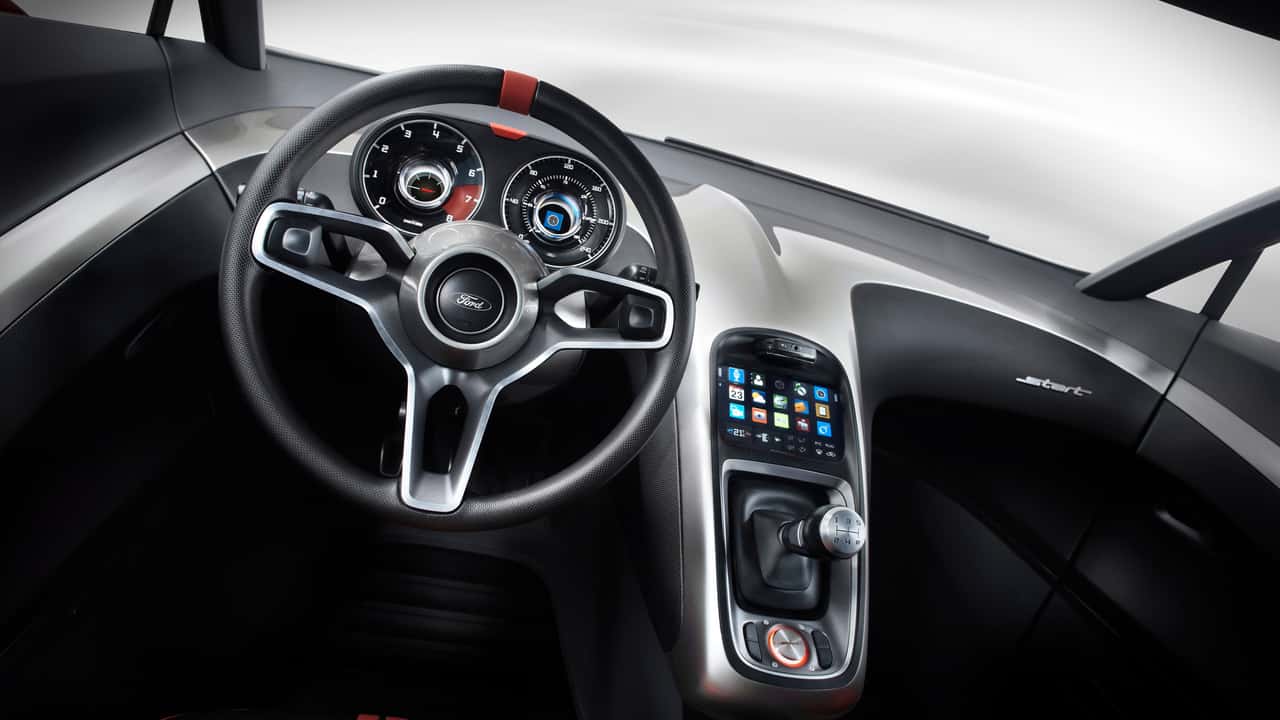
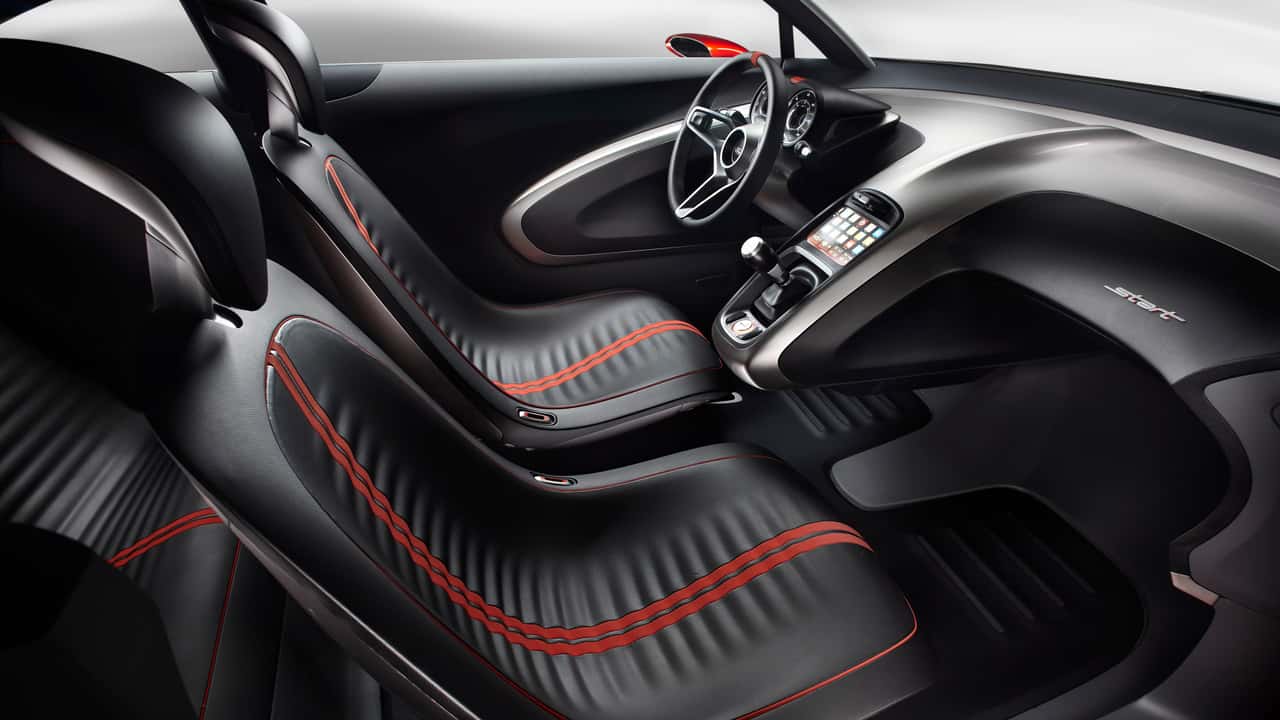
The Ford Start was small, cute, and surprisingly important. Introduced at the 2010 Beijing Auto Show, it imagined an affordable city car designed for increasingly crowded megacities. Its rounded body was inspired partly by classic sports cars, while its compact dimensions and lightweight construction emphasized efficiency.
But the real star was the engine. The Start previewed Ford's 1.0-liter three-cylinder EcoBoost engine, which promised the performance of a larger engine with much lower emissions. That engine would soon become a major part of Ford's global lineup, making the Start more than just another futuristic show car.
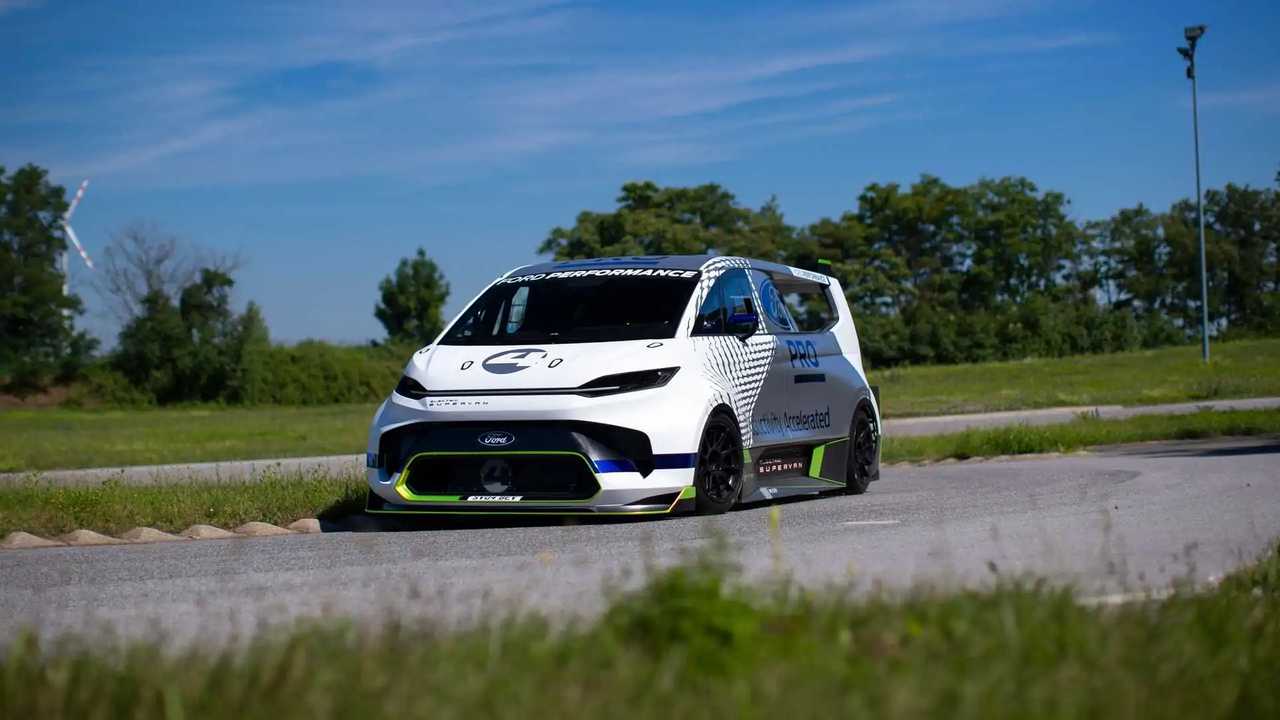
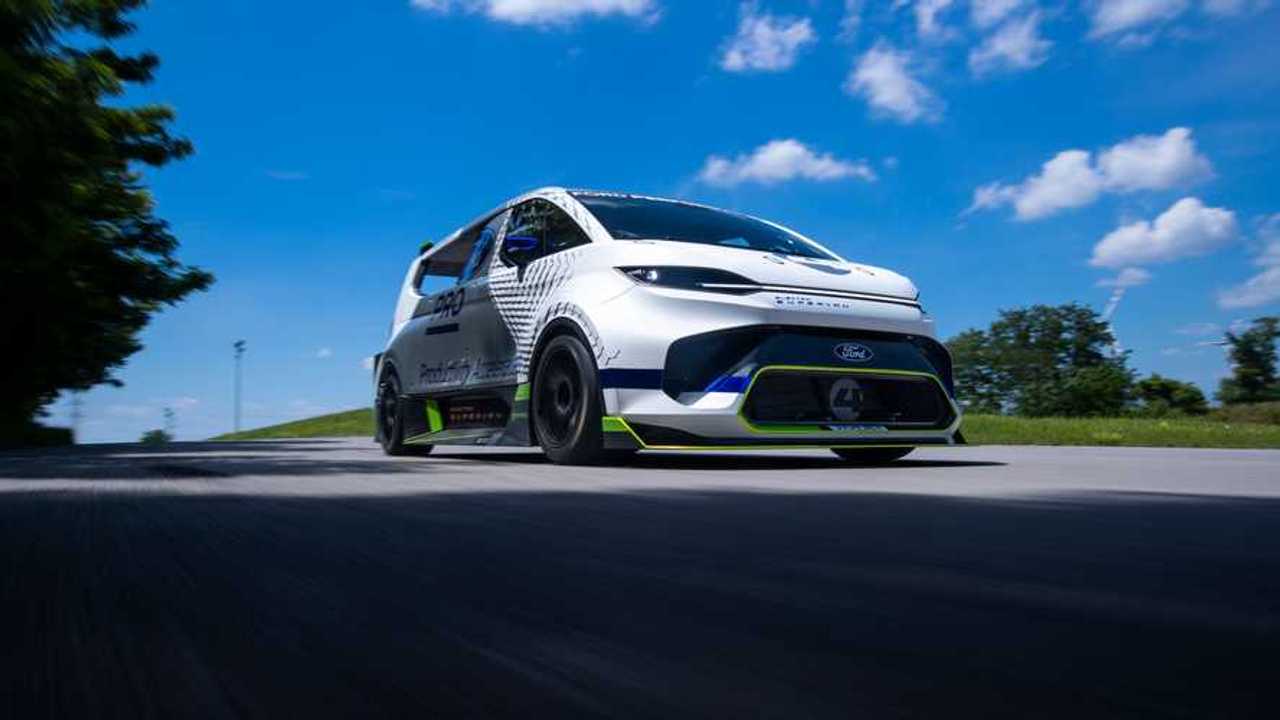
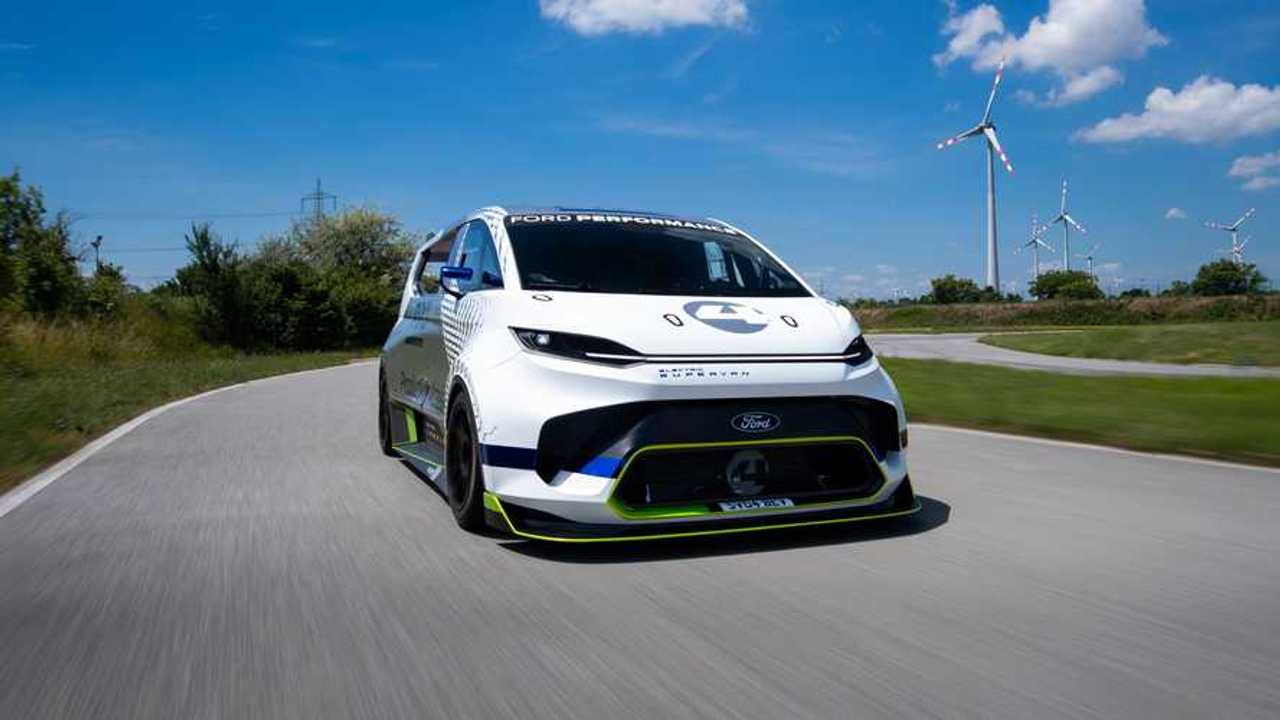
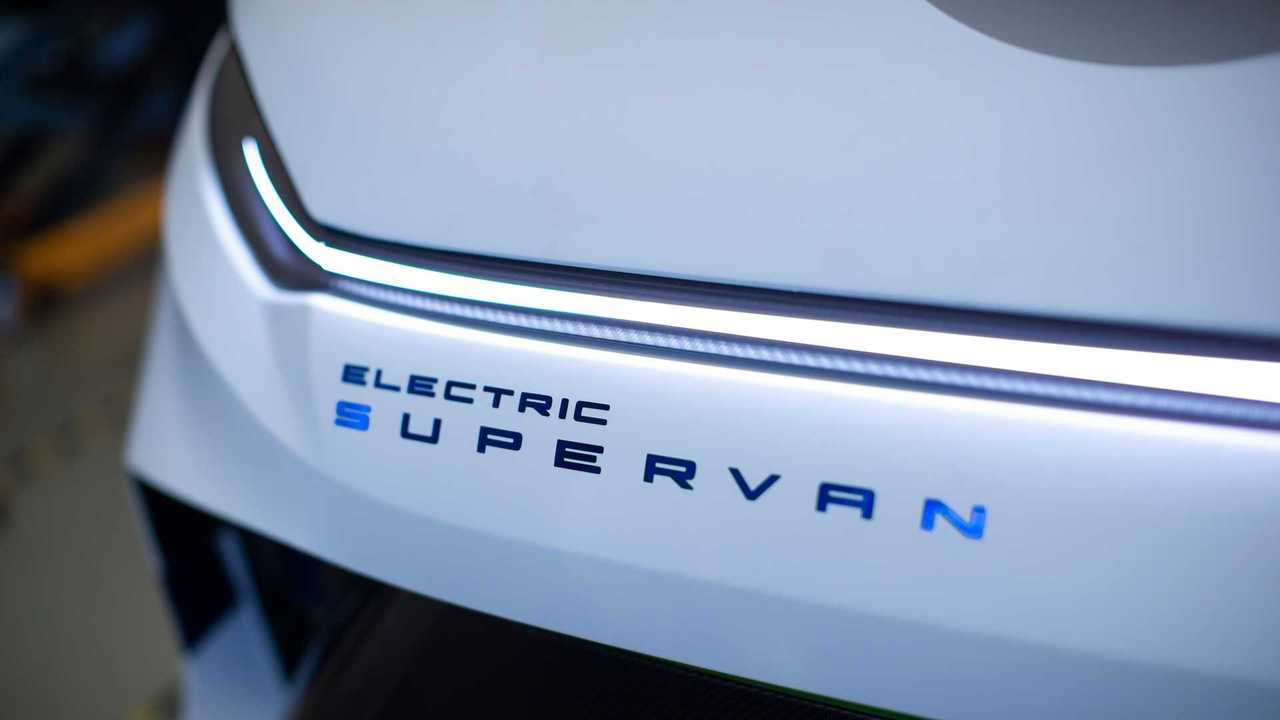
2022 Ford Pro Electric SuperVan
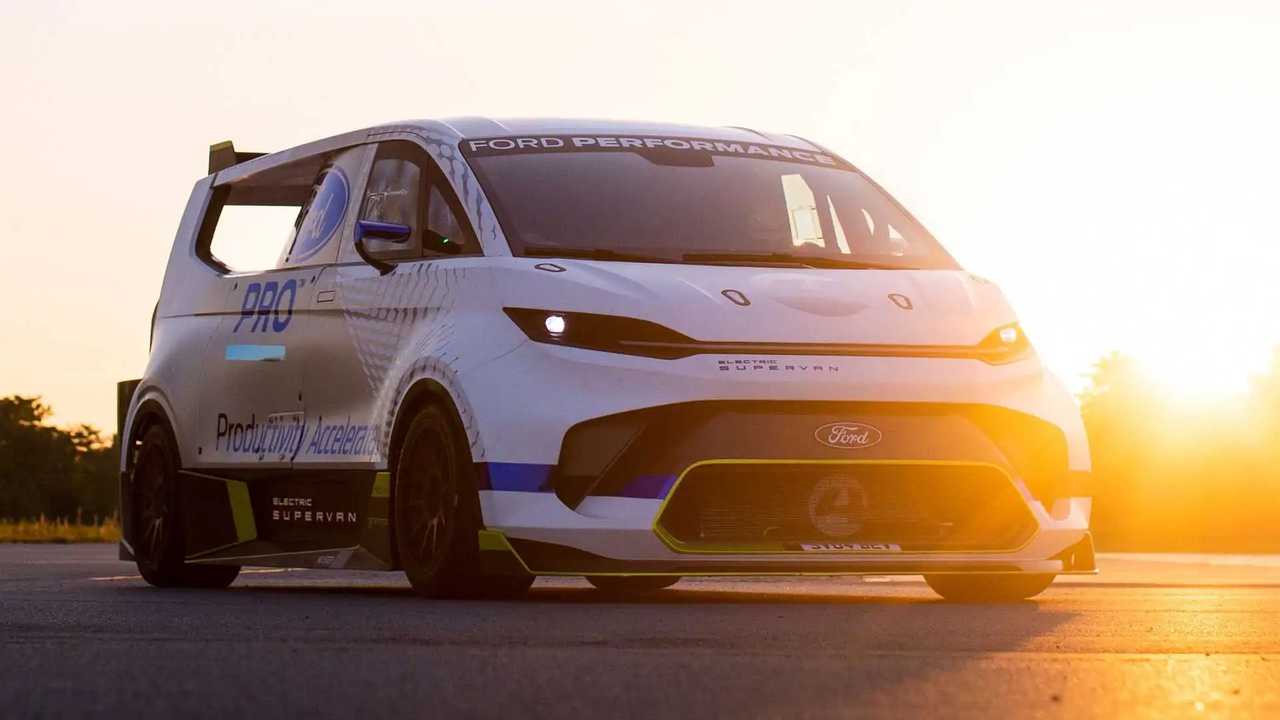
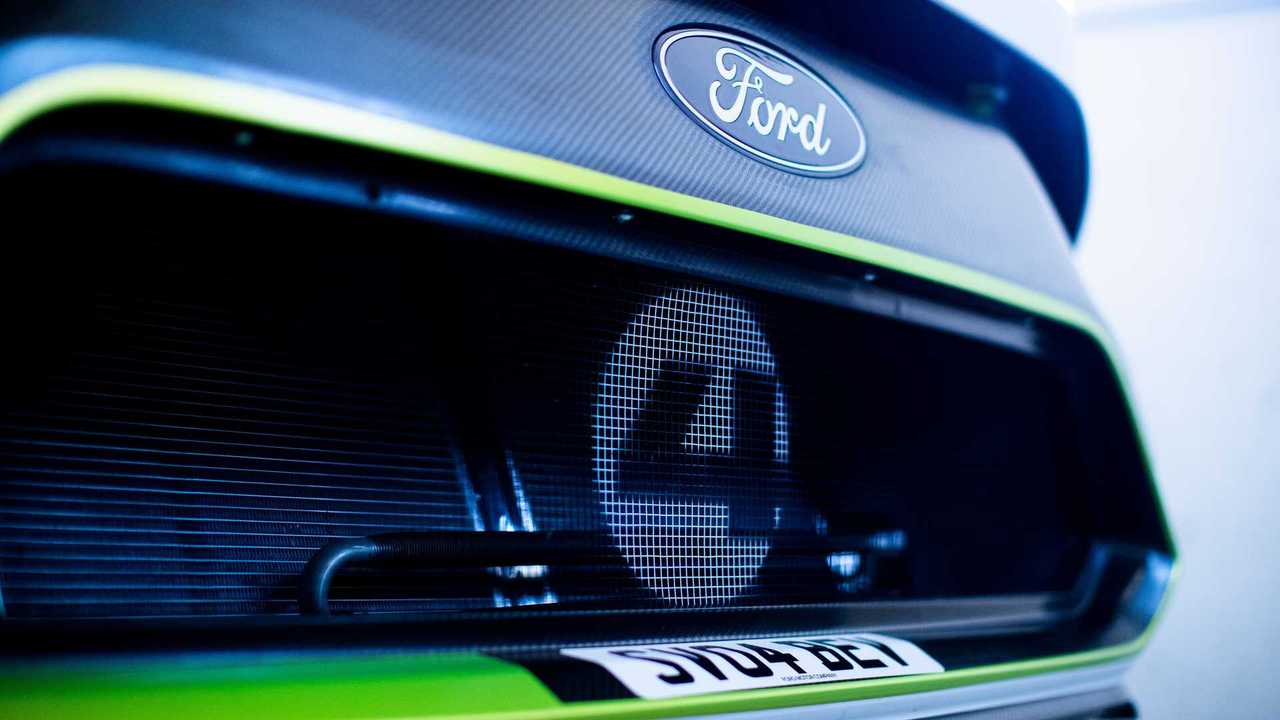
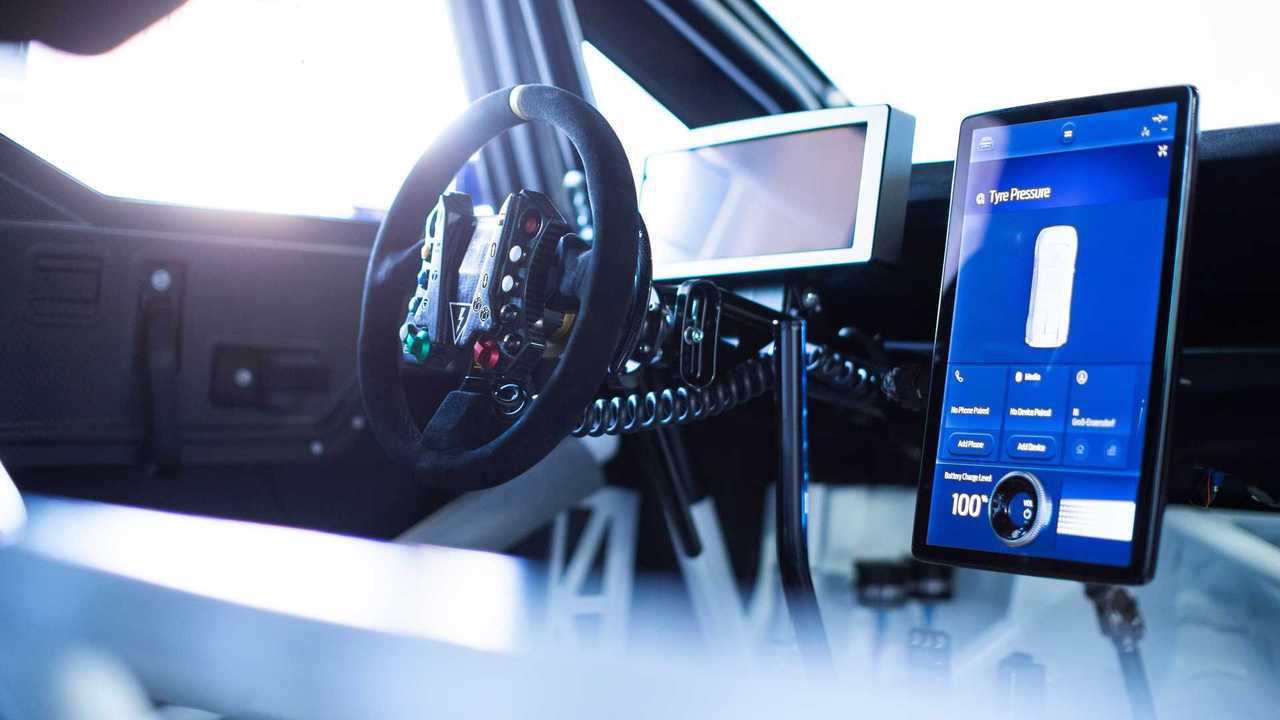
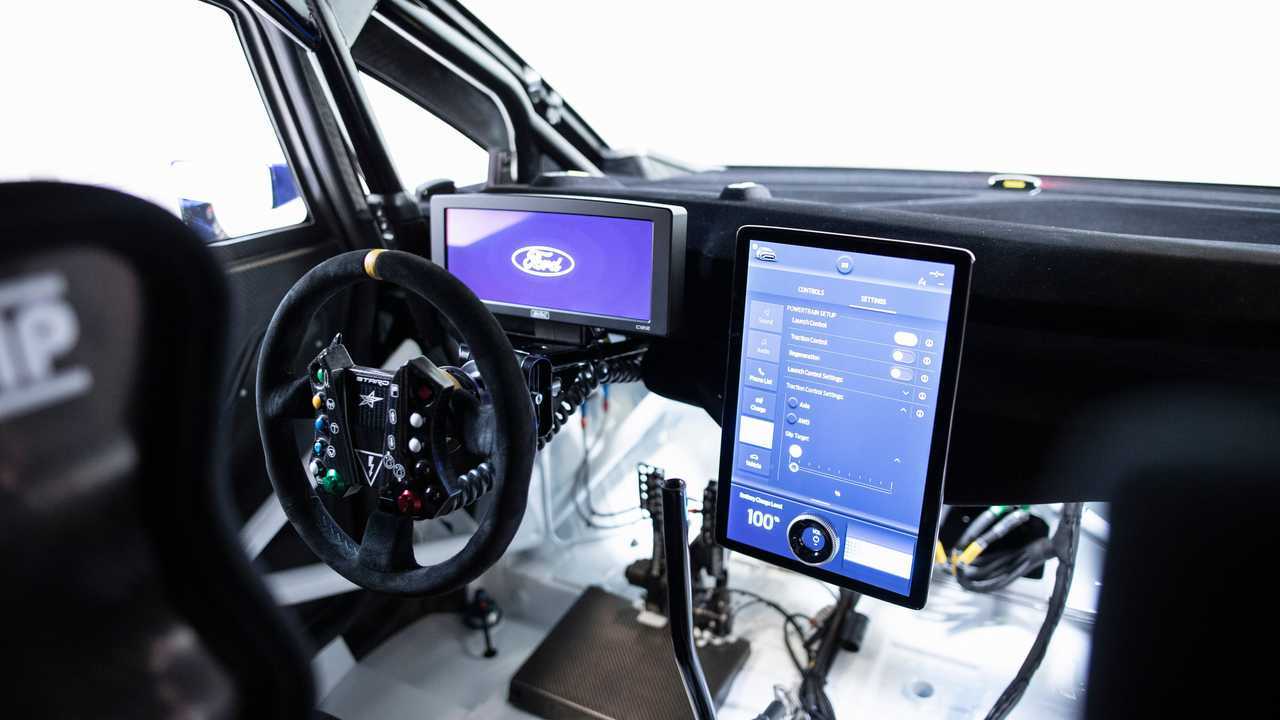
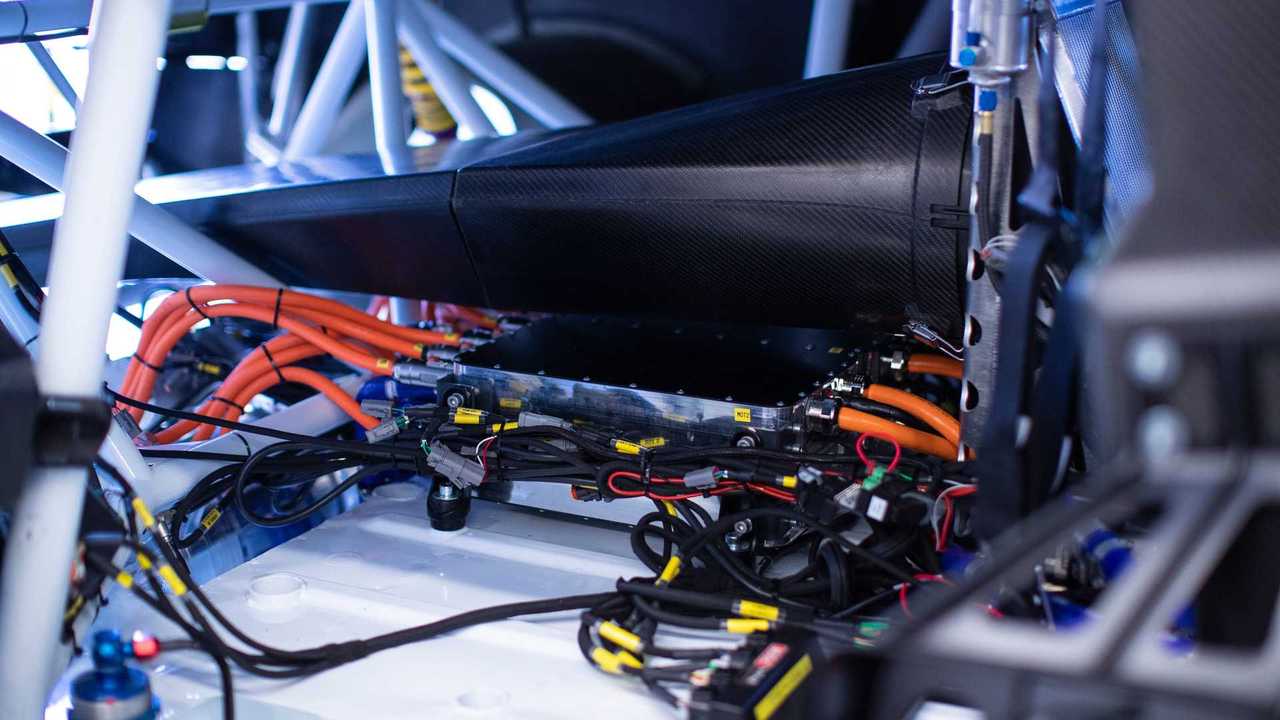
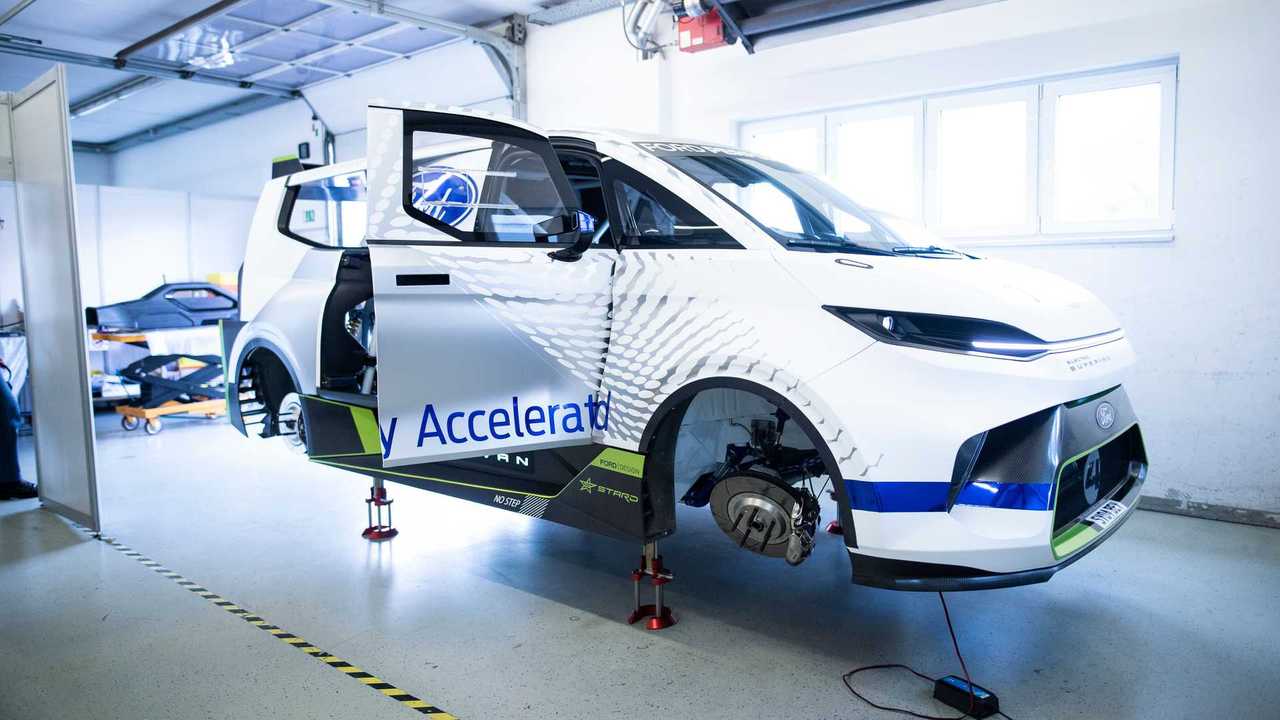
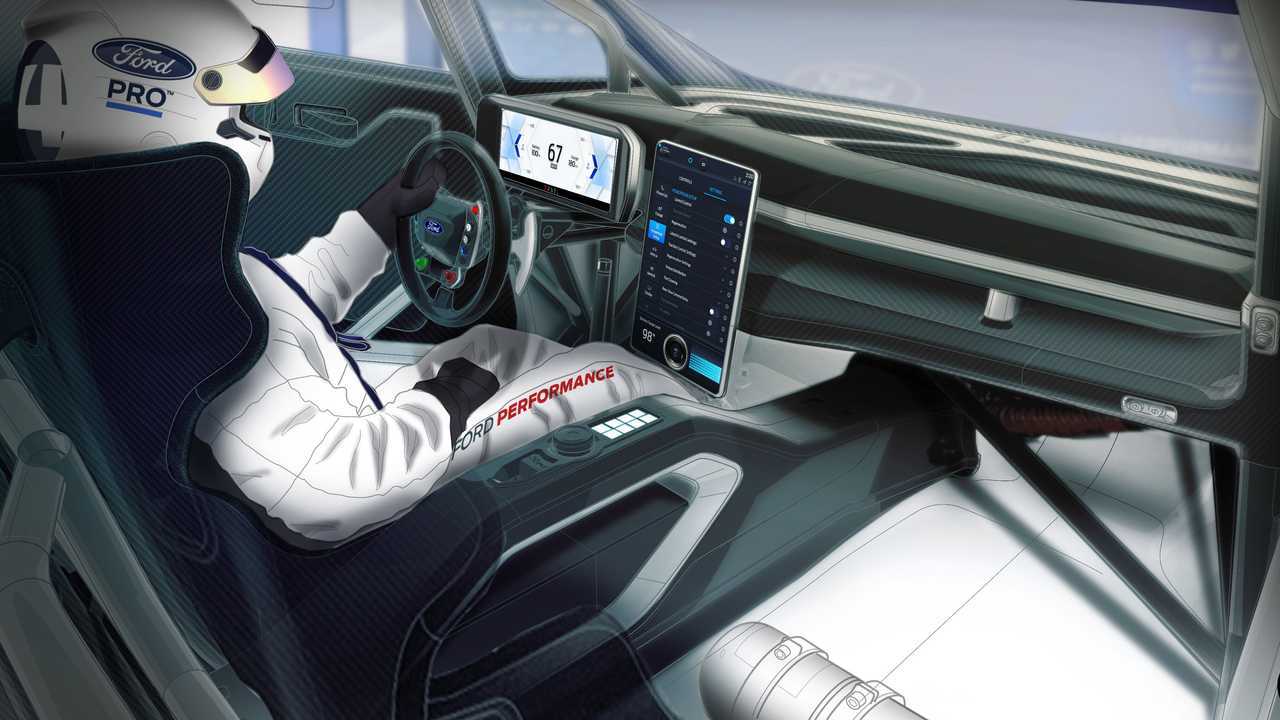
The Electric SuperVan looked like someone had taken a commercial Ford Transit and sent it straight into a video game. Built by Ford Performance and its partners, it combined a van-shaped body with an electric powertrain and enough performance hardware to make the vehicle almost impossible to take seriously as a normal delivery van.
With roughly 2,000 horsepower in its most extreme configuration, the SuperVan was designed to demonstrate what Ford's electric technology could do when practicality was thrown out the window. It was a rolling test lab, a promo machine, and a genuine performance vehicle all at once—and one of the strangest things Ford has ever put a Blue Oval on.
10 Great Alternatives For People Who Hate SUVs
5 Vehicles That Are Surprisingly Great For Camping
More Than 100 Brands Are Coming To Paris. Here's What To Expect
RIP: These SUVs Are Dead For 2027













]]> feedback@motor1.com (Jeff Perez) https://www.motor1.com/features/811085/weirdest-ford-concept-cars/ https://www.motor1.com/features/811183/why-doesnt-america-have-more-small-cars/ Fri, 09 Oct 2026 12:00:00 +0000 Why Doesn't America Have More Small Cars? America used to sell plenty of small cars. So why did SUVs and trucks take over the roads, nearly wiping small cars out in the process?
Walk into a car dealership in Europe or Japan, and you can find tiny hatchbacks, narrow city cars, and compact models that seem almost perfectly suited to crowded streets. Walk into an American dealership... and the selection can look very different. Even the smallest vehicles on sale are increasingly dressed up as crossovers.
That's strange when you consider how useful a genuinely small car can be. They're easier to park, cheaper to fuel, and often less expensive to buy.
Yet the American market has spent decades moving in the opposite direction, with SUVs and pickups taking over showroom space once occupied by subcompacts and sedans. So why doesn't America have more small cars?
Americans Really Do Buy Bigger Vehicles
The simplest answer is also one of the most important: Americans generally like bigger vehicles.
The US is a huge country, and many drivers routinely cover long distances on wide roads and high-speed highways. A larger vehicle can provide more interior space, a higher driving position, more cargo capacity, and a feeling of security in traffic.
There's also the practical reality of American households. A vehicle might need to carry several people, luggage, sports equipment, pets, or home-improvement supplies. A small hatchback can do many of those things, but an SUV often makes the job easier.
The market has responded accordingly. According to the EPA, trucks—including SUVs under federal regulatory classifications—accounted for 66 percent of new vehicles in the 2024 model year, compared with just 34 percent classified as cars.
And automakers follow the money. If buyers consistently choose a small SUV over a small sedan, there's a strong incentive to build the SUV.
Small Cars Are Harder To Make Profitable
This is where the economics get interesting. A small car can be inexpensive for a customer, but that doesn't necessarily make it inexpensive for an automaker to develop and sell.
Modern vehicles need sophisticated safety systems, emissions equipment, electronics, infotainment, driver-assistance technology, and increasingly complex powertrains. Those costs don't shrink nearly as quickly as the vehicle itself.
A manufacturer might therefore make considerably more money selling a $35,000 compact SUV than a $22,000 subcompact hatchback, even if both require many of the same expensive technologies.
That helps explain why automakers have gradually abandoned some traditional small-car segments. Consumer Reports notes that several major brands have moved away from small cars while introducing hatchbacks and crossover-style vehicles with more SUV-inspired designs and interior space.
It's not simply that automakers don't want to sell small cars. They need enough customers willing to buy them at a price that makes the business worthwhile.
Regulations Don't Make Tiny Cars Easy
Government regulations are another piece of the puzzle, although they're often oversimplified. A car sold in America has to meet U.S. safety and emissions requirements. That means an inexpensive little car designed for another market may need significant engineering changes before it can be sold here.
The problem becomes particularly obvious with ultra-small vehicles. Japan's famous kei cars, for example, are built around a completely different set of assumptions about size, power, roads, and urban transportation. Bringing one to the U.S. is not simply a matter of putting it on a ship and adding a sticker.
It may need different crash structures, safety equipment, lighting, emissions hardware, and other modifications. Those changes add cost and can undermine the very reason the tiny car exists in the first place.
Fuel-economy regulations have also influenced what automakers build. U.S. rules classify vehicles into different regulatory categories, and the country's CAFE system has historically treated passenger cars and light trucks differently. The latest federal rules are being recalibrated again, illustrating just how closely regulation and vehicle design are intertwined.
That doesn't mean regulations simply "killed small cars." Consumer demand remains a huge factor. But regulations can affect the relative cost and attractiveness of different vehicle types.
Why Small SUVs Beat Small Cars
The biggest change wasn't Americans suddenly deciding that compact vehicles were terrible. It was automakers discovering that they could give buyers many of the benefits of a small car while packaging them as an SUV.
A small crossover can still be relatively easy to maneuver and fuel-efficient, but it offers a taller seating position, more cargo flexibility, and styling that many buyers prefer. That's an extremely powerful combination.
Instead of choosing between a tiny hatchback and a huge SUV, buyers can choose something in the middle. And once manufacturers realized how popular that formula was, the traditional small sedan and hatchback became increasingly difficult to justify.
There are plenty of reasons buyers prefer crossovers, including:
Higher seating position: Many drivers like the visibility and easier entry. More cargo flexibility: A hatchback-style rear opening and folding seats are useful for everyday errands. SUV styling: Buyers often perceive crossovers as more modern or versatile than traditional small cars. Practical proportions: A small crossover can provide considerable interior space without being enormous. Perceived safety: Sitting higher and driving a larger vehicle can feel reassuring in traffic, even though vehicle safety is much more complicated than size alone.
The result is a strange middle ground: America still sells small vehicles, but many of them aren't marketed as small cars anymore.
Some Drivers Want Small Cars Back
The online car community is frustrated by America's shift away from small cars. In r/whatcarshouldIbuy, commenters have lamented the disappearance of affordable compacts, while an r/cars thread argued that small cars make sense for buyers but are increasingly difficult for automakers to sell profitably.
The debate is not just about what Americans want, either. Another r/cars discussion questioned why small cars are disappearing, with commenters pointing to the growing popularity of crossovers and the economics of selling larger vehicles. A separate thread about Ford's push to bring back smaller cars showed just how much enthusiasm remains for compact vehicles.
Could America Finally Get More Small Cars?
There are signs that the appetite for smaller vehicles is not completely gone. High vehicle prices and rising ownership costs can make affordability much more important. In 2026, some automakers have reported stronger demand for cheaper passenger cars and smaller SUVs as buyers become more price-conscious.
That doesn't necessarily mean America is about to become a nation of tiny hatchbacks. The SUV remains deeply entrenched, and American roads, regulations, and consumer preferences aren't suddenly becoming Japanese or European.
But there's an important distinction between small cars disappearing because nobody wants them and small cars disappearing because automakers can make more money selling something slightly larger. America actually has plenty of reasons to want smaller vehicles. They're efficient, affordable, easy to park, and perfectly adequate for millions of daily commutes.
The problem is that the American automotive market has created a powerful incentive to make those vehicles bigger, taller, and more expensive. So why doesn't America have more small cars? Because Americans have spent decades rewarding automakers for building something else. And until the economics—or the buyers—change significantly, the next small car is probably going to look a lot more like a small SUV.
Here's Why Your Car Has An Internet Connection
Why Hybrids Get Better MPG In The City
Your EV Says 0%. Now What Do You Do?
What Actually Happens If You Put Diesel In A Gas Car?
]]> feedback@motor1.com (Dan Mihalascu) https://www.motor1.com/features/811183/why-doesnt-america-have-more-small-cars/ https://www.motor1.com/news/811332/porsche-manthey-911-gt3-cup-cayman/ Fri, 09 Oct 2026 11:30:00 +0000 Porsche's Manthey Celebrates 30 Years With Two Wild Race Cars The Cayman's final evolution and a bigger-engined 911 GT3 Cup make for one potent duo.
Porsche increased its stake in Manthey to 67 percent this week, strengthening ties with the motorsport specialist as the company celebrates three decades of making Stuttgart's sports cars even more capable on track. Now, Manthey is marking the milestone with two limited-edition race cars that put its engineering expertise on full display.
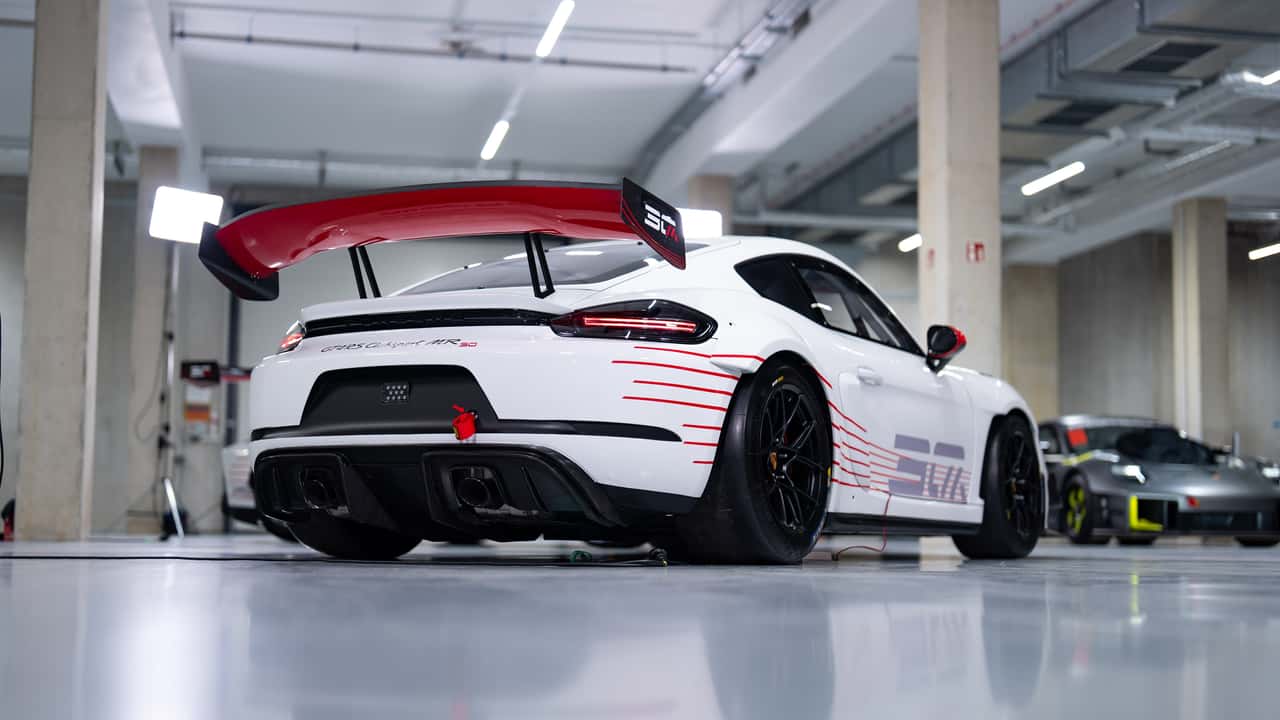
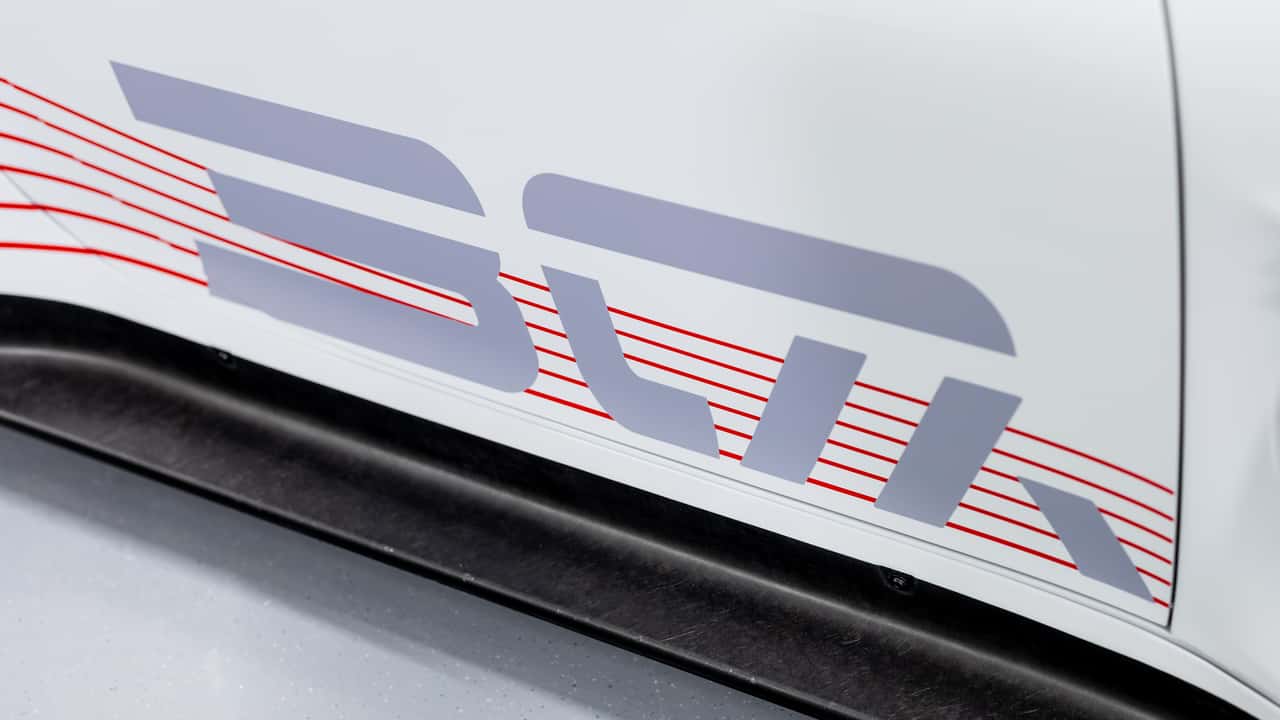
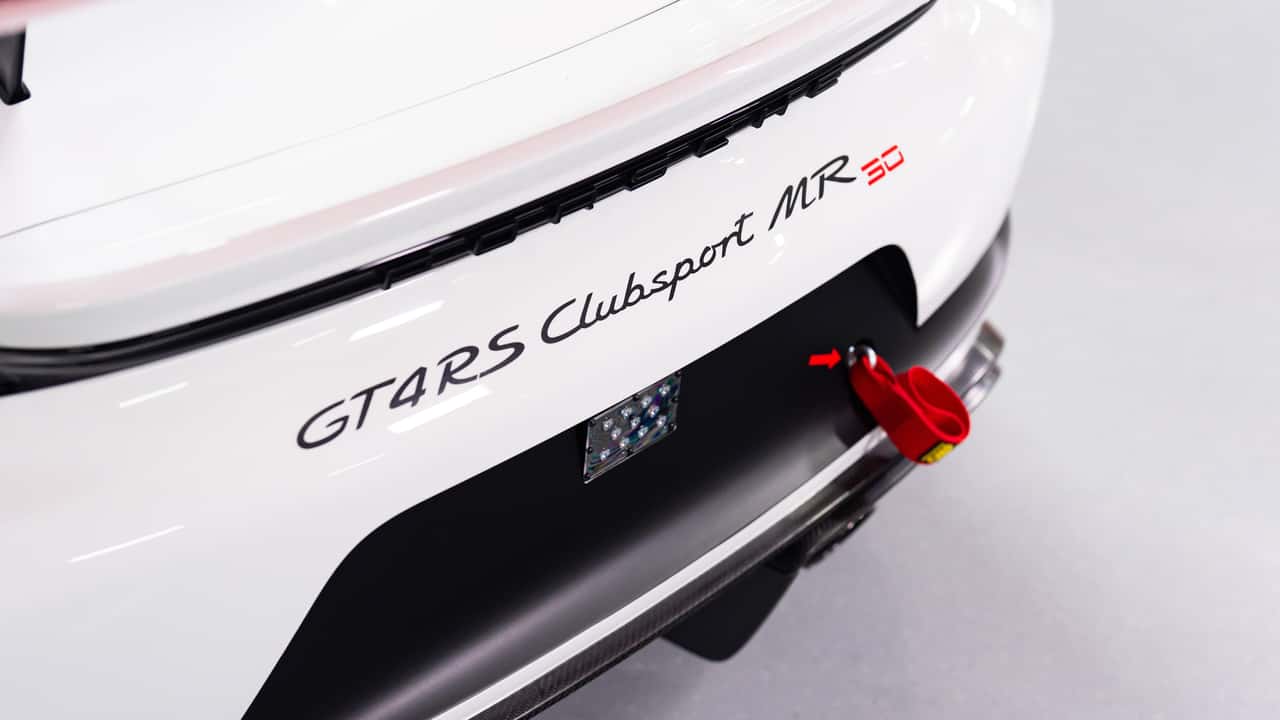
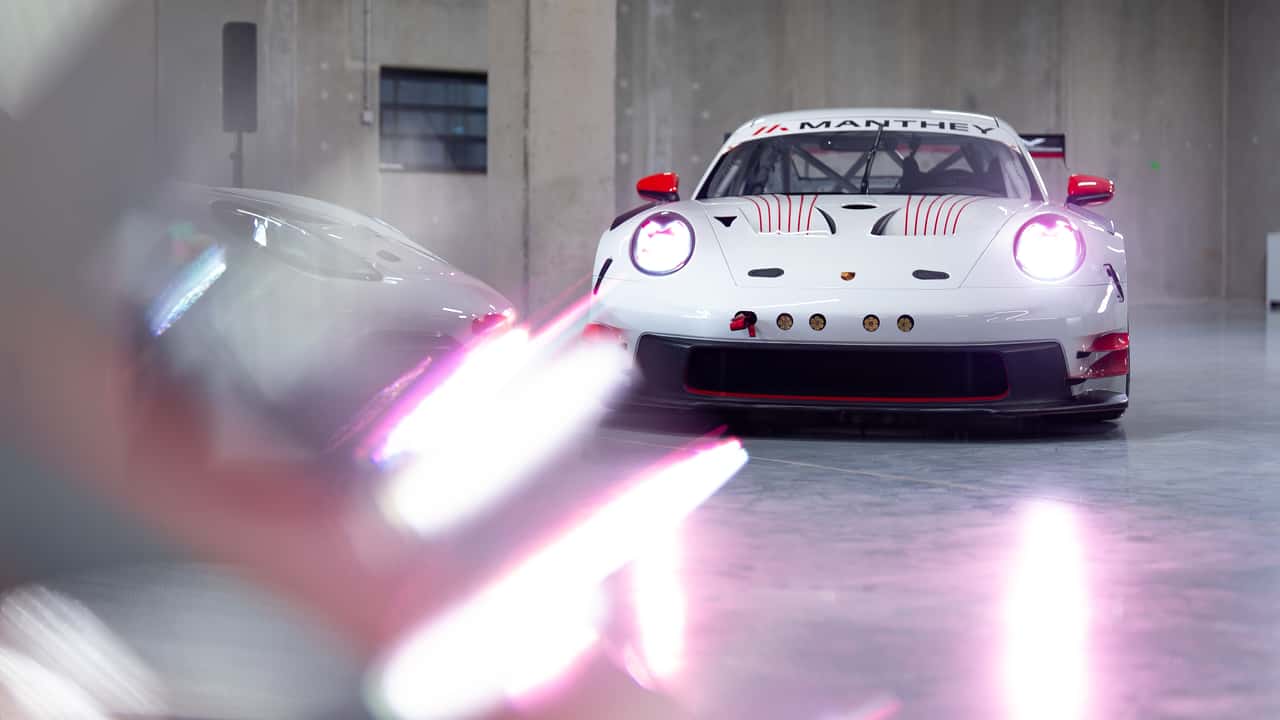
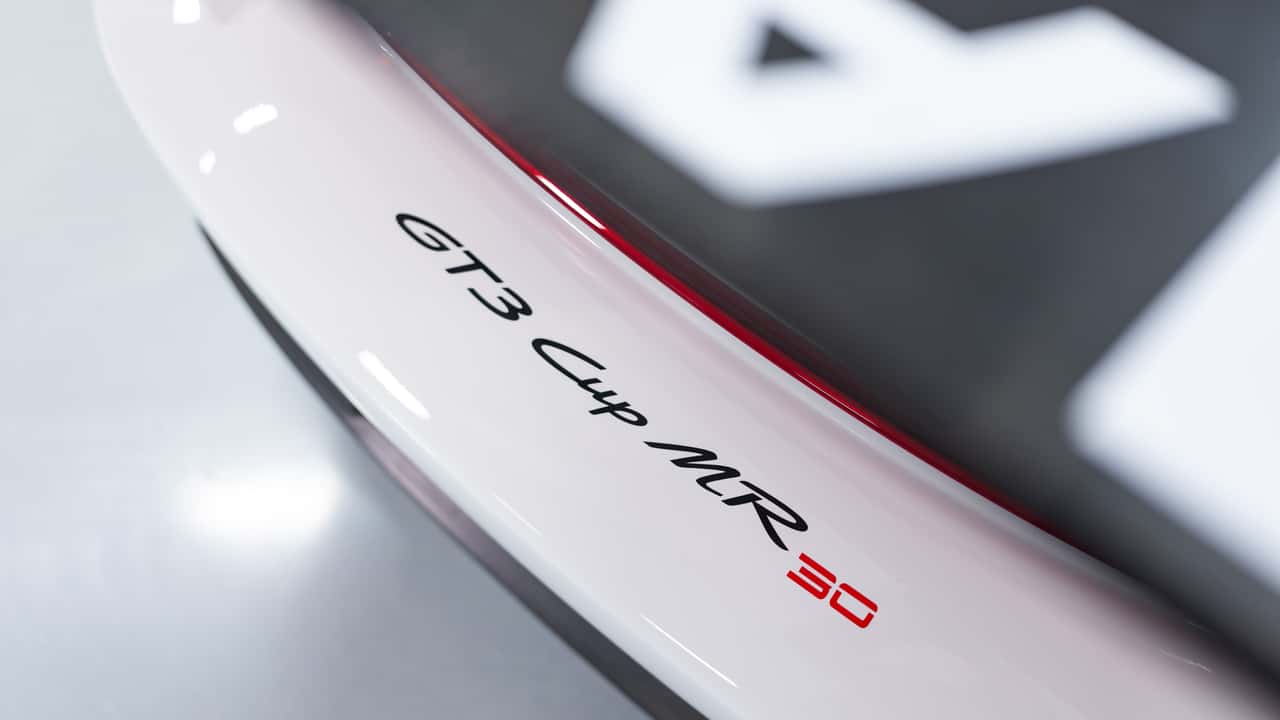
Meet the 718 Cayman GT4 RS Clubsport MR 30 and 911 GT3 Cup MR 30, unveiled today at the DTM season finale in Hockenheim. These aren't just anniversary specials with complicated names and fancy decals. Manthey says both were developed for actual track use, combining lessons learned from customer racing with decades of work on aerodynamics, cooling, suspension, and weight reduction. In other words, these are proper race cars first and collector's items second.
The 718 will hold a special place in the Porsche-Manthey lineage because it celebrates the culmination of a decade of Cayman-based race car development. It’s effectively a last hurrah, considering production of the road-going car has ended and Zuffenhausen said earlier this week that another ICE-powered Cayman isn’t happening.
Porsche 718 Cayman GT RS Clubsport MR30 by Manthey
Photo by: Manthey Racing
Light Is Right: The Manthey Way
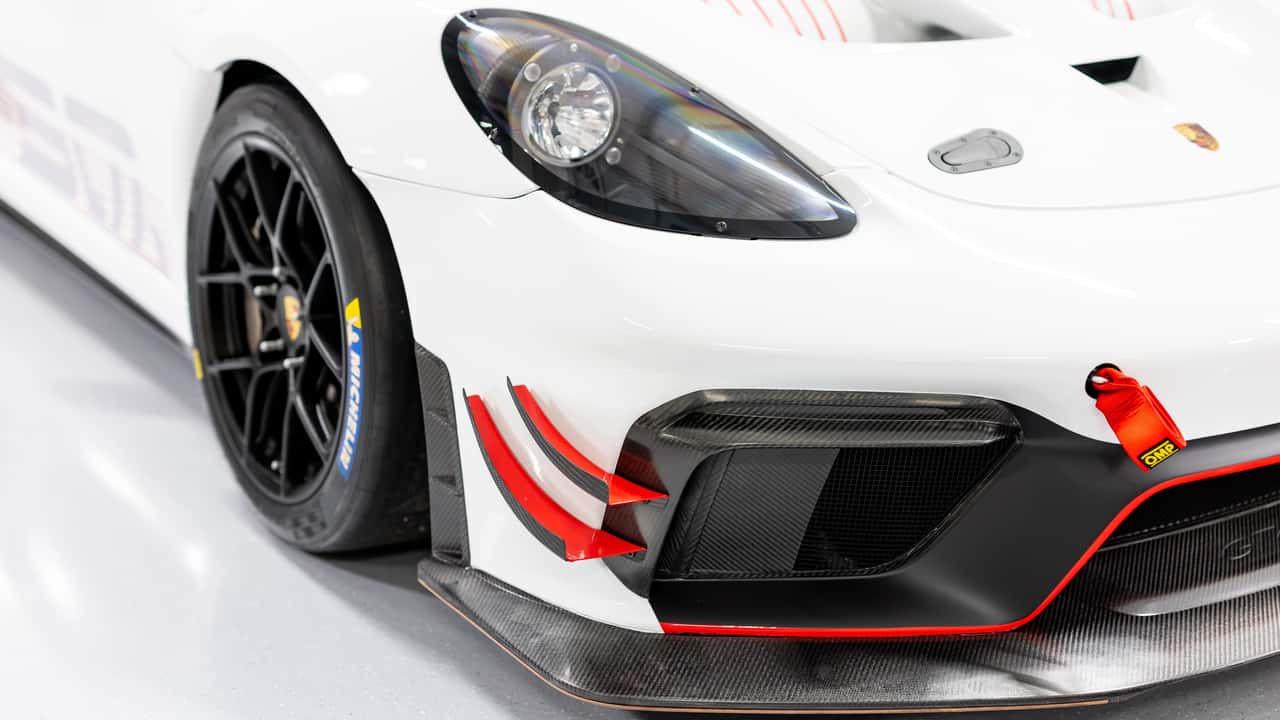
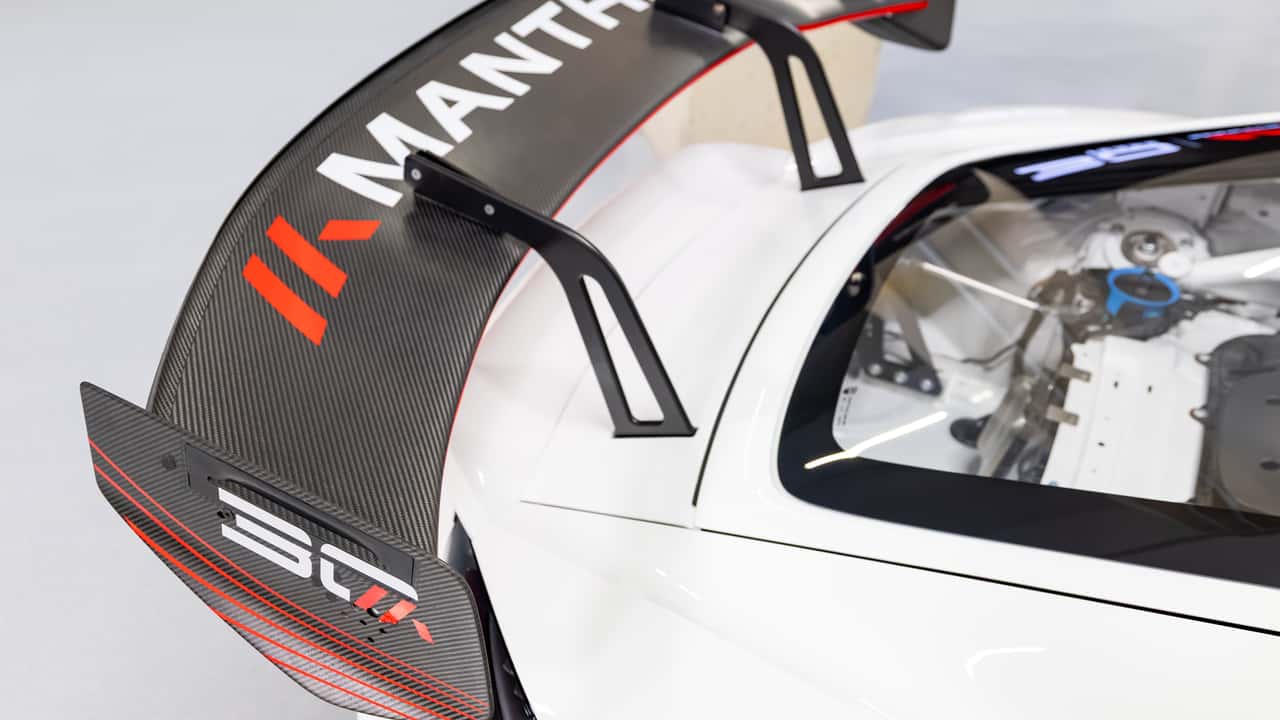
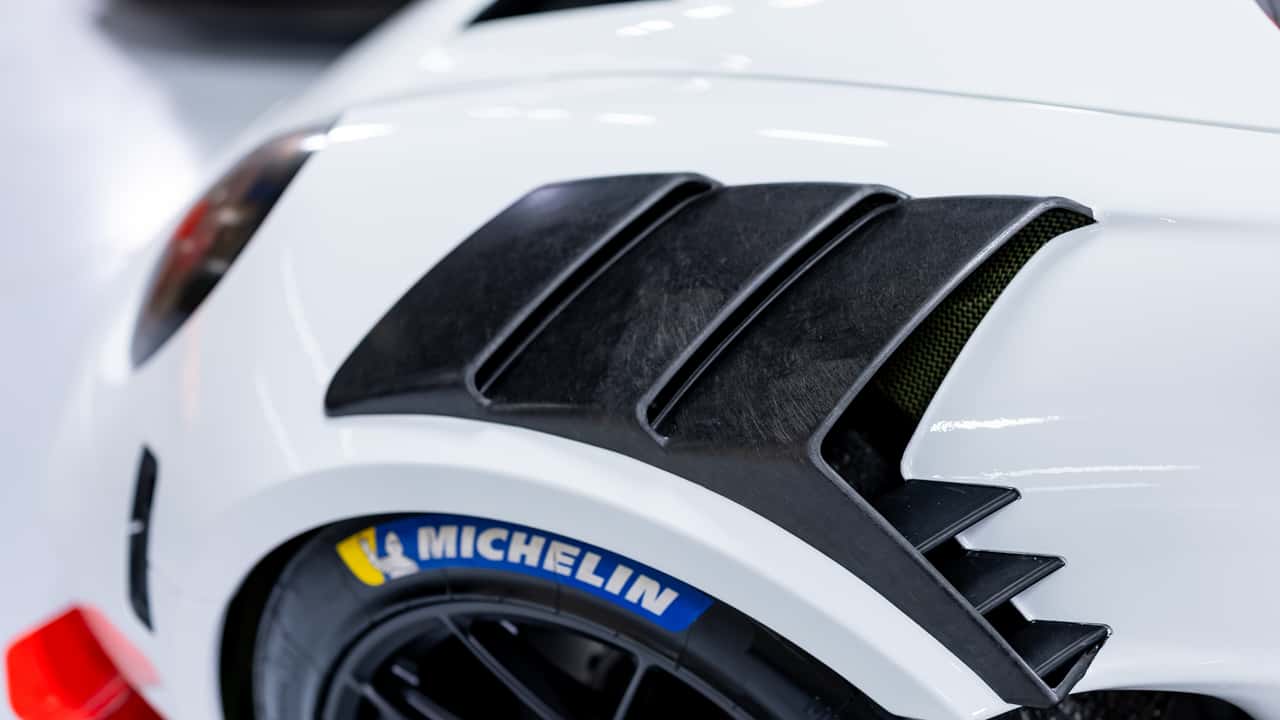
The swan song features a naturally aspirated 4.0-liter flat-six producing 493 horsepower. Extensive carbon-fiber bodywork and a bespoke wheel set cut weight by 12.5 pounds (5.7 kilograms) over the base car. Manthey has redesigned much of the exterior, including the fenders, hood, front bumper, splitter, rear bumper, rear lid, and wing.
The revised bodywork isn't just about looking more aggressive. Additional front flics and a carbon-fiber diffuser generate extra downforce, while the central radiator arrangement and optimized brake cooling help the car cope with the demands of endurance racing.
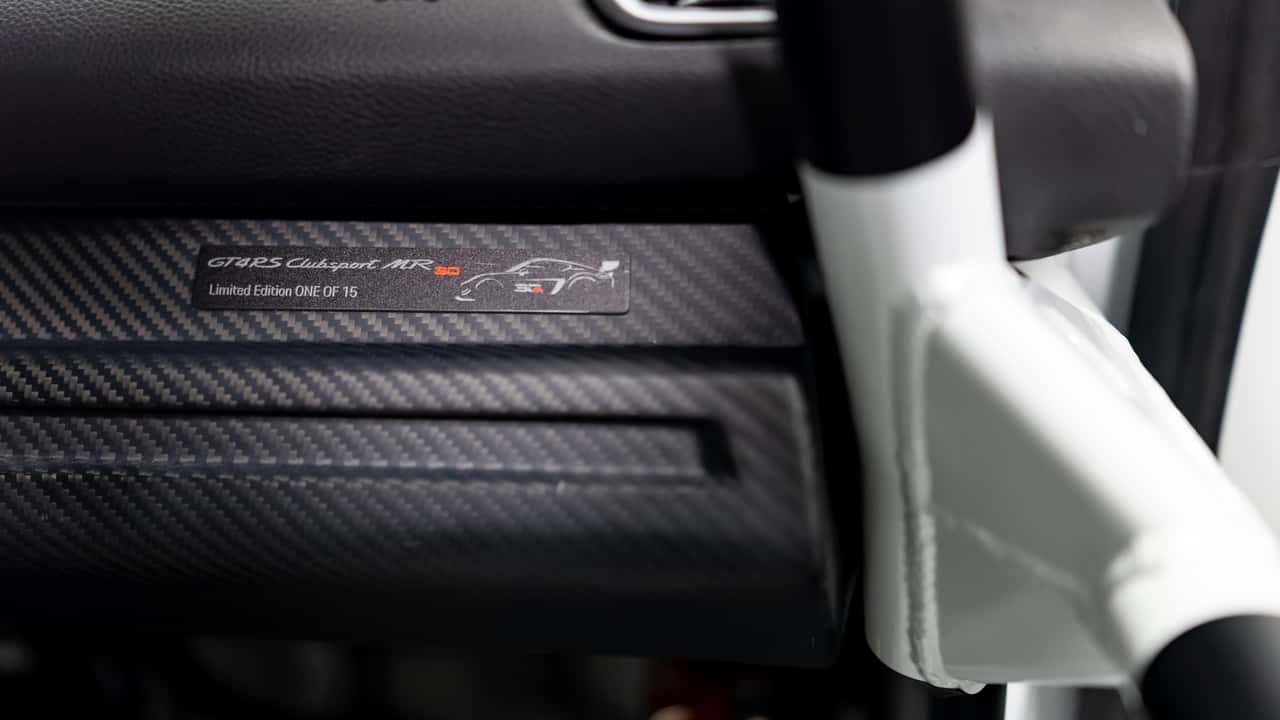
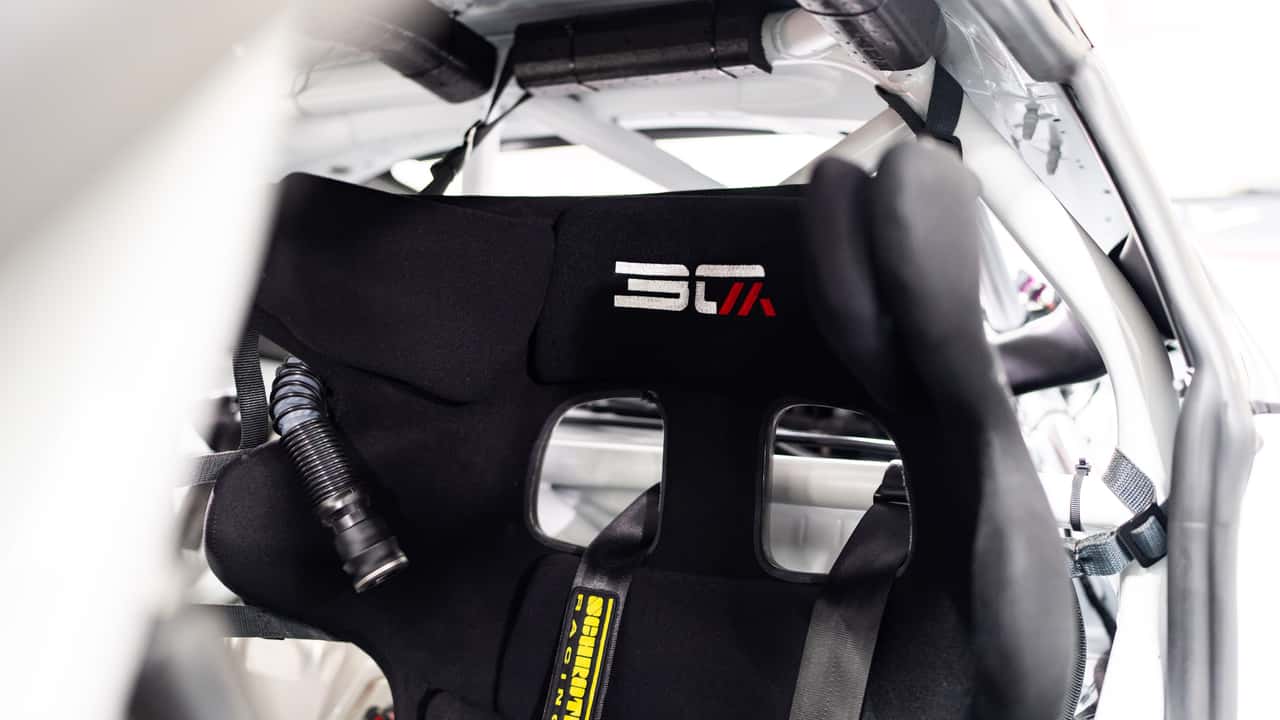
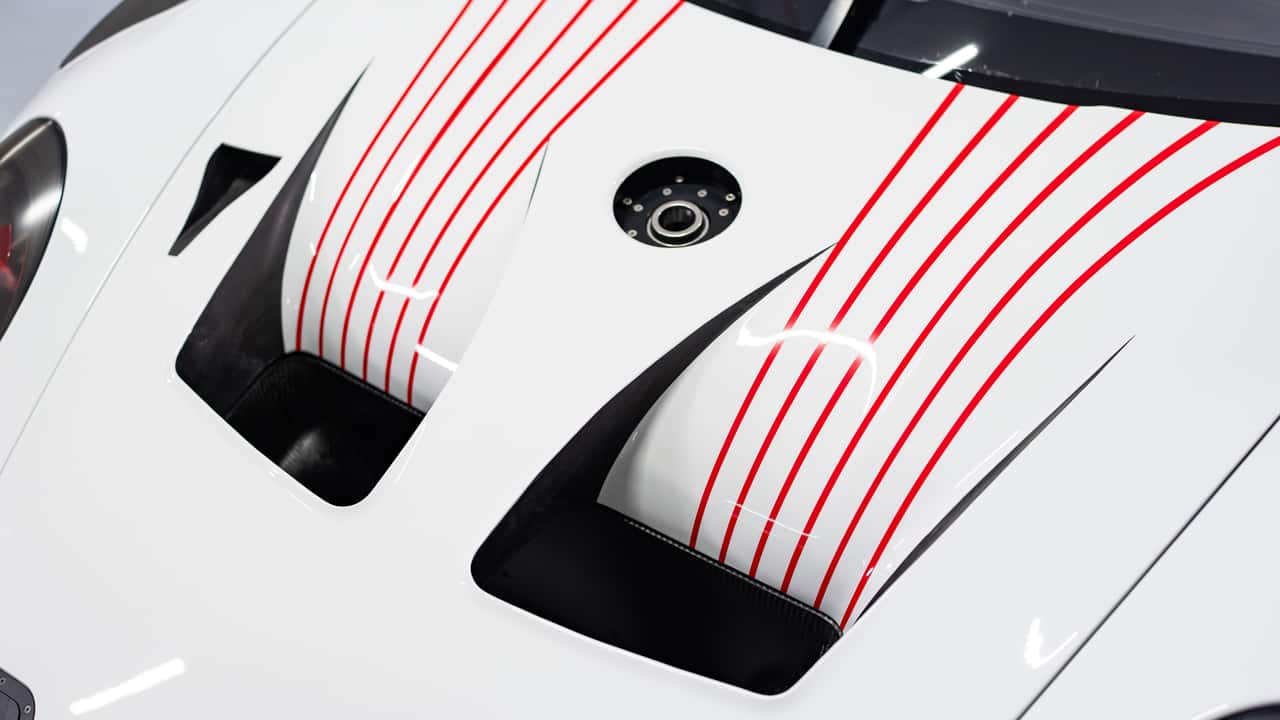
To mark the milestone, the Cayman gets exclusive anniversary graphics, a numbered badge, and special headrest embroidery. The white-and-red livery pays tribute to Manthey's corporate colors and racing heritage while offering a modern take on the team's familiar design language.
With an electric 718 Cayman coming soon, it’ll be interesting to see whether Manthey develops upgrades for the high-performance EV. The company is no stranger to cars without combustion engines, having already worked on the Taycan.
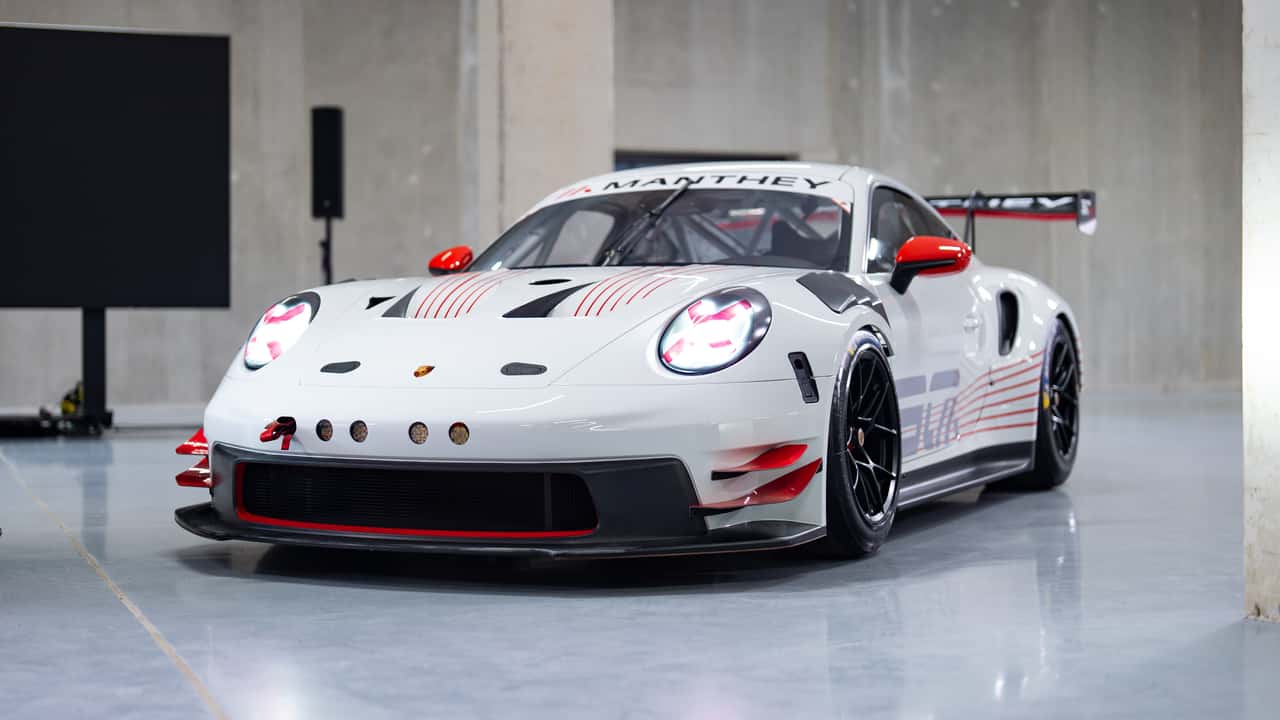
Porsche 911 GT3 Cup MR 30 by Manthey
Photo by: Manthey Racing
Manthey Bumps The 911 GT3 Cup's Engine Displacement
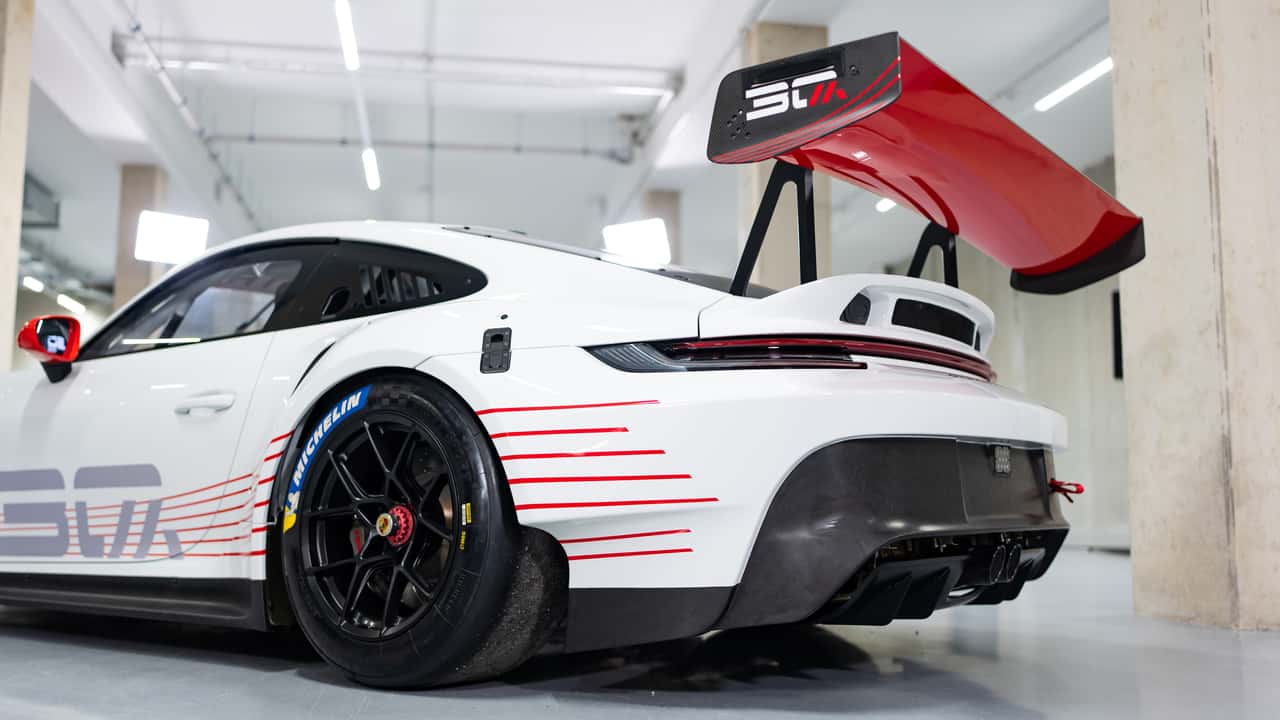
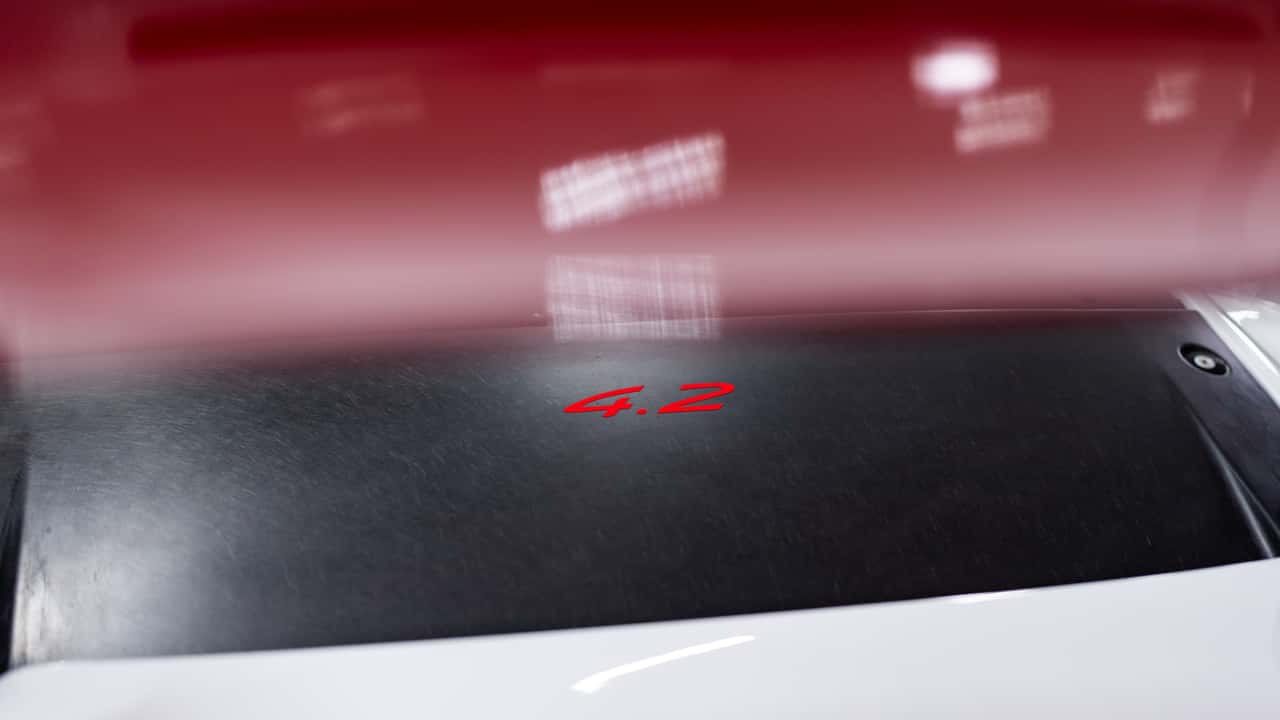
The more powerful of the two anniversary specials is based on the 992.1-generation 911 GT3 Cup, but Manthey has gone well beyond bolting on a few aerodynamic add-ons. The race car now packs a water-cooled 4.2-liter flat-six producing 552 horsepower. That's an increase in displacement over the standard Cup car's 4.0-liter engine, with power sent to the rear wheels through a sequential six-speed gearbox.
Manthey has also overhauled the aerodynamics and cooling systems, drawing on experience gained from customer racing at the Nürburgring. The bodywork features extensive recycled carbon-fiber components, including the front wings, hood, rear body panels, wheel-arch extensions, and rear wing. A central radiator layout improves airflow and reduces the risk of radiator damage during contact, while enlarged brake-cooling inlets help keep temperatures under control during demanding sessions.
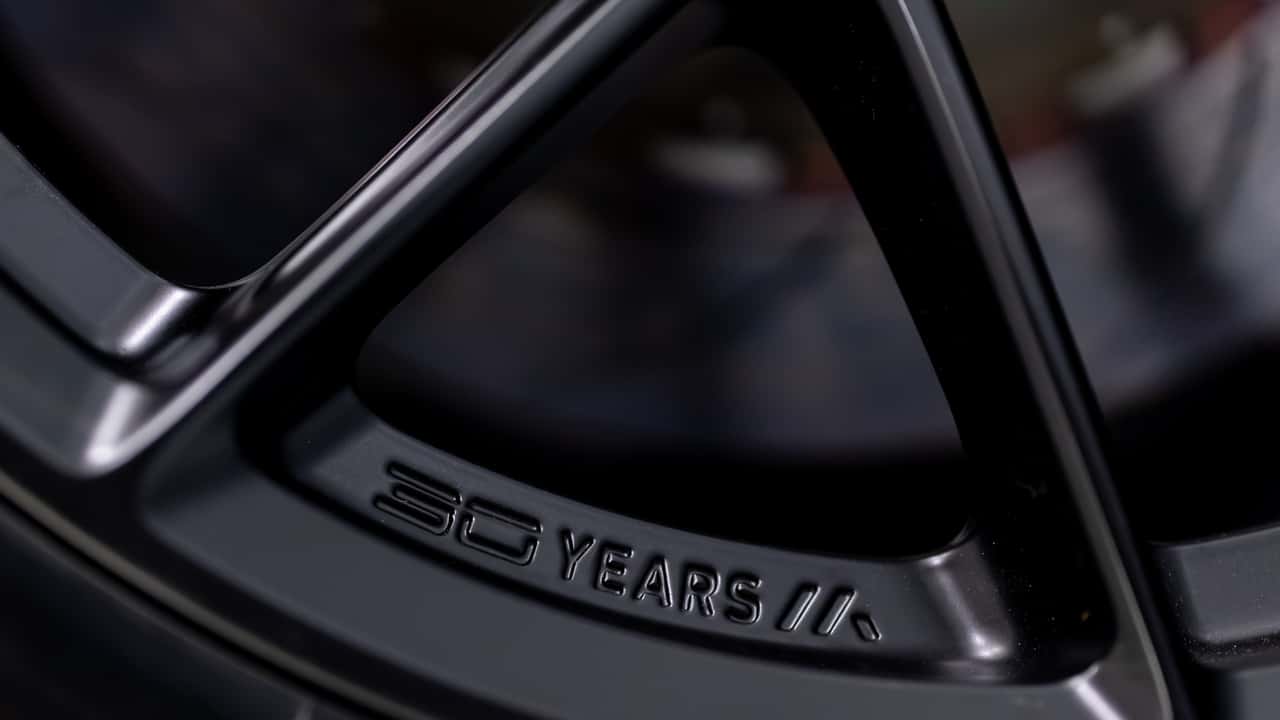
Other upgrades include a six-way adjustable coilover suspension, revised front and rear suspension geometry, and wider tracks. The front track grows by 0.8 inches (20 millimeters), while the rear gains nearly 2 inches (50 mm). Manthey's lightweight forged wheels shave another 8.3 pounds (3.8 kg), while exclusive anniversary details inside and out distinguish the 911 from the regular Cup MR.
30 Cars: Manthey Caps Each Porsche Racer At 15 Units
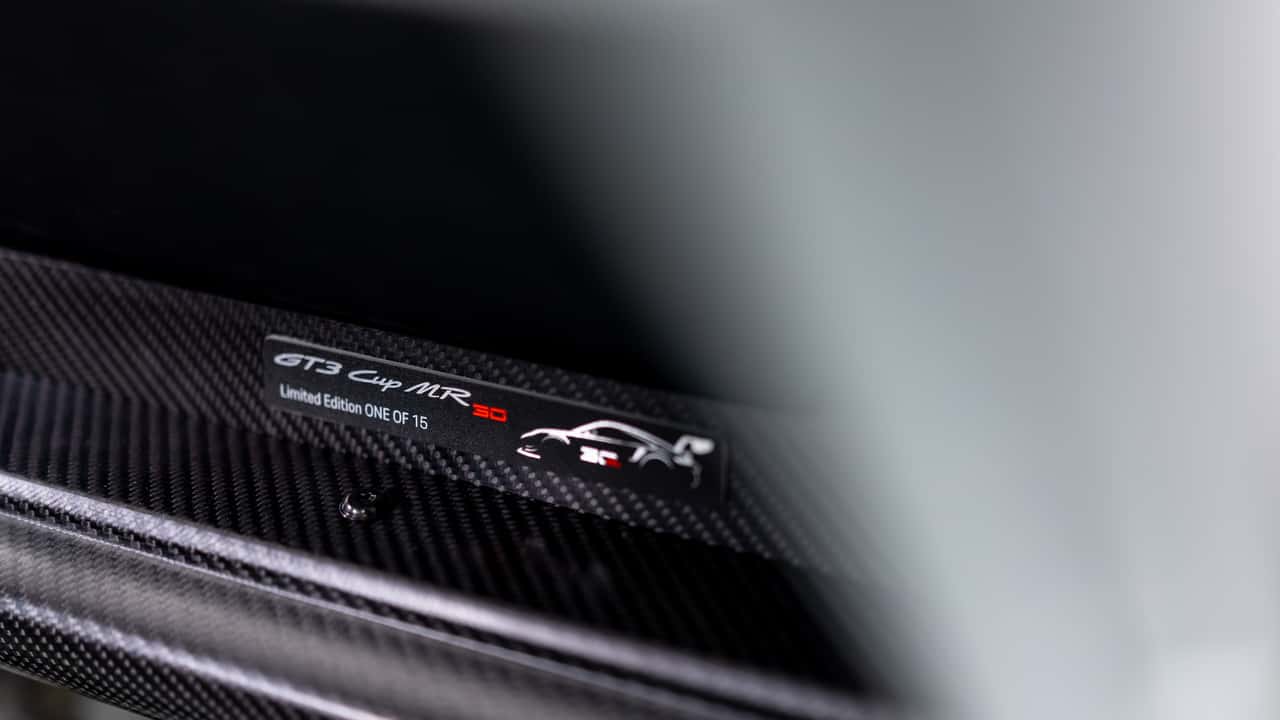
Manthey will produce only 15 examples of each special edition, making these cars exceptionally rare even by motorsport standards. Manthey will take orders until October 30, after which it will allocate the limited production run. Deliveries of the 718 Cayman GT4 RS Clubsport MR 30 are scheduled to begin in November, while the 911 GT3 Cup MR 30 will follow in the first quarter of next year.
Pricing hasn't been announced, but neither car is intended for casual track-day drivers looking for an inexpensive way to spend a weekend at the circuit. These are dedicated competition machines for customers who want the best Manthey offers in its race cars. And yes, both are available to order in the United States.
Porsche's Most Expensive Cars Are About To Get Even Pricier
Porsche Is Cooking Up Even More 911 Specials
It’s Happening: Porsche Is Developing A Mid-Engined Hypercar
Porsche Wants To Sell Manual Cars Until They’re Outlawed
Source: Manthey

]]> feedback@motor1.com (Adrian Padeanu) https://www.motor1.com/news/811332/porsche-manthey-911-gt3-cup-cayman/ https://www.motor1.com/news/811338/ruf-project-dragon-one-off/ Fri, 09 Oct 2026 11:18:36 +0000 One-Off Ruf Project Dragon Heads To Auction With An $8 Million Estimate Gooding Christie's will auction the factory-built Ruf Project Dragon without reserve, tying CTR2 Sport hardware to a rare single-customer commission.
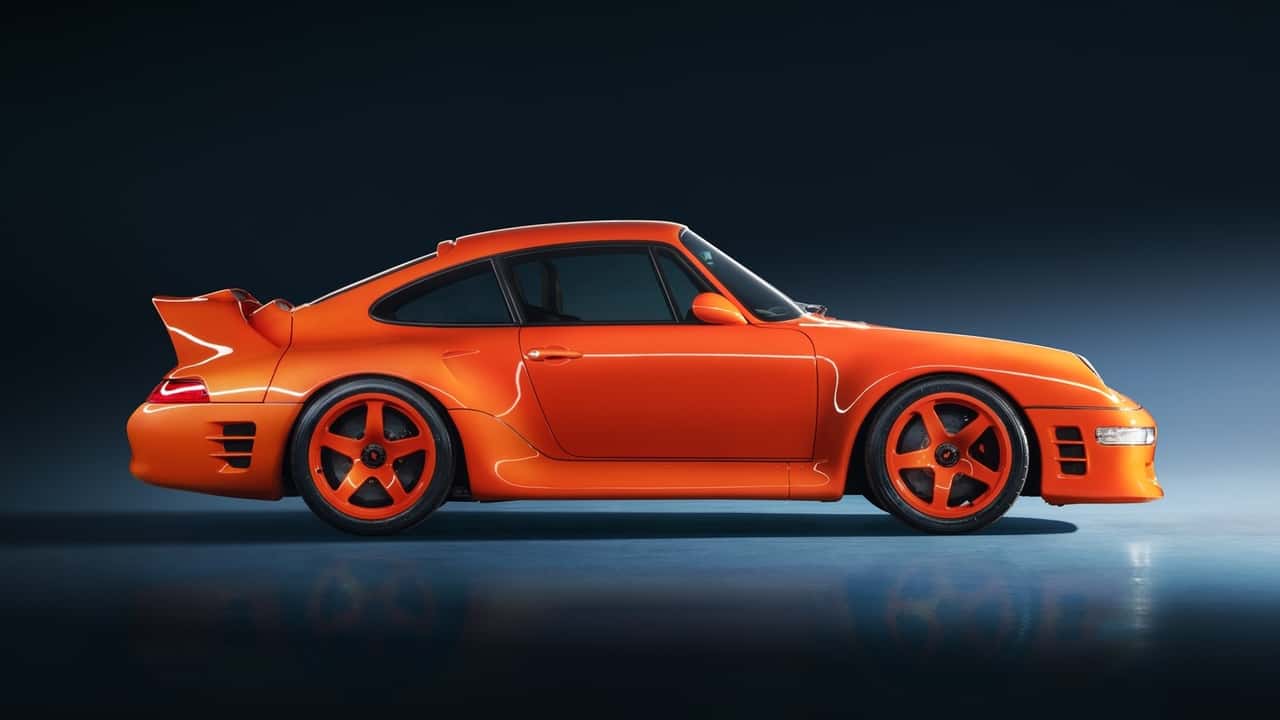
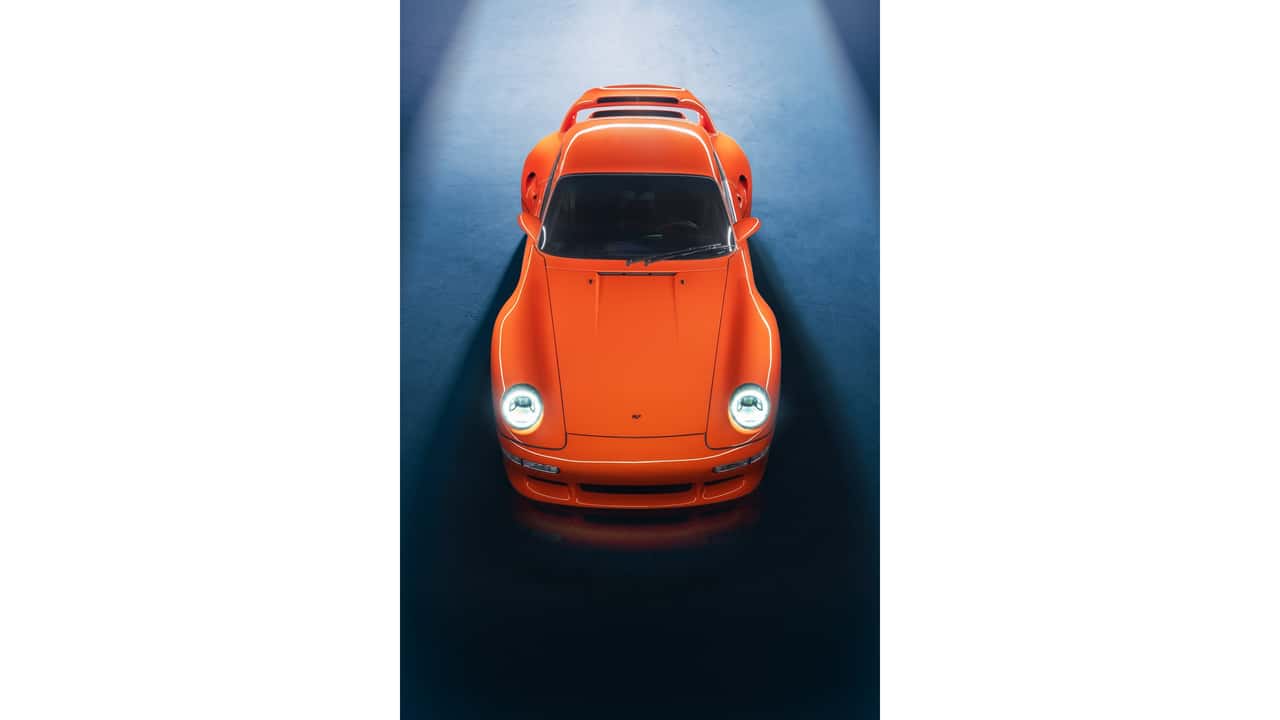
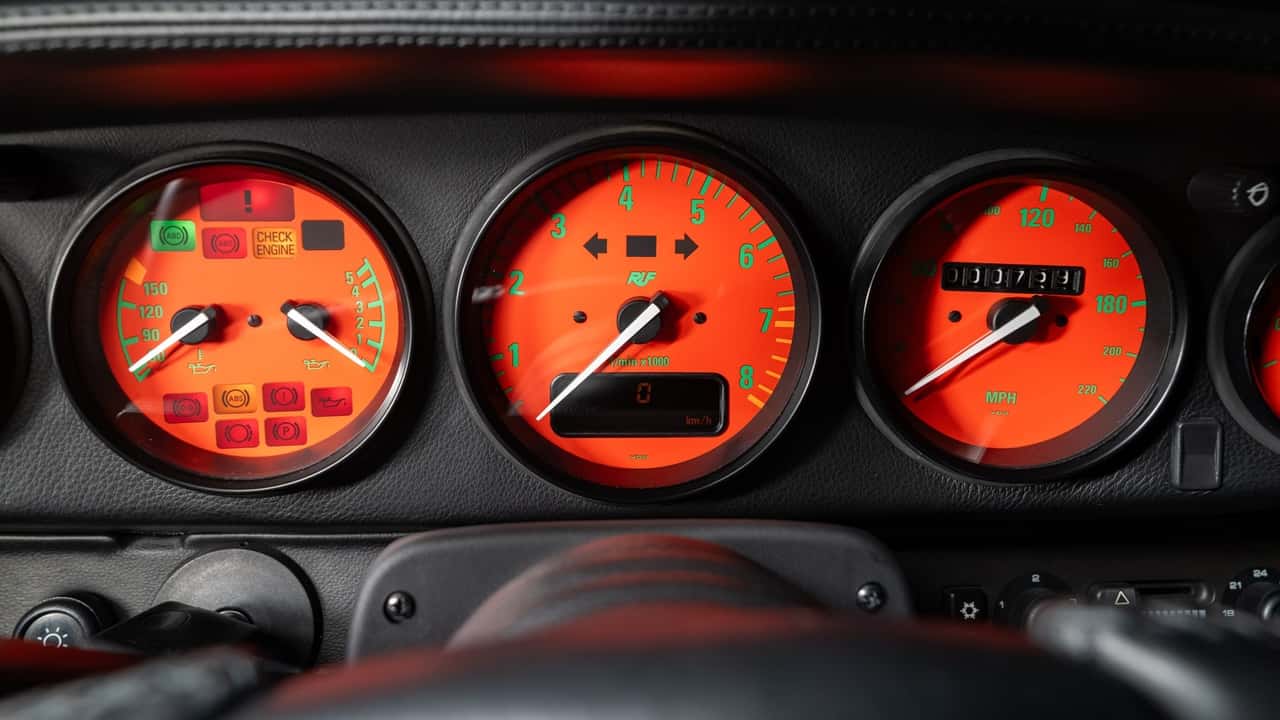
Ruf has built only one Project Dragon, finished in a shade the factory calls Dragon Fire Orange. Gooding Christie's has confirmed the car as the headline lot of its first Retromobile New York sale at the Javits Center in November 2026.
The car crosses the block on November 20 and 21 without reserve, carrying an estimate between $6,000,000 and $8,000,000. For a company that rarely builds one-offs, that's a significant moment for anyone tracking Ruf's standing in the collector market.
One-Off CTR2 Sport Reinterpretation
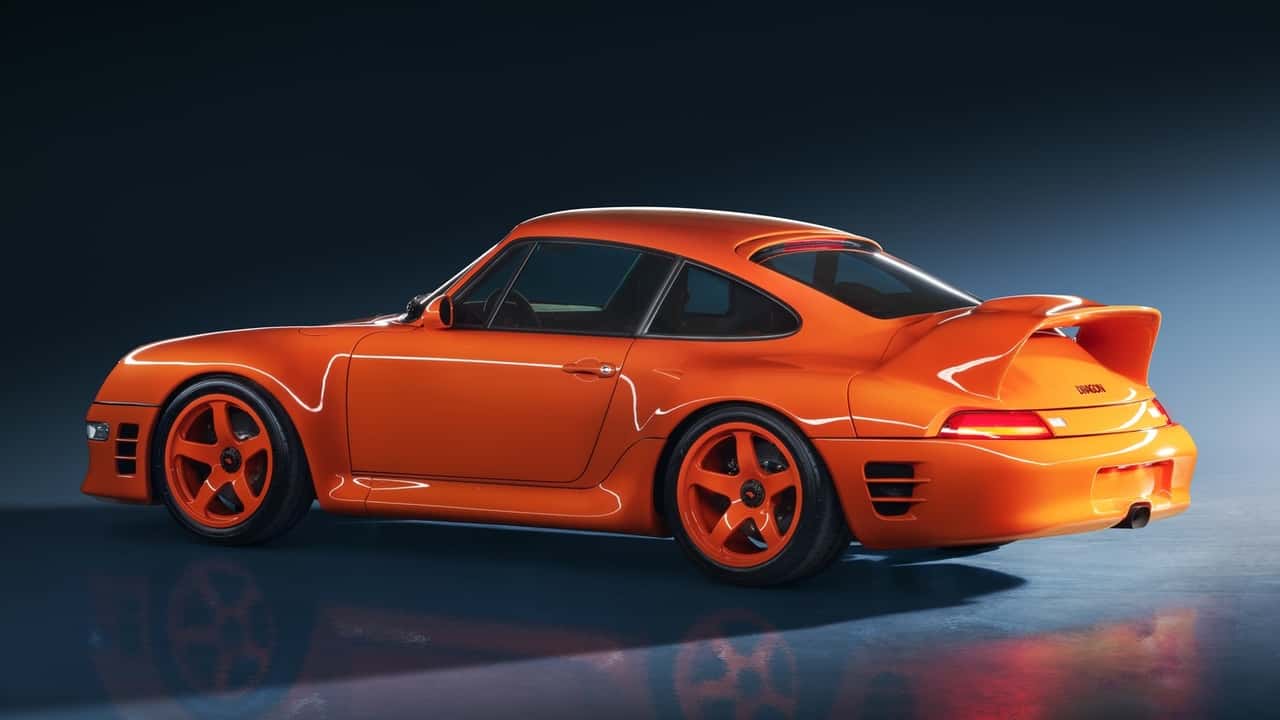
1998 Ruf Porshe 911 Project Dragon
Photo by: Gooding And Company - Mike Maez
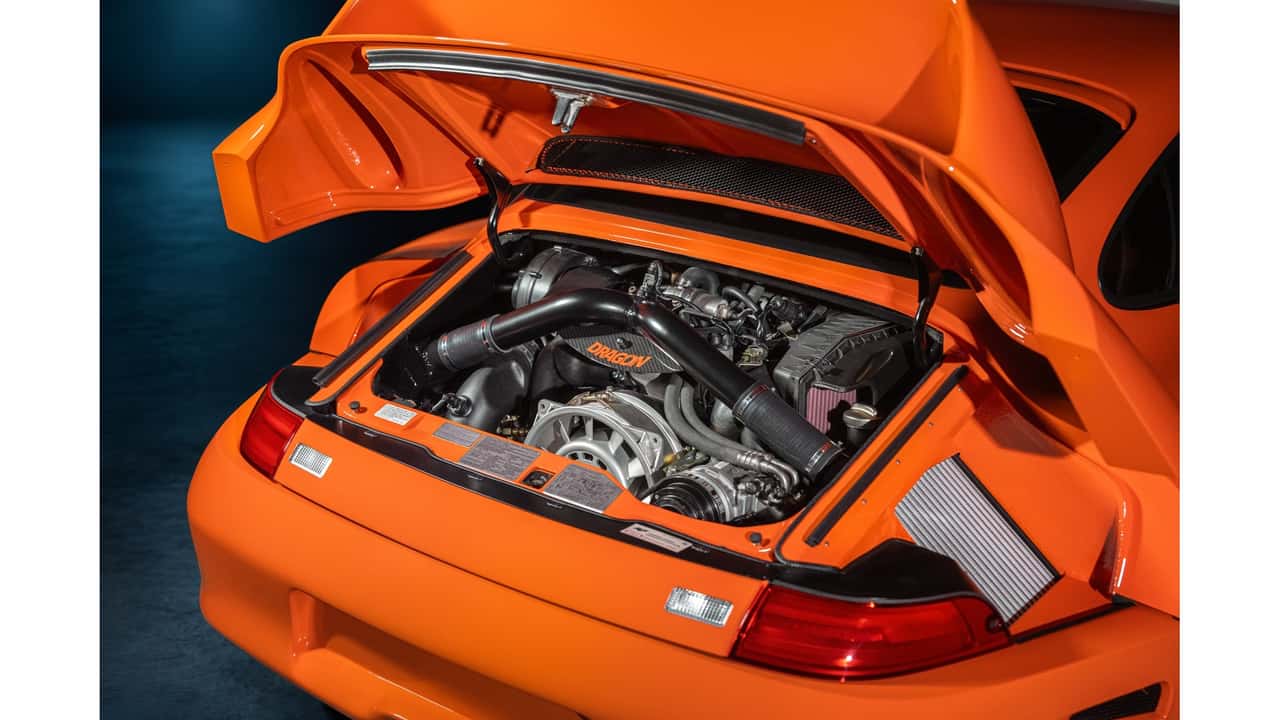
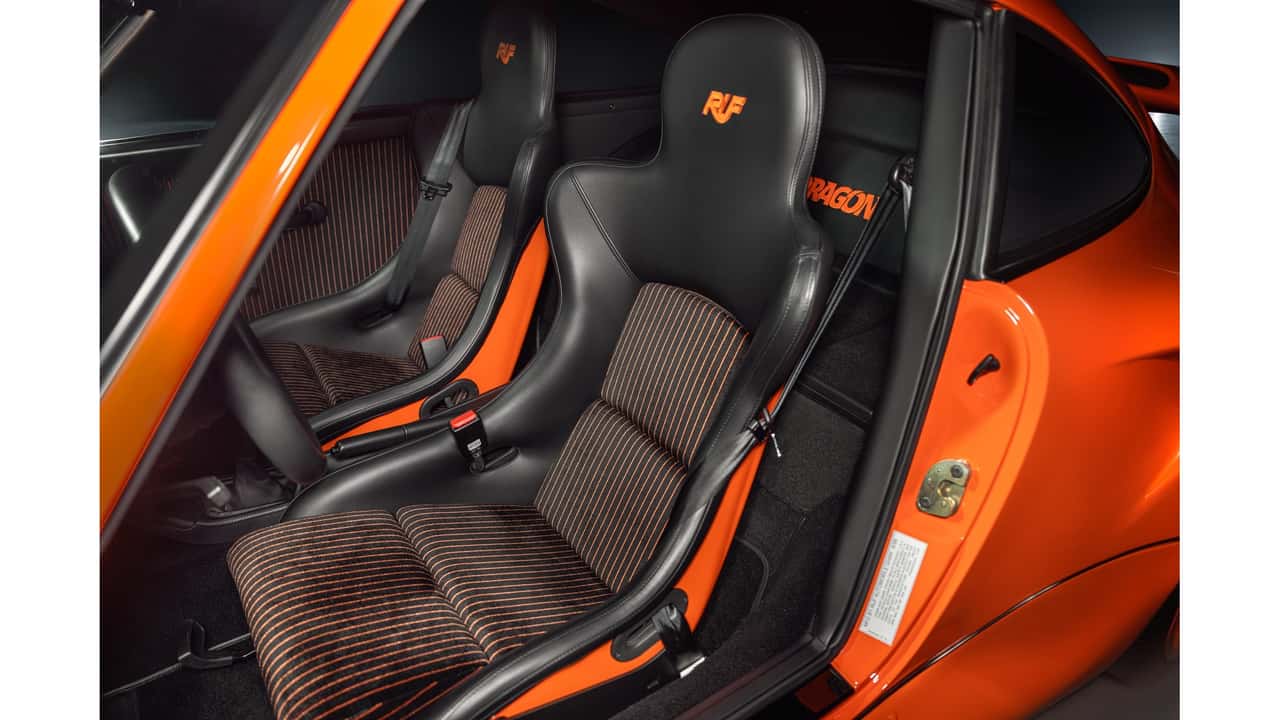
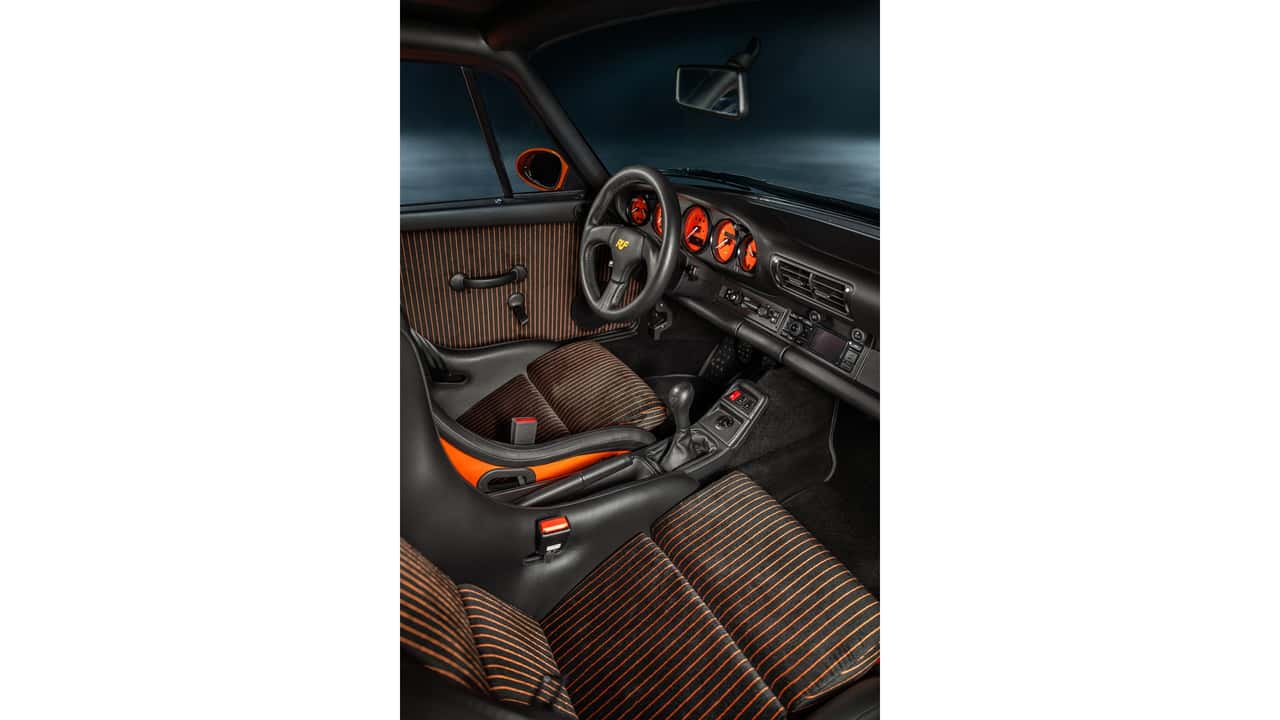
Project Dragon is not a tuned 911 or a restomod exercise. Ruf built it as a bespoke commission, carrying forward the mechanical formula established by the Ruf CTR2 Sport while reworking the body and interior around one customer's specific brief. Gooding Christie's Senior Specialist David Brynan said the car "carries forward the spirit of the Yellowbird and CTR2, the extraordinary cars that established Ruf's reputation for combining understated design with exceptional performance."
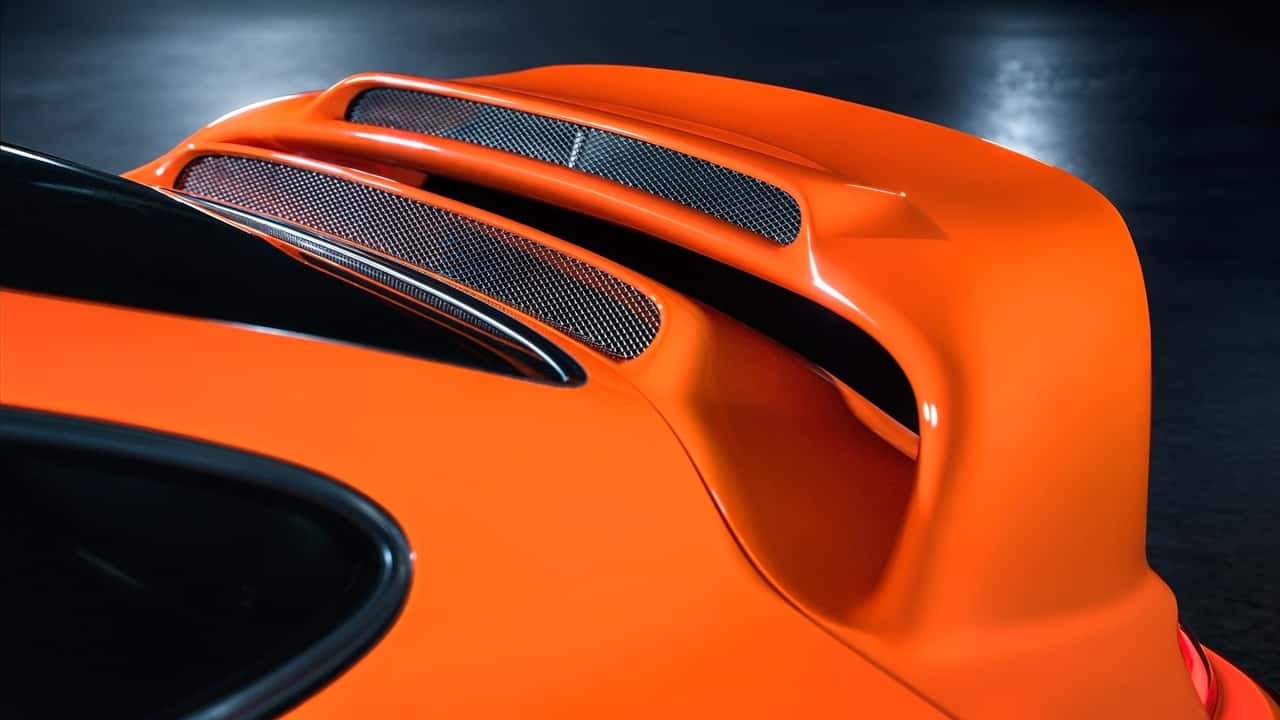
Tony Hatter handled the design work. He is best known for shaping the 993-generation Porsche 911, and his involvement gives Project Dragon a lineage that connects directly to Porsche's own design studio. The bodywork is bespoke carbon fiber, built specifically for this car rather than adapted from an existing Ruf shell.
Brynan called it "one of the few one-off automobiles ever created by Ruf," saying it is "a unique expression of the company's engineering expertise and willingness to realize an individual customer's vision." That rarity stands out, since the company has historically turned out many more variants on existing platforms, from the 928R to more recent in-house prototypes, than true single-commission cars like this one.
The chassis backs up the design ambition with carbon ceramic brakes and a Bilstein PSS10 suspension, alongside a Ruf-integrated roll cage. It reads less like a showpiece and more like a car meant to be driven hard, despite its near-pristine condition.
Specifications And $6 Million Estimate
Power comes from a bespoke air-cooled engine producing 621 hp at 6,500 rpm, a figure that places Project Dragon firmly in the same performance bracket as Ruf's most serious road cars. At the time of cataloguing, the car showed just 759 miles, putting it in virtually new condition despite having been completed years ago.
Gooding Christie's estimate of $6,000,000 to $8,000,000 reflects both the engineering and the car's singular status. It's being offered without reserve, meaning it sells to the highest bidder regardless of where bidding lands. That detail tends to sharpen interest among serious collectors.
Gooding Christie's Retromobile New York Auctions take place on November 20 and 21, 2026, within the Retromobile New York event at the Javits Center, which runs November 19 through November 22. The car is catalogued as a live auction lot rather than as part of an extended online-only sale.
Famous Designer’s Ruf 1970 Porsche 914/6 Sells For Six Figures
Ruf's Next Performance Car Will Have 1,000 HP. Here's Our First Look
When Ruf 'Broke the Sound Barrier,' It Changed the Supercar Arms Race Forever
The Ruf Rodeo Is a 911-Shaped Off-Roader With Big Turbo Power
Source: Gooding And Company

]]> feedback@motor1.com (Brian Potter) https://www.motor1.com/news/811338/ruf-project-dragon-one-off/ https://www.motor1.com/news/811327/brabus-urban-e-fragment-edition/ Fri, 09 Oct 2026 10:22:43 +0000 Brabus Unveils Electric Motorcycle Limited To Just 10 Units This Fragment Design collaboration turns the Brabus Urban E into a $50,000, 10-unit electric collectible with modest range and everyday charging times.
Brabus has built plenty of six-figure Mercedes-Benz SUVs and even a luxury catamaran with extensive carbon-fiber elements, but its newest limited run is a motorcycle you only get ten chances to own.
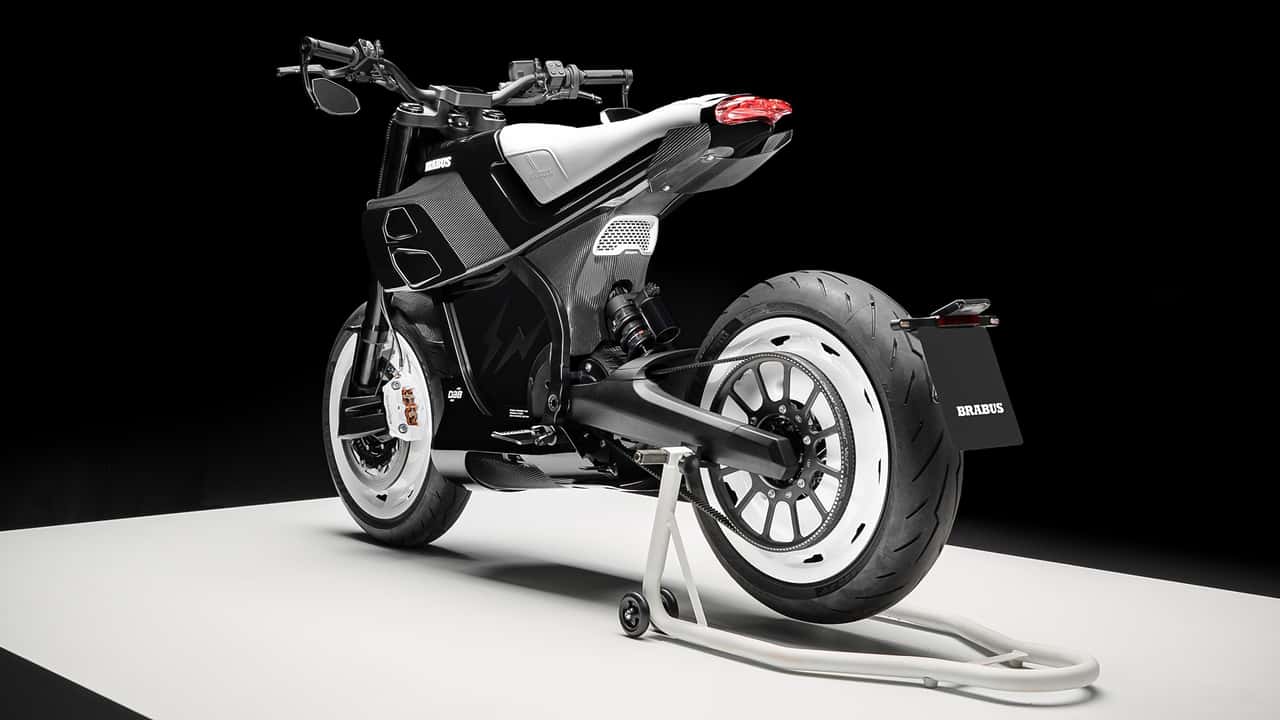
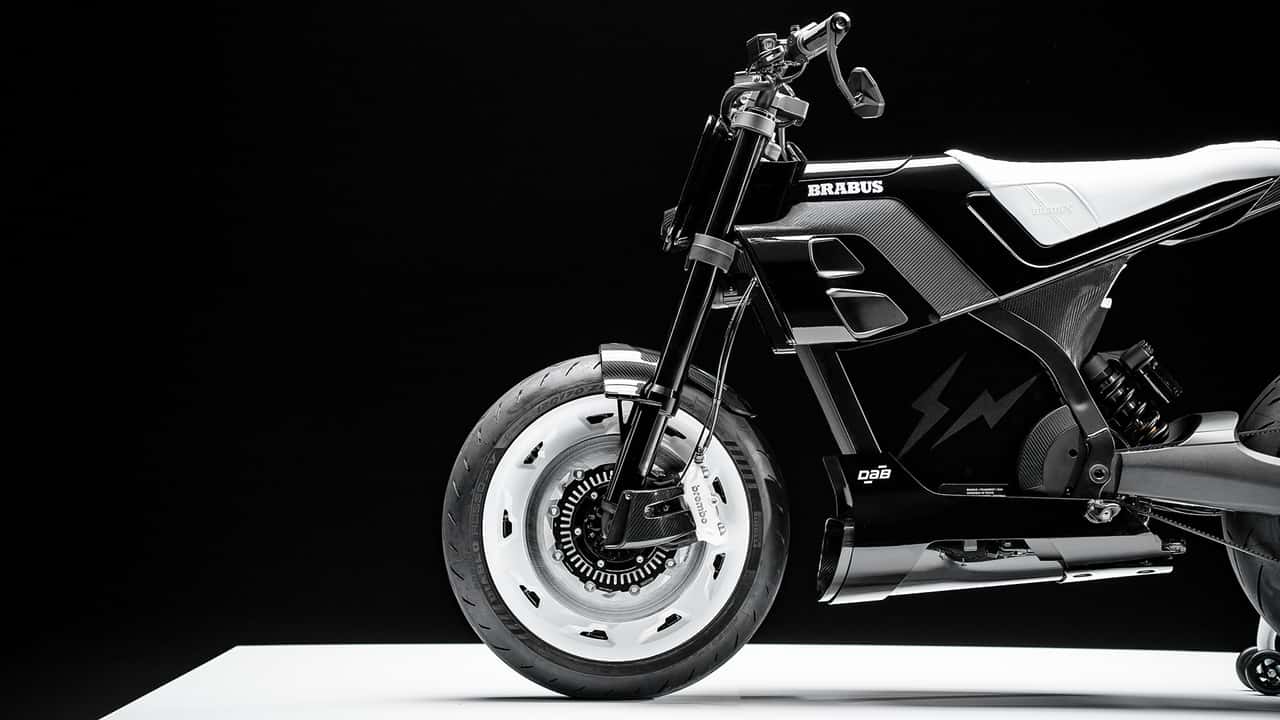
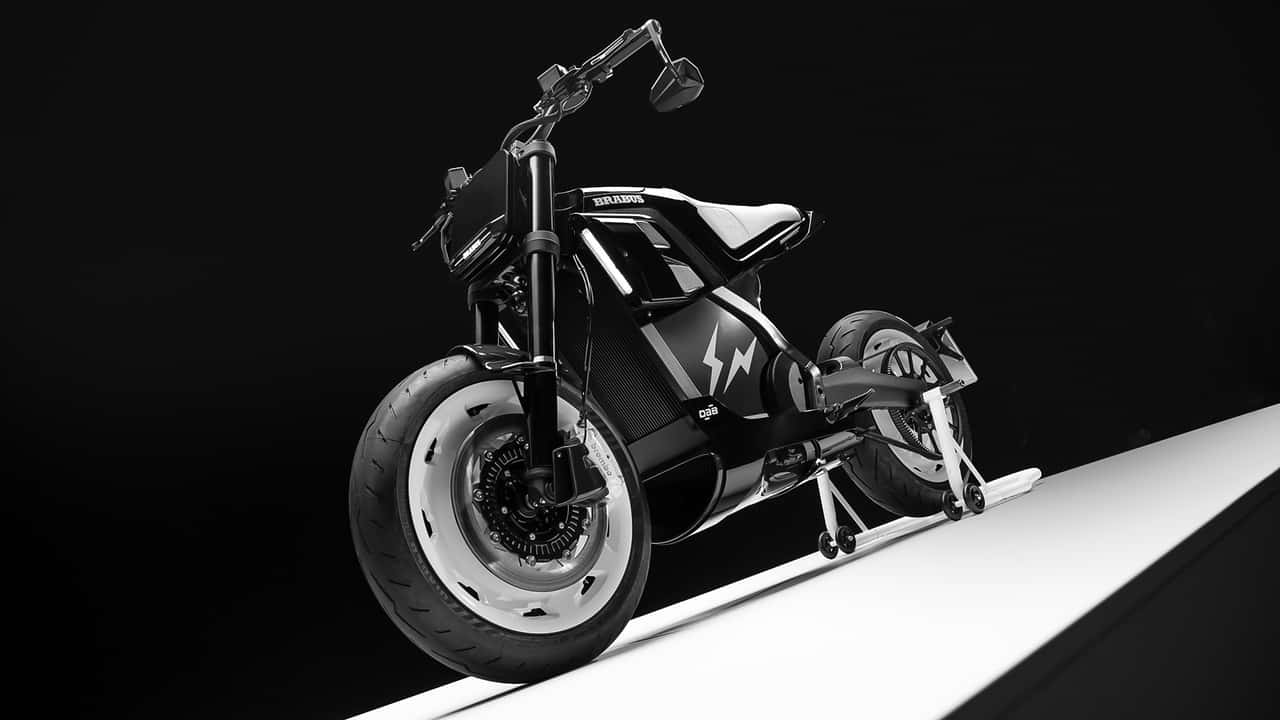
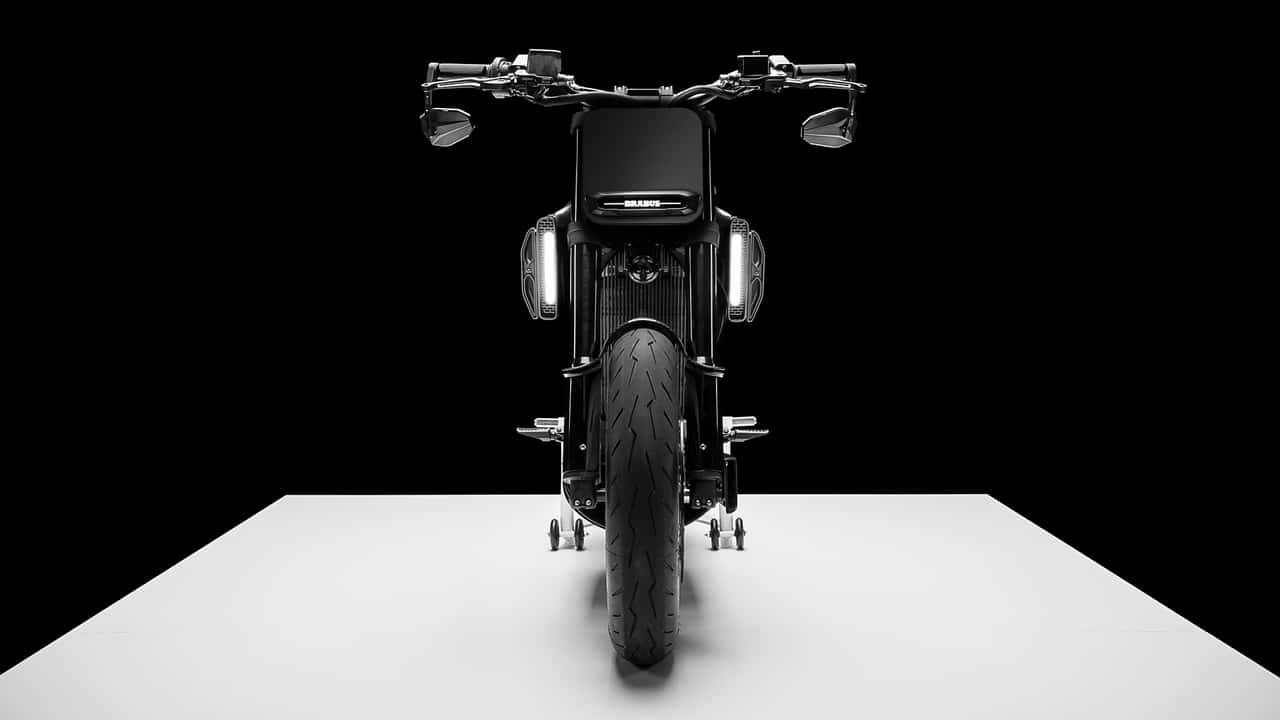
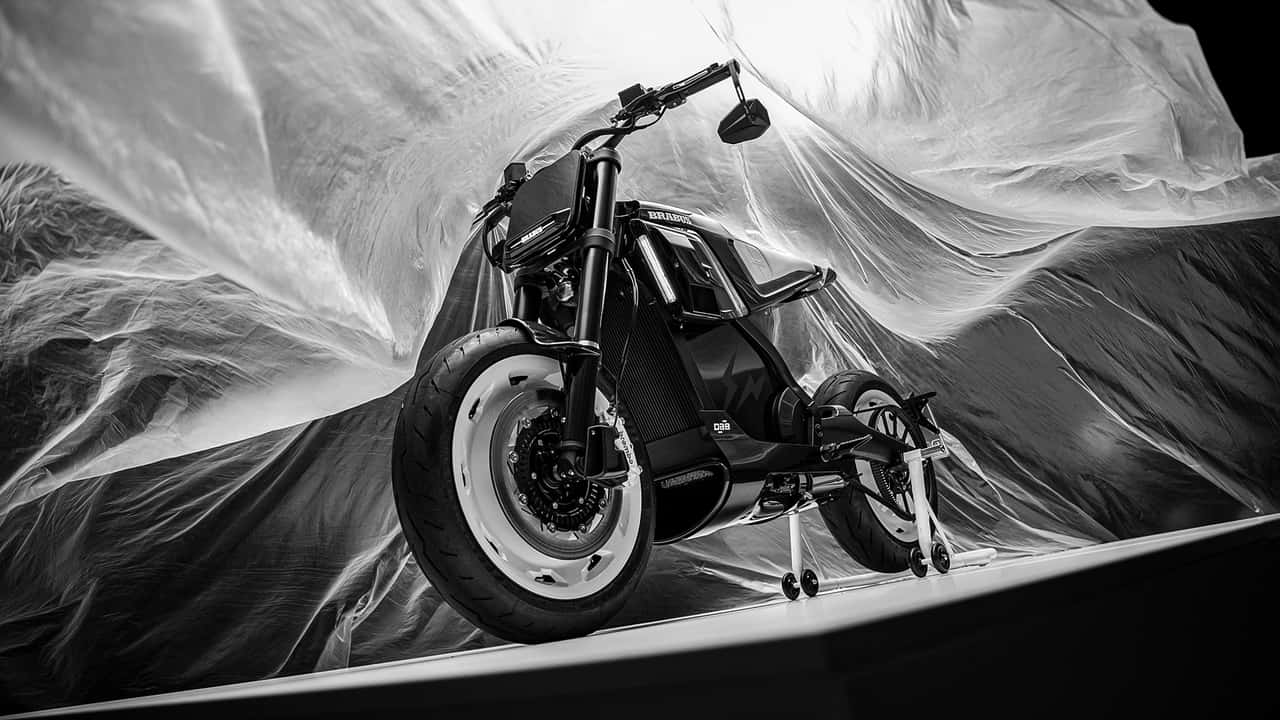
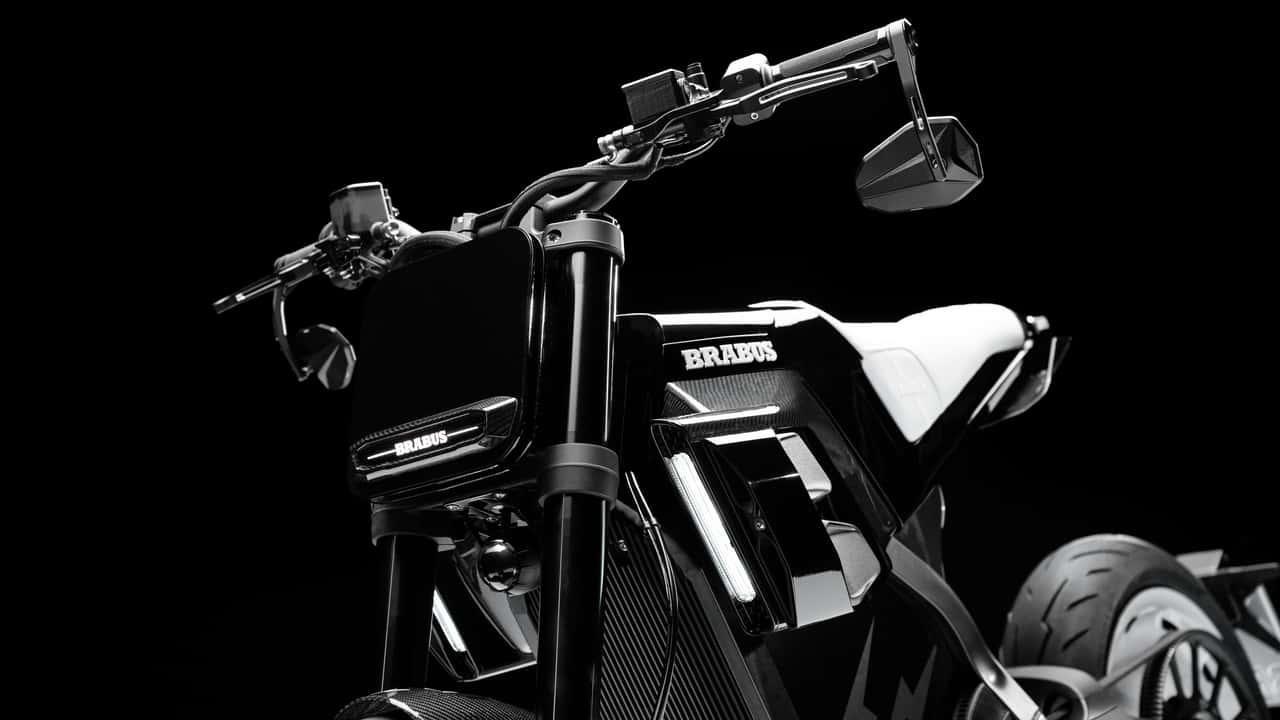
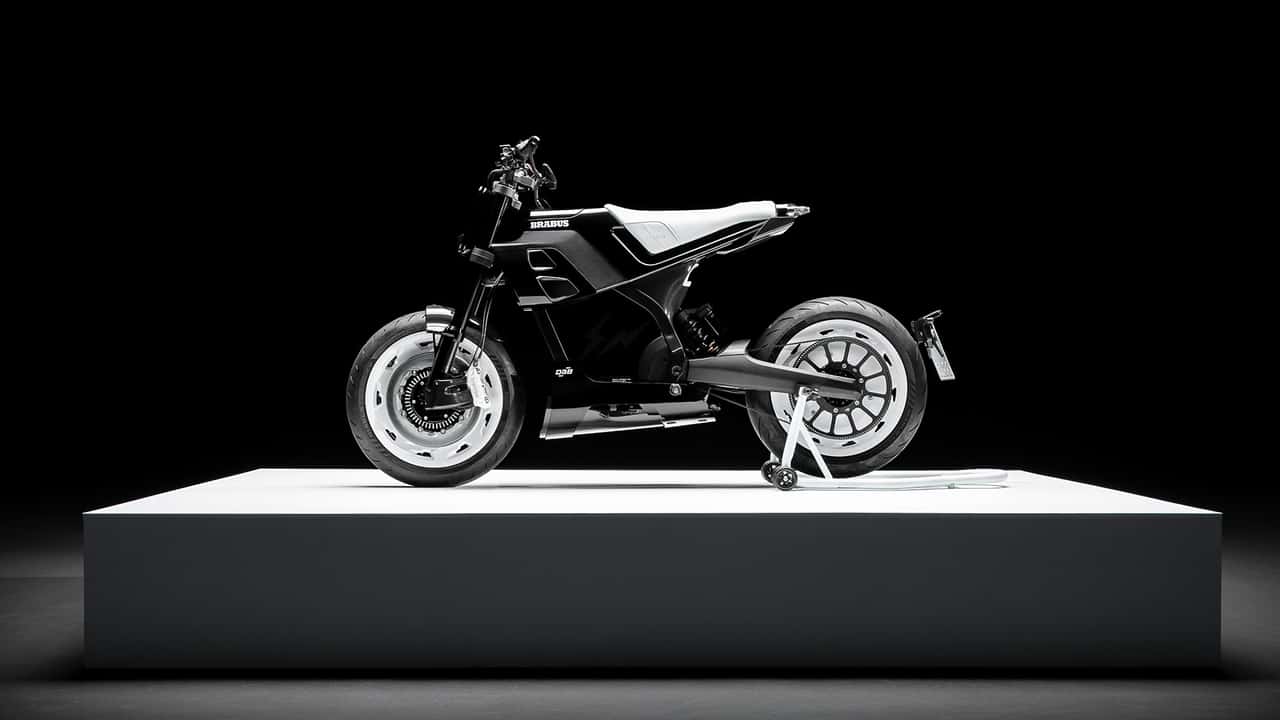
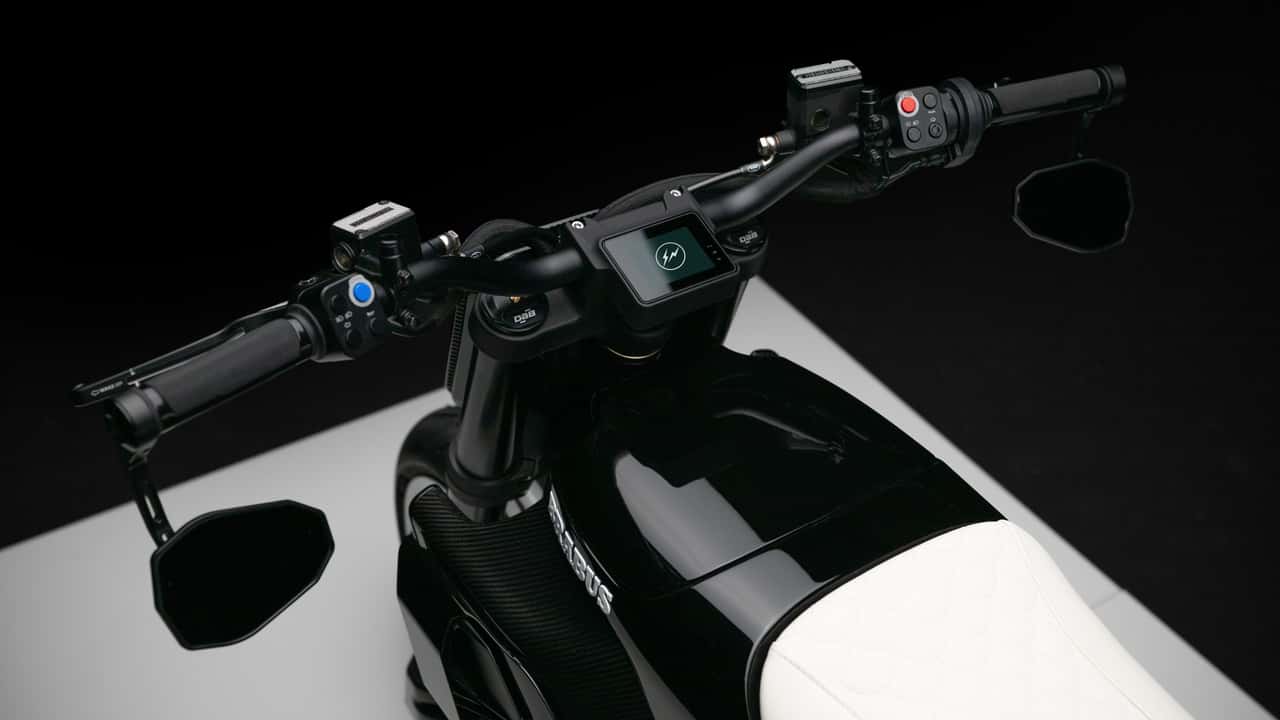
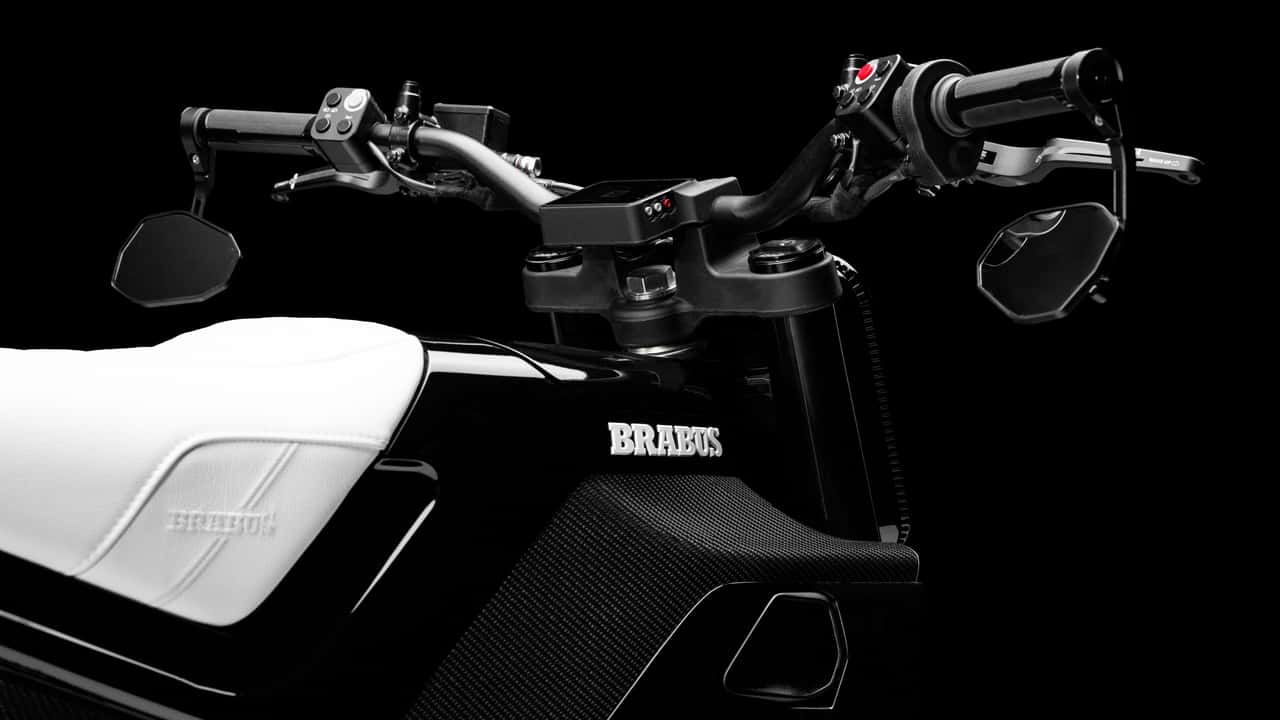
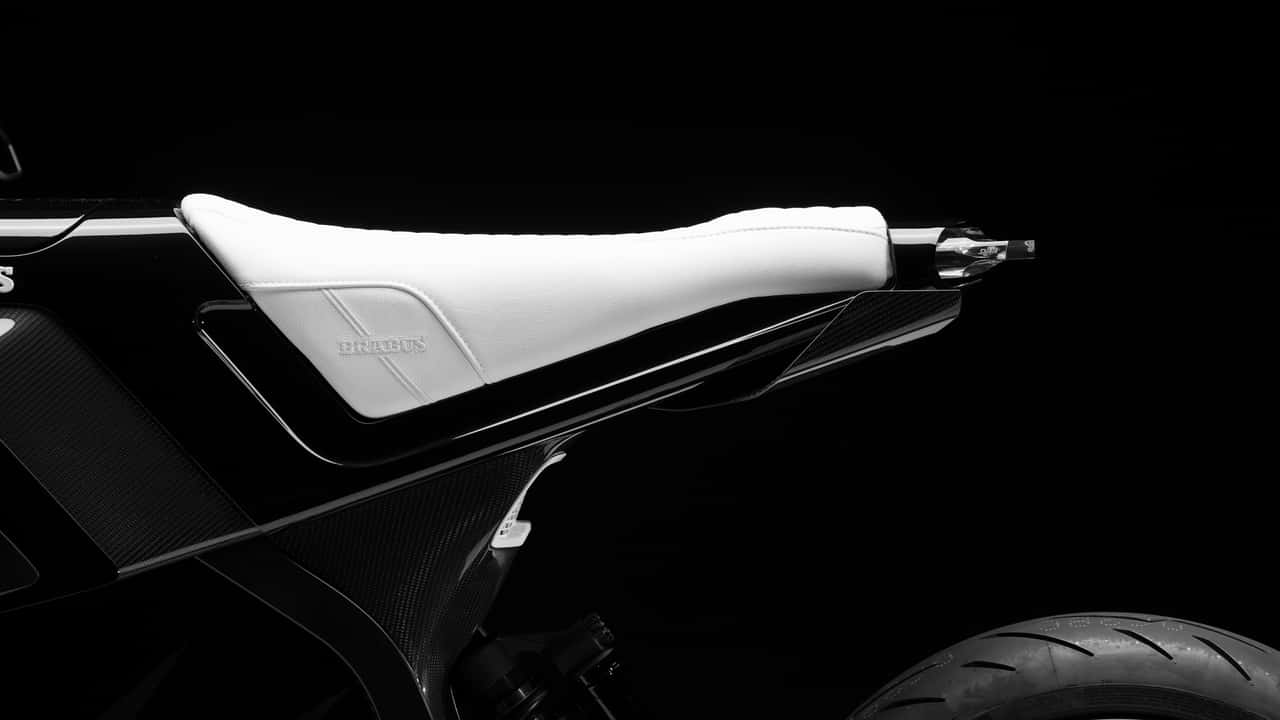
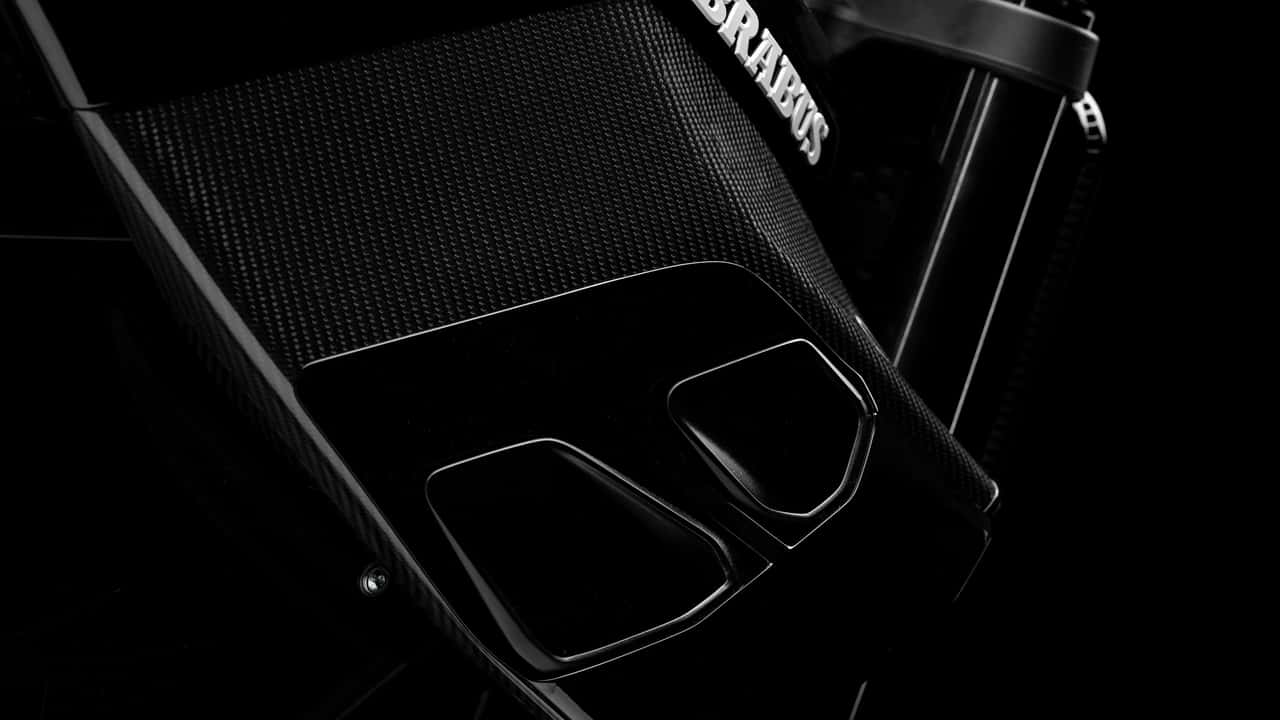
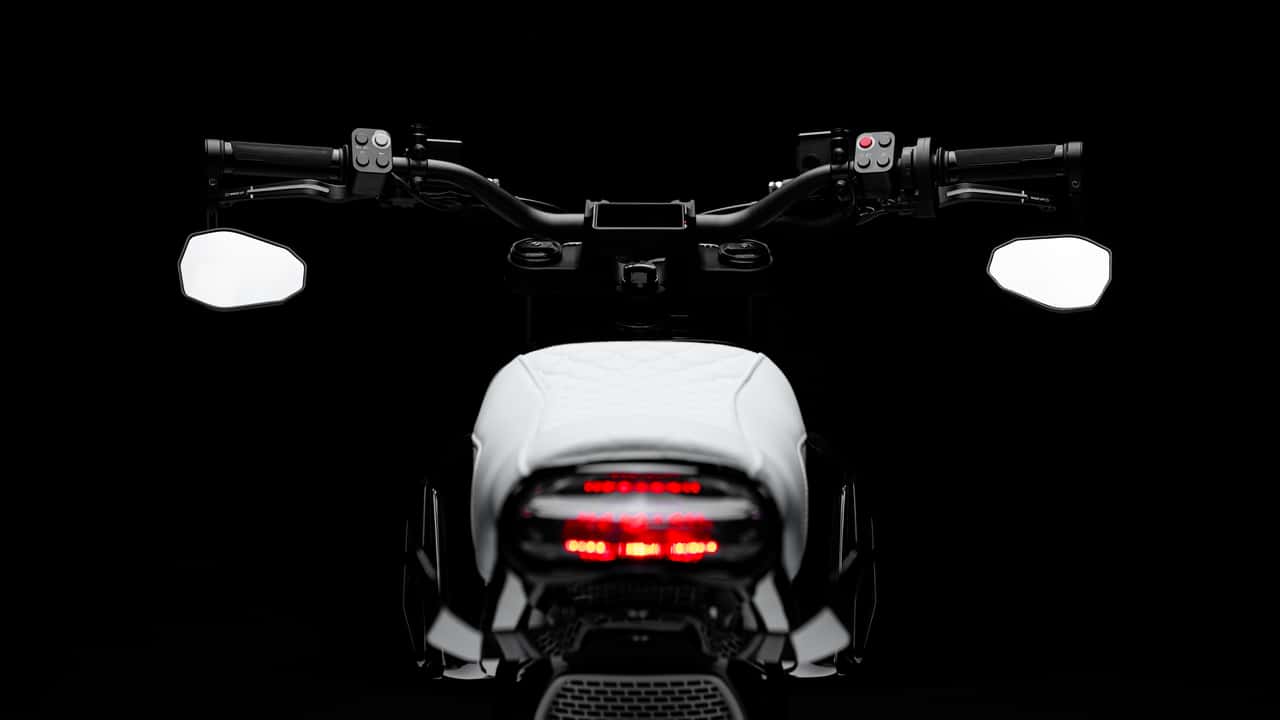
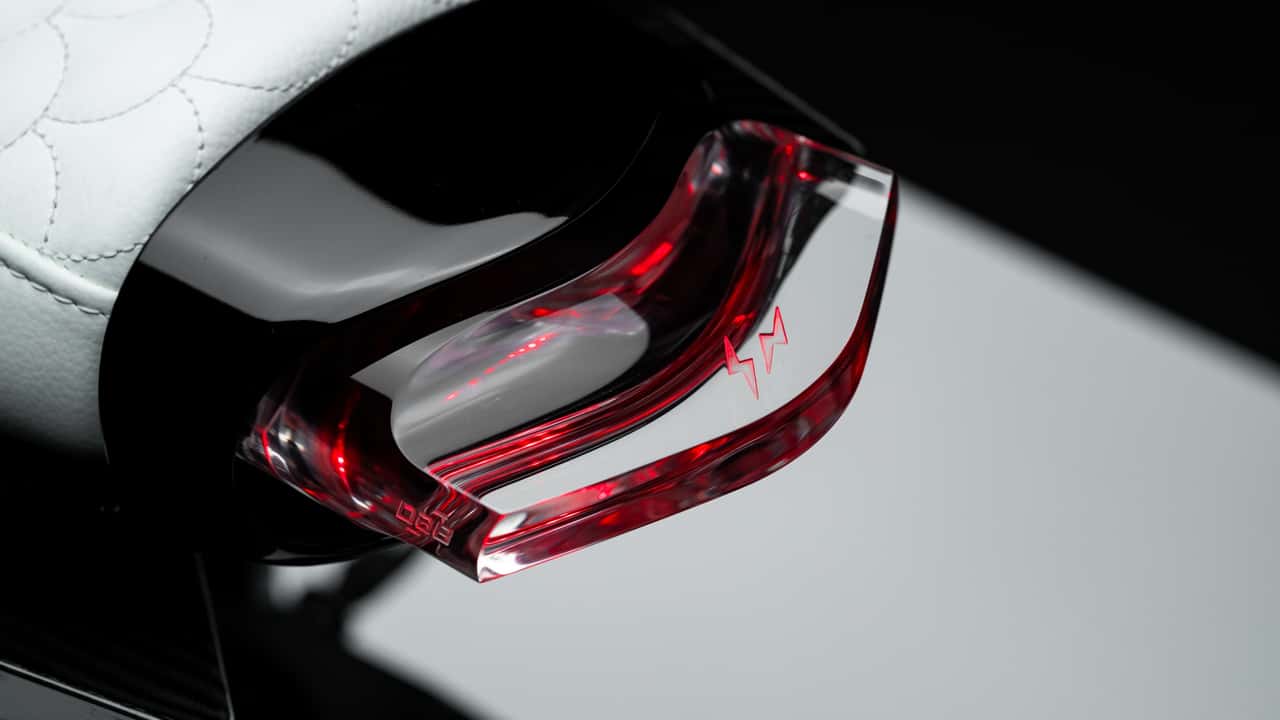
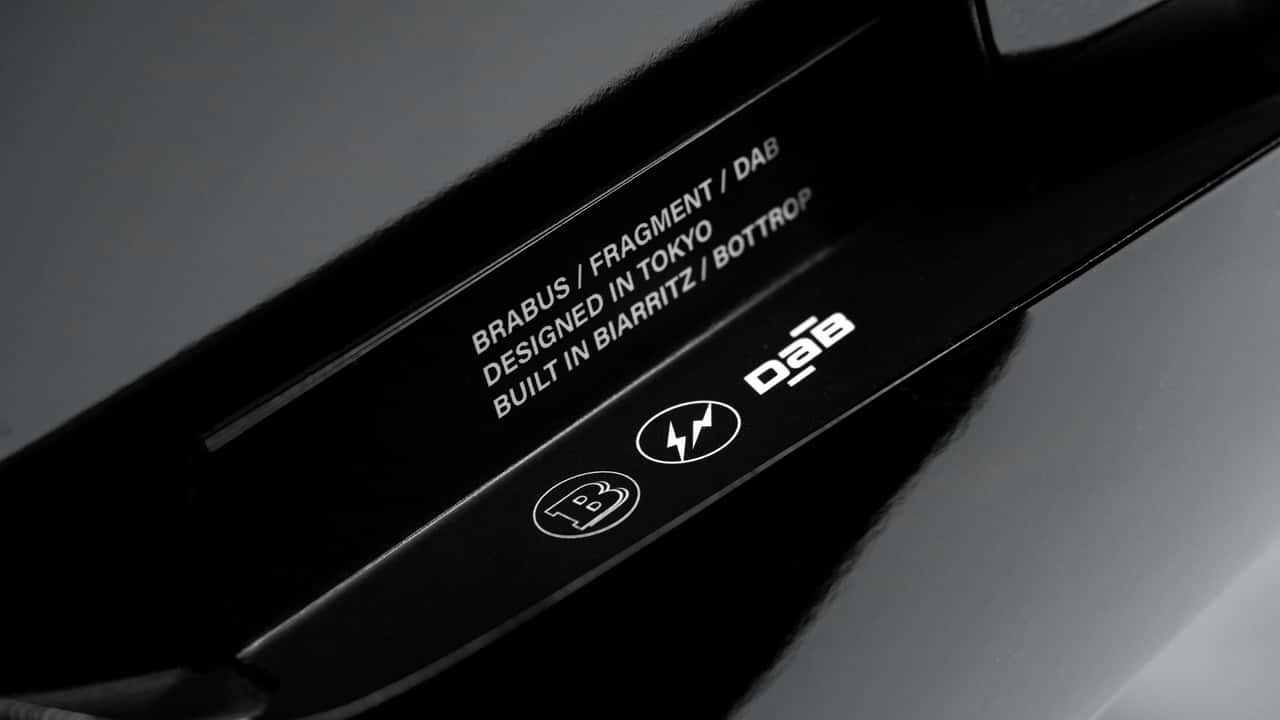
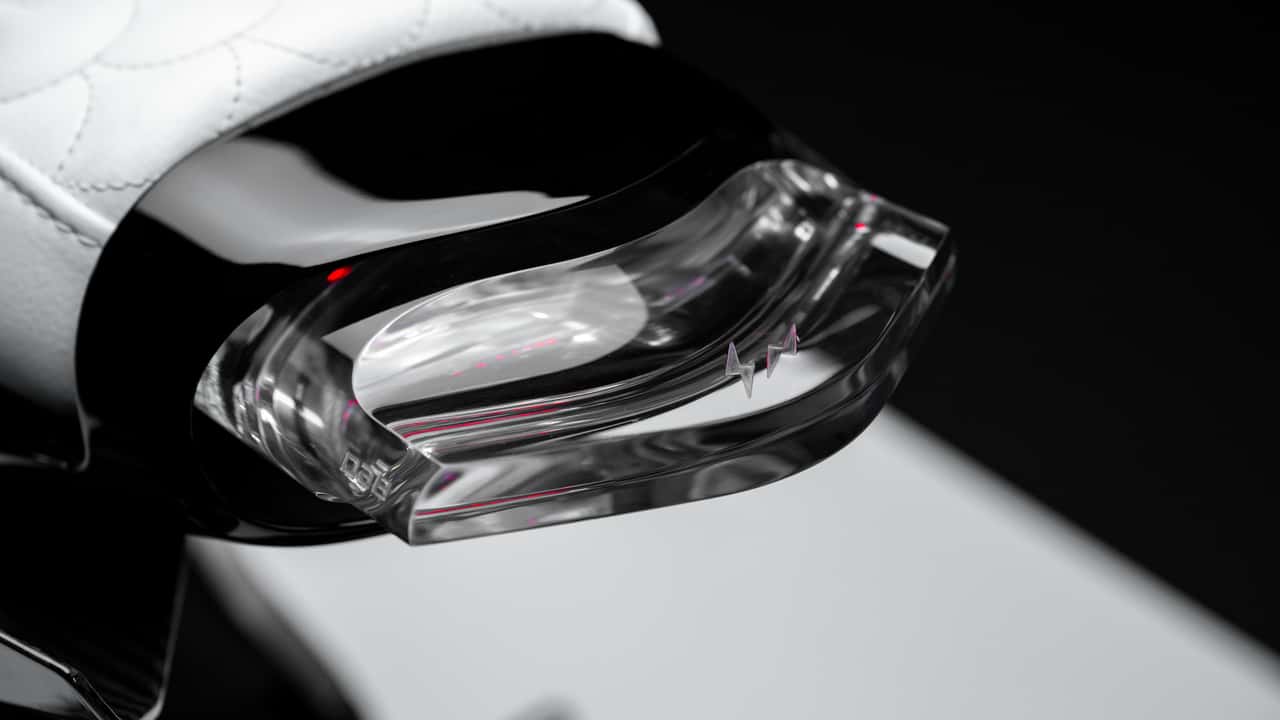
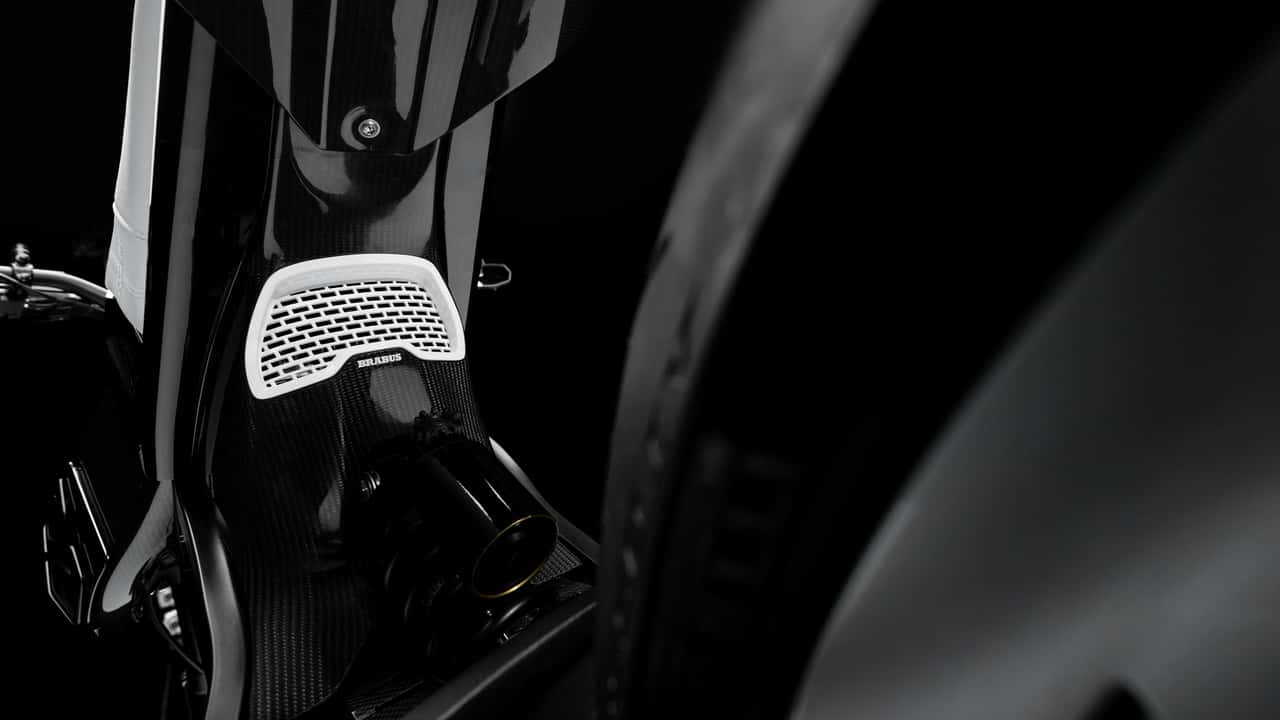
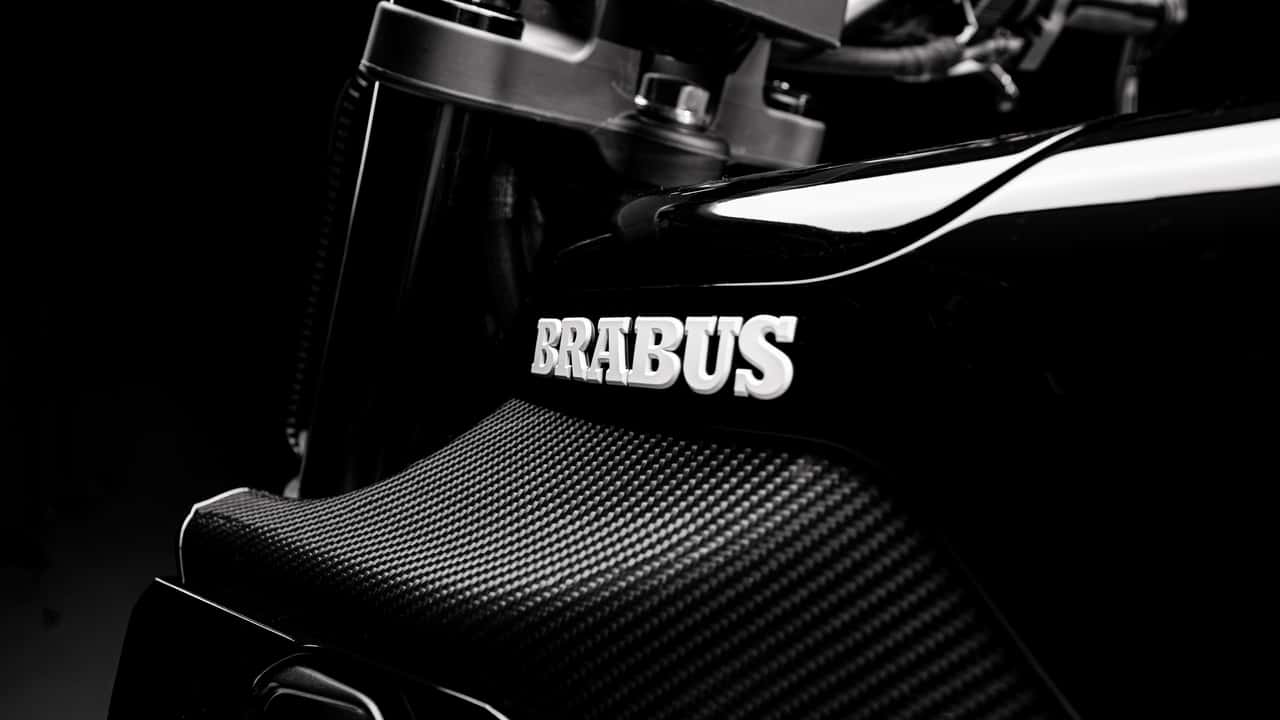
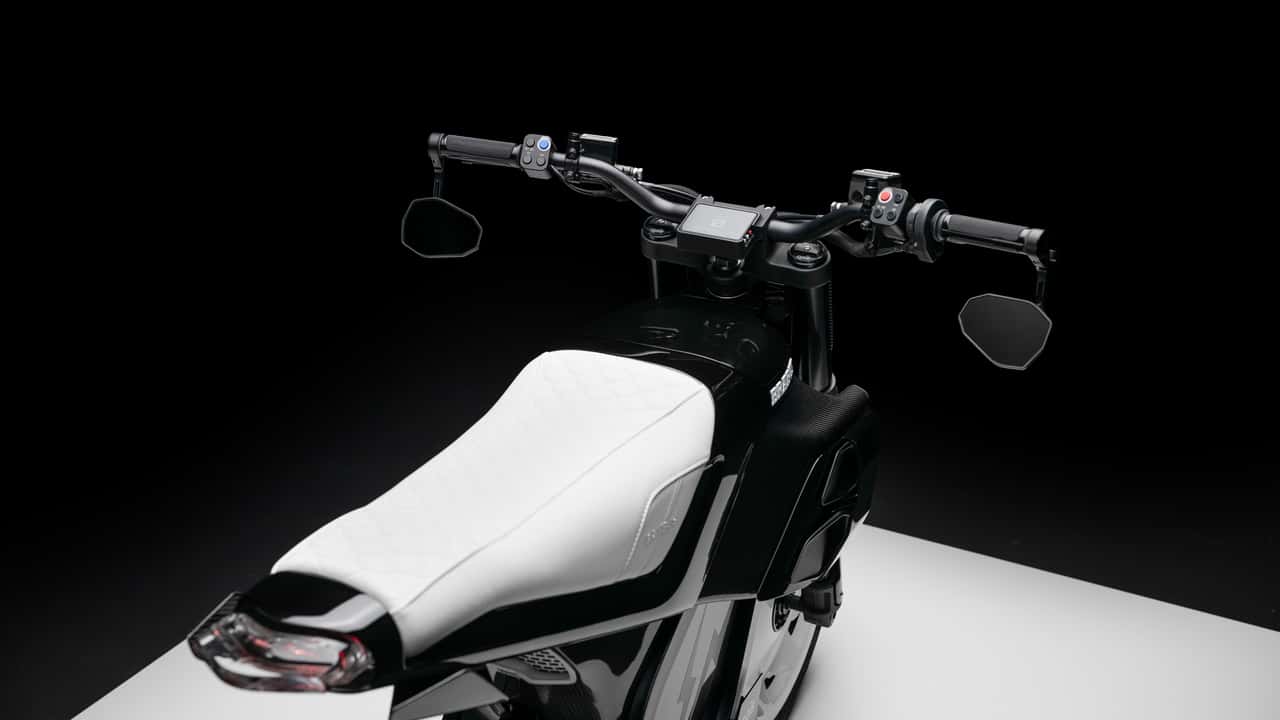
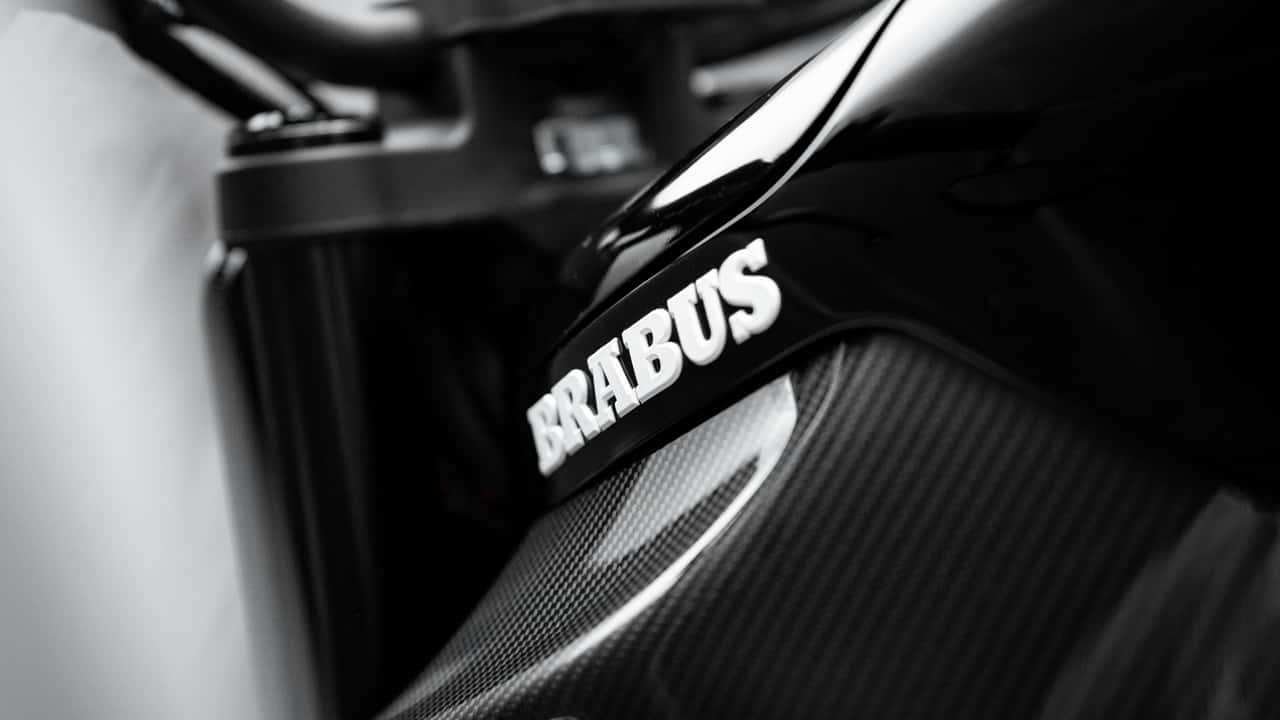
The Urban E Fragment Edition pairs Brabus with DAB Motors and Japanese designer Hiroshi Fujiwara's Fragment Design label. It costs $50,000 in North America, and only 10 will exist worldwide.
10 Units At $50,000
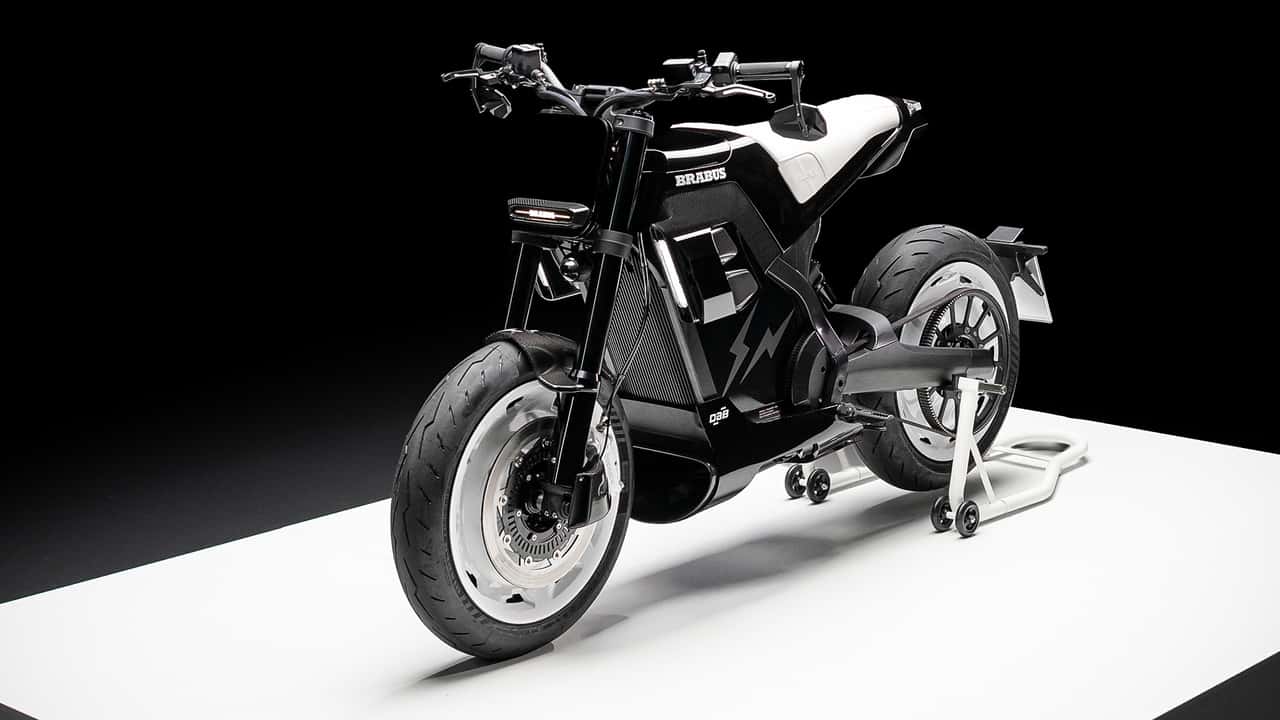
Brabus Urban E Fragment Edition (2026)
Photo by: Brabus
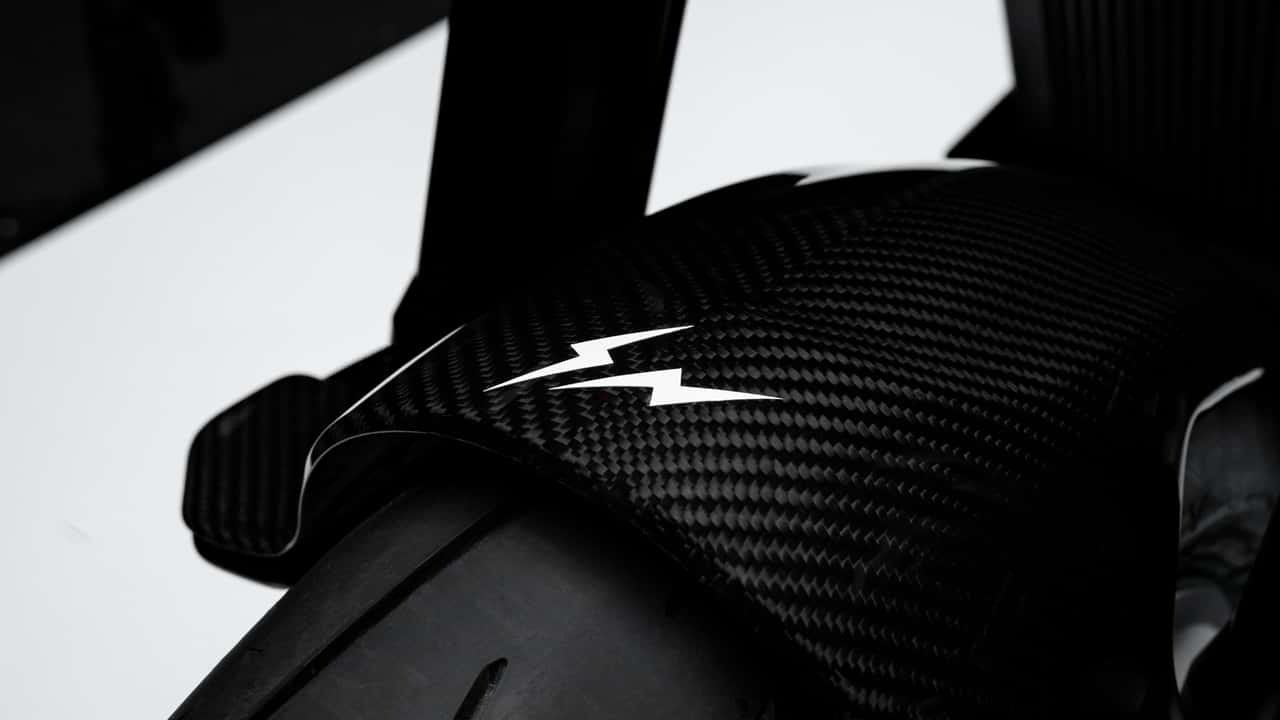
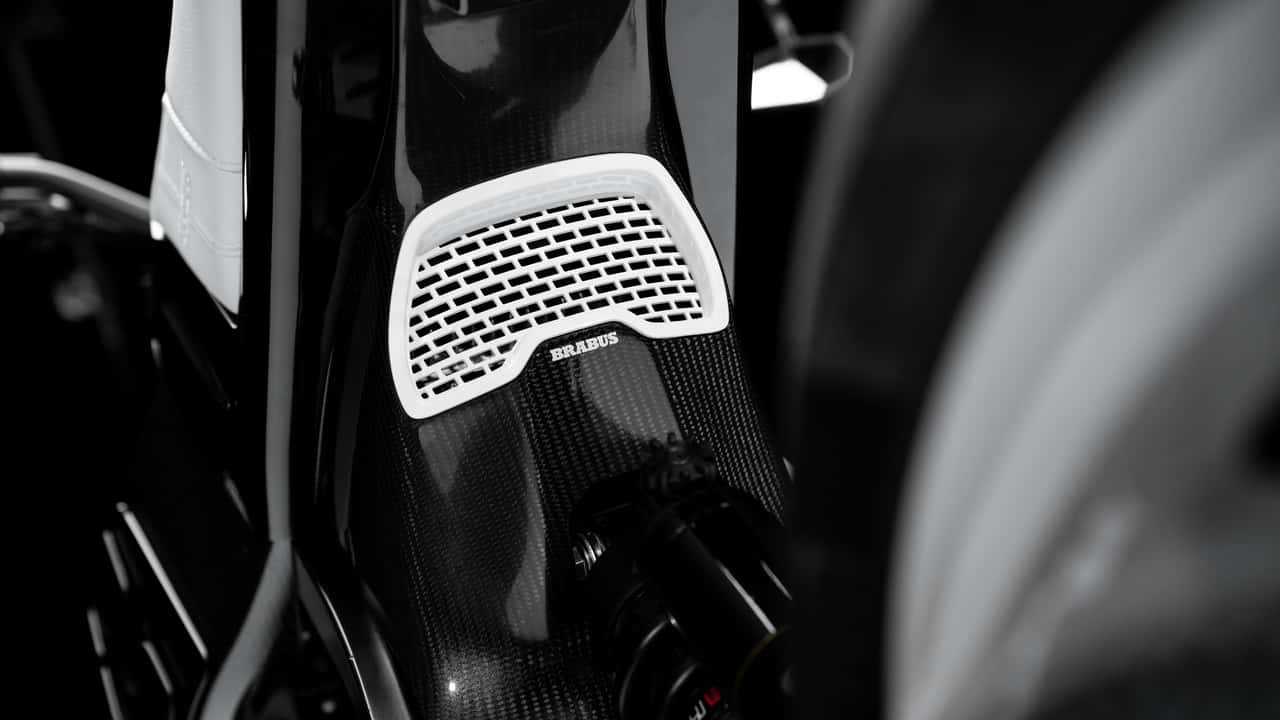
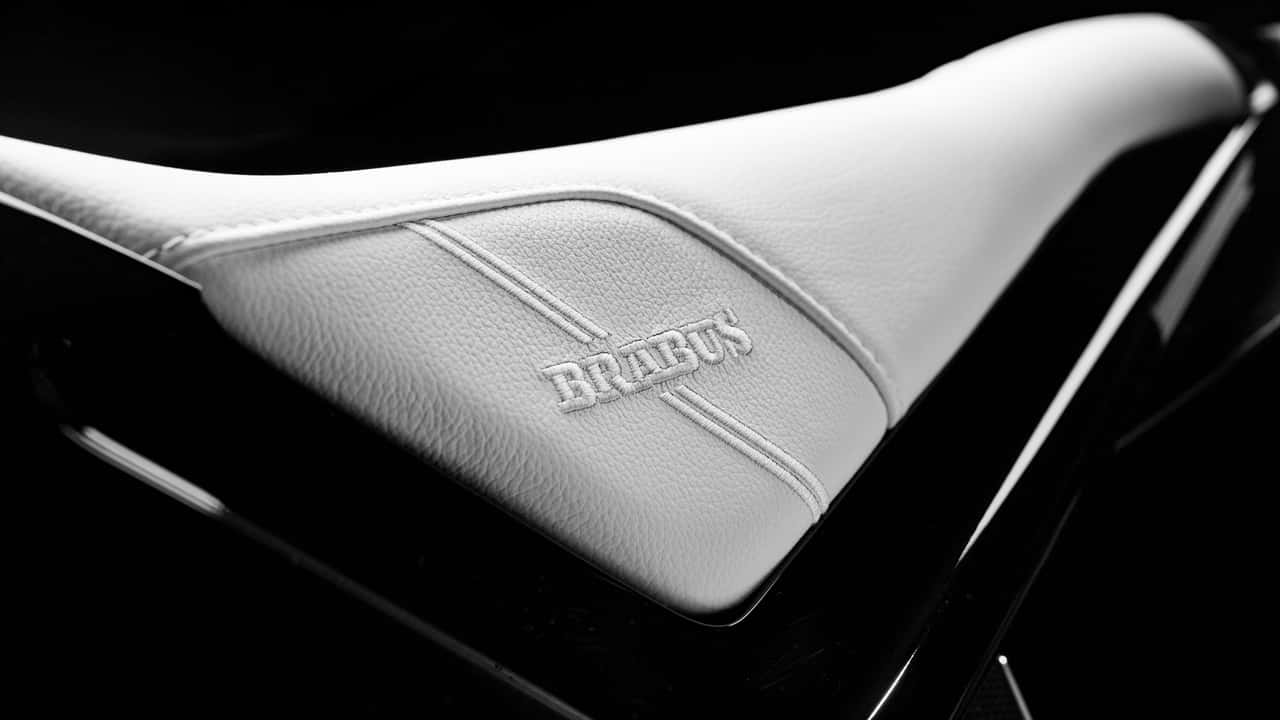
Brabus premiered the bike at ComplexCon 2026 in Los Angeles, putting a streetwear crowd in front of a motorcycle built as much for a gallery wall as a bike rack. Fujiwara, often called the godfather of Japanese streetwear, stamped the bike with his signature monochrome palette rather than Brabus's usual chrome-and-carbon flash.
A worldwide cap of 10 units means this electric motorcycle will likely trade hands for more than its sticker before most buyers ever throw a leg over one. DAB Motors supplies the underlying hardware, with the Urban E hand-assembled in France on the same platform as the standard model.
At $50,000, the Fragment Edition costs roughly double what a comparably equipped Urban E runs in Europe, where Brabus lists the collaboration bike at €45,000 before tax. That gap is the premium for Fujiwara's name and the promise that only nine other owners will ever ride one.
Brabus Urban E Specifications
Strip away the design collaboration and the Fragment Edition rides on the same electric guts as Brabus's existing carbon-focused Urban E. A 27-kilowatt motor makes 37 horsepower and sends 350 pound-feet of torque to the rear wheel through a low-maintenance carbon belt, which is a cleaner alternative to a chain.
Top speed lands at 75 miles per hour, and the 72-volt lithium-ion battery claims up to 93 miles of urban range. Riders get three modes on the Fragment Edition: Eco, Street and Sport, with Eco capping speed at 37 miles per hour and dialing back torque for city cruising.
Charging from 20 to 100 percent takes about three hours on a household outlet. A full charge from empty runs 3.5 to four hours, which matches what other small-battery urban electric bikes typically need.
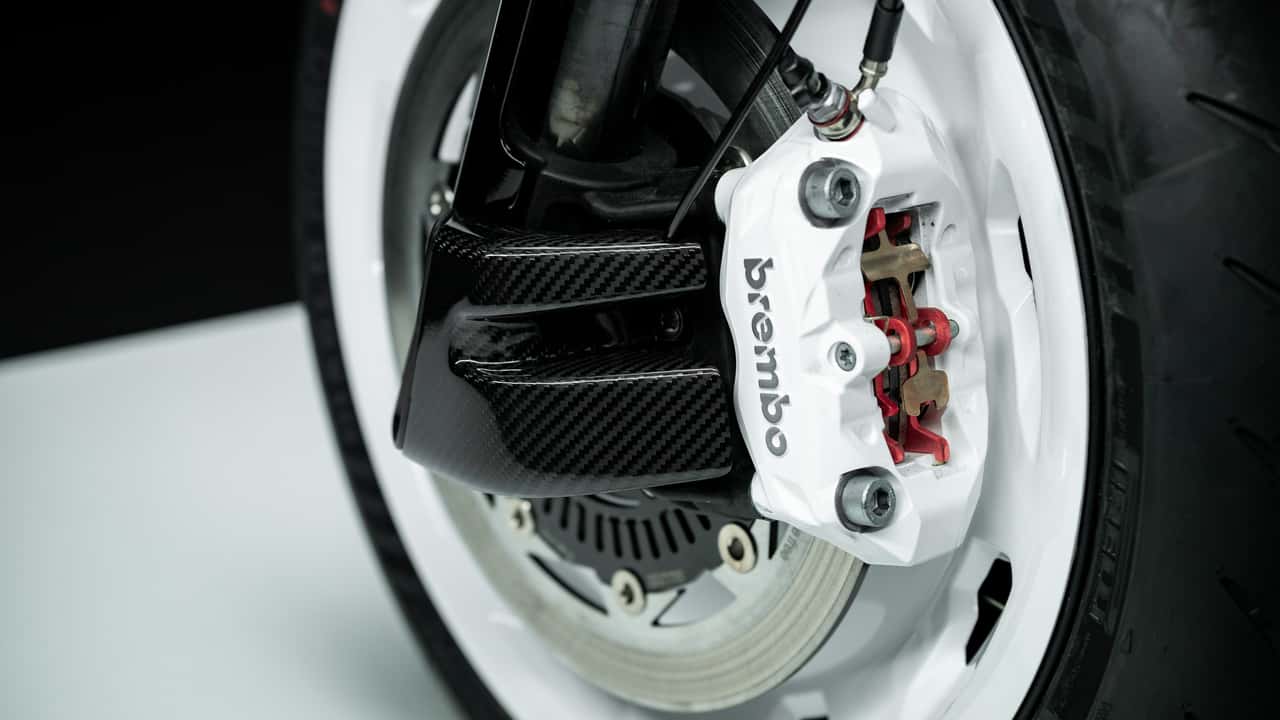
Braking comes from a Brembo setup with a four-piston front caliper gripping a 12.6-inch disc, backed by dual-channel ABS. Suspension duties fall to a 46-millimeter inverted fork and a custom rear shock, each offering 3.9 inches of travel.
Brabus lists orders through its own channels and through DAB Motors for European buyers, with the €45,000 pre-tax tag putting the Fragment Edition well into high-end motorcycle money. That makes the Urban E Fragment Edition a halo piece next to more attainable electric commuters while giving Brabus collectors another small-batch machine to chase.
Aston Martin Made Its First Street-Legal Bike, And Collectors Will Fight For 300
Ever Wanted A Bentley-Inspired Ducati? No? Here's One Anyway
Source: Brabus





]]> feedback@motor1.com (Brian Potter) https://www.motor1.com/news/811327/brabus-urban-e-fragment-edition/ https://www.motor1.com/news/811249/volkswagen-id-tiguan-debut-details/ Fri, 09 Oct 2026 10:00:00 +0000 Volkswagen ID.4 Is Dead: Meet Its New Electric SUV Replacement The new ID. Tiguan replaces the ID.4 with a more traditional SUV design and an interior packed with physical controls.
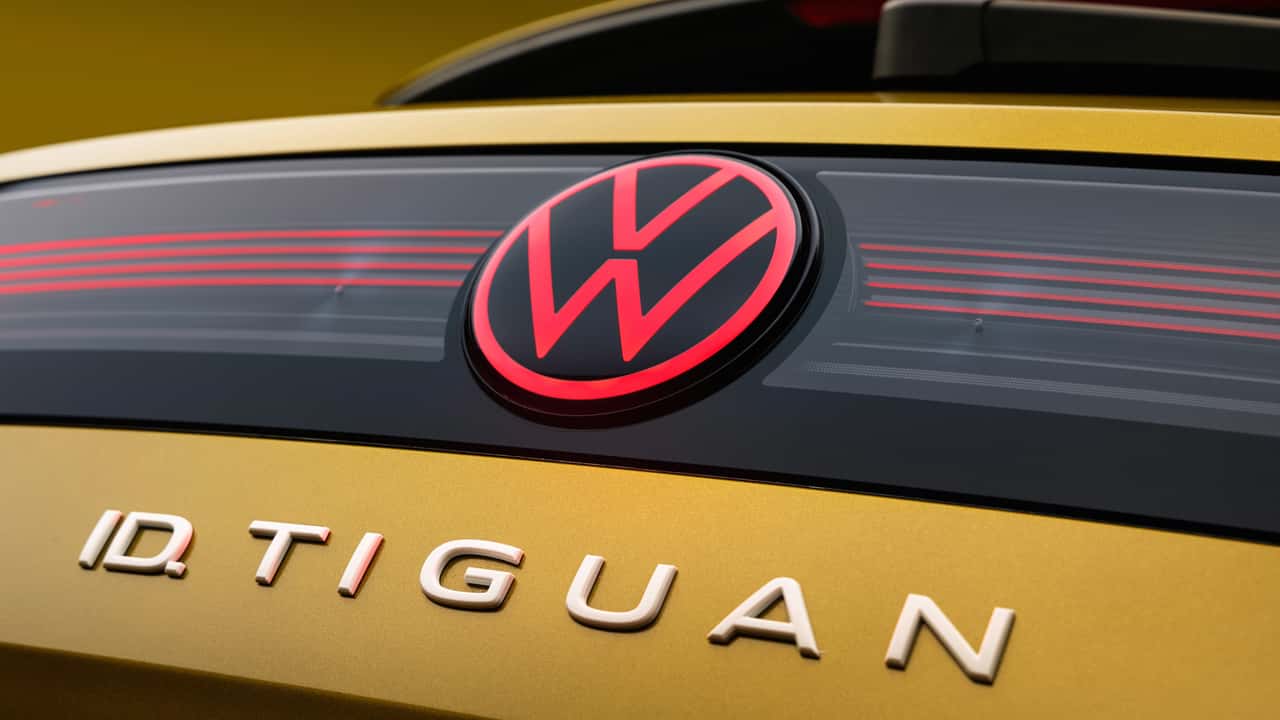
The Volkswagen ID.4, as we know it, is dead, and Volkswagen is officially announcing its replacement. Meet the new-and-improved ID. Tiguan.
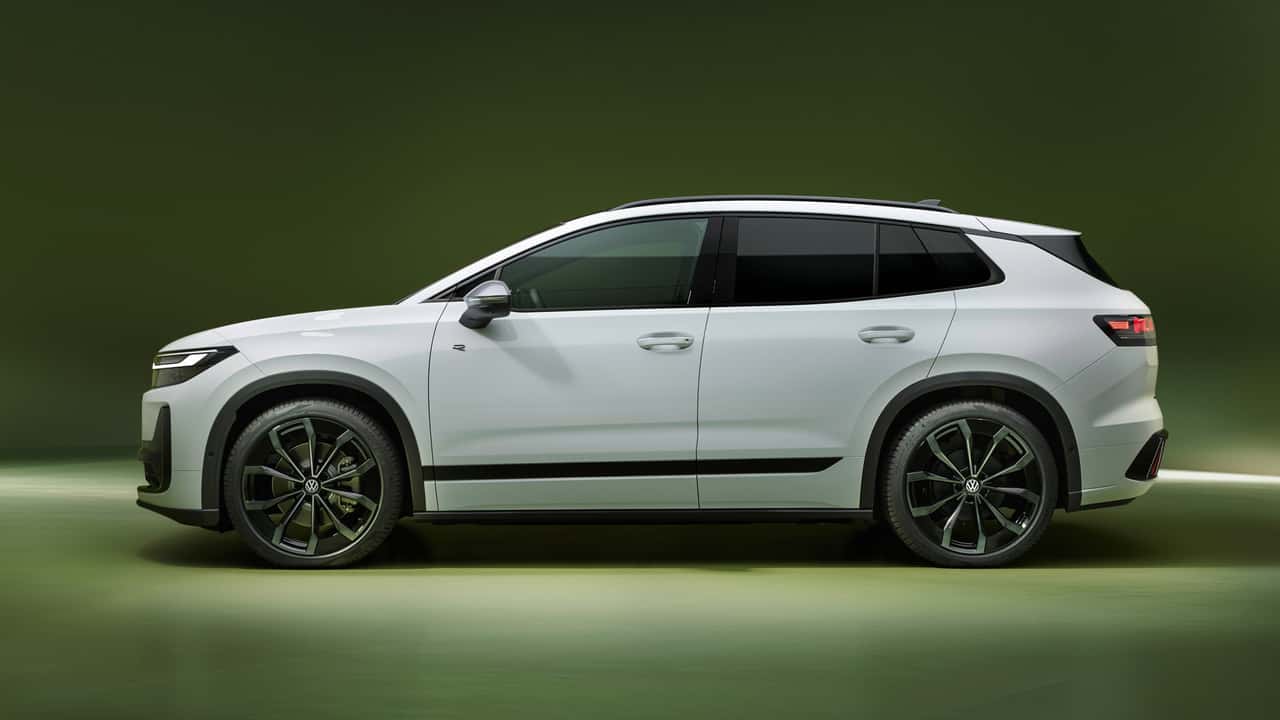
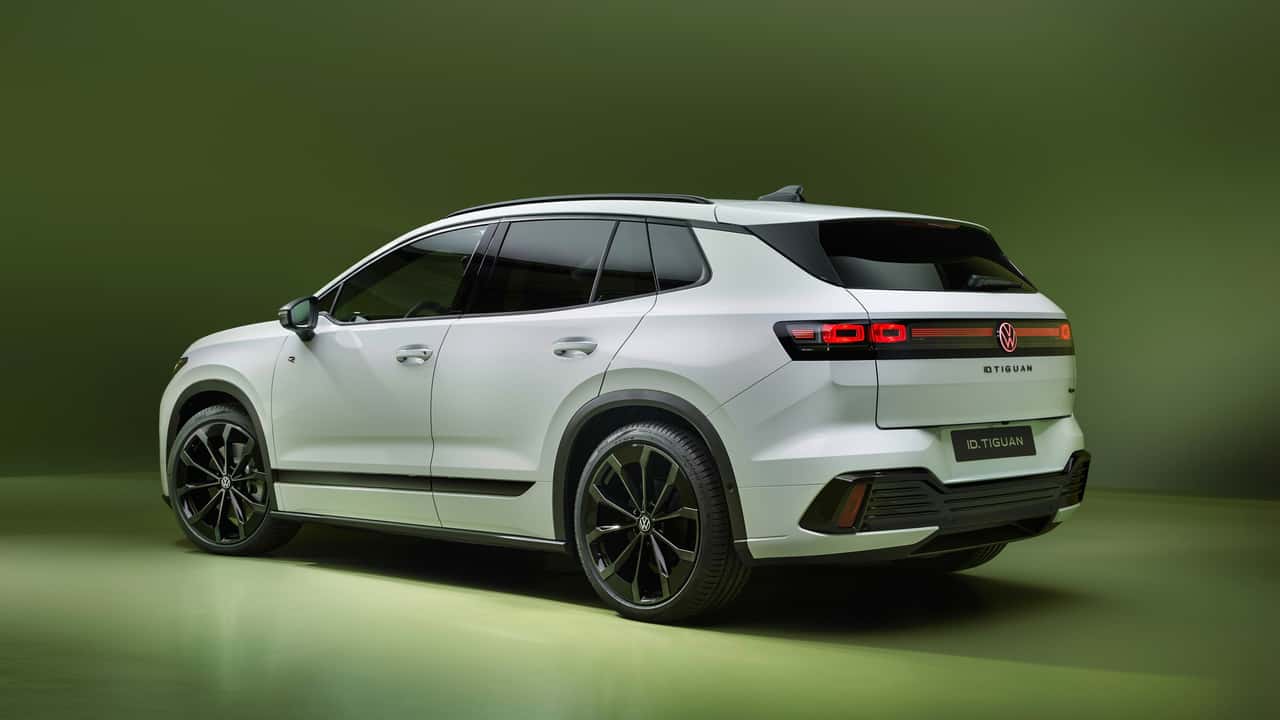
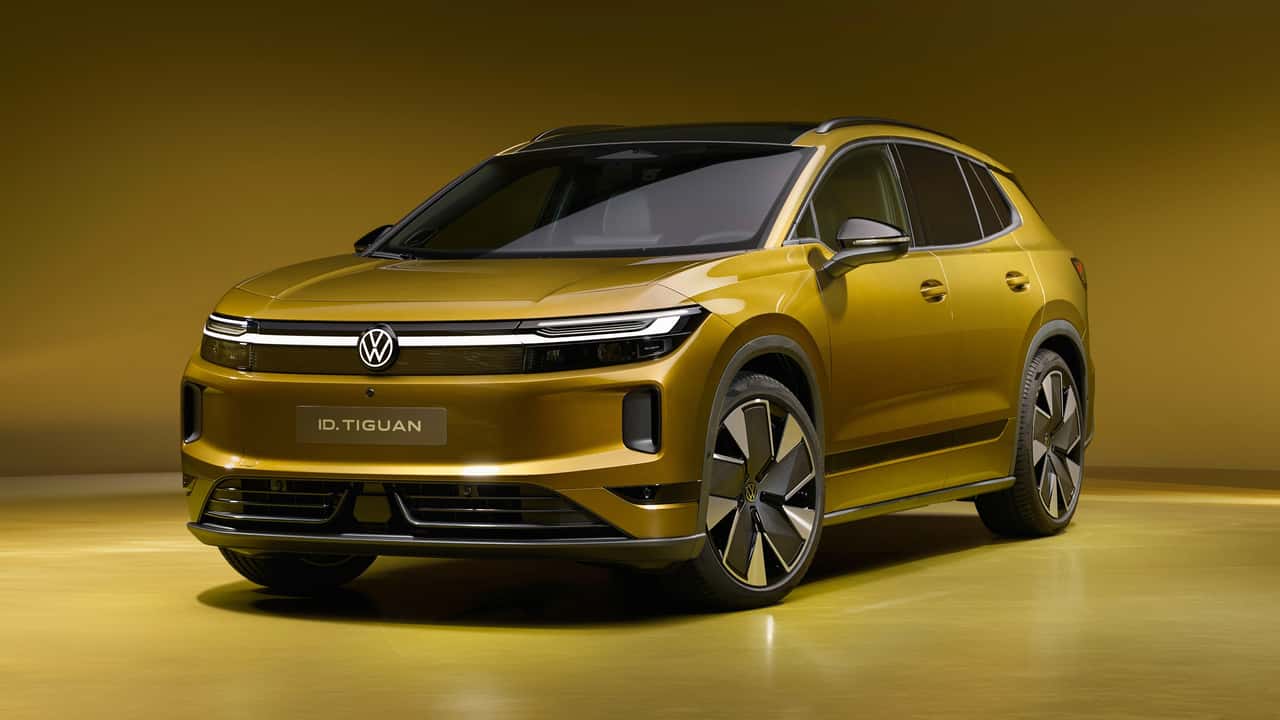
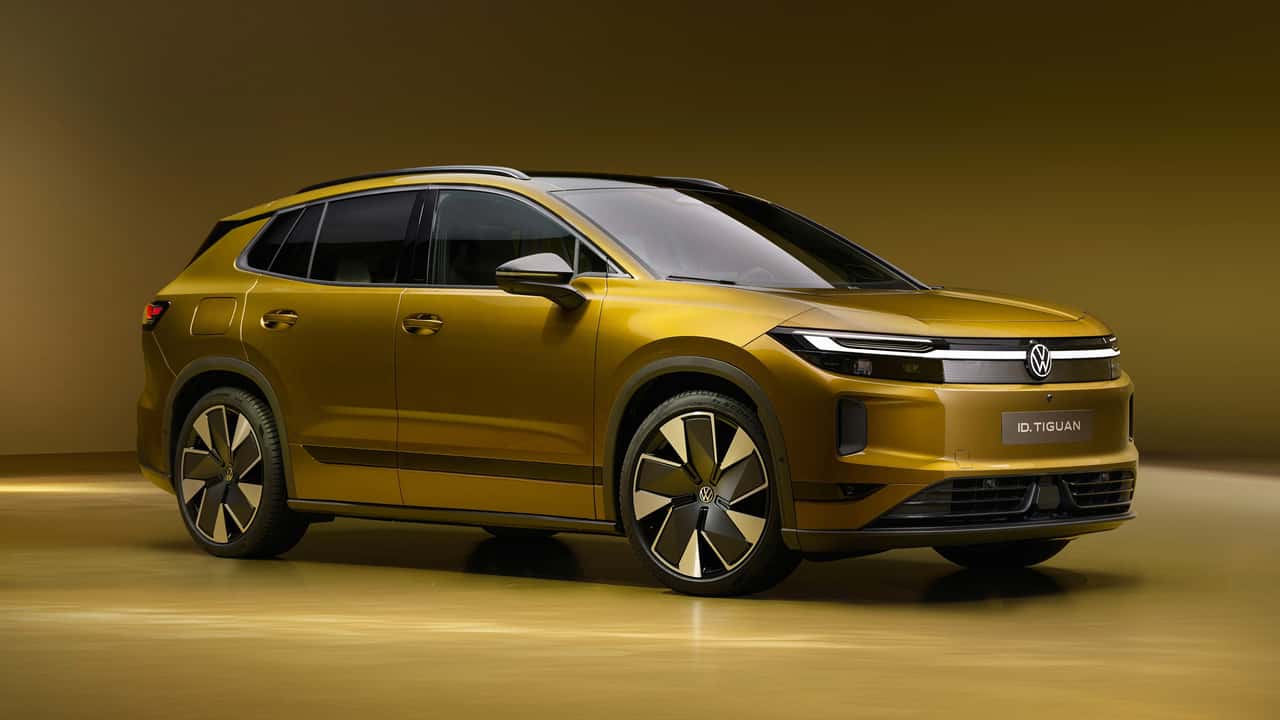
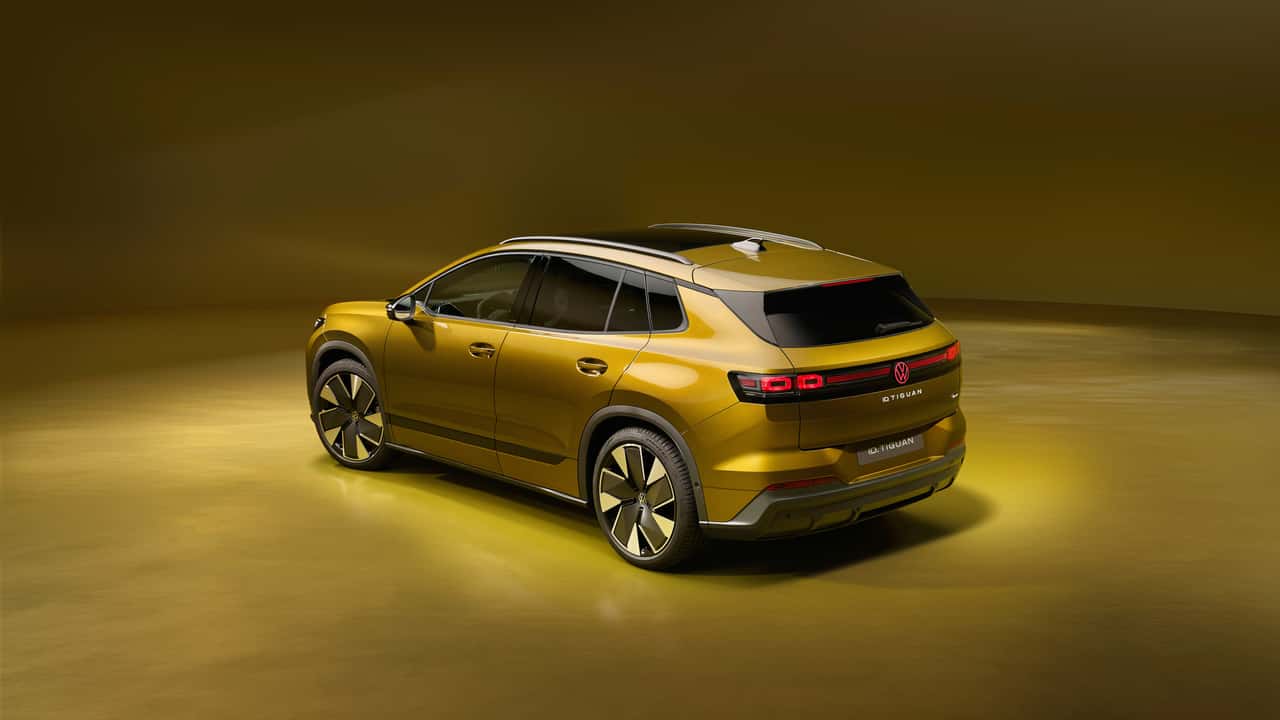
The new ID. Tiguan will succeed the ID.4 and the European-market ID.5, bringing a more traditional SUV design, a redesigned interior, and up to 373 miles (600 kilometers) of WLTP range in Europe.
The electric SUV will launch in Germany and other European markets in early 2027, while the gasoline-, diesel-, and hybrid-powered Tiguan will continue alongside it.
Volkswagen Recalls Nearly 50,000 Tiguans For Engines That Can Shut Off
Volkswagen Just Restarted Atlas Production, Betting Its US Future On One Plant
The VW ID. Buzz Cargo Is Now Longer And Ready To Haul More
Volkswagen's EV Orders Are Beating Gas Cars In Germany, But That Creates A Problem
A More Traditional SUV Design
2027 Volkswagen ID. Tiguan
Photo by: Volkswagen
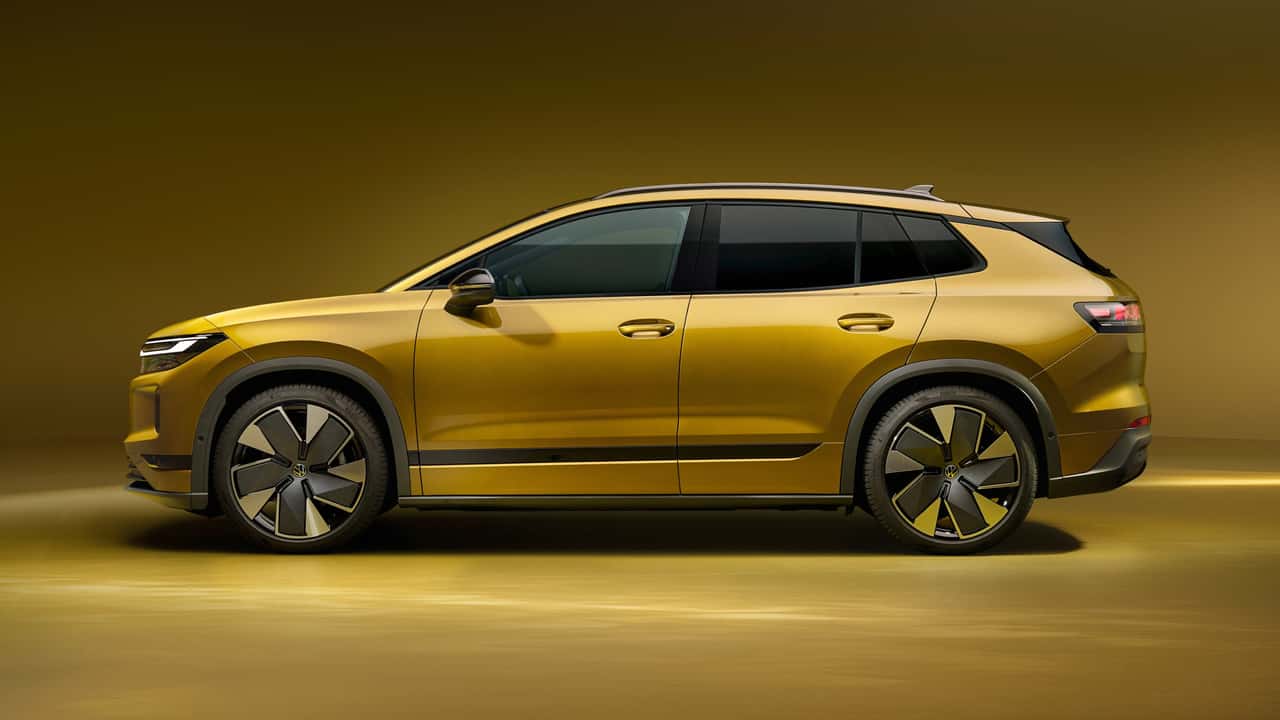
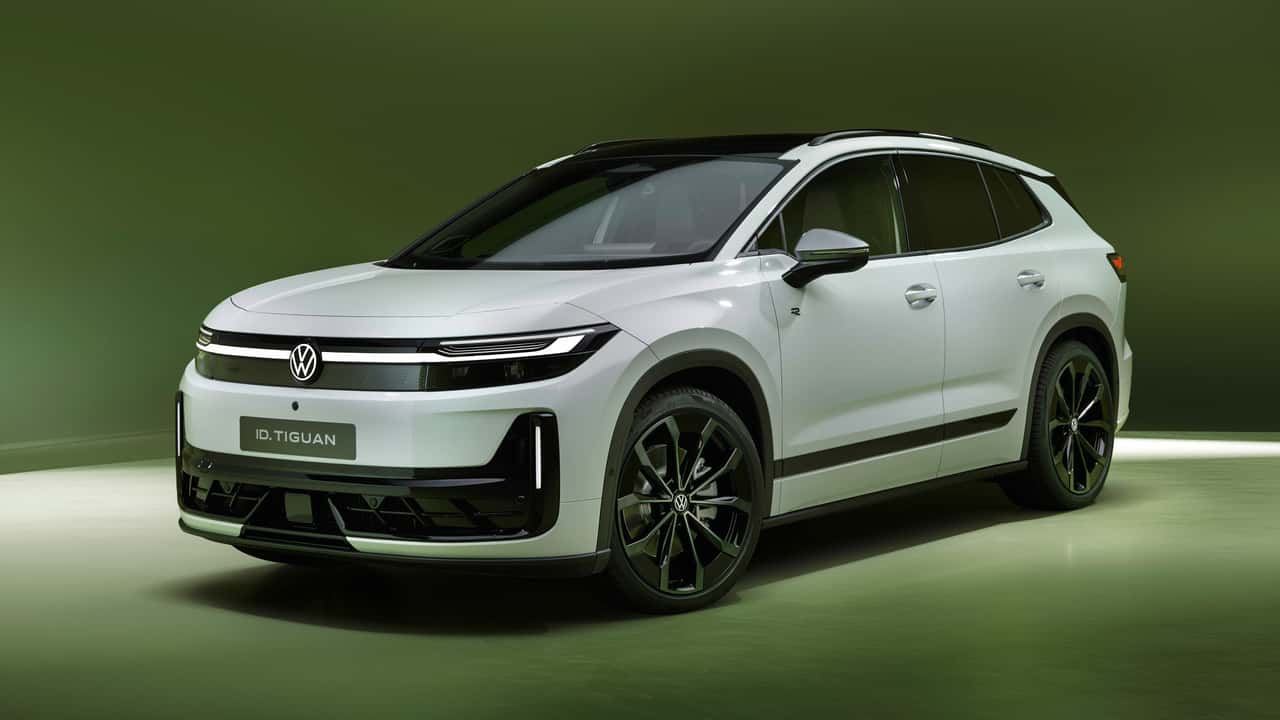
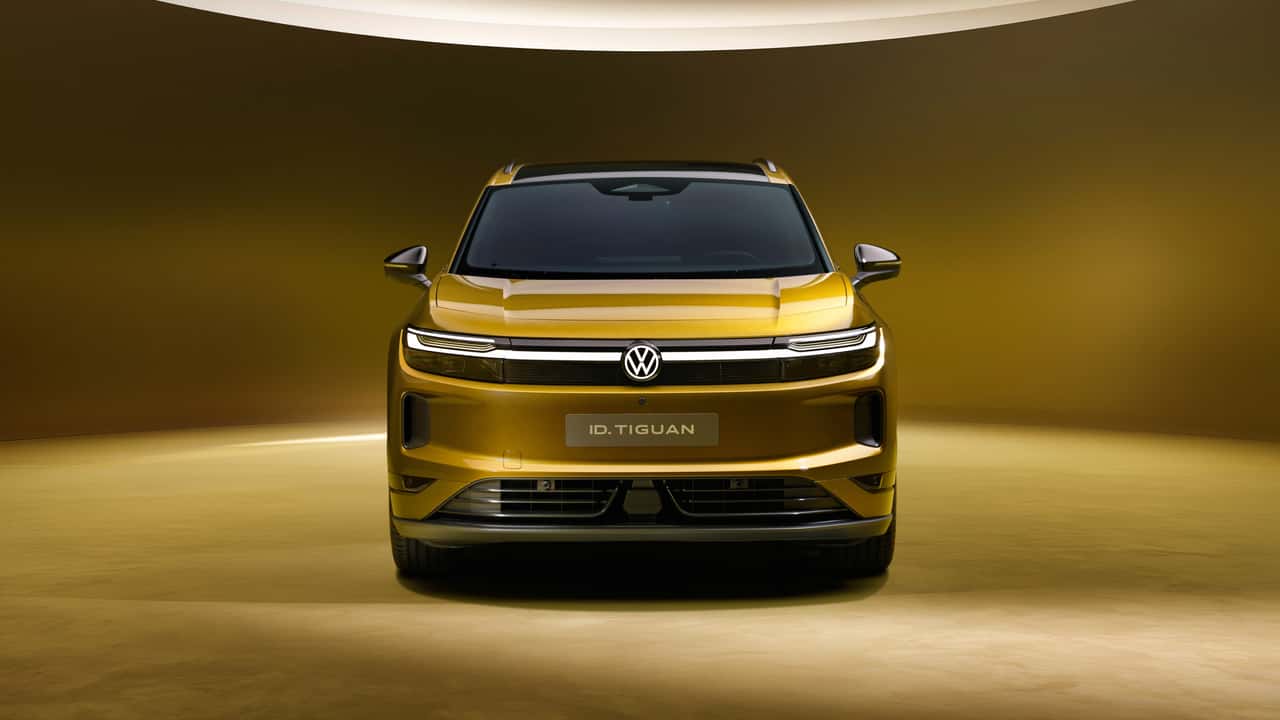
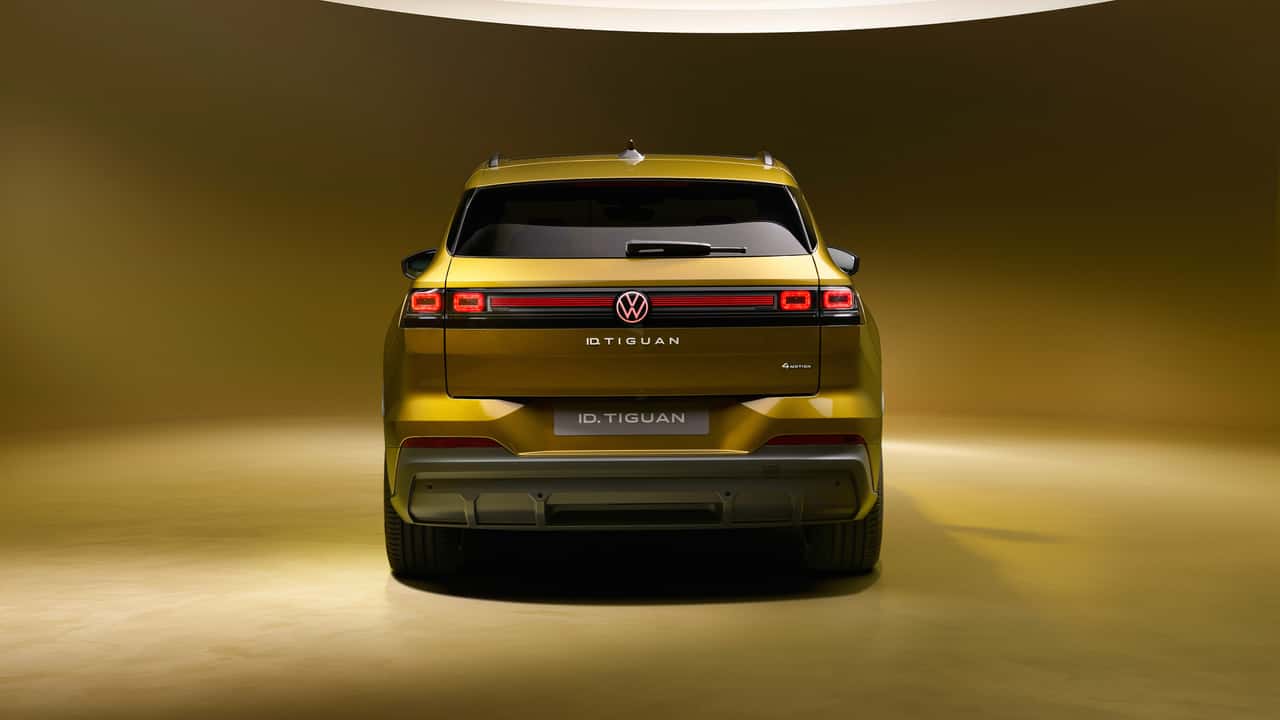
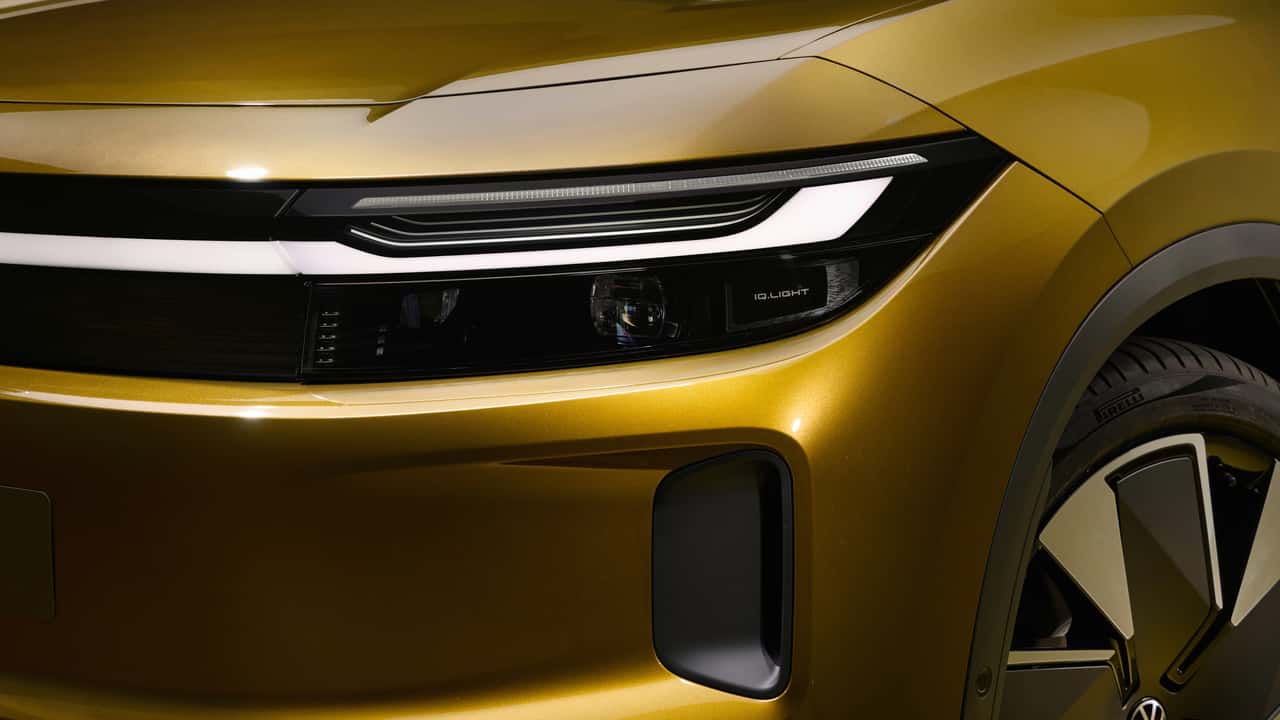
Volkswagen is moving away from the softer crossover shape of the ID.4 and ID.5 with the ID. Tiguan. The new model gets a more upright, muscular look with sharper body lines and sculpted sheet metal. The company is even bringing back classic pull-style exterior door handles—praise be.
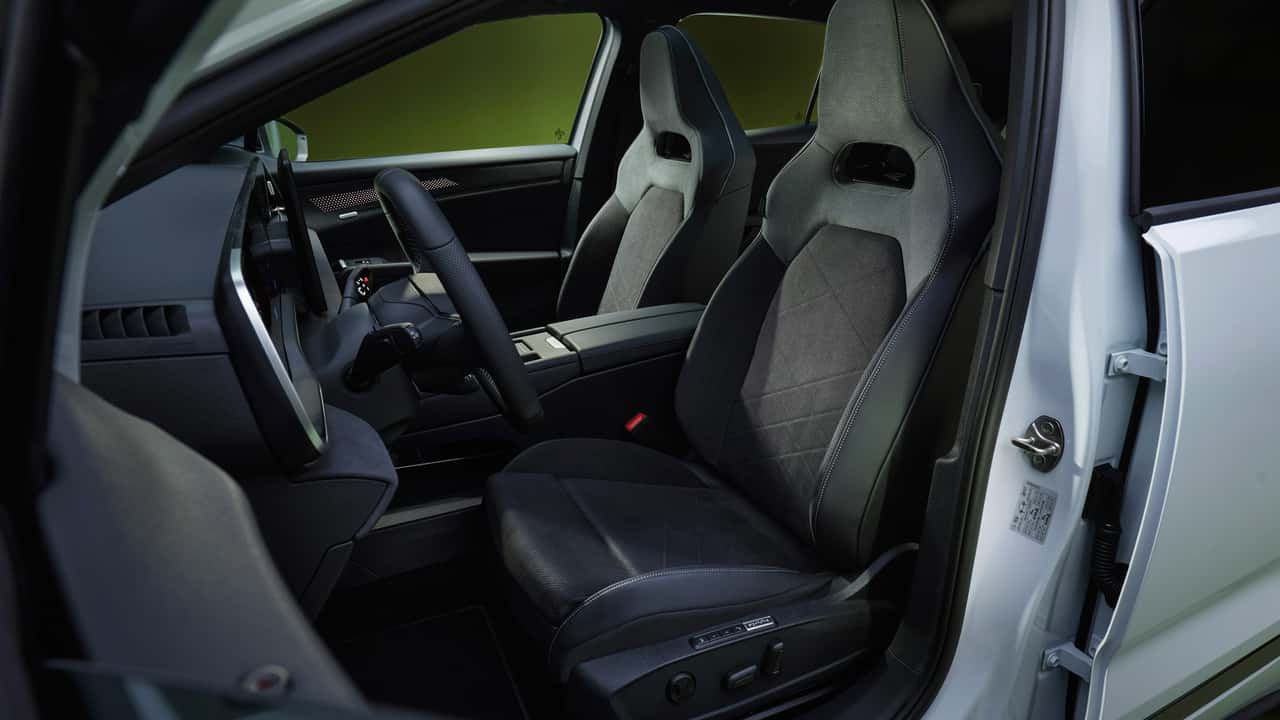
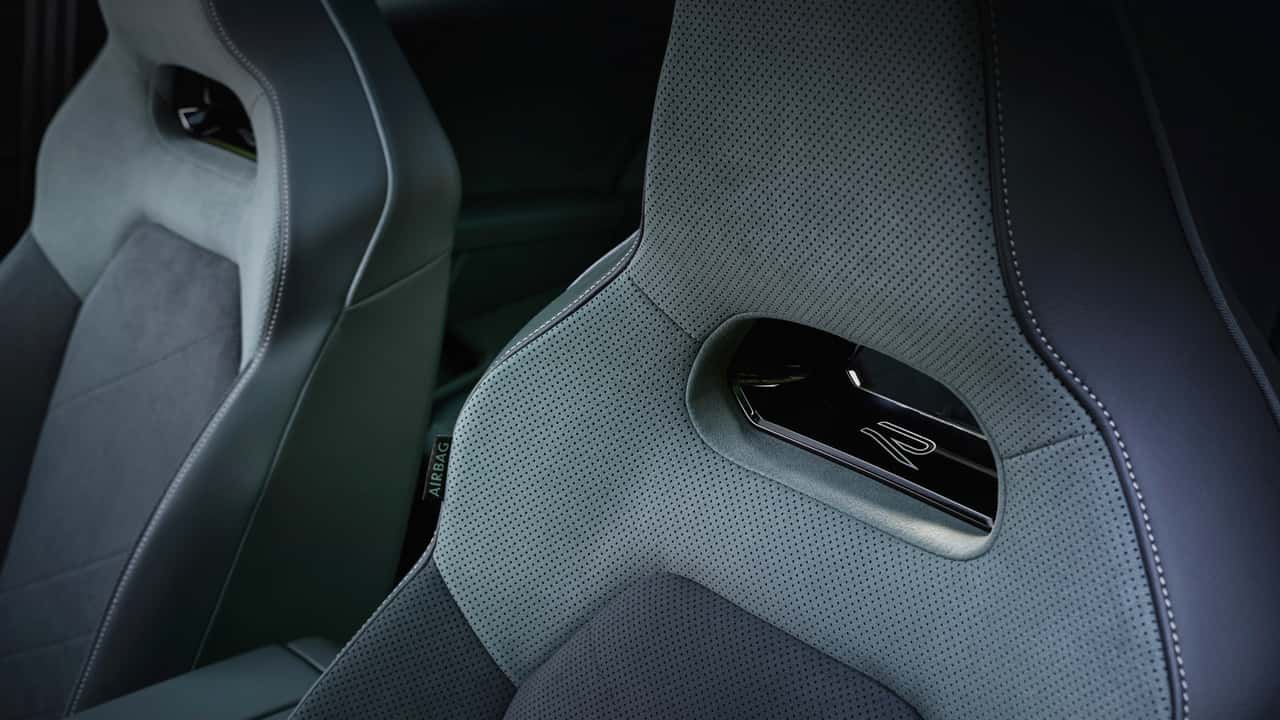
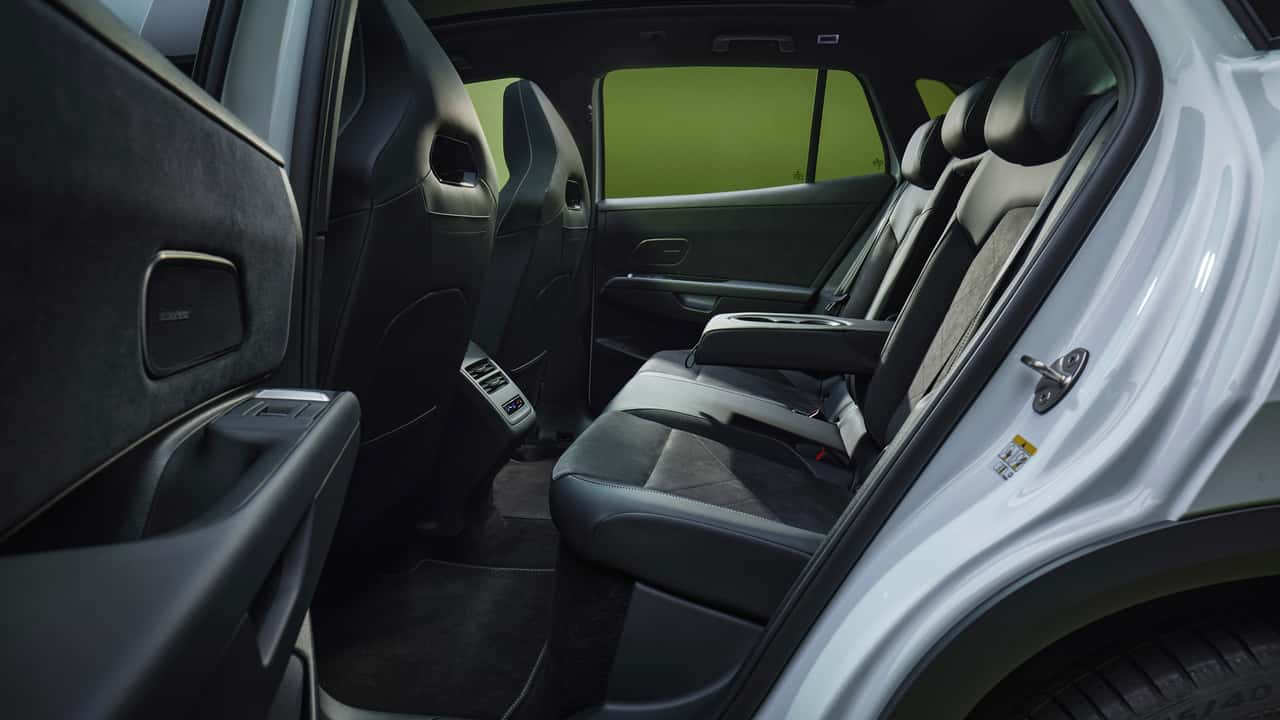
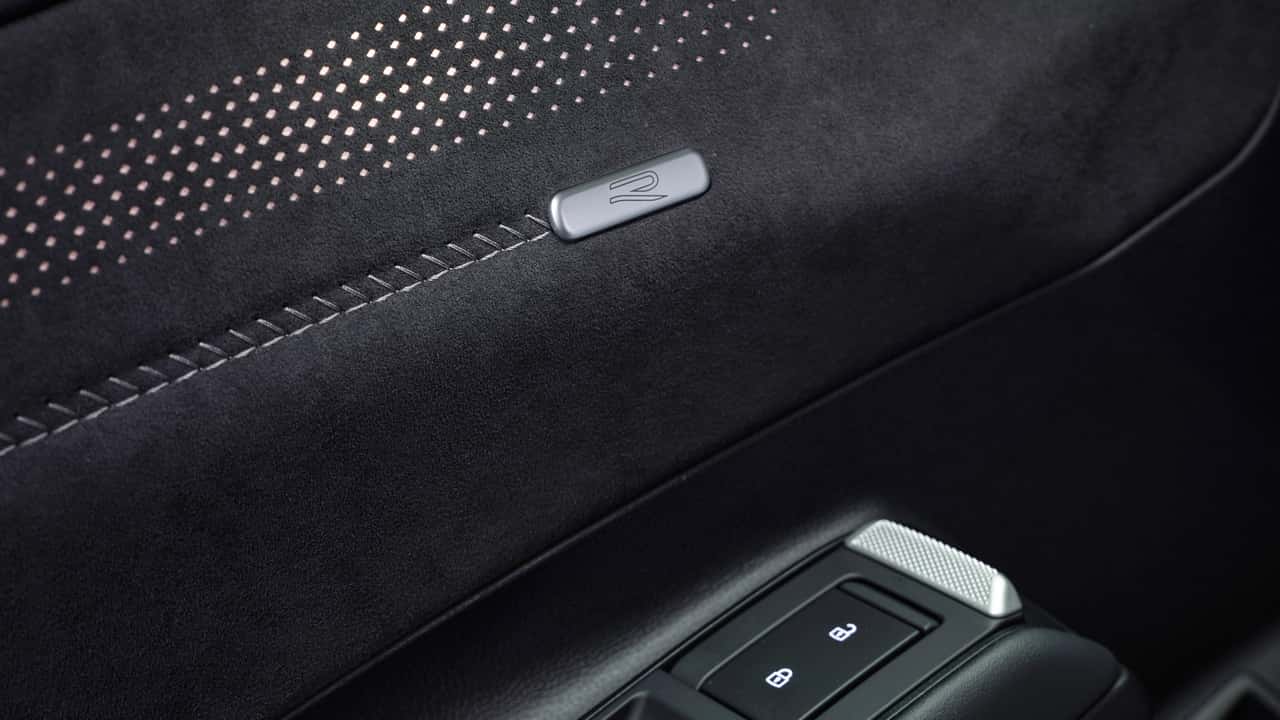
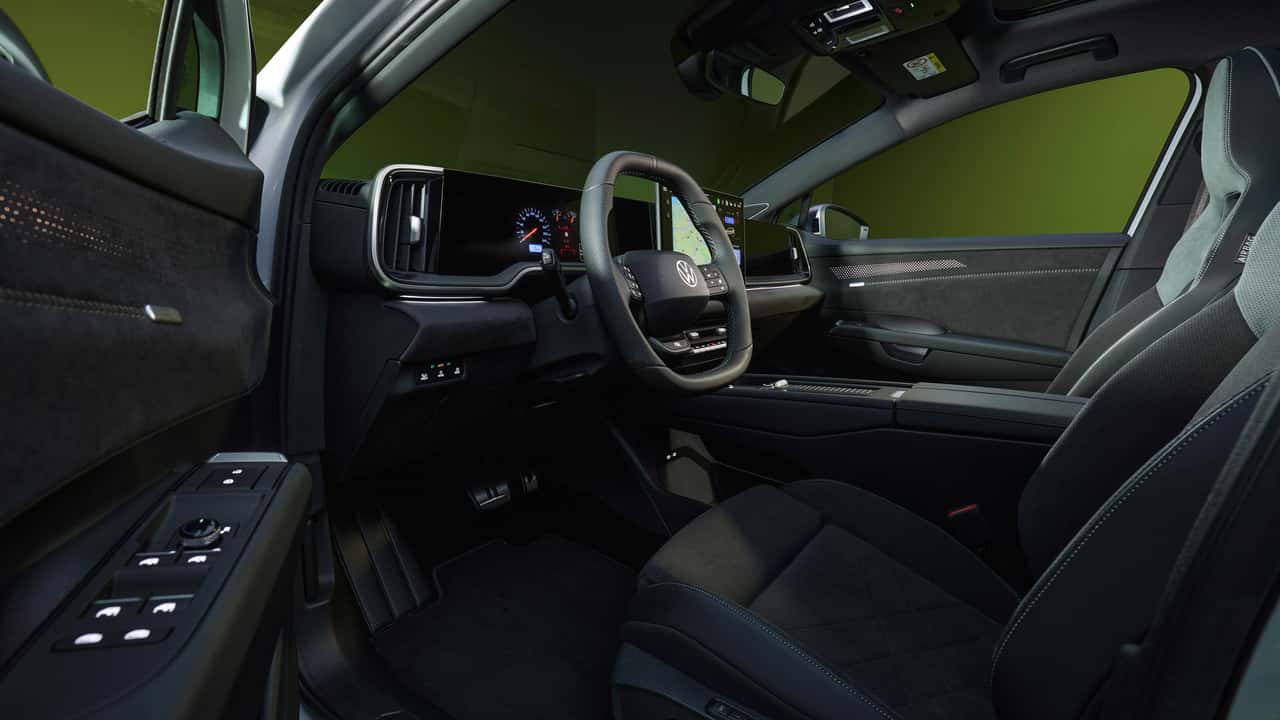
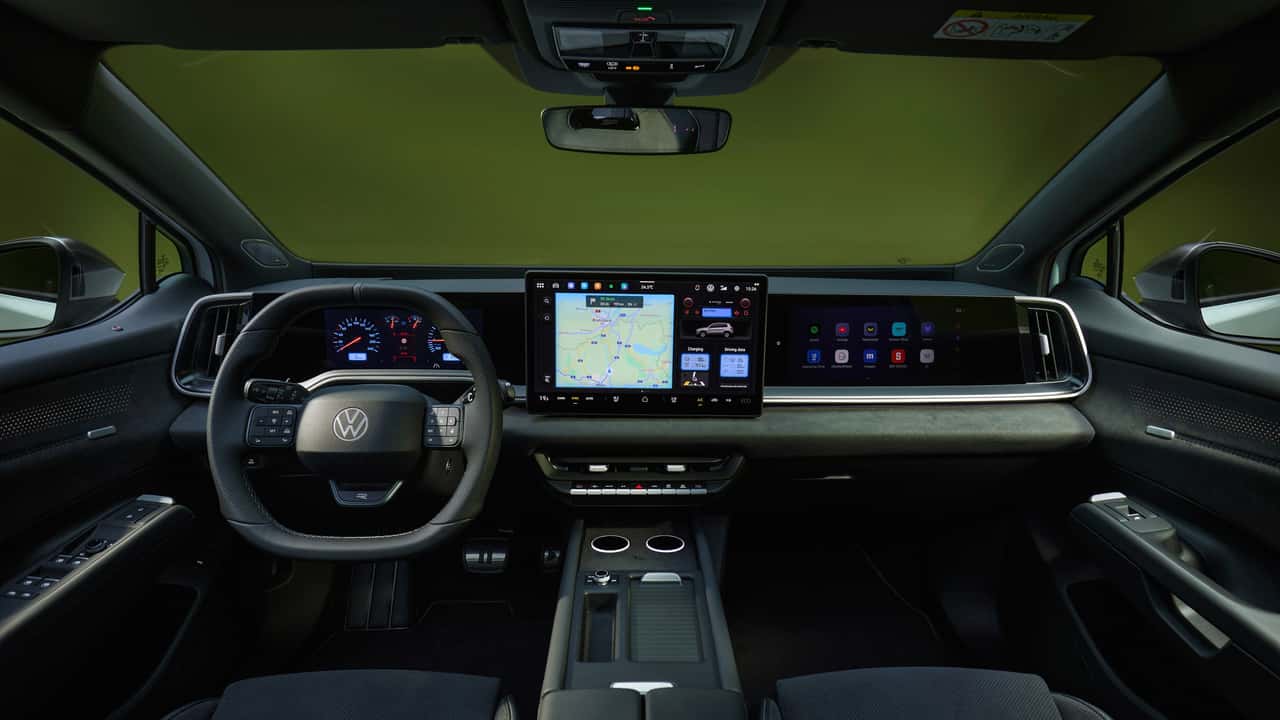
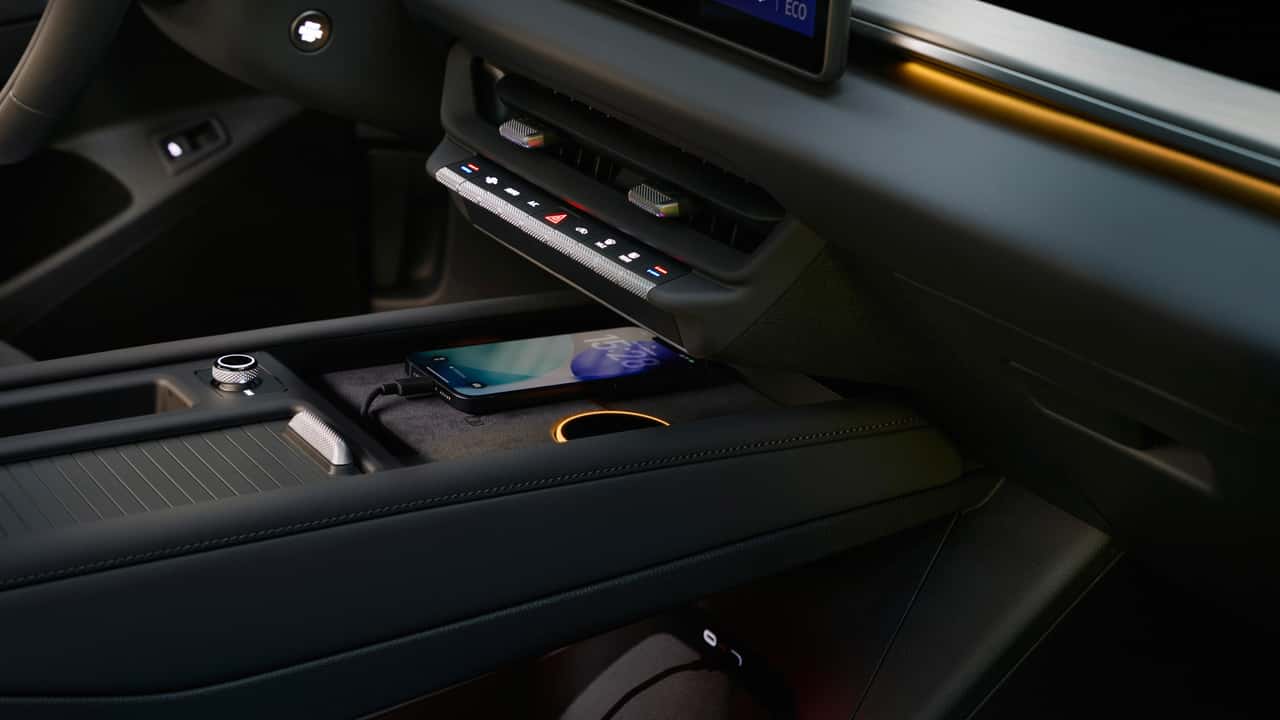
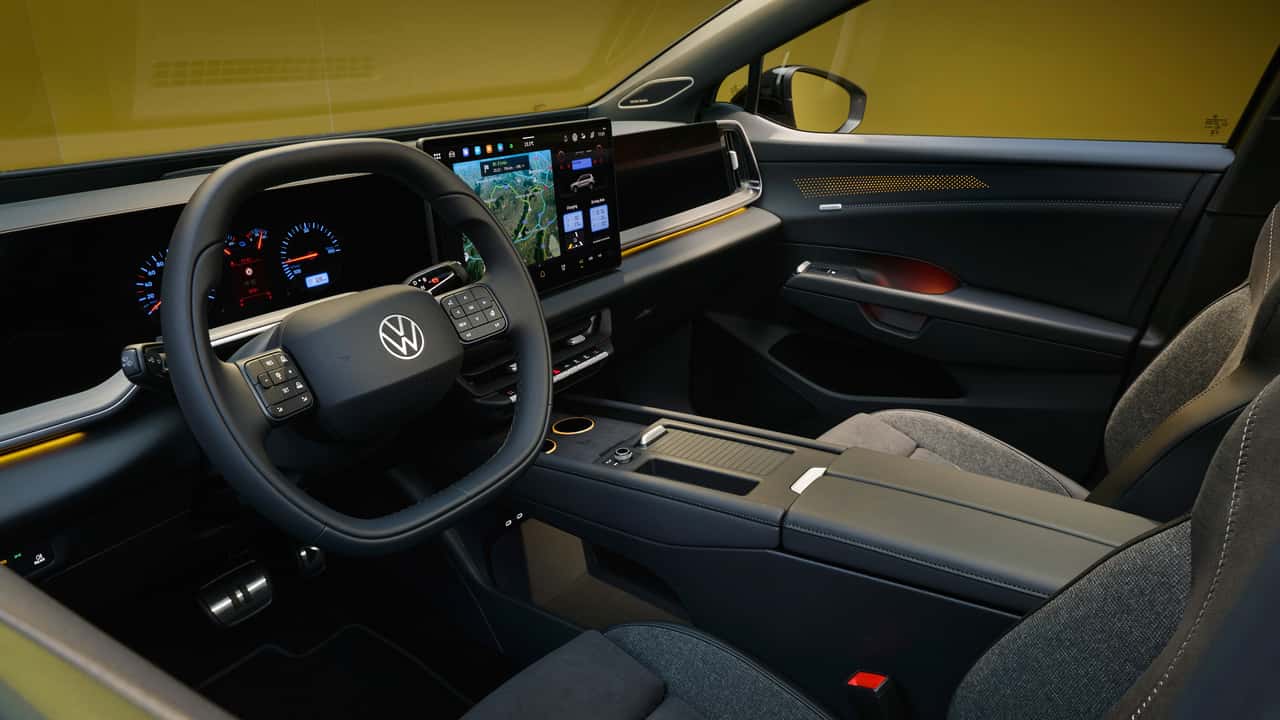
Inside, there’s even more to look at. Volkswagen says it has focused heavily on material quality and intuitive controls, addressing some of the complaints surrounding its earlier ID models, including those annoying touch-capacitive controls.
The ID. Tiguan gets physical controls for important functions, including the air conditioning, while the multifunction steering wheel also uses physical buttons instead of touch-sensitive controls. An illuminated controller in the center console handles audio volume and track or station selection.
Three Powertrains, Up to 373 Miles of Electric Range
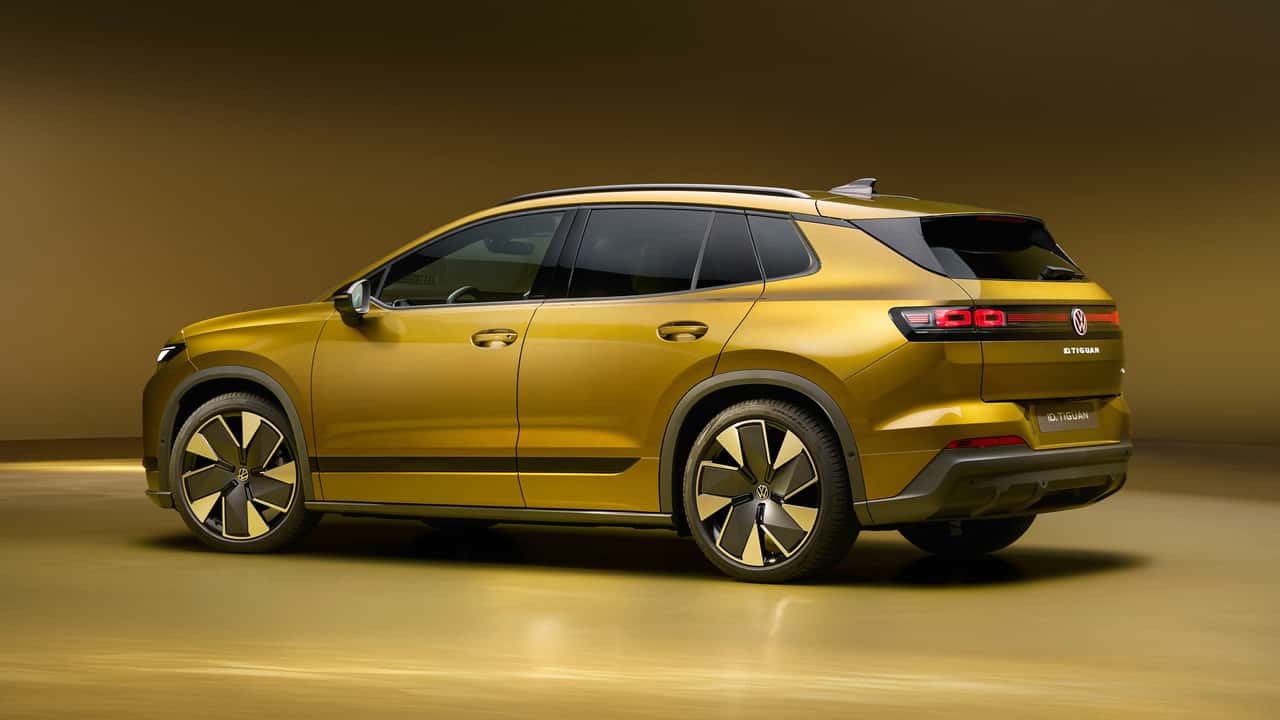 Photo by: Volkswagen
The ID. Tiguan will launch with three different powertrain options in Europe, but it’s unclear if all three options will make it to the US:
58.0-kWh battery, 188 horsepower, rear-wheel drive 77.0-kWh battery, 281 horsepower, rear-wheel drive 77.0-kWh battery, 295 horsepower, all-wheel drive
Volkswagen says the ID. Tiguan will offer up to 373 miles (600 km) of WLTP range, depending on the configuration. VW has also improved its towing capacity, with the 58.0-kWh model able to tow up to 3,968 pounds (1,800 kg), while the 77.0-kWh versions can tow up to 4,409 pounds (2,000 kg).
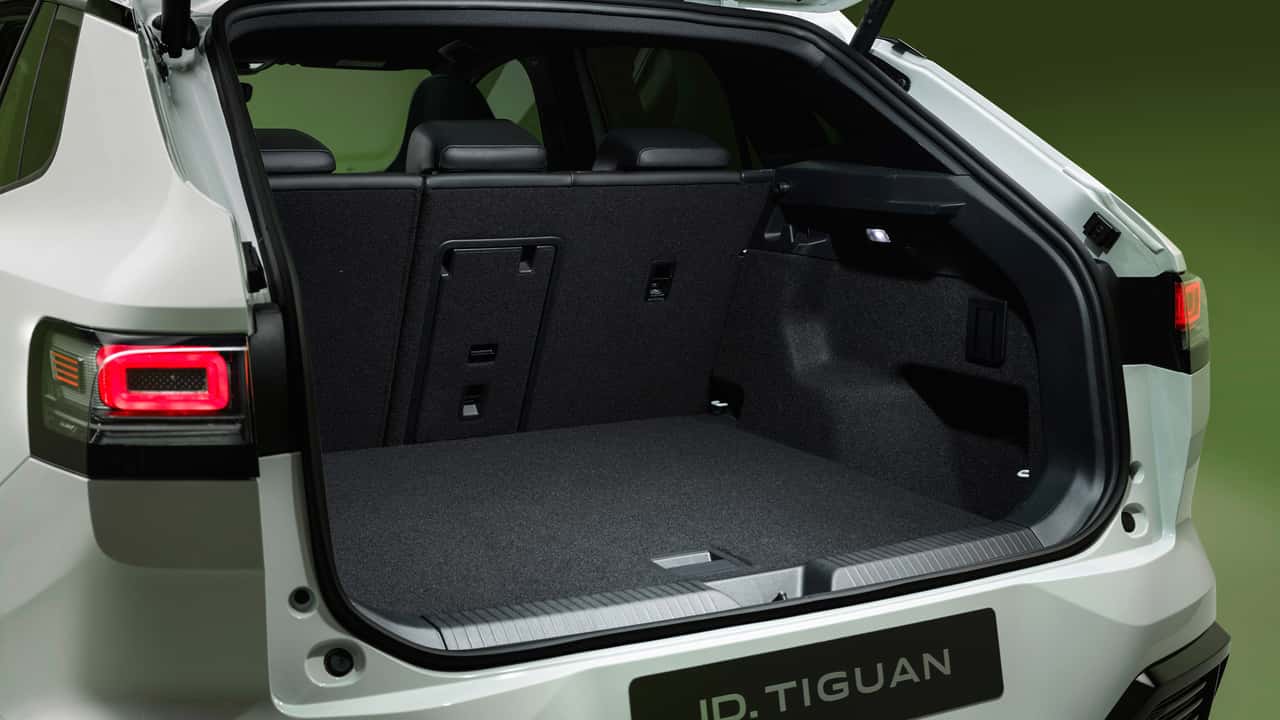
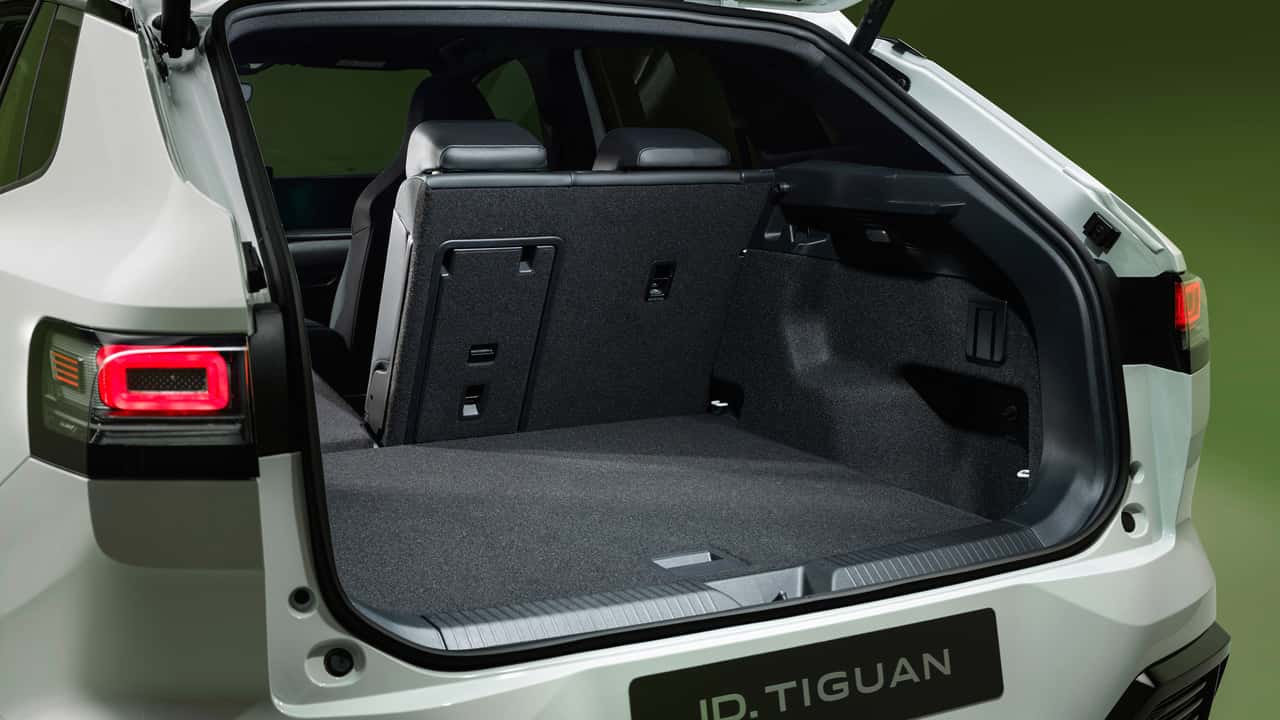
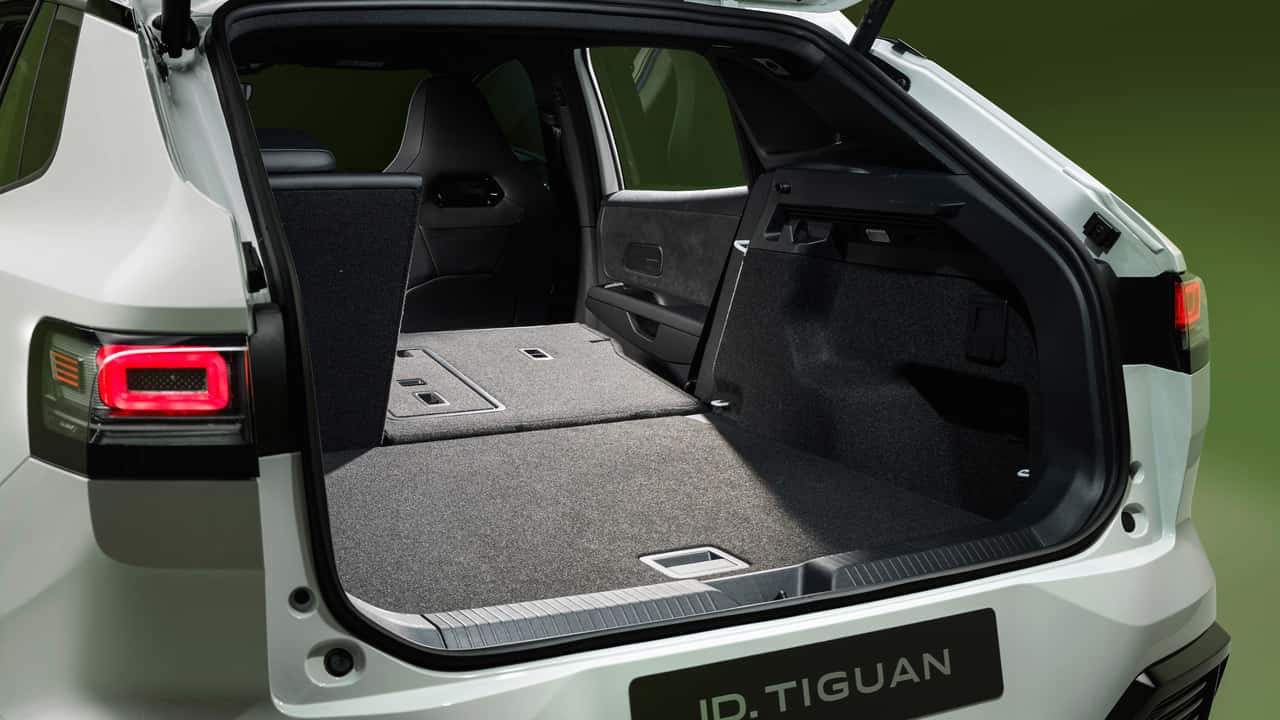
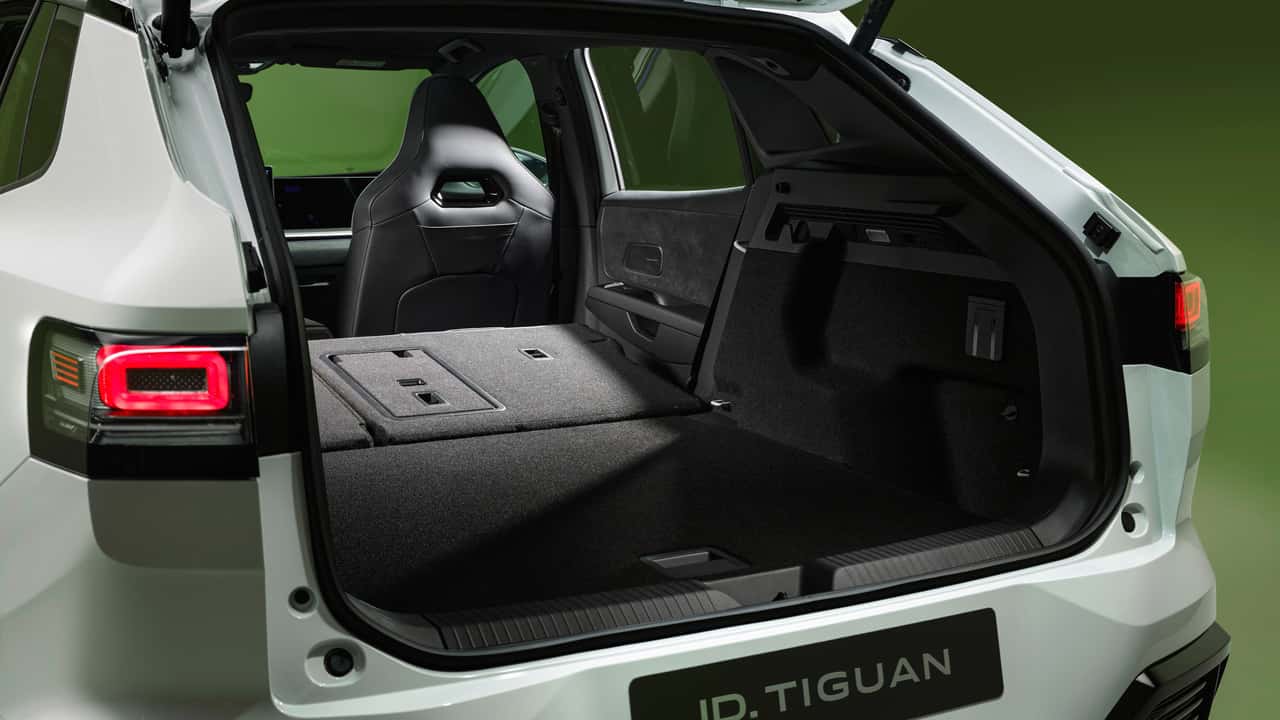
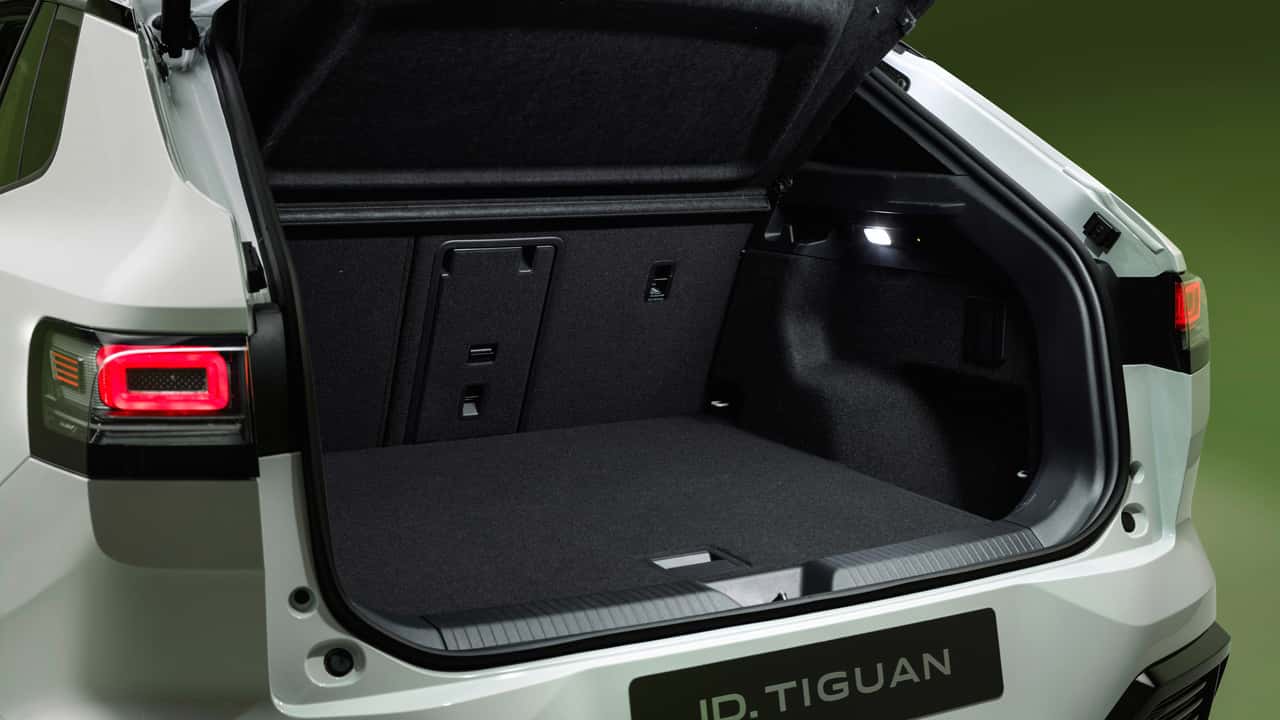
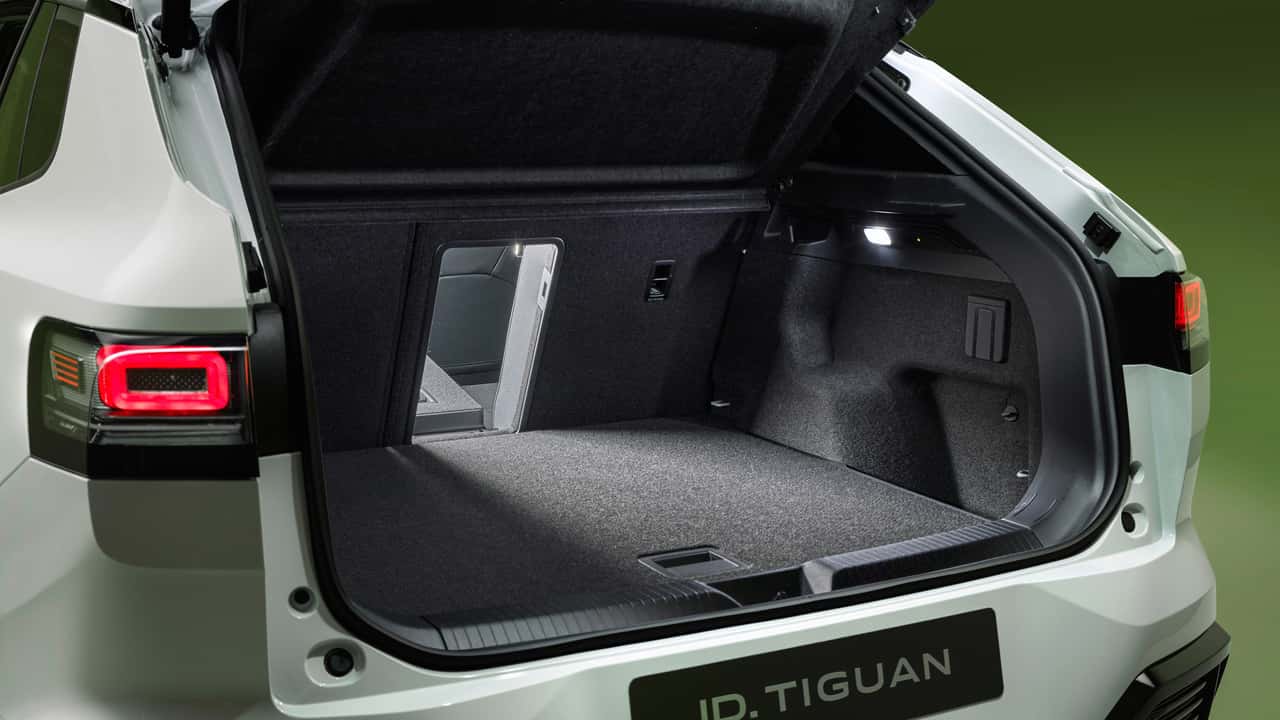
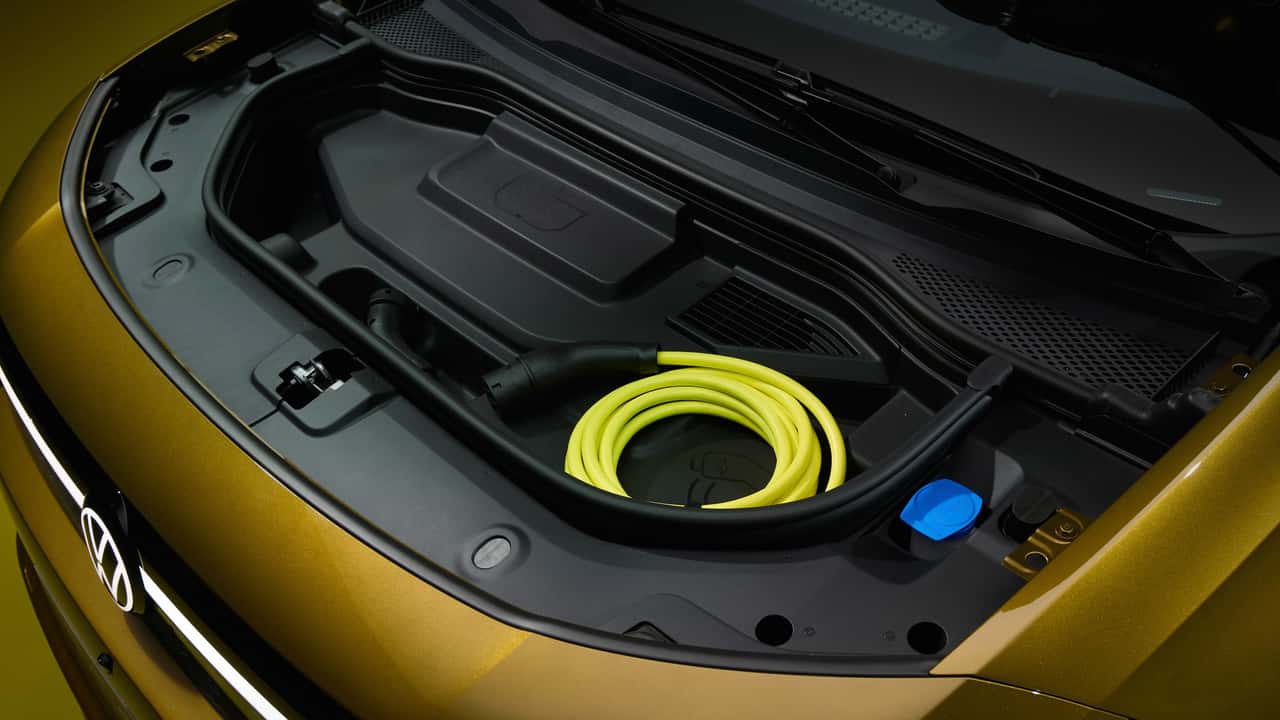
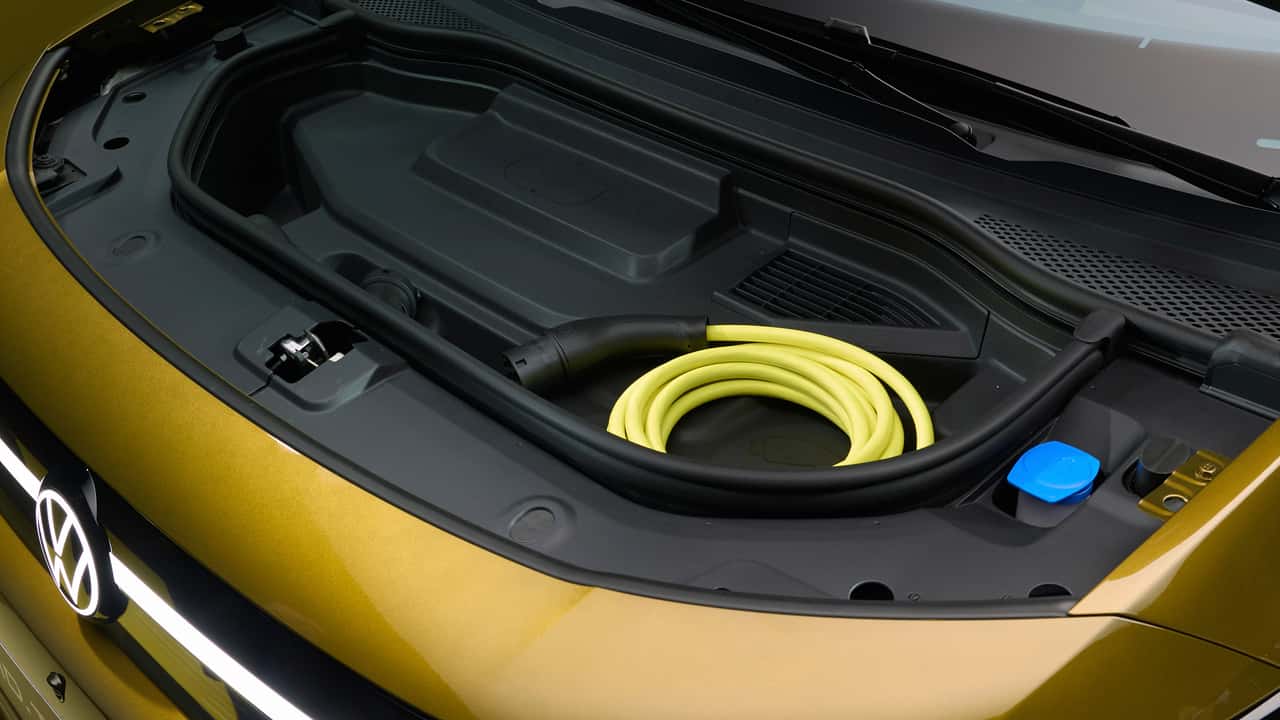
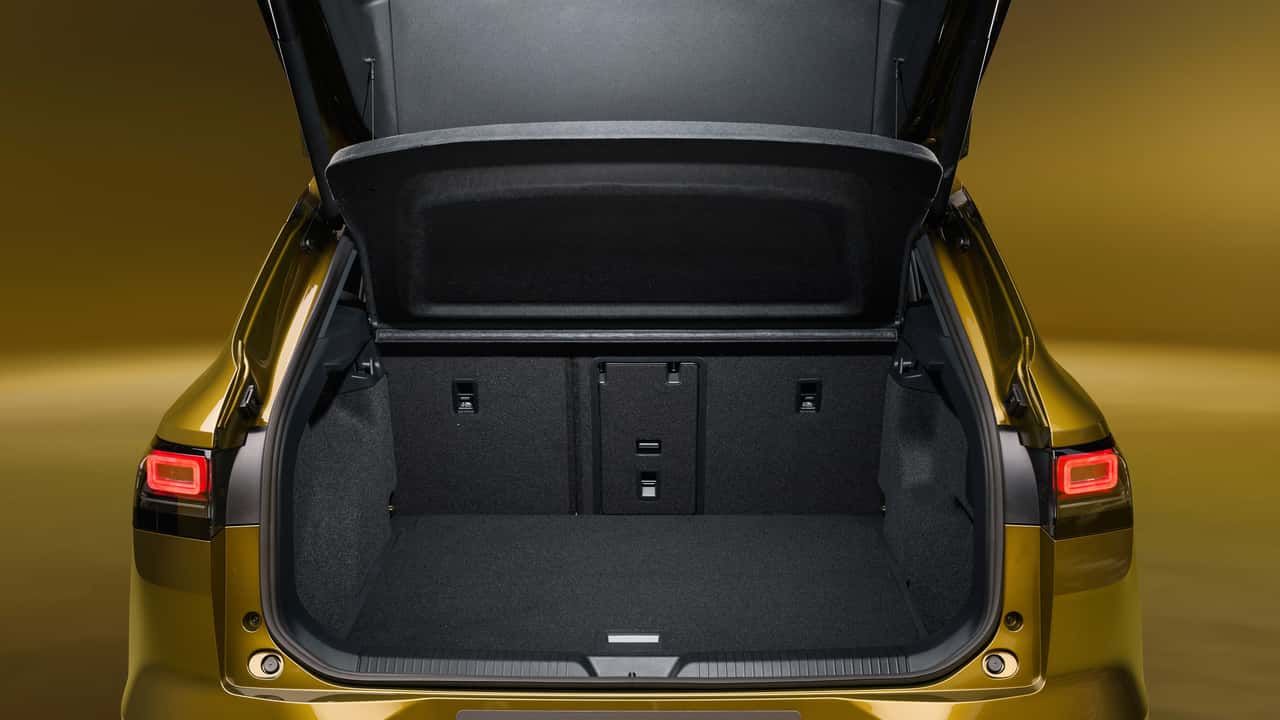
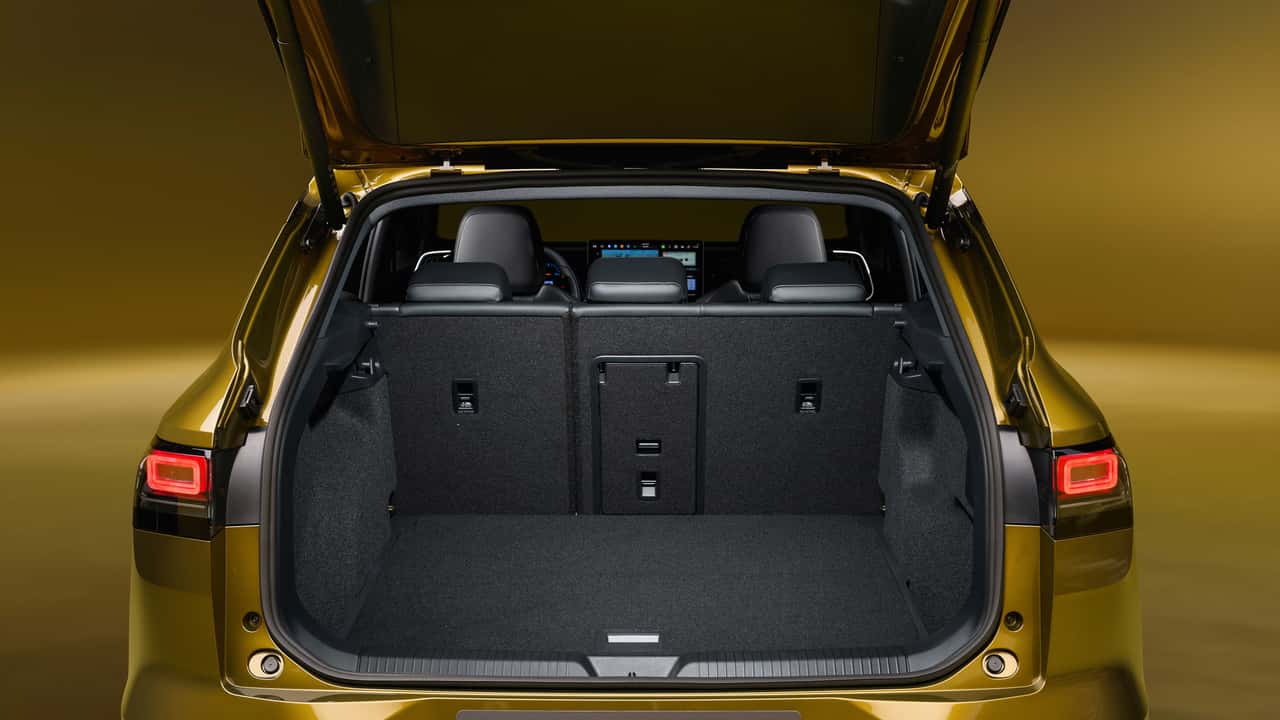
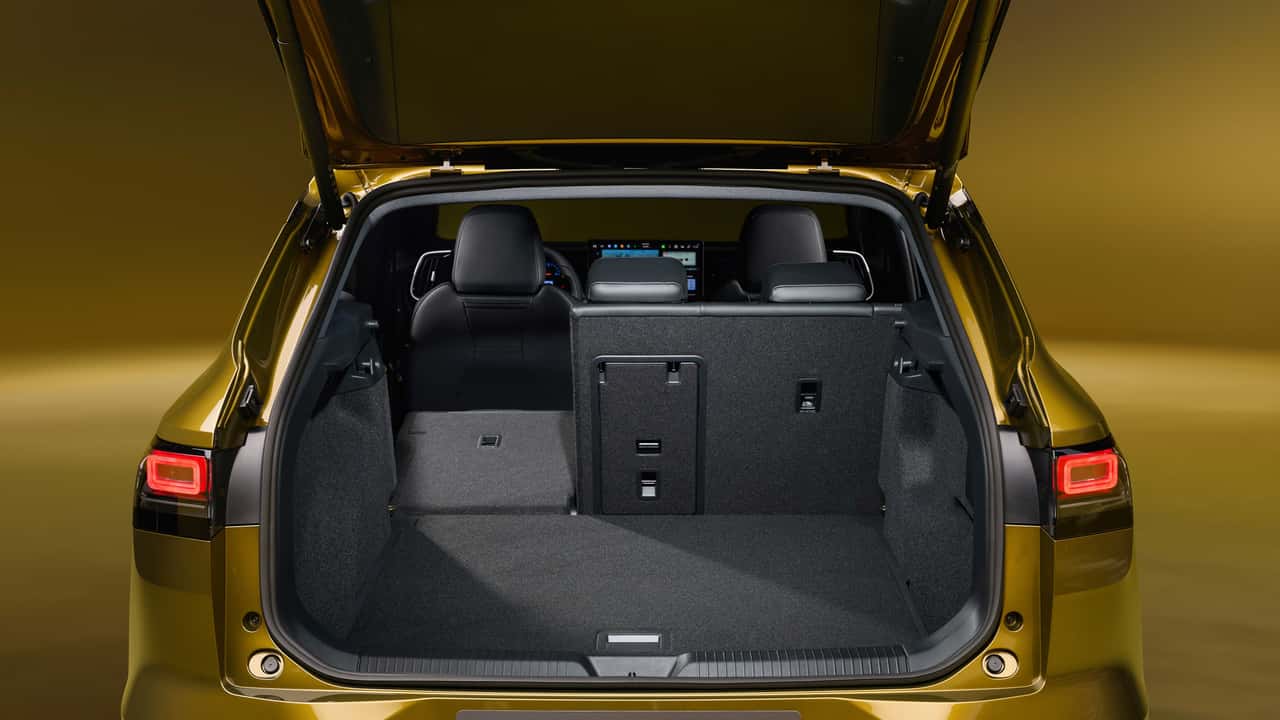
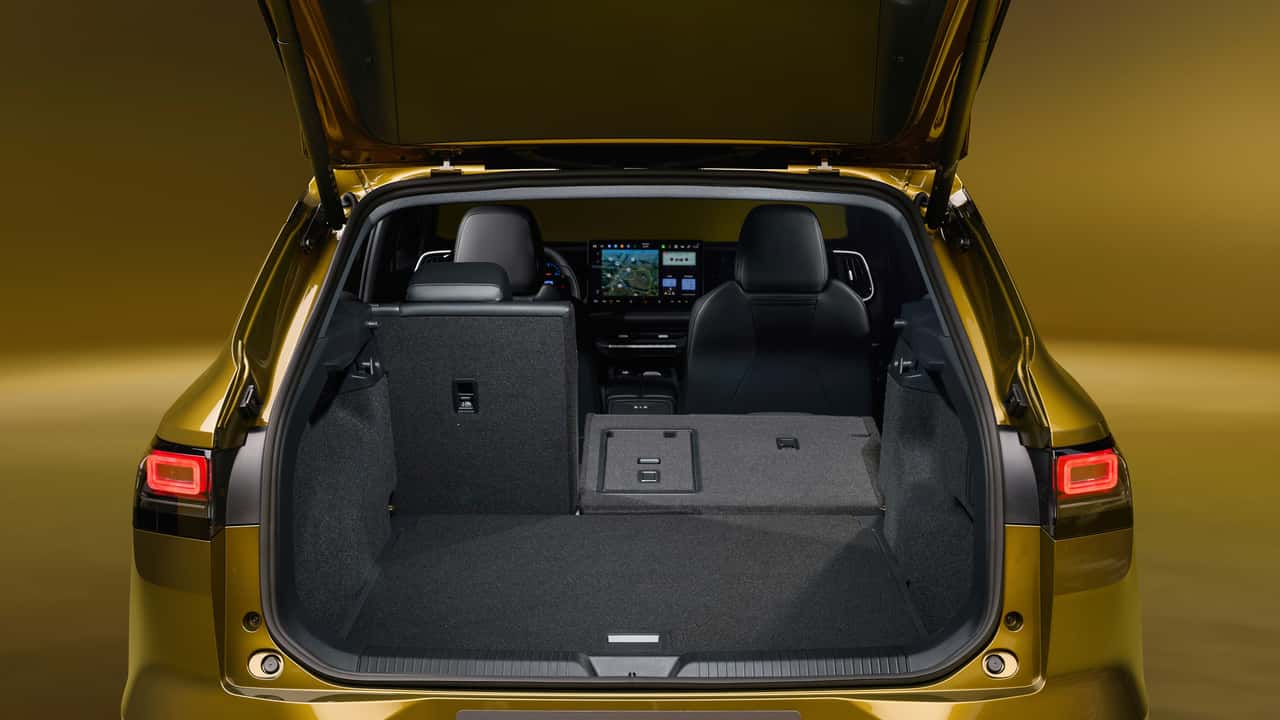
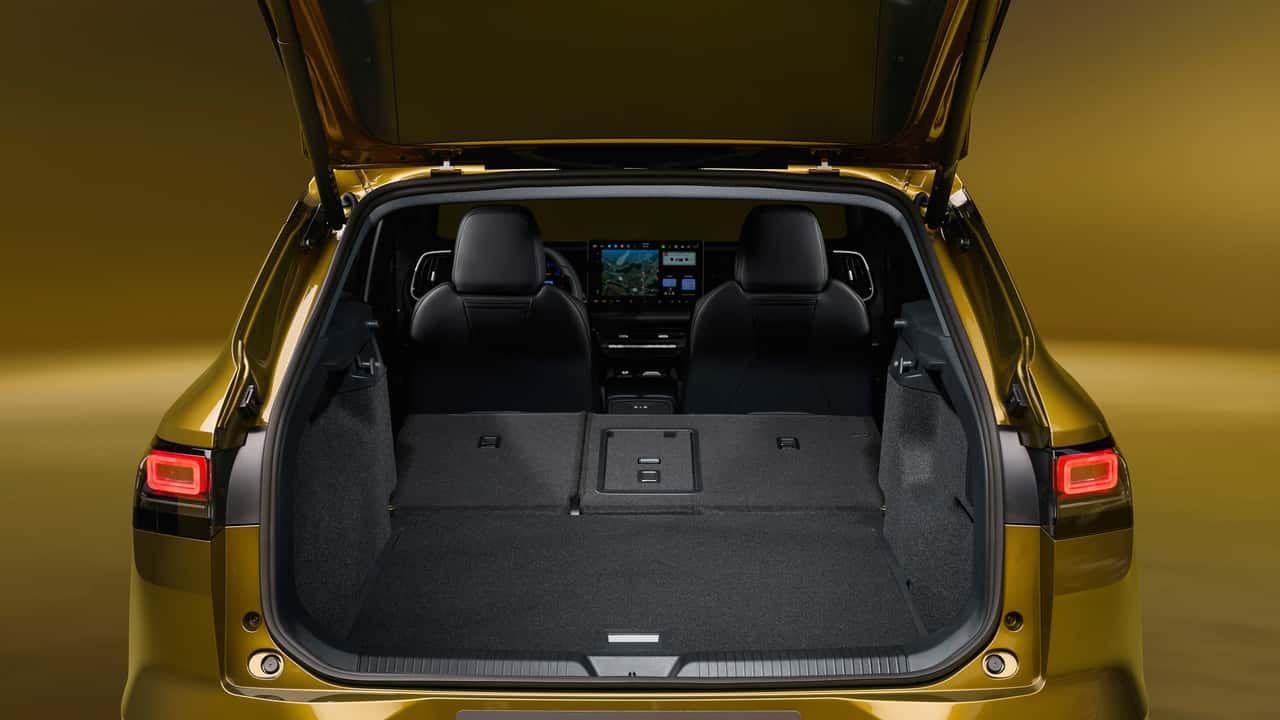
There's also a 1.1-cubic-foot (32-liter) frunk, while the rear cargo area offers up to 18.9 cubic feet (534 liters) of storage.
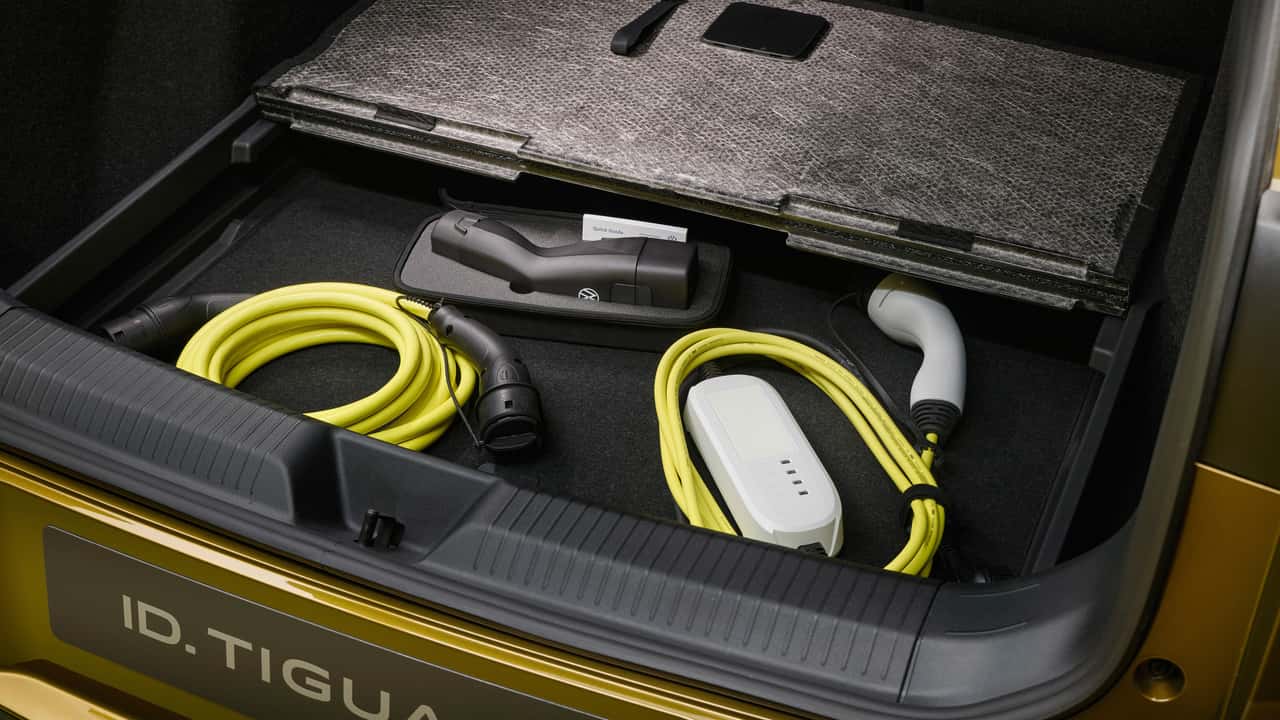
The ID. Tiguan will also support vehicle-to-load functionality. A PowerSocket adapter connects to the charging port and allows the battery to power external devices like an electric grill or e-bike.
The ID. Tiguan Gets A Very Different Interior
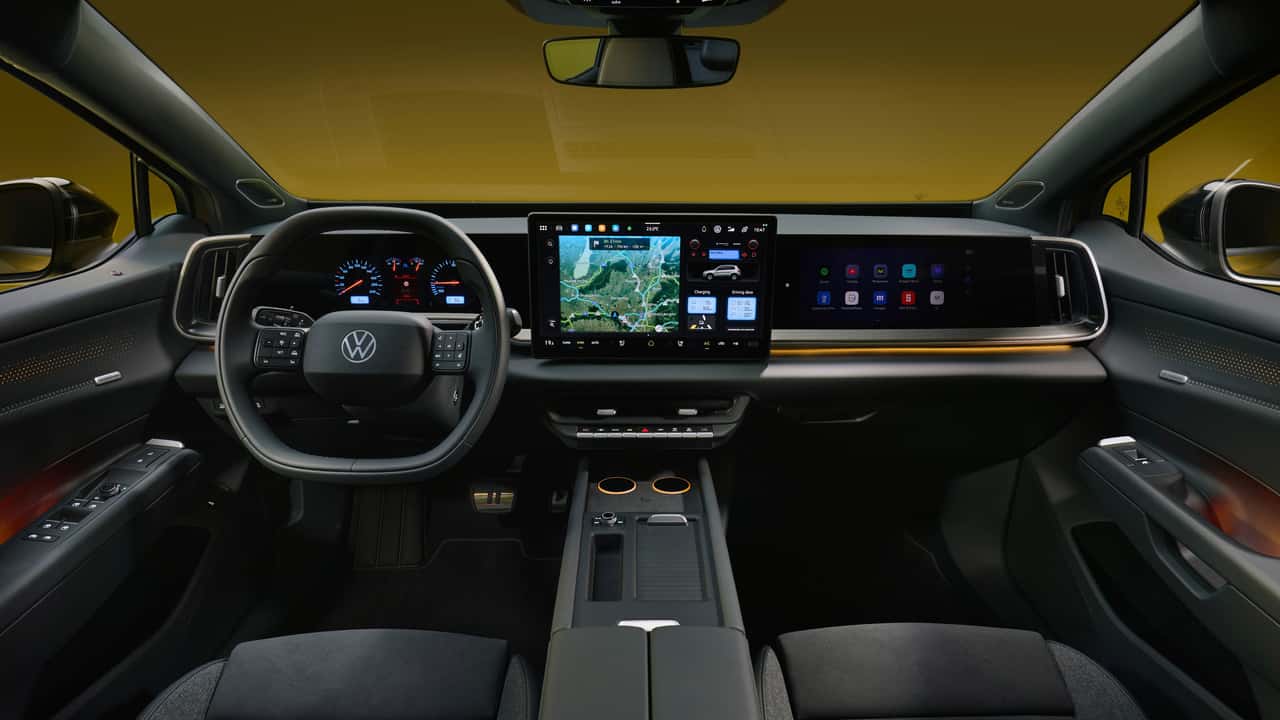 Photo by: Volkswagen
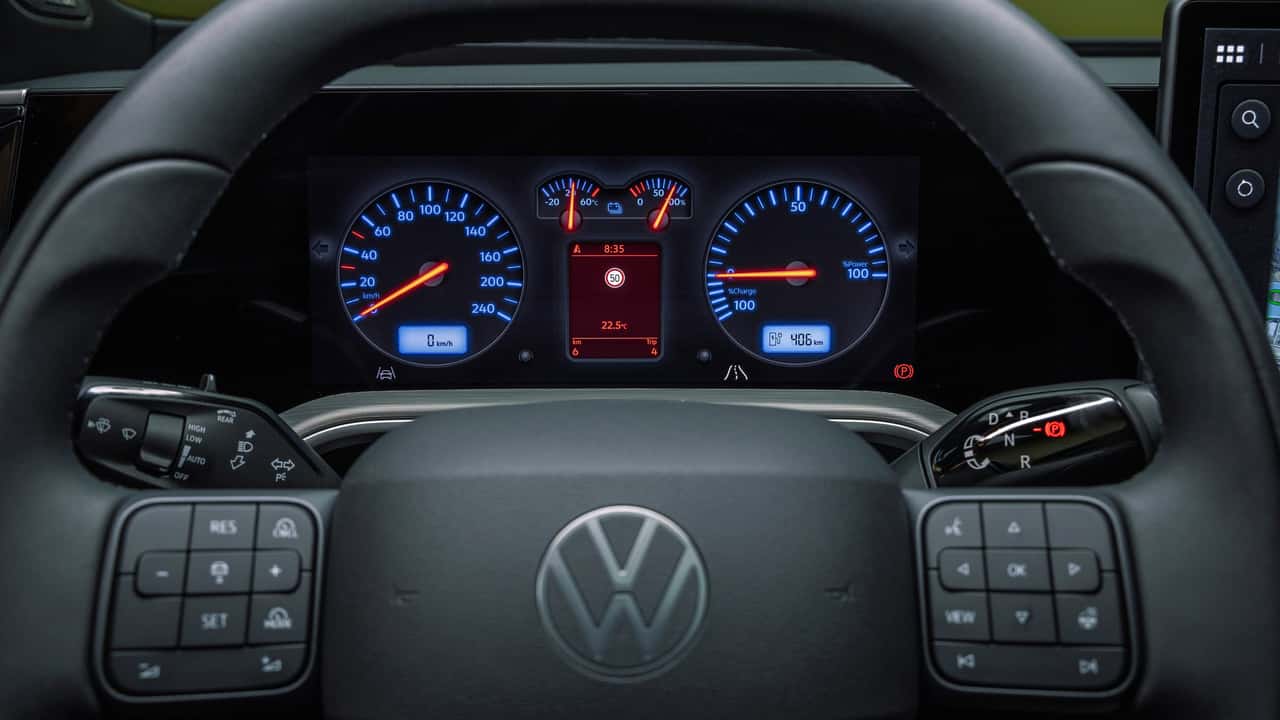
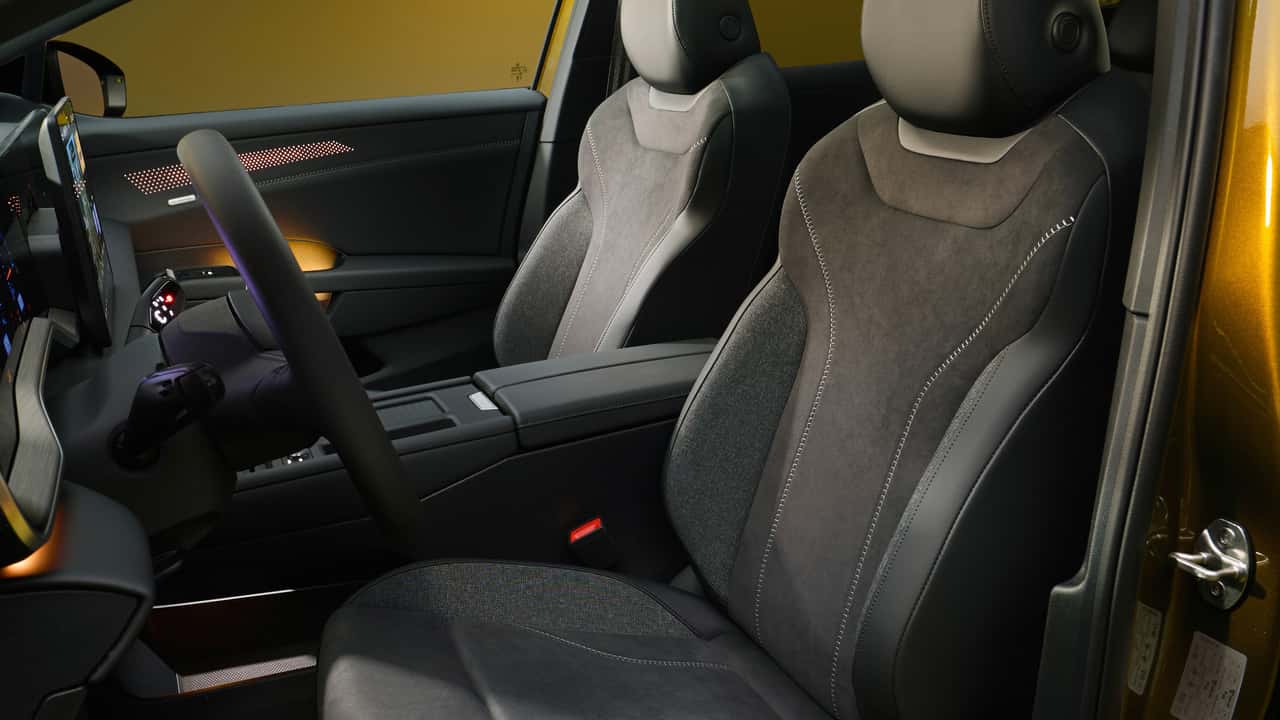
The dashboard is dominated by a 10.0-inch digital instrument cluster for the driver, a 15.0-inch central infotainment screen, and, for the first time on a European Volkswagen, an optional 12.0-inch display dedicated to the front passenger.
Volkswagen also offers a new "Retro" mode that can transform the driver's digital gauges into a recreation of the blue-and-red instrumentation from the Golf IV. The central screen can also display a virtual garage featuring six iconic Volkswagen models: the Golf I, Golf II Country, Golf IV, Tiguan I, Race Touareg, and Beetle.
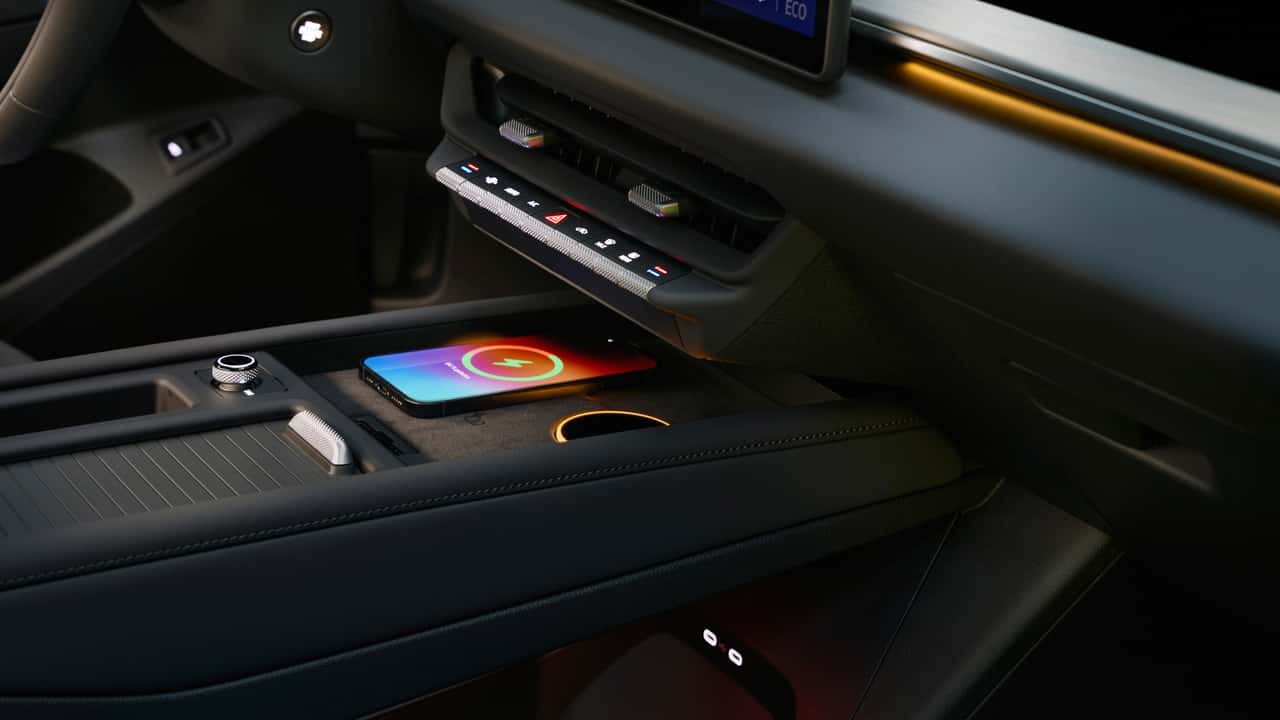 Photo by: Volkswagen
 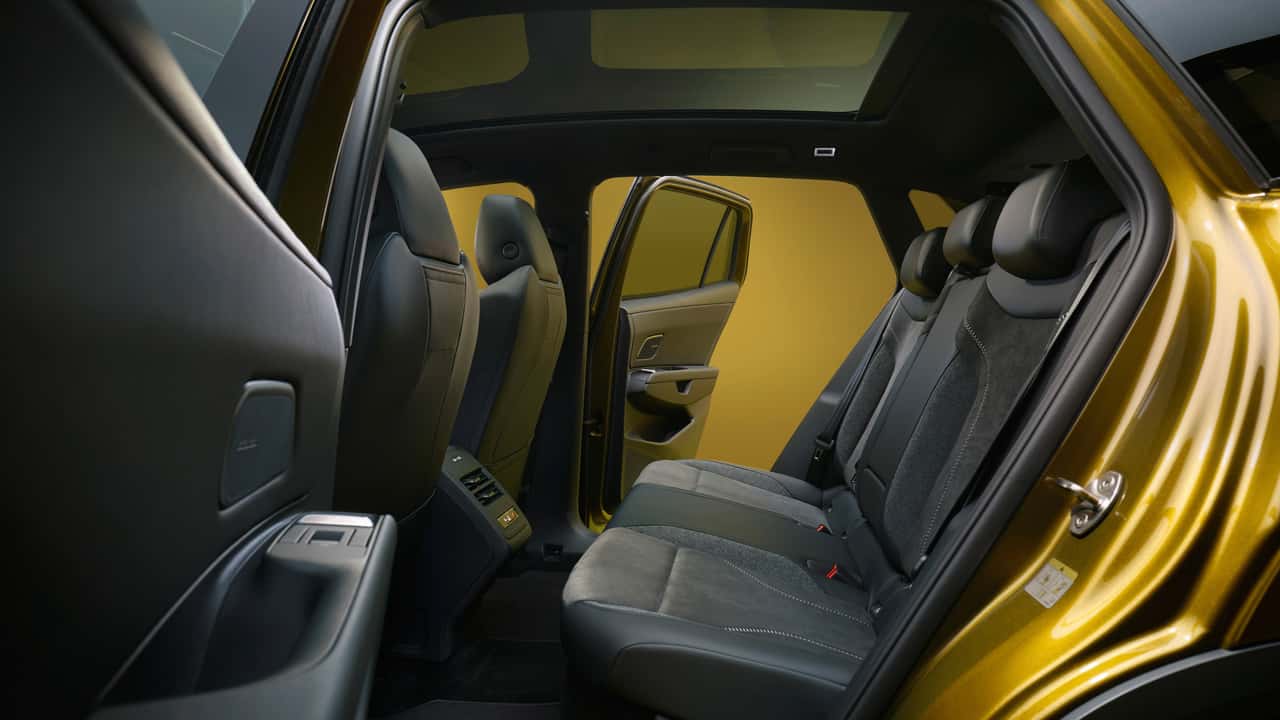 Photo by: Volkswagen Photos by: Volkswagen
One-pedal driving will come standard, while an available Connected Travel Assist system adds features like assisted lane changes on highways and traffic-light recognition. Volkswagen says the system can automatically bring the vehicle to a stop at red lights.
Other available features include massaging, ventilated, and electrically adjustable front seats, a panoramic sunroof, and a 480-watt Harman Kardon sound system.
The Electric Tiguan Starts at €42,695 in Europe
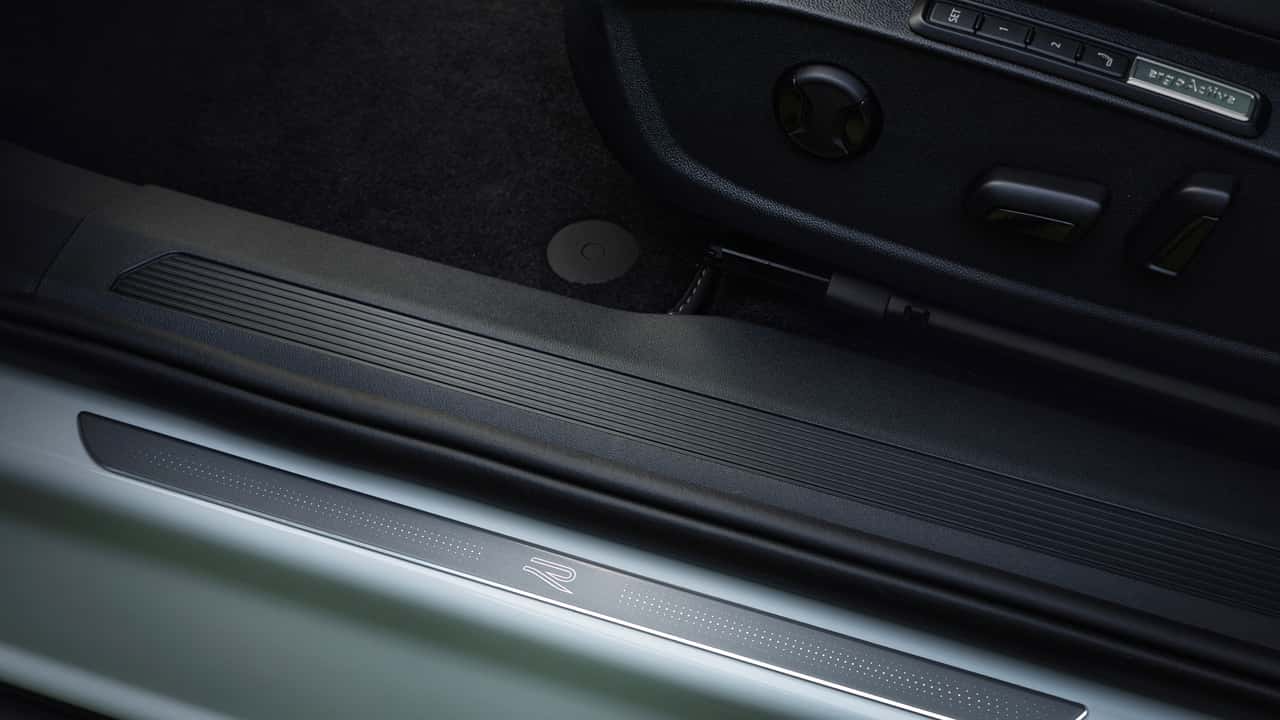
The new ID. Tiguan will come in four trim levels in Europe: Trend, Life, Style, and R-Line. Pre-orders in Germany and several other European countries begin October 13, with prices starting at €42,695, or roughly $48,000 at current exchange rates.
The ID. Tiguan is scheduled to launch in early 2027.
Volkswagen Recalls Nearly 50,000 Tiguans For Engines That Can Shut Off
Volkswagen Just Restarted Atlas Production, Betting Its US Future On One Plant
Volkswagen Kills The ID.5: Swoopy Electric SUV Bites The Dust
The Volkswagen ID.4 Is Getting A Facelift And A New Name: ID. Tiguan
]]> feedback@motor1.com (Jeff Perez) https://www.motor1.com/news/811249/volkswagen-id-tiguan-debut-details/ https://www.motor1.com/news/811318/crayford-mojito-classic-mini-beach/ Fri, 09 Oct 2026 09:44:17 +0000 Someone Turned A Classic Mini Into The Perfect Beach Cruiser Crayford strips a classic Mini into the Mojito, a £35,000 open-sided coastal runabout that keeps its compact footprint and familiar mechanical character.
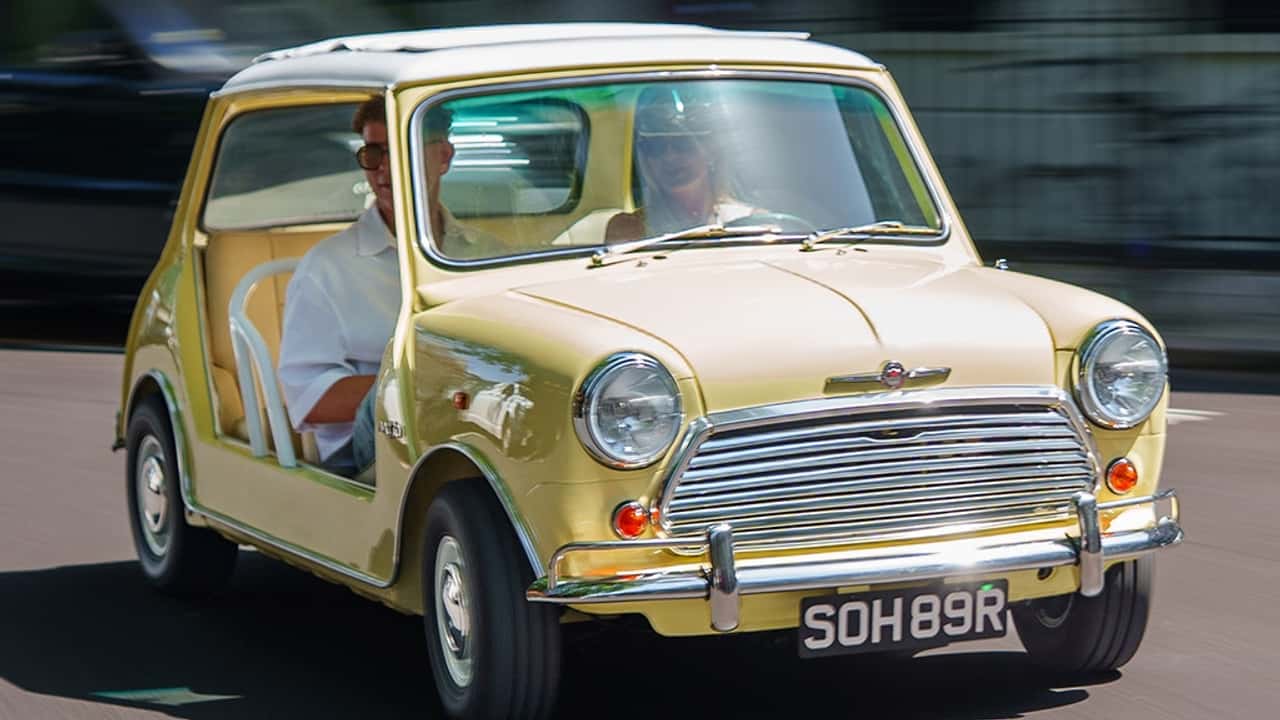
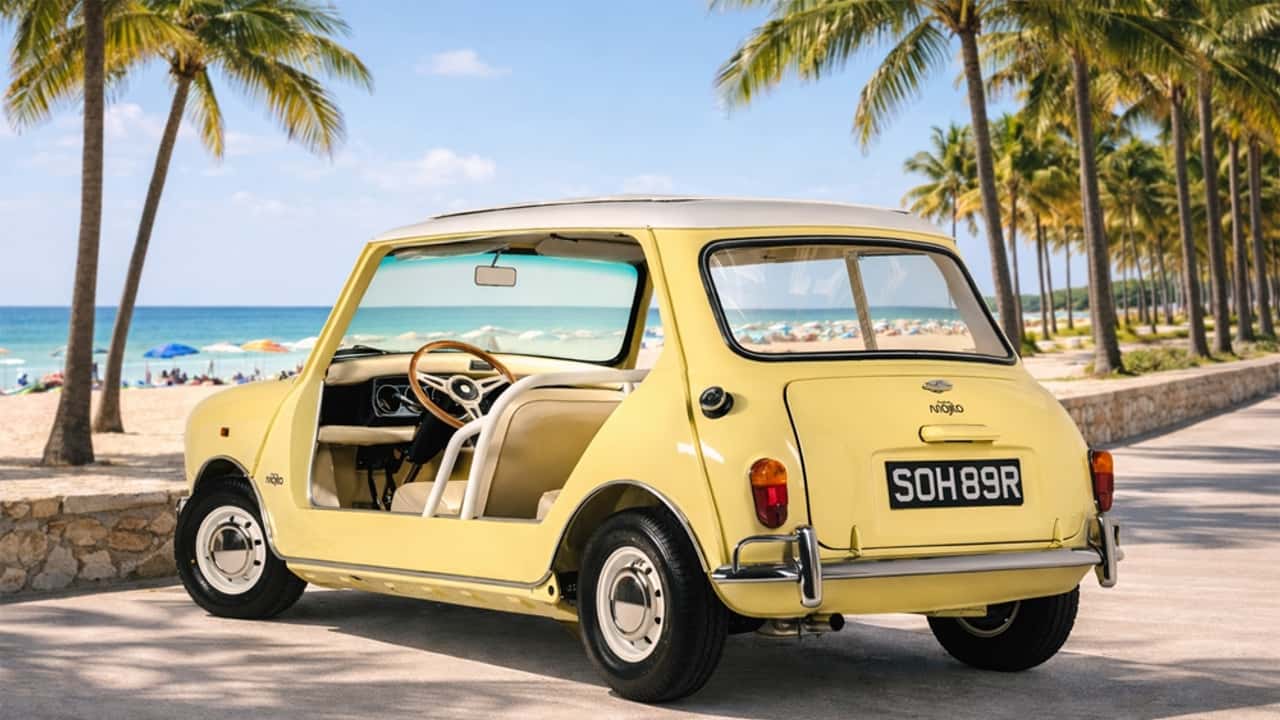
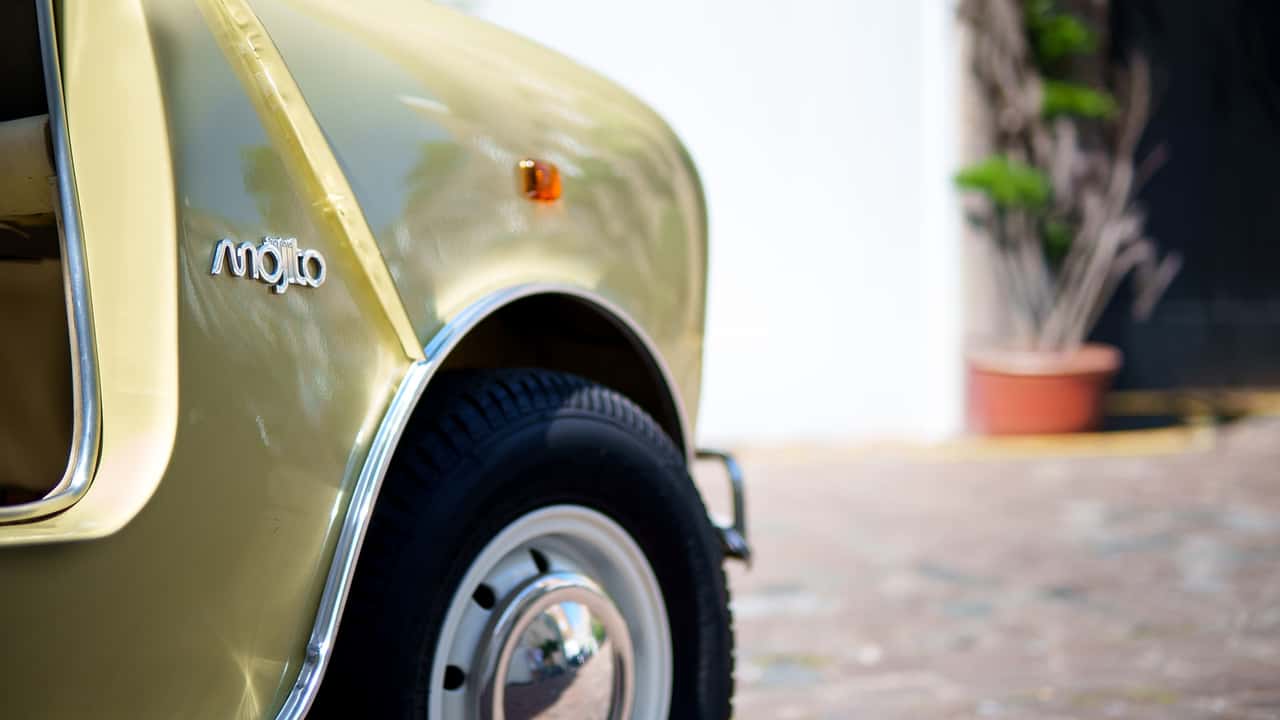
Crayford has pulled the door skins, rear glass, and lower body panels off a classic Mini and called it the Mojito. The hand-built four-seat beach car has no doors, a tuned original Mini engine, and not much else, with UK pricing at £35,000 (about $46,200) for entry-level builds.
The English coachbuilder is not hiding what the Mojito is for. It is a short-hop coastal runabout, not a car meant to replace a daily commute or survive a long highway haul.
An Open-Sided Mini Built For The Coast
Crayford Mini Mojito
Photo by: Crayford
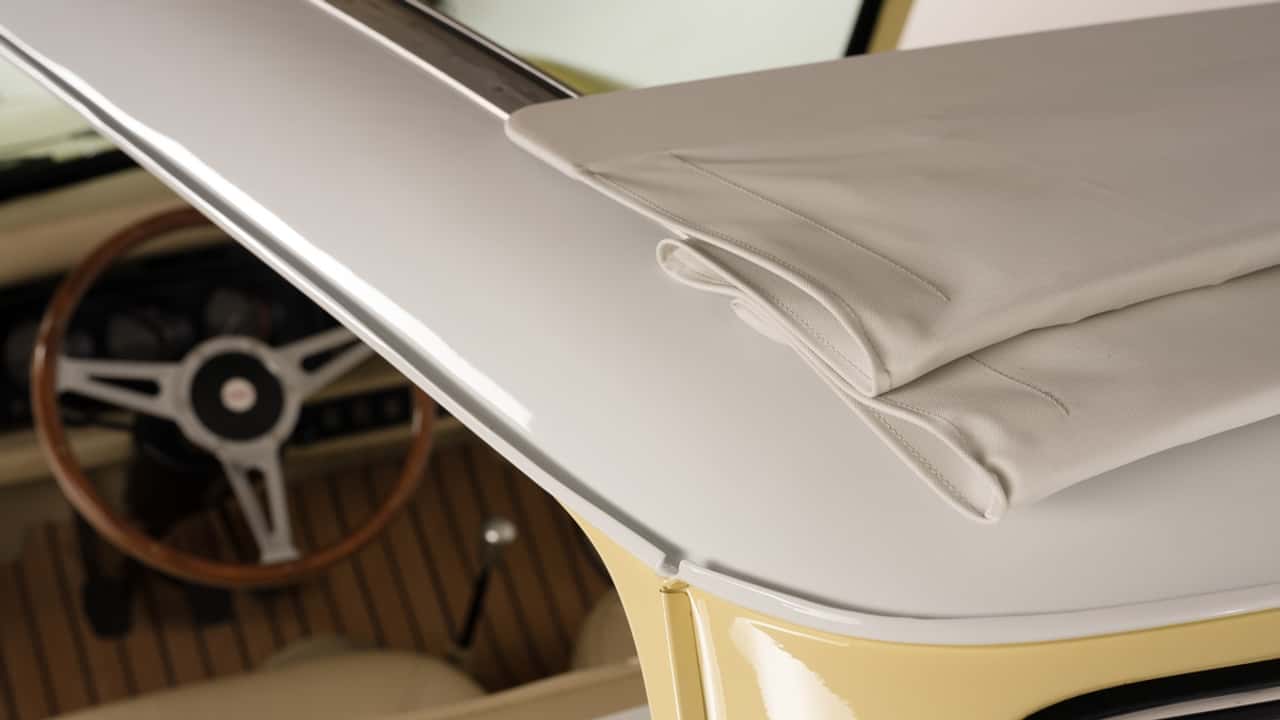
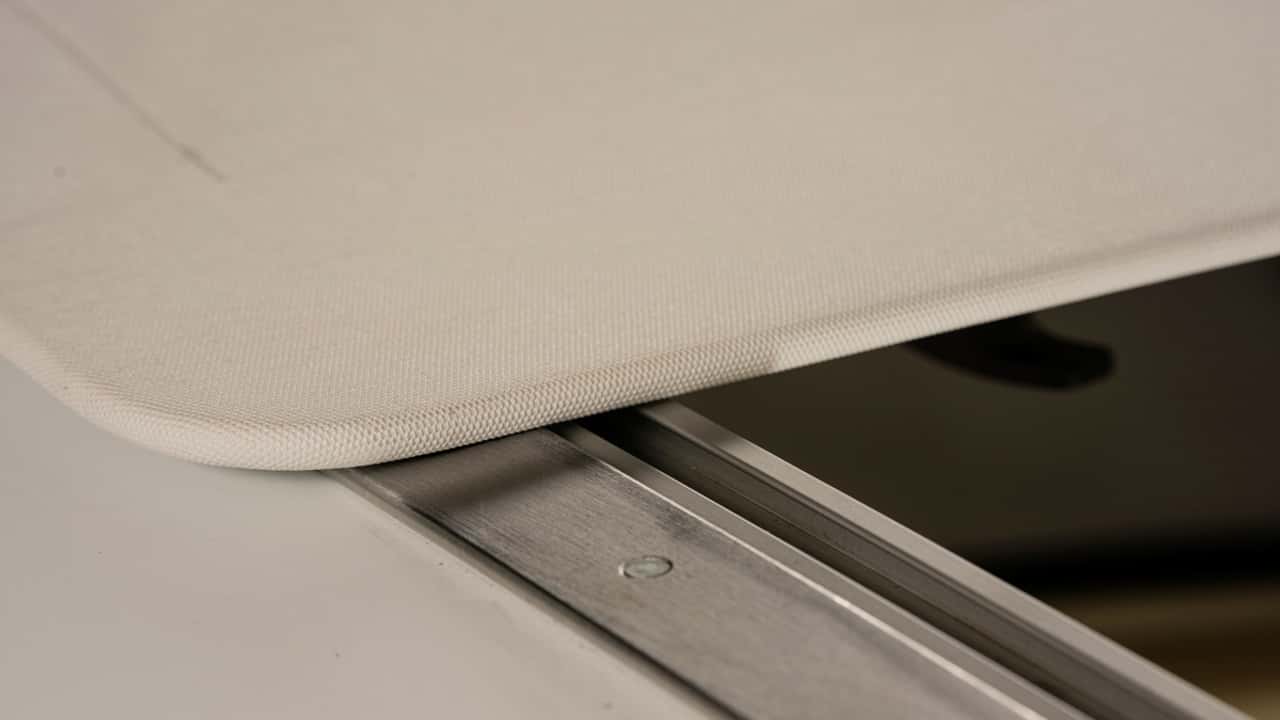
The revived Crayford Automobiles has put the Mojito at the center of its current Mini work, cutting the sides off a classic Mini and creating a format few others offer. The Mojito keeps its fixed roof and a standard folding Webasto-style sunroof, so it is open at the sides rather than fully convertible.
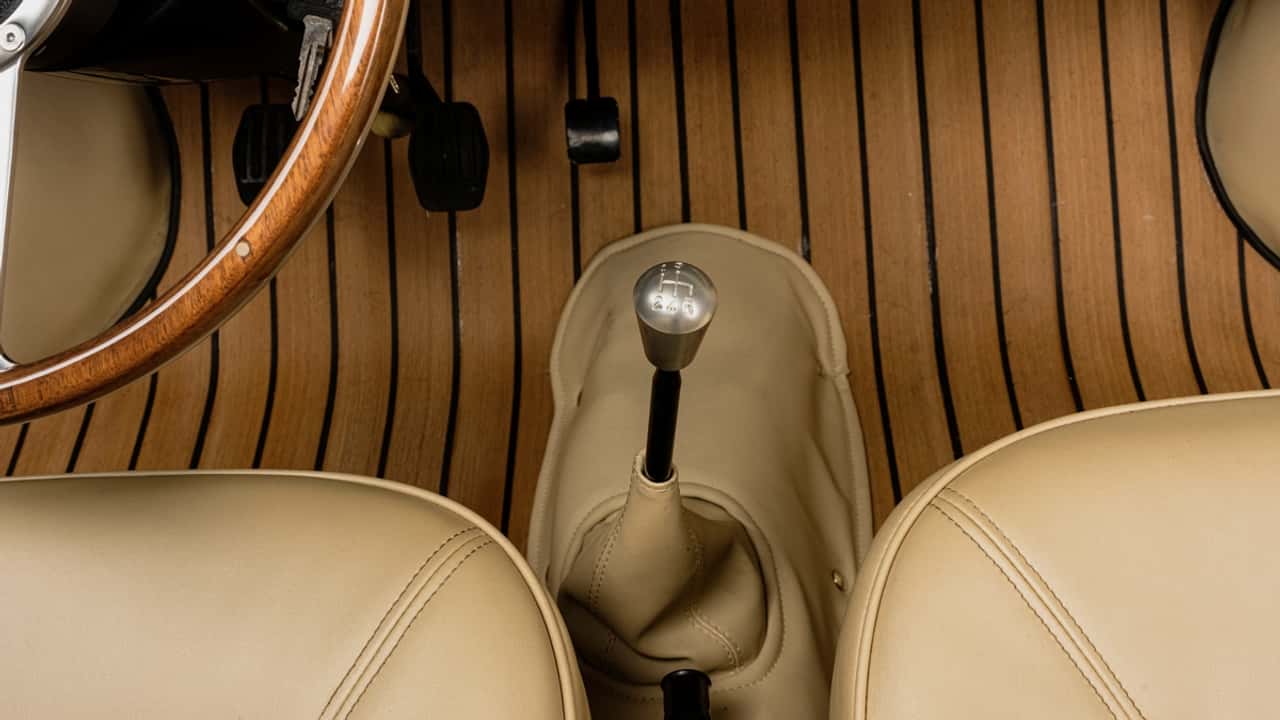
Buyers pick from four paint options: White Sand, Beach Yellow, Surf Blue, or a custom Mojito finish. Inside, marine-grade upholstery and non-slip Flexiteek flooring replace the Mini's usual carpet and vinyl, a direct nod to its intended life near sand and saltwater.
The Mojito keeps the compact footprint of the donor Mini, with overall length and width staying close to the classic city car’s roughly 10-foot by 4.6-foot proportions. Availability is reportedly limited, with Crayford and recent coverage talking about small-number production without naming a fixed cap.
The approach echoes other small-scale coachbuilders currently reworking old platforms for niche buyers, including the team behind the Fiat 500 restomod built in Britain. Both projects bet that a tiny, characterful base car still has room for a completely new identity.
What Changes Under The Skin, And What It Costs
Crayford left the underlying Mini hardware largely stock. The Mojito uses the original Mini engine retuned for stronger low-end torque, with Mini Cooper-spec front disc brakes fitted to cope with modern traffic and a manual gearbox as the default setup.
Some published specifications describe a 998 cc engine producing 40 horsepower, with an estimated curb weight around 650 kilograms (1,433 lbs), and note that exact figures can vary by donor car and customer build. There is no formal factory options list, and Crayford instead treats the Mojito as a low-volume coachbuilt project where upgrades are agreed case by case.
Recent coverage also highlights the pricing spread. The company talks about keeping the entry point “very attainable” in the UK with a base price of £35,000 (about $46,200) before any bespoke requests.
The ordering and ownership details reflect its role as a holiday car. Buyers deal directly with Crayford, which delivers a fully converted classic Mini. UK-market cars can qualify for the donor vehicle’s historic status on tax and inspection, while exports depend on each country’s classic-car rules, so overseas buyers need to confirm registration and import terms before signing a contract.
Ian Callum's Reimagined Mini Is Our New Favorite Restomod
James May Bought a Very Special Mini Cooper
On the road in an old rally Mini from the 1960s
Classic Mini EV Goes On Sale For $70,000 Including Donor Car
Source: Crayford

]]> feedback@motor1.com (Brian Potter) https://www.motor1.com/news/811318/crayford-mojito-classic-mini-beach/ https://www.motor1.com/news/811294/2027-honda-civic-sport-l/ Fri, 09 Oct 2026 09:43:51 +0000 2027 Honda Civic Sport-L Adds More Kit Without Going Hybrid The new trim level features goodies that were previously exclusive to hybrid trims.
While we wait for Honda to roll out the promised hotter Civic Type R, it’s giving buyers a different reason to skip the hybrid. For 2027, America's best-selling compact car gets a new Sport-L trim that adds several upscale features without requiring customers to pay more for an electrified powertrain.
Slotted between the Sport and Sport Hybrid, the new Sport-L adds leather upholstery, heated front seats, a power-adjustable driver's seat, and dual-zone automatic climate control. Those creature comforts can make an everyday commuter feel a little more premium, and Honda is offering them for just under $30,000.
The biggest selling point is the equipment. Honda previously reserved these features, along with a silver interior trim, for the more expensive Sport Touring Hybrid, but buyers can now get them on the gas-only version. The heated front seats were previously exclusive to hybrid trims, as were dual-zone climate control, illuminated vanity mirrors, and the passenger-side seatback pocket. The Sport-L now gets those as well.
The Sport-L makes sense for buyers who want a more comfortable daily driver but don't necessarily care about the hybrid powertrain's fuel savings or extra performance. It occupies a useful middle ground in the lineup, offering more amenities than the Sport while sticking with a conventional gasoline engine.
2027 Honda Civic Sport-L Prices
The Sport-L sedan costs $29,790, including destination fees, while the hatchback carries a $30,990 sticker price. In both cases, it’s $1,200 cheaper than the Sport Hybrid. Of course, the hybrid offers other advantages, including substantially better fuel economy. The sedan returns an EPA-estimated 49 mpg combined, compared with 34 mpg for the Sport-L. The hatchback hybrid achieves 47 mpg combined, while its gasoline-powered counterpart is rated at 34 mpg.
Still, the Sport-L's appeal is straightforward: it lets buyers get more comfort features they might otherwise have to pay extra for, without changing the powertrain under the hood. It also makes sense for people concerned about the added complexity of a hybrid powertrain who prefer to stick with the gas-only version.
The 2027 model-year changeover brings another notable update, as the Sport Touring Hybrid gains S+ Shift. The feature debuted on the Prelude before trickling down to the mechanically related Civic. It simulates an eight-speed gearbox, and during downshifts, there’s even a “sharp, quickly curtailed blipping sound” to mimic rev-matching.
The Sport Touring Hybrid costs $33,990 for the sedan and $35,190 for the five-door hatchback.
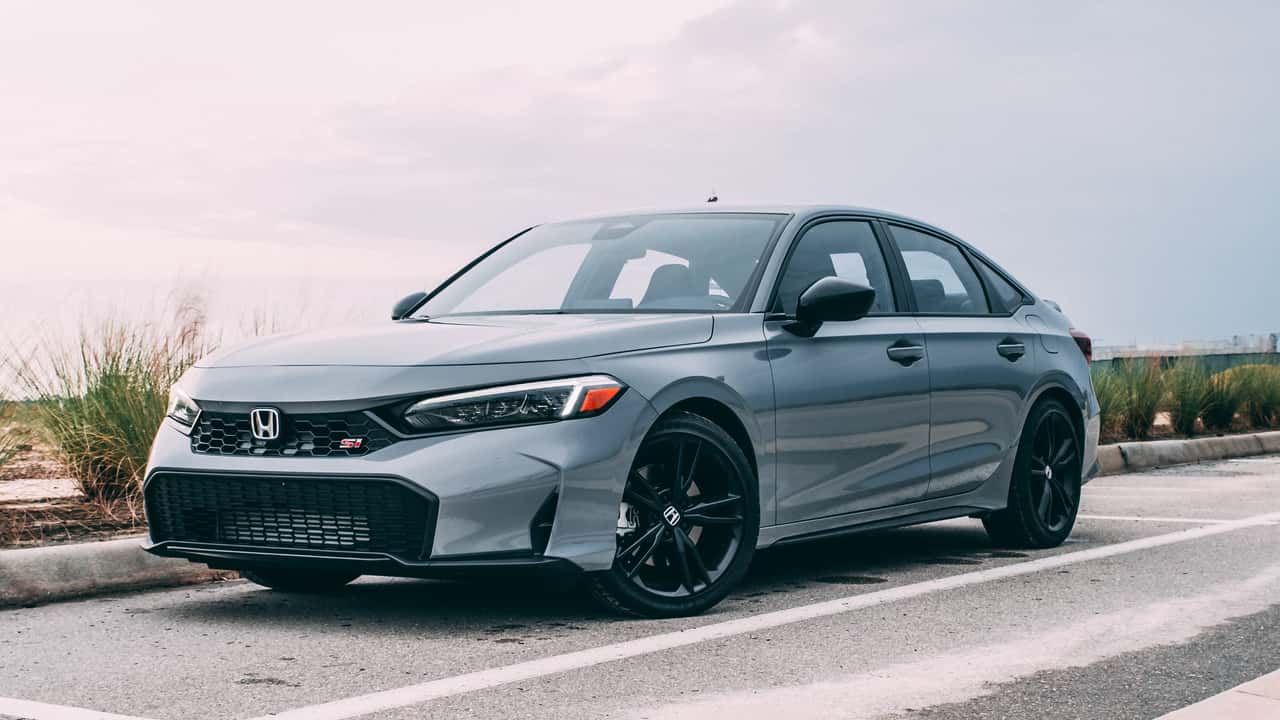
2025 Honda Civic Si
Photo by: Jeff Perez / Motor1
The Honda Civic Si Is Dead (For Now)
The 2027 lineup also omits a notable model: the Civic Si. Production ends after the 2026 model year “due to evolving business conditions,” although dealer inventory should last into early 2027. The good news is that the Si isn't going away for good. Honda has confirmed that an all-new version will return in the coming years, but hasn't said exactly when. The “all-new” part suggests the next Si will be based on the next-generation Civic.
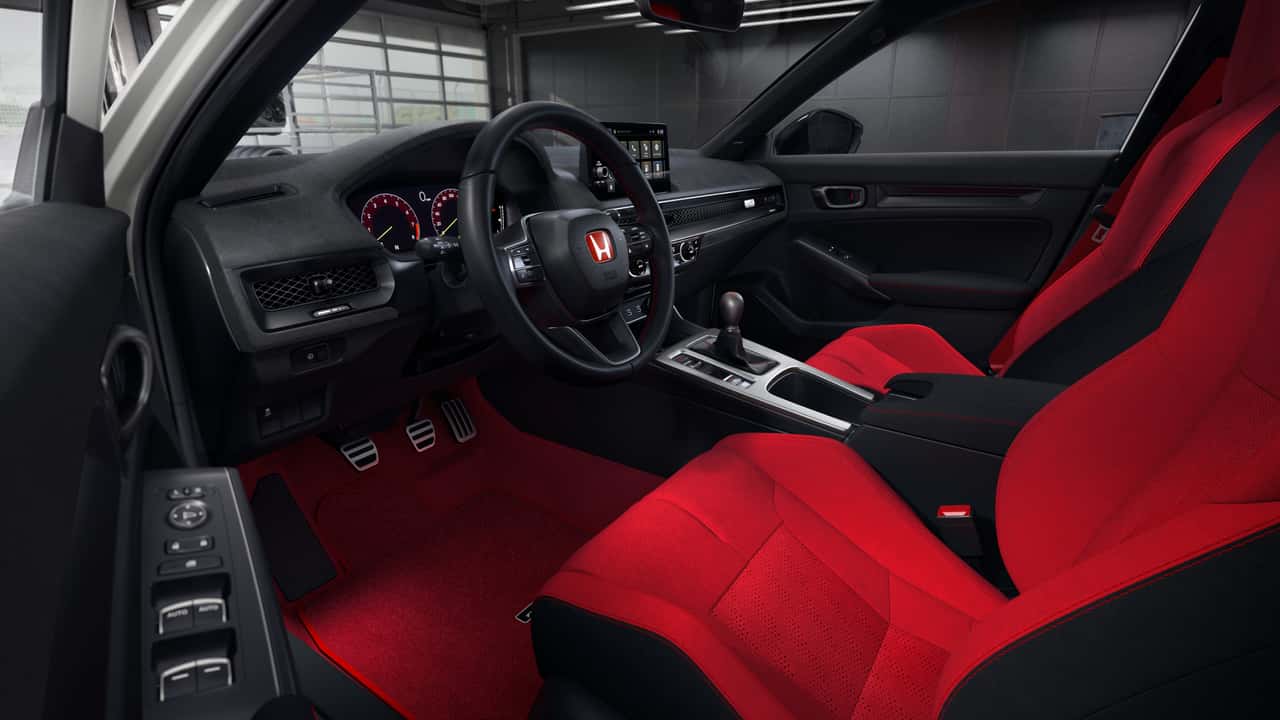
2027 Honda Civic Type R
Photo by: Honda
The Type R Gets Even Better For 2027
These aren't the only changes Honda is making to the Civic for 2027. The Type R recently received mechanical and cosmetic upgrades, along with standard heated front seats and darker interior accents. It now costs $49,990, or $1,300 more than before, but the price hike also brings additional safety equipment and an auto-dimming rearview mirror.
Beyond the Si's temporary departure, Honda is keeping the rest of the Civic family fresh by balancing everyday comfort with driving enjoyment. The Sport-L caters to buyers who want a better-equipped commuter, while the Type R continues to serve those who prefer their compact car with a healthy dose of performance. With the Si set to return eventually, there's still room for a middle ground between the two.
As for a production version of the HRC concept, we're still waiting. Latest reports suggest it will launch in 2027, but Honda hasn't confirmed a timeline or whether the ultimate version of its hot hatch is coming to North America.
Honda Is Apparently Launching A Proper Truck… Made By Mitsubishi
Honda Improves The Civic Type R In The US After Killing It In Europe
Honda's Limited-Run Prelude Was Such A Hit In Japan, It's Now Coming To Europe
Honda Wants ‘Extremely Large’ Cost Cuts, More Chinese Parts
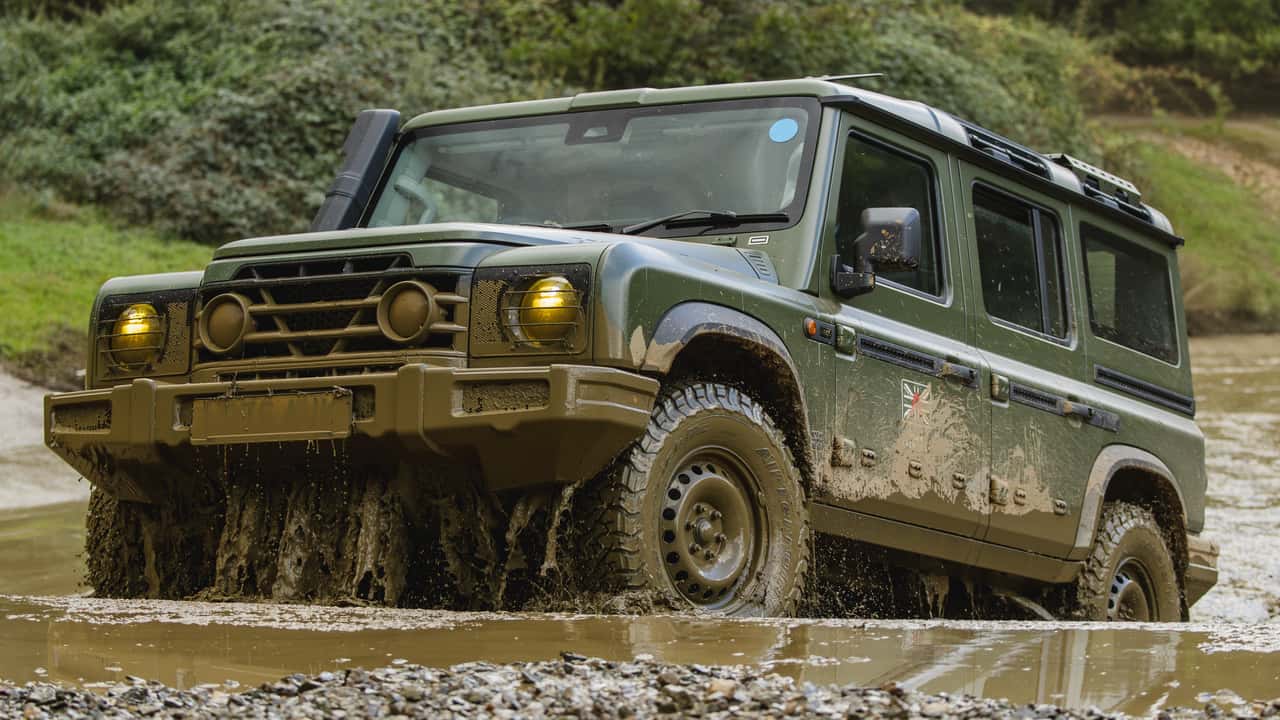
]]> feedback@motor1.com (Adrian Padeanu) https://www.motor1.com/news/811294/2027-honda-civic-sport-l/ https://www.motor1.com/news/811292/ineos-grenadier-lands-first-military/ Fri, 09 Oct 2026 08:19:19 +0000 The Ineos Grenadier Is Becoming A Military Vehicle Italy and Austria have confirmed Ineos Grenadier military fleets while a separate United Kingdom program remains in competitive trials.
Italy has placed the first sizeable military order for the Ineos Grenadier from any NATO member, the automaker confirmed this week. Austria's government has signed a separate deal for an armored variant of the same off-roader.
The two contracts mark the Grenadier's debut with sovereign armed forces after years of civilian and specialist law-enforcement use. A trial in the United Kingdom could add a third buyer, though that process is far from decided.
Italy And Austria Place The First Grenadier Military Orders
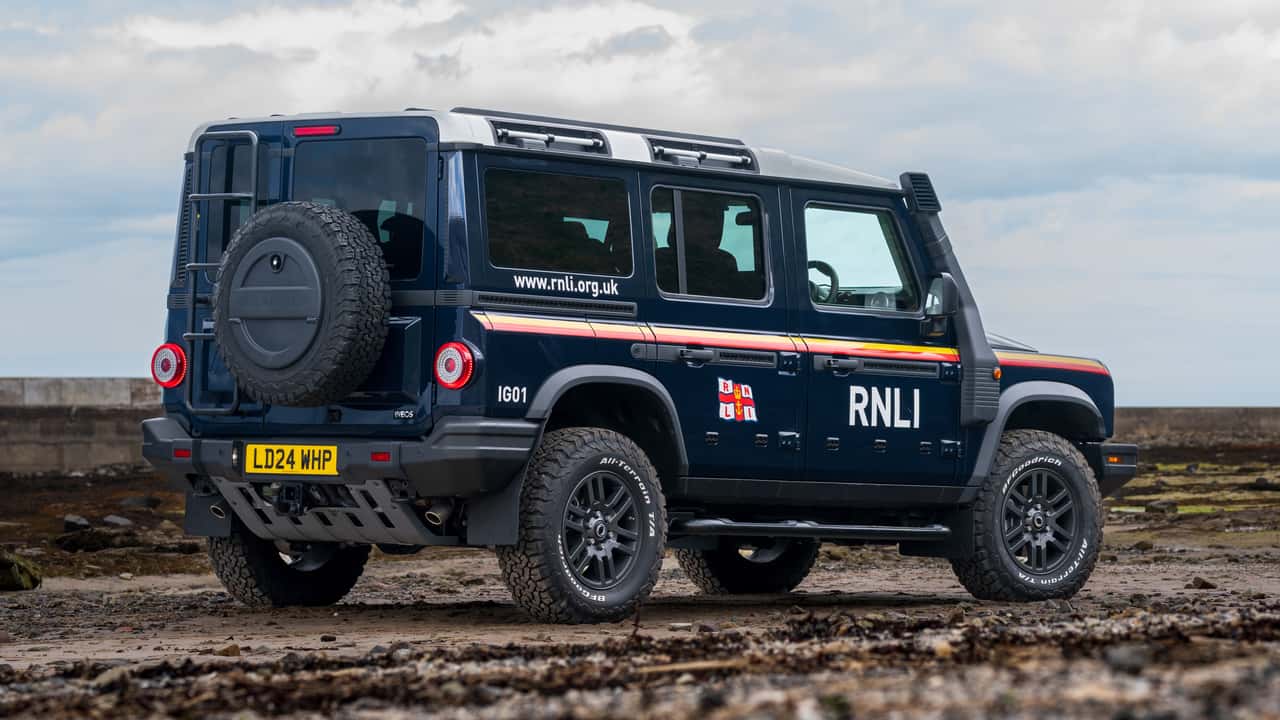
Ineos Grenadier For The Royal National Lifeboat Institution
Photo by: Ineos
Ineos Automotive said the Italian Army has selected the Grenadier for a new military fleet, calling Italy the first NATO country to place a substantial order for the truck. The automaker has not disclosed how many vehicles are involved or what the contract is worth.
Deliveries to Italy run through ATflow, Ineos Automotive's regional distributor, which is set to begin handing over vehicles to the Italian Army in early 2027. That timeline suggests the Grenadier still needs to clear whatever final adaptation and acceptance steps the Army requires before trucks reach units.
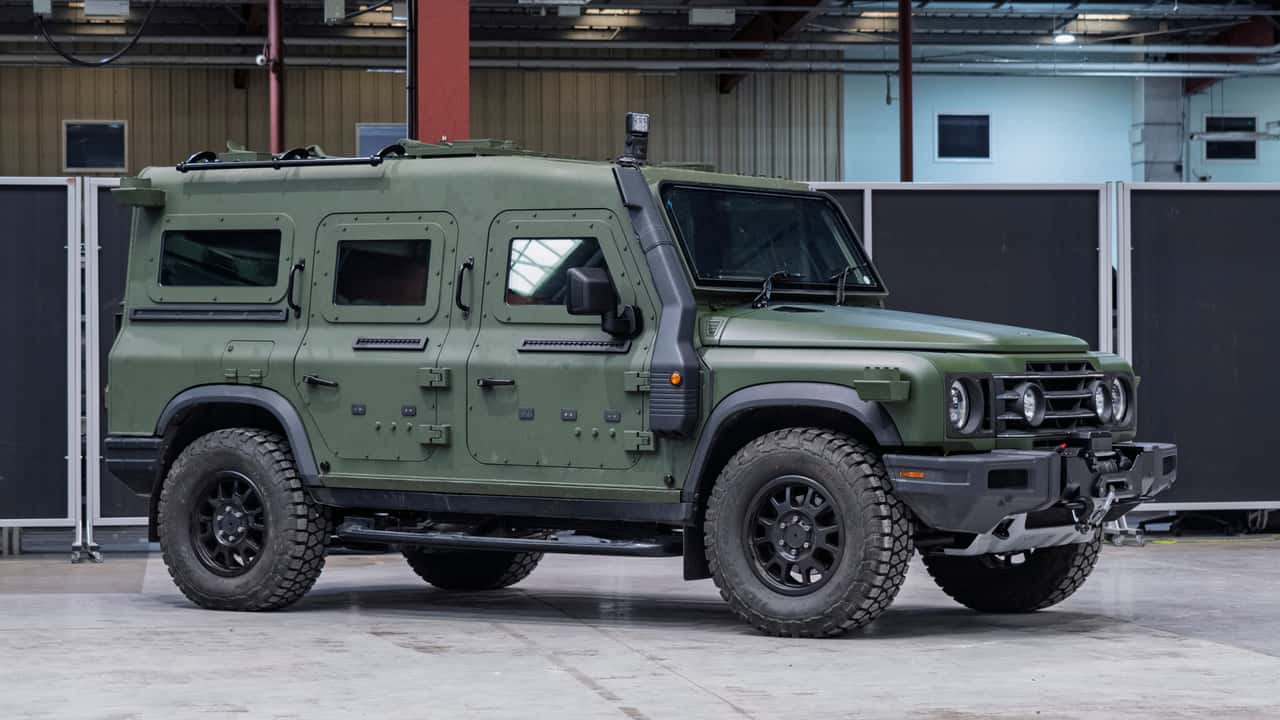
Austria took a different path. Its government tender went to Valentin Tusch GmbH, a specialist in vehicle armoring and conversion work, which will supply Grenadiers adapted for enhanced protection to the country's defense and interior-security forces. The first Austrian deliveries and trials start before the end of 2026, ahead of Italy's rollout.
Mike Whittington, chief commercial officer at Ineos Automotive, said the deals provide validation beyond the two contracts themselves. "Our most recent military agreements signal a huge vote of confidence in Grenadier as a benchmark already, as talks with other nations' defence procurement teams continue," he said.
What The United Kingdom Trial Actually Means
The Team Grenadier consortium has advanced to the trials stage of the UK Ministry of Defence's Light Mobility Vehicle program, which is meant to replace the British Army's aging Land Rover fleet. Team Grenadier is one of seven bidders still in the running, and the trials phase covers nine distinct vehicle variants the winning platform would need to fill.
Ineos has already shown what a militarized Grenadier can look like for Britain. Whittington described the broader push as part of advanced procurement talks with other European and NATO forces, without naming them or confirming timelines.
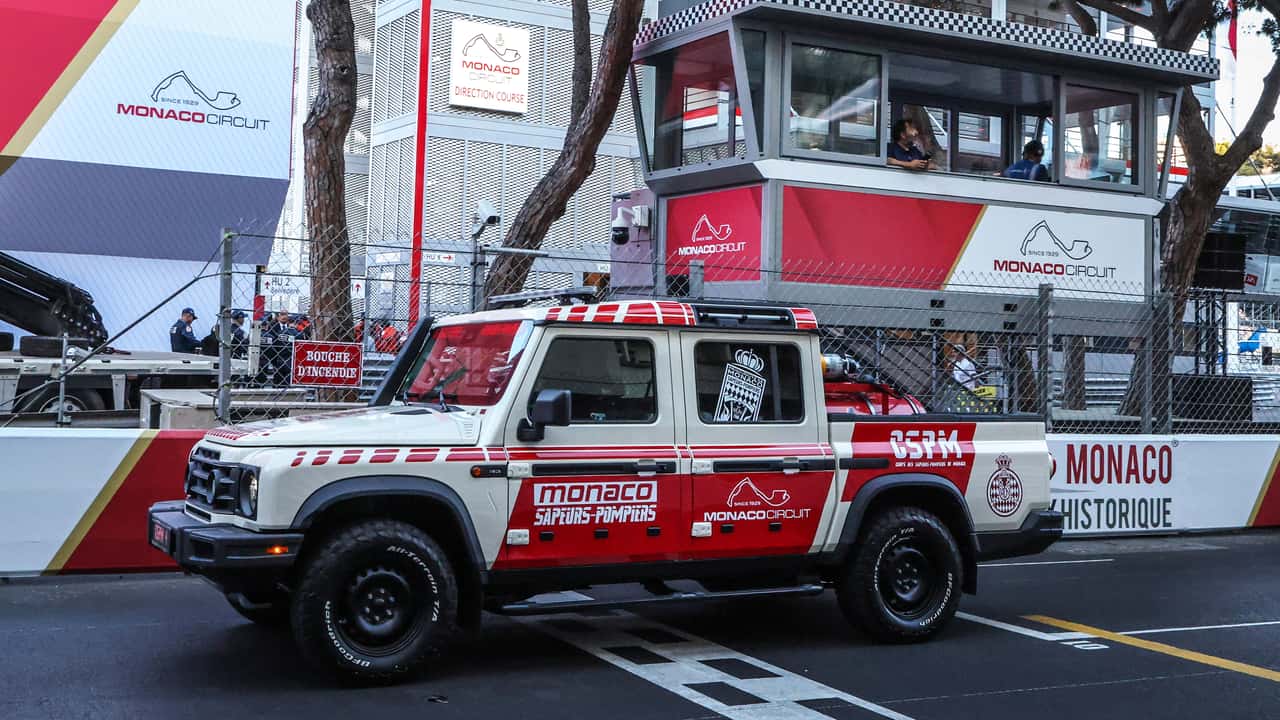
Outside formal military procurement, the Grenadier has already found work with counter-terrorism and tactical units in Germany, France and Spain, plus security and border forces in Hungary, Poland, the Czech Republic, Serbia and Slovakia. Those placements built the track record Ineos is now pointing to as it courts the Italian and Austrian armies' NATO peers.
The Italian and Austrian orders land as Ineos has been working through its own financial pressures, making a pair of sovereign defense contracts a notable vote of confidence regardless of their undisclosed size.
Costco Has A Big Discount On The Ineos Grenadier: $2,000 Off
Ineos Puts Up Record Q1 Sales
Ineos Just Made the Grenadier Even Cooler
Ineos Could Be in Trouble as It Cuts 'Several Hundred' Jobs
Source: Ineos










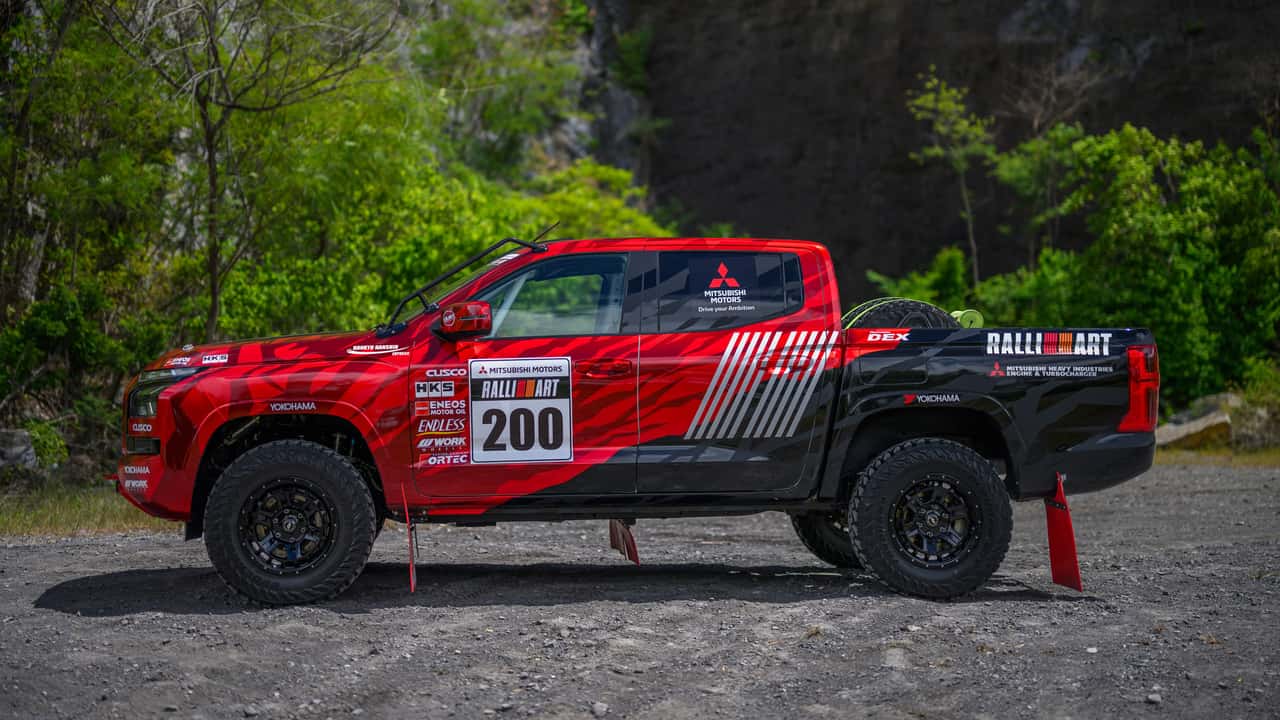
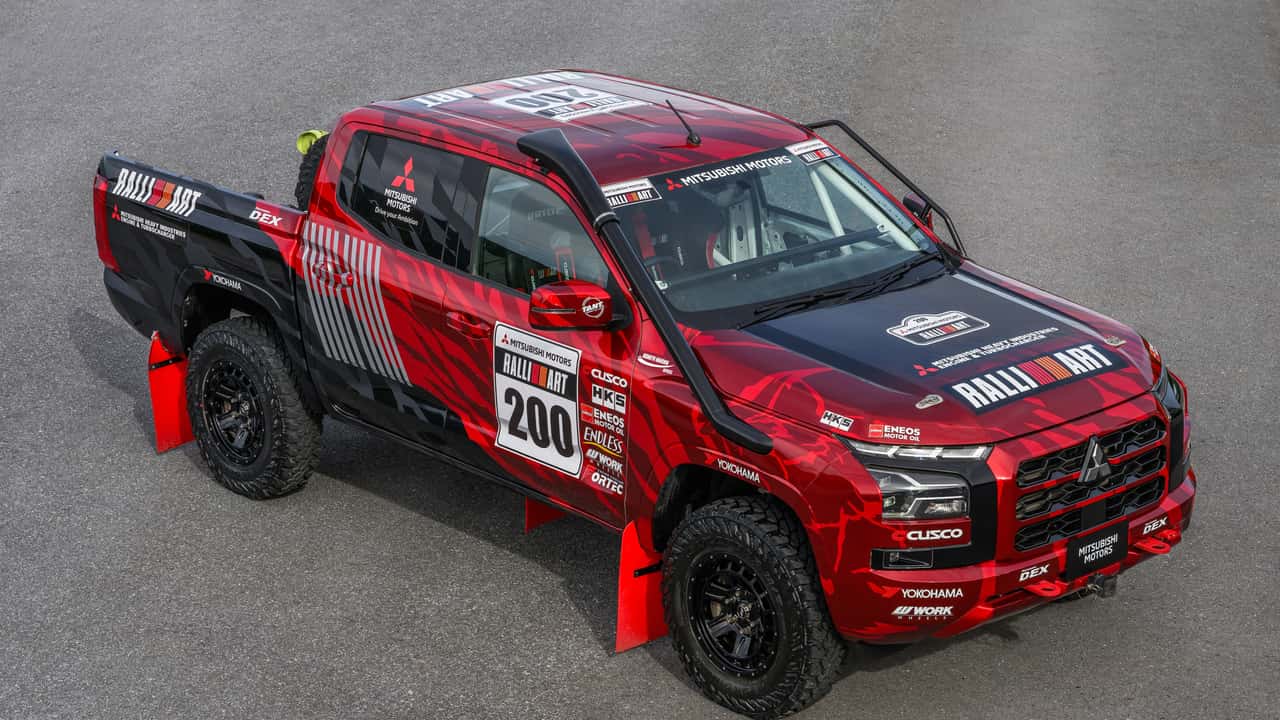
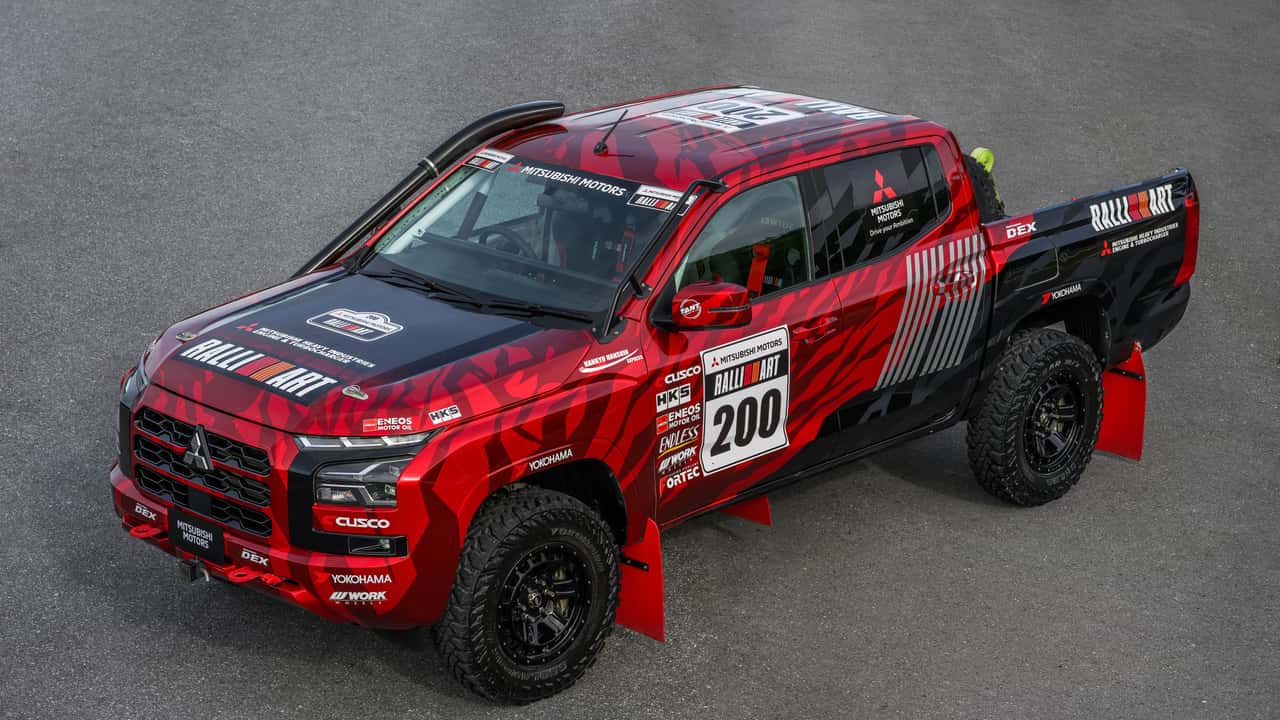
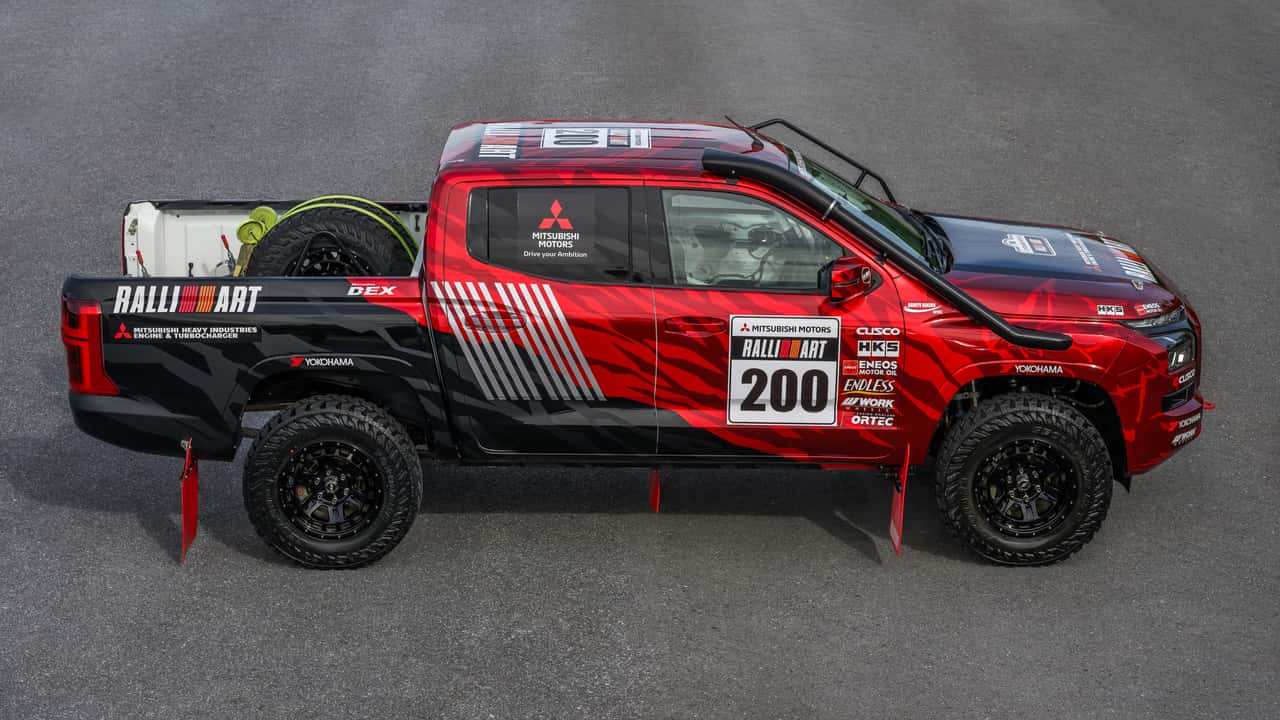
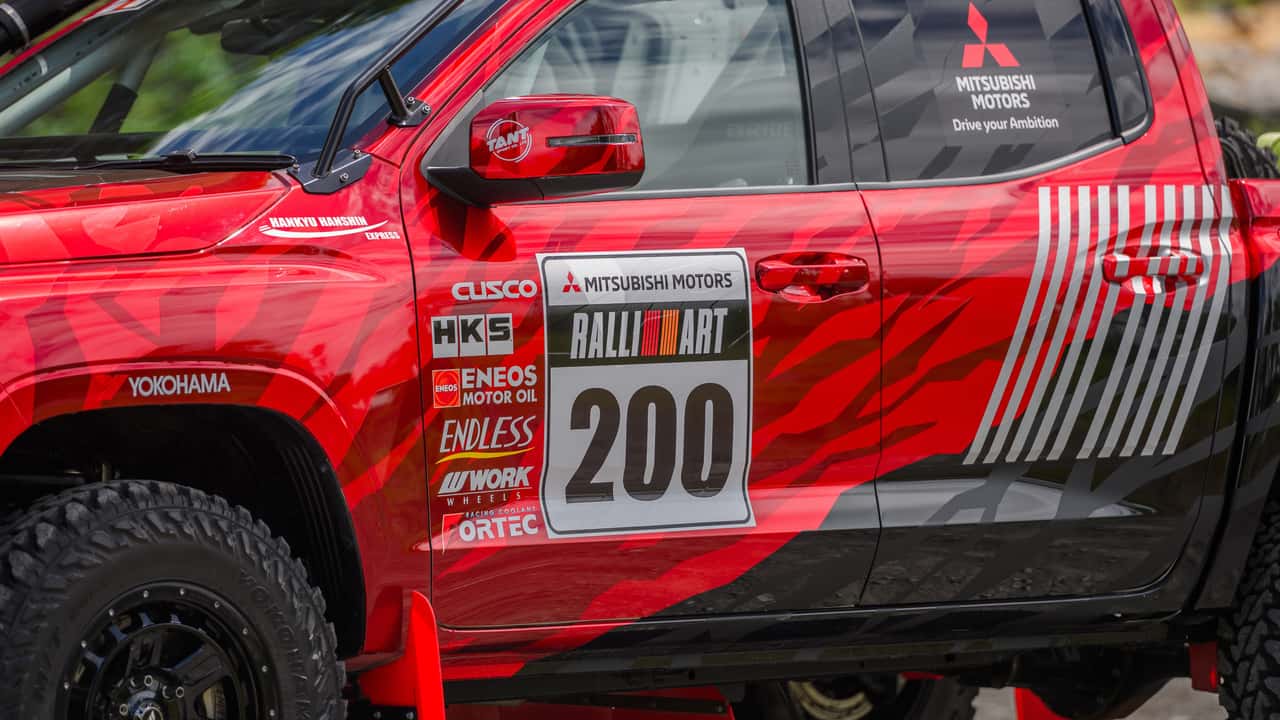
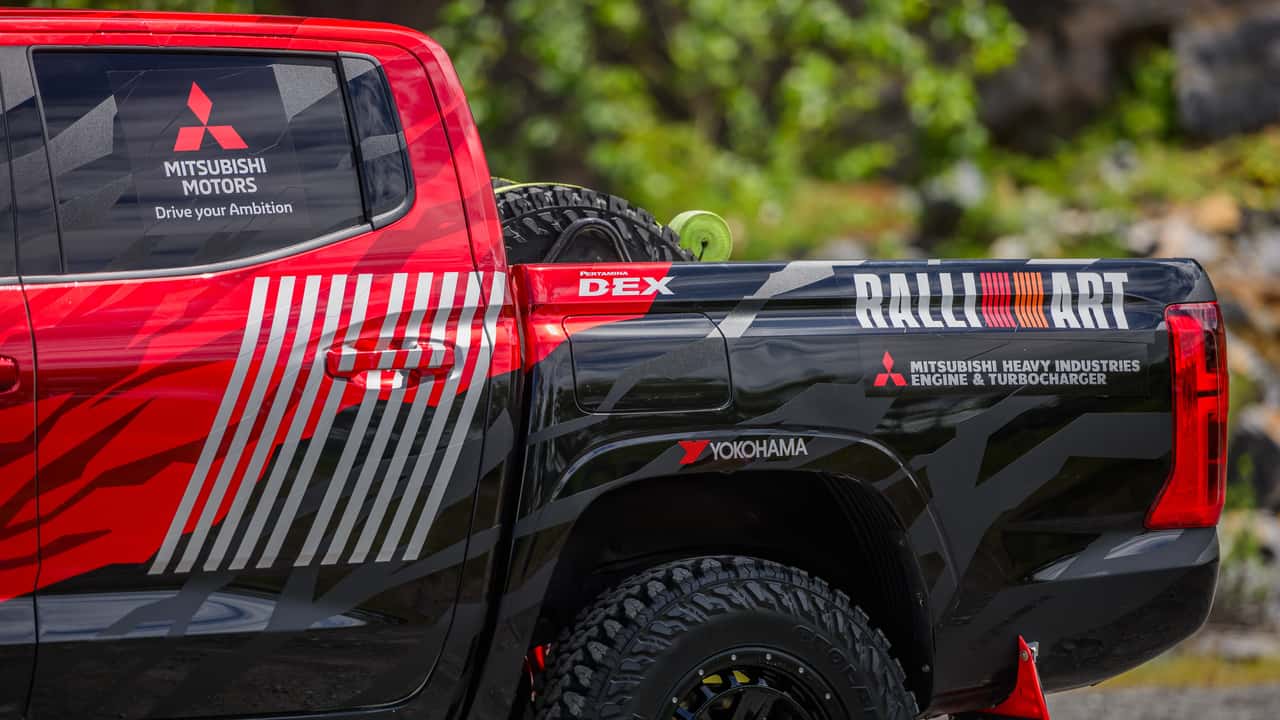
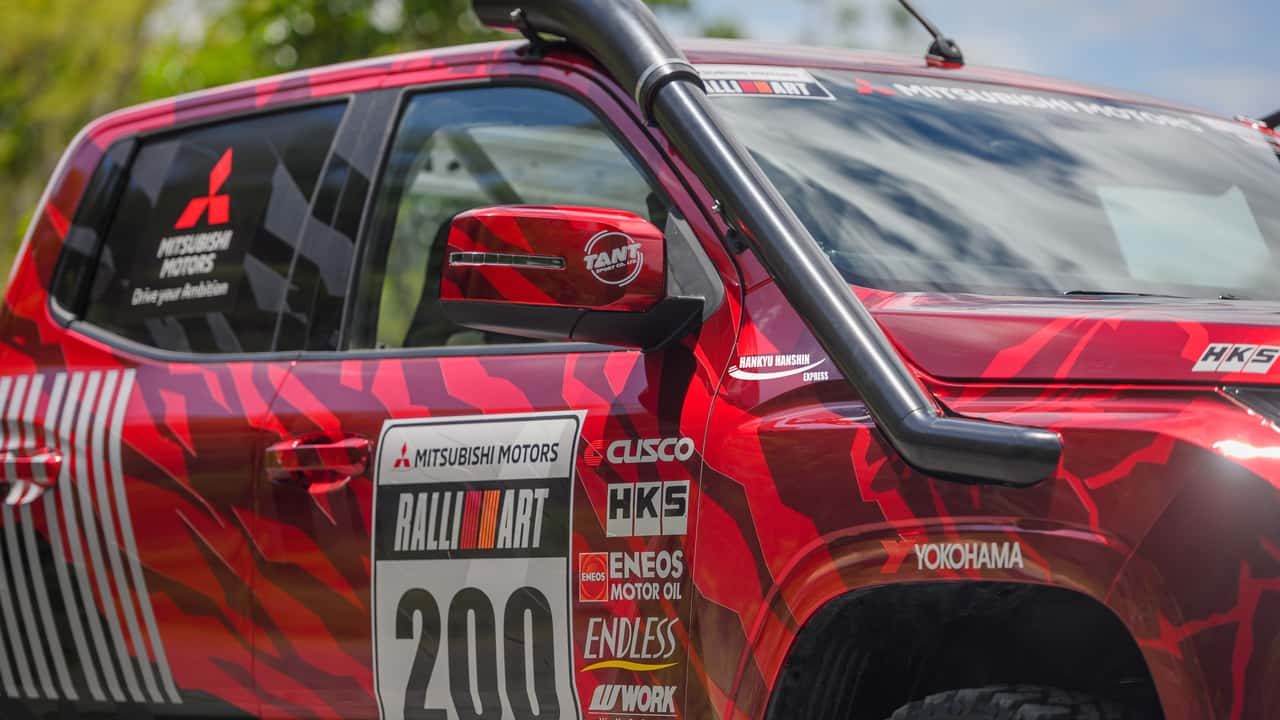
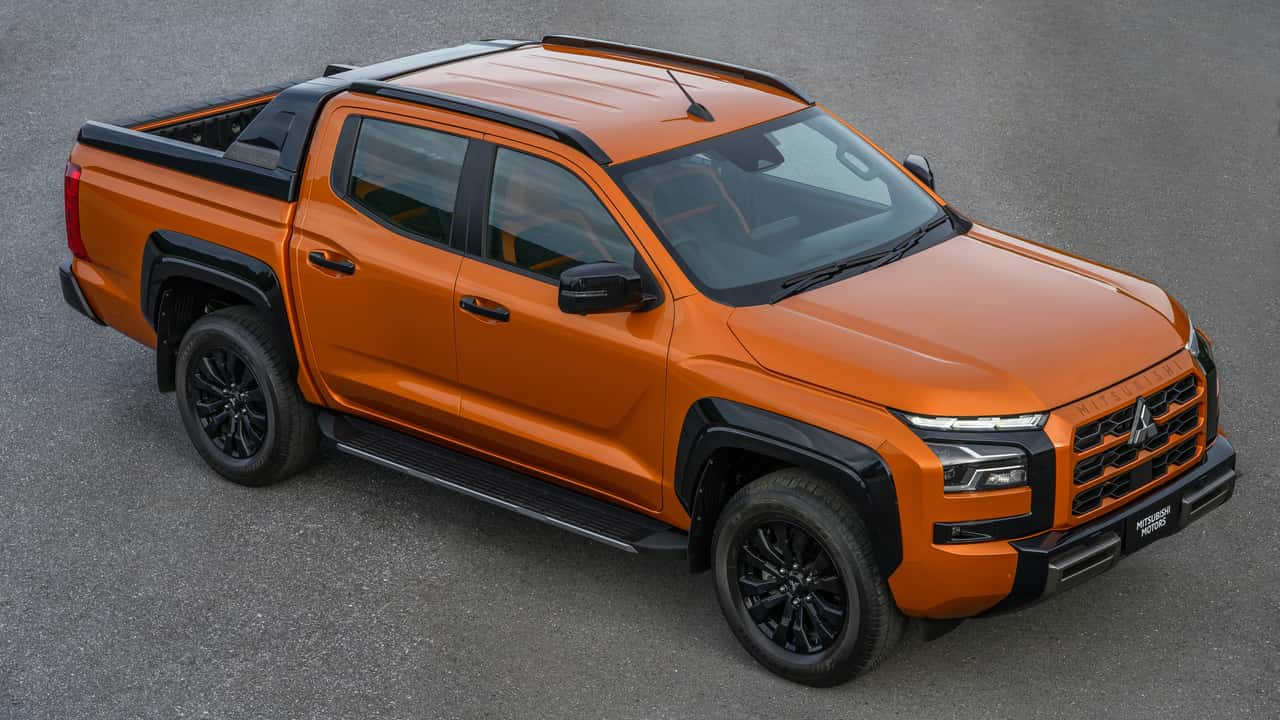
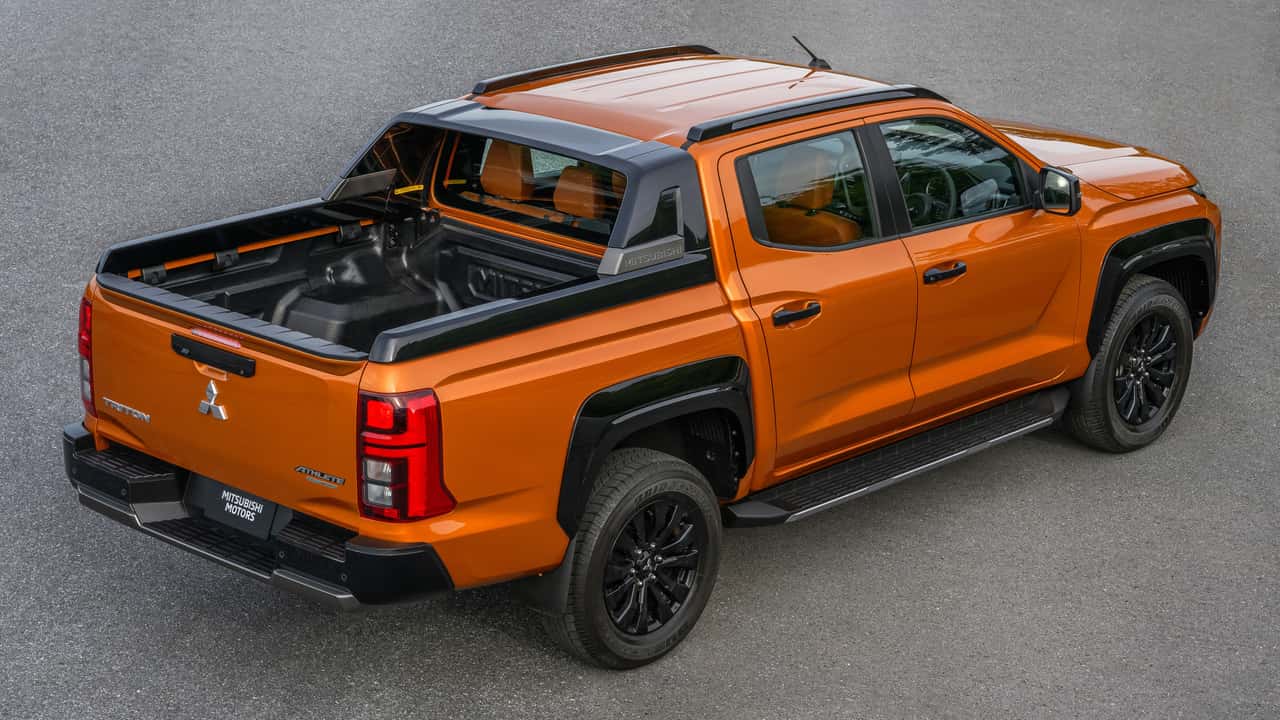
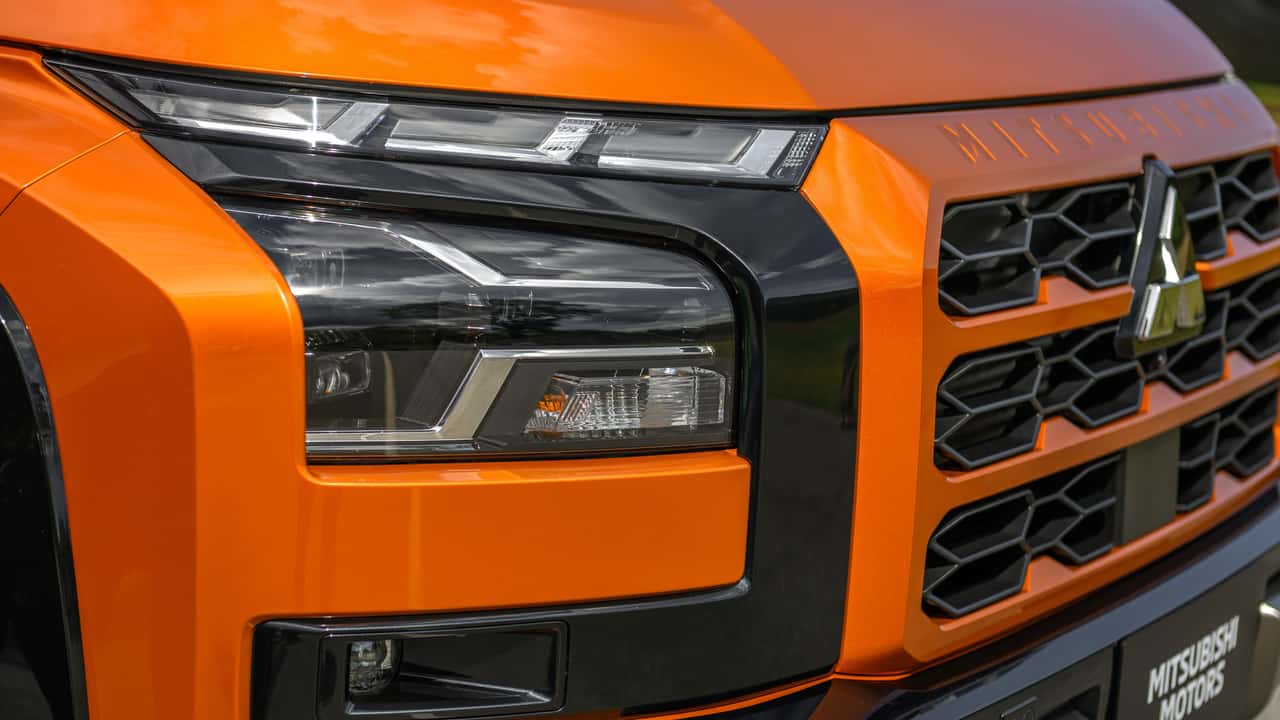
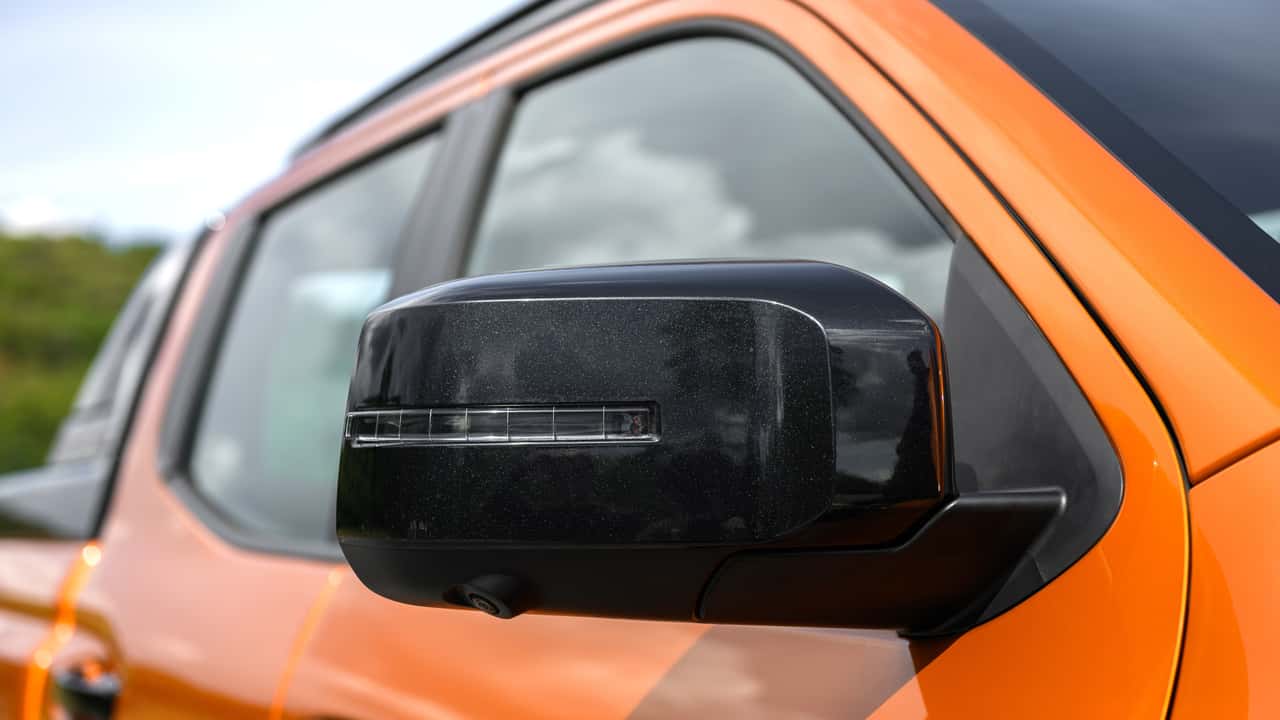
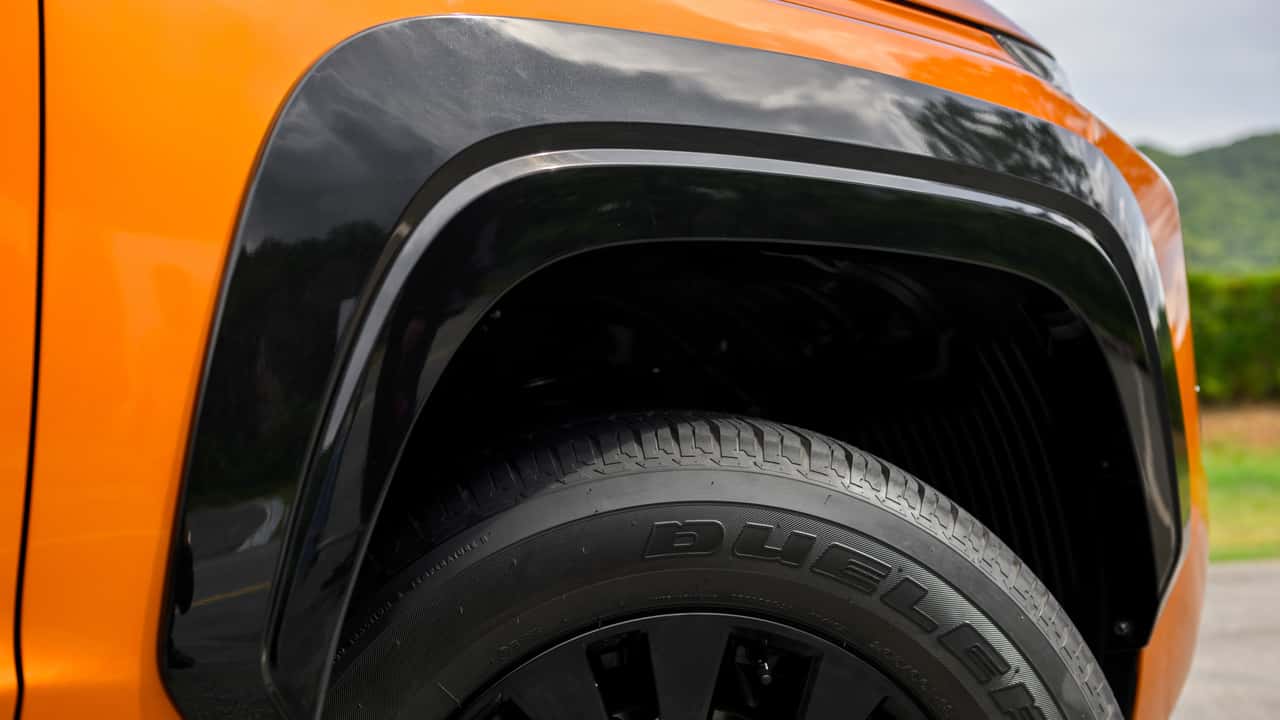
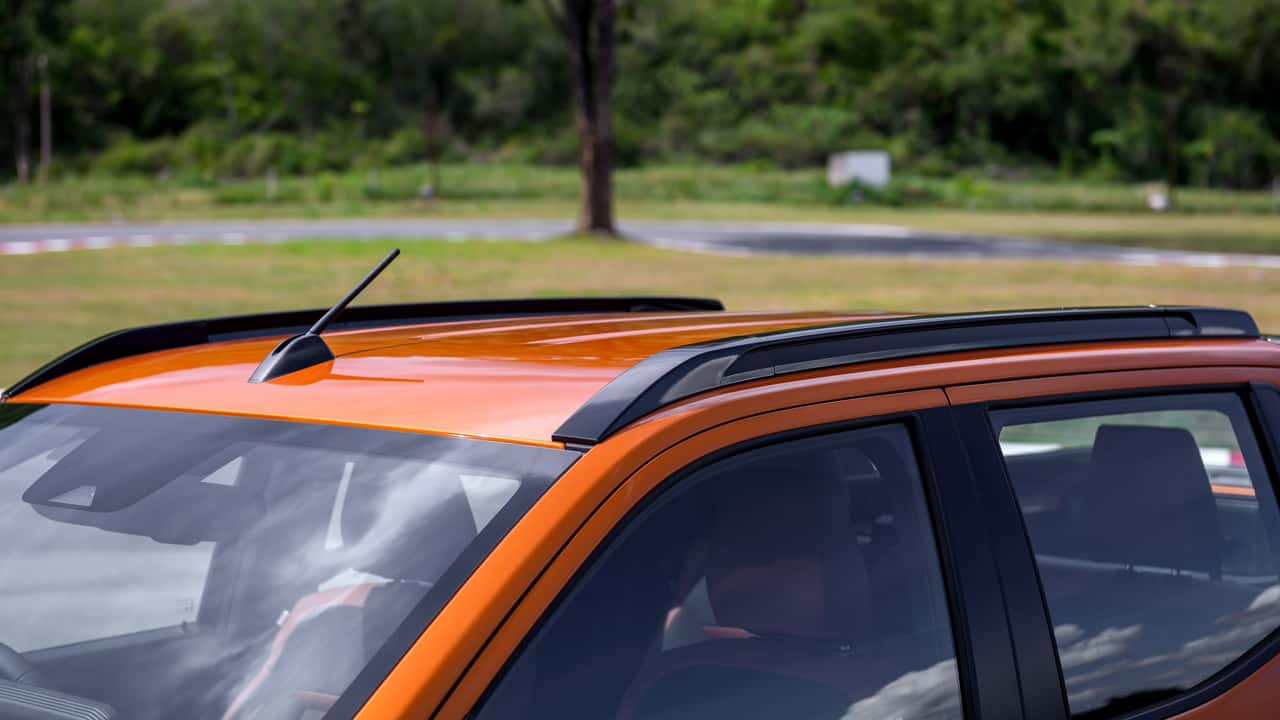
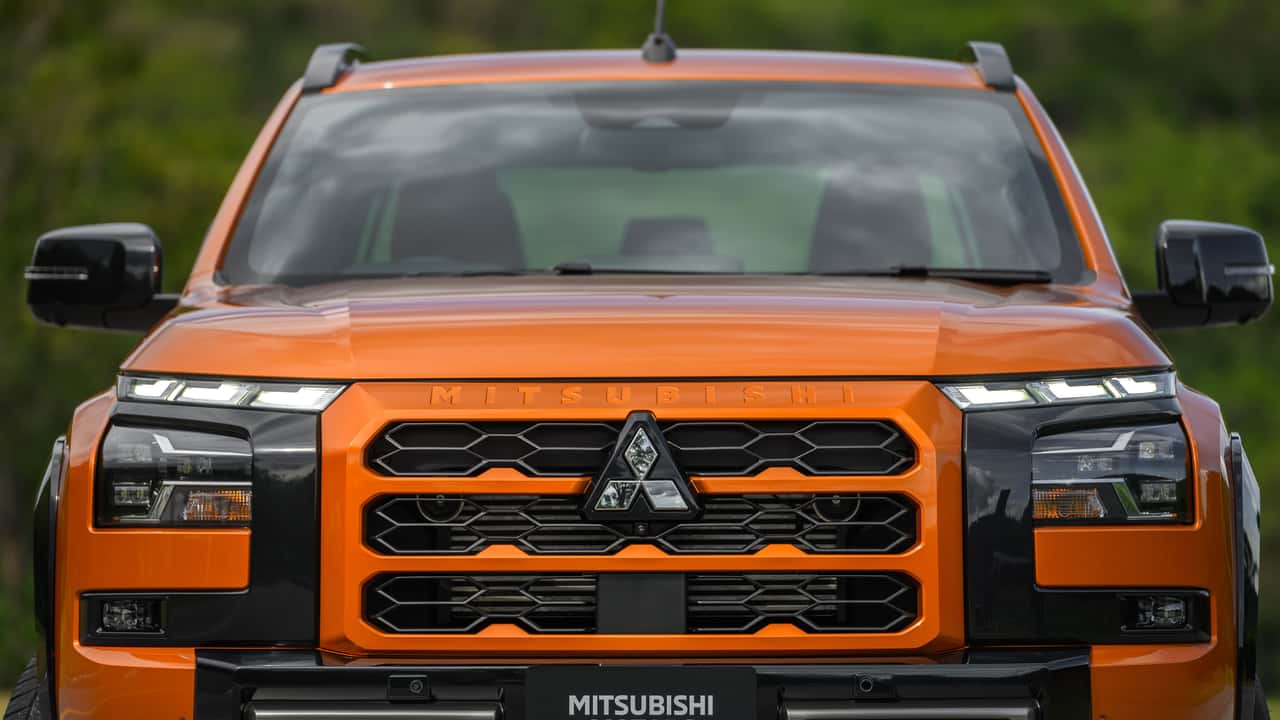
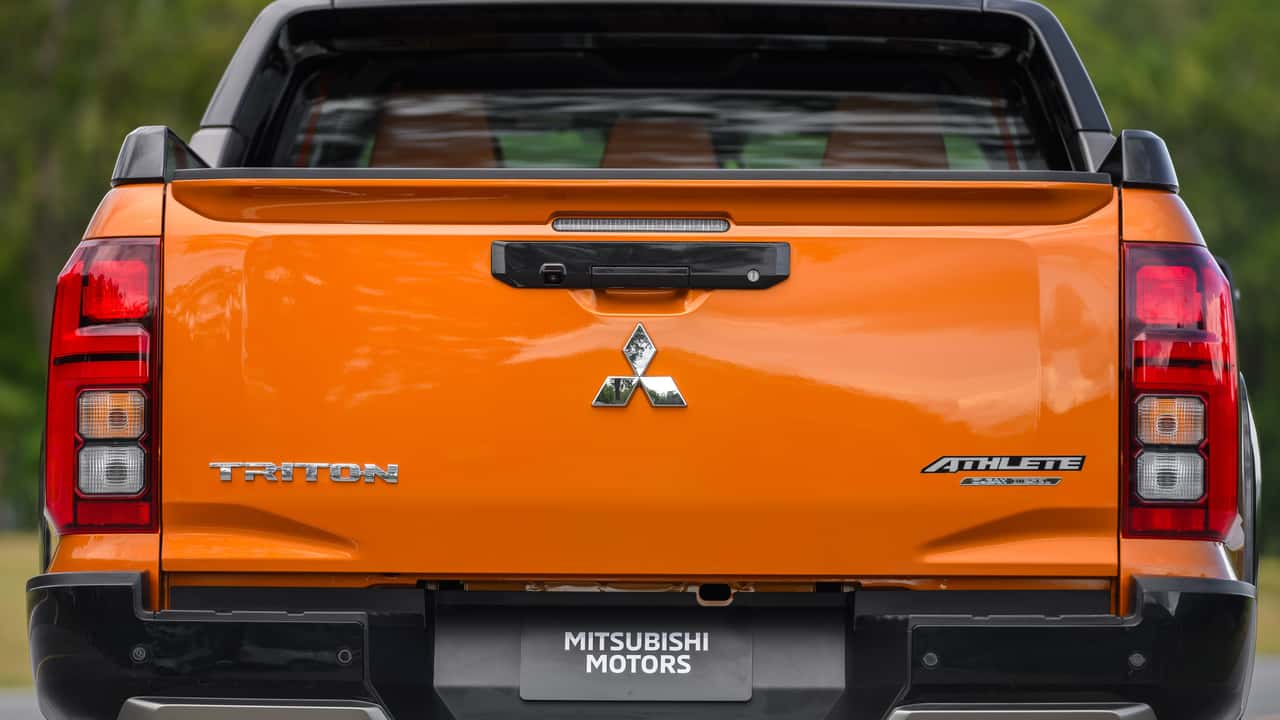
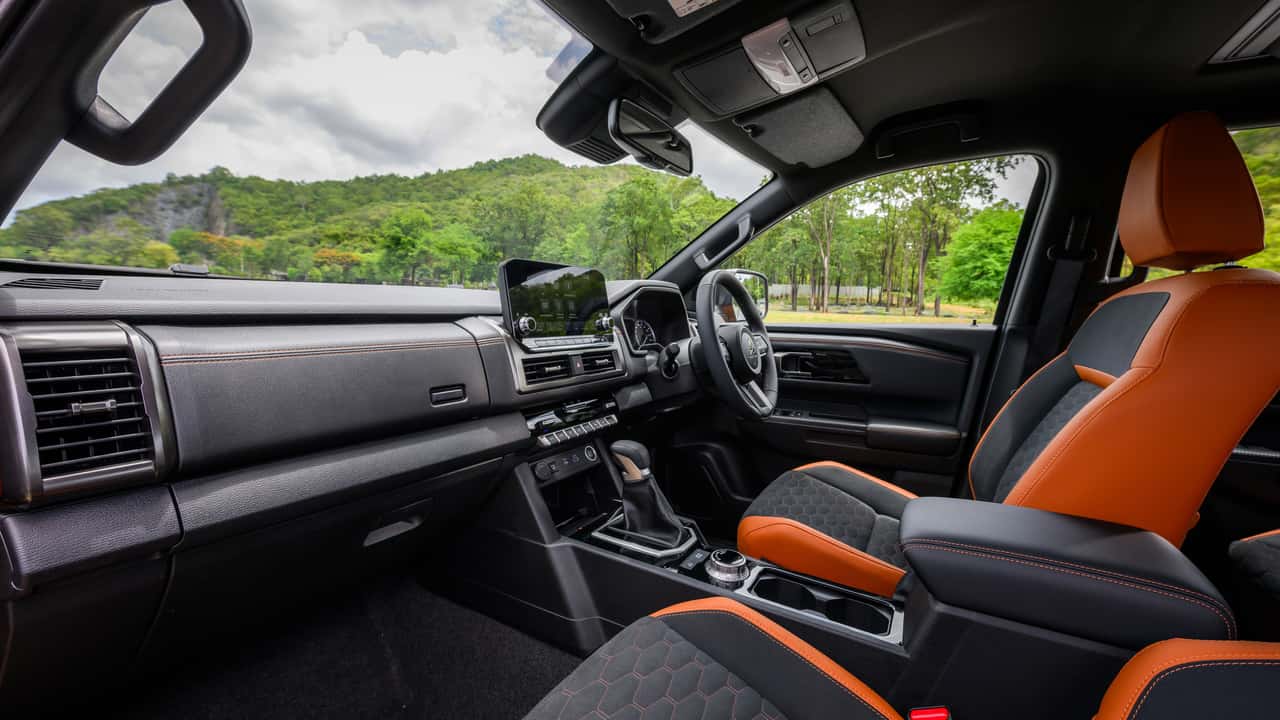
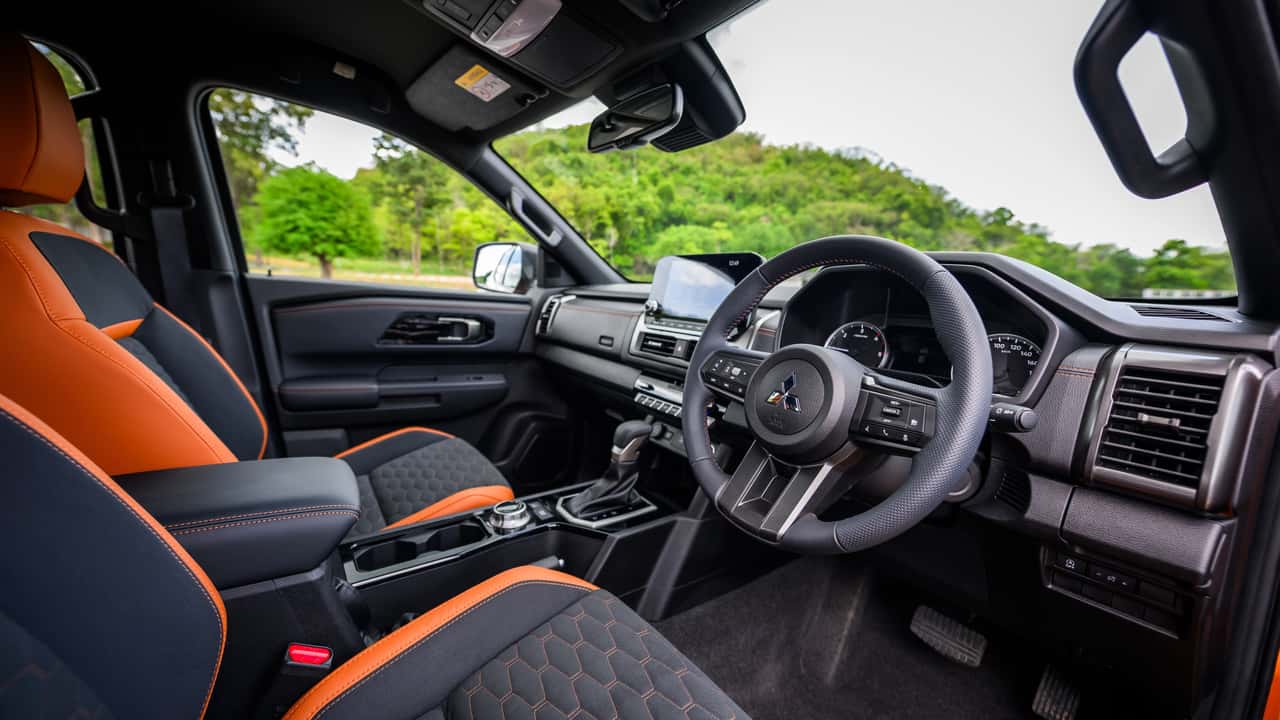
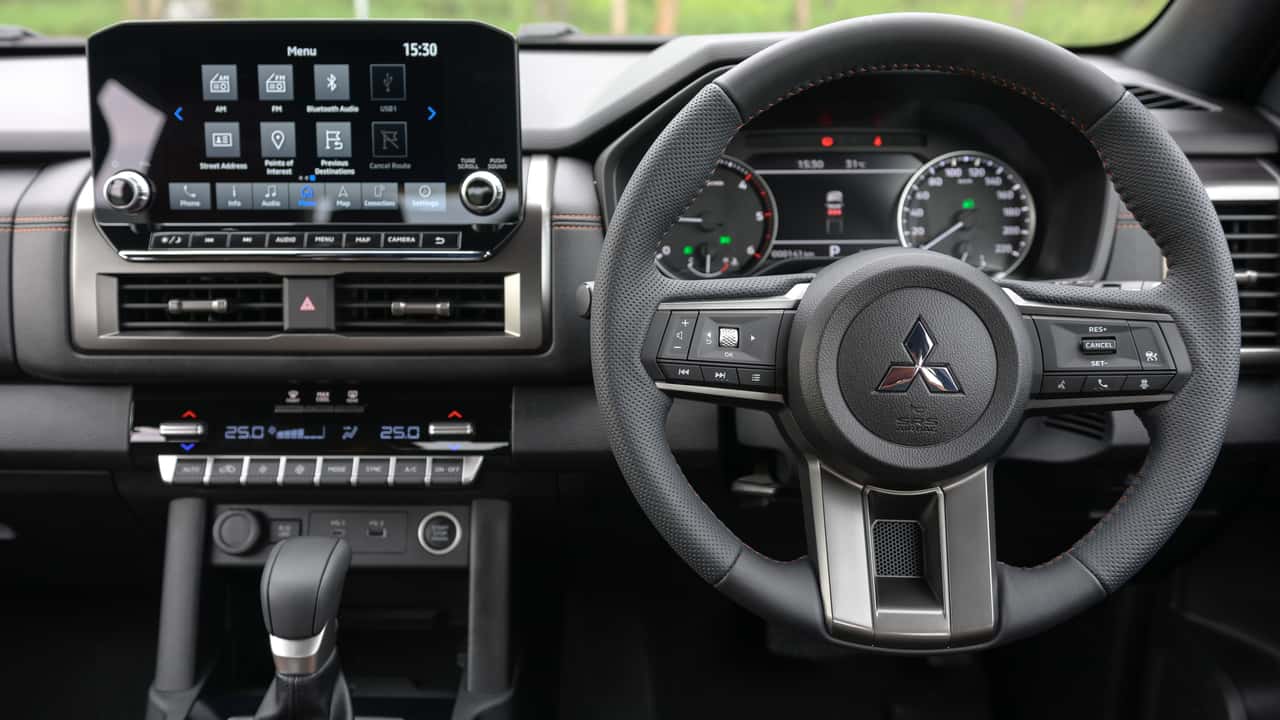
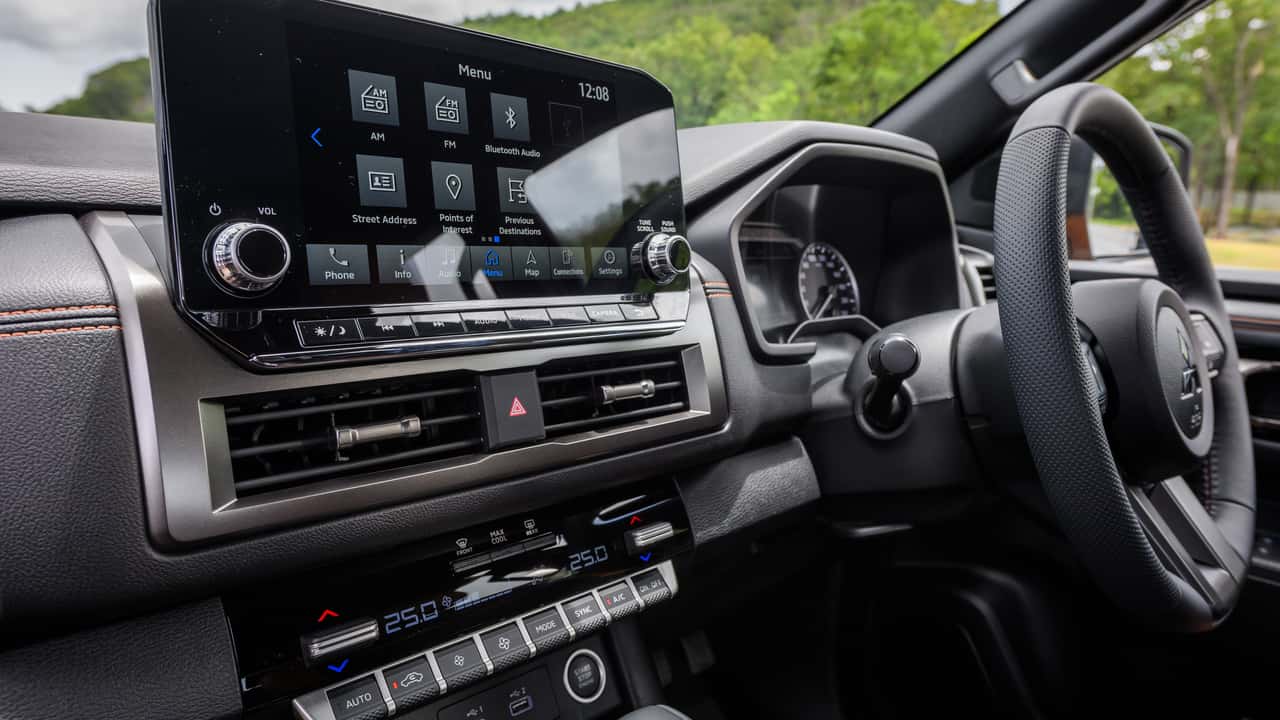
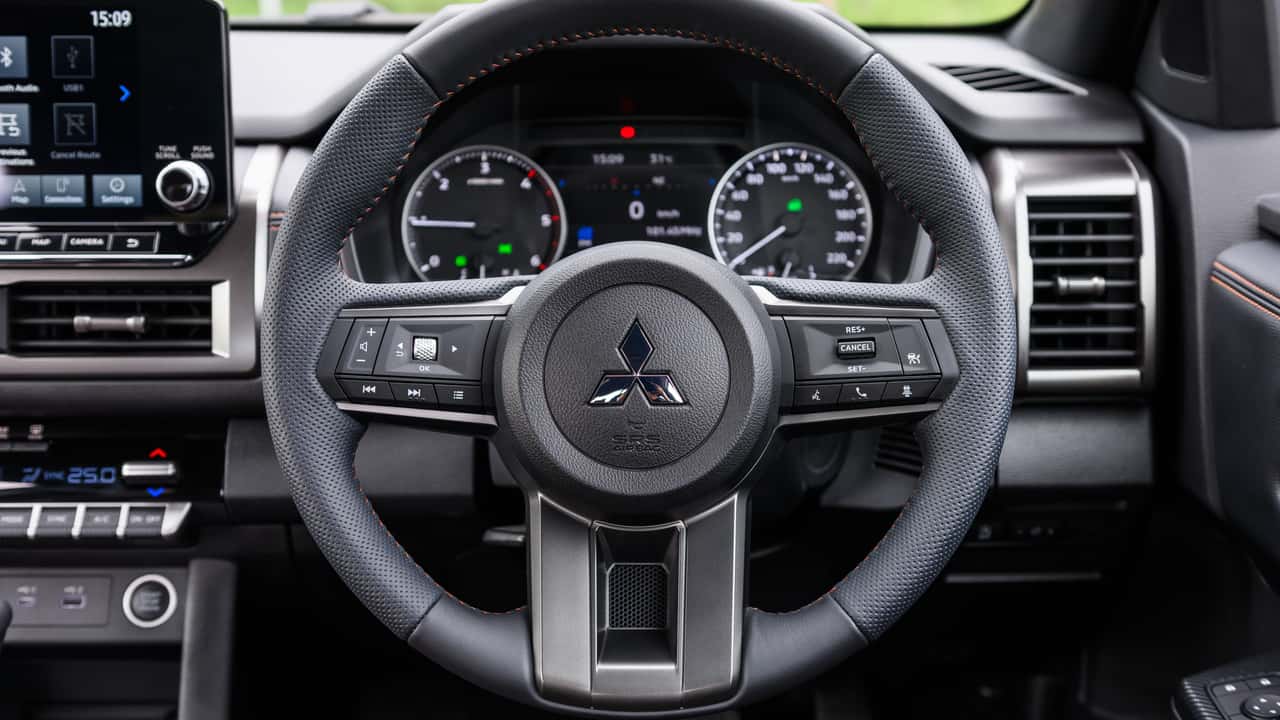
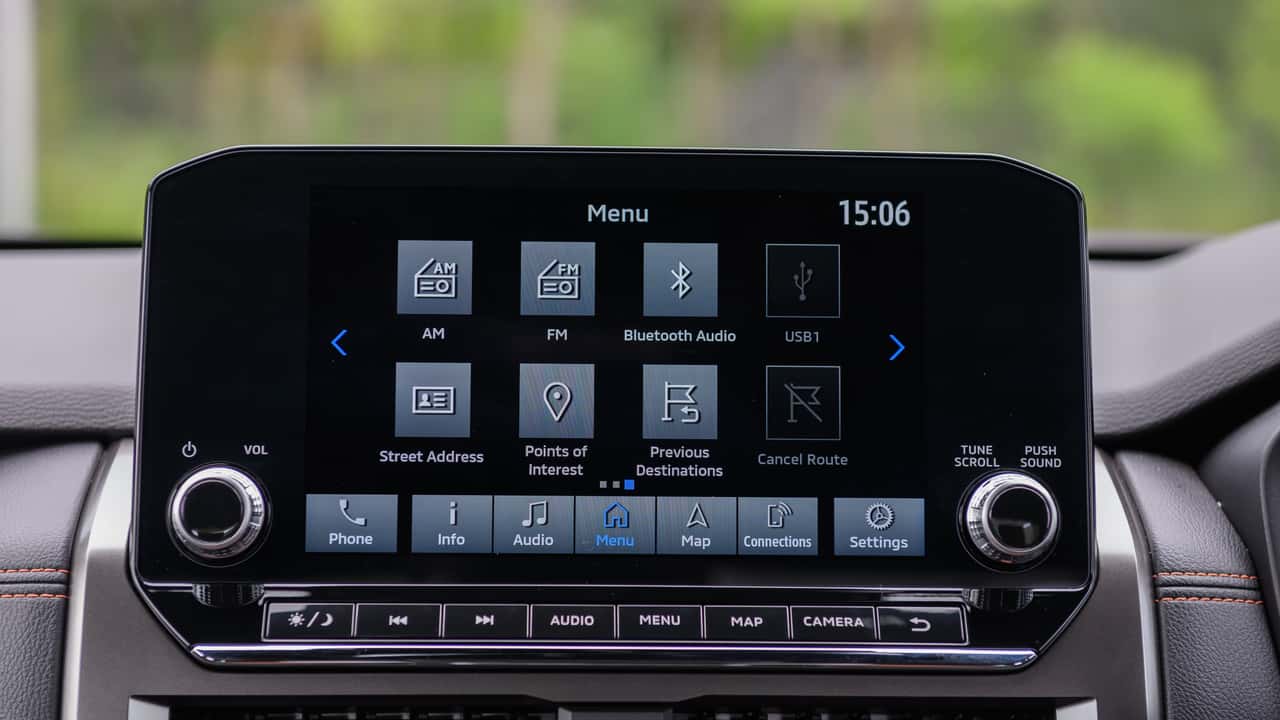
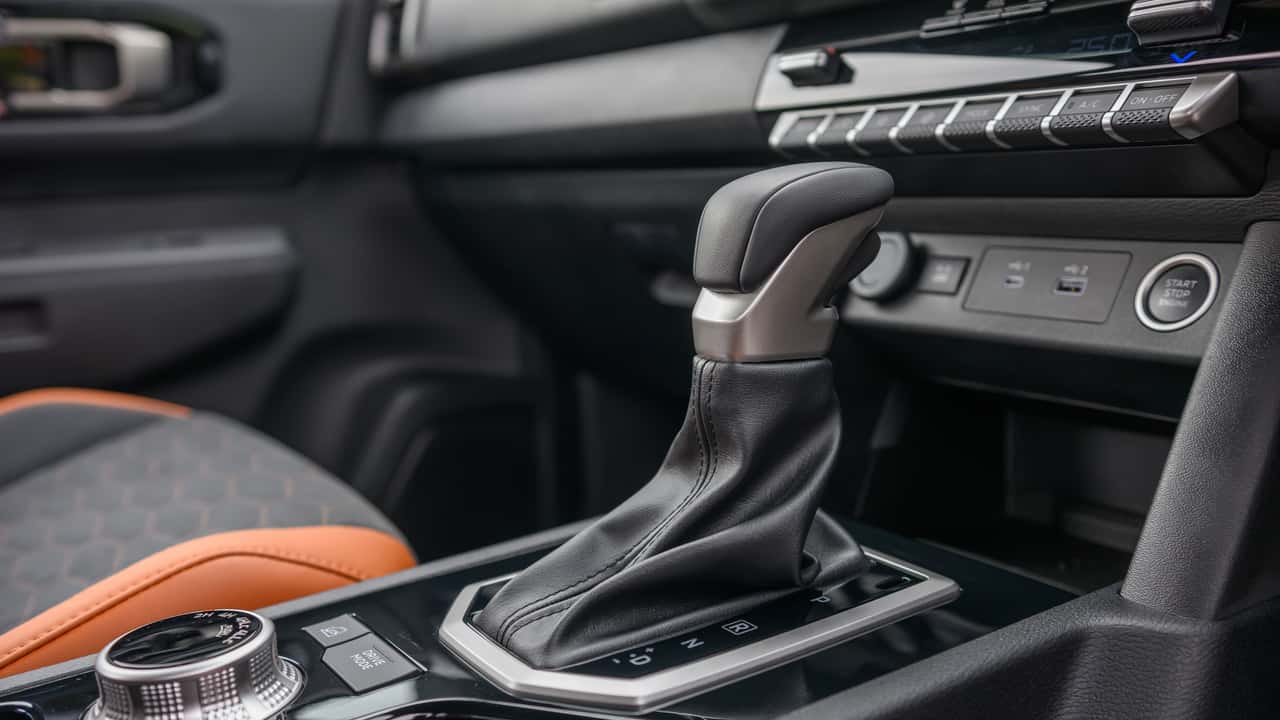
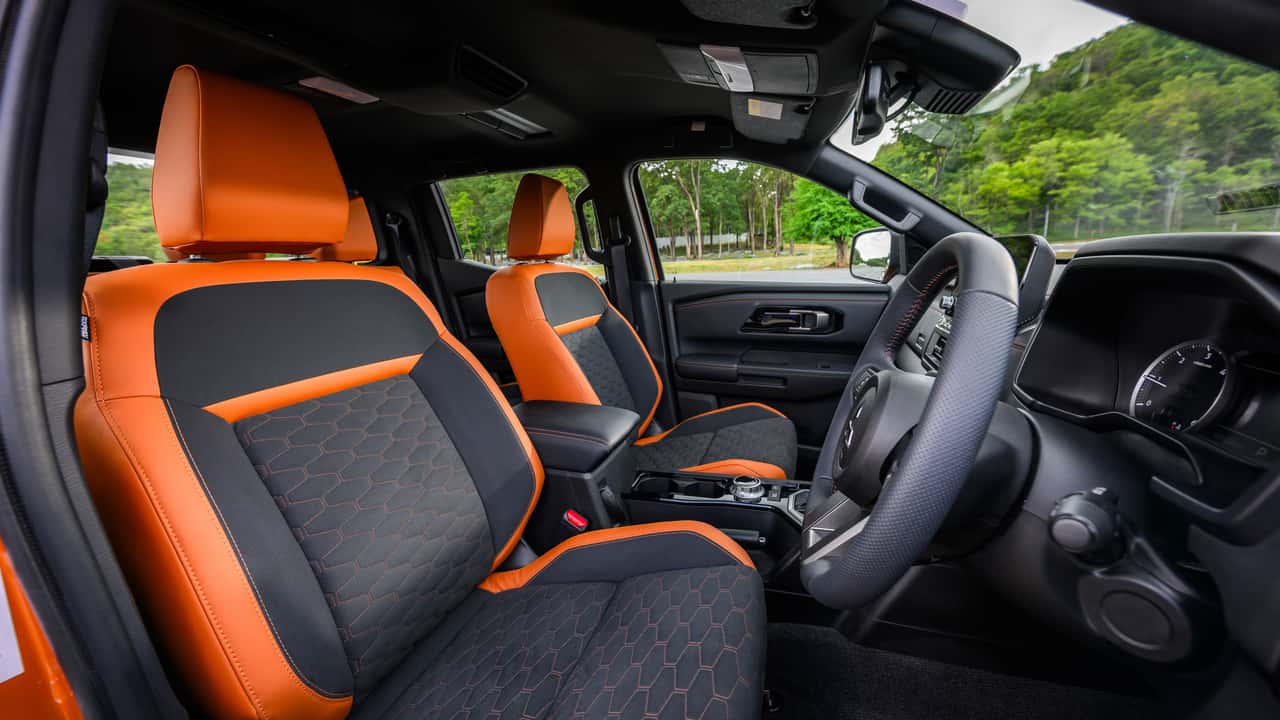
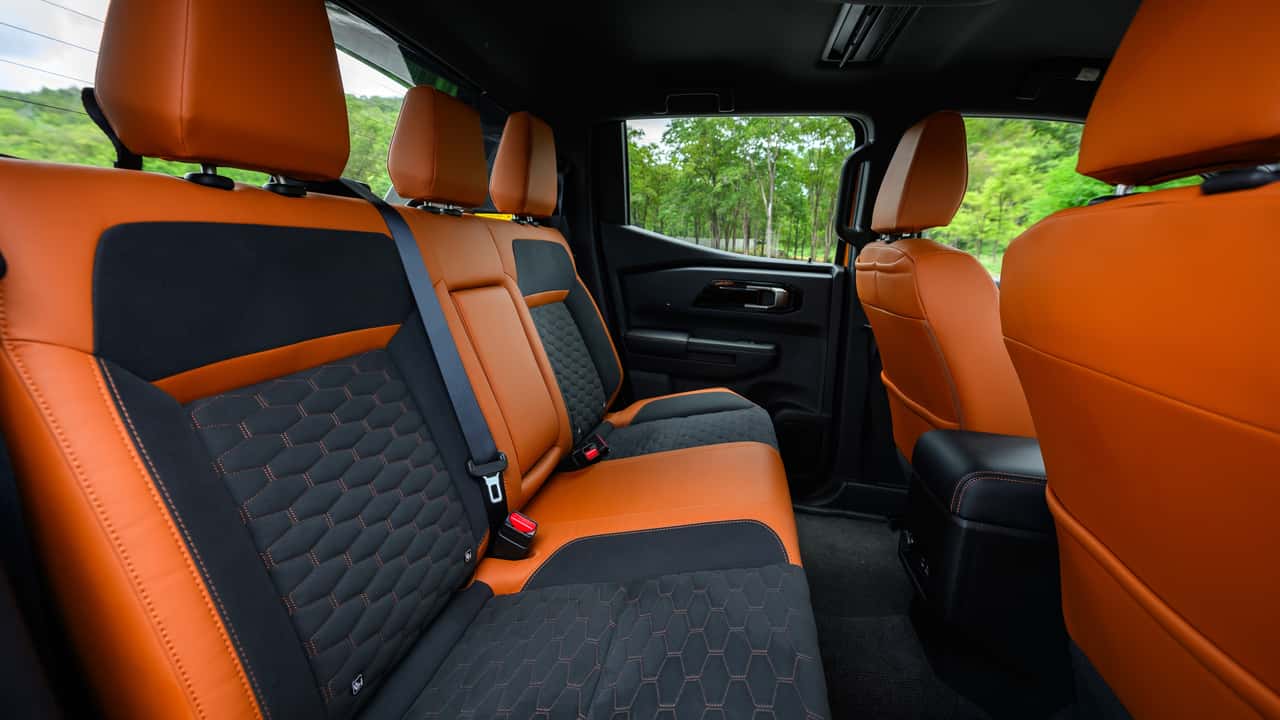
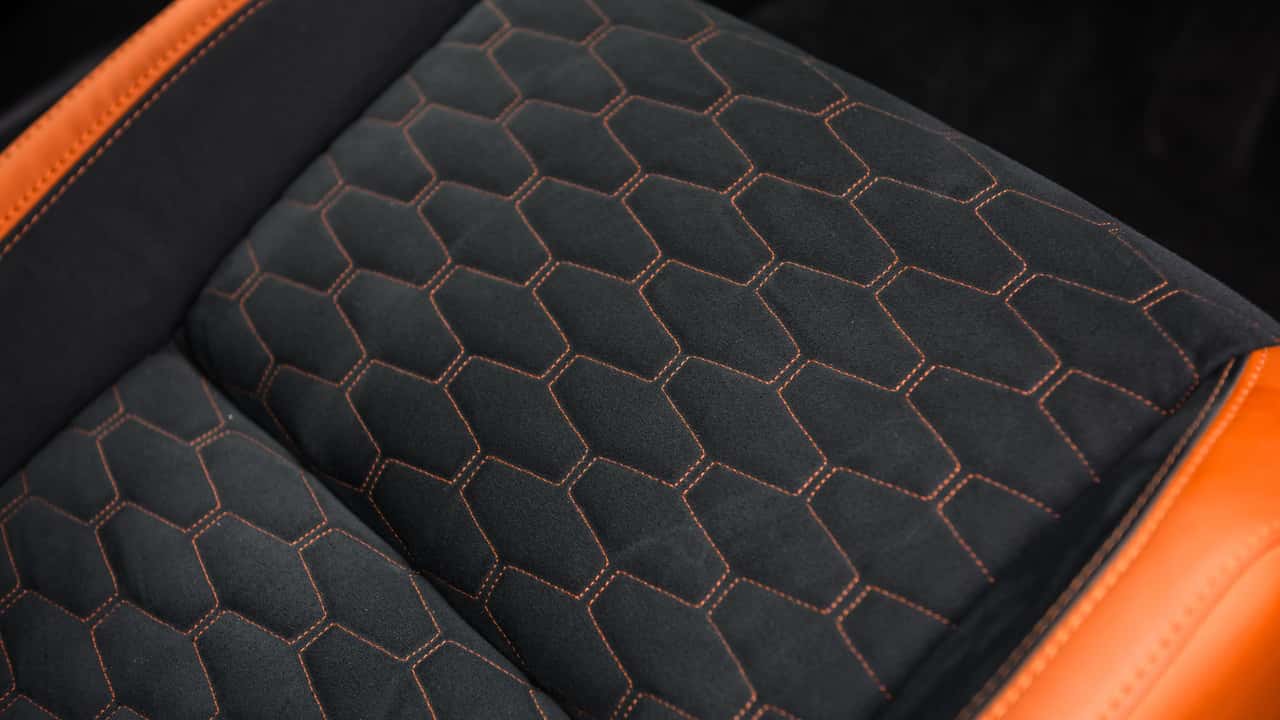
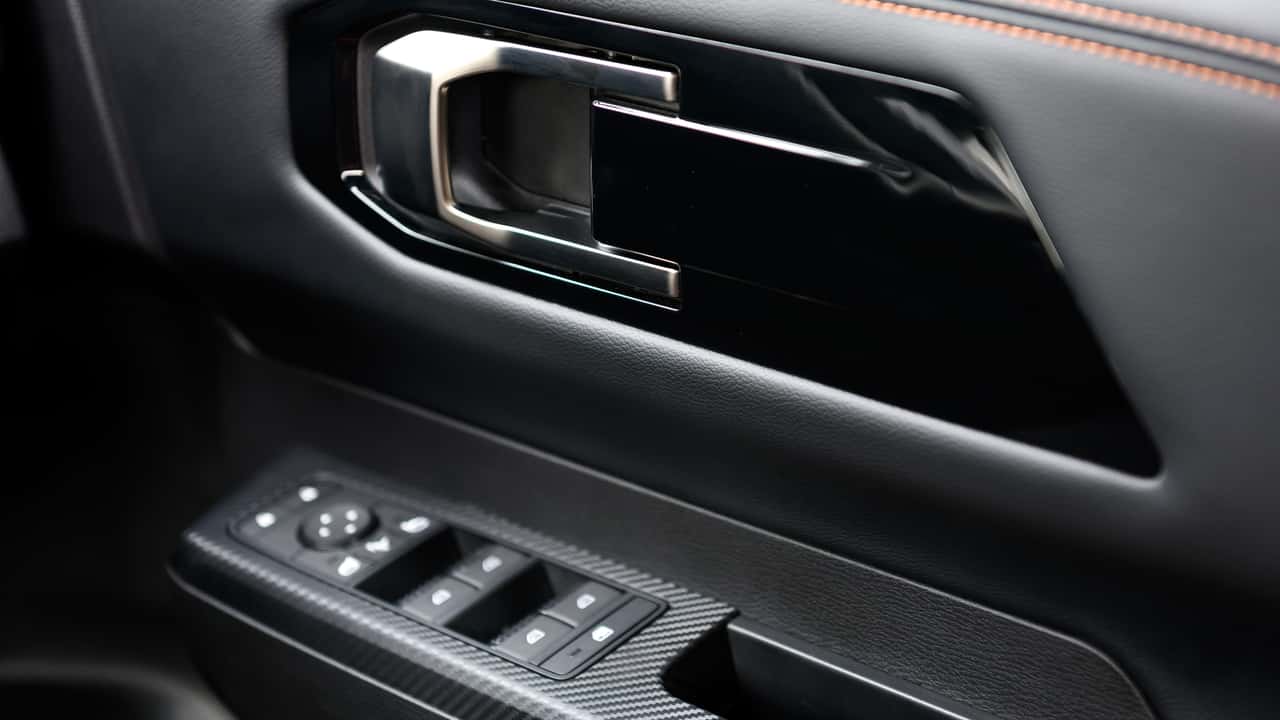
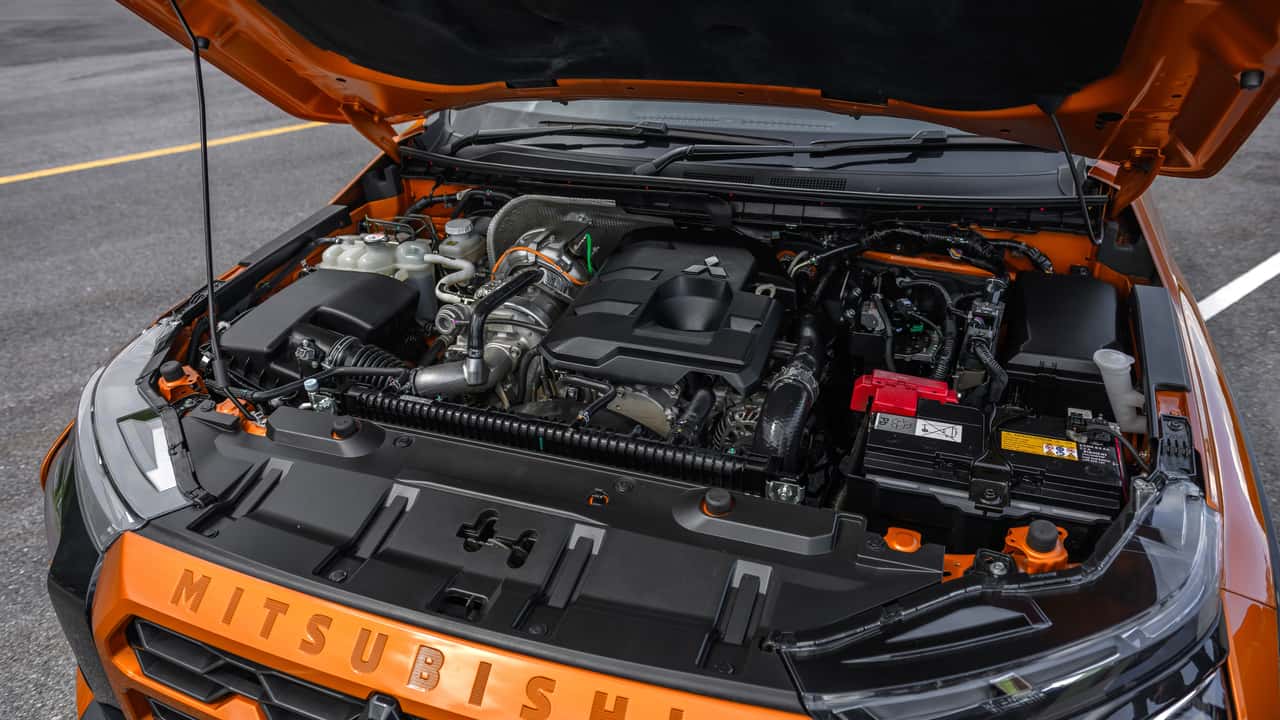
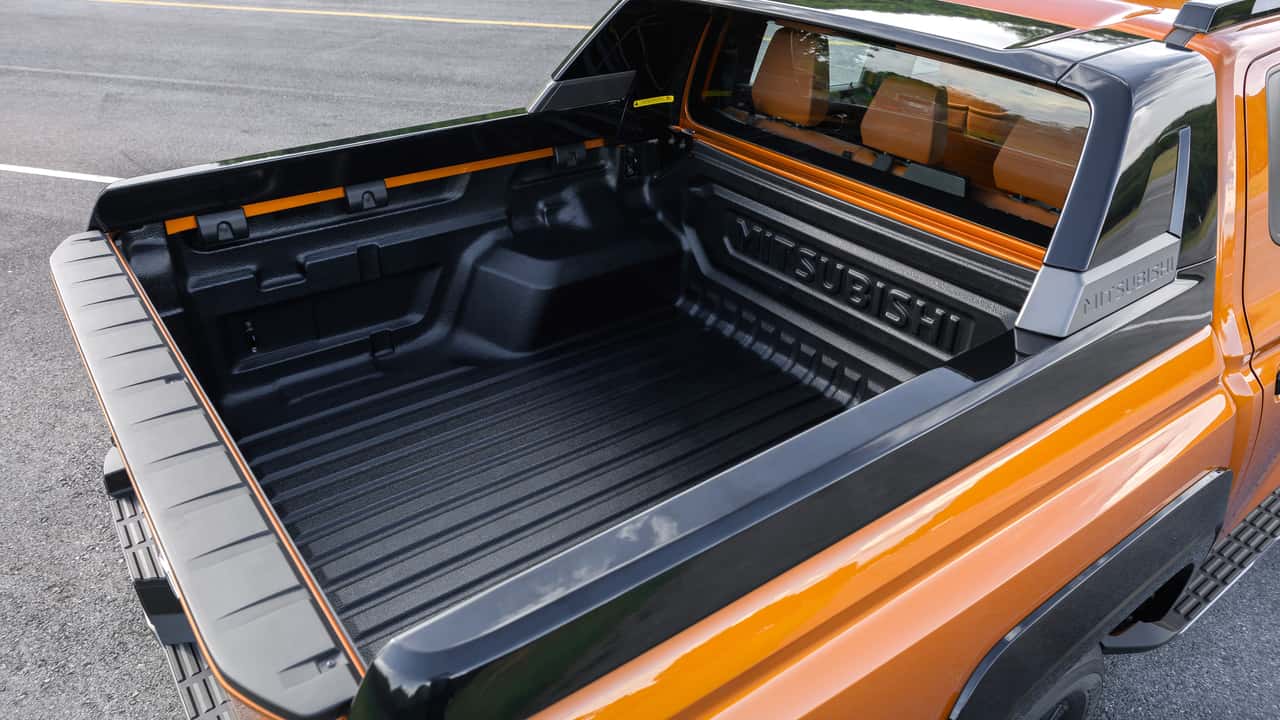
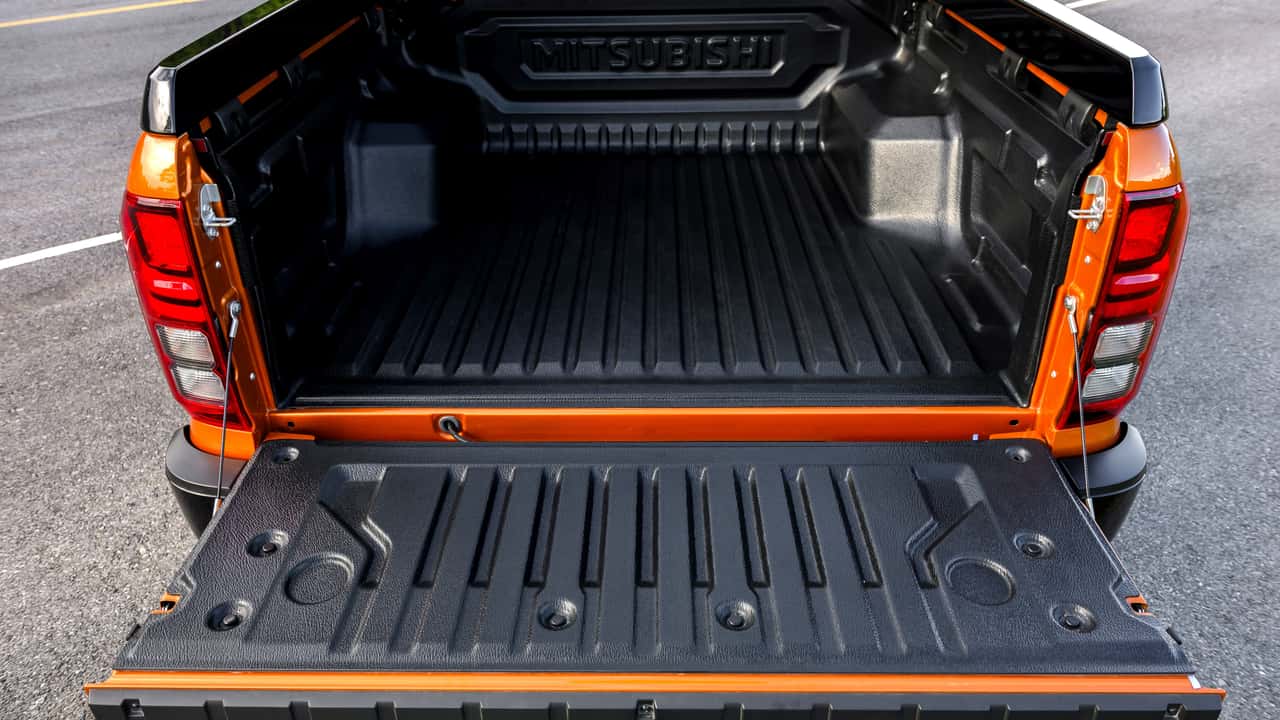
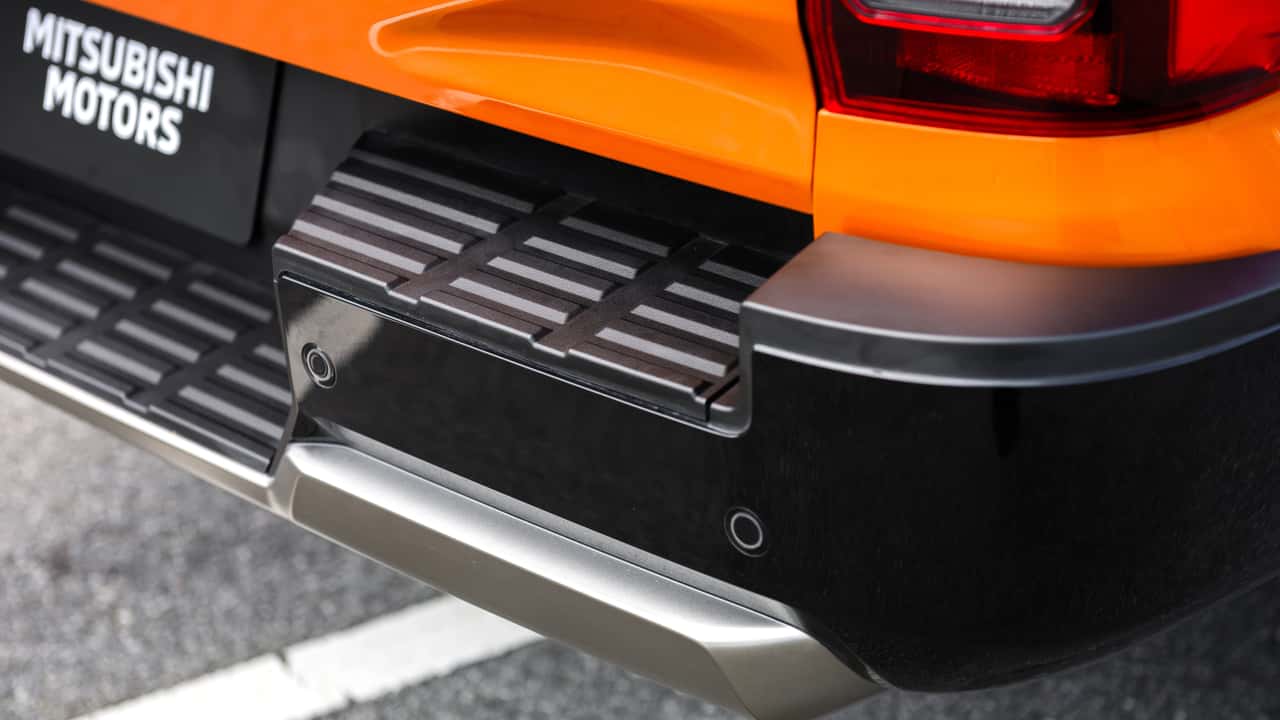
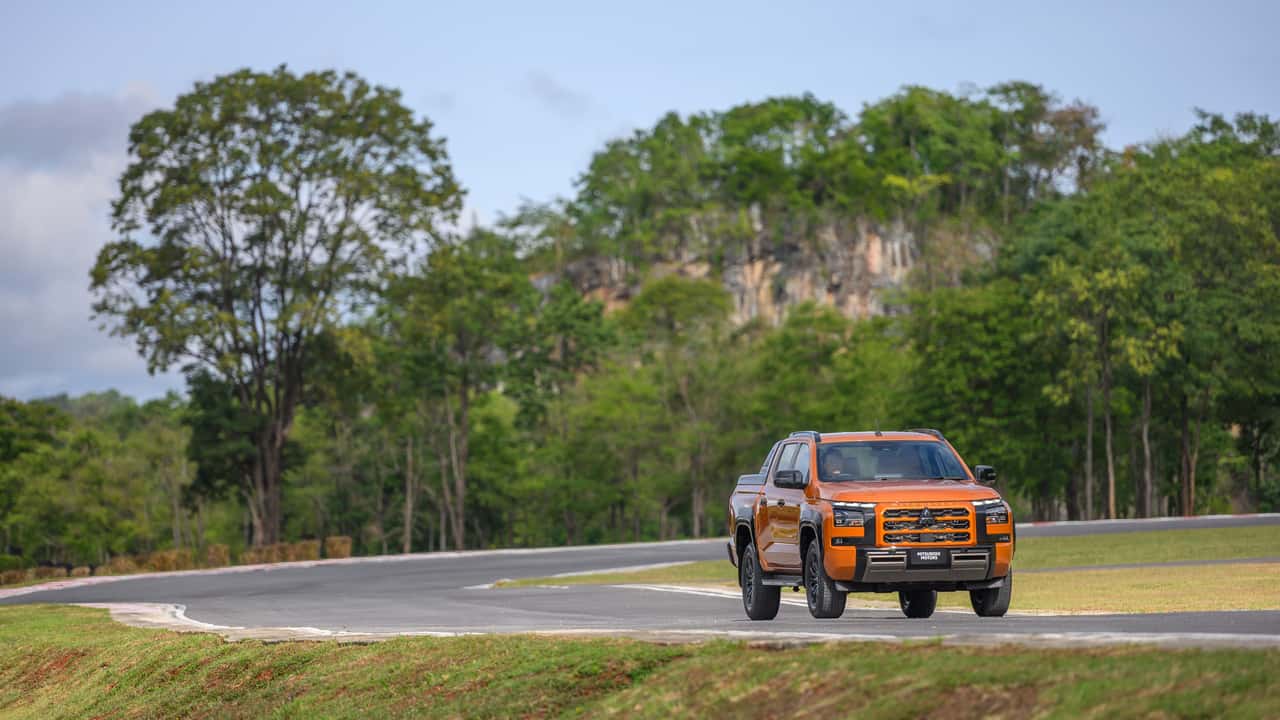
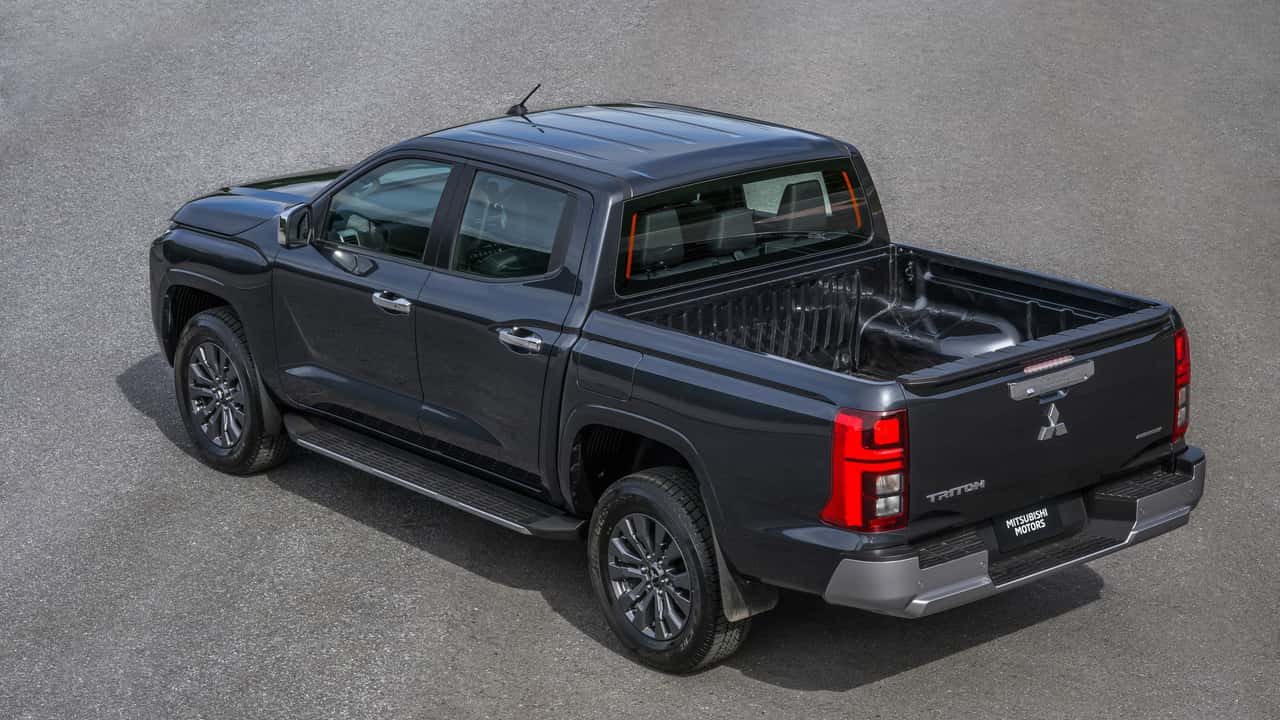
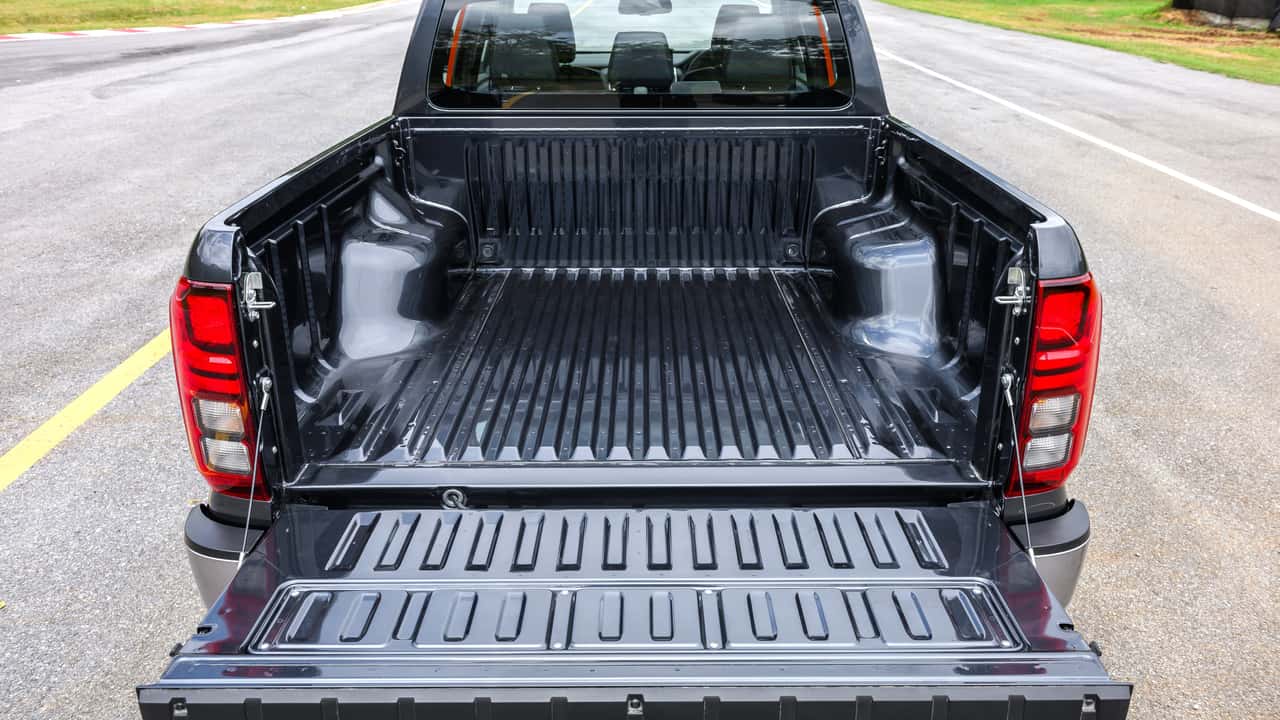
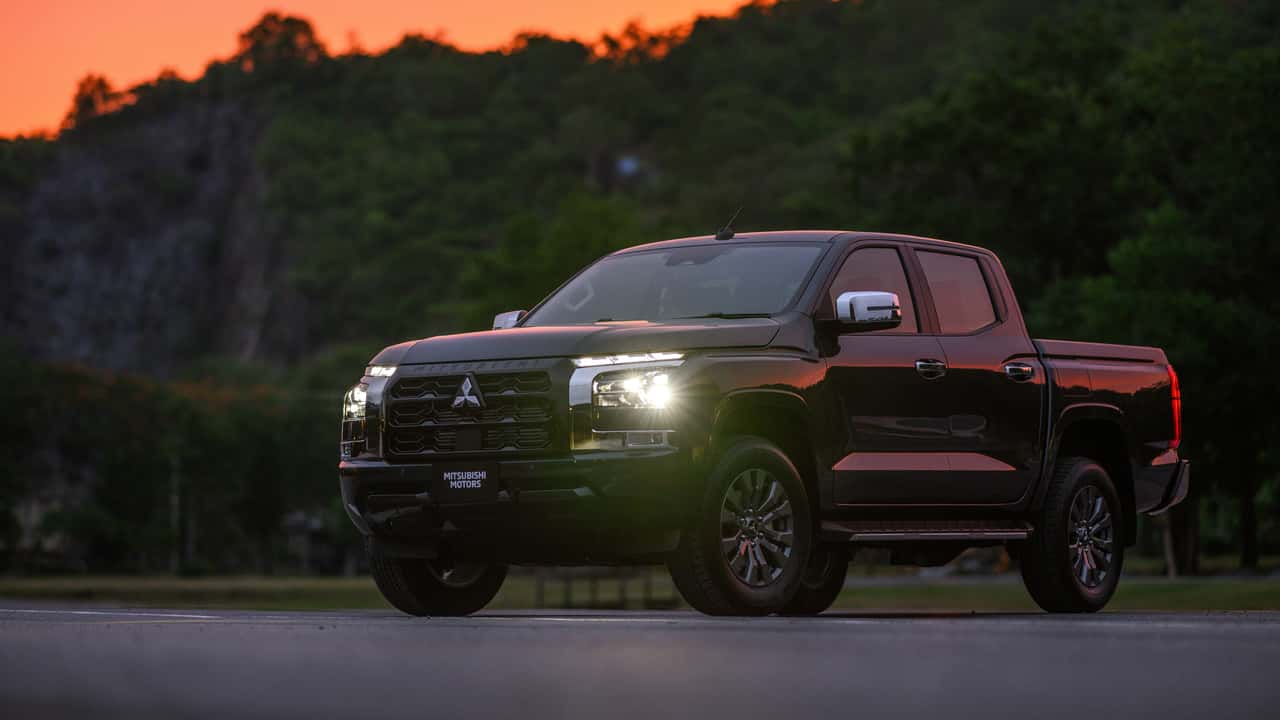
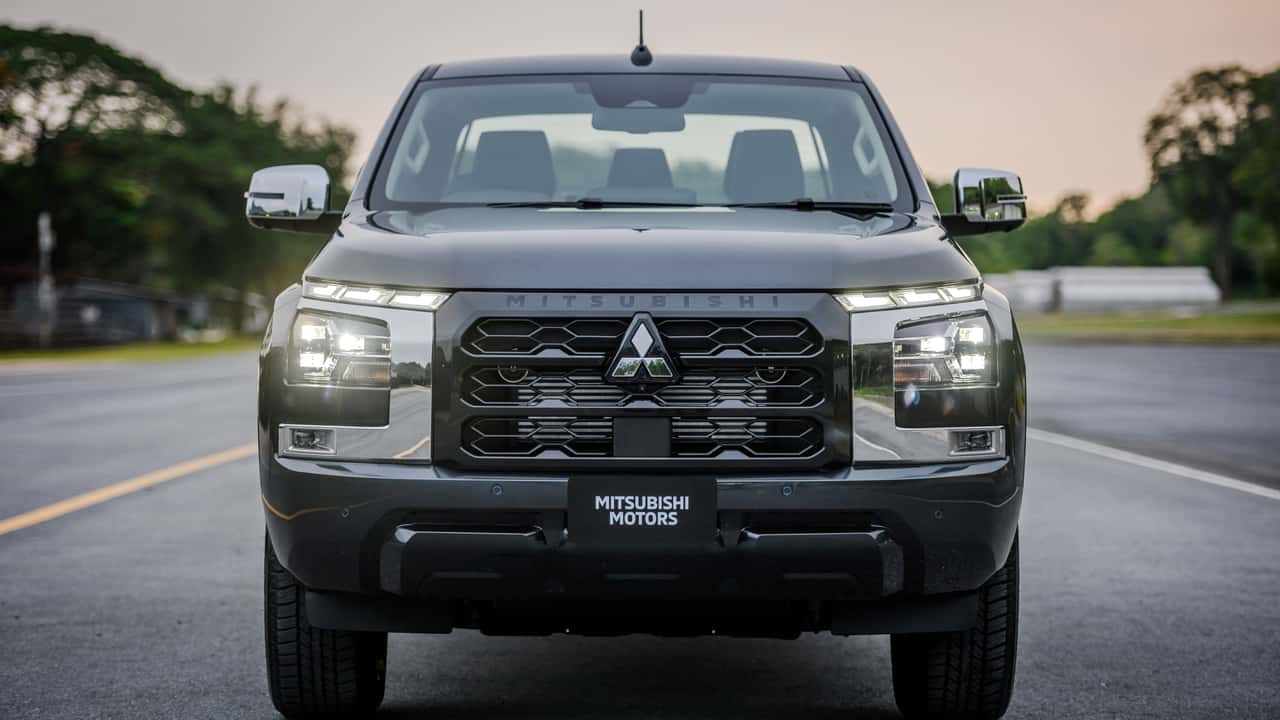
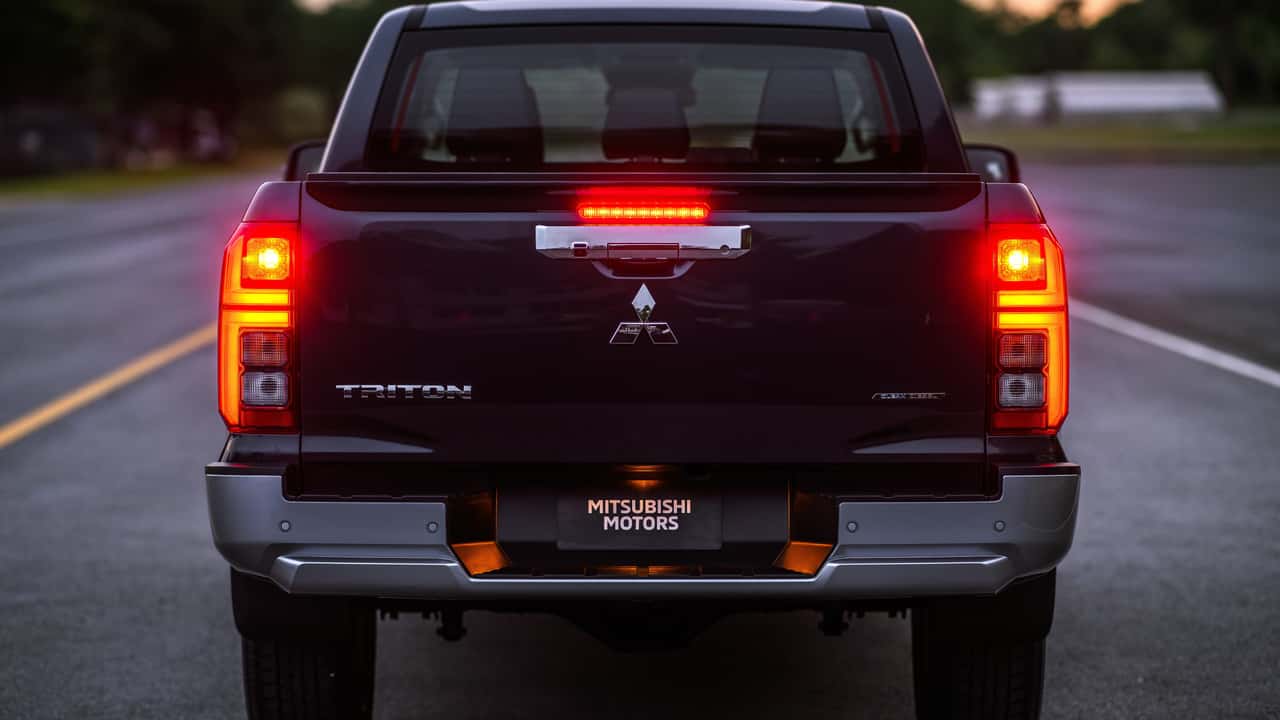
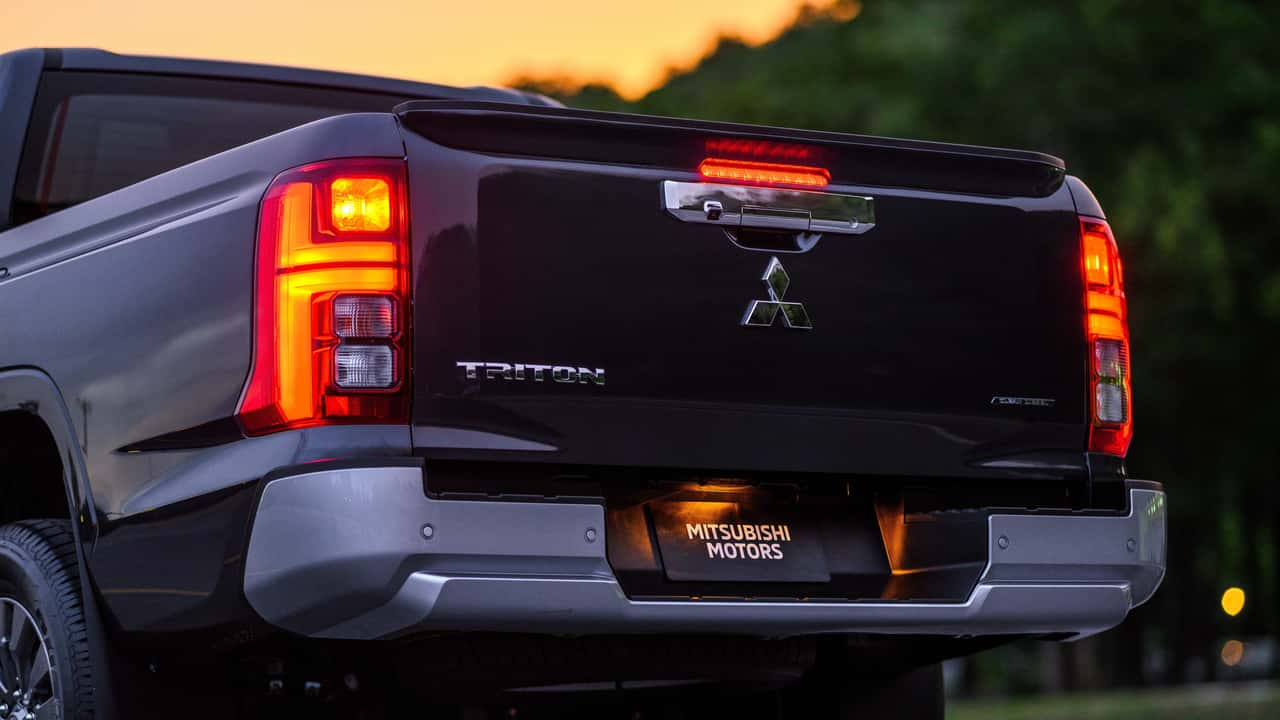
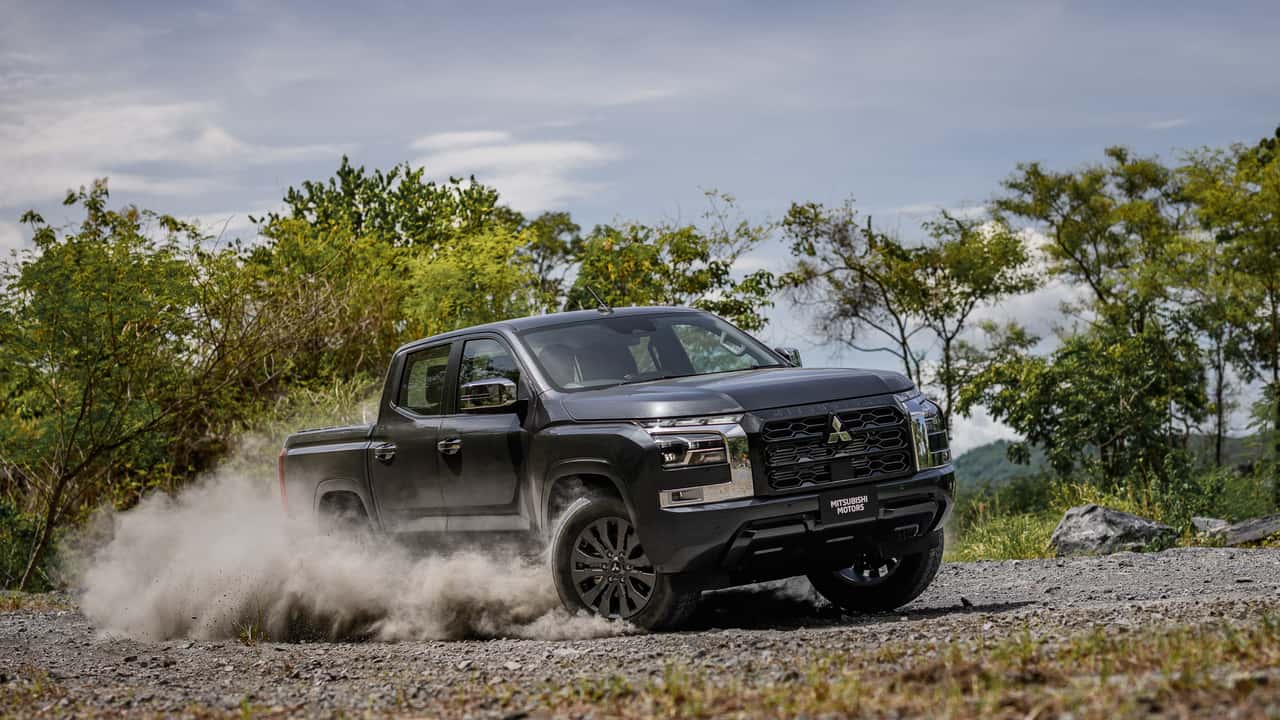
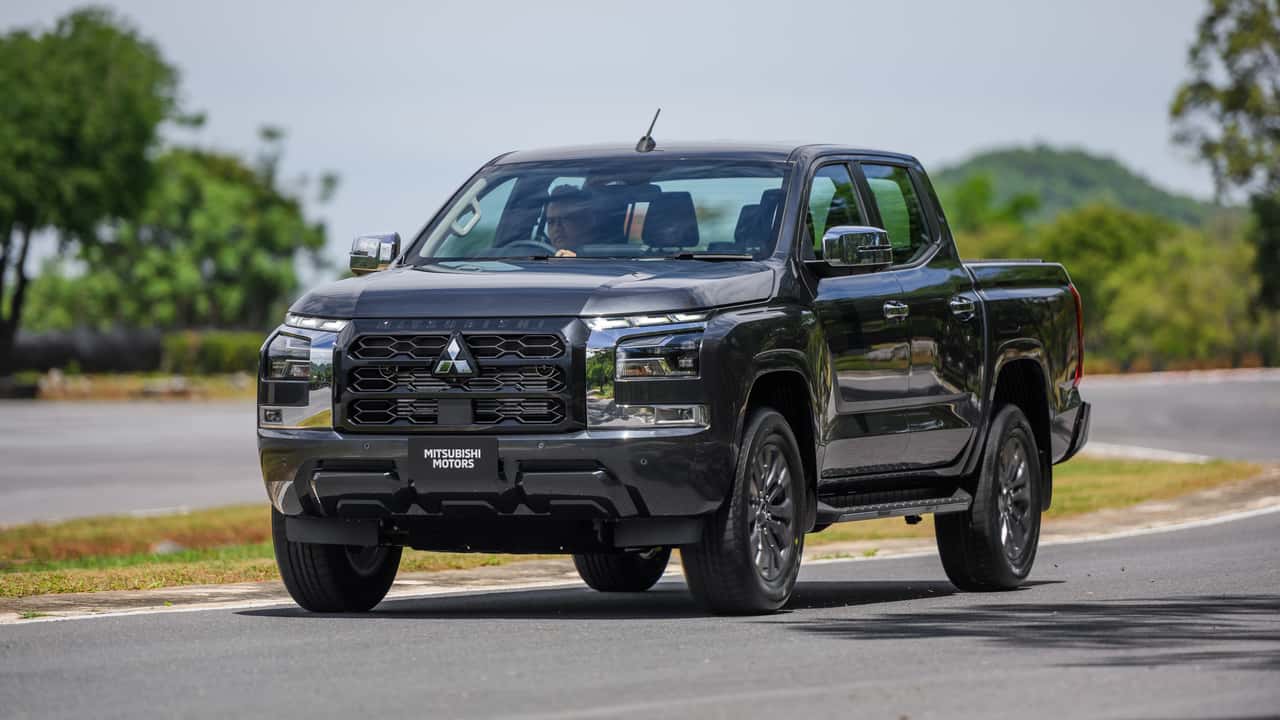
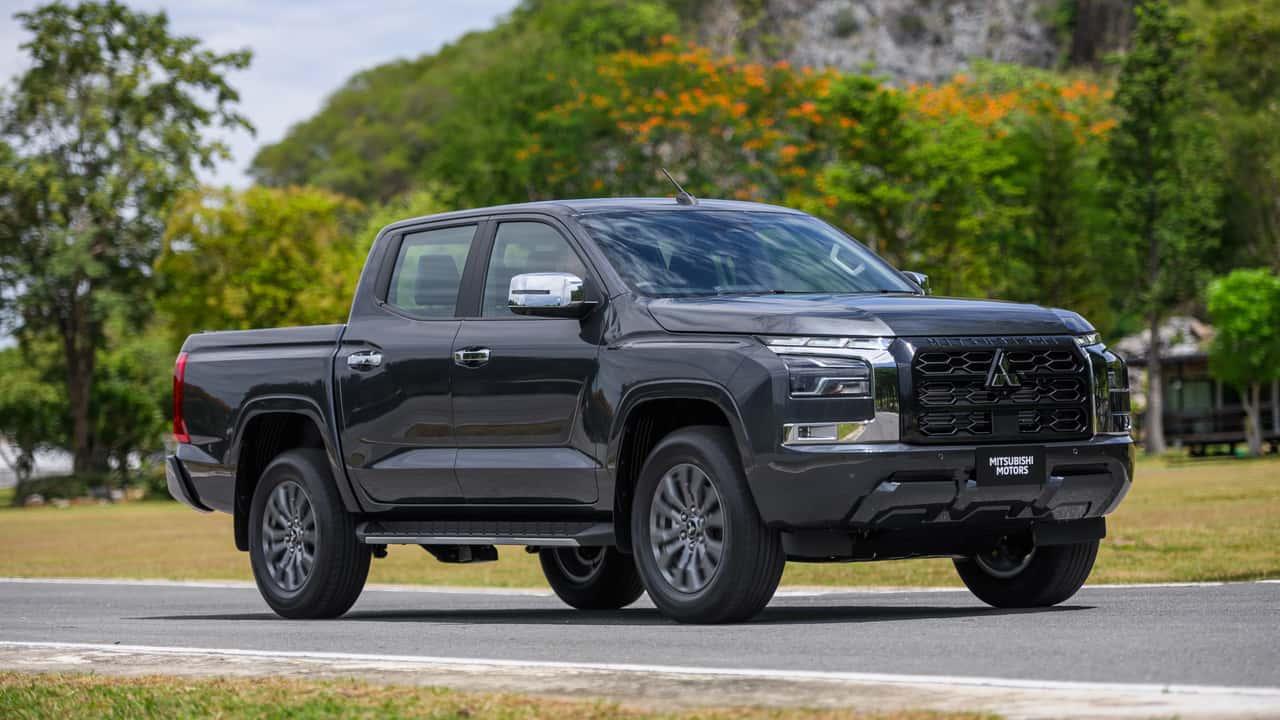
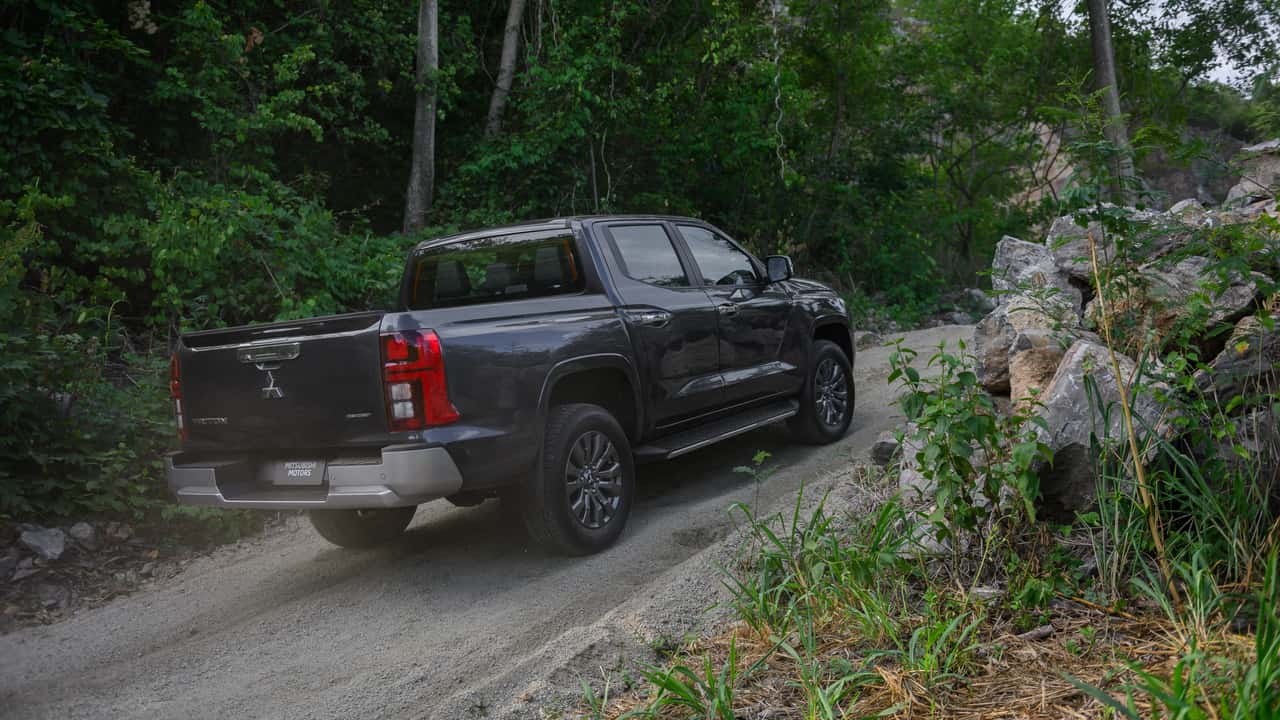
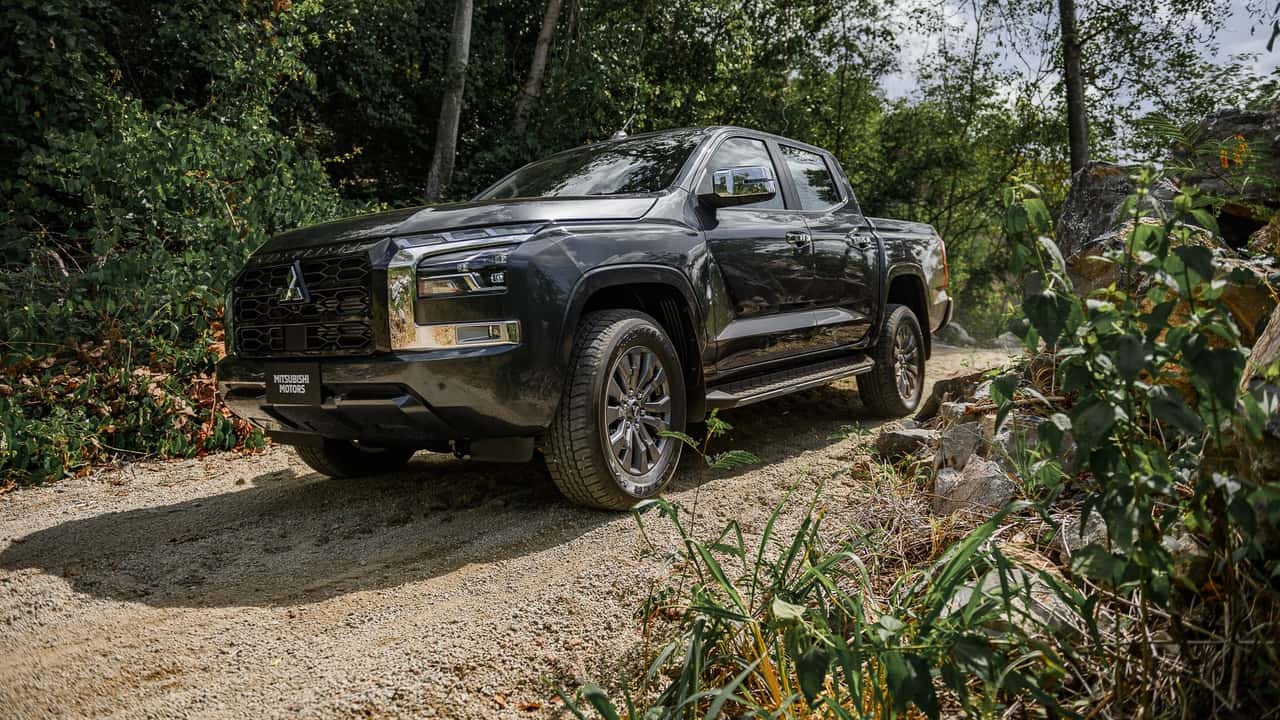
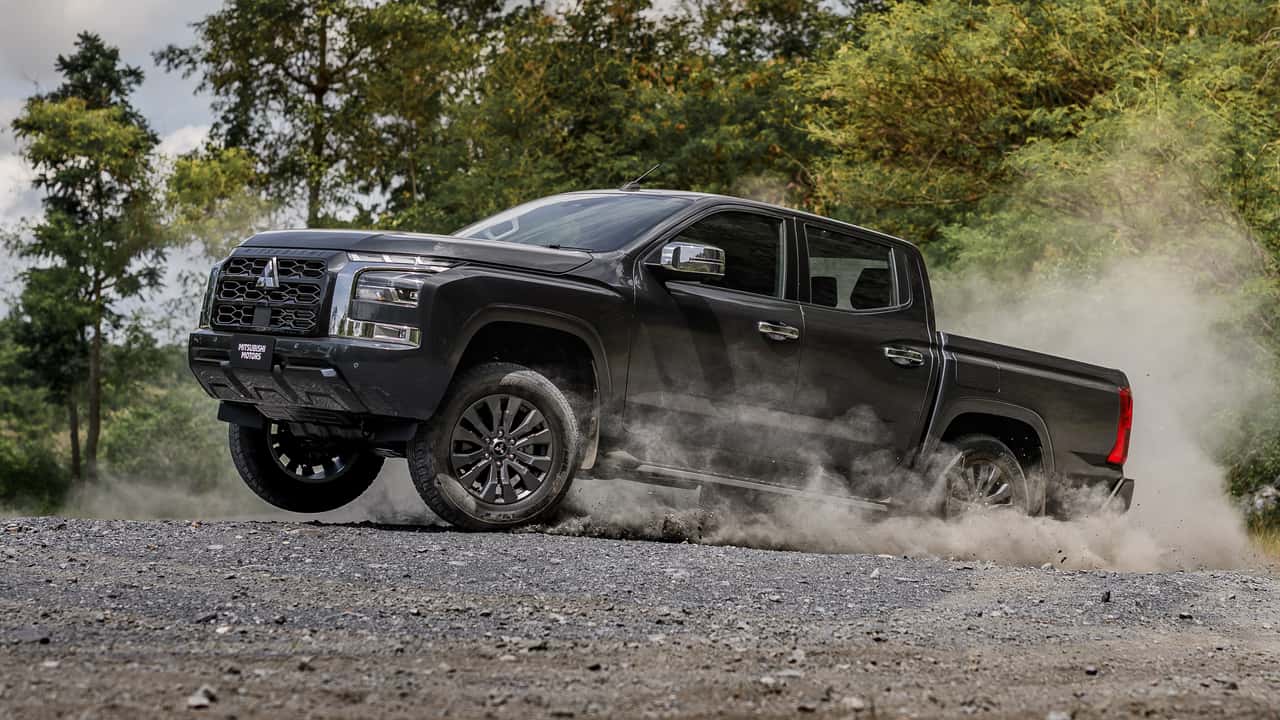
]]> feedback@motor1.com (Brian Potter) https://www.motor1.com/news/811292/ineos-grenadier-lands-first-military/ https://www.motor1.com/news/811281/honda-truck-rebadged-mitsubishi-triton/ Fri, 09 Oct 2026 07:35:50 +0000 Honda Is Apparently Launching A Proper Truck… Made By Mitsubishi Honda might get a mid-size, body-on-frame pickup by taking the Mitsubishi Triton shortcut.
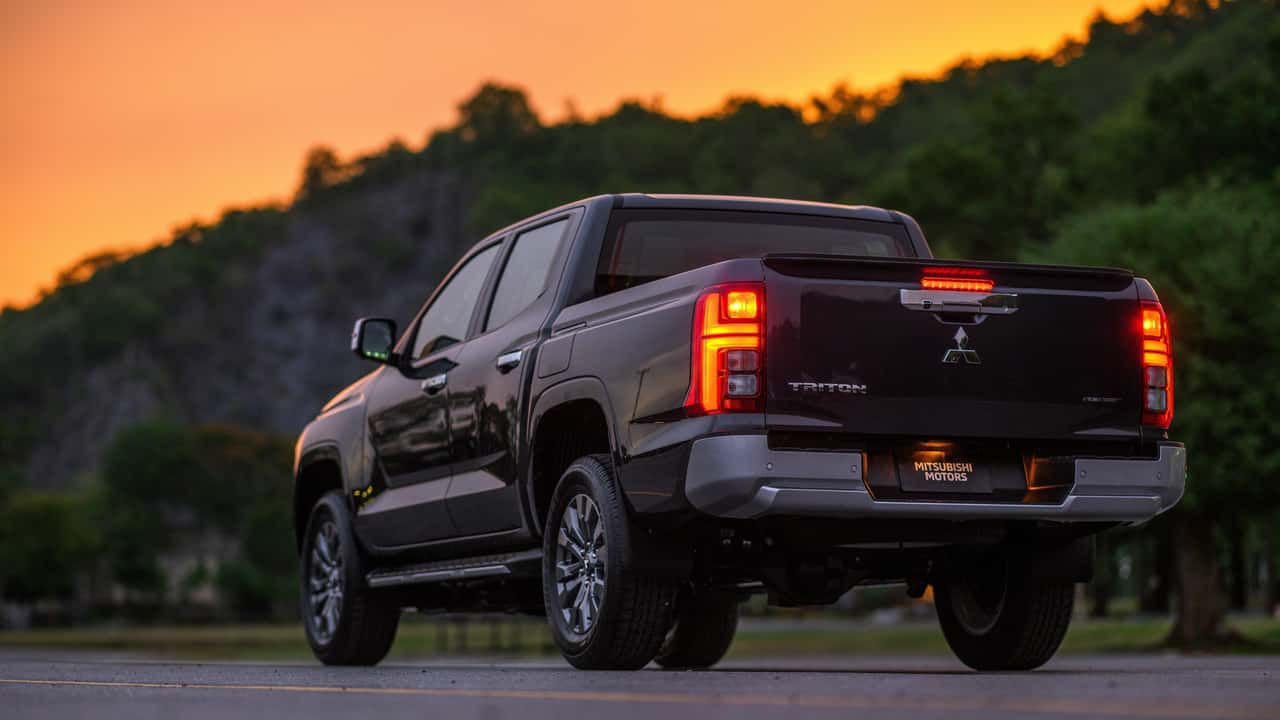
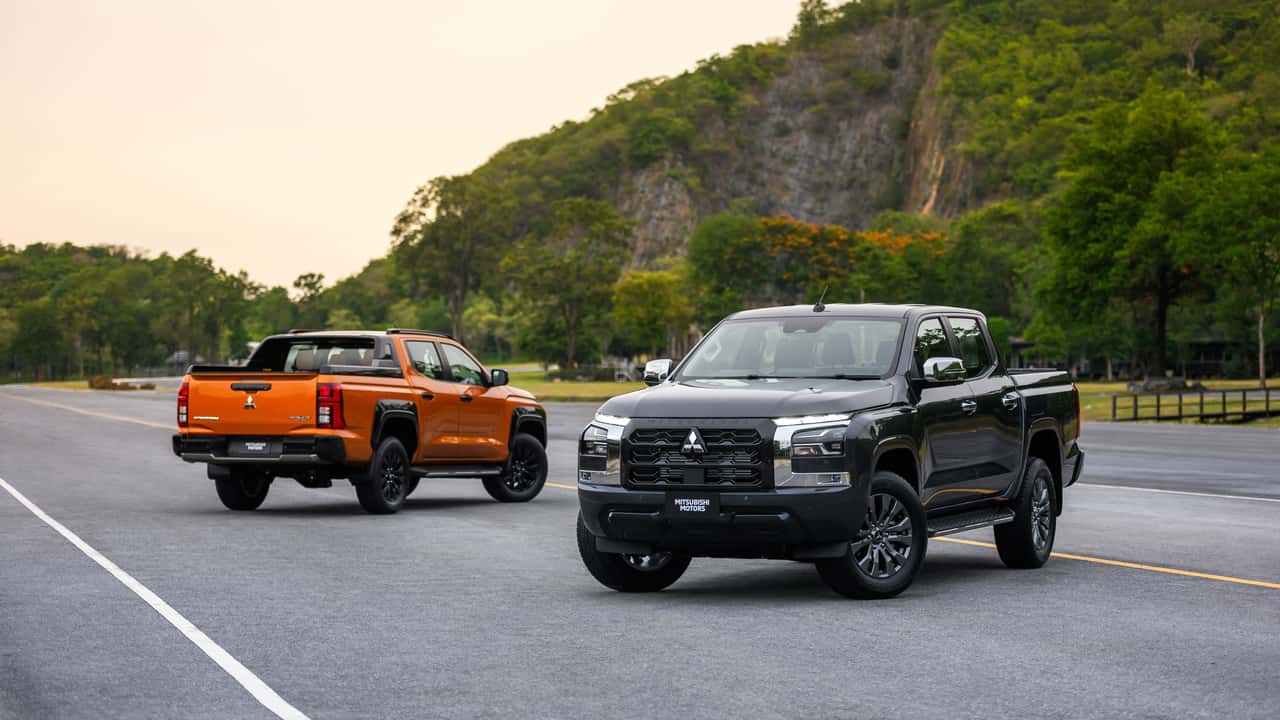
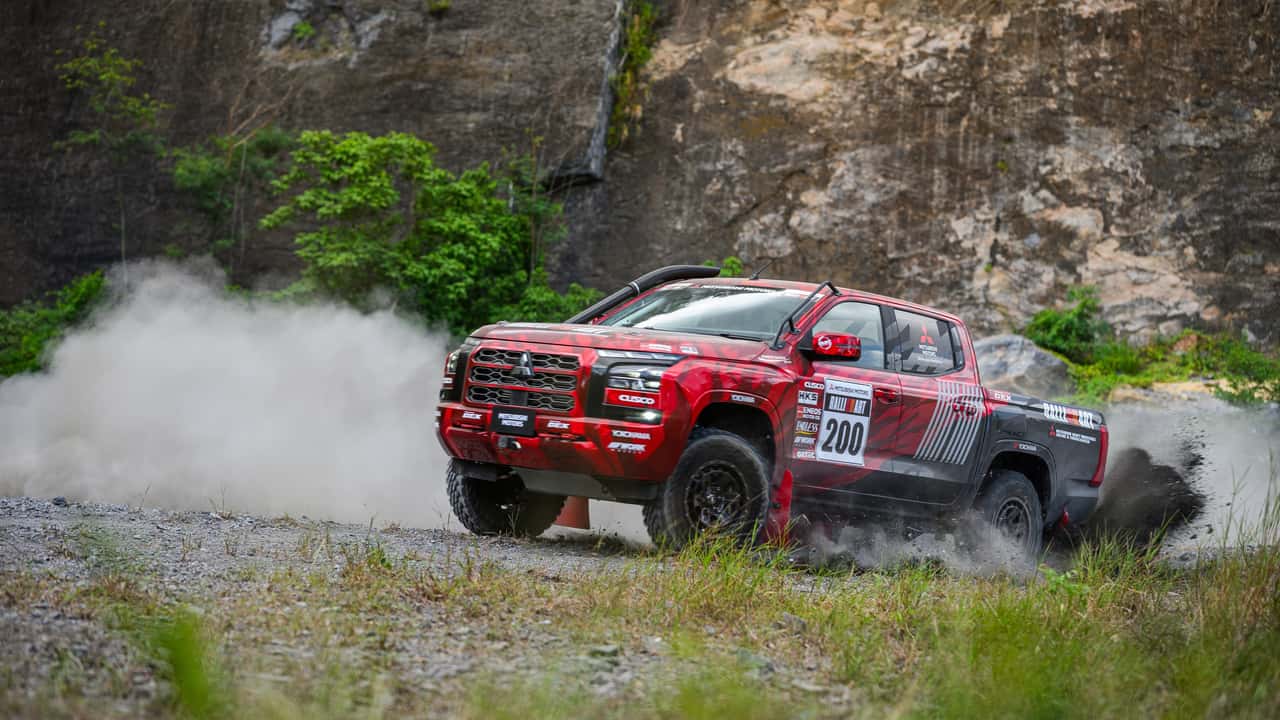
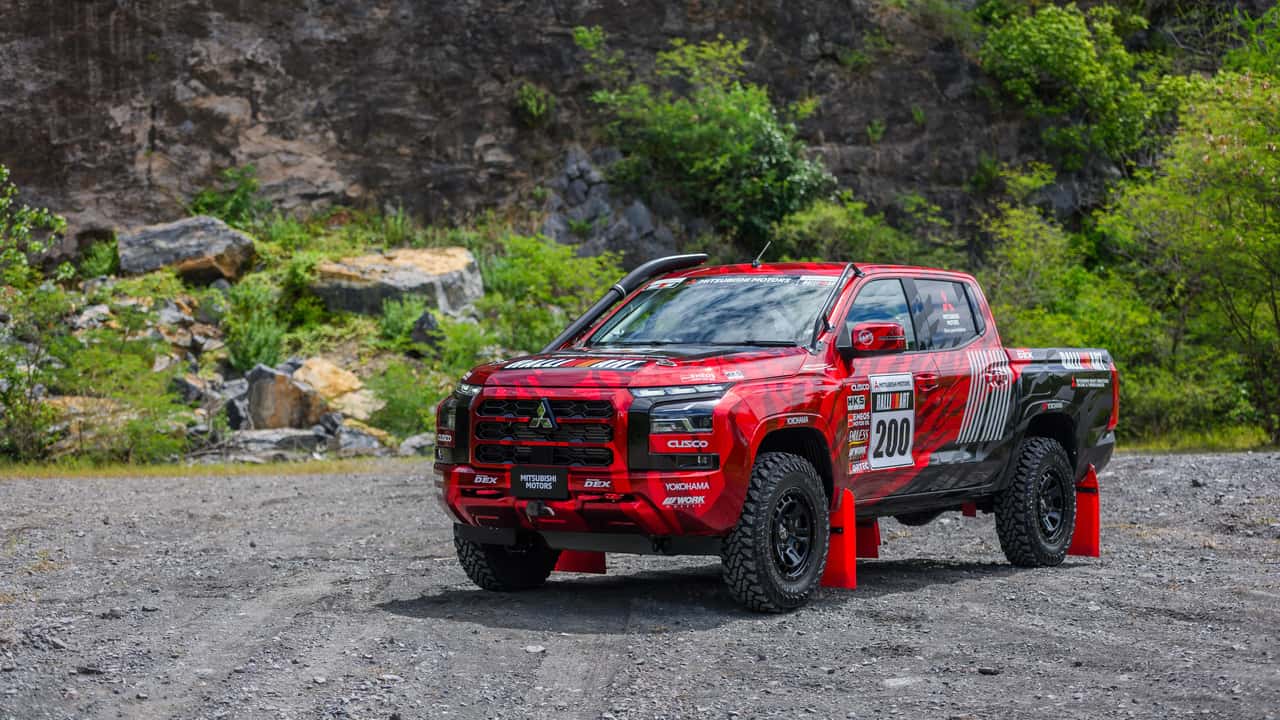
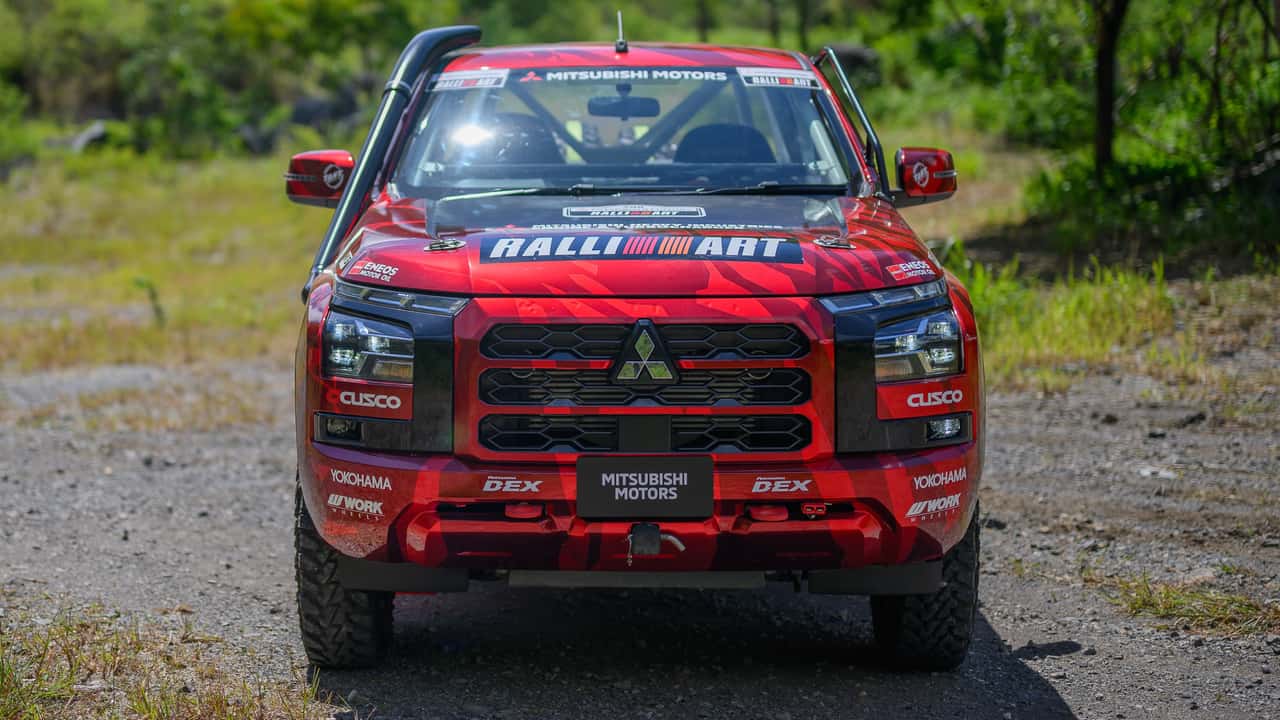
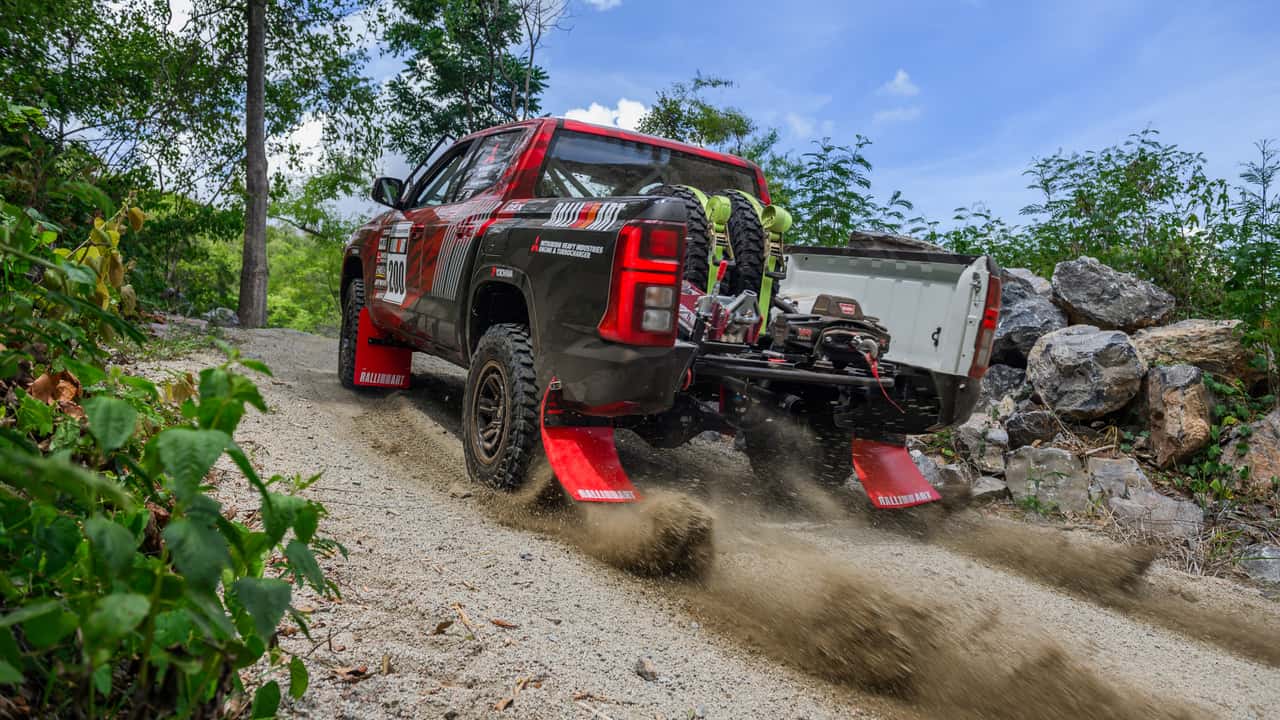
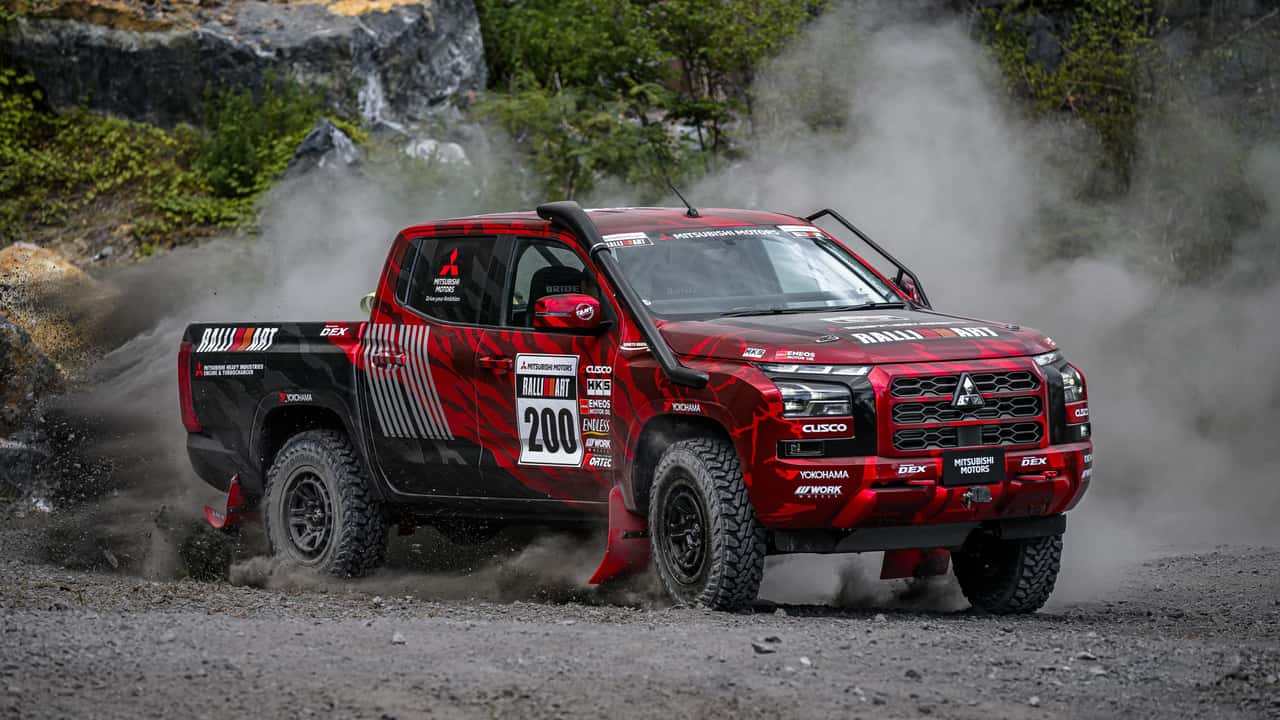
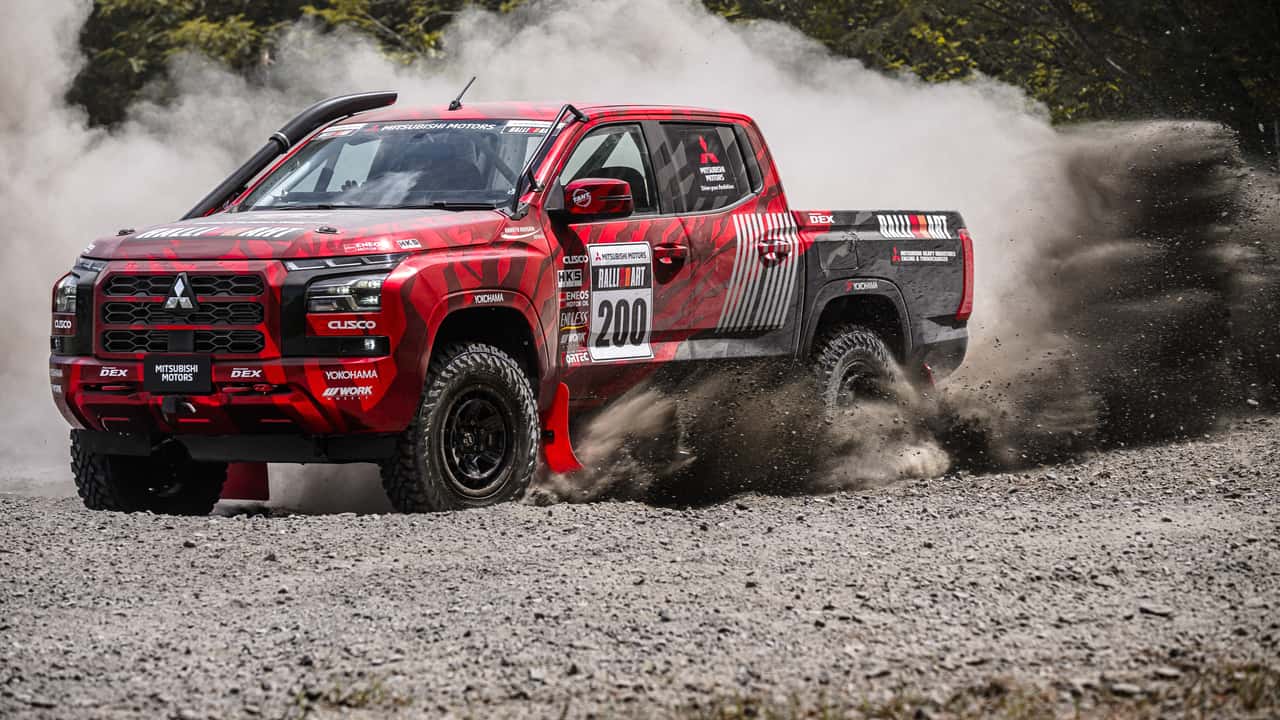
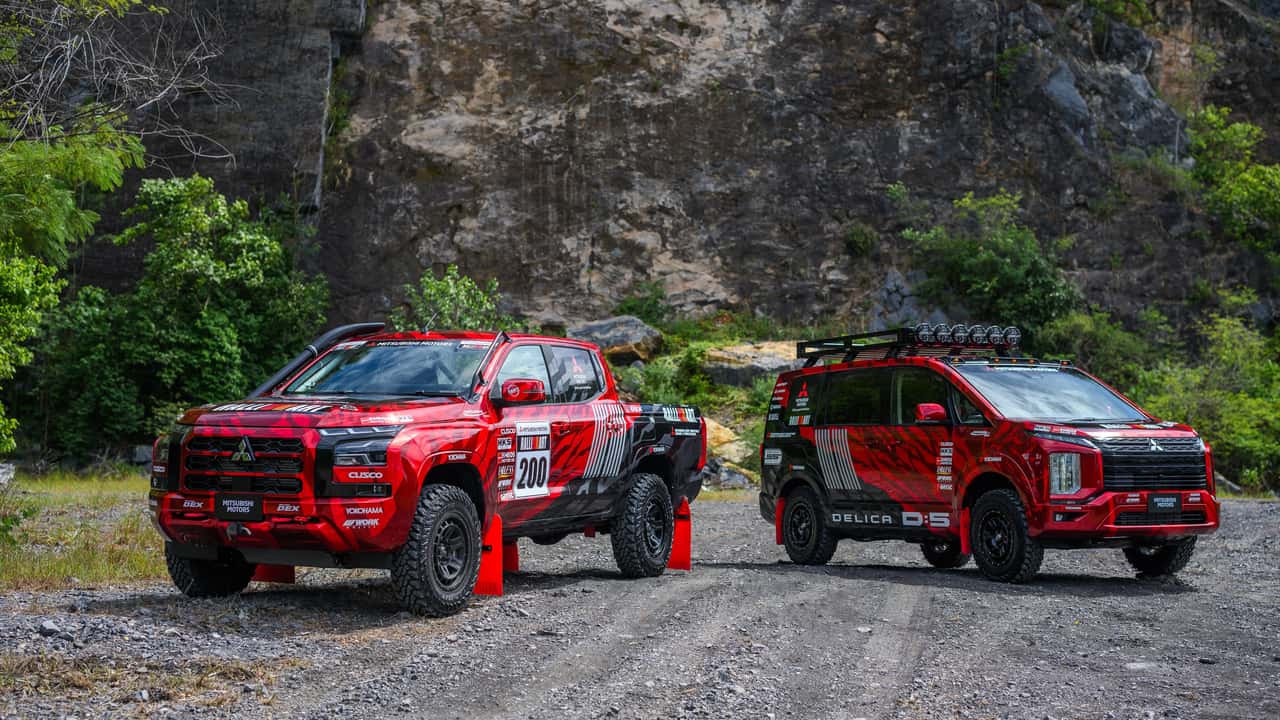
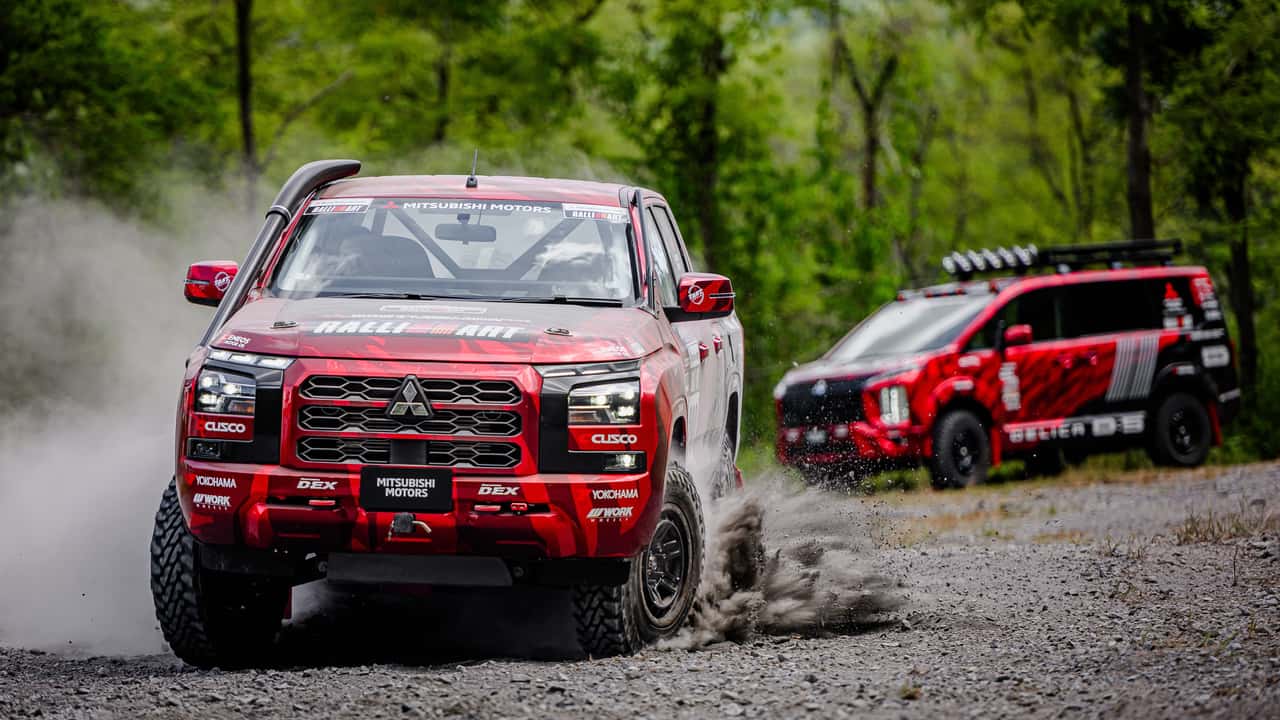
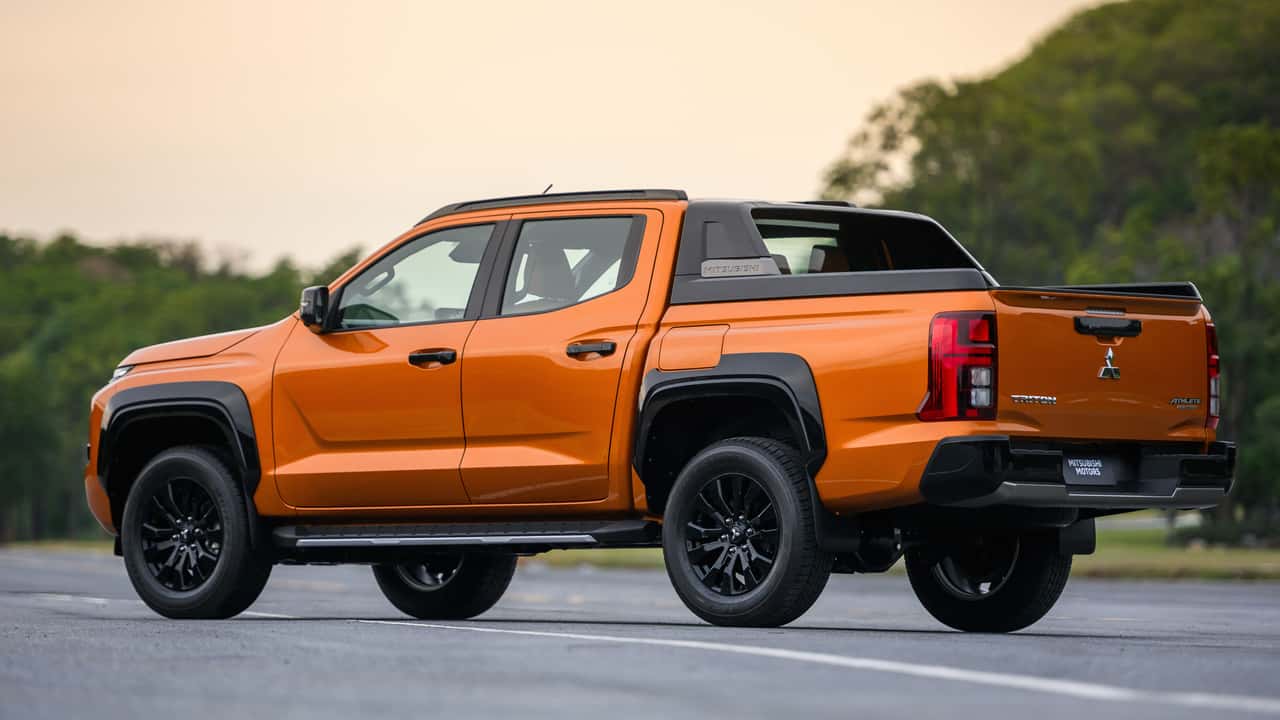
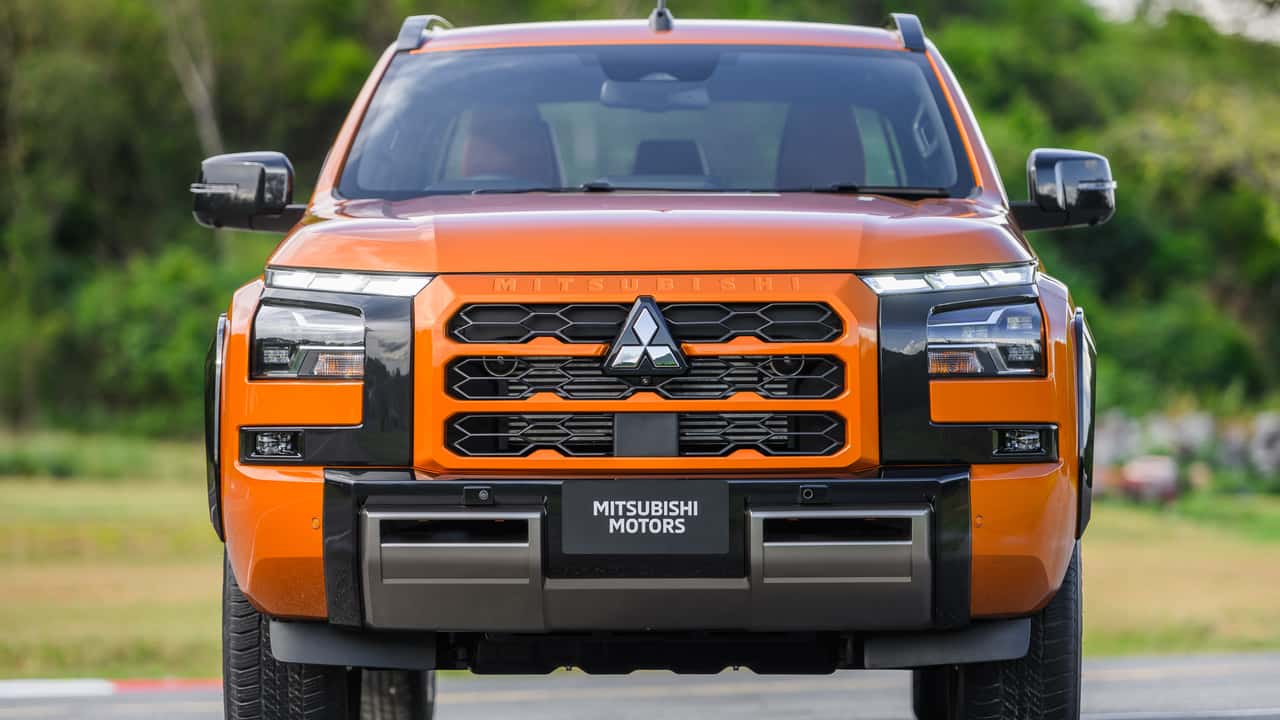
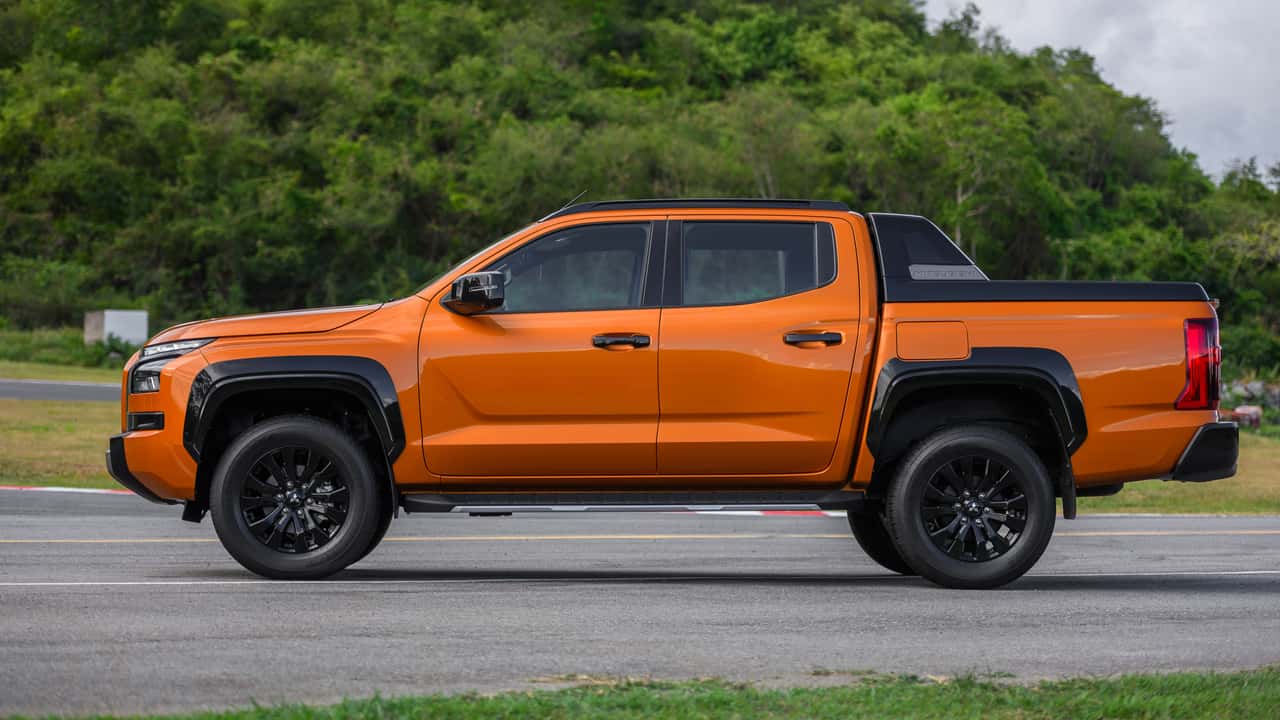
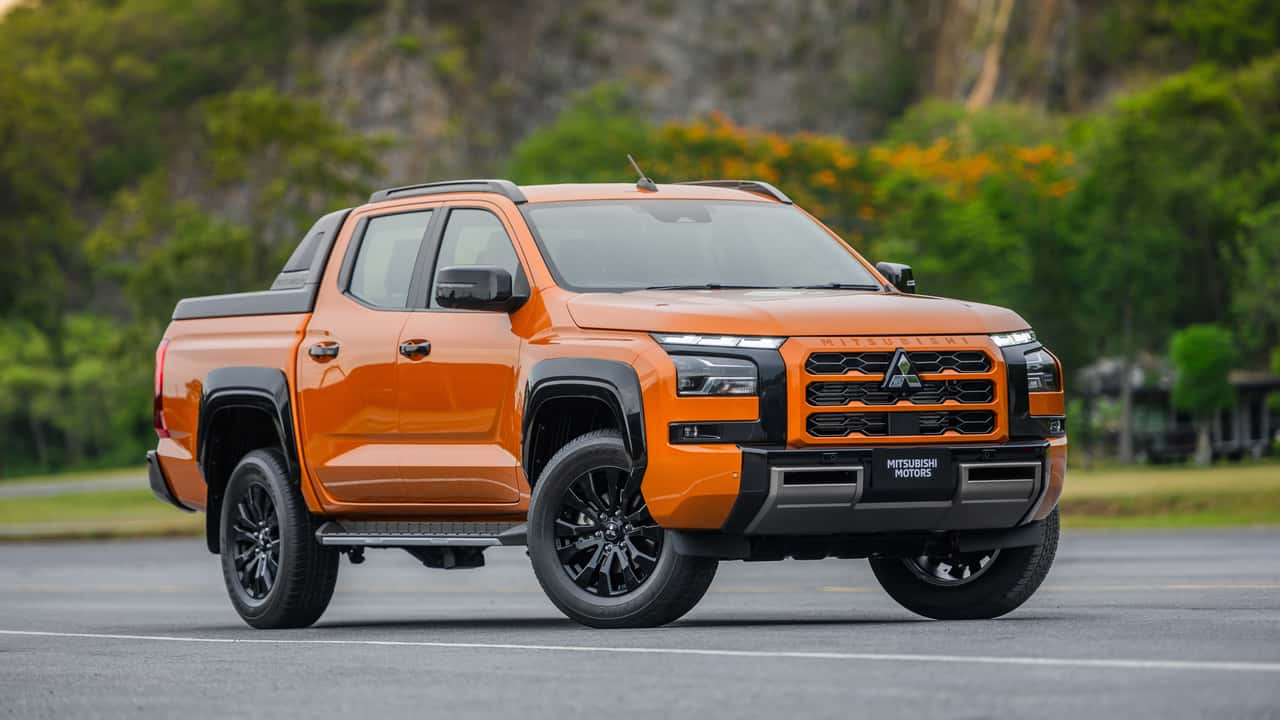
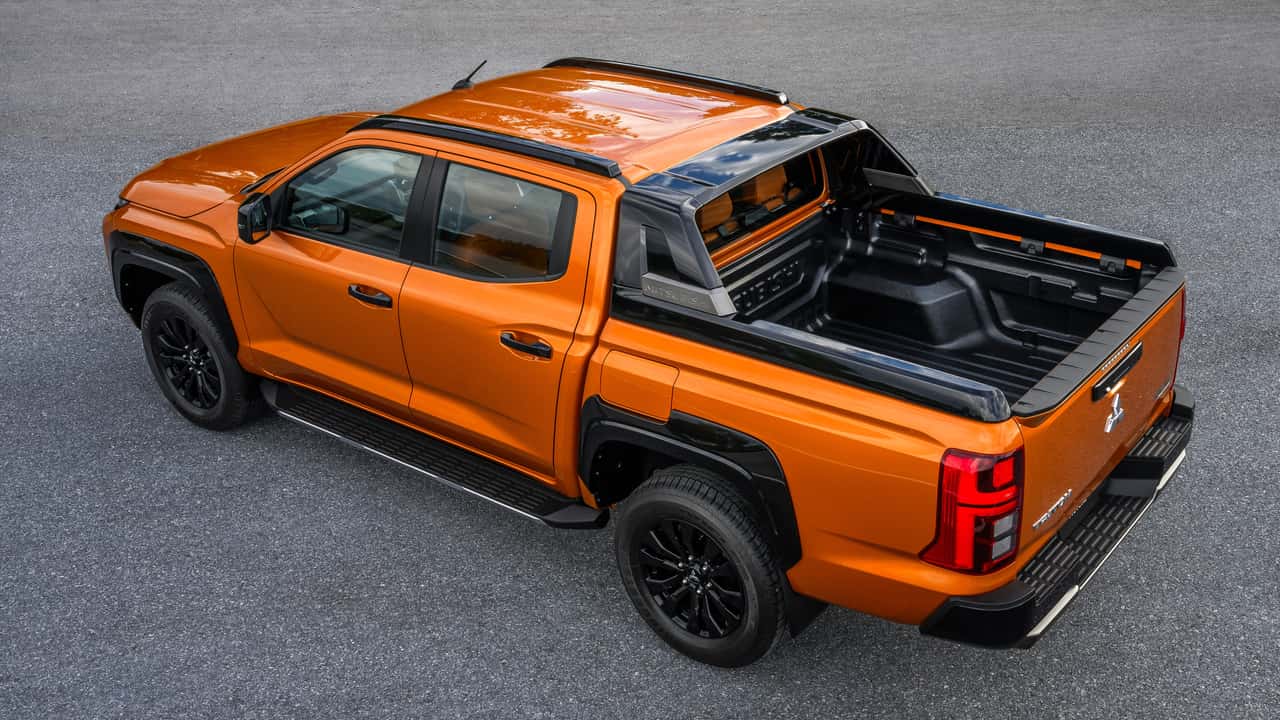
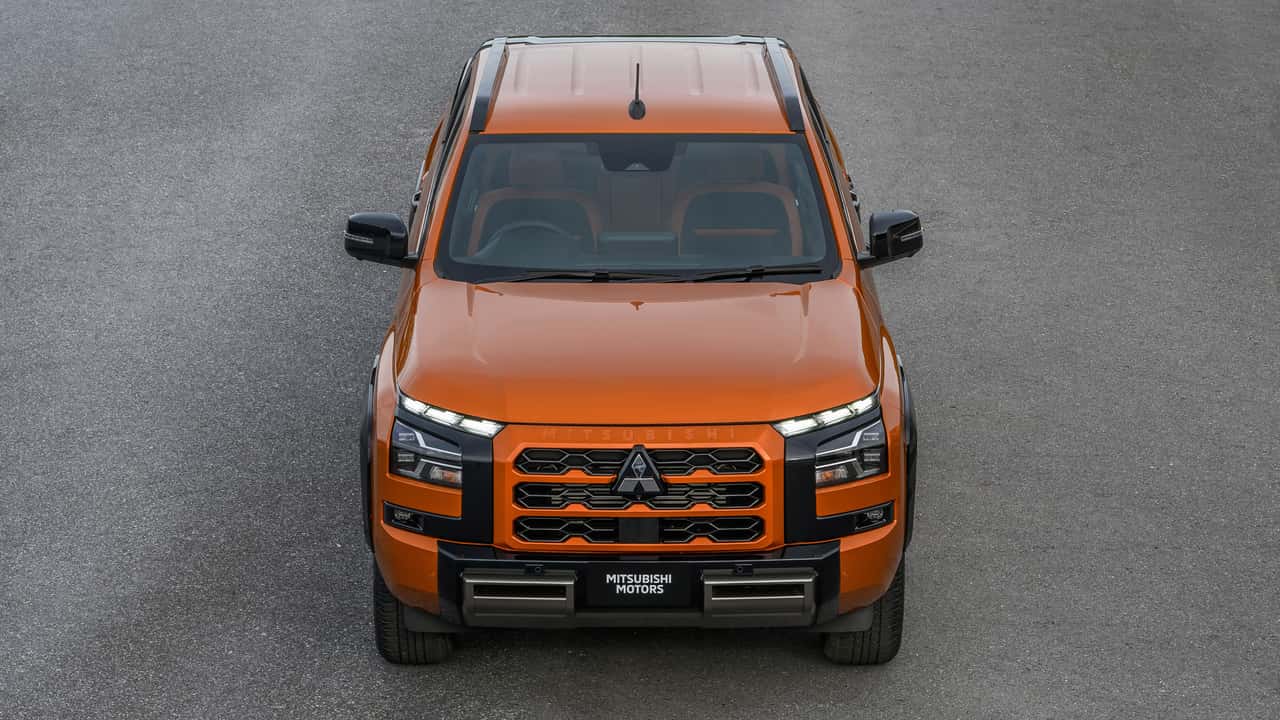
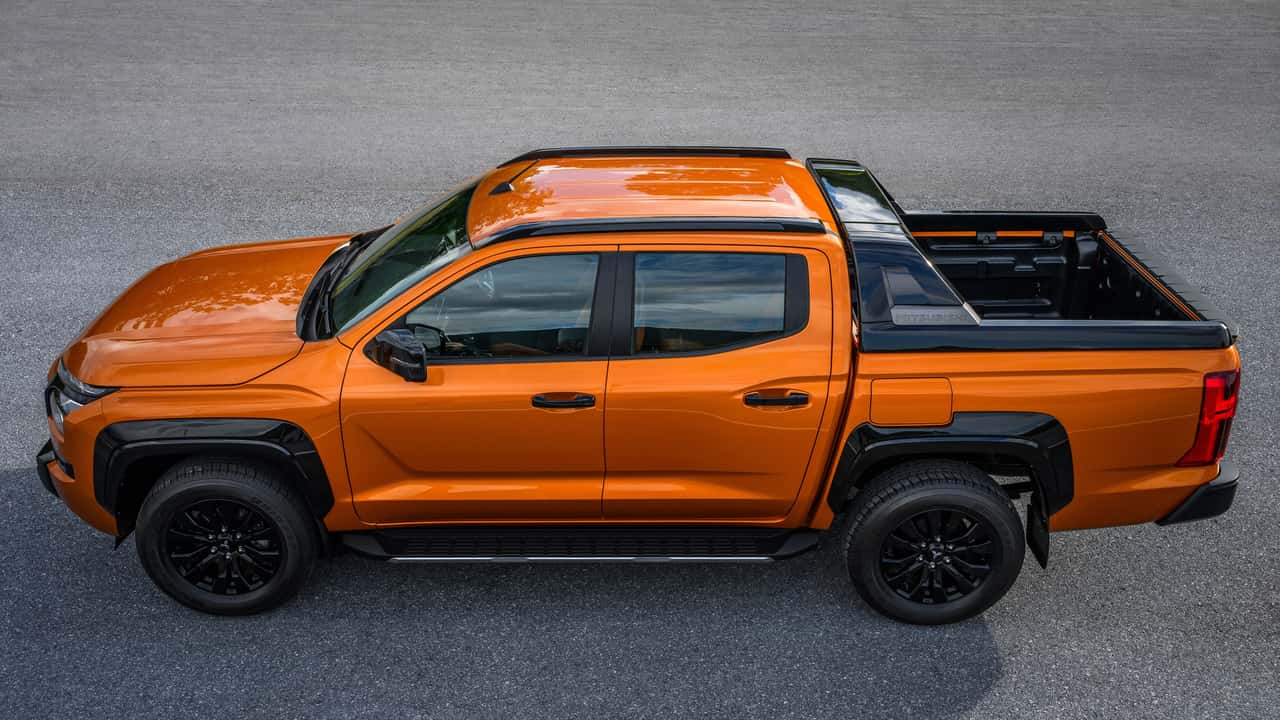
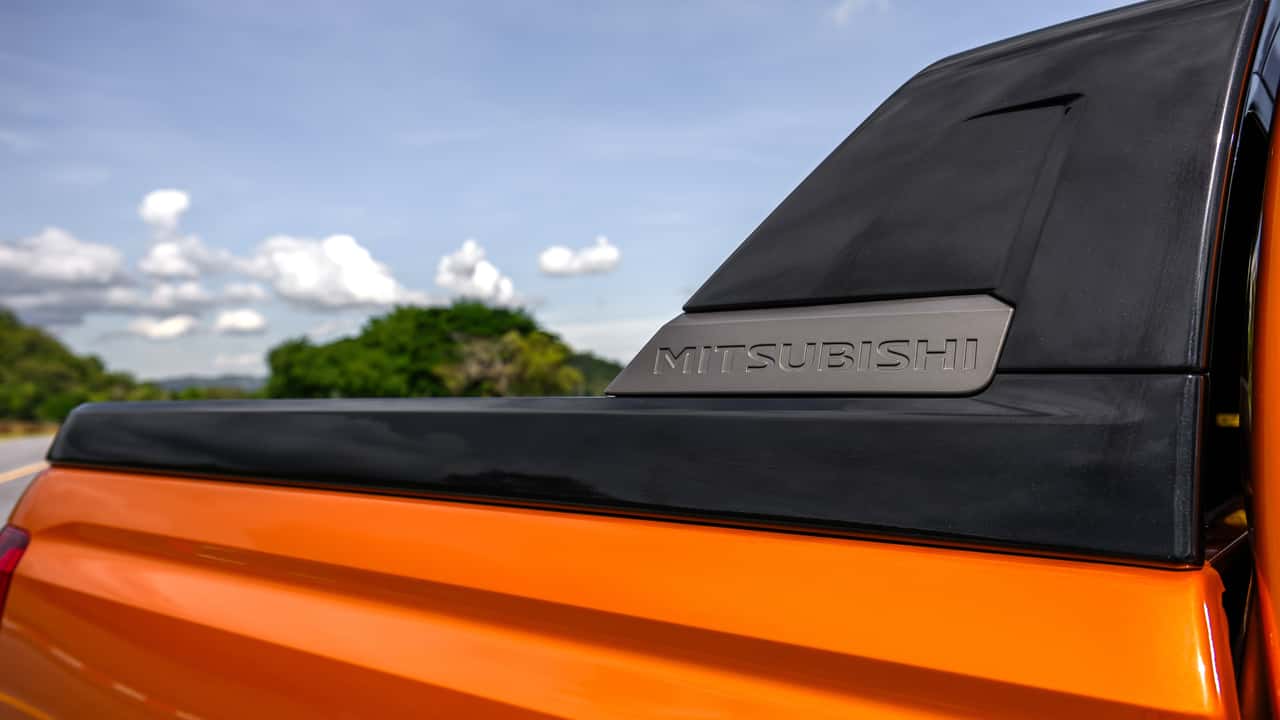
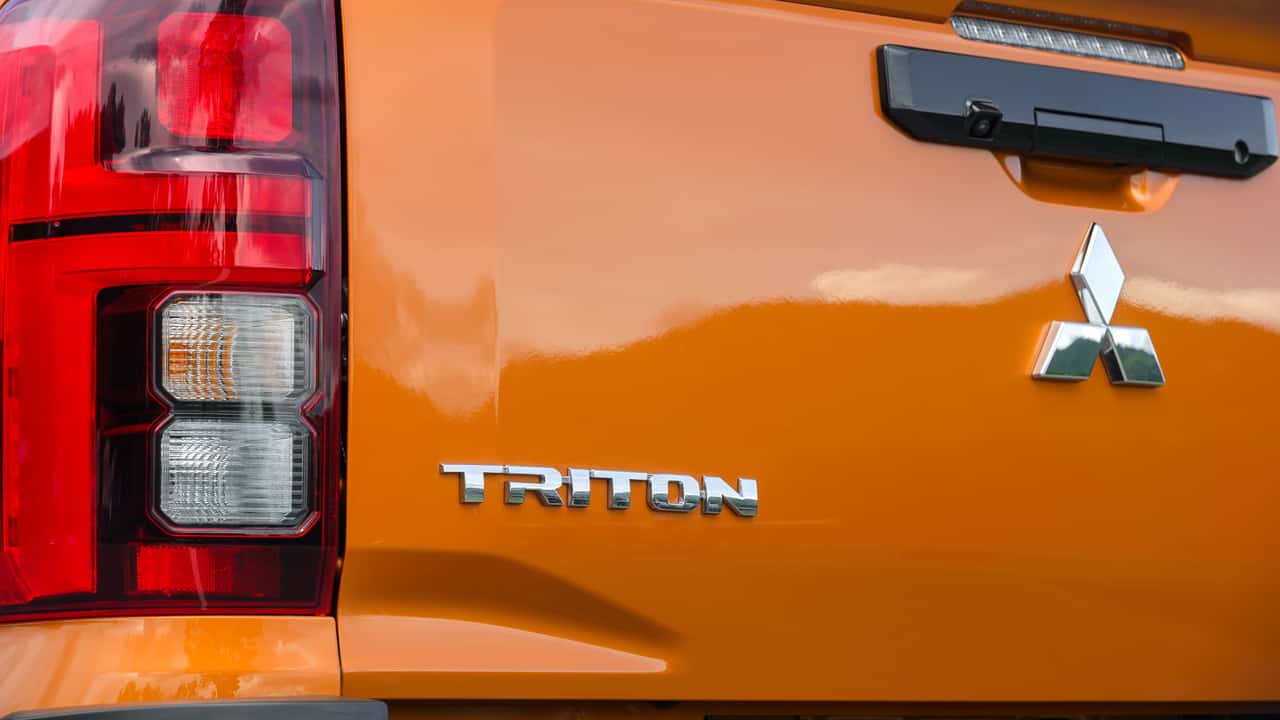
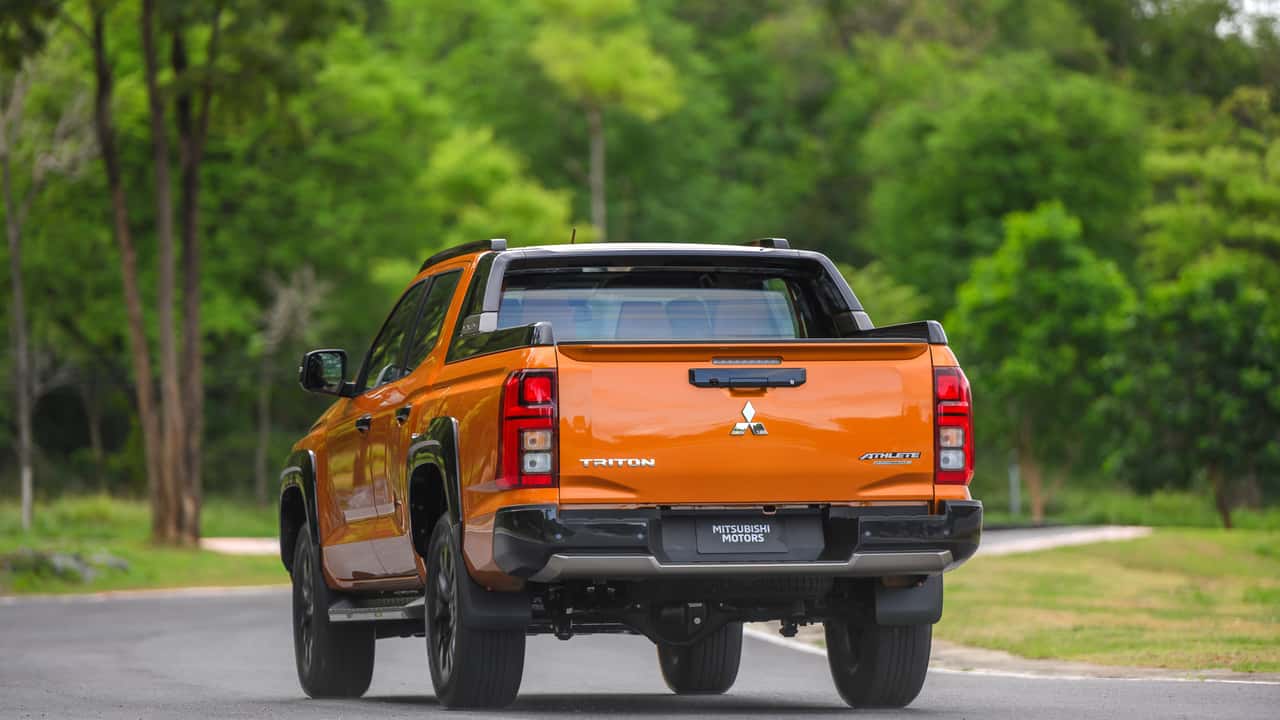
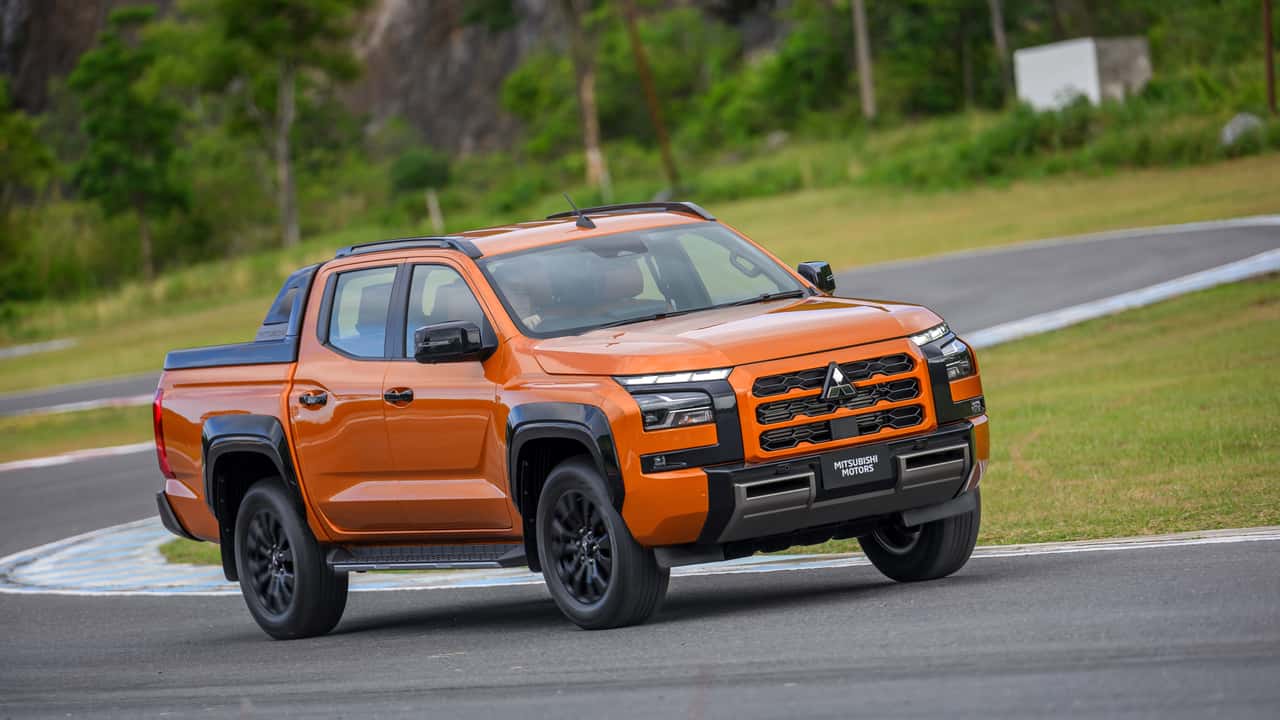
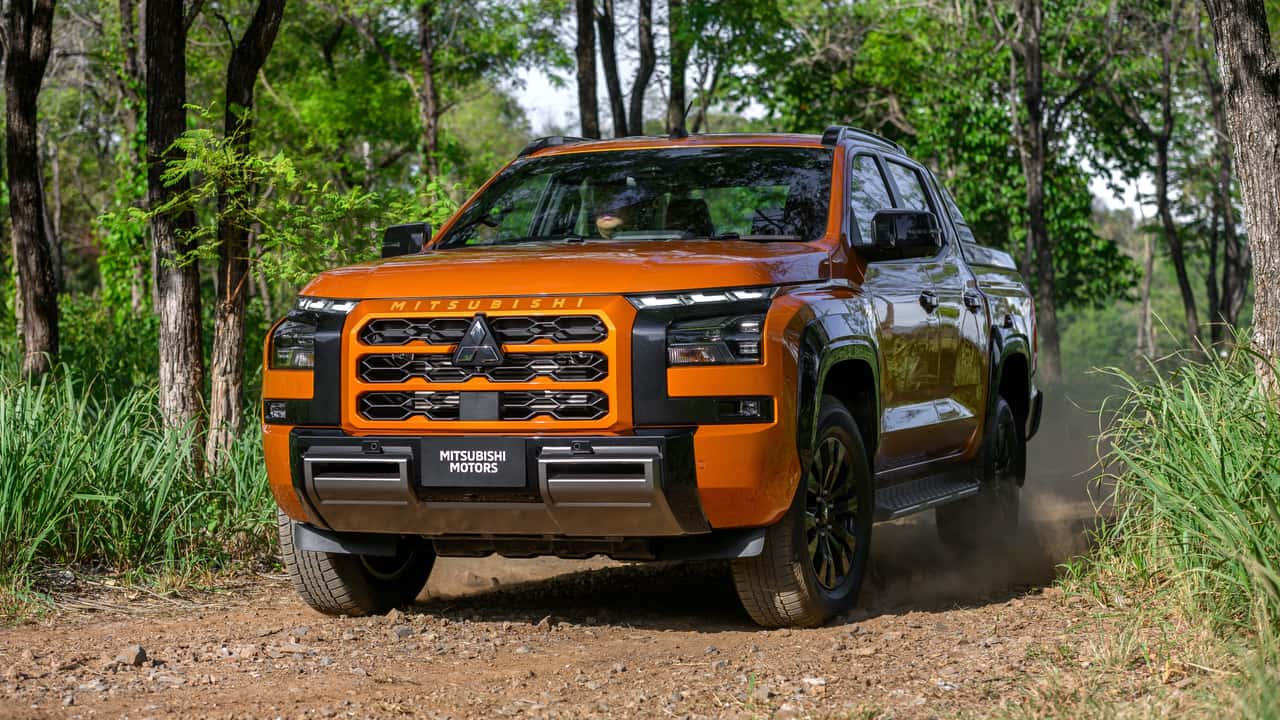
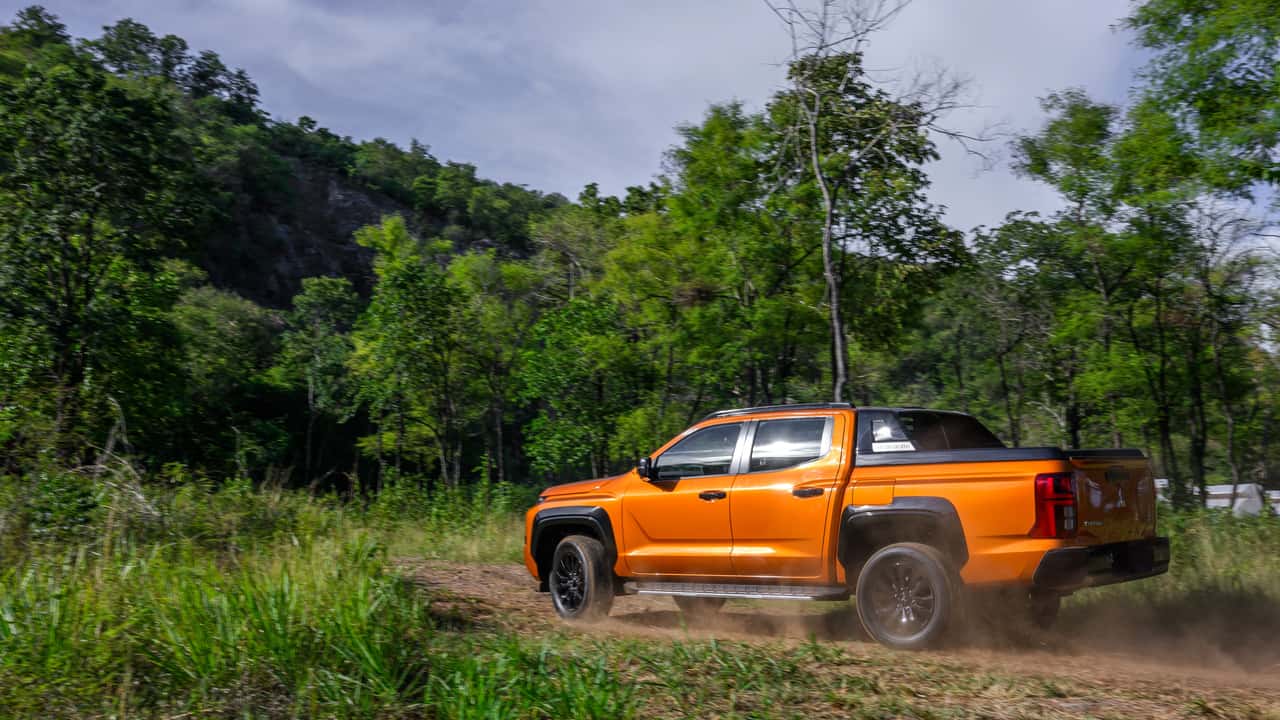
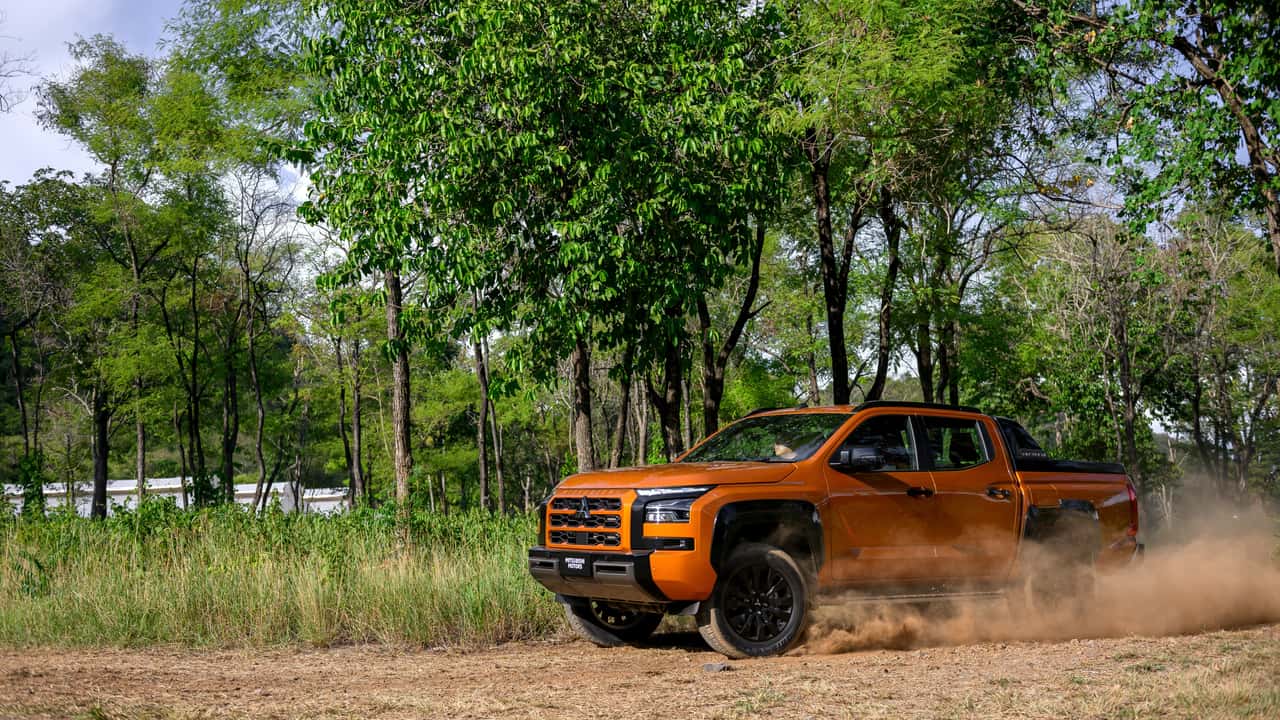
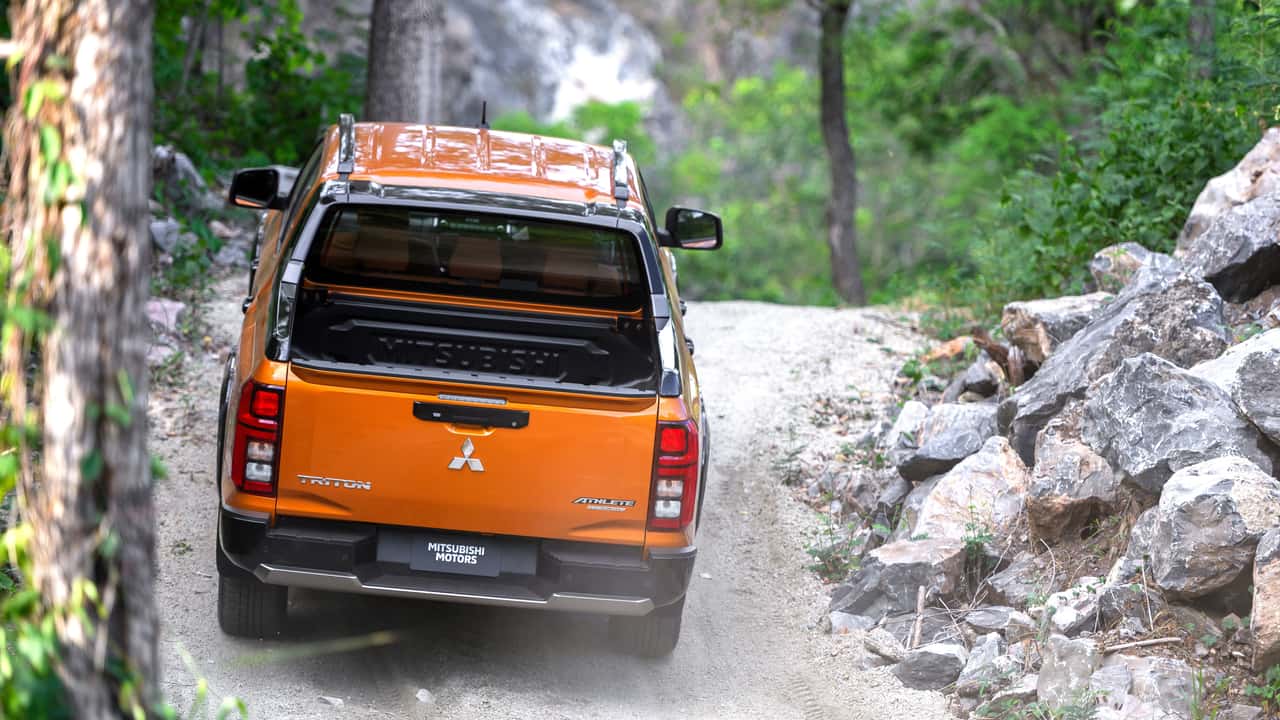
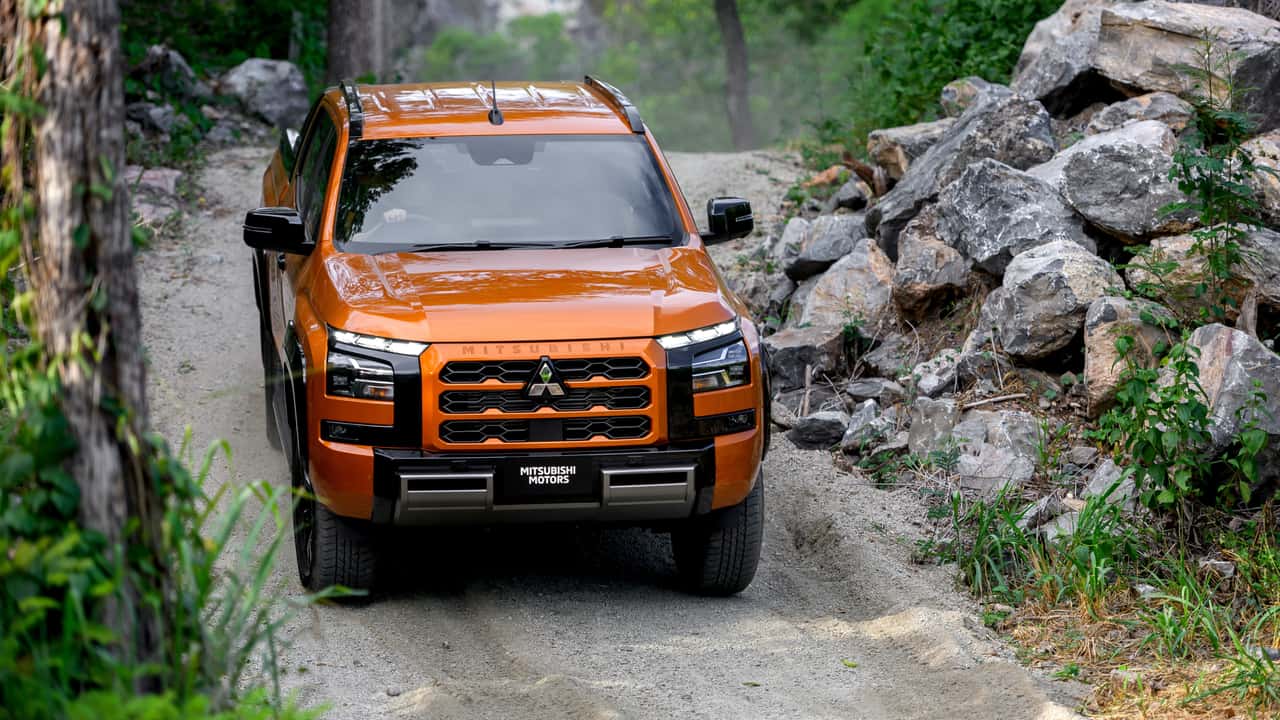
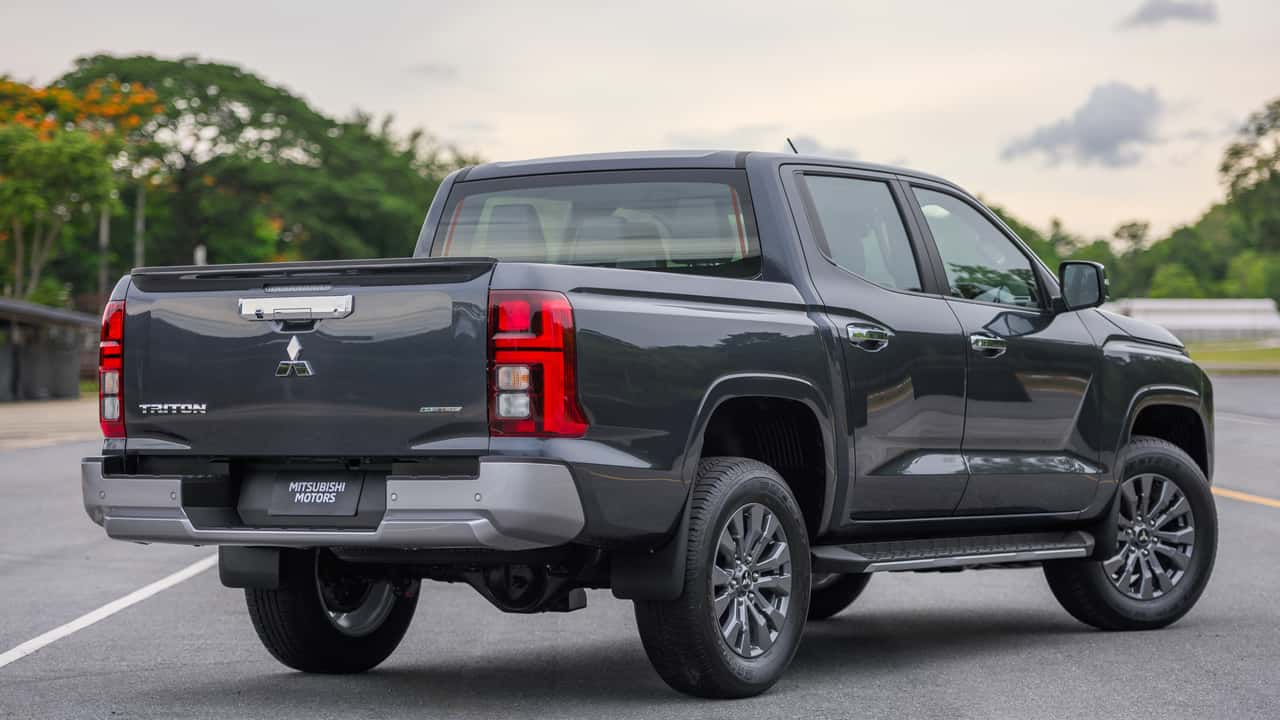
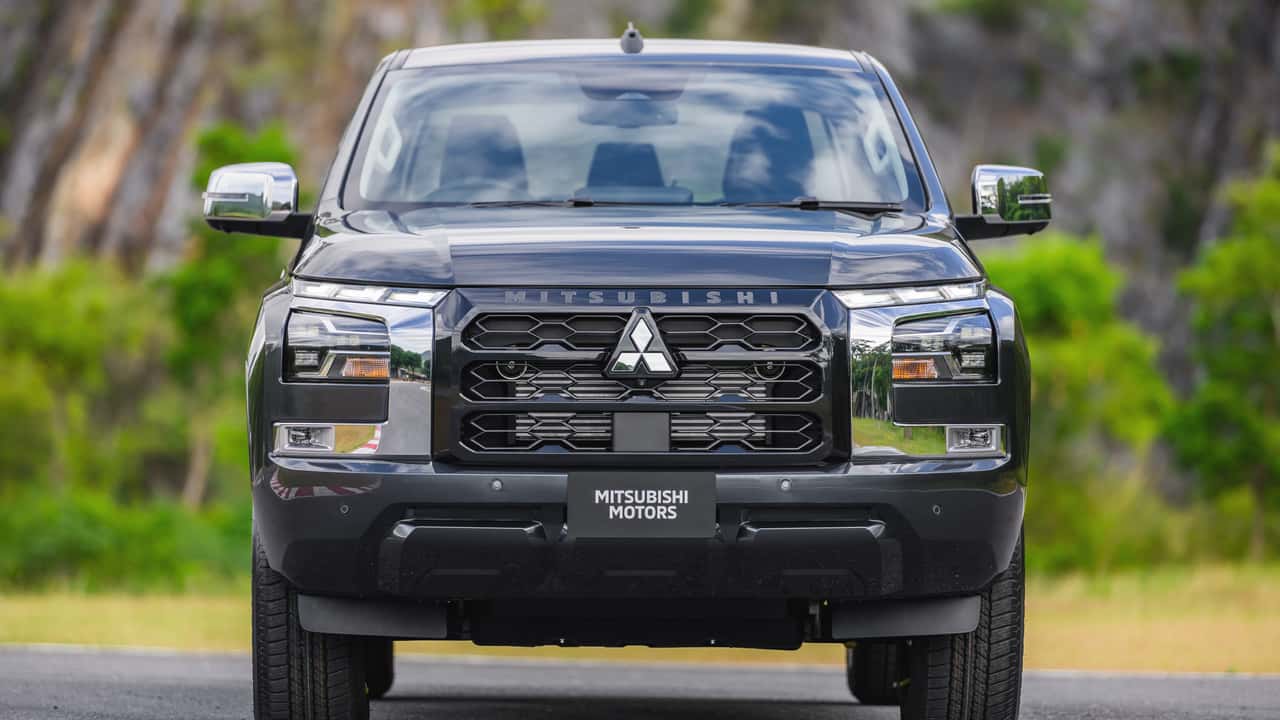
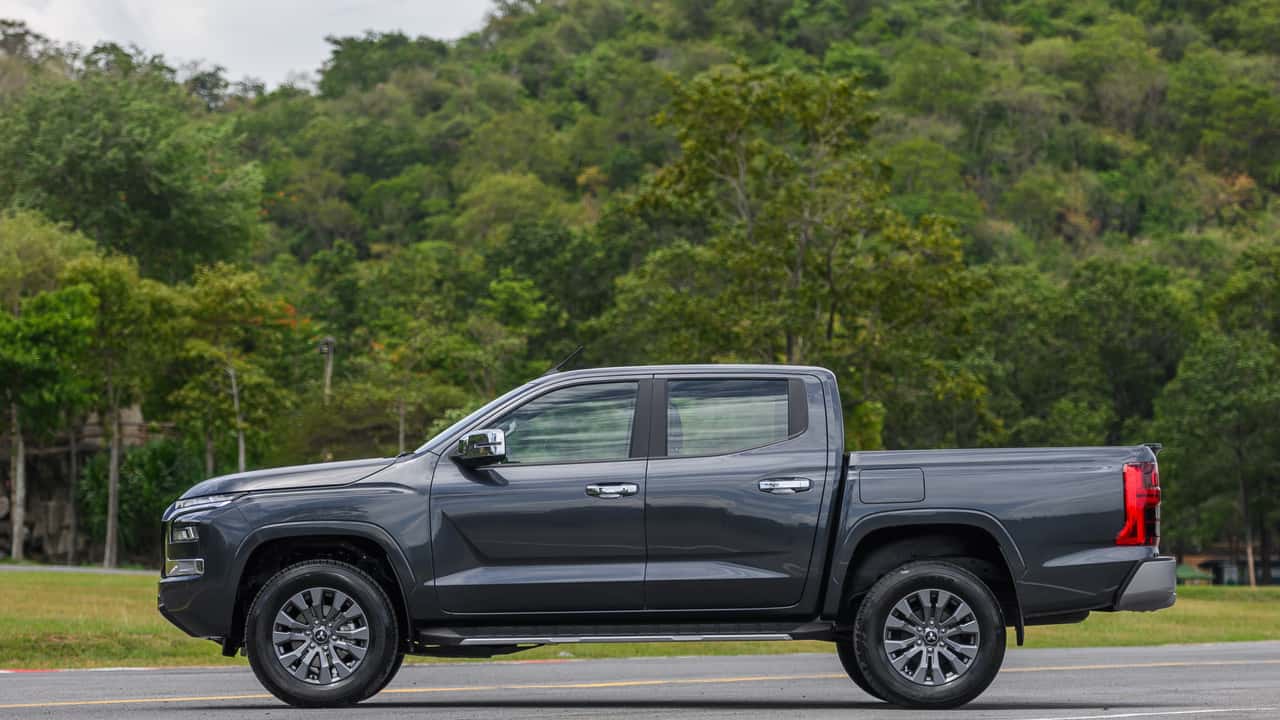
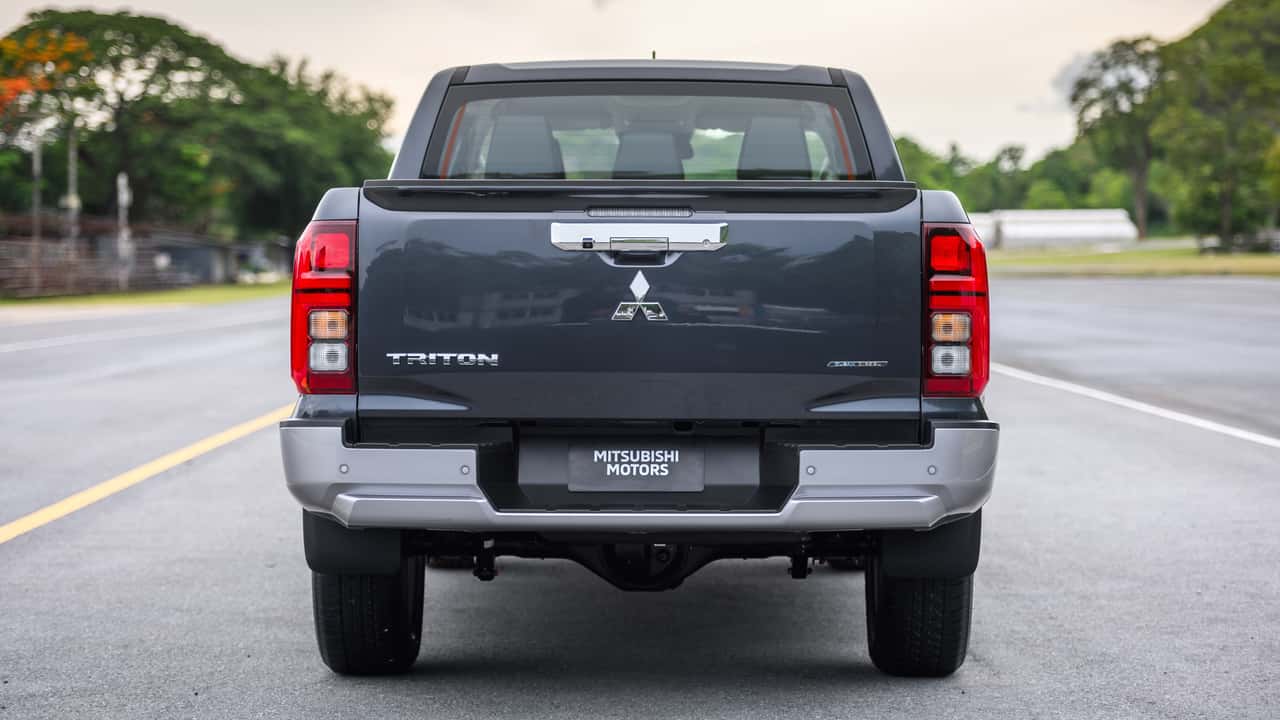
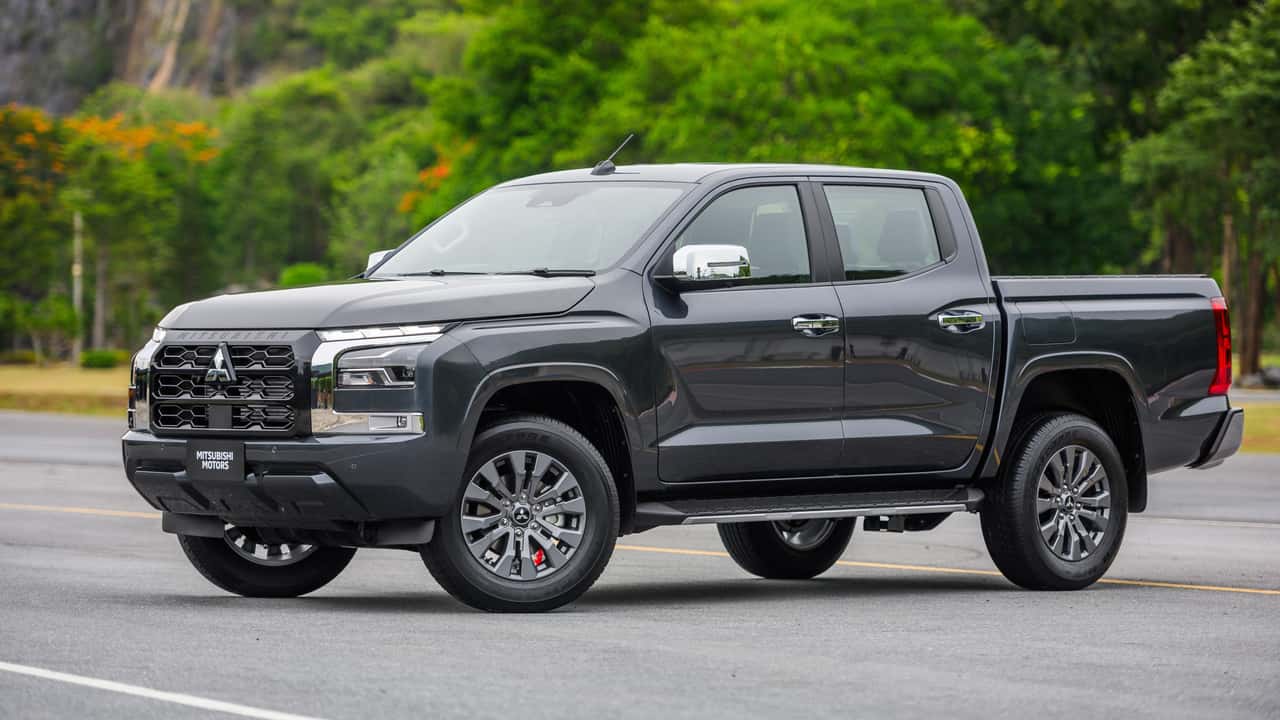
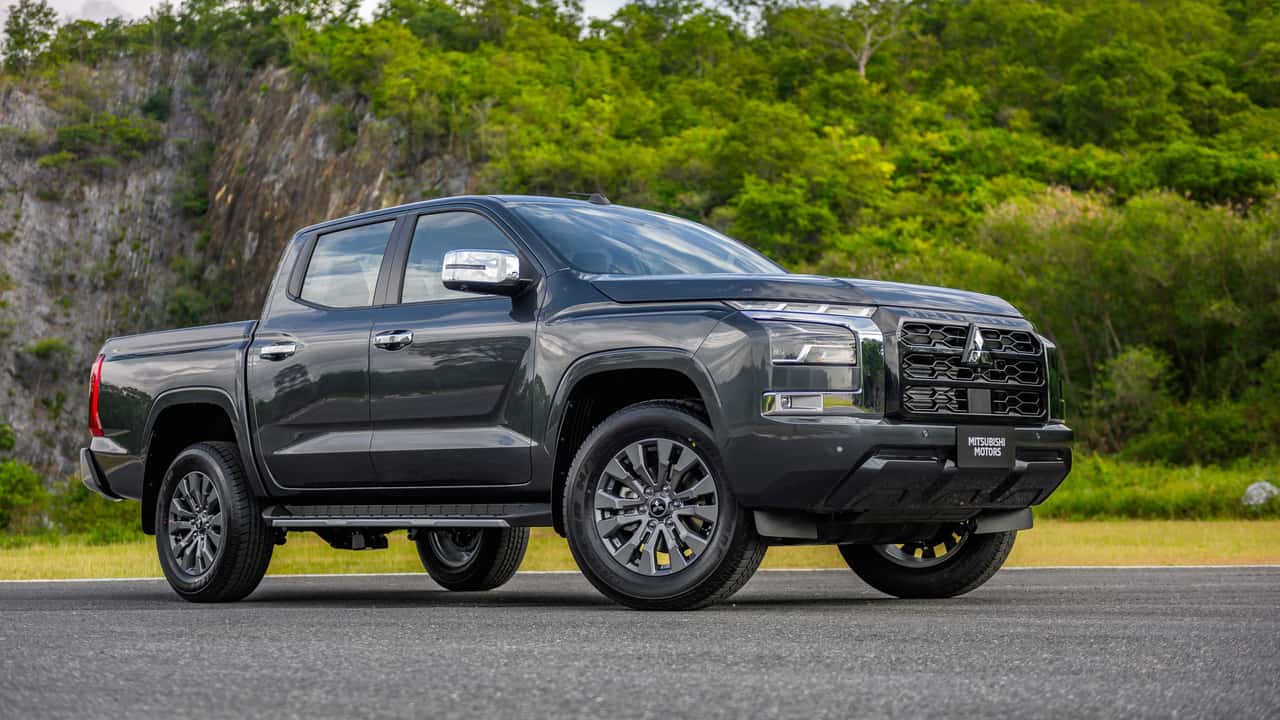
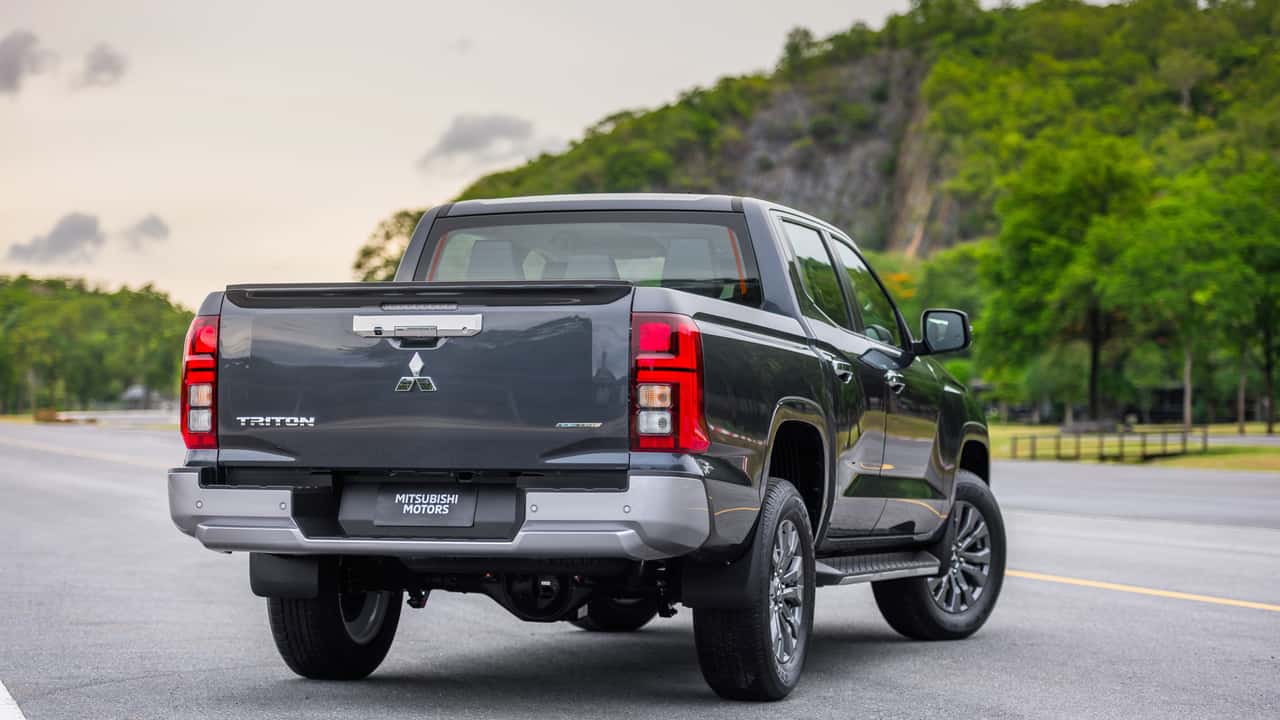
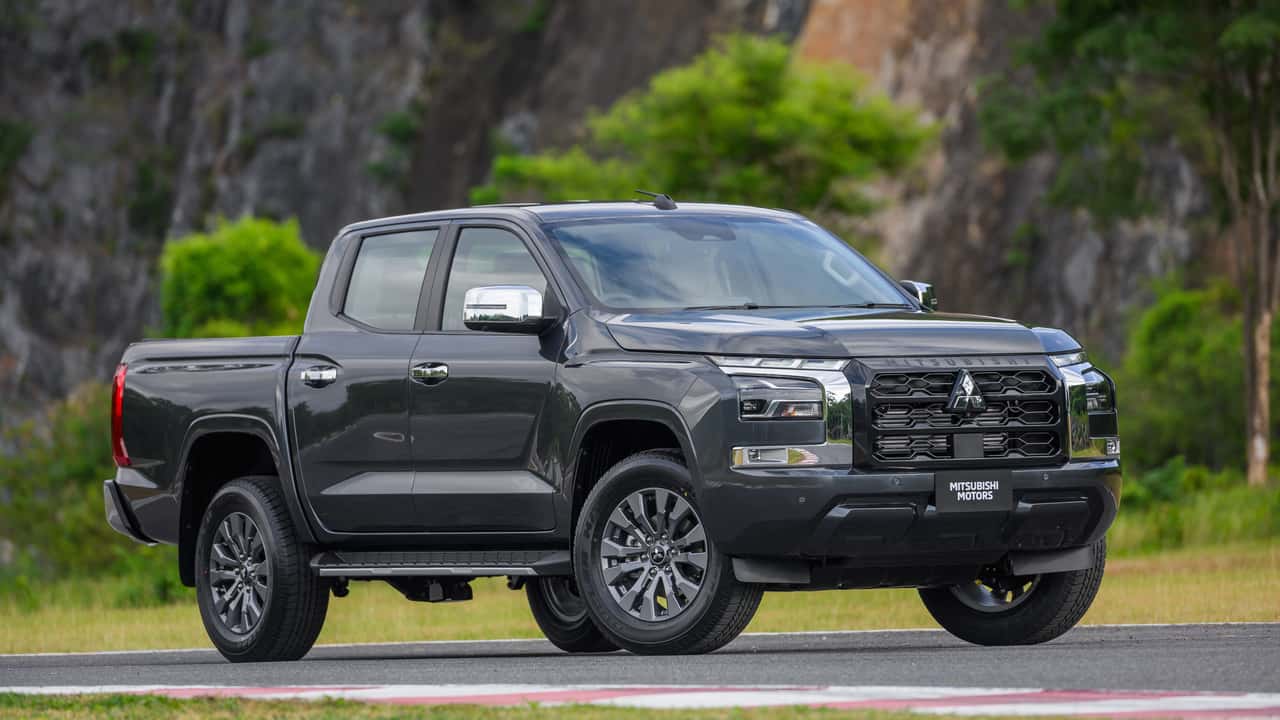
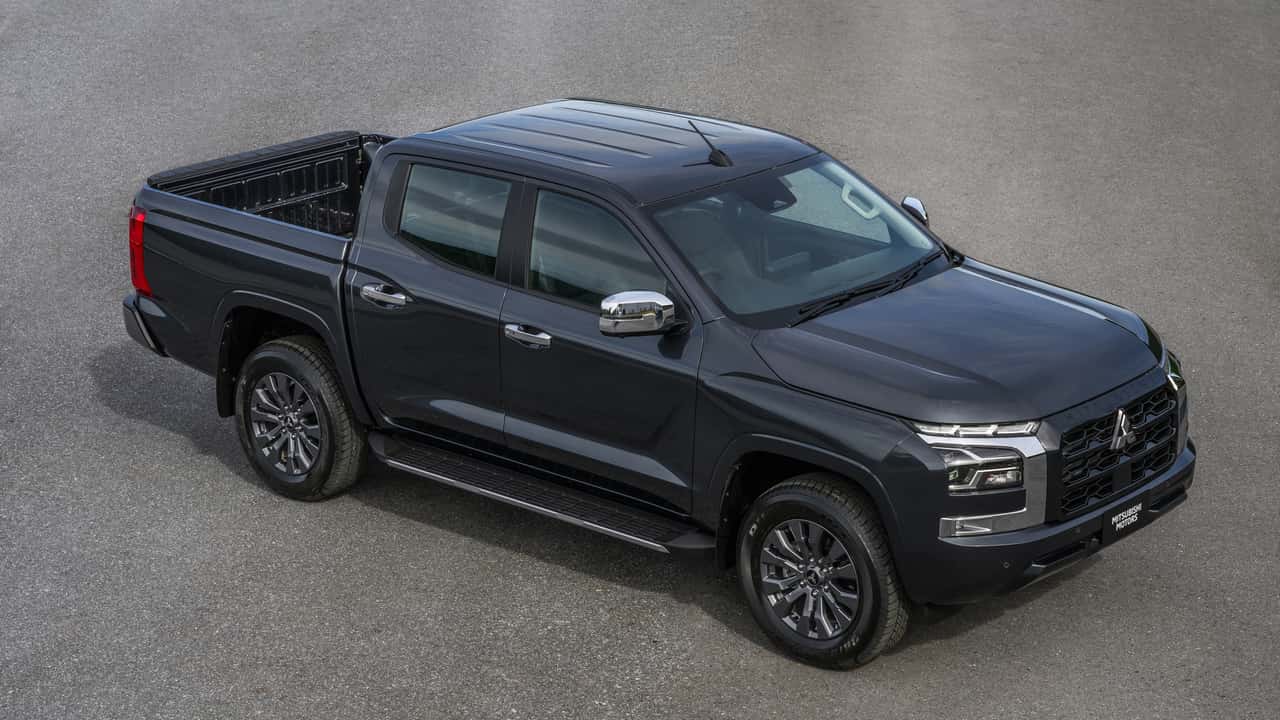
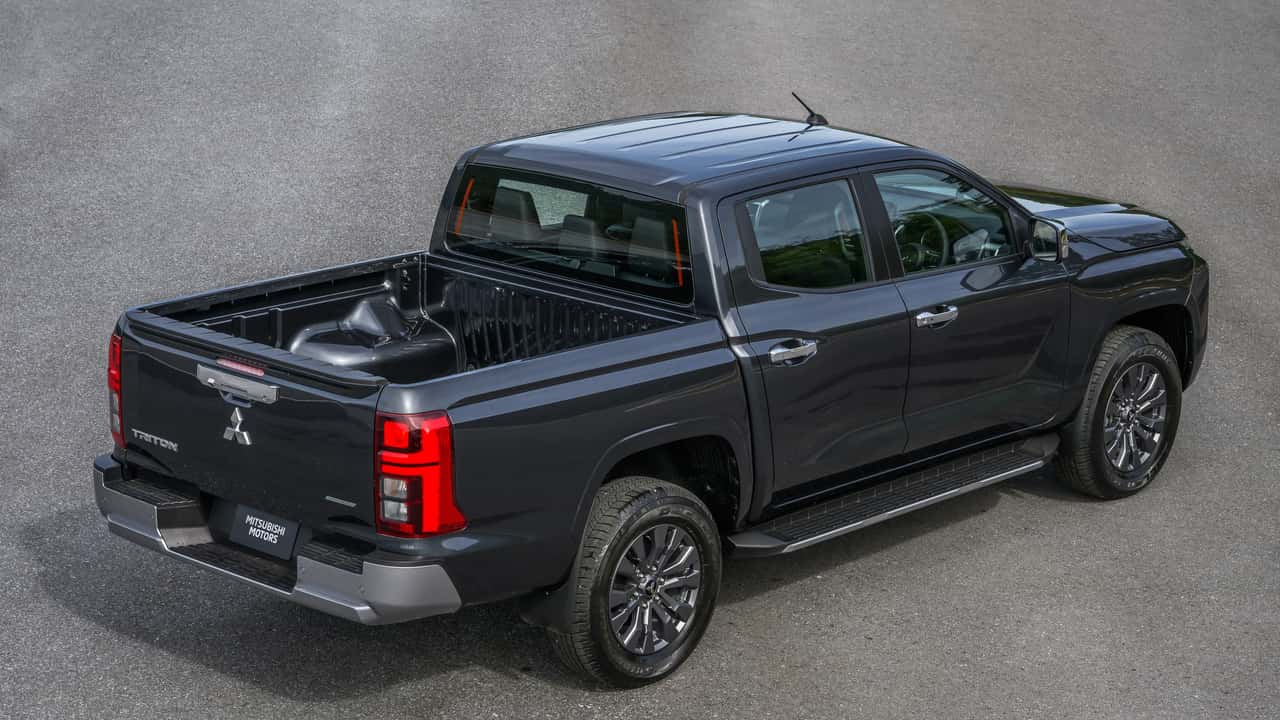
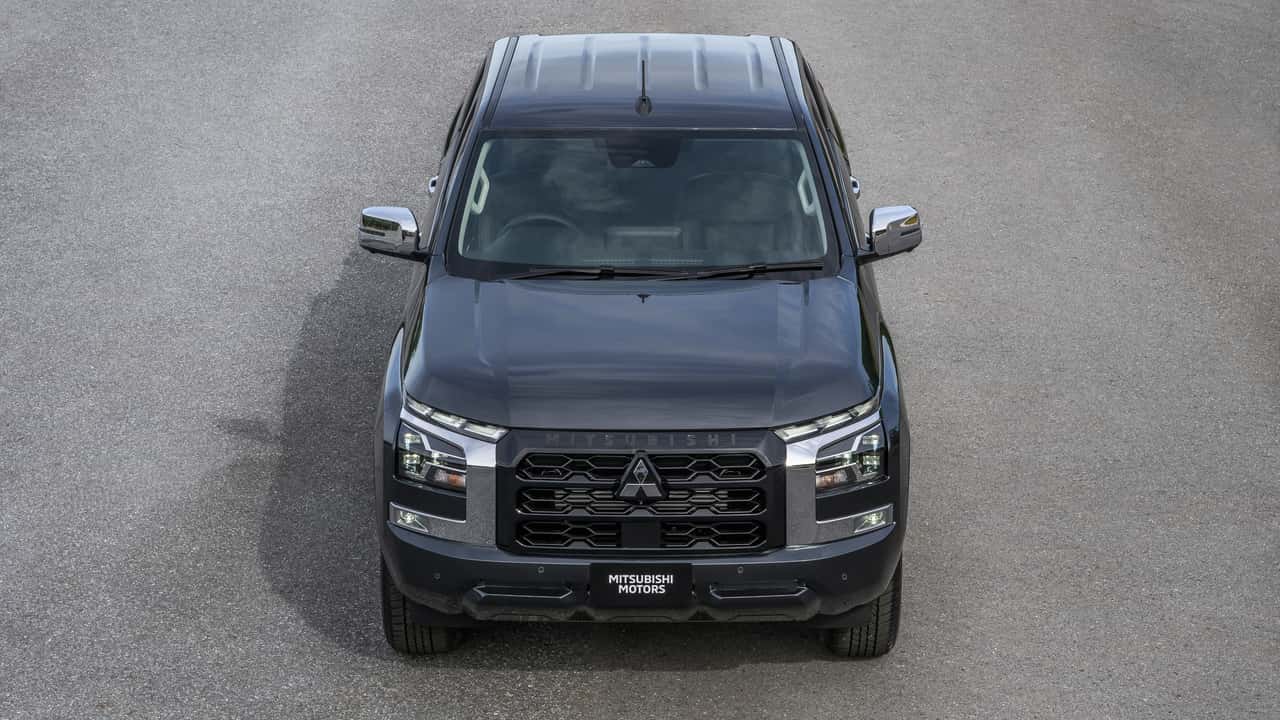
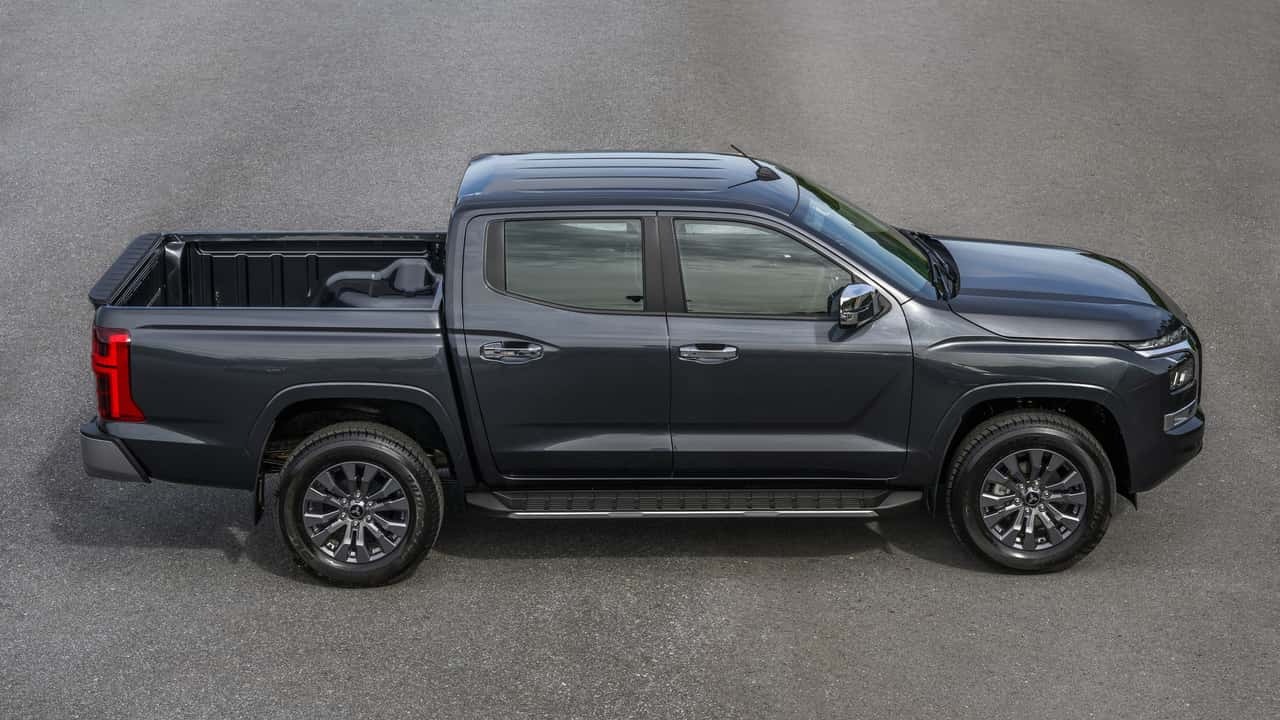
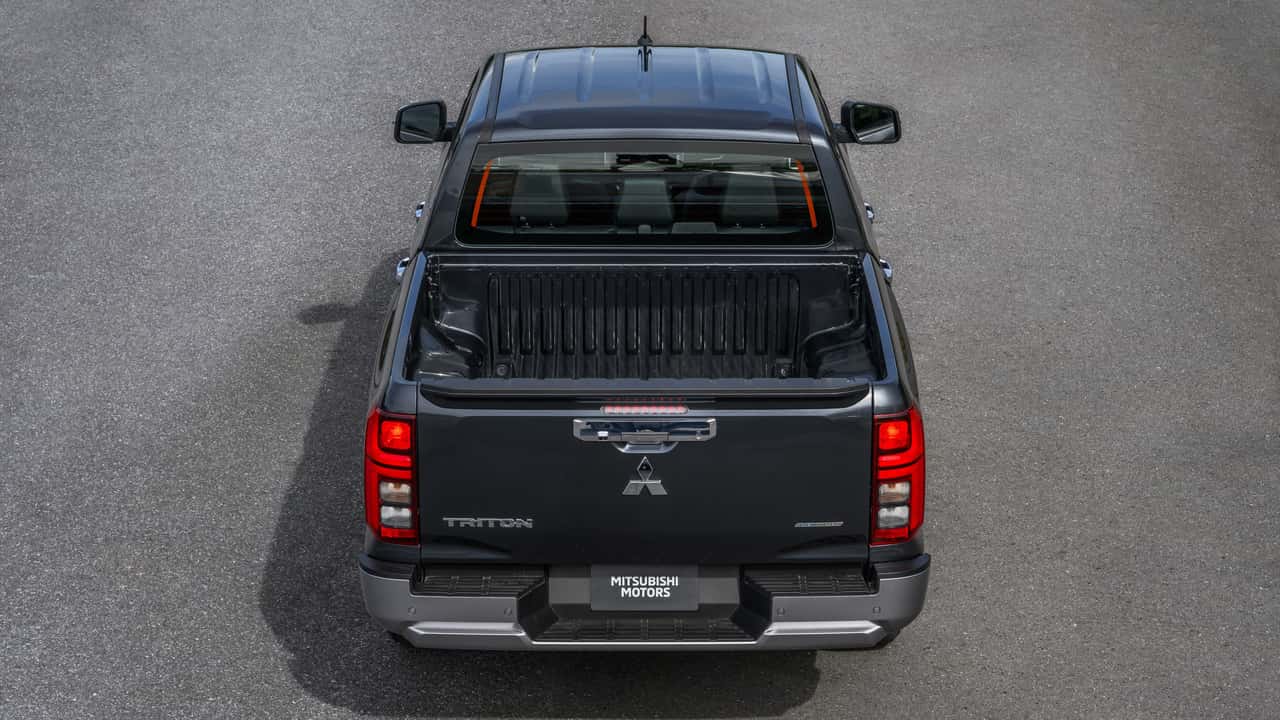
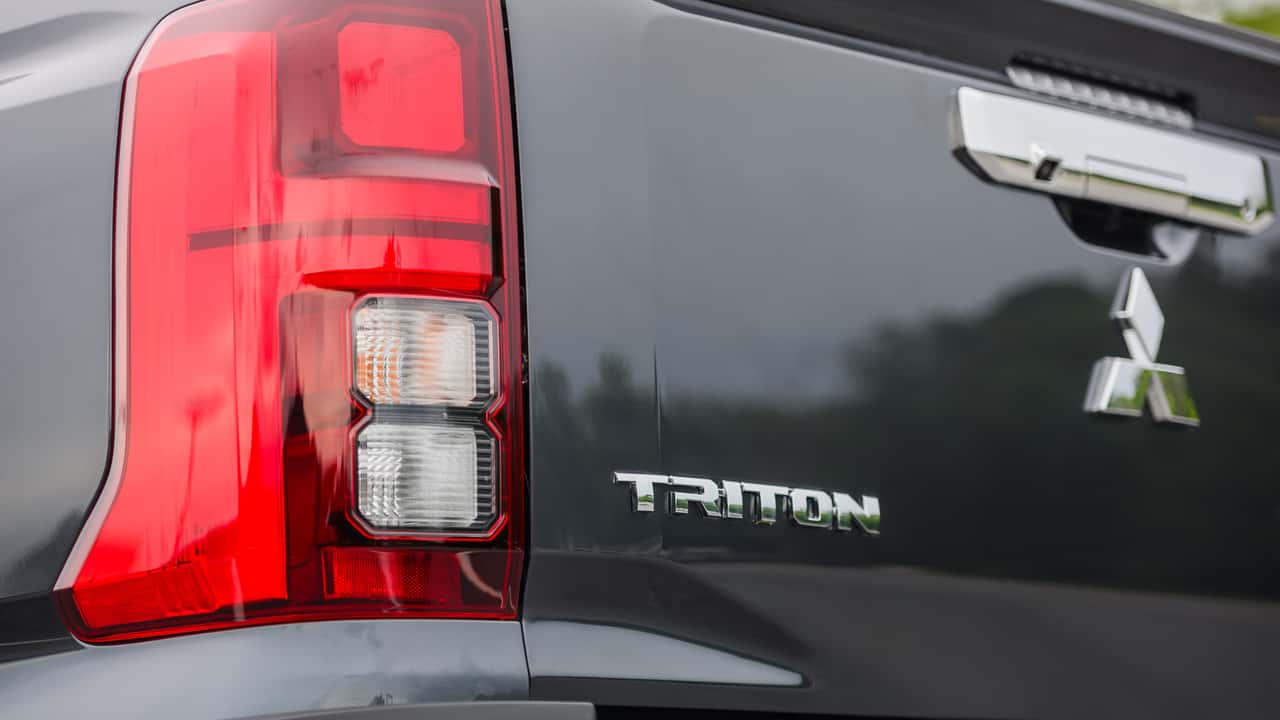
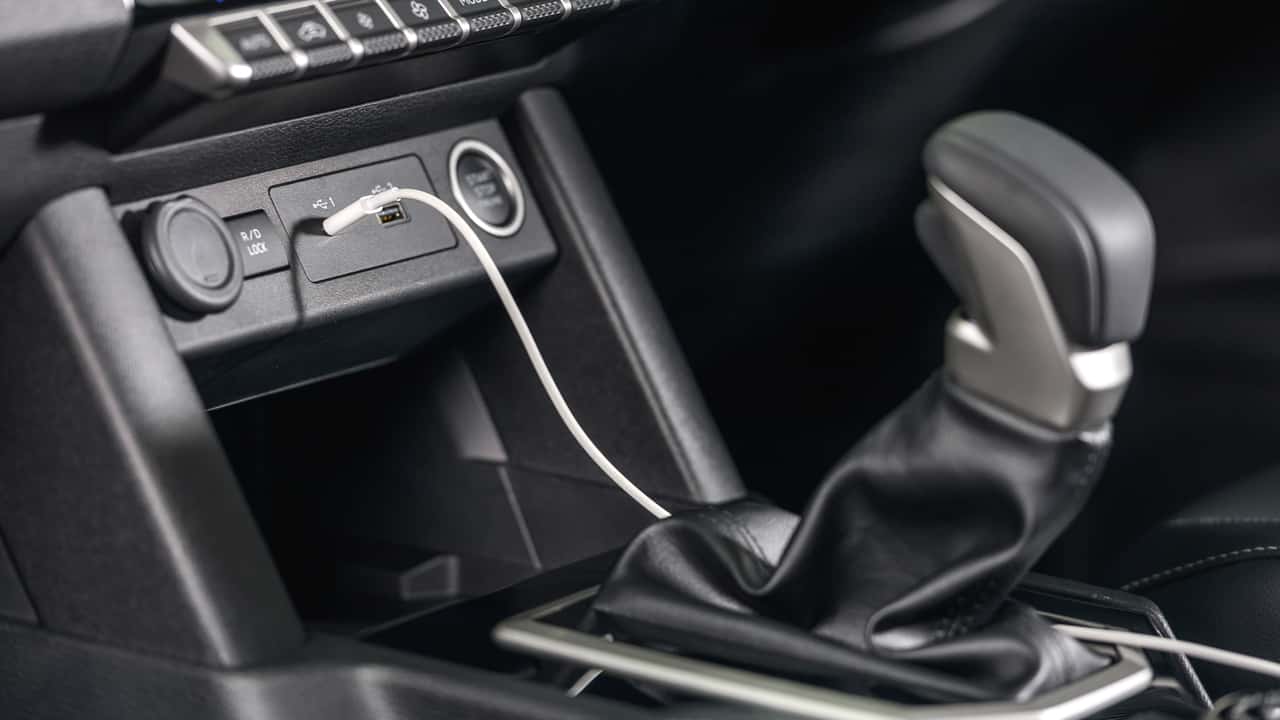
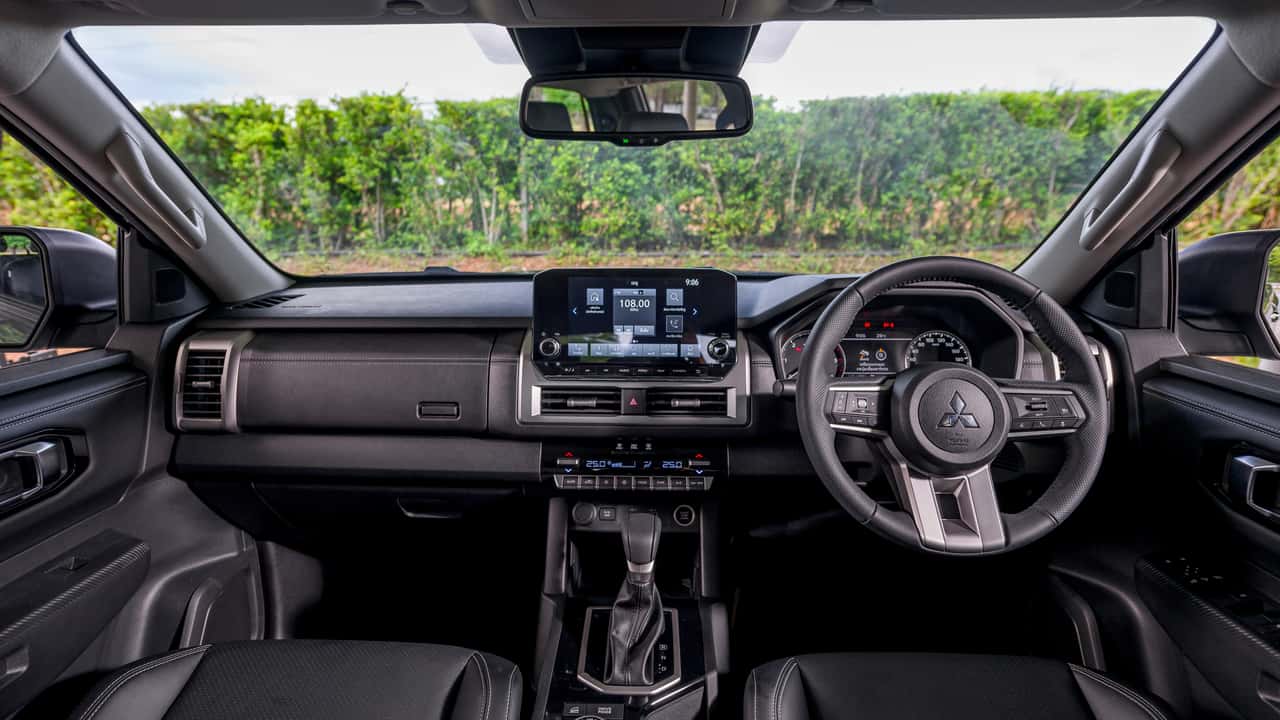
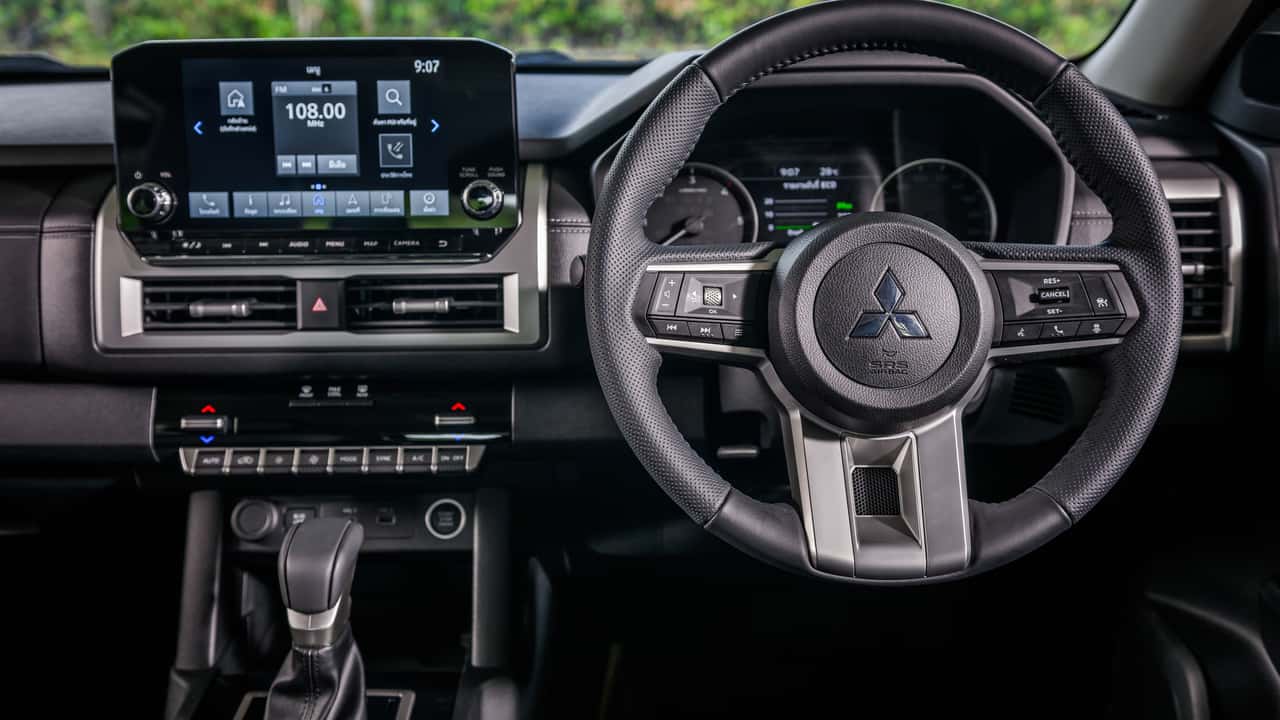
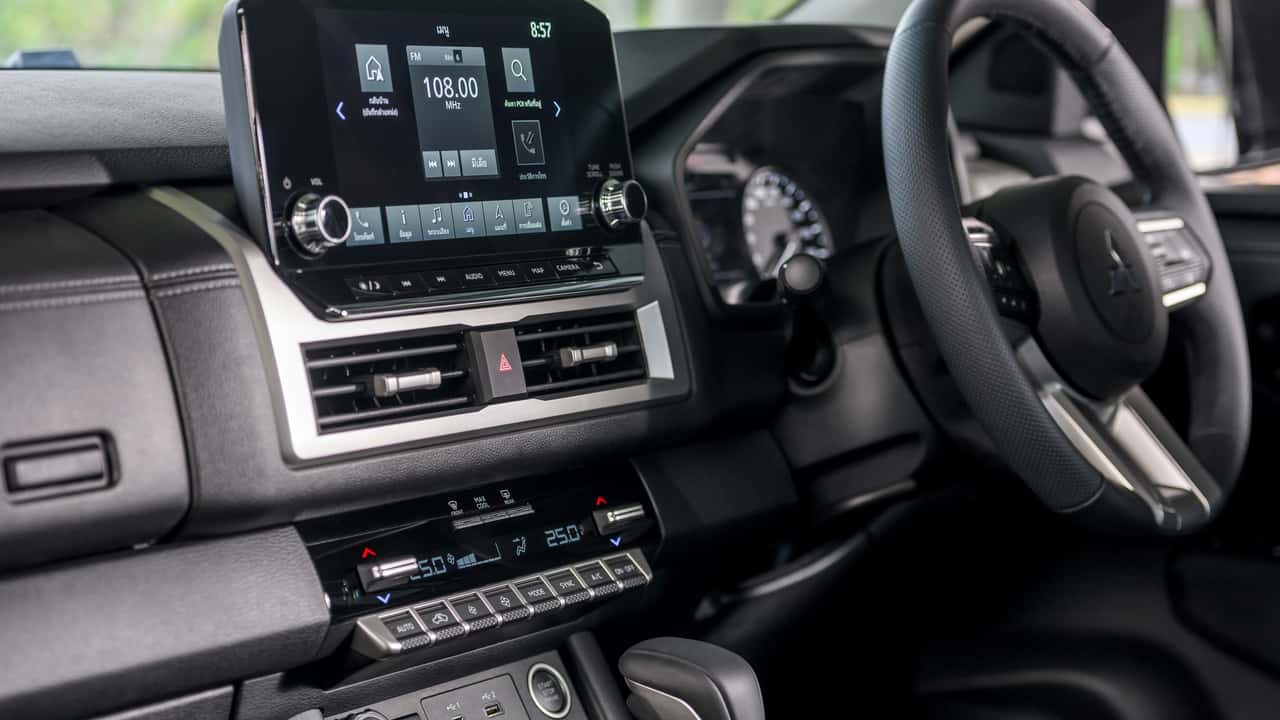
Honda is reportedly preparing to add a proper pickup truck to its global lineup, but there's a twist: Mitsubishi will do most of the heavy lifting. According to a report from one of Japan's oldest newspapers, Honda plans to source the Mitsubishi Triton and sell it under its own badge, with the first deliveries expected in 2028.
If the Yomiuri Shimbun report proves accurate, the deal would mark the first major outcome of ongoing cooperation talks between the two Japanese automakers. Honda apparently intends to launch the rebadged pickup in Southeast Asia before potentially expanding to other markets. For now, neither company has officially announced the agreement, and details about the Honda version remain under wraps.
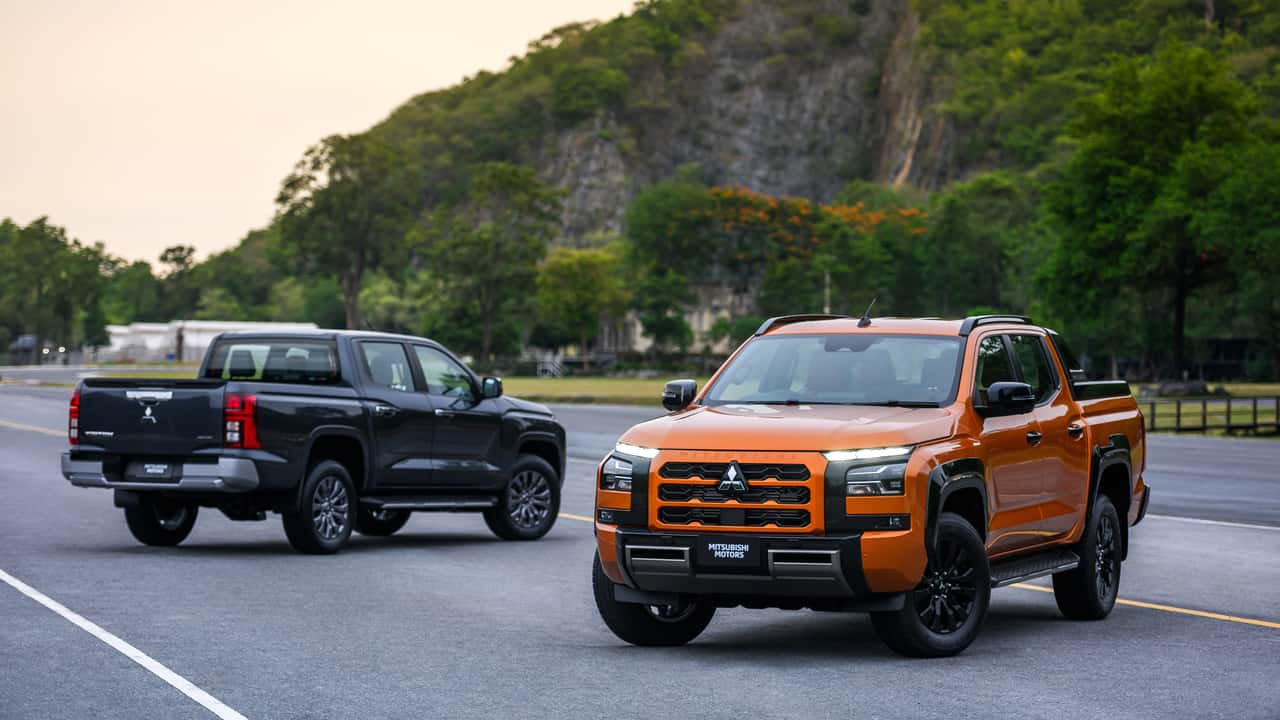
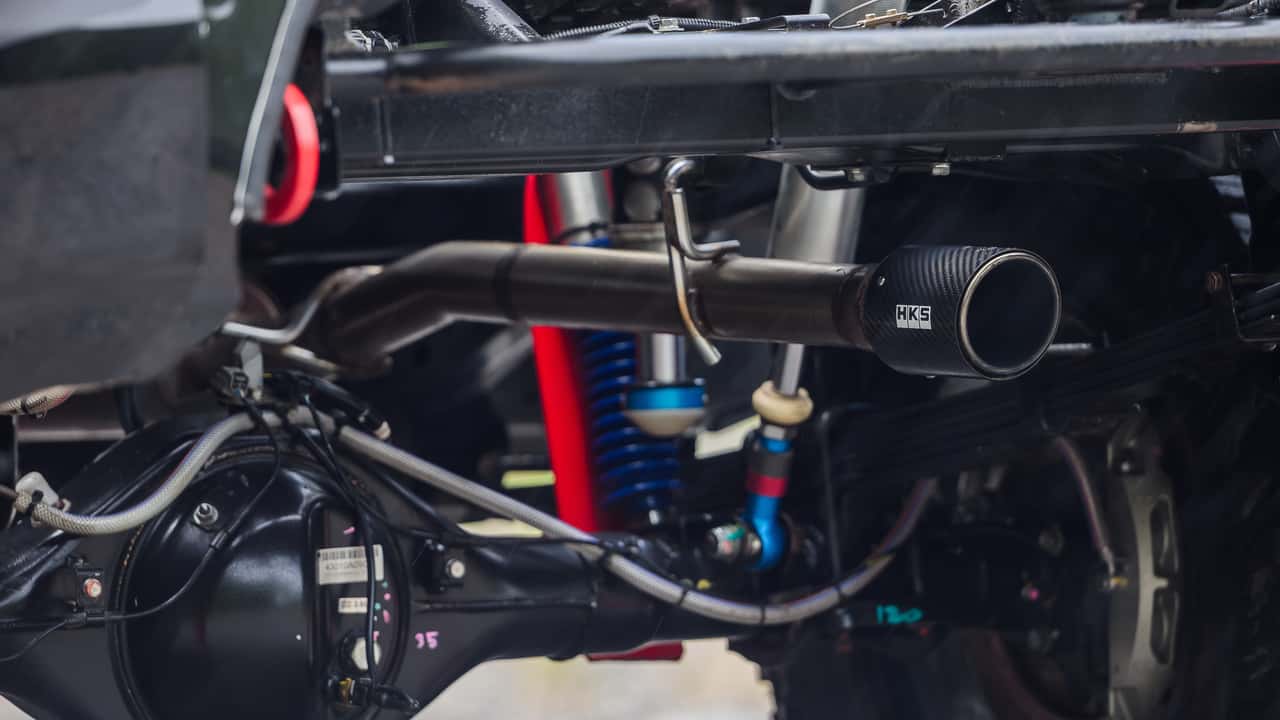
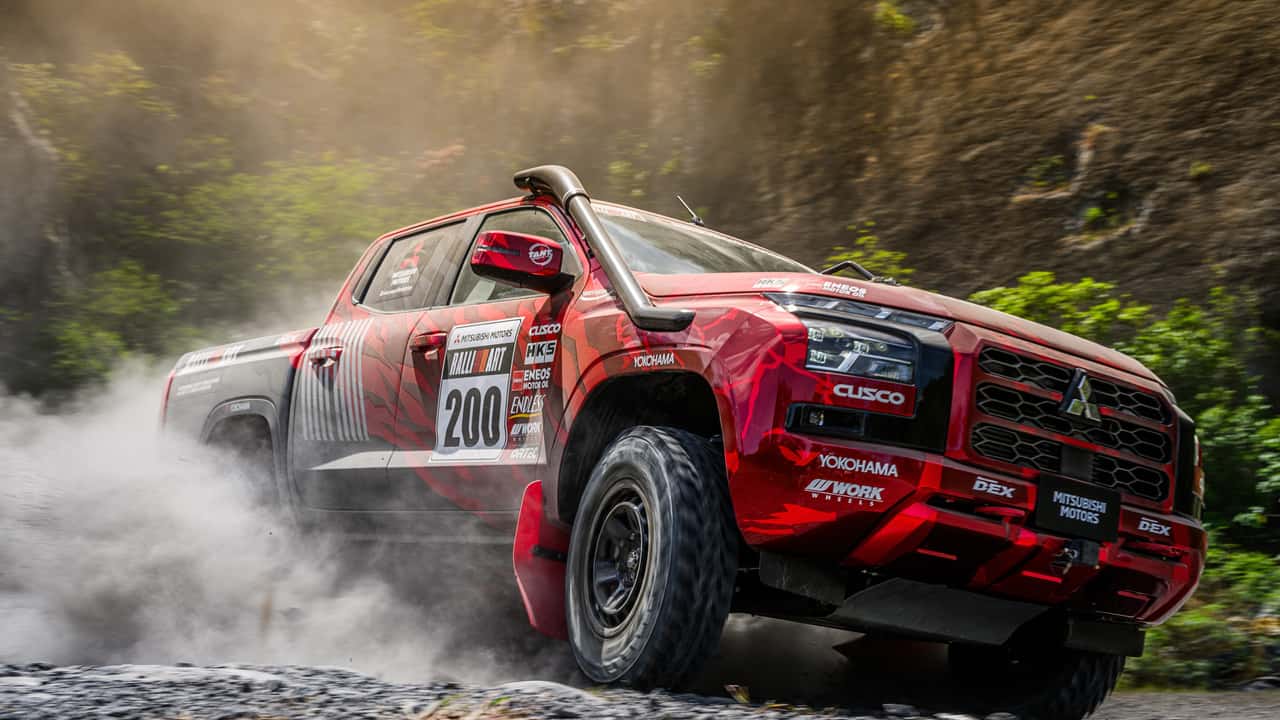
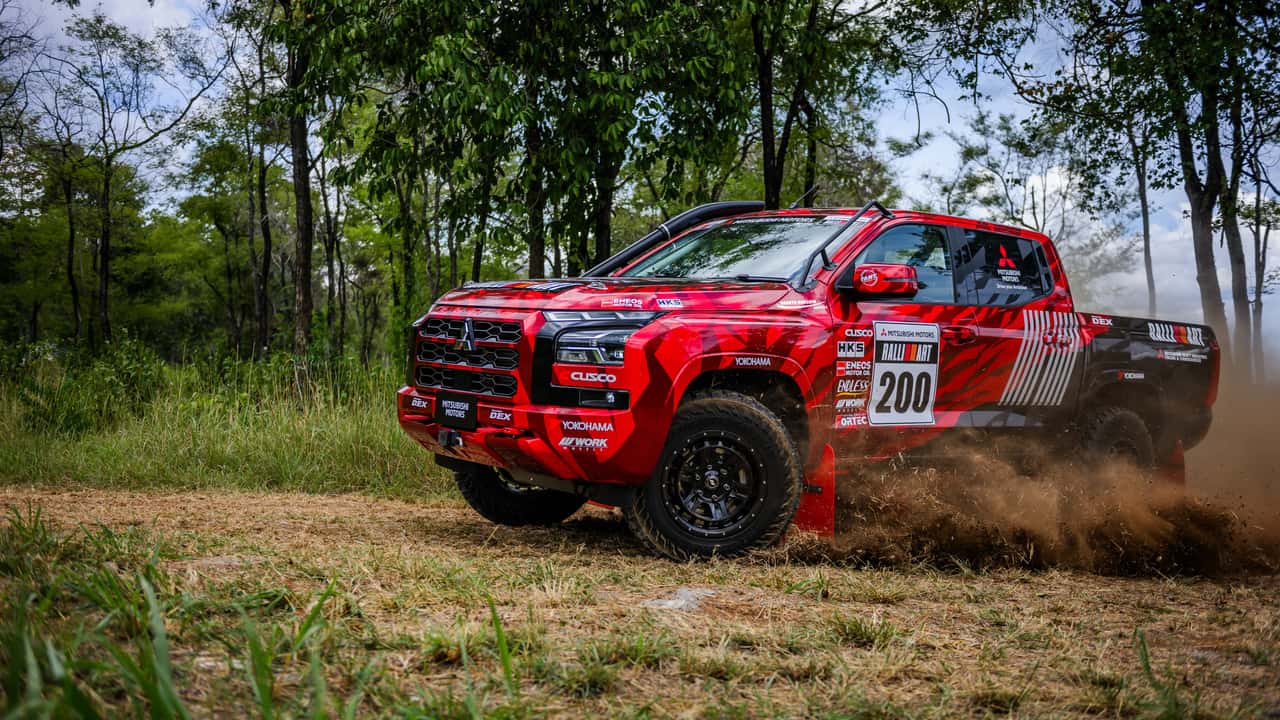
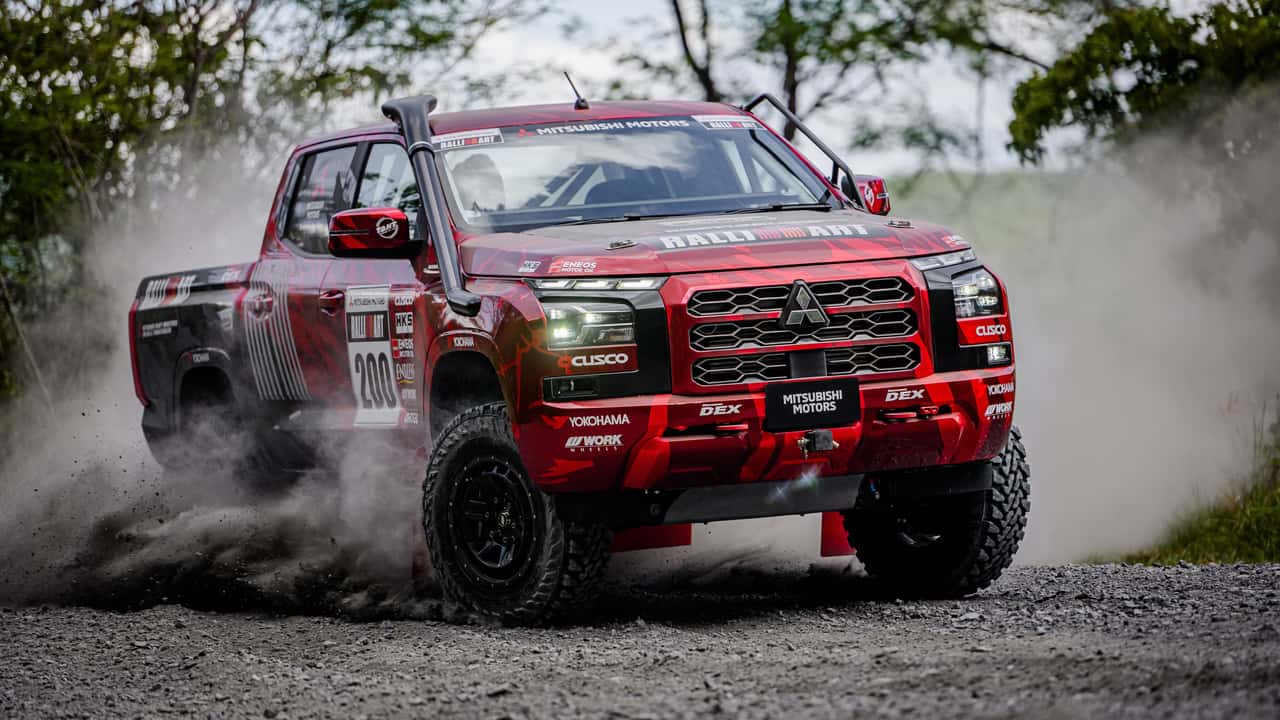
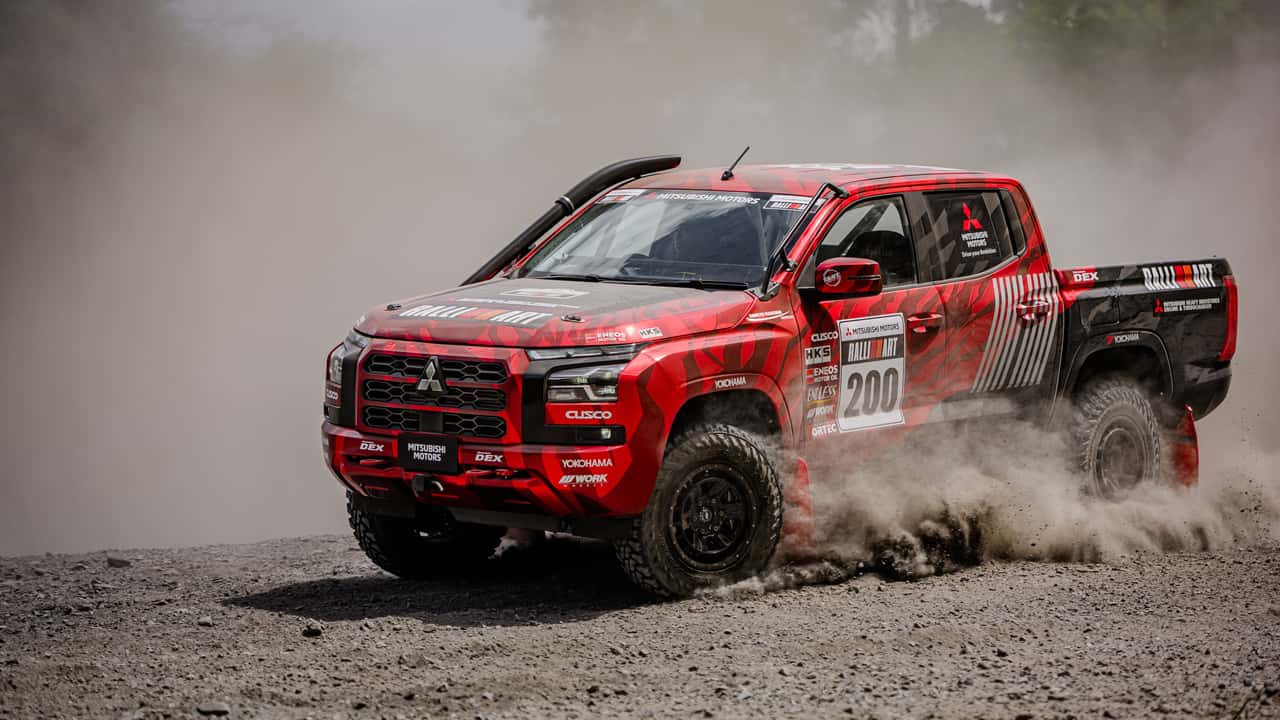
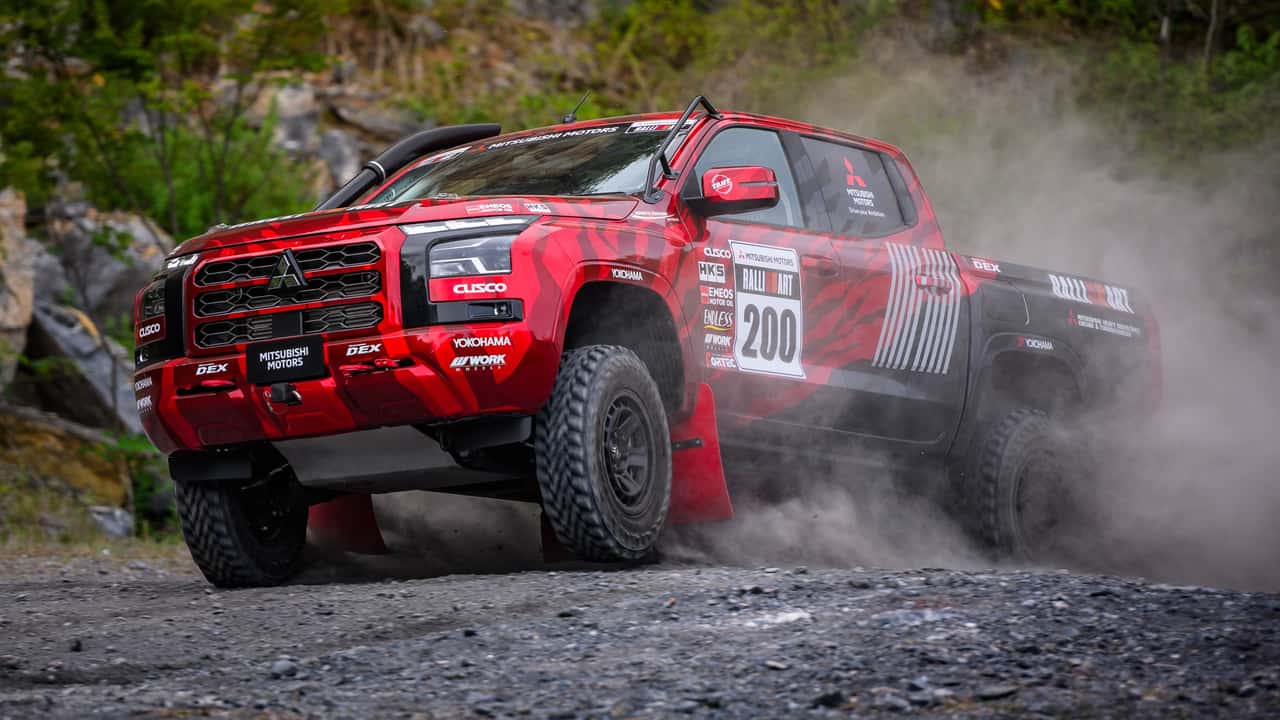
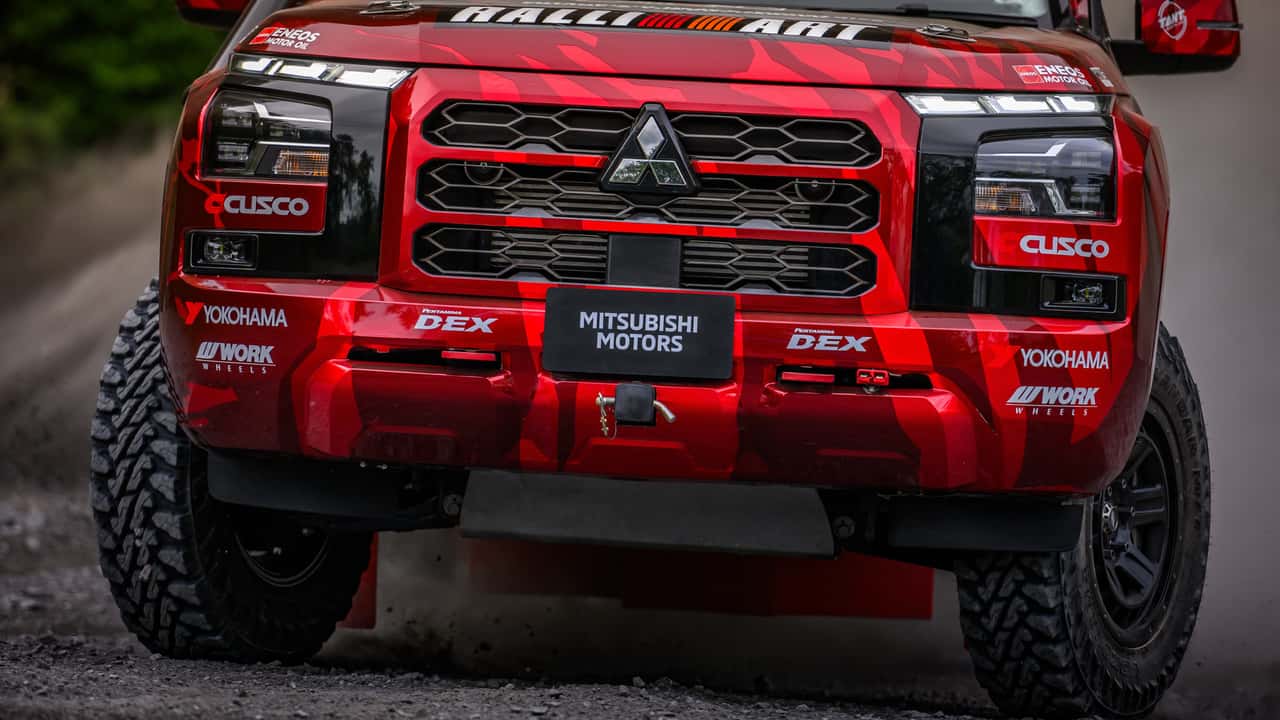
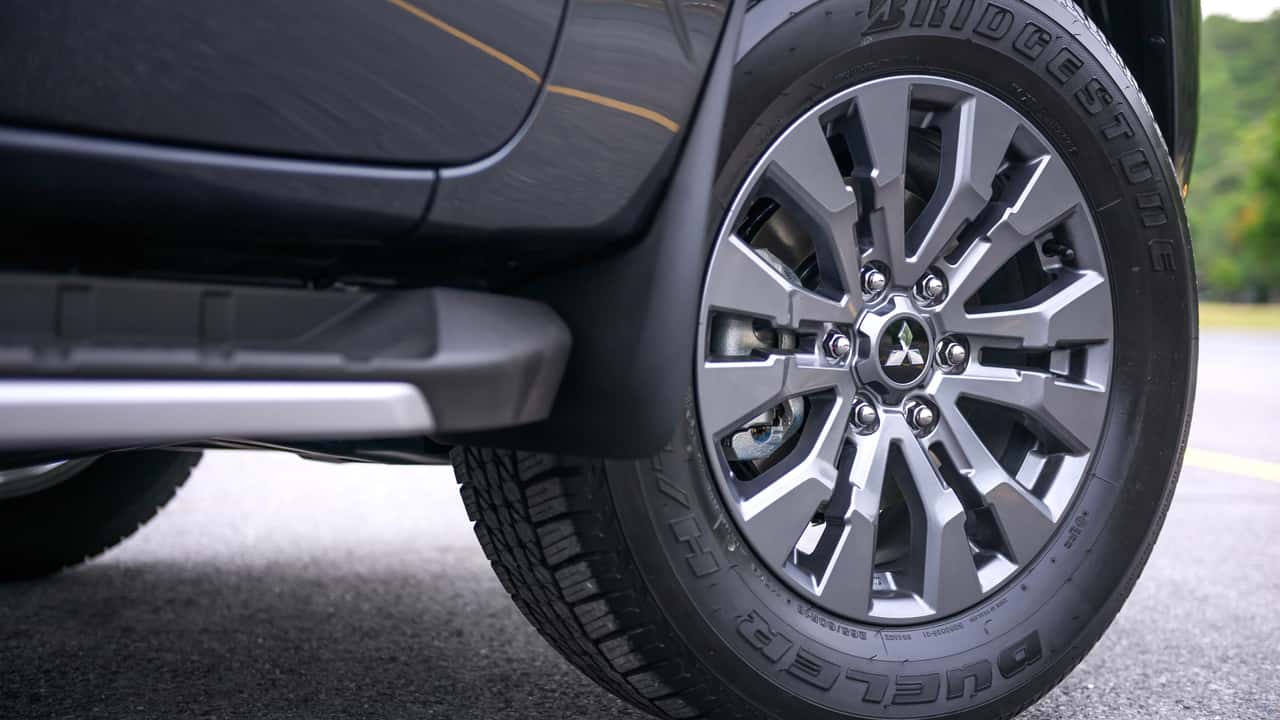
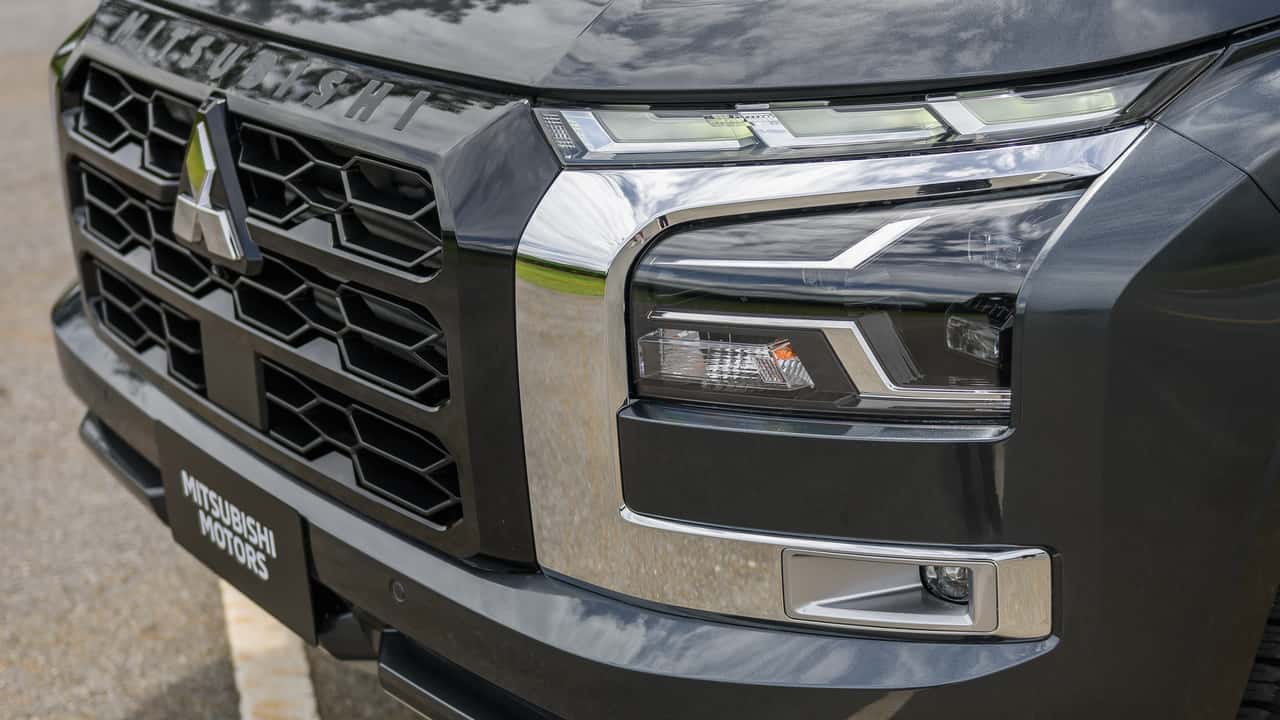
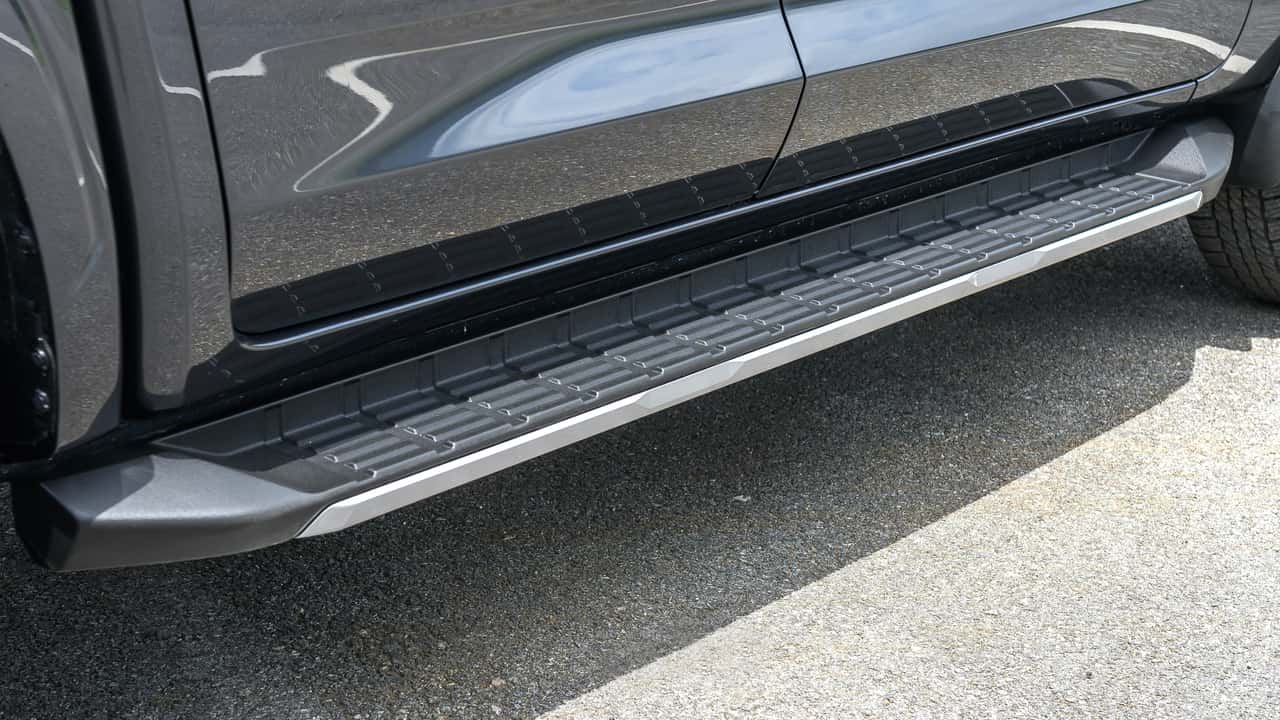
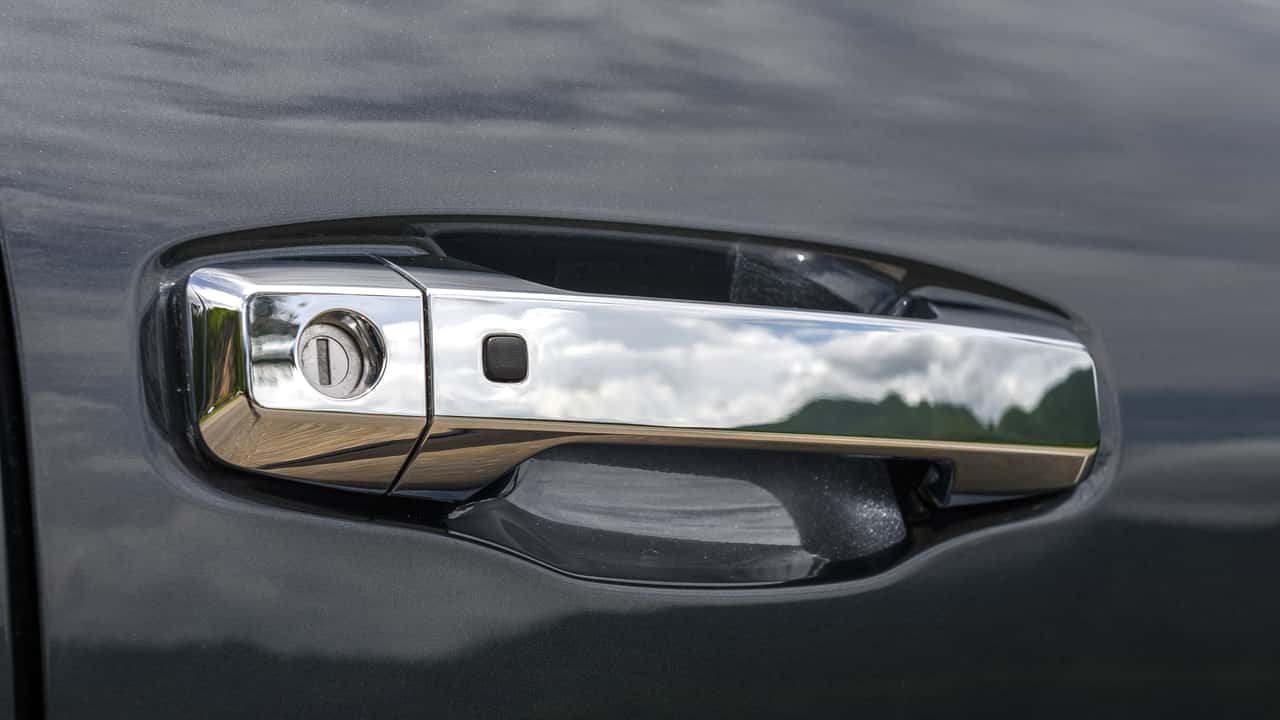
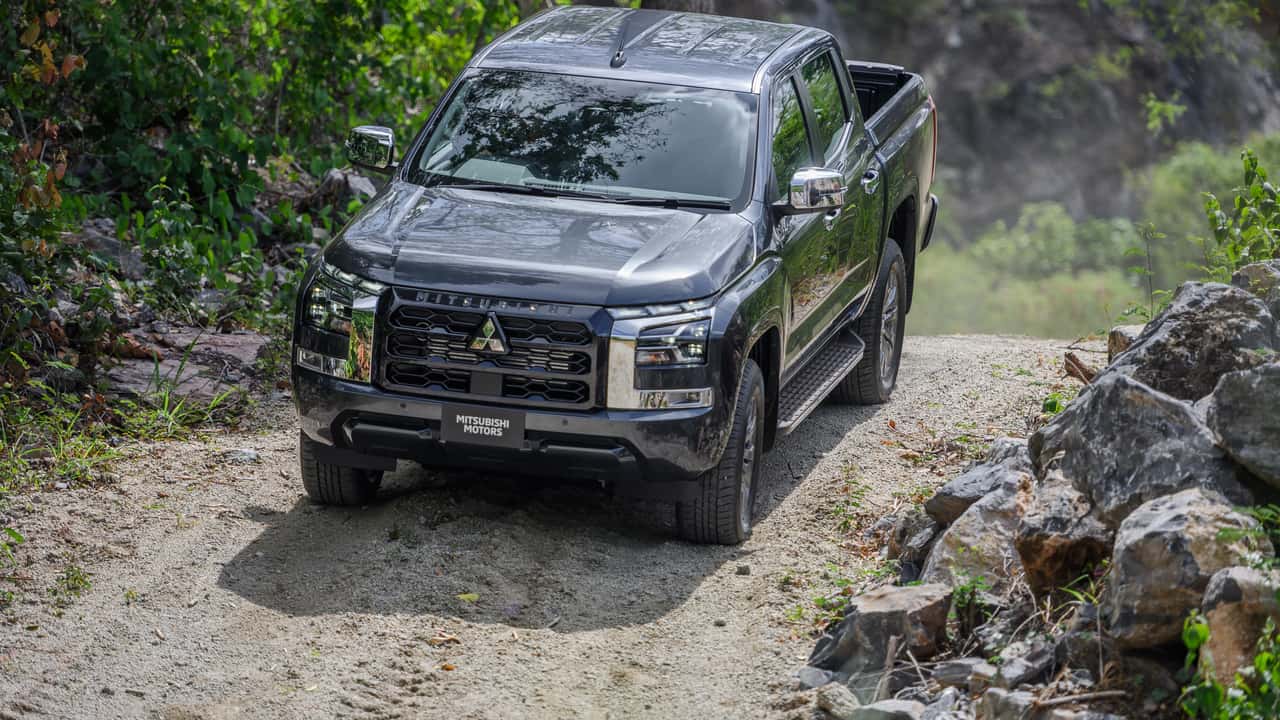
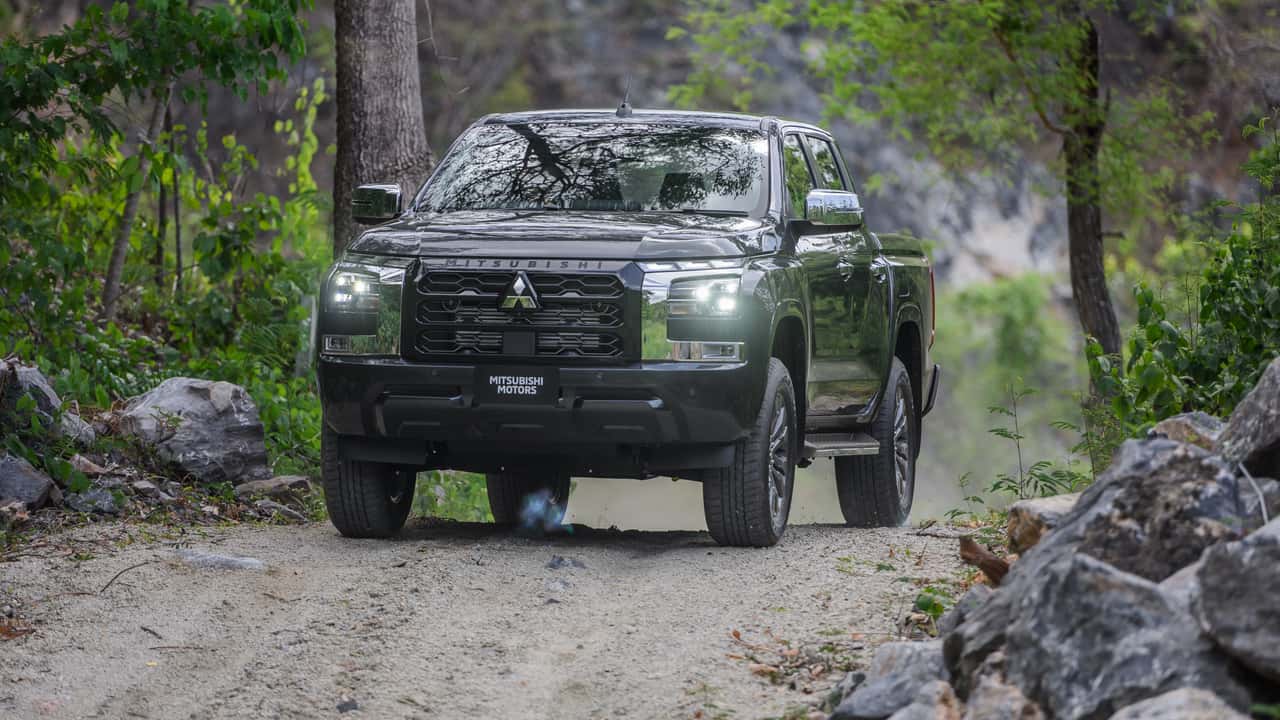
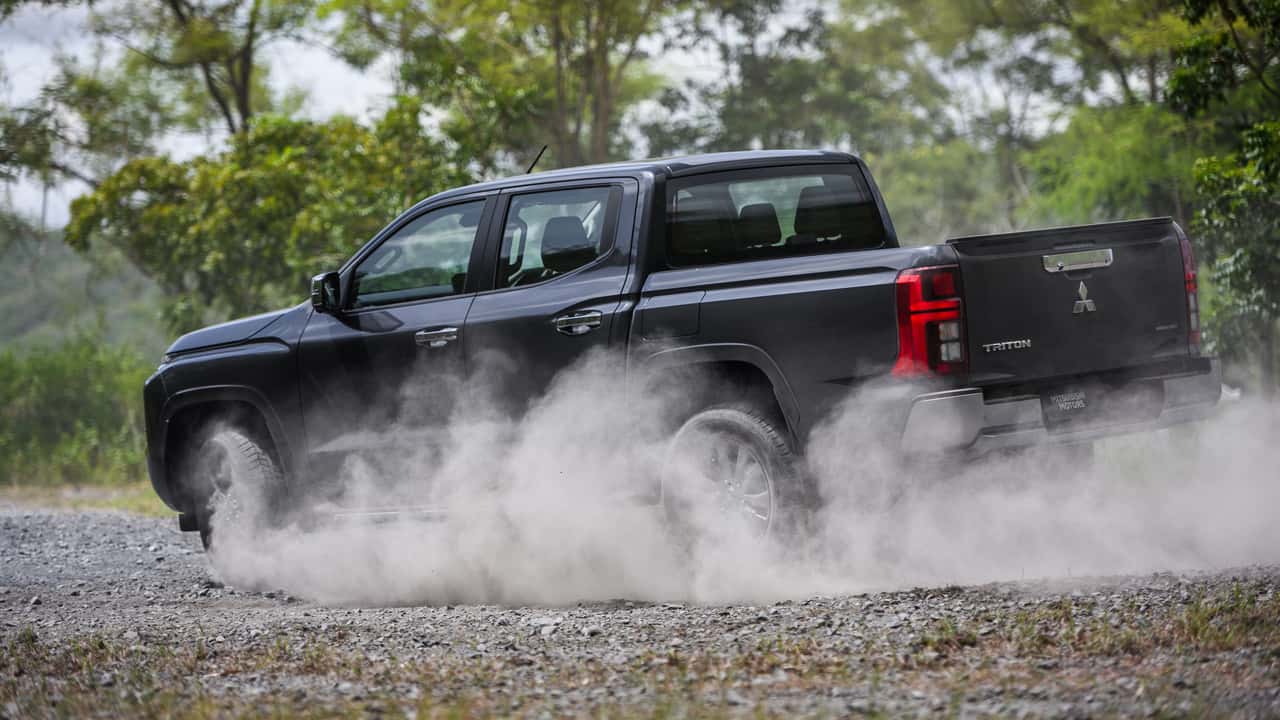
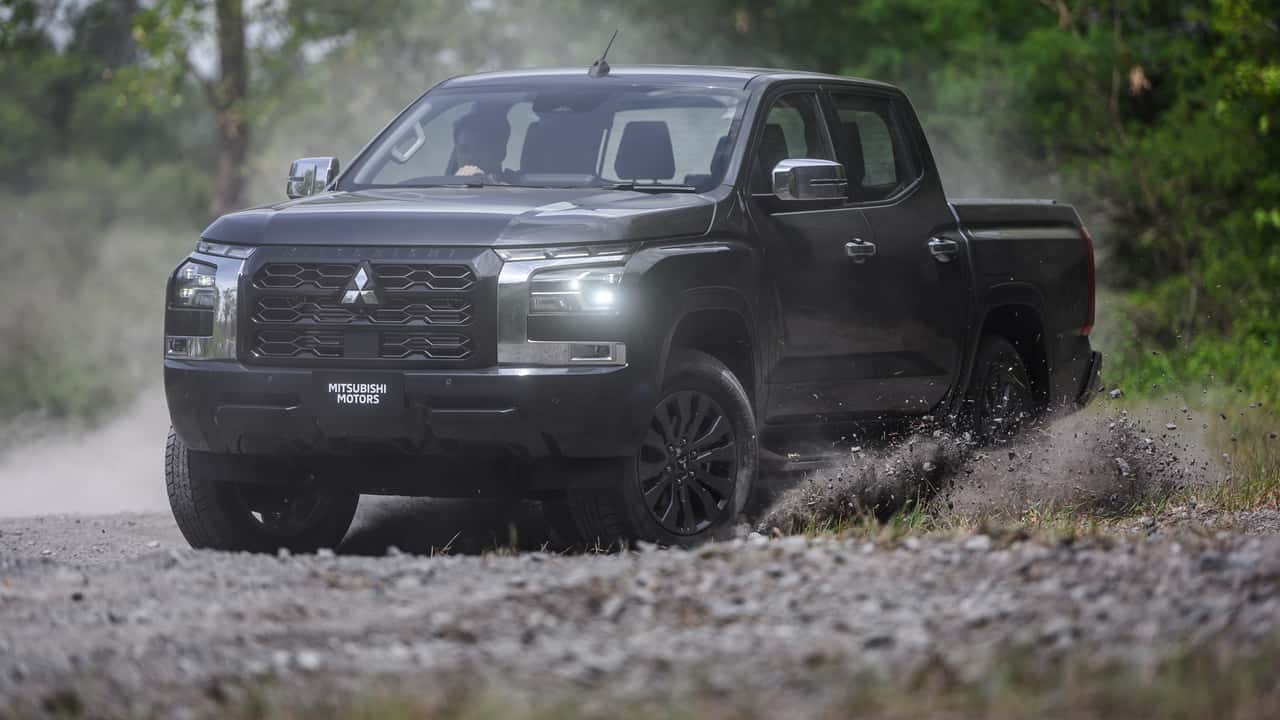
Also sold as the L200, the Triton is a sensible choice for Honda, as Mitsubishi's truck uses a rugged ladder-frame chassis designed to handle demanding conditions. That makes it a natural fit for markets where pickups serve as workhorses rather than lifestyle accessories. Borrowing an established model would also save Honda considerable time and expense compared with developing a dedicated truck from the ground up.
2024 Mitsubishi Triton / L200
Meanwhile, America Is Getting A New Ridgeline
Honda sells the Ridgeline in North America, but it's a different kind of truck. Unlike the Triton, the Ridgeline uses unibody construction shared with passenger vehicles, prioritizing comfort and everyday usability over the traditional body-on-frame formula. A third generation is on the way, but it's unlikely to switch to a ladder frame.
A Mitsubishi-based pickup would let Honda enter an entirely different corner of the market with minimal engineering effort. Between tariffs and the Chicken Tax, it's unlikely to reach the United States, where it would face a significant cost disadvantage against locally built pickups such as the Ford Ranger and Chevy Colorado/GMC Canyon.
For Mitsubishi, the arrangement would provide another way to boost production at its Thai factory, where it builds the Triton. Supplying a second automaker could help improve plant utilization while spreading development and manufacturing costs across more vehicles. Yes, a second automaker, because Mitsubishi already builds the Navara for Nissan. Honda, meanwhile, would get a proven pickup without the considerable expense of developing one from the ground up.
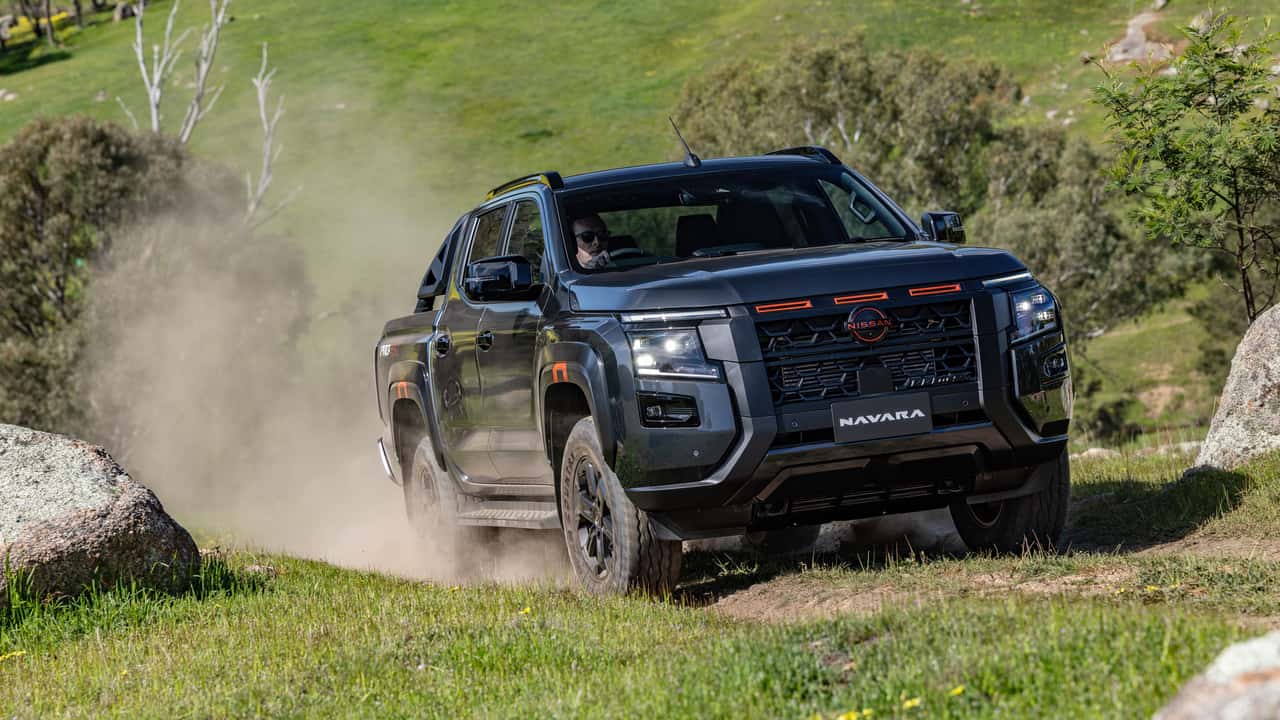
2026 Nissan Navara
Photo by: Nissan 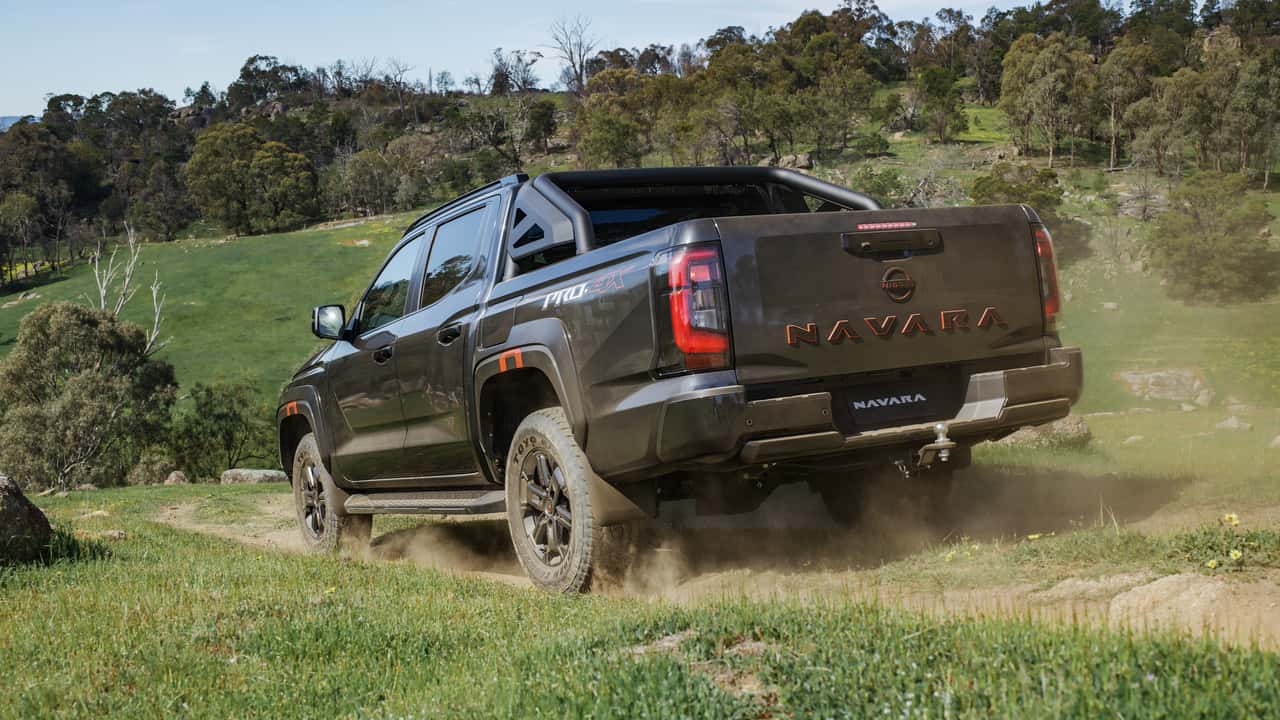
2026 Nissan Navara
Photo by: Nissan Photos by: Nissan
Honda Might Borrow Other Models From Mitsubishi
That's not all. The proposed partnership could also extend beyond trucks. According to the same report, Honda is interested in sourcing additional Mitsubishi models, although neither company has identified which vehicles could come next. The two automakers are also considering jointly developing cabin components, including instrument clusters and displays.
The move fits into a broader effort to strengthen ties between Honda, Nissan, and Mitsubishi Motors. Honda and Nissan ended their merger discussions in February 2025, but the two companies have continued exploring ways to work together. They have since agreed to collaborate on core components for next-generation software-defined vehicles, and a Mitsubishi-built pickup wearing a Honda badge could become another tangible result of that cooperation.
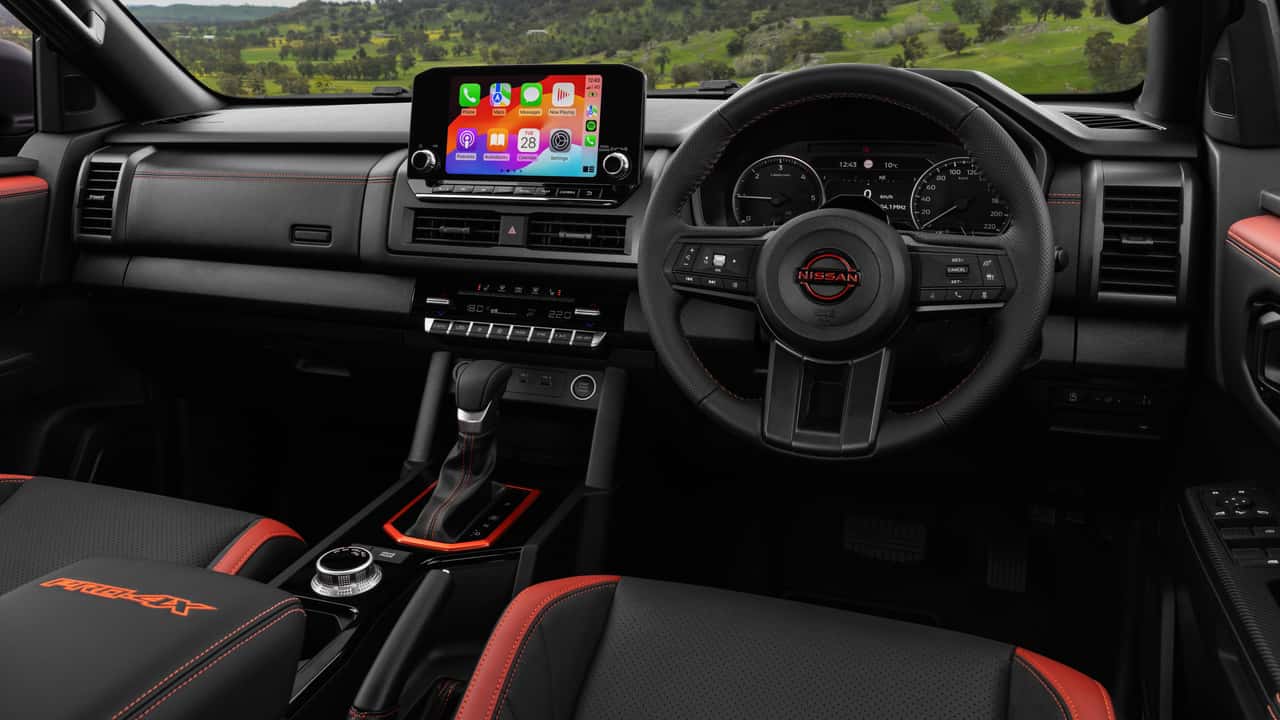
2026 Nissan Navara
Photo by: Nissan
Same Truck, Three Different Badges
Of course, badge engineering is hardly new in the automotive world. If the Honda version materializes, the same basic pickup could wear three different badges, depending on where you live. Plenty of questions remain, including what Honda will call its new truck, whether it will receive styling changes beyond the badges, and which markets will get it after Southeast Asia.
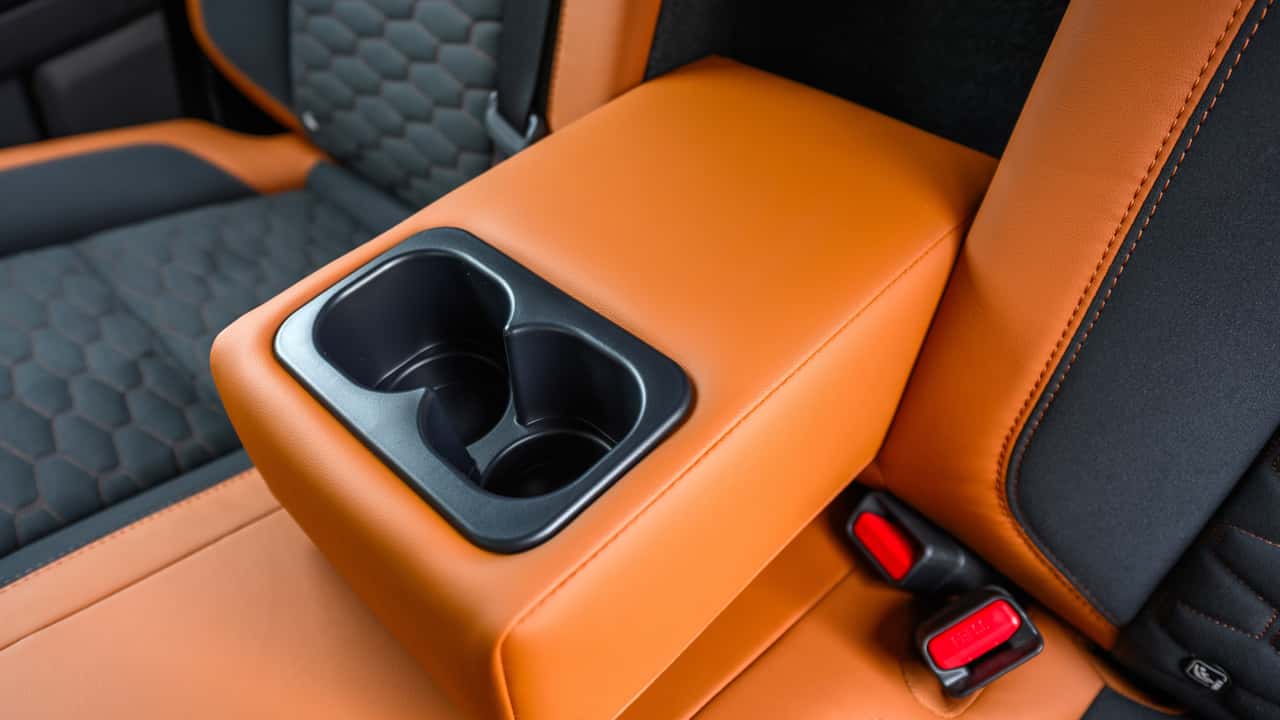
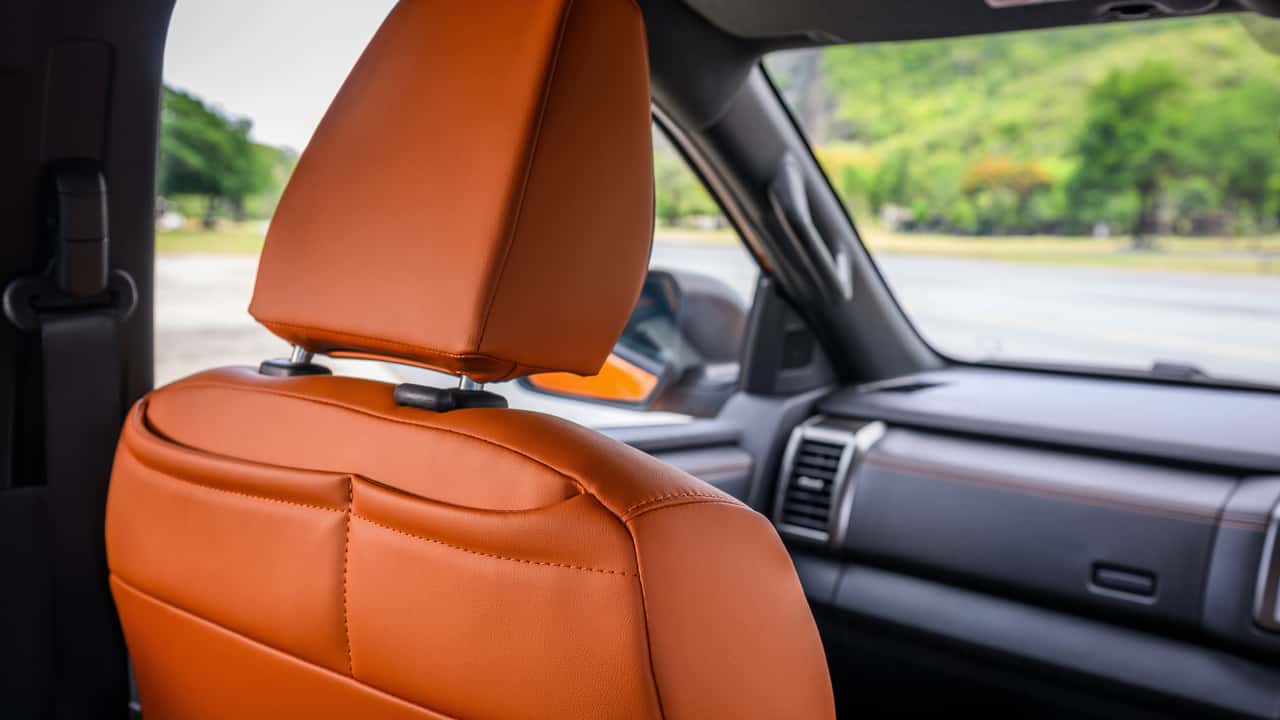
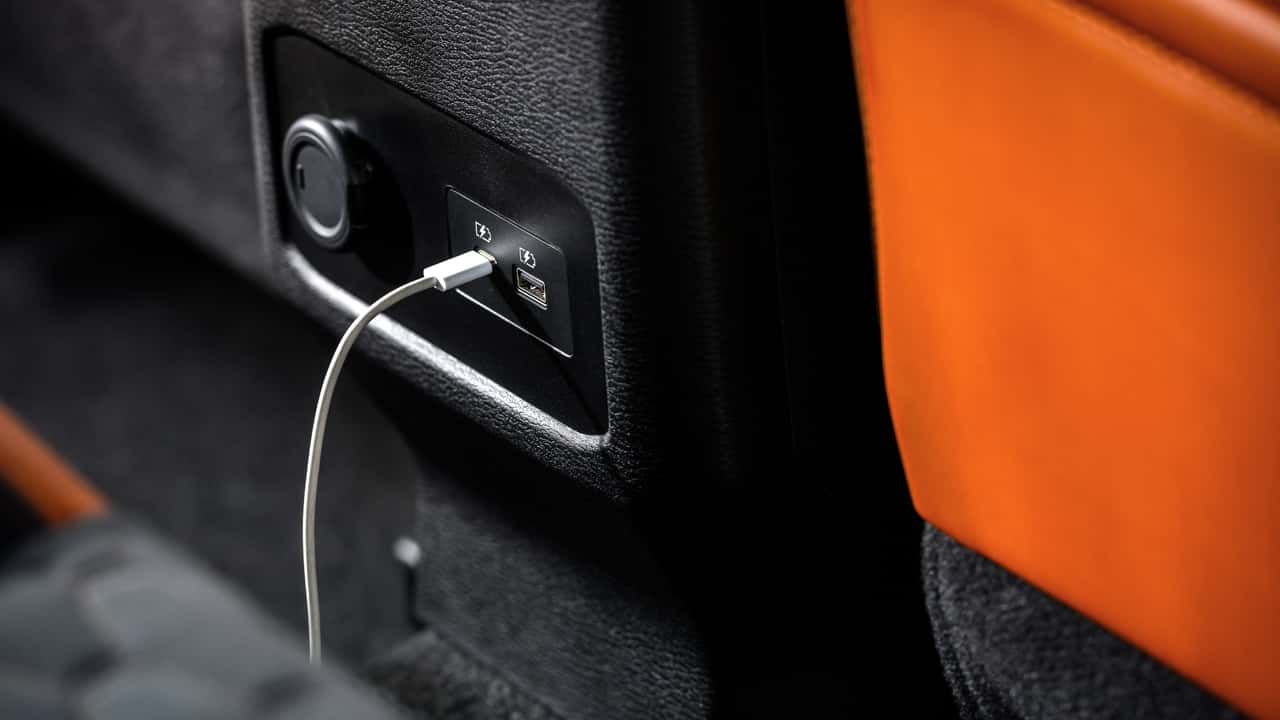
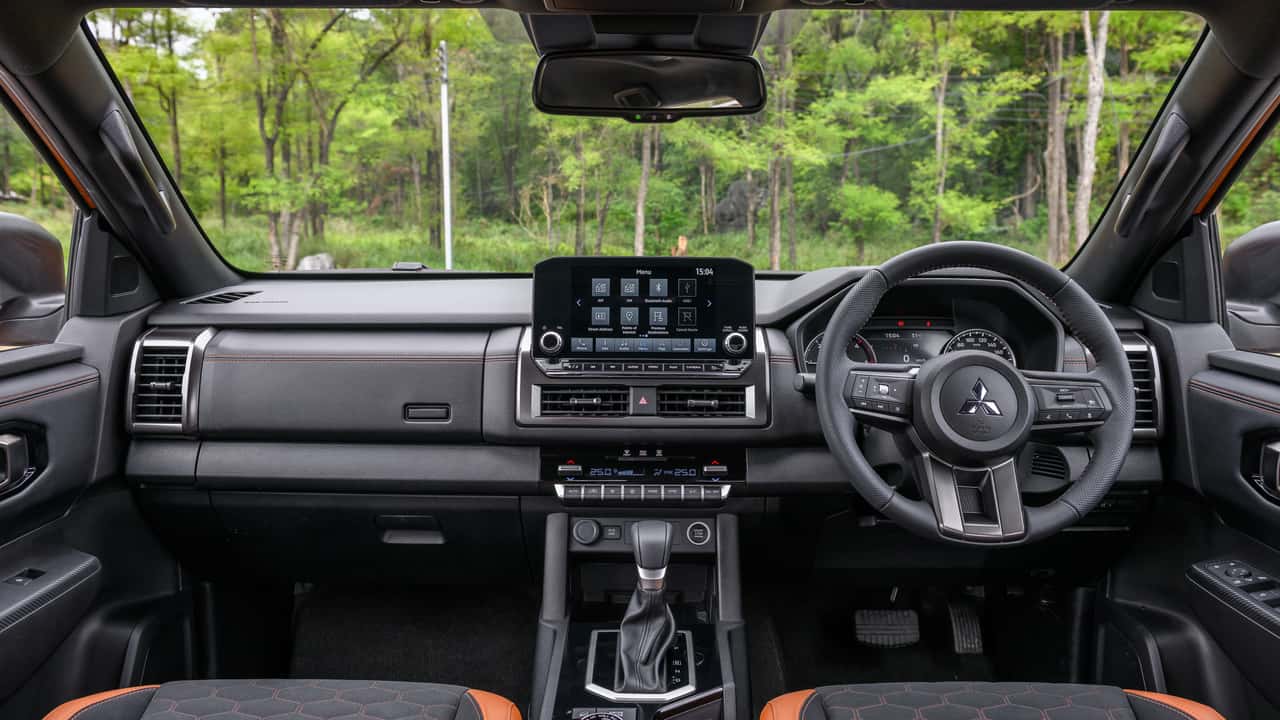
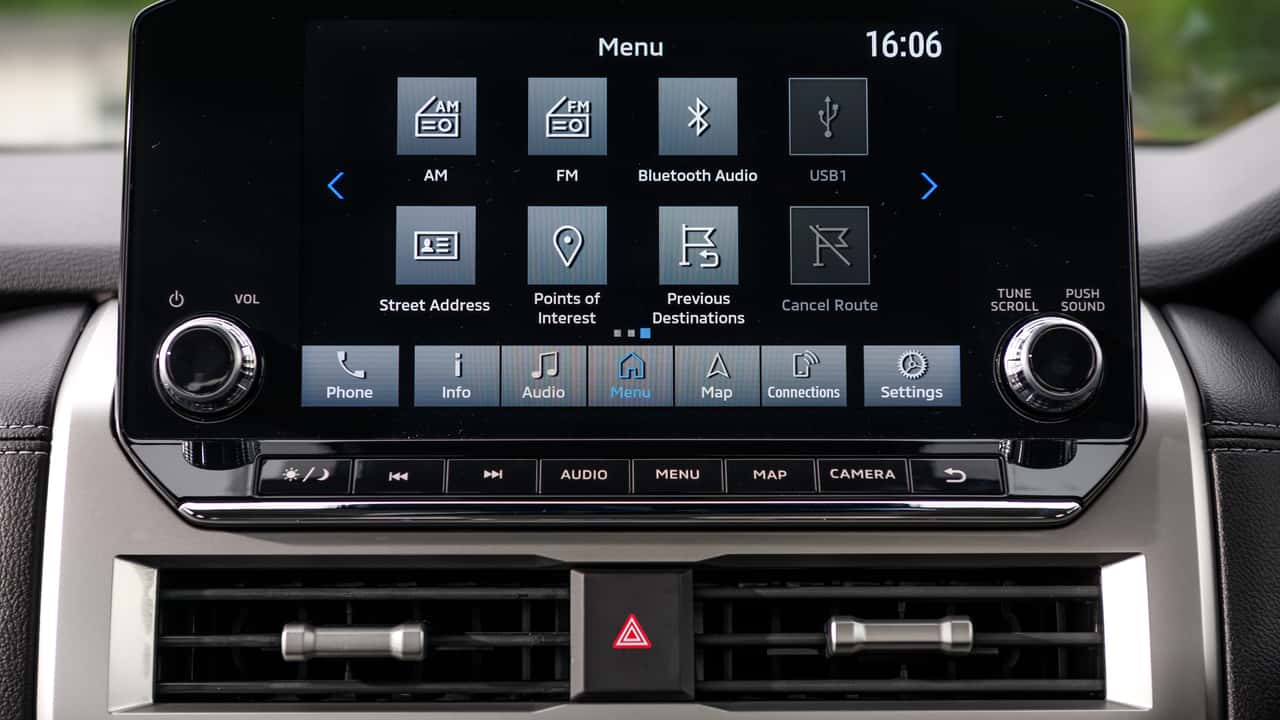
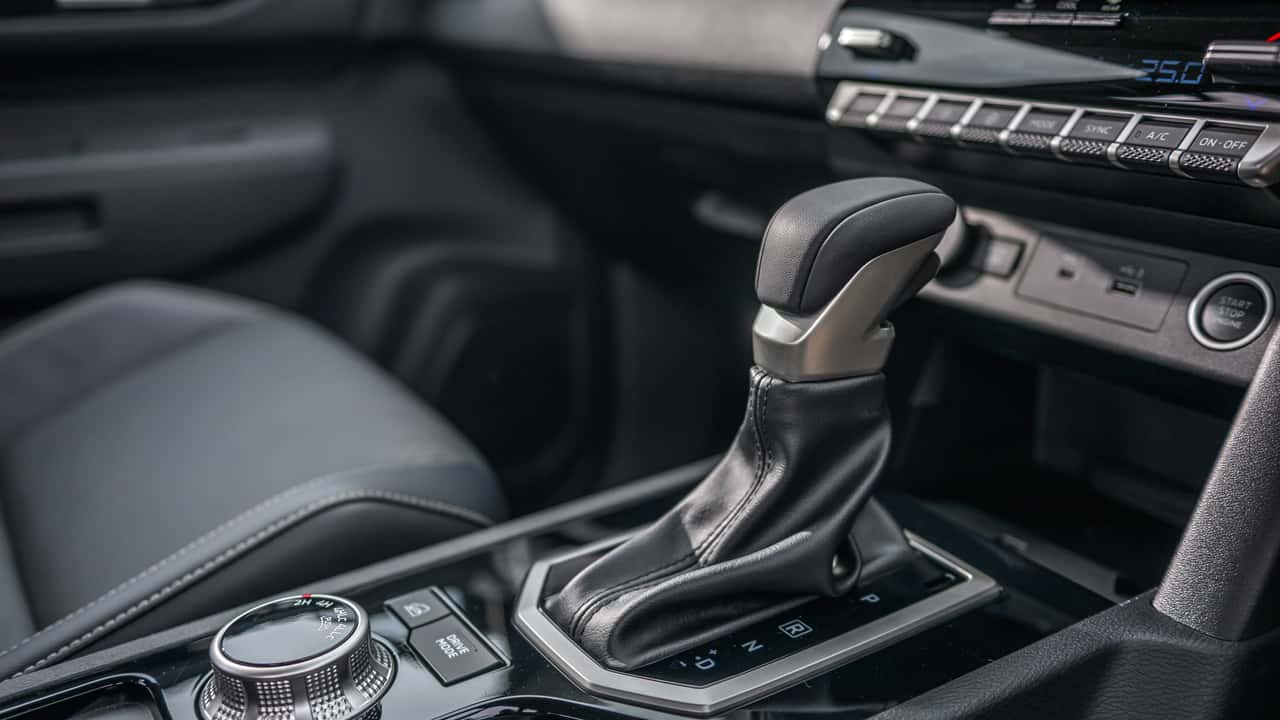
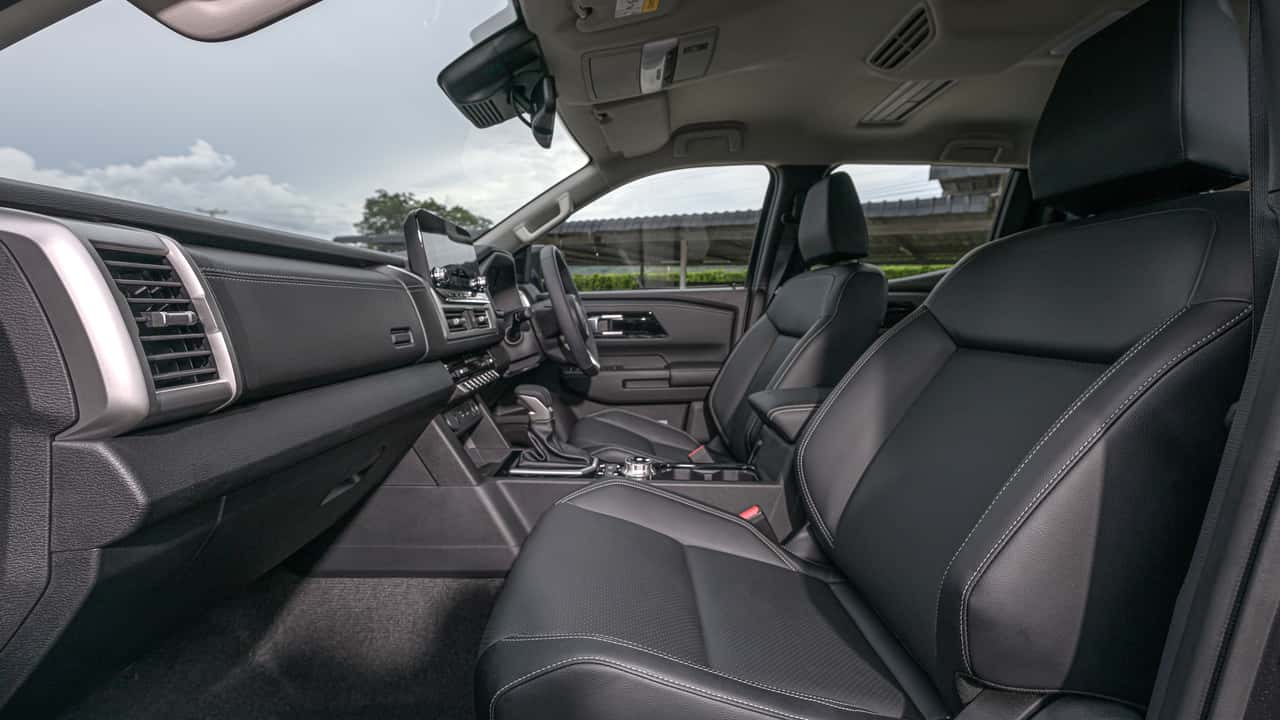
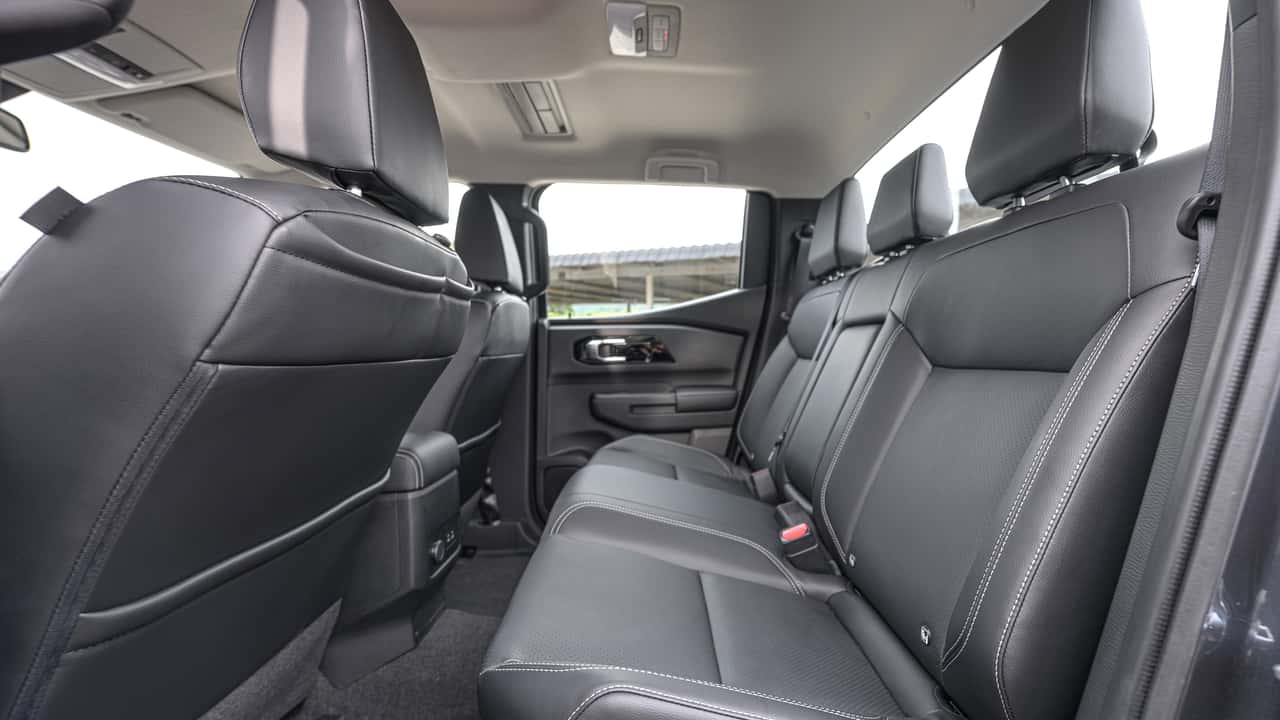
Don't expect an entirely new pickup, either. If the report proves accurate, this will be a Mitsubishi through and through, with Honda simply putting its own stamp on the finished product. We imagine the biggest differences will come down to front and rear styling, badging, equipment, and interior materials. Any major mechanical changes would add serious costs, so we'd rule that out.
Sometimes, the quickest way to expand your lineup is to borrow someone else's homework, change the cover, and hand it in as your own.
Honda Improves The Civic Type R In The US After Killing It In Europe
Honda's Limited-Run Prelude Was Such A Hit In Japan, It's Now Coming To Europe
Honda Wants ‘Extremely Large’ Cost Cuts, More Chinese Parts
Honda And Sony Are Killing Their Two Afeela Electric Cars
Source: The Yomiuri Shimbun






















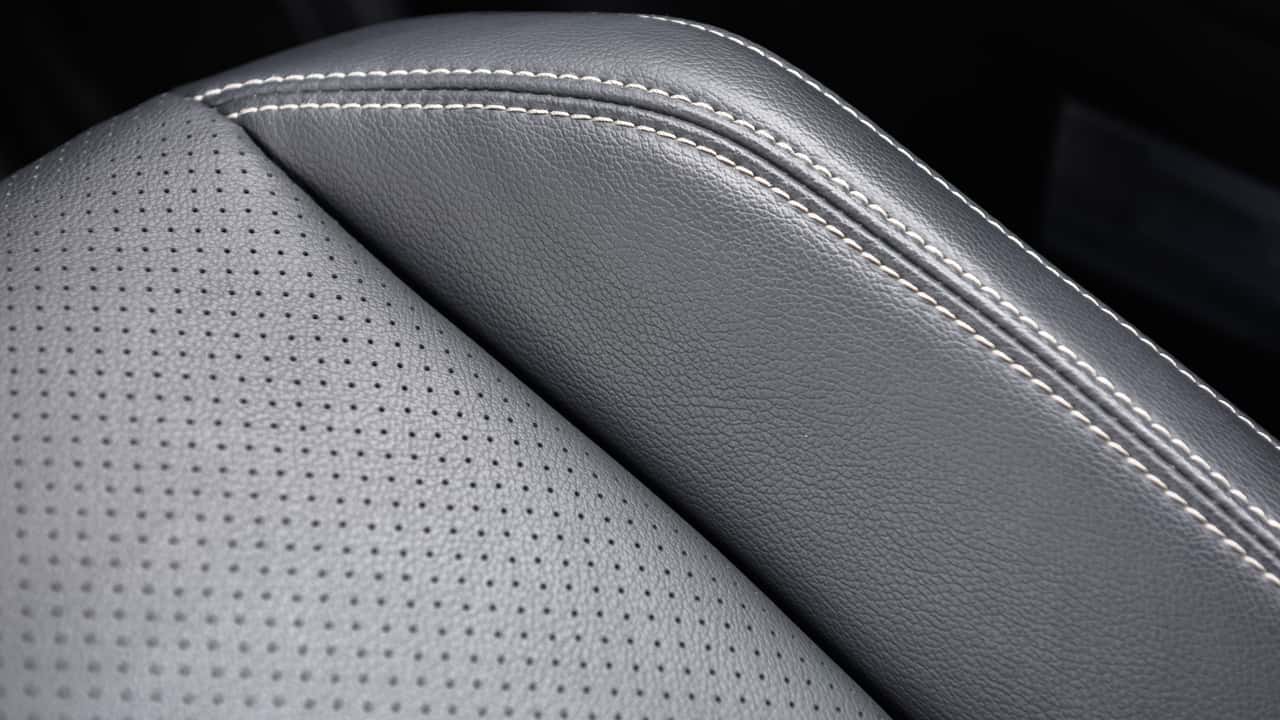
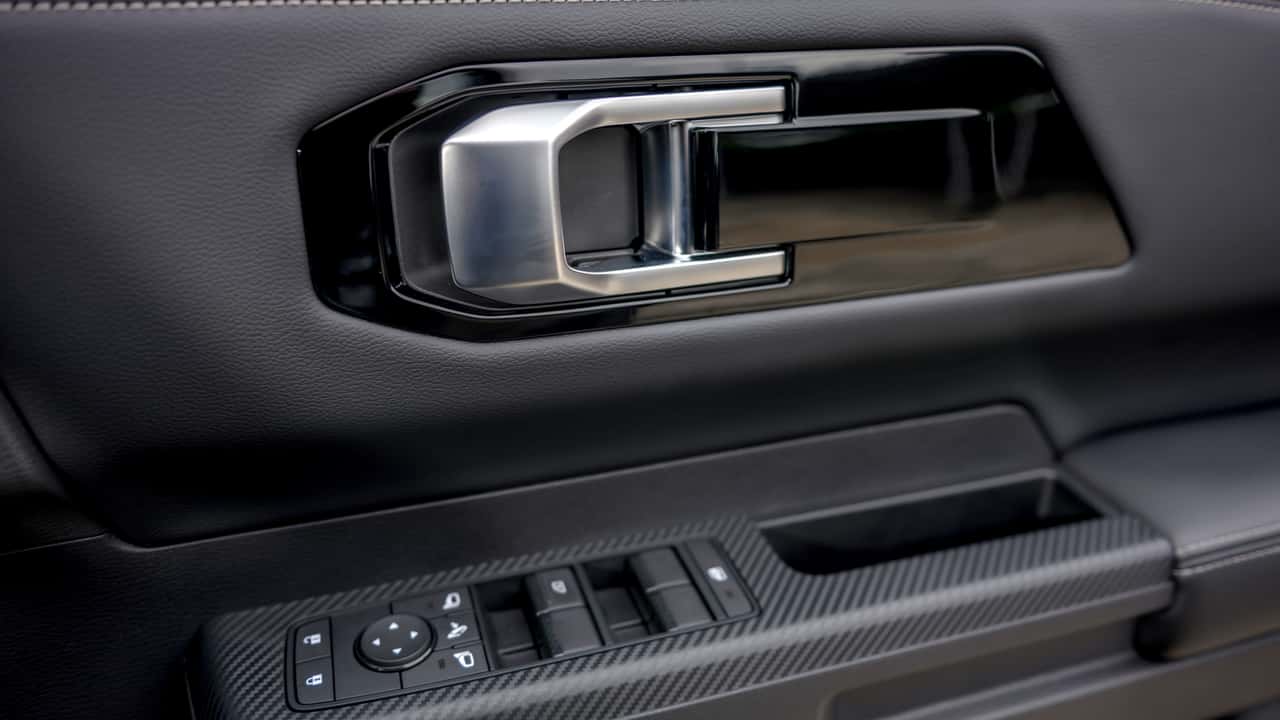
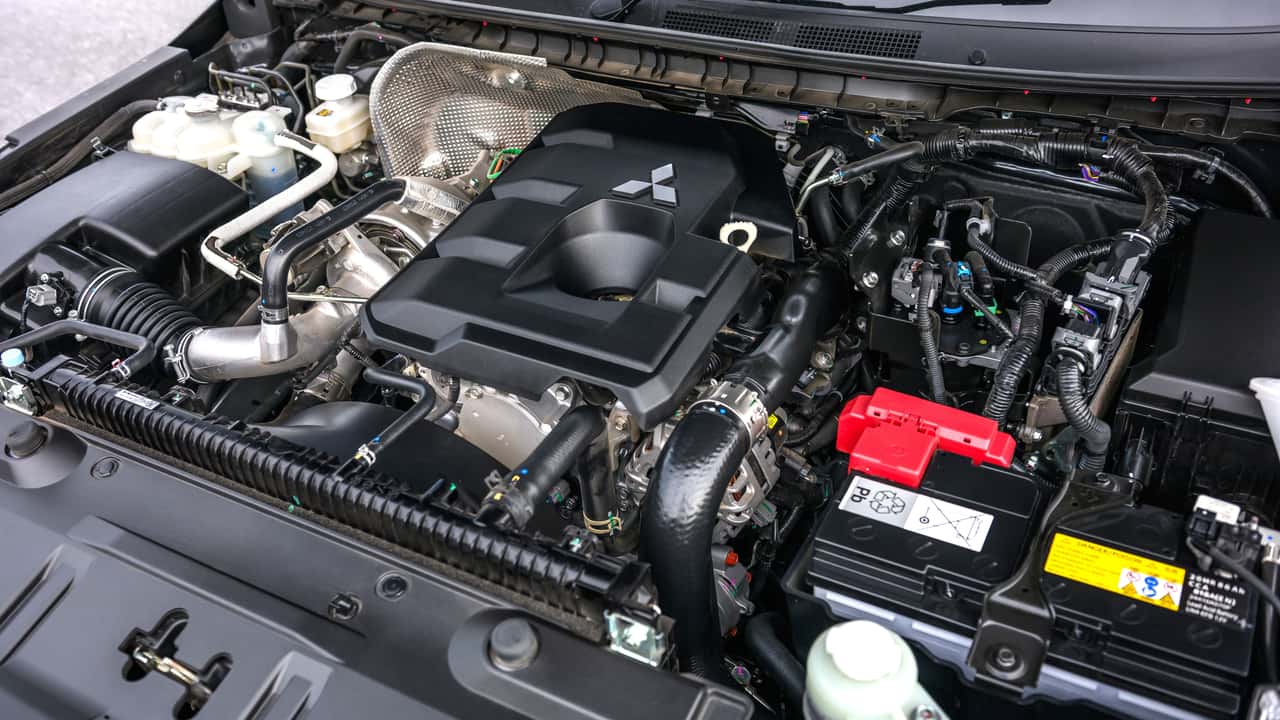
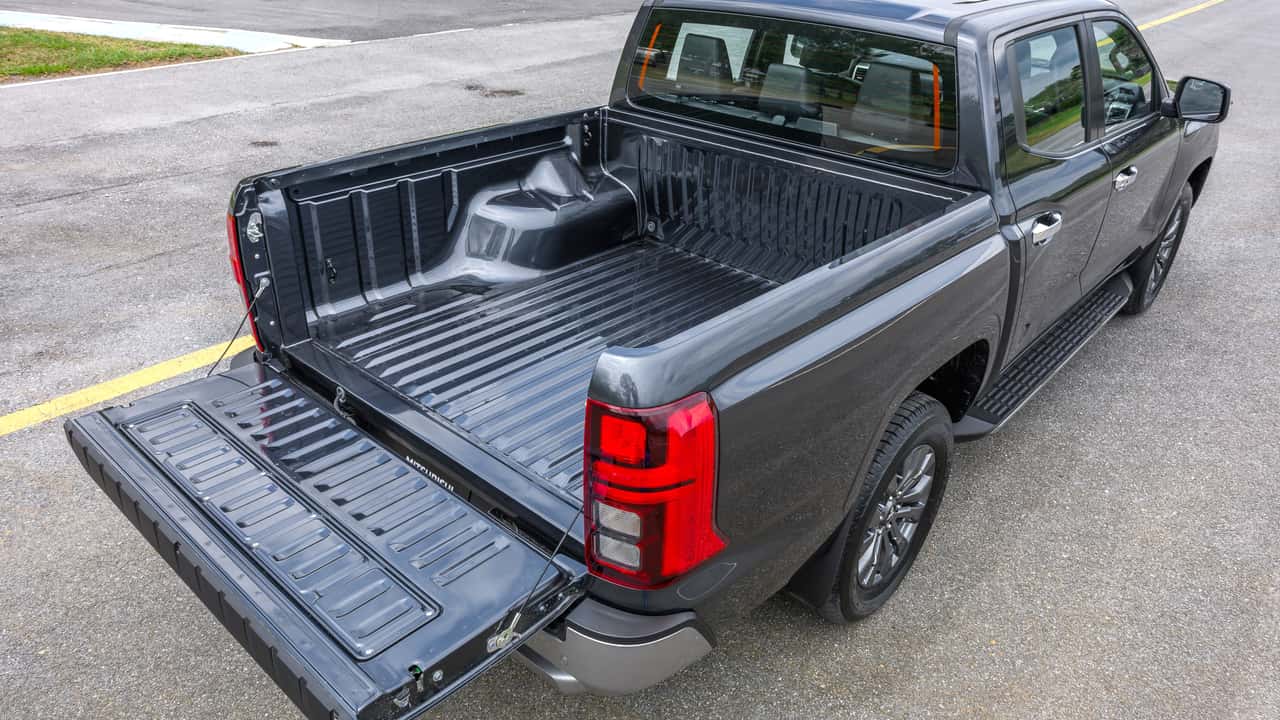

]]> feedback@motor1.com (Adrian Padeanu) https://www.motor1.com/news/811281/honda-truck-rebadged-mitsubishi-triton/ https://www.motor1.com/news/811283/rivian-evs-get-a-ghostbusters/ Fri, 09 Oct 2026 07:18:05 +0000 Rivian Is Going Ghostbusting This Halloween Ghostbusters Halloween Mode syncs Rivian R1 and R2 lights, sounds, and displays, with extras owners can trigger remotely through the mobile app.
Rivian has flipped the switch on a Ghostbusters takeover that turns the R1T, R1S and R2 into rolling tributes to the 1984 film. The over-the-air update arrives for the Halloween 2026 season.
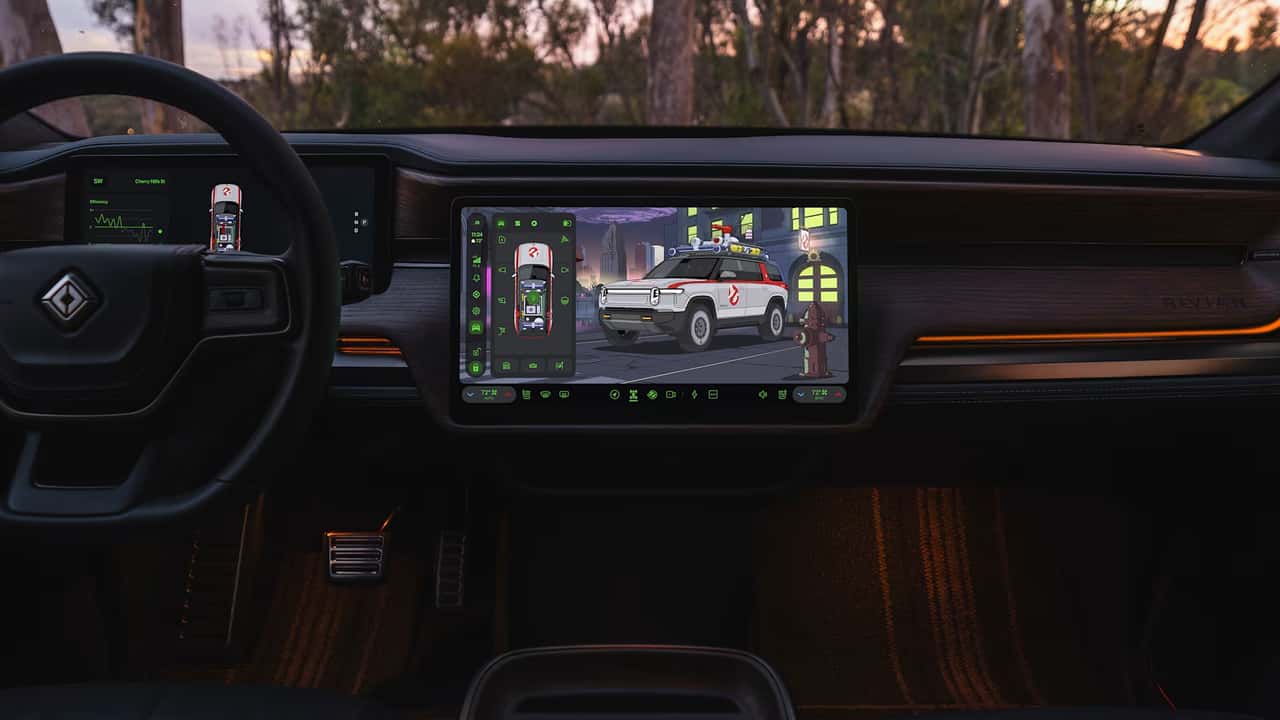
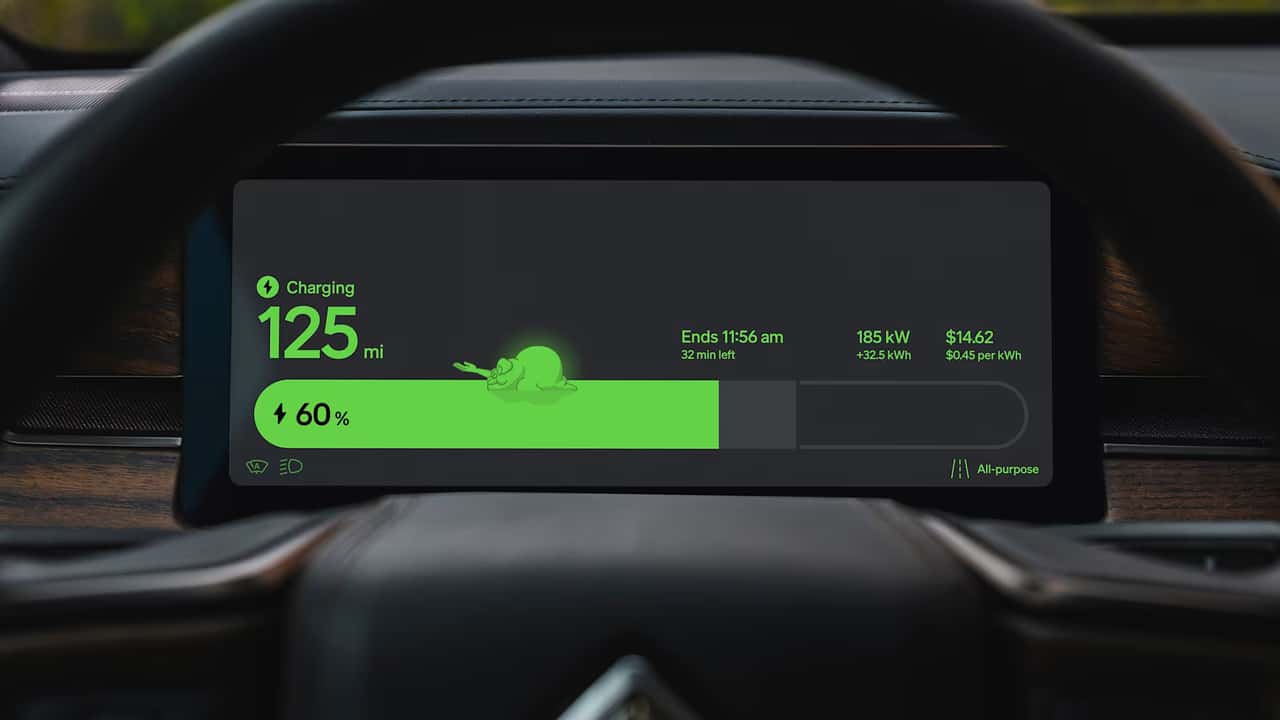
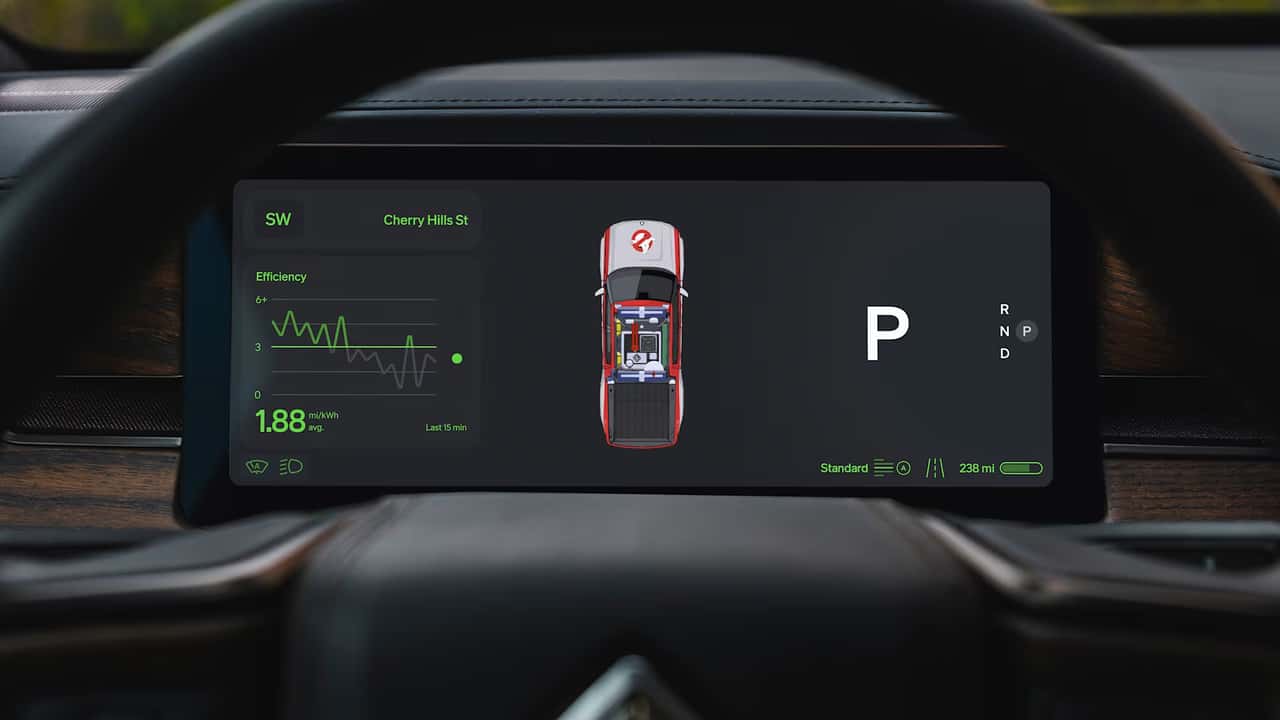
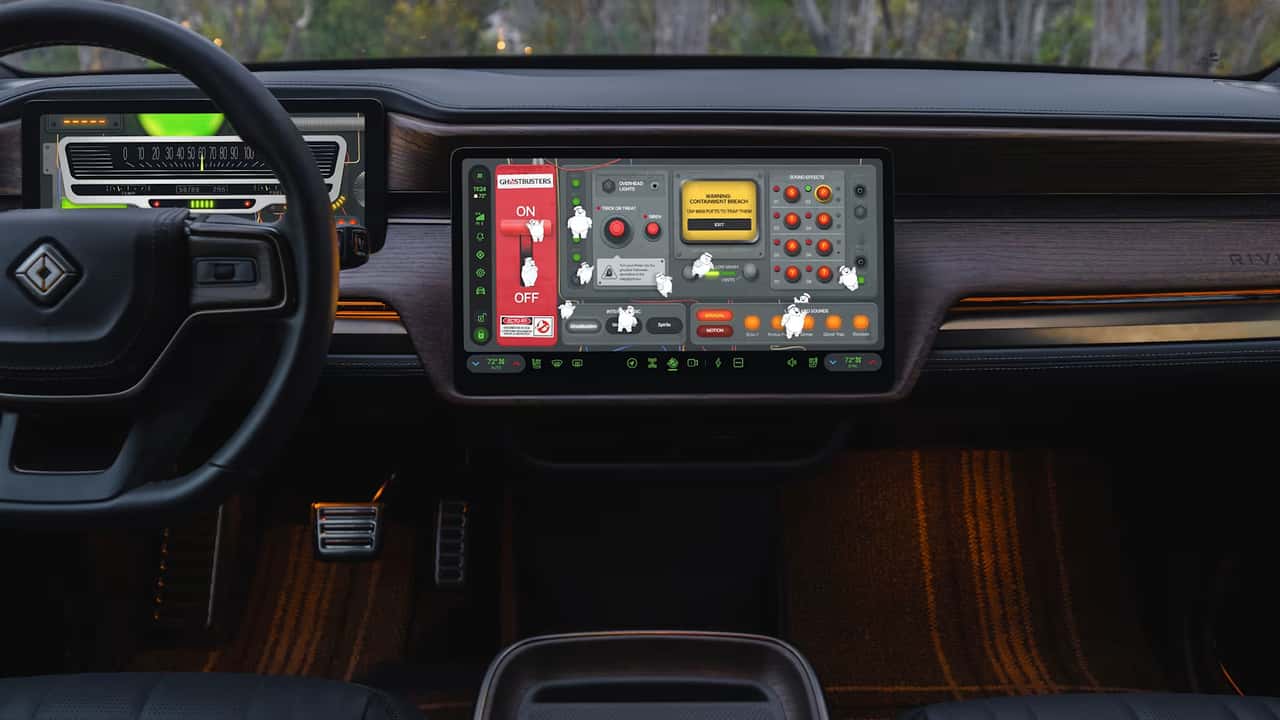
Owners get a red toggle that syncs interior lighting, themed audio and exterior light shows, plus a dedicated Ghostbusters app built into the driver display. The whole package runs through a free software update. No dealer visit or paid add-on is required.
Ghostbusters Halloween Mode: What It Adds

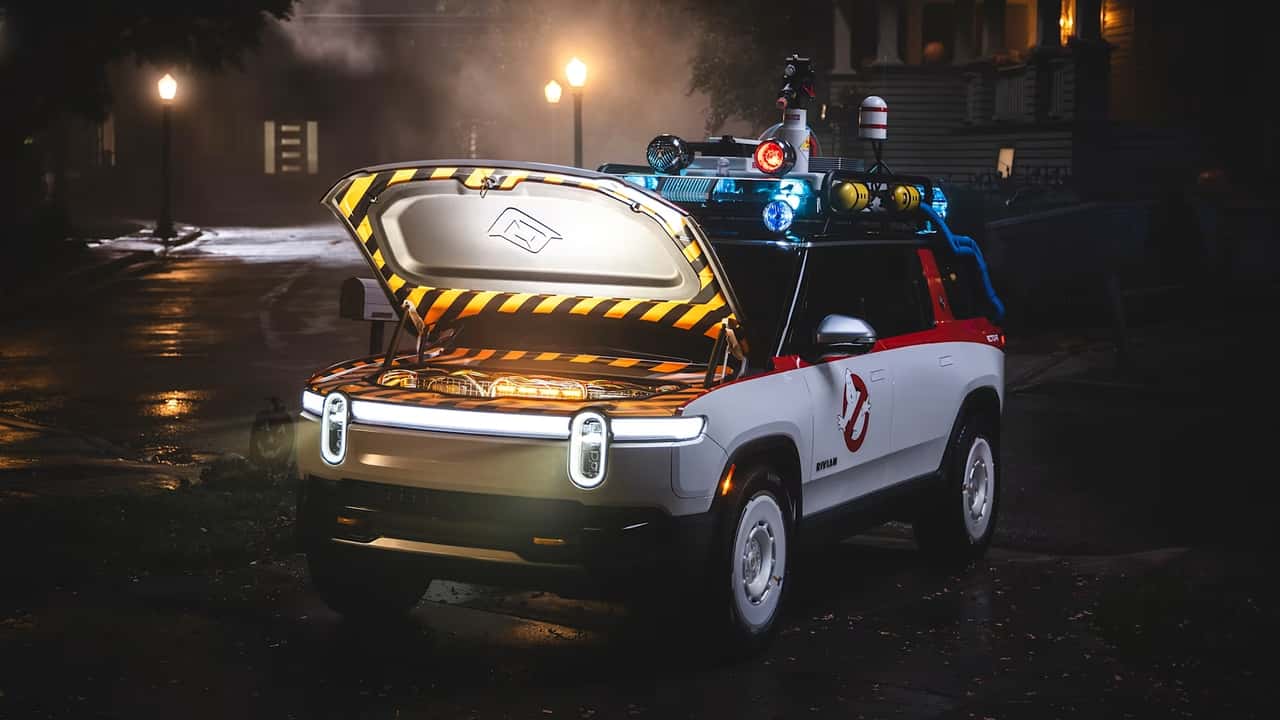
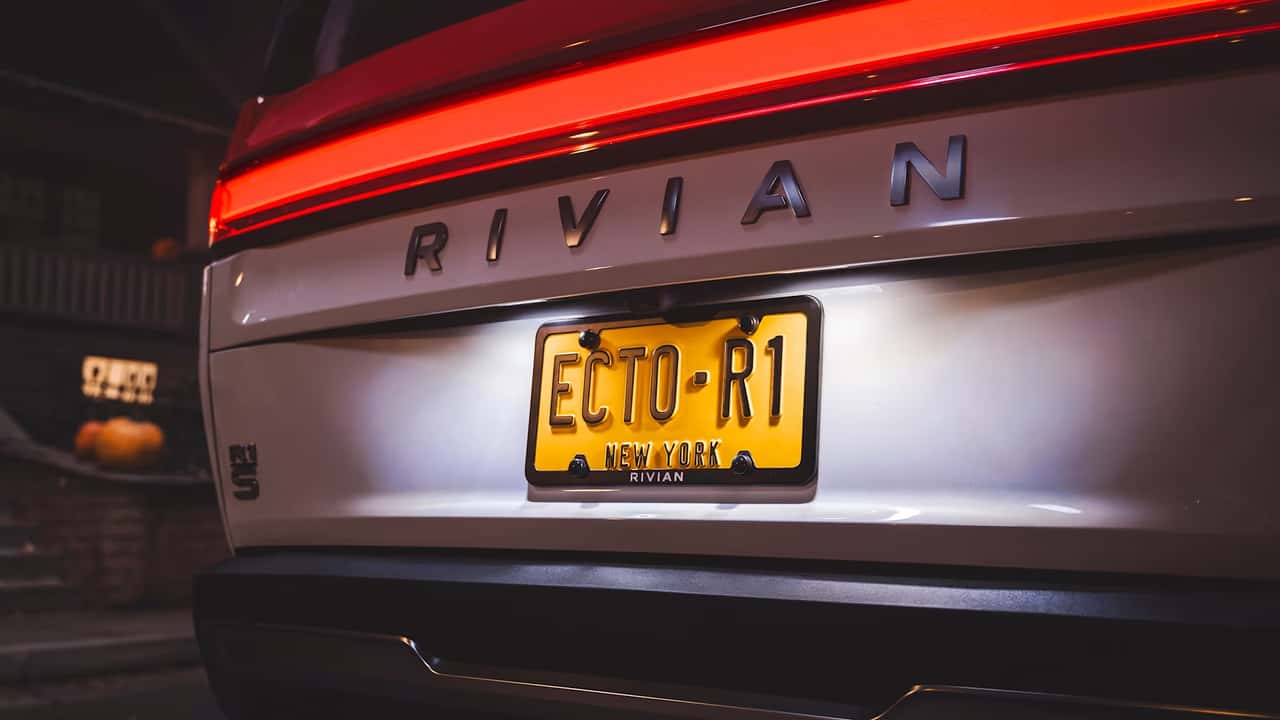
Rivian Ghostbusters Ecto-R1
Photo by: Rivian
Flip the red toggle and the Ghostbusters theme song kicks in while Trick or Treat Mode takes over the driver and rear displays. Exterior lights and sound effects sync to the same cues. The result turns a parked Rivian into a small show for anyone walking by.
Rivian says Halloween Mode layers Ghostbusters light and sound sequences over an Ecto-1-style presentation, with exterior LED animations matched to coordinated soundtracks. Motion Mode can trigger the display automatically when someone walks past the vehicle.
Custom lock sounds round out the cabin experience. First-generation R1 trucks get the Ecto-1 chime, while second-generation R1 vehicles and the R2 add Proton Pack and Chant as extra options, along with a scavenger hunt and a parked-display game among the extras.
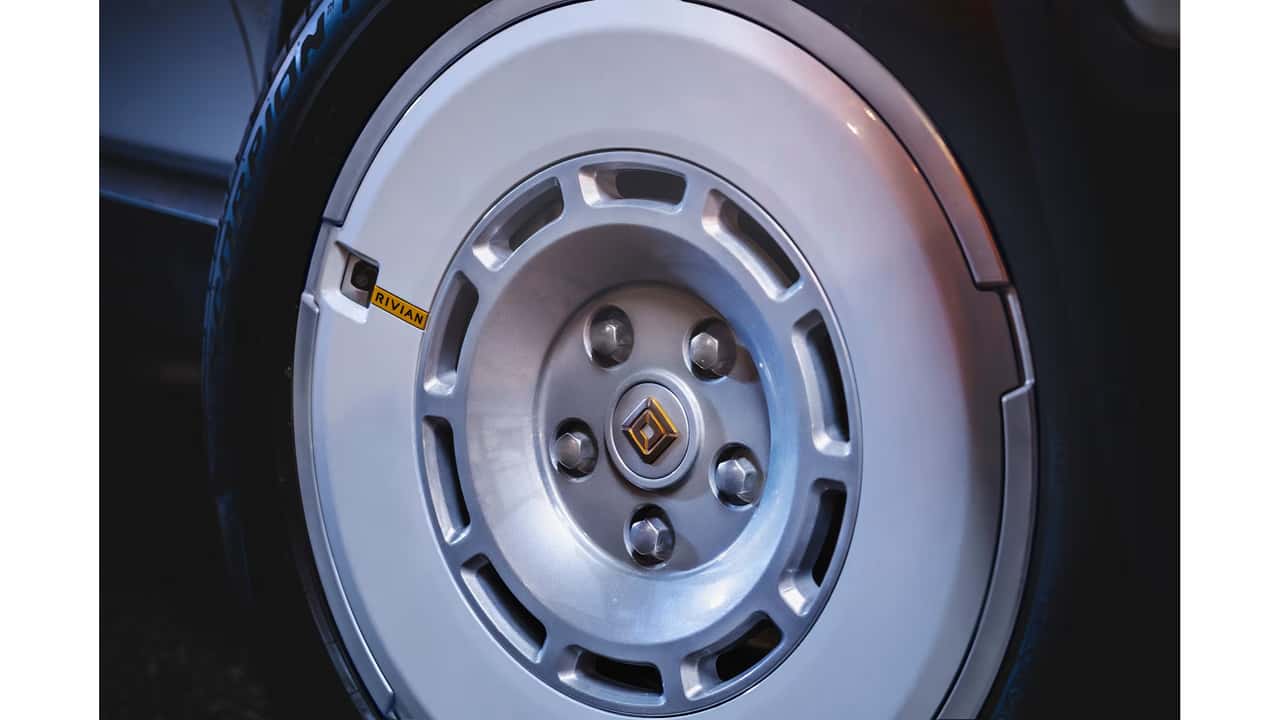
Rivian's Ghostbusters collaboration also includes Ecto-R1 builds based on the R1S, with 22-inch aero wheels, No-Ghost badging and a roof rack carrying sirens, spotlights and a radar dish. The rack and its housings were built in-house by Rivian's Special Projects team.
Bill Murray appears in a companion commercial reprising his Peter Venkman role.
Software Versions And Availability
The update requires specific software on both ends: version 2026.36.0 for R1 vehicles and 2026.36.40 for the R2, Rivian says. Owners need the vehicle software and the current Rivian mobile app before a driver-display prompt opens the Ghostbusters experience.
Most of the deeper features are designed for a parked vehicle. The in-car app transforms the driver display fully when the Rivian is stationary, while key visual cues stay active once the driver shifts into gear. The full set returns the moment the truck or SUV is back in Park.
The Rivian app extends the fun beyond the cabin, letting owners trigger Trick or Treat Mode, exterior light effects, music and sound effects remotely from a phone. That remote reach is there for anyone wanting to surprise trick-or-treaters without sitting behind the wheel.
Rivian retail locations list Ghostbusters-themed events at Rivian Spaces in several cities across the Halloween season, including screenings and Ecto-R1 appearances. Anyone who wants to try Halloween Mode on their own vehicle should make sure their Rivian is running the required software version and that their mobile app is fully updated.
2027 Rivian R1S Finally Gets Its 'Most Requested' Interior Feature
Rivian's Volume Knob Replacement Is Clever. Maybe Too Clever
I Drove The Rivian R2, The Model Y's First Real Threat
Rivian Is Already Planning More Versions Of The R2
Source: Rivian







]]> feedback@motor1.com (Brian Potter) https://www.motor1.com/news/811283/rivian-evs-get-a-ghostbusters/ https://www.motor1.com/news/811262/porsche-top-models-more-expensive/ Fri, 09 Oct 2026 06:30:49 +0000 Porsche's Most Expensive Cars Are About To Get Even Pricier The average selling price of top models is going up by 20 percent.
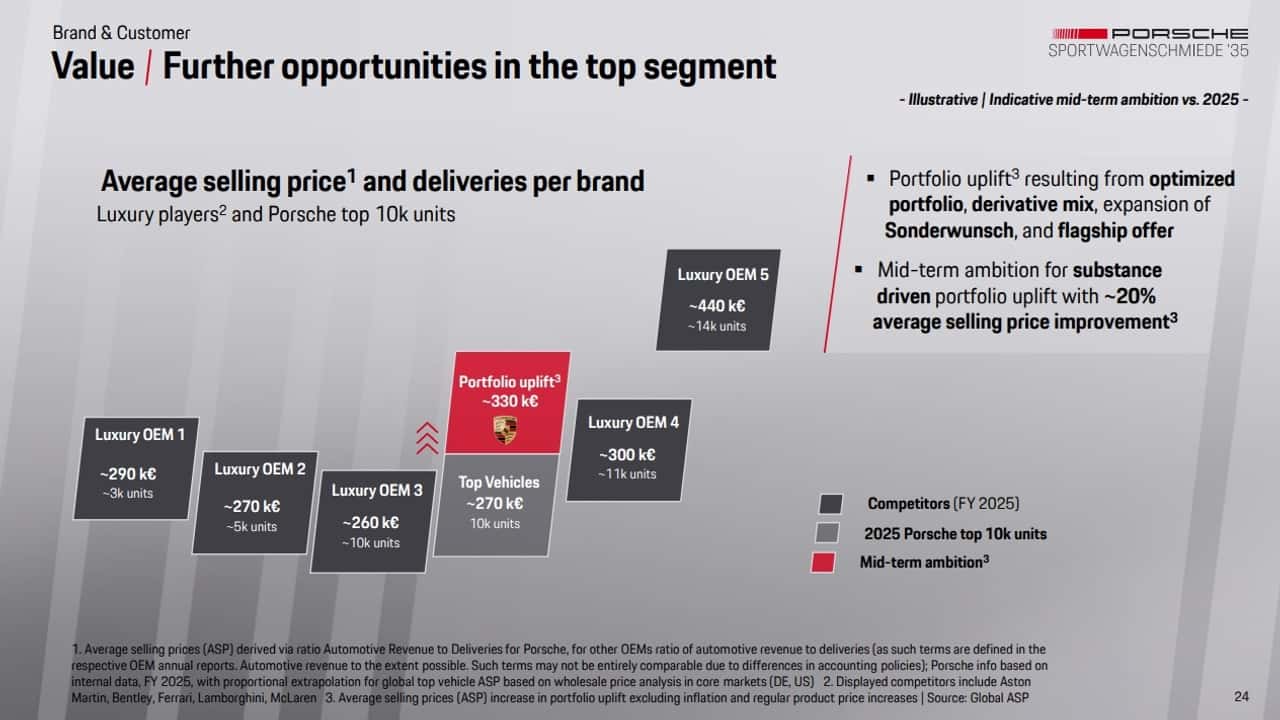
Porsche wants to become more exclusive, and it's prepared to charge considerably more for the privilege of owning one of its cars. The German automaker plans to raise the average selling price of its most expensive models by roughly 20 percent. That means going from about €270,000 ($300,000) this year to more than €330,000 ($370,000) in the mid-term.
At the same time, it also wants its high-end models to account for 45 percent of its portfolio, putting greater emphasis on expensive sports cars, limited editions, and more exclusive offerings rather than chasing volume across the lineup. If everything goes according to plan, it’ll break even at fewer than 200,000 units sold annually. For reference, Zuffenhausen delivered 279,449 vehicles in 2025.
The company plans to roll out more special 911 models and a new mid-engine hypercar, along with more volume-oriented vehicles, such as a gasoline-powered crossover to replace the first-generation Macan. The 718 Boxster and Cayman are still coming back, but as pure EVs, with plans for combustion-engine versions shelved. A large, three-row SUV remains under consideration but hasn’t been signed off on yet.
Porsche's new pricing strategy
Photo by: Porsche
Porsche Is Cutting Costs Wherever It Can
The push upmarket will go hand in hand with cost-reduction efforts. Porsche plans to cut product development expenses by 20 percent and reduce the number of model variants it offers by a similar percentage. It also wants to lower material costs for next-generation models by 10 percent and cut warranty costs by 45 percent in the medium term.
Elsewhere, Porsche has reached an agreement with unions to eliminate 9,000 jobs, or roughly a fifth of its workforce, by 2035. Personnel costs are set to fall by up to 30 percent in the medium term, while sales and distribution costs will be slashed by 20 percent. Management positions will decrease by a whopping 40 percent over the same period.
Ultimately, Porsche wants to trade volume for value. If the plan works, it could restore the company's profitability while making its most desirable models even more exclusive. But there's a fine line between charging a premium and pricing customers out. Porsche may have plenty of brand power, but even the most famous crest in Stuttgart can't guarantee that buyers will keep reaching for their wallets.
2027 Porsche 911 GT3 S/C
Photo by: Jeff Perez / Motor1
Porsche Wants To Make More Money With Fewer Cars
CEO Michael Leiters wants to reshape Porsche into a smaller, more profitable business, and new products will play a crucial role in getting there. It’s a “less is more” approach combined with a flexible powertrain strategy that embraces combustion engines, plug-in hybrids, and EVs. At the same time, the 911’s manual gearbox isn’t going anywhere. Of course, Porsche will make you pay for it.
China remains a major headache for Porsche, and no amount of repositioning will guarantee a quick recovery in what was once one of its most important markets. The brand's challenge is to convince wealthy customers that its cars still deserve a premium while facing tougher competition from domestic automakers. A more exclusive lineup might help protect margins, but it won't necessarily bring back buyers who have moved on.
Complicated Times Ahead
Porsche is also walking a tightrope with electrification. As the company recalibrates its EV ambitions, it can't afford to fall behind as regulations tighten and rivals keep investing in electric technology. Offering different powertrains across the lineup gives customers more choice, but developing and maintaining combustion, plug-in hybrid, and fully electric models simultaneously won't come cheap. The trick will be to offer that flexibility without letting complexity eat into the savings Porsche hopes to achieve.
Ultimately, Leiters must prove that Porsche can charge more without losing what made the brand desirable in the first place. The 911 remains a powerful asset, but moving further upmarket will require more than adding limited editions and six-figure options lists. Porsche needs to deliver products that justify the higher prices, especially when customers have plenty of alternatives at the top end of the market. After all, exclusivity matters only when people still want in.
It’s Happening: Porsche Is Developing A Mid-Engined Hypercar
Porsche Boxster And Cayman With Gas Engines Are Not Coming Back After All
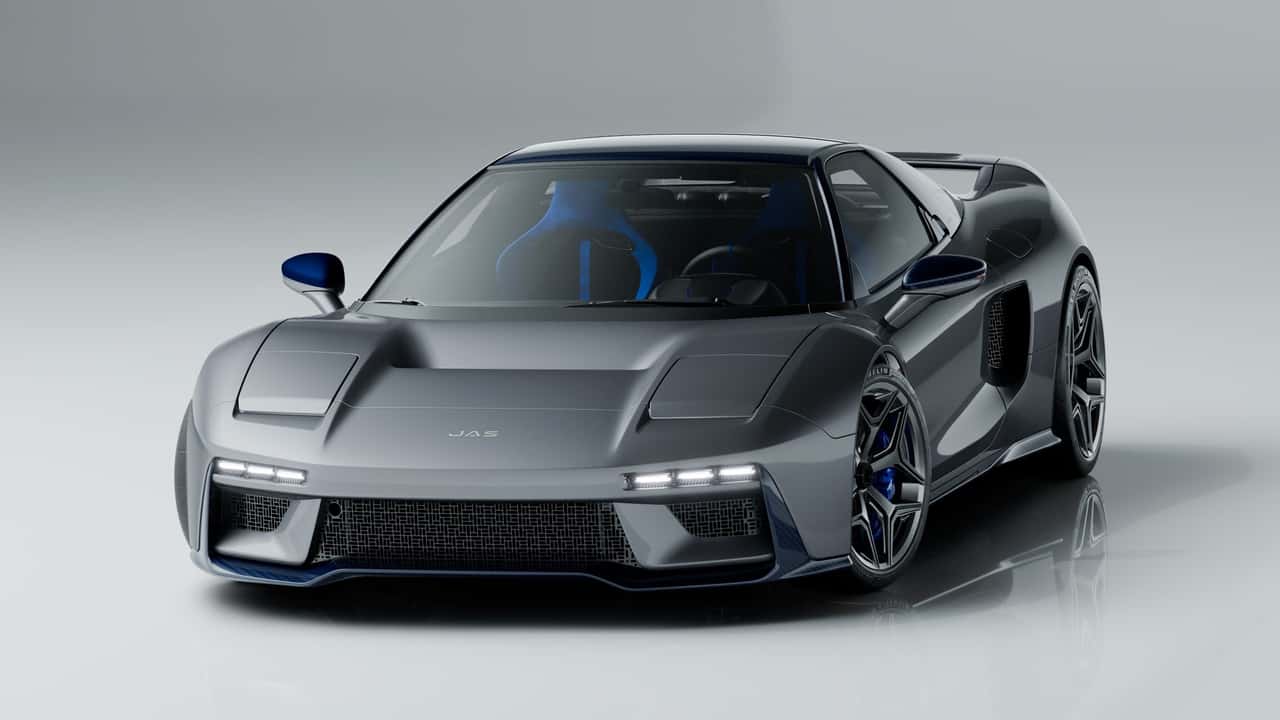
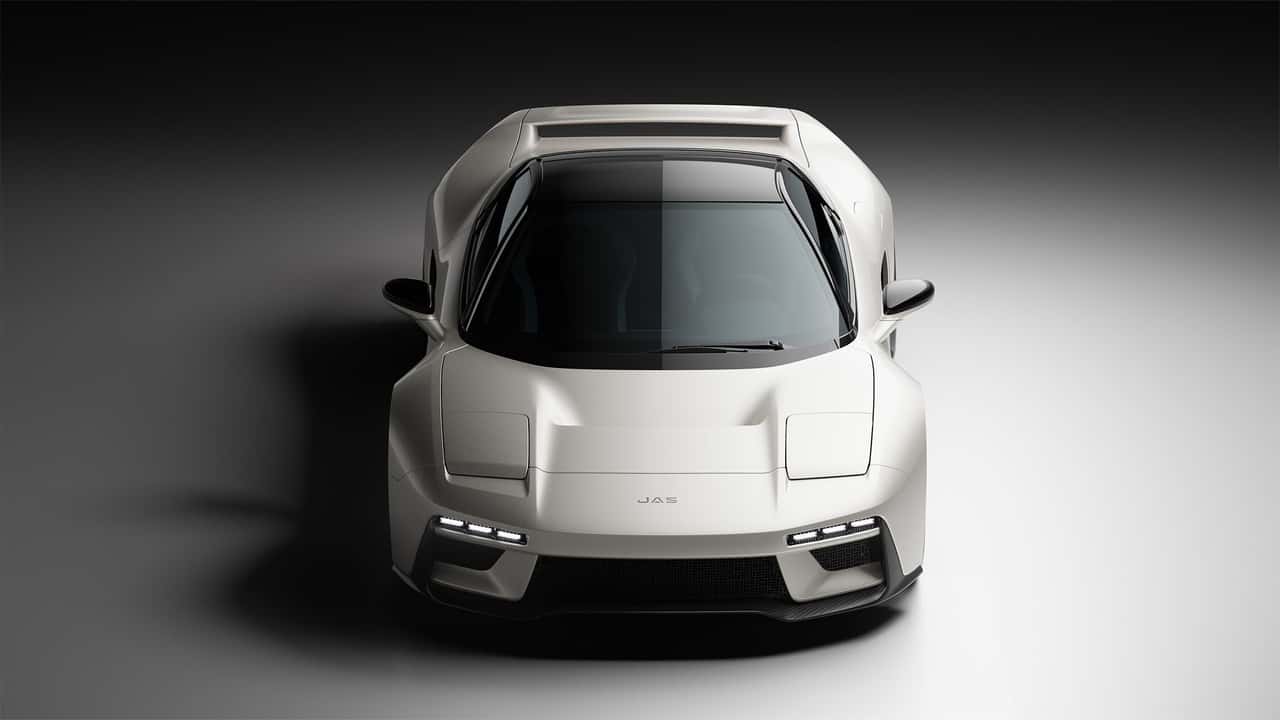
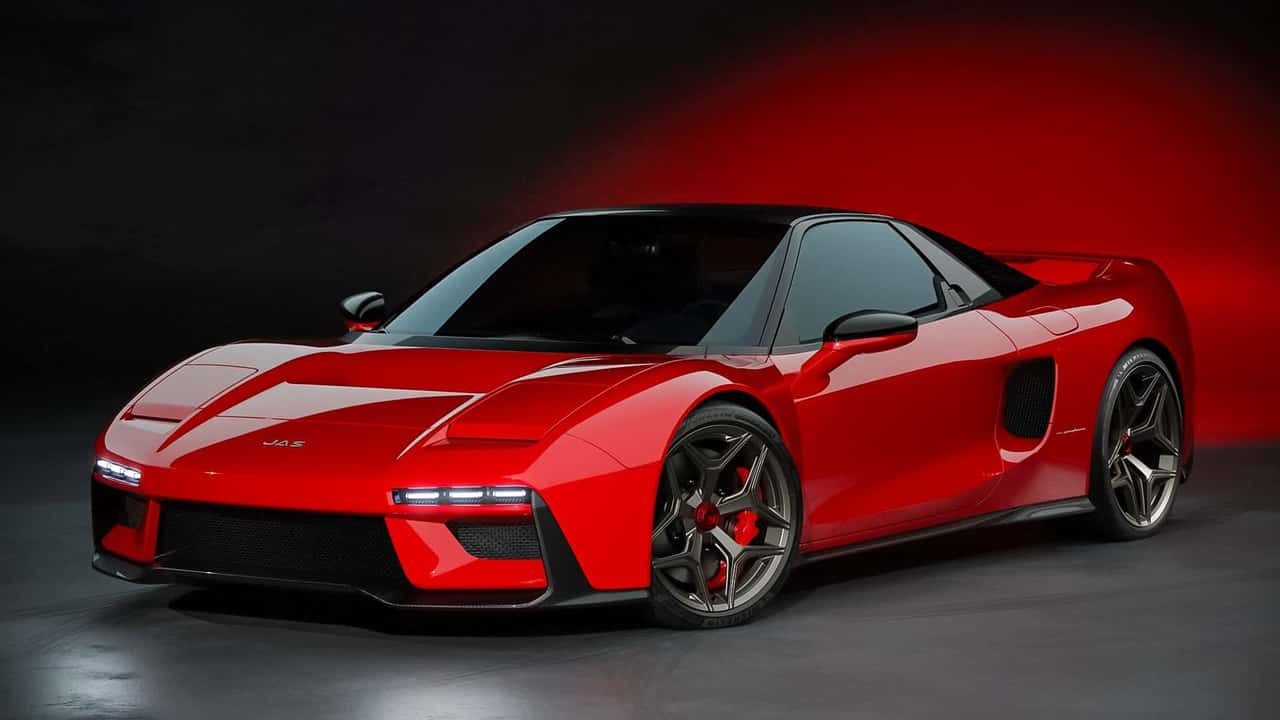
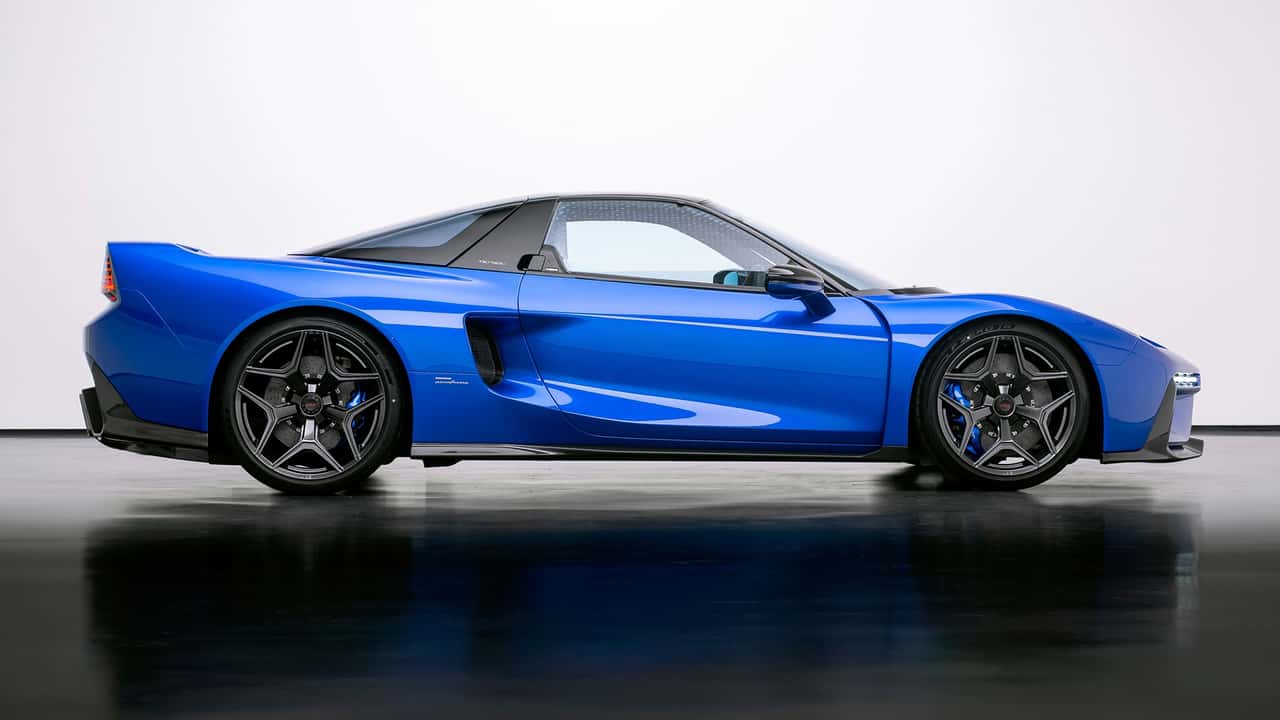
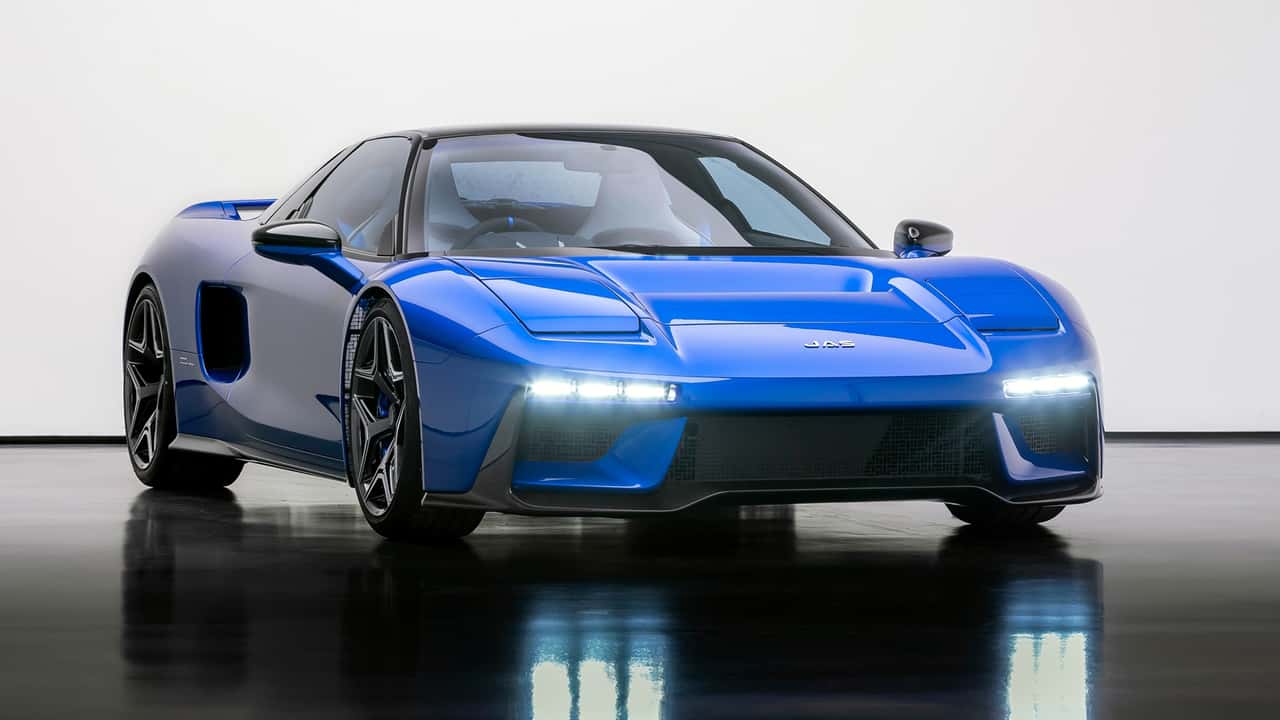
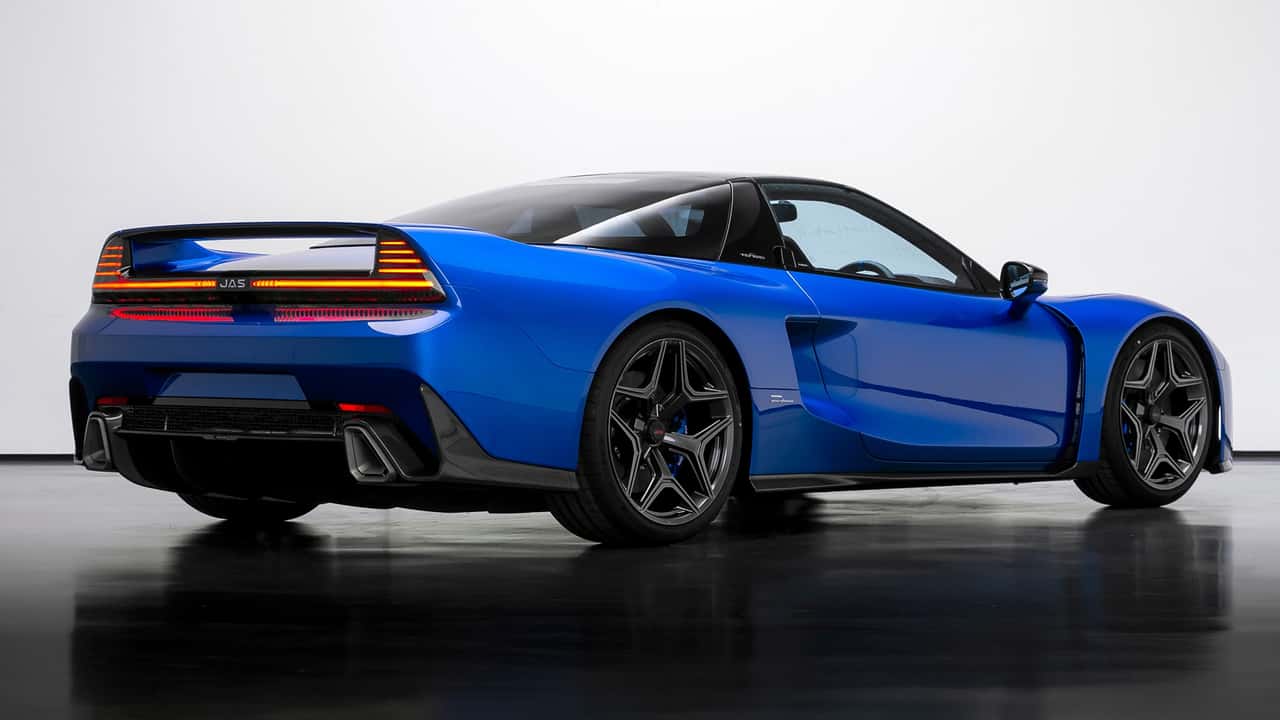
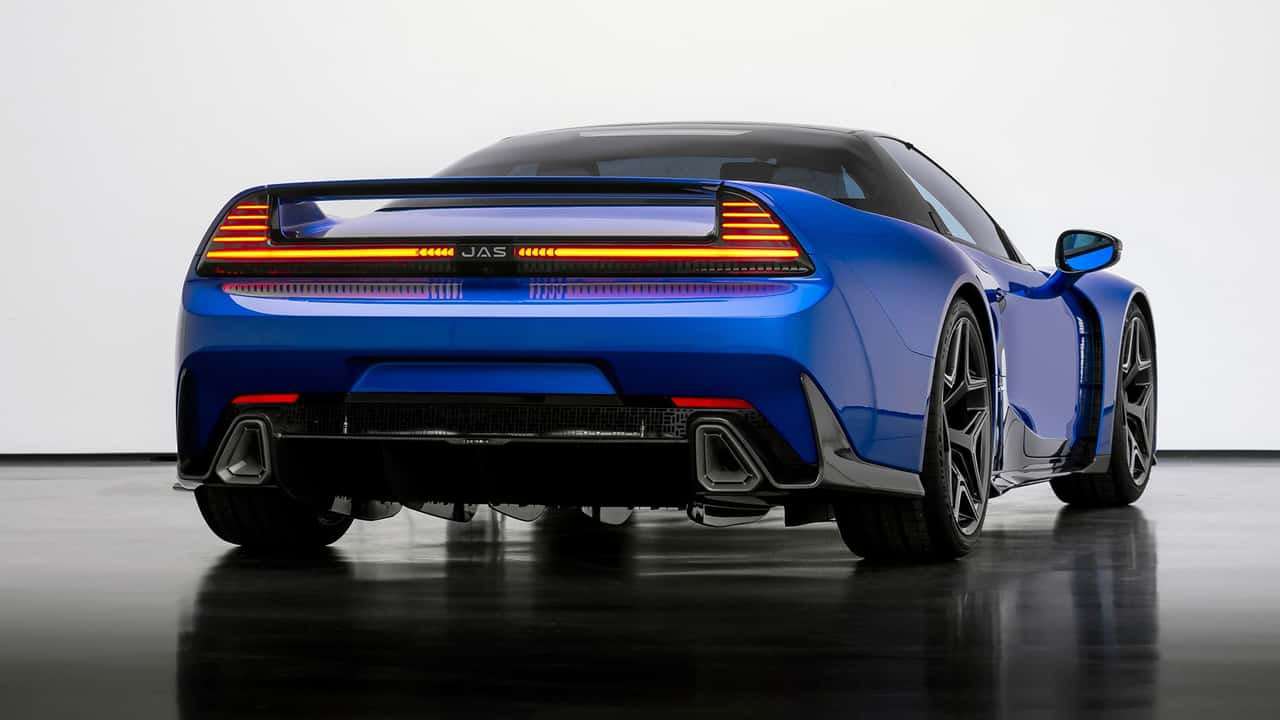
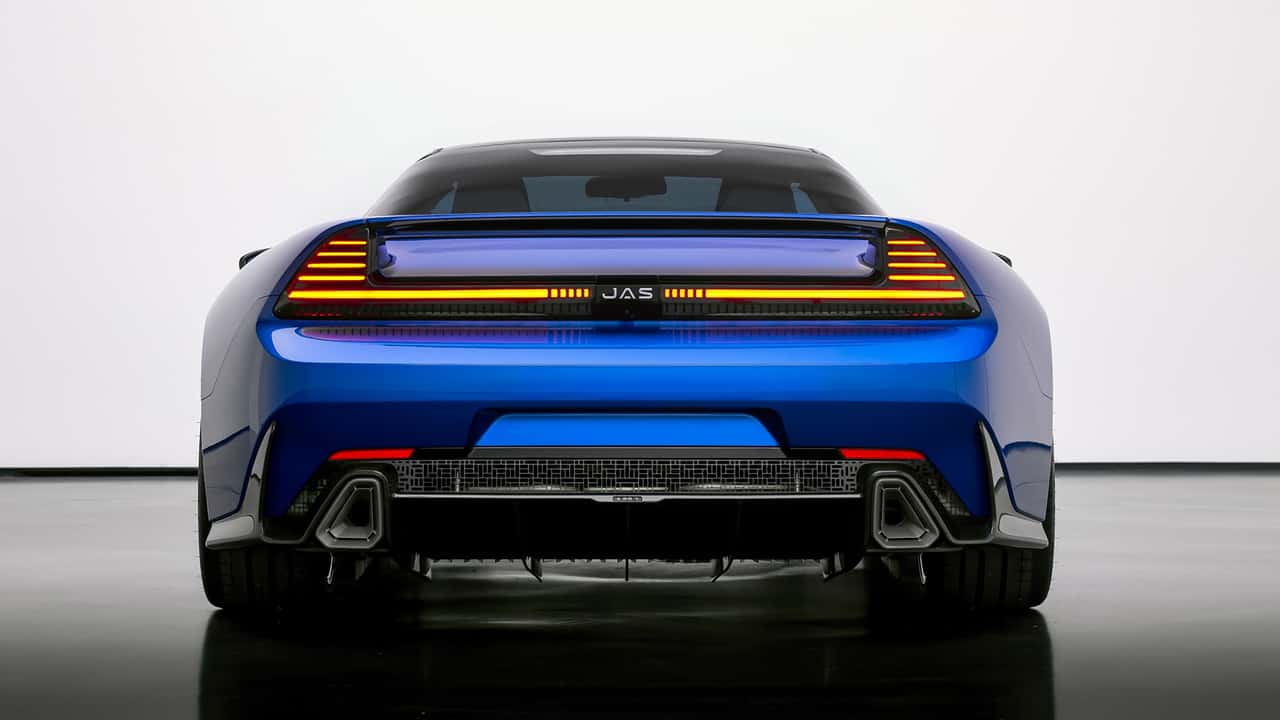
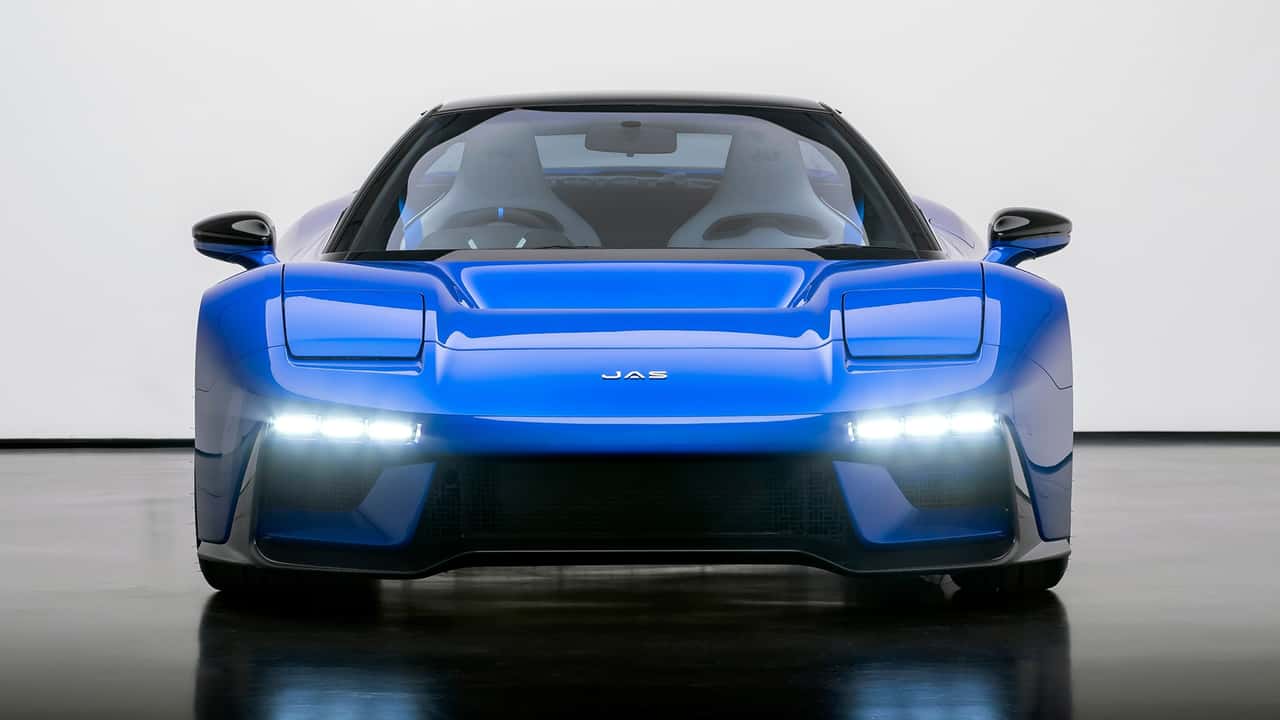
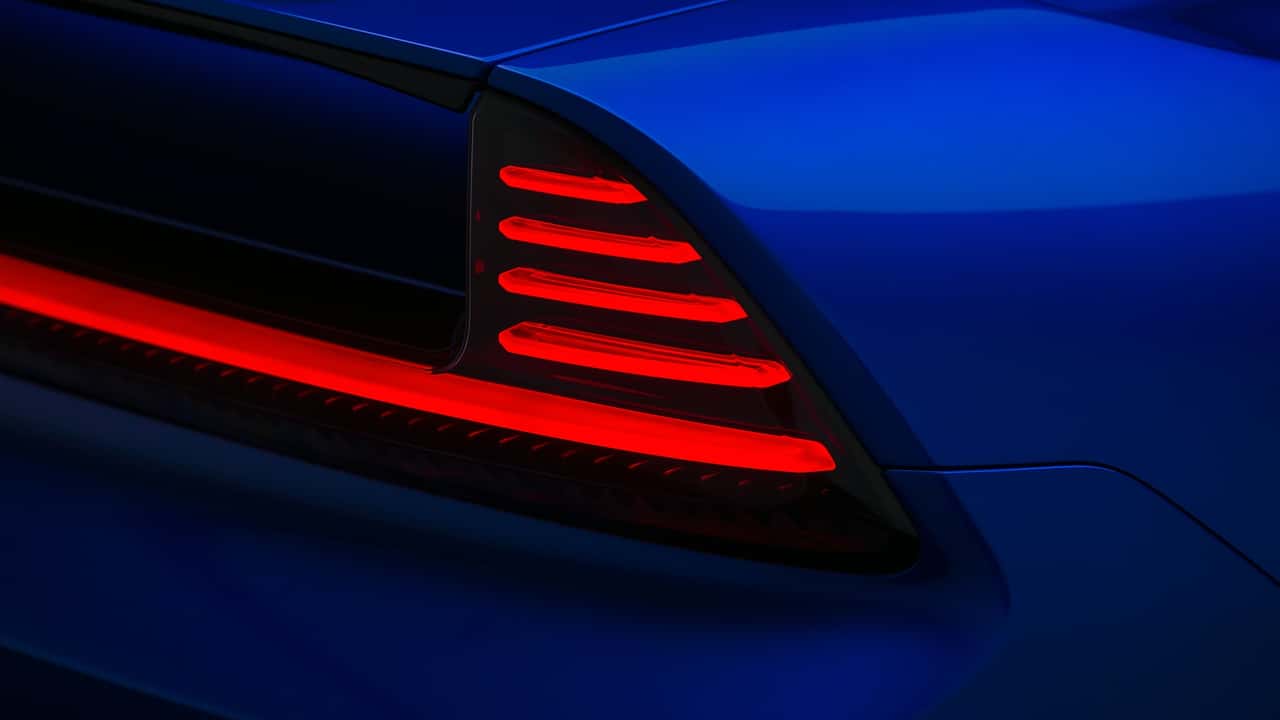
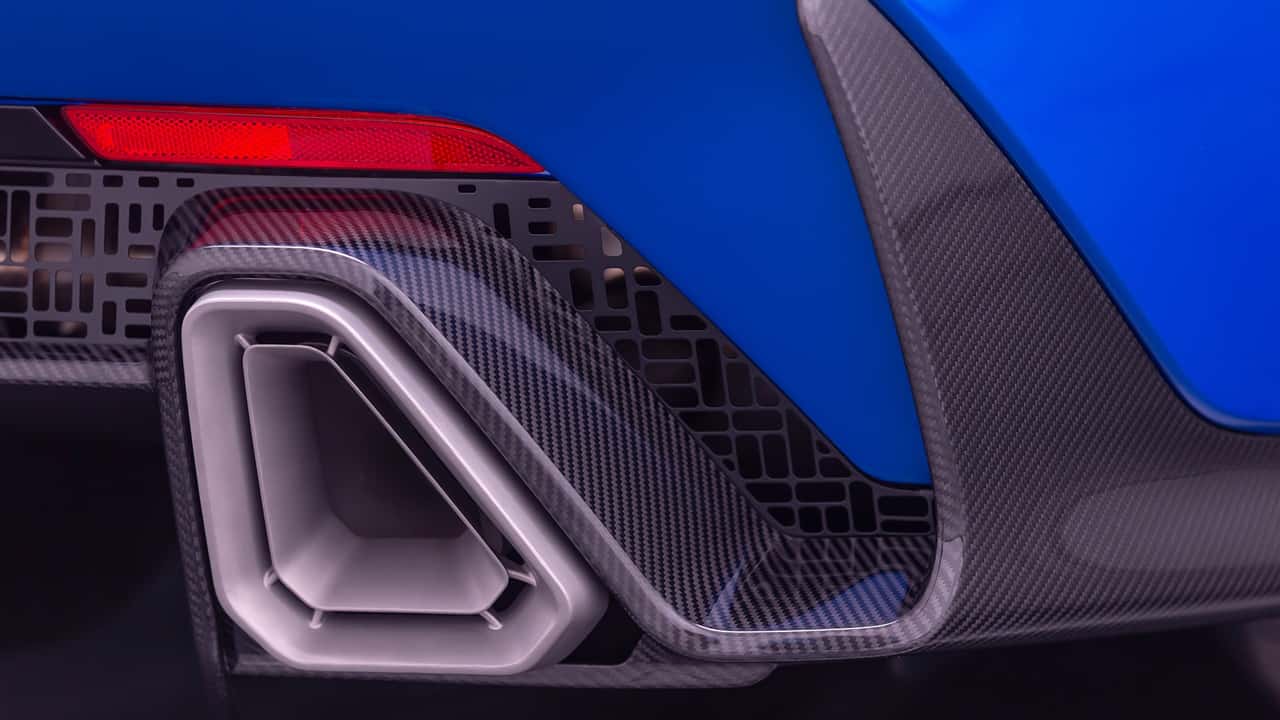
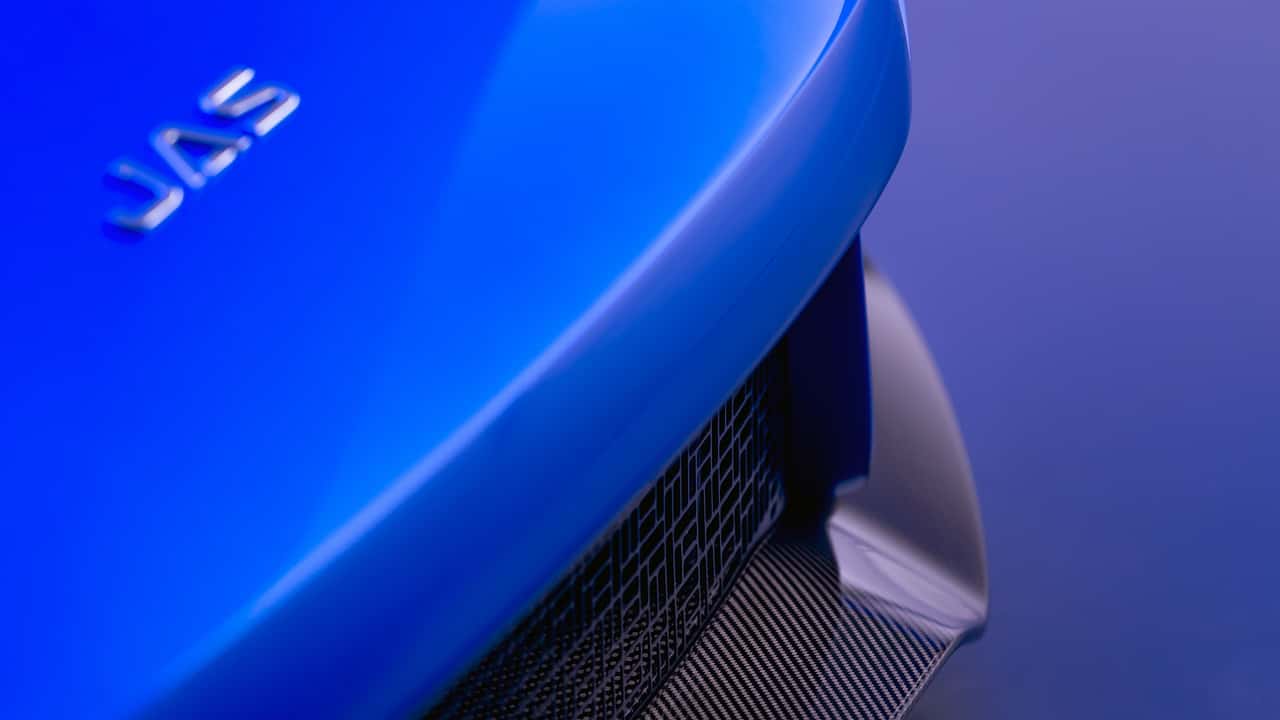
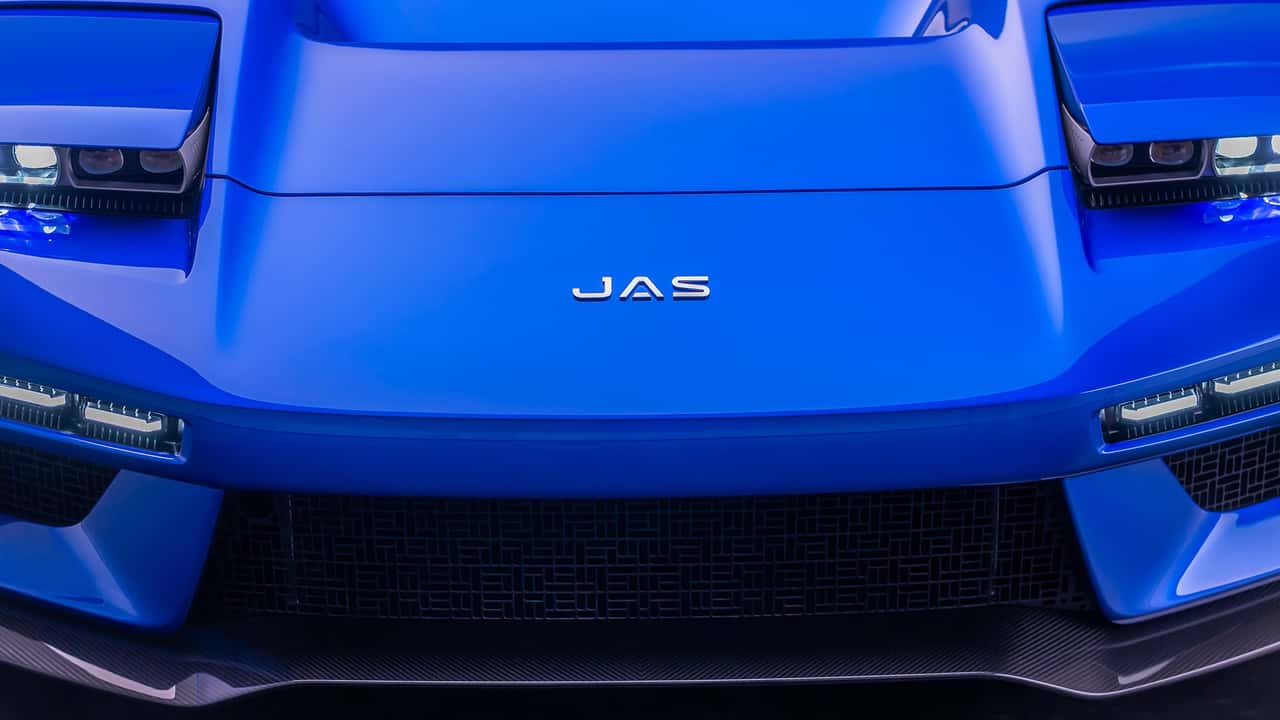
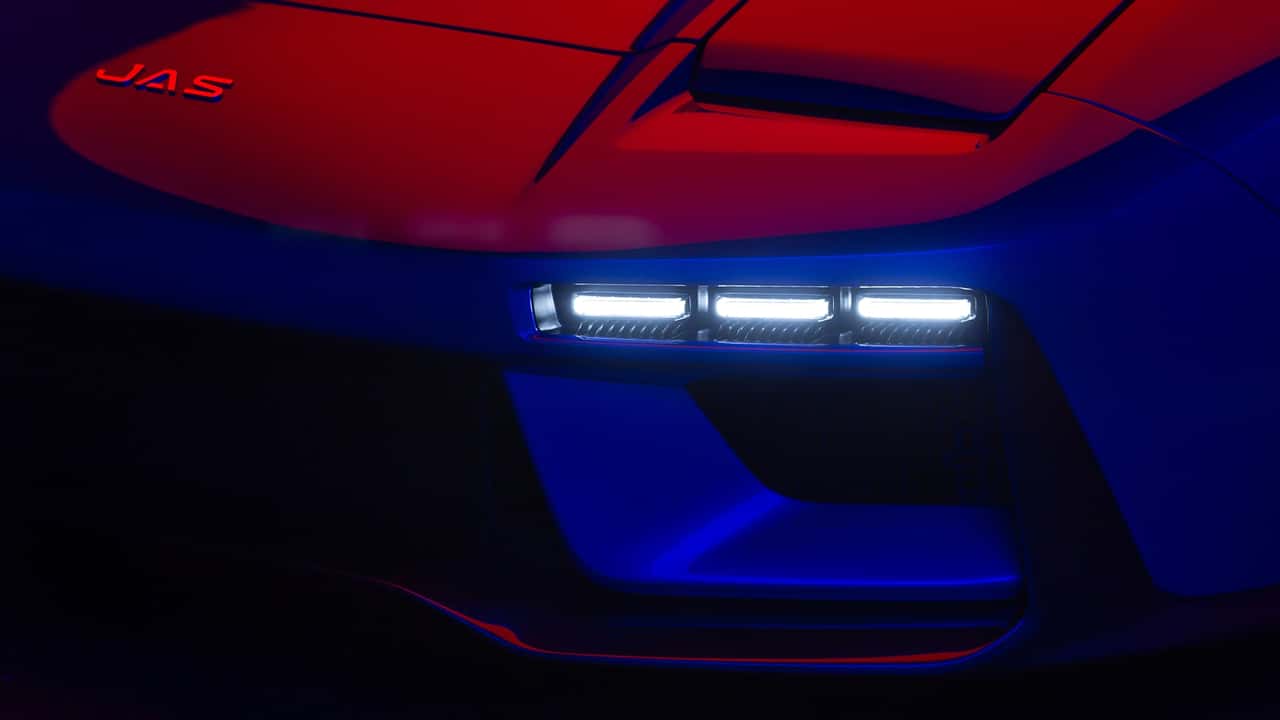
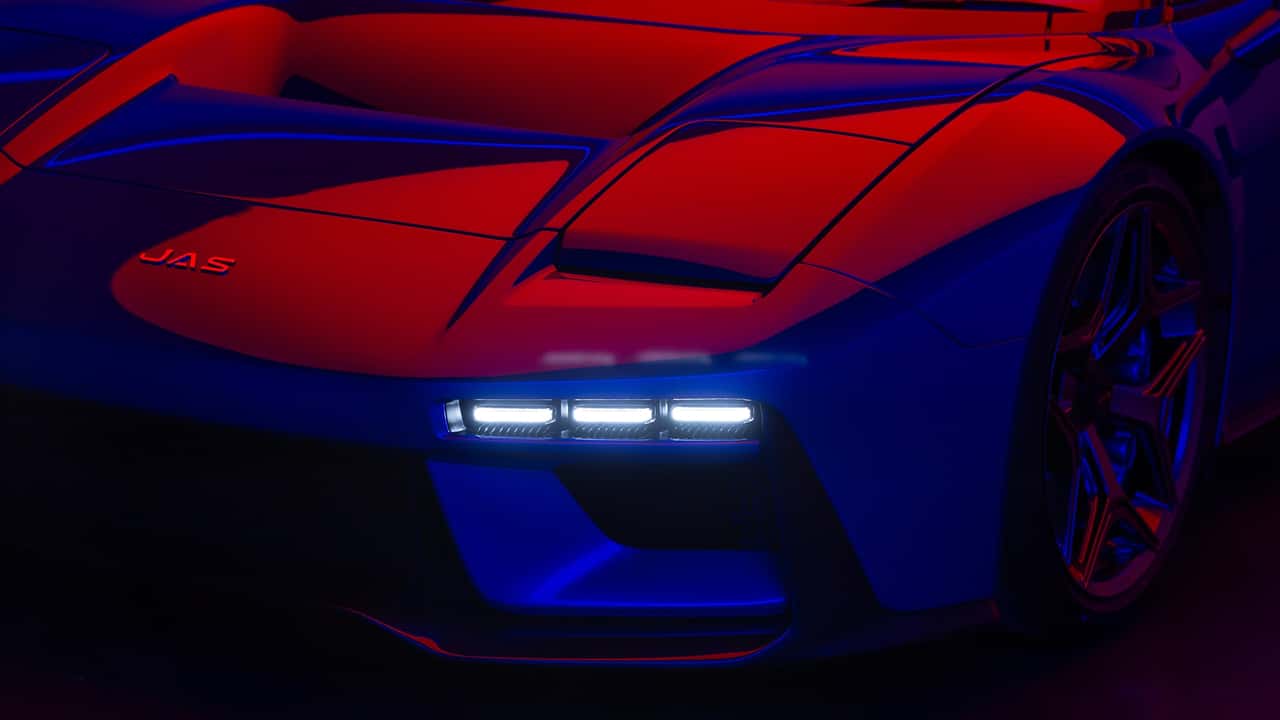
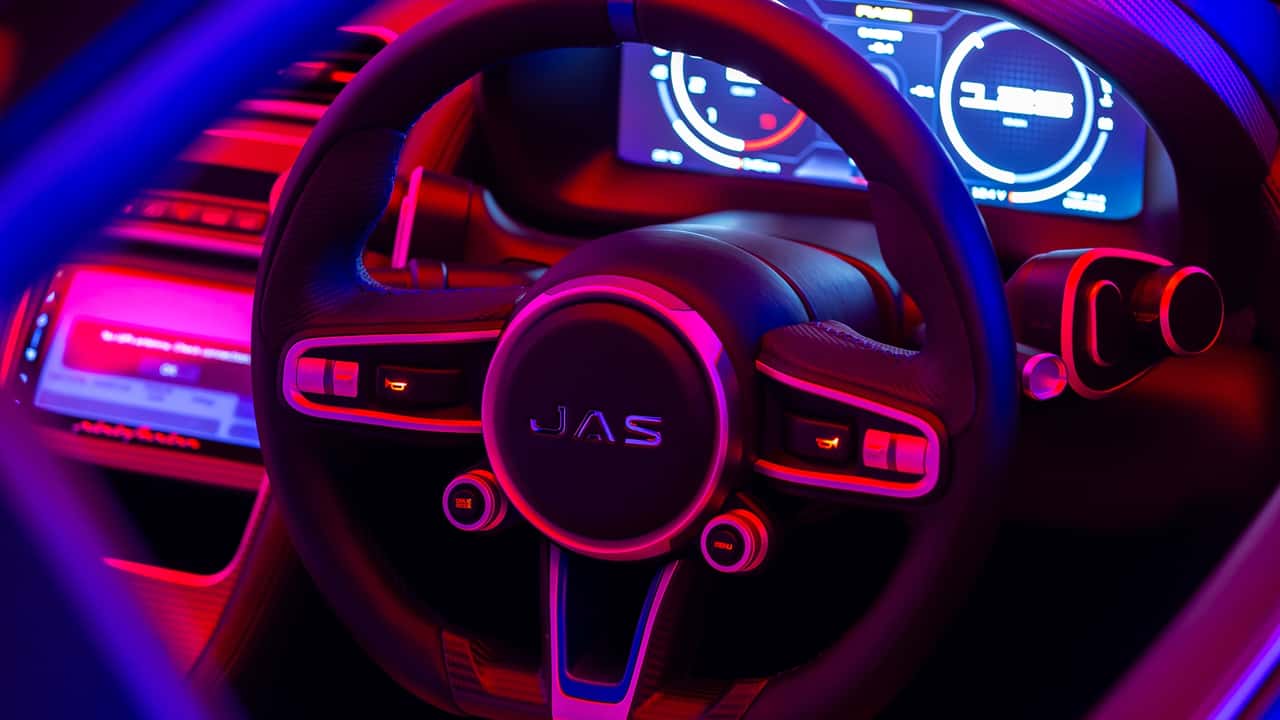
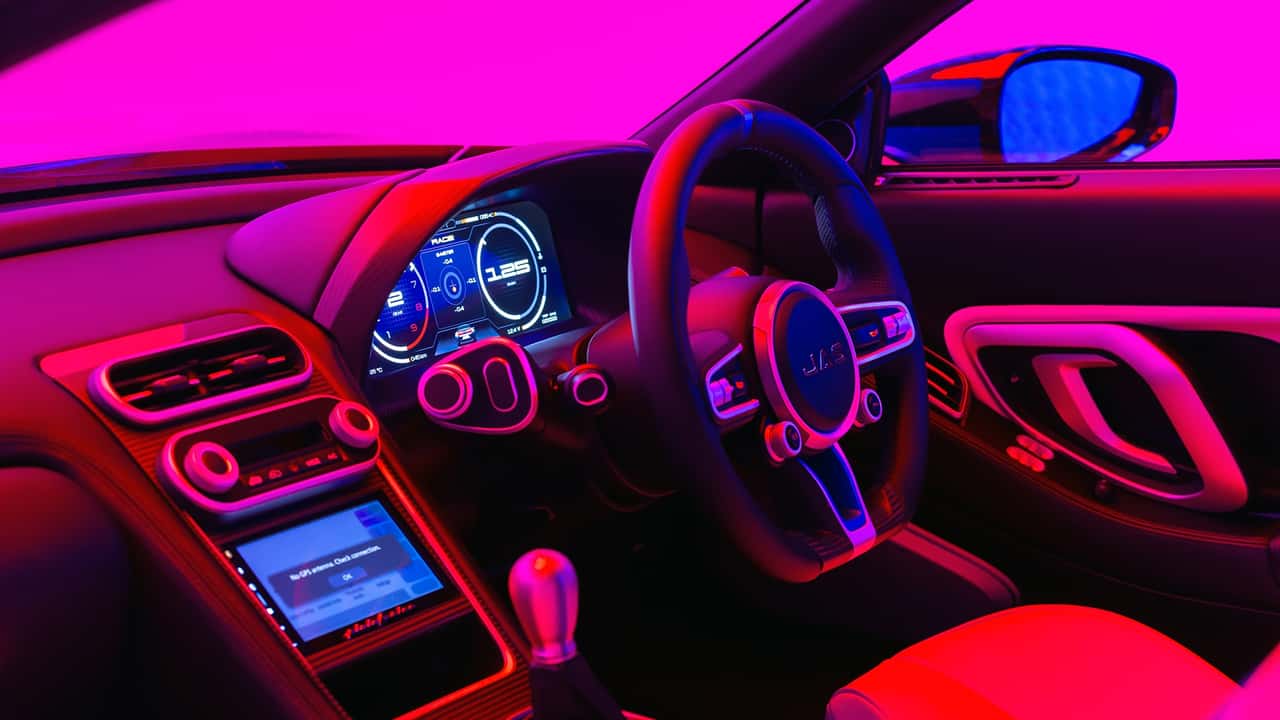
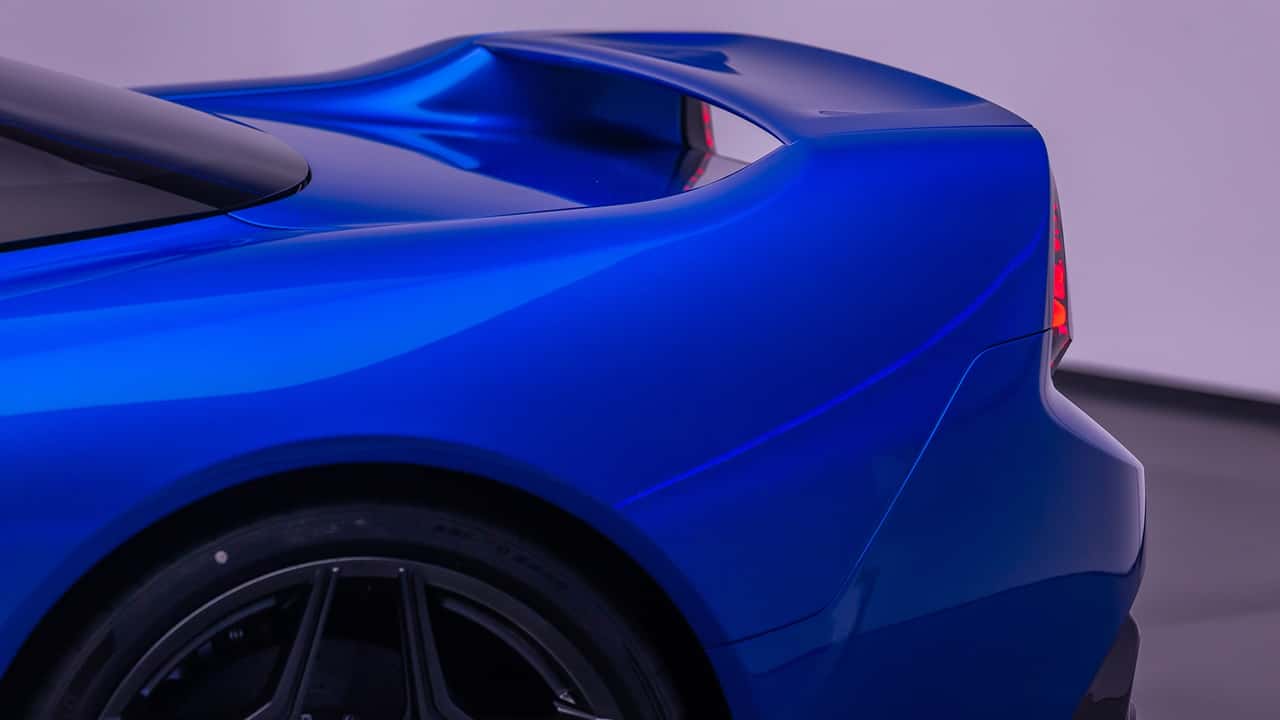
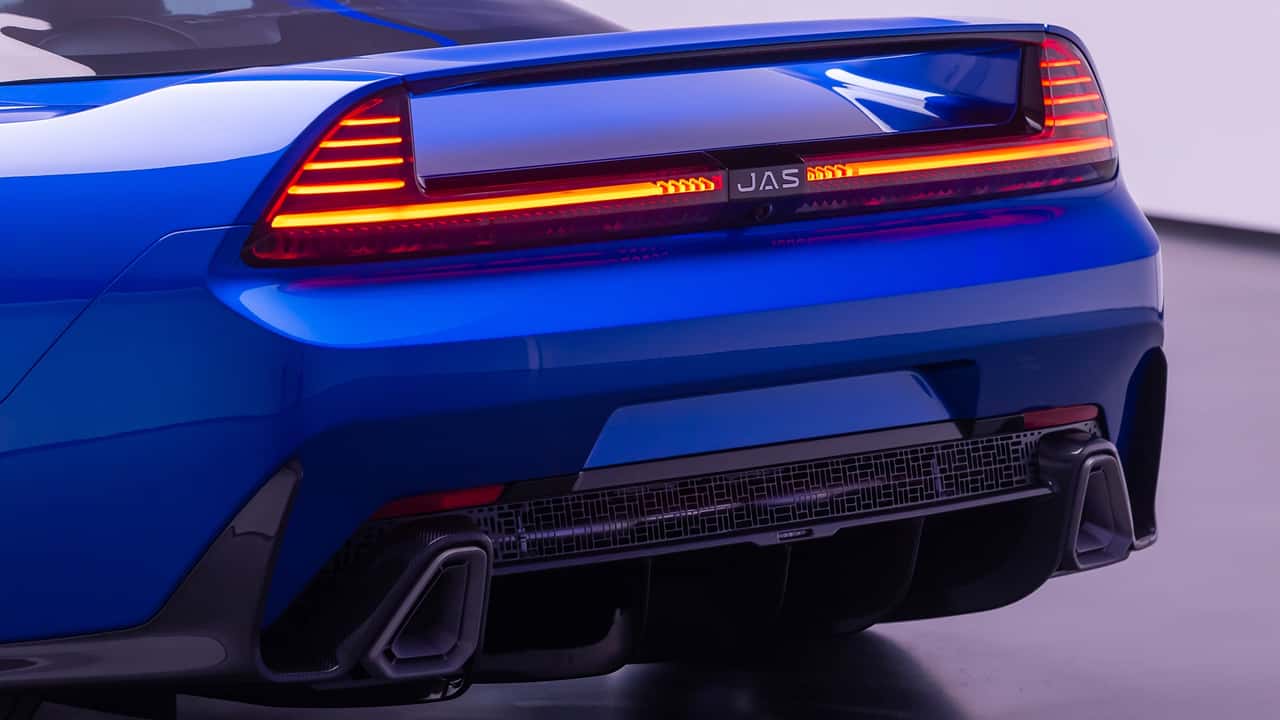
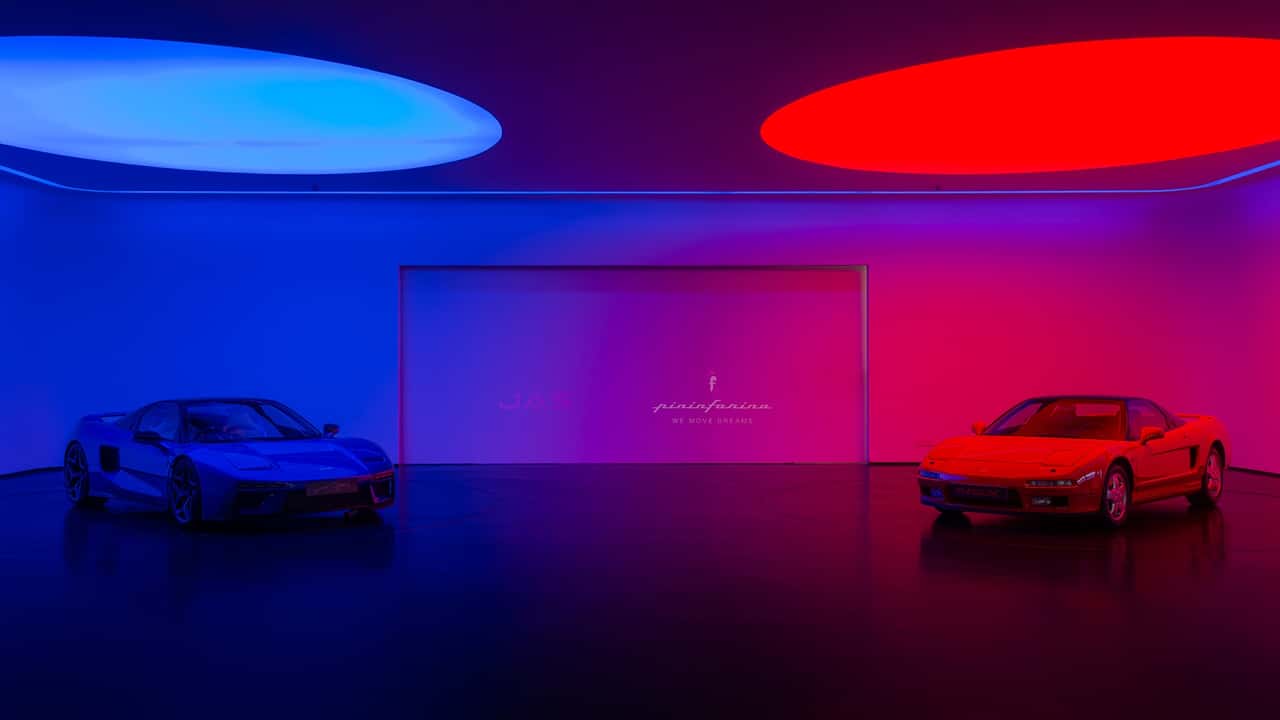
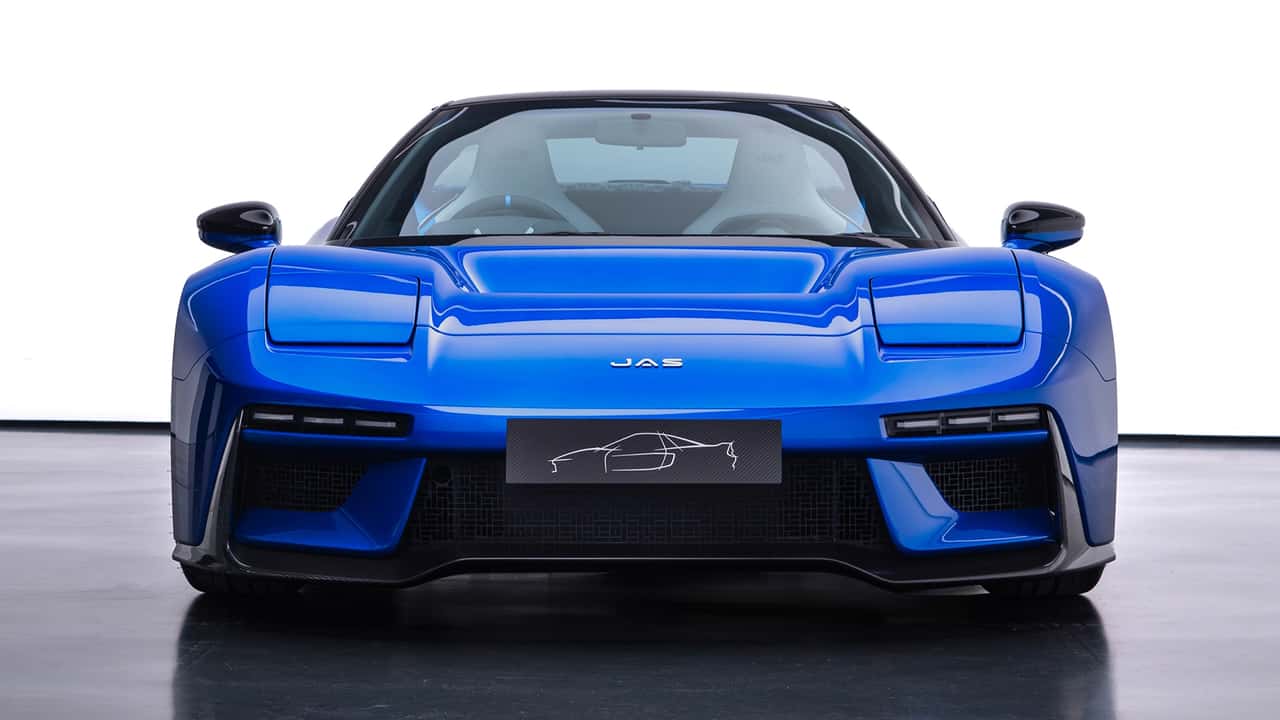
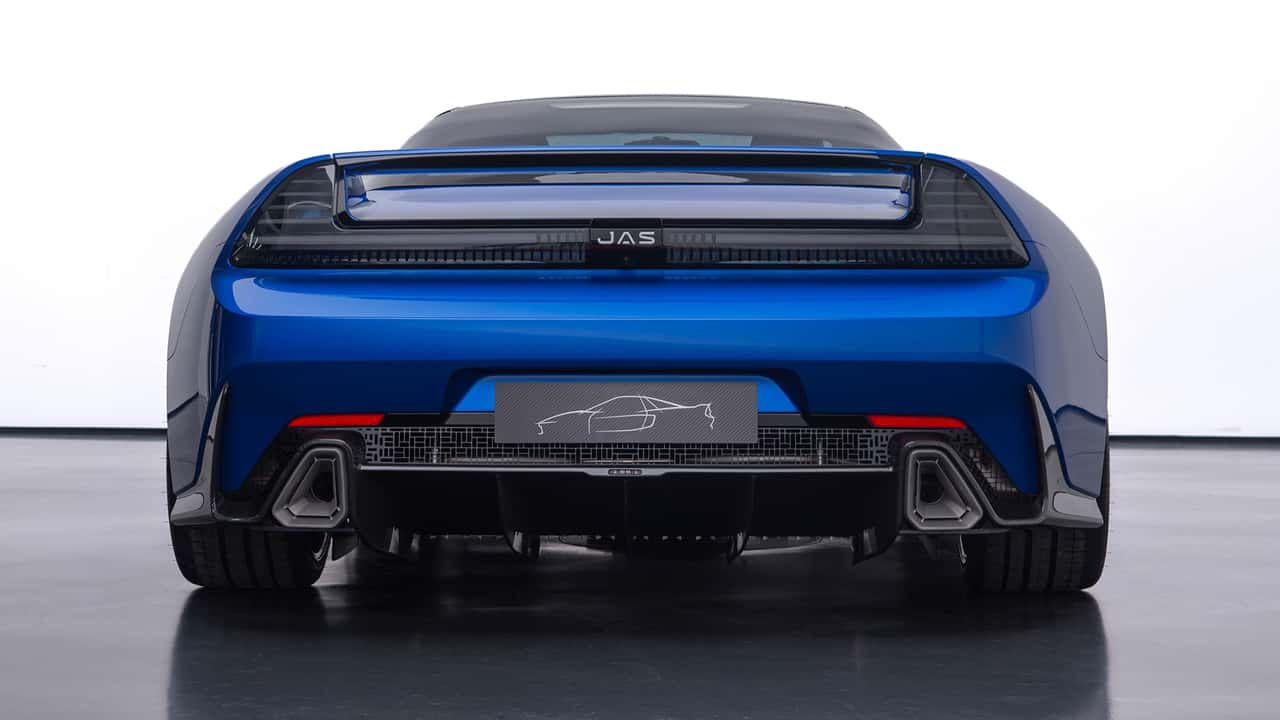
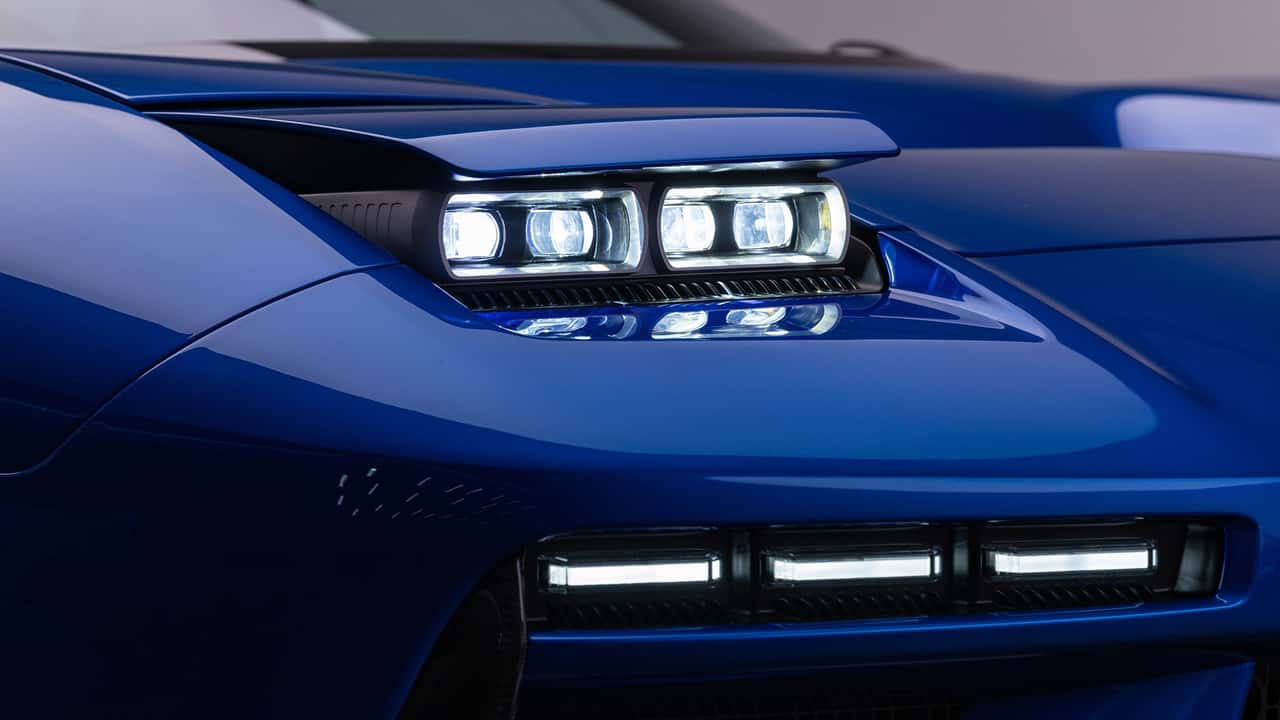
]]> feedback@motor1.com (Adrian Padeanu) https://www.motor1.com/news/811262/porsche-top-models-more-expensive/ https://www.motor1.com/news/811265/honda-nsx-tensei-restomod-judd/ Fri, 09 Oct 2026 06:14:54 +0000 The NSX Restomod Is Ready For Production. And It Looks Great JAS Motorsport and Pininfarina rework each Honda NSX donor into a 35-unit Tensei run with a 414-horsepower Judd-built V6 and six-speed manual.
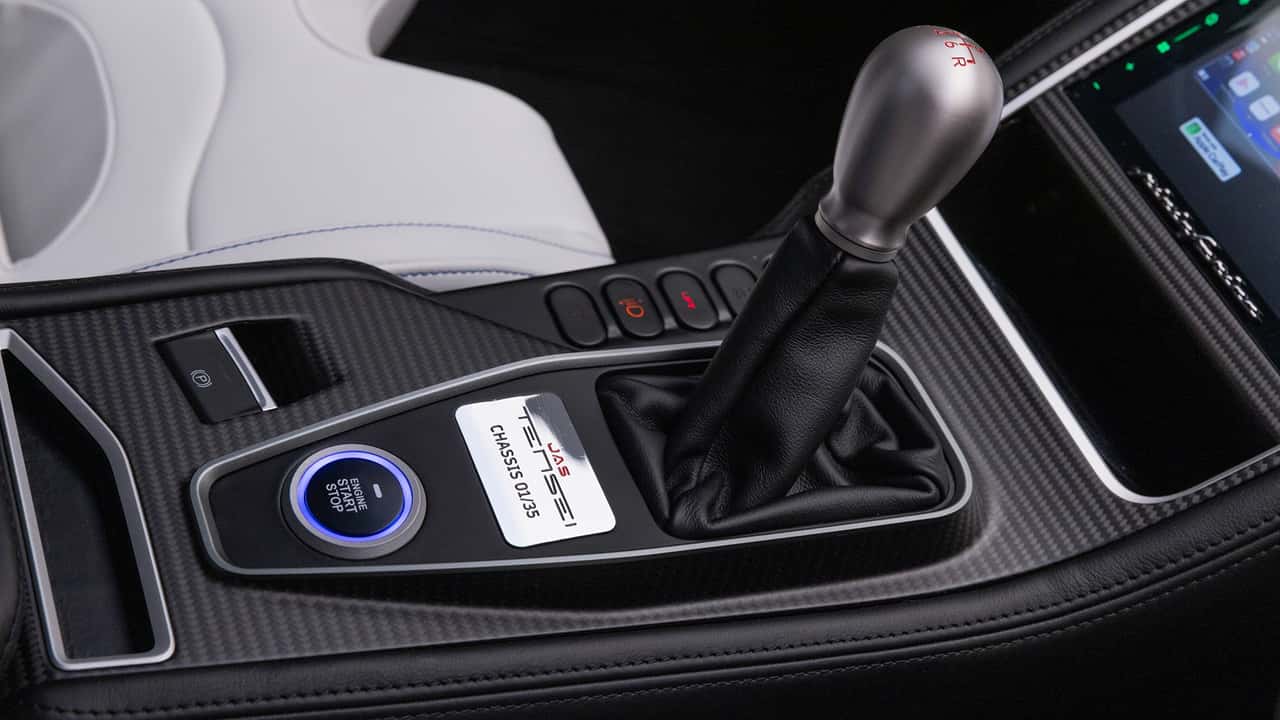
JAS Motorsport has finished its restomod take on the Honda NSX, and it is called the Tensei. The name means "rebirth" in Japanese, and the car backs that up with a 420-horsepower naturally aspirated V6 and a six-speed manual gearbox.
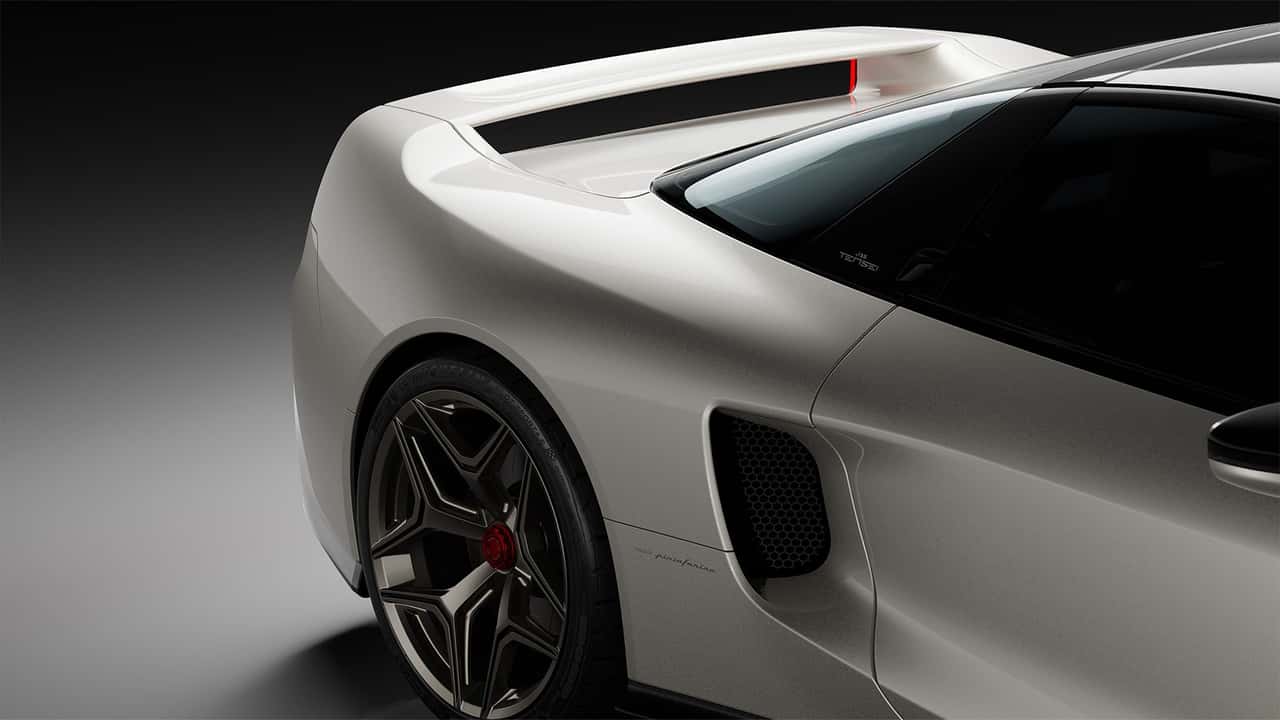
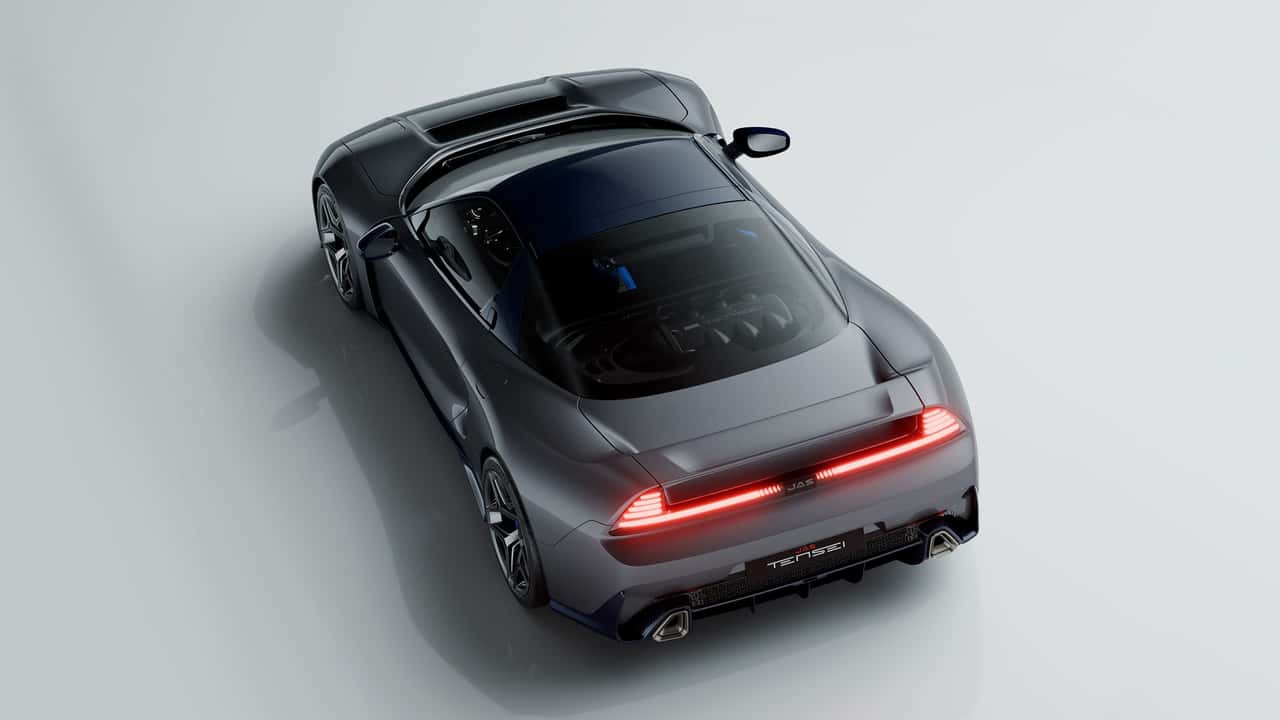
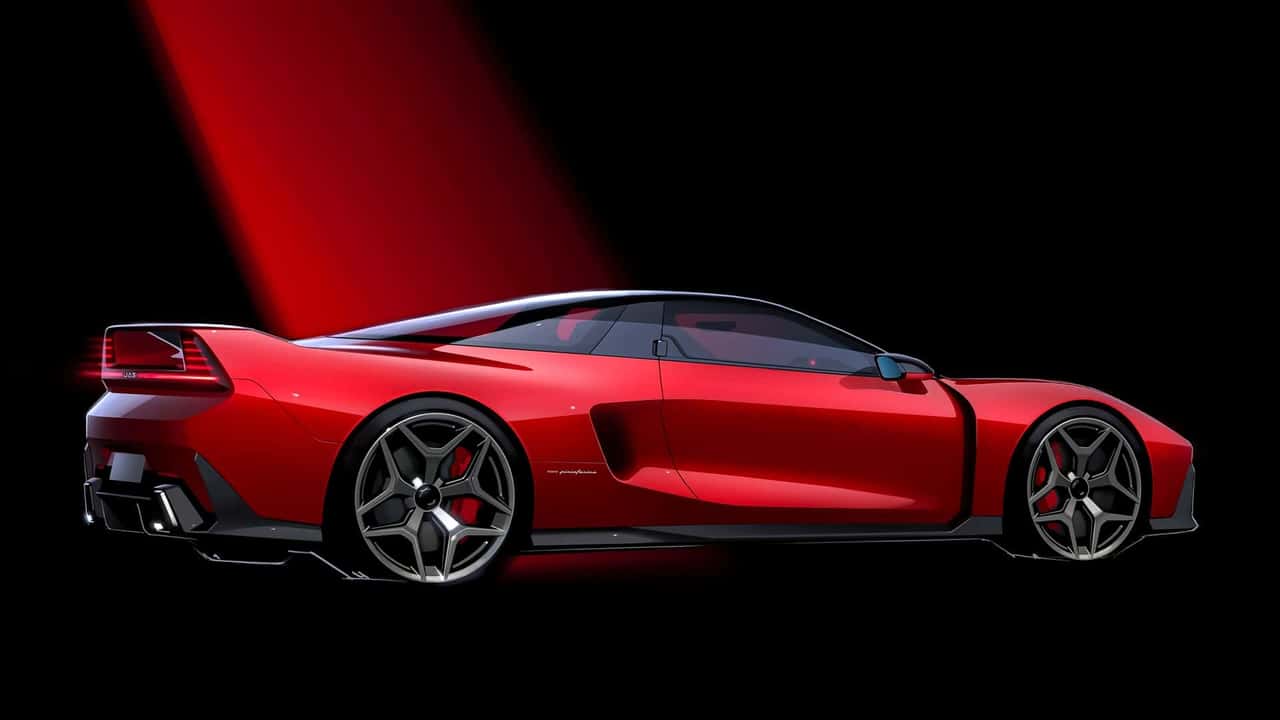
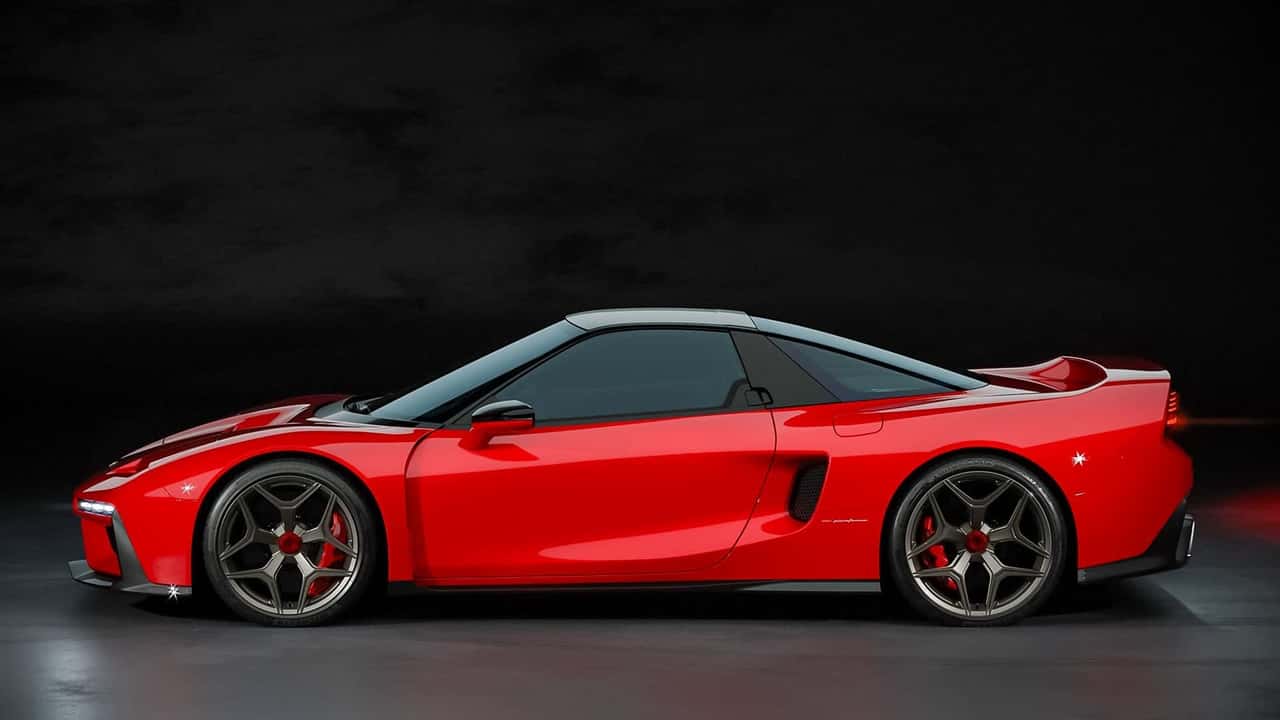
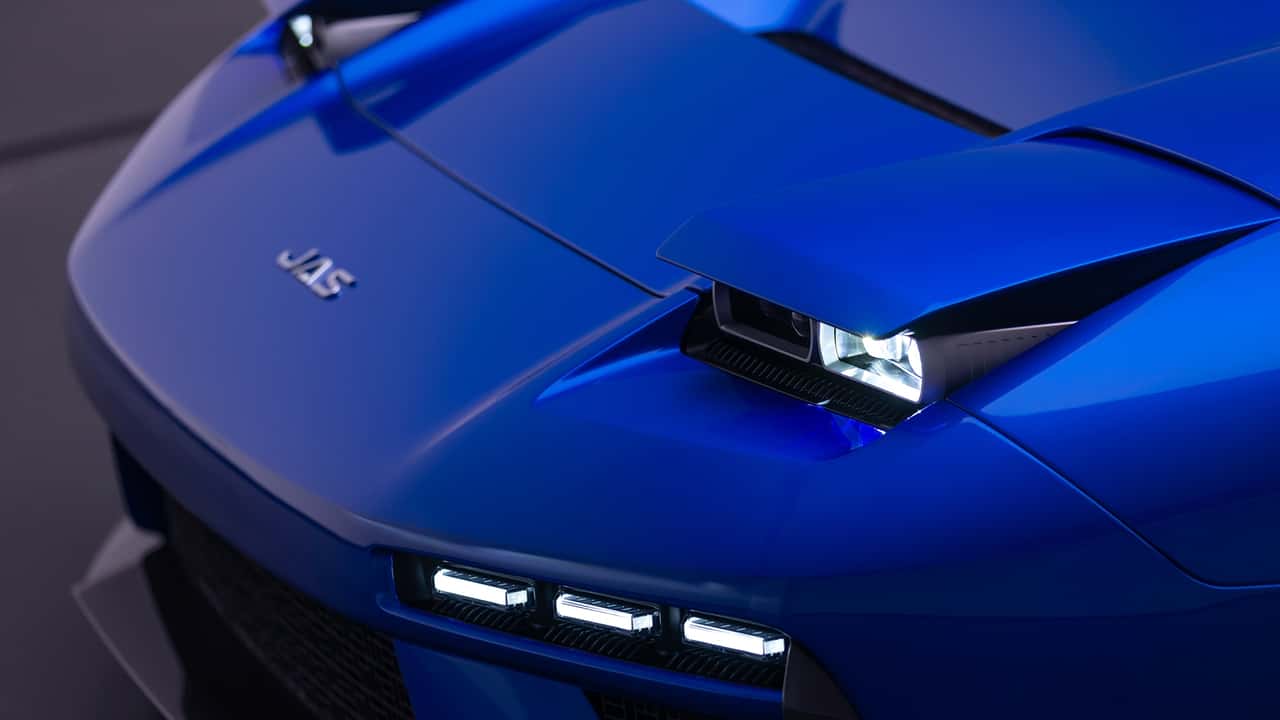
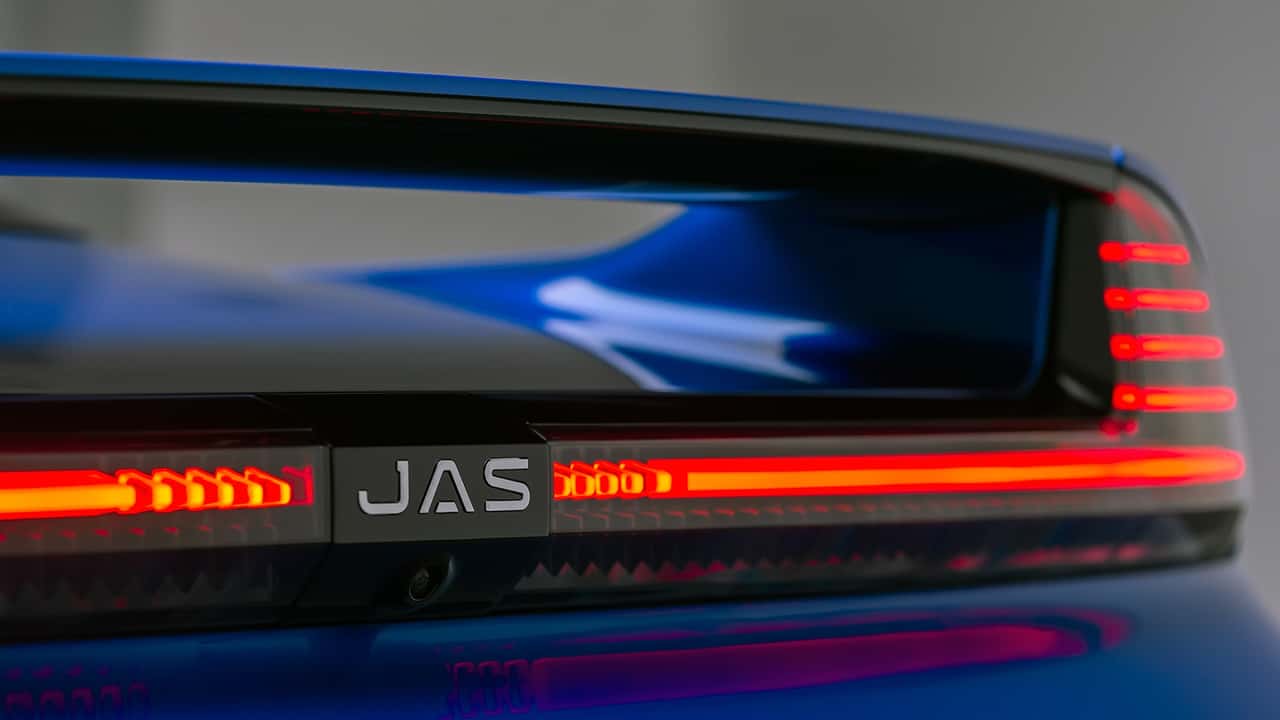
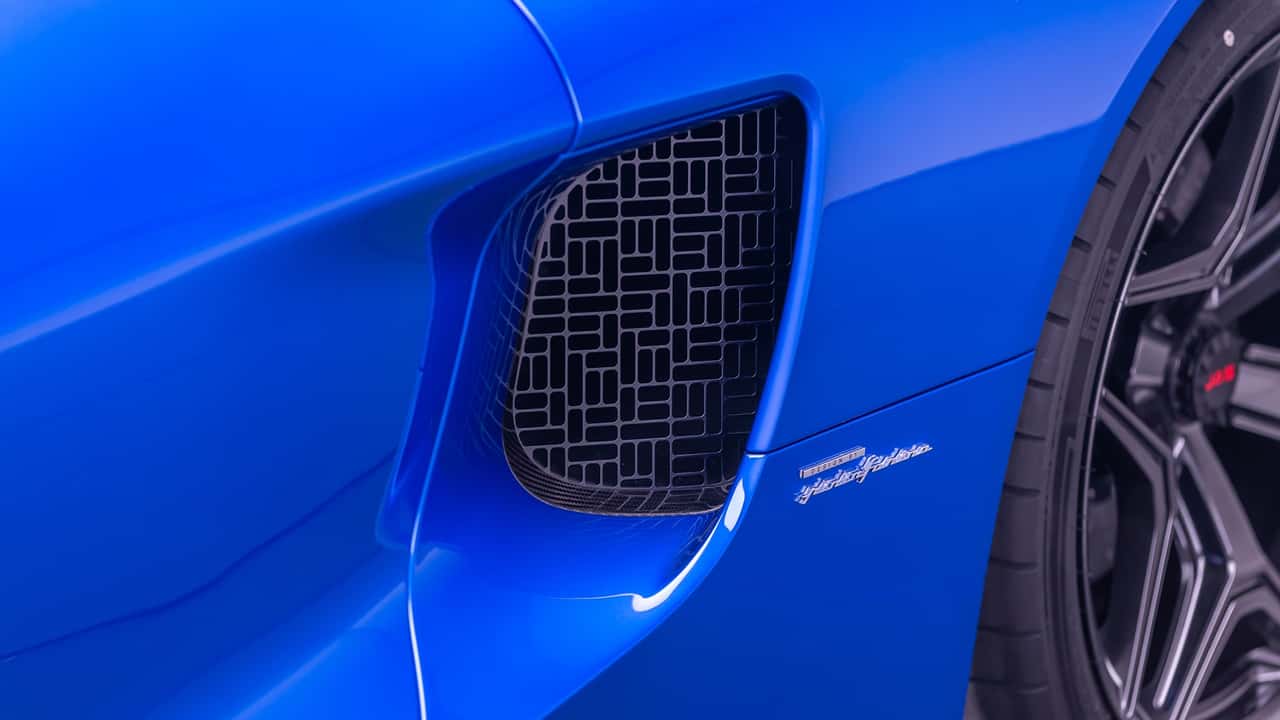
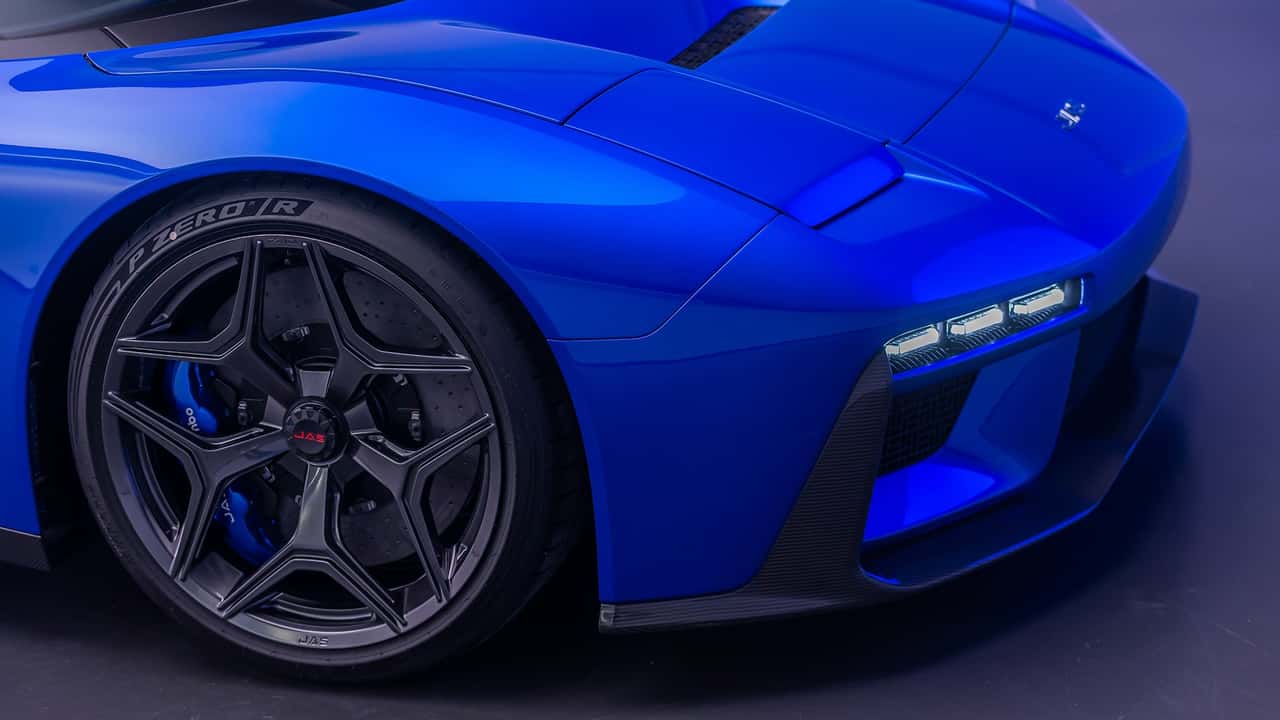
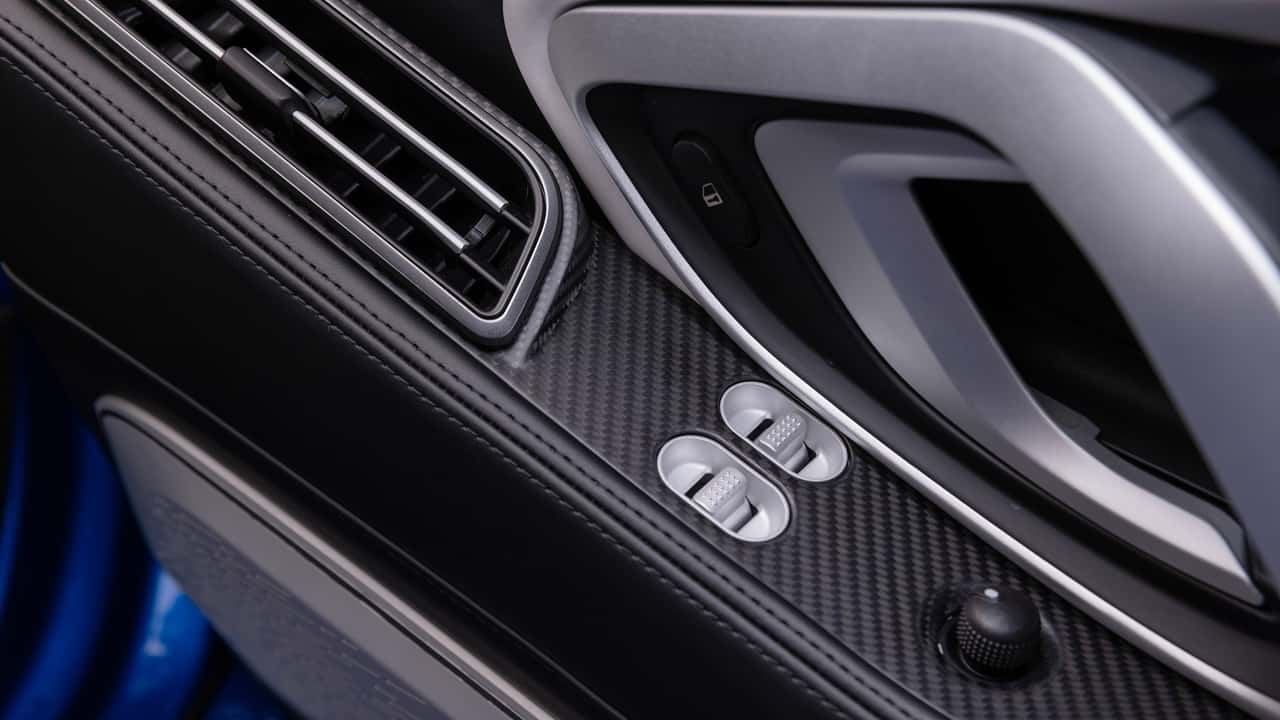
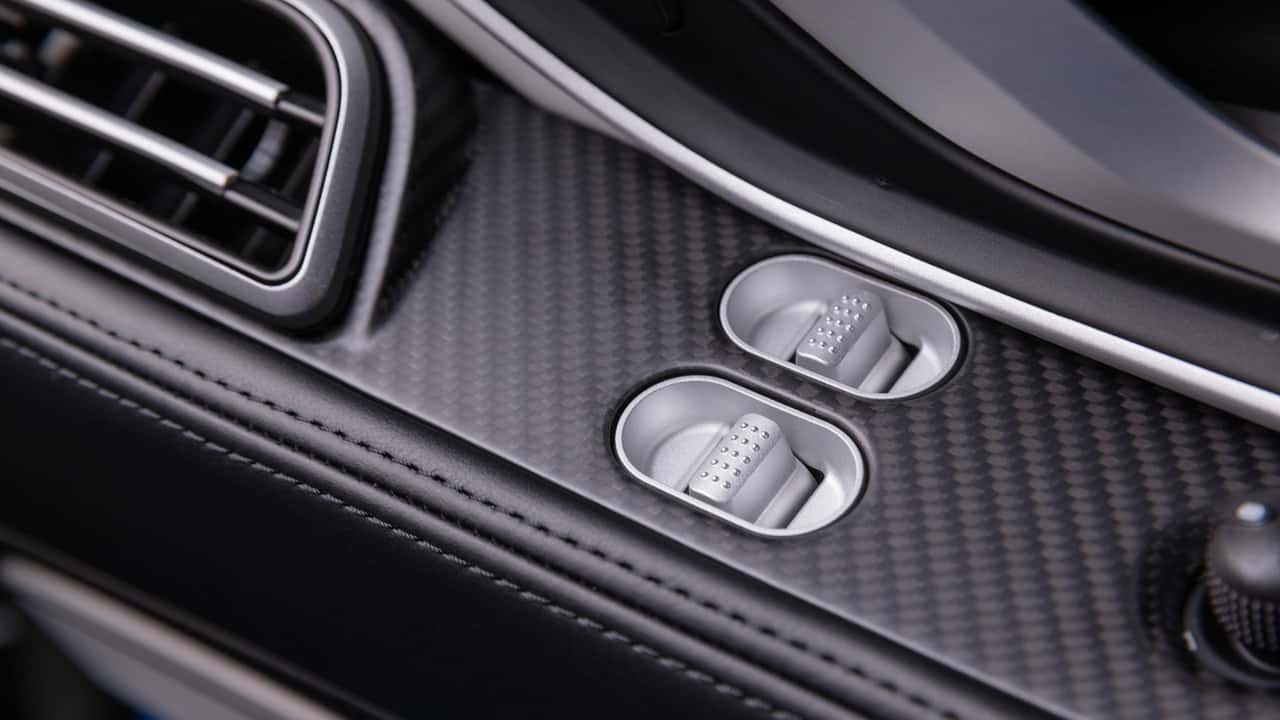
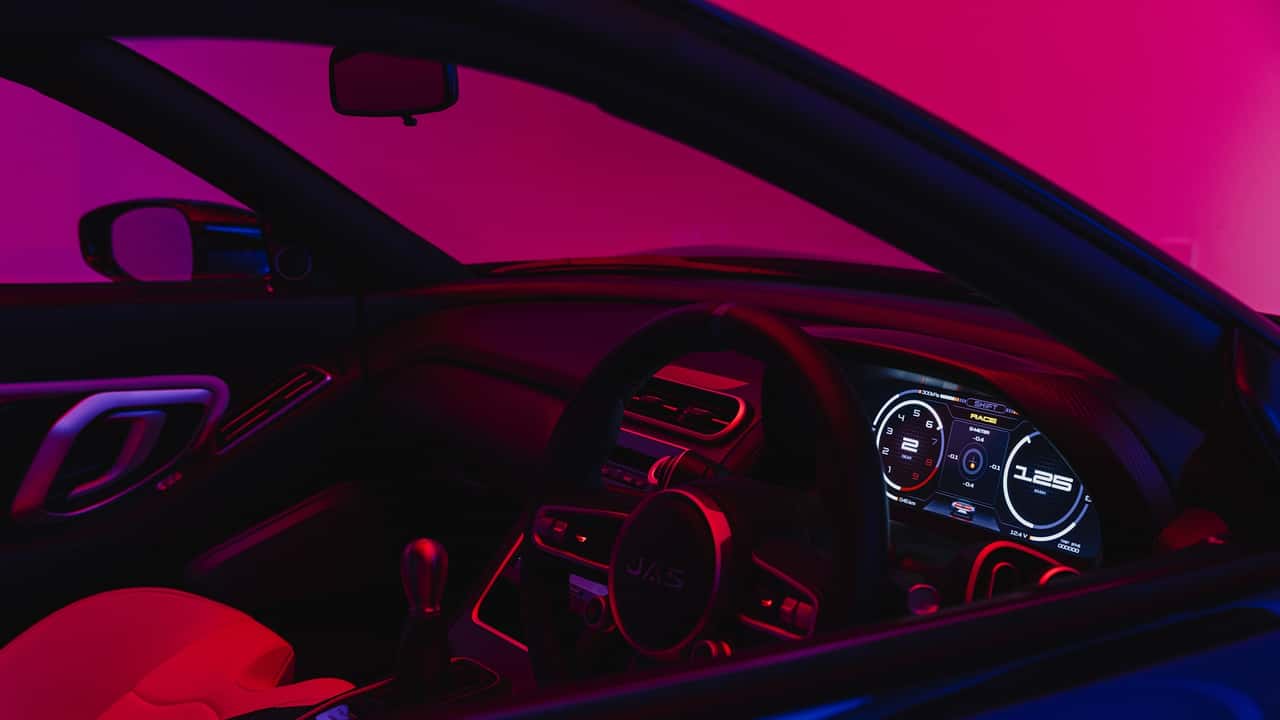
Every one of the planned 35 cars starts life as a donor NSX before JAS strips it down and rebuilds it with Pininfarina-designed carbon-fiber bodywork. Honda never touches the project directly, this is an independent shop's reinterpretation of an icon.
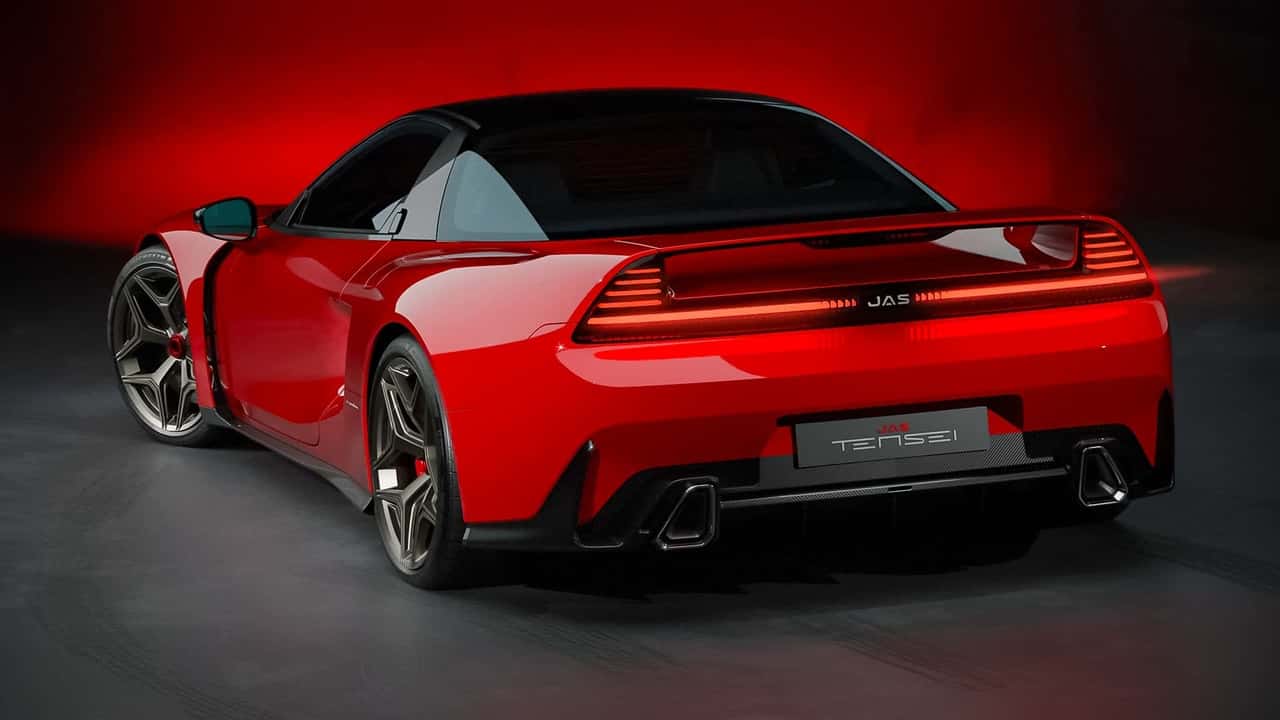
JASTensei 2026 - The design
Photo by: Italdesign
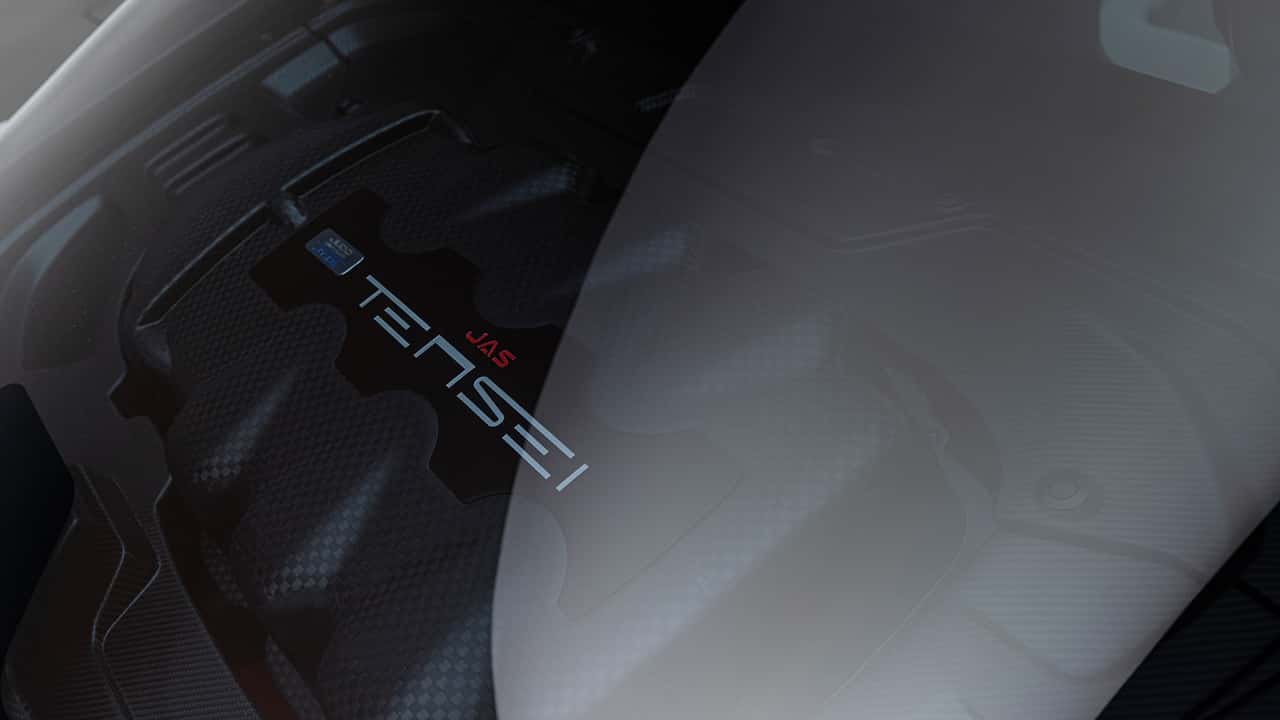
JAS kept the NSX's original Honda C30A block but handed the internals to Judd Power, the British engine builder better known for motorsport work. Judd redesigned the crankshaft, fitted light-alloy cylinder heads and titanium valves, and ditched Honda's VTEC variable valve timing for fixed timing instead.
The 3.5-liter engine makes 414 horsepower at 8,300 rpm and 305 pound-feet of torque at 5,500 rpm, revving to an 8,500-rpm redline. Power runs through a six-speed manual with a carbon twin-disc clutch and a Torsen limited-slip differential, sending drive to the rear wheels alone.
That setup echoes JAS's earlier NSX work years before Tensei reached this finished form.
How Pininfarina Rebuilds Each Donor NSX
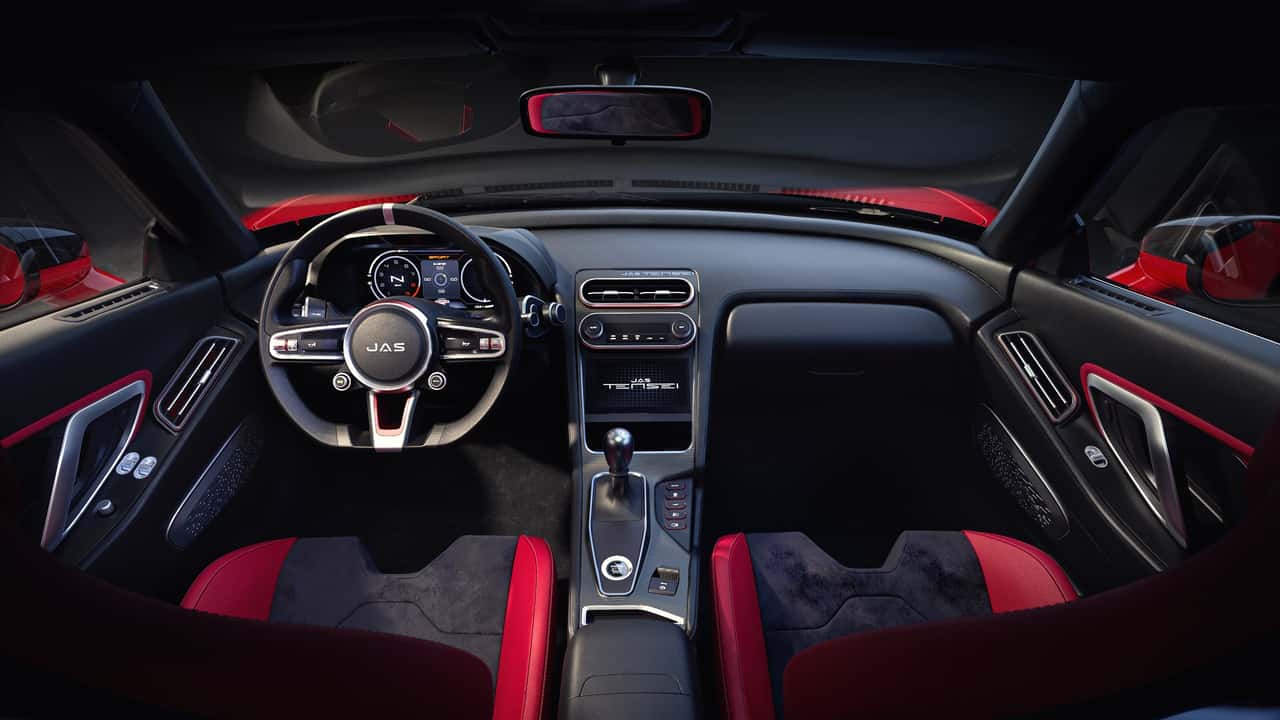
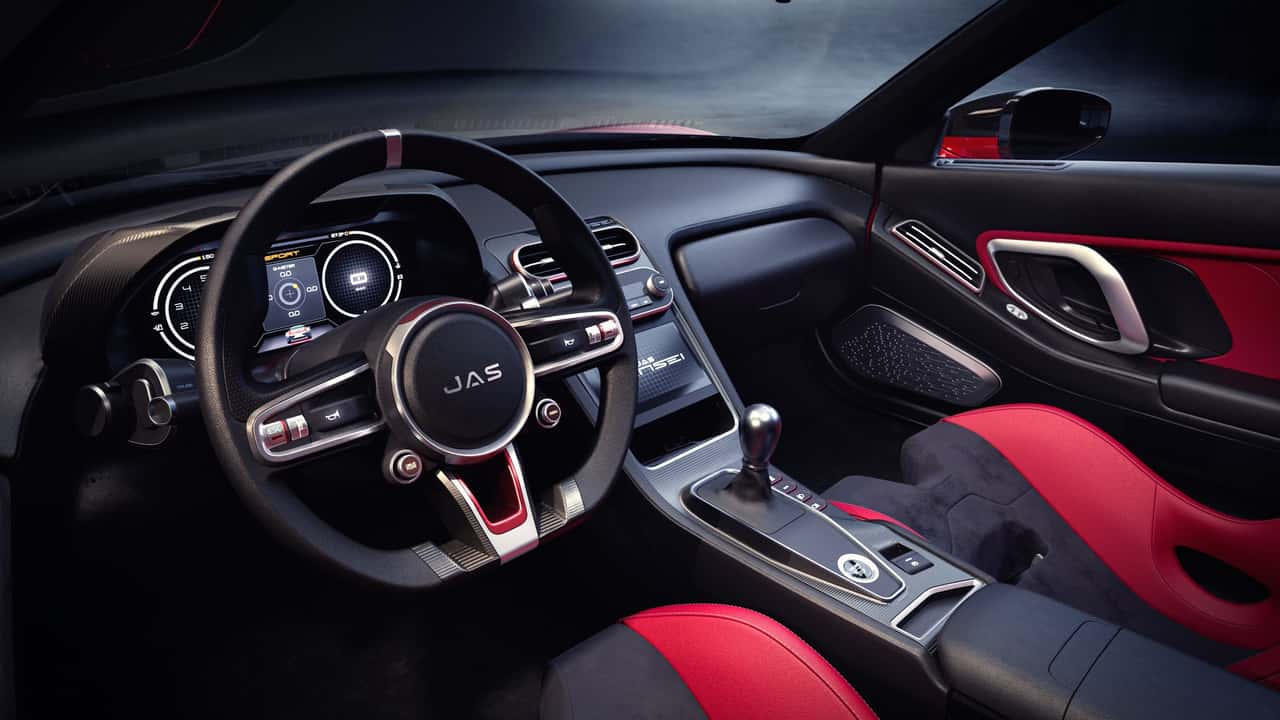
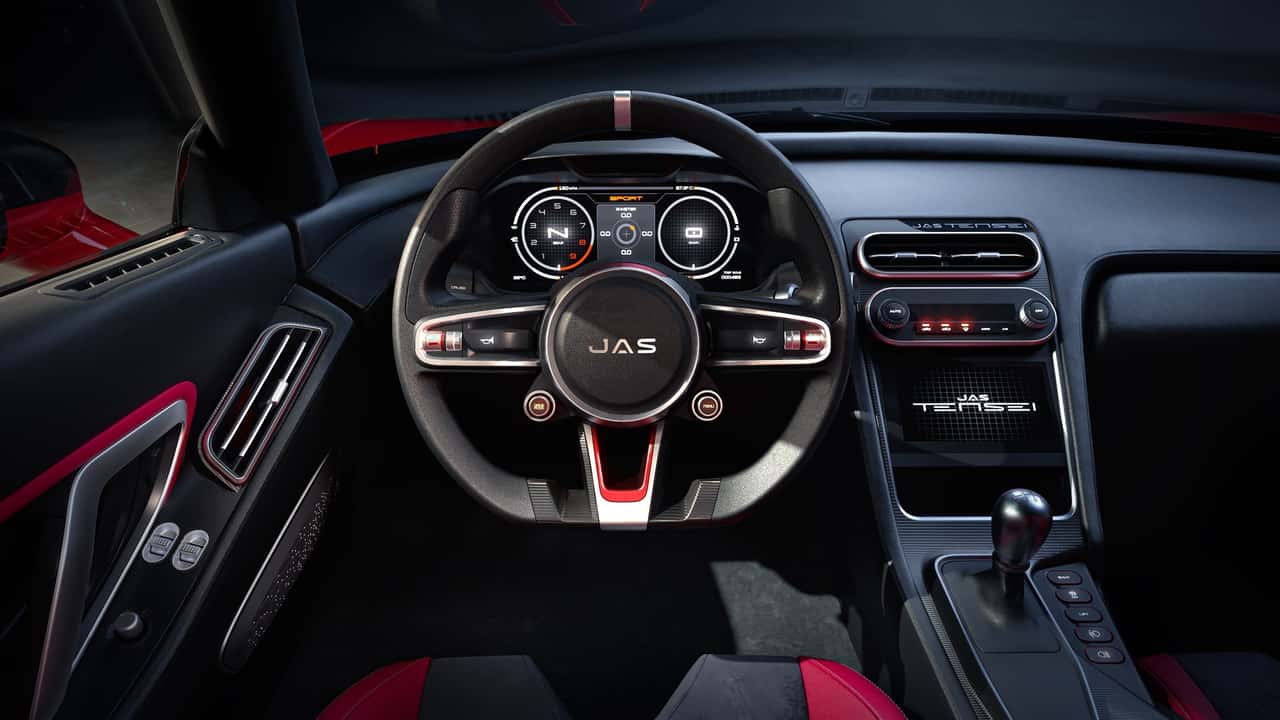
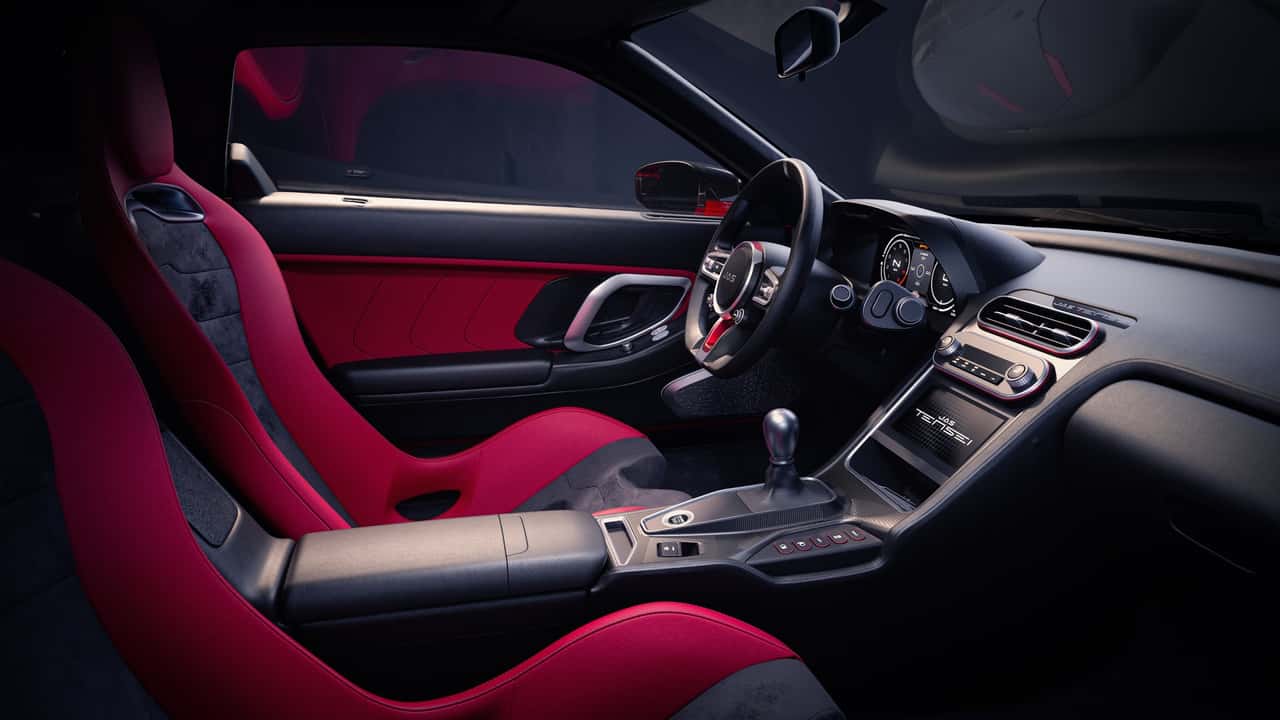
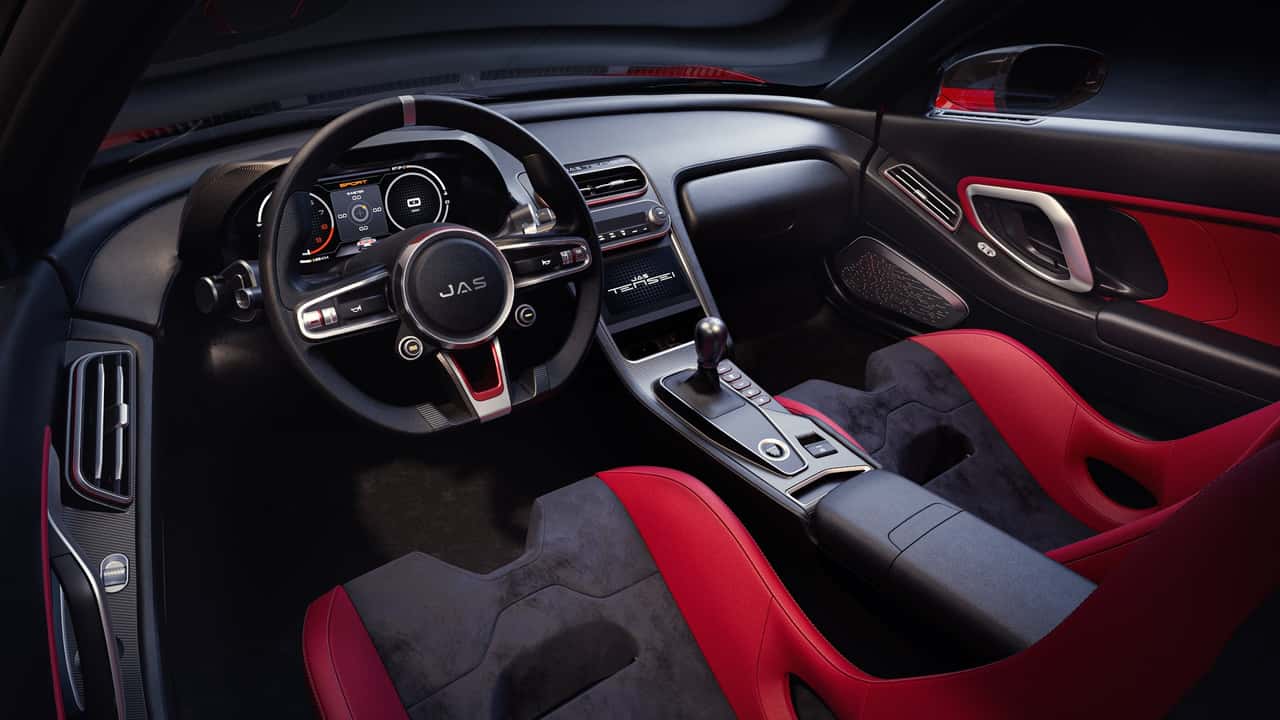
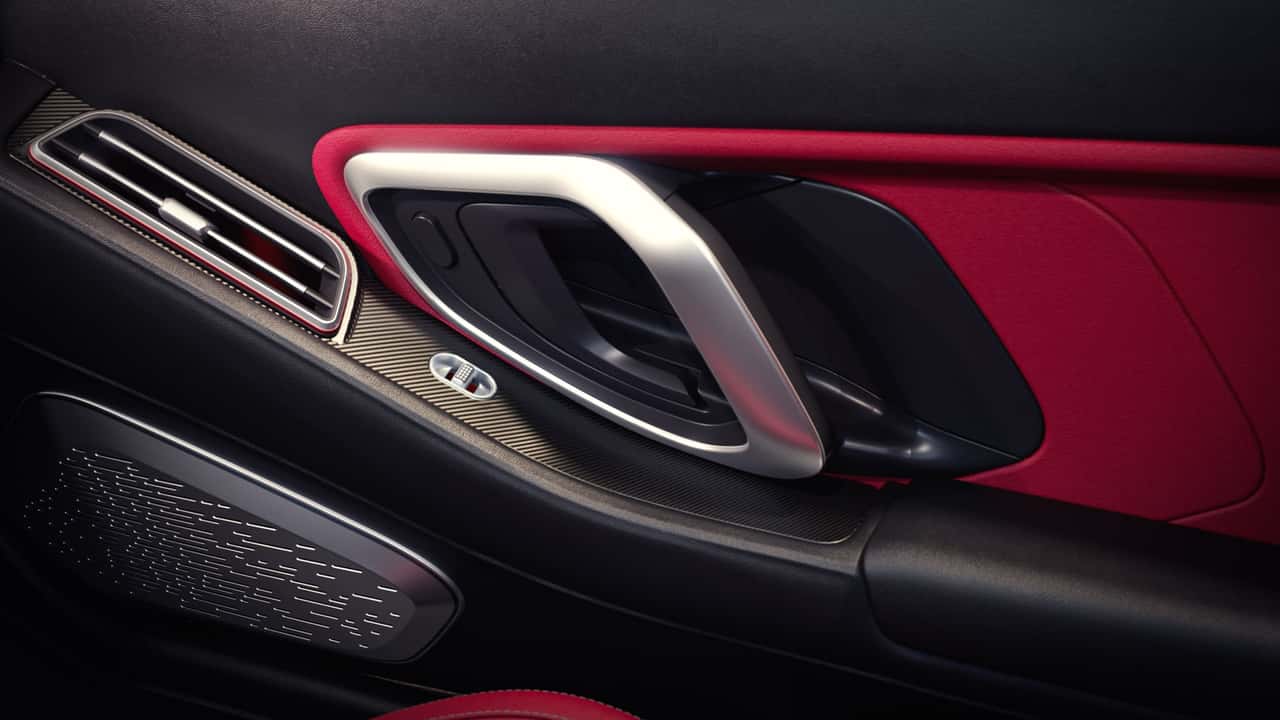
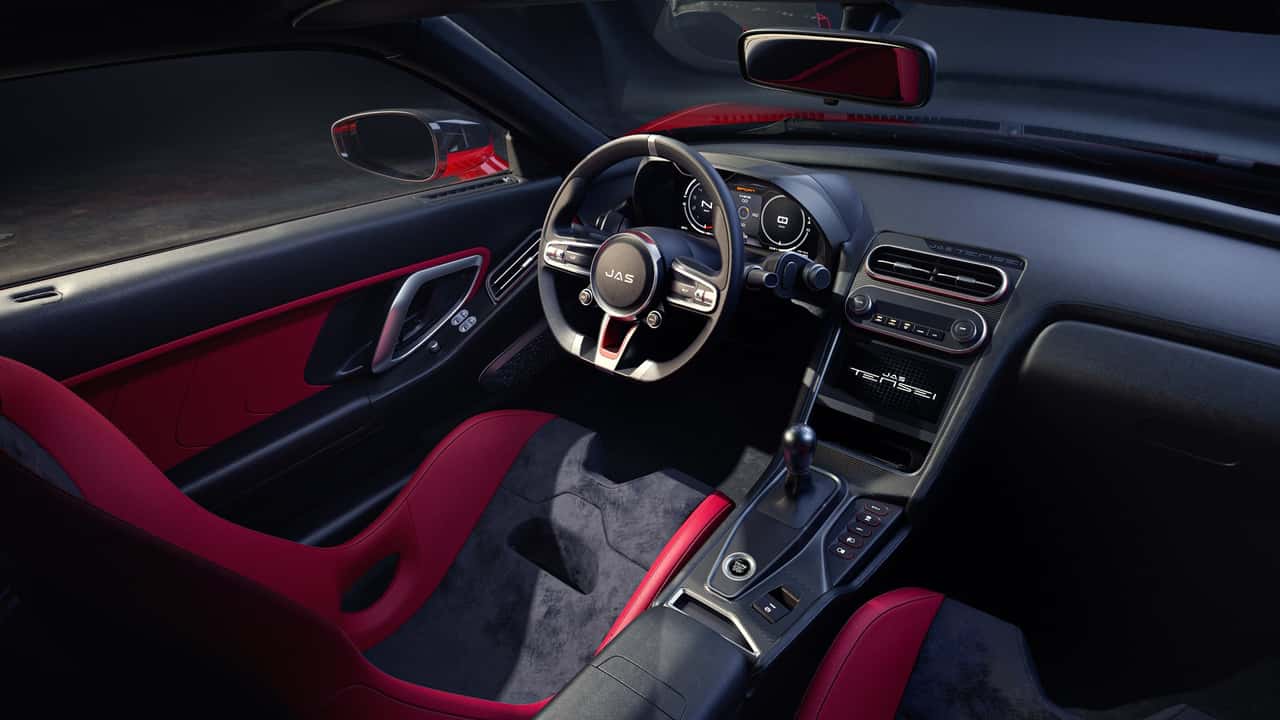
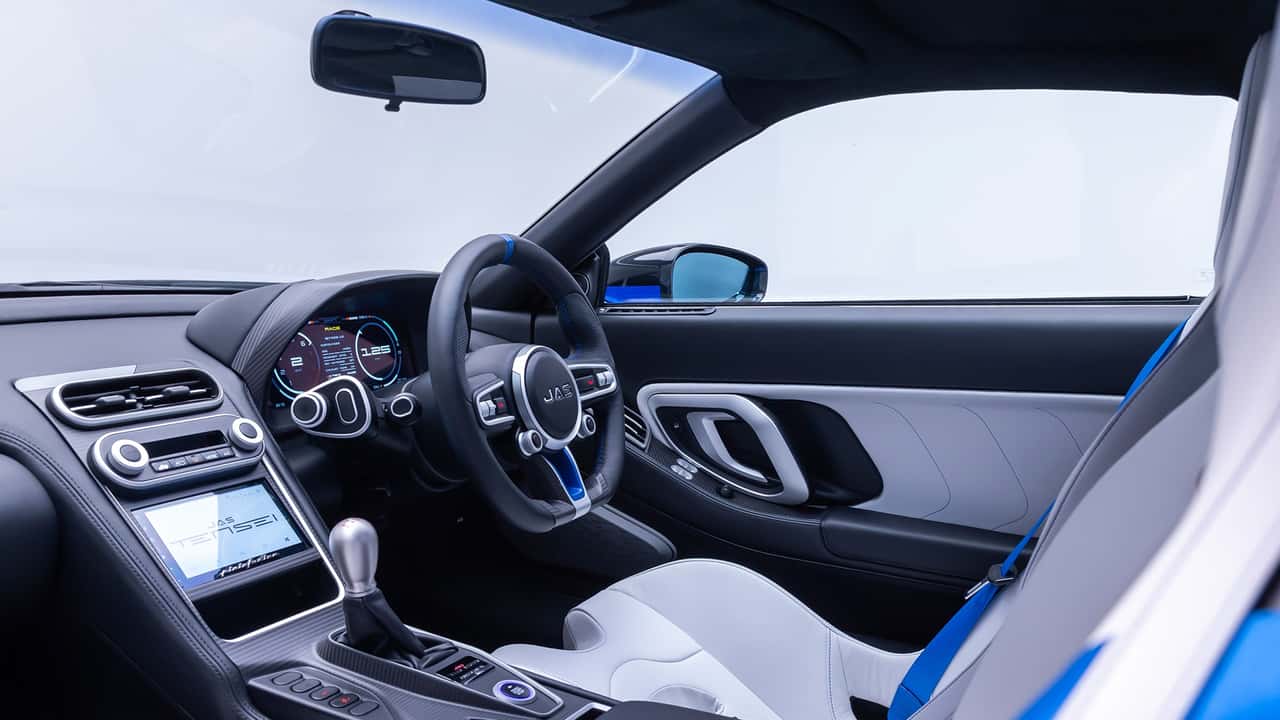
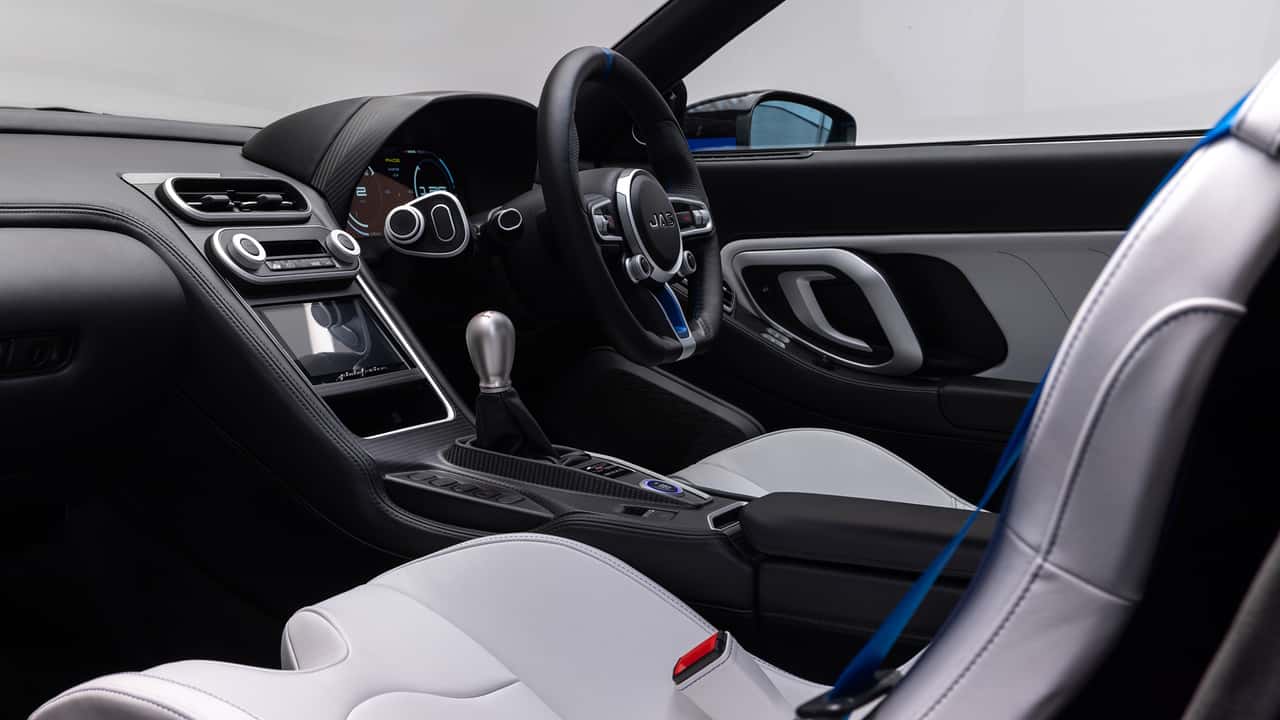
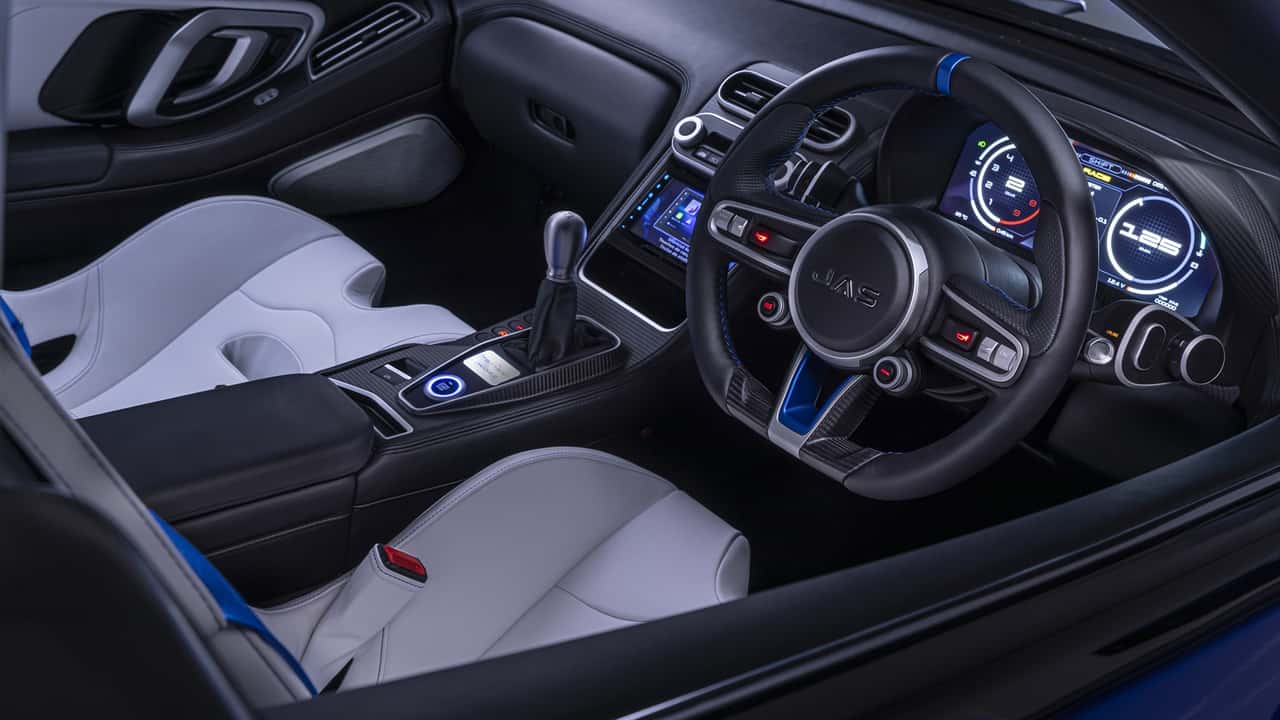
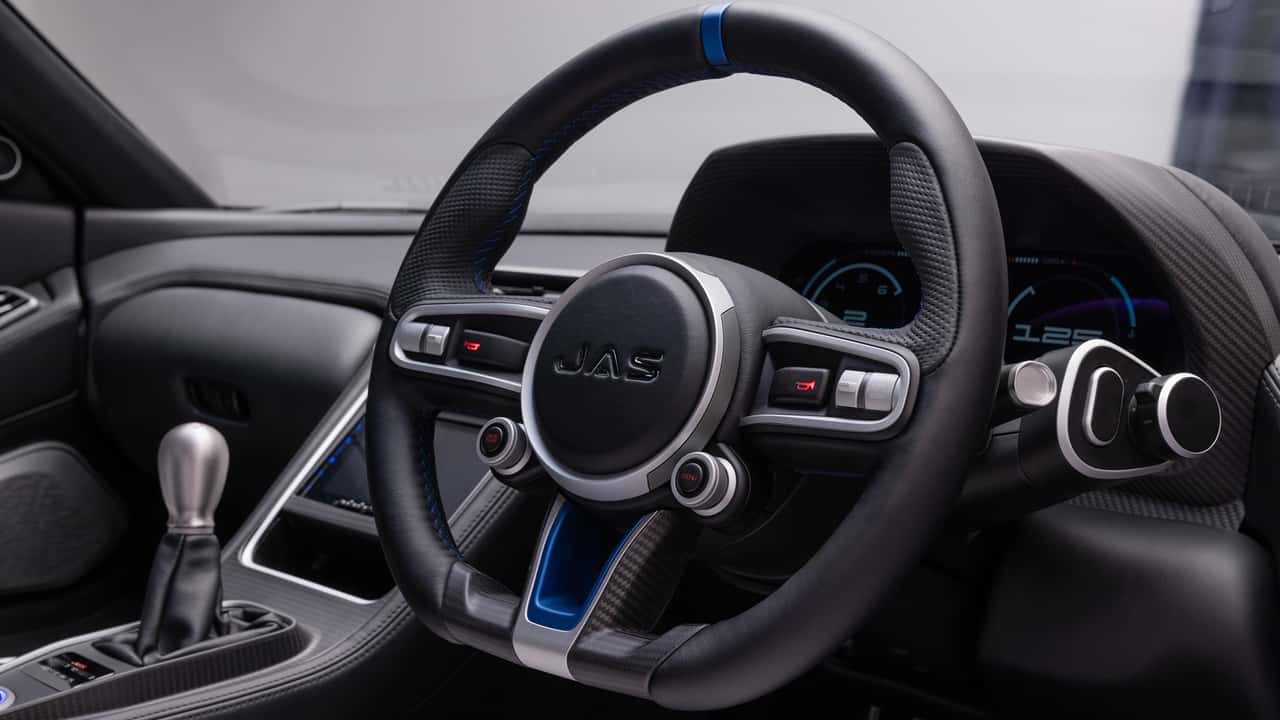
JAS Tensei 2026 Interior
Photo by: Italdesign 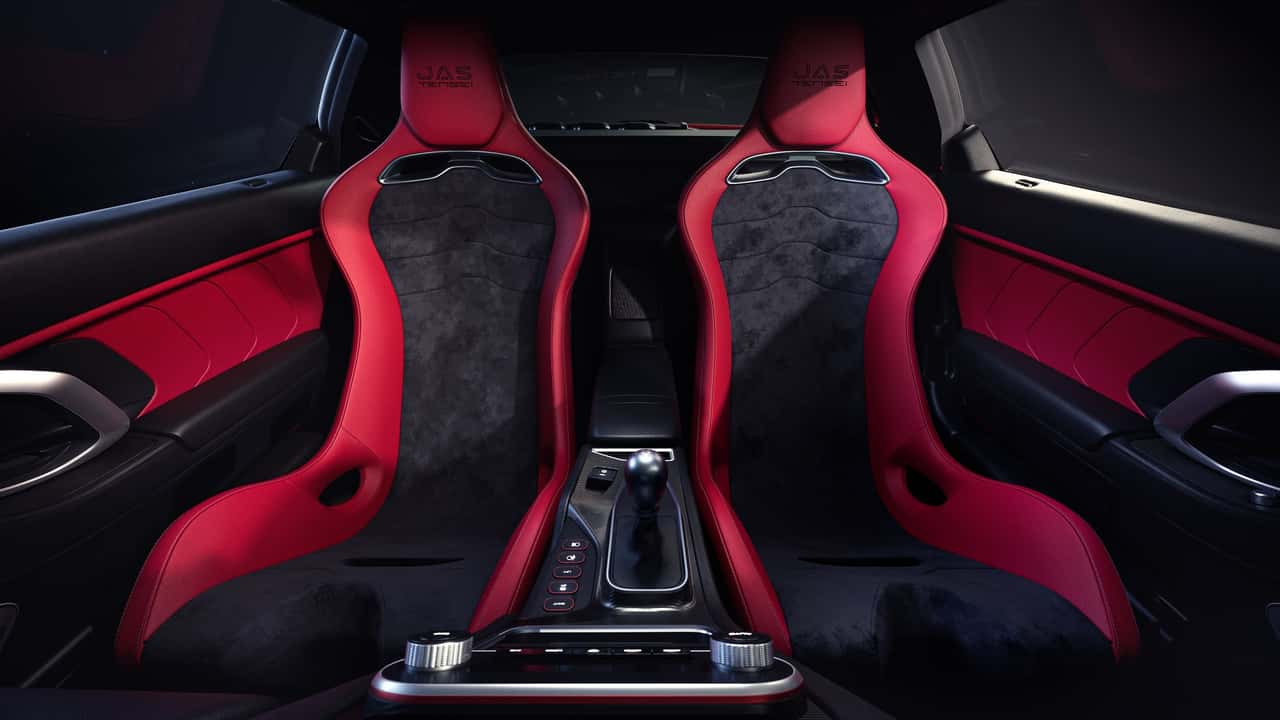
JAS Tensei 2026 Interior
Photo by: Italdesign Photos by: Italdesign
Pininfarina replaces the NSX's original aluminum panels with high-modulus carbon fiber across the entire body, a swap that also brings a flat underfloor and an active rear diffuser the first-generation car never had. JAS lists the dry weight at 2,756 pounds.
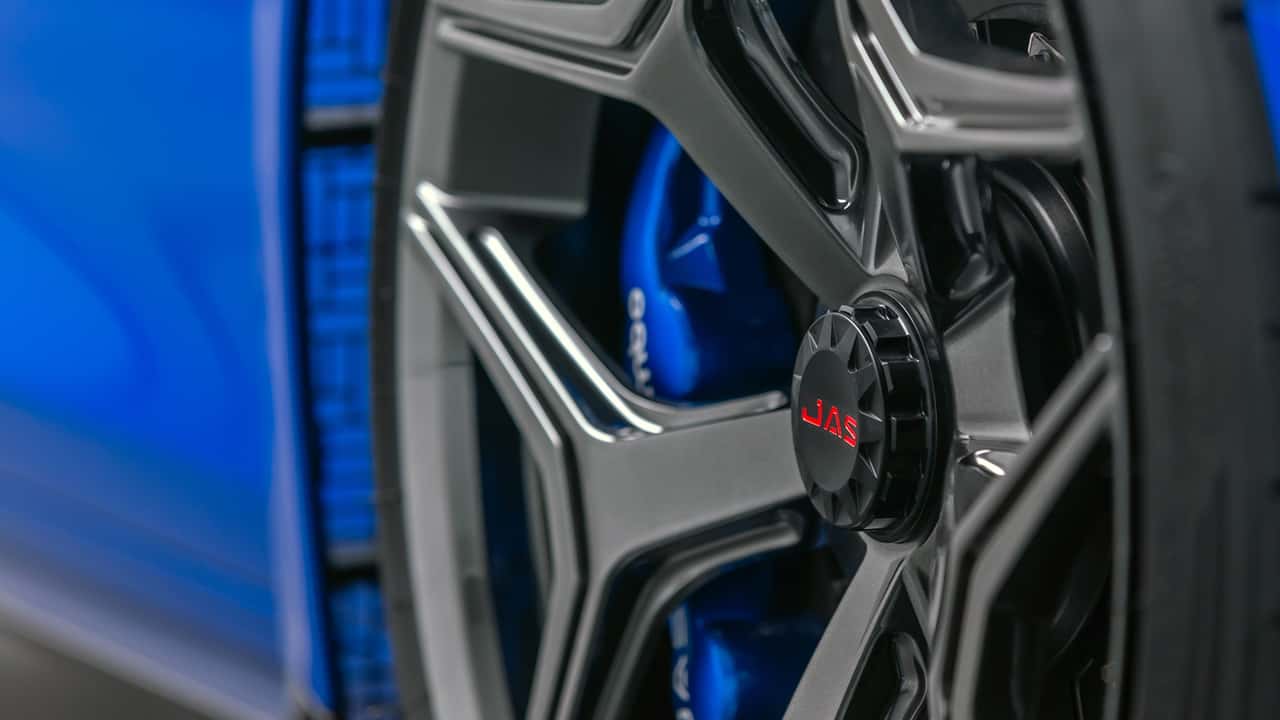
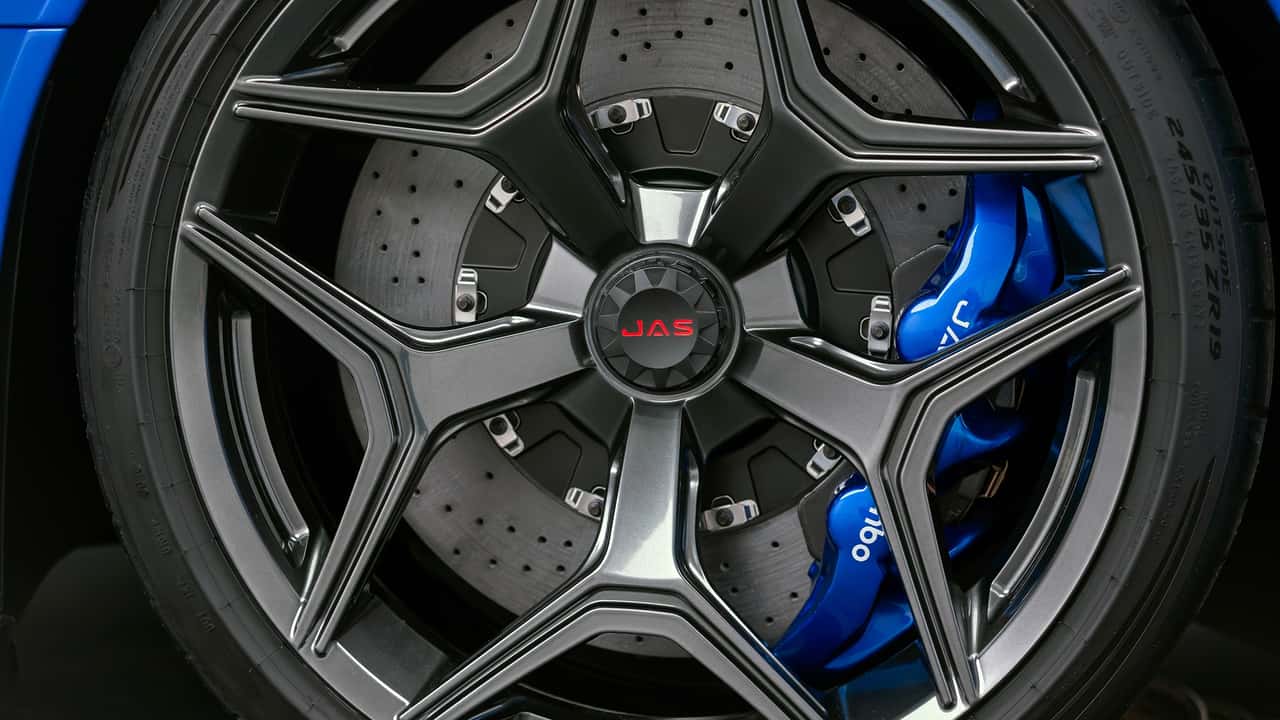
Brakes come from Brembo, with six-piston calipers up front and four-piston units at the rear, clamping down on a chassis tuned with KW dampers running Dynamic Damping Control. The electronically adjustable suspension lets owners dial in ride behavior beyond what the stock NSX offered.
JAS describes the Tensei's mission in blunt terms: it is built to survive in a modern supercar market without giving up the traits that made the original NSX an icon in the first place. That pitch sits behind every panel and every recalibrated engine component.
Pricing starts at 880,000 euros (about $959,000), excluding the donor car, taxes, and any customization the buyer wants. That figure puts the Tensei firmly in exotic territory, closer to a bespoke coachbuilt project than a tuned production car.
Where You Can See The Tensei
JAS Motorsport and Pininfarina will show the finished Tensei publicly for the first time at the 2026 Paris Motor Show, giving European buyers their first in-person look at the carbon-bodied restomod. No wider rollout or dealer network has been announced alongside it.
With only 35 units planned and each one built from a customer-supplied donor car, the build timeline depends on how quickly JAS can source NSX donors and complete each Judd-engineered drivetrain.
The Tensei joins a small but growing field of manual-gearbox restomods built around beloved Japanese and British sports cars, a lane that also includes projects like the reborn Jensen that debuted with a vastly different power figure but a similar restoration philosophy.
The Acura NSX Finally Makes Sense As A Used Supercar. Here's Why You Should Buy One
Ayrton Senna's Legendary Honda NSX Could Fetch Over $1 Million
Honda Will Make New Parts For Your Old Acura NSX
Italdesign Brings Back The NSX With Honda's Blessing
Source: Pininfarina

]]> feedback@motor1.com (Brian Potter) https://www.motor1.com/news/811265/honda-nsx-tensei-restomod-judd/ https://www.motor1.com/news/811110/autozone-3-dollar-oil/ Fri, 09 Oct 2026 05:00:00 +0000 Man Gets Job At AutoZone. Now He’s Revealing The Secret Code To Get $3 Motor Oil: ‘Told Me Not To Tell Anybody’ "Please don't get fired."
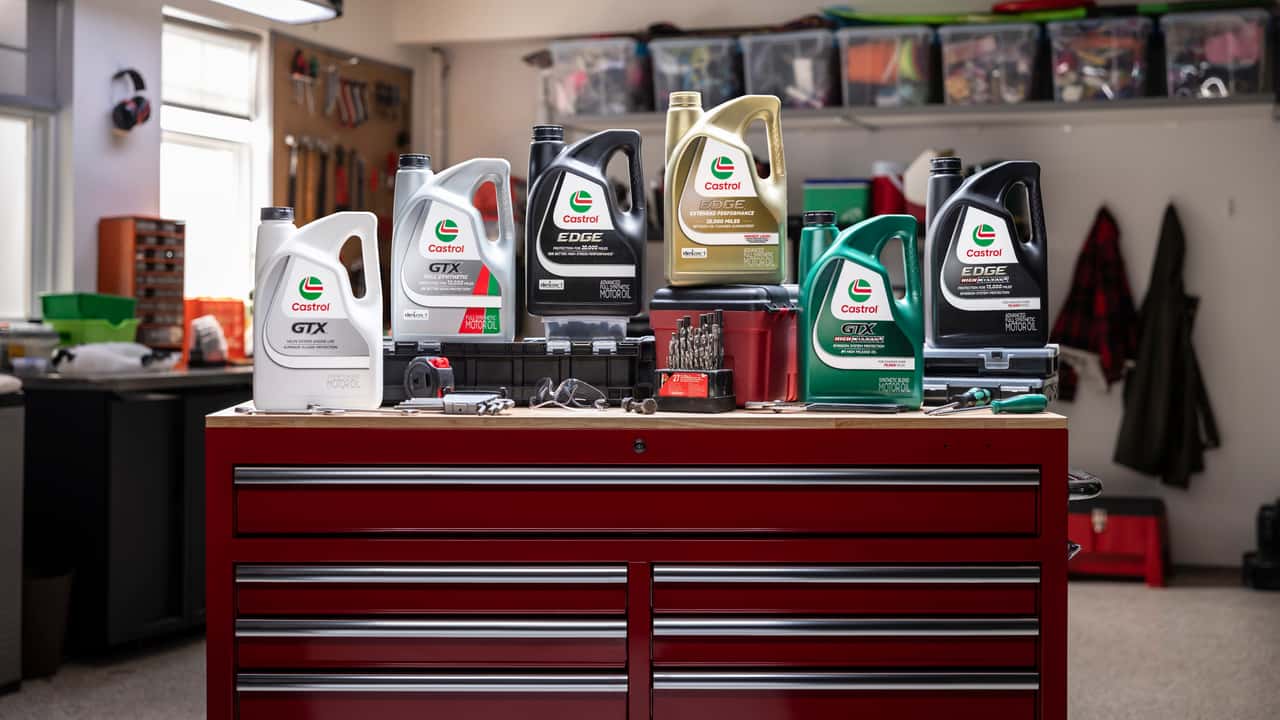
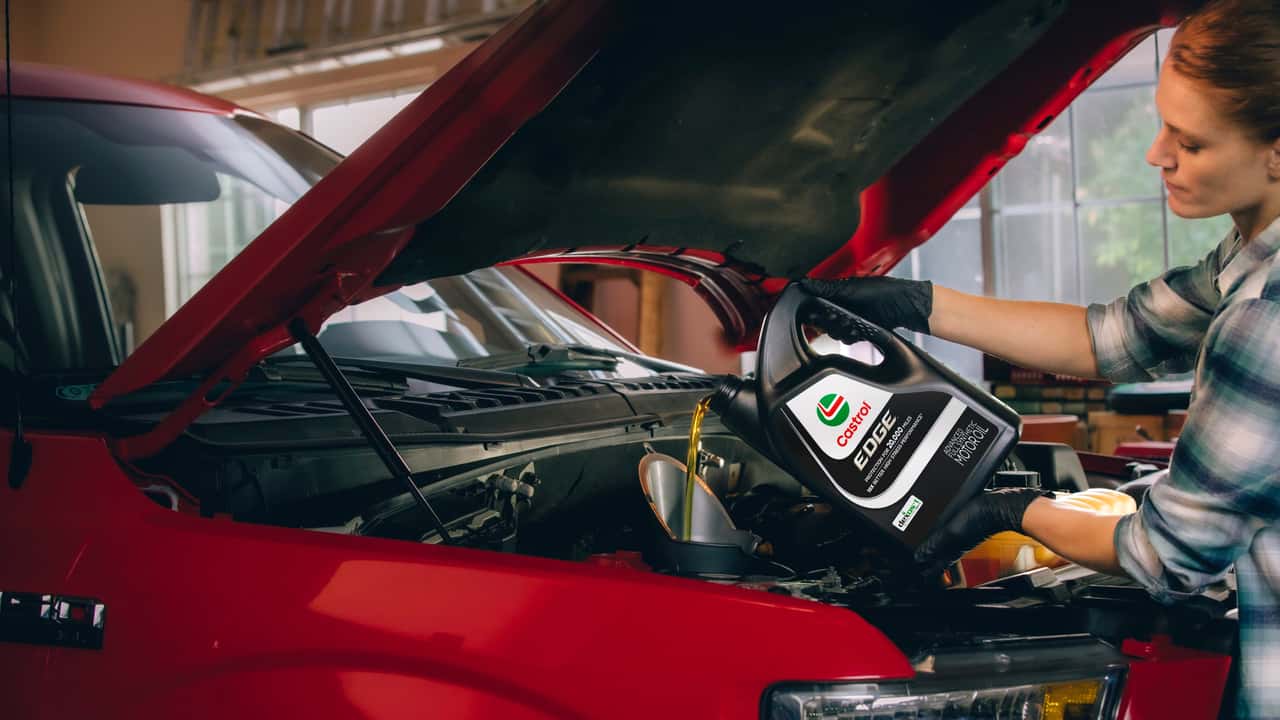
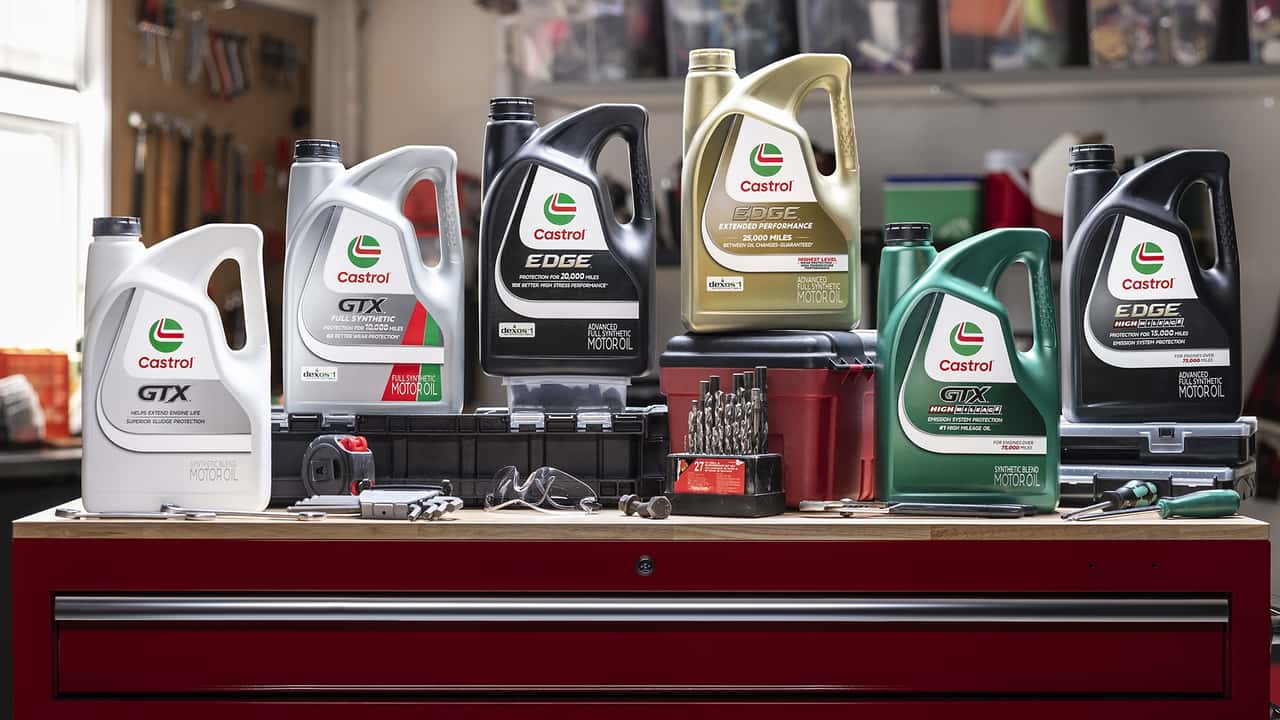
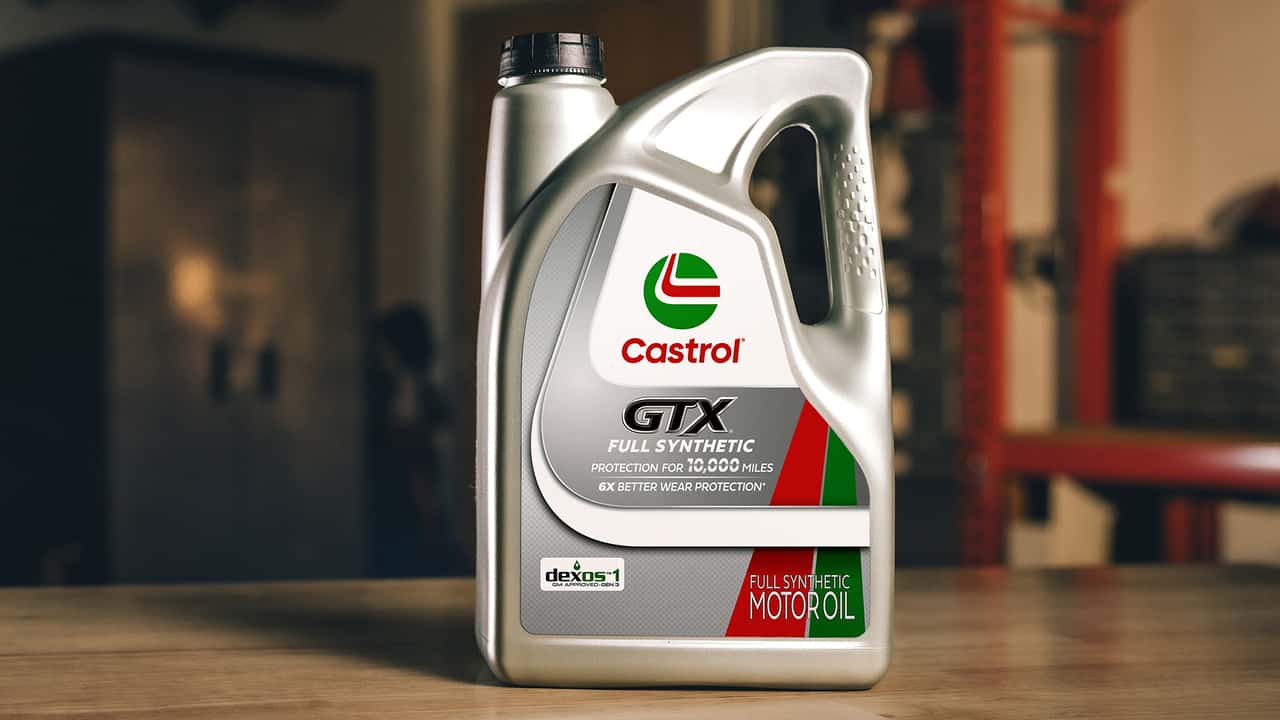
You may have been overpaying for motor oil. According to one AutoZone employee, the nationwide auto supply store sells it for $3—if you know what to ask for.
In a TikTok with over 129,900 views as of this writing, Cleo (@cleoclan1) shares the secret code to get $3 motor oil at AutoZone. “Told me not to tell anybody, but I’m telling everybody,” Cleo begins.
Cleo says that the next time you go to AutoZone, you should ask the clerk if there’s any motor oil in the back.He films shelves of oil in the back of the AutoZone where he works.
“This oil is $3 apiece. Three dollars for oil,” he says.
The shelf contains a variety of conventional and synthetic oils. There are both quart-sized and five-quart bottles. “Look at this 5W-30, five quarts for $3,” he adds.
“Please Don’t Get Fired”
According to AutoZone, enough motor oil to change it in your vehicle typically costs $20 to $40. If Cleo’s right, you could be saving $5-$25.
The discount made some viewers suspicious. Many wondered if the oil was the same quality as retail oil. “Why is it so cheap? And in the back? Is there a reason why they’re in the back? But thank you,” one person wrote. “Why is it in the back??? Did it leak or expired? Why isn’t anyone asking that lol,” another added.
At least one person was concerned that Cleo was revealing a company secret.
“Please don’t get fired,” they said. Not everyone believed that the $3 oil is a real deal at AutoZone. “I work for AutoZone, not all of the stores have $3 oil,” one said.
“That's why you gotta ask,” Cleo replied.
“Ours is still at full price,” one commented.
“He lying. I managed AutoZone and that is overstock,” a third agreed.
One commenter offered a possible explanation. “It’s all the oil they took off the shelves to bring in the new design,” they said.
One person said they tried buying $3 at their AutoZone but had no luck.
“I went and they told me ain’t no [expletive] oil here that cost $3,” they complained.
What Store Has The Cheapest Motor Oil?
Knowing when a retailer is putting items on clearance is difficult to predict, perhaps especially for automotive retailers. Demand for oil remains consistent throughout the year, so you can’t necessarily count on seasonal price fluctuations.
Consumer Reports says that big box stores such as Walmart, Costco, and Home Depot often have the best prices on motor oil. They may not have all types of oil available.
Specialty stores like AutoZone, O’Reilly Auto Parts, and NAPA Auto Parts are more likely to carry all the various types.
As Cleo says, these retailers do sometimes run sales on motor oil. One AutoZone customer posted on a forum that they saw a clearance motor oil table at their local AutoZone: “I walked into AutoZone today, saw a table and sign that read ‘5 quart jugs $5 each. All quarts $1 each’ I grabbed 14 quarts of 5w20... all of the 5 quart jugs were already gone.”
Typically, the best way to save money on motor oil is by buying in bulk. Consumer Reports recommends buying oil in a one-gallon jug or a 12-bottle case.
Motor1 has contacted Cleo via TikTok direct message and commented on the post. This post will be updated if he responds.


]]> feedback@motor1.com (Steve Ecker) https://www.motor1.com/news/811110/autozone-3-dollar-oil/ https://www.motor1.com/news/810717/tesla-drives-off-cliff/ Fri, 09 Oct 2026 02:00:00 +0000 Woman Spots Tesla In New Jersey. Then It Almost Goes Off A Cliff "He must have driven off of the road."
It was just a normal day in New Jersey. A woman stood near the George Washington Bridge recording a yacht.
Then out of nowhere, a Tesla came flying past and nearly drove off a cliff.
Lex (@lexlivinglife) captured footage of the shocking incident and posted it to social media.
In her post, a blue Model Y is skidding down the road. Its brakes appear to be locked as it approaches Lex, grinding against the pavement and narrowly misses hitting her. Damage is visible on the front bumper and tire.
Lex’s video then cuts to her investigating the scene of the accident.
“Well, I found the spot that it happened in,” she says, following the skid marks up the road, which is littered with some debris that appears to have come from the Tesla.
Tesla Averts A Cliff Dive
Lex shares some theories about what happened with the Tesla. “Oh, he must have driven off of the road. Cause there’s another piece, there’s like a bolt I don’t even know what that is,” she says.
She shows a long white line that was likely caused by the Tesla scraping against the road. She then points out a pair of traffic cones that appear to have recently been struck by something.
“So he must have driven, into this,” she surmises as she comes upon two large rocks that form a barrier between drivers and the cliffside.
“There’s pieces of his car, yeah, he carved this whole thing,” she says, showing that the white line continues further up the road. “He almost flew off of the cliff. Like this is the cliff that he almost flew off of,” she continues.
Then she spots tire grooves in the soil that show just how close the Tesla came to driving over the cliff.
“I don’t even understand this. Look at the dirt and everything, I don’t understand how you do this,” Lex remarks.
It's unknown what caused the Tesla to drive so erratically. The driver isn't visible in her video.
Are Teslas Inherently Dangerous?
An iSeeCars study assessed accident fatalities across a billion miles per car brand. It found that the average automaker sees 2.8 deaths for every 1 billion miles driven in its vehicles. The fatality rate is far higher in Teslas, per iSeeCars. It reports that there are 5.6 fatalities for every billion miles driven in Teslas.
Teslas' fatality rate wasn't the highest, however. The Hyundai Venue, for instance, has 13.9 fatal accidents per billion miles, per iSeeCars. Following close behind at the number two and three spots were the Chevrolet Corvette and Mitsubishi Mirage.
These higher fatality rates don't necessarily mean the vehicles are dangerous.
Of course, driver behavior affects these metrics. Lending Tree reports that Tesla ranks third in driving incident rates behind BMW and Ram drivers. Last year, Tesla drivers took the top spot.
Issues With Self-Driving Mode
There have been multiple reports of Teslas crashing while in self-driving mode.
The National Transportation Safety Board (NTSB) wrote about a 2017 accident involving a Tesla Model X P100D. According to the agency, the driver had autopilot engaged and was traveling at 71 miles per hour when they crashed into the median. This raised questions about whether the Tesla’s driver assistance program recognized the highway divide.
The NTSB wrote, “The probable cause of the … crash was the Tesla Autopilot system steering the sport utility vehicle into a highway gore area due to system limitations, and the driver’s lack of response due to distraction.”
The National Highway Traffic Safety Administration wrote that when it came to Tesla’s Autopilot system, there was an “observed trend of avoidable crashes involving hazards that would have been visible to an attentive driver.”
Motor1 has reached out to Lex via email for further comment. We'll update this if she responds.
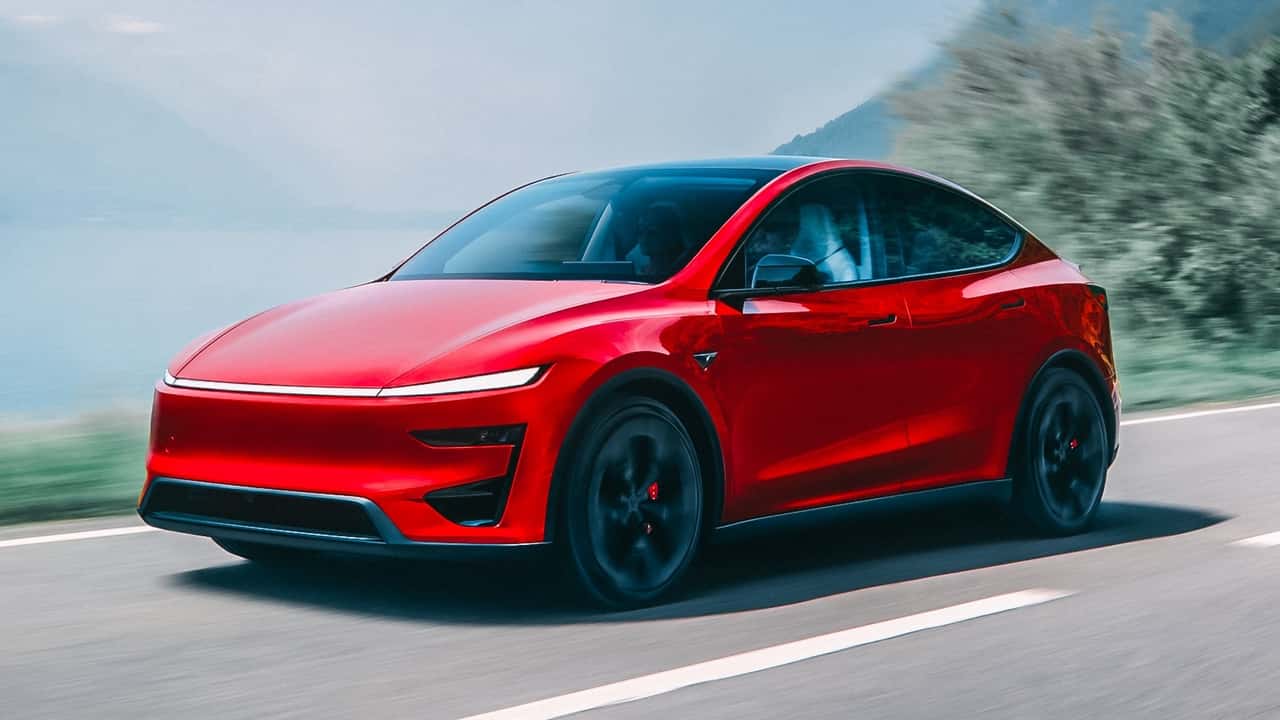
]]> feedback@motor1.com (Mustafa Gatollari) https://www.motor1.com/news/810717/tesla-drives-off-cliff/ https://www.motor1.com/news/810937/cadillac-dealership-loaner/ Fri, 09 Oct 2026 00:00:00 +0000 Cadillac Owner Shows Up At Dealership Unannounced. Then He Demands A Loaner: ‘I Don’t Even Know Who You Are’ "Customers refuse to understand how a dealership works."
A service adviser at a Cadillac dealership was stunned by the entitlement of a customer who had their car towed to the business. Their behavior is rising questions about whether you can select a dealership at random and take your car there for service.
The service advisor, who goes by Dealership Life (@mymechanicsaid), recently posted a video explaining what transpired between him and a customer who had their Cadillac towed to his dealership without prior notice.
What made the situation even more frustrating is that the man had never visited the dealership before.
“Alright, so you tow your vehicle to a dealer, unannounced. You’ve never been there before. They have no clue who you are. And then when you call to see if the vehicle is ready, and they tell you no, it hasn’t been looked at. We’re still trying to work it in. You are beside yourself that that could possibly be the answer,” Dealership Life says.
He continues, “Then you demand a loaner. I don’t have any loaners available. They’re in use. I didn’t even know you were coming, I don’t even know who you are. I’ve never met you. This shouldn’t come as a surprise. The least you could do is give me a heads up."
“They Act As If We Don’t Want To Help Them”
Several commenters sympathized with his grievance.
One person wrote sarcastically, “Mind you it gets towed in on a Friday at 2pm. No name, no number. Call at 4pm asking if it is done. Those are my favorite." A second agreed, “It pains me that customers refuse to understand how a dealership works. They act as if we don’t want to help them."
A third said, “And the two company drops it in the back without letting anyone know."
At least one person took the customer's side, opining that luxury vehicles should include premium services.
“If I buy a Cadillac, it should be serviceable at any Cadillac dealership not just the one I bought it at,” they said.
Can You Tow Your Vehicle To Any Dealership?
General Motors addresses whether you can take your vehicle to any dealership on its GM Fleet website. However, this pertains to vehicles that are still under warranty and any service needs covered under warranty.
The automaker writes, “While most customers prefer to have their maintenance performed at the dealership where they purchased their vehicle, you may use any General Motors dealership you prefer.” GM notes that people should attempt to locate a service center for their specific brand.
GM adds that certified service dealerships are obligated to perform any warranty services and repairs. These dealerships also share data, so they'll be able to access your vehicle's service history, warranty information, and information about any active recalls.
While the certified service moniker indeed guarantees that your car will get worked on, there isn’t mention of a timeframe. If you just show up or have your car dropped off without notice, there's no guarantee that the dealership will be able to service it when you want them to.
Similarly, loaner vehicles are subject to availability. Cadillac’s website notes that “rental/loaner cars vary by dealer,” and that dealerships “will discuss availability and options” after a client brings their car in.
Motor1 has reached out to Dealership Life via TikTok direct message for further comment. We'll be sure to update this if he responds.



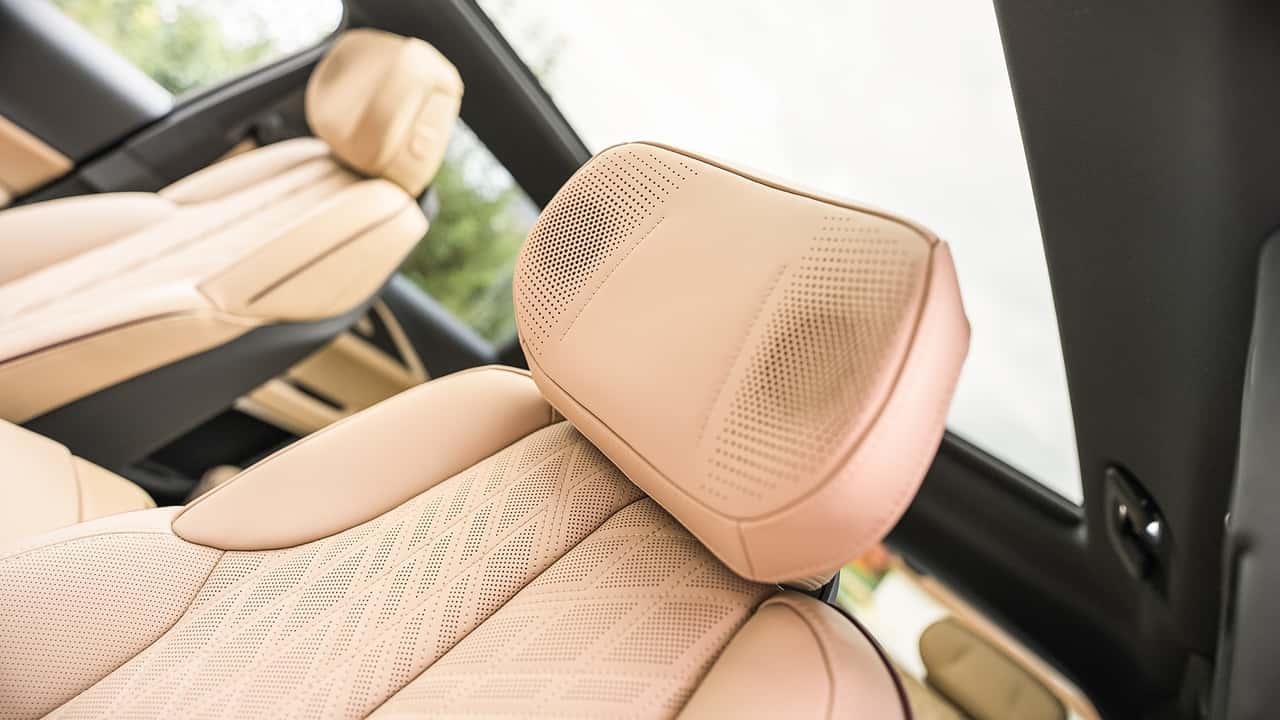
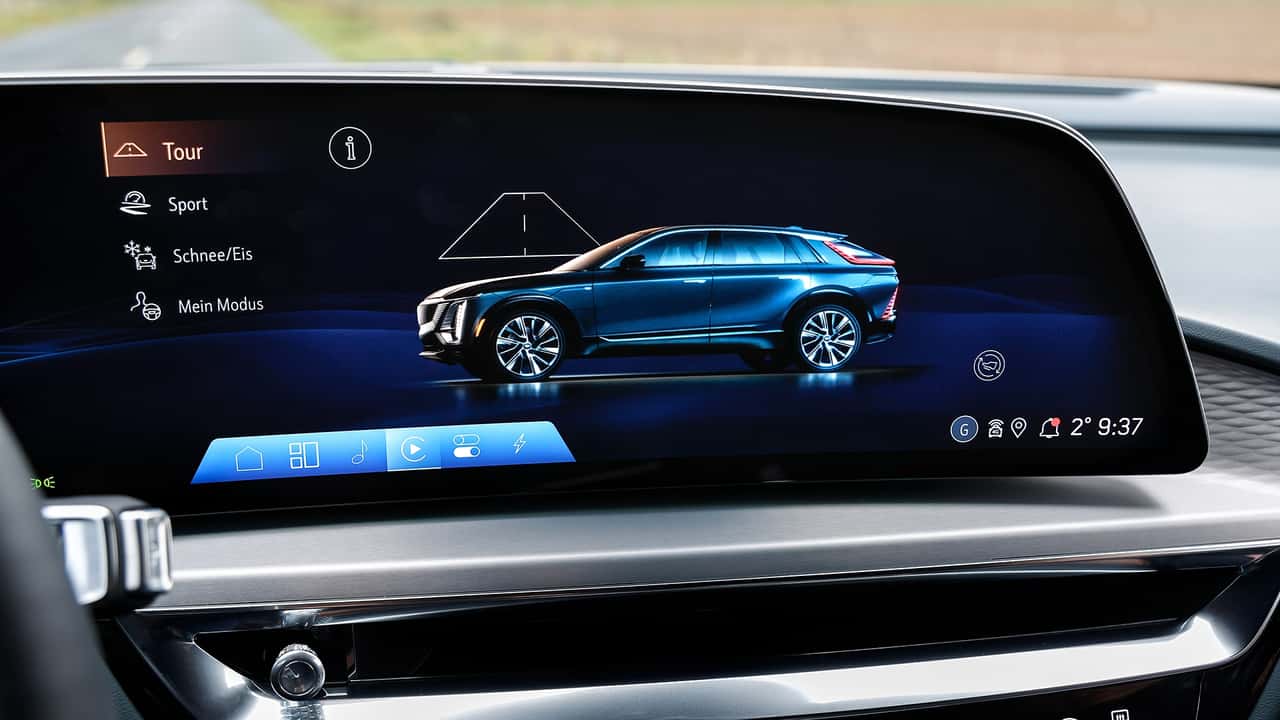
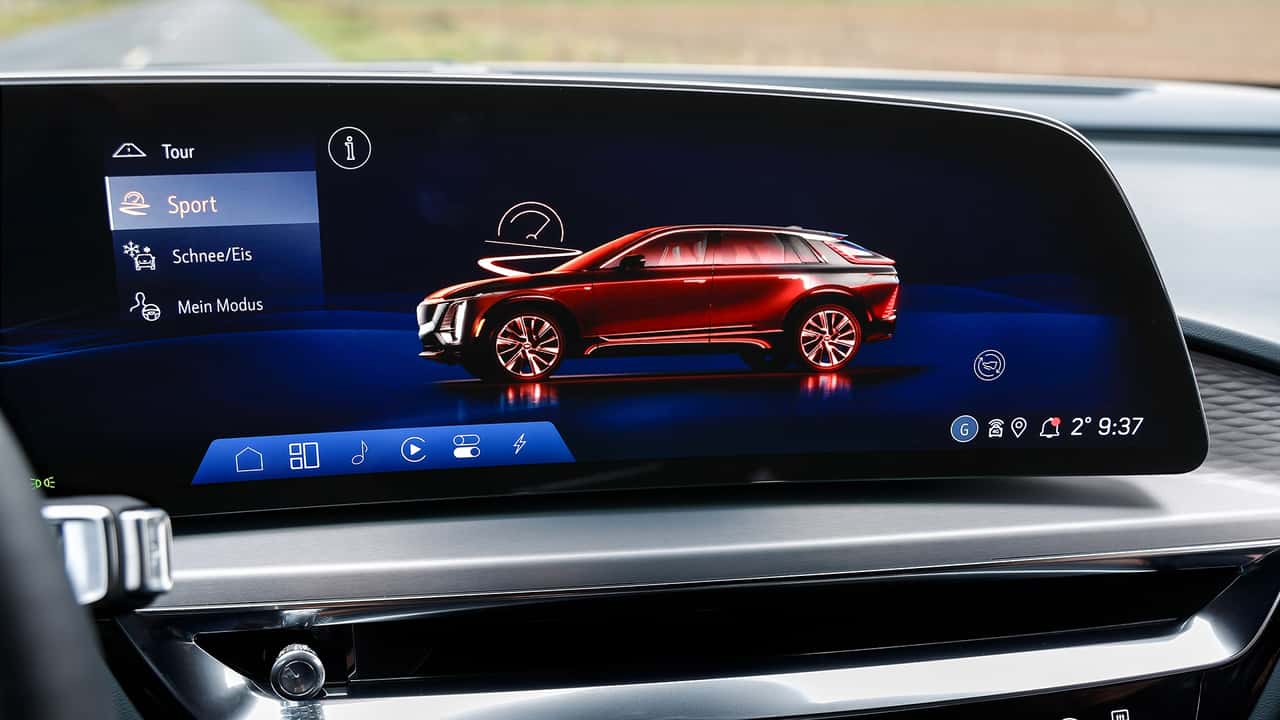
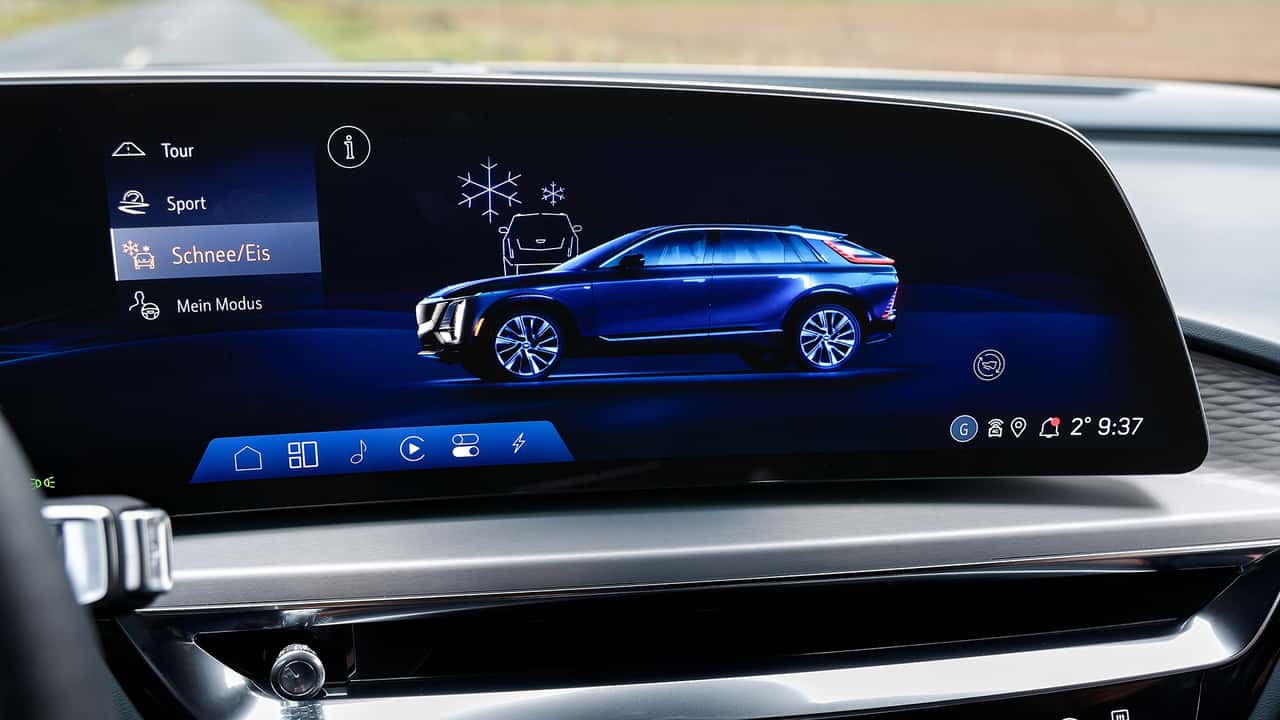
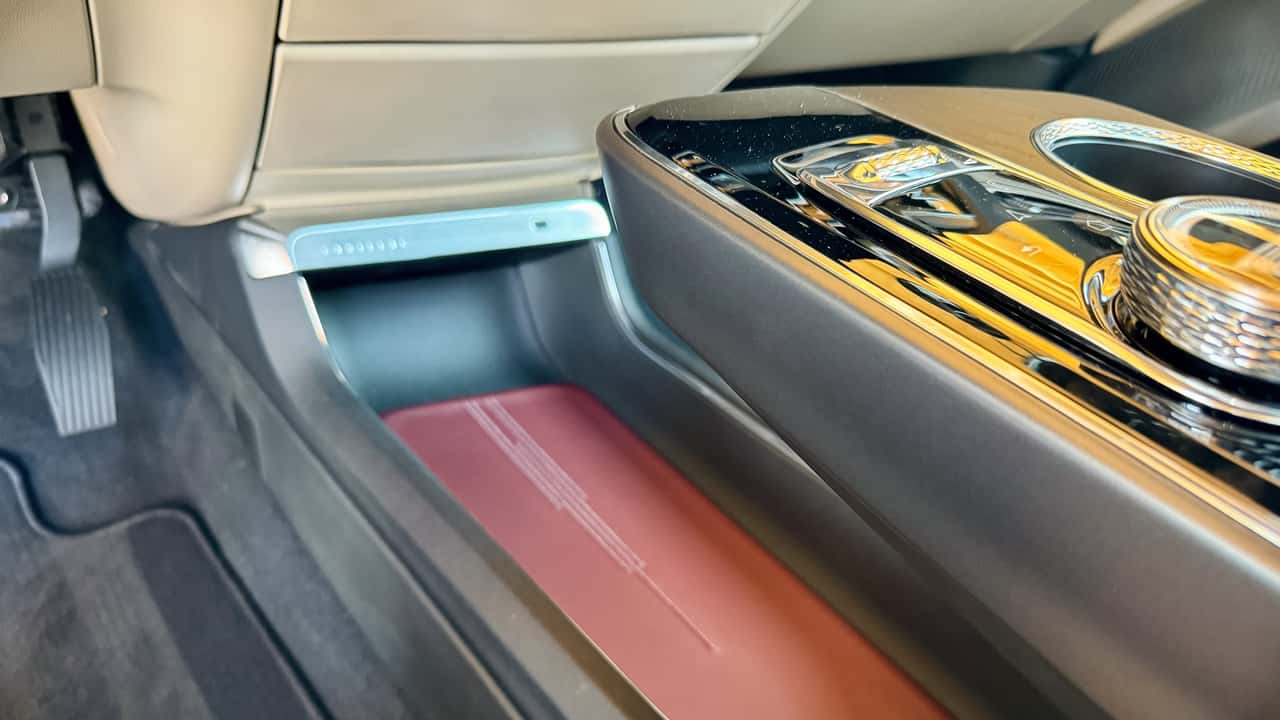
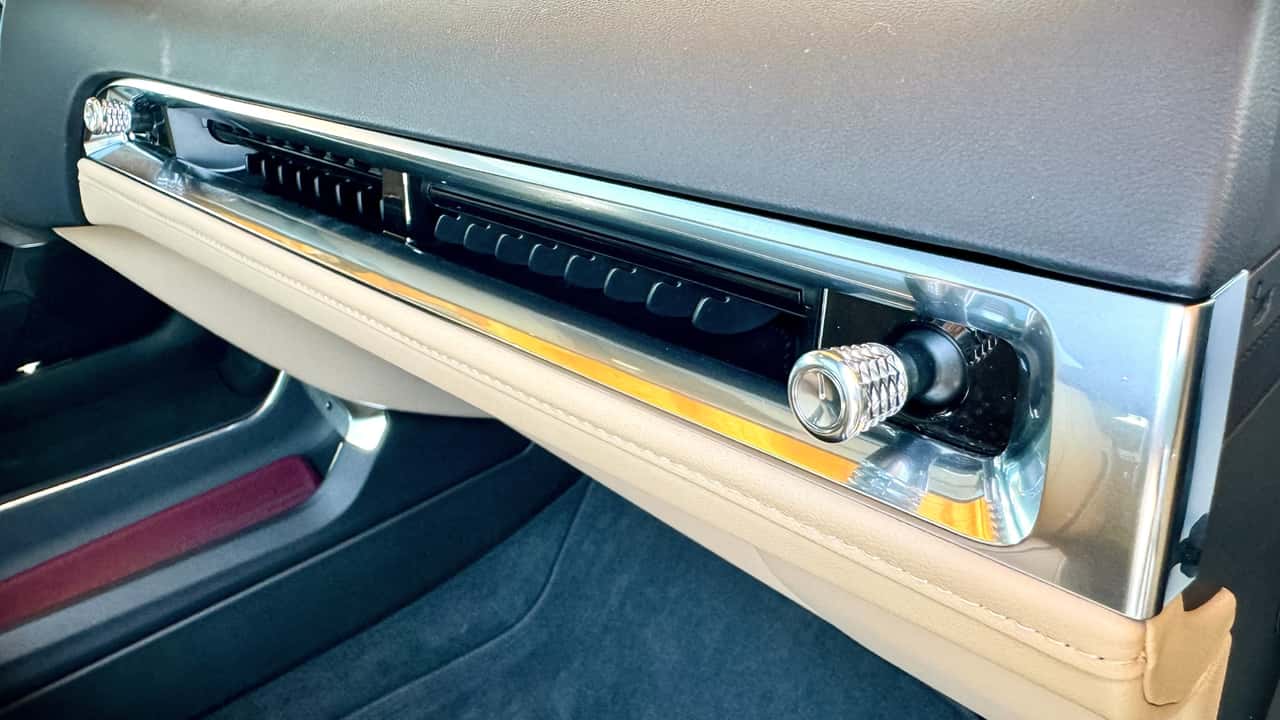
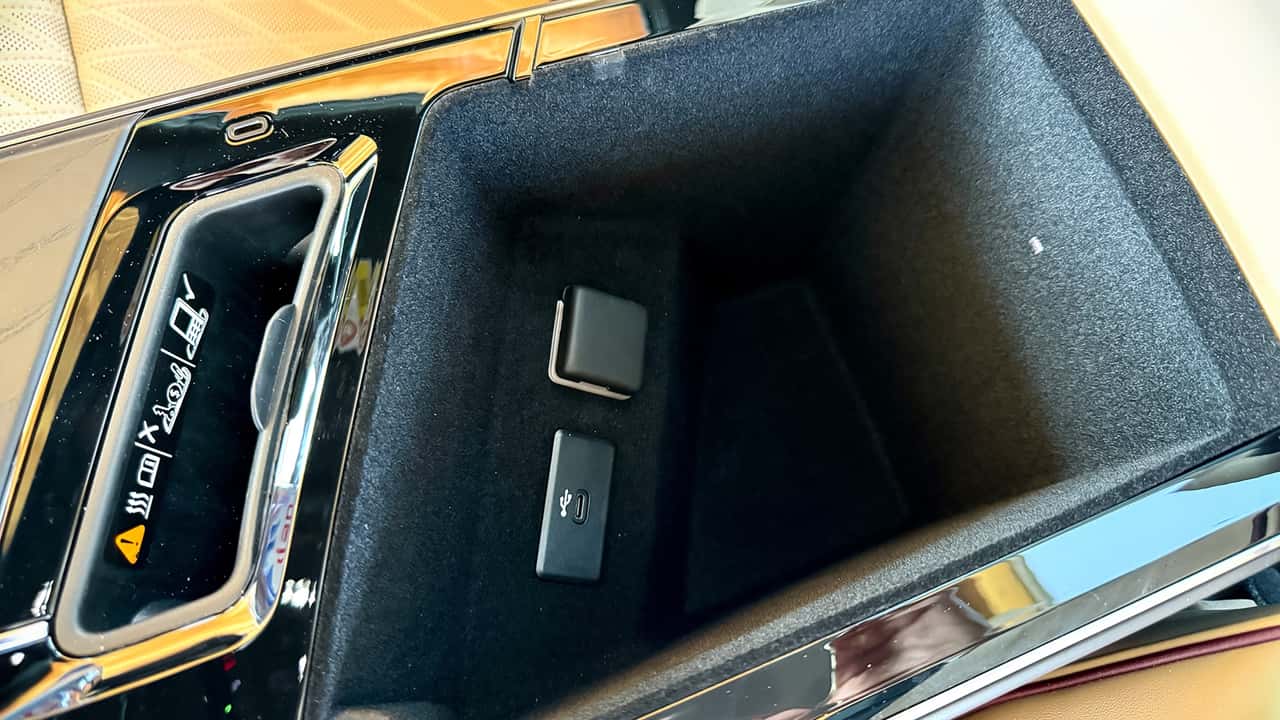
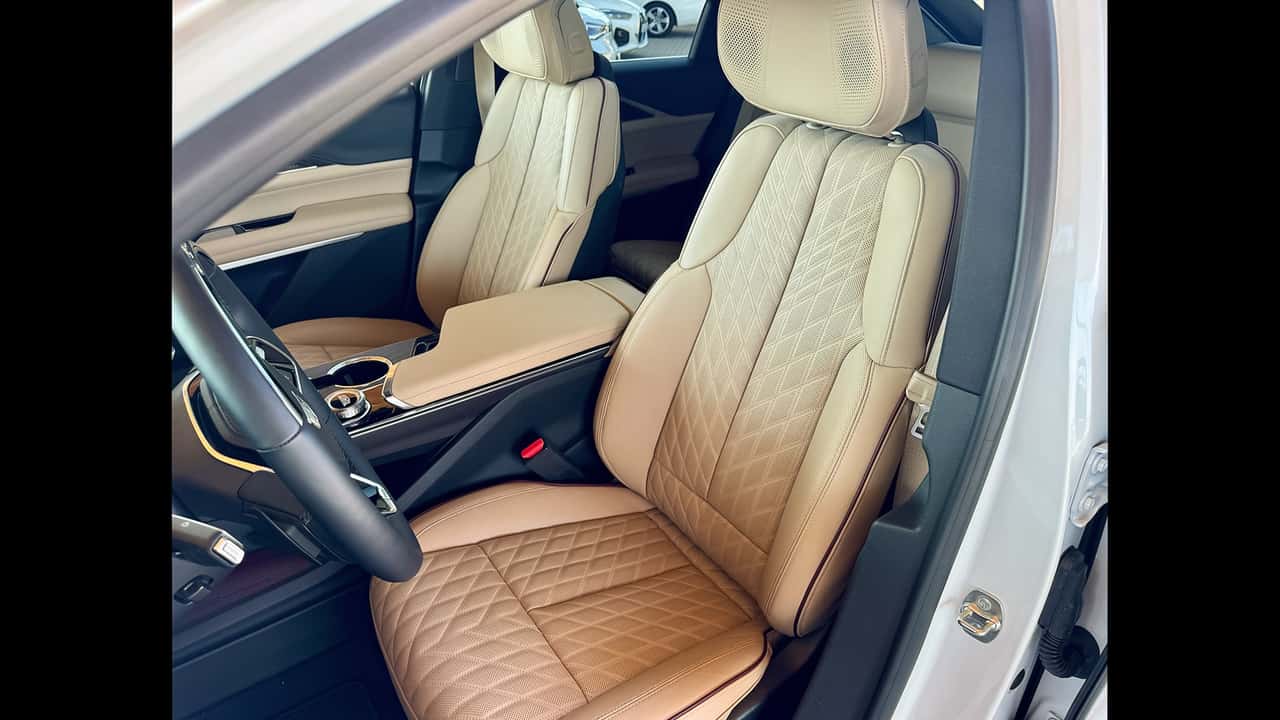


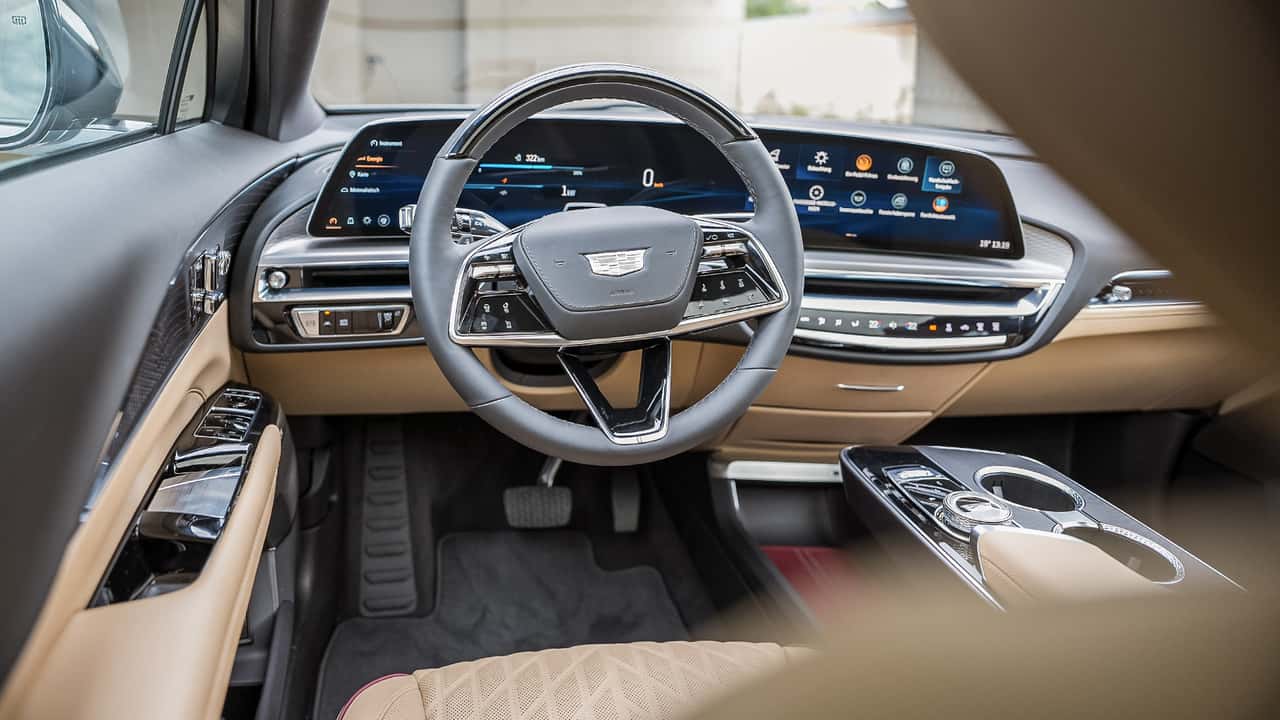
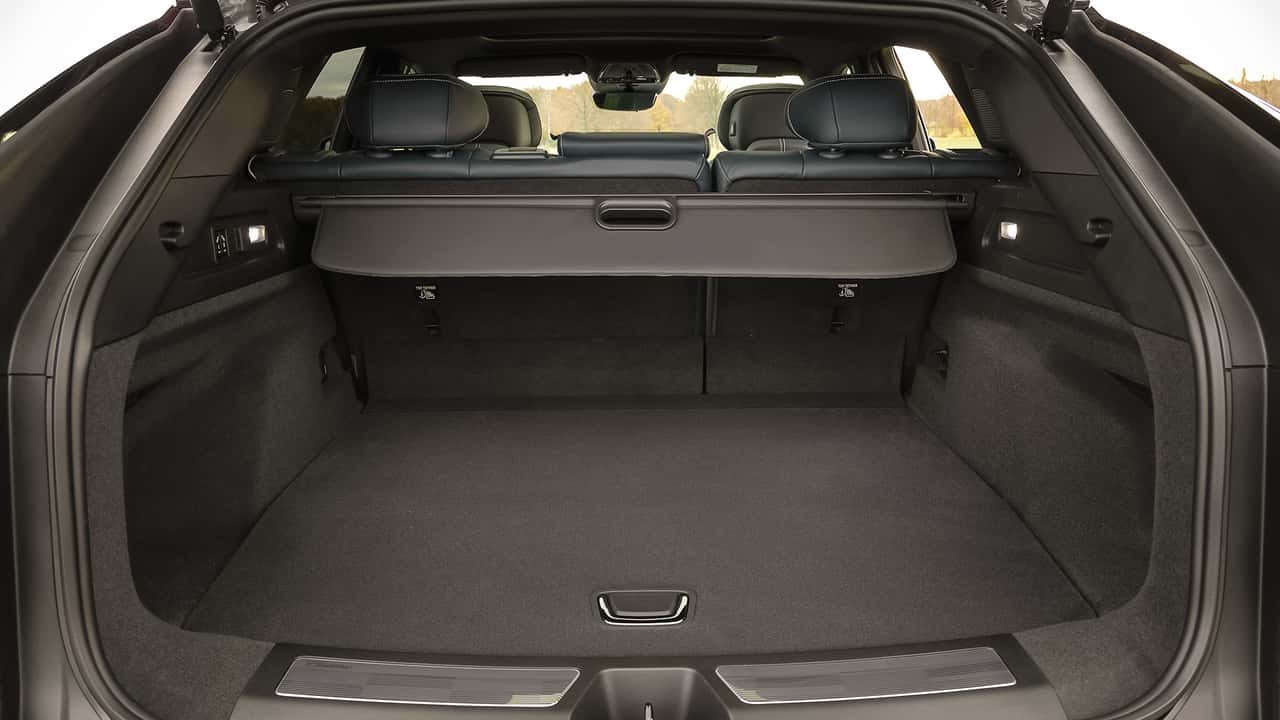
]]> feedback@motor1.com (Mustafa Gatollari) https://www.motor1.com/news/810937/cadillac-dealership-loaner/ https://www.motor1.com/news/811245/jaguar-next-model-crossover-design/ Thu, 08 Oct 2026 23:00:00 +0000 Jaguar's Next Model Could Be An SUV With Type 01 Styling Jaguar hints that its second model will offer more practicality than the Type 01 GT while keeping the styling.
Jaguar’s all-electric future starts with the Type 01, a four-door GT that helped relaunch the brand. But it won't be Jaguar’s only model forever.
Jaguar executives told InsideEVs the next vehicle will arrive soon, but they offered no specifics. When the vehicle debuts, it will use the bold new styling from the Type 01 as a foundation. Rawdon Glover, Jaguar’s managing director, told the publication that the company is marketing the idea of "being unafraid to break convention, or refuse to compromise."
And the new Jaguar Type 01 is certainly unlike any Jaguar that came before it. It’s a long, wide battery-electric vehicle designed to position the brand above former rivals like Audi and BMW.
What Will Be Jaguar’s Next Model?
Jaguar Type 01
Photo by: Jaguar
Jaguar executives did not reveal its next model, but Glover hinted at a crossover-like vehicle. A four-door GT might look better than a crossover, but the current market favors the high-riding models, and we doubt Jaguar will be without one for long.
Glover told Australia’s CarSales that other Jaguar vehicles will “offer more practicality; they will offer different things for different audiences. You can expect that in the portfolio.”
Jaguar's second model will debut sometime after the automaker begins delivering the Type 01, which suggests a 2028 reveal. Deliveries for the Type 01 are expected to start by the end of 2027. A third model is also expected to join Jaguar’s lineup, possibly a large sedan.
Jaguar’s Future
Jaguar Type 01
Photo by: Jaguar
The new Jaguar will not chase volume sales; instead, it will focus on profitable, low-volume models while producing only battery-electric vehicles. The company’s attempt to compete with mainstream luxury brands like Mercedes-Benz and Lexus has not produced a strong, robust business. Instead, Jaguar struggled to stand out.
The company’s relaunch is about more than one model—the automaker wants to reposition the entire brand and change perceptions of what is worthy of a Jaguar badge. The new Type 01 targets a specific kind of young, affluent buyer who wants something different, and it delivers that experience.
Is it enough to save Jaguar and turn it into a profitable brand? We will have to wait and see.
Jeremy Clarkson Is Growing A Jaguar F-Type On His Farm
Jaguar Land Rover Plans US Defender Pickup Built With Stellantis, Sources Say
JLR Hands US Defender Production To Stellantis
The New Jaguar Will Chase A 'Niche Part Of A Niche Part'
Source: InsideEVs, CarSales.com.au
]]> feedback@motor1.com (Anthony Alaniz) https://www.motor1.com/news/811245/jaguar-next-model-crossover-design/ https://www.motor1.com/news/811063/hyundai-mechanic-hidden-charge/ Thu, 08 Oct 2026 22:00:00 +0000 Woman Goes To Hyundai Dealership To Rotate Her Tires. Then The Tech Adds A Surprise $90 Charge “Only go to the dealer for recalls."
A woman says she went to the dealership for a routine oil change and tire rotation—and walked away questioning nearly $1,000 in recommended work.
Jazzy (@jazzy7281977) shared her frustration after she said the dealership told her she needed several additional services, including a new cabin air filter.
“Dealerships are a big scam artists 90 dollars to replace my already white cabin air filter,” she wrote in the text overlay.
Jazzy says she went in for an oil change and tire rotation, but the dealership came back with close to $1,000 worth of recommended work.
One of those items was replacing the cabin air filter.
“For $89 they wanted to charge me to replace this,” Jazzy says, holding the filter up for viewers. “This thing is white, white.”
Does A White Cabin Air Filter Still Need To Be Replaced?
AAA says automakers commonly recommend replacing cabin air filters every 15,000 to 30,000 miles, though the exact interval depends on the vehicle and driving conditions. Dust, pollen, soot, smog, and other airborne debris can shorten a filter’s life, especially for drivers in areas with poor air quality or heavy dust and dirt.
That said, testing your air filter based on its color alone also isn’t a perfect test.
AAA recommends checking both the filter’s condition and airflow. Signs that a cabin filter may be restricted include weaker airflow from the vents and persistent odors. Another AAA maintenance guide suggests holding the filter up to a light source: If light no longer passes through, it may be time to replace it.
So Jazzy’s filter appearing “white, white” doesn’t necessarily prove it was still good. But without knowing the vehicle, mileage, service history, or why the dealership recommended replacing it, there’s no way to determine from the video alone whether she actually needed a new one.
And the $89 price tag isn’t wildly out of line with industry estimates. RepairPal reports that the average cost of an air filter replacement, including parts and labor, is roughly $91 to $114. But its estimates vary significantly by vehicle: a Honda Civic, for example, runs about $61 to $76, while a Toyota Corolla can cost $113 to $140.
AAA gives a lower estimate, saying a cabin air filter replacement typically costs $15 to $50, though it notes prices can be higher depending on where you buy the filter.
Some drivers also skip the shop altogether. Consumer Reports says cabin air filters are among the repairs people often do at home and are usually easy to replace, though access can vary by vehicle. AAA similarly says many can be changed in about 15 minutes.
Viewers Divided Over Dealership Air Filter Charge
Some viewers said the dealership may not have been judging the filter by appearance at all.
“They don’t even pull it out. They look at miles and make recommendation[s],” one wrote.
“Not a scam; you have a choice to buy or not to buy. Our dealership shows everybody their filters and asks, ‘Do you want to replace these,’” another claimed.
A small shop owner also pushed back on the idea that the price itself made the service a scam.
“Is not a scam; I own a small shop, and my expenses are around $20k a month between shop rent and employees. A dealer rent alone is around $30k a month,” they said.
Others were firmly on Jazzy’s side.
“Only go to the dealer for recalls,” one person advised.
“Con artists,” another said.
A third commenter argued that dealerships may simply count on customers not wanting to do the job themselves.
“They probably just assume people are too stupid and lazy to change it themselves,” said one.
A few viewers said replacing the filter is easy enough to handle at home.
“Takes 5 min and YouTube. Behind your glove box. Never go to the dealer,” they wrote.
Motor1 contacted Jazzy via TikTok direct message. We’ll be sure to update this if she responds.
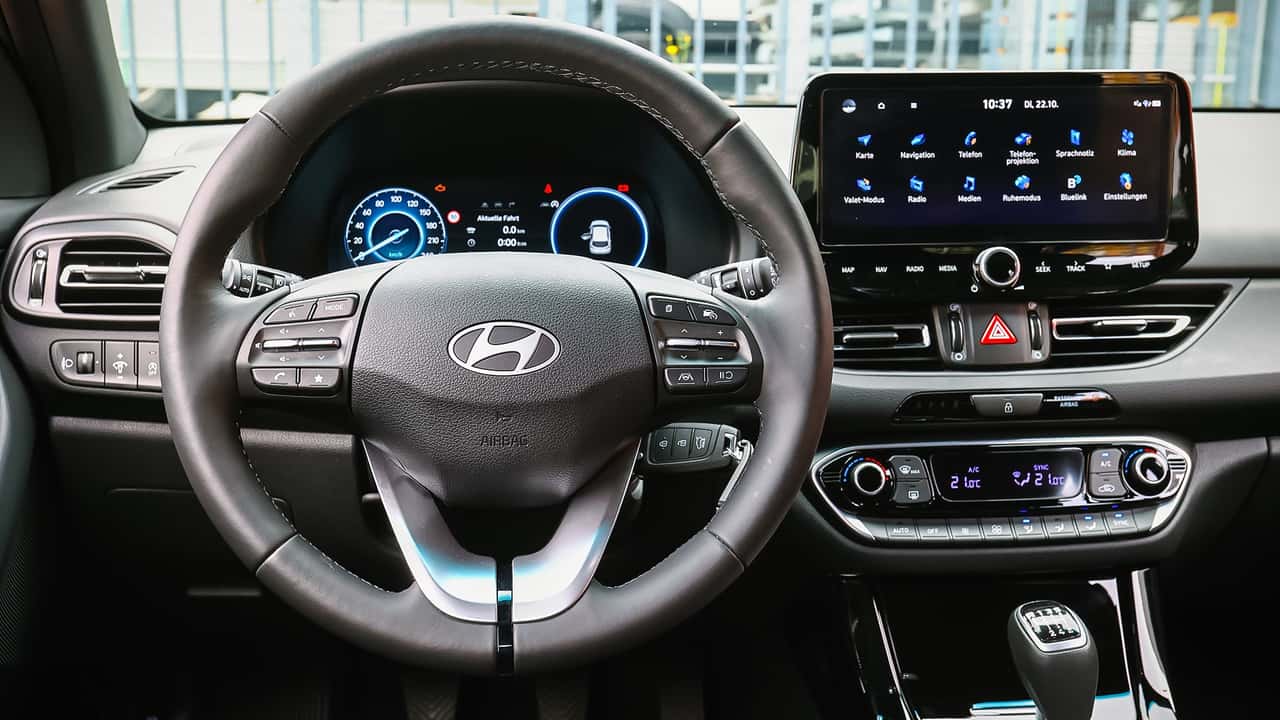
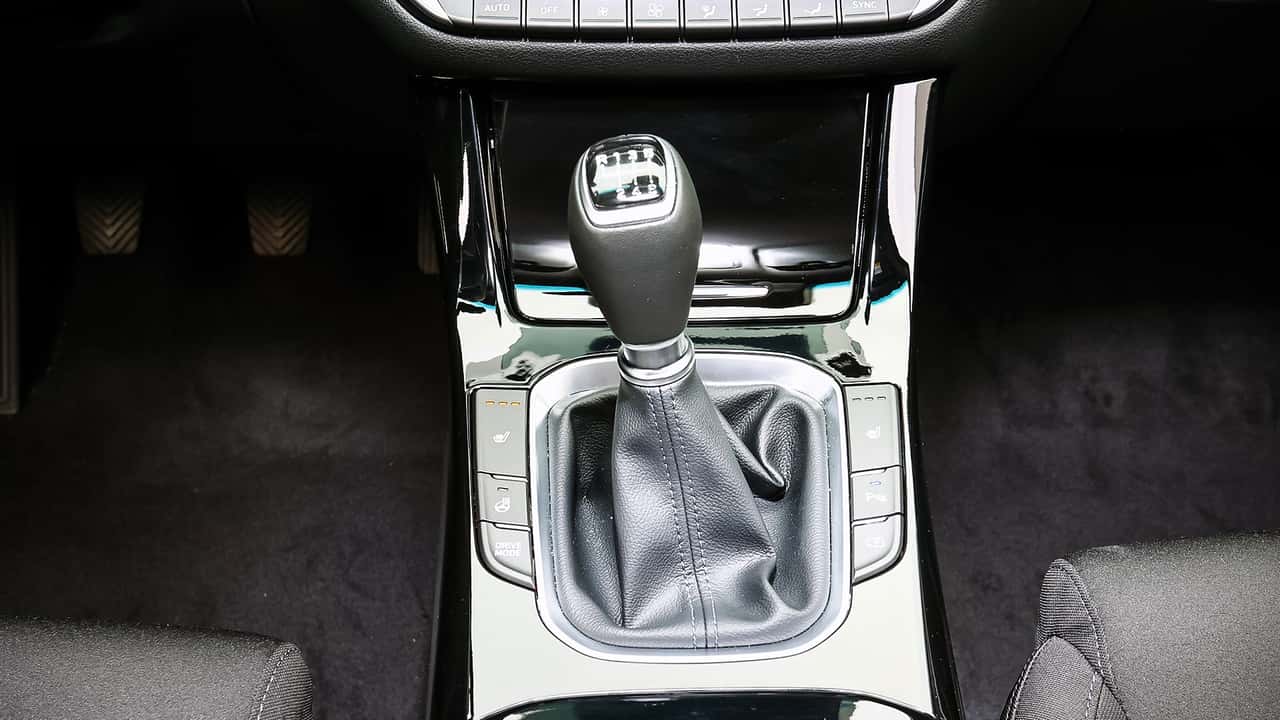
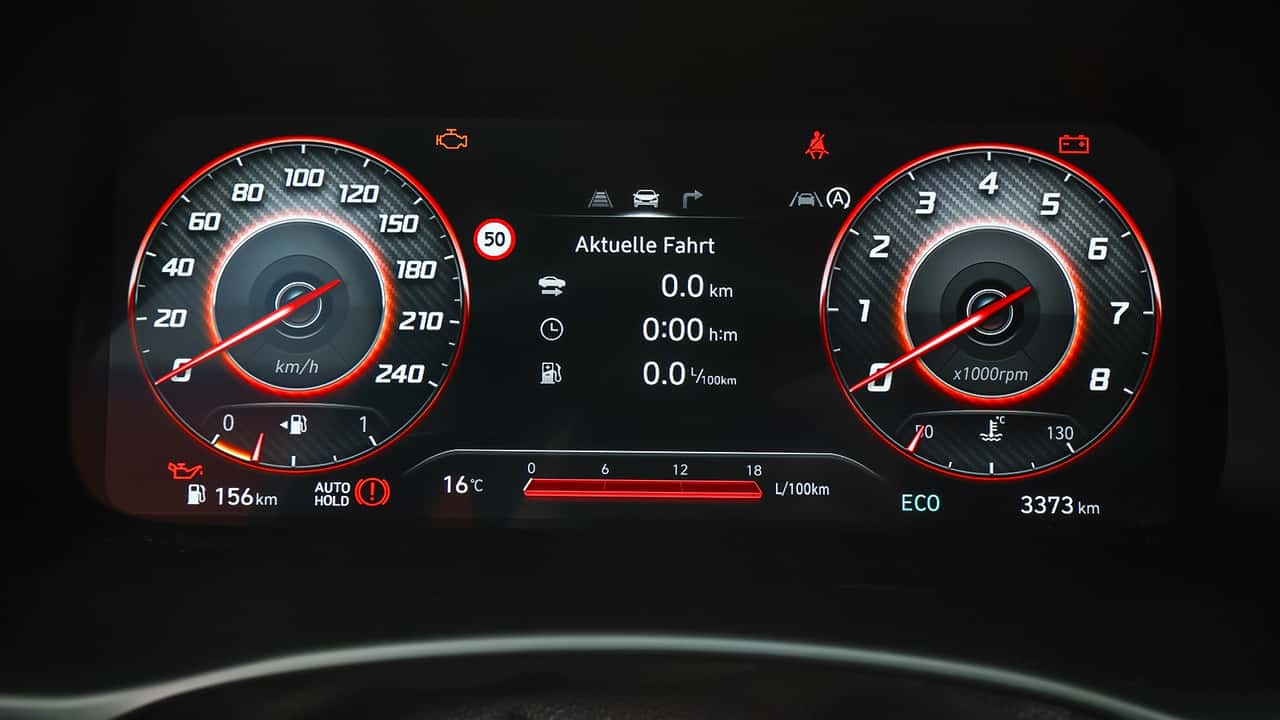
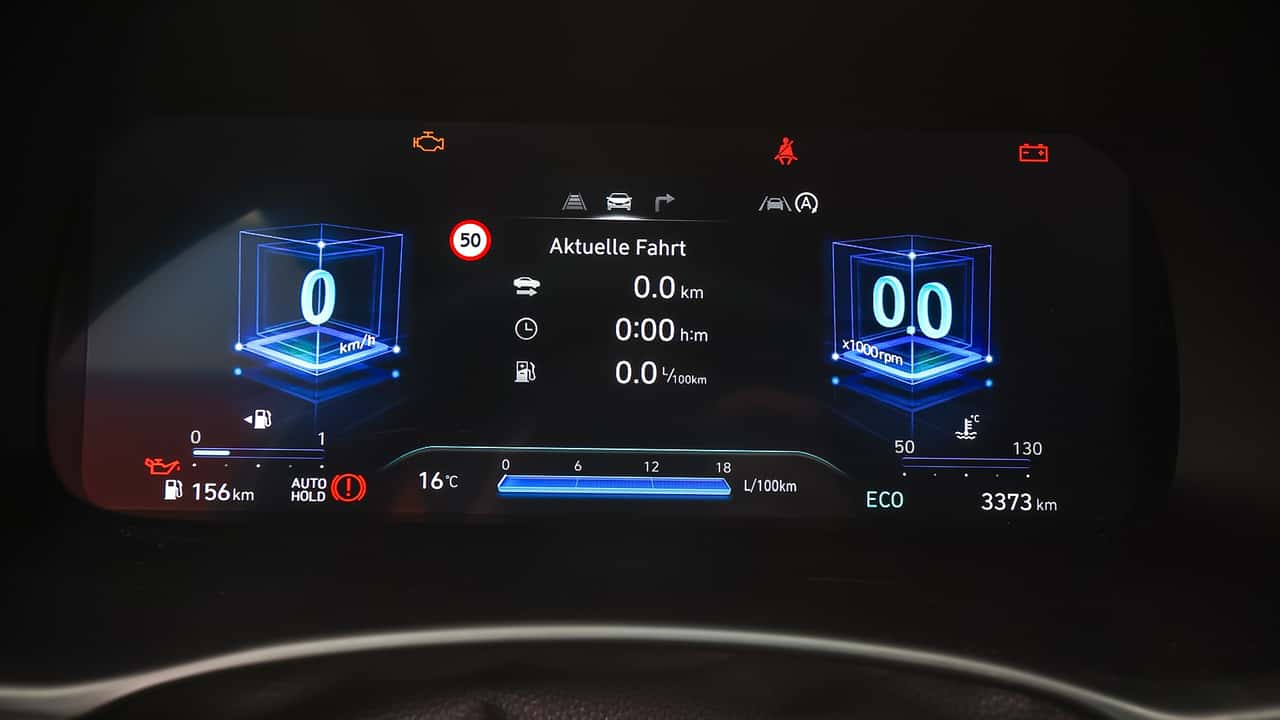
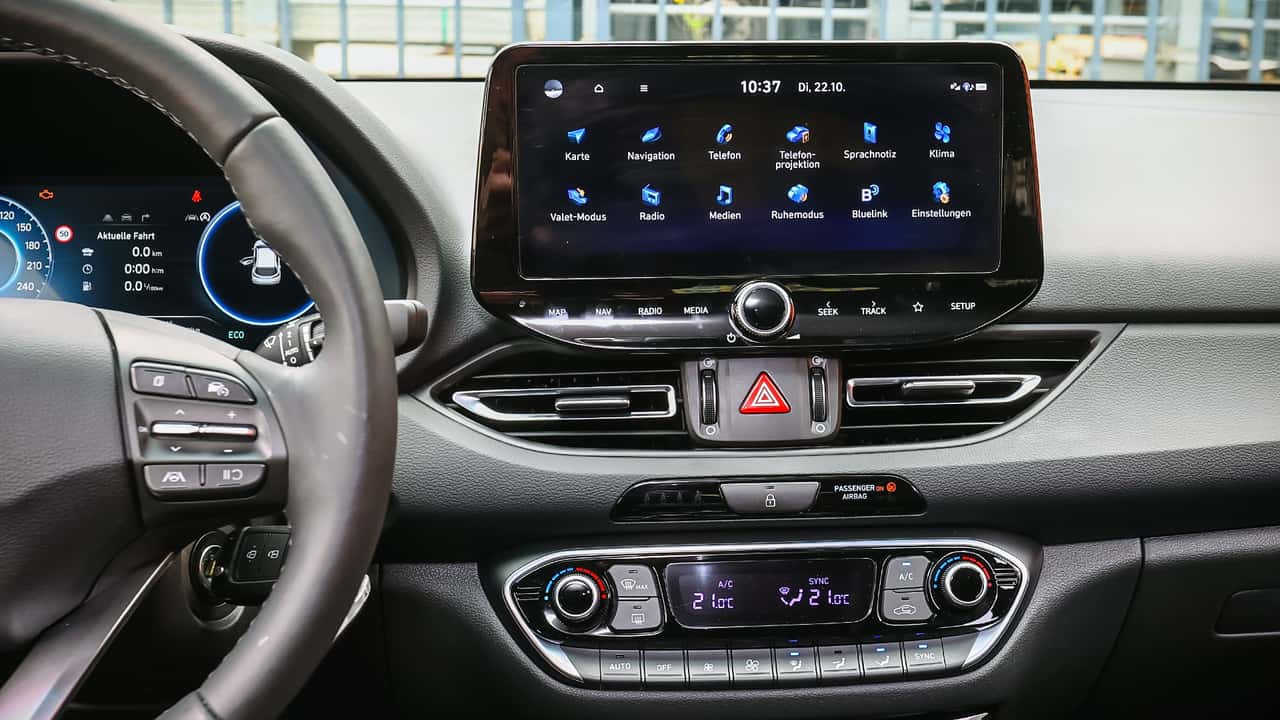
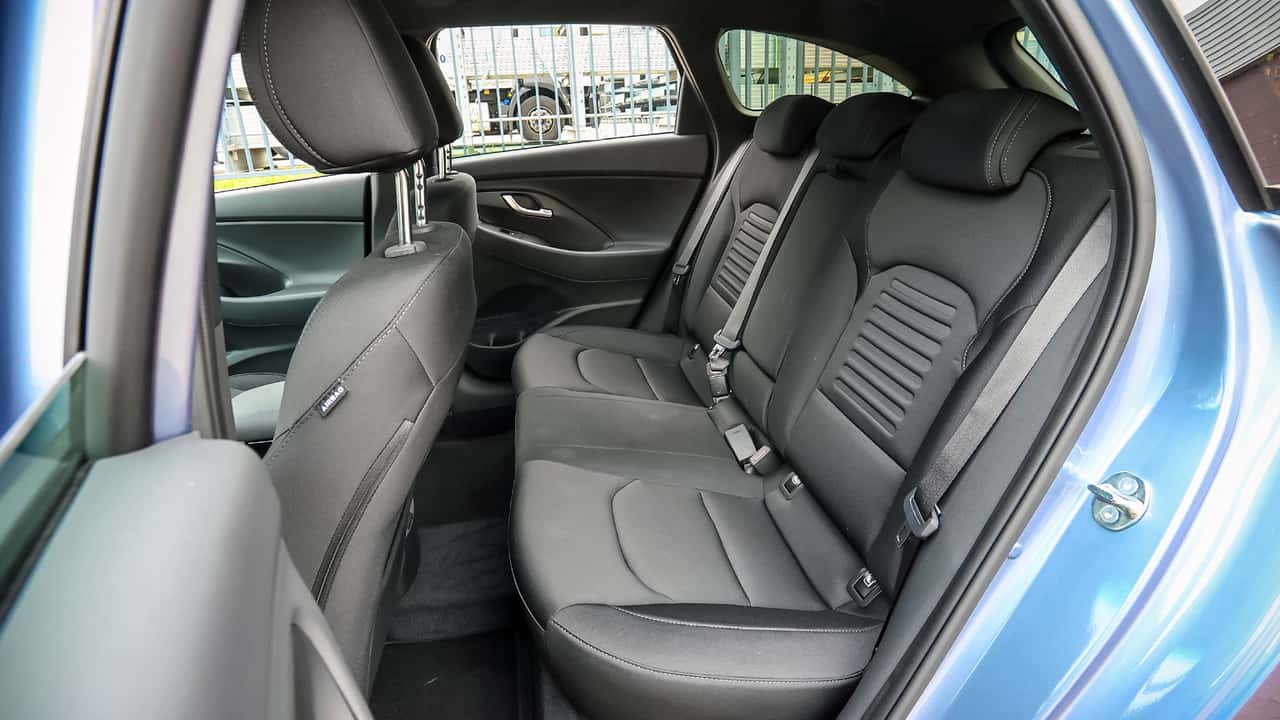
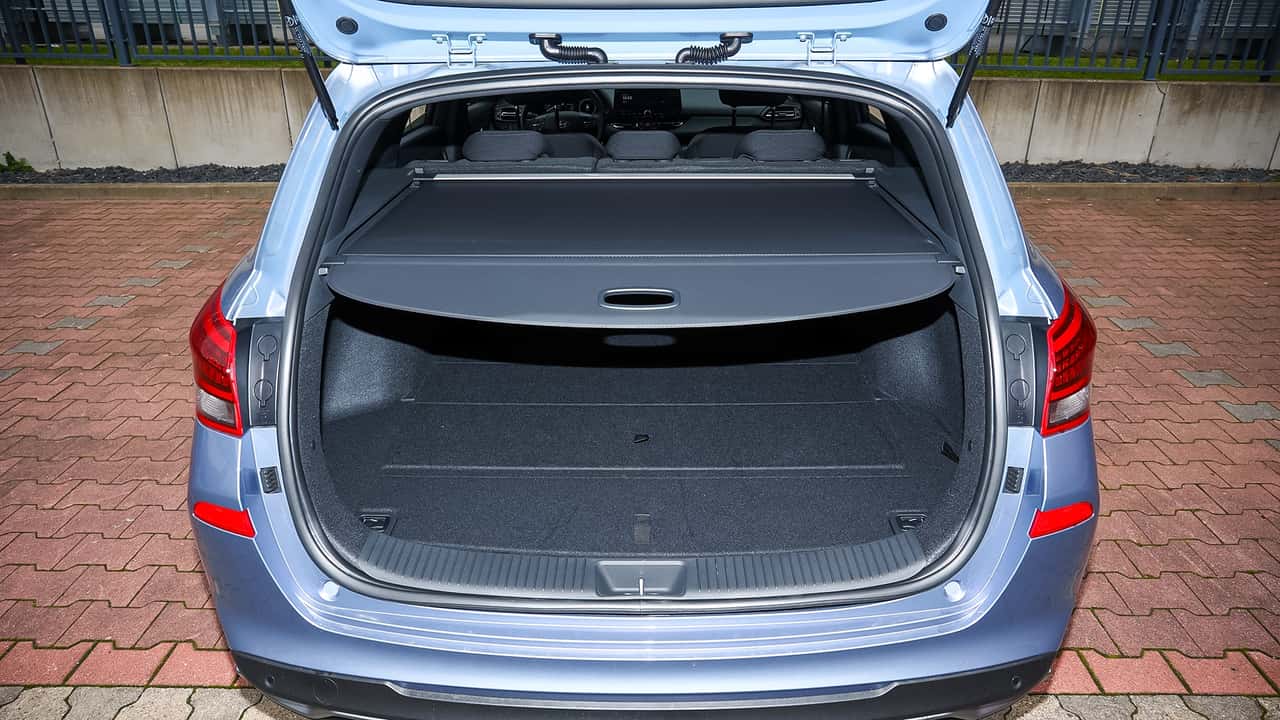
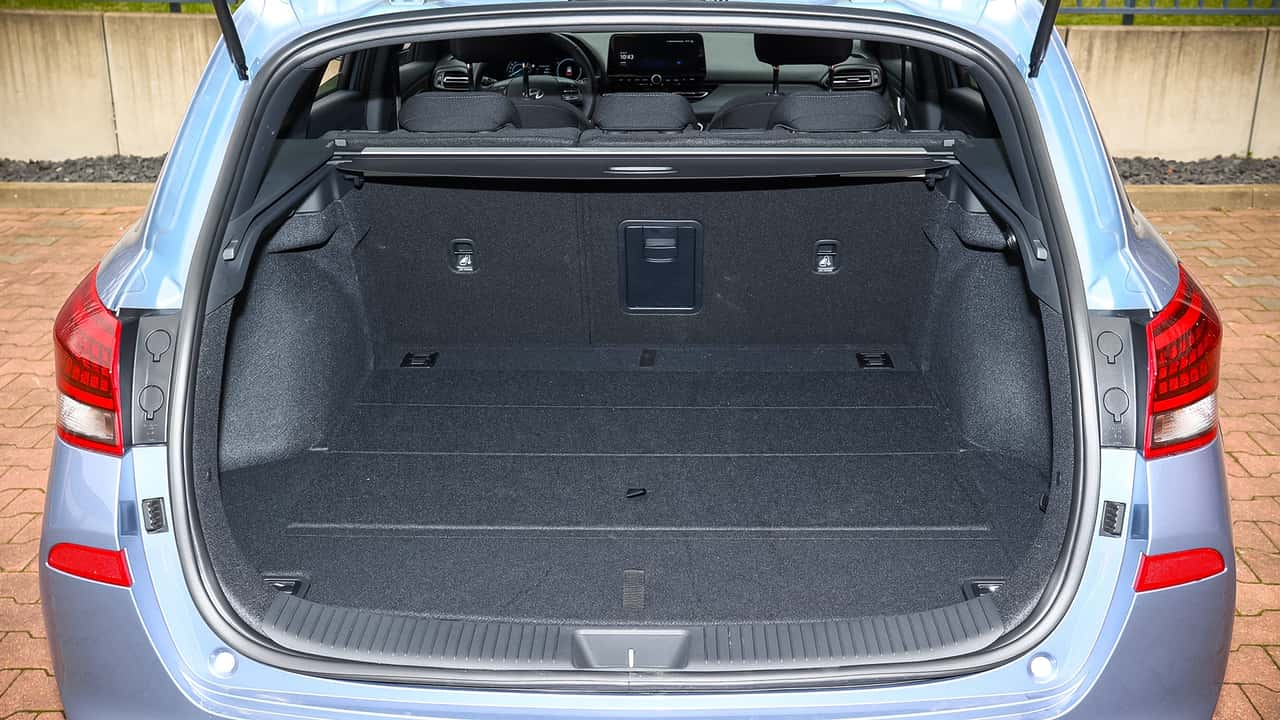
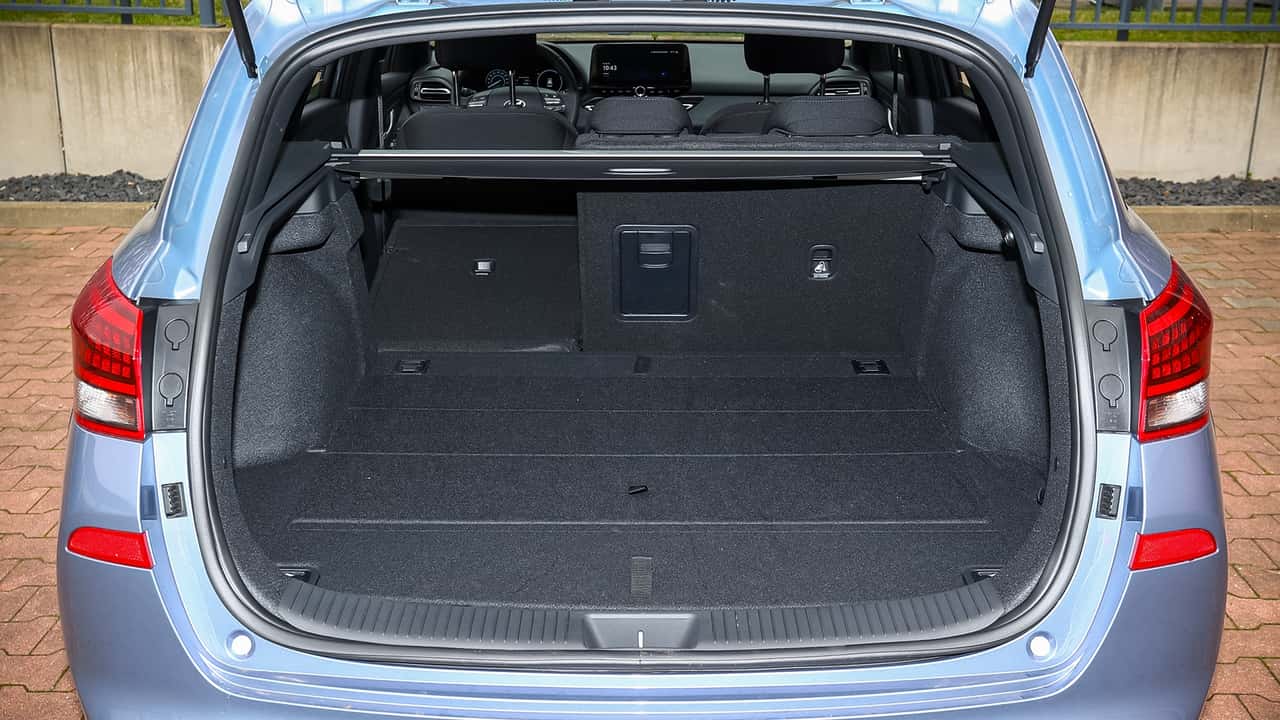
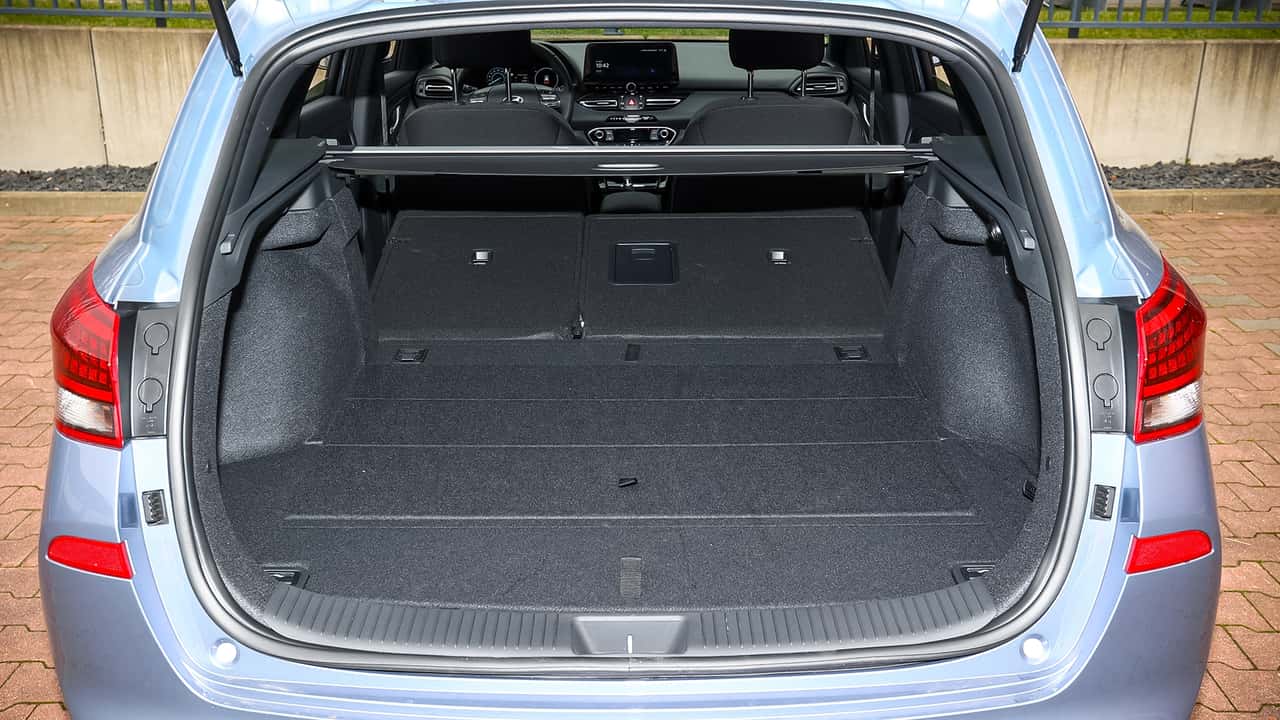
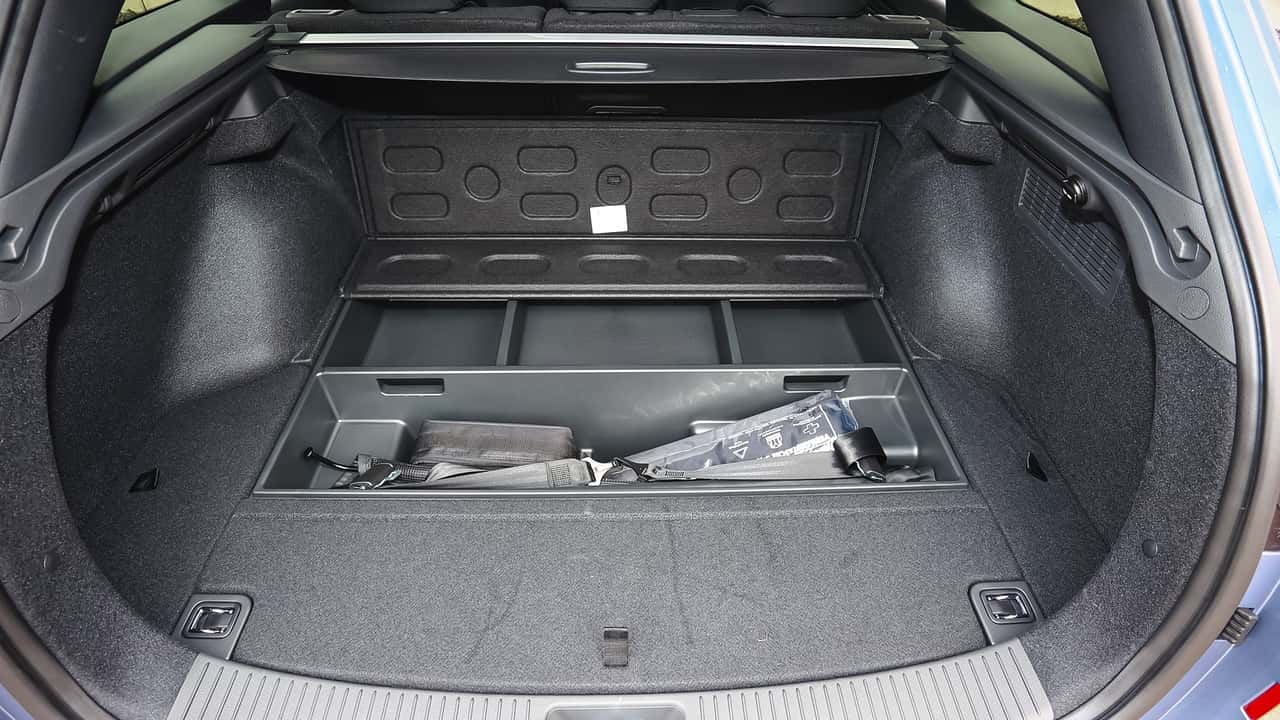
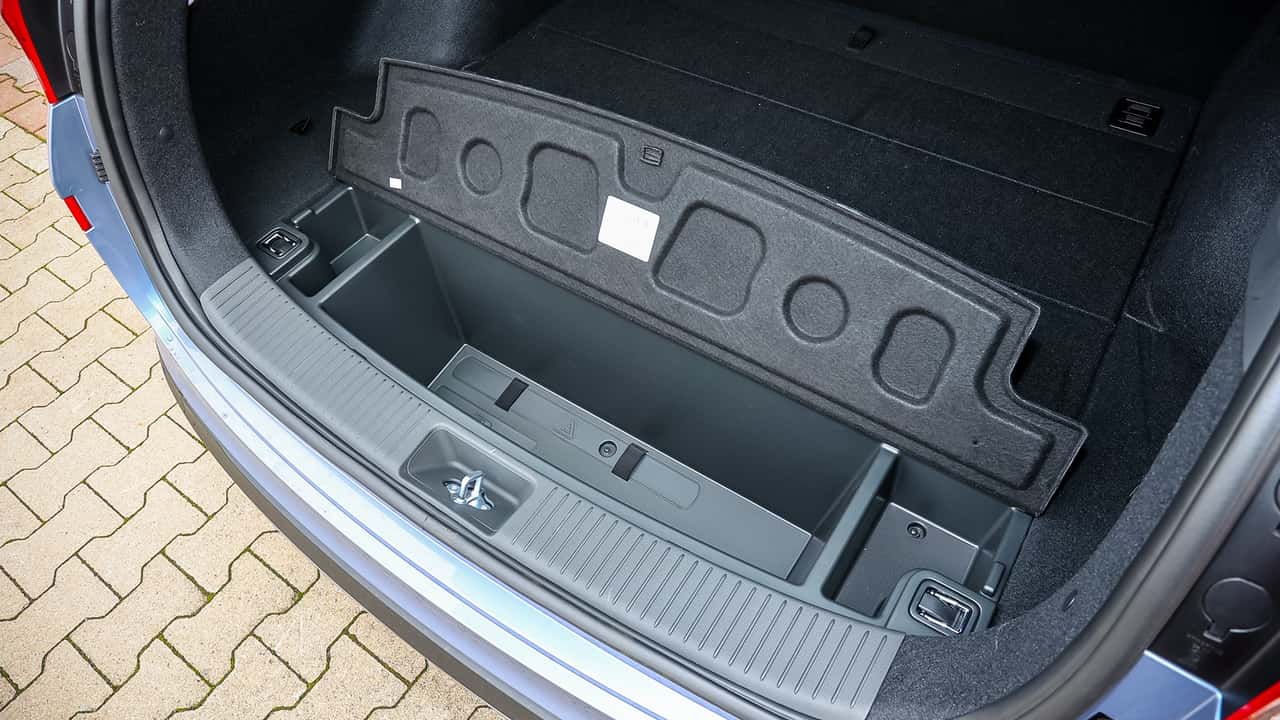
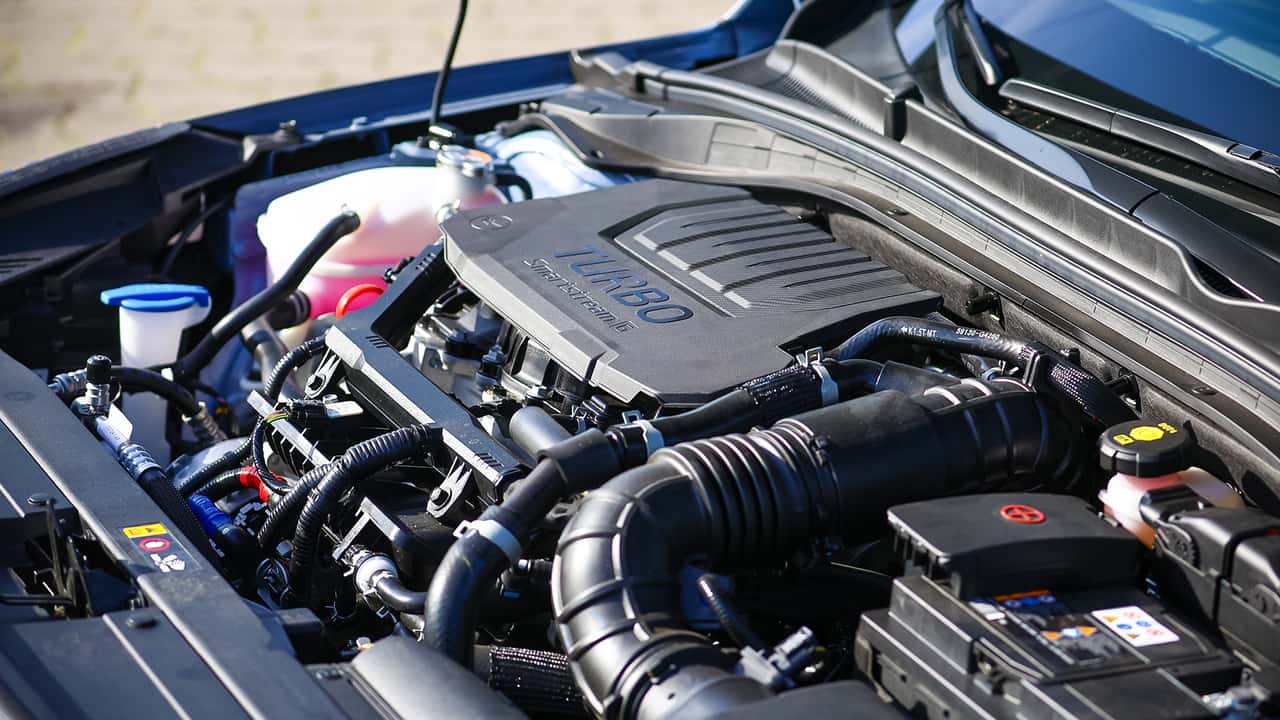
]]> feedback@motor1.com (Alexandra Samuels) https://www.motor1.com/news/811063/hyundai-mechanic-hidden-charge/ https://www.motor1.com/features/811168/what-does-ceramic-coating-do/ Thu, 08 Oct 2026 20:00:00 +0000 What Is Ceramic Coating, And Is It Worth It? Ceramic coating promises glossy paint, water-beading magic, and protection. But what does it really do for your car?
Ceramic coating has become one of the biggest buzzwords in the world of car detailing. You'll see it advertised as a way to make paint glossier, easier to clean, and better protected from the elements. Some products even make it sound like a near-invisible force field for your car. But what does ceramic coating actually do?
Despite the name, automotive ceramic coating is not a layer of ceramic armor. It's a liquid chemical product that bonds to a vehicle's paint and cures into a thin, protective layer. When properly applied, it can change how water, dirt, and contaminants interact with the surface.
That sounds impressive, but ceramic coating is not magic. Understanding its strengths and limitations is important before spending hundreds or even thousands of dollars on an application.
Ceramic Coating Creates A Protective Layer
At its most basic, a ceramic coating is designed to form a durable layer over a vehicle's existing paint.
Most modern automotive ceramic coatings use silicon dioxide (SiO₂) or related ceramic-based chemistry. Once applied and cured, the coating chemically bonds with the surface and creates a very thin layer that is more resistant to environmental contaminants than untreated paint.
Unlike traditional wax, which sits on the surface and gradually wears away, a properly applied ceramic coating is designed to provide significantly longer-lasting protection. It doesn't replace the vehicle's clear coat, either. Think of it more as an additional protective layer over the clear coat.
What Does Ceramic Coating Actually Protect Against?
A ceramic coating's biggest advantage is that it can make the paint more resistant to everyday environmental contamination. Depending on the product and application, that can include:
Water and moisture: Its hydrophobic properties cause water to bead up and roll off the surface more readily. Road grime: Dirt and other contaminants have a harder time bonding to the treated surface. Bird droppings and bugs: The coating can make these contaminants easier to remove before they sit on the paint for an extended period. UV exposure: Some coatings provide additional protection against the effects of prolonged sunlight exposure. Chemical contamination: A quality coating can provide some resistance to certain acidic or alkaline contaminants.
That doesn't mean a ceramic-coated car is immune to damage. Bird droppings can still etch paint, road debris can still cause chips, and strong chemicals can still affect the finish. The coating simply gives the underlying surface another layer of defense.
Why Does Water Bead Up On Ceramic Coating?
One of the easiest ways to see a ceramic coating working is to spray water on the car. Instead of spreading across the paint, water tends to form tight beads and run off the surface. This happens because the coating changes the surface characteristics of the paint, making it highly hydrophobic.
That water behavior is more than just something that looks good in detailing videos. When water and contaminants are less likely to remain on the surface, washing the vehicle can become easier. Dirt may be less likely to stick stubbornly to the paint, while water can drain away more readily.
It's important to note, however, that hydrophobicity and protection aren't exactly the same thing. A product can produce dramatic water beading without necessarily offering the same level of long-term durability or chemical resistance as a professional-grade ceramic coating. In other words, impressive water behavior is one benefit of ceramic coating—not the entire reason to use it.
Ceramic Coating Is Not Paint Protection Film
One of the biggest misconceptions about ceramic coating is that it can protect a car from virtually any type of damage. It can't. A ceramic coating is extremely thin compared with paint protection film (PPF). It is not designed to absorb the impact of rocks, gravel, shopping carts, or other objects that can physically damage paint.
Ceramic coating also won't automatically hide scratches or correct existing paint defects. In many cases, professional installers will actually polish the paint before applying the coating because imperfections can become sealed beneath it. That's why ceramic coating and PPF serve different purposes.
PPF is primarily about physical impact protection, while ceramic coating is focused more on surface protection, chemical resistance, hydrophobic behavior, and ease of maintenance. Some owners even use both, applying ceramic coating over PPF to make the film easier to maintain and add hydrophobic properties.
Owners Have A Few Caveats About Ceramic Coating
Reddit’s detailing community tends to agree that ceramic coating’s biggest everyday benefit is making a car easier to clean. In a recent r/AutoDetailing discussion, owners debated whether a full coating makes sense for cars that regularly go through automatic washes, with some recommending simpler spray-on products instead.
An older r/AutoDetailing thread reached a similar conclusion: coatings can help repel dirt and make washing easier, but their value depends on how much effort an owner is willing to put into maintenance.
There’s also a consistent reality check across these discussions, namely that ceramic coating is not an invisible shield. In another Reddit discussion, owners noted that coated paint can still develop swirls and rock chips and still needs regular washing. A 2026 thread discussing what happens when a coating wears out similarly described the coating as gradually losing its effectiveness rather than damaging the paint underneath.
Is Ceramic Coating Worth It?
Whether ceramic coating is worth the money depends largely on what you expect it to do. For someone who wants their vehicle to remain glossy and easier to clean, a quality coating can make sense. It can also be appealing for owners who regularly drive in harsh weather or simply want to spend less time fighting stubborn grime during washing.
But it's no substitute for proper car care. A ceramic-coated vehicle still needs to be washed correctly. Automatic brushes, abrasive cleaning methods, harsh chemicals, and neglect can still take their toll on the vehicle's finish.
And while consumer-grade ceramic products can be applied at home, professional coatings generally require careful surface preparation and precise application. The quality of the preparation can be just as important as the coating itself.
Ultimately, ceramic coating is best thought of as an additional layer of protection—not an invisible suit of armor. It can make a car's paint more resistant to contamination, easier to clean, and exceptionally slick and glossy. But rocks will still chip it, scratches can still happen, and the laws of physics haven't changed.
For drivers who understand those limitations, though, ceramic coating can be a useful upgrade for keeping a car looking its best for years to come.
Why Hybrids Get Better MPG In The City
Here's Why Your Car Has An Internet Connection
Your EV Says 0%. Now What Do You Do?
What Actually Happens If You Put Diesel In A Gas Car?
]]> feedback@motor1.com (Dan Mihalascu) https://www.motor1.com/features/811168/what-does-ceramic-coating-do/ https://www.motor1.com/news/811176/2027-silverado-hd-diesel-price/ Thu, 08 Oct 2026 19:07:30 +0000 The Chevy Silverado HD Is Much Pricier For 2027 The 2027 Silverado HD climbs up to $1,500 by trim, while the 8.3-liter Duramax diesel alone now adds $11,400 before fees.
Chevrolet is charging more for its heavy-duty pickups for 2027, and the new diesel engine option is the biggest reason why. The 2027 Silverado HD lineup carries base price hikes of $1,000 to $1,500 depending on trim. Chevrolet confirmed the details in an October 6 pricing email.
Stack those hikes onto a pricier diesel option and the combined increase reaches as much as $2,900 before destination charges. Buyers who followed the recent 2027 GMC Sierra 1500 price increases will see the same strategy at work.
Pricing Rises Across Every Trim
2027 Chevy Silverado HD
Photo by: Chevrolet
The 2027 Silverado 2500 HD still spans six main trims: WT, Custom, LT, LTZ, ZR2, and High Country. Starting MSRPs, including the $2,795 destination charge, now run:
WT: $49,995 Custom: $53,295 LT: $56,695 LTZ: $67,695 ZR2: $77,695 High Country: $78,195
WT, Custom, and LT each absorb a flat $1,000 bump over last year's equivalent configurations. LTZ climbs $1,300, ZR2 adds $1,400, and High Country takes the largest hit at $1,500.
Chevrolet already lists pricing for additional 2027 Silverado 2500 HD off-road configurations in dealer ordering materials and online tools. Those Trail Boss-style packages slot between their base counterparts by trim, with increases that mirror the rest of the HD lineup.
None of these numbers include the diesel engine itself. Add that option and the gap between what a 2026 Silverado HD costs and what a 2027 model costs widens considerably, especially for shoppers who towed with a Duramax before.
The New Duramax Diesel Costs $11,400
The 8.3-liter L6P Duramax V8 replaces the outgoing 6.6-liter diesel and now lists as an $11,400 option, up $1,500 from the previous engine's $9,900 price tag. Chevrolet spokesman Chad Lyons said the new diesel was bringing a substantial jump in output to justify the premium.
The 8.3-liter makes 555 horsepower and 1,230 pound-feet of torque, a sizable gain over the old engine and enough to matter for anyone hauling a gooseneck trailer for work. Chevrolet's email also noted the standard 6.6-liter gas V8 now makes 405 horsepower and 464 pound-feet, which is a modest bump over the outgoing engine.
Combine a WT's new $47,200 base price with the $11,400 diesel and the $2,795 destination fee, and the total lands at $61,395. Do the same math on a High Country, starting at $75,400, and the out-the-door price reaches $89,595 before any other options or packages.
GM Admits It Needs Hybrids Again: 'We're Not Tone Deaf'
Stolen Corvette C7 Grand Sport Recovered After Five Years Underwater
Chevy's Clever Silverado Tailgate Will Be Harder To Get In 2027
GM Recalls 1,559 Silverado And Sierra Trucks For Roof-Rail Airbag Inflators That Can Crack And Rupture
Source: Pickup Truck Talk
]]> feedback@motor1.com (Brian Potter) https://www.motor1.com/news/811176/2027-silverado-hd-diesel-price/