Want A Deal On A Used Car? Wait Until Winter: Study
A new study analyzing more than 42 million used-car sales reveals when shoppers have the best chance of finding a bargain.
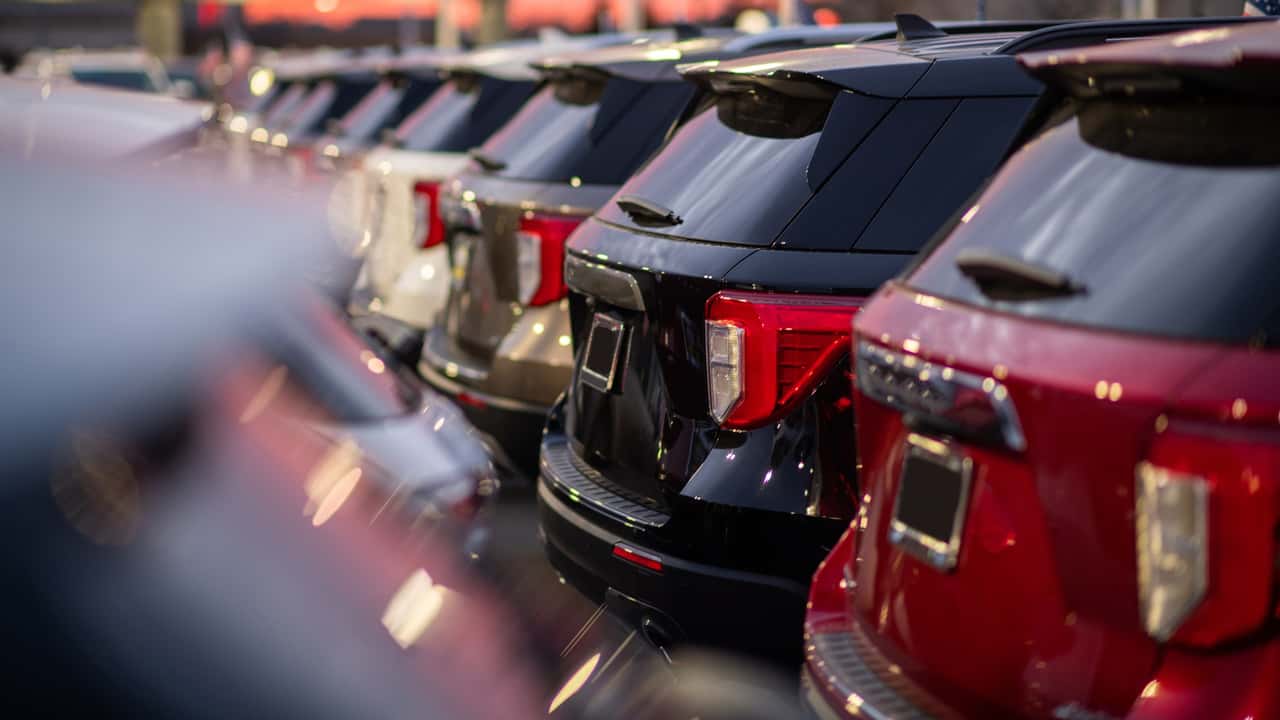

Timing can make a significant difference when buying a used car. While finding the right vehicle at the right price still requires plenty of research, shopping at certain times of the year can improve your chances of landing a bargain. According to a new study from iSeeCars, winter is by far the best season to browse dealership lots, with December offering the greatest number of deals.
The research analyzed more than 42 million used-car sales from 2025 through October 2026 to determine when buyers are most likely to find a vehicle priced significantly below market value. For the study, iSeeCars defined a deal as a vehicle listed at least 10 percent below its estimated fair market value.
The analysis found that the average probability of finding such a deal on any given day is 11.5 percent. However, that figure changes considerably depending on when you go shopping.

Martin Luther King Jr. Day Is The Best Time To Buy A Used Car
If you're shopping for a used car in the United States, Martin Luther King Jr. Day is the best opportunity to find a bargain. The holiday offers 52.7 percent more deals than the daily average, putting it comfortably ahead of every other occasion analyzed.
New Year's Eve and New Year's Day come in second, with 48.9 percent more deals than average. December itself ranks third at 46.2 percent, followed by January at 44.1 percent. Christmas Eve rounds out the top five, offering 41.2 percent more opportunities to find a vehicle priced at least 10 percent below its estimated market value.
June Is The Worst Month To Buy A Used Car
Unfortunately, the situation changes dramatically once spring arrives. June is the worst month to buy a used car, with 28.8 percent fewer deals than the daily average. May isn't much better, recording 28.2 percent fewer bargains, while July brings 25 percent fewer deals than the daily average.
The study attributes the seasonal differences partly to warmer weather and tax refunds, which encourage more people to shop for cars in spring and summer. Greater demand makes it harder to find vehicles priced significantly below their estimated market value.
If we're talking about specific days, Juneteenth, celebrated on June 19, is particularly unfavorable, with 30.7 percent fewer deals than average. Memorial Day and Father's Day also rank among the worst holidays for used-car shoppers, despite the promotional campaigns dealerships often run around those dates.
Why Buy?
December Is The Best Month To Buy A Used Car
Looking at the monthly breakdown, December takes the crown, followed by January and November. February also performs well, with 28.8 percent more deals than average. March is roughly in line with the annual average, while September is slightly below it. Things get considerably worse from April onward, with the summer months offering the fewest opportunities to save money.
The difference can be substantial. iSeeCars estimates the average used-car price at $27,157. That means a vehicle discounted by the study's qualifying threshold of 10 percent would save buyers at least $2,716.
Of course, finding a car advertised below market value doesn't automatically make it a smart purchase. Buyers still need to check the vehicle's history, mechanical condition, mileage, and equipment before signing anything. The research also doesn't suggest that good deals disappear completely during the less favorable months. Rather, shoppers have a lower probability of finding one.
Ultimately, patience can pay off when buying a used car. If you're not in a hurry, waiting until November, December, or January could improve your chances of securing a better price. And if you absolutely must buy in June, don't expect the calendar to do you any favors.
New Cars Are More Expensive Than Ever
According to Kelley Blue Book, the average transaction price in the United States reached a record $51,109 in October 2026, crossing the $51,000 threshold for the first time. With buyers increasingly gravitating toward expensive SUVs and pickup trucks, and incentives remaining below historical averages, a new vehicle is becoming an increasingly difficult proposition for many households.
That makes the used-car market even more appealing, especially for shoppers willing to be patient and wait for the right deal. After all, saving thousands of dollars is a pretty good reason to postpone that trip to the dealership.
Source: iSeeCars
RECOMMENDED FOR YOU
Americans Are Already Snapping Up Fiat's Tiny $15,000 Topolino
Maserati Island Revealed: 840 Residences, Private Pools And A Floating Italian Restaurant In Dubai
An F-150 Lightning Owner Resold His Truck And Nearly Got His Money Back: 'A Little Less Than We Paid New'
Acura Adds New Blacked-Out Urban Spec Trim To 2027 Integra, ADX, And MDX
Toyota Profits Surge As Hybrid Sales Drive Strong Recovery
Paint Protection Film Costs Thousands. Is It Actually Worth It?
October Winners And Losers: Mazda Surges As Mustang Sales Slide