The Physics Behind Why SUVs Are More Likely To Roll Over In A Crash
SUVs have a higher center of gravity, but just how much does that affect your safety when things go wrong?
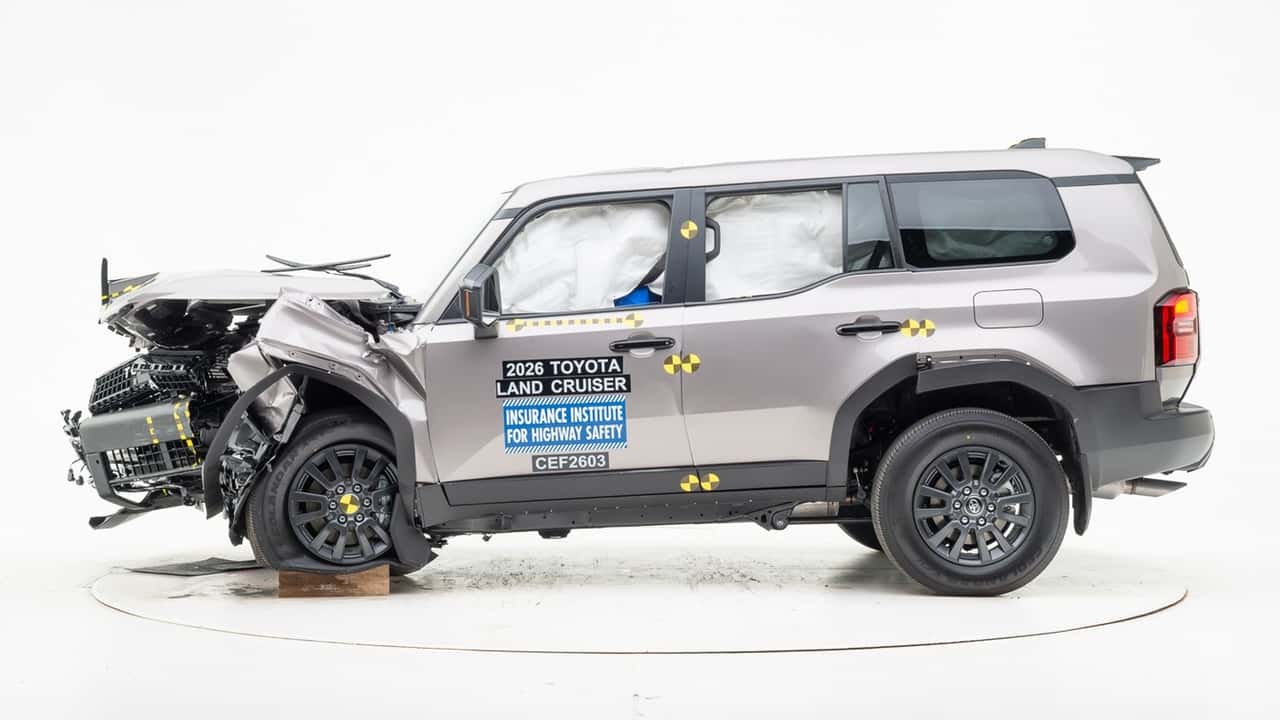

SUVs have become America's favorite type of vehicle, and it's easy to understand why. They're spacious, comfortable, and offer a commanding view of the road. But that taller driving position comes with a trade-off that many drivers probably don't consider: SUVs are more susceptible to rolling over than traditional passenger cars.
It all comes down to physics. And while modern safety technology has made SUVs considerably safer, there's a reason their rollover risk remains an important consideration.
It Starts With A Higher Center Of Gravity
The biggest difference between many SUVs and sedans is where their weight sits. SUVs generally sit higher off the ground and have more ground clearance, which means their center of gravity is often higher above the road. Sedans, by comparison, tend to have lower bodies and a more planted stance.
That difference matters when a vehicle turns sharply, swerves to avoid an obstacle, or suddenly changes direction. The vehicle's weight shifts toward the outside of the turn, creating a force that can make the body lean. The higher the center of gravity, the greater the leverage acting on the vehicle and the more susceptible it can be to tipping.
Width also plays a role. A wider track—the distance between the left and right wheels—can help improve stability, while a tall, relatively narrow vehicle has less resistance to tipping. The National Highway Traffic Safety Administration (NHTSA) considers both center-of-gravity height and track width when evaluating rollover resistance.
Many Rollovers Happen After A Vehicle Leaves The Road

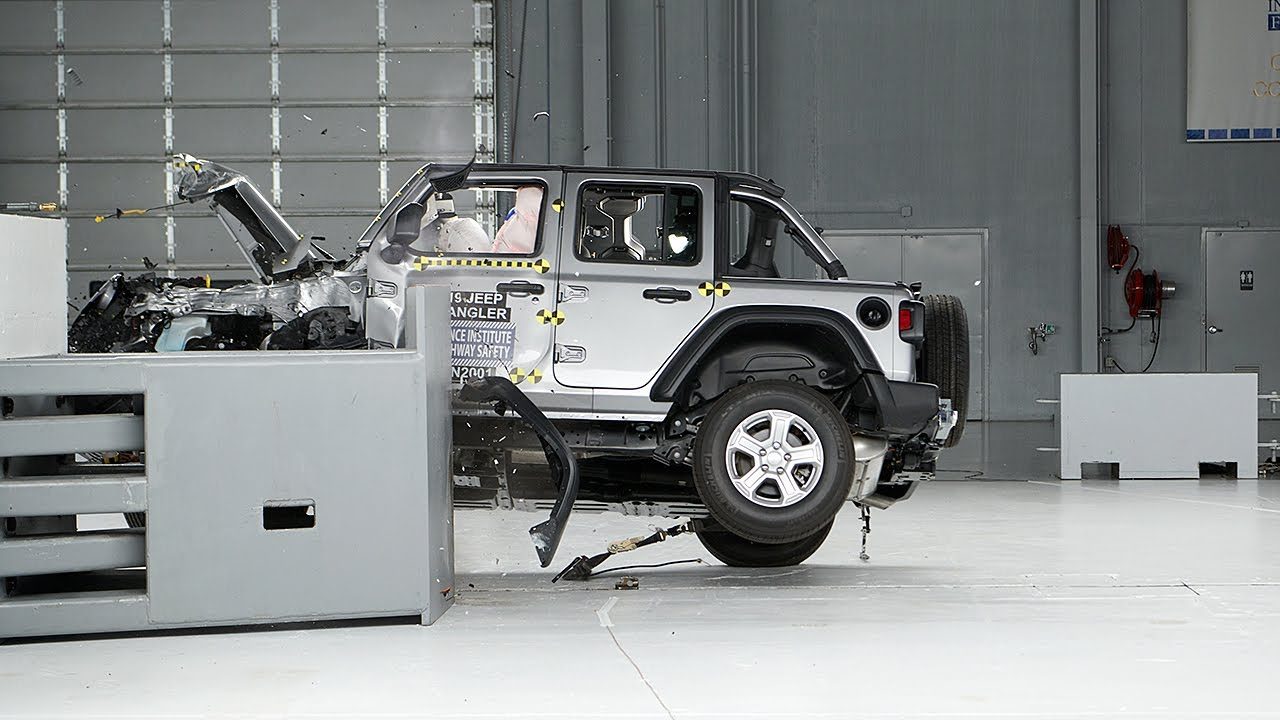
A common misconception is that SUVs simply tip over because a driver takes a corner too quickly. While aggressive steering can contribute, many rollovers happen when a vehicle leaves the road and its tires encounter something that suddenly slows or catches them.
This is known as a tripped rollover. A vehicle might slide onto a soft shoulder, strike a curb, hit a ditch, or catch a tire in uneven ground. The wheels can be slowed abruptly while the rest of the vehicle continues moving, causing it to rotate and potentially roll onto its side or roof.
SUVs are particularly vulnerable in these situations because their higher center of gravity makes them more susceptible to tipping once an outside force destabilizes them. NHTSA has identified road departures and impacts with objects such as curbs, guardrails, and soft shoulders as common factors in rollover crashes.
Not All SUVs Have The Same Rollover Risk
An SUV's size, shape, weight distribution, suspension, and tire setup can all influence how it behaves during an emergency maneuver. A compact crossover with a relatively low center of gravity may handle differently from a tall, body-on-frame SUV designed for off-road use.
Some of the design factors that influence rollover resistance include:
- Center-of-gravity height: A lower center of gravity generally makes a vehicle less prone to tipping.
- Track width: A wider distance between the wheels can improve resistance to rollover.
- Vehicle weight distribution: Where the engine, battery, passengers, and cargo are positioned affects balance.
- Suspension design: The way a vehicle controls body movement during cornering and sudden steering inputs can influence stability.
- Electronic stability control: This technology can help prevent the loss of control that sometimes leads to a rollover.
This is why the SUV label alone doesn't tell you how safe a particular model is. NHTSA's rollover-resistance ratings are more useful when comparing specific vehicles, since they account for key design characteristics rather than treating all SUVs as equally risky.
Modern Safety Technology Has Made SUVs Much Safer
The good news is that today's SUVs are considerably better equipped to prevent rollovers than many older models. One of the biggest improvements is electronic stability control (ESC), which uses sensors to monitor the vehicle's direction, steering input, and wheel movement.
If the system detects that the vehicle is beginning to skid or lose control, it can automatically apply the brakes to individual wheels and help bring the vehicle back on course. It can't defy physics, but it can reduce the chance of a dangerous loss of control before a rollover happens.
Research published by SAE International estimated that electronic stability control reduced overall rollover crashes by 13.3% and rollovers associated with loss of control by 50.6%. The technology is particularly effective in vehicles with higher centers of gravity, including SUVs and vans.
Modern SUVs also benefit from stronger roof structures, side-curtain airbags, and improved restraint systems. These features don't necessarily prevent a rollover, but they can help protect occupants if one occurs.
SUVs Still Require Careful Driving
SUVs aren't inherently unsafe, and their higher center of gravity doesn't mean they're destined to roll over. However, drivers should understand that their handling characteristics can differ from those of lower passenger cars, particularly during sudden maneuvers.
The Insurance Institute for Highway Safety (IIHS) reported that rollover crashes accounted for 33% of SUV occupant deaths in 2024, compared with 20% for cars. These figures describe the proportion of occupant deaths involving rollovers, not the likelihood that any individual SUV will crash. They nevertheless highlight why rollover protection remains an important safety consideration.
Drivers can reduce the risk by avoiding sudden steering inputs, particularly when swerving to avoid obstacles. Slowing down before curves and adjusting speed to match road and weather conditions also helps keep a taller vehicle stable. If your tires drift onto a soft shoulder, avoid making an abrupt steering correction that could destabilize the SUV.
Cargo placement matters, too. Heavy items should be kept low and secured properly rather than stacked high in the cargo area, where they can affect the vehicle's balance. And, of course, wearing a seat belt is essential because it helps prevent occupants from being thrown around or ejected if a rollover occurs.
Ultimately, if you're shopping for an SUV, checking its rollover-resistance rating and safety equipment is a much better approach than assuming every tall vehicle carries the same risk.
More From Motor101
RECOMMENDED FOR YOU

There's A Reason Your Brain Doesn't Like Driving A CVT
Average New Car Prices Just Hit Another Record: $51,000
No, Premium Gas Doesn't Automatically Make Your Car Faster
Scion Is Back, And It's Bringing A Tiny Kei Truck To America
Why Some Automatics Have More Gears Than Others
The Manual C8 Corvette Is Real, And Really Expensive
Your Brakes Don't Always Need A Mechanical Connection