Paint Protection Film Costs Thousands. Is It Actually Worth It?
Can an invisible film really stop stone chips and scratches? Here's what PPF protects, what it costs, and whether it's worth buying.
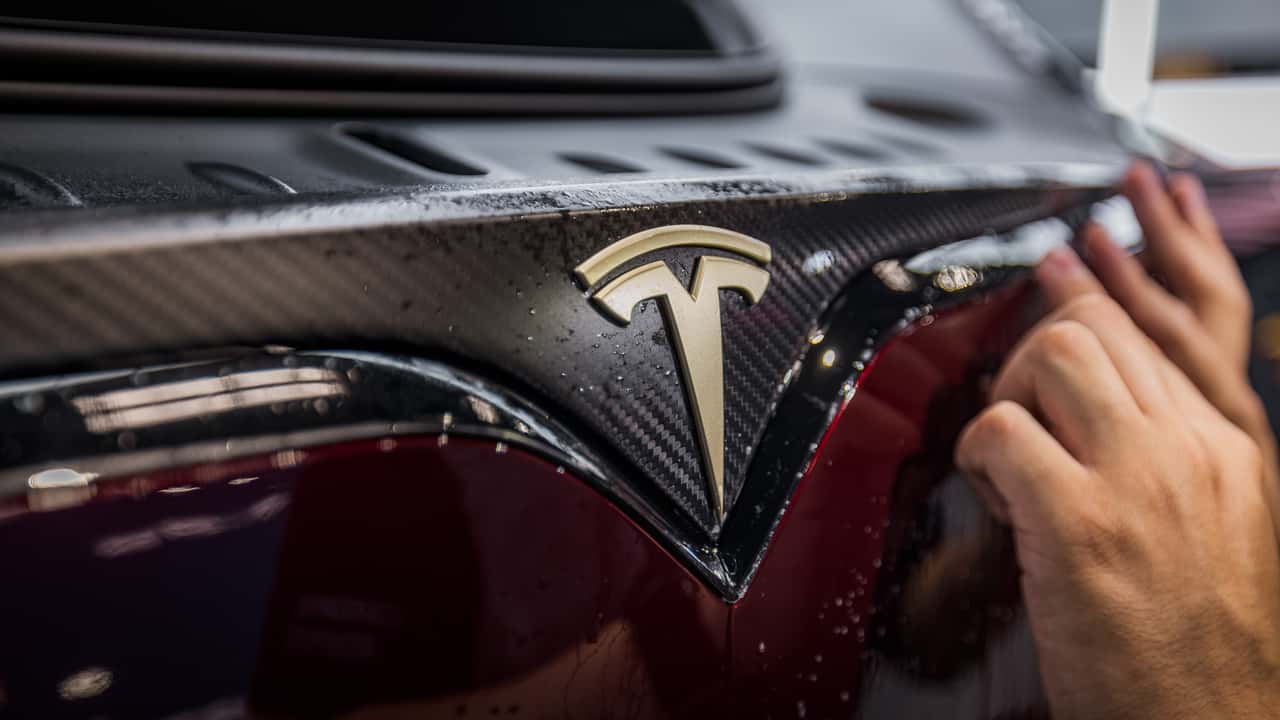

A pristine paint job can make even an ordinary car look like it just rolled out of the showroom. Unfortunately, keeping it that way is not easy. Road debris, stone chips, bug splatter, bird droppings, and everyday scratches can gradually take their toll, especially on the front bumper, hood, and side mirrors. That's why some owners turn to paint protection film, commonly known as PPF.
This nearly invisible layer of polyurethane is designed to take the punishment before your car's paint does. It's often marketed as a way to preserve a vehicle's appearance, protect its resale value, and even heal minor scratches on its own. But PPF is not cheap, and a professional installation can cost thousands of dollars. So, does it genuinely protect your car, and is the investment worth making?
What Exactly Is Paint Protection Film?
Paint protection film is a transparent, flexible layer of thermoplastic polyurethane applied directly to a vehicle's painted surfaces. Also called a clear bra, PPF creates a physical barrier between the paint and the outside world. It's commonly installed on areas that take the most abuse, including the front bumper, hood, fenders, side mirrors, and door edges.
Unlike wax or ceramic coatings, which mainly help with surface contamination and cleaning, PPF is designed to absorb minor physical impacts. A properly installed film can help prevent small stones, road debris, and everyday abrasions from reaching the paint underneath. Modern versions can also resist stains from bugs, bird droppings, and road grime.
The film is available in different finishes, too. Gloss PPF is intended to preserve a factory-style shine, while matte or satin options can change the appearance of a glossy paint job. Some premium films also feature a self-healing top layer, allowing minor surface marks to disappear when exposed to heat.
Does PPF Actually Protect Your Car's Paint?
Yes, paint protection film can make a meaningful difference, particularly against the small impacts and scratches that accumulate during everyday driving. When a stone hits a protected panel, the film takes the impact first, reducing the chance of the paint underneath getting chipped. It's not indestructible, but it can save owners from dealing with repeated touch-ups and repainting.
The self-healing feature is another major selling point. On compatible films, heat from sunlight or warm water can help minor scratches and swirl marks in the film disappear. This doesn't mean deep cuts, punctures, or serious impact damage magically repair themselves. If a rock tears through the film, the affected section may still need replacing.
Manufacturers such as 3M advertise protection against stone chips, scratches, bug damage, road tar, and weathering. However, the level of protection depends on the film's quality, thickness, coverage, and installation. PPF is a protective layer, not an invisible force field.
How Much Does Paint Protection Film Cost?

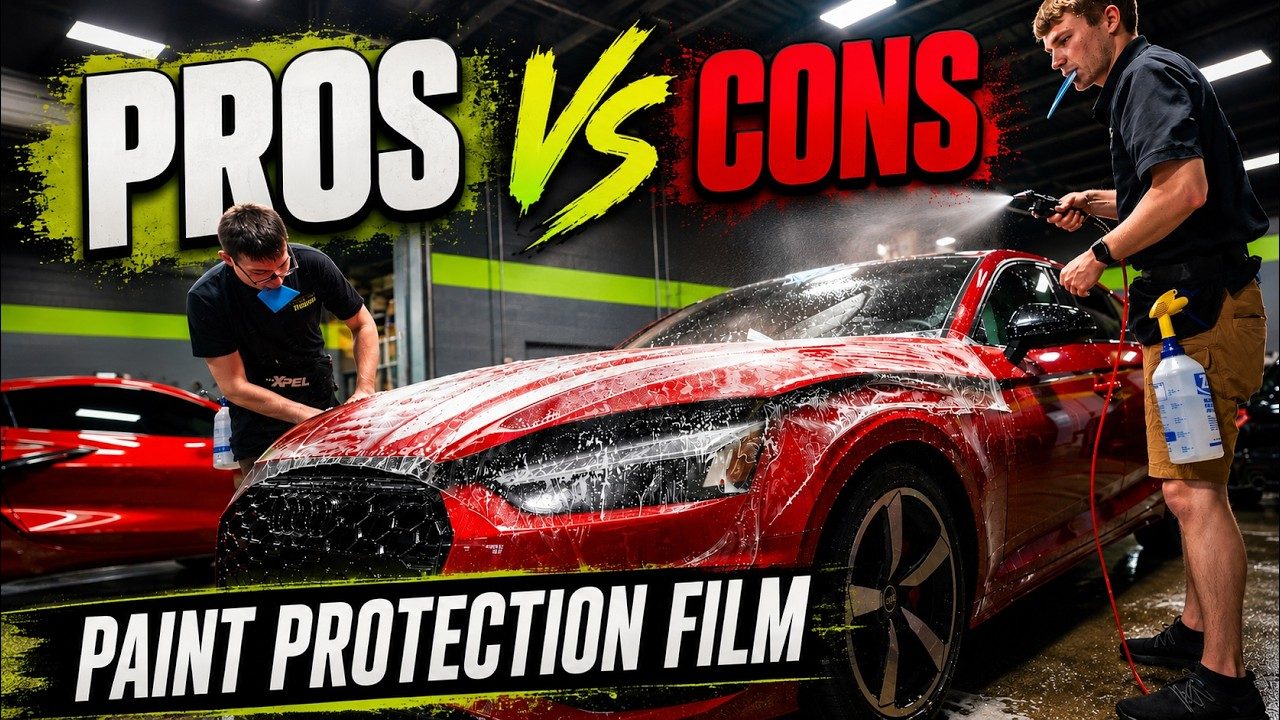
This is where things get less attractive. PPF is one of the more expensive ways to protect a vehicle's exterior, and the final bill depends on the size of the car, the film selected, the installer's labor rates, and how much of the bodywork you want covered.
A small installation covering the front bumper or door edges will cost considerably less than wrapping the entire vehicle. According to Edmunds, a full PPF installation can cost as much as $8,000, partly because professional installers may need to remove exterior trim and other components to achieve a clean finish around panel edges. There are several common coverage options:
- Partial front coverage: Protects selected areas, often including the bumper, mirrors, and leading edge of the hood.
- Full front coverage: Extends protection across the entire hood, front fenders, bumper, and mirrors.
- Full-body coverage: Wraps nearly every painted exterior panel for maximum protection.
For most drivers, full-body coverage is difficult to justify financially. Protecting the areas most exposed to road debris can offer a more sensible compromise without paying to cover every panel.
PPF Is Not Perfect: The Downsides You Should Know
Despite its benefits, paint protection film comes with a few compromises. First, installation quality matters enormously. Poorly fitted film can develop visible edges, bubbles, lifting, or contamination underneath. On some vehicles, complex bodywork can also make installation more time-consuming and expensive.
The film itself can age, too. Depending on its quality, exposure, maintenance, and installation, it may eventually yellow, stain, crack, or peel. Even products with lengthy warranties have limitations. XPEL, for example, offers a 10-year limited warranty on certain professionally installed films, but its coverage is focused on specified film defects rather than damage to the vehicle's paint or every type of scratch.
There's also the question of removal. PPF is designed to be removable, but the condition of the underlying paint matters. Factory paint in good condition is generally a better starting point than a panel that has been poorly repainted or already has peeling clear coat. Before installation, ask the shop to inspect the finish and explain what happens if the film needs to be removed or replaced.
Finally, PPF doesn't eliminate the need to wash and maintain your car. Dirt, mineral deposits, and contaminants can still build up on its surface, while neglected film can become harder to keep looking fresh.
Drivers Are Split On Whether Paint Protection Film Is Worth It
A discussion in r/AutoDetailing highlights why some owners are happy to pay for PPF. Drivers point out that it offers physical protection against stone chips and scratches, unlike ceramic coatings, which primarily help with cleaning and resistance to contaminants. Some owners say they particularly appreciate having the front end protected, while others believe full-body coverage is excessive unless the vehicle is particularly valuable.
Cost is the biggest sticking point in another r/cars discussion. Several commenters argue that PPF can be difficult to justify when the price approaches the cost of repairing or repainting damaged panels. Others suggest a compromise: protect the bumper, hood, mirrors, and other areas most exposed to road debris rather than wrapping the entire vehicle.
Installation quality and long-term durability also come up frequently. In this r/AutoDetailing thread, one owner describes a poor installation that allegedly resulted in paint damage, while another discussion in r/AutoDetailing explores how film can deteriorate and become harder to remove as it ages.
Is Paint Protection Film Worth The Money?
The short answer is yes for some owners, but definitely not for everyone. PPF makes the most sense if you have a new, expensive, or enthusiast-owned vehicle and want to keep its paint in excellent condition for years. It can also be particularly useful if you regularly drive on highways, where loose stones and road debris are more likely to chip the front end.
Owners of sports cars, luxury vehicles, and collectible models may have more reason to consider full-body coverage. Their appearance and condition can play a major role in their appeal to future buyers. For a more affordable daily driver, however, spending thousands of dollars on film may not make financial sense.
A good middle ground is to protect the front bumper, hood, fenders, and side mirrors. These areas tend to take the most punishment, and targeted coverage can help prevent the familiar collection of stone chips that develops over time.
Ultimately, PPF is not an investment that guarantees a higher resale price or makes your car immune to damage. It's a way to preserve the original finish and avoid some cosmetic repairs. But if you're happy to live with the occasional chip or scratch, your money may be better spent elsewhere.
More From Motor101
RECOMMENDED FOR YOU

The Physics Behind Why SUVs Are More Likely To Roll Over In A Crash
Average New Car Prices Just Hit Another Record: $51,000
There's A Reason Your Brain Doesn't Like Driving A CVT
Scion Is Back, And It's Bringing A Tiny Kei Truck To America
No, Premium Gas Doesn't Automatically Make Your Car Faster
The Manual C8 Corvette Is Real, And Really Expensive
Why Some Automatics Have More Gears Than Others