BYD is looking for engineers to build humanoid robots
The advert is very competitive because it is open to the whole world, but you need to be able to speak Chinese.
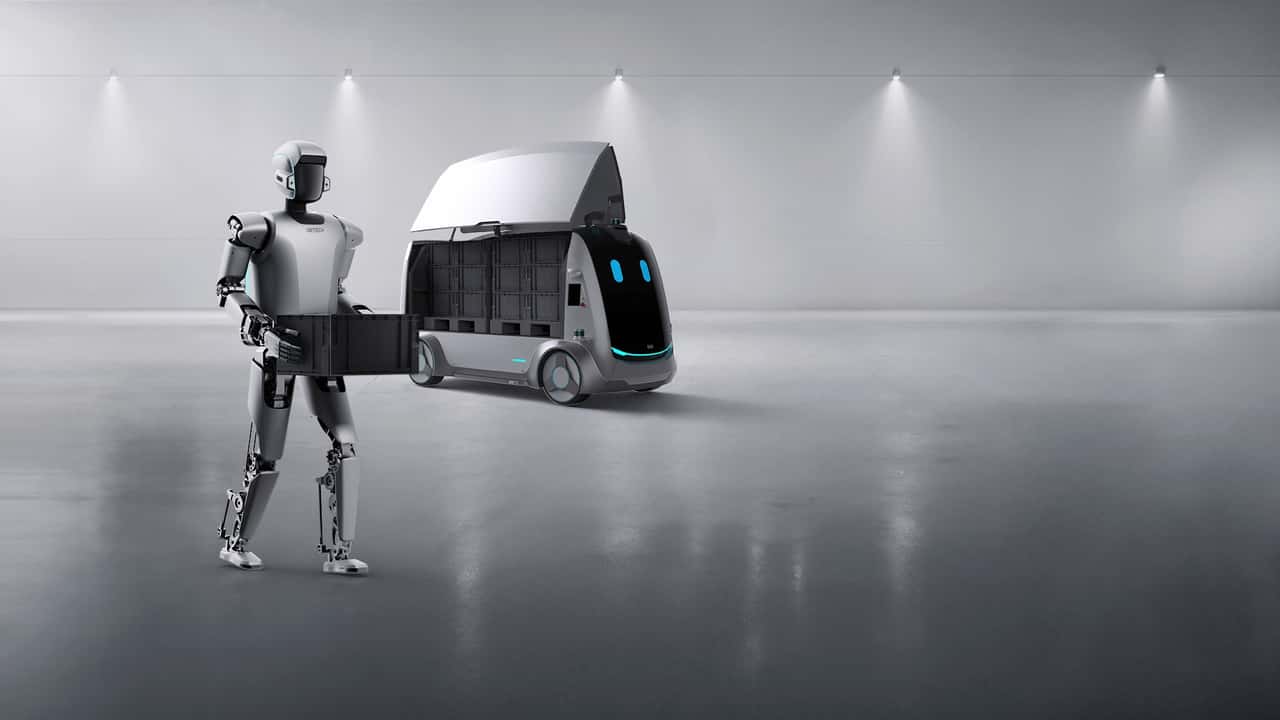

Engineering graduates have a new opportunity in the automotive world of the future. It's no longer about designing vehicles, but humanoid robots capable of making them. BYD has launched one of the most competitive recruitment campaigns in the world, because it is global, but the advert is in Chinese and you need to be able to speak it.
The aim of the campaign is to strengthen BYD's embodied intelligence research team, which has already developed various advanced robotics products, including industrial, collaborative, mobile and humanoid robots. Three positions are available: Senior Algorithm Engineer, Senior Structural Engineer and Senior Simulation Engineer.
A billion-dollar investment
This announcement is part of BYD's wider strategy to integrate artificial intelligence into automotive technologies. The company's chairman, Wang Chuanfu, revealed a few weeks ago that BYD would invest up to 100 billion yuan (around £10.9 billion) in innovations based on artificial intelligence.
Who is Walker S1?
BYD's first investment was in Ubtech Robotics, a humanoid robotics company that also collaborates with other carmakers, including Dongfeng Liuzhou Motor, Geely, FAW Hongqi and Audi FAW. Ubtech is also working with Foxconn and SF Express to expand the applications of its robots in the manufacturing sector.
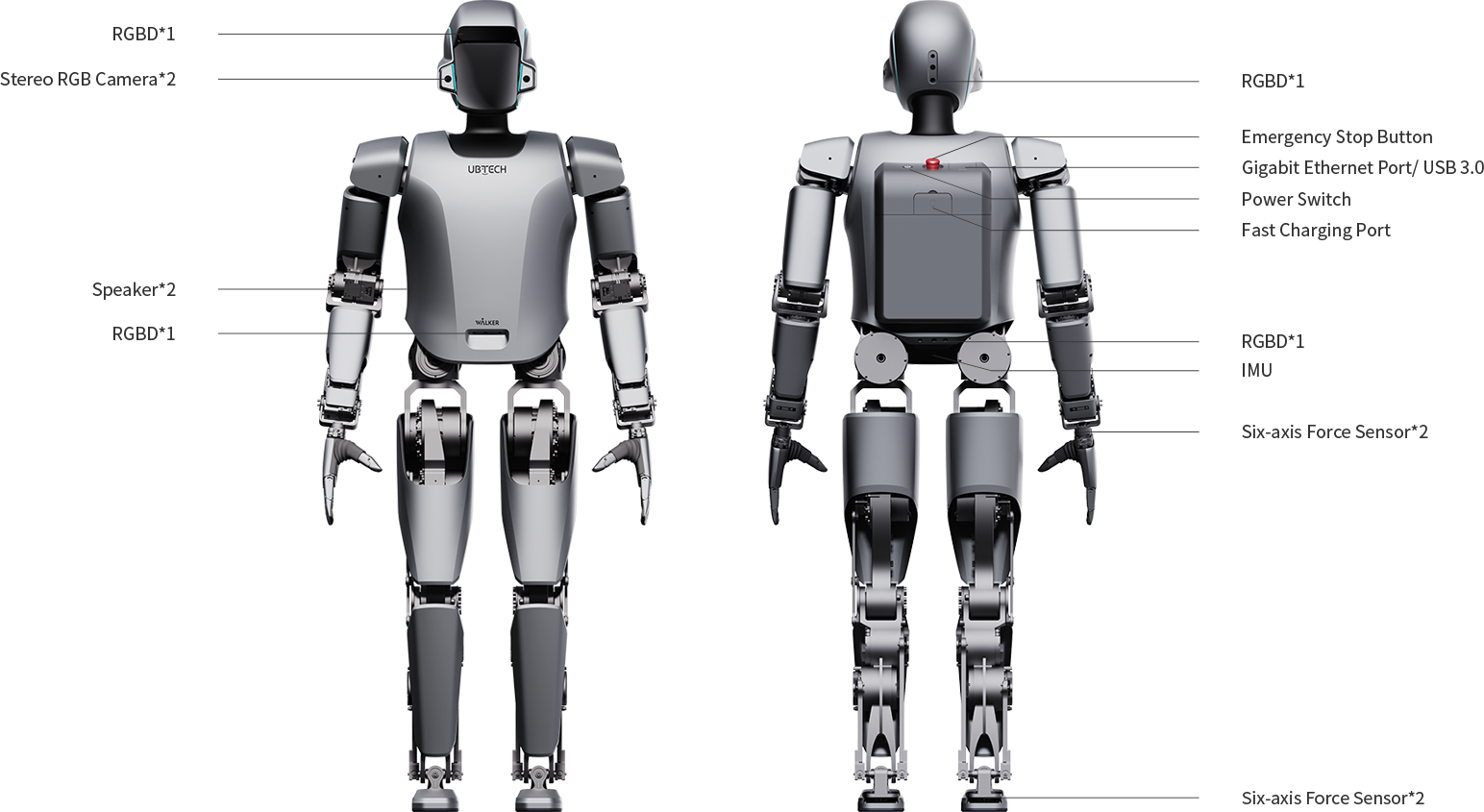
A humanoid robot called Walker S1 has been used in its factories. It is 1.72 metres tall, weighs 76 kg and, although it looks like a person, it can carry up to 15 kg while working. Its tasks include inspection, quality control and label application.
Humanoid robots:
RECOMMENDED FOR YOU

1,070-HP Lucid Gravity GT-S Turns Family SUV Into Rocket
Ford Bronco Driver Runs Over Valentino High Heel. Then She Sees What It Did To Her Tire: 'Girl Math'
The Chevy Express Finally Gets Something From This Century: A Color Touchscreen
Want A One-Off Cayenne Or Panamera? Porsche Will Make It Happen
Automakers Are Quietly Halting Weekly OTA Updates
Man Spots Used Toyota Camry For $7,000. Then He Sees How Much It Costs At CarMax: ‘Crazy’
SRT Solved The Hurricane Engine's Turbo Lag Issue With A New Technology