Your Brakes Are Squeaking. Here's What Your Car Might Be Telling You
That annoying squeal is not always a sign that your brakes are about to fail, but here's what your car may be trying to tell you.
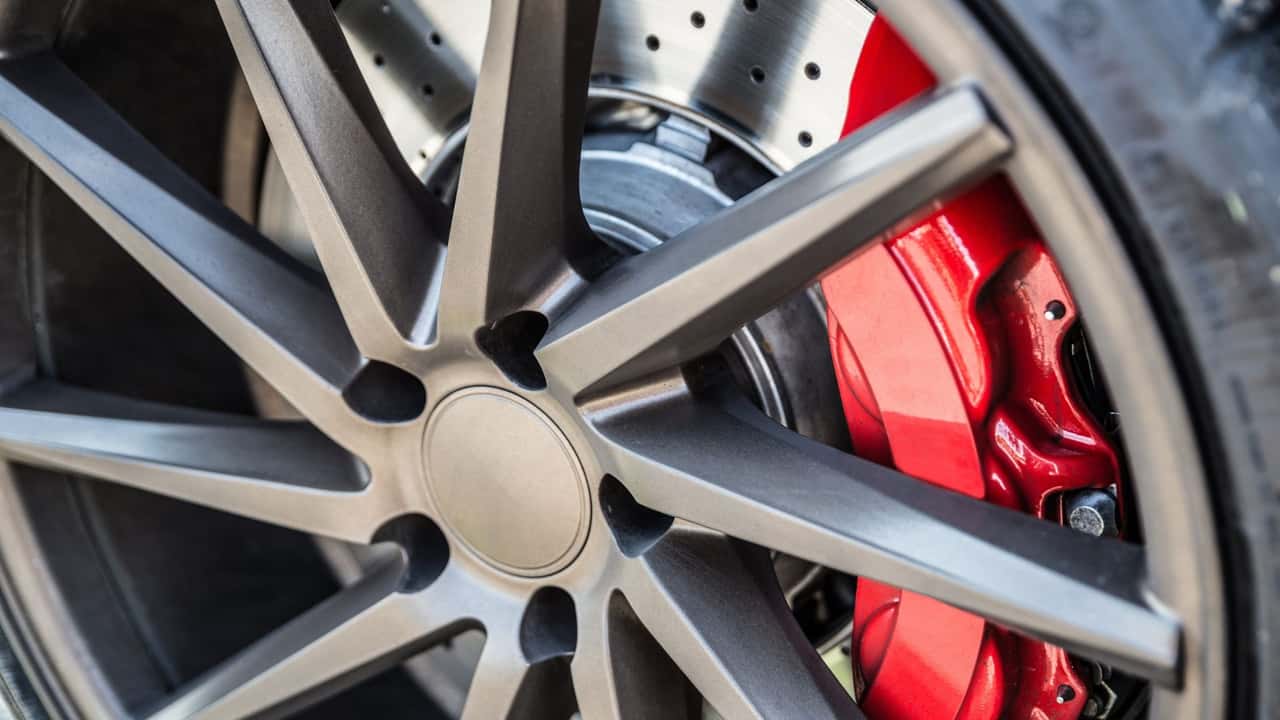

That high-pitched squeak every time you hit the brake pedal can be one of the most annoying sounds a car makes. But does it mean your brakes are worn out? Or is your car simply being noisy? The answer is not always obvious.
Brake squeaking can come from everything from overnight moisture and brake-pad material to debris, worn pads, improper installation, or overheated components. Some noises disappear after a few stops, while others are your braking system's way of asking for attention.
Here's what that squeak actually means and when you should take it seriously.
Motor101
Welcome to Motor101, our series dedicated to answering the internet's biggest automotive questions. From the origins of iconic designs to the engineering breakthroughs that shaped the world's greatest cars, we uncover the stories behind the vehicles you love.
Why Do Brakes Squeak In The First Place?
Brakes work by creating friction. On a typical disc-brake system, brake pads clamp against a rotating metal rotor to slow the vehicle.
That friction can also create vibration. When certain components vibrate at particular frequencies, you hear that vibration as a squeak or squeal.
The important part is that not every squeak means something is broken. For example, moisture can leave a thin layer of surface rust on the rotor overnight. The first few applications of the brakes can scrape that away, creating temporary noise that disappears once the brakes are dry.
Brake-pad material can also play a role. Some harder friction materials are simply more prone to making noise, particularly during light braking or when the brakes are cold.
Sometimes, That Squeak Is A Warning
One of the most useful brake noises is also one of the most annoying. Many brake pads have a small metal wear indicator, sometimes called a squealer.
As the friction material gets thin, the indicator contacts the rotor and produces a sharp squeal designed to get the driver's attention. That's why a new, consistent squeal shouldn't automatically be dismissed as normal.
If the noise happens repeatedly whenever you brake—and especially if it's accompanied by longer stopping distances, a soft or unusual pedal, vibration, or a dashboard warning—it's worth having the braking system inspected.
The Other Reasons Your Brakes Might Squeak
Worn pads are only one possibility. A brake system contains numerous components, and several of them can contribute to noise. Common causes include:
- Moisture or surface rust: Rain, humidity, snow, or overnight condensation can temporarily make brakes noisy.
- Brake-pad material: Certain pad compounds naturally produce more noise than others.
- Debris: Small rocks, dust, or road grit can become trapped between the pad and rotor.
- New brakes: Fresh pads and rotors can make some noise while their surfaces bed in.
- Poor installation: Incorrectly installed hardware can allow components to vibrate or make unwanted contact.
- Lack of lubrication: Certain brake hardware and caliper components need appropriate lubrication at designated contact points.
- Glazed pads or rotors: Excessive heat can create a smooth surface that causes the pads to vibrate and squeal.
- Sticking calipers: A caliper that doesn't release properly can keep a pad in contact with the rotor, creating friction, heat, and noise.
Why Do New Brakes Sometimes Squeak?
Getting new brake pads doesn't guarantee instant silence.
New pads and rotors need to bed in, meaning their surfaces gradually establish the proper contact pattern. Some light noise during this period can be normal and should diminish as the brakes are used. That's particularly important if you've just had brake work performed.
However, persistent squeaking shouldn't simply be blamed on "new brakes." Improper installation, insufficient lubrication, glazing, or another underlying problem can also cause noise after a brake job.
If the noise continues for several days, gets louder, or is accompanied by changes in braking performance, an inspection is a better idea than waiting for it to disappear.
When Should You Worry About Squeaky Brakes?
The sound itself doesn't tell you everything. What the car does along with the noise matters just as much.
A brief squeak after rain isn't necessarily cause for alarm. A squeal that keeps getting worse is a different story.
Pay particular attention if the squeak is accompanied by grinding, longer stopping distances, a soft or unusually hard brake pedal, steering-wheel or brake-pedal vibration, a burning smell, the car pulling to one side under braking, or a brake warning light.
Noise that persists or becomes progressively louder is also a good reason to have the brakes inspected.
Grinding deserves particular attention. It can indicate that brake-pad material has been exhausted and metal is contacting the rotor, potentially turning a relatively routine brake job into a much more expensive repair.
Drivers Can't Agree On Why Brakes Squeak
Brake squeal is one of those problems that can leave even experienced owners scratching their heads. Recent r/MechanicAdvice discussions show just how difficult it can be to identify the cause.
In one 2026 thread, a Nissan Micra owner said the brakes produced a very loud squeal during gentle stops despite having new pads and tires. The owner had already tried harder braking to bed the brakes in, while a mechanic had inspected and cleaned them. The squeak persisted.
Another owner reported a similar mystery with a 2024 GMC Sierra HD. After replacing the front pads and rotors with OEM parts, cleaning the calipers, lubricating the slides, and properly bedding the brakes, a squeak eventually returned. The noise appeared at light brake pressure and disappeared when the driver pressed harder or released the pedal.
There's also a recurring theme in older discussions: brake squeal doesn't necessarily mean the pads are worn out. One BMW owner reported squealing only during light braking at low speeds despite having plenty of pad material remaining.
That's an important distinction for less experienced drivers. A squeak can come from the interaction between the pad, rotor and brake hardware even when the brakes still have plenty of usable life.
At the same time, Reddit's discussions shouldn't be treated as a substitute for an inspection. The takeaway is simply that brake squeal has many possible causes, and replacing the pads isn't guaranteed to make it disappear.
So, Is It Safe To Drive With Squeaky Brakes?
Sometimes, yes, but you shouldn't take that for granted. If your brakes briefly squeak after rain and the sound disappears after a few stops, moisture is a plausible explanation. Likewise, some new brake systems can make temporary noise while they break in.
But persistent or worsening brake noise warrants an inspection, particularly if the vehicle's braking performance has changed. The good news is that squeaking brakes don't automatically mean you're facing a massive repair bill.
The bad news is that there's only one reliable way to know what's causing the noise: inspect the braking system rather than guessing based on the sound alone.
So the next time your car lets out that familiar squeal, don't panic, but don't automatically ignore it either. Sometimes it's just a little moisture. Sometimes it's your brake pads telling you they're running out of time.
More From Motor101
RECOMMENDED FOR YOU

The Driving Habit That Slowly Damages Your Transmission
Mercedes Won't Stop Building V8s, But A New C63 May Not Happen
That Little Fin On Your Car's Roof Is Hiding Some Clever Technology
Audi’s Sales Are Struggling. New SUVs Could Be the Answer
What Is One-Pedal Driving, And Why Do EVs Have It?
Acura's New Sports Car Concept Won't Reach Production. But Its Gorgeous Design Will
What Does 'Horsepower' Actually Mean?