Volkswagen has already started cutting costs
Fewer prototypes and faster development thanks to more simulations.
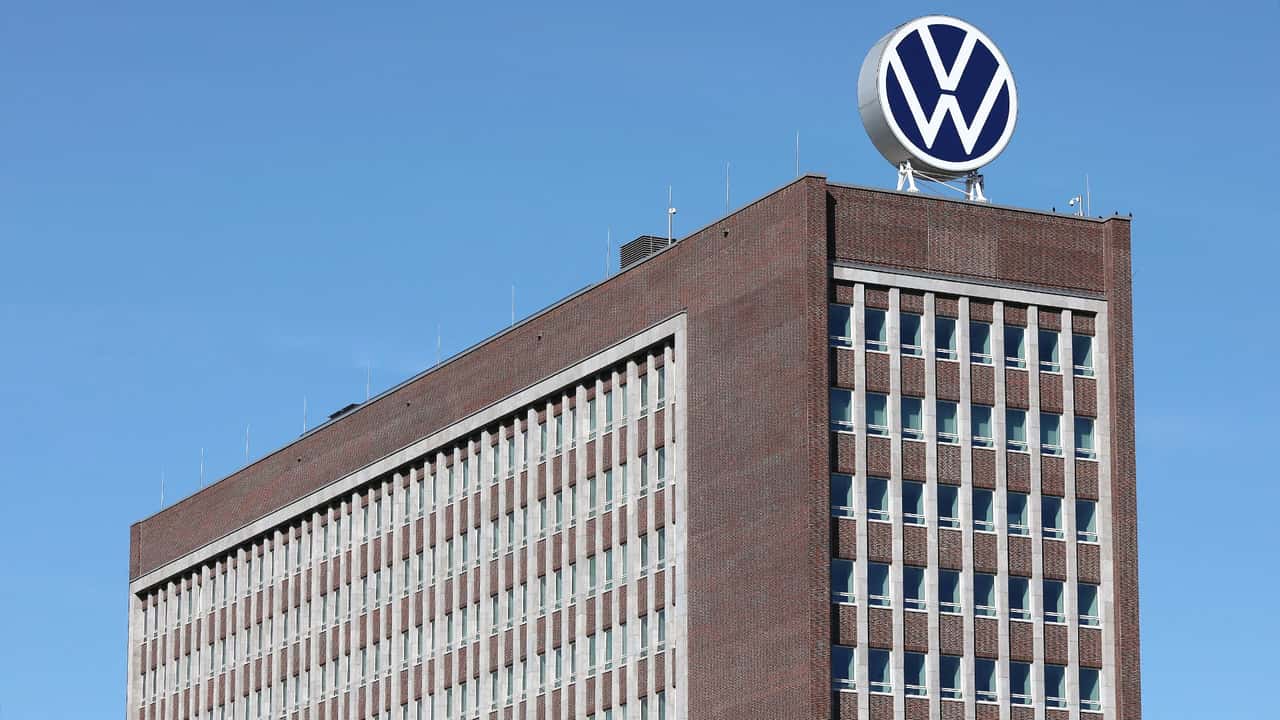

In an interview with Bild last month, VW Group CEO Oliver Blume was very honest about the tense situation at the Wolfsburg-based car manufacturer. He blamed "decades of structural problems" for the lack of competitiveness, including high labour costs as one of the main reasons.
Mass redundancies, salary cuts, and plant closures are intended to help get the figures back on track, but VW apparently also sees potential for optimisation in other areas. Head of Development Kai Grünitz spoke to Automobilwoche about how the company intends to cut costs. This includes shortening the development time for new models to just 30 to 36 months. And for new vehicles that utilise an existing platform, it should be even quicker.
If VW were to stick to the previous modus operandi, which envisaged four to five years for the development of a new car before market launch, the model would already be obsolete by the time it rolled into the dealership, according to Grünitz.
The new VW crisis:
Development is also to be accelerated by carrying out fewer road tests on real roads. Volkswagen has already reduced the number of prototypes built by 40 per cent by 2024. Now you may (justifiably) be concerned that the quality of the vehicles could suffer massively as a result of this measure, but this is not the case, emphasises Grünitz. More virtual tests and test bench runs are being carried out to compensate for the reduction in physical tests.
"We can now go through the entire development chain with a digital prototype. This shortens the development process and reduces costs without sacrificing test depth." Another point: Volkswagen wants to avoid cramming more and more functions into its cars that the customer doesn't even notice in the end, let alone use.
Grünitz explains that priorities have changed here, in favour of features that bring real benefits instead of functions that are simply there for the sake of being there. However, the head of development did not say exactly which functions these are. The aim is to listen to what the customer really wants instead of simply throwing things at the wall and then seeing what sticks.
VW has already cancelled plans to build a new plant in which it should be possible to produce a car in just ten hours. Nevertheless, a new goal is to "radically shorten" production times in existing plants by installing new and more advanced tools. Closer cooperation with suppliers should also increase efficiency.
Will these measures save thousands of jobs and avoid plant closures? It is still too early to say. But VW employees have reasons to worry. The industrial union is gathering pace this week with strikes at all German plants. The car manufacturer's management has indicated that it will have to close three plants and cut salaries by ten per cent in order to maintain competitiveness amid stagnating sales figures, which are partly due to the Chinese electric car offensive.
Source: Automotive News Europe
RECOMMENDED FOR YOU

Volkswagen Recalls 57,000 Atlas SUVs After Backup Camera Fails
Lotus Explains Why It Didn't Bring Its Electric SUV To America
Volkswagen Built A 1,000-Horsepower Mega Golf, But It Didn't End Well
Man Goes To Carmax, Sees 2022 Toyota 4Runner With 127,000 Miles. Then He Finds Out How Much They Want: ‘Let’s Not Normalize This’
Here's How The Volkswagen Group Plans To Simplify Its Parts Bin
Audi Caught Flogging Its Tiny Electric Hatchback On The Nürburgring
The Volkswagen Atlas Just Got More Expensive