Your Car Isn't Stalling At Red Lights. Here's What It's Actually Doing
No, your engine isn't stalling at the red light, it's just taking a fuel-saving break. Here's how start-stop systems work.
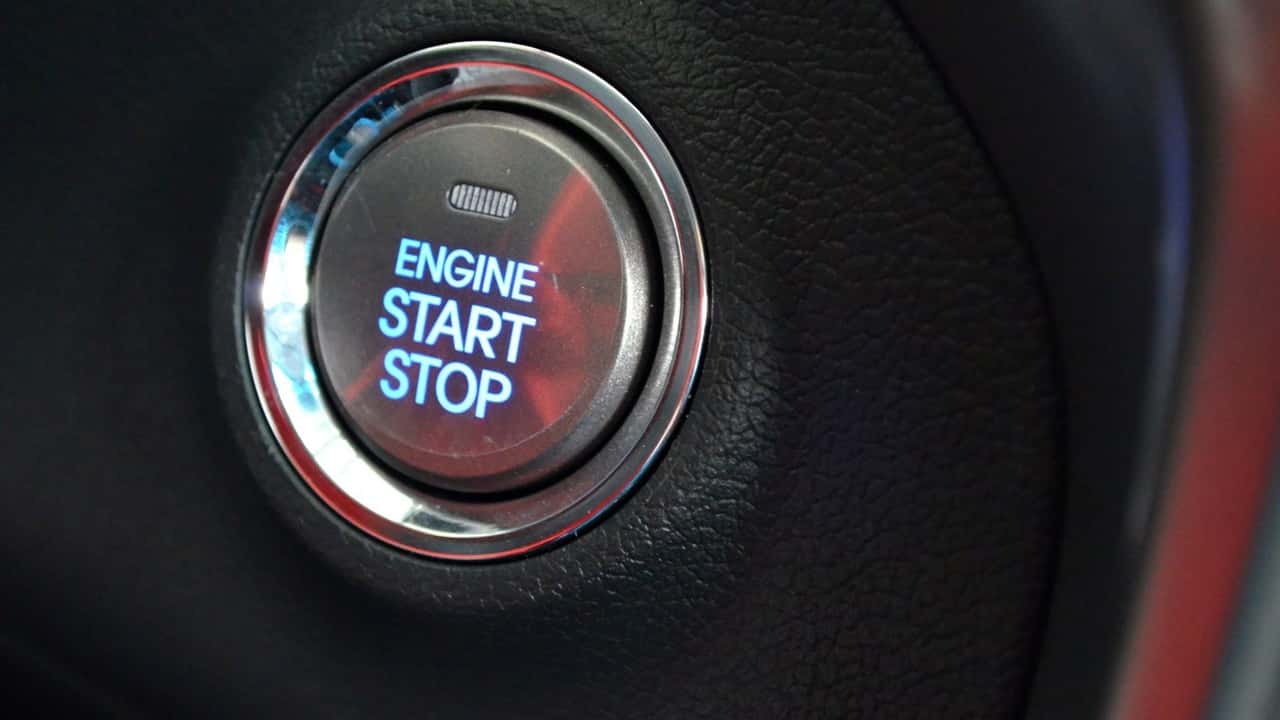

If your car suddenly goes quiet when you stop at a red light, don't panic. It's probably doing exactly what the automaker designed it to do.
The feature is called automatic start-stop, and it shuts the engine off when the car is stopped to reduce fuel consumption and emissions.
The technology has become increasingly common, but it still leaves plenty of drivers wondering the same thing: Is repeatedly turning the engine off and on actually good for the car?
Motor101
Welcome to Motor101, our series dedicated to answering the internet's biggest automotive questions. From the origins of iconic designs to the engineering breakthroughs that shaped the world's greatest cars, we uncover the stories behind the vehicles you love.
Why Does the Engine Shut Off At A Red Light?
The basic idea is surprisingly simple. A conventional gasoline or diesel engine burns fuel whenever it's running, even at idle when the vehicle is sitting still.
If you're stopped at a traffic light for 30 seconds, you're getting nowhere while the engine continues to consume fuel. Start-stop technology eliminates that idle period.
When the system determines that the vehicle has stopped and conditions are right, it shuts down the engine. When you release the brake or otherwise signal that you're ready to move (such as shifting into gear on manual-transmission cars), the engine restarts.
The potential savings are most useful in stop-and-go city driving, where a vehicle can spend a significant amount of time stationary. The technology can also help automakers meet fuel-economy and emissions targets.
It Doesn't Shut Off Every Time You Stop
One thing that can confuse drivers is that start-stop systems aren't simply programmed to kill the engine every time the car reaches zero.
The vehicle constantly monitors conditions before deciding whether to activate the system. Those conditions can include:
- Engine temperature: The engine generally needs to be sufficiently warmed up.
- Battery charge: If the battery doesn't have enough available charge, the system may keep the engine running.
- Cabin temperature: Heavy heating or air-conditioning demands can prevent the engine from shutting off.
- Outside temperature: Extreme temperatures can affect whether the system operates.
- Vehicle position: Some systems may avoid stopping the engine on steep grades or in other situations.
- Steering input: Certain vehicles monitor steering angle and may prevent an automatic stop during particular maneuvers.
That's why your car might shut off at one traffic light but keep running at the next. It's not necessarily malfunctioning. It's making a decision based on what the car thinks it needs at that moment.
Is It Bad For The Engine?
This is probably the biggest concern. After all, conventional wisdom says starting an engine repeatedly puts extra wear on the starter, battery and engine. So why would an automaker intentionally make a car do it dozens of times during a commute?
Because start-stop vehicles are designed specifically for that job.
Automakers use components and control strategies intended to handle the additional starting cycles. Start-stop systems can also use more sophisticated starter systems or starter-generators than older vehicles.
Valeo, for example, supplies both reinforced starter-based and belt-driven starter-alternator systems for stop-start applications.
That doesn't mean every component lasts forever. Larger-capacity batteries used with start-stop systems are particularly important because the system places additional demands on them. But the fact that the engine stops at a red light isn't, by itself, evidence that something is wrong with the car.

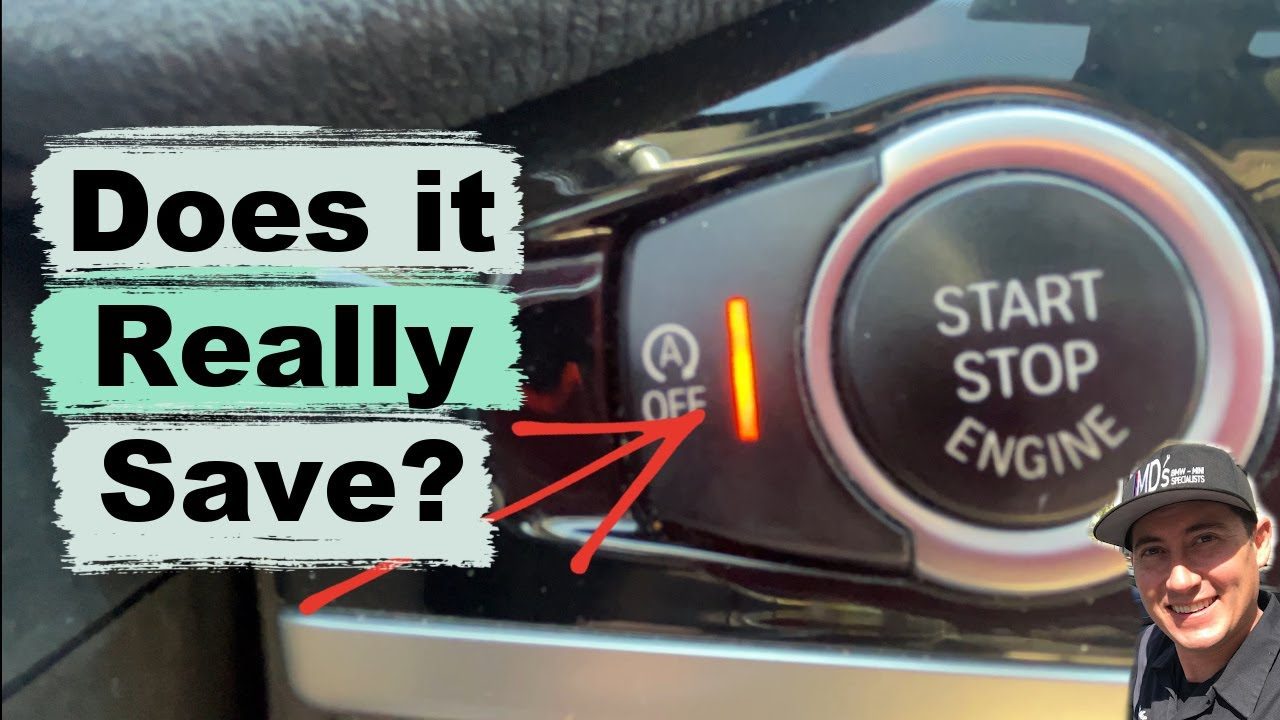
Why Does It Sometimes Restart By Itself?
Here's another thing that can surprise drivers. You can be sitting at a red light with the engine off, only for it to suddenly restart—even though you haven't released the brake. That's normal.
The system can restart the engine if it determines that the vehicle needs additional power or the conditions for an engine-off event are no longer satisfied.
For example, Ford says the engine can restart automatically to maintain interior comfort or recharge the battery. Other systems monitor factors such as HVAC demand, battery state and engine temperature.
So if the engine unexpectedly fires back up while you're still stopped, it isn't necessarily a problem. The computer may simply have decided that keeping the engine running is preferable to remaining in the stop-start cycle.
Drivers Can't Agree On Whether Start-Stop Is Worth It
Drivers have strong opinions about this feature.
In a 2024 r/AskEngineers discussion, users debated why automatic start-stop systems have become so common and whether the fuel savings justify the added complexity. One highly upvoted response pointed out that the systems are designed around modern engines, batteries and starting hardware rather than simply subjecting an ordinary car to constant cold-start conditions.
A more recent 2026 r/Autos discussion asked owners who had lived with start-stop systems for years whether the technology had actually caused premature mechanical problems. Owners reported very different experiences, but several commenters said their vehicles had accumulated substantial mileage without obvious start-stop-related engine problems.
Another r/AskMechanics thread asked whether these cars simply burn through starters because they restart so frequently. The most upvoted responses emphasized that start-stop-equipped vehicles use starters designed to withstand far more starting cycles than conventional systems.
That doesn't mean every driver has to love the feature. An r/Subaru discussion from early 2026 shows just how divisive it can be, with owners complaining about how the system feels during everyday driving and discussing ways to disable it.
The broader takeaway is pretty simple: drivers may dislike how start-stop feels, but that doesn't mean the system is automatically damaging the engine.
Should You Turn Start-Stop Off?
If your car gives you the option to disable automatic start-stop, using that button isn't inherently a problem. Some drivers simply prefer the feel of having the engine running continuously.
But there's also no need to panic when the engine shuts off at a red light.
The system is designed to do exactly that, and it will restart when the vehicle determines that you need the engine again. Its primary purpose is to avoid wasting fuel while the car is sitting still.
The next time your car goes silent at a traffic light, don't reach for the ignition. Your car hasn't stalled; it’s just taking a very short break and saving a little fuel while at it.
More From Motor101
RECOMMENDED FOR YOU

Ford's Most Sinister Mustang Loses Its Roof But Keeps The Supercharged V8
McLaren's New Supercar Brings Back The Manual After 34 Years
What Actually Happens If You Shift Into Neutral While Driving?
Wiesmann MF5 Tributo Returns, Could It Still Hide A BMW V10?
Man Goes To Ford Dealership. Then A Saleswoman Asks If He Wants To 'Swap Keys.’ It’s Not Just Him’
Meet Mansory’s Extreme One-Off Bugatti Creations
V8 Is Back: Ford F-150 Adds More V8 Options For 2027