That Little Fin On Your Car's Roof Is Hiding Some Clever Technology
That little fin on the roof of your car is not just for looks; it packs a surprising amount of technology into a tiny package.


That little fin sitting on the roof of your car looks like a styling flourish, but it has a much more important job.
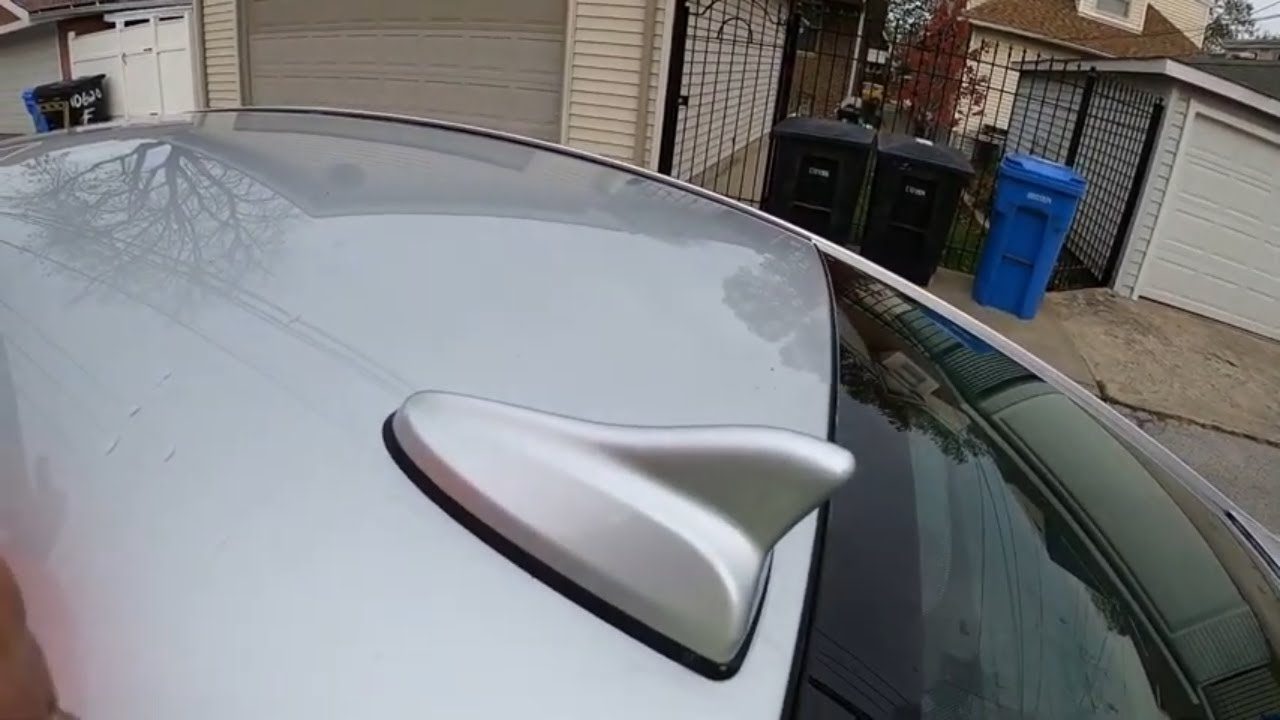
The shark-fin antenna is essentially a compact communications hub. It's a far cry from the long metal antenna rods that once sprouted from the fenders of countless cars. So why did automakers switch to something that looks like a tiny shark's dorsal fin?
Motor101
Welcome to Motor101, our series dedicated to answering the internet's biggest automotive questions. From the origins of iconic designs to the engineering breakthroughs that shaped the world's greatest cars, we uncover the stories behind the vehicles you love.
It's More Than Just A Radio Antenna
The first thing to understand is that the fin usually isn't just one antenna.
Modern vehicles have far more wireless technology than cars did when the traditional whip antenna was commonplace. A single shark-fin housing can package multiple antenna elements into one relatively compact unit, supporting different frequencies and functions.
Depending on the vehicle, those functions can include:
- GPS/GNSS: Helps provide positioning information for navigation and other location-based systems.
- Cellular connectivity: Supports connected-car services, telematics, emergency communications, and other data functions.
- Satellite radio: Provides reception for satellite-based entertainment services on equipped vehicles.
- AM/FM radio: Some vehicles incorporate broadcast-radio antenna elements into the roof-mounted assembly, while others use different antenna locations.
- Wi-Fi and other wireless systems: Some designs integrate additional connectivity hardware into the antenna module.
In other words, the shark fin can do several jobs at once.
Why Is The Shark Fin On The Roof?
Location matters when you're trying to receive radio signals. The roof provides a relatively unobstructed position above much of the vehicle, which is particularly useful for satellite-based signals such as GPS/GNSS and satellite radio.
Putting multiple antennas in one elevated location also helps automakers avoid covering the vehicle with separate external hardware. And there's a practical benefit to keeping the antenna on the roof rather than hanging a long whip from the body: there's much less sticking out to snag on things.
A traditional mast can be bent, broken, or damaged in places such as automatic car washes. The low-profile shark-fin design is considerably less vulnerable to that kind of everyday abuse.
Why Does It Look Like That?
An antenna doesn't necessarily have to be shaped that way. The fin-shaped exterior is essentially a streamlined housing around the antenna components inside. Automakers could have put the hardware inside a simple box, but that would look pretty awkward sitting on a vehicle's roof.
The shark-fin shape was preferred because it provides a low-profile solution that blends more naturally with modern vehicle design. It also creates less aerodynamic disturbance than a tall, exposed whip antenna.
That's important because the fin isn't simply an electronic component. It's also an exterior body part that has to survive weather, car washes (see video below), road debris, and high-speed airflow.
In other words, the shark-fin shape is where function and styling meet: It's high enough to give the antennas a useful location, compact enough to avoid the drawbacks of an old-fashioned mast, and sleek enough to look like it belongs on a modern car.

What Happened To The Old Antennas?
The classic telescoping or whip antenna wasn't necessarily bad technology. It was simply designed around a much simpler automotive communications environment.
Older cars primarily needed antennas for broadcast radio. Today's vehicles can simultaneously communicate with satellites, cellular networks and other wireless systems.
Automotive antenna technology evolved accordingly. Modern vehicles now use antennas for applications ranging from broadcast and satellite radio to cellular connectivity, GNSS and vehicle-to-everything communications.
That doesn't mean every modern car puts every antenna inside the shark fin. Some vehicles use antennas embedded in the glass, hidden elsewhere in the body, or distributed across multiple locations. The shark fin is simply a particularly convenient place to consolidate several of them.
Do All Shark Fins Do The Same Thing?
Not really, and that's an important detail. Two cars can have virtually identical-looking shark fins while using them for completely different combinations of functions.
One vehicle might use its fin primarily for cellular and GPS connectivity, while another could also incorporate satellite radio or other communications hardware. The exterior housing tells you surprisingly little about what's actually inside.
In fact, the shark-fin design has become so common that it's easy to assume every fin is identical when it isn't. The hardware depends on the vehicle's equipment, communications architecture, and market.
Car Owners Have Some Strong Opinions About Shark Fins
Reddit's car enthusiasts have noticed the shark-fin antenna too—and they're surprisingly divided over whether it's a clever piece of engineering or an unnecessary styling detail.
In a recent r/CarDesign discussion, one user argued that shark fins hurt a car's aesthetics, while other commenters defended them as a major improvement over the old whip antennas. One commenter noted that modern shark fins can house multiple antennas for radio, satellite radio and GPS, while also being less susceptible to damage or theft.
That same discussion also highlights an interesting point: the shark fin isn't necessarily there to improve aerodynamics. One commenter with knowledge of antenna design argued that the aerodynamic resistance of a traditional whip antenna is negligible, meaning the fin's bigger advantages are its ability to package multiple systems, reduce wind noise and provide a more durable exterior design.
There's also a practical side to the debate. In another recent Reddit thread, a Chevy Traverse owner described having a shark-fin antenna knocked off by a car wash, prompting a discussion about how the assembly is attached and how difficult it can be to replace.
So while the shark fin might look like a simple piece of automotive styling, Reddit's discussions reinforce the bigger story: there's real technology hiding inside that little piece of plastic—and its shape is at least partly about making all that hardware less conspicuous and vulnerable.
A Cool-Looking Compromise
The short answer is because modern cars need a lot more wireless connectivity than they used to. The shark fin gives automakers a compact and relatively aerodynamic place to package multiple antenna elements without covering the vehicle in obvious hardware.
It can help a car find its position, stay connected to cellular networks, receive satellite services, and communicate with other systems—all from a small housing on the roof. The fact that it looks cool is a welcome bonus.
That's a neat automotive compromise, a piece of technology that works hard enough to justify its existence while merely looking like a styling detail.
So the next time you see that little fin on a car roof, don't think of it as a decorative element. It's basically the car's communication port hiding in plain sight.
More From Motor101
RECOMMENDED FOR YOU

What Is One-Pedal Driving, And Why Do EVs Have It?
Corvette That Bedeviled Shelby's Cobras Could Fetch $13 Million
What Does 'Horsepower' Actually Mean?
Man Goes To Ford Dealership. Then A Saleswoman Asks If He Wants To 'Swap Keys.’ It’s Not Just Him’
Is Premium Gas Actually Better?
Hot Wheels’ Ferrari F40 RLC Drop Lands August 18 With Tight Limits
Why Some Cars Have 'Hidden' Door Handles