What Actually Happens If You Shift Into Neutral While Driving?
Shifting into Neutral might seem harmless, but it affects your car's braking, acceleration, and responsiveness when you need it most.
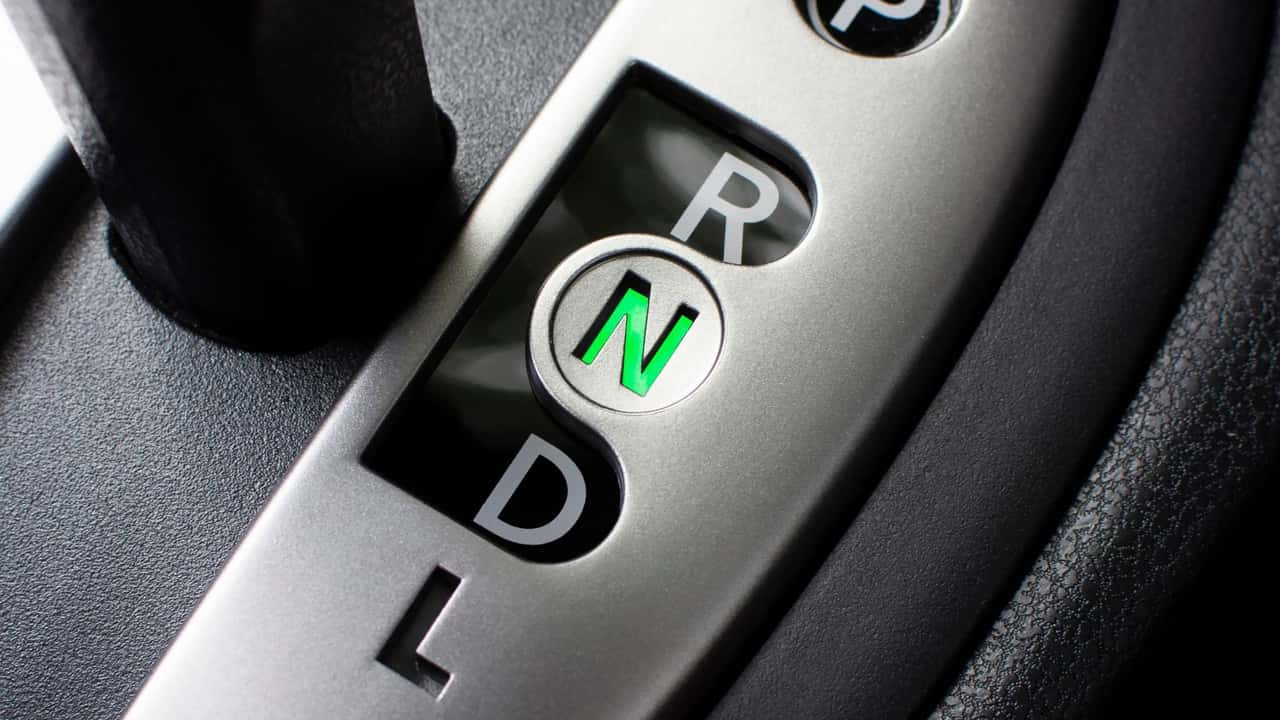

It's one of those things drivers occasionally do without thinking: you're cruising down the road, you move the shifter into Neutral, and suddenly the engine revs freely while the car keeps rolling.
So what actually happens? Contrary to some long-running myths, shifting an automatic transmission into Neutral while driving doesn't automatically destroy the gearbox. But it does change how the vehicle behaves, and there are good reasons automakers generally tell drivers not to coast in Neutral.
Motor101
Welcome to Motor101, our series dedicated to answering the internet's biggest automotive questions. From the origins of iconic designs to the engineering breakthroughs that shaped the world's greatest cars, we uncover the stories behind the vehicles you love.
The Engine And Transmission Essentially Disconnect
When you select Neutral, the transmission stops transmitting engine power to the driven wheels.
The wheels can still turn, so the car continues moving, but the engine is no longer connected to the wheels in the normal way. That's why the engine can sit at idle—or rev freely if you press the accelerator—while the vehicle continues rolling.
The exact mechanics vary between automatic, manual, CVT and dual-clutch transmissions, but the basic result is similar: the vehicle is coasting rather than being driven by the engine.
That's also why the car may feel different immediately after selecting Neutral.
You Lose Engine Braking
This is the biggest practical consequence. When you're in gear and lift off the accelerator, the engine can help slow the vehicle. That's known as engine braking.
Shift into Neutral and that effect disappears. The car can roll more freely, meaning you have to rely primarily on the brakes to control your speed.
That matters particularly on a long downhill section. Keeping the vehicle in an appropriate gear can help control speed without forcing the brakes to do all the work.
That doesn't mean engine braking should replace the brakes. It means the drivetrain can provide an additional method of controlling the vehicle.
Hyundai, for example, warns that shifting into Neutral while driving eliminates engine braking and can increase the risk of an accident.
What Happens When You Shift Back Into Drive?
This is where things can get more complicated. If the vehicle is still moving when you shift from Neutral back into Drive, the transmission has to reconnect the engine and drivetrain while the wheels are already turning.
Modern automatic transmissions use electronic controls, hydraulic pressure and various clutch assemblies to make that engagement smooth. Exactly what happens depends on the vehicle and transmission, which is why you shouldn't assume every car responds identically.
If the transmission is allowed to engage Drive smoothly at an appropriate engine speed, an occasional shift may not cause obvious damage. But aggressively selecting Drive, particularly while revving the engine, can create unnecessary drivetrain stress.
The key distinction is that something can be mechanically possible without being a good driving technique.

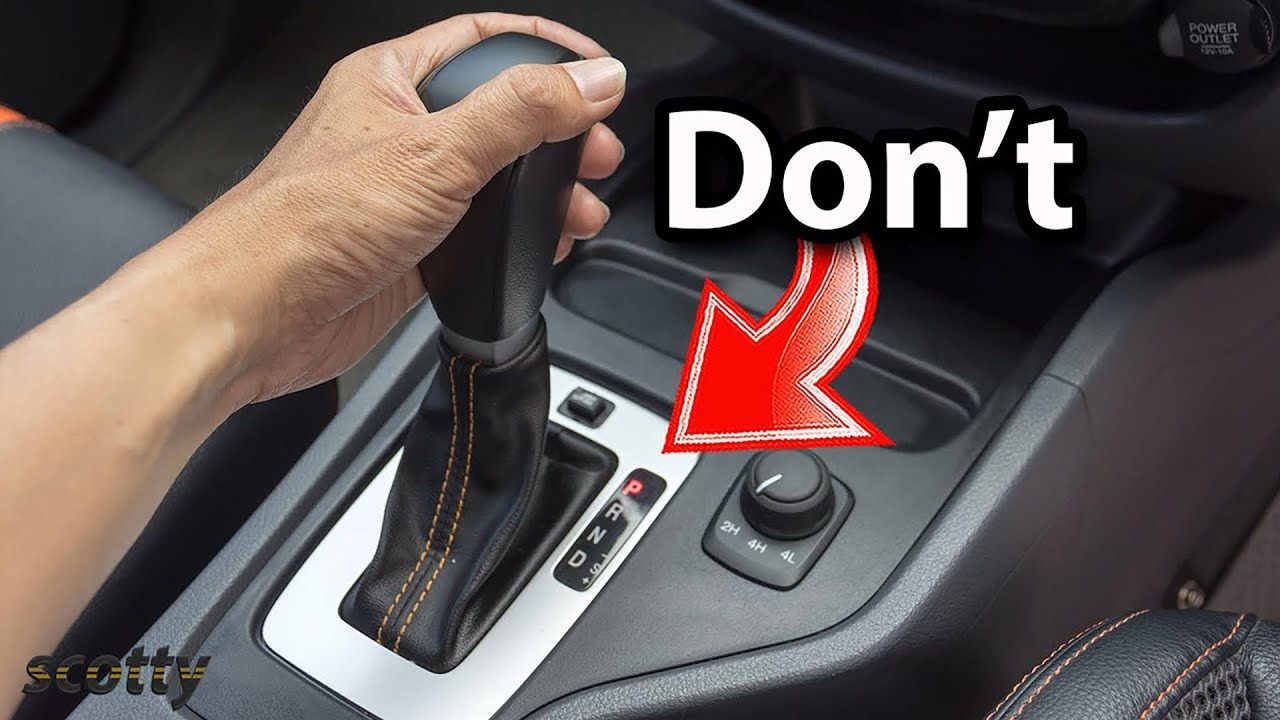
Does Neutral Save Fuel?
This is one of the biggest reasons people give for coasting in Neutral. The theory is simple: if the engine isn't connected to the wheels, perhaps the car uses less fuel.
But modern fuel-injected vehicles have made this argument much less compelling. When you're in gear and completely lift off the accelerator under the right conditions, many modern engines can reduce or even fully stop fuel injection during deceleration. In Neutral, the engine still has to maintain idle speed and therefore it still sips fuel.
A few things are worth keeping in mind:
- In gear, the engine can cut fuel during deceleration: Many modern fuel-injected engines use little or no fuel when you're off the accelerator and conditions are right.
- In Neutral, the engine still needs fuel: It has to keep running at idle rather than being driven by the vehicle's momentum.
- You lose engine braking: The car can coast more freely, putting more of the speed-control job on the brakes.
- Any potential fuel savings are usually small: Even if Neutral changes fuel consumption in a particular situation, it doesn't make it a compelling everyday driving technique.
- Your owner's manual matters: Different powertrains behave differently, so drivers should follow the manufacturer's guidance.
And even if there were a small efficiency benefit in a particular situation, it would have to be weighed against the loss of engine braking and reduced control.
Drivers Debate Whether Shifting Into Neutral Can Damage The Transmission
Ask drivers online whether shifting into Neutral while moving is bad for an automatic transmission, and you'll get a surprisingly nuanced answer.
In one r/MechanicAdvice discussion, a driver accidentally shifted an older automatic into Neutral while moving and then immediately put it back into Drive. The discussion focused on what happens when Drive is re-engaged, particularly the difference between reconnecting the drivetrain at idle versus at a much higher engine speed.
Another Reddit discussion focused specifically on whether coasting in Neutral at 18–22 MPH could damage a dual-clutch transmission. The question came from a driver who was using Neutral on downhill sections in an attempt to improve fuel economy.
There's also a broader debate over whether repeatedly shifting between Drive and Neutral actually causes meaningful wear. In an r/MechanicAdvice thread, one driver wondered whether selecting Neutral at stoplights or in drive-throughs would reduce transmission heat and wear.
The Reddit discussions don't suggest that one accidental shift into Neutral will destroy a transmission. Instead, they point toward a more useful takeaway: the circumstances matter, particularly what happens when you shift back into Drive. Deliberately coasting in Neutral also eliminates engine braking, which can reduce the vehicle's ability to help control its speed.
So while Neutral itself isn't some instant transmission killer, there's little reason to make coasting in Neutral a regular driving habit—especially when your owner's manual may specifically advise against it.
What About Manual-Transmission Cars?
Manual transmissions add another layer to the discussion because drivers routinely use the clutch and Neutral as part of normal shifting.
Selecting Neutral while slowing down isn't inherently the same thing as shifting an automatic transmission into Neutral and then coasting for long periods. However, the same fundamental issue remains: you're giving up engine braking while the transmission is disconnected from the engine.
Manual drivers also have to consider the need to select an appropriate gear before acceleration or a change in road speed. Coasting in Neutral can mean spending additional time selecting a gear when you need power again.
The safest approach is to follow the driving technique recommended for your particular vehicle and road conditions rather than treating Neutral as a universal fuel-saving or braking strategy.
So, Should You Ever Shift Into Neutral While Driving?
There are legitimate situations where Neutral is part of normal vehicle operation. Some vehicles have specific procedures for using Neutral during towing or automatic car washes, for example. Ford even provides a dedicated Temporary Neutral Mode on some vehicles for situations such as an automatic car wash.
But deliberately coasting in Neutral during normal driving usually offers few advantages. If you accidentally bump the selector into Neutral while driving, don't panic. Keep the vehicle under control, release the accelerator, and follow your vehicle's instructions for returning to Drive.
What you shouldn't do is turn Neutral into a regular driving technique without knowing what your particular transmission allows.
The biggest issue isn’t necessarily transmission damage the moment you select Neutral but the fact you are giving up engine braking and thus changing the way you control the car. And that's the part drivers should take seriously.
More From Motor101
RECOMMENDED FOR YOU

Man Goes To Ford Dealership. Then A Saleswoman Asks If He Wants To 'Swap Keys.’ It’s Not Just Him’
Woman Drives New GMC. Then She Sees The New Gearshift: ‘This Is So Much Worse'
V8 Is Back: Ford F-150 Adds More V8 Options For 2027
Your Brakes Are Squeaking. Here's What Your Car Might Be Telling You
Man Opens Ford Bronco's Trunk. Then He Realizes They Come With This Unusual Feature: ‘F-150s Have One On The Tailgate'
Mercedes Won't Stop Building V8s, But A New C63 May Not Happen
Ford's Four-Door Mustang Is Getting Closer To Reality. And It'll Be Fast: Report