Here's Why Premium Gas Isn't Always Worth The Extra Money
Premium costs more at the pump, but does it actually deliver more under the hood? The answer depends on what your engine needs.
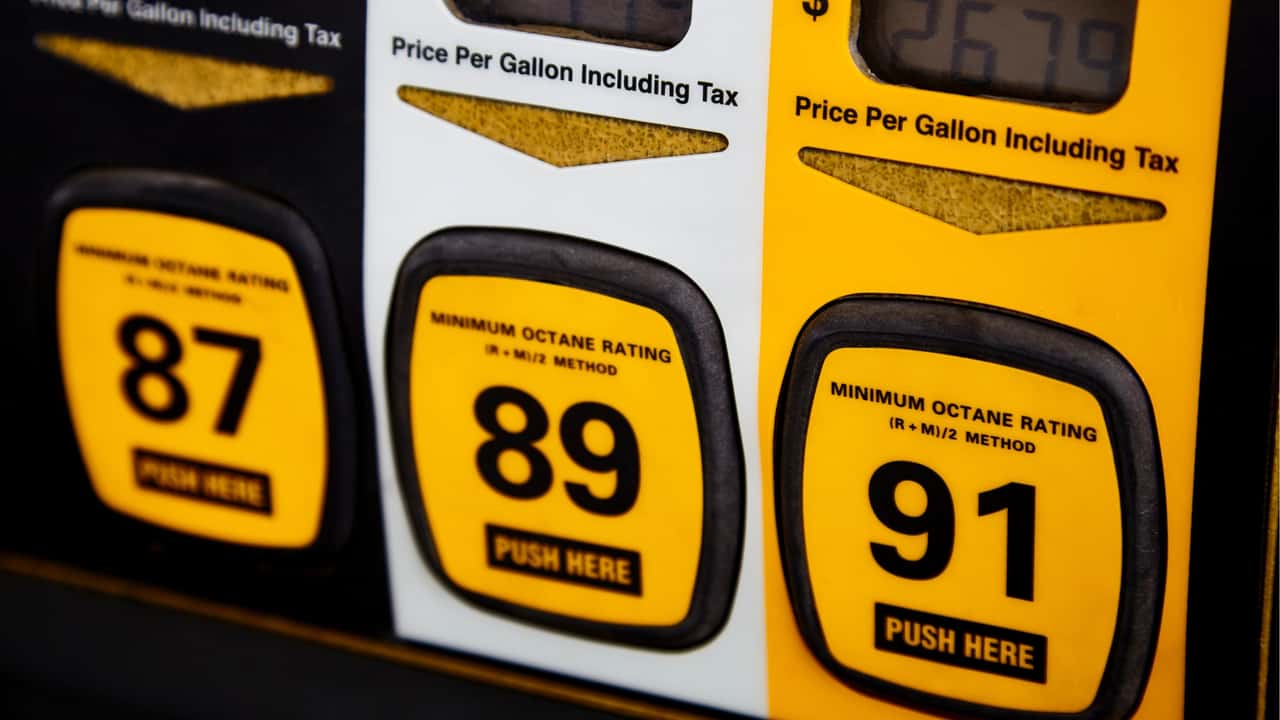

Walk up to almost any gas pump and premium gasoline seems like the obvious upgrade. It's more expensive, has a higher octane rating, and the word "premium" makes it sound like the automotive equivalent of ordering the most expensive steak on the menu.
But here's the catch: premium gas isn't automatically better for every car. What matters most is not what's printed in big letters on the pump; it's what the automaker says your engine needs.
For some cars, premium fuel is essential. For others, it's merely recommended. And for many vehicles, spending extra on 91- or 93-octane gasoline is unlikely to yield meaningful benefits.
Motor101
Welcome to Motor101, our series dedicated to answering the internet's biggest automotive questions. From the origins of iconic designs to the engineering breakthroughs that shaped the world's greatest cars, we uncover the stories behind the vehicles you love.
Start With What The Automaker Says
The simplest answer to the premium-gas question is also the most important: check your owner's manual or the label inside the fuel door. Automakers generally fall into three categories when specifying fuel:
- Premium required: The engine is designed to operate on higher-octane fuel, so premium should be used.
- Premium recommended: The vehicle can generally operate on lower-octane gasoline, but premium may allow the engine to deliver better performance or efficiency under certain conditions.
- Regular recommended: There's little reason to pay extra for premium simply because it has a higher octane rating.
AAA's guidance makes the distinction clear: vehicles that require premium should get it, while drivers of vehicles that merely recommend premium should weigh the potential performance benefits against the additional cost.
That distinction matters because octane isn't a measure of gasoline quality. It's primarily a measure of a fuel's resistance to engine knock.
What Octane Actually Does—And Doesn't Do
Engine knock occurs when the air-fuel mixture in a cylinder ignites prematurely rather than burning as intended.
Higher-octane gasoline is more resistant to this type of abnormal combustion. That's particularly useful for engines that generate higher cylinder pressures, including many high-compression and turbocharged engines. Think of octane as giving the engine more resistance to knocking under demanding conditions.
That doesn't mean 93-octane gasoline automatically contains more usable energy than 87-octane fuel or that it will make every engine more powerful. The engine has to be designed and calibrated to take advantage of the higher octane.
That's why pouring premium into a car designed for regular gasoline usually doesn't produce the dramatic transformation some drivers expect.
AAA tested regular and premium gasoline in vehicles designed to operate on regular fuel and found no significant improvement in horsepower, fuel economy, or emissions from using the higher-octane fuel. So putting 93 octane into an engine designed around 87 doesn't suddenly unlock a hidden performance mode.
What Happens If Your Car Requires Or Recommends Premium?
This is where the distinction between required and recommended becomes important.
If the automaker says premium is required, use the specified fuel. Higher-octane gasoline provides the knock resistance the engine was designed to have, particularly under high-load conditions.
If premium is only recommended, the vehicle may be able to operate on regular, but performance and efficiency can suffer in some circumstances. AAA's testing found modest improvements in performance and fuel economy in some premium-recommended vehicles during demanding situations such as towing, hauling and rapid acceleration. The gains were considerably less noticeable during ordinary city and highway driving. That means the answer can depend on how you drive.
Someone who spends most of the week commuting gently through traffic may notice little difference between regular and premium. Someone regularly towing a trailer, climbing steep grades, carrying heavy loads or driving aggressively may have more reason to follow the premium recommendation.
Modern engines also use sensors and computer controls to adjust operation when conditions change. If an engine detects knock, its control system can modify parameters to protect the engine, although doing so can come at the expense of performance.
If you're hearing persistent knocking or pinging, that's not something to simply ignore. It can be a sign that the engine isn't happy with the fuel or that another mechanical issue needs attention.
Drivers Can't Agree On Whether Premium Is Worth It
If there's one thing Reddit can agree on, it's that the premium-gas debate never seems to end.
In a recent r/NoStupidQuestions discussion, users tackled the question of whether premium gasoline is essentially a scam. The strongest responses landed on a familiar conclusion: premium isn't inherently better fuel—it simply has a higher octane rating, which certain engines are designed to take advantage of.
The same debate has played out among car enthusiasts for years. In one r/cars thread, a Honda Civic Si owner asked whether using premium instead of regular would make a noticeable difference because Honda recommends 91 octane but allows regular. The responses ranged from "slight difference" to essentially no noticeable change for normal driving.
Other Reddit discussions are even more divided when the question involves a car that requires premium. Owners of vehicles such as the Subaru BRZ have debated whether dropping to regular is simply a performance compromise or something that should be avoided altogether.
That disagreement is revealing because it mirrors the confusion at the gas pump. Drivers often treat premium as a higher-quality version of regular gasoline, when octane is really about the fuel's resistance to knock.
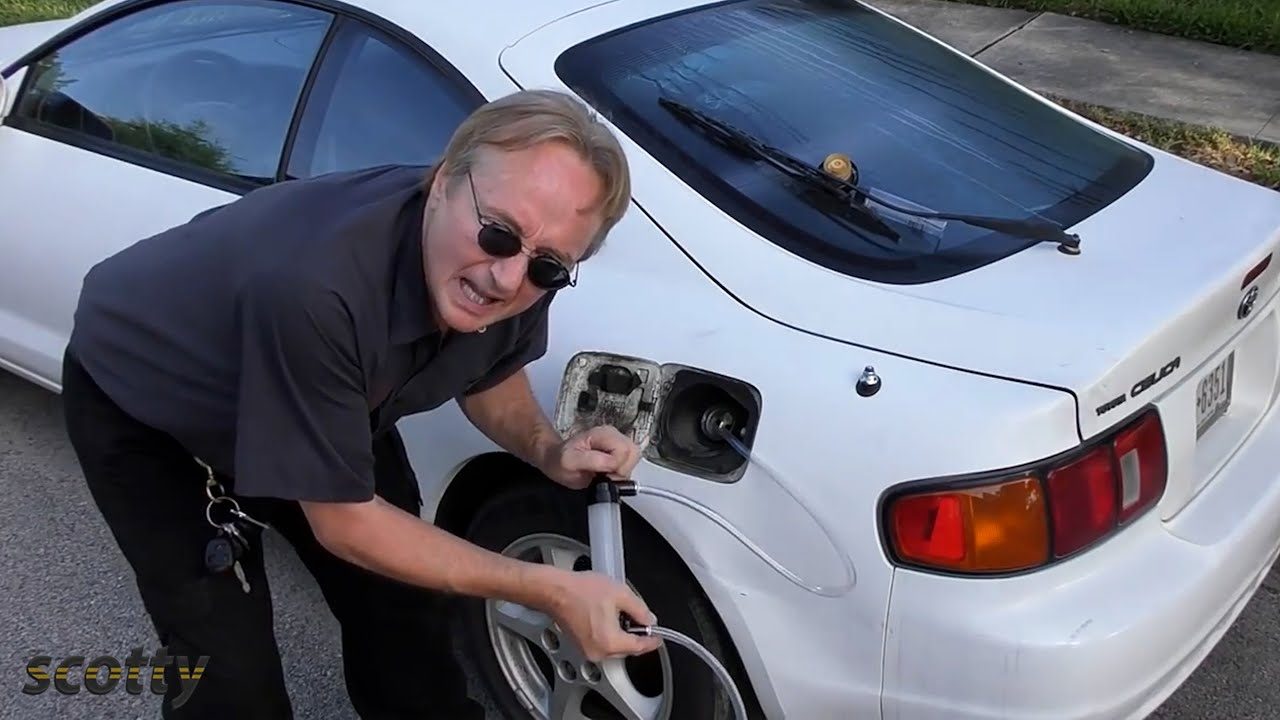
When you strip away the arguments, the Reddit consensus is actually pretty close to the advice in your owner's manual: use the octane the manufacturer specifies. If premium is required, don't substitute regular just to save money. If it's merely recommended, the benefit may depend on how and where you drive. And if your car is designed for regular, paying extra for premium is unlikely to turn it into a faster or more efficient machine, which is what popular YouTube car influencer Scotty Kilmer argues in the video below.

Premium Isn't Automatically Better Gasoline
Another fuel myth gets mixed into the octane debate: the idea that premium gasoline is automatically higher quality. Premium and Top Tier are not the same thing.
Premium generally refers to the gasoline's octane rating. Top Tier, meanwhile, is a gasoline standard focused on detergent additives and deposit control.
AAA's research found that gasoline meeting the Top Tier standard can help keep engine components cleaner, and its current guidance recommends choosing Top Tier gasoline when drivers are looking for fuel with a stronger additive package.
So if your car calls for regular gasoline, simply moving from 87 to 93 octane isn't necessarily an upgrade. Higher octane and higher-quality fuel are two different things.
So, Is Premium Gas Worth It?
The answer isn't found on the gas pump. It's found in your owner's manual. If your car requires premium, use premium. If it recommends premium, you may see some benefits, particularly when you're asking the engine to work hard.
If it calls for regular, there's generally little reason to spend extra on premium. AAA's testing found no meaningful performance or fuel-economy benefit for vehicles designed to run on regular gasoline.
The biggest myth to forget is that premium is automatically a better version of regular. It's really a different octane level designed for engines with different requirements.
So before you press that expensive 93-octane button, take a look at the fuel-door label or owner's manual. Your car may be perfectly happy with the cheap stuff.
More From Motor101
RECOMMENDED FOR YOU

Here's Why Some Cars Have 'Hidden' Door Handles
Cadillac Celestiq Goes Dark With A Stealthy One-Off
Can You Actually Drive On A Flat Tire? It Depends On The Tire
One Of Europe's Most Popular Camper Vans Gets A Major Redesign
Here's How Often You Should Actually Change Your Oil
Monterey Car Week 2026: Every New Supercar, Hypercar, And Concept
Why Do Lamborghini Doors Open Up? Here's How It Started