Home
News
Government
Auto Stop/Start Is Effectively Dead
The EPA's new deregulatory action effectively ends the mandate of auto stop/start on new vehicles.
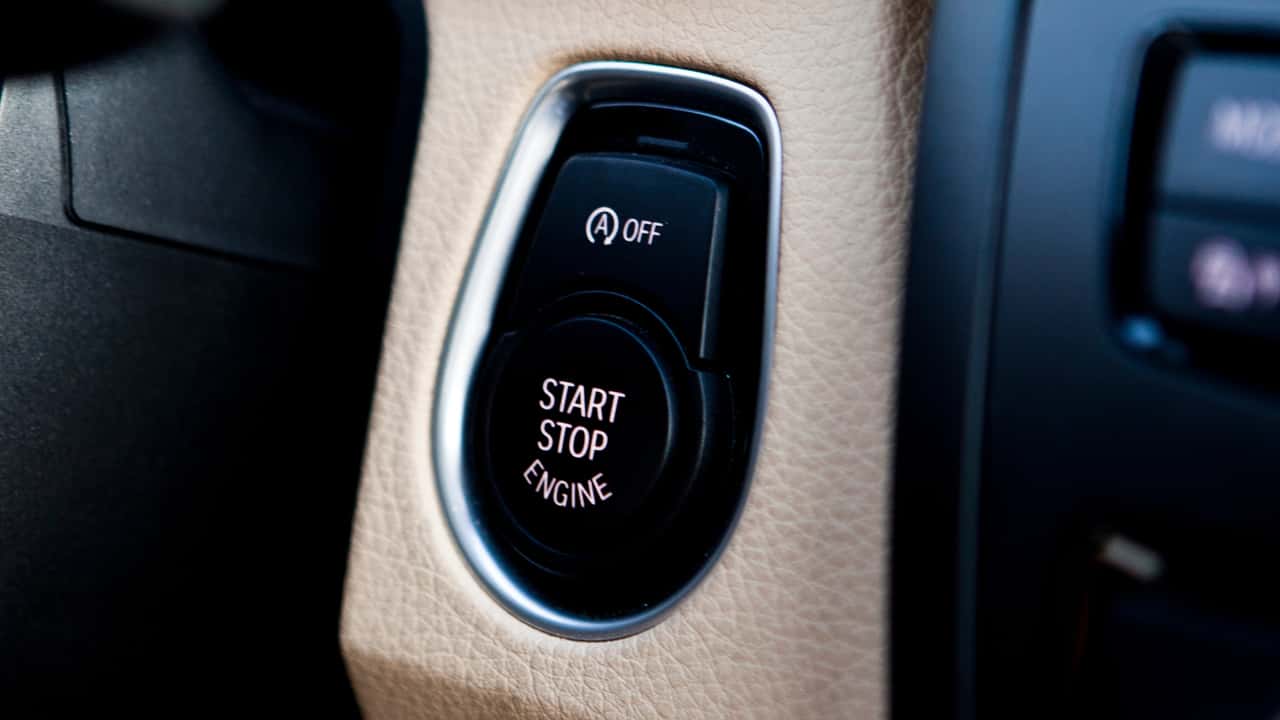
Photo by: Getty Images
Jeff Perez 
By: Jeff Perez
Feb 12, at 2:05pm ET
Add Motor1.com as a preferred source in Google
- (https://twitter.com/intent/tweet?url=https%3A%2F%2Fwww.motor1.com%2Fnews%2F787177%2Fauto-stop-start-in-cars-dead%2F&text=Auto%20Stop%2FStart%20Is%20Effectively%20Dead&via=motor1com)
- copy
Share
Comment
the breakdown
- The EPA is eliminating incentives that encouraged automakers to use auto stop/start systems.
- Without those credits, the feature will likely become less common in new vehicles.
- The change aligns with broader deregulation efforts and ongoing consumer frustration with the system.
Early in 2025, the head of the EPA, Lee Zeldin, hinted that the Trump Administration was considering killing automatic stop/start, arguably one of the most annoying features found in any modern car. Today, it’s official—automatic stop/start is effectively dead.
The US Environmental Protection Agency announced what it calls the "single largest deregulatory action in US history." The administration is rolling back a range of vehicle emissions standards put in place under previous administrations—including automatic stop/start.
Automakers introduced auto-stop/start as a way to help meet federal fuel economy and greenhouse gas targets. These systems automatically shut off a vehicle’s engine when it comes to a complete stop and restart it when the driver moves again, reducing wasted fuel during idling and improving efficiency in stop-and-go traffic.
Under the new EPA rule finalized in February 2026, all off-cycle credits, including those tied to auto stop/start, have been eliminated. These credits previously allowed manufacturers to earn compliance "points" for installing fuel-saving features, even if the real-world impact varied. The agency’s announcement specifically notes that features like stop/start, which many drivers find annoying, will no longer be incentivized through federal regulations.
"The Endangerment Finding has been the source of 16 years of consumer choice restrictions and trillions of dollars in hidden costs for Americans,” said Administrator Zeldin. "Referred to by some as the 'Holy Grail' of the 'climate change religion,' the Endangerment Finding is now eliminated."
What do you think?
View
Comments
That said, automakers can still add auto stop/start to their vehicles if they so choose. While the technology isn’t outright banned, it’s more likely to be offered as an optional feature moving forward—if at all. The rollback is part of a larger shift in federal policy away from regulatory mandates on vehicle emissions and greenhouse gases.
Motor1's Take: This is good news for people who hate automatic stop/start—and many do. Automakers are no longer required to include it with every new vehicle. That said, it's unclear what the larger implications of the rollbacks mean for consumers.
More Government News
 Ford Employee Who Heckled Trump Gets UAW Support: 'Freedom Of Speech'
SEMA Is Fighting To Save America's Local Race Tracks
Source: Environmental Protection Agency
We want your opinion!
What would you like to see on Motor1.com?
Take our 3 minute survey.
- The Motor1.com Team
Share this Story
- (https://twitter.com/intent/tweet?url=https%3A%2F%2Fwww.motor1.com%2Fnews%2F787177%2Fauto-stop-start-in-cars-dead%2F&text=Auto%20Stop%2FStart%20Is%20Effectively%20Dead&via=motor1com)
- copy
GO TO COMMENTS
(
)
Got a tip for us? Email: tips@motor1.com
View all comments ( )
Popular
Honda Secretly Showed Dealers Its Future Models, Including The Element. Here's What They Said
Audi Tells Us Why The Nuvolari Costs $300,000 More Than Temerario
Meet The Sanrivatti One: The Hypercar You Ride Rather Than Drive
Scout Has 212,000 Reservations. Here's What Those Drivers Own
Toyota's Cheaper Sports Car Is Reportedly Back On The Menu
Latest Stories
- You Can Own A Kei Car In The US. But You Might Not Be Able To Drive It Nov 13 - Motor101 -
- Audi Tells Us Why The Nuvolari Costs $300,000 More Than Temerario Nov 13 - Supercars -
- Jeep Is Auctioning A One-Of-A-Kind 705-HP Wrangler Nov 13 - For Sale -
- Meet The Sanrivatti One: The Hypercar You Ride Rather Than Drive Nov 13 - Supercars -
- Germany Restricts BYD, Nio And Geely Cars At Military Sites Over Security Concerns Nov 13 - Military / Police -
- Aston Martin Teams Up With Star Wars For 50th Anniversary Celebrations Nov 13 - Corporate / Financial -
- Lamborghini Trademarks Two Outlandish Names, Hinting At Its Next Supercars Nov 13 - Patents & Trademarks -
RECOMMENDED FOR YOU
EU Softens 2035 Combustion Engine Ban, Giving Carmakers More Breathing Room
Audi Tells Us Why The Nuvolari Costs $300,000 More Than Temerario
Some Automakers Want Chinese Cars Banned From America For Good
Jeep Is Auctioning A One-Of-A-Kind 705-HP Wrangler
GM Allegedly Sold Your Driving Data. Now The Company Must Pay $220 Million
Meet The Sanrivatti One: The Hypercar You Ride Rather Than Drive
Feds Wants Robotaxis To Use Cyan Lights To Signal Self-Driving Mode