Why Your Brake Rotors Rust Overnight
That orange coating looks alarming, but in most cases, a few normal stops will make it disappear
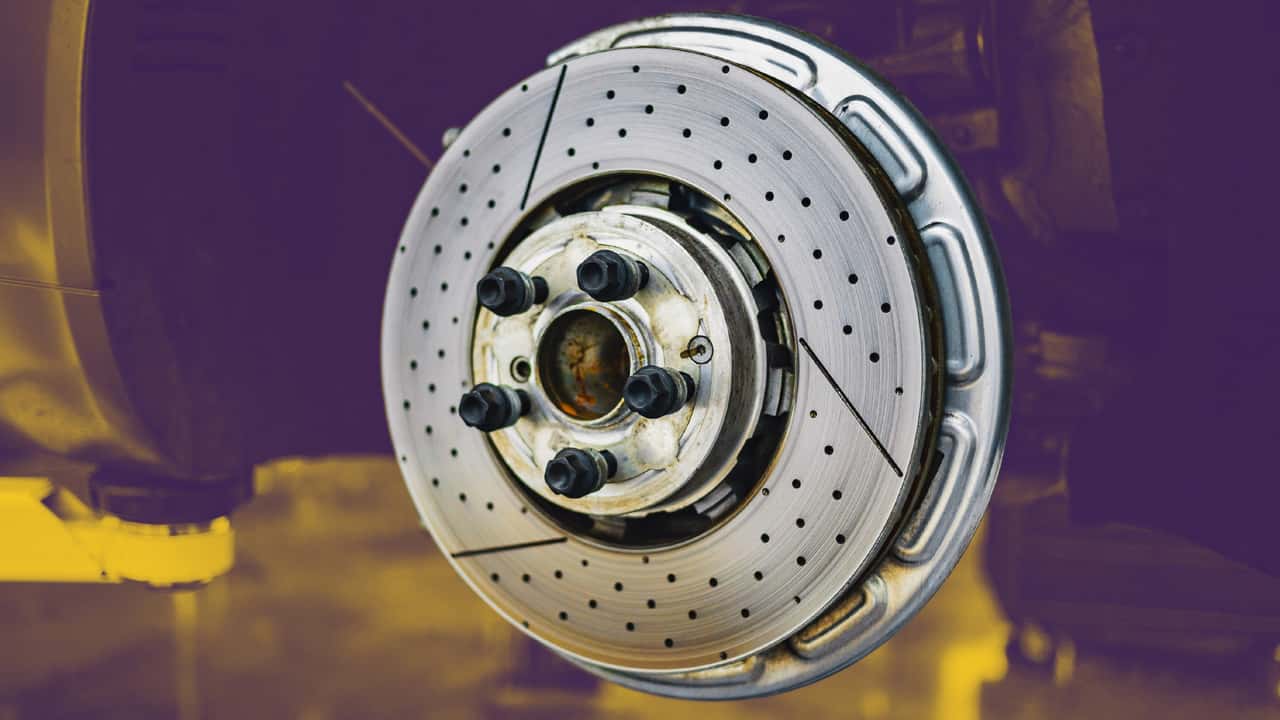

Your car looked perfectly clean when you parked it. But the next morning, the brake rotors were covered in orange rust, making a relatively new vehicle look like it had been abandoned outside for years.
It’s an alarming sight, especially if you’ve never noticed it before. The good news is that that thin coating is typically totally harmless.
Brake rotors can begin rusting within hours, and they don’t need to sit outside in a rainstorm for it to happen. Humidity, condensation, morning dew, or the water left behind after a car wash can be enough to turn shiny metal orange overnight.
Here’s why it happens—and when rusty brake rotors actually deserve your attention.
Brake Rotors Are Mostly Bare Iron
Most conventional brake rotors are made from cast iron. It’s strong, relatively inexpensive, and capable of absorbing the intense heat generated every time the brakes slow a vehicle weighing several thousand pounds.
There is one major drawback: Cast iron rusts easily.
Unlike painted body panels or coated suspension components, the working surface of a brake rotor needs to remain exposed. The brake pads must clamp directly against the metal to create the friction that slows the car.
Paint, grease, oil, or a traditional protective coating would interfere with that friction. So the rotor’s braking surface is left vulnerable to oxygen and moisture—the two ingredients needed to create rust.
It Doesn't Have To Rain
Your brake rotors can rust overnight even when the weather seems completely dry. Humidity can leave a microscopic film of moisture on the rotor. Morning dew, fog, road spray, condensation, and water remaining after a car wash can do the same thing.
Once that moisture reacts with the exposed iron and oxygen in the air, oxidation begins. Because the rotor surface is bare and highly reactive, visible orange rust can form surprisingly quickly.
Cars parked outside in humid climates, near the ocean, or in areas where road salt is commonly used may develop surface rust even faster.
You might also notice the shape of the brake pad outlined on the rotor. That happens because the section underneath the stationary pad dries and oxidizes differently from the rest of the disc.
It can look dramatic, but the corrosion is often only sitting on the surface.
You're Not The First To Ask This Question
The sudden appearance of rotor rust has confused plenty of other drivers.
In a popular r/AskAMechanic discussion, the owner of a fairly new car posted photos of rusty brake rotors and asked whether the condition was normal, or whether something needed to be repaired.
The responses were nearly unanimous: Light surface rust is normal, and driving the car will usually remove it.
Several commenters said they had watched rust appear shortly after washing a vehicle. Others said high humidity or a single damp night was enough to coat the rotors in orange corrosion.
The condition is sometimes called “flash rust” because of how quickly it forms.
The thread also included the simplest possible repair advice: Drive the car and use the brakes normally.
That doesn’t mean every rusty rotor is healthy. But the light orange coating that appears after rain, washing, or a humid night is extremely common.
The Rust Usually Disappears Immediately
The good news is that normal braking usually removes light surface rust.
Pressing the brake pedal pushes the brake pads against the spinning rotors. That friction scrapes away the thin layer of oxidation, often within the first few stops.
You may hear a light scraping or grinding sound when you first pull away. The brake pedal might also feel slightly rough during the first stop.
Those sensations should disappear quickly as the rotor surface becomes clean again.
After a short drive, the area contacted by the brake pads should return to its normal shiny appearance. Rust may remain around the rotor’s outer edge, center hub, cooling vanes, and other areas the pads don’t touch.
That leftover corrosion may look ugly through an open wheel design, but it doesn’t necessarily affect braking performance.
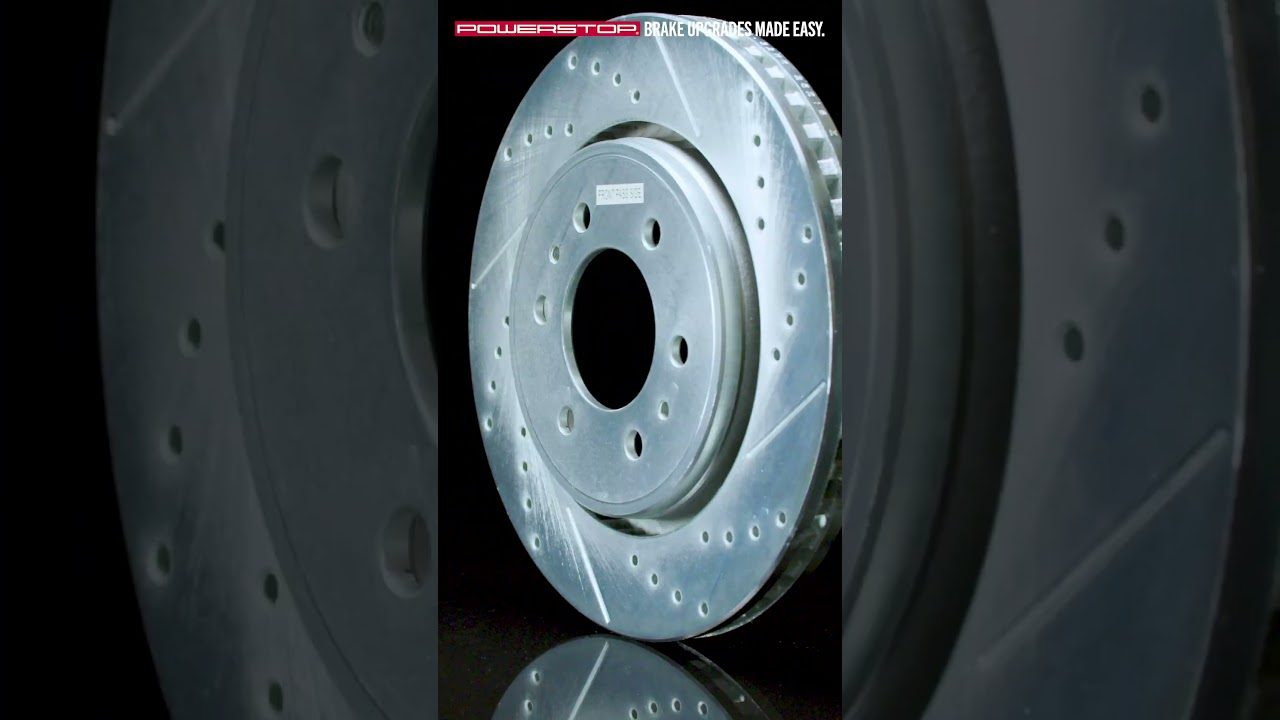
Video: What Rusty Brake Rotors Actually Look Like
PowerStop demonstrates how quickly surface corrosion can appear on a brake rotor—and why the orange coating isn’t automatically a sign that the brakes need to be replaced.

Electric Cars Can Make the Problem More Obvious
Surface rust can be particularly noticeable on electric vehicles and hybrids because they frequently rely on regenerative braking.
Instead of using the physical brakes during every stop, an electric motor helps slow the vehicle while returning heat-derived energy to the battery. This reduces brake-pad wear, but it also means the friction brakes may go longer without cleaning the rotor surfaces.
Some vehicles occasionally apply the mechanical brakes to wipe moisture and light corrosion from the discs. But an EV driven gently, or parked for an extended period, may still develop visible rotor rust.
It’s one of the strange side effects of regenerative braking: The brake pads may last longer, but the rotors can become more vulnerable to corrosion because they’re used less frequently.
When Rotor Rust Becomes a Problem
A thin orange coating after a damp night is normal. Heavy corrosion is different.
When a vehicle sits for weeks or months, rust can become thick enough to pit the rotor. Instead of being wiped away cleanly, the corrosion may leave behind an uneven braking surface.
That can cause vibration, noise, and inconsistent braking.
Warning signs include:
- Grinding that continues after several stops
- Vibration through the brake pedal
- Steering-wheel shaking while braking
- Reduced braking performance
- Deep grooves or visible pitting
- A vehicle pulling to one side
- A brake pad that appears stuck to the rotor
- One wheel becoming unusually hot
- Persistent vibration may indicate that corrosion has damaged the braking surface.
- Pulling or excessive heat could also point to a sticking caliper rather than harmless flash rust.
If the noise, roughness, or vibration remains after a normal drive, the brakes should be inspected.
Depending on the severity of the damage and the remaining rotor thickness, the discs may need to be resurfaced or replaced.
Can You Stop Brake Rotors From Rusting?
You probably can’t eliminate surface rust completely, but you can reduce it.
Driving the car regularly is the easiest solution. Normal braking keeps the friction surfaces clean and prevents corrosion from building up.
After washing the car, take it for a short drive and apply the brakes gently a few times. The heat created by braking can help evaporate moisture before the vehicle sits overnight.
Parking in a dry garage can also help, particularly in humid or coastal areas.
Some replacement brake rotors come with corrosion-resistant coatings. These coatings typically protect the rotor hat, outer edges, and cooling vanes—the sections that aren’t regularly cleaned by the brake pads.
The actual braking surface will still be exposed, but coated rotors generally stay more attractive behind the wheels.
Carbon-ceramic rotors are far more resistant to corrosion, but their cost usually limits them to high-performance and exotic vehicles.
Whatever you do, never apply oil, grease, wax, or a rust-prevention spray to the rotor’s braking surface. Contaminating the rotor or brake pads can dramatically reduce braking performance.
Ugly, But Usually Harmless
Rusty brake rotors can make a nearly new car look neglected overnight. Fortunately, that orange coating is usually nothing more than superficial oxidation on exposed cast iron.
A few normal stops should restore the shiny braking surface.
The time to worry is when the noise, vibration, or corrosion remains after driving. Light flash rust is ordinary. Deep pitting and persistent grinding are not.
So the next time your brake rotors turn orange before breakfast, don’t panic.
Your car probably isn’t falling apart. It’s just reacting to the weather.
The Latest From Motor101
RECOMMENDED FOR YOU

Why Some New Cars Have Fake Exhaust Tips
Trump Boasts Auto Comeback — Michigan Data Says He’s Wrong
Why Every New Car Has So Many Cameras
Man Puts His Mazda Filter in a New Box. Then He Tries To Get AutoZone To Refund It
Why Your Tire Pressure Light Comes On When It Gets Cold
Dodge Teases The Return Of One Of Its Most Iconic Nameplates
Should You Get Your Oil Changed At Walmart? The Pros And Cons