2020 Land Rover Range Rover HSE P400e: Pros And Cons
A good option with a limited customer base.


As the march toward electrification continues, a wave of new hybrid and battery-powered technology is finding its way into a larger swath of vehicles. Exhibit E: a plug-in-hybrid Range Rover.
It looks like a Range Rover, drives like a Range Rover, and can do just about everything its gas-only siblings can do. What sets it apart from the pack, though, is the EPA-rated 19 miles of electric-only range, something the 2020 Land Rover Range Rover P400e’s siblings certainly can’t do.
Home On The Range:
Is that seemingly small EV-only range worth the $5,000 premium the plug-in commands over the base Range Rover? For some, yes. The ideal customer for this model has a very short daily work commute and still desires all of the pleasantries and capabilities that you get when buying a Range Rover. Regardless of who buys it, the Range Rover P400e is a well-executed take on a decidedly non-traditional plug-in candidate. There’s a lot to like here, but not enough to get everyone on board.

Competitors:
Gallery: 2020 Land Rover Range Rover HSE P400e: Pros And Cons


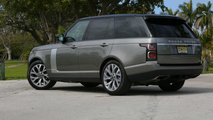



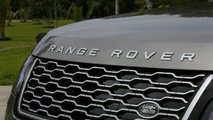
Gallery: 2020 Land Rover Range Rover HSE P400e: Slideshow





2020 Land Rover Range Rover HSE P400e
RECOMMENDED FOR YOU
Mechanic Works On Land Rover Discovery—He Accidentally ‘Totals’ It: 'Don't Tell The Customer'
Man Buys Lease On New Car. The Salesman Steps In To Clarify—Toyota Leases Are Different: 'I Do This With Subaru'
JLR's New North American CEO Has A Lot Of Work To Do
Why EVs Don't Have Traditional Grilles
The Land Rover Discovery Sport Is Dead
Hyundai Had Another Record Sales Month Thanks To Hybrids
Woman Quoted $7,500 For Land Rover Part. Then She Has Her Dad Call The Dealership And Ask For A Price Check