Why EVs Don't Have Traditional Grilles
That smooth front end isn’t just an EV styling trend. Removing the grille can improve efficiency, though electric cars still need plenty of cooling.
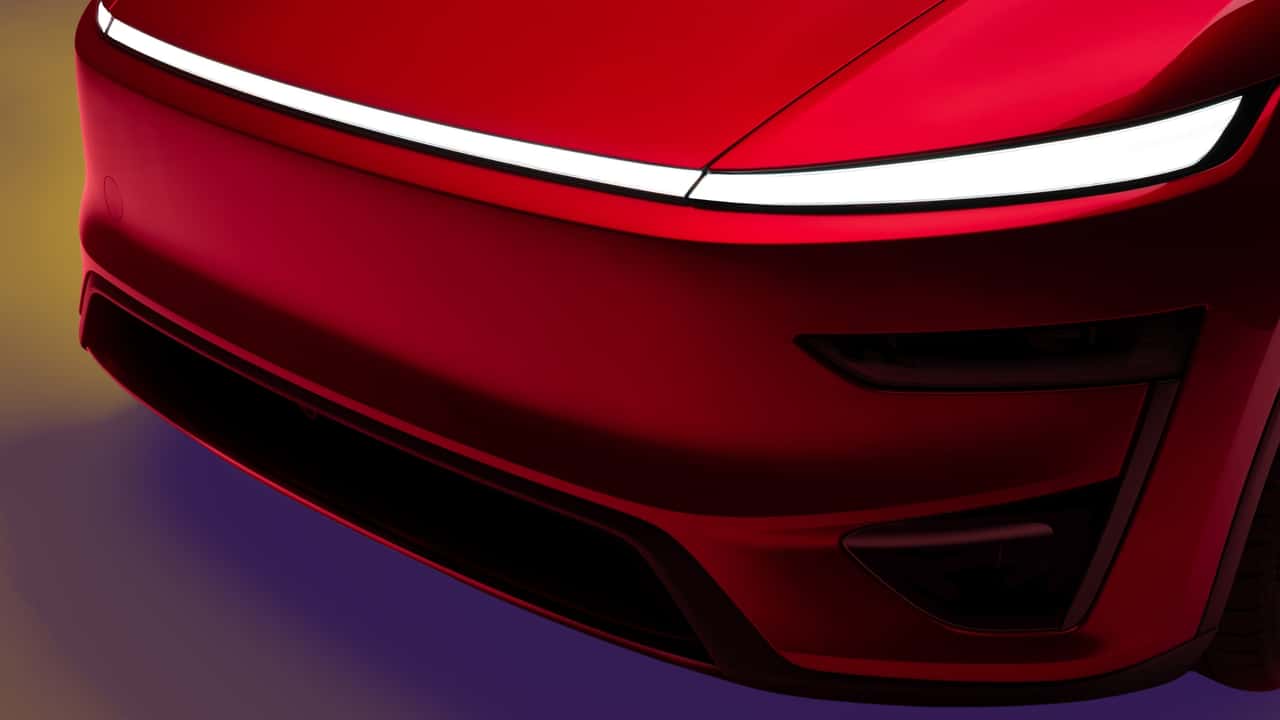

Take a look at almost any electric vehicle from the front; something seems to be missing.
There’s no large mesh opening, no chrome-covered air intake, and often no obvious grille at all. Instead, many EVs have a smooth, nearly solid panel where a traditional car would have a spot for sucking in air.
That isn’t simply an attempt to make electric cars look futuristic. An EV doesn’t need a conventional grille for the same reason it doesn’t need an exhaust pipe: There’s no combustion engine hiding behind it.
But closing off the front of the car also creates another major advantage, one that can help an EV travel farther on every charge.
Traditional Grilles Feed Combustion Engines
A modern combustion engine operates on a process happening in four parts: intake, compression, combustion, and exhaust. The intake part of the equation refers to air being sucked into your engine.
The air mixes with fuel while being compressed by a piston. Eventually, this process results in combustion, sending the piston back. After that, the valves open and let hot exhaust gas escape.
You can't have the bang of combustion without the intake of air.
A gas-powered engine also generates an enormous amount of heat. To keep that engine operating safely, the vehicle circulates coolant through a radiator, which is usually mounted near the front of the car.
The grille allows outside air to pass through that radiator. As the vehicle moves, the incoming airflow helps carry heat away from the engine’s cooling system.
That’s why many performance cars, trucks, and SUVs have such large front openings. More power, heavier loads, and demanding driving conditions can produce more heat, which often requires additional cooling capacity.
The electric motors of an EV don't require air to create power. So the traditional open grille can disappear.
A Closed Front End Helps An EV Go Farther
Removing the grille also allows engineers to improve aerodynamics.
Air flowing into an open grille doesn’t pass through a vehicle without resistance. It enters the engine compartment, strikes the radiator and surrounding components, and eventually has to escape. That disrupted airflow creates aerodynamic drag.
A smooth EV nose allows more of the air to travel cleanly around the body instead.
That matters because highway driving range is heavily influenced by aerodynamic efficiency. At higher speeds, an EV must continually use energy to push air out of the way. Reducing drag means the motors need less power to maintain speed, potentially extending the vehicle’s range.
The difference made by closing one grille may seem small, but EV efficiency is the result of many small improvements working together. Flush door handles, flat underbody panels, aerodynamic wheels, carefully shaped mirrors, and smooth front fascias all reduce the amount of energy lost to the air.

EVs Still Need Cooling
A grilleless front end does not mean an electric car runs cold.
EV batteries must remain within a controlled temperature range. The electric motors, inverter, charging equipment, general electronics, and cabin climate system can also generate or transfer significant amounts of heat.
The US Department of Energy identifies thermal management as an important part of maintaining the performance and reliability of electric motors and power electronics.
Instead of relying on a permanently open upper grille, many electric cars place smaller cooling intakes lower in the front bumper. These openings direct air toward heat exchangers while allowing the upper portion of the nose to remain relatively smooth.
Some EVs also use active flaps that open only when additional cooling is required.
The Hyundai Ioniq 5, for example, has active air flaps integrated into its front bumper. Hyundai says closing them improves energy efficiency, while opening them helps regulate battery temperature when necessary.
In other words, the EV still breathes. It’s simply much more selective about when and where it takes in air.
Performance EVs Need Bigger Openings
Not every electric car has a completely sealed face.
High-performance EVs can generate substantial heat during repeated hard acceleration, high-speed driving, fast charging, or track use. Their batteries, motors, and brakes may need considerably more cooling than those in an efficiency-focused commuter car.
That’s why something like the Hyundai Ioniq 5 N has functional front mesh, cooling vents, air curtains, and active air flaps. Hyundai says those features provide a balance between aerodynamic efficiency and the increased cooling demands of performance driving.
Electric trucks and large SUVs may also have more visible openings, particularly when designed for towing, hauling, or operating in extreme temperatures.
The important difference is that those openings are designed around the EV’s actual cooling requirements. They aren’t there simply because cars have traditionally had grilles.
The Grille May Be Hiding Sensors
Automakers also have another problem to solve: Drivers still expect a car to have a recognizable face.
The grille has been one of the most important elements of automotive design for more than a century. Remove it completely, and a vehicle can look anonymous or unfinished.
That’s why some companies retain the shape of a traditional grille even when the opening itself is sealed.
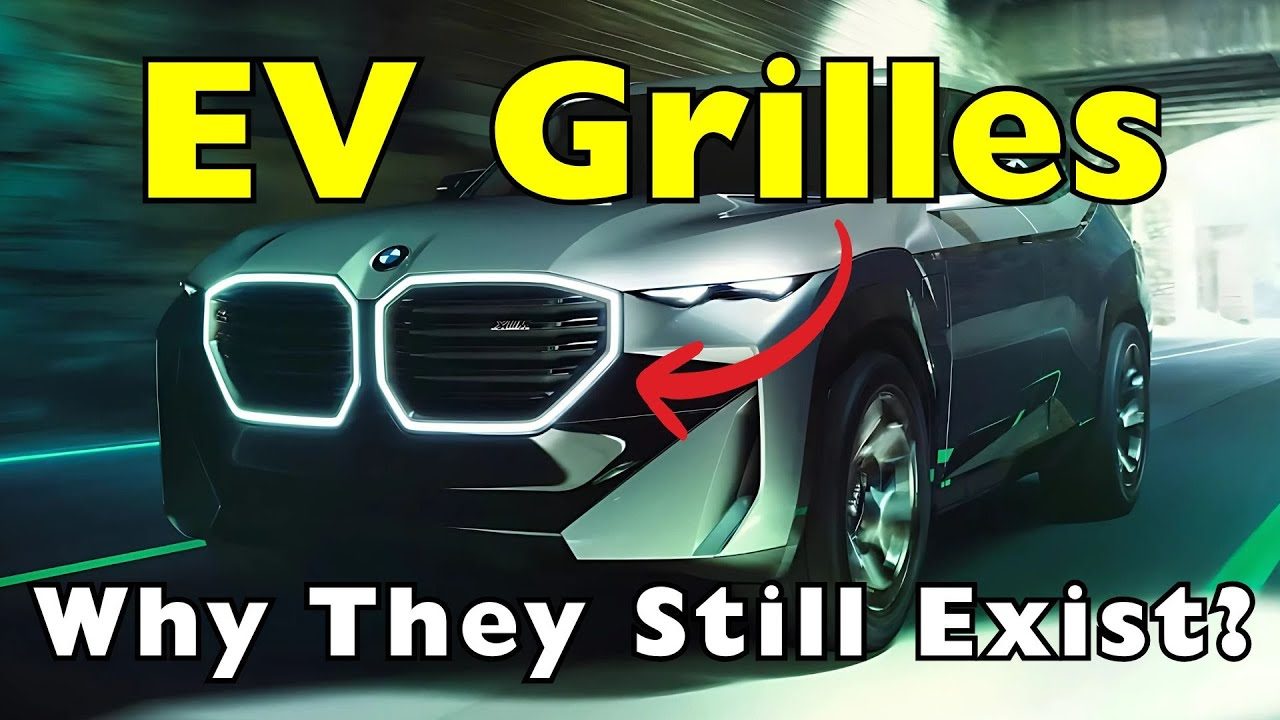
BMW’s electric vehicles are an obvious example. The kidney-shaped panel remains a major visual feature, but on the BMW iX, it houses sensor technology rather than simply feeding air to an engine.
BMW says the iX requires only a small supply of cooling air, allowing its traditional kidney grille to become a closed "intelligent panel."
Other EVs use textured panels, lighting elements, body-color inserts, or narrow strips of black trim to create a familiar grille-like graphic without leaving a large aerodynamic hole in the front bumper.
The grille hasn’t always vanished. In many cases, it has simply found a new job.
Drivers Are Divided On Fake EV Grilles
Not everyone believes automakers have figured out what should replace the traditional grille.
Enthusiasts debated the issue in an r/cars discussion titled "Electric Cars Should Stop Having Fake Grilles." Some commenters argued that a sealed grille helps an electric car remain recognizable as a BMW, Audi, or another established brand. Others thought the fake openings made EVs look as though designers had simply covered an old grille with a sheet of plastic.
The discussion highlights the difficult position facing automotive designers.
They suddenly have the freedom to eliminate one of the defining features of the automobile, but customers have spent decades associating certain grille shapes with specific brands. A BMW without kidneys or a Cadillac without a prominent front graphic might be aerodynamically efficient, but it may also be harder to recognize.
Automakers must balance efficiency and cooling with the visual identity customers expect.
Smooth Faces Are Probably Here To Stay
Electric cars don’t have traditional grilles because they don’t have traditional cooling requirements.
Their batteries, motors, and electronics still need careful temperature management, but that cooling can often be handled through smaller lower intakes, active flaps, fans, and precisely controlled liquid-cooling systems.
Closing the rest of the front end reduces drag, potentially improves efficiency, and gives designers space for sensors, lighting, and new brand signatures.
So the next time an EV looks like someone forgot to install its grille, remember: That blank space is doing more work than it appears.
More From Motor101
RECOMMENDED FOR YOU

Is AAA Still Worth It? Why Millions Of Drivers Keep Paying For It
Hyundai Had Another Record Sales Month Thanks To Hybrids
The Real Reason Carvana Built Giant Car Vending Machines
Genesis' New Flagship SUV Could Show Up This Month
Why Your Gas Tank Is On The Left—Or Right
Why Good Design Still Matters For Affordable Sports Cars
You Bought The Car. Why Are You Still Paying For Subscriptions?