The Driving Habit That Slowly Damages Your Transmission
That quick shift from Reverse to Drive may feel harmless, but doing it repeatedly while rolling can slowly stress your transmission.
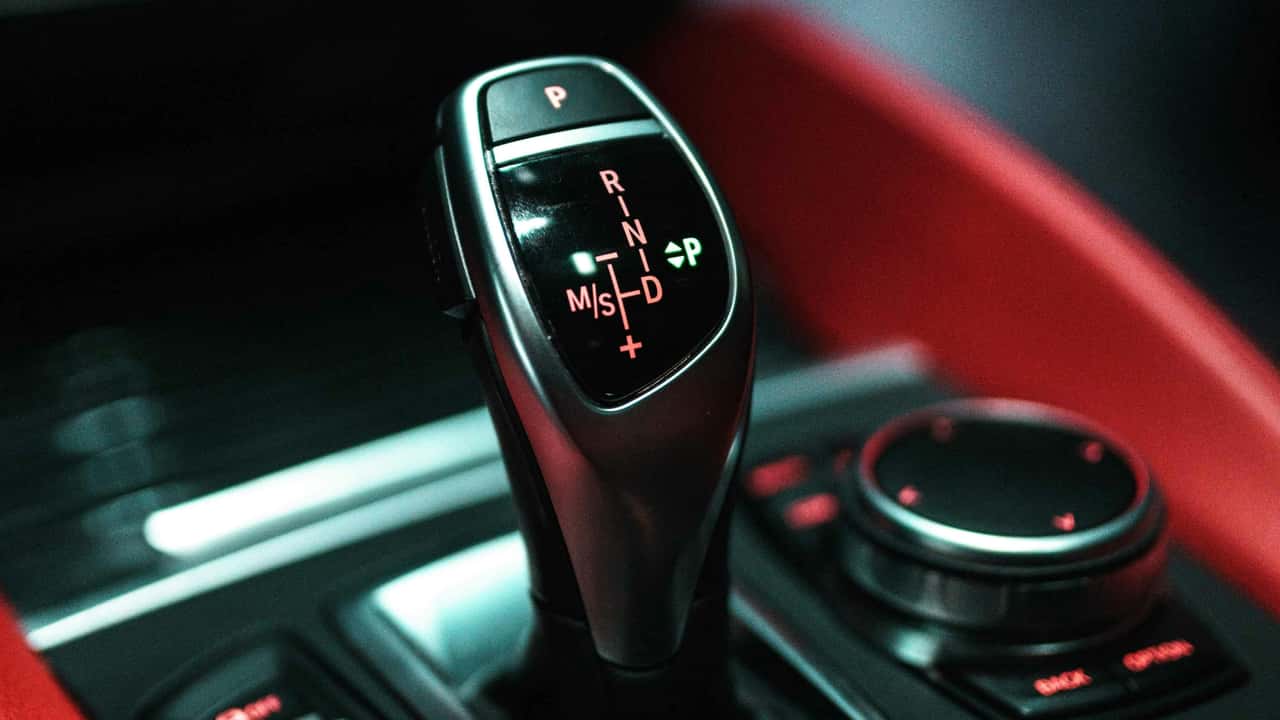

Most drivers have done it without thinking. You're backing out of a parking space, the car is still rolling backward, and you shift from Reverse into Drive.
Or you're pulling into a spot and switch from Drive to Reverse while the wheels are still moving. The car seems to handle it just fine. But that seemingly harmless habit can put unnecessary stress on an automatic transmission. Here’s why.
MOTOR101
Welcome to Motor101, our series dedicated to answering the internet's biggest automotive questions. From the origins of iconic designs to the engineering breakthroughs that shaped the world's greatest cars, we uncover the stories behind the vehicles you love.
The Habit: Switching Between Drive And Reverse While Rolling
The scenario is incredibly common. You're maneuvering into a parking space, rolling backward at walking speed, and select Drive before you've fully stopped. Or you're leaving a driveway and select Reverse while the car is still creeping forward.
It saves a fraction of a second. The problem is that the transmission has to manage a change in the direction of torque while the vehicle is still moving.
Modern automatic transmissions use sophisticated electronic controls and protective strategies, so selecting the wrong direction doesn't necessarily mean the transmission immediately slams itself into reverse. Some vehicles will delay or prevent certain commands. But manufacturers still tell drivers not to make a habit of it.
Hyundai's current owner's information says drivers should completely stop before shifting into Reverse or Drive and warns that shifting back into Drive while moving can severely damage the transmission. Kia similarly instructs drivers to come to a complete stop before shifting into or out of Reverse.
Why Does It Stress The Transmission?
A transmission is designed to control enormous amounts of torque. When a vehicle is already moving, however, the wheels, driveshafts and other components have momentum. Asking the drivetrain to suddenly change the direction of that force can create a shock load.
Think about pushing a shopping cart. If you push it forward and suddenly try to make it move backward without stopping, you're fighting its existing momentum. A vehicle's drivetrain has to deal with the same basic problem, except the forces involved are much greater.
The exact mechanical response depends on the transmission design. Modern automatics, continuously variable transmissions, dual-clutch transmissions and hybrids don't all operate in the same way.
That's why it's better to follow the instructions for your particular vehicle rather than assume every transmission behaves identically. The simple rule, however, is universal across many owner's manuals: Stop first. Then shift into gear.
It Isn't Just Reverse-To-Drive
The biggest culprit may be switching between Reverse and Drive while maneuvering, but other shifter habits can also create problems.
For example, putting the transmission into Park before the vehicle has completely stopped is another practice manufacturers warn against. A few habits worth avoiding include:
- Shifting into Park while rolling: The parking mechanism is designed to hold a stationary vehicle, not stop one that's still moving.
- Switching between Drive and Reverse before stopping: This can put unnecessary stress on drivetrain components as the vehicle's momentum changes direction.
- Using Neutral unnecessarily: It can remove engine braking and may reduce the driver's control over the vehicle.
- Relying on electronic safeguards: Modern transmissions can prevent some bad inputs, but those protections aren't an invitation to repeatedly abuse the system.
There is also a difference between accidentally selecting Neutral and deliberately abusing the transmission. A modern vehicle may be designed to protect itself from certain accidental inputs, but that doesn't mean drivers should repeatedly test those protections.

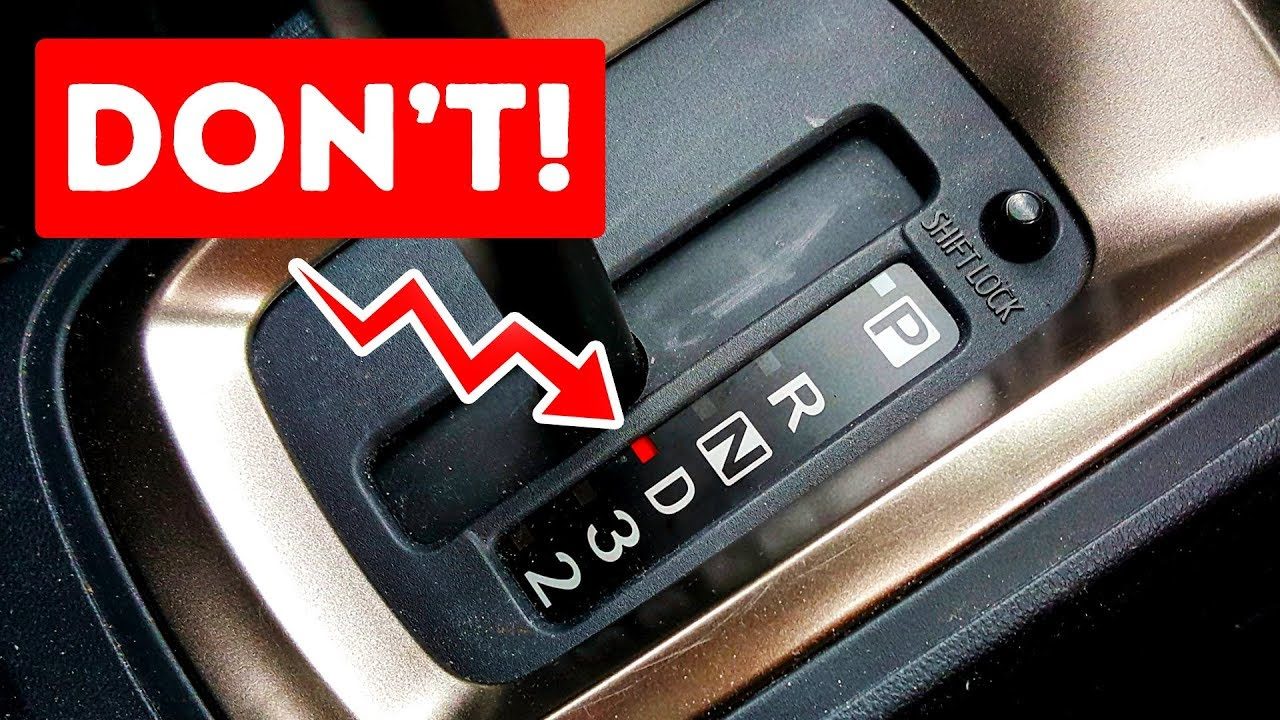
One Quick Stop Can Save You A Big Repair Bill
The good news is that avoiding this habit is incredibly easy. When maneuvering in a parking lot or driveway, simply let the vehicle come to a complete stop before moving the selector from Reverse to Drive or Drive to Reverse.
You don't need to sit there for several seconds. Just stop the vehicle, select the new gear, and then accelerate. That tiny pause is considerably cheaper than learning how much a transmission repair can cost.
It's also worth remembering that a transmission doesn't necessarily fail immediately after being abused. Repeated harsh engagements can contribute to wear over time, meaning the eventual failure might occur months or years after the original habit started.
That makes transmission problems particularly difficult to trace back to a specific driving behavior.
Drivers Argue Over The Damage This Habit Causes
This is one area where car enthusiasts frequently disagree. In an r/cars discussion about switching from Reverse to Drive while the vehicle was still rolling, commenters debated how much damage the practice actually causes.
Some argued that slowly rolling at almost imperceptible speeds is unlikely to destroy a healthy modern transmission, while others emphasized that deliberately shifting while moving quickly is asking for trouble. That distinction is important.
There's a big difference between the vehicle creeping backward at barely noticeable speed and someone moving several miles per hour in Reverse before aggressively selecting Drive and applying the throttle.
Another r/MechanicAdvice discussion involved a driver who accidentally selected Reverse while moving forward. Commenters noted that many modern automatic transmissions have safeguards that can prevent the commanded gear from actually engaging in a destructive way.
In other words, modern transmissions are tougher and smarter than they used to be—but that doesn't make abusing them a good idea.
The Transmission Habit That's Easy To Break
You don't need to completely change the way you drive to make your transmission happier. Just remember one simple rule: If you're changing the direction of the vehicle, stop first.
Don't rush the transition from Reverse to Drive or Drive to Reverse. Don't select Park while the car is still rolling. And don't assume that because the vehicle didn't make a horrible noise the last time you did it, there was no stress involved.
While one accidental shift won't destroy a transmission, repeatedly making a habit of changing directions while the vehicle is moving can create unnecessary mechanical stress. And unlike a blown tire or a dead battery, transmission wear can build quietly for years before becoming an expensive problem.
Modern transmissions are complicated, expensive pieces of machinery designed to last a long time. Giving them one extra second to stop before changing direction costs you practically nothing. And that might be the easiest transmission maintenance you never have to pay a mechanic to perform.
More From Motor101
RECOMMENDED FOR YOU

Used Cars Under $20,000 Are Disappearing. And The Numbers Are Brutal
Nissan's Smallest SUV Gets A Rugged-ish Makeover
Hyundai Is Making A Real Truck To Take On Tacoma. Here's Everything We Know
This Camouflaged Prototype Could Be Hiding Porsche's Next Gas-Powered SUV
Man Gets Hyundai's 10-Year, 100,000-Mile Warranty. Then He Learns It's Really 2 Different Warranties: 'The Part Nobody Explains'
Karma's New $140,000 Hybrid Grand Tourer Packs 566 Horsepower
July Auto Sales Results: Winners And Losers