Man Takes Toyota 4Runner To His Mechanic. Then He Learns What The Previous Shop Ignored: ‘Should Be Done EVERY TIME’
"This is something that drives me crazy."
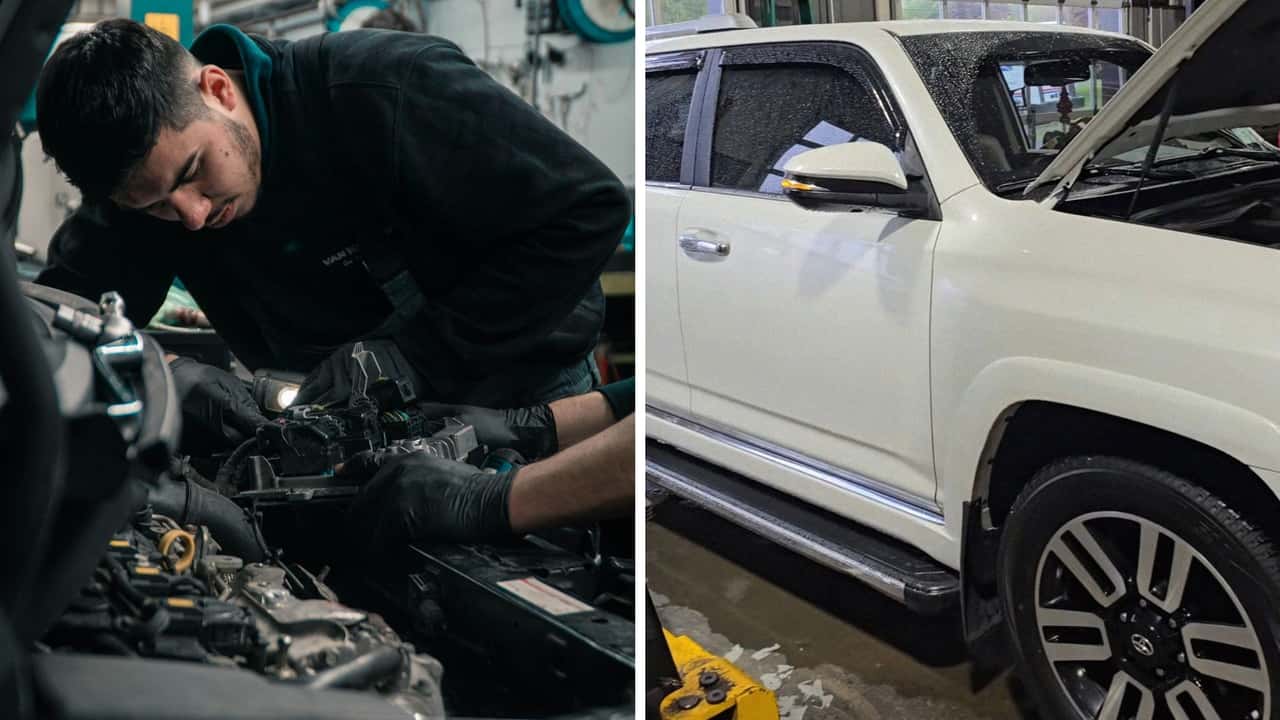

An auto repair technician based out of Clinton, New York, has highlighted a basic maintenance protocol that may get overlooked. NextGen CarCare (@nextgencarcare) showed off a Toyota 4Runner that shows signs this rudimentary routine’s been neglected. And in a video on the topic, he tells car owners what to look out for to ensure these steps aren’t glossed over.
Toyota 4Runner: How Can I Tell They Skipped Maintenance?
“Twenty-nineteen Toyota 4Runner, and this is something that drives me crazy,” he says right as he cracks open the door to the vehicle. “One way to know it was maintained by a dealership … oil changes, for some reason, go to pop the hood."
Upon stating this, he unlatches the front hood of the vehicle via its corresponding lever beneath the steering wheel. “Hood doesn’t pop. I look at the door hinges; there’s no grease in the door hinges,” he says before shutting the door. That’s because he wants to give audiences a better look at what he’s talking about.
Following this, he moves backward to the rear driver-side door to highlight rust on the hinge. “They’re already rusty. How many oil changes has this had, you know? And none of that was ever kept. I go over to the hood; it doesn’t pop,” he says, making his way to the front of the vehicle.
Stuck 4Runner Hood = Bad Sign
To further demonstrate this particular bad car omen, the auto service worker starts tapping the ball of his fist against the hood. Despite popping the latch just a few seconds earlier, the SUV’s hood remained in place. Finally, after a few light strikes to the vehicle’s bonnet, it comes undone.
The first thing he takes stock of is the condition of the hood latch, which he says is “all rusted.” He adds, “Never been lubricated, never been maintained. So, I don’t know. When we do an oil change … or vehicle service … we lubricate the hood latch, the hood hinges, the battery terminals.”
Next, he zooms in close to the terminals, which show some oxidization. “Look how corroded and nasty these are getting. They actually don’t look too bad. Somebody’s put a battery in it, so maybe they cleaned them at some point. Just a couple of things that drive me insane. If you want your vehicle maintained, these things should be happening,” he tells viewers.
Toward the end of the clip, he states that this is standard protocol at his garage and that consumers should check to make sure their own shops are doing the same thing.
'No Dealer Does That'
Several folks who replied to his video stated that their own service centers have never engaged in these maintenance practices.
“My car is only dealer maintained. They’ve never done any of that,” one remarked. Another stated, “Toyota definitely doesn’t do this.”
Whereas another person on the app speculated as to why this is the case: “They are too busy telling you to change the cabin air filter without checking it,” they wrote. Another believes these omissions are intentional: “Highly doubt the dealer is that meticulous on purpose.”
One user who replied to his video wrote, “As a dealership tech I’m not doing any of that. Unless it says it on their repair order.” The same person added that Toyota vehicles are notorious for having hood latches that degrade over time. “Toyota has the worst hood latches ever they all stick when they’re old.”
But someone else seemed to know exactly what Next Gen Car Care was talking about. “It’s called LOF for a reason: lube, oil, and filter,” they penned.
Lubing Doors And Hatches: Standard?
According to a Cars.com piece, this isn’t the case, despite the outlet writing it is indeed a basic yet important aspect of vehicle maintenance. “Unfortunately, few repair shops or dealerships still perform these simple tasks (though it might pay to ask), so it’s often up to … vehicle owners to do it themselves,” it states.
Additionally, the website advises car owners to lube car door locks in addition to hinges. Moreover, applying “a light coat of silicone lubricant” to rubber gaskets that seal doors can also prevent them from cracking. Cars.com also tells drivers to avoid using WD-40 for their lubrication needs. That’s because its greasing effect is only temporary, and over time, its use attracts dirt.
For hinges, using white lithium grease is a good way to ensure they’re operating properly over the long term. And when it comes to door locks, go with powdered graphite to avoid a potentially more costly repair down the line.
Motor1 has reached out to NextGen CarCare via email for further comment.
RECOMMENDED FOR YOU

Man Goes To Carmax, Sees 2022 Toyota 4Runner With 127,000 Miles. Then He Finds Out How Much They Want: ‘Let’s Not Normalize This’
Lotus Explains Why It Didn't Bring Its Electric SUV To America
Toyota 4Runner Driver Doesn't Want To Pay $20 Subscription To Start Car. Then She Discovers Key Fob Trick: 'The Things You Learn'
Audi Caught Flogging Its Tiny Electric Hatchback On The Nürburgring
‘We’ve Specialized In Toyota Tacomas, Toyota 4Runners’: Man Goes To Dealership. Then Salesman Explains Why They Don’t Sell Tundras
Is AAA Still Worth It? Why Millions Of Drivers Keep Paying For It
Man Gets His Toyota Worked On. Then His Mechanic Finds The Car's Secret Screen: 'You May Not Know'