What Does 'Horsepower' Actually Mean?
Horsepower is more than a number on a spec sheet—here’s what it actually tells you about how a car performs.
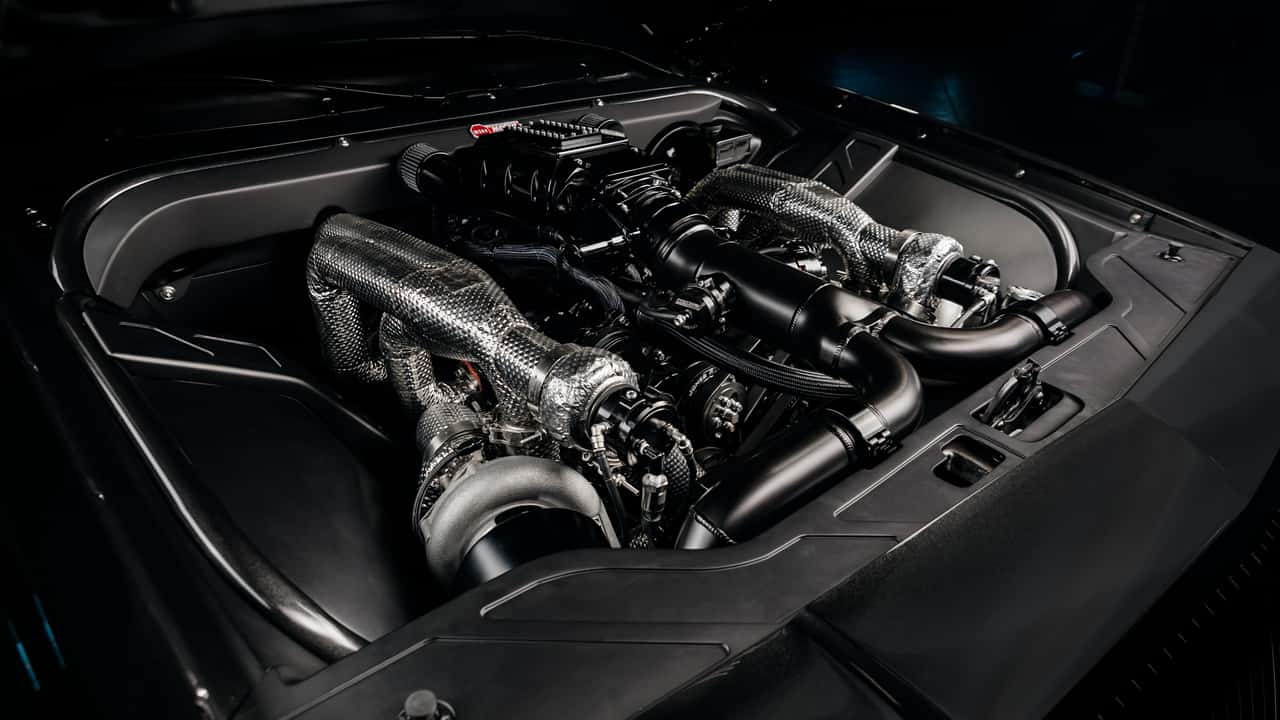

A 200-horsepower sedan. A 400-hp sports car. A 700-hp muscle car. Horsepower is one of the first numbers people look at when comparing cars.
More horsepower usually sounds better, but what does the term actually mean? The answer is simpler than it might seem. Horsepower is a measurement of how quickly a combustion engine or electric motor can do work. In a car, it helps describe how much power the vehicle has available to accelerate, overcome resistance, and maintain speed.
Motor101
Welcome to Motor101, our series dedicated to answering the internet's biggest automotive questions. From the origins of iconic designs to the engineering breakthroughs that shaped the world's greatest cars, we uncover the stories behind the vehicles you love.
Where Does The Term Horsepower Come From?
The word "horsepower" dates back to Scottish engineer James Watt, the same Watt associated with the unit used to measure electrical power.
In the late 18th century, he was trying to demonstrate how much work steam engines could perform compared with horses. He developed a standardized measurement based on his estimate of how much work a horse could perform over a period of time. Watt defined one mechanical horsepower as 33,000 pound-feet of work per minute.
Now, the exact relationship between a real horse and one mechanical horsepower isn't as straightforward as the name suggests. Watt's number was a practical benchmark designed to make steam engines easier for people to understand and compare at a time when horses were the vital "engine" of society.
And the measurement stuck. More than two centuries later, horsepower is the first thing we ask about every time a new sports car is announced.
So, What Does Horsepower Actually Measure?
At its most basic level, horsepower measures the rate at which work is being done. That distinction is important.
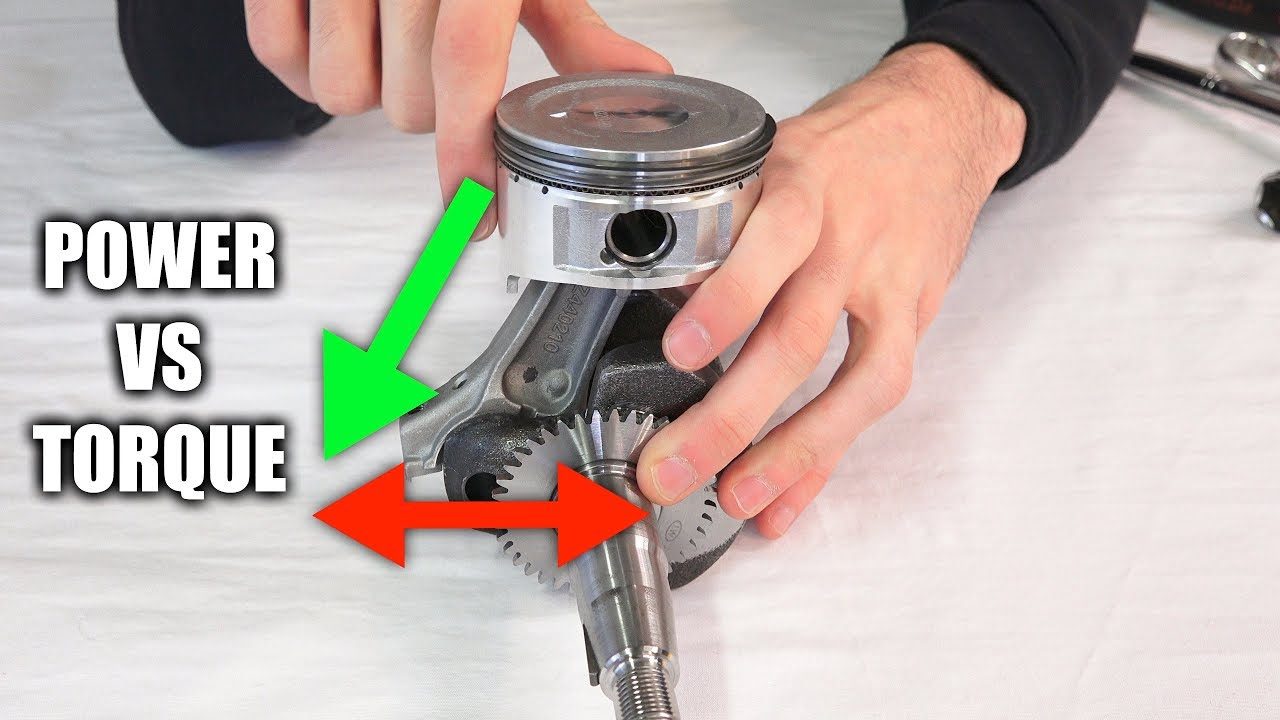
Imagine two engines that can both produce the same amount of torque. If one can produce that torque at a higher engine speed, it can produce more horsepower. That's because horsepower is related to both torque and rotational speed.
For engines, the commonly used relationship is: Horsepower = (Torque × RPM) ÷ 5,252, where 5,252 is the point in the rev range where horsepower and torque are always numerically equal when using imperial units.
Horsepower figures tend to rise as engine speed increases, assuming the engine can continue producing useful torque.
For an electric motor, the basic concept is the same: power depends on torque and rotational speed, even though the motor delivers its power differently from a gasoline engine.
Horsepower Vs. Torque: Why RPM Matters
This is where car terminology can get confusing. The relationship between horsepower and torque explains why a car with less horsepower can sometimes feel surprisingly quick.
Torque is twisting force. Horsepower is how quickly that force can do work. A simple way to picture it is with a wrench. If you push hard on a wrench, you're applying torque. If you can repeatedly apply that twisting force quickly, you're doing more work over a given amount of time. That's roughly the relationship between torque and horsepower.
An engine also doesn't make the same amount of power at every RPM. It produces a certain amount of torque at a given engine speed, and that torque changes as the engine revs.
Because horsepower depends on both torque and RPM, the power curve changes as engine speed rises and falls. That's why a car might advertise 300 horsepower at 6,000 rpm rather than simply saying it makes 300 horsepower all the time.
The peak horsepower figure represents the highest power output measured under the specified testing conditions. It doesn't mean the engine produces that amount of power whenever you press the accelerator.
This is also why two engines with the same peak horsepower can behave very differently. One might produce most of its power high in the rev range, while another could deliver a broader spread of power that makes it feel stronger during everyday driving.

Does More Horsepower Always Mean A Faster Car?
Not necessarily. Horsepower is important, but acceleration depends on much more than the engine's peak power rating. Several factors can determine how quickly a car actually accelerates:
- Weight: A lighter car generally needs less power to accelerate.
- Gearing: The transmission determines how effectively the engine's power reaches the wheels.
- Traction: Tires and the drivetrain determine how much available power can actually be put onto the road.
- Aerodynamics: Air resistance becomes increasingly important as speed rises.
- Tires: Grip can determine how effectively a car launches and accelerates.
- Drivetrain: Front-, rear- and all-wheel-drive systems can behave differently when putting power down.
Consider two cars with identical horsepower figures. If one weighs several hundred pounds less and is not shaped like a brick, it will accelerate faster. That's why enthusiasts often look at power-to-weight ratio rather than horsepower by itself.
An 800-hp car sounds incredible, but if it's extremely heavy, another vehicle with significantly less power could still deliver an impressive performance.
Electric vehicles make this comparison even more interesting. Electric motors can produce maximum torque the moment they start spinning, allowing many EVs to accelerate extremely quickly even when their horsepower figures aren't as dramatic as those of high-powered gasoline cars.
Does Horsepower Matter More Than Torque?
There's no universal winner. Both numbers describe different aspects of the same power-producing system. Torque tells you about twisting force, while horsepower tells you how quickly that force can be applied.
For everyday driving, a car with a broad torque curve can feel responsive without needing to reach high engine speeds. For high-speed performance, horsepower becomes increasingly important because maintaining acceleration against aerodynamic drag requires substantial power.
The important takeaway is that horsepower shouldn't be viewed in isolation. A car's weight, gearing, torque curve, drivetrain, traction and aerodynamics all determine how that horsepower gets turned into actual performance.
Enthusiasts Are Split In The Horsepower Vs. Torque Debate
Ask car enthusiasts whether horsepower or torque matters more, and you're likely to start an argument.
One r/cars discussion came from a reader who was struggling with exactly that question: if torque is what ultimately gets multiplied through the transmission and sent to the wheels, why does horsepower tend to be the better headline figure for performance? The discussion illustrates why the two numbers can't really be separated from RPM and gearing.
Another Reddit thread tackled a simpler comparison between cars with different horsepower and torque figures. The responses emphasized that peak horsepower alone doesn't tell the whole story and that gearing, the torque curve, tires, transmission and other factors can dramatically change how a car performs.
There's also plenty of skepticism about using horsepower as a shorthand for how fun a car is. In one r/cars discussion, enthusiasts pointed out that a car doesn't need huge power numbers to be entertaining, while another conversation focused on how weight can be just as important when comparing performance.
That's actually a useful lesson for anyone reading a spec sheet. Horsepower tells you how much power a powertrain can produce, but it doesn't tell you exactly what that power will feel like from behind the wheel. A lighter car with less horsepower can be incredibly quick and engaging, while a heavier car with substantially more power might not feel as impressive in every situation.
In other words, Reddit's horsepower debate ultimately reinforces the same point as the engineering: don't judge a car by one number alone.
Horsepower Is Still Relevant Despite Its Old-Fashioned Name
To sum things up, horsepower is essentially a way of answering one question: How quickly can this engine or motor do work?
And while the name comes from an 18th-century comparison with horses, which were very relevant at the time, horsepower remains useful because it gives drivers a standardized way to compare the power output of very different engines and motors.
A 500-horsepower car does not literally have the power of 500 horses. The output figure is actually a measurement of how quickly the car's powertrain can do work, i.e. accelerate, overcome resistance, and maintain speed. It's also a key piece of the much bigger performance puzzle.
More From Motor101
RECOMMENDED FOR YOU

Is Premium Gas Actually Better?
Used Cars Under $20,000 Are Disappearing. And The Numbers Are Brutal
Here's Why Some Cars Have 'Hidden' Door Handles
The 2027 Kia EV3 Is One Of America's Cheapest EVs
Can You Actually Drive On A Flat Tire? It Depends On The Tire
Hyundai Is Making A Real Truck To Take On Tacoma. Here's Everything We Know
Here's How Often You Should Actually Change Your Oil