That Annoying Whistle In Your Car Could Be Coming From The Door
That annoying high-speed whistle could be caused by worn seals, loose trim, or a misaligned window. Here's how to track it down.


A quiet cabin is one of the things drivers expect from their cars, so hearing a high-pitched whistle every time they get up to highway speed can be frustrating. The sound might seem minor at first, but it can quickly become an irritating distraction on longer journeys. In many cases, the source can be your car door, window, or side mirror.
The good news is that a whistling car door doesn't necessarily mean an expensive repair is coming. In many cases, the noise is caused by worn rubber seals, a small gap around the window, or a door that no longer sits quite right against the body. Finding the source is the important part.
Worn Or Damaged Door Seals Are A Common Cause

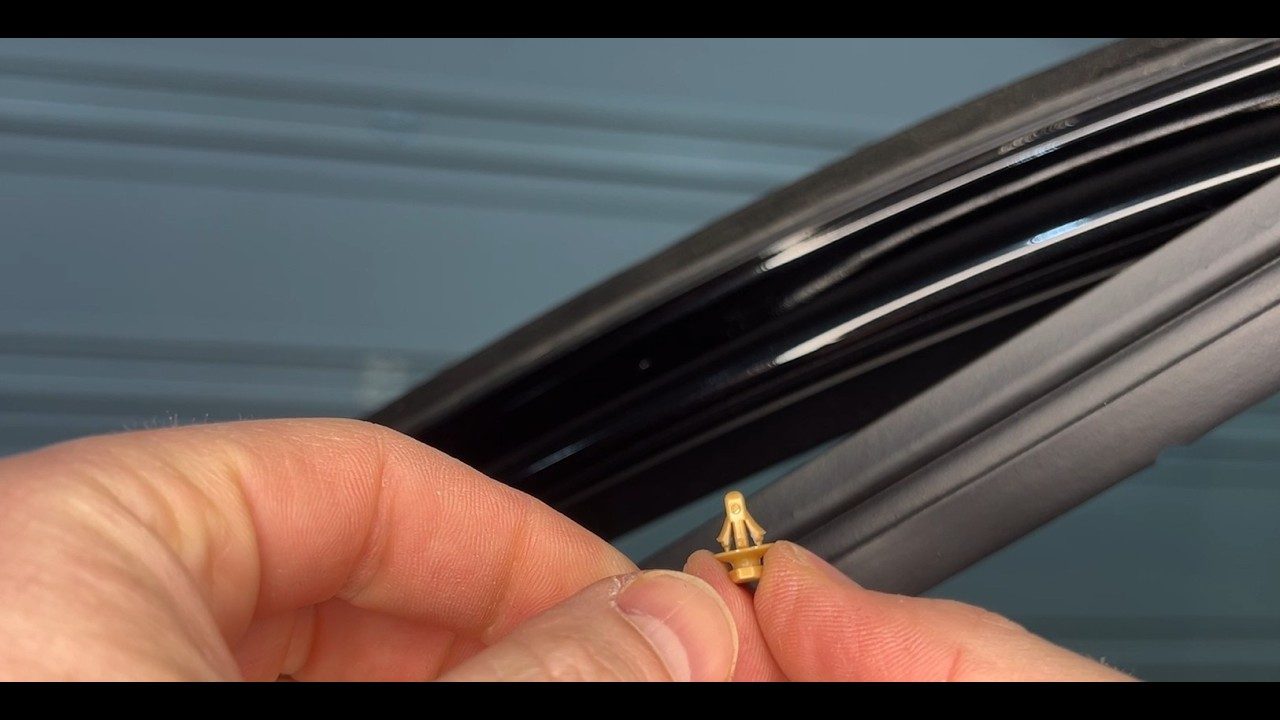
Your car's weatherstripping does more than keep rain and dust out of the cabin. The rubber seals around the doors and windows also help block outside air and reduce road noise. When they're in good condition, they create a tight barrier between the door and the body.
Over time, however, rubber can become hard, flattened, cracked, or detached. That can leave tiny openings where air gets through as the car moves. When airflow passes through a narrow gap, it can create the high-pitched whistle many drivers notice at higher speeds.
Take a close look at the rubber seal around the affected door. Check for visible cracks, sections that have pulled away, or areas that look noticeably flatter than the seals on the other doors. Dirt and debris can also interfere with the seal's contact with the body, so cleaning it may help if there's no physical damage.
If the weatherstripping is torn or has lost its shape, replacing it with the correct part is usually the better solution. Avoid trying to compensate with household adhesives or improvised materials, which can interfere with the door's fit.
A Misaligned Door Or Window Can Let Wind Into The Cabin
Sometimes the rubber seal itself is not the problem. A door that has shifted slightly out of position may not press evenly against the body, allowing air to slip through at speed.
This can happen after a minor collision, previous bodywork, worn hinges, or repeated rough use. You might also notice that the door doesn't close as smoothly as it used to, requires extra force to latch, or appears uneven compared with the surrounding body panels.
The window can cause similar problems. If the glass doesn't rise fully into its intended position, or its seal has become worn, a small gap may allow air to enter. A faulty window regulator or misaligned glass can contribute to the issue.
Check whether the affected door sits evenly with the adjacent panels and whether the window closes completely. If the door looks uneven, feels loose, or no longer latches properly, have a mechanic or body shop inspect its alignment. Adjusting hinges or a door striker without the right tools and measurements can create additional problems.
Your Side Mirror Or Window Trim Could Be Making The Noise
A whistle that seems to come from the door doesn't always originate from the door seal. Airflow around the side mirror, window trim, and the front edge of the door can produce similar sounds.
Side mirrors are particularly exposed to wind. Their shape directs airflow around the housing, and a damaged gasket, loose cover, or incorrectly fitted mirror can create turbulence or let air pass through an unintended gap. The noise may then travel through the door area, making it difficult to pinpoint where it started.
Loose window trim, damaged exterior molding, and improperly fitted weatherstripping around the window frame can also contribute. This is especially worth checking if the noise started after a windshield replacement, mirror repair, or other bodywork.
Automaker service bulletins document examples of these problems. One NHTSA-hosted bulletin describes wind noise caused by a mirror gasket that had rolled out of position, while another identifies a gap around the mirror assembly as the source of noise at highway speeds.
How To Find The Source Of The Whistling
Before buying replacement parts, try to establish exactly where the noise is coming from. Pay attention to when it starts and whether it changes with speed, weather, or the position of the windows. A few simple checks can help narrow things down:
- Notice when the whistle begins: If it appears mainly at highway speeds and gets louder as you accelerate, airflow around a seal, mirror, or trim piece is a likely explanation.
- Listen for the location: Try to determine whether the sound comes from the top of the door, the window edge, or the side mirror. A passenger can help identify the general area.
- Inspect the rubber seals: Look for cracks, flattened sections, dirt, or rubber that has come loose from its mounting point.
- Check the window: Make sure the glass closes fully and sits evenly against its seals.
- Consider recent repairs: If the noise appeared after bodywork, a mirror replacement, or windshield installation, ask the repair shop to check the fit and sealing.
A technician may use masking tape to temporarily cover one suspected exterior seam at a time and see whether the noise changes during a controlled test drive. This can help isolate a leak, but it should be done carefully, with tape that won't damage the finish and without covering lights, sensors, or anything that affects visibility. If you're unsure, leave this test to a professional.
What Drivers Say About Whistling Car Doors
Car owners on Reddit have shared plenty of frustrating experiences with wind noise, and worn or flattened door seals come up repeatedly. In one r/MechanicAdvice discussion, a BMW owner reported a whistle after having the driver's door replaced. Commenters suggested checking the rubber gasket, cleaning it, and investigating whether the replacement door needed adjustment.
Another Reddit user with a Toyota Camry described a whistle that appeared above 40 mph and changed when the windows were moved slightly. That experience highlights how window positioning and the fit of the surrounding seals can affect cabin noise. In a separate r/CarRepair thread, a Toyota Highlander owner described increasingly noticeable wind noise caused by door seals that had become flattened over time, despite having no obvious cracks or tears.
What Can You Do To Stop Your Car Door From Whistling?
The right fix depends on what is allowing the air into the cabin. If the seal is simply dirty, cleaning it with a suitable automotive-safe product may improve contact. If the rubber is cracked, brittle, or permanently compressed, replacement is usually the more reliable option.
A suitable rubber conditioner may help maintain healthy weatherstripping, but it won't repair a torn seal or restore rubber that has lost its shape. Similarly, tightening a loose trim piece or correctly refitting a mirror gasket may solve the problem if that's where the airflow is coming from.
If the door is misaligned, the window doesn't close properly, or the noise persists after checking the seals, have a qualified technician inspect it. A professional can check the door fit, window adjustment, mirror mounting, and weatherstripping to identify the actual source rather than replacing parts unnecessarily.
A whistling door is usually more annoying than dangerous, but don't ignore other symptoms. Water entering the cabin, a door that won't latch securely, or a window that moves unpredictably deserves prompt attention. Ultimately, the best way to get rid of the noise is to find the exact point where air is getting through.
More From Motor101
RECOMMENDED FOR YOU

Electric Cars Have A Weight Problem. This Battery Design Could Help
Lego Has Competition. Hot Wheels Expands Its Brick Shop With New Buildable Sports Cars
Why Modern Cars Are Designed To Fall Apart In A Crash
This Guy Is Building A 300-HP Street-Legal Off-Road Go-Kart. It's Insane.
Do Traffic Lights Actually Know When You're Coming?
One Engine, Two Boosters: Why Some Automakers Opt For Twin-Charging
Forget Wings. These Supercars Use Giant Fans To Create Downforce