One Engine, Two Boosters: Why Some Automakers Opt For Twin-Charging
Why settle for one when you can have both? Some engines combine two boost systems to deliver instant response and serious top-end power.
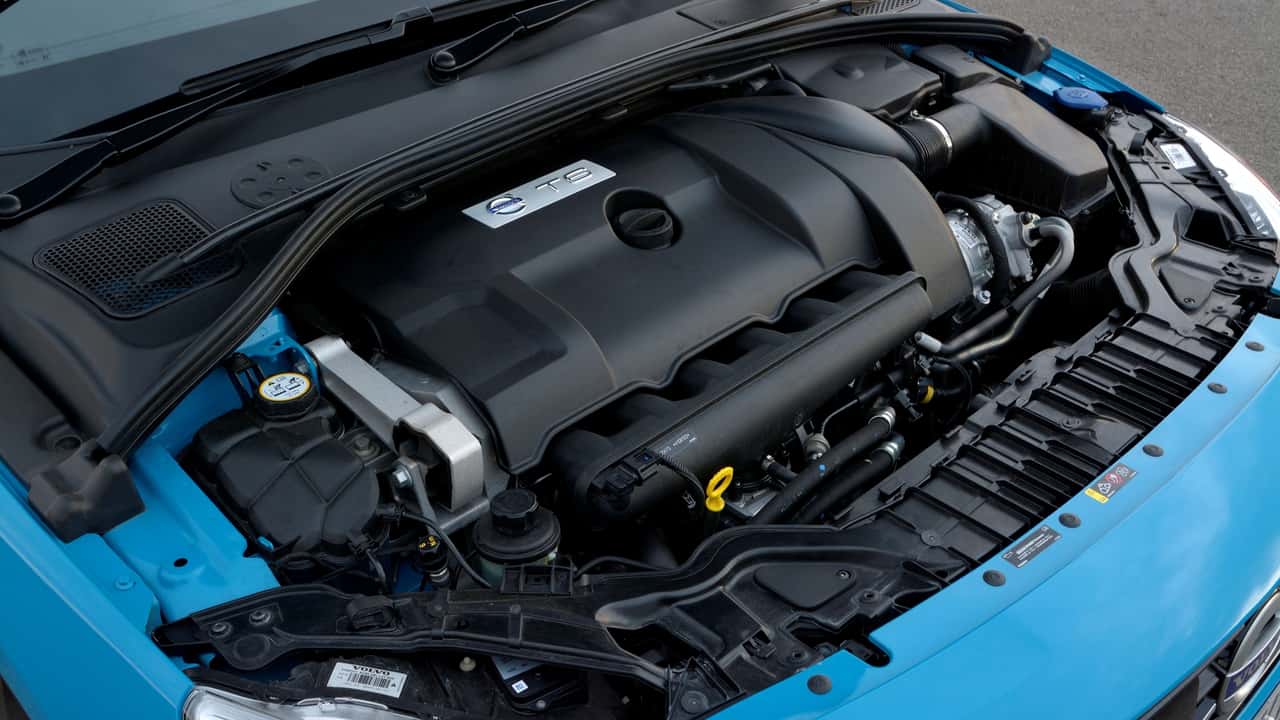

Most engines rely on either a turbocharger or a supercharger to produce more power. But a handful of automakers decided that wasn't enough, fitting both to the same engine in an unusual setup known as twincharging.
It sounds unnecessarily complicated, but there's actually a clever reason behind it. A supercharger delivers boost almost immediately, while a turbocharger takes advantage of exhaust gases to produce more power at higher engine speeds. Combining the two can eliminate one of the biggest drawbacks of turbocharging: lag.
So why don't more performance cars use both?
Turbochargers And Superchargers Do The Same Job Differently
Before understanding why some engines use both, it's worth looking at what makes these two technologies different. Both turbochargers and superchargers are designed to force more air into an engine's cylinders, allowing it to burn more fuel and produce additional power. However, they get their energy from different sources.
A turbocharger uses exhaust gases to spin a turbine connected to an air compressor. Since it relies on exhaust flow, it needs time to build up sufficient pressure, particularly at low engine speeds. This delay between pressing the accelerator and receiving the full boost is commonly known as turbo lag.
A supercharger, on the other hand, is mechanically driven by the engine, usually through a belt connected to the crankshaft. This means it can provide boost almost immediately, delivering strong low-speed response without having to wait for exhaust gases to build up.
The downside is that a supercharger consumes some of the engine's own power to operate. A turbocharger uses otherwise wasted exhaust energy, making it generally more efficient, although it introduces additional heat and exhaust backpressure, as this SAE International research paper details.
Why Would An Engine Need Both?
The main reason for combining a turbocharger and a supercharger is to overcome the weaknesses of each technology while retaining their advantages.
At low engine speeds, exhaust flow is relatively limited, meaning a turbocharger may struggle to generate sufficient boost. This is where the supercharger comes in, providing immediate response and helping the engine produce more torque at low RPM.
As engine speed increases, exhaust flow builds, and the turbocharger begins delivering more boost. Depending on the system's design, the supercharger can then be bypassed or mechanically disconnected, allowing the turbocharger to take over.
The result is a more consistent delivery of power across a wider rev range. Drivers get the immediate response associated with a supercharger without sacrificing the high-speed performance and efficiency advantages of turbocharging. It's a particularly attractive solution for relatively small engines that need to deliver the performance of a larger powerplant without increasing displacement.
Volkswagen And Volvo Have Used Twincharging In Production Cars
Although twincharging remains relatively uncommon, several manufacturers have experimented with the technology, with Volkswagen and Volvo among the most notable examples.
Volkswagen introduced its 1.4-liter TSI Twincharger engine in 2006, combining a mechanically driven supercharger with an exhaust-powered turbocharger. The engine used the supercharger at lower engine speeds, with the turbocharger providing additional boost as RPM increased. A magnetic clutch and bypass arrangement helped manage the transition between the two systems.
The engine appeared in several Volkswagen Group models, including versions of the Golf, Scirocco, and Polo, as well as vehicles from SEAT and Skoda.
Volvo also adopted the concept for its Drive-E T6 engines. Its 2.0-liter four-cylinder powerplant combined a belt-driven supercharger with a turbocharger to deliver strong low-speed torque and higher-rev performance. The arrangement helped Volvo extract impressive output from a relatively small engine, particularly in models such as the XC90 and S90.
Neither manufacturer made twincharging a universal solution, however. The additional components, packaging requirements, and engineering complexity meant the technology remained reserved for particular engine applications.
Some Of The Most Interesting Twincharged Cars Ever Built

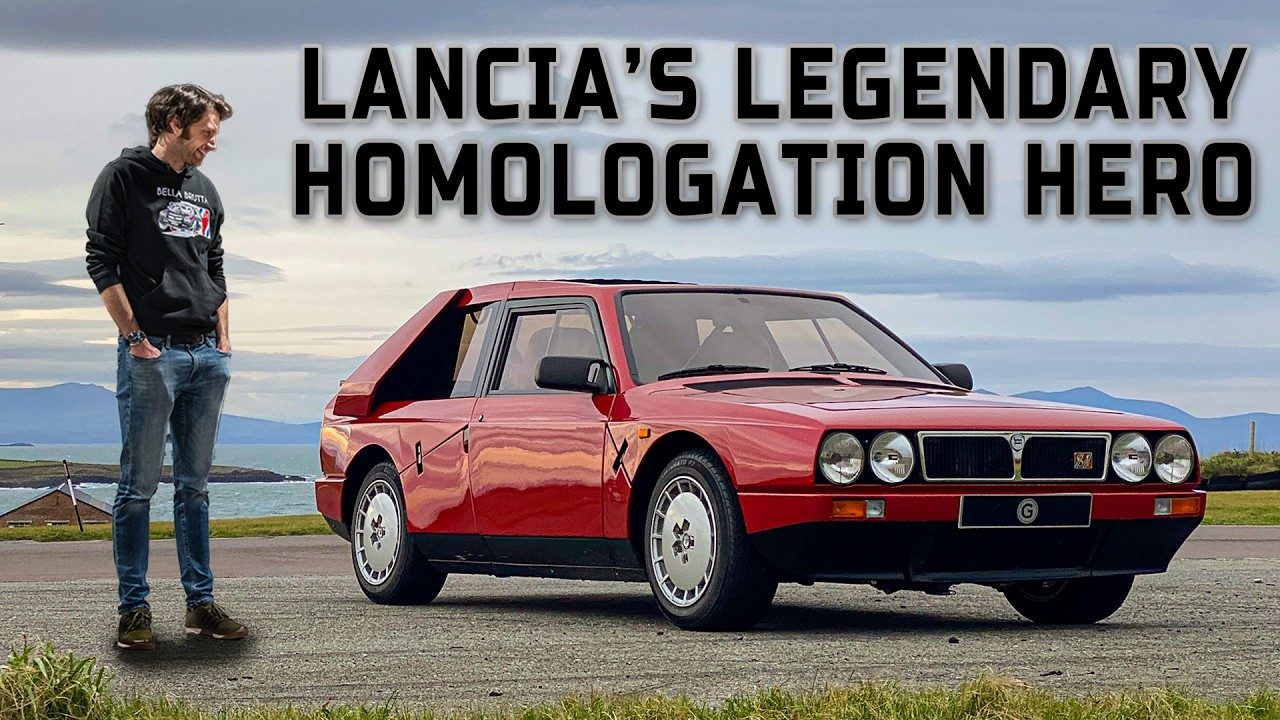
Twincharging is not just a modern attempt to make smaller engines more powerful. The concept has a surprisingly interesting history, particularly in motorsport and performance-oriented vehicles. Some notable examples include:
- Lancia Delta S4: Perhaps the most famous twincharged road car, the Group B rally legend combined a turbocharger and supercharger in a 1.8-liter engine. Its competition version produced around 480 horsepower.
- Volkswagen Golf 1.4 TSI: The Twincharger version combined a small supercharger and turbocharger to deliver impressive performance from a relatively small petrol engine.
- Nissan March Super Turbo: This unusual Japanese hot hatch used a 930cc engine with both a turbocharger and supercharger, producing approximately 110 horsepower.
- Volvo T6: Several modern Volvo models used a 2.0-liter four-cylinder engine combining both forms of forced induction to deliver strong performance across the rev range.
- Volvo T8: Certain T8 plug-in hybrid powertrains also combined turbocharging and supercharging, with an electric motor adding another source of propulsion.
These vehicles demonstrate how manufacturers have approached the challenge of delivering more performance without necessarily increasing engine displacement.
Drivers Discuss The Pros And Cons Of Twincharging
Twincharging has generated plenty of curiosity among car enthusiasts on Reddit, with users on r/AskCarGuys questioning why more manufacturers don't combine a turbocharger and supercharger. One recurring explanation is that the two systems complement each other, but modern turbochargers have become responsive enough that the additional hardware isn't always worth the expense.
Owners have also shared their experiences with twincharged cars in r/cars. While some appreciate the broad power delivery, others point to heat management and mechanical complexity as potential drawbacks. One owner even described heat soak becoming a problem during track days with a twincharged Toyota MR2.
Volkswagen's 1.4 TSI Twincharger has also attracted attention in r/Volkswagen, where owners discuss the engine's entertaining performance alongside maintenance concerns. The discussions illustrate why twincharging remains an interesting but relatively niche solution: getting the best of both worlds can also mean dealing with the complications of both systems.
Why Don't All Performance Cars Use Twincharging?
If combining a turbocharger and supercharger offers such an appealing combination, it's reasonable to wonder why the technology hasn't become more widespread.
The biggest obstacle is complexity. Running two different forced-induction systems requires additional plumbing, cooling, control systems, and mechanical components. That means more weight, higher production costs, and additional potential points of failure.
There is also the question of efficiency. Although a turbocharger uses exhaust energy, a supercharger consumes engine power to operate. Manufacturers must carefully manage when the supercharger is active to ensure the additional performance justifies the mechanical losses.
Modern turbocharger technology has also improved considerably. Smaller, more responsive turbochargers, variable-geometry designs in certain applications, and advanced electronic boost management have helped reduce turbo lag without requiring a second compressor.
As a result, most automakers have found that a well-engineered turbocharged engine offers a simpler and more cost-effective solution. That said, the engineering behind twincharged engines remains one of the more interesting examples of automakers finding creative ways to extract more performance from smaller engines.
More From Motor101
RECOMMENDED FOR YOU

From Detroit To Tokyo: Where Every Major Automaker Is Actually Headquartered
An F-150 Lightning Owner Resold His Truck And Nearly Got His Money Back: 'A Little Less Than We Paid New'
Skoda Wants You To 3D Print Pieces Of Your Car At Home
Jeep Is Taking Marvel Superheroes Off-Roading
AI Is Getting So Good Even Skoda's Designers Are Worried
Driven: The Fiat Topolino Is Terrible. I Love It
Is Body-On-Frame Really Better For Off-Roading?