Why Modern Cars Are Designed To Fall Apart In A Crash
The damage you see after a crash could be the very thing that saves your life. Here's the clever engineering that makes it possible.
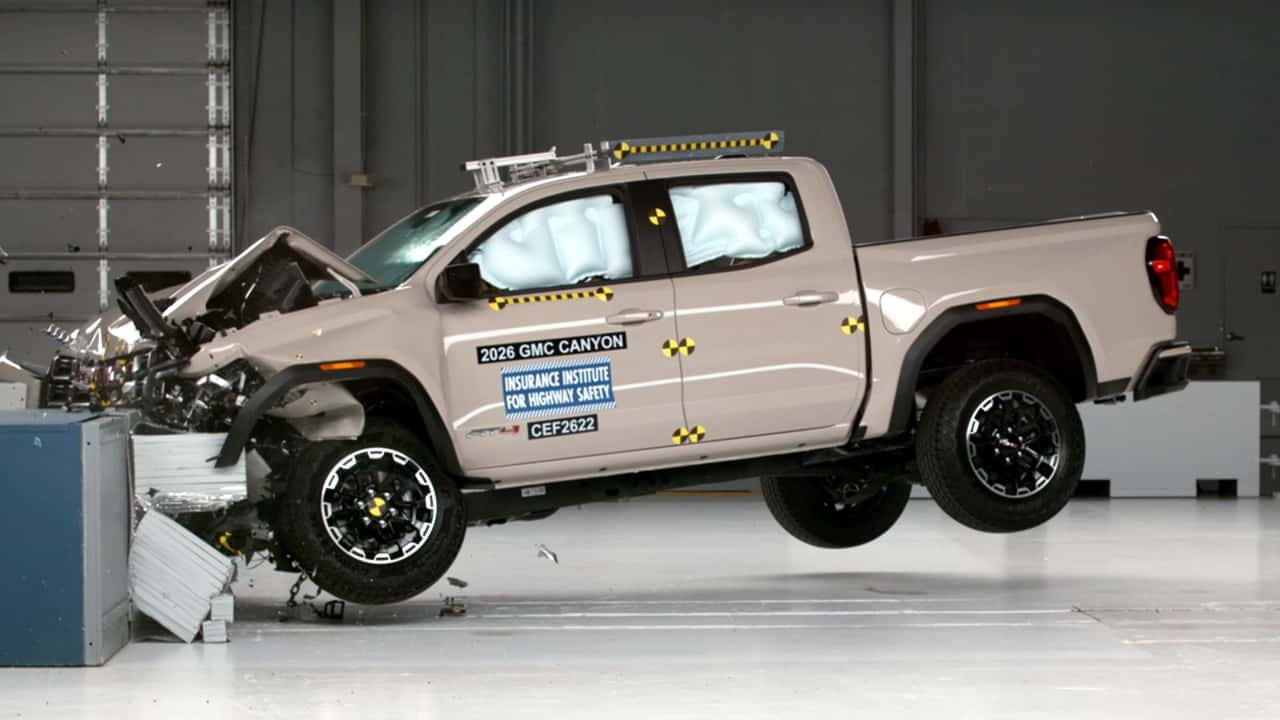

Seeing a car with its entire front end crushed after an accident might make you wonder how it could possibly be considered safe. After all, shouldn't a vehicle be designed to withstand an impact rather than fall apart? Surprisingly, the opposite is true.
Modern cars are deliberately engineered to crumple in a crash, and the damage you see after a collision could be evidence that the vehicle's safety engineering has done its job. It's all down to a clever bit of automotive engineering called crumple zones.
Crumple Zones Are Designed To Absorb Energy
When a moving vehicle hits something, it carries kinetic energy. The faster and heavier the vehicle, the more energy needs to be managed during a collision. That energy cannot simply disappear, and how a car deals with it can make a significant difference to the severity of injuries sustained by its occupants.
This is where crumple zones come in. Usually located at the front and rear of a vehicle, these sections are engineered to deform progressively during an impact, as this NHTSA executive summary of frontal crashworthiness explains in detail. As the metal folds, bends, and collapses, it absorbs energy and increases the time it takes for the vehicle to come to a stop.
That extra time is crucial. A sudden stop produces enormous forces, whereas spreading the deceleration over a longer period can reduce the forces acting on occupants. Rather than allowing the entire collision to transfer directly into the passenger compartment, the vehicle uses its outer structure to absorb some of the punishment.
Why A Crushed Car Can Actually Be A Safer Car
One of the biggest misconceptions about vehicle safety is that a car suffering less visible damage must have protected its occupants better. In reality, a vehicle with a badly crushed bonnet and front end may have performed exactly as its engineers intended.
The important distinction is between the sections designed to deform and those designed to remain strong. Automakers want the front and rear structures to absorb crash energy while keeping the passenger compartment as intact as possible.
This is why modern vehicles are built around a combination of controlled deformation and structural rigidity. A completely rigid vehicle might appear tougher, but if it cannot absorb energy effectively, more of the collision forces could be transferred to the occupants.
In other words, the goal is not to prevent a car from getting damaged. It's to make sure the damage happens in the right places.
The Passenger Cabin Is Built To Resist Impact

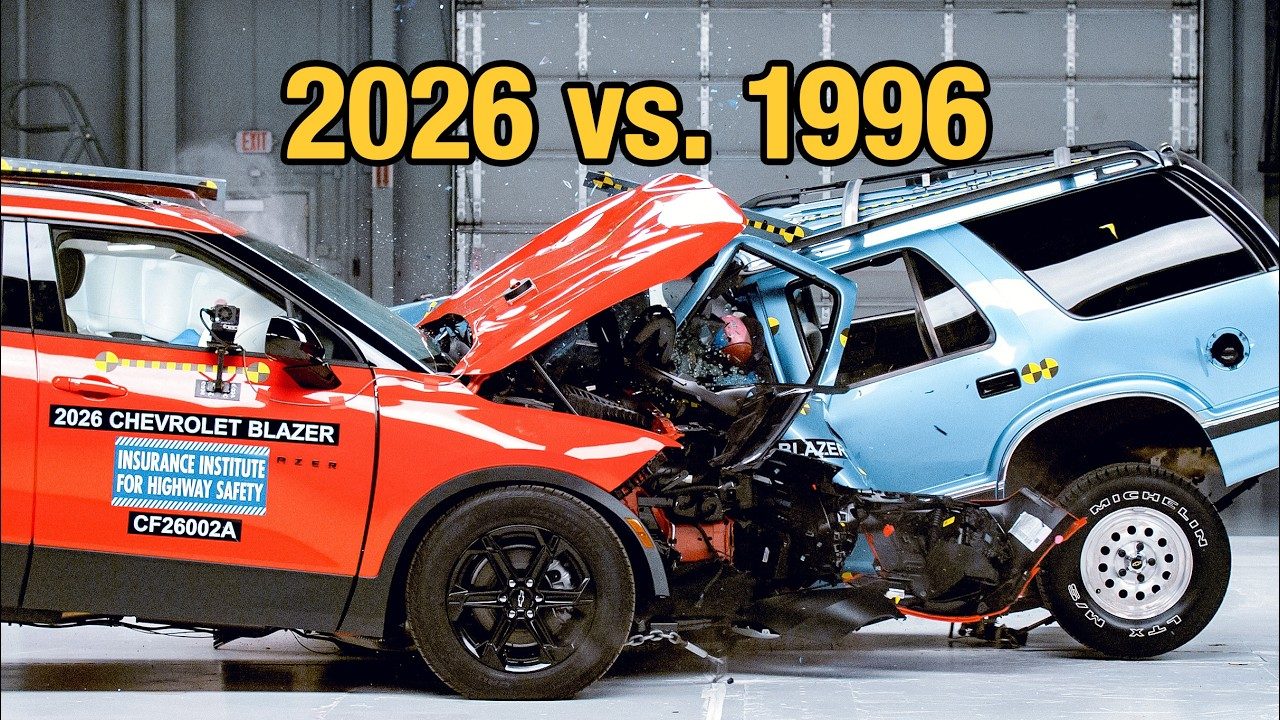
While the front and rear sections of a vehicle are designed to crumple, the passenger compartment has a completely different responsibility. Often called the safety cell, this area is engineered to maintain as much survival space as possible during a serious collision.
Manufacturers use high-strength steel, reinforced pillars, structural cross-members, and other carefully designed components to help prevent the cabin from collapsing. The roof, doors, floor, and surrounding structure all contribute to protecting occupants from intrusion.
The safety cell also works alongside other protective technologies, including seat belts and airbags. These systems help restrain occupants and reduce the risk of them striking hard interior surfaces.
It's this combination that makes modern vehicle safety effective: the outer structure absorbs energy while the reinforced cabin helps protect the people inside.
What Happens During A Crash? Five Key Safety Features
Crumple zones are only one part of a modern vehicle's crash protection system. Engineers combine several structural and restraint technologies to manage the forces involved in an accident. Some of the most important elements include:
- Front crumple zones: Designed to deform progressively and absorb energy during frontal collisions.
- Rear crumple zones: Help manage the energy generated when another vehicle strikes from behind.
- Side-impact protection: Reinforced door beams and pillars help resist intrusion in side collisions.
- Seat belts and pretensioners: Restrain occupants and help manage their movement during a crash.
- Airbags: Provide additional cushioning and help reduce the risk of serious injuries during an impact.
All these systems are designed to work together. A well-engineered crumple zone alone cannot guarantee occupant safety, just as an airbag cannot compensate for a poorly designed passenger compartment.
Online Discussions Explain Why Modern Cars Crumple In A Crash
Why do modern cars look so badly damaged after accidents compared with older vehicles? That's a question raised in a discussion on r/AskCarGuys, where users debated whether vehicles that fold during collisions are actually safer. The discussion highlighted how crumple zones absorb crash energy rather than allowing it to be transferred directly to occupants.
Another interesting conversation on r/AskCarGuys explored whether cars without crumple zones could ever be safer. Meanwhile, users on r/ExplainLikeImFive explained why racing cars combine rigid roll cages with energy-absorbing sections. Both discussions reinforce the same principle: protecting occupants requires a strong safety cell and structures designed to absorb impact energy.
Why Car Manufacturers Can't Simply Make Everything Stronger
It might seem logical to build an entire vehicle from the strongest materials available, making it as resistant to deformation as possible. However, doing so could actually make certain crashes more dangerous.
If the front of a vehicle is excessively rigid, it may stop too abruptly, increasing the deceleration forces experienced by occupants. On the other hand, if the structure is too weak, it could collapse too quickly and compromise the passenger compartment.
Finding the right balance requires extensive engineering, computer simulations, and physical crash testing. Automakers assess how vehicles behave in different scenarios, including frontal offset collisions, full-width impacts, side impacts, and rear-end crashes.
The challenge becomes even greater when considering collisions between vehicles of different sizes and weights, as IIHS points out. Engineers must account for structural compatibility, impact angles, and the way forces travel through the vehicle.
Ultimately, a car needs to be strong where it matters and flexible where it helps save lives. Modern cars aren't designed to emerge from serious crashes looking untouched. They're designed to sacrifice their own structure to give their occupants a better chance of surviving.
More From Motor101
RECOMMENDED FOR YOU

Do Traffic Lights Actually Know When You're Coming?
Lego Has Competition. Hot Wheels Expands Its Brick Shop With New Buildable Sports Cars
Forget Wings. These Supercars Use Giant Fans To Create Downforce
This Guy Is Building A 300-HP Street-Legal Off-Road Go-Kart. It's Insane.
One Engine, Two Boosters: Why Some Automakers Opt For Twin-Charging
From Detroit To Tokyo: Where Every Major Automaker Calls Home
Is Body-On-Frame Really Better For Off-Roading?