How Was Duct Tape Invented? The Answer Goes Back To 1943
Duct tape was born in battle during World War II. Here's how one woman's idea became an essential tool in homes, garages, and cars.
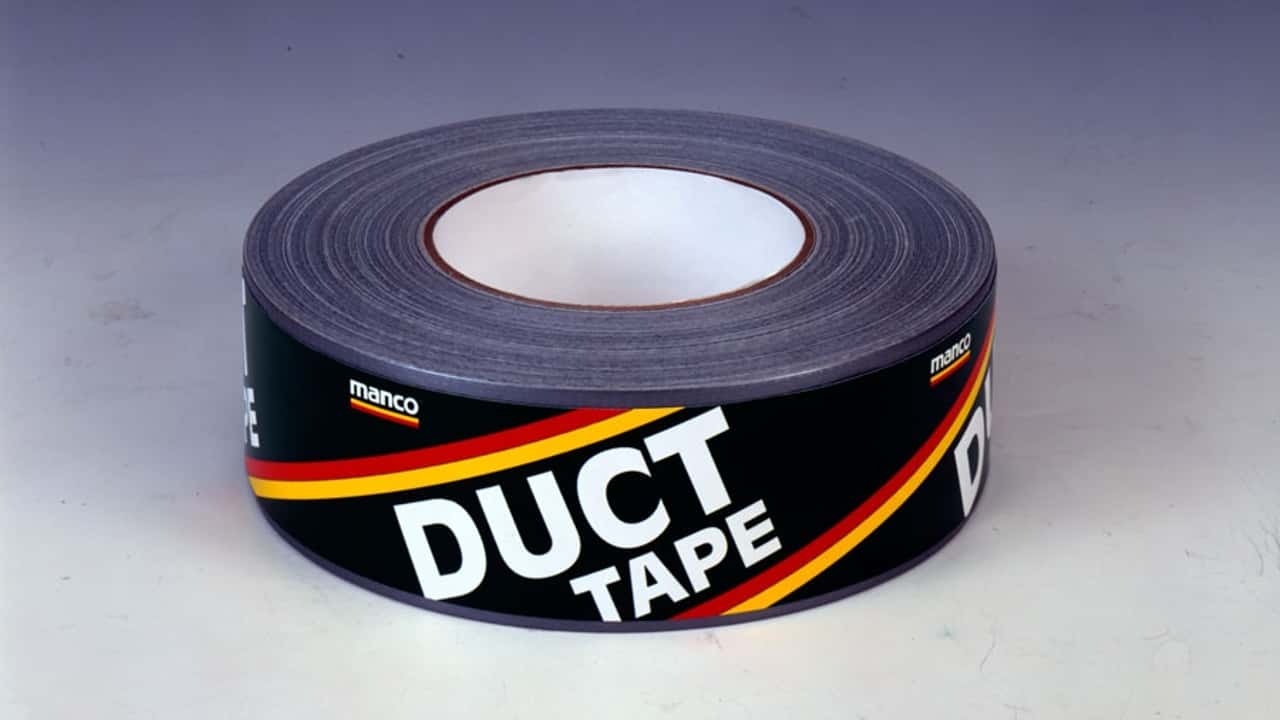

Duct tape is a common fixture in garages, toolboxes, and kitchen drawers. It's used for everything from quick car repairs to patching household items, but its origins are far more serious. The familiar adhesive tape was developed during World War II to help American soldiers open ammunition boxes quickly.
The idea came from Vesta Stoudt, a factory worker who wanted to make life easier for troops, including her two sons serving in the Navy. Her proposal helped inspire a tough, water-resistant tape that eventually became a household essential. Here's how a wartime invention found its way into garages and homes around the world.
The Military Problem That Started It All
The story goes back to 1943, when Vesta Stoudt worked at the Green River Ordnance Plant in Illinois, inspecting and packing ammunition boxes while two of her sons served in the U.S. Navy.
At the time, ammunition boxes were sealed with paper tape and dipped in wax to protect their contents from moisture. The problem was that the paper tabs used to open them could tear off, leaving soldiers struggling to get inside when every second mattered.
Stoudt proposed a simple alternative: a strong, water-resistant cloth tape that could seal the boxes securely while remaining easy to tear open. After her supervisors failed to act on the idea, she wrote directly to President Franklin D. Roosevelt on February 10, 1943, explaining the problem and including drawings of her proposed solution.
Roosevelt forwarded her letter to the War Production Board, which approved the idea and arranged for a suitable manufacturer to produce the tape. The result was a durable, cloth-backed adhesive product designed to meet a specific wartime need.
From Ammunition Boxes To Battlefield Repairs
Once the tape reached military personnel, they quickly discovered it could do much more than seal ammunition packaging.
Its combination of a strong fabric backing, water-resistant coating, and adhesive made it useful for temporary repairs in demanding conditions. Soldiers used it on equipment, boots, and military vehicles, including jeeps. Its versatility earned it a reputation as an all-purpose fix-it tool.
The tape was especially useful because it could be torn by hand, without requiring scissors or another cutting tool. In the field, that convenience mattered just as much as its strength.
Military vehicles took plenty of punishment on rough terrain, and a roll of tough tape could help secure loose parts or provide a temporary repair until proper maintenance was possible. It wasn't a substitute for replacing damaged components, but it offered a fast solution when better tools or parts weren't available.
How Duct Tape Made Its Way Into American Homes

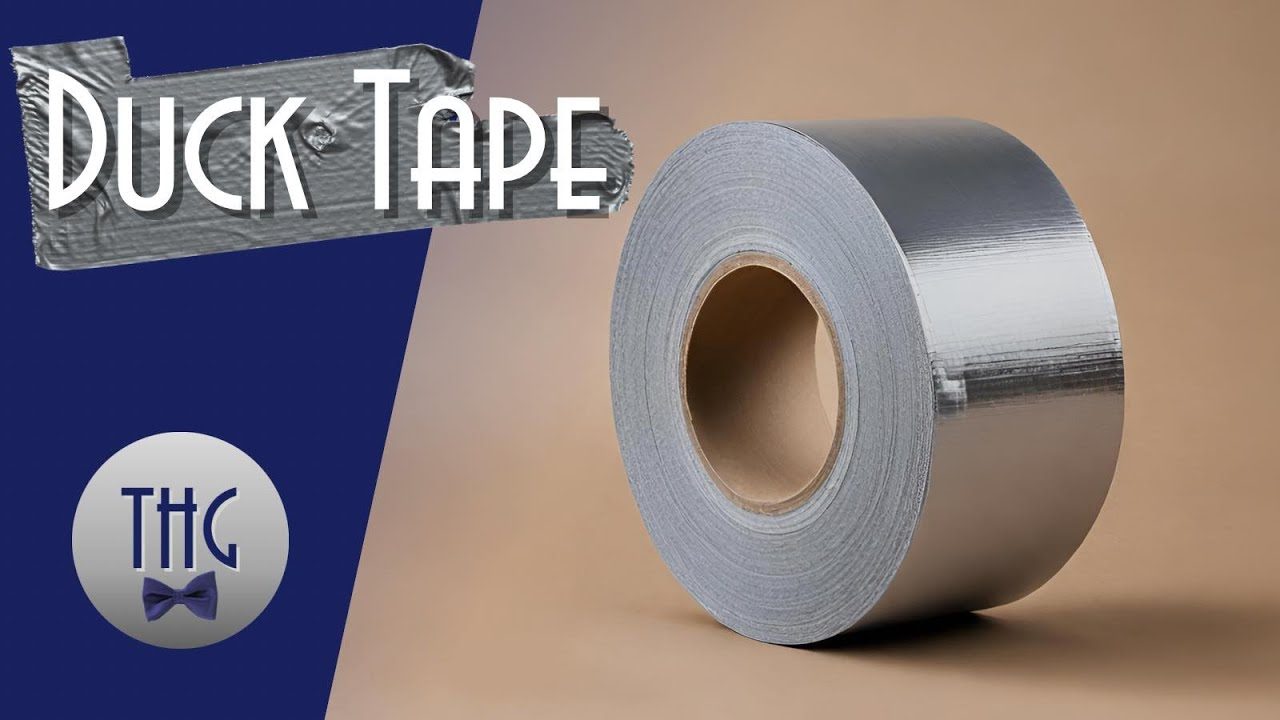
When World War II ended, manufacturers had an opportunity to adapt the tape for civilian use. The postwar construction boom provided a natural market, particularly among contractors working with heating and ventilation systems.
The tape's familiar silver-gray appearance became associated with its use around metal ductwork. Its name also became linked to that application, although the precise history of the terms duct tape and duck tape is more complicated than popular retellings suggest.
The original cloth-backed tape was often described as waterproof and associated with the term duck tape, possibly because of its cotton duck fabric backing. However, the history of the name is not entirely settled, and the familiar modern product evolved over several decades.
As hardware stores began selling adhesive tape to ordinary consumers, its appeal extended well beyond construction. Homeowners, mechanics, and DIY enthusiasts found it useful for countless everyday repairs. It was affordable, easy to handle, and widely available.
Why Duct Tape Became A Garage Essential
Few places demonstrate duct tape's versatility quite like a garage. Car owners have long kept a roll nearby for temporary fixes, from securing loose interior trim to holding a detached piece of plastic in place until a proper repair can be made.
Its appeal is obvious: duct tape is inexpensive, doesn't require special tools, and can be applied in seconds. Common temporary uses include:
- Loose interior trim: Holding a noncritical panel in place until replacement clips or fasteners are available.
- Minor cosmetic fixes: Temporarily securing loose plastic pieces away from moving parts.
- Organizing cables: Bundling noncritical cords and workshop wiring.
- DIY projects: Holding materials together while measuring, fitting, or assembling components.
But there's an important distinction between a quick fix and a safe repair. Duct tape can deteriorate with heat, moisture, vibration, and exposure to automotive fluids. It is not designed to replace proper fasteners, electrical insulation, automotive sealants, or structural repairs.
Therefore, it shouldn't be relied upon for brake lines, steering components, fuel systems, airbags, or anything else where failure could compromise safety. Even on exterior bodywork, adhesive residue and weather exposure can create additional problems. Still, for noncritical temporary fixes, duct tape remains a familiar item in toolboxes and roadside emergency kits.
What Do People Say Online About Duct Tape?
Duct tape's military origins still fascinate people today. In an r/todayilearned discussion, users shared the story of Vesta Stoudt, whose idea for stronger ammunition-box tape reached President Franklin D. Roosevelt during World War II. The post attracted hundreds of upvotes, showing that the history behind this everyday product remains a compelling conversation starter.
Its reputation as a do-it-yourself essential is just as strong. In a discussion on r/Tools, users described using duct tape for everything from repairing cracked mower seats to holding loose plastic parts in place. The comments also highlighted its limitations, particularly when heat or solvents are involved.
Naturally, cars provide plenty of opportunities for duct tape improvisation. In r/autorepair, a driver asked whether tape could temporarily cover damage to a vehicle while waiting for a proper repair. The responses reflected duct tape's familiar appeal as a stopgap solution, while underscoring that it shouldn't replace necessary automotive repairs.
A Wartime Invention That Stuck Around
Duct tape's journey from military packaging to household staple shows how an invention can outgrow its original purpose. Vesta Stoudt's idea addressed a real problem for soldiers, but the tape's durability and convenience soon made it useful to builders, mechanics, homeowners, and DIY enthusiasts.
Today, it comes in different colors, widths, and strengths, with specialized versions designed for particular jobs. Its basic appeal remains unchanged: when something needs a quick, temporary fix, duct tape is often one of the first things people reach for.
It may not repair everything permanently, but its place in garages and homes is well earned. Not bad for a product that started with a mother trying to make life a little safer for soldiers during World War II.
More From Motor101
RECOMMENDED FOR YOU

How A Ball Of Twine Became One Of America's Most Famous Roadside Attractions
Woman Lets Her Husband Pick Her New Car. She Wanted A Mercedes G-Wagon. He Comes Home With A Mazda
Why Some Cars Have Those Little Triangular Windows
A Cracked Oil Pan Destroyed This $10,000 Porsche 911 Engine: Video
What Is New Car Smell? Chemicals, Mostly
AutoNation Customer Spots Chevrolet Colorado Listed Online For $34,000. Then He Tries To Buy At That Price
AAA Was Around Before Cars