‘All On-Time Payments:’ Woman Rents Her Car On Turo. Then It Gets Repossessed
"Why does it even matter to the bank? They are still getting their money? "
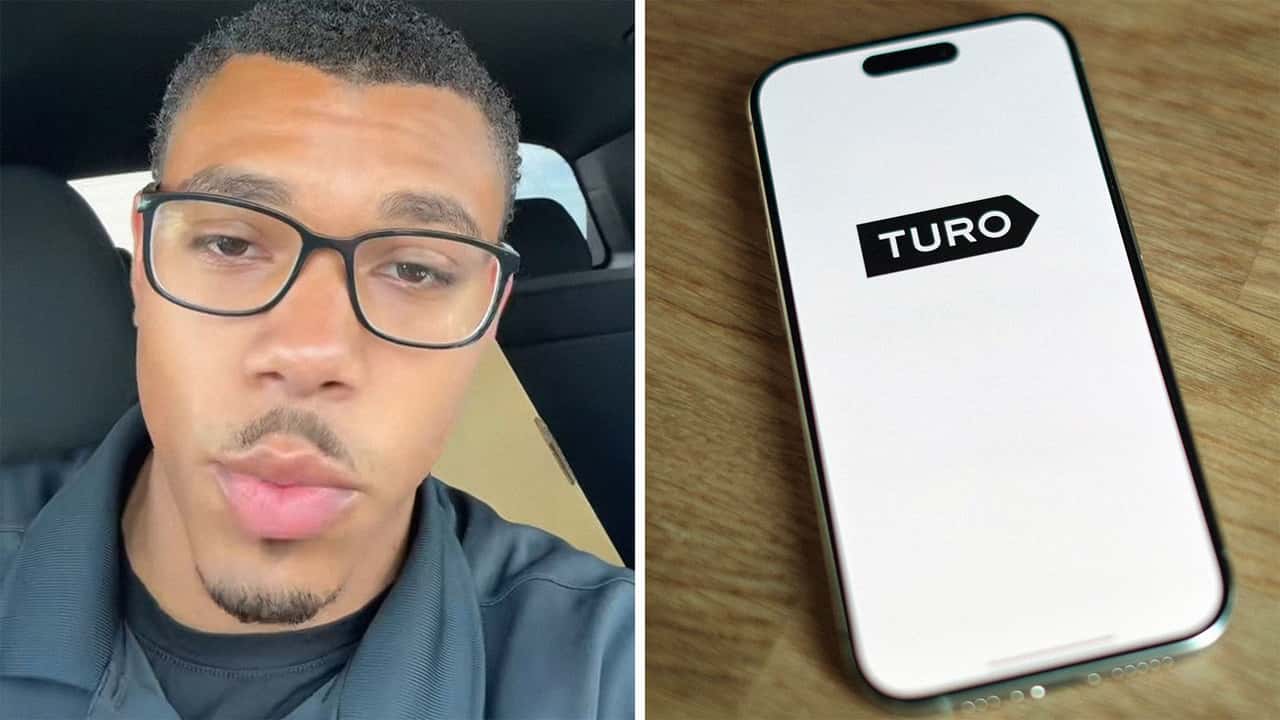

A car salesman reveals a story of a woman who got her car repossessed for renting it out on Turo, even though all payments were made on time.
As of this writing, the TikTok has gone viral, generating over 381,000 views.
All On-Time Payments, And It Still Gets Repossessed
In the post, Joseph Rodriguez (@jrodsellscars) shares how a woman who has made all of her car payments on time got her car repossessed. He says the reasoning behind the repossession is the fact that she was renting her car on Turo.
“If she is making her payments on time and has full coverage insurance, what's the issue?” Rodriguez questions.
He says it turns out that renting her car out on Turo was a violation of her financing contract. This clause included that the vehicle must be used for personal use and not commercial or business use. Additionally, the contract mentioned that the car can not be rented out. Somehow, her lienholder found out she was renting out her car.
“Now, I had no idea this could happen,” Rodriguez says. “I didn’t think Turo or the lienholder would go that far to figure out who’s doing what with what car. Nevertheless, her car ended up getting repo’d because of it.”
The creator concluded the video asking viewers, “How does this show up on your credit if you made all of your payments, but it’s still a repo?”
Viewers chimed in with their theories on how this woman got caught.
“100% an insurance claim was filled and that’s how they found out,” one TikTok commenter shared.
“Your VIN is on turo. It’s not that hard to scrub that data,” another added.
“It's because the insurance she had on the car was for personal use. Turo requires commercial insurance, so when Turo confirmed insurance, the insurance company notified the lienholder. And yes, it's on the credit as a repo,” a third replied.
Does This Repossession Go Toward Your Credit?
According to Tailstone Insurance Group, “When you rent out your car on a platform like Turo, it becomes a commercial activity. Personal auto insurance policies typically exclude coverage for commercial activities.”
Turo’s terms of service state, “If your vehicle is subject to a lease, loan, or other financing agreement, you must confirm sharing your vehicle on Turo does not violate the terms of the contract with the lienholder.”
“If you get financing from a lender that doesn’t allow car sharing, they could demand you pay off the loan right away and/or repossess the vehicle.” Turo elaborates.
A commenter shared that this repossession will go down on the woman’s credit for violating a personal loan agreement for commercial use.
“Most auto loan agreements are for personal use vehicles,” they wrote. “Using the car for commercial purposes, like renting it out, would be a violation of the loan terms. The lender has the right to repossess the car if you violate the terms of your loan contract. A credit report would show repossession by breach of contract, making it very difficult to get an auto loan in the future.”
A breach of contract can negatively affect your credit score, potentially making it harder to borrow in the future, CarClaimHelp shares. A repossession could also stay on your credit reports for up to seven years, Consumer Finance reports.
Why Do Banks Not Want Leased Cars Being Rented on Turo?
Kelley Blue Book reports that, on average, new cars depreciate about 30% over the first two years, and continue to depreciate 8-12% each year after that.
According to BankRate, car loan leases are typically set for three years. Most car leases set a limit on your mileage, and you’ll owe extra fees if you exceed it.
Having a leased car rack up miles on Turo can easily depreciate the car's value during the lease period.
“Banks don’t want the cars being used for Turo, Uber/Lyft, pretty much any commercial use and they write it in the contract/loan. This is because the cars depreciate faster and if the loan goes bad the car has racked up too many miles to sell for some profit,” one TikTok commenter shared.
“Personal leases generally never allow for car sharing,” users from LeaseHackr state. Additionally, “High-mileage cars generally go through rapid depreciation compared to other cars. They are more prone to wear and tear, which increases the perceived risk of recovering the loan amount for lenders,” HDFC Bank reports.
Rodriguez and Turo declined to comment for this story.
Now Trending

RECOMMENDED FOR YOU

Man Spots Used Toyota Camry For $7,000. Then He Sees How Much It Costs At CarMax: ‘Crazy’
Want A One-Off Cayenne Or Panamera? Porsche Will Make It Happen
Woman's Land Rover Headlight Goes Out. Then She Finds Out How Much It Costs To Fix: ‘AutoZone Put Them In For Free’
911 GT3 Buyers Helped Convince Porsche To Give The Carrera S A Manual
Car Saleswoman Reveals 'You're Not Safe' If You Bring Car In For Service: 'The Dealership WILL Use Your Car For Parts'
You Can Make a Fiat Topolino Street Legal. Here’s How
Woman Buys A Hummer. The Next Day, Her Mechanic Pulls 216 Codes: ‘Was Anything Working?’