Woman Gets Into Car Accident. Then She Loses Money By Filing The Wrong Type Of Claim: 'Most People Have Never Heard Of This'
"Do not close your case until you have done this."
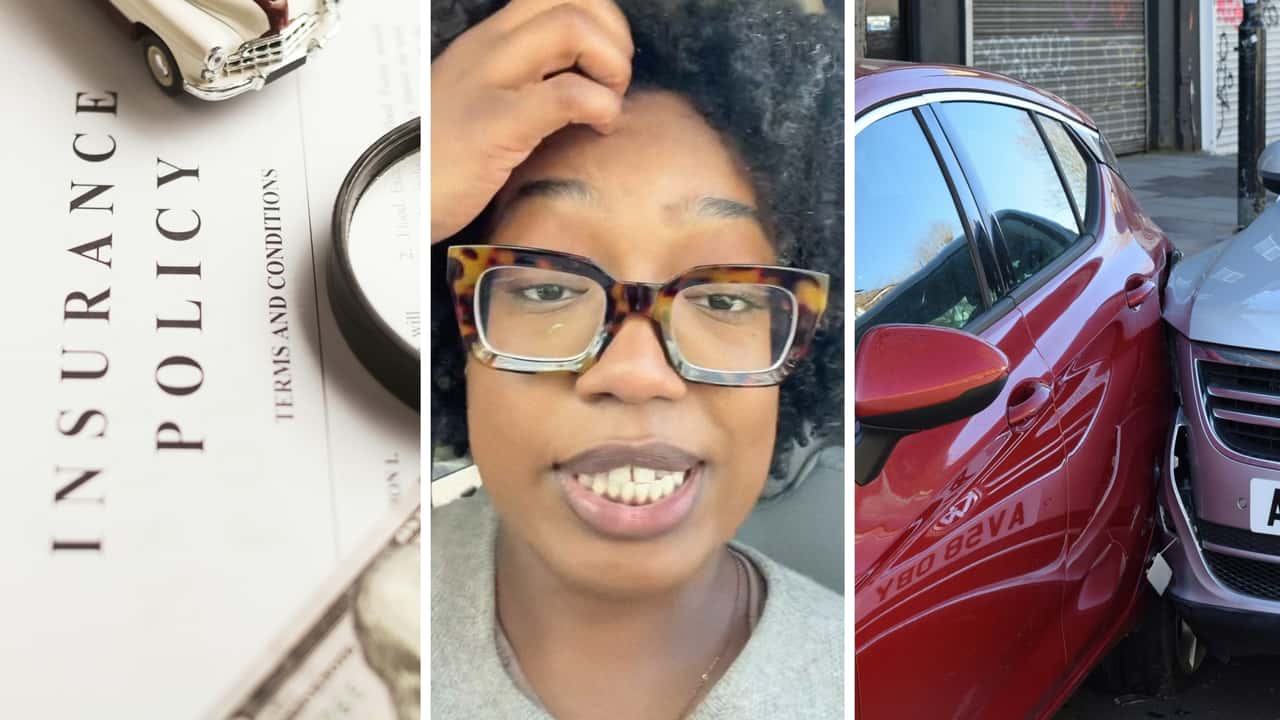

A woman who shares car-buying and insurance tips says drivers could be leaving money on the table after an accident if they don’t ask for one specific type of claim.
Eli (@eliroadhelp), who says she learned many of her automotive lessons “the hard way,” posted a public service announcement urging drivers not to settle an insurance claim too quickly.
“Do not close your car accident case until you’ve requested this one thing,” she wrote in the text overlay of her clip.
Eli says that if another driver hits your car and their insurance company accepts liability, you should ask about filing a diminished value claim before closing the case.
“Most people have never heard of this,” Eli says. “Your car is worth less now because of the accident history on CarFax, even though it’s been fixed.”
She argues that drivers may be entitled to recover the loss of value, even after the vehicle has been repaired, but says insurers typically won’t mention diminished-value claims unless customers ask.
Eli also encouraged viewers to check out carinjurycalculator.com, which she says can connect people with a free attorney if they need legal help after a crash.
“It’s called a diminished value claim, and insurance will never bring it up on their own,” she wrote in the caption. As of Thursday, the video had more than 3.1 million views.
What Is A Diminished Value Claim?
The basic idea behind a diminished value claim is simple: Even if a car is repaired correctly after a crash, it may still be worth less because it now has an accident history.
That’s especially true for newer or higher-value vehicles. Buyers often pay less for a car that’s been in an accident, even if the repairs were done to factory standards. That difference between what the vehicle was worth before the crash and what it’s worth afterward is known as “diminished value.”
Whether you can recover that loss depends on several factors, including who caused the accident and where you live. Kelley Blue Book notes that, in most states, drivers can pursue a diminished-value claim against the at-fault driver’s insurer, though the rules vary because auto insurance is regulated at the state level.
If you think your car has lost value after a crash, lawyers generally recommend raising the issue before the claim is closed. The insurance company may ask for documentation showing the vehicle’s value before the accident and after repairs, including appraisals, repair records, or market comparisons.
That doesn’t mean every diminished value claim will be approved—as some drivers said they learned from experience—or that every damaged vehicle qualifies.
Older vehicles, cars with high mileage, or those involved in relatively minor crashes may have little or no measurable loss in value. The amount paid, if any, depends on the facts of the claim, the vehicle itself, and the laws in the state where the accident occurred.
Some Drivers Successfully File Claims
The video prompted many viewers to say they either wished they had known about diminished value claims sooner or had successfully filed one themselves.
“You are 100% correct,” one commenter wrote. “I went back and got over $400, and you have two years to get it done in the state of Georgia.”
Another shared an even larger payout.
“Yes so true,” they wrote. “I received an extra $2,300 after my claim.”
Others said they wished someone had told them about diminished value claims before closing out an accident.
“Why would MY insurance agent not direct me to do this,” one viewer asked.
“I wish I had known this when I was in an accident in 2024,” another wrote.
“Too late, should’ve seen this three months ago,” a third added.
Several commenters also reminded viewers that the rules aren’t the same everywhere.
“It really depends on the state,” one person wrote. “If the vehicle is leased or had prior accidents, it may not be granted. Do your research first.”
Another added, “Please remember this is only for vehicles that have not been totaled….”
Motor1 reached out to Eli via TikTok direct message. We’ll update this story if we hear back.
RECOMMENDED FOR YOU

Woman’s Check Engine Light Comes On. Then She Uses Cataclean From O’Reilly: ‘I Think It Cost Me $27’
Did You Know China Makes A Beetle Clone? And It Just Got Better
Woman Opens Fram, Purolator Oil Filters From Walmart. She’s Horrified By What She Sees Inside: ‘You Can Clearly Tell’
Ford's 57th Recall Of The Year Hits 288,000 Explorers Over Loose Roof Rails
Toyota Driver Goes To Walmart. Then She Parks Her Celica In The Cart Return Bay: ‘Banned From The Store’
Listen To Ford's New Race Car Fire Up For The First Time
‘Toyota, Do Better’: Mom Gets Toyota Highlander Recall Notice In The Mail. She Can’t Believe The ‘Fix’