Ex-Mechanic Admits To Faking Over 200 Repairs. Then He Explains Why: ‘Not Saying It’s Right… But’
“This is the kind of work..."
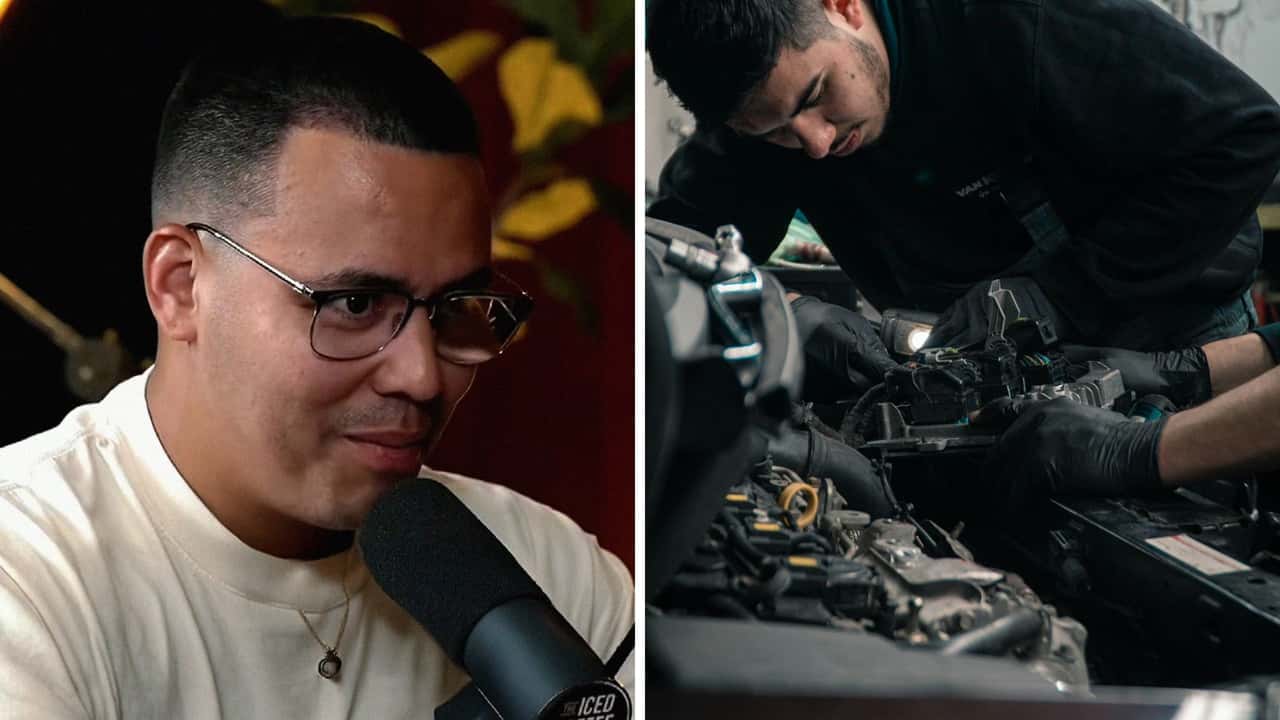

A self-described former mechanic says he faked hundreds of warranty repairs during his time in the industry, but claims he had a good reason.
Finance Clips (@finance.clips03), a page that reposts viral videos, resurfaced the mechanic’s account of the alleged scheme, in which he claimed to have skipped repairs while still telling warranty companies the work had been completed.
“Ex-mechanic admits to faking repairs over 200 times,” the text overlay reads.
The mechanic recalls one instance when a vehicle returned to the shop after another technician noticed that a part supposedly replaced “clearly wasn’t.”
“He told my boss, and then my boss brought me in,” the mechanic says, claiming he got fired.
He says something similar happened at another shop while he was working on an engine that was misfiring. According to the mechanic, he spent roughly 60 hours on the vehicle, but would only be paid for about 28 hours under the warranty.
In the end, he says, he claimed to have replaced one of the camshafts or the VCT solenoids even though he hadn’t.
“There’s a foreman who knew that I didn’t do it,” the mechanic explains.
Asked how often he got away with it, the mechanic estimated the number at around 200 times—or “probably more.”
“I would never do it to a paying customer because I have morals, of course,” he says. “But for a warranty company that just shafts you every single day, you have to make it work.” He describes it as his way of “evening the playing field.”
As of this writing, the reposted video has more than 168,300 views.
Why Do Warranty Repairs Frustrate Mechanics?
The mechanic’s explanation points to a real tension in auto repair: warranty jobs often pay differently than customer-paid work.
One popular form of paying mechanics is under a flat-rate system, sometimes called book time. Instead of being paid for every hour they spend on a vehicle, they are paid based on how long a labor guide says the repair should take. These rates can vary based on factors such as the shop’s location and the job’s difficulty.
The flat-rate pay system can become frustrating when a repair takes longer than expected. The manufacturer usually sets warranty repair flat rates, which are often lower than comparable customer-paid repairs, meaning technicians may earn less even when the job is complicated.
Regardless of which pay system a mechanic operates under, the customer is supposed to receive everything that was authorized and billed. The Federal Trade Commission recommends asking shops how they price work, getting a written estimate, and understanding which repairs will be performed before agreeing to them.
Drivers shouldn’t assume every warranty repair is suspicious. Still, it’s helpful to stay vigilant: ask which part was replaced, if that’s what you agreed to, and request an explanation if the same problem returns immediately after a repair.
A warranty company or manufacturer may be the one paying the bill, but the car still belongs to someone. And if the work was not actually completed, the driver is the one left with the problem.
Mechanics Were Divided
The mechanic’s confession sparked a heated debate, with many viewers saying they understood his frustration but not his actions.
“Not saying it’s right…. But maybe make it to where techs get paid for what they do,” one commenter wrote.
Another pointed to the flat-rate system.
“As messed up as this is, the whole reason stuff like this happens is because techs are paid for a set number of hours,” they wrote. “If the manufacturer says this job takes 28 hours and he spends 60 trying to fix it, then he works 32 hours for free.”
Others echoed that sentiment.
“This is the kind of work flat rate with no guarantee breeds,” one viewer wrote.
“Def not right, but people need to understand that he was not getting paid for as many hours as he had in the vehicle,” another added.
Still, many mechanics said there was no excuse for claiming work had been completed when it wasn’t.
“To be honest, as a foreman working and have worked with guys like this just doesn’t bring a good vibe into the shop, and lying about work you’ve done just ain’t right,” one commenter wrote.
“I rather deny work than lie about repairs, but that’s just me,” another said.
Several viewers also questioned whether the mechanic’s story was even possible.
“How would he do that?? If it’s warranty work, more than likely 100% of the ... time our dealer requires old or ‘replaced’ parts to be returned so they could analyze defects and cause of failure,” one person wrote.
Motor1 reached out to the creator of the reposted video for comment. We’ll update this story if we hear back.
RECOMMENDED FOR YOU

Woman’s Jeep Keeps ‘Bucking.’ Then She Has 3 Dealerships Work On It: ‘We Can’t Find Anything Wrong’
Europe's Sports Car Market Is Shrinking. But The Porsche 911 Is Still Winning
Woman Notices Flock Cameras. Then She Does Something Drastic 'In The Name Of Privacy': 'From Amazon'
Why Is It Called a 'Pit Stop' In Racing?
Woman Gets Ford Bronco Inspected At Dealership Before Texas Road Trip. Then A Mavis Tech Can't Believe What He Finds
Expert Reveals The Best Car To Buy In Your Early 20s: ‘The Equivalent Of A Nokia Phone’
Toyota Prius Hits Car In the Parking Lot. Turns Out It Was A Tesla. Now He’s Waiting For Her: ‘Hey…’