How Audi Turned Lamborghini's Hybrid Supercar Into Something Entirely Its Own
Audi's radical new supercar and Lamborghini's hybrid Temerario share the same platform—but you'd never know it by looking at them.
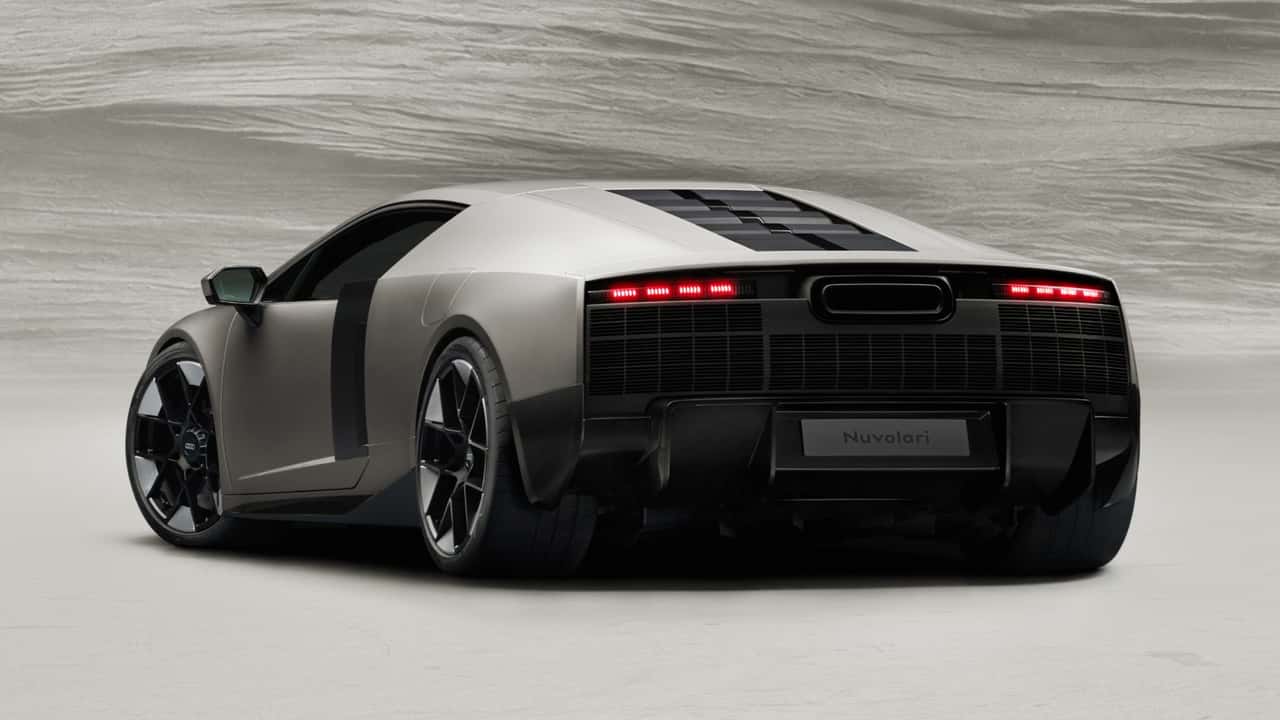

Audi turned heads with the surprise debut of the Nuvolari—a dramatic successor to the iconic R8. The new flagship supercar shares its platform and ferocious plug-in hybrid V8 powertrain with the Lamborghini Temerario, making the two cars closely related beneath the skin.
But while the Nuvolari’s 1,001-horsepower hybrid setup and lightweight carbon-fiber construction reveal their shared engineering, Audi and Lamborghini have taken completely different approaches when it comes to design. Put them side by side, and you’re looking at two distinctly different philosophies.
Front-End Design

Audi Nuvolari
Lamborghini Temerario
At the front, Lamborghini goes all-in on aggression with the Temerario; sharp angles, a low-slung nose, and the brand’s signature hexagonal daytime running lights give it an unmistakably hostile appearance. Everything about the front end looks focused on the racetrack.
Audi takes a more refined approach with the Nuvolari. Its signature Singleframe grille sits low and wide between slim, modern headlights, creating a cleaner and more sophisticated look.
Large air intakes provide plenty of cooling for the hybrid V8, but they’re integrated neatly into the bodywork rather than dominating it. While the Lamborghini looks like a predator ready to attack, the Audi projects a cool, high-tech confidence.
Side Profile And Character Lines
The shared platform becomes most obvious in profile, particularly in the cabin proportions and mid-engine layout. Beyond that, however, the similarities quickly fade.
Lamborghini emphasizes drama with sharp creases, aggressive side sills, and deep air channels carved into the bodywork. Every line serves both aerodynamic and visual purposes, creating a sense of tension even when the car is standing still.
Audi, meanwhile, leans heavily into its heritage. The contrasting side blade is a clear nod to the original R8, immediately connecting the Nuvolari to one of the brand’s most iconic designs. Another standout feature is the absence of a rear window. Instead, Audi replaces it with sculpted metallic air intakes that are both functional and visually striking.
Rear Design
The Temerario’s rear end is all about attitude. Portions of its massive rear tires remain visible, giving it a raw, race-car-inspired appearance. The Nuvolari takes the opposite route. A slim full-width light bar defines the rear, emphasizing the car’s broad stance while maintaining a clean, futuristic look.
Rather than relying on a fixed rear wing, Audi uses active aerodynamic elements that remain hidden until they’re needed. Massive cooling openings dominate the rear fascia, balancing function with design.
One detail both cars share is a high-mounted central exhaust outlet, though Lamborghini uses its trademark hexagonal shape while Audi opts for a cleaner oval design.
Interior
Audi Nuvolari
Lamborghini Temerario
The differences continue inside. Lamborghini welcomes drivers with a cockpit that feels inspired by a fighter jet. Hexagonal design themes, bold contrast stitching, and the brand’s signature red flip-up start switch create an environment designed to excite before the engine even starts.
Audi’s cabin is far more restrained. Premium materials such as leather, Alcantara, and matte carbon fiber are paired with a clean, technology-focused layout.
With fewer physical controls and displays seamlessly integrated into the dashboard, the atmosphere feels modern, precise, and surprisingly calm for a 1,001-horsepower supercar. It strikes a balance between digital convenience and a focused driving experience.
Two Designs, One Great Platform
The Nuvolari and Temerario are a perfect example of how design can completely transform the perception of shared technology.
Lamborghini uses dramatic styling and razor-sharp surfaces to reinforce the Temerario’s aggressive character and help usher in the post-V10 era. Audi, on the other hand, creates a more elegant interpretation, drawing inspiration from the original R8 while incorporating cues from some of the brand’s most celebrated concept cars.
Audi also deserves credit for bringing such a bold design to production with minimal compromises, even if the Nuvolari will be limited to just 499 examples.
Despite sharing the same engineering foundation, these two supercars target very different audiences. The Lamborghini is loud, theatrical, and unapologetically extroverted. The Audi is more restrained, blending cutting-edge performance with timeless design and a strong connection to the brand’s heritage.
Audi's New Supercar
RECOMMENDED FOR YOU
Reborn Audi A2 Reveals Funky Styling After Losing Camouflage
This New Italian Supercar Turns A Porsche 911 Into An 800-HP Custom Machine
The Audi Q7 Gets A Price Hike, While The SQ7 Nears $100,000
Man Hits Traffic Lane Divider In His $50,000 Honda. Then He Sees Smoke: ‘That Actually Totaled It’
Audi Q7 Vs BMW X5: Which New Luxury SUV Is Worth Your Money?
The Volkswagen Atlas Just Got More Expensive
Spotted: Audi Is Making An RS Model It's Never Offered Before