Why Some Automatics Have More Gears Than Others
More ratios promise better efficiency and smoother acceleration, but is adding extra gears always worth the cost and complexity?
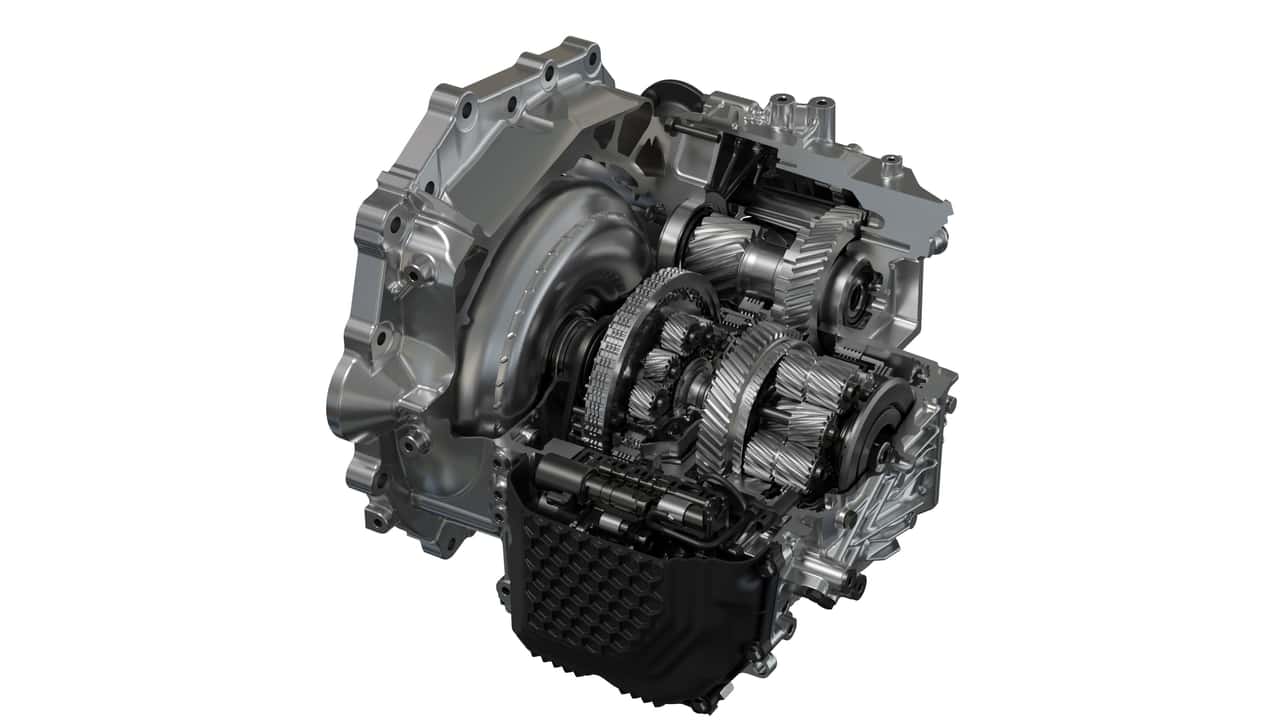

Automatic transmissions have changed dramatically over the past few decades. Not too long ago, four-speed and five-speed automatics were perfectly normal, but modern cars increasingly feature eight-, nine-, and even 10-speed gearboxes. While having more gears might sound like an obvious advantage, not every automatic transmission needs a long list of ratios to get the job done.
So why do some cars have considerably more gears than others? The answer involves much more than acceleration. Fuel economy, engine characteristics, driving comfort, manufacturing costs, and vehicle purpose all influence how many gears an automaker decides to put into an automatic transmission. And surprisingly, more gears don't always mean a better driving experience.
More Gears Can Improve Fuel Economy
One of the biggest reasons automakers have increased the number of gears in automatic transmissions is fuel efficiency. Internal combustion engines operate most efficiently within certain RPM ranges, and a transmission's job is to keep the engine as close to those ranges as possible under different driving conditions.
Having more gears gives the transmission additional flexibility. Lower gears provide the mechanical advantage needed to get a vehicle moving, while taller upper gears allow the engine to operate at lower RPMs when cruising at highway speeds. This can reduce fuel consumption, particularly during longer journeys.
For example, an eight-speed automatic can offer more opportunities to select an appropriate ratio than an older four- or five-speed unit. The smaller gaps between gears can also help prevent the engine from dropping too far outside its ideal operating range during acceleration.
However, fuel economy depends on more than the number of gears. Engine design, vehicle weight, aerodynamics, and transmission calibration all play important roles.
More Ratios Can Make Acceleration Better
Another advantage of having additional gears is the ability to keep an engine closer to its power band. Engines don't produce the same amount of power and torque at every RPM, so selecting the right gear is essential for getting the best possible performance.
With more ratios available, an automatic transmission can make smaller adjustments as the vehicle accelerates. This helps maintain engine speed within a useful range instead of allowing RPMs to drop significantly after every upshift.
It's one reason why modern performance cars often feature eight-speed or even 10-speed automatic transmissions. They can combine relatively short lower gears for strong acceleration with taller upper gears for relaxed cruising.
That doesn't necessarily mean a 10-speed car will accelerate faster than an otherwise comparable vehicle with an eight-speed gearbox. Engine output, transmission shift speed, vehicle weight, and traction remain equally important factors.
Why Don't All Automatic Cars Have 10 Gears?
If additional gears can improve efficiency and acceleration, it seems reasonable to ask why manufacturers don't simply install 10-speed automatics in every vehicle. The main reasons are cost, complexity, packaging, and the characteristics of the engine.
A transmission with more ratios generally requires more sophisticated engineering and control systems. It can also introduce additional components and manufacturing challenges. For smaller, inexpensive cars, the benefits might not justify the extra expense.
There are several reasons why automakers choose different transmission configurations:
- Engine characteristics: Smaller engines may not need as many ratios to deliver acceptable performance and efficiency.
- Vehicle purpose: Pickup trucks and large SUVs can benefit from additional ratios when balancing towing capability with highway fuel economy.
- Driving conditions: A vehicle designed primarily for urban commuting may not benefit as much from additional gears as one intended for long-distance highway driving.
- Packaging constraints: Engineers must consider transmission size, weight, and how it fits into the vehicle's architecture.
- Manufacturing costs: More complicated transmissions can increase production and maintenance expenses.
Ultimately, automakers choose the number of gears based on what makes the most sense for a particular vehicle rather than simply chasing the highest number.
More Gears Don't Automatically Mean Smoother Shifting

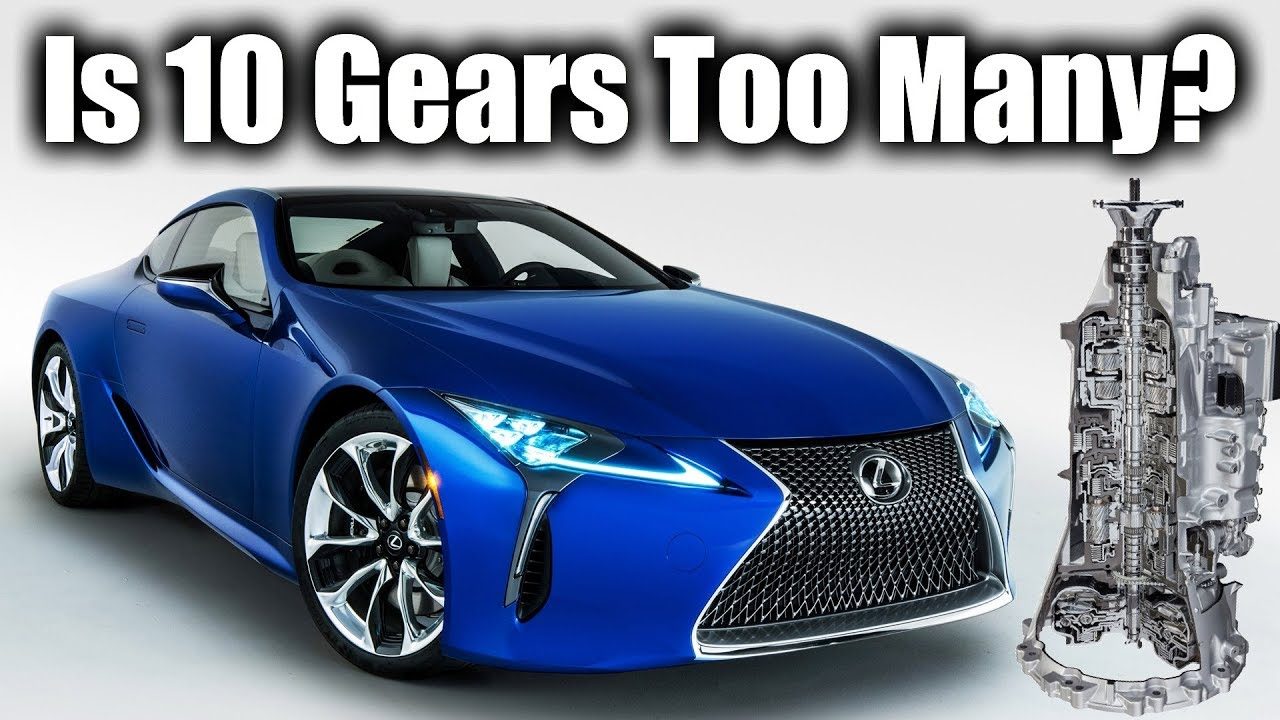
Having more ratios can help make acceleration feel more consistent because the engine doesn't have to experience such large changes in RPM between shifts. However, that doesn't guarantee a smoother driving experience.
A transmission with more gears also has more potential shift points to manage. If its software is not properly calibrated, it may frequently change ratios, hesitate when accelerating, or struggle to decide which gear is most appropriate.
Drivers might notice this behavior when climbing hills, overtaking, or accelerating and slowing down repeatedly in traffic. Instead of making the vehicle feel more refined, excessive shifting can become irritating.
Modern automatic transmissions rely on sophisticated electronic control systems that consider vehicle speed, throttle position, engine load, and other inputs before selecting a gear. Good programming is therefore just as important as the number of ratios available.
A well-calibrated six-speed automatic can feel considerably better than a poorly programmed 10-speed unit. The overall driving experience depends on how effectively the transmission works with the engine.
Do Drivers Think Modern Automatics Have Too Many Gears?
Reddit discussions reveal that drivers have mixed feelings about the growing number of automatic transmission gears. In a discussion on r/cars, enthusiasts debated why automatics now have up to 10 speeds while most manual transmissions still have six. Some see additional ratios as an efficiency advantage, while others question whether they're really necessary.
One common complaint is gear hunting, when a transmission repeatedly shifts between ratios instead of settling on the most appropriate one. Drivers have also raised concerns about modern transmission behavior in discussions on r/whatcarshouldIbuy and r/cars, particularly when driving uphill or accelerating in changing traffic conditions.
Not everyone thinks 10-speed automatics are excessive, though. Some enthusiasts consider them useful for balancing performance and fuel economy, while others prefer simpler eight-speed setups. These debates highlight an important point: having more gears is only beneficial when the transmission can use them smoothly and effectively.
Is a 10-Speed Automatic Really Better Than an Eight-Speed?
Not necessarily. Although 10-speed automatic transmissions offer more ratios and greater flexibility, an eight-speed gearbox can still provide an excellent balance of efficiency, performance, and comfort.
Some manufacturers have also explored alternatives to conventional automatic transmissions. Continuously variable transmissions (CVTs), for example, don't rely on a fixed number of traditional gear ratios. Instead, they continuously adjust their effective ratio to help keep the engine operating at an appropriate speed.
Dual-clutch transmissions take a different approach, using two clutches to prepare and execute gear changes quickly. They're particularly popular in performance-oriented vehicles because of their rapid shifts.
These alternatives demonstrate that the number of gears is not the only way to measure transmission technology. What matters is how effectively the system delivers power, responds to driver inputs, and manages engine speed. The best gearbox is the one that delivers the right combination of efficiency, performance, and refinement for the vehicle it's designed to serve.
More From Motor101
RECOMMENDED FOR YOU

Your Brakes Doesn't Always Need A Mechanical Connection
McLaren 750S Disguises Itself As A Mercedes CLK GTR
Why America Is Obsessed With Building Giant Roadside Attractions
Jeremy Clarkson's Ferrari F355 Is Back At Auction. Could It Finally Fetch A Six-Figure Price?
Why Some Cars Have Two Clutches Instead Of One
Sony Wants Your Car To Smell Like Whatever Ad You're Driving Past
That Annoying Whistle In Your Car Could Be Coming From The Door