Why Some Cars Have Two Clutches Instead Of One
Two clutches, one gearbox, lightning-fast shifts. Here's why dual-clutch transmissions need both to work their magic.
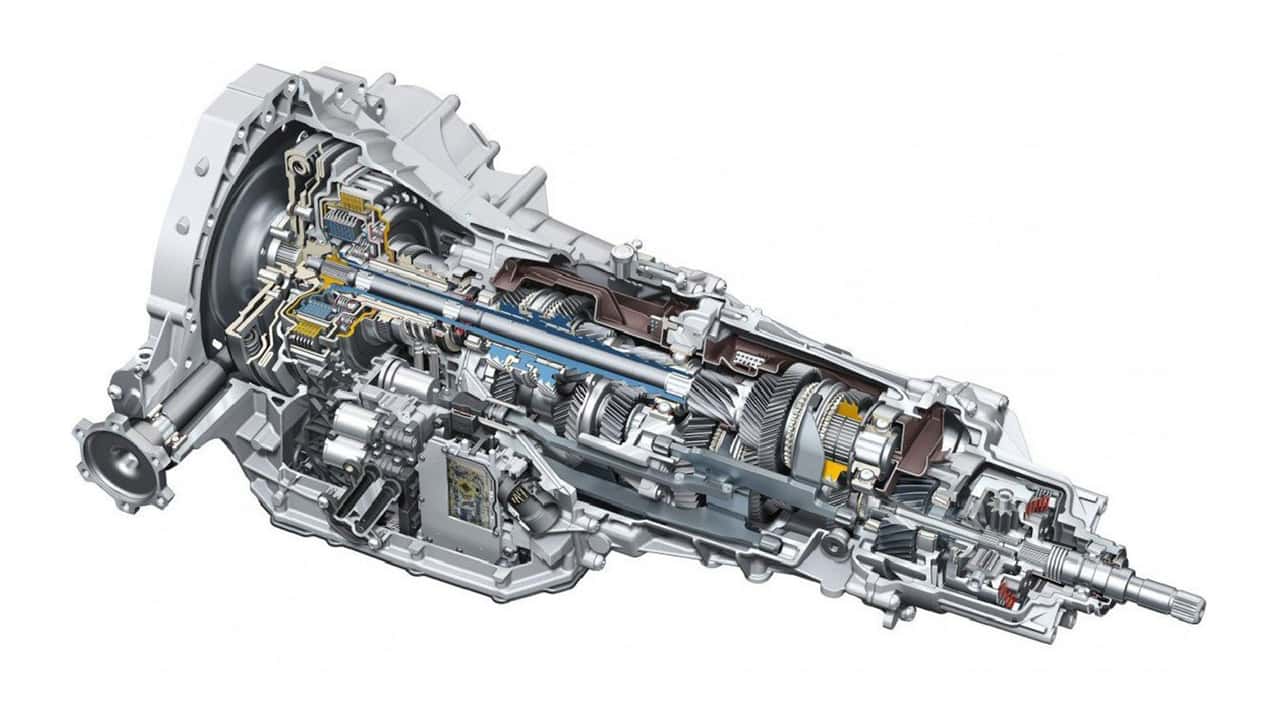

A dual-clutch transmission (DCT) might sound unnecessarily complicated, but having two clutches is exactly what makes it so quick. Found in everything from everyday Volkswagen models to high-performance Porsches, this clever gearbox can change gears incredibly quickly while keeping power flowing to the wheels.
But why does a transmission need two clutches when one seems perfectly capable of doing the job? The secret is that one clutch handles the current gear while the other prepares the next one, allowing the transmission to switch between them almost instantly. Here's how it works.
A Dual-Clutch Transmission Is Essentially Two Gearboxes In One
The easiest way to understand a dual-clutch transmission is to think of it as two smaller gearboxes sharing the same housing, as this JD Power guide explains. One handles the odd-numbered gears, including first, third, fifth, and seventh, while the other takes care of second, fourth, and sixth. Reverse is assigned to one of the two gear paths, depending on the design.
Each of the two smaller gearboxes has its own clutch, allowing it to connect or disconnect from the engine independently. When you're accelerating in second gear, for example, one clutch is transmitting power while the other gearbox can already have third gear selected and ready to engage.
This arrangement is the foundation of the DCT. Instead of waiting for the transmission to disengage one gear, select another, and reconnect everything, the next gear is already prepared. All the system needs to do is transfer the engine's power from one clutch to the other.
The Second Clutch Makes Gear Changes Almost Instantaneous

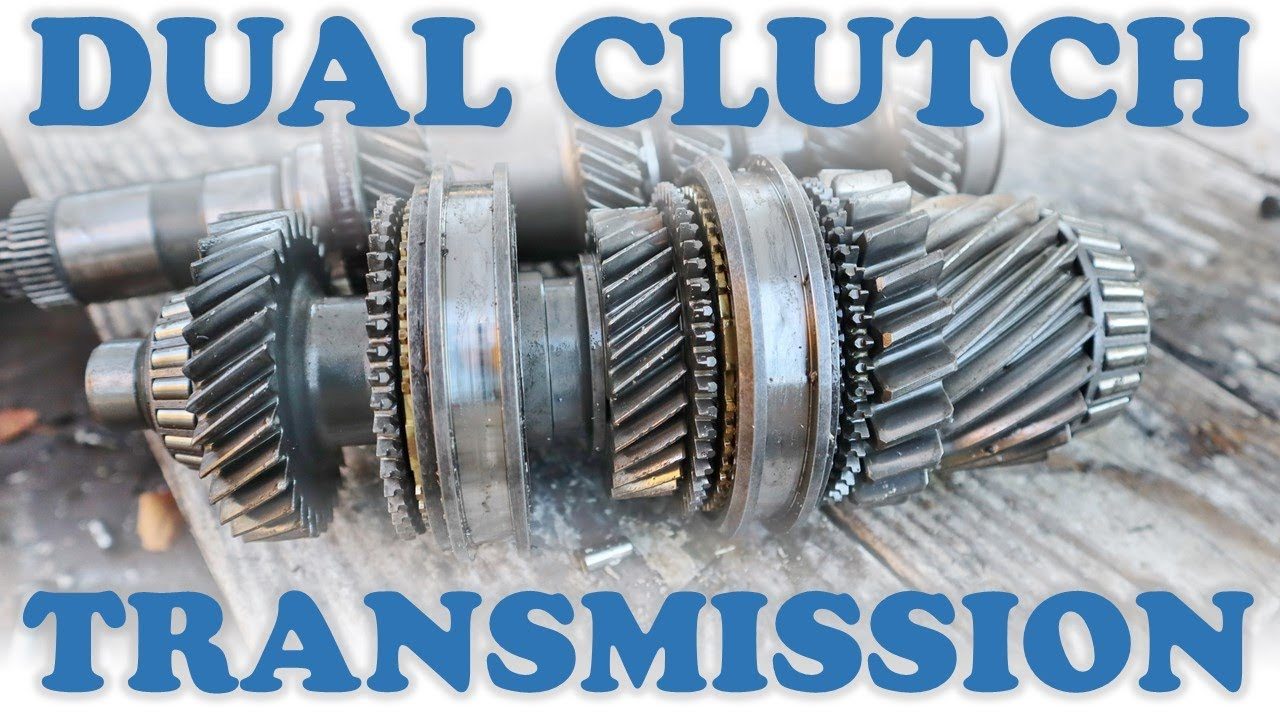
This is where having two clutches really pays off. In a conventional manual transmission, changing gears requires the driver to disengage the clutch, select another gear, and then reconnect the engine to the transmission. During that process, power delivery to the wheels is interrupted.
A DCT handles things differently. Imagine accelerating through second gear. While the first clutch is transmitting power through the second-gear shaft, the transmission's electronics and hydraulic actuators prepare third gear on the other shaft.
When the system decides it's time to shift, the first clutch begins disengaging as the second clutch engages. The entire process happens extremely quickly, with very little interruption in torque delivery.
The result is a transmission that can deliver rapid, smooth gear changes without requiring the driver to operate a clutch pedal. It's particularly useful in performance cars, where maintaining acceleration during shifts can make a meaningful difference.
Why Not Just Use One Clutch?
A single clutch can certainly operate an automated manual transmission, but it can't deliver the same type of seamless gear changes as a DCT.
With one clutch, the transmission generally has to disconnect the engine from the gearbox before changing ratios. Even when the process is automated, there's a brief interruption in power delivery. A DCT avoids most of that delay by allowing the next gear to be selected independently while the current gear remains engaged.
Using two clutches also allows the transmission to anticipate what the driver will do next. If you're accelerating, it can prepare the next higher gear. If you suddenly brake, the control system can prepare a lower gear instead.
Of course, this requires sophisticated electronics, sensors, and hydraulic or electromechanical controls. The transmission must constantly monitor engine speed, vehicle speed, throttle position, and driving conditions to determine which gear should be ready next.
Dual-Clutch Transmissions Offer More Than Just Faster Shifts
Although quick gear changes are the biggest selling point, DCTs offer several other advantages over conventional manual and automatic transmissions.
- Better acceleration: Extremely quick shifts help maintain momentum, making DCT-equipped cars particularly effective in performance applications.
- Improved efficiency: Because many DCTs use a direct mechanical connection rather than a conventional torque converter, they can reduce certain energy losses.
- Automatic convenience: Drivers don't need to operate a clutch pedal, even though the underlying design is closely related to a manual gearbox.
- Manual control: Many DCT-equipped vehicles offer paddle shifters or manual gear-selection modes for drivers who want more involvement.
- Consistent gear changes: Electronic controls can manage shifts precisely, reducing the variation that comes with manual operation.
However, there are trade-offs. DCTs can be more complicated and expensive to manufacture and repair than conventional transmissions. Some also struggle with smoothness during low-speed manoeuvres, particularly in stop-and-go traffic, where repeated clutch engagement can create heat and wear.
What Do Drivers Think About Dual-Clutch Transmissions?
Reddit users have plenty to say about the engineering behind DCTs. In an r/cars discussion about how dual-clutch transmissions are constructed, enthusiasts explain how the two clutches operate on separate shafts, typically handling odd- and even-numbered gears. Some also point out that actual DCT clutch packs can be more complicated than the two conventional clutch discs many drivers imagine.
The technology's real-world performance is another popular topic. In an r/ElantraN discussion, an owner describes discovering how throttle input affects gear changes, noting that the transmission felt significantly quicker once they understood how its predictive shifting worked. Meanwhile, Volkswagen owners discuss DCT behavior in traffic, particularly clutch engagement and low-speed driving.
Reliability remains a point of debate. In a Volkswagen DSG discussion, some owners praise the transmission's quick shifts and long-term durability when properly maintained, while others prefer conventional automatics or manual gearboxes.
Do All Dual-Clutch Transmissions Use The Same Design?
Not exactly. While all dual-clutch transmissions follow the same basic principle, manufacturers use different clutch arrangements depending on the vehicle's power output, size, and intended application.
One important distinction is between dry-clutch and wet-clutch DCTs. Dry-clutch systems operate without immersing their clutch plates in transmission oil. They're generally lighter and can be more efficient, making them suitable for smaller engines and less demanding applications.
Wet-clutch systems, meanwhile, use oil to lubricate and cool the clutch packs. This helps them manage greater torque and heat, making them popular in high-performance vehicles and applications that require more demanding operation. Porsche's PDK, Volkswagen's DSG, and Hyundai's DCT are all examples of the technology, although their internal designs and control strategies differ.
Ultimately, the reason a dual-clutch transmission needs two clutches is surprisingly simple: one keeps the car moving while the other prepares the next gear. By alternating between the two, the transmission can change ratios incredibly quickly without the lengthy interruption in power associated with a conventional single-clutch manual gearbox.
It's a clever engineering solution that combines the mechanical efficiency of a manual transmission with much of the convenience and speed of an automatic.
More From Motor101
RECOMMENDED FOR YOU

From Detroit To Tokyo: Where Every Major Automaker Calls Home
This Ford EcoBoost Engine Had Just 70,000 Miles. What Was Inside Was Horrifying
October Winners And Losers: Mazda Surges As Mustang Sales Slide
A NASCAR Driver Bought An Actual Tank. The HOA Isn't Happy
Mid-Size Trucks Are Booming. Now Everyone Wants In
BYD's New Flagship Sedan Wants To Be China's Most Luxurious Car Yet
Hyundai Says The Biggest Challenge For Hydrogen Cars Is Finding Customers