Your Car Can Be Stolen From Your Driveway Without The Keys. Here's How
Your keys could be sitting safely at home while thieves drive away with your car. Here's how keyless theft works and how to prevent it.
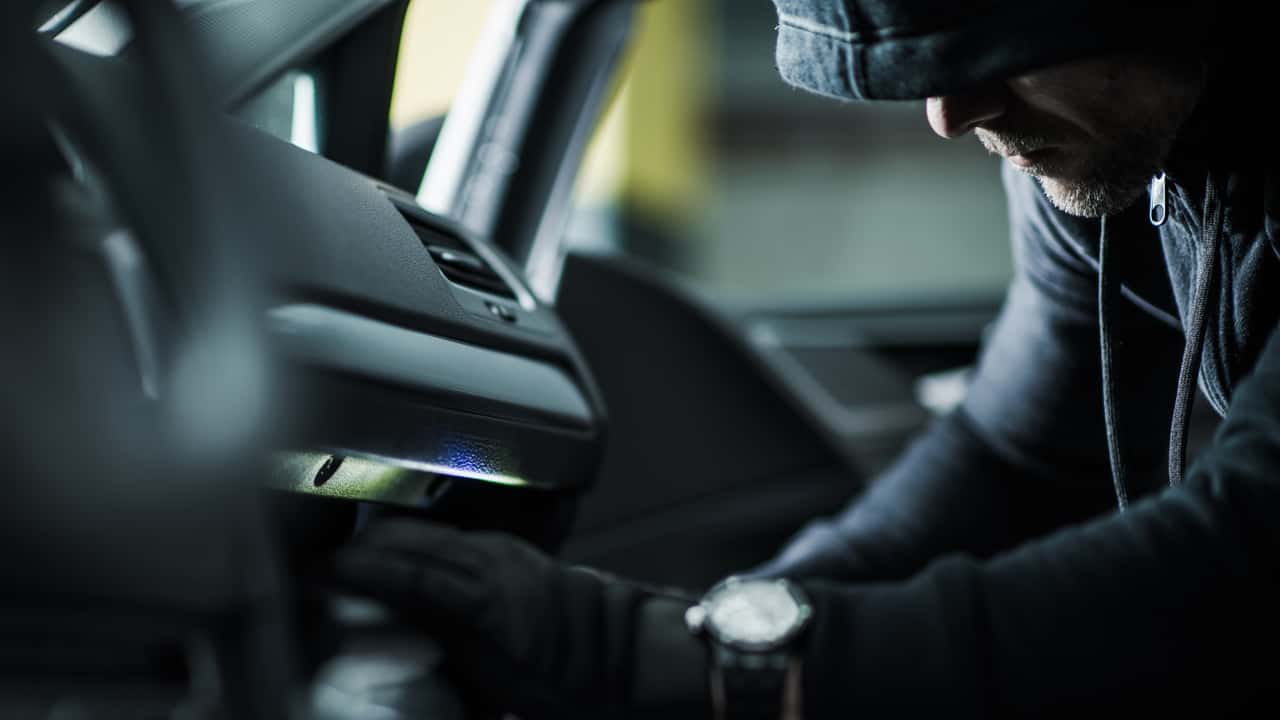

Keyless entry has made getting into a car easier than ever. Drivers can unlock the doors and start the engine without taking their keys out of a pocket or bag. But that convenience has also created an opportunity for thieves, who can exploit weaknesses in certain keyless systems to steal a vehicle without ever taking the owner's keys.
Known as relay theft, this method has become a major concern for motorists and police. Thieves can use electronic equipment to trick a compatible car into believing its key fob is nearby, even when the key is sitting inside the owner's home. The process can take very little time, and the owner might not realize anything is wrong until the car has disappeared from the driveway.
What Is Keyless Car Theft?
Keyless car theft is a form of vehicle theft that exploits electronic entry and starting systems. Unlike conventional car theft, which might involve a stolen key or forced entry, some keyless theft methods allow criminals to access a vehicle without physically possessing its original key.
The most widely discussed technique is known as a relay attack. Keyless entry systems typically communicate with a compatible key fob over short distances. When the car detects an authorized fob nearby, it allows the doors to unlock and, in many cases, the engine to start.
Relay theft takes advantage of that communication. Rather than breaking into the house to steal the key, criminals use electronic equipment to relay the communication between the vehicle and the fob, making the car behave as though the authorized key is close enough to use.
Not every vehicle with keyless entry is equally vulnerable. Security features vary by manufacturer, model year and system design, while some newer vehicles incorporate technology intended to resist relay attacks.
How Does A Relay Attack Work?

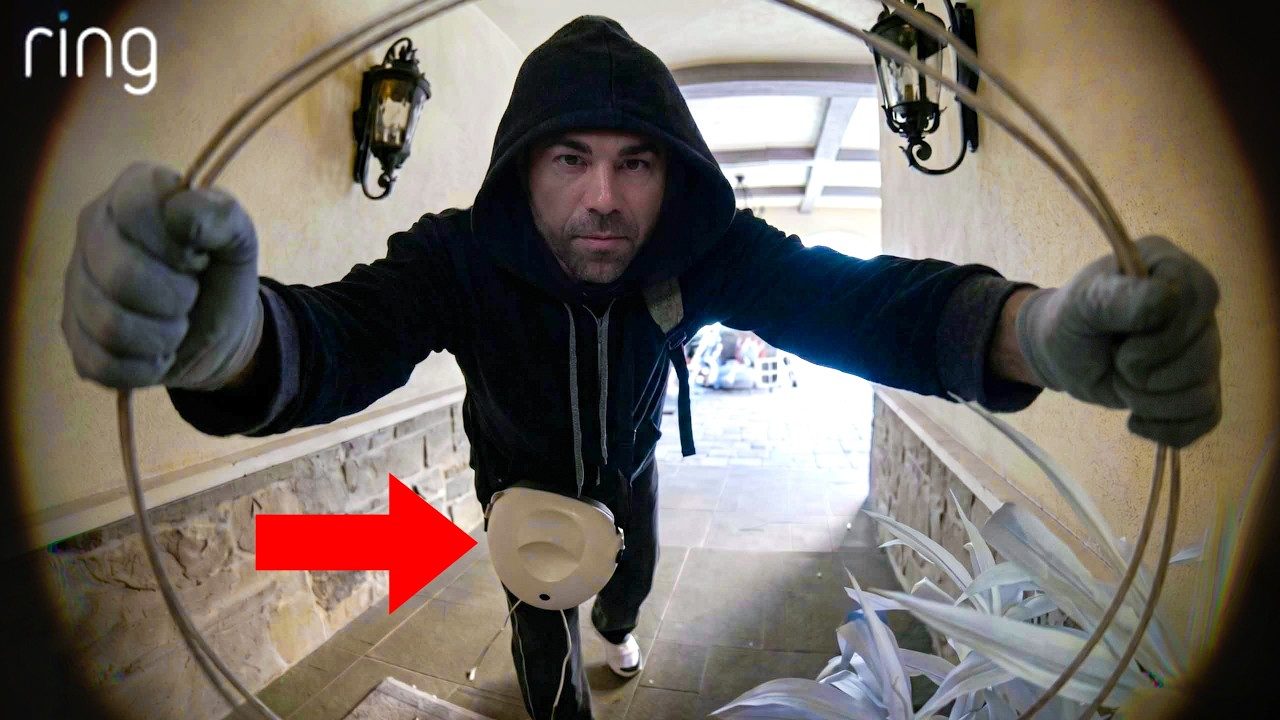
Relay theft commonly involves two people working together. One operates near the vehicle while another gets close enough to the key fob, which might be inside a nearby home. Electronic equipment relays the key's communication so that the car mistakenly recognizes it as present.
Once the vehicle accepts the signal, its normal keyless functions may allow the doors to unlock and the engine to start. The thieves can then drive away, potentially without triggering obvious signs of forced entry.
The important distinction is that the key itself hasn't necessarily been cloned or stolen. Instead, the attack exploits the way the vehicle and key communicate. This is why simply keeping a key inside a locked house doesn't always eliminate the risk.
Police have released CCTV footage of suspected relay theft attempts and warned that the method can be carried out quickly. However, the precise process and likelihood of success depend on the vehicle's security systems and the equipment being used.
Are Relay Attacks The Only Way Cars Get Stolen Without Keys?
No. Relay theft is one method, but it is not the only electronic technique used to target modern vehicles. The term keyless car theft can describe several different approaches, and understanding the distinction helps explain why there is no universal solution.
Another method involves unauthorized key programming, in which criminals attempt to register a new key through a vehicle's electronic systems. Some thieves also exploit vulnerabilities in a car's electronic control systems to bypass parts of its normal security checks. The risks vary depending on the vehicle's design, software and security features.
Other thefts involve obtaining the original key or creating an unauthorized copy, while signal interference can prevent a car from locking properly when its owner walks away. In the latter case, the thief may take advantage of the fact that the driver assumes the vehicle is secure when it is not.
These methods aren't interchangeable, and protection against one doesn't necessarily stop the others. For example, a signal-blocking pouch can help prevent certain relay attacks involving a compatible key fob, but it won't stop someone from stealing a physical key or exploiting an unrelated vehicle vulnerability.
How Can You Protect Your Car From Keyless Theft?
Although no single security measure guarantees protection, several practical steps can reduce the risk. The best approach combines sensible key storage with the vehicle's own security features and, where appropriate, additional physical protection. Drivers should consider the following precautions:
- Store keys away from exterior doors and windows. Keeping the fob and spare keys away from the car and the outside of the house can help reduce their exposure to relay equipment.
- Use a signal-blocking pouch or container. A properly functioning Faraday pouch can block the radio signals used by compatible keyless systems. Test it periodically to make sure it still works.
- Check whether the key can be switched off. Some fobs have a feature that disables their wireless functions when they're not in use. Consult the owner's manual to see whether your vehicle supports it.
- Look for motion-sensing keys. Some systems put a stationary fob into a low-power or sleep state, helping reduce the opportunity for certain relay attacks.
- Use additional physical security. A visible steering-wheel lock can deter opportunistic thieves, while a suitable alarm or tracking system can provide another layer of protection.
- Check that the car is actually locked. Confirm that the doors have locked before walking away, particularly if you suspect someone could be interfering with the remote locking signal.
Parking in a locked garage where possible can provide another layer of protection. Owners concerned about their particular vehicle should also ask the manufacturer or dealer whether security updates, upgraded keys or additional immobilization features are available.
What Are Drivers Saying About Keyless Car Theft?
Reddit users have shared firsthand accounts of suspected relay attacks, highlighting how quickly thieves can target a keyless vehicle. In a June 2025 discussion on r/CarTalkUK, one driver described how someone managed to open their car's boot before an alarm scared them away. The incident prompted questions about whether the key had been cloned, illustrating the uncertainty owners can face after a suspected attack.
Another discussion on r/CarTalkUK focused on preventing keyless entry theft, with drivers discussing Faraday pouches, secure key storage and disabling keyless entry where possible. The conversation also highlighted a practical concern: security features differ between vehicles, so owners should check their specific model rather than assume every car offers the same protections.
Some Reddit users have also questioned why manufacturers don't offer additional safeguards. In a thread discussing extra security for keyless cars, commenters suggested options such as PIN-based starting or additional physical security.
Are Keyless Cars Safe?
Keyless entry is not inherently unsafe, and drivers don't need to abandon the technology altogether. Modern vehicles use different combinations of authentication, immobilizers and electronic security measures, meaning their resistance to theft can vary considerably.
The main lesson is that convenience and security need to work together. A keyless system that relies on detecting a nearby fob must be designed to distinguish legitimate communication from attempts to relay or manipulate it. Manufacturers continue to develop countermeasures, but no security system should be assumed to be completely immune to attack.
For owners, the most effective starting point is to understand how their own car's keyless system works and follow the manufacturer's security recommendations. Keeping keys secure, checking that the car locks correctly and adding appropriate physical protection can all make a difference.
Keyless car theft may sound like something out of a spy movie, but the underlying idea is relatively simple: criminals try to make a vehicle believe its authorized key is nearby when it isn't. Knowing how that trick works—and taking a few precautions at home—can help drivers reduce their risk without giving up the convenience of keyless entry.
More From Motor101
RECOMMENDED FOR YOU

F1 Cars Have A Bunch Of Steering Wheel Buttons. What Do They All Do?
Tesla Roadster Thrusters Need Up To 6 Hours To Refill After Just 5 Seconds Of Use
How Porsche's US Headquarters Became Home To Marvel's Avengers
GM Is Finally Bringing Hybrid Power To Three Of Its Largest SUVs
Why So Many Sports Cars Have Fake Vents
This Street-Legal V8-Powered Radio Flyer Wagon Just Sold For $75,000
Yes, Your Car Needs Software Updates. Even After You Buy It