Why Every New Car Seems To Have A Giant Screen Now
That big screen on your dashboard isn't just for looks—here's why automakers are replacing buttons with increasingly large displays.


Walk into a new-car showroom, and there's a good chance the dashboard's main highlight is not the steering wheel, the instrument cluster, or even the climate control panel. It's the screen.
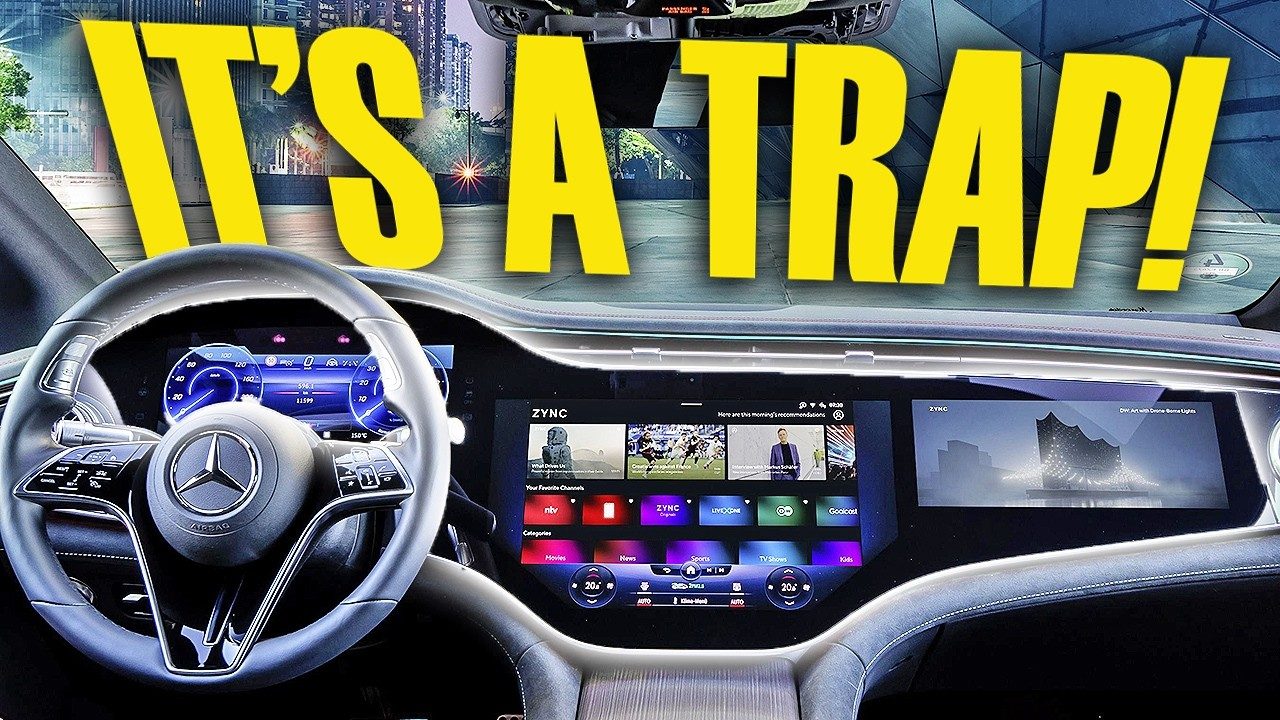
Modern cars increasingly have enormous displays stretching across the dashboard, replacing buttons, knobs, and traditional gauges with something that looks more like a tablet than a piece of automotive equipment. But why did automakers suddenly decide bigger is better?
Motor101
Welcome to Motor101, our series dedicated to answering the internet's biggest automotive questions. From the origins of iconic designs to the engineering breakthroughs that shaped the world's greatest cars, we uncover the stories behind the vehicles you love.
Cars Started Borrowing From Smartphones
The biggest reason for the touchscreen takeover is simple: drivers got used to touchscreens everywhere else.
Smartphones, tablets and computers changed what people expect from technology. Instead of learning dozens of dedicated controls, drivers increasingly expect menus, icons and customizable interfaces. Automakers noticed.
A touchscreen can combine navigation, audio, phone connectivity, vehicle settings and other functions into one interface. Instead of designing a separate physical control for every feature, the manufacturer can put multiple functions behind software.
That also means the interface can change after the car leaves the factory. A physical button is essentially fixed; software is not. That's particularly important as cars become increasingly connected and software-defined.
One Screen Can Replace A Lot Of Hardware
The big screen trend is about more than just drivers liking high-tech gadgets. Giant displays sit at the crossroads of consumer electronics trends, software development, cost savings, connectivity and automakers' desire to make new cars feel more advanced.
And there's a surprisingly practical reason manufacturers keep adding them: they can consolidate controls. Think about everything that can now appear on one screen:
- Navigation
- Music and radio
- Phone calls and contacts
- Vehicle settings
- Climate controls
- Drive-mode selections
- Camera views
- Charging information
- Driver-assistance settings
A touchscreen can handle all of those without requiring a separate physical switch for every function. That doesn't necessarily mean the screen itself is cheaper than every button it replaces. Large displays, processors and software can be expensive.
But from an engineering and manufacturing perspective, consolidating functions into a common digital interface can give automakers more flexibility and reduce the number of unique physical components they need to design and package.
Giant Screens Are Also A Marketing Tool
Let's be honest: screens look futuristic. Put a 15-inch display in a dashboard and a car immediately feels more technologically advanced than one with a small screen surrounded by physical buttons. That's useful when you're trying to sell a new vehicle.
A giant display is something customers can see immediately when they sit in the driver's seat. It creates a strong first impression, even before they drive the car.
It's similar to the way smartphone manufacturers emphasize display size and camera technology. The hardware becomes a visible symbol of how new the product is.
For automakers, that matters because new-car buyers aren't only comparing horsepower and fuel economy anymore. They're comparing technology.
The Screen Can Keep Getting Better After You Buy The Car
One of the biggest differences between a touchscreen and traditional dashboard hardware is that software can evolve.
A manufacturer can potentially update the interface, add features or improve functionality without changing the physical dashboard.
Some automakers now deliver software updates over the air, meaning certain improvements can arrive while the vehicle is sitting in your driveway.
That creates a very different ownership model from older cars. Your 1990s car's radio didn't suddenly gain a new interface overnight, but a modern vehicle's software potentially can.
This is one reason automakers increasingly view the vehicle as a software platform, rather than simply a machine with software added to it.
Why Are Screens Getting So Huge—And Are They Actually Better?
Modern displays are thinner, brighter and more capable, while consumers have become comfortable using large touchscreens.
There's also a business advantage. One screen can handle navigation, climate controls, media, vehicle settings and other functions without requiring a separate physical control for each feature.
But bigger doesn't always mean better. A touchscreen can make a dashboard look futuristic, but for common tasks, physical controls are often easier to use and less distracting. Adjusting volume with a knob, for example, requires less visual attention than searching through a touchscreen menu.
That's why some automakers are bringing back physical buttons and knobs after years of moving toward screen-heavy interiors. Still, there's a simple reason giant screens remain popular: they make a new car feel new.

Not All Drivers Are Sold On The Giant-Screen Trend
Reddit's car communities have been debating the touchscreen takeover for years, and the reaction is decidedly mixed.
A recent r/Autos discussion about screens sticking up from dashboards sparked complaints about their appearance and distraction, while some commenters argued that touchscreens can be cheaper for automakers than designing and manufacturing large numbers of physical buttons and knobs.
In r/cars, a 2024 discussion asking whether physical controls would make a comeback drew plenty of support for buttons and dials. One highly upvoted comment pointed to the importance of tactile controls and suggested that frequently used functions should remain physical.
There's also evidence that the debate is shifting. A 2026 r/Toyota discussion about the possibility of bringing buttons back to the RAV4 drew strong support from owners who said they preferred physical controls because they didn't want to navigate menus while driving.
The Reddit consensus isn't necessarily “touchscreens are bad.” It's closer to: use the screen for what a screen does well, but don't bury basic driving functions behind menus. That may explain why the next generation of car interiors could end up looking less like giant tablets and more like a mix of digital displays and good old-fashioned buttons.
Will Every New Car Keep Getting Bigger Screens?
Probably not forever as the industry is already showing signs that screen size isn't the only goal.
Automakers are experimenting with head-up displays, augmented-reality graphics, voice controls, physical buttons and different combinations of screens. Some are also trying to make digital interfaces less distracting rather than simply making them larger.
The future may not be one enormous tablet glued to every dashboard. Instead, the best interiors will probably combine digital displays with physical controls in ways that make sense for the task. The goal should be not only adding technology but also making it easier to use.
For now, though, that giant screen isn't going anywhere as automakers have discovered that one of the easiest ways to make a new car feel futuristic is to put a really big screen right in front of you—and they're not ready to give that up yet.
More From Motor101
RECOMMENDED FOR YOU

Why Does The Mercedes-Benz Logo Have Three Points?
Your Car Has a Hidden Mechanical Key. Here's Why It's There
Mercedes' New Black Series Will Use A Wild Flat-Plane V8
Woman Leaves Dodge Charger Parked Outside. Then Her Airbags Deploy For No Reason: ‘Never Seen This Happen Before’
Mercedes Won't Stop Building V8s, But A New C63 May Not Happen
Monterey Car Week 2026: Every New Supercar, Hypercar, And Concept
Mercedes-AMG Owners Say The Logo On Their Seats Literally Burned Them