Why Your Tire Pressure Light Comes On When It Gets Cold
A drop in temperature can lower your tire pressure enough to trigger the warning light—but that doesn't always mean you have a leak.

If you've ever started your car on a chilly morning only to be greeted by a glowing tire pressure warning light, you're not alone. It happens to millions of drivers every fall and winter, often without a single nail or puncture in sight.
The culprit isn't your tire—it's basic physics.
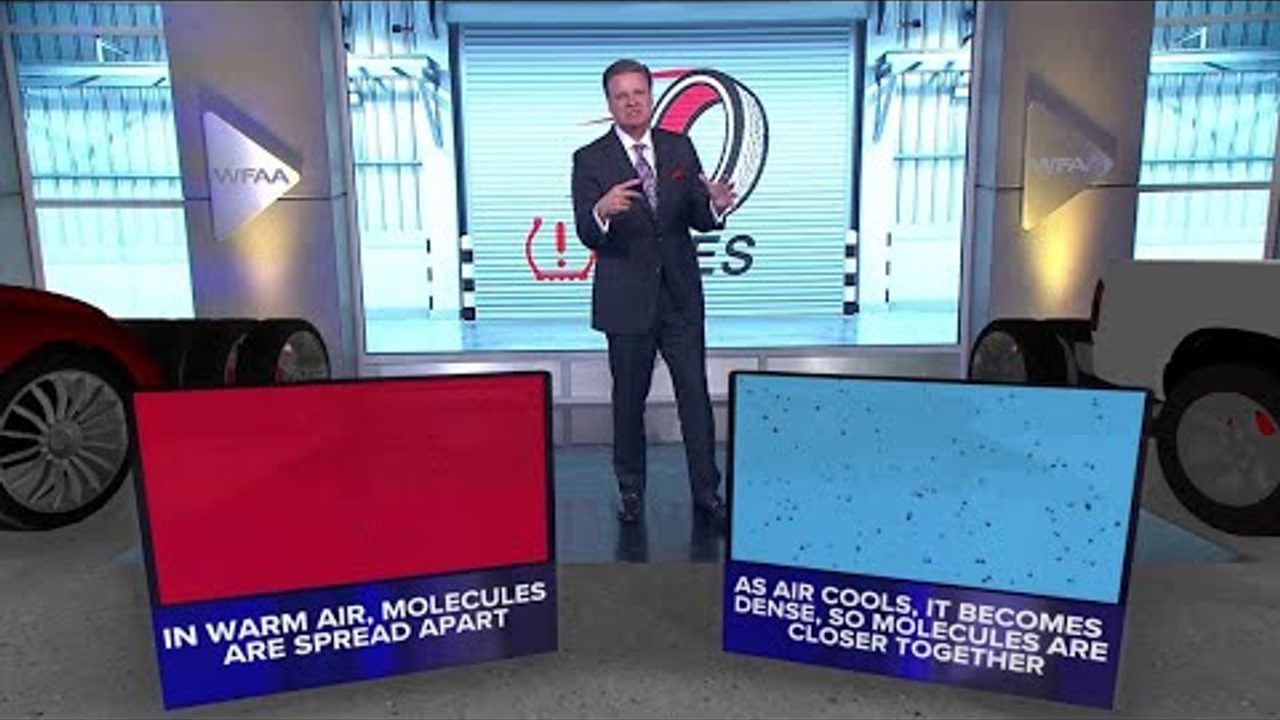
As temperatures drop, the air inside your tires becomes denser and exerts less pressure on the tire's walls. Even though the amount of air inside the tire hasn't changed, the pressure reading has. And if that pressure falls below the threshold set by your vehicle's Tire Pressure Monitoring System (TPMS), the dashboard warning light turns on.
motor101
Welcome to Motor101, our series dedicated to answering the internet's biggest automotive questions. From the origins of iconic designs to the engineering breakthroughs that shaped the world's greatest cars, we uncover the stories behind the vehicles you love.
Your Tires Lose Pressure Faster Than You Think
A good rule of thumb is that tire pressure decreases by roughly 1 PSI for every 10-degree Fahrenheit drop in outside temperature.
That may not sound like much, but it adds up quickly.
Imagine you inflated your tires to the recommended 35 PSI on a warm 70-degree afternoon. A sudden cold front that drops temperatures to 30 degrees could reduce pressure by about 4 PSI. That leaves your tires at roughly 31 PSI—often low enough to trigger the TPMS warning.
The opposite happens when temperatures rise. Tire pressure naturally increases as the air inside warms up, which is why checking your tires after a long highway drive can produce a higher reading than checking them first thing in the morning.
Why It Matters
Driving on underinflated tires affects more than just the warning light. Low tire pressure can:
- Reduce fuel economy
- Increase tire wear
- Make steering feel sluggish
- Increase braking distances
- Raise the risk of tire damage after hitting potholes or road debris
Even a few PSI below the recommended pressure can make a noticeable difference over time.
Don't Just Ignore The Light
It's tempting to ignore the warning once it disappears later in the day, especially if the sun warms things up. But the light is doing exactly what it's supposed to do.
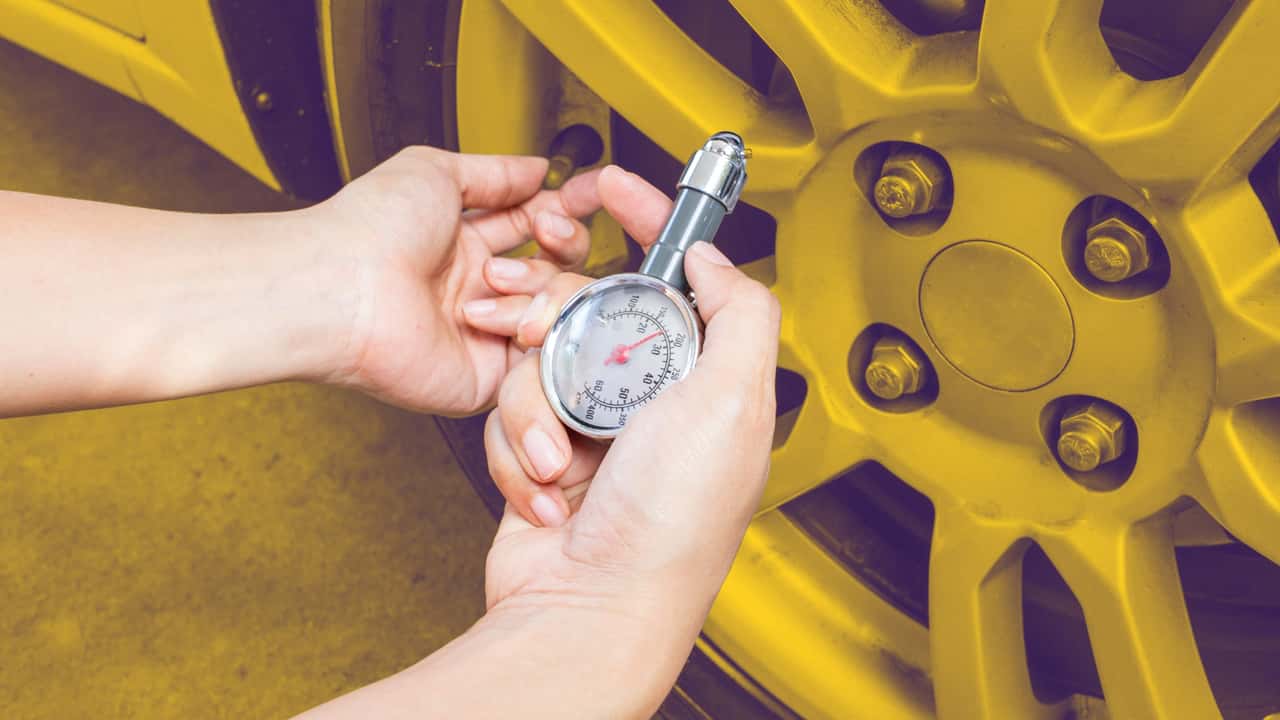
Instead of resetting the system, grab a tire pressure gauge and check all four tires—plus the spare if your vehicle uses one with a pressure sensor. The correct pressure can usually be found on the sticker inside the driver's door jamb, not on the tire's sidewall.
If the warning light comes back repeatedly after you've inflated the tires to the proper pressure, you may have a slow leak, damaged valve stem, or puncture that needs to be inspected.
Drivers Have Been Dealing With This For Years
A quick look through Reddit shows just how common cold-weather TPMS warnings are. In one thread on r/tires, a driver said their low tire pressure light appeared every winter despite the tires being filled to the recommended 35 PSI. Other users explained that the drop was likely caused by colder temperatures reducing tire pressure, and recommended checking the tires when they are cold before adding air.
The same issue has popped up across different vehicle communities. One Honda Element owner described their tire pressure warning light appearing during colder mornings, then disappearing after temperatures warmed up.
Commenters pointed out that cold air can lower tire pressure enough to trigger the TPMS system, even when there isn't an actual puncture or leak.

The Bottom Line
Your tire pressure warning light isn't necessarily bad news when temperatures plunge. More often than not, it's simply responding to colder air and the natural drop in tire pressure that comes with it.
The fix is usually quick: Check your tire pressure when the tires are cold, inflate them to the manufacturer's recommended specification, and make a habit of checking them at least once a month—especially as the seasons change.
It's one of the easiest maintenance tasks you can do, and it can improve your safety, extend tire life, and even save you a little money at the gas pump.
More From Motor101
RECOMMENDED FOR YOU

Should You Get Your Oil Changed At Walmart? The Pros And Cons
Woman Pays Extra For Ford Explorer Sunroof. Then She Notices A Smell. Her Dealership’s Solution Is To Stop Using It Altogether
Why Modern Cars Are So Expensive to Repair
This Is One Of The Rarest Mercedes G-Classes Ever Made, And It Just Sold For $143,000
Why Most New Cars Don't Have Spare Tires Anymore
Mechanic Warns: Stop Pumping Gas Once The Handle Clicks Off. It Just Put This Chevrolet In The Shop
Most People Don't Know Costco Can Save You Thousands On A New Car