Mouse Causes $3,200 In Damage To Car. Honda's Design Might Be At Fault: 'Warranty Won't Pay'
"Both get rodent damage..."
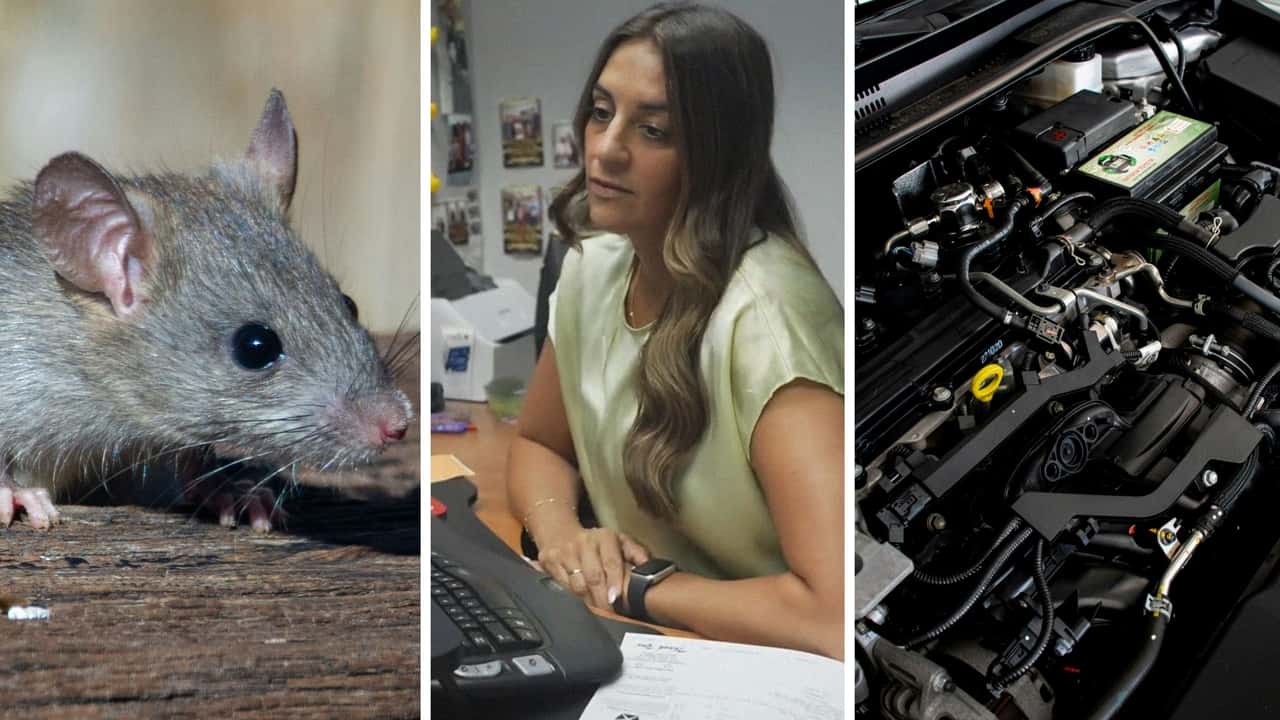

A customer who brought his vehicle in for a check engine light and a misfire got a diagnosis nobody wants to hear. Something with sharp teeth had been living in his engine bay and had eaten a good part of the wiring harness.
The repair estimate came to nearly $3,200, the factory warranty would not cover it, and a dealership service director was left to explain why.
Mrs Boss Barr (@mrsbossbarr), a service director whose channel documents her working days at multiple Chrysler Jeep dealerships, posted a recording of the two-minute call that has drawn more than 96,800 views so far.
The caption she posted doubles as a brutal summary of the customer's situation: "Warranty won't pay for chewed wires."
"That's What's Causing Your Misfire"
Early in the call, Barr spells out the diagnosis. "There was rodent damage, so either mice, chipmunks, I don't know, a squirrel, something got in there and they chewed up the harness," she tells the customer. "That's what's causing your misfire." She says that several connectors were gnawed through and at least one sensor had been left unplugged entirely.
The customer's first question is the one most owners would ask. "How is that preventable, though?" he says. Her answer runs through the folk remedies and the commercial ones. "Some people put mothballs, dryer sheets, they sell aftermarket like little things that send out high frequency to keep the mice away," she says. "But I mean, we live in New England."
Then comes the part the caption warns about. "This wouldn't be covered under factory warranty," she says. "Factory warranty only covers manufacturer defects, which clearly this is not."
Her advice is to call the insurer instead. "A lot of times, depending on what your deductible is, they consider it like an act of God basically under your insurance, and if you have a $500 deductible, that's all you would pay, because right now this estimate is up to almost $3,200."
She also makes clear the customer is not unlucky so much as a victim of the seasons. "You're not the only person, this happens quite frequently," she says. "We get a lot in the fall, at the end of winter, they like to burrow in there, and we've seen rats, we've seen mice, actually alive or dead inside the car."
But Are Soy-Based Wires the Problem?
The comments drifted off insurance issues pretty quickly, instead focusing on the material the wires are wrapped in.
A commenter posting as Derek made the case that the damage is closer to a design consequence than an accident, arguing that once manufacturers "knowingly switched to soy-based wire insulation that is demonstrably more attractive to rodents, rodent damage stopped being a purely external event and became a foreseeable consequence of a design decision."
Two people who said they work for carmakers disagreed on the importance of this factor. One wrote that of the two manufacturers they had worked for, "which one did I do more rodent damage harness replacements for? The one that used soy based." A commenter posting as Игор was unconvinced. "Both get rodent damage," they wrote. "Most recently was a fuel hose. I guarantee that was not made out of soy. They chew plenty of plastic too."
That argument has already been tested in federal court. Owners brought class actions against several manufacturers. The lead case dragged out in California for six years before the plaintiffs filed a voluntary dismissal in 2022. Similar suits were filed against American Honda, Kia, Ford and FCA. No manufacturer has been found liable.
But manufacturers have taken the opportunity to offer a countermeasure. A Honda service bulletin from 2022, filed with the National Highway Traffic Safety Administration, tells technicians that after repairing rodent damage to a harness they should wrap the affected areas in rodent-repelling tape. The bulletin explains the mechanism in one line: "It has capsaicin. This should keep any critters from causing future problems."
A commenter named Dendz recommended the same tape from experience, noting it carries an official part number so most shops can order it.
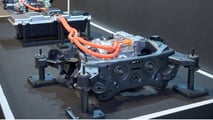
Gallery: Honda New V-6 Engine Hybrid System



Does Insurance Cover Rodents?
On the insurance question, the service director's advice lines up with the coverage offered by some policies. The Insurance Information Institute describes comprehensive coverage as reimbursing "loss due to theft or damage caused by something other than a collision with another car or object". But comprehensive insurance is optional, which is why outcomes in the comments varied so widely.
Several people in the trade said these claims are routine. One commenter who described 22 years handling roughly 20 rodent claims a year said only one had ever been denied, "because they had liability only." A service writer posting as Claire Peifly said an insurer paid close to $12,000 to replace a high-voltage cable on an EV. A commenter called Clarence had the opposite experience and paid out of pocket, prompting others to suggest he had not carried comprehensive insurance.
The other recurring question was why the whole harness goes rather than the chewed section. A commenter who said their franchise requires every repair to be warrantied, parts and labor, explained that this rules out splicing. "We would love to repair," they wrote, "but we have to replace."
Motor1 reached out to Barr via TikTok direct message for comment. We'll be sure to update this if she responds.
RECOMMENDED FOR YOU
Man Gets Hyundai's 10-Year, 100,000-Mile Warranty. Then He Learns It's Really 2 Different Warranties: 'The Part Nobody Explains'
Half-Million Camrys Recalled Again—Speedometer Can Go Dark
Houston Woman Gets Towed Outside Restaurant. Then She Notices A Sign Next To The Parking Lot: ‘Call The Police’
Smart #2 Leak Reveals Final Shape Before Paris Debut
Mechanic Blamed For Lexus' Sudden Damage. Then He Finds An American Tire Depot Receipt
1,560-HP Beast X Revealed: Rezvani’s Five-Unit Corvette Hypercar
Man Fuels Up At BP. Then He Catches Them Overcharging For Gas: ‘How Did 15 Gallons Get Charged?’