Nissan’s US Turnaround: Production Soars 24%—Tariff Hits Avoided
North American production of Rogue, Pathfinder and Frontier is rising, cutting tariff exposure and reshaping Nissan’s pricing power in a soft US market.

THE BREAKDOWN
- Global first-half 2026 sales fell 6.7% to 1,506,052 vehicles.
- US sales rose 0.3% to 489,809 vehicles while US production increased 24.2% to 303,677 through the first half of 2026.
- Shifting Rogue, Pathfinder and Frontier production to US plants avoided about $2.3 billion in tariff exposure.
Nissan’s global numbers are going the wrong way. Worldwide sales in the first half of 2026 dropped 6.7 percent to 1,506,052 vehicles and production fell 6.8 percent, with June alone down 8.3 percent and overseas markets like China and Europe taking the biggest hit. In the middle of that slump, the United States has turned into Nissan’s bright spot.
In the US, Nissan sold 489,809 vehicles in the first half of 2026, a 0.3 percent gain in a market where overall sales are softening. That modest uptick rides on a 24.2 percent jump in US production and a fast shift to building Rogue, Pathfinder and Frontier here, which sharply cuts tariff exposure and freight risk.

2025 Nissan Rogue Review
Nissan’s US Sales And Production Shift
The headline for Nissan is the split between global contraction and US stability. Global first-half sales fell 6.7 percent while factories worldwide built 1,320,698 vehicles, down 6.8 percent, yet North American volume slipped only about 1 percent and US deliveries inched higher. The American market itself looks flat, but Nissan is gaining share instead of losing it.
On the factory side, Nissan built 303,677 vehicles in the US from January through June 2026, a 24.2 percent increase even as total global production declined. Executives now describe North America, led by the US, as the company’s “powerhouse,” with just over 40 percent of Nissan’s cars sold in the region. The US focus is no longer a plan on paper, it is already in the books.
A big reason is mix. Nissan’s North American strategy leans hard on US-made light trucks and SUVs—especially Frontier, Pathfinder and Rogue—instead of chasing low-margin global volume. At the same time, the brand is investing in tech like its Nissan e-Power hybrid system and talking up future SUVs and AI-enabled models, tying the US pivot to both where it builds vehicles and which ones it backs.
2026 Nissan Pathfinder
Rogue, Pathfinder, Frontier And Tariff Fallout
To see the strategy on the street, look at Nissan’s core American nameplates. The Rogue ranks 10th among the 25 best-selling vehicles in the US through June 2026, putting it in the heart of the crossover fight, while Frontier and Pathfinder have logged solid gains as Nissan leans into trucks and three-row family haulers.
All three are now built in America in much higher volumes, with a clear cost impact: an internal analysis estimates Nissan has already avoided about $2.3 billion in tariff exposure by moving Rogue, Pathfinder and Frontier production to US plants, giving the brand room to keep mainstream prices competitive even as trade tensions stay high.
The flip side is concentration risk. Nissan has already admitted that chasing volume at any cost was the wrong move, and doubling down on US trucks and SUVs will not fix its global slide overnight, especially as the company trims some electric-only plans and weighs new body-on-frame SUVs and hybrids.
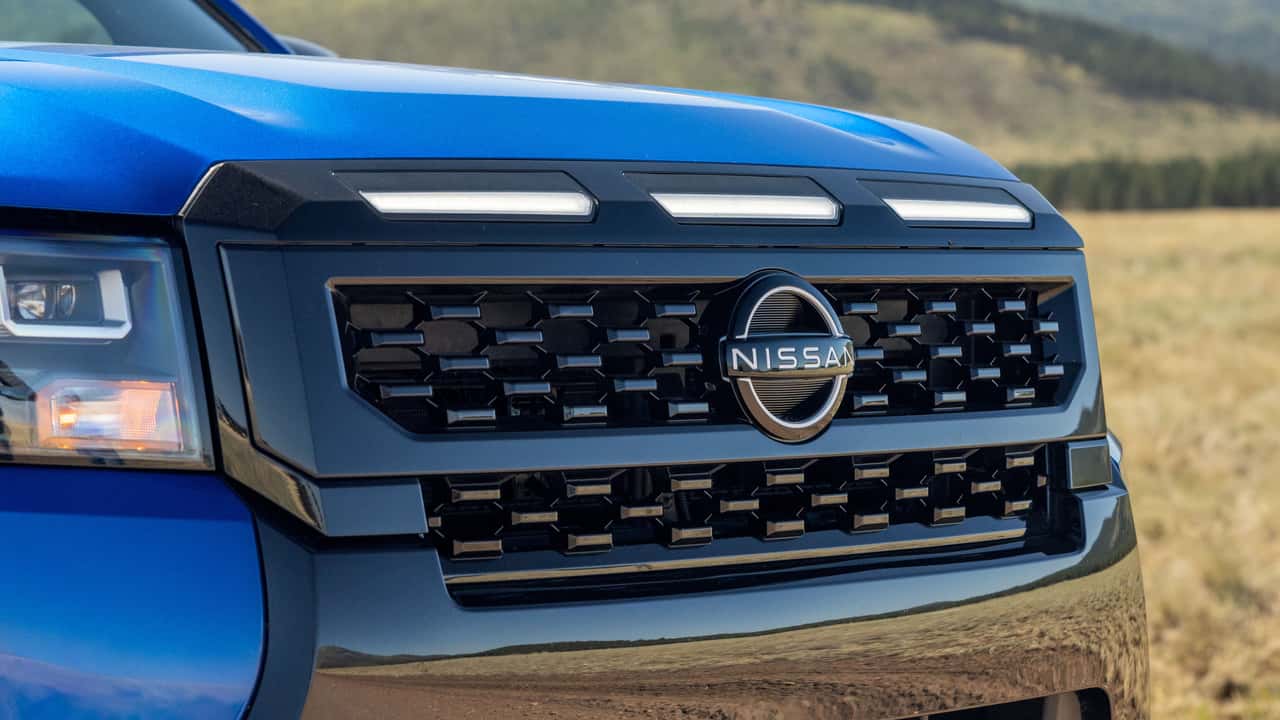
2026 Nissan Frontier
The bottom line for you as a shopper or small-fleet buyer is that Nissan’s American push is already shaping dealer lots and sticker prices. If you are cross-shopping a Rogue, Pathfinder or Frontier against rivals, you are really testing whether Nissan’s US-built, tariff-buffered strategy delivers the value and availability the global numbers alone might not suggest. And if the company gets close to its internal goal of 1 million US sales by 2027, rivals will have to respond.
Motor1's Take: Nissan’s US pivot buys the company breathing room—building mainstream trucks and crossovers domestically buffers pricing and dealer inventory against trade shocks, but it also concentrates risk if American demand cools or rivals press harder with cheaper electric vehicles and hybrids, so the real test will be how quickly Nissan folds profitable electrified models into this truck-heavy, US-built lineup.
RECOMMENDED FOR YOU
JLR's New North American CEO Has A Lot Of Work To Do
Audi Isn't Done With Swoopy SUVs: New Q8 On The Way
BMW To Slash 8,000 Jobs, Mostly German Office Roles
Man Goes To Firestone. Then He Catches The Worker In A Lie: ‘Why Are You Even Looking Under My Hood?’
Jeep And Ram Have New Bosses
Woman Goes To Toyota Dealership For Routine Service. 2 Hours Later It Cancels Her Lifetime Warranty
Volkswagen Group Internal Memo Reportedly Calls For Doubling Layoffs