Man Trades In Ford Explorer. Then The Dealership Pulls The Carfax: ‘How Isn’t This A Crime?’
'BE CAREFUL GUYS!'
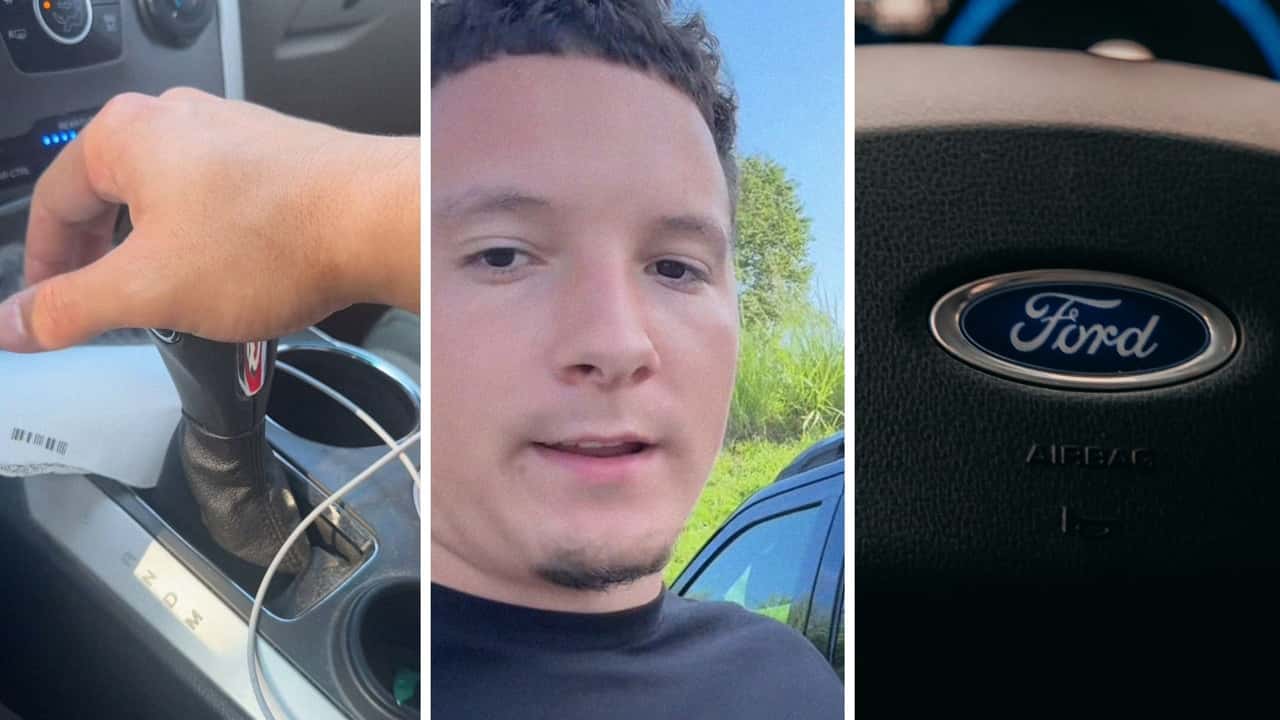

When looking at a used car, there are a lot of things that a prospective buyer needs to look at to ensure they’re not about to be ripped off.
Some aspects of a car are obvious at first glance. For example, one can pretty easily tell if there’s visible damage to a vehicle just by walking around it, and a brief drive with the car may activate several warning lights indicating status issues.
However, other problems with a vehicle can be hard to detect until one looks at its history. While many of the issues revealed through this exploration are small, sometimes a problem emerges while looking at the history that will make you want to end the sale altogether.
What’s Wrong With This 2013 Ford Explorer XLT?
In a video with over 13,000 views, TikTok user Codie Bell (@5starmotorco) demonstrates how he appraises trade-ins. To do this, he walks around a 2013 Ford Explorer XLT and discusses its issues.
“First thing we look at is body damage. So, you can't really tell here, but this whole passenger side has been painted,” he starts.
He then looks at the tires, several of which have significant wear. After that, he notes the missing Ford pillar and a little bit of rust on the car before getting behind the driver’s seat.
While in the driver’s seat, things initially seem fine. There’s a check engine light and a tire pressure light, but Bell appears unconcerned about it, going through the transmission to ensure everything works.
Things take a turn, however, when Bell looks at the Carfax. The estimate listed on the Carfax is just $590—and it’s all due to trickery with the mileage.
“In 2022, this car had 211,000 miles,” he starts. He continues reading the Carfax: “254,000 miles, and then sold with 130,000 miles—and there's only one service record for an oil change.”
This means that someone has rolled back the odometer.
Are You Allowed To Roll Back An Odometer?
According to the National Highway Traffic Safety Administration (NHTSA), rolling back an odometer and failing to disclose it is called odometer fraud.
Per the NHTSA, federal law requires the seller to provide a written mileage disclosure on the title to the purchaser when vehicle ownership is transferred. If the mileage on the odometer does not reflect the accurate mileage, a statement to that effect must be provided to the buyer.
To be clear, there are genuine reasons why an odometer may not reflect a car’s actual mileage. For example, one user on Reddit claimed that they swapped out the gauge cluster on their car, which caused the odometer to list inaccurate mileage.
However, if this is not disclosed, it could constitute odometer fraud. People convicted of odometer fraud can face civil penalties, additional fines of up to $250,000, and up to three years in prison.
How Can You Detect Odometer Fraud?
The easiest way to check whether odometer fraud has occurred is by looking at the car’s service record, such as the vehicle’s Carfax. As shown in Bell’s video, a service record will generally log the number of miles on the odometer at the time of service. If there is a discrepancy between multiple visits, this will likely be noted on the service record.
Apart from that, the best way to detect odometer rollback is to use your eyes or hire a mechanic. Either you or a mechanic can look at the wear on the car’s parts and compare that with the alleged mileage, then determine whether something is amiss.
It’s best practice to do this before you purchase a car. By doing this, you can get out of the deal before buying a car that likely has many more undisclosed issues.
Motor1 reached out to Bell via Instagram and Facebook direct messages. We will update this story if he responds.
RECOMMENDED FOR YOU

Ford's 57th Recall Of The Year Hits 288,000 Explorers Over Loose Roof Rails
Why Modern Cars Are So Expensive to Repair
Ford Recalls Another 777,000 Trucks And SUVs
A Genesis Pickup Truck Could Be Back On The Table Thanks To Hyundai
I Drove Ford's 300-HP Maverick. It Feels Like A Hot Hatch
Woman Buys Chevrolet. Then She Tries To Use The Warranty—And Runs Into Biggest Misconception There Is: ‘It’s Bumper To Bumper?'
Ford Recalls 566,000 Broncos For Engine Compartment Fires