Stress test: So the electric car is really safe
TUV Sud evaluates high-voltage components under extreme conditions: how the tests are carried out.
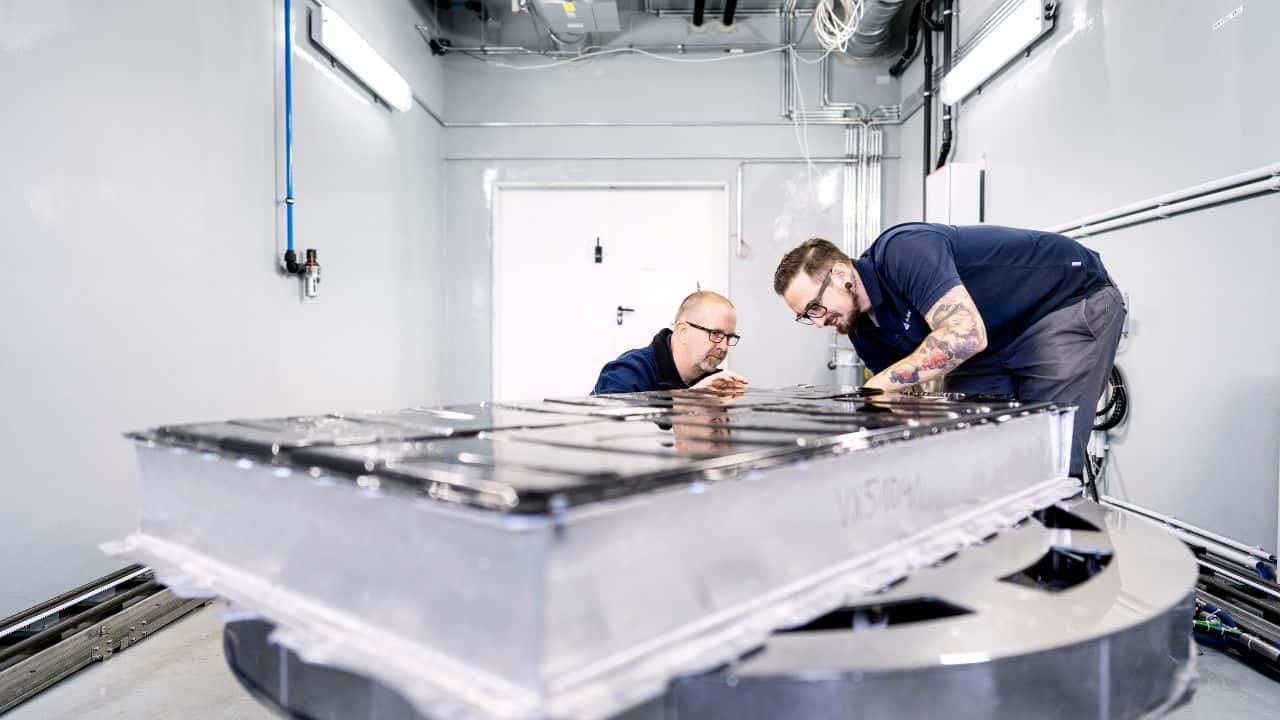

TUV Sud, a branch of the German certification and inspection body of the same name, has set up a series of tests to validate high-voltage battery components.
To make it easy, in the laboratory located in Volpiano (on the outskirts of Turin), TUV Sud takes batteries, motors, inverters, and everything else that operates at high voltage in a zero-emission car and subjects it to all kinds of stress to assess its safety and performance.
Multiple tests are carried out and allow the conformity of high-voltage components to the standards set by European regulations and beyond to be assessed. Let's take a closer look at what these tests are all about.
Cold, vibration, humidity: everything under control
First, the stress test cycle developed by TUV Sud takes place under simulated environmental conditions. That is, it is carried out by reproducing in the laboratory the most demanding conditions of use that these high-voltage components can encounter once placed in a vehicle.
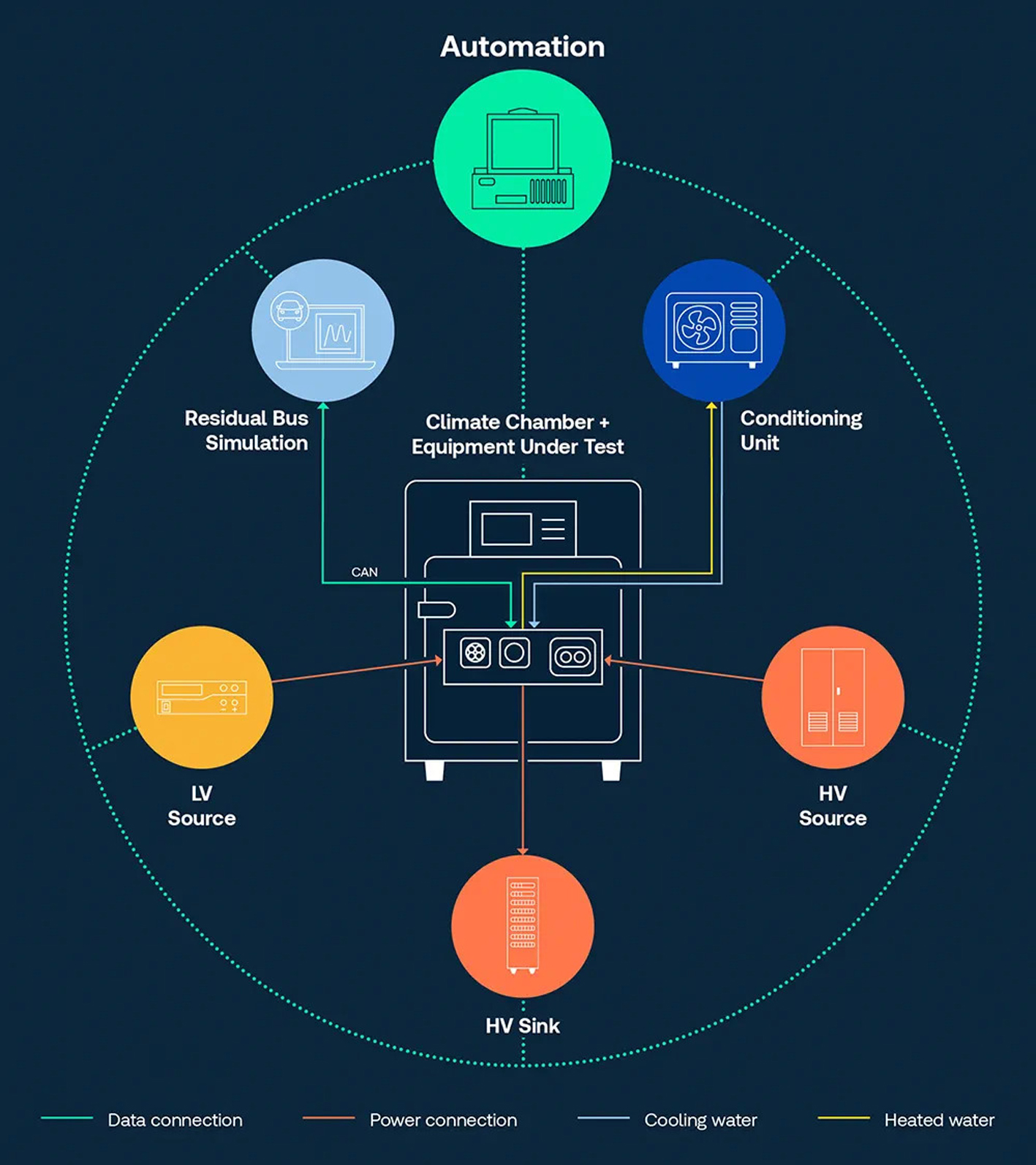
In particular, TUV Sud (which has long worked on electric cars) checks whether malfunctions occur when dealing with particularly cold temperatures, whether vibrations can cause structural failures, and whether the components are waterproof and dustproof.
All TUV Sud tests
- Temperature testing involves exposing HV components to extreme high and low temperatures and rapid temperature changes to ensure they function perfectly in a wide range of climatic conditions.
- Humidity and water tightness testing: testing of components' resistance to moisture and water of all kinds.
- Vibration and shock test: simulation of vibrations and shocks that can occur during driving on rough roads or off-road terrain.
- IP degree of protection test: verification of the protection of HV components against the ingress of water and dust.
- Salt spray test: This test verifies the resistance of components to corrosion, particularly in the case of vehicles used in high-humidity or coastal regions.
- Electrical tests: ensure the safe and reliable operation of high-voltage components in electric vehicles. These tests include insulation resistance measurements, discharge voltage tests, and thermal stress tests.
- EMC testing ensures that electric vehicle components do not emit electromagnetic interference and are resistant to external electromagnetic influences. This includes emission, immunity, and dielectric strength tests.
More about electric cars:
RECOMMENDED FOR YOU

Cadillac CT5’s Shocking IIHS Failure: Driver’s Head Hit Sill
Man Fuels Up At BP. Then He Catches Them Overcharging For Gas: ‘How Did 15 Gallons Get Charged?’
Owners Paid Millions To Live In Aston Martin's Miami Tower. Now They Claim It's Cracking
She's Sick Of Her GMC Yukon. So She Lets The Bank Repo It: 'Hope I Don't Regret This'
Watch A Honda Prelude Tackle The Infamous Moose Test
What Is The Most Reliable Car Brand? Here's What The Data Says
Volkswagen Recalls 57,000 Atlas SUVs After Backup Camera Fails