Tariffs on Chinese electric cars - the latest developments
EU goes ahead, German houses rebel and prices do not increase (for now)
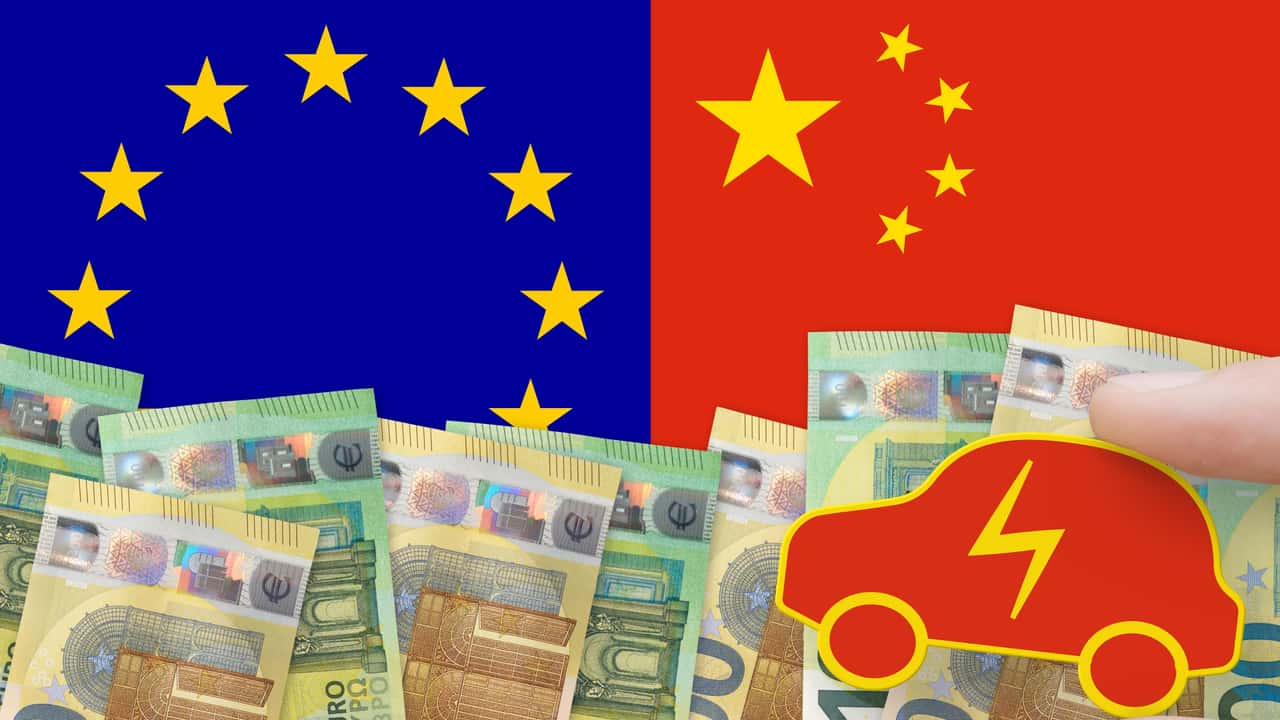

On Friday 4 October, Europe voted for tariffs on Chinese electric cars: ten member states were in favour of the tariff increase, while Germany and four others voted against and 12 countries abstained. Now, by the end of the month, the final decision will be up to the European Commission.
The most worried are the German car manufacturers. Volkswagen, BMW and Mercedes-Benz make about a third of their sales in China and fear retaliation. Meanwhile, some Chinese manufacturers reassure that EU duties on Chinese electric vehicles will not lead to price increases, for now.
The position of the European Commission
European Commission President Ursula von der Leyen defended the proposed duties, saying that the electric vehicle sector holds enormous potential for Europe's future competitiveness and green industrial leadership.
"EU car manufacturers and related sectors are already investing and innovating to fully develop this potential," von der Leyen said. Wherever we find evidence that their efforts are being hampered by market distortions and unfair competition, we will act decisively.
Germans' concerns
Potential retaliatory tariffs by China on German cars could affect Volkswagen vehicles manufactured in China as well as German exports of Audi, Porsche or Lamborghini. Oliver Blume, CEO of the Volkswagen Group, made this clear, calling on the EU to consider matching its high tariffs on Chinese-manufactured electric vehicles with investments made in Europe.
BMW CEO Oliver Zipse emphasised the urgency of 'a quick agreement between the European Commission and China to prevent a trade conflict from which nobody benefits'. Of the same opinion was Mercedes-Benz, which, in addition to an agreement, demanded a postponement of the implementation of the measures.
Reactions from Chinese companies
Chinese companies with a large presence in Europe criticised the vote. Zhejiang Geely Holding, whose subsidiaries also include Volvo, Poletar, Lynk & CO, Zeekr and Lotus, and holds a 50 per cent stake in smart, judged the decision to be 'unconstructive'. The duties, according to the Chinese company, could 'potentially hinder EU-China economic and trade relations, ultimately harming European companies and consumer interests'.
MG Motor France, the national subsidiary of the SAIC-owned MG brand, said the vote would 'slow down' the transition to electric vehicles in France, which voted in favour of the tariffs.
Stellantis, which is closely linked to Leapmotor, said it supported free and fair competition.
ACEA, which represents carmakers in Europe, said it 'took note' of the vote and recognised 'the ongoing parallel efforts by Brussels and Beijing to negotiate a possible alternative to countervailing duties'.
Prices are not going up, for now
MG Motor, owned by SAIC, said that the new tariffs will not affect the prices of its electric vehicles in France and Italy this year (vehicles that will be subject to a new 35.3 per cent duty, on top of the current EU tariff of 10 per cent).
Chinese giant BYD is also expected to keep its prices in Italy unchanged until the end of the year, then by 2025 we will see.
Meanwhile, the Seat division of the Volkswagen group, which imports the Cupra Tavascan into Europe from China, described the duties as 'punitive' and reiterated that the future of the Tavascan is 'at risk'. "The company will do everything possible to prevent these additional duties from affecting the price of the Tavascan," Seat wrote in a note.
And Cupra is certainly not alone. The other models imported from China are the Tesla Model 3, BMW iX3, electric Minis, Dacia Spring and Volvo EX30, along with all Polestar and smart models.
China's impact on Europe:
RECOMMENDED FOR YOU

BMW Will Flood The Market With New Cars Through 2027
Volkswagen Recalls 57K Atlas SUVs After Backup Camera Fails
The Audi Q9 Starts Life In Europe With A Diesel, But More Engines Are Coming
Tata Tops Tesla: Indian EVs Are the World’s Most Efficient
Trump Boasts Auto Comeback. Michigan Data Says He's Wrong
Ferrari Is Sold Out Through 2027
Here's How The Volkswagen Group Plans To Simplify Its Parts Bin