Your Car's Engine Sound Might Be Fake. Here’s Why Automakers Pipe It Through The Speakers
That engine roar might be coming from your car's speakers rather than the engine bay. Here's why that happens in some modern cars.
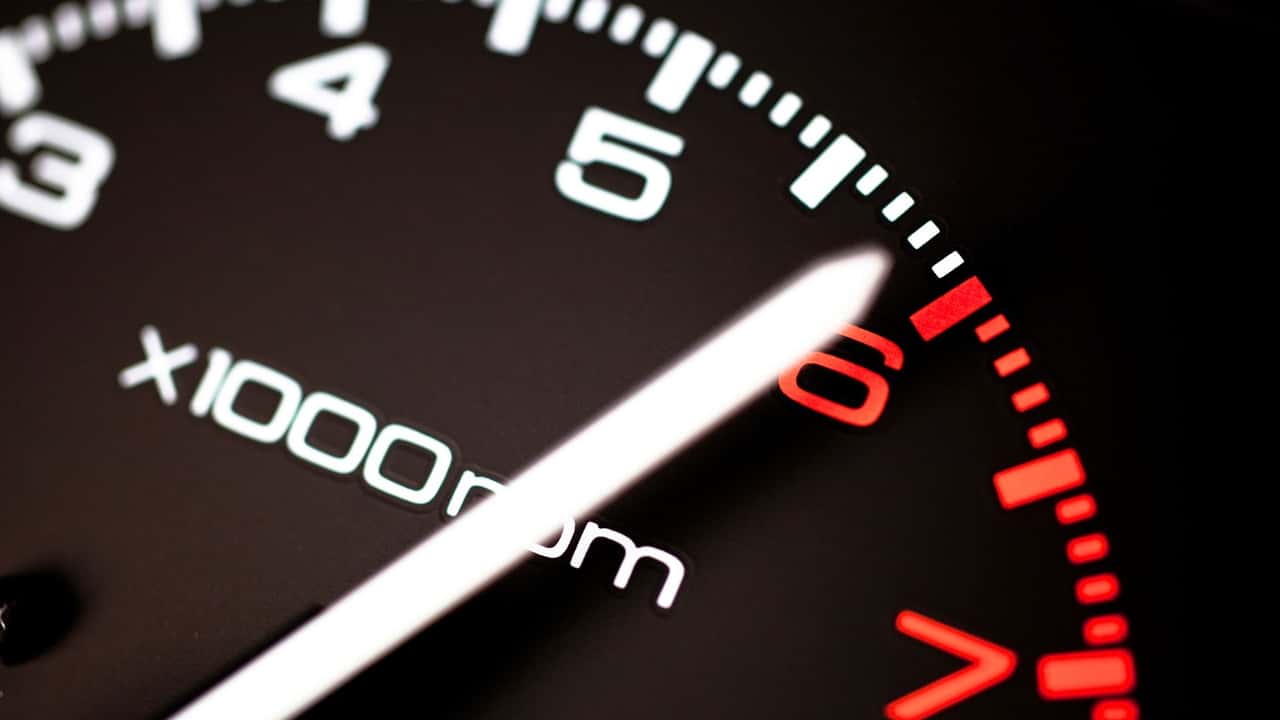

You accelerate in a modern performance car and hear the engine roar through the cabin. It sounds fast. It sounds mechanical. It sounds expensive.
But there may be a problem with that soundtrack: some of it isn't coming from the engine at all.
Modern automakers increasingly use technology to enhance, reproduce, or even completely create engine sounds inside the cabin. But why are automakers faking something that used to happen naturally? There's a good reason.
Motor101
Welcome to Motor101, our series dedicated to answering the internet's biggest automotive questions. From the origins of iconic designs to the engineering breakthroughs that shaped the world's greatest cars, we uncover the stories behind the vehicles you love.
Modern Cars Are Simply Too Quiet
The reasons range from reducing noise to making turbocharged and electrified powertrains feel more exciting. But one of the biggest reasons is that modern vehicles have become remarkably refined.
Better insulation, improved exhaust systems, turbocharging and stricter noise regulations have made it harder for drivers to hear the engine. Electric vehicles take that even further because their motors produce far less traditional engine noise. That's great for comfort, but it can create a problem for performance cars.
A driver expects a sports car to sound like a sports car. If the cabin is nearly silent, the experience can feel disconnected from the performance happening underneath.
Automakers can use artificial sound to fill that gap, giving drivers some of the auditory feedback they've traditionally associated with acceleration and performance.
Where Does The Fake Engine Sound Come From?
There isn't just one way to create an artificial engine soundtrack.
Some manufacturers pipe real engine or exhaust sounds into the cabin through the vehicle's audio system. Others use dedicated speakers or sound generators to produce a synthesized soundtrack.
Some systems can also alter the sound depending on engine speed, throttle position, drive mode and other inputs. That means the sound you hear can be carefully synchronized with what the car is doing.
In some vehicles, the effect is subtle enough that you might never realize it's being enhanced. In others, the artificial soundtrack is much more obvious.
Why Automakers Use Fake Engine Sounds
The obvious answer is emotion. Engine sound has always been an important part of the performance-car experience. The noise of an engine revving can make acceleration feel faster and more dramatic, even if the car's actual performance hasn't changed.
Artificial sound can also compensate for quieter powertrains. A small turbocharged engine may produce impressive power without delivering the dramatic soundtrack associated with a larger naturally aspirated engine. An electric performance car faces an even bigger challenge because there is no traditional combustion soundtrack to amplify.
Manufacturers can essentially create the character they want the vehicle to have. A car might sound restrained in Comfort mode and dramatically louder in Sport mode, even though the mechanical engine itself hasn't changed.
But whether drivers actually like that approach is debatable. Some enthusiasts appreciate the added drama, while others consider it misleading. For traditional performance-car fans, there's something special about hearing an engine and exhaust system produce a sound naturally.
Knowing that the soundtrack is coming through speakers can make the experience feel less authentic. As cars become quieter and more electrified, that debate is likely to become even louder—even if the cars themselves don’t.
Is The Sound Completely Fake?
Not always. This is where things get more complicated. Some systems enhance sounds that already exist rather than inventing them from scratch. Microphones can capture real engine or exhaust noise, which is then modified and played back through the cabin. Other systems use recordings of an actual engine.
Some performance cars even use physical components—such as valves in the exhaust system—to change the vehicle's real exterior sound. So "fake engine sound" can mean several different things. It may be:
- Real: Produced naturally by the engine and exhaust.
- Enhanced: Real mechanical sound amplified or modified for the cabin.
- Synthesized: An electronically generated soundtrack designed to mimic engine noise.
- Recorded: A sampled engine sound played through speakers.
The line between authentic and artificial can therefore be surprisingly blurry.
What About Electric Cars?
EVs have made artificial sound even more interesting. Without pistons, combustion and an exhaust system, an electric vehicle doesn't naturally produce the noises people associate with acceleration. That gives automakers a blank canvas.
Some manufacturers create futuristic sounds that emphasize the electric motor's rising pitch. Others deliberately imitate traditional engine sounds to make the car feel more familiar.
There's also a practical reason for external sound. Electric vehicles are extremely quiet at low speeds, so many markets require them to produce a minimum level of audible warning noise for pedestrians. In other words, some artificial vehicle sounds aren't about entertainment at all. They're about safety.

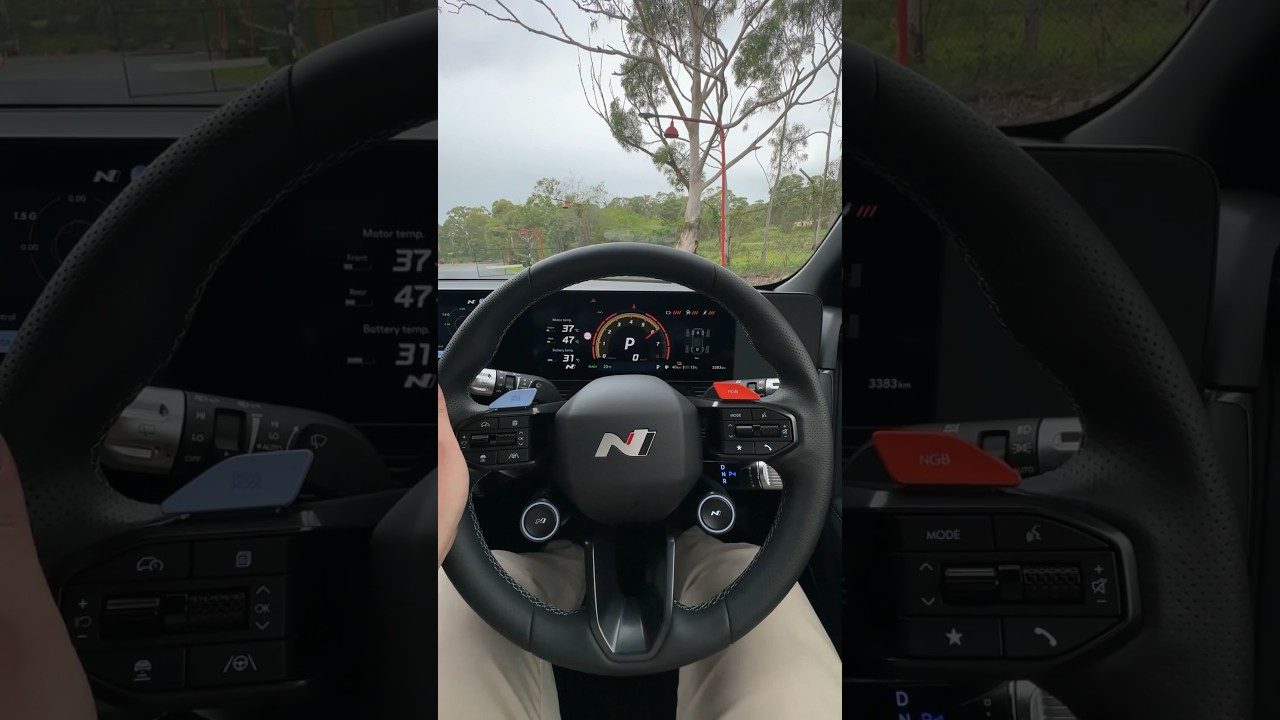
Fans Can't Agree On Fake Engine Sounds
Reddit discussions show that drivers have very different opinions about artificial engine noise. In a recent r/AcuraIntegra discussion, owners debated the augmented engine sound in the Integra. Some disliked the synthesized noise and preferred the car's natural sounds, while others said they eventually stopped noticing it or actually enjoyed it.
The debate gets even stronger with EVs, as an r/CarTalkUK thread shows. Discussions about artificial EV sounds have produced arguments over whether manufacturers should simply let EVs remain quiet or create sounds inspired by historic performance engines to make electric cars more interesting.
There's also a practical side to the debate. In an r/GR86 discussion, owners talked about disabling artificial engine noise, with some saying they preferred the car without the added soundtrack. One user noted that the audio system sounds much clearer and less muffled after unplugging the fake engine noise.
The Reddit takeaway is pretty clear: drivers don't necessarily object to the technology itself—they object to artificial sound that feels unconvincing or unnecessary. For some, it's a useful way to add character to a quiet car. For others, nothing beats hearing the actual engine and exhaust.
When The Sound Is Not What It Seems
Fake engine sounds exist because modern cars have changed. They're quieter, more insulated and increasingly powered by turbocharged or electric drivetrains that don't always produce the sounds drivers expect.
For automakers, artificial sound is a way to restore emotion, communicate performance and give a vehicle its own character.
The technology can enhance real mechanical sounds, reproduce recordings or create an entirely synthetic soundtrack. In EVs, it can even serve a safety purpose outside the cabin. Whether that's clever engineering or automotive theater depends on who you ask.
But next time your new car suddenly sounds much louder when you switch into Sport mode, remember: the engine itself hasn't become louder all of a sudden. Some clever trickery involving the speakers is also taking place.
More From Motor101
RECOMMENDED FOR YOU

Tire Pressure Matters
Man Spots Mobil Gas At $3.81. Then He Realizes It’s An All-Too-Common Trick You’re Failing For: 'False'
How Long Do Brake Pads Last?
The Toyota GR GT Will Be Hard To Get In America. And That's Exactly The Point (Update)
You're Probably Not Using All Of Your Car's Key Fob Features
McLaren's Manual Supercar Won't Define What Comes Next: 'It Is Not A Preview Of The Future'
Turbocharged Vs Supercharged: What's The Difference?