Why Do Cars Keep Getting Heavier?
Cars are safer, quicker, roomier, and more comfortable than ever. Unfortunately, all of that stuff adds serious weight.
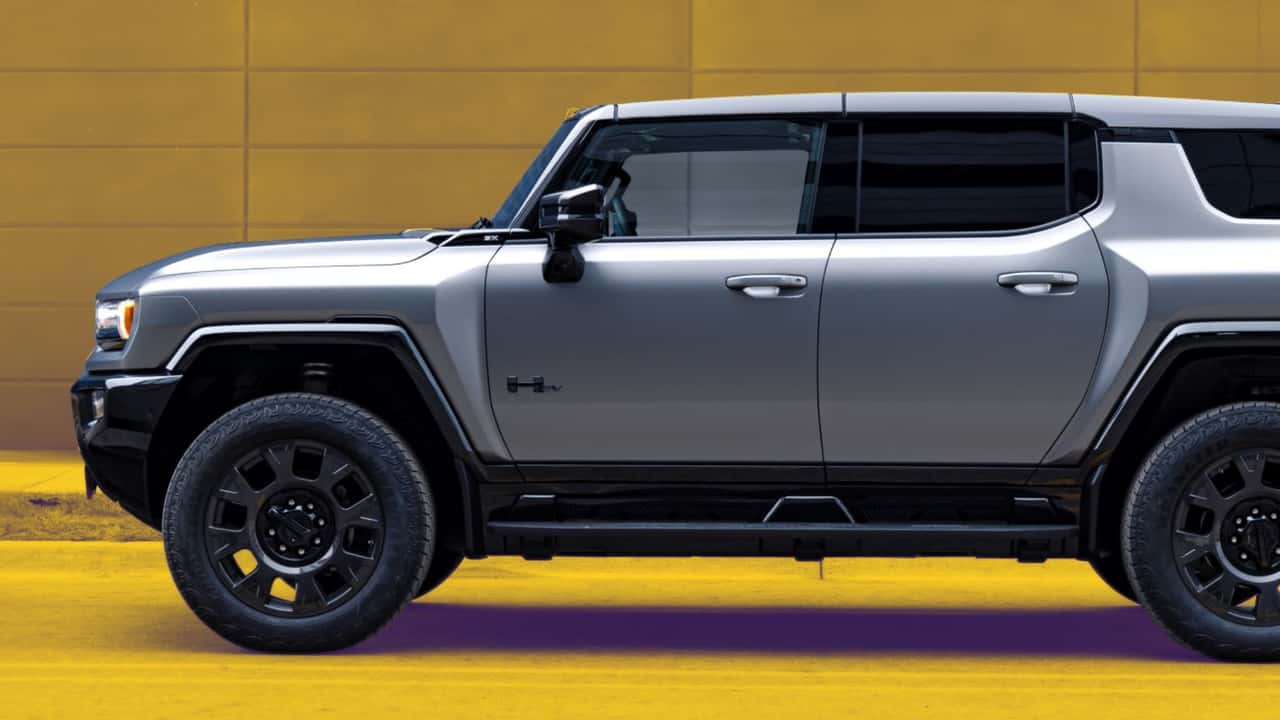

Modern cars have a weight problem. Even vehicles we still call "compact" have gotten longer, wider, and heavier with each passing generation. Full-size trucks can weigh three tons before anyone climbs aboard, while some electric SUVs push the needle on the scale even further.
But cars didn’t suddenly become heavy because of one new regulation, one enormous touchscreen, or one giant battery. They gained weight the same way most of us do: A little bit at a time.
Every new generation adds more space, more power, more technology, and more protection. Eventually, all of those things pack on serious pounds.
motor101
Welcome to Motor101, our series dedicated to answering the internet's biggest automotive questions. From the origins of iconic designs to the engineering breakthroughs that shaped the world's greatest cars, we uncover the stories behind the vehicles you love.
Cars Are Simply Bigger
The most obvious explanation is also the most important: Modern cars take up more space.
Buyers want generous back seats, larger cargo areas, easier entry, and a taller seating position. Automakers responded by building more crossovers and SUVs while gradually stretching vehicles that were already on the market.
According to the EPA, vehicles classified as trucks accounted for 66 percent of new US vehicle production in the 2024 model year. Truck-based SUVs alone represented half of all new vehicles produced. The EPA also says the average vehicle footprint (the area enclosed by its four tires) has generally increased since the agency began tracking it in 2008.
A larger body requires more metal, glass, insulation, wiring, and interior trim. It also needs stronger suspension components, bigger brakes, and often larger wheels and tires. Add enough size, and practically every component connected to the vehicle must grow with it.
Safety Has A Weight
Modern cars are considerably better at protecting their occupants than vehicles from several decades ago. That protection requires substantial engineering.
Today’s vehicles use reinforced passenger compartments, carefully designed crumple zones, side-impact structures, multiple airbags, stronger roof pillars, and seatbelt pretensioners. Cameras, radar sensors, and computers support features such as automatic emergency braking, blind-spot monitoring, and lane-keeping assistance, which are major components of these modern safety systems.
Not every safety feature is especially heavy on its own. But the structural reinforcements, wiring, modules, sensors, and mounting hardware collectively add weight.
Larger vehicles can offer better protection than very small ones, but additional size eventually reaches a point of diminishing returns. A 2025 Insurance Institute for Highway Safety study found that the safety benefit largely leveled off once a vehicle exceeded the fleet’s roughly 4,000-pound average. Beyond that point, extra weight did little for the heavier vehicle’s occupants while increasing the danger to people in other cars.
We Expect More From Even Cheap Cars
Consider what buyers now expect from an ordinary commuter car.
Automatic climate control, heated seats, power-adjustable seats, panoramic roofs, premium audio systems, large touchscreens, wireless chargers, sound insulation, powered liftgates, and multiple electric motors are no longer limited to luxury vehicles.
Each item might add only a few pounds. But installing dozens of them creates what engineers sometimes call a weight spiral.
A heavier vehicle needs larger brakes. Larger brakes require larger wheels. Larger wheels and tires add unsprung weight, which may require stronger suspension components. The additional mass then demands more engine power or a larger battery to deliver acceptable performance.
Before long, adding a few convenience features has contributed to hundreds of pounds of secondary changes.


EV Batteries Add Hundreds Of Pounds
Electric cars are not solely responsible for the industry’s weight gain, but battery packs certainly don’t help.
A gasoline vehicle carries an engine, transmission, fuel tank, and exhaust system. An EV replaces those components with motors, power electronics, and a battery containing enough energy to travel hundreds of miles.
That battery can weigh well over 1,000 pounds in a large electric truck or SUV.
The EPA says battery-electric vehicles are generally heavier than comparable combustion-powered models. Plug-in hybrids face an additional challenge because they carry both systems: an internal-combustion engine and a battery pack.
More Power Requires More Hardware
Modern cars are also dramatically more powerful.
A family crossover can now produce the sort of horsepower once reserved for sports cars. Electric motors make even relatively affordable EVs shockingly quick.
That performance requires hardware capable of managing it. Manufacturers install stronger transmissions, driveshafts, axles, differentials, cooling systems, tires, and brakes. The vehicle then needs additional structural rigidity to handle those forces without rattling, flexing, or wearing out prematurely.
Power is easy to advertise. Lightness is expensive to engineer.
Lightweight Materials Aren’t Cheap
Automakers could theoretically solve some of this by using more aluminum, magnesium, carbon fiber, and composite materials. The problem is cost.
The US Department of Energy says replacing traditional steel and cast-iron components with lighter materials can dramatically reduce the weight of a vehicle’s body and chassis. A 10-percent weight reduction could improve fuel economy by roughly 6 to 8 percent.
But advanced materials can be more expensive to manufacture, join, repair, and recycle. Carbon fiber makes sense on a supercar costing six figures. It is harder to justify on a mainstream crossover competing on price.
Manufacturers therefore use lighter materials selectively, often just to offset the equipment added elsewhere. Engineers might save 40 pounds with an aluminum hood, only to give it back with a panoramic roof, larger wheels, and another electric seat motor.
Drivers Have Been Asking About This For Years
Enthusiasts have debated the issue for more than a decade. In a lengthy r/cars discussion about why modern vehicles are so much heavier, commenters pointed to the same interconnected causes: growing dimensions, increased crash protection, additional comfort equipment, stronger drivetrains, and the high price of lightweight materials.
One added feature rarely creates a massive change. The trouble comes when manufacturers add everything simultaneously.
Will Cars Ever Become Lighter Again?
Yes... but not right away.
Advanced high-strength steel, improved aluminum manufacturing, structural battery packs, and more energy-dense battery cells could eliminate meaningful weight. Smaller yet more efficient batteries could also make EVs considerably lighter, but that technology is still improving.
But consumer expectations remain the biggest obstacle.
Drivers want spacious cabins, quiet rides, impressive acceleration, long electric ranges, huge screens, and top safety ratings. Automakers can deliver all of those things.
They just can’t deliver them weightlessly.
More Motor 101
RECOMMENDED FOR YOU

What Happened To Hood Ornaments?
Man Has To Work A 12-Hour Shift On A 101-Degree Day. Before He Clocks In, He Puts Raw Cookies On A Baking Sheet In His Car
Why Don't Some Cars Have Rear Wipers?
Seven Dream Ferraris Are Headed To Auction, From the 288 GTO To The Luce
What Do I Do If My Key Fob Battery Dies?
Lucid Delays Its Tesla Model Y Rival To Avoid 'Mistakes Of The Past'
Why EVs Don't Have Traditional Grilles