What Happened To Hood Ornaments?
They once crowned everything from Cadillacs to Jaguars. Then safety rules, thieves, and changing design nearly wiped them out.
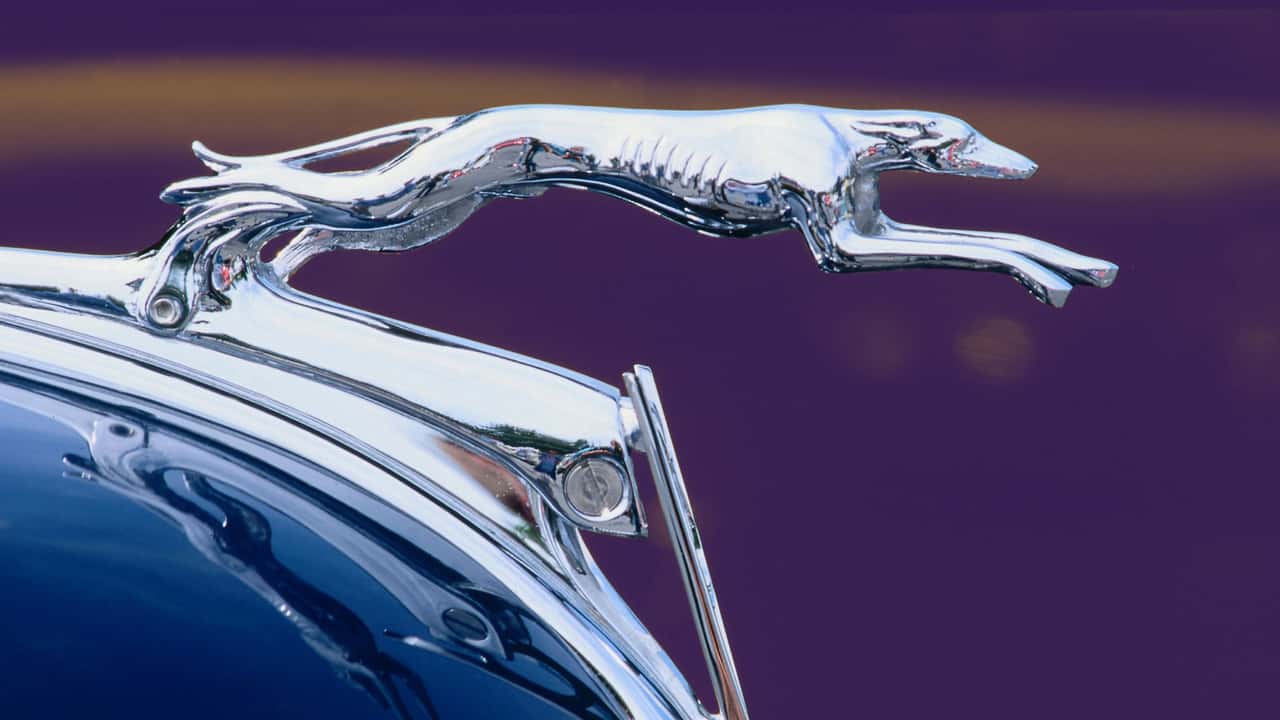

Modern car designs will do almost anything to get your attention—massive grilles, full-width light bars, illuminated badges, and headlights that perform a choreographed dance when you unlock the doors.
But one of the most distinctive pieces of automotive design has almost completely disappeared: the hood ornament.
Cadillac had its Flying Goddess. Jaguar had the Leaper. Mercedes-Benz adopted its unmistakable three-pointed star, and Rolls-Royce still has the Spirit of Ecstasy. For decades, these small chrome sculptures gave cars personality. Then they practically vanished.
There wasn’t one single reason. Hood ornaments slowly disappeared as cars became safer, sleeker, cheaper to build, and less welcoming to pointy pieces of metal.
the breakdown
Welcome to Motor101, our series dedicated to answering the internet's biggest automotive questions. From the origins of iconic designs to the engineering breakthroughs that shaped the world's greatest cars, we uncover the stories behind the vehicles you love.
Hood Ornaments Originally Had a Purpose
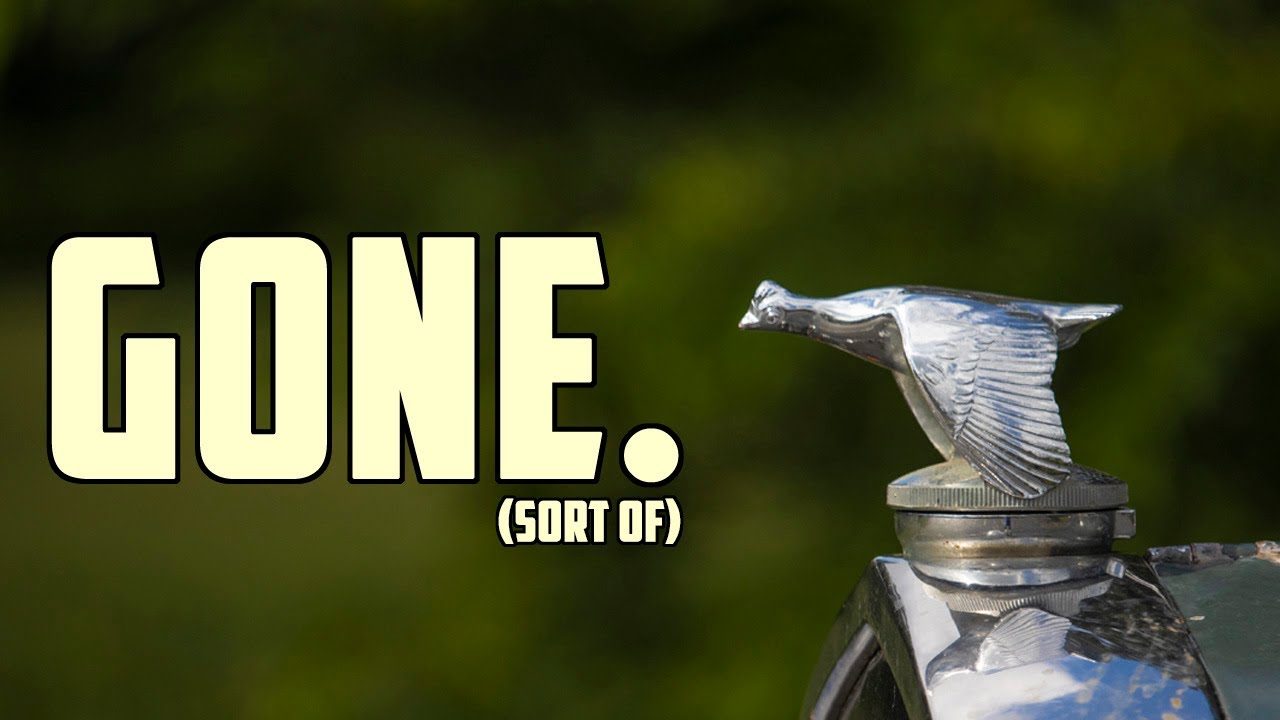
Some of the earliest hood ornaments weren’t purely decorative. Early cars often had exposed radiator caps positioned directly in front of the driver. Accessories like the Boyce MotoMeter placed a temperature gauge on top of that cap, allowing drivers to monitor the cooling system and spot an overheating engine.
The Henry Ford museum describes these radiator-mounted devices as gauges that measured coolant-vapor temperature and warned drivers when the engine was getting too hot.
Manufacturers and aftermarket companies soon began dressing up those functional radiator caps with wings, animals, gods, and other elaborate shapes.
Once dashboard temperature gauges became common and radiator caps moved beneath the hood, the practical function disappeared. The decoration remained.
They Became a Car’s Signature
During the 1920s and 1930s, hood ornaments became miniature sculptures.
Packard offered the Goddess of Speed. Cadillac had several versions of its Flying Goddess. Lincoln used a greyhound. Buick experimented with airplanes and gunsight-inspired designs.
Rolls-Royce introduced the Spirit of Ecstasy in 1911 after owners began fitting their cars with custom mascots. The company commissioned sculptor Charles Sykes to create an official emblem, and the ornament has represented Rolls-Royce ever since.
A recognizable mascot could identify a car before the rest of it came into view. It also communicated something about the owner. A leaping animal suggested speed. A winged figure implied elegance. A large chrome star announced that you had bought a Mercedes-Benz.
But the same three-dimensional shape that made a hood ornament distinctive eventually became a problem.
Safety Rules Made Fixed Ornaments Difficult
A rigid metal sculpture mounted at the leading edge of a car creates an obvious risk during a collision with a pedestrian.
Exterior-projection regulations didn’t simply ban hood ornaments, but they required protruding ornaments to retract, detach, or bend when force was applied. That meant manufacturers could no longer bolt a solid piece of chrome to the hood and call it finished.
Spring-loaded designs helped. Retractable designs worked even better. But both added cost and complexity to something that was ultimately decorative.
Most manufacturers chose the easier solution: Replace the standing ornament with a flat badge.
Thieves Loved Them, Too
Hood ornaments were also easy targets. Mercedes-Benz stars became especially popular with thieves during the 1980s and 1990s. Some owners began using removable ornaments that could be taken inside when the car was parked. Contemporary reports described Mercedes hood-ornament theft as a widespread problem.
A flat badge could still be damaged or stolen, but it didn’t provide the same convenient handhold.
Removing the ornament also saved automakers from warranty claims, replacement costs, and complaints from owners who returned to find an empty hole in the hood.
Car Design Moved On
The shape of the automobile changed as well.
Older cars had upright radiator shells, long hoods, and clearly defined front ends. A chrome mascot looked natural sitting at the top of the grille.
Modern cars have lower noses and smoother bodywork designed to direct air over, through, and around the vehicle. A traditional ornament can look out of place on a steeply raked, aerodynamically optimized hood.
Automakers also found new ways to make their cars recognizable. BMW enlarged its kidney grilles. Audi adopted the single-frame grille. Lexus created the spindle grille. Nearly every company now uses distinctive daytime running lights and elaborate LED signatures.
The hood ornament’s branding job didn’t disappear. It was handed to grilles, lighting, and oversized badges.
Some Drivers Want Them Back
Hood ornaments still have plenty of fans.
A discussion on Reddit’s r/cars community argued that it was time for them to return. Commenters pointed to the few remaining examples from Rolls-Royce and Mercedes-Benz, while also noting that modern ornaments generally need to fold, bend, or retract for safety.
The thread highlights the challenge automakers face. People enjoy the nostalgia and personality of a proper hood ornament, but recreating one today requires more engineering than simply attaching a metal sculpture to the front of a car.
The Hood Ornament Isn’t Completely Dead
Rolls-Royce continues to use the Spirit of Ecstasy, and the company has repeatedly updated its shape to suit modern vehicles. The version created for the electric Spectre is shorter and more aerodynamic than the previous design.
A few Mercedes-Benz and Bentley models have also preserved the tradition. But hood ornaments now appear mostly on expensive luxury cars, where an elaborate badge can be treated as part of the theater.
For mainstream manufacturers, illuminated logos and animated lighting are cheaper, safer, and easier to incorporate into modern bodywork.

Hood Ornaments Were Replaced, Not Forgotten
Hood ornaments didn’t disappear because drivers suddenly stopped liking them.
They disappeared because automotive design changed around them. Safety requirements made fixed ornaments more complicated. Thieves made them frustrating to own. Aerodynamics favored smoother surfaces, while automakers discovered other ways to make their cars instantly recognizable.
The sculpture is mostly gone, but its purpose remains.
Today’s giant grilles, glowing badges, and signature light bars are simply the modern hood ornament.
More Motor 101
RECOMMENDED FOR YOU

Why Don't Some Cars Have Rear Wipers?
Volvo's EX50 Will Replace EX40—Bigger And Cheaper
What Do I Do If My Key Fob Battery Dies?
Smart #2 Revealed On City Murals—See It Before Paris
Why EVs Don't Have Traditional Grilles
Woman Tries To Sell Her 2010 Volkswagen Jetta On Facebook Marketplace ‘As A Girl’. It Backfires: ‘If You Let Me Take You Out…’
Is AAA Still Worth It? Why Millions Of Drivers Keep Paying For It