Why Don't Some Cars Have Rear Wipers?
The answer has less to do with cost and more to do with aerodynamics.
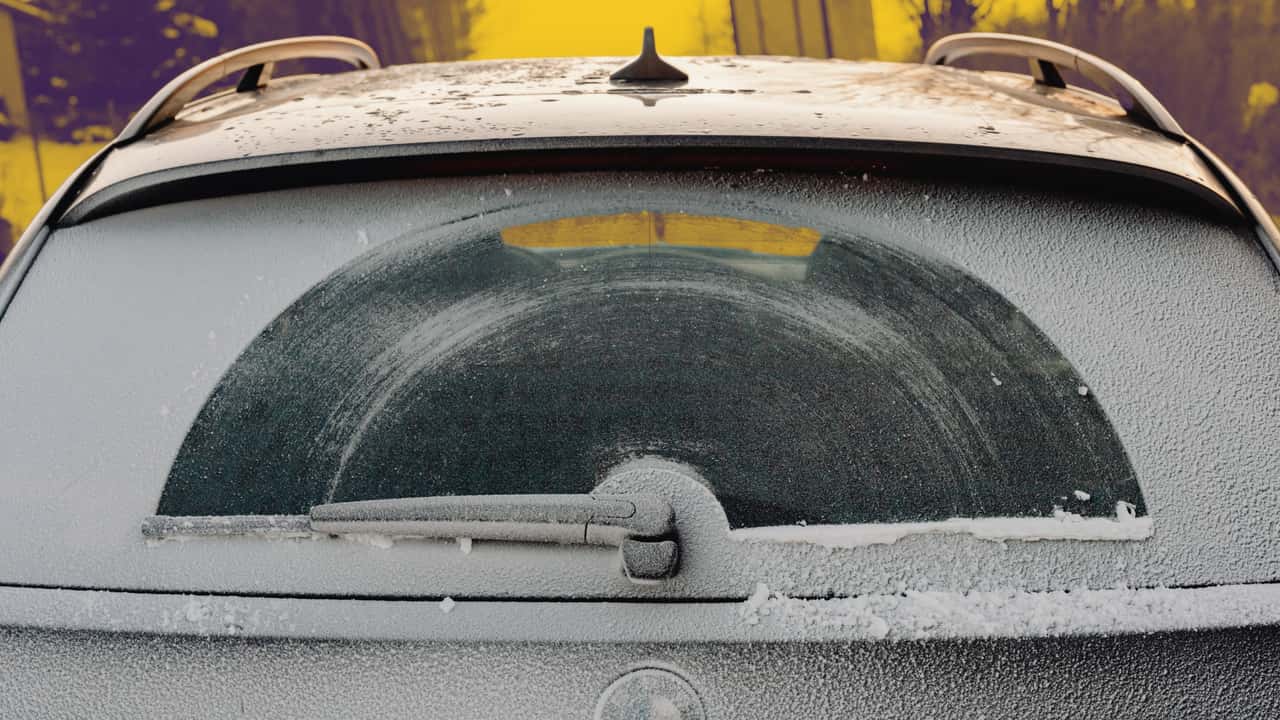

Walk through any parking lot, and you'll notice something odd: most modern SUVs, hatchbacks, and minivans have a rear wiper, while most coupes and sedans don't. It's such a common design choice these days that most drivers never really stop to ask why.
The answer isn't about cost-cutting or styling. It largely comes down to something far more complicated: aerodynamics.
the breakdown
Welcome to Motor101, our series dedicated to answering the internet's biggest automotive questions. From the origins of iconic designs to the engineering breakthroughs that shaped the world's greatest cars, we uncover the stories behind the vehicles you love.
Your Car's Shape Determines Whether It Needs A Rear Wiper
At first glance, it would seem like every car should have a rear wiper. Rain, snow, and road grime don't discriminate between body styles, after all. But the way air flows around different vehicles dramatically changes how dirty the rear window gets.
On sedans, air traveling over the roof continues smoothly down the rear glass and over the trunk. That trunk acts like a natural separator, helping push water and debris away from the back window. As a result, the rear windshield stays relatively clean, even in bad weather.
SUVs, hatchbacks, wagons, and minivans tell a different story. Their nearly vertical rear ends create a low-pressure pocket behind the vehicle. Instead of flowing cleanly away, air swirls around the back of the car, pulling water, dust, and road spray onto the rear glass.
- Sedans usually don't need them: Their trunk helps keep rain and dirt off the rear glass.
- SUVs and hatchbacks get dirty faster: Air swirls behind the vehicle and coats the window in grime.
- Bad weather makes the difference obvious: Snow, salt, and road spray can quickly block visibility.
- It's mostly about aerodynamics: The shape of your car determines whether a rear wiper is necessary.
That's why the rear windows on crossovers can become covered in grime after just a few miles on a rainy day, while the sedan in the next lane remains comparatively clean.
SUVs Create A Vacuum Behind Them
Engineers refer to this phenomenon as wake turbulence. As air separates from the roofline of an SUV or hatchback, it leaves behind an area of disturbed airflow that acts almost like a vacuum.
That turbulent air pulls dirt and moisture upward from the road and deposits it directly onto the rear window. The effect is especially noticeable in winter, when slush and road salt can cover the glass in minutes.
Without a rear wiper, drivers would quickly lose visibility out the back.
It's one of the reasons nearly every crossover, wagon, and minivan sold today comes equipped with one, even on entry-level models.
Drivers Have Been Asking This Question For Years
The question pops up on Reddit surprisingly often. In one thread on r/cars, users debated why hatchbacks and SUVs almost always have rear wipers while sedans usually go without them. One commenter summed up the basic explanation in just four words: "Don't need it Bc of the angle."
But not everyone agreed that sedans are better off without one. Drivers in snowy climates pointed out that visibility can disappear quickly when you're stopped at a traffic light, even with the rear defroster running. One owner noted that rear wipers become especially useful in stop-and-go traffic, where airflow is no longer keeping the rear glass clear.
Another Reddit thread from this year shows that many drivers still don't realize how much vehicle shape affects rear visibility. Owners of hatchbacks and SUVs described how quickly dirt and road spray build up on their rear windows, while sedan owners often don't notice the same problem.


There Are Exceptions To The Rule
Not every car fits neatly into the sedan-versus-SUV divide. Liftbacks like the Kia Stinger and Audi A7 have large rear hatches but no rear wiper, relying instead on careful aerodynamic tuning to keep the glass clear.
Some sports cars and performance hatchbacks, meanwhile, include rear wipers despite their sleek shapes. Hot hatches such as the Volkswagen Golf GTI need them because of their upright rear ends, while certain high-performance wagons prioritize all-weather practicality over aesthetics.
Automakers also use roof spoilers and subtle aerodynamic tricks to redirect airflow away from the rear window, reducing the amount of grime that accumulates.
It's Not (All) About Saving Money
At first, it might seem like manufacturers omit rear wipers simply to cut costs (and some of that might be true). While deleting a motor, arm, and washer system certainly saves money, that's not the main reason sedans have gone without them for decades.
In most cases, they simply don't need them.
So the next time you're stuck in traffic on a rainy day, take a look around. You'll probably notice that nearly every SUV and hatchback is sweeping away water from the rear glass, while the sedans keep driving without a rear wiper in sight. The difference comes down to something you can't see: the air flowing around the car.
More From Motor101
RECOMMENDED FOR YOU

What Do I Do If My Key Fob Battery Dies?
Woman Goes To Toyota Dealership For Routine Service. 2 Hours Later It Cancels Her Lifetime Warranty
Why EVs Don't Have Traditional Grilles
July Auto Sales Results: Winners And Losers
Is AAA Still Worth It? Why Millions Of Drivers Keep Paying For It
Watch A Honda Prelude Tackle The Infamous Moose Test
The Real Reason Carvana Built Giant Car Vending Machines