Toyota's Plug-In Hybrid Sales Are Exploding
More dealers have more PHEV products to sell, and the result is pent-up demand finally meeting supply.

THE BREAKDOWN
- Hybrid sales for Toyota are way up, year over year.
- Plug-in hybrid models lead the way, with a nearly 200 percent increase in sales volume in July.
- A greater allocation of PHEV models to dealers in more states has fueled the sales growth.
Toyota has seen a strong rise in hybrid sales in 2026. The main reason? Expanding the scope and location of hybrid models, allowing pent-up demand to finally find the supply it requires.
The automaker now sells its plug-in hybrid models nationwide. Previously, Toyota primarily sold these models in just 12 states, massively restricting numbers in other markets. But with that restriction lifted, PHEV sales rose nearly 190 percent in July.
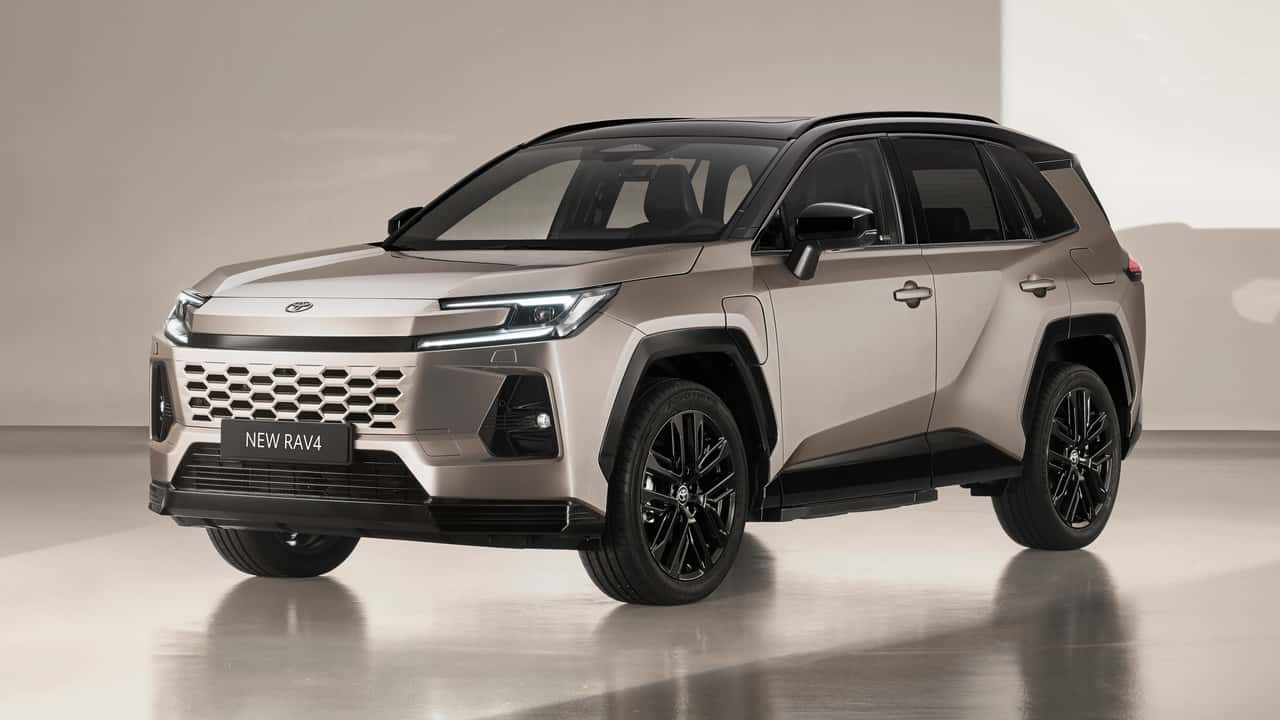
Toyota also has a fresh RAV4 for dealers. The combination of the model redesign and expanded powertrain options has eager buyers ready to spend good money. According to Automotive News, Toyota's fitting the PHEV powertrain across more trim levels has also helped drive greater interest.

Toyota RAV4 PHEV
The PHEV RAV
You can get the base RAV4 SE as a PHEV, and it starts right around $43,000. Or you can jump to a top-spec GR Sport, which is PHEV only, and starts just over $51,000. The middle trims in between are also available, packing the same motive setup.
It's not just the PHEV models moving off dealer lots; Toyota shoppers are buying regular hybrids in greater numbers as well. Hybrid models climbed nearly 24 percent in July and are almost 15 percent higher year to date than in 2025.
Lexus hybrids aren't doing as well for the year, but have still climbed strongly in July. The Lexus PHEV offerings, however, are moving incredibly strongly, just like their Toyota cousins.
Motor1's Take: This doesn't seem like a magic market moment, but some basic Econ 101 is at play. Toyota has enabled a greater flow of product to more locations, and sales have increased.
Gas prices are high, so these fuel-efficient offerings appear incredibly appealing right now. Especially in parts of the country where an EV might not make as much sense due to long driving distances and existing infrastructure.
More Toyota News
RECOMMENDED FOR YOU
Your Car Has a Hidden Mechanical Key. Here's Why It's There
Ford 's Hypercar Finally Hits The Track, And It Sounds Amazing
Man Spots Used Toyota Camry For $7,000. Then He Sees How Much It Costs At CarMax: ‘Crazy’
I Drove Two Of Mercedes' Most Extreme Cars, 52 Years Apart: 300 SLS Vs SLR Stirling Moss
Prius Architect Hiroshi Okuda Dies At 93, Reshaped Toyota
Mini’s Next Cooper Might Switch To Rear-Wheel Drive—R50 Cues Return
Woman Says She Has To Check Other Toyota Dealership Before Buying. Then The Salesman Pulls An Unprecedented Move To Keep Her Here