How Renault Outsmarted Cheap Chinese EVs, And Profited
Renault 5 E-Tech electric, Scenic E-Tech and Dacia Spring anchor a higher EV mix while cost cuts defend profitability in a tougher European market

THE BREAKDOWN
- Renault returned to net profit in H1 2026, lifting revenue about 9.5%.
- In Europe, electrified models now account for roughly 52% of sales, with pure EVs at 18.8%.
- Every new model must at least match full-hybrid profitability, a hard rule that keeps EV margins intact against cheaper Chinese rivals.
Renault used to be the warning label for how badly an old-guard automaker could stumble in the EV transition. In the first half of 2026, it looks more like a case study. Global volume barely moved, with just over 1.165 million vehicles sold, yet revenue climbed around 9.5% and the group swung back to a clean net profit. All of that is happening while a wave of cheaper Chinese crossovers and hatchbacks crashes into Europe and pushes competitors to slash prices.
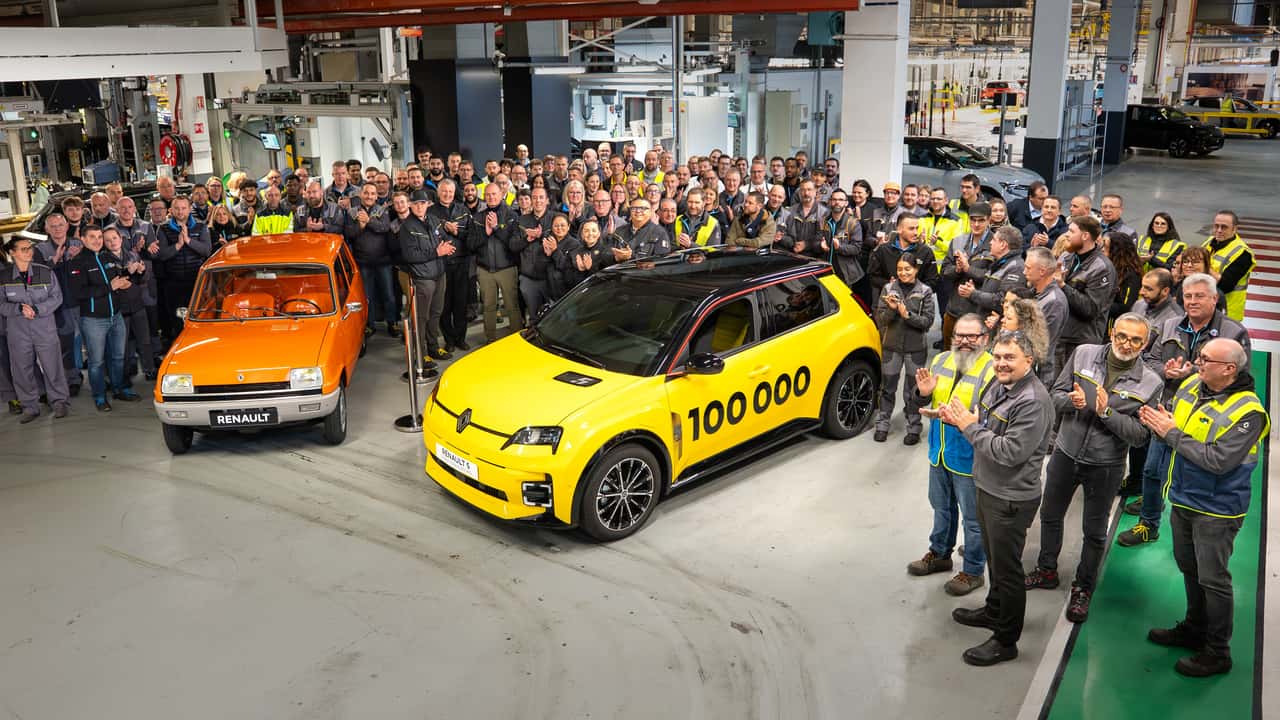
Every European legacy brand is fighting the same war: grow the EV share without torching margins. Renault’s answer is to push a richer electrified mix while cutting costs hard in the background. In Europe, electrified models now make up about 52% of sales, and full EVs account for 18.8% of group volume. For the Renault badge alone, battery-electric deliveries are up more than 60% year on year. EVs are no longer a side hustle, they are one of the main profit engines.

Megane Scenic E-Tech electric production line in Douai
Renault EV Mix: Profit From Value, Not Volume
Renault’s turnaround is built on quality of revenue, not sheer volume. Global registrations slipped 0.4% in the first half of 2026, yet the company still pushed revenue higher thanks to a heavier mix of electrified and higher-spec models. In plain terms, Renault is selling slightly fewer cars but making more money on each one.
The key is a hard internal rule. New EVs like the Renault 5, Renault 4 and the next Twingo only get approved if they can at least match the profitability of the brand’s full hybrids. There is no room for loss-making "compliance" cars designed just to hit CO2 targets. That mindset lets Renault walk away from low-margin deals instead of following every Chinese price cut down the ladder.
It also lines up with where the European market is going. Battery-electric share across the EU and EFTA is now above 20%, and Chinese brands are already operating at scale in that space. By insisting that each new EV earns its keep from day one, Renault is trying to meet that pressure with healthy pricing power rather than pure volume.
Megane Scenic E-Tech electric production line in Douai
Chinese Pressure And Stellantis: Margin Squeeze, Not Collapse
The backdrop is getting tougher. Chinese manufacturers are gaining share in Europe’s small and compact EV segments, the same territory where Renault trades, and are already reshaping markets across Asia, Africa and South America. At home, groups like Stellantis are leaning into budget EVs that undercut many traditional superminis, pulling prices lower at the value end of the market.
Renault is caught in that squeeze. Western Europe still delivers much of the profit, but growth is coming faster from lower-margin regions such as India and Turkey. At the same time, Chinese competition is dragging down EV transaction prices, while European rivals reach for discounts to keep metal moving. Renault’s response is to take friction out of its cost base so it can hold the line on pricing where the brand still carries weight.
After hitting roughly €400 per vehicle in variable cost savings by 2025, the group is now aiming for a similar figure in structural savings over the medium term. That means reorganizing engineering, streamlining platforms and pushing more shared components across Renault, Dacia and Alpine. The leaner the car underneath, the less pressure there is to chase every discounted offer from Beijing or Turin.
Motor1's Take: Renault is showing that you can grow EV share, defend margins and still stare down cheaper Chinese rivals without blinking. The trick is refusing to sell electric cars at a loss, then backing that stance with the grind of cost cutting and a smart product ladder from Twingo to Scenic. By tying every new model to hybrid-level profitability and using the Renault 5 as both a volume anchor and a halo, the group is buying itself time that some competitors are spending on subsidies. If you are a European legacy brand looking at the next five years, this is the template you will be measured against.
More From Renault:
RECOMMENDED FOR YOU
Thousands Protest As Volkswagen Weighs Closing Historic Audi Factory
Ferrari Is Sold Out Through 2027
GM Is Already Replacing The New Chevrolet Equinox EV
Man Pulls Up To Speedway Gas Station. What He Sees Next Stops Him In His Tracks: ‘I’ve Always Been Told…’
The Land Rover Discovery Sport Is Dead
CarMax Vs Carvana: Which Used-Car Giant Has The Better Return Policy?
Genesis Could Build Something Even Hotter Than Magma