Does Your Car Smell Like Crayons? There's A Reason
That waxy smell probably isn’t coming from a forgotten box under the seat. Your car’s insulation, adhesives, and rustproofing materials may be responsible.
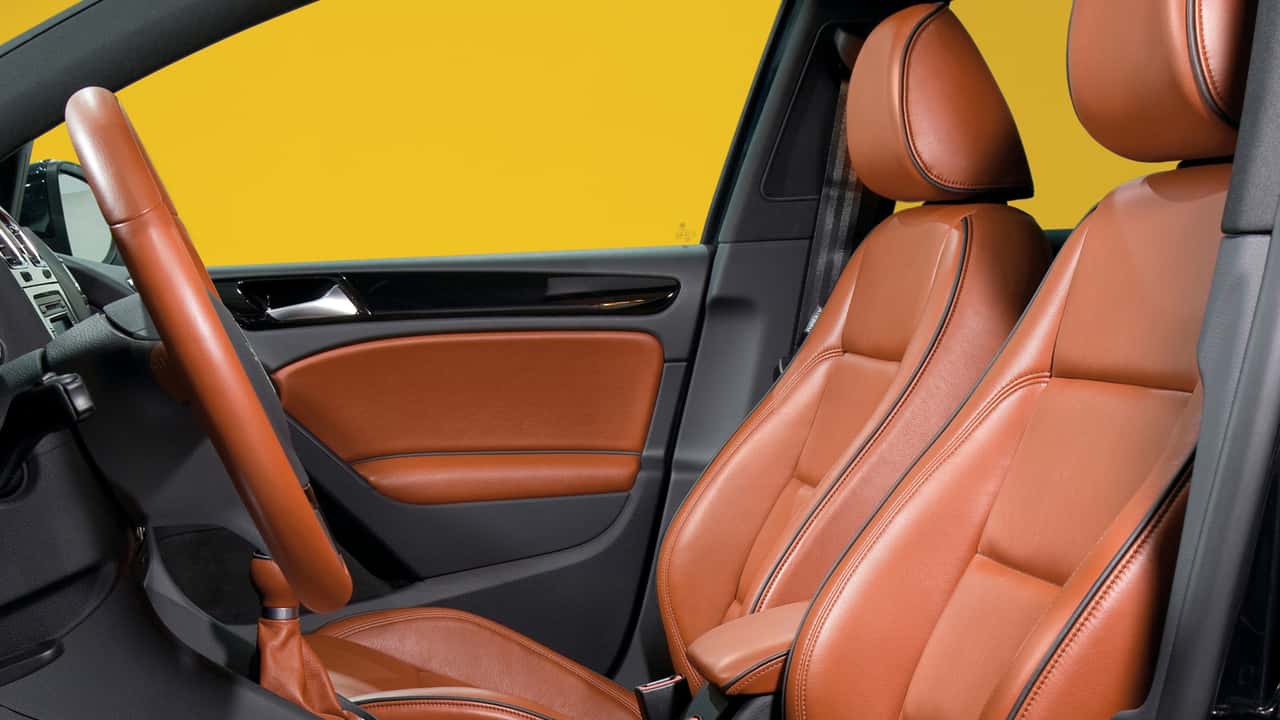

No, someone probably didn’t leave a box of Crayolas under the seat. That strangely familiar smell may be coming from the car itself.
Open the door of an older Volkswagen, BMW, Mercedes-Benz, Audi, Saab, or Volvo on a hot afternoon, and you may suddenly feel like you’re standing in an elementary-school art room.
The seats are empty. The cupholders are clean. There isn’t a crayon anywhere in sight. But the cabin still smells like someone melted an entire 64-count box beneath the dashboard.
You aren’t imagining it. That waxy aroma is a surprisingly common characteristic of some aging cars, and it often comes from materials hidden beneath the carpet, inside the doors, and behind the interior trim.
Your Car Has Wax Hidden Inside It
Automakers use protective coatings inside doors, rocker panels, frame rails, and other enclosed areas that most owners will never see.
Some cavity waxes are specifically designed to remain soft and pliable rather than drying into a hard shell. That allows the material to flow into small gaps and continue protecting internal metal panels from corrosion.
That is good news for the car’s body. It isn’t always good news for your nose.
Combine those waxy materials with adhesives, carpet backing, foam, insulation, and sound-deadening products, and there are plenty of substances that can produce strange odors as they age.
In certain vehicles, the resulting smell is remarkably similar to crayons.
Why Older German Cars Get Blamed
Volkswagen may be the brand most closely associated with the crayon smell.
Owners of older Golfs, GTIs, New Beetles, and Jettas regularly describe their interiors as smelling like wax, crayons, or an elementary-school craft cabinet. This is especially true during warm weather.
But Volkswagen isn’t alone.
BMW issued technical guidance addressing a wax-crayon-like smell in some older models. In certain cars, the company traced the odor to material around the rear parcel shelf and later identified degradation of the sound-insulating mat as the cause. The prescribed repair involved replacing the affected insulation and potentially other odor-producing trunk panels.
The smell is recognizable enough to have inspired entire online discussions. In one r/cars Reddit thread asking why certain Mercedes-Benz vehicles smell like crayons, owners reported encountering the same aroma in Volkswagens, BMWs, Saabs, Volvos, and Porsches.
That doesn’t mean every crayon-smelling car has the same problem.
In one vehicle, the source might be insulation. In another, it could be carpet padding, adhesive, corrosion-protection material, or several aging components working together.
The most common ingredients are old interior materials and heat.


Summer Makes It Much Worse
Many owners barely notice the smell during winter. Then the first hot day arrives, and the interior suddenly smells like a box of crayons left on a radiator.
A parked car can become extremely hot in direct sunlight. That heat warms the adhesives, waxes, plastics, and insulation hidden throughout the cabin, causing the materials to release more odor into the enclosed space.
That’s why the smell may be mild during a cold morning commute but overwhelming when you open the door after the car has been sitting in the sun all afternoon.
It may also seem to disappear for months before returning every summer. One documented BMW owner reported that the odor weakened during the fall before returning the following summer.
Is the Smell Dangerous?
A familiar waxy odor that has been present for years and becomes stronger in warm weather doesn’t typically indicate a mechanical problem. But not every plastic-like smell should be ignored.
A new odor that smells sharp, acrid, or distinctly like burning plastic could indicate overheated wiring, an electrical short, melting insulation, or another heat-related problem. Burning smells accompanied by smoke, malfunctioning electronics, hot interior panels, or warning lights deserve immediate attention.
There is an important difference between an older Volkswagen that has always smelled faintly like crayons and a dashboard that suddenly smells like a campfire.
The first may be an unusual personality trait. The second could be a warning.
Consider It Part of the Car’s Personality
Every older vehicle develops a particular smell.
It might be old leather, warm plastic, upholstery cleaner, engine oil, gasoline, or something the previous owner spilled beneath the passenger seat years ago.
But few automotive aromas are as specific, or as instantly recognizable, as the smell of crayons.
It doesn’t necessarily mean your car is dirty, broken, or hiding a forgotten art project. It may simply be the scent of its insulation, adhesives, and corrosion protection slowly warming beneath the summer sun.
Nobody left a box of crayons in your car.
Your car might have smelled that way all along.
More Motor101
RECOMMENDED FOR YOU

You Bought The Car. Why Are You Still Paying For Subscriptions?
Car Salesman Says Nissan Rogue Is Identical To This Crossover SUV. The Other One’s Cheaper: 'Stole They Whole Flow'
CarMax Vs Carvana: Which Used-Car Giant Has The Better Return Policy?
JLR's New North American CEO Has A Lot Of Work To Do
Here's Why Your Car's Rear Windows Don’t Roll All the Way Down
RIP: These Cars Won't Make It To 2027
Why Cars Have Tiny Black Dots Around The Windshield