Heavy-Duty Trucks Are Finally Getting The Safety Ratings They Need
Believe it or not, commercial vehicles are not tested under consumer standards. But that will soon change.

THE BREAKDOWN
- The IIHS will publish safety evaluations for commercial trucks and vans.
- This data has never been publicly available before.
- Commercial trucks represent 16% of all road deaths from 2023.
Unlike any other car, SUV, or full-size truck, commercial vehicles (meaning heavy-duty trucks and vans) do not have to pass the same Federal Motor Vehicle Safety Standards (FMVSS). That means you will not see a star rating from the National Highway Safety Administration (NHTSA), nor are they evaluated by independent organizations like the Insurance Institute for Highway Safety (IIHS).
For the first time, however, the IIHS released evaluations for commercial vehicles, testing features that it considers essential on passenger vehicles but are typically not assessed on larger trucks and vans. These include standard front and side airbags, seat belt pre-tensioners, seat belt force limiter, and seat belt reminders. Later this year, the IIHS will release data on other features, including automatic emergency braking and headlights.
The categories were scored in a pass/fail manner with a green checkmark or a red "X." The IIHS evaluated three heavy-duty pickup trucks:
- 2026 Chevrolet Silverado 3500HD
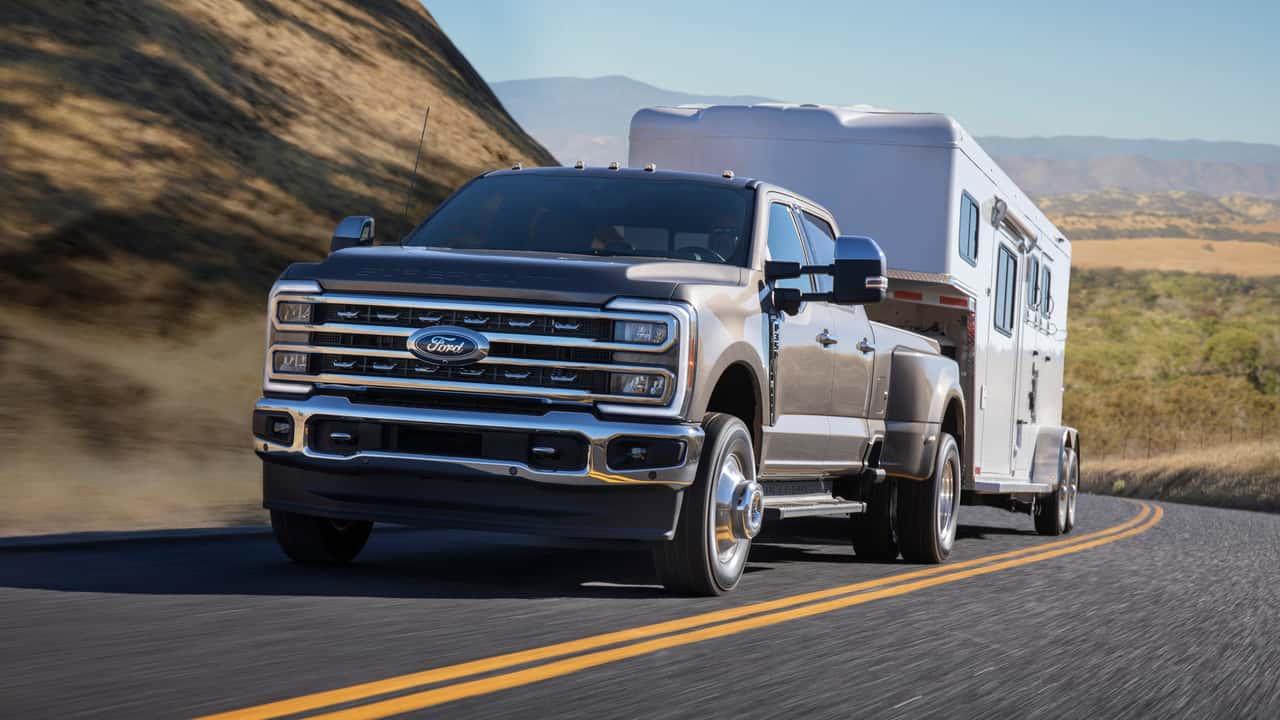
- 2025 Ford F-350 Super Duty
- 2025 Ram 3500
It also looked at six cargo vans:
- 2025 BrightDrop 400
- 2025 Ram ProMaster 2500
- 2025 Ford Transit T250
- 2025 Mercedes Sprinter 2500
- 2025 Rivian Delivery 500
- 2025 Chevrolet Express 2500

Chevrolet Silverado 3500HD
Four vehicles—the BrightDrop 400, Ram ProMaster 2500, 2026 Chevrolet 3500HD, and 2025 Ford F-350—achieved "perfect" scores, passing in all five categories. The Transit, Sprinter, Delivery, Express, and Ram 3500 all failed in the seat belt reminder category, while the Express also failed because it lacks standard seat belt force limiters.
"For decades, IIHS has helped consumers prioritize safety in their car-buying decisions," IIHS President David Harkey said. "These initial evaluations mark our first foray into commercial vehicles, which for too long have been an afterthought when it comes to regulations and safety information."
The IIHS releasing data for these vehicles is a huge net benefit for society. A total of 6,535 people were killed in crashes that involved a heavy- or medium-duty truck or light van, according to IIHS data from 2023. That accounts for 16 percent of all roadway fatalities in the United States.
As part of its 30x30 vision, the IIHS aims to reduce road fatalities by 30 percent by 2030, following an unexpected 30 percent increase in crash deaths from 2014 to 2022 in the US. Stronger regulations can help reduce fatalities, but the IIHS believes its information can help commercial vehicle buyers make informed decisions to buy safer models that can also reduce the number of deaths.
Motor1’s Take: It’s understandable why commercial vehicles did not have to meet the same standards as smaller vehicles; they were heavier and built to haul heavy loads. Many times, these vehicles were driven exclusively for work, so excluding them from safety and emissions testing made sense. But with so many of these trucks now being driven as personal vehicles, their exemption from these standards should be called into question.
Related Articles
Source: IIHS
RECOMMENDED FOR YOU
'I’d Cancel My Hotel:' Woman Chooses 'Mystery Car' From Avis. Then She Sees What She Gets
Woman Goes To Valvoline. Then They Ask Her A Question She Has No Response To: 'I'm Gonna Completely Embarrass Myself'
Renault shows three electric vans on a new platform
Man Buys Used Honda Civic. Then He Learns It’ll Cost $9,000 For It To Pass Inspection: ‘Honda Is 100% Trying To...'
UK's van market: January sales plummet 20.5 per cent, Ford on top
The Real Reason Carvana Built Giant Car Vending Machines
Farewell to Nikola electric trucks? Company on the brink of bankruptcy