Who Actually Invented The Drive-Thru? It's Complicated
The history of the drive-thru is complicated, but several restaurants helped shape the modern experience.
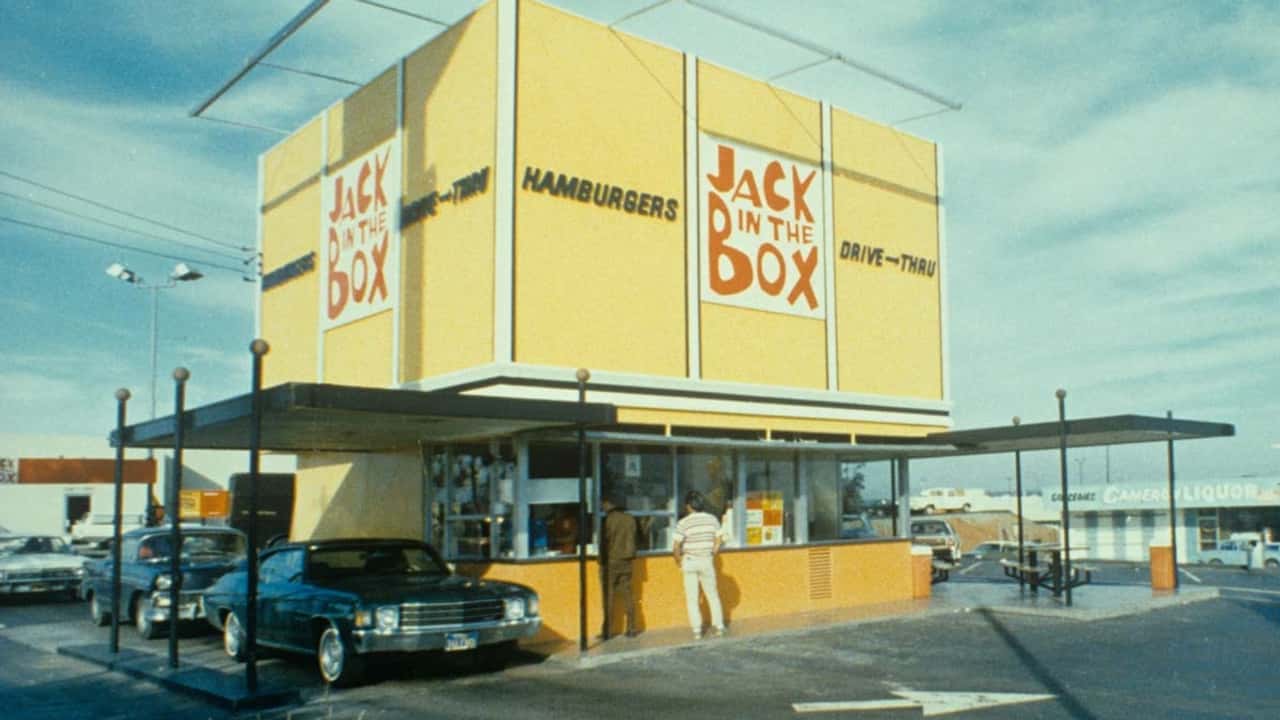

Today, drive-thrus are a familiar part of everyday life. Whether you're grabbing a burger, picking up a coffee, collecting a prescription, or making a quick stop at a bank, the concept lets you get what you need without leaving your car. But who came up with the idea in the first place?
The answer is more complicated than you might expect, with several businesses playing important roles in the evolution of drive-thru service. The story begins in the early days of America's automobile boom, when restaurant owners realized that motorists wanted more convenient ways to buy food.
The First Drive-In Restaurant Came Before The Drive-Thru
To understand the origins of the drive-thru, it's important to distinguish it from the older drive-in concept. The first drive-in restaurant is widely credited to Kirby's Pig Stand, which opened along the Dallas-Fort Worth Highway in Texas in 1921.
Founded by businessman Jessie G. Kirby and physician Reuben W. Jackson, the restaurant catered to motorists who wanted a quick meal without sitting inside a traditional restaurant. Instead of driving up to a dedicated service window, customers parked their vehicles while employees known as carhops took orders and delivered food directly to them.
Some workers even used trays that attached to car windows, allowing customers to eat without leaving their seats. The concept quickly caught on as automobile ownership increased across the United States. Restaurants recognized that drivers valued speed and convenience, creating a new approach to dining that would eventually lead to the modern drive-thru.
However, while Kirby's Pig Stand helped establish the drive-in restaurant—which unexpectedly regained popularity during the COVID-19 pandemic—identifying the first true drive-thru requires looking at what happened next.
Who Invented The First Drive-Thru Window?
One of the earliest documented drive-thru innovations came from a California location of Kirby's Pig Stand. In 1931, Pig Stand Number 21 in Los Angeles reportedly began allowing motorists to order and collect bagged meals from a service window.
This was a significant step toward the modern drive-thru, although historical accounts differ on exactly how early customers interacted with the window and whether they always remained inside their vehicles. The distinction matters because serving customers at a window is not necessarily the same as operating a fully developed drive-thru restaurant.
Another major contender emerged after World War II. Red's Giant Hamburg opened in Springfield, Missouri, in 1947 and is widely credited with pioneering the dedicated drive-thru restaurant. Located along Route 66, the restaurant featured a service window that allowed motorists to order and collect their meals without entering the building.
The postwar years were an ideal time for the concept to take off. Americans were buying more cars, suburban communities were expanding, and roadside businesses were competing to serve increasingly mobile customers.
How In-N-Out Burger Changed The Drive-Thru

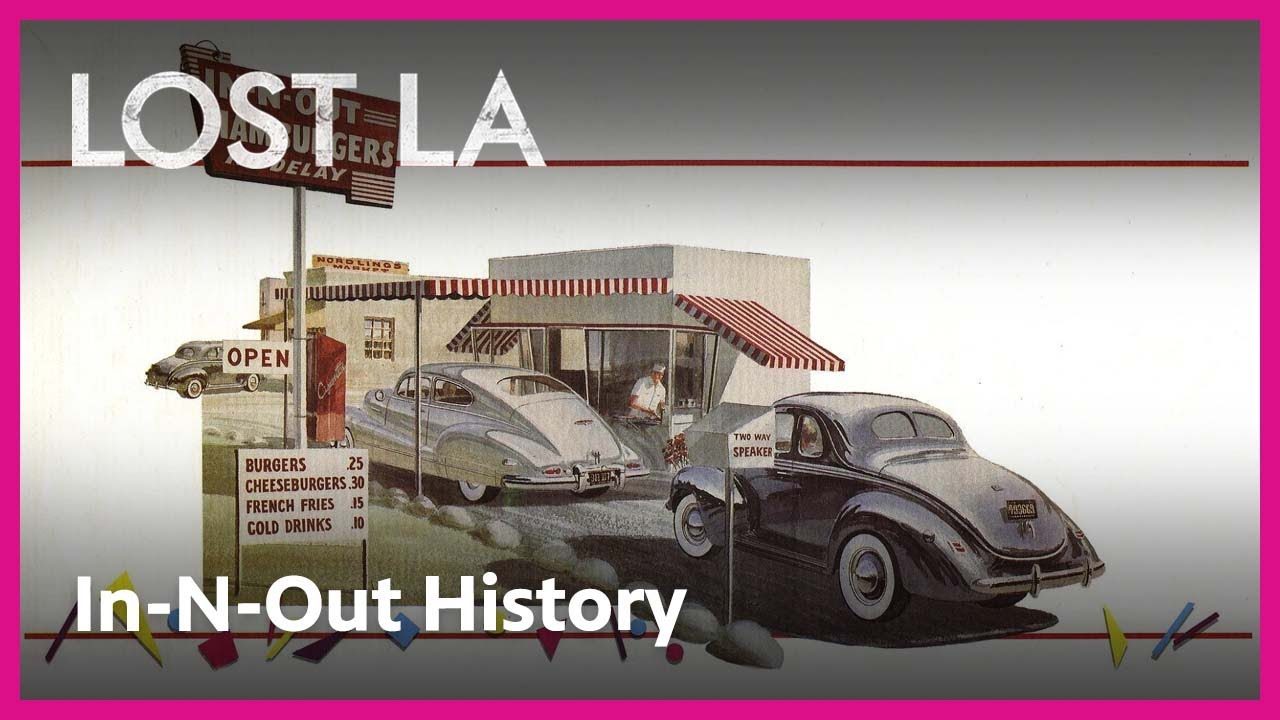
In-N-Out Burger helped turn the drive-thru into a more recognizable modern experience when Harry and Esther Snyder opened their first restaurant in Baldwin Park, California, in 1948.
The small hamburger stand was designed around the idea that customers should be able to order and receive food without leaving their cars. Harry Snyder also introduced a two-way speaker system, allowing customers to place orders remotely rather than speaking directly to an employee at a window.
That innovation helped establish the ordering process that remains familiar at fast-food restaurants today. Drivers could pull into a designated lane, communicate their order through a speaker, and collect their food at the service window. According to In-N-Out's official history, the original restaurant introduced its two-way speaker box in 1948. The company describes the system as a key part of its early drive-thru model.
In-N-Out wasn't necessarily the first business to serve food through a window, but its combination of drive-thru-focused design and two-way ordering helped popularize the format. Other restaurant chains gradually adopted similar systems as demand for quick, convenient meals continued to grow.
The Drive-Thru Milestones That Changed Fast Food
Several businesses helped shape the drive-thru as it evolved from a roadside novelty into a major part of the restaurant industry. Here's a short chronology of how the drive-thru system took shape:
- 1921 – Kirby's Pig Stand: The Texas restaurant helped popularize drive-in dining, allowing customers to eat in their parked cars.
- 1931 – Pig Stand Number 21: The Los Angeles location reportedly introduced a service window for motorists to collect bagged meals.
- 1947 – Red's Giant Hamburg: The Missouri restaurant is widely credited with pioneering the dedicated drive-thru restaurant.
- 1948 – In-N-Out Burger: The California chain introduced a two-way speaker system that let customers place orders without leaving their cars.
- 1975 – McDonald's: The chain opened its first US drive-thru in Sierra Vista, Arizona, decades after smaller competitors had already embraced the format.
McDonald's eventual adoption of the drive-thru helped bring the concept to an even larger audience. Its first US drive-thru was introduced partly to serve soldiers stationed at nearby Fort Huachuca, who were required to remain in their vehicles while wearing military uniforms off base.
The format subsequently became central to the operations of major fast-food chains, influencing restaurant layouts, menu design, staffing, and the way customers interacted with businesses.
Who Do People Think Invented The First Drive-Thru?
The internet is divided over who deserves credit for inventing the drive-thru. In a discussion on r/todayilearned, commenters debate the competing claims of In-N-Out and McDonald's, while pointing out that Red's Giant Hamburg opened in Springfield, Missouri, in 1947.
In a thread on r/pics featuring Red's Giant Hamburg, users highlight the restaurant's history and its reputation as America's first drive-thru. Meanwhile, In-N-Out fans discuss whether the chain invented the modern drive-thru, particularly because founder Harry Snyder introduced a two-way speaker system in 1948.
The debate also extends to McDonald's, whose first US drive-thru opened in 1975. In a discussion on r/nostalgia, users express surprise that the chain adopted the format decades after earlier competitors.
The Drive-Thru Is Bigger Than Fast Food
Although the drive-thru is most closely associated with burgers, fries, and coffee, the idea has expanded well beyond restaurants. Pharmacies, banks, dry cleaners, and other businesses have adopted vehicle-based service to make everyday transactions faster and more convenient.
The concept has also continued to evolve technologically. Digital menu boards, automated ordering systems, mobile apps, and multiple service lanes have helped restaurants handle more customers while reducing waiting times. Yet the underlying idea remains much the same as it was in the early days of automobile culture: make it easier for people to get what they need without having to park and walk inside.
So, who invented the first drive-thru?
There is no universally accepted answer. Kirby's Pig Stand helped pioneer drive-in dining and introduced an early service-window concept; Red's Giant Hamburg is widely credited with opening the first dedicated drive-thru restaurant, and In-N-Out Burger helped refine the experience with two-way speaker ordering.
What's certain is that the drive-thru has become a cornerstone of American culture and car-centric convenience, as certified by the Smithsonian Museum of American History.
More From Motor101
RECOMMENDED FOR YOU

Are Hybrids Actually Less Reliable? The Answer Isn't So Simple
Ford Has A Clever New Idea For Storing Spare Tires
Those Fuzzy Dice Hanging In Cars Have WWII Origins
Fiat's $14,000 Topolino Is Finally Street Legal In The US (Within Reason)
How A Tiny Ohio Town Became The Tire Capital Of The World
A Used Porsche Cayenne Is A Lot Of SUV For The Money: Why Buy?
Your Car Can Be Stolen From Your Driveway Without The Keys. Here's How