You're Probably Not Checking Your Tire Pressure Enough
It takes just minutes, but ignoring your tire pressure could cost you fuel, tire life—and potentially your safety.
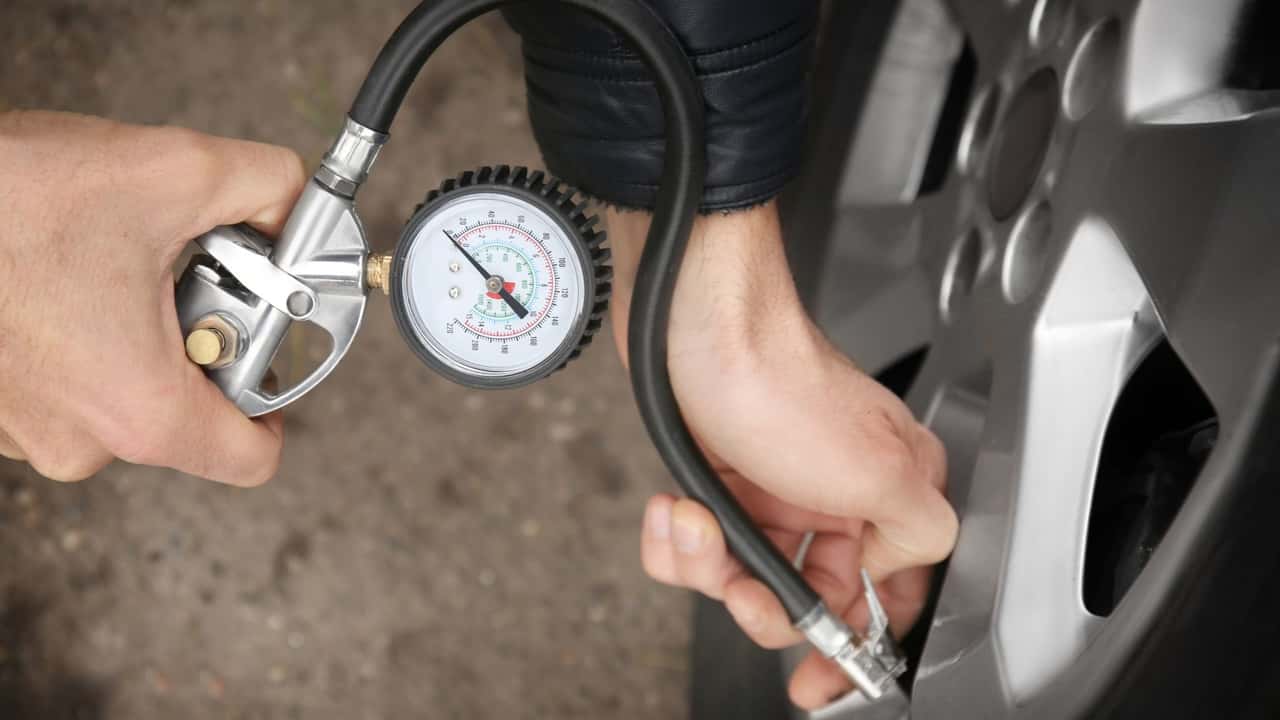

There's one basic maintenance task that can take just a few minutes but is surprisingly easy to ignore: checking your tire pressure.
Many drivers wait for the Tire Pressure Monitoring System (TPMS) warning light to tell them something is wrong. But that warning may not appear until a tire is already significantly underinflated. NHTSA recommends checking all tires, including the spare, at least once a month when they're cold.
Why Tire Pressure Matters More Than You Think
Tire pressure affects more than just how your car feels on the road. Underinflated tires can wear faster, hurt fuel economy and increase the risk of tire failure.
NHTSA says proper inflation can extend the average life of a tire by about 4,700 miles.
Mind you, the correct pressure is not the number molded into the tire's sidewall; that’s the tire's maximum pressure rating, meaning the pressure required for that specific tire to safely support its absolute maximum weight capacity.
Instead, use the pressure listed on the driver's-door placard, on the back of the fuel door, or in the owner's manual. Do note that there are generally different pressures for front and rear tires, as well as different pressures based on how much weight your car carries.
So for example, if your car carries five passengers and a full trunk of luggage, choose the appropriate pressure for that scenario. If your car is not fully loaded, it goes without saying that you should not go for the maximum pressure listed on the placard.
Your TPMS Light Doesn't Replace A Pressure Check
Modern cars make tire maintenance easier with Tire Pressure Monitoring Systems, but the system isn't designed to replace regular checks.
NHTSA says TPMS typically activates when a tire is already significantly underinflated. A monthly manual check can catch pressure loss before it reaches that point.
Tires also naturally lose some air over time, even without a puncture. Temperature changes can affect pressure, too, which makes regular checks particularly useful as seasons change.
For example, the TPMS warning light can be triggered by a drop in outside temperature. As it gets colder, the air inside the tire gets denser and exerts less pressure on the tire's walls. Even though the amount of air inside the tire hasn't changed, the pressure reading has. If it falls below the threshold set by your vehicle's TPMS, the dashboard warning light turns on.
It Takes About Five Minutes Of Your Time
You don't need special tools or mechanical experience to check the pressure on your tires. Just do it when the tires are cold, ideally before driving or after the car has been parked for several hours.
- Check the recommended pressure on the driver's-door placard, on the back of the fuel door, or in the owner's manual.
- Measure all four tires with a reliable pressure gauge.
- Add or release air if necessary until each tire reaches the recommended pressure.
- Also check the spare tire’s pressure if your vehicle has one; if you have a space-saver tire, make sure to follow the recommended pressure.
- Inspect all tires for damage such as cuts, cracks, bulges or uneven wear.
The whole process can take just a few minutes, but doing it regularly can help catch problems before they become more serious.

The Maintenance Task Drivers Keep Putting Off
The frustrating part is that checking tire pressure is one of the easiest things you can do for your car.
AAA says 60% of drivers don't check their tire pressure at least monthly, despite the impact low pressure can have on safety, tire wear and fuel economy.
It's easy to assume that a tire is fine because it doesn't look flat and no warning light is illuminated. But tires can gradually lose air without showing an obvious change in appearance, and by the time a tire looks obviously low, it may already have lost a significant amount of pressure.
A slow leak can also develop from a nail, damaged valve or wheel issue, allowing pressure to drop over time. That's why a quick monthly check is worthwhile. Don't wait for a warning light—or a visibly flat tire—to find out your pressure is too low.
Many Drivers Admit They Rely Too Much On TPMS
Reddit discussions show just how easy it is to forget about tire pressure when a car has a Tire Pressure Monitoring System. In a recent r/tires thread, drivers debated whether they trusted their TPMS readings or still used a pressure gauge.
Several said they continued checking manually every month, while others warned against waiting for the dashboard warning because some systems may not alert the driver until a tire is already significantly underinflated.
Another r/driving discussion described monthly pressure checks as one of the most overlooked safety habits. One commenter pointed out that even with TPMS, they regularly check their tires because the warning system isn't necessarily a substitute for monitoring pressure yourself.
There's also a more basic divide among drivers, as am r/civic thread shows: some check their tires every week or month, while others only look at them before a long trip or when the warning light appears.
The Reddit takeaway fits the story perfectly: TPMS is a useful safety net, not a replacement for basic maintenance. A quick manual pressure check every month can catch a slow leak or gradual pressure loss before the warning light becomes the reason you finally pay attention.
No Pressure—Just Don’t Forget About It
You don't need to spend hours in the garage to stay on top of basic car maintenance.
Once a month, check your tire pressure while the tires are cold, inspect them for visible damage and make sure the pressure matches the vehicle manufacturer's recommendation.
It takes only a few minutes, but it can help your tires last longer, perform properly and keep you safer on the road. The simplest maintenance tasks are often the ones drivers forget—and tire pressure is one that's worth remembering.
More From Motor101
RECOMMENDED FOR YOU

Why Is WD-40 Called WD-40?
Cadillac Is Considering A V-Series.R Track Car For Customers
Why Your Steering Wheel Might Shake At Highway Speeds
Genesis G90 Flagship Sedan Spied With New Face
Your Car's Engine Sound Might Be Fake. Here’s Why Automakers Pipe It Through The Speakers
The New Grand Tour Is Here. Watch The First Trailer
Tire Pressure Matters