Man Does Something At The Gas Station That'll Make You Want To Think Twice Before Buying A Lease: ‘I Don’t Care’
"The guy at the gas station always looks at me crazy."
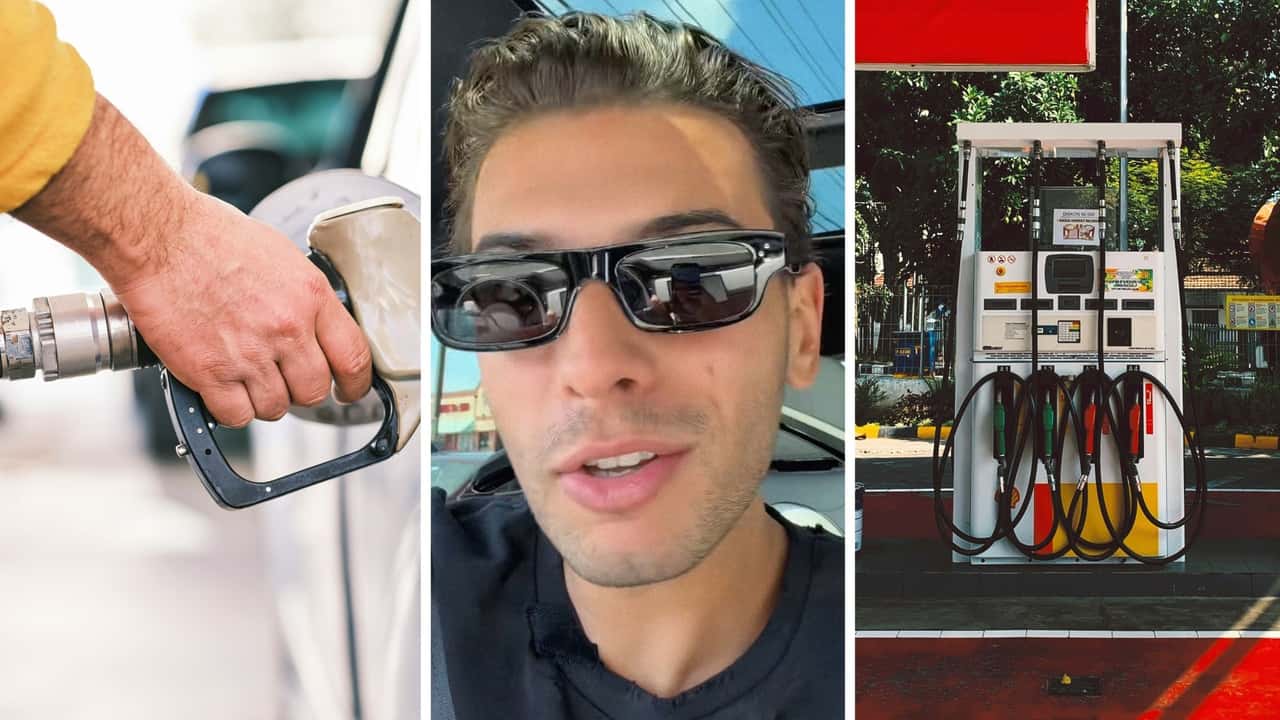

A car leaser’s attitude toward his temporary ride is making people think twice about purchasing previously leased vehicles.
Petie (@imthemime) published a video where he admits to only putting regular gas in his ride. This is despite the exhortations from a gas station attendant who advises him to use a higher fuel grade for his particular ride.
However, Petie expressed that because he isn’t owning the car for the long term, he doesn’t particularly care about any damage the car may sustain over time.
“The guy at the gas station always looks at me crazy when I tell him fill it up regular. He’s like, 'You sure, regular?' 'Yeah, I’m sure. I don’t own this [expletive]; I lease it. I’m saving 20, 30 cents on the gas. I don’t care,” he says before his clip comes to an end.
'Does That Not Ruin The Engine?'
Folks who replied to his video expressed concern over the driver’s gas-filling habits.
One person pointed out that putting a lower fuel grade inside of his ride ultimately affects performance. Additionally, they argued that the practice could be counterintuitive, as engines manufactured to use higher-octane gasoline can drive longer on this fuel. “Probably getting trash gas mileage and not saving money though,” they wrote.
Someone else echoed this aforementioned argument, penning, "If you have any kind of performance vehicle, this is an L.”
Petie didn’t seem concerned with this criticism, however. “Man’s really trying to be the mileage police,” he wrote. This prompted others to state that not springing for higher-octane gasoline contradicts his point about trying to save more money per gallon while he’s at the pump.
Do You Have To Use High Fuel Grades?
Kelley Blue Book (KBB) broke down the science of fuel grades in specific vehicles. In short, you should always use an automaker’s suggested fuel grades as delineated in a car’s user manual. This means that splurging on “better” gasoline won’t always benefit your vehicle.
If you’re rolling around in a Toyota Corolla, you probably shouldn’t fill up your tank with 94 octane. That’s because the vast majority of Corollas were specifically designed to run on 87. Dispensing higher-octane fuels won’t offer any performance or mileage benefits. Consequently, as KBB writes, “most drivers can save money at the pump by using regular unleaded on their cars.”
And while the driving dynamics of cars made to use regular won’t change by suddenly using premium, the inverse isn’t true.
Gallery: Sporty Cars That Run On Regular Gas




Why Putting Regular In A Car Made For Premiums Is A Bad Idea
The inverse isn’t true for whips whose engines were made to run on premium gas. KBB says, “Using lower than recommended [octane levels] can cause knocking and long-term engine issues.” This is why folks should “always follow … [their] owner’s manual guidance when choosing a type of gas,” according to the automotive research group.
But why is this the case? It all boils down to engine compression. For cars with engine blocks that use turbocharging or increased compression ratios to get moving, 87 grade won’t cut it. This is due to the mixture of air and fuel that’s passing through the engine. A lower-octane fuel will throw this ratio out of whack and, as a result, impede the performance of the vehicle using it.
And engines that require higher octane rely on more stable fuel: that’s what these numbered ratings represent. This increased consistency translates to a “gasoline’s resistance to preignition,” KBB writes.
Therefore, unsavory engine sounds can emanate from sparks that occur due to less stable gas usage. Persistent sparking and banging in the engine, over time, can damage the engine. This happens, again, when lower-than-recommended octanes are used in a vehicle. These less stable gasolines are more prone to pre-ignition in vehicles that were designed for octanes with minimized fuel-to-air ratios.
Using Regular Gas In A Premium Car Could Void Your Warranty
Babcock Auto Care corroborates KBB’s exhortations against using regular fuel in premium-graded cars. The auto service group says that drivers “might notice reduced performance” in the short term. Additionally, “lower fuel efficiency … and a check engine light” may pop up on the driver’s dashboard.
What’s more is that Cars.com says the practice of filling up on regular when an automaker calls for premium could leave you with a hefty repair bill. That’s because some car makers explicitly write that not using the correct type of fuel could result in a warranty being voided. If premium is only “recommended,” the site says that drivers could get by just putting regular in their ride. So, there isn’t any worry about being stuck paying for service due to incorrect fuel usage.
But there are benefits for some makes and models that allow drivers to select their own fuel grade. For instance, Mazda says its vehicles outfitted with turbocharged 2.5-liter four-cylinder engines get 250 hp with premium fuel. If you opt for regular, you’ll only get 227.
And if you accidentally put regular in your premium-graded car, don’t fret. Doing so once probably won’t damage your vehicle. But if you’re worried it might, try adding an octane booster to your gas tank. And next time, use the correct fuel grade.
Motor1 has reached out to Petie via email for further comment. We will update this story if he responds.
RECOMMENDED FOR YOU
This Car Just Won't Start. Then The Mechanic Working On It Discovers The Embarrassing Reason Why: 'Take Their Keys'
'Boot' Tries To Take Out Mercedes Driver Every Time They Open It. Then They Take It To The Shop: ‘Feels Calculated And Personal’
Car Salesman Says You Don’t Need To Go To A Dealership For A Test Drive. Are Takeout Test Drives The Next Big Thing?: 'Way Easier'
Man Buys Ford Mustang. You Won't Believe The Trouble It Costs Him With His HOA: 'Threatened To Call The Police On Me'
Man Buys BMW With ‘Clean Report.’ Then He Finds Out It’s Totaled. Here's What Could Have Saved Him
Why Every New Car Seems To Have A Giant Screen Now
Customer Comes Into Shop At 8 A.M. They Put Something Unthinkable In Their Windshield Washer Fluid Reservoir: ‘Charge Them Double’